As a jazz vocalist, one of the biggest challenges I have faced, and continue to face in the music industry, is the lack of representation. Women are heavily under-represented in Jazz, and as a woman of color myself, this feeling is all too familiar. I have found myself time and time again hesitating to speak up or insert myself into situations that I know would contribute to my growth as a musician, for fear that I will be dismissed, judged, seen as “annoying” or “too much”. I struggle to relate to my peers, who are oftentimes white men, and who are almost immediately accepted into the same spaces that to me feel scary, daunting, and overwhelming.
The music industry is incredibly flawed, and although this issue has been very difficult for me to deal with, it also inspires me to create change so that future generations of women of color feel more accepted in the music industry and specifically in the Jazz scene. I am learning to remove any doubt from my mind and be persistent in my efforts to fight against this narrative that has been constructed surrounding women, and specifically women of color.
As someone who has found incredible comfort in organizations on my campus, such as the Latin American Student Organization, the Lebanese Student Association, and the student retention programs, I understand how important it is for students of color to feel like they have a safe space and a sense of community. I believe creating spaces like this in the music industry, particularly for youth, could be incredibly beneficial and give BIPOC a better chance at being successful in the industry.
I plan on using my platform to create music projects for underserved youth, providing opportunities to develop their talent and artistic voices, and learn how to use their platform to contribute to different causes that they are passionate about. Given the underrepresentation of women in jazz, I also envision creating ensembles featuring the music of BIPOC, female artists, and other underrepresented groups. I hope that my efforts will help provide more visibility for groups that have historically been underrepresented in the music industry and inspire youth to follow their dreams, no matter what their background or circumstances are. This is incredibly important to me as a woman of color and one of my biggest goals as a musician. Music is an incredible force with the power to unite and heal people, and no one should have to feel like they are out of place in this industry.
The current music landscape feels like a paradox: both more open than ever, and yet still full of noise. With streaming platforms, anyone can share their voice with the world, which has created an explosion of diversity. We now hear sounds from every corner of the globe, from Afrobeat to K-pop to Brazilian jazz, reaching audiences that might never have encountered them before. At the same time, the overwhelming flood of content means that it is easy for meaningful art to be drowned out by algorithms, trends, and commercial formulas that reward quick attention over depth.
In this moment, I believe music needs two things: presence and truth. Presence, because music has to cut through distraction and ground people in an experience that feels alive, not disposable. Truth, because audiences are hungry for voices that carry authenticity — voices that reveal something raw, vulnerable, or transformative. When I listen to artists who embody that, I feel the difference immediately: it is not just sound, but soul.
I see myself working within this landscape as both a performer and a connector. I want to bring forward music that holds space for complexity — music that is technically strong, but also emotionally generous. I am drawn to classical training and opera because of its discipline and power, but equally to Brazilian genres like bossa nova and samba, which carry history, intimacy, and cultural memory. I want to weave these traditions together, creating bridges between classical refinement and the improvisational spirit of my heritage. By doing so, I hope to create performances that not only showcase vocal ability, but also tell stories that resonate across borders.
I also believe change in music today is not just about the sounds themselves, but about who gets to make them and who gets to be heard. As a trans woman, I know what it feels like to live at the margins of visibility, and I know how rare it is to see someone like me centered on stage in classical or operatic music. Representation matters. When people see someone who reflects them — whether through identity, culture, or lived experience — it opens the door for them to imagine themselves in that space too. My presence in the music world is not only about my voice; it is about creating more room for difference, for fluidity, for those who have not always been invited in.
Being impactful, to me, means carrying both excellence and empathy. Excellence, because I want my craft to be undeniable — built on training, discipline, and devotion to the art. Empathy, because I want my performances to move people, to help them feel more deeply, and to leave them more open-hearted than when they arrived.
Music has always been more than entertainment; it is a way of shaping culture, of reminding us what it means to be human together. I want my contribution to be one that brings people closer to themselves and to each other. Whether I am on a stage, in a classroom, or collaborating across genres, my goal is the same: to remind us that music is both mirror and bridge — it reflects who we are, and it carries us toward who we can become.
The Future of Piano Performance: A Personal Mission
My hands glowed beneath the warm golden lights as they hovered above the piano keys, trembling but steady. I was performing on one of the most famous stages in the world, Carnegie Hall. The crowd’s anticipation wrapped around me, and for a split second, doubt tried to sneak in. “Breathe, Bella.” I reminded myself, “You belong here.” Then I leaned in as my hands began to drift across the keys. Then the beauty of Chopin’s Nocturne No. 2 in C #minor flowed through my fingers. When the final note fell, the crowd erupted with applause. Seven years of daily practice, sacrificing sleep, and detailing every note have brought me to this point. Still, I couldn’t shake the feeling of not belonging. In that moment, I wasn’t a familiar face, yet I was proof that a Black girl from Roswell, Georgia, could and should be on this stage.
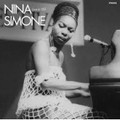
The day I performed at Carnegie Hall, I realized I was holding the torch passed on from Alicia Keys, Nina Simone, and Florence Prince. Not just the torch of passion and talent, but generational talent that shows up for those who don't see themselves in this space. It’s a sad, but true story. Black musicians make up only 2.1% of classical performers, and even fewer are Black women in piano performance. My experiences confirm this reality. From performing at Carnegie to spending summers at the Berklee College of Music to every competition in between, my skin was usually the surprise guest in the room. While I am proud to represent a small but powerful margin, my mission is to make classical piano a more diverse and inclusive space by showing up and leading the way.
Showing up for me means continuing to take the stage. As a Piano Performance major at Spelman College, I didn’t hesitate to join the Glee Club. Here, I will gain more stage experience, performing both locally and nationally. I will perform around the world not only to share my music but to serve as a beacon for aspiring young Black musicians everywhere, demonstrating that this space is for us too.
Beyond the stage, I lead the way as a piano teacher at Thunder Road Music Studios. Students like Ava, who aspire to become a pianist, are inspired because they see someone who looks like them there to light their path. When I’m not teaching professionally, I volunteer with STEM Plus Art, sharing the gift of music education with students like Elle and Hannah, who also deserve to learn. For me, watching shy and anxious hands become confident and melodic messengers makes me realize my purpose: to be present and able.
To be the best musician and teacher, I must first be the best student. At Spelman, I am growing as a performer and composer while building a strong foundation in artistry and leadership. By minoring in Entrepreneurship and Innovation, I am learning to build my brand and design sustainable music education programs for underserved youth in Atlanta. After Spelman, my goals are to earn my doctorate in music, perform around the world, create empowering music, and teach underserved children to pursue their musical dreams. Ultimately, I aim to leave a lasting legacy through performance and service. These are not just dreams; they are my call to action.
With the support of the McLean Music Scholarship, I can worry less about debt and focus on making a positive impact through my artistry and commitment to service. Together, we can ensure Black Excellence continues to thrive in piano performance.
Performance Link: https://www.youtube.com/watch?v=vBOdJdQqwHw
My name is Aidia Rivera, and I am an upcoming sophomore at Drexel University majoring in Music Business. From my perspective, today’s music landscape is more diverse and accessible than ever, largely thanks to the rise of social media. Artists are no longer limited by location or traditional industry paths—they can now build global audiences on their own terms. For example, Bad Bunny’s recent residency had a major impact on Puerto Rico’s economy—not just through local engagement, but through worldwide exposure and support from international fans. This shows how powerful music can be—economically, culturally, and socially.
Still, the industry remains extremely competitive—especially for those of us from small towns or underrepresented communities. I grew up in a low-income household in rural Pennsylvania, raised by my mom. While some of my peers turned to negative influences, I found music. I started singing at a young age, and by 15, I was recording my own songs. Eventually, I began organizing and hosting some of the first hip-hop shows in my predominantly rock-focused area. These shows didn’t just give me an outlet—they gave other local artists a platform and a sense of hope. It created a small community where people felt seen and heard.
I continued this work until the week before I left for my first year of college. At Drexel, I immediately fell in love with the Music Industry program and all the ways it prepares students to innovate and make a difference. During my first year, I taught myself how to DJ—something I brought back home for the summer. I’ve been organizing and performing at shows throughout my break, and I’m incredibly proud of what my peers and I are building.
However, funding my education has become a growing challenge. It’s just my mom and me at home, and although we’ve come this far together, we’re reaching a point where we need support. This scholarship would not only help ease that burden—it would help me stay on the path I’ve been carving for years.
I see myself making an impact in the music industry by continuing to give overlooked, hardworking artists a chance—whether through events, management, or advocacy. My dream is to build platforms that highlight real talent, especially from communities like mine, where opportunities are rare but the passion is real. Music gave me a purpose when I needed it most, and now I want to return the favor to others.