user profile avatar

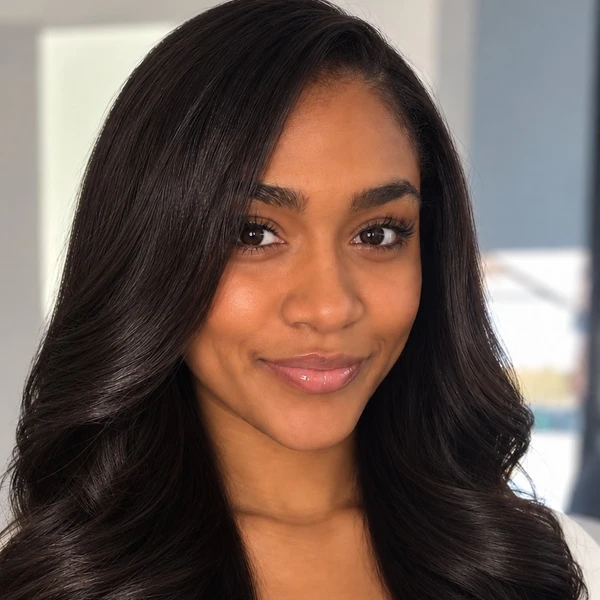
Bella Michael Provo

9x

Finalist

3x

Winner

Bio

Hello, I'm Bella Michael! My dream is to become Dr. Bella Michael D.M.A., a concert pianist, song writer, and educator who brings inspiration through the music I create, perform, and teach. I’m deeply committed to giving back and have plans to open a nonprofit music academy in underserved Atlanta communities because I believe children of all backgrounds deserve the chance to discover the power of music and pursue their dreams—just like I continue to do. To achieve my goals, I am attending Spelman College to major in Piano Performance under Dr. Rachel Chung and Dr. Kevin Johnson, with a minor in Entrepreneurship and Innovation. After undergraduate studies I will go on to New England Conservatory of Music to become Dr. Bella Michael, with a doctorates in musical arts! My musical achievements so far includes performing at Carnegie Hall in 2022, receiving the Presidential Volunteer Service Award in 2024 for tutoring in music and STEM, and earning the Goldman Sachs Philanthropy Award for my dedication to piano performance this year. I am confident that when I am awarded a scholarship I will make it's purpose so proud through my commitment to artistry and service. Your support would significantly reduce my student loan burden, allowing me to fully dedicate myself to the impact I will make through music. Thank you for your thoughtful consideration as you review my application. Sincerely and Very Best, Bella Michael P.S. Want to see me play? Click here >> https://www.youtube.com/watch?v=vBOdJdQqwHw

Education

Spelman College

Bachelor's degree program
2025 - 2029
  • Majors:
    • Visual and Performing Arts, General
    • Music
  • Minors:
    • Entrepreneurial and Small Business Operations
Gwinnett Technical College

Trade School
2023 - 2025
  • Majors:
    • Entrepreneurial and Small Business Operations
    • Marketing

Berklee College of Music

Technical bootcamp
2023 - 2024
  • Majors:
    • Music

Full Sail University

Technical bootcamp
2022 - 2023

Miscellaneous

  • Desired degree level:

    Bachelor's degree program

  • Graduate schools of interest:

  • Transfer schools of interest:

  • Majors of interest:

    • Music
    • Visual and Performing Arts, General
  • Not planning to go to medical school
  • Career

    • Dream career field:

      Music

    • Dream career goals:

      My long-term goal is travel the world as a concert pianist, compose music, and open music schools in underserved areas of Atlanta.

    • Music Theory Lab Attendant

      Sound Learning PIano
      2022 – 2022
    • Music Department Aide

      Spelman College
      2025 – Present1 year
    • Piano Instructor

      Thunder Road Music
      2022 – 20264 years

    Arts

    • Spelman Glee Club

      Music
      2026 – Present
    • Spelman College Chamber Orchestra

      Performance Art
      2025 – Present
    • Spelman College

      Music
      2023 – Present

    Public services

    • Volunteering

      Alpha Lambda Delta Honors Society — Atlanta Community Food Bank Volunteer
      2026 – Present
    • Volunteering

      Mathematical Application Shine To Encourage Rising Scholars (MASTERS) — Volunteer Math tutor
      2026 – Present
    • Volunteering

      Atlanta Humane Society — Adoption Assistant
      2025 – Present
    • Advocacy

      Spelman Pre-Alumnae Council (PAC) — Ambassador
      2025 – Present
    • Volunteering

      UNICEF — Organized food and clothing items for packaging
      2021 – 2021
    • Volunteering

      STEM Plus Art — Mentor of Music
      2022 – Present
    • Volunteering

      National English Honors Society — Literacy Coach
      2024 – 2025

    Future Interests

    Advocacy

    Politics

    Volunteering

    Philanthropy

    Entrepreneurship

    Lotus Scholarship
    They say the more money, the more problems. I disagree. Too often, dreams do not come true because of the poverty that stems from income inequality. Still, my dream was always simple: to play piano like my she-ro, Alicia Keys. By the time I turned 15, I had developed into a well-trained concert pianist who had already made my Carnegie Hall debut and studied at Berklee College of Music the year prior. Then everything changed when my single mom lost her job. Piano lessons suddenly became a luxury we couldn't afford anymore. I had no idea where to begin. Working in fast food or at the mall would have been way too tempting—food, clothes, makeup—I'd blow every paycheck. With college auditions approaching, I could not sacrifice school or piano practice. I needed a job that paid well and did not require too much time or temptation. Then it hit me—teach piano! Teaching added a deeper purpose to my life. I guided quiet fingers as they transformed into melodic storytellers. Under my instruction, brown girls like Ava found inspiration simply because someone shared their identity and showed up to light their path. Ava revealed to me that representation wasn't just a buzzword, but a calling to show up. Today, I continue to show up and pass a torch that was passed to me by women like Florence Price and Alicia Keys. As a Piano Performance major with a minor in Entrepreneurship and Innovation, I am preparing to do more than perform. I am preparing to build pathways to music. My goal is to build tuition-free music academies in underserved communities where underrepresented children who look like me can access exceptional music teachers and quality instruments, not because they beat impossible odds, but because opportunity finally showed up and met their talent.
    Sloane Stephens Doc & Glo Scholarship
    “A Choice to Change the World.” That’s the Spelman model, and it's one of the biggest reasons I chose this legendary HBCU to pursue my dream of making a difference in music. Sometimes the most powerful thing a young Black girl can see is another Black woman confidently seated at the piano bench, leading the classroom, and proving that she belongs. That visibility has the power to transform self-doubt into possibility, which means creating spaces where young girls can discover their own voices and believe they are worthy of pursuing their dreams in music performance. At Spelman, I am not just learning how to master the piano; I am learning how to expand education and who needs that knowledge most. As a member of the Spelman Civic Engagement program, I am learning how servant leadership, community partnerships, and advocacy can create lasting change beyond campus. Those conversations continually challenge me to ask not, "How can I succeed?" but "Who can come with me?" That same question follows me to the piano bench. One afternoon, my student paused in the middle of her lesson, looked up, and said, "Ms. Bella, I want to play piano because you play it." In that moment, I saw myself at eight years old watching Alicia Keys perform No One. I remembered wondering if there was room for a girl who looked like me in classical music. Since then, I have sat at my keyboard, peering into the homes of underserved students through my iPad, providing free virtual piano lessons, filling living rooms with scales, sonatas, laughter, and confidence. Music became more than a solo pursuit. It became an invitation for others to belong. However, my dream transcends degrees, stages, and studios. I envision opening tuition-free music academies in underserved communities where gifted students have access to quality instruments, exceptional teachers, mentorship, and entrepreneurial training regardless of their family's income. I want young musicians to leave not only with a path to musical mastery, but with the confidence and skills to build careers, teach others, and strengthen their own communities through the inclusive language of music. “A Choice to Change the World” begins with me. Whether I am helping new students learn scales and chords or walk onto a concert stage, my purpose remains the same: to leave the door a little wider open than I found it. One day, another little girl will walk into her first piano lesson, glance at the woman sitting at the bench, and whisper, “She looks like me.” She'll open her music book believing the piano bench is wide enough for her, too. If I can help create that moment, then my choice to attend Spelman will have changed far more than my own future. Instead, others can step through the doorway and begin a very bright journey, one that shines for generations to come.
    Charlene K. Howard Chogo Scholarship
    “A Choice to Change the World.” That’s the Spelman model, and it's one of the biggest reasons I chose this legendary HBCU to pursue my dream of making a difference in music. Sometimes the most powerful thing a young Black girl can see is another Black woman confidently seated at the piano bench, leading the classroom, and proving that she belongs. That visibility has the power to transform self-doubt into possibility, which means creating spaces where young girls can discover their own voices and believe they are worthy of pursuing their dreams in music performance. At Spelman, I am not just learning how to master the piano; I am learning how to expand education and who needs that knowledge most. As a member of the Spelman Civic Engagement program, I am learning how servant leadership, community partnerships, and advocacy can create lasting change beyond campus. Those conversations continually challenge me to ask not, "How can I succeed?" but "Who can come with me?" That same question follows me to the piano bench. One afternoon, my student paused in the middle of her lesson, looked up, and said, "Ms. Bella, I want to play piano because you play it." In that moment, I saw myself at eight years old watching Alicia Keys perform No One. I remembered wondering if there was room for a girl who looked like me in classical music. Since then, I have sat at my keyboard, peering into the homes of underserved students through my iPad, providing free virtual piano lessons, filling living rooms with scales, sonatas, laughter, and confidence. Music became more than a solo pursuit. It became an invitation for others to belong. However, my dream transcends degrees, stages, and studios. I envision opening tuition-free music academies in underserved communities where gifted students have access to quality instruments, exceptional teachers, mentorship, and entrepreneurial training regardless of their family's income. I want young musicians to leave not only with a path to musical mastery, but with the confidence and skills to build careers, teach others, and strengthen their own communities through the inclusive language of music. “A Choice to Change the World” begins with me. Whether I am helping new students learn scales and chords or walk onto a concert stage, my purpose remains the same: to leave the door a little wider open than I found it. One day, another little girl will walk into her first piano lesson, glance at the woman sitting at the bench, and whisper, “She looks like me.” She'll open her music book believing the piano bench is wide enough for her, too. If I can help create that moment, then my choice to attend Spelman will have changed far more than my own future. Instead, others can step through the doorway and begin a very bright journey, one that shines for generations to come.
    Kayla Nicole Monk Memorial Scholarship
    “A Choice to Change the World.” That’s the Spelman model, and it's one of the biggest reasons I chose this legendary HBCU to pursue my dream of making a difference in music. Sometimes the most powerful thing a young Black girl can see is another Black woman confidently seated at the piano bench, leading the classroom, and proving that she belongs. That visibility has the power to transform self-doubt into possibility, which means creating spaces where young girls can discover their own voices and believe they are worthy of pursuing their dreams in music performance. At Spelman, I am not just learning how to master the piano; I am learning how to expand education and who needs that knowledge most. As a member of the Spelman Civic Engagement program, I am learning how servant leadership, community partnerships, and advocacy can create lasting change beyond campus. Those conversations continually challenge me to ask not, "How can I succeed?" but "Who can come with me?" That same question follows me to the piano bench. One afternoon, my student paused in the middle of her lesson, looked up, and said, "Ms. Bella, I want to play piano because you play it." In that moment, I saw myself at eight years old watching Alicia Keys perform No One. I remembered wondering if there was room for a girl who looked like me in classical music. Since then, I have sat at my keyboard, peering into the homes of underserved students through my iPad, providing free virtual piano lessons, filling living rooms with scales, sonatas, laughter, and confidence. Music became more than a solo pursuit. It became an invitation for others to belong. However, my dream transcends degrees, stages, and studios. I envision opening tuition-free music academies in underserved communities where gifted students have access to quality instruments, exceptional teachers, mentorship, and entrepreneurial training regardless of their family's income. I want young musicians to leave not only with a path to musical mastery, but with the confidence and skills to build careers, teach others, and strengthen their own communities through the inclusive language of music. “A Choice to Change the World” begins with me. Whether I am helping new students learn scales and chords or walk onto a concert stage, my purpose remains the same: to leave the door a little wider open than I found it. One day, another little girl will walk into her first piano lesson, glance at the woman sitting at the bench, and whisper, “She looks like me.” She'll open her music book believing the piano bench is wide enough for her, too. If I can help create that moment, then my choice to attend Spelman will have changed far more than my own future. Instead, others can step through the doorway and begin a very bright journey, one that shines for generations to come. With the support of the Kayla Nicole Monk Memorial Scholarship, I am one step closer to achieving my dreams of piano mastery. It would become a legendary component to every note I play, every piece I compose, and every door I open for the students coming behind me. I want my STEAM education to prove that art and innovation can work together to create diverse, equitable, and inclusive change in music education.
    ESOF Academic Scholarship
    “A Choice to Change the World.” That’s the Spelman model, and it's one of the biggest reasons I chose this legendary HBCU to pursue my dreams of making a difference in music. Hello, my name is Bella Michael, and I am majoring in Piano Performance with a minor in Entrepreneurship and Innovation. Every time I walk across Spelman’s campus carrying a backpack filled with devices and a tote bag stuffed with music books, I am reminded that higher education is more than an accolade. Spelman is preparing me to become the teacher, mentor, and advocate I once needed. Sometimes the most powerful thing a young Black girl can see is another Black woman already sitting at the piano bench, already leading the classroom, already believing she belongs. For me to belong, I not only have to take space, but I also have to create spaces that includes others. On Wednesday evenings, my Zoom screen fills with nervous high school seniors. One wonders how to answer the Common Application essay about resilience. Another asks if her résumé is "good enough." Before long, we are rearranging bullet points, trimming essays, and celebrating every time another application is submitted. Watching students who once doubted themselves press "Submit" reminds me why education has always been bigger than a classroom. At Spelman, I am learning how to expand education and who needs that knowledge most. The Spelman Civic Engagement program teaches me how servant leadership, community partnerships, and advocacy can create lasting change beyond campus. Those conversations continually challenge me to ask not, "How can I succeed?" but "Who can come with me?" That same question follows me to the piano bench. One afternoon, my student paused in the middle of her lesson, looked up, and said, "Ms. Bella, I want to play piano because you play it." In that moment, I saw myself at eight years old watching Alicia Keys perform No One. I remembered wondering if there was room for a girl who looked like me in classical music. Since then, I have sat at my keyboard, peering into the homes of underserved students through my iPad, providing free virtual piano lessons, filling living rooms with scales, sonatas, laughter, and confidence. Music became more than a solo pursuit. It became an invitation for others to belong. My experiences as an undergraduate student, college prep mentor, music teacher, and volunteer have shaped both my educational and professional goals. Still, my journey is nowhere near finished. After Spelman, I plan to earn master's and doctoral degrees in piano performance and pedagogy while building an international career as a concert pianist and educator. However, my dream transcends degrees, stages, and studios. I envision opening tuition-free music academies in underserved communities where gifted students have access to quality instruments, exceptional teachers, mentorship, and entrepreneurial training regardless of their family's income. I want young musicians to leave not only with a path to musical mastery, but with the confidence and skills to build careers, teach others, and strengthen their own communities through the inclusive language of music. “A Choice to Change the World” begins with me. Whether I am helping a student submit a college application, celebrating a first recital, or walking onto a concert stage, my purpose remains the same: to leave the door a little wider open than I found it. One day, another little girl will walk into her first piano lesson, glance at the woman sitting at the bench, and whisper, “She looks like me.” She'll open her music book believing she belongs before she plays her first note. If I can help create that moment, then my choice to attend Spelman will have changed far more than my own future. Instead, others can step through the doorway and begin a very bright journey, one that shines for generations to come.
    Rosa A. Wilson Scholarship
    Representation in Music Matters In a field shaped by names like Tchaikovsky and Beethoven, walking on stage as a Black pianist feels like stepping inside a secret club. Usually, all eyes turn toward me, the unexpected face among less than 2.1% of classical musicians who share my background, and even fewer who are pianists. I always smile, adjust the bench, place my hands on the keys, and let the music answer the question I know some people are asking before I play a single note. Still, I believe the piano bench is wide enough for more girls from excluded backgrounds, and they too can walk onto any stage and feel like they belong. Not only is becoming a concert pianist and composer a dream coming true, but democratizing music education will play a big part in my legacy in music. At first, I thought I was special for being the only Black girl in the room. From competing twice in the American Protégé Piano Competition to performing at Carnegie Hall and studying at Berklee College of Music and the University of Georgia, every opportunity felt like climbing insurmountable piles of music books. But with every competition, I felt something heavier settling into my fingertips. I wasn’t just carrying Mozart and Chopin. I was carrying the hope that someone in the audience might finally see themselves sitting at the piano. Being one of the few was no longer the finish line. Holding the door open for the next musician was. Ironically, that door opened when my mom lost her job. To afford my $90-an-hour piano lessons, I started teaching piano to elementary and middle school students. At first, it was for a payday. Then one afternoon, my student Ava packed her books, looked up at me, and said, “Ms. Bella, I want to play piano because you play it.” Suddenly, I was eight years old again, watching Alicia Keys perform No One. Her golden-brown skin glowed beneath the stage lights, her curls bounced with every phrase, and her hands danced across the keys. For the first time, I could picture myself there. In that moment with Ava, I realized she wasn’t just watching me teach. She was deciding whether she belonged. From then on, teaching became bigger than paying for lessons. With a ring light, an iPad, and my keyboard, I brought music into the homes of Title I students through free virtual piano lessons. Soon, J.S. Bach echoed through living rooms alongside Florence Price, John Legend, and my girl, Alicia Keys, generational talents that paved the way for people like me. More than 250 volunteer hours later, I received the President’s Volunteer Service Gold Award. Still, the real reward came every time another student played a piece they never imagined they could master. Today, I carry the torch passed to me by women like Florence Price and Alicia Keys. As a Piano Performance major with a minor in Entrepreneurship and Innovation, I am preparing to do more than perform. I am preparing to build pathways. My goal is to open tuition-free music academies in underserved communities where Black and Brown kids have access to exceptional teachers, quality instruments, mentorship, and scholarships, not because they beat impossible odds, but because opportunity finally met their talent. Looking ahead, I envision concert halls where BIPOC are no longer the exception, classrooms where young musicians see themselves reflected in their teachers. Every stage I step onto, and every student I teach, brings that vision one note closer to making the piano bench wide enough for everyone, and for generations to come.
    HBCU Legacy & Excellence Scholarship
    Becoming a Spelmanite has been a dream come true. At Spelman, I learned to embrace my 4-B hair, feel proud of my ancestors’ strength, and understand why it matters to follow their example. For me, this means living by the Spelman motto, “A Choice to Change the World,” lifting up my culture, and working to remove the barriers that keep us out of unique spaces. Before Spelman, I was often the only Black girl seated at the piano. I learned to enter concert halls, competitions, and studios with little to no expectation of seeing another pianist who would look like me. Then I entered Spelman’s gates. Suddenly, I was walking past portraits of Black women who had entered spaces never designed for them and made those spaces wider for the women who came after them. Their stories followed me into rehearsals and classrooms, quietly asking, “Now that you are here, who will you bring with you?” First, I will uplift my Spelman sisters. I feel that responsibility most when I am seated at the piano with the other musicians. During Glee Club rehearsals, I watch the conductor raise their hands as rows of Black women take a collective breath. My fingers meet the keys, their voices rise behind me, and we shape the music together. In the Chamber Music Orchestra, I listen for instrumental phrasing, adjust my tempo, and soften my touch so another sister’s melody can be heard. These moments have shown me that leadership is about listening carefully enough to help someone else shine. Next, I will continue to serve my community by democratizing music education in underserved communities. Ever since I was 15, I have taught piano for pay and as a volunteer service, totaling over 2,000 teaching hours. Every day I see that same passion for uplifting the next generation in my professors who stay after rehearsals, classmates who share opportunities, and alumnae who return to guide us. Their examples have pushed me to imagine a career larger than my own performances. I want to become a concert pianist and composer, but most of all, an educator who will build a scholarship-based music academy for talented students who lack access. Inside its classrooms, students will practice classical repertoire, compose original music, and develop the business skills needed to support their music goals. Furthermore, no student should have to wonder whether a hardship will keep them from achieving their music dreams. Looking ahead, I hope a young Black girl and boy will enter a concert hall and see more than one person who looks like them onstage. I hope some of those musicians will be students I taught or mentored. When I sit at the piano, I will carry Spelman with me: the sound of Black women singing behind me, the guidance of professors who invested in me, and the example of generations who opened doors before I arrived. Spelman has given me more than a place to develop my talent. It has shown me what to do with it. The piano bench is wide enough for everyone, and throughout my career, I intend to keep making room.
    Pamela Branchini Memorial Scholarship
    Ever since I was 7 years old, the piano has been a way for me to express myself independently and collaboratively. As a concert pianist, I spend a lot of time practicing piano on my own. That’s my me time. However, my favorite moments have come from working with others, because collaboration is where my musical purpose feels clearest. In both piano performance and music education, collaboration is about listening, being open to new ideas, and combining our talents to make something we couldn't achieve alone. While the last note of a concert might only last a moment, it reflects weeks of practice, encouragement, and teamwork. I first learned this lesson at fifteen, when I started teaching piano to help pay for my own lessons. My students played classical music, while other teachers focused on jazz, pop, and rock. For our summer showcase, we mixed our styles, rearranged songs, and brought pianists together with singers, guitarists, and drummers. In rehearsals, we practiced listening, adjusting, and moving forward even if someone missed a cue. By showcase night, stage lights lit up our students’ faces as parents danced in their seats. By the last song, the students were no longer just playing their own parts—they had become a live band, and their success felt like it belonged to all of us. I felt that same sense of teamwork when I joined the Glee Club and Chamber Music Orchestra at Spelman College. Getting ready for a performance meant much more than stepping on stage in matching black gowns, ruby lipstick, and a strand of freshwater pearls. I worked with my Spelman sisters by greeting guests, helping with backstage tasks, turning pages for Dr. Joyce Johnson at the organ, playing for singers, and performing with the group. Sitting at the piano in a collaborative setting taught me how to follow the conductor, breathe with the vocalist, and adjust my tonality so the string sections could stand out. This summer, I brought those lessons to Blue Lake Fine Arts Camp, where I am currently working as a counselor and assistant faculty member for orchestra and ensemble. I see students come in with different skills, personalities, and levels of confidence. In rehearsals, I help them tackle tough sections, note by note, measure by measure, until I see a shift in their faith. Outside of practice, I work closely with faculty to check on students who are homesick, overwhelmed, or discouraged. Over time, nervous beginnings gave way to confident playing, and the different sections began to listen to each other and play together as one orchestra. For me, collaboration is the heart of music—people sharing ideas, supporting each other, and making sure everyone has a chance to contribute. The last note eventually fades away, but the relationships built along the way can outlast the performance.
    The Concrete Rose Scholarship Foundation
    A Masterpiece in Progress A career in music is never a finished composition. Mine feels more like a marked-up iPad screen, crowded with stylus edits, crossed-out measures, and rewritten chord progressions. Between revisions, I am always determined to finish something that makes a difference in music. My journey began as a seven-year-old girl watching Alicia Keys perform "No One." Her golden-brown hands floated across the piano keys as she belted out melodies of loyalty. I was instantly pulled into her world. She looked directly at me, daring me: "You can do this too, Bella." Back then, my dream was simple. I wanted to master the piano. As I grew older, that dream got bigger. At fourteen, after years of piano studies, I performed a Frédéric Chopin Nocturne that I had come to understand as an emotional journey of enduring love, loss, and hope. When the final notes faded into the marbled walls of Carnegie Hall, the crowd erupted with applause. In that moment, I realized music could make others feel seen, and I no longer wanted to simply play. I wanted to inspire others through music composition. Then my path suddenly changed. When my mother lost her job, the shuffle of overdue bills grew louder than my dreams. At fifteen, I had to find my own way. I began teaching piano lessons at Thunder Road Music Studios to pay for my own instruction. What started as necessity became a meaningful part of my story. One day, a student looked up and said, "Ms. Bella, I want to play piano because you play." It felt like looking into a mirror and seeing my younger self. In that moment, I learned the piano bench was wide enough for more girls like me. That realization led me to volunteer with STEM Plus Art and the Do Re Mi Project, spending hundreds of hours teaching students who otherwise might never have had access to music lessons. Alicia Keys introduced me to music, but at Spelman College, I am discovering the specific impact I want to make through it. Through composition studies, performances with the Chamber Music Orchestra and Glee Club, and the students I continue to teach, I am learning how artistry, education, and service can work together to create something that lasts, something that makes a difference. Looking ahead, my music career still feels beautifully unfinished, but I know I want to attend New England Conservatory and become Dr. Bella Michael Provo, D.M.A. From there, I envision myself as a performing artist composing in studios at night and leading classrooms during the day. In retrospect, I believe my life is not as much a single composition as I may think. I am beginning to believe that every opportunity, achievement, and person I reach is its own song, composing a symphony titled Dr. Bella Michael Provo presents: A Music Legacy in Three Movements: Play Intentionally, Create Beautifully, and Lead Purposefully. With the support of the Concrete Rose Scholarship Award, I can remain on campus at Spelman College, accessing the studios and mentors shaping me into a change-maker in music.
    Sweet Dreams Scholarship
    A career in music is never a finished composition. Mine feels more like a marked-up iPad screen, crowded with stylus edits, crossed-out measures, and rewritten chord progressions. Between revisions, I am always determined to finish something that makes a difference in music. My journey began as a seven-year-old girl watching Alicia Keys perform "No One." Her golden-brown hands floated across the piano keys as she belted out melodies of loyalty. I was instantly pulled into her world. She looked directly at me, daring me: "You can do this too, Bella." Back then, my dream was simple. I wanted to master the piano. As I grew older, that dream got bigger. At fourteen, after years of piano studies, I performed a Frédéric Chopin Nocturne that I had come to understand as an emotional journey of enduring love, loss, and hope. When the final notes faded into the marbled walls of Carnegie Hall, the crowd erupted with applause. In that moment, I realized music could make others feel seen, and I no longer wanted to simply play. I wanted to inspire others through music composition. Then my path suddenly changed. When my mother lost her job, the shuffle of overdue bills grew louder than my dreams. At fifteen, I had to find my own way. I began teaching piano lessons at Thunder Road Music Studios to pay for my own instruction. What started as necessity became a meaningful part of my story. One day, a student looked up and said, "Ms. Bella, I want to play piano because you play." It felt like looking into a mirror and seeing my younger self. In that moment, I learned the piano bench was wide enough for more girls like me. That realization led me to volunteer with STEM Plus Art and the Do Re Mi Project, spending hundreds of hours teaching students who otherwise might never have had access to music lessons. Alicia Keys introduced me to music, but at Spelman College, I am discovering the specific impact I want to make through it. Through composition studies, performances with the Chamber Music Orchestra and Glee Club, and the students I continue to teach, I am learning how artistry, education, and service can work together to create something that lasts, something that makes a difference. Looking ahead, my music career still feels beautifully unfinished, but I know I want to attend New England Conservatory and become Dr. Bella Michael Provo, D.M.A. From there, I envision myself as a performing artist composing in studios at night and leading classrooms during the day. In retrospect, I believe my life is not as much a single composition as I may think. I am beginning to believe that every opportunity, achievement, and person I reach is its own song, composing a symphony titled Dr. Bella Michael Provo presents: A Music Legacy in Three Movements: Play Intentionally, Create Beautifully, and Lead Purposefully.
    Richard Turner Jr. Musical Gifts Scholarship
    Marshall and Dorothy Smith Music Scholarship
    A Masterpiece In Progress A career in music is never a finished composition. Mine has and continues to look more like a smudged iPad screen, with scattered notes on digital manuscript paper, its pages crowded with stylus edits, crossed-out measures, and rewritten endings. Somewhere between every revision is the quiet belief that if Alicia Keys could find her place in music, I can too. I’ll never forget being a seven-year-old girl watching Alicia Keys perform “No One”. I watched in amazement as her golden brown hands floated lightly across the piano keys. I was instantly pulled into her world. Looking directly at me, her lips seemed to part in a silent dare: “You can do this too, Bella!” Back then, my dream was simple. I wanted to play piano like Alicia Keys. As I got older, my dream began to evolve. After years of practice with my teacher, Dr. Johnson Gouvêa, I earned the opportunity to perform Chopin's Nocturne No. 2 in C-sharp minor at Carnegie Hall. Standing below the bright stage lights, I could barely see the audience beyond the dark velvet rows, but I could feel them listening. When the closing notes died away, the pause before the applause felt as powerful as the music itself. At that moment, I realized that performing involved more than a technical skill. Music could make people feel accepted. This experience changed my idea of what musical success is. I wanted to inspire others as Alicia Keys inspires the world as a composer, not just as a pianist. Although being a great composer was in the stars, my path began to change in ways I had never imagined. When my mom lost her job, the frequencies of overdue bills and financial stress became louder than my dreams. At 15, I started teaching piano lessons at Thunder Road Music Studios to help pay for my own lessons. However, teaching transformed the way I viewed my purpose. One of my students, Ava, once looked up at me and said, “Ms. Bella, I want to play piano because you play.” Hearing that felt like I was peering into a mirror and seeing my younger self looking back. At that moment, I realized that the piano bench was wide enough for more girls who looked like me. That’s when I volunteered with STEM Plus Art and the Do Re Mi Project, spending hundreds of hours teaching students who otherwise would never have had access to music lessons. Even now, my career still feels in the best possible way unfinished. I know I want to become Dr. Bella Michael Provo, D.M.A., and continue performing and teaching, but I am still discovering what kind of impact I want to leave on the music field. I wonder whether my future lies more in studios, classrooms, or community programs, or all three at once. I also continue to ask myself how classical music can become more accessible to underserved communities and how I can combine artistry, entrepreneurship, and education in ways that lift others as I climb the music industry ladder. College is helping me turn these questions toward possibilities. At Spelman College, I am growing as a musician through my composition classes, as a performer through the Chamber Music Orchestra and Glee Club, and as a music leader through community engagement programs and future entrepreneurship courses. Still, I believe that every performance, creative endeavor, and student I teach adds another note to my life composition, making my legacy in music a masterpiece in progress.
    Beyond The Ride Scholarship
    If I could start a business with my deceased baby brother, Beau, it would be a music academy built on connection, creativity, and healing. I play the piano, and he was my heartbeat. Together, we would create a space where kids move beyond reading and arithmetic and into the world of telling their stories through music. I remember singing “Where is Thumpkin?” across Beau’s tiny toes while he clapped along, turning my voice into rhythm. I was five, and he was just turning two. Even though we were different, I loved dress-up and Barbies, and he loved basketball hoops and Power Wheels, music was the place where we met. It was our shared language, something that did not need words to be understood. That is the kind of space I would build with him now. Our academy would teach children how to create melodies, build harmonies, and find their own rhythm, just like Beau did so naturally. But more than that, it would be a place where kids can process their emotions and turn them into impact. After Beau passed, music became how I made sense of the silence he left behind. It gave me a way to grieve, to remember, and to keep going. That is why this business matters. Every child deserves a space where their voice, their story, and their emotions are heard and valued. Furthermore, they can transform it all into something meaningful and reaches others. Music brought Beau and me together when he was here, and it continues to hold us together now. Through this academy, I would make sure every child who walks through those doors learns what I did: that even when someone is gone, the rhythm of their heartbeat never really leaves you.
    Arin Kel Memorial Scholarship
    If I could start a business with my deceased baby brother, Beau, it would be a music academy built on connection, creativity, and healing. I play the piano, and he was my heartbeat. Together, we would create a space where kids move beyond reading and arithmetic and into the world of telling their stories through music. I remember singing “Where is Thumpkin?” across Beau’s tiny toes while he clapped along, turning my voice into rhythm. I was five, and he was just turning two. Even though we were different, I loved dress-up and Barbies, and he loved basketball hoops and Power Wheels, music was the place where we met. It was our shared language, something that did not need words to be understood. That is the kind of space I would build with him now. Our academy would teach children how to create melodies, build harmonies, and find their own rhythm, just like Beau did so naturally. But more than that, it would be a place where kids can process their emotions and turn them into impact. After Beau passed, music became how I made sense of the silence he left behind. It gave me a way to grieve, to remember, and to keep going. That is why this business matters. Every child deserves a space where their voice, their story, and their emotions are heard and valued. Furthermore, they can transform it all into something meaningful and reaches others. Music brought Beau and me together when we were here, and it continues to hold us together now. Through this academy, I would make sure every child who walks through those doors learns what I did: that even when someone is gone, the rhythm of their heartbeat never really leaves you.
    Charles B. Brazelton Memorial Scholarship
    As a 6'0" tall woman, everyone expects me to either dribble a ball or strut on the runway. Nope! I chose to play the piano, and here's why... A small spark of inspiration can fuel a child’s path to discovery. I’ll never forget being a seven-year-old girl, staring into the screen, watching Alicia Keys perform "No One." I gazed in amazement as her curls bounced with just the right amount of attitude in every coil, her golden-brown hands drifting like clouds over the Black and Ivory keys. Instantly, I was pulled into her world. Staring into the camera, looking directly at me, her lips seemed to have parted in a silent dare, “You can do this, too, Bella.” I didn’t know it then, but I know now: Alicia Keys was passing me the same torch of piano mastery that Nina Simone passed to her, and Florence Price passed to Ms. Simone. Today, at 18, I get to carry that torch as a performing artist and music educator. In 2022, that influence carried me to Carnegie Hall. It was a dream come true. My hands glowed beneath the warm lights as I played Chopin’s Nocturne #2 in C# minor, a piece about love, loss, and hope. When the final note fell, a round of applause embraced me. I knew right then that performing was less about me and more about inspiring others. Months later, I took that inspiration into the classroom. At just 15, I started teaching piano at Thunder Road Music Studios to pay for my own lessons, culminating in 1536 teaching hours. Then I started volunteering with STEM Plus Art and the Do Re Me Project, giving over 400 hours as a volunteer music tutor, believing that every child deserves a chance to learn music, no matter their background. Each lesson I walked in as a student, I walked out as a leader. Among many of my favorite students, a shy 8-year-old, Ava said, “Ms. Bella, I want to play the piano because you play!” It was a full-circle moment, taking me back to being a little girl who wanted to play piano because I saw someone who looked like me telling me, "You can do it, too!" Looking back, mastering the piano began with the power of representation showing me I belonged at the piano. Music never required to be tall only to be strong in my skills. Now, with every melody I play and note that I teach, I see myself as someone who shows up on the biggest stages to inspire and as a leader in education who makes possibility a reality for the next generation.
    WCEJ Thornton Foundation Music & Art Scholarship
    Winner
    A small spark of inspiration can fuel a child’s path to discovery. I’ll never forget being a seven-year-old girl, staring into the screen, watching Alicia Keys perform "No One." I gazed in amazement as her curls bounced with just the right amount of attitude in every coil, her golden-brown hands drifting like clouds over the Black and Ivory keys. Instantly, I was pulled into her world. Staring into the camera, looking directly at me, her lips seemed to have parted in a silent dare, “You can do this, too, Bella.” I didn’t know it then, but I know now: Alicia Keys was passing me the same torch of piano mastery that Nina Simone passed to her, and Florence Price passed to Ms. Simone. Today, at 18, I get to carry that torch as a performing artist and music educator. In 2022, that influence carried me to Carnegie Hall. It was a dream come true. My hands glowed beneath the warm lights as I played Chopin’s Nocturne #2 in C# minor, a piece about love, loss, and hope. When the final note fell, a round of applause embraced me. I knew right then that performing was less about me and more about inspiring others. Months later, I took that inspiration into the classroom. At just 15, I started teaching piano at Thunder Road Music Studios to pay for my own lessons, culminating in 1536 teaching hours. Then I started volunteering with STEM Plus Art and the Do Re Me Project, giving over 400 hours as a volunteer music tutor, believing that every child deserves a chance to learn music, no matter their background. Each lesson I walked in as a student, I walked out as a leader. Among many of my favorite students, a shy 8-year-old, Ava said, “Ms. Bella, I want to play the piano because you play!” It was a full-circle moment, taking me back to being a little girl who wanted to play piano because I saw someone who looked like me telling me, "You can do it, too!" Looking back, mastering the piano began with the power of representation showing me I belonged at the piano. Now, with every melody I play and note that I teach, I see myself as someone who shows up on the biggest stages to inspire and as a leader in education who makes possibility a reality for the next generation.
    Vision of Music Scholarship
    The Power of Representation in Music A small spark of inspiration can fuel a child’s path to discovery. I’ll never forget being a seven-year-old girl, staring into the screen, watching Alicia Keys perform "No One." I gazed in amazement as her curls bounced with just the right amount of attitude in every coil, her golden-brown hands drifting like clouds over the Black and Ivory keys. Instantly, I was pulled into her world. Staring into the camera, looking directly at me, her lips seemed to have parted in a silent dare, “You can do this, too, Bella.” I didn’t know it then, but I know now: Alicia Keys was passing me the same torch of piano mastery that Nina Simone passed to her, and Florence Price passed to Ms. Simone. Today, at 18, I get to carry that torch as a performing artist and advocate for music education. My mom made sure I would hold on to that torch. On my 8th birthday, she led me to my bedroom, covering my eyes and giggling behind the camera: “Mommy has a surprise for you.” Then, 1, 2, 3—she whipped off the pillowcase. I squealed, “Eeee, eeee... Yes, yes, yes!” Right in front of me was an iPad mini and a Casio Keyboard, ready to take me on a musical adventure. I used the Yousician learning app to study music, and my Casio gave me my creative voice. As the colorful music notes danced across my iPad, I learned rhythms, scales, and my first song, “La Bamba.” Six years later, those same notes and my first teacher, Dr. Johnson Gouvêa, carried me to Carnegie Hall. It was a dream come true. My hands glowed beneath the warm lights as I played Chopin’s Nocturne #2 in C# minor, a piece about love, loss, and hope. When the final note fell, a round of applause embraced me. I knew right then that performing was less about me and more about inspiring others. Months later, I took that inspiration into the classroom. At just 15, I started teaching piano at Thunder Road Music Studios to pay for my own lessons, culminating in 1536 teaching hours. Then I started volunteering with STEM Plus Art and the Do Re Me Project, giving over 400 hours as a volunteer music tutor, believing that every child deserves a chance to learn music, no matter their background. Each lesson I walked in as a student, I walked out as a leader. Among many of my favorite students, a shy 8-year-old, Ava said, “Ms. Bella, I want to play the piano because you play!” It was a full-circle moment, taking me back to being a little girl who wanted to play piano because I saw someone who looked like me telling me, "You can do it, too!" Today, my music journey continues at Spelman College, where I am gaining professional performance experience with the Spelman Chamber Music Orchestra and Glee Club. I also collaborate with brilliant student musicians as we prepare to launch the school's first genre-fusion travel band. But ultimately, I am working towards graduate studies, where I will become Dr. Bella Michael Provo, D.M.A. Looking back, mastering the piano began with the power of representation showing me I belonged at the piano. Alicia Keys lit my torch. My mom and my music mentors helped me become a trailblazer in music. Now, with every melody I play and note that I teach, I see myself as someone who shows up on the biggest stages to inspire and as a leader in education who makes possibility a reality for the next generation.
    Raise Me Up to DO GOOD Scholarship
    The Happy Birthday Surprise that Made me, me! My favorite day of the year is my birthday. It could be the Cash App notifications or my annual slice of Oreo cheesecake. However, nothing compares to my 8th birthday, when I received a gift that kept giving. The day began with her slipping a pillowcase over my head. Stumbling down the hallway," Mommy has a surprise for you!" she whispered. She guided me to my room, giggling behind the camera as she recorded the moment. Then, one, two, three—she pulled the cover off. "Eeeeeee! Yes, yes, yes!" I squealed. There was a white Casio keyboard, paired with an iPad Mini, ready to lead me on a journey. The tablet lit up like magic. I tapped on the Yousician learning icon, and a colorful adventure began. Notes bounced across the screen as I played rhythms, scales, and my first song, La Bamba. With every note, the piano became my favorite place in the world. On my 12th birthday, my mom upgraded my piano to a Yamaha upright grand. Meanwhile, Mr. Gouvêa, a passionate pianist, prepared me for the American Protégé piano competition. For my winning prize, I found myself underneath the golden lights of Carnegie Hall at just 14 years old. Feeling like a princess in my black sequin gown, my fingers drifted like clouds over the ivory and black keys as Chopin's Nocturne No. 2 in C-sharp minor flowed with emotion. As the final note fell, a swirling wave of applause filled the room. That's when I knew I wanted to become a concert pianist. But I had a lot of work to do. I started participating in piano intensives at the University of Georgia and Berklee College of Music. I was on a college tour, surrounded by other pianists who lived and breathed piano. I embraced the experience, feeling both inspired and shaken. I immediately realized the competition was looking fierce and preparing my portfolio wasn't going to be easy. Time wasn't on my side, and neither was money. My single mom lost her job when I was 15. Piano lessons suddenly became a luxury we couldn't afford anymore. I didn't know where to begin. Working in fast food or at the mall would have been far too tempting—food, clothes, makeup—I'd blow every paycheck. With college auditions approaching, I couldn't sacrifice school or piano practice either. I needed a job that paid well and didn't require too much time or temptation. Then it hit me—teach piano! Teaching added a deeper purpose to my life. I guided quiet fingers as they transformed into melodic messengers. Under my instruction, brown girls like Ava found inspiration simply because someone who looked like them was there to represent and light their path. I knew then that representation wasn't just a buzzword but my calling. As I look back, I am so grateful for my happy birthday surprise and a supportive mother. What started with a Casio keyboard and an iPad became a launchpad for my career in piano performance and education. Now, I'm ready to live each day filled with curiosity, satisfaction, and a sense of purpose. First, I will study Piano Performance at Spelman College and prepare to become Dr. Bella Michael at the New England Conservatory. Then, one day, I'll perform on world-renowned stages and open a music academy, not for applause but to spark the gifts within others. Because with every melody I play and every note I teach, I am excited to share the gift of music—one that made my life! Happy Birthday Moment YouTube Short: https://youtube.com/shorts/PXZQV5MtbMw?feature=share Performance Link: https://www.youtube.com/watch?v=vBOdJdQqwHw
    Bulkthreads.com's "Let's Aim Higher" Scholarship
    The Art of Building People If I said I started teaching piano at fifteen because I love kids, I would be lying. At first, teaching was just a way to make some decent money after my mom was laid off. She couldn’t afford my lessons anymore, and I couldn’t afford to quit. Becoming a concert pianist wasn’t a dream I was ready to let go of. Little did I know, teaching would turn out to be more than a job; it would become my mission. Everything changed when I met my new student, Ava. “Ms. Bella, I want to play piano because you play it,” she said proudly. I’ll never forget that moment. Her words took me back to when I was eight years old, watching Alicia Keys perform No One. I remember saying, “She looks like me!”—golden-brown skin, curls bouncing with joy, and hands full of melody. Seeing Ava have that same experience reminded me that representation isn’t just a word. It’s about showing up so others can see what is possible.
 Ava inspired me to reach more students. I started volunteering as a music teacher for Title I students. Some had plenty of resources, while others simply had hope. That was when I saw both a need and an opportunity. In too many communities, talented kids never get the chance to learn music because quality teachers and instruments pass them by. I knew I wanted to change that, not just for the moment but for future generations. As I poured into my students, music began to pour back into me. The same dedication I gave to teaching pushed me to grow as a performer. My musical achievements so far include performing twice at Carnegie Hall, receiving the Presidential Volunteer Service Award for tutoring in music, and earning the Goldman Sachs Philanthropy Award for my dedication to piano performance. Now, I’m building toward a future where I can uplift others as I climb in the music industry. At Spelman College, I’m majoring in Performance and Pedagogy with a minor in Entrepreneurship and Innovation so I can combine my love for music with cultivating talent. My goal is to create music academies in communities where every kid, no matter their background, can learn and pursue their dreams without barriers like money or distance. That plan includes learning more about accounting, marketing, branding, and fundraising, the key ingredients I need to make a lasting difference in music education.
 When I think back to where it all started, I’ve learned that detours in life can still lead to purpose. I’m grateful for every student who has crossed my path, especially Ava. She reminded me that success isn’t always a solo performance. It’s found in building people. Looking ahead, Bulkthreads Let's Aim Higher Scholarship would allow me to remain on campus and continue to access the studios and mentors cultivating my artistry and entrepreneurial spirit. With your support, we can build more creatives like Ava and me, one melody at a time.
    Taylor Swift Fan Scholarship
    Taylor Swift, More than a Showgirl When I first saw the playlist for The Life of a Showgirl, the title The Fate of Ophelia immediately stood out to me. Ophelia, a tragic character in Shakespeare's plays, has long symbolized fragility and the crushing weight of expectations. For me, this song resonates beyond literature because it mirrors a chapter in my own life as a pianist. For two years, I studied under a teacher who twisted encouragement into manipulation. One day, he told me I was brilliant, the next, he insisted I was not good enough and threatened to fire me from his studio. I was only a teenager, practicing six hours a day, pushing myself to perform at Carnegie Hall, and competing successfully across the state. Yet in his studio, my effort and achievements were met with a cycle of praise and disrespect that left me feeling powerless. Like Ophelia, I often felt submerged under the weight of someone else’s words, torn between wanting approval and needing to survive. That experience nearly broke me, but music helped me find my way back. Recently, I decided to leave and join a new program, where my mentors encourage my growth and value my creativity. Watching Taylor Swift stay true to her passion despite criticism taught me that success is more than just talent. It also means having integrity and believing in yourself. What inspires me most about Taylor isn’t in a single performance, but how she keeps taking control of her own story. She shows me that being a showgirl isn’t just about performing for others. It’s about knowing when to leave places that hold you back and finding where you can truly shine. The Fate of Ophelia might sound fragile, but to me, it’s also about strength. Even when emotions run high, I can choose to take a step back and play music in my own way.
    Sabrina Carpenter Superfan Scholarship
    Why I Am a Fan of Sabrina Carpenter Being a fan of Sabrina Carpenter goes beyond liking her heartfelt songs or captivating performances. She is someone I look up to, who has given me courage, comfort, and inspiration through different seasons of my life. From the first time I saw her on TV to how her music helped me through heartbreak, Sabrina has shaped how I dream as an artist and how I carry myself as a person. When my younger brother Beau passed away in a tragic accident, I was drowning in tears when Sabrina’s music found me. It became healing. Her song “Seamless” felt like it was written for us. Lyrics like “My best friend till the end, my better half no pretend” reminded me of the bond Beau and I shared. The chorus, “You and me together, take on the world forever,” became a promise I still carry with me even now. It reminded me that Beau’s love will always be with me, woven into every part of my life, and gave me hope that one day we will be reunited in heaven. “Seamless” is not just a song I love; it is a testament to the power of music. It is a memorial in melody, a piece of comfort that helped me survive the darkest chapter of my life. During that time, I was also a Disney kid, watching Girl Meets World, and her character, Maya Hart, immediately resonated with me. She was fearless, witty, and unapologetically herself, which made me want to be the same way. From then on, I wanted to meet Sabrina. My mom called iHeart Radio countless times until she finally won tickets for me to see her in Atlanta. I was eight, and Sabrina was about sixteen. When I walked up to her and said I was a huge fan and that I wanted to be an actress and musician someday like her, she hugged me like a big sister and told me, “And, you will!” That hug and those words sparked something in me. They showed me that the older generation has a responsibility to make sure the next generation stays uplifted. She inspired me to take professional acting lessons, and now I am signed with J Pervis Talent. Meeting Sabrina gave me the confidence I needed to pursue my performing arts dreams and shaped the way I serve my community as a music teacher today. Now, I get to uplift others the way she has uplifted me. Watching Sabrina now, after she has reinvented herself, inspires me all over again. With songs like “Emails I Can't Send” and sassy hits like “Espresso,” she brings a confident, resilient, and bold energy to every performance. When she performed at the 2025 Grammys, I admired the way she paid attention to every detail, from her hair flips to each step and note. As a pianist, I understand the importance of being dedicated and intentional in delivering an impactful story. Sabrina shows me that growing and reinventing yourself never stops, and that you should always keep trying to do better. Sabrina Carpenter is beautiful inside and out. She has been a role model, a source of comfort, and a constant inspiration in my life. She gave me courage as a kid, strength when I was grieving, and motivation now as I build my own career in the arts. She is like a guide who keeps reminding me that with passion and persistence, I can shine too.
    Mclean Music Scholarship
    Winner
    The Future of Piano Performance: A Personal Mission My hands glowed beneath the warm golden lights as they hovered above the piano keys, trembling but steady. I was performing on one of the most famous stages in the world, Carnegie Hall. The crowd’s anticipation wrapped around me, and for a split second, doubt tried to sneak in. “Breathe, Bella.” I reminded myself, “You belong here.” Then I leaned in as my hands began to drift across the keys. Then the beauty of Chopin’s Nocturne No. 2 in C #minor flowed through my fingers. When the final note fell, the crowd erupted with applause. Seven years of daily practice, sacrificing sleep, and detailing every note have brought me to this point. Still, I couldn’t shake the feeling of not belonging. In that moment, I wasn’t a familiar face, yet I was proof that a Black girl from Roswell, Georgia, could and should be on this stage. The day I performed at Carnegie Hall, I realized I was holding the torch passed on from Alicia Keys, Nina Simone, and Florence Prince. Not just the torch of passion and talent, but generational talent that shows up for those who don't see themselves in this space. It’s a sad, but true story. Black musicians make up only 2.1% of classical performers, and even fewer are Black women in piano performance. My experiences confirm this reality. From performing at Carnegie to spending summers at the Berklee College of Music to every competition in between, my skin was usually the surprise guest in the room. While I am proud to represent a small but powerful margin, my mission is to make classical piano a more diverse and inclusive space by showing up and leading the way. Showing up for me means continuing to take the stage. As a Piano Performance major at Spelman College, I didn’t hesitate to join the Glee Club. Here, I will gain more stage experience, performing both locally and nationally. I will perform around the world not only to share my music but to serve as a beacon for aspiring young Black musicians everywhere, demonstrating that this space is for us too. Beyond the stage, I lead the way as a piano teacher at Thunder Road Music Studios. Students like Ava, who aspire to become a pianist, are inspired because they see someone who looks like them there to light their path. When I’m not teaching professionally, I volunteer with STEM Plus Art, sharing the gift of music education with students like Elle and Hannah, who also deserve to learn. For me, watching shy and anxious hands become confident and melodic messengers makes me realize my purpose: to be present and able. To be the best musician and teacher, I must first be the best student. At Spelman, I am growing as a performer and composer while building a strong foundation in artistry and leadership. By minoring in Entrepreneurship and Innovation, I am learning to build my brand and design sustainable music education programs for underserved youth in Atlanta. After Spelman, my goals are to earn my doctorate in music, perform around the world, create empowering music, and teach underserved children to pursue their musical dreams. Ultimately, I aim to leave a lasting legacy through performance and service. These are not just dreams; they are my call to action. With the support of the McLean Music Scholarship, I can worry less about debt and focus on making a positive impact through my artistry and commitment to service. Together, we can ensure Black Excellence continues to thrive in piano performance. Performance Link: https://www.youtube.com/watch?v=vBOdJdQqwHw
    Marshall and Dorothy Smith Music Scholarship
    Winner
    The Happy Birthday Surprise that Made me, me! My favorite day of the year is my birthday. It could be the Cash App notifications or my annual slice of Oreo cheesecake. However, nothing compares to my 8th birthday, when I received a gift that kept giving. The day began with her slipping a pillowcase over my head. Stumbling down the hallway," Mommy has a surprise for you!" she whispered. She guided me to my room, giggling behind the camera as she recorded the moment. Then, one, two, three—she pulled the cover off. "Eeeeeee! Yes, yes, yes!" I squealed. There was a white Casio keyboard, paired with an iPad Mini, ready to lead me on a journey. The tablet lit up like magic. I tapped on the Yousician learning icon, and a colorful adventure began. Notes bounced across the screen as I played rhythms, scales, and my first song, La Bamba. With every note, the piano became my favorite place in the world. On my 12th birthday, my mom upgraded my piano to a Yamaha upright grand. Meanwhile, Mr. Gouvêa, a passionate pianist, prepared me for the American Protégé piano competition. For my winning prize, I found myself underneath the golden lights of Carnegie Hall at just 14 years old. Feeling like a princess in my black sequin gown, my fingers drifted like clouds over the ivory and black keys as Chopin's Nocturne No. 2 in C-sharp minor flowed with emotion. As the final note fell, a swirling wave of applause filled the room. That's when I knew I wanted to become a concert pianist. But I had a lot of work to do. I started participating in piano intensives at the University of Georgia and Berklee College of Music. I was on a college tour, surrounded by other pianists who lived and breathed piano. I embraced the experience, feeling both inspired and shaken. I immediately realized the competition was looking fierce and preparing my portfolio wasn't going to be easy. Time wasn't on my side, and neither was money. My single mom lost her job when I was 15. Piano lessons suddenly became a luxury we couldn't afford anymore. I didn't know where to begin. Working in fast food or at the mall would have been far too tempting—food, clothes, makeup—I'd blow every paycheck. With college auditions approaching, I couldn't sacrifice school or piano practice either. I needed a job that paid well and didn't require too much time or temptation. Then it hit me—teach piano! Teaching added a deeper purpose to my life. I guided quiet fingers as they transformed into melodic messengers. Under my instruction, brown girls like Ava found inspiration simply because someone who looked like them was there to represent and light their path. I knew then that representation wasn't just a buzzword but my calling. As I look back, I am so grateful for my happy birthday surprise and a supportive mother. What started with a Casio keyboard and an iPad became a launchpad for my career in piano performance and education. Now, I'm ready to live each day filled with curiosity, satisfaction, and a sense of purpose. First, I will study Piano Performance at Spelman College and prepare to become Dr. Bella Michael at the New England Conservatory. Then, one day, I'll perform on world-renowned stages and open a music academy, not for applause but to spark the gifts within others. Because with every melody I play and every note I teach, I am excited to share the gift of music—one that made my life! Happy Birthday Moment YouTube Short: https://youtube.com/shorts/PXZQV5MtbMw?feature=share  Performance Link: https://www.youtube.com/watch?v=vBOdJdQqwHw