Wildlife, conservation, agriculture, environmental justice, animal care, athletics, nutrition, or physical education
Education Level:
State:
Field of Study:
Undergraduate or trade school student
Florida
Wildlife, conservation, agriculture, environmental justice, animal care, athletics, nutrition, or physical education
John “Sam” Collins was a beloved father who recently passed away after a battle with colon cancer, but not before leaving his mark on the world.
John was passionate about fishing, wildlife conservation, athletics, nutrition, and physical education. While these interests were wide-ranging, they each played a role in his life, his loved ones, and in his community.
This scholarship aims to honor the life of John “Sam” Collins by supporting students who share his passions and will continue his legacy.
Any undergraduate or trade school student in Florida who is pursuing wildlife, conservation, agriculture, environmental justice, animal care, athletics, nutrition, or physical education may apply for this scholarship opportunity. However, those with a love of fishing, baseball, or softball are especially encouraged to apply.
To apply, tell us about yourself and your plan to make a difference in your community in one of the fields John was passionate about. Additionally, submit an image that is an example of your passion and that highlights your essay response.
Selection Criteria:
Ambition, Drive, Impact
Essay Topic Requirements
Tell us about yourself and your plan to make an impact on their community in the fields John was passionate about: fishing and wildlife conservation, environmental justice, athletics, nutrition, and physical education (especially baseball and softball).
400–600 words
Attachment Requirements
Submit an image that is an example of your passion and that highlights your essay response
File limit: 1 file
$2,275
1st winner$569
2nd winner$569
3rd winner$569
4th winner$568
Awarded
Application Deadline
Jun 19, 2026
Winners Announced
Jul 20, 2026
Education Level
Undergraduate
2
Contributions
Share
Explore All Kinds of Scholarships for All Kinds of Students
University of South Florida-Main CampusFort Lauderdale, FL
Since I was a kid in Florida, I've always felt a connection to the natural places that shape our communities, like our wetlands, coastlines, and the animals that live here. That connection is what made me choose to study Environmental Science and Policy, which lets me use my scientific knowledge to help people in my community. I want to help protect
Florida's ecosystems and make sure that everyone, especially people who don't have a lot of resources, has access to clean water, healthy environments, and the natural areas that shaped my own life.
I became interested in conservation in high school when I went to an Environmental Science and Everglades Restoration magnet school. This program helped me learn about taking care of the environment by giving me real-life experiences, it created a space for me to be an active member in the environment. I was able to join the Everglades Restoration club, this allowed me to help plant native plants on campus, take part in service activities and education local elementary students on our ecosystem. I also want to make sure that everyone, especially communities that don't have access to clean water, healthy environments, and the natural spaces that shaped my own life, has access to them.
I helped start a Green Team during my senior year as part of the process for Florida Green School designation. We worked on two main things: cutting down on energy waste and dealing with the growing problem of clothing waste on campus. I helped plan ways to get people to use energy wisely, reuse and give away clothes, and learn more about how the choices we make every day affect the environment. This experience taught me that small, student-led projects can make a big difference when people work together with a goal in mind.
Interning as an EcoExplorer at the Museum of Discovery and Science was one of the most important things I've ever done. I taught thousands of people about environmental issues. I learned how to explain scientific ideas in ways that were fun and easy to understand, especially for kids and families who might not have learned about the environment before. It was amazing to see people leave with a new understanding of wildlife, climate, or conservation. It showed me how powerful education can be. It confirmed that my job in environmental work isn't just research; I also have to get other people to care.
I plan to get more involved in environmental advocacy in the future by joining GenCLEO at USF. This is a youth-led climate group that focuses on policy change and giving people more power in their communities. I also joined the Marine Biology Club, which introduced me to marine conservation topics and reinforced my interest. I also want to help out with the Tampa Bay ICO, which is a part of the Sierra Club that takes underprivileged kids who don't get the typical nature exposure on hikes, kayaking trips, and service projects. Their goal is to show young people how amazing nature is, which is exactly what I want to do. I want to help make experiences that make the next generation more curious, confident, and aware of the environment.
My long-term goal is to work in environmental justice or conservation, with a focus on restoring ecosystems, making water cleaner, and expanding community education programs. I will use my ambition, drive, and scientific training to protect Florida's natural environment and make the communities that depend on it stronger.
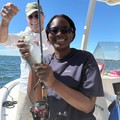
Growing up as a multi-generational Floridian, I’ve always felt most like myself near the water. Some of my favorite memories are fishing with my dad—especially in Lemon Bay—where I learned not just how to catch fish, but how to slow down and appreciate the environment around me. I’ve always loved going after bass and redfish in particular. There’s something about those early mornings on the water, watching the tide and learning patience, that stuck with me and shaped how I see the world. Fishing has never just been a hobby for me—it’s where my respect for nature really began.
That connection is what led me to pursue a degree in Parks, Recreation, and Tourism at Everglades University. I want to protect the kinds of places that gave me those experiences, while also helping others access and enjoy them. Over time, I’ve become more aware of how fragile Florida’s ecosystems are. Changes in water quality, habitat loss, and overuse can have real impacts—not just on fish populations, but on the communities that depend on them. My goal is to be part of protecting these environments through sustainable practices and education, especially when it comes to responsible fishing and conservation.
I’m also passionate about environmental justice. In Florida, not every community has equal access to clean water, safe outdoor spaces, or well-maintained parks. That’s something I want to help change. Through my education, I’m learning how recreation and tourism can either harm or help communities, depending on how they’re managed. I want to be involved in creating solutions that make outdoor spaces more accessible while also protecting the environment. Everyone should have the opportunity to experience nature the way I did growing up.
While I don’t have a background playing baseball or softball, the game has still had a meaningful impact on me. I loved going to Tampa Bay Rays games whenever I could at Tropicana Field. Living nearby made those experiences even more special. I didn’t grow up playing the sport, but I taught myself how to follow it by using the free scorecards at the games—carefully keeping track of each play and learning the rules along the way. It made me feel more connected, not just to the game, but to the crowd and the shared energy in the stadium. I also worked at Ferg's Sports Bar & Grill, the unofficial pre-game gathering spot, where I saw how much baseball brings people together. Those experiences showed me that athletics are about more than playing—they’re about community, belonging, and shared moments.
That ties into my interest in overall health, including nutrition and physical activity. I believe that access to outdoor recreation and education about healthy living can make a real difference in people’s lives. Whether it’s through parks, community programs, or conservation efforts, I want to help create opportunities for people to stay active and connected to their environment.
This scholarship means a lot to me because it honors someone who loved fishing and the outdoors—something I deeply relate to. The lessons I learned fishing with my dad in Lemon Bay are the same ones guiding my future: respect the environment, be patient, and leave things better than you found them. With my degree, I plan to turn those values into action by protecting natural spaces, supporting communities, and helping others build the same kind of connection to the outdoors that shaped me.
I recently moved to Orlando from Jacksonville to study sustainable practices. What I didn’t expect was how quickly I’d fall in love with the outdoors here. Between classes, I’ve found myself walking the trails at Blanchard Park or fishing at Lake Claire on campus. Those moments have become some of the most meaningful parts of my day.
Growing up, I saw how spaces like that can shape your life and not just your physical health, but your mindset, your habits, and your sense of peace. Being in Orlando has reminded me of that in a really personal way. It’s also pushed me to think about how I can share those experiences with others. There are so many opportunities here to get outside, but a lot of people just need a little nudge. I want to be that person who invites friends, classmates, or even new students to step outside, try something new, and enjoy what’s already around them.
That ties directly into how I want to make an impact. I care a lot about environmental management, especially when it comes to fishing and wildlife conservation. I want to be involved in clean-up efforts, promote responsible fishing, and help people understand why protecting these spaces actually matters. Not in a lecture kind of way, but by getting people involved, by showing them firsthand why it’s worth caring about.
Environmental justice is another area that’s important to me. Not everyone has the same access to clean water or safe outdoor spaces, and that’s something that deserves attention. I want to support efforts that make those resources more accessible and raise awareness about the communities that are often overlooked when it comes to environmental issues.
Even though I don’t come from a baseball or softball background, athletics have still played a big role in my life. Wrestling, especially, shaped who I was in high school. It gave me structure, discipline, and a reason to show up every day. It also taught me that teamwork isn’t just about what happens during practice, it’s the small things too, like early bus rides to tournaments or hanging out after workouts. Those experiences stuck with me.
That’s why I also care about nutrition and physical education. I think building healthy habits early on can change the direction of someone’s life. Whether it’s encouraging people to stay active, eat better, or just take care of themselves a little more, I believe those small choices add up over time.
At the end of the day, I want to carry forward the kind of impact John cared about, which is helping people connect with the outdoors, take care of their environment, and grow through physical activity. For me, it starts with simple things: inviting someone to go fishing, organizing a cleanup, or just getting people outside. Those small actions can turn into something much bigger.
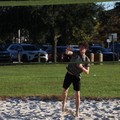
(The photo below is the most recent charity event I went to for my school, a Volleyball Tournament)
How it works
Bold.org is Built to Make Scholarships Feel Possible
Step 01
Start with your story
Bold.org helps students show donors who they are beyond a transcript.
Step 02
Where scholarships are awarded
Every scholarship is funded by donors and managed directly on Bold.org.
Step 03
Fund your future
Scholarship dollars are disbursed through Bold.org to help students pay for school.
FAQ
When is the scholarship application deadline?
The application deadline is Jun 19, 2026. Winners will be announced on Jul 20, 2026.
How will scholarship application information be used?
Your privacy is a top priority on the Bold.org platform, and you can find our privacy policy in full here. You may opt out of communications from Bold.org at any time, and unless we’ve first notified you and gotten your consent, you’ll never receive communication from any third parties related to personal information you give us.
What is the scholarship award?
Award amounts per winner are designated by the donor. Check the award amount for a detailed breakdown.
When will the scholarship winner be chosen? How will they be notified?
The winner will be publicly announced on Jul 20, 2026. Prior to the announcement date, we may contact finalists with additional questions about their application. We will work with donors to review all applications according to the scholarship criteria. Winners will be chosen based on the merit of their application.
How will the scholarship award be paid?
Award checks will be sent to the financial aid office of the winner's academic institution in their name to be applied to their tuition, and in the name of their institution (depending on the school's requirements). If the award is for a qualified educational non-tuition expense, we will work with the winner directly to distribute the award and make sure it goes towards qualified expenses.
How will my scholarship application be verified?
Before we award the scholarship, the winner will be required to confirm their academic enrollment status. Depending on the circumstances, verification of Student ID and/or their most recent transcript will be required.
How should I get in touch with questions?
If you have any questions about this scholarship or the Bold.org platform, just email contact@bold.org and we’ll get back to you as quickly as we can.
Does the scholarship have terms and conditions?
Yes. The terms and conditions for this scholarship can be found here.
97% of students don't win scholarships. We’re here to change that.