user profile avatar

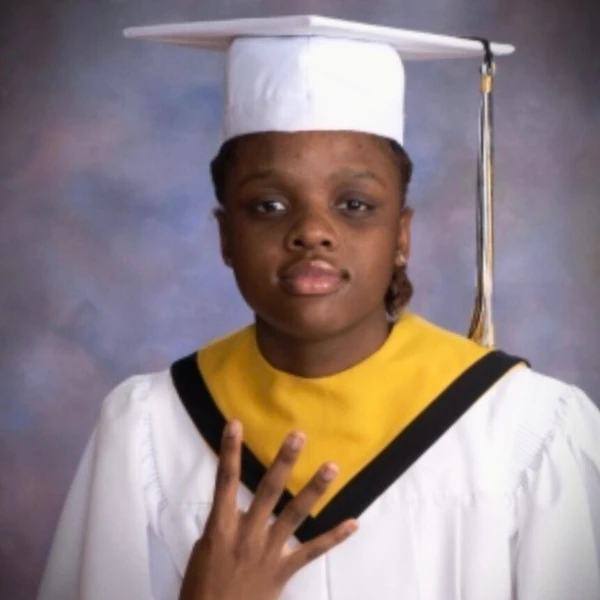
Zion Coston

1x

Finalist

Bio

My life goal is to be the best lawyer in the country. I played basketball for over 10 years and have a bunch of scholarships under my belt. With y'all help I would like to achieve my goals.

Education

Saints John Neumann and Maria Goretti High School

High School
2022 - 2026

Miscellaneous

  • Desired degree level:

    Master's degree program

  • Majors of interest:

    • Criminal Justice and Corrections, General
  • Not planning to go to medical school
  • Career

    • Dream career field:

      Law Practice

    • Dream career goals:

      Sports

      Basketball

      Varsity
      2015 – Present11 years

      Awards

      • Second-team All Catholic

      Arts

      • Studio Arts I

        Drawing
        Nothing important I was doing it for fun.
        2022 – 2023

      Public services

      • Volunteering

        Feeding the Homeless — Making the food
        2022 – Present
      Doing Hard Things My Way: Adaptive Athlete Scholarship
      Throughout my lifetime, I've dedicated a large portion of my existence to playing basketball. However, while basketball has been an integral part of my life, it has also been a catalyst for developing many personal skills. As an adaptive athlete, I've developed the ability to adapt and thrive in whatever situations arise from life. Basketball is not only an activity but a tool to develop discipline and self-confidence. Initially, basketball appealed to me because of the competitive nature of the sport and its high-paced environment. In addition, I found the idea of teamwork and constant improvement highly appealing. After several years of practice, I found that playing basketball allowed me to concentrate and find the strength within myself to overcome all kinds of obstacles. One of the most difficult experiences of my life came when my little brother passed away right before our semifinal match. Amidst the grieving process, I had to make the decision if I should play. Playing in a game while holding back one's emotions is something that cannot be prepared by any athlete. This situation pushed me to endure the ultimate test of my mental strength. This experience showed me what true strength means. True strength does not lie in appearing strong despite the pain inside you. True strength lies in moving forward in spite of your heavy heart, confused mind, and the temptation of stopping. I not only played for myself but for my little brother too. To be an adaptive athlete is to never let adversity control my life. Challenges can alter your path, but they need not determine your destination. My physical, mental, and emotional abilities have adapted as I strive to reach my ultimate objectives. My basketball experience has influenced how I live my life. The sport has instilled values of leadership, resilience, and confidence within me. Basketball has made me realize that despite the pain, I must persevere. As I transition from high school into college, I will bring that same perspective with me. In academics, sports, and other endeavors, I will continue to motivate myself to succeed. My loss changed my view on life and competition in a way that makes me appreciate every opportunity that comes my way, whether it be practice, games, or just spending quality time with my family. My experience showed me how important every day was and how the best way to show appreciation for those we care about is by being successful and making progress. Through basketball, I learned lessons about being a leader, perseverance, and confidence. The sport helped me realize that regardless of how bad things get, you need to be able to keep moving forward. With this mentality in mind, I intend to enter college and continue to challenge myself academically, athletically, and personally. Regardless of whatever challenges may come my way, I know that I will be able to conquer them and keep going.
      David Foster Memorial Scholarship
      The high school teacher that impacted my life and transformed my views towards life is Mr. Clark. The type of teacher that you admire the moment you enter his class is the one I respect and adore. Mr. Clark wasn't a strict and intimidating teacher. Rather, he was one who walked around with self-confidence and fairness. Besides being a great historian, the lessons he gave were priceless. During the first few days in his classroom, I always doubted my capabilities. I did my assignments but never exceeded the expectations that he had set. I was shy and never spoke out for fear of being wrong in front of my peers. As a result, like other students, I considered success an achievement for those who had natural talents. Rather than let me fade into the woodwork, he pushed me to think in ways I had never done in a classroom setting. He often asked me questions during our discussions, not to make me look foolish, but rather because he thought I had valuable insights to share. Initially, I despised being called on due to the fact that I was terrified of getting it wrong. However, when I stumbled my way to an answer, he listened patiently and helped me articulate what it was I was trying to say. He taught me that making mistakes did not equate to failure, but to growth. What comes to mind most distinctly about Mr. Clark was the time he made me believe in myself. In class, we were supposed to give a presentation on an historically significant event, which frightened me to death. I dreaded giving speeches, and the idea of presenting something in front of my classmates sent shivers down my spine. I almost convinced him to assign me a different task when he saw how terrified I was. He merely said, “Confidence is gained by doing those things we fear.” That day, I delivered the presentation with shaky hands and a pounding heart. Though the presentation was not perfect, I managed to complete it successfully. After my presentation, Mr. Clark gave me a smile and complimented me for the act of being courageous enough to endure my fears instead of succumbing to them. From this experience, I learned that courage is not the absence of fear, but the ability to continue performing despite it. Discipline and consistency were two more lessons I learned from Mr. Clark. Our teacher frequently reminded our class that while one's talents might create opportunities for us, our work ethic maintains them. He held each student responsible for putting efforts into their school work. If a student found himself unable to keep up, Mr. Clark would help him, but without lowering his expectations for him. In other areas of the classroom other than academics, Mr. Clark was also an example of a responsible leader. He heard complaints from those who had difficult days and understood their pain. Furthermore, he knew what troubled some of his students even if they did not tell him. For that reason, he always had time for those who asked for help. As a result of Mr. Clark, my perception of life has changed considerably. No longer do I shy away from taking on difficult tasks simply out of comfort. Instead, I realize that most times, development is achieved during uncomfortable situations. In addition to this, I have learned how to speak confidently, put in extra effort whenever things get tough, and trust in perseverance.
      Sean Flynn Memorial Scholarship
      One of the funniest stories from my life happened when I decided I was going to impress everyone by becoming the family grill master at a summer cookout. I had watched people grill plenty of times, so naturally I believed that made me an expert. In my mind, cooking burgers was simple: turn on the grill, flip the burgers, and accept compliments. I was wrong from the very beginning. It was a warm afternoon, and my family was outside setting up tables, music, and drinks. Someone mentioned that the usual person handling the grill was running late. Before anyone could volunteer, I stepped forward confidently and said, “Don’t worry, I got it.” I said it with the kind of confidence people only have right before disaster. Everyone looked surprised but supportive. A few family members even nodded like they believed in me. That made things worse because now I had an audience. I walked to the grill like I was entering a championship game. I opened the lid, grabbed the lighter, and tried to start it. Nothing happened. I tried again. Still nothing. I kept clicking the lighter dramatically as if style would somehow create fire. After several attempts, my uncle walked by, looked at me, and said, “You have to turn the gas on first.” I laughed like I already knew that and had simply been testing everyone. Once the grill was finally lit, I threw the burgers on with confidence. The sizzling sound made me feel professional for about thirty seconds. Then I realized I had no idea how long they were supposed to cook. Instead of asking for help, I did what many overconfident people do I guess. I flipped them every twenty seconds because I thought frequent flipping looked skilled. Grease started dripping into the flames, and suddenly the grill lit up like a movie explosion. I jumped backward so fast I nearly knocked over a chair. My little cousin, who was about eight years old, yelled, “The burgers are fighting back!” Everyone outside started laughing while I stood there holding the spatula like a shield. Trying to regain control, I closed the lid and pretended I meant to do that. When I finally served the burgers, the results were mixed. Some were strangely burnt on the outside and cold in the middle. Others looked flattened beyond recognition because I had pressed them down repeatedly for no reason other than it felt important. One burger was so hard that my cousin tapped it on the table and said, “This one sounds done.” My family, trying to be kind, loaded their plates with chips, corn, and everything except the burgers. My grandmother took one bite, smiled politely, and whispered, “You’re better at eating than cooking.” That comment finished me. Eventually the real grill expert arrived, fixed everything in minutes, and served perfect burgers. As he cooked, everyone kept asking if I wanted “advanced training.” For the rest of the summer, my family referred to me as “Chef Smoke Alarm.” Even now, whenever there is a cookout, someone hands me paper plates and says, “This job matches your skill set.” Honestly, after the Great Burger Incident, I accept that role with pride.
      Arin Kel Memorial Scholarship
      In case I started a business with my dead sibling, I would establish a café with a communal area. The café would not only serve customers but also provide them with a space where they can rest, read books, and socialize. I would ensure that it has an environment where anyone feels welcomed and comfortable whenever they visit it. The reason why I would decide to establish a café with my sibling is that they taught me that the value of life is in small things. For instance, after their death, you get to learn that you cherish moments such as laughing, listening to jokes from someone else, and having meaningful conversations. With such a business, people will always have a place to make memories with their families. I envision my sibling contributing significantly to the establishment's operations since they can attract clients through their charisma. My sibling can also organize events in the venue, which makes it more appealing. In contrast, I would focus on the business's organization and coordination. In addition, the establishment will facilitate the conduct of events such as open-mic nights, artwork presentations, study sessions, or game nights whereby individuals may socialize with others. The business will give individuals the opportunity to make new acquaintances, be expressive, and reduce their loneliness. The key reason why I would consider establishing this venture is its ability to sustain the positive legacy of my beloved sibling after passing away. Rather than concentrating exclusively on mourning for his/her demise, it allows me to develop a business that commemorates the life of my sibling and our connection. Everything in the business bears my beloved sibling's legacy.
      Beyond The Ride Scholarship
      Losing my brother changed the way I see life and the way I move through it every day. Before he passed, he was one of the most important people in my life. He was someone I looked up to, laughed with, and depended on. He was more than my brother he was a role model, a source of strength, and someone who always believed in me. The day I lost him was the day of my basketball semi-final game. In one moment, everything changed. I went from thinking about a game to facing a pain I had never known before. It felt like the world kept moving while mine had stopped. Two days later, I played in the state championship and won, but the victory meant something completely different after losing him. I played with heartbreak, but also with the determination to honor him. What many people do not understand about sibling loss is that it can feel invisible. Parents often receive support, as they should, but siblings are grieving too while also trying to stay strong for everyone else. You lose not only a person you love, but also the future you imagined with them future conversations, milestones, and memories that will never happen. His passing forced me to grow up quickly. I learned how fragile life is and how important it is to appreciate people while they are here. It also made me stronger, more empathetic, and more intentional with my relationships. I check on people more, express love more openly, and try not to take time for granted. What keeps me going is knowing that my brother would want me to keep pushing forward. I carry his memory with me in everything I do on the court, in school, and in the way I treat others.
      Tawkify Meaningful Connections Scholarship
      One of the most meaningful relationships in my life was the bond I shared with my brother. He was more than just a sibling to me he was someone I looked up to, trusted, and learned from every day. He played a major role in shaping the person I am today because he taught me lessons about loyalty, strength, and how to treat people with respect. Even though losing him was one of the hardest experiences of my life, the impact of our relationship continues to guide me in the way I live and connect with others. My brother was someone who always showed up for the people he cared about. No matter what was happening in his own life, he made time for family and made sure the people around him felt supported. Watching that taught me that real relationships are built through consistency and presence, not just words. Anyone can say they care, but he showed me that caring means being there when it matters most. Because of him, I now try to be dependable in my own relationships. I make an effort to check in on friends, support my family, and be someone others can count on. He also influenced the way I handle challenges. Whenever I doubted myself, he was the person who reminded me to stay confident and keep pushing forward. Whether it was school, sports, or personal struggles, he always believed I was capable of more than I thought. That encouragement gave me confidence and resilience. After losing him, I had to find a way to carry those lessons on my own. His voice and belief in me still motivate me to keep going when life gets difficult. Losing my brother also changed the way I value connection. It made me realize how precious time with loved ones truly is and how quickly life can change. Because of that, I no longer take relationships for granted. I try to be more intentional with the people in my life by spending quality time with them, expressing appreciation, and not assuming there will always be another opportunity later. His loss taught me that meaningful relationships require effort in the present. The relationship I had with my brother has also shaped the way I connect with others emotionally. I understand that many people are carrying struggles you cannot always see, so I try to approach others with patience and empathy. Sometimes the most powerful thing you can do for someone is listen, encourage them, or simply be present. He showed me the importance of lifting people up, and I try to do the same for those around me. Most importantly, my brother taught me that genuine relationships are based on trust, honesty, and love. Because of him, I value depth over surface-level connections. I would rather build a small circle of meaningful relationships than many shallow ones. Although he is no longer physically here, the lessons he gave me continue to shape my character and the way I build lasting connections with others every day.
      Hazel Joy Memorial Scholarship
      The day I lost my brother during the semi-final basketball game, everything in my life split into before and after. I heard about a 15 year old getting shot and killed on public transportation but I didn't know it was my little brother until my older siblings called me while I was on my way to celebrate with friends. At that moment, the game suddenly stopped mattering in the way it had just minutes before. Nothing about basketball felt real anymore only shock, disbelief, and a weight that I didn’t yet know how to carry. I remember sitting there, trying to process what I had just heard while everyone around me kept moving like nothing had changed. I felt pulled in two directions: one part of me wanted to leave everything behind, and the other part felt like I was frozen in place. That game, however, wasn’t just another game. It was a semi-final, and walking away meant letting my team down. Still, no scoreboard could compare to what I was going through internally. I chose to play. Not because it felt easy, but because in that moment, I needed something steady to hold onto. Basketball had always been something I could focus on when everything else felt unclear, and that day, it became the only thing I could control. Every dribble, every possession, every defensive stop became a way to stay grounded when my emotions felt unmanageable. We won that game, but the victory didn’t feel complete. It was quiet for me personally like I was moving through it from a distance. The next two days were filled with grief, family, and trying to understand a loss that didn’t feel real. And yet, I knew we still had one more goal as a team. Two days later, we played for the state championship. Walking onto that court, I carried both my grief and my determination. I wasn’t playing to escape what had happened, but to honor my commitment to my team and to the strength my brother always encouraged in me. Somehow, in the middle of everything, I found focus again. We played with everything we had and came out as state champions. That championship will always mean more than a trophy. It represents one of the hardest moments of my life, and the decision to keep going when everything inside me wanted to stop. I learned that strength doesn’t mean ignoring pain it means learning how to carry it and still move forward. As expected I was devastated but I had no way to cope with his death because I never had to deal with it. Therapy was offered but nothing could help me get over the fact that my brother was gone. I often found myself trying to distract myself from thinking about it but it was easier said than done and all I wanted was a chance to say goodbye.
      RonranGlee Literary Scholarship
      Epictetus, Enchiridion, Section 1): “Some things are up to us and some are not up to us. Up to us are opinion, pursuit, desire, aversion, and in a word, whatever is our own doing; not up to us are body, property, reputation, offices, and in a word, whatever is not our own doing.” The essential significance of Epictetus’ idea about what we should consider as our concern is that we need to recognize the borderline between personal power and everything else in order to achieve freedom of will and ethical certainty, for this will depend on focusing on one’s mind exclusively, without involving anything else at all. This philosophy does not describe what happens to us, but teaches us how we should live. The author claims that we experience sufferings and moral dilemmas because we make a mistake concerning the limits of our influence, as well as connecting our well being with the results which depend solely on external factors. Peace of mind is possible if one understands the scope of his or her abilities. This quotation shows that the value system must be totally rebuilt. According to Epictetus, there are two spheres in the life of every person: inner feelings, which depend only on one’s judgments, and circumstances which are beyond our control. Opinions, inclinations, and aversions are all parts of oneself, because they are a result of personal judgment. It is not something imposed from the outside but rather an interpretation of what takes place in reality. Anything else outside of this sphere—body, money, honor, and prestige—exists in a universe that operates under laws which are entirely independent of individual influence: behavior of others, randomness, time, and physical impossibility. The difference between them is far from philosophical speculation. Epictetus identifies a prevalent misconception regarding personal happiness. People believe that if they attain enough wealth, escape pain, or gain recognition, they will become happy. However, since external things are random and temporary, dependence on them would ensure the constant state of imbalance. The central idea of Epictetus' reasoning is that anxiety is not caused by external incidents but by a conviction that those incidents affect one's well-being and self-value. The more profound meaning of this excerpt is the essence of freedom. Freedom, in its conventional sense, is considered an external phenomenon: unrestricted action, accumulation of material resources, and shaping of the environment. Epictetus denies that claim by asserting that someone whose mental state relies upon external factors cannot be free since their emotional condition depends on things beyond their control. If a rich man fears the loss of his money or a famous man fears criticisms, in essence, they both are being slaves to forces outside their control. Therefore, true freedom is not about having no restrictions imposed externally but rather being independent of them. Secondly, this concept implies another significant conclusion: ethics is an internal issue altogether. It removes the focus from the outcome of actions and places it on the intention behind them. Whether someone has been affected adversely because of a bad reputation or injury or poverty is of no concern in the Stoics’ eyes. What does matter is whether he has been able to judge his experience correctly or has responded irrationally to it. This new definition of morality relies heavily on emotional discipline. This is not to be taken as the suppression of emotion but instead as emotional correction. While there may be nothing wrong with desires or aversions themselves, when they become focused on an outside thing, they become dangerous. It is fine to desire health or wealth, but relying on them emotionally leaves one vulnerable. Stoicism proposes a means of shifting focus from these things in order to keep the self safe: valuing lightly those outside oneself while fully committing to personal integrity. This argument holds great appeal for anyone seeking to preserve their dignity amidst the uncertainties of life. In moving values away from outside factors, Epictetus offers his readers a path to freedom. As long as a person trains himself not to take any outside event personally, then nothing life can do will touch him in an emotional way. Illness, death, betrayal, and failure become insignificant because they cannot change anything inside the person. They hurt, yes, but not in any essential way. The self cannot be destroyed through these things. In the same breath, Epictetus is critiquing a basic principle of society. Societies tend to determine worth based on external attributes, such as material resources, social standing, physical appearance, or reputation. These attributes determine whether an individual is successful or failing. But in his critique, Epictetus reveals the insecurity of these standards of worth since they can easily be ruined. For example, rumors might damage one's reputation, misfortune might strip a person of one's material possessions, and one's bodily condition could suddenly change. Therefore, tying one's identity to these variables makes one's identity extremely volatile. Stoicism solves this dilemma by rejecting these connections. Furthermore, it does not entail a withdrawal from society. Epictetus is not advocating a passive and unresponsive attitude toward life and duties. Rather, he advocates for proper positioning of the individual in the world. Pursuing personal goals, forming relationships, and undertaking tasks remain legitimate activities. What should be avoided is any confusion between these and one's inner moral integrity. Thus, action is important, but it is attachment that needs to be reined in. In essence, Epictetus’ dichotomy of what “depends upon us” and what does not is a system of psychological liberation. It asserts that pain is not caused by events but rather by misconceptions regarding control and importance. When one’s focus is on internal abilities – opinion, desire, and aversion he can achieve equilibrium despite any outside conditions. As such, the excerpt is both therapeutic and practical in nature; it diagnoses the root cause of human misery and provides a way to alleviate it.
      Ava Wood Stupendous Love Scholarship
      "Boldly, Unapologetically Me" There was a situation when I had to make a choice between assimilation and maintaining my uniqueness. It happened during my study at university. The teacher asked us to prepare an interesting presentation on the given topic. From the very beginning, most of the people participating in my team agreed that the easiest way to finish this assignment would be copying some information from the Internet and using it by dividing among the group members. However, I understood that we ignored the purpose of this task because I found it more valuable to learn this theme deeply and present it creatively. When I mentioned my suggestion that we should add some life examples and even a discussion of the issue to our presentation instead of reading from slides, my classmates did not react positively. They replied: "This is additional work," "Nobody does such things." I thought for a while about whether I could agree with my teammates. In such a case, we would get an easy result but would probably regret our decision afterwords. Therefore, I expressed my willingness to do additional work in order to make the presentation more interesting. "Creating Connection" I have also been able to promote unity among people through taking action when the tendency for segregation occurred in various instances – such as at school or community levels, whereby people generally find themselves in groups according to their familiar peers. There has been one particular instance when during the first weeks of the academic year, many individuals in my class would be building up friendships among themselves. This would be quite noticeable in the way students were grouped as some individuals would regularly sit with their new friends whereas others would end up either isolated from their peers or sitting alone. Rather than confining myself within my group, I took the initiative to involve individuals who seemed to be on the sideline. Initially, my actions consisted of simple measures such as asking an individual sitting alone whether they would like to join our table or including silent peers in classroom group discussions rather than allowing only the dominant individuals to speak. It also meant that I actively involved myself in memorizing and then using the names of students. Over time, it became noticeable how this action began to influence the environment. All my life everyone looked at me to bring the community together because I always been a stand up person.
      Scorenavigator Financial Literacy Scholarship
      My personal experiences with finances have mostly come from observing the people around me and gradually learning what works and what doesn’t. Growing up, I saw how quickly money can be spent when there isn’t a clear plan in place. Simple things like eating out often, buying clothes, or spending on entertainment can add up faster than people expect. At the same time, I also witnessed how stressful financial struggles can be when bills start to pile up or when there isn’t enough saved for emergencies. Seeing both sides helped me understand that managing money is not just about how much you have, but how well you handle it. Even people who earn a decent amount can struggle if they don’t budget or prioritize their spending. In terms of financial education, I feel like it’s something that many students, including myself, are not fully prepared for early on. Before learning about it in school, I didn’t really understand important concepts like budgeting, saving, credit, interest rates, or taxes. These ideas seemed confusing and not very relevant at the time, but now I realize they play a huge role in everyday life. For example, understanding how credit works is extremely important because it can affect major life decisions like buying a car, renting an apartment, or even getting approved for certain opportunities. Learning about interest rates also showed me how debt can grow over time if it’s not managed properly, especially with things like credit cards or loans. Another important lesson I’ve learned is the value of saving money consistently. Before, I thought saving only mattered when you had a lot of extra money, but now I understand that even saving small amounts regularly can make a big difference over time. Building an emergency fund is something I now see as essential, because unexpected expenses can happen at any time. Without savings, people may have to rely on borrowing money, which can lead to even more financial problems. As I continue learning about finances, I plan to use this knowledge to build a more stable and successful future for myself. One of my main goals is to create and stick to a budget so I can track where my money is going. By doing this, I can avoid wasting money on unnecessary things and make sure I am prioritizing important expenses. I also want to develop strong saving habits by setting aside money regularly, even if it’s just a small portion of what I earn. Over time, this will help me build financial security and prepare for bigger goals. Another important goal is to build and maintain good credit. I plan to do this by making responsible financial decisions, such as paying bills on time and not taking on more debt than I can handle. Having good credit will give me more opportunities in the future and make it easier to achieve important milestones like owning a car or a home. Overall, I want to use what I learn about financial education to become more independent and prepared for adulthood. Financial literacy is a skill that will affect every part of my life, so taking it seriously now will benefit me in the long run. By making smart decisions, staying disciplined, and continuing to learn, I can avoid common financial mistakes and create more opportunities for myself. I also plan to keep educating myself beyond the classroom, whether through real-life experiences, advice from others, or additional resources. The more knowledge I gain, the more confident I will be in managing my finances and securing a stable future.
      Honorable Shawn Long Memorial Scholarship
      My career goal is to pursue a degree in pre-law and eventually become an attorney. I plan to attend a four-year university, major in criminal justice or political science, and then continue on to law school. My long-term goal is to become a lawyer who advocates for justice, represents individuals who need support, and helps ensure that people are treated fairly under the law. I am especially interested in using my education and future career to give a voice to those who may not always have access to strong legal representation. I want to build a career that is based on discipline, responsibility, and service to others. This goal is important to me because I have learned through personal experiences that life can present challenges that require strength, focus, and perseverance. Those experiences have motivated me to stay committed to my education and to take my future seriously. I understand that becoming an attorney is not easy and requires years of dedication, academic focus, and financial commitment, but I am prepared to put in the effort needed to reach that level of success. I have developed a mindset that values hard work and long-term goals rather than short-term success. This scholarship would greatly assist me in moving toward my goals by helping reduce the financial burden of college. The cost of tuition, books, and living expenses can create stress for students and their families, and receiving this support would allow me to focus more on my education. Instead of worrying about finances, I would be able to dedicate more time to studying, improving my academic performance, and preparing for law school. It would also allow me to take advantage of opportunities such as internships, mentoring programs, and extracurricular activities that will help me grow academically and professionally. In addition, this scholarship would serve as motivation for me to continue working hard and staying focused on my goals. It would show that my efforts and ambitions are being recognized, which would push me to maintain strong academic performance throughout college. I would use this opportunity as a foundation to build the skills, knowledge, and experience needed for law school and my future career. Ultimately, my goal is to become an attorney who makes a positive impact in society. This scholarship would bring me one step closer to achieving that dream by giving me the support I need to pursue my education with confidence, determination, and purpose.
      Change of Heart Scholarship
      Attending high school has profoundly shaped my character, mindset, and long-term goals in ways I never could have anticipated. Entering high school, I viewed education and athletics as separate parts of my life, focused mainly on daily performance rather than long-term purpose. Over time, I began to understand that high school is not only about academic achievement or athletic success, but also about developing resilience, discipline, and the ability to overcome adversity. These lessons have guided me toward a stronger sense of direction and purpose for my future. A defining moment in my high school journey occurred during my junior year basketball season. Just two days before the championship game, I experienced the devastating loss of my brother. In that moment, my world changed completely, and I was faced with one of the most difficult emotional challenges of my life. Despite the grief and uncertainty I felt, I chose to remain with my team and compete in the championship game. With the support of my coaches, teammates, and family and with my brother’s memory as my motivation I stepped onto the court. That night, we won the championship, but more importantly, I learned what it truly means to persevere through pain while carrying something greater than myself. That experience transformed my perspective on life and strengthened my sense of purpose. I learned that true strength is not the absence of struggle, but the ability to continue forward despite it. My brother’s passing taught me to value every opportunity, to appreciate those around me, and to approach life with greater maturity and gratitude. It also showed me that I am capable of performing under pressure and adversity while remaining committed to my responsibilities. These lessons continue to guide my academic and professional aspirations. I plan to attend college and pursue a degree in criminal justice or pre-law, with the goal of becoming an attorney. I am driven by a desire to use my voice to advocate for others, pursue justice, and make a meaningful impact in my community. The discipline and resilience I developed throughout high school, especially during my junior year, have prepared me to face challenges with determination and focus as I work toward my goals. Ultimately, high school has helped me grow into a more responsible, resilient, and purpose-driven individual. My brother’s memory remains a lasting source of motivation, inspiring me to push forward in his honor and strive for excellence in everything I do.