Hobbies and interests
American Sign Language (ASL)
Business And Entrepreneurship
Church
Reading
Christianity
Novels
Social Issues
Spirituality
I read books multiple times per week
Zibora Gilder
1x
Finalist1x
WinnerZibora Gilder
1x
Finalist1x
WinnerBio
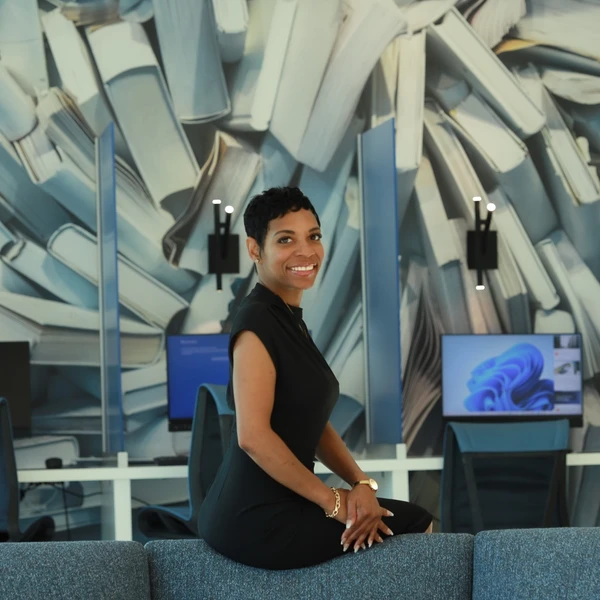
I am Zibora Gilder, a passionate social work professional and advocate for the Deaf and Hard-of-Hearing community. I am currently a graduate student at Howard University in the School of Social Work, in the PhD program in Social Work at Howard University. My work as an ASL interpreter for the Chapel and my involvement in community outreach reflect my commitment to bridging gaps in accessibility and inclusion for Deaf individuals. Through my education and advocacy, I dedicate myself to advancing social justice, advocating for disability rights, and empowering marginalized communities.
Education
Howard University
Doctoral degree program (PhD, MD, JD, etc.)Majors:
- Social Work
Howard University
Master's degree programMajors:
- Social Work
Lamar University
Bachelor's degree programMajors:
- American Sign Language
Miscellaneous
Desired degree level:
Doctoral degree program (PhD, MD, JD, etc.)
Graduate schools of interest:
Transfer schools of interest:
Majors of interest:
- Social Work
- Public Health
- Public Policy Analysis
- Psychology, General
Career
Dream career field:
Civic & Social Organization
Dream career goals:
Educator in Advocacy for Deaf/HOH
Executive Director
Empowered Hands2010 – Present16 years
Research
Psychology, General
Gallaudet University Deaf and Hard of Hearing child resilience center — Research Assistant2024 – 2025
Public services
Advocacy
Empowered Hands — executive Director2012 – 2025
Future Interests
Advocacy
Politics
Volunteering
Philanthropy
Entrepreneurship
Simon Strong Scholarship
The hardest season of my life did not unfold in stages. It happened all at once.
During my undergraduate years, I failed out of college and lost my financial aid in the midst of grieving the loss of my best friend to sickle cell disease. Academic struggle, financial instability, and profound personal loss collided simultaneously. There was no time to process one before the next arrived. I navigated undiagnosed ADHD, mounting academic pressure, and heartbreak simultaneously.
At the time, I did not understand why school felt so overwhelming. Focus was inconsistent, deadlines blurred together, and I internalized every missed assignment as proof that I was incapable. When my grades fell and my financial aid was revoked, it felt like confirmation of my deepest fear, that I did not belong in higher education. Losing my best friend during that same period intensified everything. Grief does not pause academic expectations. It does not excuse tuition balances or appeal deadlines. I learned early what it means to carry stacked complexities at a young age.
Coming from a single mother household with limited financial support made the situation even more fragile. There was no safety net. I had no one to guide me through the academic reinstatement processes. There were no additional funds available to offset the loss of aid. I felt embarrassed, overwhelmed, and unsure how to recover.
Yet that season, though painful, shaped me profoundly.
Instead of walking away permanently, I eventually chose to rebuild. Years later, receiving my ADHD diagnosis reframed my understanding of that period. I was not incapable; I was unsupported and undiagnosed. That realization gave me both relief and responsibility. I began to advocate for accommodations, create structure intentionally, and seek mentorship rather than struggle in silence.
Losing my best friend at the same time taught me something equally important about mental health and resilience. Grief revealed how interconnected emotional well-being and academic performance truly are. It deepened my empathy for others navigating invisible battles. It taught me to approach people with patience because you never know what weight they are carrying privately.
Failing out of college during a season of grief did not define my future; it clarified my strength. I learned that adversity rarely arrives neatly packaged. It stacks. It compounds. It tests your sense of identity. But I also learned that setbacks are not permanent unless you stop moving.
If I could offer advice to someone facing similar circumstances, I would tell them this: do not confuse a moment of collapse with the end of your story. Seek support, even when pride tells you not to. Allow yourself to grieve fully. Advocate for accommodations. And remember that systems are not always built with you in mind, but that does not mean you do not belong within them.
That season taught me resilience, humility, and purpose. It transformed failure into fuel. Today, I carry the lessons of that time into my academic journey and my service work. The young woman who once felt defeated by stacked adversity is now pursuing advanced education with clarity and determination. What happened all at once could have ended my story. Instead, it strengthened it.
Champions for Intellectual Disability Scholarship
I did not choose to care about intellectual and developmental disability justice; it was woven into my life from childhood. Growing up with a Deaf brother meant that I witnessed early how systems fail individuals whose needs fall outside of what society considers standard. I saw how easily disability is misunderstood, how often accommodations are treated as privileges rather than rights, and how families are forced into constant advocacy simply to secure basic access.
Although Deafness is distinct from intellectual disability, my experience navigating disability within my family opened my eyes to the broader patterns of stigma, underfunding, and exclusion that impact the intellectual disability community as well. I watched my family attend meetings with educators, navigate limited resources, and advocate in spaces where disability was framed as a problem rather than a difference. That environment shaped my understanding of equity and ignited my commitment to systems change.
What inspired me to pursue a career supporting individuals with intellectual and developmental disabilities was recognizing that the barriers they face are not inevitable; they are constructed. In schools, students with intellectual disabilities are frequently underestimated, segregated, or mischaracterized. In public spaces, infrastructure often ignores accessibility needs. In policy conversations, individuals with intellectual disabilities are rarely centered as decision makers. These patterns reflect systemic neglect rather than individual limitation.
As I advanced academically, I began to see how intellectual disability justice intersects with race, poverty, and access to care. BIPOC families navigating intellectual disability often face compounded inequities, including misdiagnosis, lack of culturally responsive providers, and limited funding for support services. My educational path in social work and disability advocacy has been driven by the desire to address these structural gaps rather than simply respond to their consequences.
My relationship with my brother deeply influenced my educational goals. Growing up in a single parent household with limited financial support meant that advocacy required resilience. I learned early that information is power and that families must often educate themselves to secure appropriate services. Watching my mother advocate taught me that systems change requires both persistence and knowledge. That lesson continues to guide my academic and professional development.
In my future career, I hope to make a difference by influencing policy and improving accountability within educational and public systems. I aim to strengthen enforcement of disability protections, expand funding for inclusive programming, and train educators and service providers to approach intellectual disability through a strengths based and culturally responsive lens. I also plan to engage in community education efforts that equip families with the tools to navigate complex systems confidently.
Intellectual disability justice requires more than compassion; it requires structural reform. It requires professionals who understand lived experience and are committed to dismantling stigma at every level. My life has shown me that accessibility is not a luxury and that dignity must be foundational. Through continued education, advocacy, and leadership, I am committed to building systems that recognize individuals with intellectual disabilities not as afterthoughts, but as valued members of our communities whose potential deserves investment and protection.
Ruthie Brown Scholarship
During my undergraduate years, I struggled in ways I did not yet have language for. I worked hard, but focus felt inconsistent, deadlines felt overwhelming, and I often internalized the belief that I simply was not disciplined enough. At the time, I was undiagnosed. Navigating college without understanding that I had ADHD meant I relied solely on persistence rather than support. I completed my degree, but I did so without accommodations and without fully understanding how to advocate for myself.
Receiving a diagnosis later in life transformed my understanding of education. It was not that I lacked ability; I lacked tools. Returning to graduate school as an adult learner gave me the opportunity to approach my education differently. I learned how to structure my workload, request accommodations, and design systems that support my learning style. More importantly, my journey reshaped my commitment to advocacy. I now recognize how many students struggle silently, particularly BIPOC students who are often underdiagnosed or misdiagnosed. My lived experience fuels my dedication to ensuring that disability accommodations are normalized, accessible, and free from stigma.
Growing up with a Deaf brother deepened that commitment. From a young age, I witnessed how systems fail individuals with disabilities, not because of lack of potential, but because of lack of access. Schools were not always prepared, communication was often inconsistent, and advocacy frequently fell on our family. Watching my brother navigate environments not built for him shaped my understanding of equity and strengthened my resolve to pursue work that improves accessibility and accountability.
Coming from a single mother household with very limited financial support made education feel both essential and fragile. There was no financial cushion, no generational blueprint for navigating advanced degrees, and no safety net if things went wrong. That reality made pursuing graduate education a deeply personal commitment, but also a calculated financial risk. Finding ways to reduce my tuition and minimize debt is not optional for me; it is necessary for long-term stability.
As a working adult learner, I approach student debt with strategy. I maintain employment while completing my degree to reduce borrowing. I operate with a strict budget, prioritize tuition payments, and limit unnecessary expenses. I actively pursue scholarships and fellowships not only to offset costs but also to strengthen my professional portfolio. Through these opportunities, I am developing expertise in mental health advocacy, disability justice, and ADA compliance.
I am intentionally cultivating skills that allow me to generate diversified income through speaking engagements, consulting, and accessibility training. Organizations increasingly require guidance on improving ADA compliance and advancing disability justice. By building credibility now, I am positioning myself to provide these services professionally, which will allow me to accelerate loan repayment while remaining rooted in impact-driven work.
Additionally, I am aligning my career with public service sectors eligible for loan forgiveness programs. I refuse to choose between meaningful service and financial stability. Instead, I am building a path that honors both.
Struggling undiagnosed, growing up with limited resources, and witnessing systemic barriers firsthand have shaped not only my values but also my financial discipline. Addressing student debt for me is about sustainability. Through employment, scholarships, fellowships, portfolio development, and intentional career planning, I am actively reducing financial risk while expanding my ability to serve. My education is not just an investment in myself; it is an investment in communities that deserve systems designed with them in mind.
Ethel Hayes Destigmatization of Mental Health Scholarship
Mental health shaped my life long before I had language for it.
Growing up in a Black household, emotions were often managed quietly. Strength was praised; vulnerability was not always welcomed. I learned early how to perform resilience, even when I felt overwhelmed. As someone navigating ADHD and the responsibilities of being the hearing sibling of a Deaf brother, I internalized the idea that I needed to hold it together for everyone else. What I did not realize at the time was that suppressing emotion does not eliminate pain, it simply buries it.
Mental health struggles in the Black community are often wrapped in silence. There is love, there is faith, there is perseverance, but there is also stigma. Therapy can be seen as weakness. Depression can be misunderstood as laziness. Trauma can be normalized rather than addressed. Watching people I love struggle without language or support changed how I understand the world. It made me realize that mental health is not an individual flaw, it is deeply connected to history, environment, access, and culture.
My experiences reshaped my relationships first. I began to value communication more intentionally. I learned that people do not always say what they are carrying. I became more patient, more observant, and more compassionate. Instead of assuming silence meant strength, I learned to ask deeper questions. Instead of equating productivity with wellness, I began to recognize the importance of rest and reflection. Mental health struggles taught me that connection requires honesty, and honesty requires safety.
They also reshaped my goals.
I no longer see success as achievement alone. I see it as impact. My journey with mental health pushed me toward work that centers healing, dignity, and systems change. I witnessed how misdiagnosis, lack of culturally competent care, and stigma disproportionately affect Black individuals and disabled communities. I saw how easily people fall through the cracks when systems are not designed to recognize their humanity. That awareness moved me from quiet survival into purposeful advocacy.
Pursuing graduate education in mental health and social work became an intentional act. It was not just about career advancement, it was about equipping myself with the tools to intervene where silence once existed. I want to help build systems where young people do not feel forced to suppress their pain. I want to normalize therapy conversations in spaces where they were once avoided. I want to advocate for mental health care that is accessible, culturally responsive, and inclusive of disability and communication differences.
Mental health has also changed how I understand resilience. It is not the absence of struggle. It is the decision to seek support, to grow, and to remain open despite pain. It is choosing to speak when silence feels safer. It is recognizing that healing is not linear, but it is possible.
My journey has taught me that destigmatization begins with conversation. When we tell our stories, we disrupt shame. When we acknowledge vulnerability, we create space for others to do the same. In honoring mental health openly, especially within communities where it has been hidden, we give permission for healing.
Today, my aspirations are rooted in building bridges between advocacy and care. I want to contribute to research, policy, and community education that center mental wellness as essential, not optional. I want to mentor others navigating similar journeys so they know they are not alone.
Mental health shaped my understanding of the world by revealing both its fractures and its possibilities. It taught me that silence sustains stigma, but courage fosters change. And through that understanding, I have chosen a path committed not just to surviving, but to helping others heal.
Tawkify Meaningful Connections Scholarship
The most meaningful relationship in my life is the one I share with my Deaf brother. Growing up alongside him shaped not only how I communicate, but how I understand human connection at its core. From an early age, I learned that connection is not automatic or effortless. It requires intention, patience, and a willingness to meet people where they are rather than expecting them to conform to systems that were never designed for them.
Watching my brother navigate schools, healthcare settings, and public spaces revealed how often communication barriers are mistaken for personal shortcomings. I saw how quickly people disengaged when connection required effort, adaptation, or empathy. At the same time, I witnessed the powerful difference it made when individuals chose to communicate accessibly and respectfully. When teachers, peers, or community members took the time to understand my brother, he was not only included, but he also thrived. That contrast taught me that relationships are not just personal experiences; they are systems of inclusion or exclusion that shape opportunity and belonging.
This relationship deeply influenced the way I build connections with others. I learned to listen beyond spoken language and to value multiple forms of communication. I became attentive to body language, tone, and context, understanding that meaning is not always conveyed through words alone. I learned that true communication is not about speaking louder or more often, but about being understood and understanding in return. These lessons followed me into every environment I entered, from classrooms to professional spaces to community work. They taught me to slow down, to be present, and to prioritize clarity, respect, and care in my interactions.
My brother also taught me that human connection is inseparable from dignity. When people feel seen and heard, trust grows. When they are dismissed, misunderstood, or treated as inconvenient, isolation follows. This understanding shaped my values and my approach to relationships. I do not view connection as transactional or surface level. I approach it as a responsibility, one that requires accountability and mutual respect. Whether engaging with individuals, families, or communities, I strive to build relationships rooted in trust rather than assumption.
As I grew older, I began to recognize how these lessons extended beyond my personal life into broader social systems. Many institutions prioritize efficiency, productivity, and convenience over genuine connection. For people who communicate differently or experience the world differently, this often results in exclusion. My relationship with my brother made me acutely aware of how easily people are left behind when systems are designed without human connection at their center. It also reinforced my belief that meaningful change begins with relationships that honor difference rather than erase it.
In a world increasingly driven by technology and digital interaction, the lessons I learned from my brother feel more relevant than ever. Technology can expand access and create new forms of connection, but it cannot replace empathy, accountability, or presence. Authentic human connection still requires people to show up fully and to engage with one another intentionally. Inclusion does not happen by accident, it happens when individuals commit to building bridges instead of barriers.
Ultimately, the relationship with my brother shaped who I am by teaching me that human connection is not a soft skill, it is a responsibility. It is the foundation of strong families, resilient communities, and meaningful impact. Because of him, I carry a lifelong commitment to building relationships that honor communication, value difference, and create spaces where people feel genuinely seen and supported. That commitment continues to guide my goals and the way I move through the world, grounded in the belief that authentic connection has the power to change lives.
Special Needs Advocacy Inc. Kathleen Lehman Memorial Scholarship
Growing up with a Deaf brother shaped not only who I am, but the direction of my life’s work. From an early age, I witnessed how systems that were meant to support individuals with disabilities often failed to include them fully. I saw teachers struggle without proper training, institutions overlook accessibility, and families carry the burden of advocating for services that should have been guaranteed. These early experiences planted the seed for a lifelong commitment to advancing equity within the special needs community.
I pursued a Bachelor of Arts in American Sign Language to better understand and engage with the Deaf community. Through my studies and community involvement, I quickly realized that language access was only one piece of a much larger issue. Many individuals with disabilities face barriers rooted in systemic underfunding, inadequate infrastructure, and policies that treat accommodations as optional rather than essential. What moved me most was seeing how often individuals were defined by their limitations rather than supported for their strengths.
After graduation, I founded an agency focused on supporting Deaf and Hard of Hearing individuals through employment advocacy, systems navigation, and community empowerment. My goal was to focus on the full person rather than solely on their disability. Through this work, I helped clients access workforce opportunities, understand their rights, and build confidence in navigating complex institutions. At the same time, I became increasingly aware that meaningful impact required more than individual intervention. The challenges my clients faced were systemic, and real change required engagement at the policy and institutional level.
This realization led me to pursue graduate education in social work and ultimately a PhD focused on disability justice and systems change. My career path is driven by the belief that professionals serving the special needs community must operate both at the direct service level and at the structural level. I plan to make social impact by influencing education systems, advocating for stronger enforcement of disability protections, and training future social workers and educators to approach disability through a strengths based and equity centered lens.
In my future career, I intend to expand programs that integrate mental health, employment access, and educational advocacy for individuals with special needs, particularly within underserved communities. I am committed to advancing policies that ensure adequate funding for special education, improving provider training, and strengthening accountability measures so that accommodations are not dependent on a family’s ability to advocate alone.
Serving the special needs community is not simply a professional goal for me, it is a responsibility rooted in lived experience. I have seen firsthand the difference that informed advocacy, compassionate support, and systemic change can make. Through continued education, research, and leadership, I am committed to building systems that recognize individuals with special needs not as burdens to accommodate, but as valued members of our communities whose talents deserve to be nurtured and protected.
Dr. DeNinno’s Scholarship for Mental Health Professionals
I grew up learning early that mental health care was something people needed, but rarely something they could truly access. As the sister of a Deaf brother and as someone who navigated my own mental health needs, I witnessed how systems often misunderstood, dismissed, or overlooked individuals who did not fit traditional expectations of communication, behavior, or ability. These experiences shaped my understanding of how deeply mental health is connected to equity, access, and justice.
I am pursuing a graduate degree in mental health because I have seen the consequences of care that is inaccessible, culturally disconnected, or entirely absent. In my community, mental health challenges were often met with silence, stigma, or punishment rather than support. For Deaf individuals, disabled individuals, and Black families, barriers to care included misdiagnosis, lack of culturally competent providers, and systems that prioritized compliance over compassion. I knew that meaningful change required more than advocacy alone, it required clinical knowledge, systems awareness, and professional credibility.
As a first generation graduate student, returning to school was both a personal and collective decision. Higher education was not modeled as an accessible pathway in my family, largely due to financial barriers and limited institutional support. Like Dr. John DeNinno, I come from a background where pursuing advanced education required navigating economic uncertainty and systemic obstacles. Yet I understood that obtaining a graduate degree in mental health would allow me to better serve individuals whose needs are often minimized or misunderstood, particularly those living at the intersection of disability, race, and communication barriers.
My academic journey is driven by ambition and responsibility. I seek to contribute to the mental health field by advancing care that is inclusive, trauma informed, and responsive to lived experience. Through graduate training, I am strengthening my ability to assess, intervene, and advocate in ways that honor the full humanity of the people I serve. This includes supporting individuals who have been historically excluded from mental health services due to language access barriers, stigma, or lack of provider awareness.
Pursuing this degree is also about impact. I aim to influence systems, educate future practitioners, and expand access to mental health care for communities that have been underserved for far too long. Financial support through this scholarship would alleviate the burden of tuition and related expenses, allowing me to focus fully on my studies and clinical training rather than financial survival.
I am pursuing a graduate degree in mental health because I believe care should be accessible, affirming, and grounded in dignity. With the right education and support, I am committed to carrying forward a legacy of service, resilience, and meaningful contribution to the mental health field.
Susie Green Scholarship for Women Pursuing Education
As a person who grew up with a Deaf brother, I realized early in my life that something in our systems was fundamentally broken. I watched my family navigate schools, healthcare providers, and public institutions that were not built to communicate with or fully include Deaf people. Too often, the burden of access was placed on my brother and my family rather than on the systems that were responsible for serving him. As I grew older, I began to understand that these challenges were not isolated experiences, but part of a larger pattern of systemic exclusion that impacts Deaf and disabled communities, particularly within the Black community.
What gave me the courage to go back to school was the realization that I could no longer operate only within the margins of a system that continued to cause harm. I recognized that passion and advocacy, while necessary, were not enough to dismantle structures that were feeding the need to exclude, misdiagnose, and overlook disabled individuals. I wanted to move from responding to inequity to actively changing the systems that produce it.
My professional work with Deaf and disabled individuals further solidified this truth. I saw Black disabled students misidentified in educational settings, denied appropriate accommodations, and disciplined rather than supported. I witnessed families struggle to access information about disability rights and special education processes, often leaving parents feeling powerless and blamed for systemic failures. These experiences revealed how deeply rooted ableism and racial bias are within our institutions and how urgently change is needed.
Returning to school was not an easy decision. It required confronting financial uncertainty, academic rigor, and the emotional weight of reentering spaces that have historically excluded people like me and my family. However, courage emerged from clarity. I understood that if I wanted to challenge policies, influence education systems, and advocate effectively at a structural level, I needed advanced training and scholarly grounding. Education became not a personal milestone, but a strategic tool for justice.
Going back to school was also an act of responsibility. I felt a duty to my brother, to the families I serve, and to Black disabled communities who are too often left out of policy conversations and decision making spaces. I returned to school to ensure that lived experience informs research, that advocacy is supported by evidence, and that systems are held accountable for the people they serve.
Ultimately, what gave me the courage to go back to school was the belief that change is possible when knowledge, purpose, and action come together. I chose education because my community deserves advocates who are prepared to challenge injustice, speak truth to power, and build systems rooted in equity, dignity, and access for all.
Autumn Davis Memorial Scholarship
My journey into the field of mental health began with my own story. Living with ADHD and anxiety has given me firsthand understanding of what it means to navigate the world while your mind works differently. For years, I struggled silently, juggling focus, emotions, and the fear that my challenges made me less capable. But through therapy, medication, and mentorship, I learned that mental health is not about weakness; it’s about resilience, recovery, and community. That transformation guided me to pursue my Master of Social Work and now my Ph.D. in Social Work at Howard University.
These experiences have profoundly shaped my beliefs about healing and human connection. I no longer see mental health as an isolated medical issue, it’s deeply social, cultural, and spiritual. I believe that care must be tailored to each individual’s lived experience, not built on assumptions or one-size-fits-all models. As I have learned to embrace neurodiversity within myself, I’ve also come to recognize how systems often fail to accommodate people with ADHD, anxiety, or trauma backgrounds. This realization fuels my work to redesign mental-health programs that honor difference instead of pathologizing it.
My relationships have also evolved through this journey. I have learned how to communicate more authentically, how to listen without judgment, and how to give myself and others permission to be imperfect. Working with Deaf and Hard-of-Hearing teens has taught me even more about empathy and patience. These young people face unique barriers, limited access to therapists fluent in American Sign Language (ASL), inconsistent interpretation in clinical settings, and stigma that compounds across disability, race, and class. Many experience trauma simply because they are misunderstood or excluded. I have seen how powerful it is when communication is direct and inclusive. That is why I am dedicated to advocating for more Deaf therapists and ASL-fluent providers in mental health. When Deaf individuals can express themselves without an interpreter present, it removes the fear of bias and fosters true therapeutic trust.
There is a major research gap in Deaf mental-health outcomes, particularly in trauma, depression, and resilience. As a doctoral student, I intend to contribute to filling that gap. My dissertation will focus on how language access and cultural responsiveness affect mental-health engagement in Deaf and Hard-of-Hearing communities. My goal is to develop evidence-based frameworks that can be used to train social workers, counselors, and psychologists to serve this population effectively.
In the future, I hope to open a community-based mental-health center that integrates Deaf services, affordable therapy, and training programs for emerging BIPOC and Deaf clinicians. I want to create pipelines for Deaf and Hard-of-Hearing students to enter the mental-health field so that representation becomes the norm, not the exception.
Ultimately, my mission is to make mental-health care equitable, culturally competent, and accessible to all. As someone who has lived with mental-health challenges and witnessed systemic inequities up close, I bring both professional expertise and lived compassion to my work. I see every client as more than a diagnosis, they are whole people with stories, strengths, and potential.
This scholarship would not only relieve financial pressure as I continue my doctoral studies but also affirm the importance of inclusive mental-health care. The investment in me is an investment in every future client, student, and community that I will serve. I am committed to carrying this work forward, to expand access, reduce stigma, and ensure that no one has to struggle in silence again.
Healing Self and Community Scholarship
My vision for making mental health care more affordable and accessible begins with breaking silence and reimagining connection. As someone living with ADHD and anxiety, I know firsthand how isolating mental health challenges can feel, especially in BIPOC communities where stigma still runs deep. I also see these same challenges in the Deaf and Hard-of-Hearing teens I work with, who often face an added layer of inaccessibility due to communication barriers and a shortage of therapists who sign.
My contribution to this work is rooted in creativity and culture. Art is a universal language; it can reach where words sometimes cannot. Through expressive arts, storytelling, and visual communication, I plan to create spaces where individuals can process emotion, build identity, and access healing outside of traditional, high-cost therapy settings.
As a Ph.D. student in Social Work at Howard University, my goal is to design community-based mental health programs that merge art, education, and accessibility. This includes advocating for funding that supports Deaf therapists and affordable therapy models led by BIPOC clinicians. By training future providers in culturally competent and low-cost care, we can transform mental health services from a privilege into a right.
Mental health care should not depend on language, income, or background; it should be accessible to all. My life’s work is to ensure that healing is not only possible but also inclusive, creative, and within reach for everyone who needs it.
Therapist Impact Fund: NextGen Scholarship
Mental health has always been personal to me. Living with ADHD and anxiety has shaped how I learn, how I connect, and how I show up for others. My early college years were filled with self-doubt and chaos and a lack of support. When I finally returned to complete my Master of Social Work, I did it with therapy, medication, and a supportive network. That support changed my life. It showed me that people with mental health conditions don’t fail because they are incapable; they struggle because the systems around them aren’t designed to meet their needs.
Now, as a Ph.D. student in Social Work at Howard University, my mission is to transform those systems. My research and practice focus on making mental health care accessible and equitable, particularly for Deaf and Hard-of-Hearing individuals—an often-overlooked community whose mental wellness is rarely studied and poorly supported. Too many Deaf individuals face barriers to therapy because most mental health professionals cannot communicate directly in American Sign Language (ASL). Therapy is built on trust, but it becomes complicated when an interpreter has to act as the middle person. Even with the best interpreters, there is always a risk of bias, mistranslation, or emotional disconnect.
The lack of Deaf therapists is not only an access issue, it’s a research gap. There is limited data on Deaf mental health, trauma, and resilience because few researchers are fluent in ASL or familiar with Deaf culture. Without representation in both therapy and research, Deaf people’s mental health experiences are often generalized or misunderstood. I want to change that by building pathways that support Deaf individuals who want to become therapists themselves, while also training hearing providers to offer culturally and linguistically appropriate care.
Working with Deaf teens has reinforced how critical this work is. Many of the students I serve have faced trauma, isolation, and educational neglect because the systems around them failed to communicate effectively. I’ve seen what happens when a young person finally has someone who listens, signs, and truly understands. Their confidence grows, their anxiety decreases, and they begin to imagine futures they never thought possible. That transformation is what mental health care should be: liberating, inclusive, and human.
If I could make one change to today’s mental health system, it would be to institutionalize language access and cultural training for all providers. Every counseling, social work, and psychology program should include required education on working with Deaf clients and the importance of direct communication. Accessibility should never be an afterthought; it should be the foundation of care.
Teletherapy has the potential to make mental health services more accessible, but only if it’s designed with inclusion in mind. For Deaf clients, that means platforms that automatically provide video relay options, captions, and secure interpreter integration. For clients with ADHD or anxiety, it means flexible scheduling and interactive tools that keep them engaged. Technology can remove barriers, but it must be shaped by the voices of those it aims to serve.
My long-term goal is to become a licensed clinical social worker and researcher focused on trauma, accessibility, and cultural equity. I want to continue mentoring Deaf youth and advocating for systemic reform that elevates Deaf and BIPOC therapists into leadership positions.
My lived experience has taught me that healing starts with understanding. Even though I’m not Deaf, growing up with a Deaf brother and navigating my own mental health journey has given me the empathy, perspective, and determination to make lasting change. I know that I will be an asset to this field, because I don’t just study mental health; I live it.
Liberation in Inquiry Scholarship
How can liberation truly exist if disability and accessibility are not centered in the fight for social justice?
Liberation is not a destination; it’s a daily practice of courage, accountability, and imagination. I’ve learned this through my work as Director of Operations for Disabled Voters for Harris and as founder of the T.H.R.O.W. Movement (Transforming History, Reclaiming Our Worth), a series of town halls designed to create intersectional conversations about justice, language access, and inclusion. Both projects were born from one truth: if our movements are not accessible, they are not liberatory.
Too often, disability justice is treated as an afterthought rather than a foundation of liberation. In my advocacy work, I’ve seen well-intentioned organizing spaces unintentionally silence the very people they claim to uplift. Captions are missing, interpreters aren’t budgeted for, venues lack ramps, and outreach strategies overlook those who can’t “show up” in traditional ways. As someone who lives with ADHD and anxiety, I understand what it means to navigate systems that were never designed with people like me in mind. My question forces us to confront that contradiction: What does liberation mean if it leaves behind those who cannot hear, walk, speak, or process in expected ways?
Through Disabled Voters for Harris, I’ve worked to create accessible pathways for civic participation. We focus on voter education, poll access, and outreach to individuals with disabilities who are too often ignored by mainstream political efforts. Our approach is simple: access is not charity; it’s justice. Every time we provide an interpreter, make materials plain-language friendly, or ensure transportation to the polls, we are not doing “extra work”; we are practicing liberation in action.
The T.H.R.O.W. Town Hall series emerged from similar reflections. It is a Deaf-centered, trauma-informed community conversation that bridges race, disability, and healing. We discuss topics ranging from advocacy fatigue to audism (discrimination based on hearing status), always asking how systems, educational, political, and religious can be rebuilt to affirm all bodies and minds. Liberation, to me, means making knowledge accessible and creating spaces where truth is not only spoken but also signed, captioned, and felt.
As a Ph.D. student in Social Work at Howard University, I view liberation as both scholarship and practice. My research explores how language access and trauma intersect in marginalized communities, particularly for Deaf and Hard-of-Hearing individuals. I study how systemic neglect like the failure to provide early language exposure leads to social, educational, and mental-health inequities. This is not just about advocacy; it’s about rewriting the blueprint for inclusive systems.
What makes my liberation work different is that it’s personal. I’ve been the student who almost gave up because of untreated ADHD and anxiety. I’ve been the professional who walked into “equity” meetings that were anything but equitable. I’ve also been the organizer who learned that progress doesn’t happen in isolation. Liberation requires community, and community requires accessibility.
My vision for the future is to continue creating models that center disabled voices in social justice organizing. I want to develop policy frameworks that make accessibility non-negotiable in civic participation, education, and public health. I believe the next generation of justice leaders must understand that disability justice is racial justice, gender justice, and economic justice.
Arnetha Bishop said mental health access was a human right; I believe accessibility is, too. My life’s work is dedicated to making liberation real not as a slogan, but as a practice that includes every voice, every language, and every body.
Arnetha V. Bishop Memorial Scholarship
WinnerMental health has never been an abstract topic for me, it’s been a lived experience. Living with ADHD and anxiety has shaped how I learn, how I connect, and how I serve. My early years in college were difficult. I struggled with focus, organization, and self-doubt. For a long time, I felt like my mind worked against me. I withdrew from school twice, convinced that higher education wasn’t built for someone like me. But through therapy, medication, and faith, I began to understand my challenges, not as flaws, but as parts of who I am that needed structure, compassion, and support.
When I returned to complete my Master of Social Work, I did it with the right supports in place—academic coaching, therapy, and a community that believed in my potential. This made all the difference. I thrived. My MSW became a turning point in my life, showing me that when people with mental health conditions are supported instead of stigmatized, they can excel. That experience reshaped not only how I saw myself but also how I approach the field of mental health.
Today, as a Ph.D. student in Social Work at Howard University, my mission is to expand access to trauma-informed, culturally competent care for marginalized populations. My studies and professional work focus on bridging gaps in mental health access, particularly for individuals who experience systemic barriers such as language deprivation, disability, or racial bias. I currently work with Deaf and Hard-of-Hearing teens, helping them develop employment and life skills. Many of these young people have faced trauma, isolation, or misdiagnosis simply because their mental health providers lacked cultural and linguistic training. Those experiences reinforce my commitment to building systems that meet people where they are.
My research explores how language access, neurodiversity, and identity intersect to shape mental health outcomes. I aim to create practical frameworks for service providers that emphasize communication access, community engagement, and early intervention. I believe in a holistic approach that takes into account not only the person's diagnosis but also their experiences and surroundings.
Having lived with anxiety and ADHD, I bring both empathy and lived perspective to my work. I understand what it means to feel overwhelmed, unseen, or misunderstood. That insight helps me connect with clients who are often hesitant to seek help. I tell them what I wish someone had told me years ago: “You are not broken. You just need the right tools and support to thrive.”
My long-term goal is to develop community-based programs that normalize mental health conversations within Black and BIPOC families. I want to train educators, social workers, and mental health professionals to recognize neurodiversity as a strength, not a deficiency. By fostering compassion and understanding, I believe we can break generational cycles of silence and stigma.
Financially, pursuing my doctorate has been challenging. As a first-generation graduate student, I manage tuition, research costs, and living expenses in Washington, D.C., while balancing part-time work and student loans. This scholarship would ease that financial burden and allow me to devote more energy to my dissertation and to mentoring students who are walking similar paths.
Arnetha V. Bishop's legacy embodies my commitment to advocacy, accessibility, and care for those often overlooked by traditional systems. My journey has taught me that recovery and purpose can coexist. Through my education and my work, I want to continue her mission to make mental health care not just available but equitable, compassionate, and grounded in community.
Rebecca Lynn Seto Memorial Scholarship
Working with a child like Rebecca means seeing beyond labels and learning how to communicate in ways that meet the child where they are. As the sister of a Deaf brother and a social worker who has spent years teaching Deaf teens life and employment skills, I’ve learned that connection always comes before instruction. My work has taught me that children like Rebecca don’t need to be “fixed”; they need to be understood, valued, and supported with creativity and consistency.
My approach to working with students with complex needs begins with observation and curiosity. I take the time to learn how each child expresses emotion, choice, and curiosity, whether through gestures, movement, sounds, facial expressions, or assistive technology. I believe in a total communication approach, using visuals, sign language, sensory tools, and alternative communication devices to support expression. For many children, rhythm, music, or play-based learning can provide opportunities that words cannot. My goal is always to create a sense of belonging that allows each child to engage at their pace and in their own way.
Equally important is the partnership with families. My professional and personal experiences have shown me that family involvement is the most powerful factor in a child’s growth. Families are the experts on their children; they hold the key to understanding what comforts, motivates, or frustrates them. I have seen how my mother fought to ensure my Deaf brother received accessible education and language support. This advocacy has shaped my belief that families should always participate, not just as participants, but as true collaborators. Kids do better when their families and teachers work together.
As a licensed Master of Social Work now pursuing my Ph.D. at Howard University, my mission is to improve how schools and systems support children with disabilities and communication differences. My research explores trauma-informed, culturally responsive approaches to education for Deaf and Hard-of-Hearing youth, ensuring that programs are not only accessible but also affirming of identity and community. I intend to continue this work within the Pre-K through 12th-grade setting, helping design training for educators and support staff that prioritizes inclusive communication, emotional regulation, and family engagement.
I confirm my ongoing commitment to working in special education and related support programs. I plan to develop interdisciplinary frameworks that bring together teachers, social workers, therapists, and interpreters to create holistic, student-centered care. My long-term goal is to build community-based programs that equip both professionals and families with tools to nurture communication and resilience for children like Rebecca.
While pursuing this vision, financial stability remains a challenge. As a first-generation doctoral student, I cover most of my expenses through part-time interpreting, program coordination, and student loans. Relocating from Texas to Washington, D.C., for graduate study has meant balancing the cost of living, research expenses, and clinical placements with limited outside support. This scholarship would significantly reduce that strain, allowing me to dedicate more time to my dissertation research and mentorship of students entering the social work and education fields.
Rebecca’s story embodies the reason I do this work. Her joy, laughter, and love remind us that communication is not limited to words; it’s found in connection, patience, and presence. I want to continue building spaces where children like Rebecca are seen not through their challenges, but through their strengths and the beauty of who they are.
Bick First Generation Scholarship
Being a first-generation college student has meant becoming the bridge between where my family has been and where we’re going. I am the first person in my family to graduate from college and now the first to pursue a Ph.D. When I walk into classrooms, I carry more than my own dreams; I carry generations of hope from a family that didn’t always have the chance to imagine higher education as possible.
Growing up, college wasn’t something my family talked about because no one had been there before. My mother worked hard as a single parent to make ends meet, and my grandparents taught me the value of perseverance and faith. But when it came to navigating college applications, financial aid, or even what a GPA meant, I was on my own. Every form, every deadline, every late-night study session was unfamiliar territory. Yet, I knew that if I could figure it out, I could open doors for everyone who came after me.
When I graduated with my bachelor’s degree, it wasn’t just my achievement; it was my family’s. My nieces, nephews, and cousins watched me walk across that stage, and suddenly, they saw themselves there too. For the first time, they started talking about college visits and career goals. Some have already left our home state to attend universities across the country. That, more than anything, is what being a first-generation student means to me: creating possibilities where there were none before.
The journey hasn’t been easy. From navigating financial instability to balancing mental health challenges like ADHD and anxiety, every milestone has required perseverance. Moving from Texas to Washington, D.C., for my Ph.D. program at Howard University was one of the hardest transitions I’ve ever made. Without family nearby and limited financial support, I’ve had to build a new sense of home while learning to manage the demands of doctoral research. But I remind myself daily that I’m walking a path that didn’t exist for my family before, and that makes every challenge worth it.
My dream is to use my education to give back to my community by creating programs that expand access to education, mental health care, and advocacy for marginalized populations, especially Deaf and Hard-of-Hearing individuals. I want every young person from a background like mine to know that higher education isn’t out of reach, that it belongs to them too.
This scholarship would provide not only financial relief but also affirmation. It would help me continue my research and community work without the constant worry of how to make ends meet. More importantly, it would help me keep building a legacy of opportunity for the next generation of my family, and for others like us who are daring to dream bigger than our circumstances.
Ella's Gift
My journey through mental health and recovery has been one of pain, resilience, and transformation. For years, I lived in silence, battling battles that no one could see. I was diagnosed with ADHD in college, after failing out twice and struggling to understand why I could not seem to meet the expectations that others and I had for myself. On the surface, I appeared strong, driven, and independent. But beneath that exterior was exhaustion, confusion, and a deep sense of shame that I couldn’t just “get it together.”
Growing up in a Black family where mental health was often dismissed or misunderstood, I learned early that strength meant silence. You didn’t talk about anxiety. You didn’t mention depression. You definitely didn’t admit you needed help. When I started failing classes and isolating myself, it wasn’t seen as a symptom; it was seen as a weakness. The pressure to be the “successful one” in the family made it even harder to ask for help. I carried my pain quietly, and that silence began to consume me.
During my early college years, I lost several family members within a short span of time. Grief, combined with untreated ADHD and anxiety, became unbearable. I started drinking to cope, to quiet my thoughts, to numb my emotions, and to feel something that wasn’t sadness or fear. At first, it seemed to help me manage, but soon it controlled me. My grades plummeted, my relationships suffered, and I lost the sense of purpose that once guided me.
The turning point came when I realized I was losing myself. I was tired of pretending to be okay. I sought help, hesitantly at first, through therapy, and eventually found a psychiatrist who diagnosed me with ADHD and major depressive disorder. For the first time, I understood that my struggles weren’t moral failings or laziness—they were treatable conditions that required compassion, structure, and care. That realization saved my life.
Recovery wasn’t instant. It was a process of trial, error, and patience. I had to rebuild my relationship with myself piece by piece. I began to attend therapy regularly, learned coping techniques like mindfulness and journaling, and surrounded myself with people who valued honesty over perfection. I also began my sobriety journey, recognizing that healing required both mental clarity and spiritual renewal. Through prayer, support groups, and community, I found purpose again.
Returning to higher education after my diagnosis was a leap of faith. I eventually enrolled at Howard University’s School of Social Work for my master’s degree, determined to turn my pain into purpose. The same experiences that once broke me became the foundation for my academic and personal growth. I learned to advocate for myself, to use accommodations that supported my learning needs, and to build a balance between structure and grace.
Now, as a Ph.D. student at Howard University, I am continuing that work at a higher level. Graduate school brings new challenges financial stress, academic rigor, and the pressure to perform—but I approach them differently now. I manage my ADHD with medication and behavioral strategies, maintain my mental health through therapy and support networks, and stay grounded in faith. My recovery plan involves regular therapy sessions, medication management, support group participation, and a commitment to rest and spiritual reflection. I also keep an open dialogue with my healthcare providers both in D.C. and in Texas, ensuring continuity of care.
My academic and career goals are rooted in advocacy. I want to develop community-based programs that bridge gaps between mental health, disability access, and cultural understanding. As someone who has lived through mental illness and recovery, I bring empathy and authenticity to my work. My vision is to create trauma-informed spaces where others, especially people of color and Deaf or Hard-of-hearing individuals, can heal without stigma.
This journey has taught me that recovery is not about perfection; it’s about persistence. It’s about getting up even when your body and mind tell you not to. It’s about believing that you are worthy of care and that your story can help someone else keep going. Every challenge I’ve faced has deepened my compassion and strengthened my resolve to make mental health care more accessible, equitable, and inclusive.
I am still healing, still learning, and still growing. But today, I am proud of the woman I’ve become a scholar, an advocate, and a survivor. My journey through mental health and recovery has not been easy, but it has shaped me into someone who leads with empathy, fights with faith, and lives with purpose.
Redefining Victory Scholarship
Eden Alaine Memorial Scholarship
Losing my grandfather changed everything about the way I see life, love, and purpose. He was not just my grandfather, he was my father figure, mentor, and biggest supporter. I grew up without my dad, but my grandfather filled that space completely. He taught me how to have faith, how to treat people with kindness, and how to keep going even when life felt impossible.
He was the one who showed me what real strength looks like. My grandfather battled and overcame a heroin addiction, but he never let his past define him. Instead, he used it to teach me about grace and perseverance. He showed me that redemption is possible and that no matter what we go through, God’s love and forgiveness can turn pain into purpose. Watching him rebuild his life taught me resilience, not the kind that comes from never falling, but from learning how to rise again and again.
He was also the person who first believed in my dreams. From a young age, he encouraged me to think like an entrepreneur, to take pride in hard work, and to always help others. He believed in education and made sacrifices so that I could have the opportunities he didn’t. He was there for every achievement, every setback, every hard day. He was my constant reminder that I was capable of more than I realized.
When I lost him, my entire world felt empty. The week he passed away, I received an invitation to attend the Black Deaf Symposium in Washington, D.C. That experience changed the trajectory of my life. It opened my eyes to the intersection of race, language, and advocacy, and it sparked something powerful in me. It was during that trip that I first felt called to pursue social work as a way to serve and uplift others. That moment would eventually lead me to apply to Howard University’s Master of Social Work program and now, my Ph.D. program in the School of Social Work.
His loss could have broken me, but instead, it became my motivation. His belief in me continues to guide my choices. When life gets overwhelming, I think about how he never gave up, no matter how hard things became. That memory pushes me to keep going, especially during moments when I question whether I can balance it all.
My grandfather’s faith shaped my own. He taught me to lean on God, especially in grief. I still find comfort in his lessons about kindness and humility, treating people the same, whether they have everything or nothing. Because of him, my work as a student and advocate is centered on helping others find their voice.
His passing was painful, but it also gave my life deeper meaning. I now understand that love doesn’t end when someone passes, it transforms. His guidance still shows up in the quiet moments when I need direction or courage. He taught me that purpose is born from pain and that faith can turn loss into legacy.
Because of him, I am not just chasing degrees; I am pursuing impact. I want to create spaces where people feel supported, just as he supported me. His encouragement laid the groundwork for my education and my dedication to serving others through social work and advocacy.
Losing him was one of the hardest things I’ve ever faced, but his life continues to inspire mine. I am who I am today because he never stopped believing in me. This scholarship would honor his legacy by helping me continue the work he began, living a life of faith, perseverance, and service.
Nabi Nicole Grant Memorial Scholarship
Faith has always been my anchor, but this past year tested it in ways I could never have imagined. In August 2025, I began the Ph.D. program at Howard University’s School of Social Work, a dream that represented years of perseverance and prayer. I entered the program with excitement and humility, knowing God had called me to create global impact for Deaf and Hard-of-Hearing individuals. But only a few weeks into my first semester, my faith was shaken to its core.
On September 10th, I received a call that my Deaf sister-in-law, two nieces, and two nephews had been in a devastating car accident in Houston. Their father, also Deaf, was frantic. My youngest niece, just five years old, had sustained a cracked skull and was being airlifted to another hospital. Two of the other children were also injured. While trying to keep up with my doctoral coursework and the financial strain of graduate school, I suddenly had to become an emergency caregiver, interpreter, and advocate all at once.
When I arrived at the hospital, I was met with another crisis, no ASL interpreter had been provided for my Deaf family members. As a doctoral student studying social-justice frameworks and disability access, I found myself living the very problem I sought to change. I had to advocate for my brother and sister-in-law while managing my own fear that we might lose one of the children. In those moments, my education took a back seat, and my faith became my lifeline.
Each prayer was a declaration that God was still in control. I remembered Psalm 46:1 “God is our refuge and strength, a very present help in trouble.” Every decision, from navigating hospital staff to comforting my family, required strength that only faith could supply. Miraculously, after days of uncertainty, every child survived. My niece underwent brain surgery, and my sister-in-law, though injured, recovered. I returned to school exhausted but with a deeper understanding of purpose.
This experience reminded me that faith is not only what sustains us, it is what refines us. It transformed my research from academic theory into lived conviction. I no longer study advocacy from a distance; I live it every day. My purpose is clearer than ever: to use my education to fight for language access, culturally responsive care, and trauma-informed systems for Deaf families who, like mine, are often unseen and unheard.
I also recognize how God weaves stories across generations. My brother became Deaf after a case of meningitis in the same Houston hospital where, decades later, his daughter would need brain surgery. Our family’s journey has come full circle, and through it all, God’s grace has remained constant. Like Nabi Nicole, whose faith guided her service, I view my work not as a job but as a calling. My ambition is rooted in obedience, to be a vessel for change, compassion, and healing.
In the future, I plan to build Deaf-centered programs that combine faith-based healing, counseling, and advocacy. My dream is to create community spaces where families receive both spiritual support and practical resources, where no one has to face crisis without communication, understanding, or hope.
Receiving the Nabi Nicole Memorial Scholarship would not only ease my financial burden as a graduate student, but it would also affirm the very values that have carried me through: faith, service, and perseverance. Like Nabi, I want to dedicate my life to uplifting others through both word and action. I believe God placed me in this season and in this work for a reason. To be living proof that faith can transform tragedy into testimony.
Priscilla Shireen Luke Scholarship
Service has never been a separate part of my life, it is woven into everything I do. My journey began at home, growing up as the sibling of a Deaf adult. Watching my brother navigate a world that often failed to understand him taught me empathy, patience, and the importance of advocacy. I learned early that giving back doesn’t always start with grand gestures; sometimes it begins with translating, supporting, or simply making sure someone is included in the conversation.
Today, I continue to give back through both formal and informal community work. I volunteer with organizations that promote accessible education and family advocacy. Whether I’m helping coordinate community events, mentoring students in advocacy programs, or supporting families in learning to communicate more effectively with their Deaf or Hard-of-Hearing loved ones, I see service as an act of connection. It means meeting people where they are and helping them see what is possible when they have the right tools and support.
My work with nonprofits has allowed me to collaborate on projects that blend research, direct service, and empowerment. I assist with workshops that train future advocates to recognize barriers and develop solutions that are inclusive and sustainable. I also help connect community members to resources for language access, mental-health support, and employment. Every interaction reminds me that service is about more than charity, it’s about justice, equity, and the belief that everyone deserves to thrive.
In the future, I plan to expand my impact through research and program development focused on inclusion and access. My studies in social work have deepened my understanding of how systemic barriers affect families like mine. I intend to use that knowledge to design evidence-based programs that promote early language access, family communication, and culturally responsive education. My vision is to create a network of support where professionals, social workers, educators, interpreters, and counselors collaborate to build pathways of success for underrepresented communities.
Ultimately, I want to establish a community hub that offers advocacy training, counseling, and professional development for service providers. This center would not only help individuals but also strengthen institutions through education and partnership. I see it as a living embodiment of what Priscilla Shireen Luke stood for compassion that moves beyond words into consistent, tangible action.
My long-term goal is to contribute to global inclusion efforts, particularly in areas where Deaf and Hard-of-Hearing individuals lack educational and employment resources. I hope to partner with international organizations to exchange best practices and help develop culturally appropriate approaches that recognize local needs. True service does not stop at one community’s border; it grows by learning from others and sharing what works.
Receiving this scholarship would allow me to continue this work with greater focus and stability. It would reduce financial barriers that can limit students who are deeply involved in service but also balancing school and community commitments. With this support, I could devote more time to hands-on projects that directly impact families and to the research that informs policy and program design.
I am driven by the same spirit that defined Priscilla Shireen Luke’s legacy, the belief that even small acts of kindness can ripple outward to change lives. My education is a tool, but my heart for service is the reason I will keep showing up, giving back, and helping others do the same. Through empathy, collaboration, and determination, I hope to leave behind a world just a little more accessible, connected, and hopeful than the one I found.
Debra S. Jackson New Horizons Scholarship
Challenges and opportunities have shaped my life journey, teaching me the value of perseverance, community, and education. Growing up, I experienced firsthand how the absence of accessible communication and culturally affirming resources created barriers not only in classrooms but also in daily life. These experiences instilled in me a deep sense of responsibility to advocate for others who are often unheard. Pursuing higher education at this stage in my life is not just a personal achievement—it is a continuation of a calling to create meaningful change for my community.
Over the years, I have walked paths that were not always smooth. I balanced family responsibilities, work, and service while often being the first or only Deaf woman of color in academic and professional spaces. These experiences required resilience but also sharpened my determination to succeed. I discovered that persistence is not just about accomplishing personal objectives, but also about creating opportunities for future generations. That perspective has guided me through setbacks, reminding me that each challenge is an opportunity to grow stronger and more resourceful.
My personal values are grounded in equity, cultural pride, and empowerment. I believe every person deserves the right to communicate, to learn, and to belong. Observing the separation of too many children from their natural language and cultural communities due to systemic gaps in education has shaped this belief. These patterns of displacement are not abstract—they affect real families and entire communities who are deprived of their full potential. My values compel me to work toward solutions that affirm identity while promoting access and opportunity.
These values directly shape my career aspirations. My long-term goal is to create and strengthen programs that provide linguistically responsive and culturally relevant services for Deaf and Hard-of-Hearing individuals, particularly those most marginalized. I envision working at the intersection of social work, education, and policy to ensure that no child has to endure the same gaps I witnessed and experienced. By integrating trauma-informed care, community-based research, and culturally grounded practices, I hope to contribute to a body of work that transforms how institutions serve our communities.
Community service has always been central to my journey. I have organized advocacy initiatives, mentored young people, and partnered with organizations to address barriers faced by Deaf individuals and families. Service is not something I view as optional—it is a responsibility to use my skills and experiences in ways that uplift others. My education is therefore not about personal advancement alone; it is about equipping myself with the knowledge, tools, and credibility to make a greater impact.
This scholarship will play a pivotal role in helping me achieve these goals. Higher education, particularly at the doctoral level, requires not only intellectual commitment but also financial support. Scholarships relieve the financial strain that can otherwise limit students from fully focusing on their research, fieldwork, and service. For me, receiving this support means being able to dedicate myself more fully to building a dissertation and future career that will generate evidence-based solutions and practical resources for the community. It means having the capacity to amplify voices that are too often ignored.
My education is not just an investment in myself but an investment in my community. I plan to use the knowledge, research, and leadership training I gain to advocate for inclusive programs, support linguistically responsive educators, and build bridges between institutions and the communities they serve. My vision is a future where every Deaf child has access to early language, culturally responsive teachers, and the support networks needed to thrive. This scholarship will turn that vision into reality.
Debra S. Jackson New Horizons Scholarship
Throughout my life, I have encountered numerous challenges, learned valuable lessons, and discovered the strength within myself to push through adversity. These experiences have not only shaped who I am today but have also fueled my decision to return to higher education at this stage in my life. At 40, I find myself stepping into a new chapter, one where education is the key to fulfilling my purpose and impacting the communities that matter most to me.
My journey has been anything but traditional. As someone who has been deeply involved in the Deaf and Hard-of-Hearing community for years, both as an advocate and an ASL interpreter, I have witnessed firsthand the barriers that exist for marginalized groups, especially those who are underserved or misunderstood. Early in my career, I worked as a social worker in a variety of settings, but it wasn’t until I ventured into working with individuals with disabilities that I truly discovered my calling. This work opened my eyes to the systemic issues that Deaf individuals face, particularly in education, employment, and access to essential services.
Over the years, I’ve come to understand that my true passion lies in advocating for and serving these communities—especially in education, where I can provide the tools for empowerment and independence. It is my belief that education is transformative, and that it has the power to break the cycles of oppression and marginalization. As I approach the completion of my Master’s in Social Work and prepare for my PhD, I feel a strong commitment to continue expanding my knowledge and using my expertise to ensure that every person—regardless of their background—has access to equal opportunities.
My experiences as a Deaf individual, a social worker, and an advocate have deeply influenced my personal values and career aspirations. I am driven by the belief that access to education is a basic human right, and that advocating for inclusive practices is essential to creating a more just and equitable society. Whether through my volunteer work at the Deaf and Hard-of-Hearing Child Resilience Center, my role as a mentor for Deaf youth, or my work in the church, I have continually sought to give back to the community by advocating for those whose voices are too often silenced.
Returning to school at this stage in my life is not just about earning a degree—though that is important—it’s about continuing the journey toward making a meaningful difference in the lives of others. I plan to use my education to drive change within the social work field, specifically by working on initiatives that break down the systemic barriers Deaf individuals face. I aspire to create programs that foster greater understanding of the needs of these communities, while advocating for better policies and resources that can help eliminate inequalities in education, employment, and healthcare.
This scholarship would play a critical role in helping me achieve these goals by alleviating some of the financial burdens associated with my studies. It will allow me to focus on my education without the constant worry of how to pay for it, giving me the freedom to fully immerse myself in my studies and contribute to the advancement of social work for marginalized communities.
In conclusion, the opportunity to further my education is not only a personal milestone but also an opportunity to continue serving my community and making an impact where it is needed most. I am determined to continue the work that has been so meaningful to me, and with the help of this scholarship, I am confident that I can make the difference I have always aspired to achieve.
Dr. Jade Education Scholarship
Imagine waking up every day with a sense of purpose, excitement, and fulfillment. This is the life of my dreams—where my passion for social justice, education, and advocacy seamlessly blends with my professional goals and personal growth. As a Deaf advocate and social worker, I envision a future where I can continue to break down barriers for the Deaf and Hard-of-Hearing community, ensuring that they have the same access to opportunities as anyone else.
In my dream life, I am a leader in the field of social work, working with marginalized populations to create systemic change. I will have earned my PhD in Social Work, building on my current education at Howard University, where I am already immersed in research focused on disability rights, audism, and systemic oppression. I will work as a professor, mentoring the next generation of social workers, and conducting research that will further the understanding of how we can better serve and empower individuals from disenfranchised communities.
As a researcher and educator, my work will center on disability advocacy, with a focus on the intersectionality of race, disability, and gender. I will collaborate with other thought leaders in the social justice space to develop programs and policies that challenge existing barriers and promote inclusivity. I will be at the forefront of dismantling the systemic structures that perpetuate discrimination against Deaf individuals, especially those who are also people of color.
In this dream life, my advocacy does not stop at the academic or professional level. I also see myself as an active member of my community, using my voice and skills to fight for justice. Whether through working with grassroots organizations, developing programs that provide resources for the Deaf community, or serving as an ASL interpreter in public spaces, I will be a constant presence in the lives of those who need support. I will dedicate myself to ensuring that the rights of Deaf individuals are respected, their voices heard, and their contributions valued.
On a personal level, this dream life will be one of balance. I will create space for self-care and relaxation while staying deeply connected to my community. I see myself building strong relationships with family and friends, where I can nurture my personal growth and celebrate my achievements with those who matter most. The sense of joy that comes from knowing I am making a tangible difference in the world will fuel my continued commitment to my work.
In this ideal life, I will also have the opportunity to continue my journey of spiritual growth. I envision myself playing an even greater role in my community’s spiritual life, serving as an ASL interpreter for various religious services, and ensuring that the Deaf community can fully participate in worship and spiritual practices. The intersection of my faith, my work, and my advocacy will be the foundation of my strength and purpose, guiding me as I strive to create a more inclusive and compassionate world.
Ultimately, the life of my dreams is one where I can live authentically, contributing to society in meaningful ways while advocating for those who are too often overlooked. It is a life where education, advocacy, and compassion come together to make the world a better, more inclusive place for all.