Hobbies and interests
Public Health
Zumba
YouTube
Environmental Science and Sustainability
Spirituality
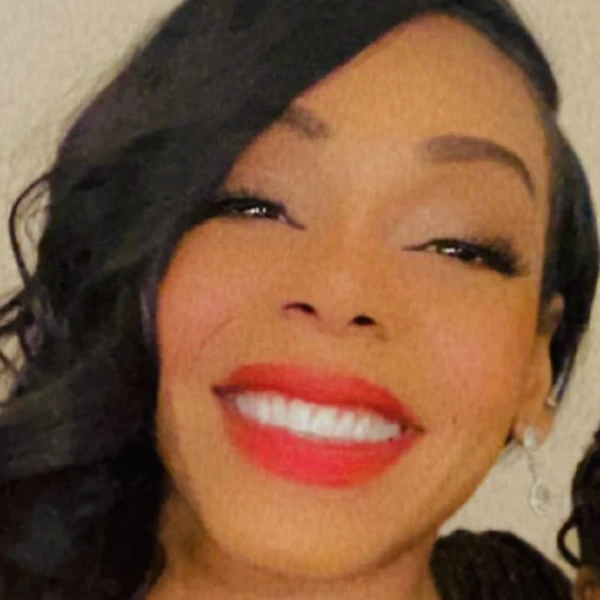
Zaneta Flowers
1x
Finalist1x
WinnerZaneta Flowers
1x
Finalist1x
WinnerBio
Hi, I am Zaneta Flowers, I am INFECTIOUS DISEASE EPIDEMIOLOGIST & HEALTH SCIENTIST
Versatile, strategic, analytical public health professional extensive expertise in research design, program development, implementation, and evaluation, particularly in the areas of epidemiology and community health education. Highly skilled in developing and updating training materials and learning products through close collaboration with stakeholders, tailoring instructional strategies and media solutions to meet the needs of diverse audiences. Known for integrating bioethics into clinical research, building partnerships, and managing complex, cross-functional projects. A collaborative leader with a proven track record of successfully directing program strategies, technology initiatives, and ensuring compliance with documentation requirements, consistently delivering projects on time, within budget, and in scope. Experienced in applying educational concepts to identify challenges, recommend solutions, and refine program guidelines. Proficient in conducting cost-benefit analyses to optimize training resources and negotiating partnerships with industry and educational institutions. Demonstrated success in partnering with and training cross-functional teams to enhance operational procedures, equipment, policies, and strategies that positively impact research outcomes.
Education
Purdue University Global
Doctoral degree program (PhD, MD, JD, etc.)Majors:
- Public Administration
Concordia University-Nebraska
Master's degree programMajors:
- Public Health
Cleveland State University
Master's degree programMajors:
- Health Professions Education, Ethics, and Humanities
Bowling Green State University-Main Campus
Bachelor's degree programMajors:
- Biological and Biomedical Sciences, Other
Minors:
- Biological and Biomedical Sciences, Other
- Public Health
Career
Dream career field:
Global Health Consultant
Dream career goals:
Sports
Softball
Varsity2004 – 20084 years
Scholarship for US/Algerian and US/Palestinian Community Members
I am an infectious disease epidemiologist and health scientist dedicated to advancing health equity, strengthening public health systems, and addressing disparities that disproportionately affect vulnerable communities. My academic journey including a Doctor of Health Science in Global Health in progress, alongside dual master’s degrees in public health and education has been guided by a commitment to integrating science, policy, and community engagement. Professionally, I have worked across federal agencies, including the CDC, FEMA, and the U.S. Air Force, where I have led epidemiological research, emergency response efforts, and health surveillance initiatives. These experiences have shaped my goal of using data-driven strategies and ethical research practices to promote justice, dignity, and access to care for all populations.
My career is grounded in the belief that public health is inseparable from social justice. Through my work in infectious disease surveillance, opioid epidemic response, and disaster recovery, I have seen firsthand how systemic inequities impact health outcomes. Whether developing overdose surveillance systems, supporting military health data pipelines, or coordinating equitable disaster recovery strategies, I strive to ensure that underserved populations are not overlooked. I plan to continue this work by influencing global health policy, strengthening international disease surveillance systems, and advocating for equitable resource distribution in crisis-affected regions. My long-term goal is to work at the intersection of global health and international policy, contributing to initiatives that address health disparities in conflict-affected and marginalized communities worldwide.
Although my professional path is rooted in science and public health, my connection to the struggles of Algerian and Palestinian communities has deeply influenced my perspective on justice and human rights. Both histories reflect resilience in the face of colonization, displacement, and ongoing संघर्ष for self-determination. The legacy of the Algerian War of Independence and the continued challenges faced by Palestinians particularly regarding displacement, access to healthcare, and restrictions on movement underscore the importance of global advocacy and equitable systems. These realities have strengthened my commitment to ensuring that health systems are not only scientifically sound but also ethically grounded and inclusive.
I am particularly aware of how conflict and political instability affect public health infrastructure. In Palestine, barriers to healthcare access, shortages of medical supplies, and limitations on mobility significantly impact disease prevention and treatment. Similarly, Algeria’s history of colonialism and its path to independence highlight the long-term effects of political struggle on national development, including healthcare systems. These contexts reinforce my desire to contribute to global health initiatives that prioritize peace, stability, and human dignity as essential components of public health.
Ultimately, I believe that meaningful change requires interdisciplinary collaboration, cultural understanding, and unwavering dedication to equity. My experiences have prepared me to be a leader who not only analyzes data but also translates it into actionable solutions that improve lives. Through my career, I am committed to advancing justice, promoting peace, and ensuring that all individuals, regardless of geography or circumstance have the opportunity to live healthy and dignified lives.
Max Bungard Memorial Scholarship
Addiction has shaped some of the most difficult chapters of my life, not only through personal experience but through the loss of someone I loved deeply my eldest sister last year on February 12th, 2025. Watching her battle substance abuse alongside mental health challenges exposed me to the devastating reality of addiction at an early and deeply personal level. Her struggle was not defined by weakness, but by a system that often failed to support her, and by the stigma that kept her suffering in silence. Losing her forced me to confront pain, grief, and my own relationship with mental health in ways I never expected.
In the aftermath of her passing, I found myself overwhelmed. Grief blurred into depression, and I struggled to process the weight of what had happened. There were moments when I felt lost and disconnected, unsure of how to move forward. While I did not walk the exact same path as my sister, her addiction deeply impacted my emotional well-being and challenged my sense of stability. It forced me to take an honest look at my own coping mechanisms, my mental health, and the importance of seeking help rather than suppressing pain.
The hardest part of this journey was recognizing that healing is not linear. There were days when progress felt impossible, when guilt and “what ifs” consumed me. However, I made a conscious decision to choose a different path one rooted in recovery, growth, and purpose. I sought therapy, joined support groups, and leaned into my faith and community. These steps were not easy, but they were necessary. Slowly, I began to rebuild a sense of self grounded in resilience rather than loss.
Through this process, I have gained a deeper understanding of addiction not as a moral failure, but as a complex intersection of mental health, environment, and access to care. This perspective has fueled my ambition to create meaningful change. I am currently pursuing a doctoral degree focused on mental health advocacy and social justice, with the goal of addressing the systemic barriers that prevent individuals from receiving the care they deserve. My experiences have given me both the empathy and the drive to contribute to this work in a meaningful way.
Moving forward, my goal is not only to maintain my own mental and emotional well-being, but to use my journey to impact others. I plan to continue volunteering with organizations that support individuals and families affected by addiction, and to advocate for culturally responsive care in underserved communities. I also hope to mentor young people who may be struggling, offering them the understanding and encouragement that can make the difference between isolation and healing.
Recovery, for me, is a daily commitment. It means choosing honesty over avoidance, connection over isolation, and hope over despair. It means honoring my sister’s life by refusing to let her story end in silence. While addiction has brought immense pain into my life, it has also given me clarity of purpose. I am determined to turn that pain into impact by breaking stigma, promoting healing, and helping others see that their struggles do not define them.
My journey is still unfolding, but I am moving forward with intention, strength, and a deep commitment to creating a future where recovery is not only possible, but supported and celebrated.
Arin Kel Memorial Scholarship
Four months into Arin Kel’s young life, he passed away suddenly, leaving behind a legacy of love that continues to inspire others. Like Arin, my sister Latisha Flowers-Lee’s life, though marked by struggle, continues to shape my purpose. If I could start a business with my sister, it would be a community-based mental health and wellness organization called Sister’s Light Collective a safe, culturally responsive space dedicated to supporting individuals and families navigating mental illness and addiction.
My sister was brilliant, compassionate, and full of potential. Yet, like many in marginalized communities, she faced barriers to care that ultimately left her feeling isolated and unheard. Together, we would build a business that directly addresses those gaps. Sister’s Light Collective would offer affordable counseling services, peer-led support groups, and outreach programs specifically designed for underserved populations. Our mission would be to dismantle stigma, increase access to care, and create spaces where people feel seen, valued, and supported.
What makes this vision deeply personal is that my sister would not just be the inspiration—she would be the heart of the work. She understood, in ways textbooks never could, the lived experience of mental illness and addiction. Her voice, her story, and her compassion would guide how we serve others. I would bring my academic training and advocacy work, while she would bring her lived wisdom and ability to connect with those who often feel invisible. Together, we would bridge the gap between clinical care and human understanding.
One of our key initiatives would be mobile wellness units that travel into communities with limited mental health resources, offering free screenings, crisis support, and referrals. We would also partner with schools, churches, and community centers to provide education on mental health, helping to normalize conversations that are too often silenced. Additionally, we would develop mentorship programs for young people, creating pathways for healing, resilience, and hope.
This business would not only be about services it would be about transformation. It would challenge systemic inequities, advocate for policy change, and train future clinicians to practice with empathy and cultural awareness. Every life touched would be a step toward the world my sister deserved to live in.
Although my sister is no longer physically here, her spirit continues to guide me. Through this vision, I honor her life by turning pain into purpose and grief into action. Sister’s Light Collective would stand as a testament to her strength, her humanity, and the enduring bond we share. Together, even in her absence, we would create something that saves lives.
Love Island Fan Scholarship
As a dedicated fan of Love Island, I’ve always been fascinated by how the show combines romance, competition, and emotional vulnerability to create unforgettable moments. To contribute to that legacy, I propose a brand-new challenge called “Truth or Twist: The Loyalty Test.” This challenge is designed to push Islanders out of their comfort zones while revealing the true strength of their relationships.
In this challenge, all couples gather around the fire pit. Each Islander is asked a series of questions about their relationship, their feelings, and their temptations in the villa. Questions range from playful to deeply revealing, such as “Who else in the villa would you couple up with if your partner left?” or “What is one thing your partner does that secretly annoys you?” Islanders must choose to answer honestly (“Truth”) or take a risk (“Twist”).
If an Islander chooses “Truth,” they must answer the question openly in front of everyone. Honesty earns respect and points for their couple, but it can also create tension depending on the answer. If they choose “Twist,” they spin a wheel that assigns them a surprise challenge. These twists might include going on a short date with another Islander, participating in a flirty dare, or temporarily swapping partners for a mini challenge. While twists can help avoid difficult truths, they often introduce jealousy and drama into the villa.
At the end of the game, couples are scored based on honesty, trust, and how well they handled the twists. The highest-scoring couple wins a romantic reward, such as a private date or time in the Hideaway. The lowest-scoring couple is left vulnerable, facing a public vote or potential elimination.
What makes “Truth or Twist: The Loyalty Test” exciting is its balance between emotional honesty and unpredictable drama. It forces Islanders to decide whether to be transparent or risk creating doubt through their actions. Viewers would be drawn in by the tension, unexpected twists, and the way relationships are tested under pressure.
Ultimately, this challenge captures what makes Love Island so compelling: real emotions, high stakes, and the constant question of whether love can survive temptation.
Ethel Hayes Destigmatization of Mental Health Scholarship
On February 12, 2025, I lost my eldest sister Latisha Flowers- Lee to suicide after her long and painful battle with mental health and substance abuse. Her death was not just a personal tragedy; it was a devastating reflection of how deeply broken our systems are when it comes to supporting those who suffer in silence. She was my role model, my protector, and my closest friend. Losing her shattered me. I am still grieving, still healing, and still asking for prayers. But I am also choosing to transform my pain into purpose.
My sister struggled for years. Her brilliance and warmth were often overshadowed by the chaos of untreated mental illness and addiction. I tried to be there for her sometimes as a caregiver, sometimes as a confidant but I often felt helpless. The stigma surrounding her condition made it harder for her to seek help, and the lack of culturally competent care in our community left her isolated. Watching her suffer taught me how deeply mental health is misunderstood, especially in marginalized communities where silence and shame often replace support and compassion.
Her death forced me to confront my own mental health. I spiraled into grief, guilt, and depression. For months, I felt numb and disconnected. But slowly, through therapy, support groups, and faith, I began to rebuild. I learned that recovery is not a destination, it’s a daily commitment to healing, growth, and grace. I also realized that my sister’s story could not end with her death. It had to become a catalyst for change.
That realization led me to pursue a doctoral degree focused on mental health advocacy and social justice. My academic goal is to research and dismantle the stigma surrounding mental illness in marginalized communities, particularly among all populations. I want to develop culturally responsive interventions, advocate for equitable access to care, and train future clinicians to approach mental health with empathy and intersectional awareness. Education, for me, is not just a personal achievement it’s a tool for systemic transformation.
In addition to my studies, I volunteer with organizations that support families affected by suicide and addiction. I speak openly about my sister’s story to raise awareness and reduce shame. I’ve also begun mentoring young people who are navigating their own mental health challenges, offering them the compassion and guidance I wish my sister had received. These experiences have deepened my commitment to advocacy and reminded me that even in grief, there is room for hope.
Managing my own recovery is an ongoing journey. I continue to attend therapy, practice mindfulness, and lean on my support network. I’ve learned to honor my sister’s memory without letting it consume me. I write to her, light candles in her name, and carry her spirit with me in everything I do. Some days are harder than others, but I remain committed to healing not just for myself, but for the countless others who feel unseen and unheard.
I still miss her every day. I still cry. I still ask for prayers. But I also believe that her life, though marked by struggle, was filled with love and that love continues to guide me. Through my grief, I’ve found purpose. Through my pain, I’ve found strength. And through my education, I’m building a future where no one has to suffer alone. Thank you.
Ruthie Brown Scholarship
Higher education has always represented opportunity to me, but it has also come with a financial reality that many students like me know all too well: significant debt. As a BIPOC student, I understand that the path to a degree often requires navigating financial barriers that can follow us long after graduation. Despite these challenges, I remain committed to completing my education and building a future where my degree allows me to create stability for myself and contribute positively to my community.
Right now, I am working three jobs in order to manage the financial responsibilities that come with pursuing higher education. Balancing multiple jobs while continuing my academic journey requires long days, careful time management, and constant determination. It is not always easy, but it is necessary. Every shift I work represents a step toward reducing the financial burden that would otherwise grow into overwhelming student loan debt.
In addition to working multiple jobs, I made the difficult but practical decision to move back in with my parents. While it was not originally part of my plan, returning home has allowed me to significantly reduce living expenses such as rent, utilities, and other costs that quickly add up for students living independently. This decision has allowed me to focus more of my income on paying down existing school-related expenses and limiting how much additional debt I will need to take on in the future.
Addressing my student debt is not just about paying bills today; it is also about making strategic decisions for the long term. I actively search and apply for scholarships like this one to reduce the amount I need to borrow. Every scholarship represents an opportunity to replace loans with support that does not have to follow me for decades. I also budget carefully, prioritizing essential expenses and directing any extra income toward educational costs whenever possible.
While working three jobs and managing school responsibilities can be exhausting, it has also strengthened my resilience and commitment to my goals. These experiences have taught me discipline, perseverance, and financial responsibility skills that will continue to benefit me throughout my life and career.
Most importantly, reducing my student debt will allow me to focus on building a stable future rather than spending years trying to escape financial hardship. My goal is not only to graduate but to do so in a way that allows me to move forward confidently, pursue meaningful career opportunities, and support others in my community who are facing similar challenges.
Although the cost of higher education continues to rise, I refuse to let financial barriers stop me from achieving my goals. By working multiple jobs, making difficult financial sacrifices, and seeking opportunities like this scholarship, I am actively taking steps to manage and reduce my student debt so that my education becomes a foundation for opportunity rather than a lifelong burden.
Bulkthreads.com's "Let's Aim Higher" Scholarship
When I think about what I want to build, I don’t just think about creating something physical. I think about building opportunity both for myself and for the people around me. Education gives us the tools to change our lives, but more importantly, it gives us the ability to lift others up as well. Through my education, I hope to build a future where knowledge, support, and opportunity are more accessible to the communities that need them most.
The first thing I want to build is a strong foundation for my own future. Pursuing higher education requires dedication, discipline, and sacrifice, but it is also one of the most powerful ways to grow. By investing in my education, I am building the skills, knowledge, and confidence needed to pursue a meaningful career. I want my career to be more than just a job, it should be a platform where I can solve problems, contribute to innovation, and create solutions that improve people's lives.
Beyond my personal goals, I want to build pathways for others. Many students grow up believing that higher education or professional success is out of reach, often because of financial barriers or lack of guidance. I want to help change that. Whether through mentorship, community involvement, or future initiatives, I hope to support students who may feel uncertain about their path. Even small acts of encouragement or guidance can have a lasting impact on someone’s future.
I also want to build stronger communities by using my education to address real challenges. Every community faces issues that require creative thinking and dedicated people willing to step forward. My goal is to use what I learn to help create solutions whether that means improving access to resources, helping people develop new skills, or contributing to projects that strengthen local communities.
Ultimately, what I want to build is a cycle of opportunity. The education I pursue today will not only shape my future but will also allow me to invest in the futures of others. By building knowledge, sharing resources, and encouraging growth, I hope to create a ripple effect that extends far beyond my own success.
This is the future I want to build: one where education leads to opportunity, and opportunity leads to positive change.
Jean Ramirez Scholarship
On February 12, 2025, I lost my eldest sister Latisha Flowers- Lee to suicide after her long and painful battle with mental health and substance abuse. Her death was not just a personal tragedy; it was a devastating reflection of how deeply broken our systems are when it comes to supporting those who suffer in silence. She was my role model, my protector, and my closest friend. Losing her shattered me. I am still grieving, still healing, and still asking for prayers. But I am also choosing to transform my pain into purpose.
My sister struggled for years. Her brilliance and warmth were often overshadowed by the chaos of untreated mental illness and addiction. I tried to be there for her sometimes as a caregiver, sometimes as a confidant but I often felt helpless. The stigma surrounding her condition made it harder for her to seek help, and the lack of culturally competent care in our community left her isolated. Watching her suffer taught me how deeply mental health is misunderstood, especially in marginalized communities where silence and shame often replace support and compassion.
Her death forced me to confront my own mental health. I spiraled into grief, guilt, and depression. For months, I felt numb and disconnected. But slowly, through therapy, support groups, and faith, I began to rebuild. I learned that recovery is not a destination, it’s a daily commitment to healing, growth, and grace. I also realized that my sister’s story could not end with her death. It had to become a catalyst for change.
That realization led me to pursue a doctoral degree focused on mental health advocacy and social justice. My academic goal is to research and dismantle the stigma surrounding mental illness in marginalized communities, particularly among all populations. I want to develop culturally responsive interventions, advocate for equitable access to care, and train future clinicians to approach mental health with empathy and intersectional awareness. Education, for me, is not just a personal achievement it’s a tool for systemic transformation.
In addition to my studies, I volunteer with organizations that support families affected by suicide and addiction. I speak openly about my sister’s story to raise awareness and reduce shame. I’ve also begun mentoring young people who are navigating their own mental health challenges, offering them the compassion and guidance I wish my sister had received. These experiences have deepened my commitment to advocacy and reminded me that even in grief, there is room for hope.
Managing my own recovery is an ongoing journey. I continue to attend therapy, practice mindfulness, and lean on my support network. I’ve learned to honor my sister’s memory without letting it consume me. I write to her, light candles in her name, and carry her spirit with me in everything I do. Some days are harder than others, but I remain committed to healing not just for myself, but for the countless others who feel unseen and unheard.
I still miss her every day. I still cry. I still ask for prayers. But I also believe that her life, though marked by struggle, was filled with love and that love continues to guide me. Through my grief, I’ve found purpose. Through my pain, I’ve found strength. And through my education, I’m building a future where no one has to suffer alone. Thank you.
Learner Calculus Scholarship
Calculus is widely regarded as one of the most challenging areas of mathematics, and many students approach it with apprehension. However, despite its reputation for difficulty, calculus is one of the most essential foundations of the STEM disciplines. At its core, calculus provides the mathematical framework necessary to understand change, predict outcomes, and analyze complex systems. These capabilities are fundamental to fields ranging from engineering and physics to computer science, public health, and data science.
One of the primary reasons calculus is so valuable in STEM is that it allows scientists and engineers to study how systems evolve over time. Through concepts such as derivatives and integrals, calculus enables researchers to measure rates of change and cumulative effects within dynamic systems. For example, engineers rely on calculus to model the forces acting on structures such as bridges and buildings, ensuring that these structures remain safe and stable. Similarly, physicists use calculus to describe motion, energy, and gravitational forces, allowing them to better understand the fundamental laws that govern the natural world.
In modern technological fields, calculus also plays an important role in computational modeling and data analysis. As technology continues to advance, professionals in areas such as information security, artificial intelligence, and computer science increasingly depend on mathematical models to solve complex problems. Calculus allows these professionals to optimize algorithms, analyze system performance, and design technologies that operate efficiently under a wide range of conditions. Without calculus, many of the innovations that define today’s technological landscape from machine learning systems to network infrastructure would not be possible.
Beyond engineering and computer science, calculus also contributes significantly to scientific research and data-driven decision-making. In disciplines such as environmental science, epidemiology, and biomedical research, calculus is used to model patterns, forecast outcomes, and evaluate the impact of different interventions. Mathematical modeling based on calculus allows researchers to study how diseases spread, how populations change, and how environmental systems respond to external pressures. These insights can guide public health strategies, policy decisions, and technological innovations that benefit society as a whole.
Another reason calculus is important in STEM is that it cultivates analytical thinking and problem-solving skills. The process of learning calculus challenges students to think logically, approach problems systematically, and apply mathematical reasoning to complex scenarios. These cognitive skills are invaluable across all STEM professions. By learning calculus, students develop the ability to break down complicated problems into manageable components and evaluate solutions using evidence and mathematical logic.
Although many students initially view calculus as intimidating, mastering its concepts can be incredibly rewarding. The subject not only provides practical tools for solving real-world problems but also encourages persistence and intellectual curiosity. Students who engage with calculus learn that complex challenges can be overcome through patience, practice, and critical thinking. These lessons extend far beyond the classroom and prepare students for the demanding yet impactful careers that STEM fields offer.
Ultimately, calculus serves as a cornerstone of innovation in science, technology, engineering, and mathematics. It allows researchers and professionals to analyze patterns, model systems, and develop solutions to some of the most pressing challenges facing our world today. By studying calculus, students gain the knowledge and analytical skills necessary to contribute meaningfully to technological advancement and scientific discovery. For these reasons, calculus remains an indispensable component of STEM education and a vital tool for shaping the future of innovation.
Best Greens Powder Heroes’ Legacy Scholarship
Growing up as the child of a father who served in the United States military profoundly shaped my understanding of discipline, sacrifice, and service to others. While my father wore the uniform, our entire family shared in the responsibilities and challenges that accompany military life. From an early age, I learned that service to one’s country extends beyond the individual who serves, it is a collective commitment that requires resilience, adaptability, and unwavering support from the entire family.
My father’s military service instilled in me a deep respect for duty, perseverance, and integrity. The military environment often requires families to face uncertainty, long periods of separation, and the emotional strain that accompanies the possibility of danger. As a child, I remember the constant awareness that my father’s role involved risks and responsibilities far greater than what most families encounter. Although these realities could be difficult, they also fostered a strong sense of pride and purpose within our household. We understood that his service was part of something larger than ourselves, a commitment to protecting the safety and freedom of others.
Being raised in a military family also taught me the importance of adaptability. Military families frequently navigate change, whether it involves adjusting to new routines, coping with extended absences, or managing the responsibilities that arise when a parent is deployed or serving away from home. These experiences required emotional maturity and resilience at an early age. I learned to embrace change, remain flexible in challenging situations, and approach obstacles with determination rather than fear.
Perhaps the most meaningful lesson I gained from my father’s service was the value of helping others. The military is built on the principle that individuals work together toward a common mission, often placing the needs of others above their own. Watching my father dedicate himself to serving his country inspired me to pursue a career focused on service as well. His example reinforced the idea that meaningful work is not defined solely by personal success but by the positive impact one has on the lives of others.
This perspective ultimately influenced my decision to pursue a career in public health. In many ways, public health embodies the same spirit of service that defines military life. Public health professionals work to protect communities, respond to crises, and improve the well-being of populations often behind the scenes and without recognition. My father’s commitment to safeguarding others motivated me to pursue a path where I could contribute to the health and resilience of communities on a broader scale.
Throughout my academic and professional journey, I have carried the values I learned from my father with me. Discipline, responsibility, and perseverance have guided my educational pursuits and my dedication to improving health outcomes through research and community engagement. Just as military families support their loved ones in service, I strive to support the communities I work with by addressing health challenges, promoting education, and advocating for equitable access to resources.
Being the child of a military parent has shaped not only who I am but also how I approach my goals and responsibilities. My father’s service taught me that true strength lies in resilience, compassion, and commitment to something greater than oneself. As I continue my educational and professional journey, I remain inspired by the example he set one of dedication, integrity, and service to others.
Autumn Davis Memorial Scholarship
My journey in public health and epidemiology has profoundly shaped my understanding of mental health and its role in overall well-being. Through my academic training and professional experiences, I have come to recognize that mental health is inseparable from physical health, community stability, and public safety. Whether working in infectious disease surveillance, emergency response, or community health initiatives, I have repeatedly witnessed how psychological resilience and mental health support determine how individuals and communities navigate adversity. These experiences have strengthened my belief that addressing mental health is essential to building healthier and more equitable societies.
Throughout my career, I have worked in environments where individuals faced significant stress, trauma, and uncertainty. While supporting public health initiatives and emergency response efforts, I interacted with communities experiencing crises from public health emergencies to natural disasters. These situations often revealed that the emotional and psychological consequences of these events were just as significant as the physical ones. People were not only coping with loss, illness, or displacement, but also with anxiety, grief, and fear about their futures.
These experiences reshaped how I approach both professional and personal relationships. They taught me the importance of empathy, patience, and active listening. In public health, data and policy provide direction, but human connection provides healing. I have learned that individuals are more willing to engage with healthcare systems when they feel respected, understood, and supported. Building trust with communities requires acknowledging their lived experiences and recognizing the psychological challenges they face.
My background in community health promotion and epidemiology has also strengthened my commitment to reducing stigma surrounding mental health. In many communities, mental illness remains misunderstood or stigmatized, preventing individuals from seeking help when they need it most. I believe education and awareness are powerful tools in changing these narratives. Through research, community outreach, and policy advocacy, public health professionals can normalize conversations about mental health and promote access to supportive resources.
My career aspirations are driven by a desire to integrate mental health awareness into broader public health and healthcare systems. As I continue my doctoral studies in global health and infectious disease, I aim to explore how mental health intersects with chronic disease, public health emergencies, and health disparities. My goal is to contribute to interdisciplinary solutions that address both physical and psychological well-being, particularly within underserved communities.
I hope to make a positive impact by promoting policies and programs that incorporate mental health into emergency preparedness, disease prevention, and community health initiatives. For example, public health responses to crises often focus primarily on physical outcomes, yet the long-term mental health consequences of these events can significantly affect recovery and resilience. By advocating for mental health resources to be integrated into public health responses, we can ensure that communities receive comprehensive support during and after times of crisis.
Ultimately, my experiences have reinforced my belief that improving mental health outcomes requires both scientific insight and compassionate leadership. Mental health is not simply an individual issue; it is a collective responsibility that affects families, communities, and entire health systems. Through my work in public health research, policy development, and community engagement, I hope to contribute to a future where mental health support is accessible, stigma is reduced, and individuals feel empowered to seek the help they deserve.
By combining my background in epidemiology with a commitment to mental health advocacy, I aim to help build stronger, healthier communities where both physical and psychological well-being are prioritized.
Tawkify Meaningful Connections Scholarship
Human connection has always been the foundation of meaningful public health work. While data, technology, and scientific methods are essential tools, the true impact of health science is realized through relationships with communities, colleagues, patients, and families. Throughout my academic and professional journey in epidemiology and community health, I have learned that building trust and fostering genuine relationships are often the most powerful interventions we have.
My long-term professional goals center on improving population health outcomes, particularly within communities disproportionately affected by infectious diseases, health disparities, and limited access to healthcare resources. However, the path to achieving these goals does not lie solely in research or policy development. It lies in the ability to connect with people, listen to their experiences, and build collaborative partnerships that transform data into meaningful change.
Working in public health has given me countless opportunities to witness how relationships influence both personal and professional success. As an epidemiologist and public health advisor, I have collaborated with scientists, healthcare providers, policymakers, and community leaders to address complex health challenges. Each of these partnerships reinforced an important lesson: effective solutions emerge when people feel heard, respected, and valued. Human connection creates the trust necessary for communities to engage with public health initiatives and adopt life-saving interventions.
One of the most profound examples of this occurred during my work in public health surveillance and emergency response. While supporting health surveillance initiatives and disaster recovery efforts, I worked closely with communities experiencing some of the most difficult moments of their lives. In those situations, technical expertise alone was not enough. What mattered most was empathy, clear communication, and the ability to build rapport with individuals facing uncertainty and loss. Establishing trust allowed me and my colleagues to gather accurate information, provide meaningful assistance, and support recovery efforts that prioritized both dignity and resilience.
My work in infectious disease epidemiology has also demonstrated how relationships influence health outcomes on a broader scale. Whether monitoring disease trends, supporting surveillance systems, or collaborating with interdisciplinary teams, the success of these initiatives depends heavily on communication and collaboration. Data must move across institutions, and professionals from different disciplines must work together toward a shared goal. Building these partnerships requires mutual respect, transparency, and a commitment to collective progress.
Relationships have also played a central role in shaping my academic journey. As I pursue my Doctor of Health Science in Infectious Disease and Global Health, I am continually reminded that mentorship, collaboration, and intellectual exchange are essential components of scientific advancement. Professors, colleagues, and peers have challenged my perspectives, strengthened my research skills, and encouraged me to pursue innovative approaches to public health challenges. These relationships have reinforced my belief that knowledge grows through dialogue and cooperation rather than isolation.
Beyond my professional work, relationships also influence my broader vision for the future of public health. Communities facing health disparities often experience barriers not only to healthcare but also to representation and advocacy. Strengthening relationships between public health institutions and the populations they serve can help bridge these gaps. By engaging communities as partners rather than passive recipients of services, we can develop interventions that are culturally responsive, sustainable, and more effective.
In the future, I hope to continue advancing research and policy initiatives that address infectious diseases and health inequities while prioritizing community engagement and collaboration. My goal is not only to generate scientific knowledge but also to ensure that the knowledge translates into real-world impact. Achieving this requires the ability to cultivate relationships that bring together researchers, policymakers, healthcare providers, and community members in pursuit of shared solutions.
Ultimately, relationships are the thread that connects every aspect of my work and aspirations. They shape the way I approach leadership, guide my commitment to service, and influence how I envision the future of public health. By fostering authentic connections and collaborative partnerships, I hope to contribute to a healthier, more equitable world one where science and human compassion work together to improve lives.
Christian Fitness Association General Scholarship
Higher education represents far more than the pursuit of a degree; it is a pathway to opportunity, intellectual growth, and the ability to contribute meaningfully to society. However, the financial barriers associated with obtaining a college education can be substantial, particularly for students who must balance academic ambition with economic realities. For this reason, receiving this scholarship would not only support my educational journey but also allow me to continue striving toward academic excellence, leadership, and service.
Throughout my academic career, I have approached my education with dedication and discipline. I have consistently worked to maintain strong academic performance while engaging in activities that broaden my intellectual perspective and develop skills beyond the classroom. Academic success, in my view, is not simply measured by grades but by a genuine commitment to learning and the pursuit of knowledge. By actively engaging in coursework, seeking out opportunities to challenge myself, and maintaining a strong work ethic, I have developed the critical thinking and problem-solving abilities that will be essential throughout my higher education journey and future career.
In addition to my academic work, extracurricular activities have played a significant role in shaping my character and personal development. Participation in activities outside the classroom has provided opportunities to cultivate leadership, collaboration, and perseverance. Whether through school organizations, community involvement, or other structured activities, these experiences have allowed me to work alongside individuals from diverse backgrounds and perspectives. They have taught me the importance of teamwork, communication, and responsibility—skills that are equally valuable in both academic and professional environments.
One of the most meaningful aspects of my involvement in extracurricular activities has been the opportunity to contribute to my community. I believe that education carries with it a responsibility to use one’s knowledge and skills for the benefit of others. Through volunteering and service initiatives, I have sought to support those around me while gaining a deeper understanding of the challenges that many individuals face. These experiences have strengthened my sense of empathy and reinforced my commitment to pursuing goals that extend beyond personal achievement.
While academic and extracurricular accomplishments are important, they are only part of the story. Equally significant is the determination required to pursue higher education in the face of financial constraints. Like many students, I have had to carefully consider the economic implications of attending college. The rising costs of tuition, textbooks, housing, and other educational expenses can create significant barriers for students who are motivated to pursue their goals but lack sufficient financial resources. These challenges require not only careful planning but also resilience and persistence.
Receiving this scholarship would greatly reduce the financial burden associated with continuing my education. More importantly, it would allow me to focus more fully on my academic pursuits and personal development rather than the constant concern of financial limitations. Scholarships such as this play a critical role in making higher education accessible to students who are willing to work hard but require additional support to reach their full potential.
Beyond financial assistance, being selected for this scholarship would serve as a meaningful affirmation of the values that guide my educational journey ambition, perseverance, and the desire to create a positive impact. I have always believed that success is not solely defined by personal accomplishments but also by the ability to contribute positively to the communities and institutions of which we are a part. My goal is to use my education as a foundation for making meaningful contributions in my chosen field while also supporting others who face similar challenges.
Looking toward the future, I am committed to continuing my pursuit of academic excellence while seeking opportunities for leadership and service. Higher education will allow me to deepen my knowledge, develop specialized skills, and expand my understanding of the complex issues that shape our world. With these tools, I hope to pursue a career that not only fulfills my intellectual interests but also enables me to make a lasting and meaningful difference.
In conclusion, I believe I should be considered for this scholarship because of my dedication to academic achievement, my active involvement in extracurricular and community activities, and my determination to overcome financial barriers in pursuit of my educational goals. This scholarship would not only support my ability to continue my studies but also empower me to pursue opportunities that will allow me to contribute positively to society. With ambition, resilience, and a commitment to lifelong learning, I intend to make the most of the opportunities that higher education provides and to use them in ways that extend far beyond my own success.
Learner Mental Health Empowerment for Health Students Scholarship
On February 12, 2025, I lost my eldest sister Latisha Flowers- Lee to suicide after her long and painful battle with mental health and substance abuse. Her death was not just a personal tragedy; it was a devastating reflection of how deeply broken our systems are when it comes to supporting those who suffer in silence. She was my role model, my protector, and my closest friend. Losing her shattered me. I am still grieving, still healing, and still asking for prayers. But I am also choosing to transform my pain into purpose.
My sister struggled for years. Her brilliance and warmth were often overshadowed by the chaos of untreated mental illness and addiction. I tried to be there for her sometimes as a caregiver, sometimes as a confidant but I often felt helpless. The stigma surrounding her condition made it harder for her to seek help, and the lack of culturally competent care in our community left her isolated. Watching her suffer taught me how deeply mental health is misunderstood, especially in marginalized communities where silence and shame often replace support and compassion.
Her death forced me to confront my own mental health. I spiraled into grief, guilt, and depression. For months, I felt numb and disconnected. But slowly, through therapy, support groups, and faith, I began to rebuild. I learned that recovery is not a destination, it’s a daily commitment to healing, growth, and grace. I also realized that my sister’s story could not end with her death. It had to become a catalyst for change.
That realization led me to pursue a doctoral degree focused on mental health advocacy and social justice. My academic goal is to research and dismantle the stigma surrounding mental illness in marginalized communities, particularly among all populations. I want to develop culturally responsive interventions, advocate for equitable access to care, and train future clinicians to approach mental health with empathy and intersectional awareness. Education, for me, is not just a personal achievement it’s a tool for systemic transformation.
In addition to my studies, I volunteer with organizations that support families affected by suicide and addiction. I speak openly about my sister’s story to raise awareness and reduce shame. I’ve also begun mentoring young people who are navigating their own mental health challenges, offering them the compassion and guidance I wish my sister had received. These experiences have deepened my commitment to advocacy and reminded me that even in grief, there is room for hope.
Managing my own recovery is an ongoing journey. I continue to attend therapy, practice mindfulness, and lean on my support network. I’ve learned to honor my sister’s memory without letting it consume me. I write to her, light candles in her name, and carry her spirit with me in everything I do. Some days are harder than others, but I remain committed to healing not just for myself, but for the countless others who feel unseen and unheard.
I still miss her every day. I still cry. I still ask for prayers. But I also believe that her life, though marked by struggle, was filled with love and that love continues to guide me. Through my grief, I’ve found purpose. Through my pain, I’ve found strength. And through my education, I’m building a future where no one has to suffer alone. Thank you.
Women in STEM Scholarship
I chose to pursue a career in STEM because science offers one of the most powerful ways to improve human health, protect communities, and address complex global challenges. From an early stage in my education, I was fascinated by biology and the science behind how diseases spread and impact populations. That curiosity eventually led me to public health, epidemiology, and infectious disease research fields where scientific knowledge directly influences policies, prevention strategies, and life-saving interventions.
My academic journey has centered on understanding how science and data can be used to address public health threats and reduce disparities. I earned degrees in biology, public health, and community health promotion, and I am currently completing a Doctor of Health Science degree focused on infectious disease and global health. Throughout this journey, I have worked in laboratory science, epidemiological research, and public health program management. These experiences have allowed me to contribute to disease surveillance efforts, molecular diagnostics, and health policy initiatives that help inform responses to emerging health threats.
As a woman in STEM, I have witnessed both the progress and the challenges that still exist in scientific fields. Historically, women have been underrepresented in STEM careers, particularly in leadership roles. While opportunities for women have expanded, there is still a need for stronger representation, mentorship, and support networks that empower women to thrive in scientific environments. Being part of this evolving landscape motivates me to continue pursuing leadership opportunities where I can contribute to scientific advancement while also helping to create pathways for other women entering STEM fields.
My career in public health and infectious disease research has reinforced the importance of diverse perspectives in scientific problem-solving. Public health challenges are complex and require collaboration among scientists, policymakers, and communities. Women bring unique insights, experiences, and leadership styles that strengthen the field and encourage more inclusive approaches to innovation. I believe that diversity in STEM leads to more creative solutions, better research outcomes, and stronger policies that benefit society as a whole.
Throughout my professional experiences, I have worked on a variety of public health initiatives including infectious disease surveillance, emergency response, and health program evaluation. During the COVID-19 pandemic and other public health crises, I saw firsthand how science, data analysis, and laboratory research play critical roles in protecting public health. These experiences reinforced my commitment to using STEM not only as a career path but also as a platform for service and impact.
Looking forward, I hope to make a difference in STEM by advancing research that addresses health disparities and improves disease prevention strategies. My long-term goal is to lead public health initiatives that strengthen disease surveillance systems, develop evidence-based policies, and improve access to healthcare resources for underserved communities. I also hope to mentor and support young women interested in STEM careers, particularly those who may not see themselves represented in scientific spaces.
This scholarship represents more than financial support; it symbolizes encouragement for women who are committed to advancing knowledge and innovation. As a woman pursuing a STEM career, I am driven by curiosity, guided by science, and motivated by the opportunity to make a lasting impact on public health. By continuing my education and contributing to research and policy development, I hope to help shape a future where women play an even greater role in driving scientific discovery and improving lives around the world.
Learner Tutoring Innovators of Color in STEM Scholarship
I chose to pursue a degree in STEM because science has the power to uncover truths that can save lives, strengthen communities, and address some of the most pressing challenges facing our world. Growing up, I was deeply curious about how diseases spread, why certain communities experience worse health outcomes than others, and how science could be used to prevent illness rather than simply treat it. That curiosity eventually led me to pursue a career in public health, epidemiology, and infectious disease research.
As a woman of color in STEM, my perspective has been shaped not only by scientific training but also by lived experiences that highlight the importance of equity in health and education. Historically, communities of color have been underrepresented in scientific research and leadership positions, even though these communities are often the most affected by public health crises. I chose STEM because I believe representation matters. When diverse voices are included in scientific discovery and policy development, the solutions we create become more inclusive, culturally informed, and effective.
Throughout my academic and professional journey, I have pursued education as a lifelong commitment. I earned degrees in biology, public health, and community health promotion, and I am currently completing a doctoral degree focused on infectious disease and global health. My education has allowed me to contribute to important public health efforts including infectious disease surveillance, laboratory diagnostics, disaster response, and epidemiological research. These experiences have shown me how data, science, and technology can be used to protect communities and improve health outcomes on a large scale.
My work in STEM has also exposed me to the real-world consequences of health disparities. During the COVID-19 pandemic and other public health emergencies, it became clear that many underserved communities faced barriers to testing, treatment, and accurate health information. As an epidemiologist and laboratory scientist, I have worked to analyze disease trends, support molecular testing, and contribute to public health strategies that help decision-makers respond more effectively to emerging threats. Each of these experiences reinforced my belief that STEM careers are not only about scientific discovery but also about service and advocacy.
As a person of color in STEM, I hope to make an impact by strengthening the connection between scientific research and community engagement. My long-term goal is to lead public health initiatives that improve disease surveillance systems, address racial health disparities, and develop evidence-based policies that protect vulnerable populations. I want to ensure that data and technology are used not just to study problems but to implement solutions that are accessible to the communities most affected.
Equally important to me is mentorship and representation. Many students of color interested in STEM lack access to mentors who share similar backgrounds and experiences. I hope to serve as a mentor and advocate for young students who may not yet see themselves reflected in scientific careers. By sharing my journey and supporting the next generation of scientists, I hope to help create pathways for more diverse voices to enter and lead within STEM fields.
Ultimately, I chose STEM because it allows me to combine curiosity, research, and service to make a tangible difference in people’s lives. As a scientist of color, I hope to contribute not only to innovation but also to a more inclusive scientific community where diverse perspectives drive discovery, equity, and progress for generations to come.
Strong Leaders of Tomorrow Scholarship
Leadership, to me, is not defined solely by a title or authority, but by the ability to use one’s knowledge, resilience, and compassion to uplift others and create meaningful change. As a public health professional, epidemiologist, and lifelong learner, my leadership has been shaped by perseverance, service, and a commitment to improving health outcomes for vulnerable communities.
My journey into leadership has not been without challenges. Living and working with personal limitations that require persistence and adaptability has strengthened my ability to problem-solve, remain resilient, and advocate not only for myself but for others who may face barriers in education and professional spaces. These experiences have taught me that leadership often begins with understanding obstacles firsthand and using those insights to create systems that are more inclusive and equitable.
Throughout my career, I have worked in public health, infectious disease research, emergency management, and laboratory science. Currently, I support epidemiological research and health surveillance efforts that contribute to improving military health outcomes. In addition, I serve as a reservist with the Federal Emergency Management Agency (FEMA), where I assist communities recovering from disasters. In these roles, leadership means translating complex data into practical solutions, coordinating with diverse teams, and ensuring that the needs of vulnerable populations are prioritized during times of crisis.
One of the most important aspects of leadership in public health is the ability to communicate and collaborate across disciplines. Whether working with scientists, policymakers, or community leaders, I strive to create environments where diverse perspectives are valued. During my time supporting federal public health initiatives, I helped coordinate projects that involved federal agencies, academic institutions, and healthcare organizations. These collaborations strengthened surveillance systems and improved how data is used to guide policy and public health interventions.
Education has always been central to my leadership journey. I have pursued multiple degrees in biology, public health, and community health promotion, and I am currently completing a doctoral degree in infectious disease and global health. For me, education is not simply about personal advancement; it is about gaining the knowledge necessary to address complex public health challenges such as infectious disease outbreaks, health disparities, and community resilience. My goal is to use this expertise to design programs and policies that improve access to healthcare and strengthen disease prevention efforts in underserved communities.
Beyond my professional work, I have also demonstrated leadership through mentorship and community engagement. As a graduate teaching assistant and student organization leader, I helped develop public health education campaigns and initiatives to improve health awareness on campus. These experiences reinforced my belief that leadership involves empowering others with knowledge and encouraging them to become advocates for change in their own communities.
What ultimately makes me a leader is my dedication to service, continuous learning, and the belief that challenges can be transformed into opportunities for growth and impact. I strive to lead by example through integrity, empathy, and persistence while working toward a future where education, health, and opportunity are accessible to everyone.
Through my work in public health and my commitment to lifelong learning, I hope to continue leading initiatives that improve lives, reduce health disparities, and empower communities for generations to come.
Michele L. Durant Scholarship
My name is Zaneta Flowers, and I am an infectious disease epidemiologist, health scientist, and lifelong learner committed to advancing health equity in underserved communities. As a Black woman working at the intersection of public health, research, and emergency response, my career has been shaped by a deep understanding of the systemic disparities that impact communities of color. These disparities have fueled my determination to use science, education, and leadership to create meaningful change.
Currently, I serve as a Research Epidemiologist supporting the United States Air Force through a federal contracting role, where I analyze health surveillance data and contribute to epidemiological investigations that inform military health outcomes. I also serve as a Task Force Leader and Emergency Management Specialist with the Federal Emergency Management Agency (FEMA), helping communities recover from disasters and ensuring that vulnerable populations receive equitable access to federal assistance. In both roles, my work focuses on translating complex data into actionable strategies that protect lives and improve community resilience.
My journey into public health began with a strong interest in biology and preventive medicine. Over the years, I have earned multiple degrees, including a Master of Public Health in Epidemiology, a Master of Education in Community Health Promotion, and I am currently completing a Doctor of Health Science in Infectious Disease and Global Health. Like many Black women pursuing advanced education, my path has required significant financial sacrifice. However, education has always been more than a personal achievement for me; it is a tool for empowerment, advocacy, and systemic change.
Throughout my career, I have worked on major public health challenges including COVID-19 response, the opioid epidemic, HIV and tuberculosis surveillance, and neurological disease monitoring at the Centers for Disease Control and Prevention. These experiences reinforced the importance of culturally informed public health strategies and equitable access to healthcare resources. Too often, communities of color are disproportionately affected by disease outbreaks, environmental hazards, and structural barriers to healthcare. My goal is to continue developing data-driven solutions that address these disparities while empowering communities through education and policy reform.
Beyond my professional work, I have always prioritized community engagement and mentorship. As a former graduate teaching assistant and student organization leader, I helped develop tobacco-free campus initiatives and public health outreach programs aimed at improving awareness and prevention strategies. I believe that leadership is not only about directing programs, but also about uplifting others, particularly young women of color who aspire to careers in science, medicine, and public health.
Receiving the Michele L. Durant Scholarship would support my continued pursuit of advanced research and leadership opportunities in global infectious disease prevention. Inspired by Ms. Durant’s legacy as both a military professional and dedicated student, I strive to embody the same commitment to lifelong learning and service. My long-term goal is to lead large-scale public health initiatives that reduce health disparities, strengthen disease surveillance systems, and ensure that historically marginalized communities are represented in the decisions that affect their health.
By combining research, policy development, and community advocacy, I hope to contribute to a future where health equity is not an aspiration but a reality. I believe that empowering women of color in leadership positions is essential to achieving this vision, and I am committed to using my education and experience to make a lasting difference in both my community and the world.
ADHDAdvisor Scholarship for Health Students
My commitment to mental health advocacy has been shaped by extensive professional experience in public health, epidemiology, and emergency response, as well as sustained engagement with individuals and communities affected by psychological distress. Working across federal, state, and community health systems has provided firsthand insight into how mental health challenges intersect with infectious disease response, injury surveillance, substance use crises, and disaster recovery.
Throughout my career, I have supported others by embedding empathy, ethical practice, and psychological awareness into data driven public health work. As an epidemiologist involved in opioid injury surveillance and disaster recovery operations, I have collaborated closely with impacted communities, healthcare professionals, and leadership to ensure that public health strategies reflect both scientific rigor and human need. I have contributed to the development of surveillance systems, policy guidance, and communication strategies that prioritize equity, harm reduction, and access to care for vulnerable populations. In emergency management and federal response settings, I have led teams under high stress conditions, emphasizing clear communication, emotional support, and resilience for both colleagues and survivors navigating crisis and loss.
My academic training in epidemiology, community health promotion, and preventive medicine has reinforced my belief that mental health is inseparable from population health outcomes. Through my studies and applied research, I have developed expertise in evidence based practice, bioethics, and program evaluation, all of which are essential to addressing mental health stigma and systemic gaps in care. In my future healthcare and public health career, I plan to continue advocating for trauma informed, patient centered, and culturally responsive approaches that address mental well being alongside physical health.
Ultimately, I seek to contribute to a healthcare environment in which mental health advocacy is recognized as a professional responsibility rather than an ancillary concern. By integrating epidemiological science, policy strategy, and compassionate leadership, I aim to support individuals, healthcare professionals, and communities in achieving sustainable emotional well being and resilience.
James T. Godwin Memorial Scholarship
I come from a family where service was never something you talked about for praise, it was simply what you did. Some of my earliest memories are shaped by that understanding, especially those connected to my father, an Air Force pilot whose quiet discipline set the tone for our household and, ultimately, for my life.
Growing up, I remember watching my father prepare for deployments with a calm focus that never wavered. There were no dramatic speeches or visible fear, just careful checklists, polished boots, and early mornings. He taught me that responsibility does not wait for perfect conditions. When you are needed, you show up prepared. As a child, I did not fully understand the weight of what he carried, but I understood the consistency. No matter the hour or the stress, he carried himself with humility and purpose.
That lesson echoed throughout my family. My grandfather served in the Army, and several of my uncles followed that same path. Family gatherings often included stories, not glorified war tales, but moments of problem-solving under pressure, loyalty to unit and mission, and the importance of protecting others even when it required personal sacrifice. What stood out most was that service did not end when the uniform came off. It became a lifelong mindset.
One story my father shared with me has stayed with me into adulthood. He once explained that as a pilot, the most critical decisions are often made before you ever leave the ground—through preparation, planning, and discipline. “If you wait until something goes wrong to start thinking,” he told me, “you’re already too late.” That lesson became foundational for how I approach challenges, leadership, and eventually, my career.
Today, I serve the Air Force at Wright-Patterson Air Force Base as a research epidemiologist, supporting military health outcomes through surveillance, data analysis, and injury prevention research. While my role looks very different from my father’s cockpit, the mission feels deeply familiar. I may not be flying aircraft, but I am helping protect the readiness, health, and safety of those who do. Every dataset I analyze and every recommendation I help shape is rooted in the same values I learned growing up: preparation, accountability, and service before self.
My family’s military legacy did not push me toward service through expectation it inspired me through example. I learned that impact does not always come from visibility, but from commitment to the mission and care for the people behind it. That understanding has guided my academic journey and my professional dedication to public health, research, and ethical leadership.
Being part of a multigenerational military family taught me that service evolves, but its core remains the same. I carry that legacy with pride, honoring it not only through remembrance, but through action continuing to serve in my own way, guided by the lessons passed down to me long before I ever understood their significance.
Susie Green Scholarship for Women Pursuing Education
Returning to school later in life was not a spontaneous decision it was the result of years of lived experience, professional responsibility, and a deep internal reckoning with the kind of impact I wanted to leave behind. As a woman navigating demanding public health, laboratory, and federal service roles, I learned early that courage is not the absence of fear, but the decision to move forward despite it.
What ultimately gave me the courage to return to school was recognizing that my lived experience, professional expertise, and leadership capacity deserved to be fully realized not limited by circumstance, age, or the expectations placed on women to “be satisfied” with how far they have already come. I had built a solid career in epidemiology, emergency management, and infectious disease research, working on the front lines of public health crises including COVID-19, opioid overdose surveillance, and disaster recovery. Yet I reached a point where I knew that experience alone was no longer enough to influence systems at the level I aspired to.
As a woman who has navigated instability, limited support, and nontraditional pathways, returning to school required confronting practical fears financial strain, time constraints, and the mental weight of balancing intense professional responsibilities with advanced doctoral study. But it also required confronting a deeper fear: the risk of staying comfortable in roles where my voice, leadership, and expertise could be underutilized. That realization was transformative. I understood that choosing growth over comfort was not selfish it was necessary.
The courage to return to school came from purpose. I saw firsthand how inequities in public health policy, surveillance systems, and emergency response disproportionately affect vulnerable populations. I wanted to move beyond implementation and into leadership where research, ethics, and policy intersect to shape sustainable solutions. Pursuing a Doctor of Health Science in Infectious Disease and Global Health was my commitment to that vision and to becoming a physician-level public health leader capable of influencing national and global outcomes.
Returning to education later in life also required trusting myself. Over the years, I had already proven my resilience earning multiple graduate degrees, managing federal programs, leading multidisciplinary teams, and contributing to high-impact research under pressure. The courage I needed was not something new; it was something I had already built through perseverance, discipline, and an unwavering belief that my work matters.
Susie Green’s legacy resonates deeply with me because it affirms that ambition does not expire and that reinvention is an act of strength. Like Susie, I chose a path that demanded sacrifice, determination, and self-belief. Returning to school was my declaration that it is never too late to redefine your future, amplify your impact, and step fully into the leader you were always capable of becoming.
For the One Scholarship
Growing up in foster care meant learning independence far earlier than most of my peers. While many students relied on consistent family guidance and financial safety nets, I navigated frequent transitions, uncertainty, and limited support while still holding myself to high academic expectations. Foster care taught me adaptability, self-discipline, and perseverance qualities that continue to shape both my personal character and professional trajectory.
The absence of long-term stability required me to become resourceful and determined. Access to housing, food security, and basic necessities was often uncertain, yet education became my anchor. I viewed learning not only as a pathway to professional success, but as a means of creating stability, purpose, and the ability to serve others. Each academic milestone I achieved was the result of persistence rather than privilege, and each challenge strengthened my resolve to succeed.
Despite these barriers, I earned multiple advanced degrees in public health, education, and biology, and I am currently pursuing a Doctor of Health Science in Infectious Disease and Global Health. My academic journey reflects a deep commitment to improving health outcomes for underserved and vulnerable populations communities that often face systemic inequities similar to those I experienced growing up. Through my work as an epidemiologist, public health advisor, and federal emergency management specialist, I have contributed to infectious disease surveillance, opioid overdose prevention, disaster recovery, and national public health initiatives. These roles required resilience, leadership, and ethical responsibility—traits I first developed while navigating foster care.
Without a strong personal support network, I learned to rely on internal motivation and a strong sense of purpose. However, the financial burden of advanced education remains a significant challenge. This scholarship would provide meaningful relief, allowing me to focus fully on completing my doctoral training while continuing to contribute to high-impact public health research and service. More importantly, it represents an investment in someone who has consistently transformed adversity into action.
Furthering my education will allow me to advance into leadership roles where I can influence public health policy, improve infectious disease preparedness, and mentor students from nontraditional and foster care backgrounds. I am committed to using my education not only to build a stable future for myself, but also to advocate for equity, access, and evidence-based solutions for communities that are often overlooked.
As a former foster youth, I understand how limited support can restrict opportunity even for those who are motivated and capable. This scholarship would not only support my educational goals, but affirm that resilience, determination, and lived experience are strengths. With continued access to education and support, I am confident in my ability to thrive academically, professionally, and personally, and to give back in ways that create lasting impact.
Enders Scholarship
On February 12, 2025, I lost my eldest sister Latisha Flowers- Lee to suicide after her long and painful battle with mental health and substance abuse. Her death was not just a personal tragedy; it was a devastating reflection of how deeply broken our systems are when it comes to supporting those who suffer in silence. She was my role model, my protector, and my closest friend. Losing her shattered me. I am still grieving, still healing, and still asking for prayers. But I am also choosing to transform my pain into purpose.
My sister struggled for years. Her brilliance and warmth were often overshadowed by the chaos of untreated mental illness and addiction. I tried to be there for her sometimes as a caregiver, sometimes as a confidant but I often felt helpless. The stigma surrounding her condition made it harder for her to seek help, and the lack of culturally competent care in our community left her isolated. Watching her suffer taught me how deeply mental health is misunderstood, especially in marginalized communities where silence and shame often replace support and compassion.
Her death forced me to confront my own mental health. I spiraled into grief, guilt, and depression. For months, I felt numb and disconnected. But slowly, through therapy, support groups, and faith, I began to rebuild. I learned that recovery is not a destination, it’s a daily commitment to healing, growth, and grace. I also realized that my sister’s story could not end with her death. It had to become a catalyst for change.
That realization led me to pursue a doctoral degree focused on mental health advocacy and social justice. My academic goal is to research and dismantle the stigma surrounding mental illness in marginalized communities, particularly among all populations. I want to develop culturally responsive interventions, advocate for equitable access to care, and train future clinicians to approach mental health with empathy and intersectional awareness. Education, for me, is not just a personal achievement it’s a tool for systemic transformation.
In addition to my studies, I volunteer with organizations that support families affected by suicide and addiction. I speak openly about my sister’s story to raise awareness and reduce shame. I’ve also begun mentoring young people who are navigating their own mental health challenges, offering them the compassion and guidance I wish my sister had received. These experiences have deepened my commitment to advocacy and reminded me that even in grief, there is room for hope.
Managing my own recovery is an ongoing journey. I continue to attend therapy, practice mindfulness, and lean on my support network. I’ve learned to honor my sister’s memory without letting it consume me. I write to her, light candles in her name, and carry her spirit with me in everything I do. Some days are harder than others, but I remain committed to healing not just for myself, but for the countless others who feel unseen and unheard.
I still miss her every day. I still cry. I still ask for prayers. But I also believe that her life, though marked by struggle, was filled with love and that love continues to guide me. Through my grief, I’ve found purpose. Through my pain, I’ve found strength. And through my education, I’m building a future where no one has to suffer alone. Thank you.
Ella's Gift
On February 12, 2025, I lost my eldest sister Latisha Flowers- Lee to suicide after her long and painful battle with mental health and substance abuse. Her death was not just a personal tragedy; it was a devastating reflection of how deeply broken our systems are when it comes to supporting those who suffer in silence. She was my role model, my protector, and my closest friend. Losing her shattered me. I am still grieving, still healing, and still asking for prayers. But I am also choosing to transform my pain into purpose.
My sister struggled for years. Her brilliance and warmth were often overshadowed by the chaos of untreated mental illness and addiction. I tried to be there for her sometimes as a caregiver, sometimes as a confidant but I often felt helpless. The stigma surrounding her condition made it harder for her to seek help, and the lack of culturally competent care in our community left her isolated. Watching her suffer taught me how deeply mental health is misunderstood, especially in marginalized communities where silence and shame often replace support and compassion.
Her death forced me to confront my own mental health. I spiraled into grief, guilt, and depression. For months, I felt numb and disconnected. But slowly, through therapy, support groups, and faith, I began to rebuild. I learned that recovery is not a destination, it’s a daily commitment to healing, growth, and grace. I also realized that my sister’s story could not end with her death. It had to become a catalyst for change.
That realization led me to pursue a doctoral degree focused on mental health advocacy and social justice. My academic goal is to research and dismantle the stigma surrounding mental illness in marginalized communities, particularly among all populations. I want to develop culturally responsive interventions, advocate for equitable access to care, and train future clinicians to approach mental health with empathy and intersectional awareness. Education, for me, is not just a personal achievement it’s a tool for systemic transformation.
In addition to my studies, I volunteer with organizations that support families affected by suicide and addiction. I speak openly about my sister’s story to raise awareness and reduce shame. I’ve also begun mentoring young people who are navigating their own mental health challenges, offering them the compassion and guidance I wish my sister had received. These experiences have deepened my commitment to advocacy and reminded me that even in grief, there is room for hope.
Managing my own recovery is an ongoing journey. I continue to attend therapy, practice mindfulness, and lean on my support network. I’ve learned to honor my sister’s memory without letting it consume me. I write to her, light candles in her name, and carry her spirit with me in everything I do. Some days are harder than others, but I remain committed to healing not just for myself, but for the countless others who feel unseen and unheard.
I still miss her every day. I still cry. I still ask for prayers. But I also believe that her life, though marked by struggle, was filled with love and that love continues to guide me. Through my grief, I’ve found purpose. Through my pain, I’ve found strength. And through my education, I’m building a future where no one has to suffer alone. Thank you.
Begin Again Foundation Scholarship
WinnerMy name is Zaneta R. Flowers, MPH, M.Ed., and I am a public health professional currently pursuing a Doctor of Health Science in Infectious Disease and Global Health. I have dedicated my career to advancing health equity through research, emergency response, and community-based interventions. However, in March of 2023, my professional mission collided with personal tragedy when I moved back to Ohio to support my sister, who had been diagnosed with sepsis and had just lost her first child. She went into a coma for 3 months but survived. I quit my dream job at CDC in Atlanta, to take care of her.
As a research epidemiologist, I did everything I could to help her recover by coordinating care, interpreting clinical data, and advocating for timely interventions. Despite our efforts, we lost her. The experience was devastating and deeply personal. Sepsis, a condition I had studied and understood from a clinical perspective, suddenly became a painful reality. Watching my sister suffer and ultimately succumb to this life-threatening condition exposed the gaps in awareness, urgency, and systemic response that still surround sepsis in our healthcare system.
This loss reshaped my purpose. I returned to my doctoral studies with renewed determination not just to advance in my field, but to ensure that no family suffers in silence or without support. I now focus my research and advocacy on marginalized communities, where delayed diagnoses and limited access to care often turn treatable conditions into fatal outcomes. Sepsis is one of those conditions underrecognized, underfunded, and often misunderstood until it is too late.
Through my work with federal agencies, including the CDC, FEMA, and the U.S. Air Force, I have seen how data-driven strategies can save lives. But I have also seen how those strategies must be paired with compassion, education, and community engagement to truly make a difference. My goal is to develop scalable public health models that prioritize early detection, culturally competent care, and survivor support especially in underserved populations.
My sister child’s passing left a permanent mark on my life, but it also ignited a deeper sense of responsibility. I now speak openly about the realities of sepsis, especially in communities where health literacy and access to care are limited. I’ve begun collaborating with local health organizations to raise awareness and advocate for improved protocols in emergency departments and primary care settings. I also mentor students and young professionals in public health, encouraging them to pursue careers that center equity and empathy.
If selected for the Begin Again Scholarship, I will use this opportunity to honor my sister’s memory and continue building systems that recognize the urgency of sepsis and the humanity of those it affects. Her story and the stories of countless others deserve to be heard, studied, and transformed into action. This scholarship would not only support my academic journey but also amplify my ability to create meaningful change in the lives of others.
Women in Healthcare Scholarship
As an Infectious Disease Epidemiologist and Health Scientist, my decision to pursue an advanced degree in healthcare is rooted in both a profound sense of duty and a strategic vision for systemic transformation. My academic and professional journey spanning molecular diagnostics, public health education, clinical research, and emergency response has consistently revealed the urgent need for scientifically grounded, ethically driven leadership in healthcare. The Doctor of Health Science program, with its emphasis on global health and infectious disease, represents a natural progression of my commitment to evidence-based practice, interdisciplinary collaboration, and equitable health outcomes.
Throughout my career, I have engaged with diverse populations and institutions from federal agencies such as FEMA and the CDC to CLIA-certified laboratories and local health departments where I have led initiatives in injury surveillance, opioid crisis response, and pandemic diagnostics. These experiences have sharpened my capacity to design and evaluate public health programs, manage complex data ecosystems, and navigate regulatory frameworks with precision. My technical proficiencies in molecular techniques, statistical software, and data visualization tools have enabled me to translate raw data into actionable insights that inform policy and improve clinical outcomes.
As a woman in healthcare, I recognize the dual imperative of representation and impact. I intend to leverage my expertise to dismantle structural barriers that impede access to care, particularly for marginalized communities. By mentoring emerging professionals, advocating for inclusive research practices, and contributing to the development of culturally responsive health education, I aim to amplify the voices of women and underrepresented groups within the scientific community. My leadership style grounded in bioethics, stakeholder engagement, and continuous process improvement reflects a commitment not only to scientific excellence but also to social accountability.
In sum, my pursuit of a doctoral degree is not merely an academic endeavor; it is a strategic investment in the future of healthcare. I aspire to be a catalyst for innovation, resilience, and equity advancing public health through rigorous inquiry, compassionate leadership, and unwavering dedication to the communities we serve. I aspire to be a catalyst for innovation, resilience, and equity advancing public health through rigorous inquiry, compassionate leadership, and unwavering dedication to the communities we serve. Receiving this scholarship would not only alleviate financial barriers but would also affirm the value of my mission and the work I have committed my life to. It would mean everything to me empowering me to continue making meaningful contributions to the field and to those whose lives depend on it.
Sabrina Carpenter Superfan Scholarship
I’m a fan of Sabrina Carpenter because her artistry is a radiant blend of vulnerability, wit, and fearless self-expression. She’s not just a pop star she’s a storyteller who invites listeners into her world with honesty and charm. From her early days on Girl Meets World to her evolution into a critically acclaimed musician, Sabrina has consistently defied expectations and carved out a space that is uniquely hers. Her music doesn’t just entertain it resonates. It speaks to the messy, beautiful process of growing up, finding your voice, and learning to stand tall in the face of adversity.
Her career has impacted me in ways that go far beyond admiration. During one of the most difficult periods of my academic journey, I found myself overwhelmed, exhausted, and on the verge of giving up. The pressure felt unbearable, and I questioned whether I had the strength to keep going. It was in those moments late nights filled with self-doubt and quiet tears that I turned to Sabrina’s music. Listening to her songs felt like having a friend who understood exactly what I was going through. Tracks like “Skin,” “Because I Liked a Boy,” and “Emails I Can’t Send” didn’t just reflect heartbreak or confusion they offered a kind of emotional clarity that helped me feel seen.
Her lyrics reminded me that pain doesn’t have to be hidden or shameful. It can be transformed into something powerful, something beautiful. Sabrina’s ability to channel her own experiences into music gave me permission to embrace my own struggles and keep moving forward. Her confidence, her humor, and her refusal to be boxed in by others’ expectations inspired me to reclaim my own narrative not just as a student, but as a person learning to navigate life with courage and authenticity.
What I admire most is how she balances vulnerability with strength. She’s not afraid to be playful, sarcastic, or even messy, and that honesty makes her music feel like a safe space. Sabrina Carpenter taught me that growth isn’t linear, and success doesn’t require perfection. It requires persistence, self-belief, and the willingness to show up even when it’s hard.
Her career continues to be a source of inspiration for me to work harder. Whether I’m celebrating a win or pushing through a setback, her music is a reminder that I’m not alone. Sabrina helped me find light in the dark, and for that, I’ll always be grateful.
Dr. Tien Vo Federal Agents To-Be and Public Service Scholarship
Essay: Strengthening Communities Through Science and Service
By Zaneta R. Flowers, MPH, M.Ed.
Public service is more than a career path it is a commitment to protecting, uplifting, and empowering communities. As an Infectious Disease Epidemiologist and Health Scientist, I have dedicated my life to advancing public health through research, emergency response, and federal service. My journey has been shaped by a deep belief that science, when paired with compassion and discipline, can transform lives and strengthen the fabric of our nation.
Over the past decade, I’ve served in diverse roles that reflect my passion for public service. From conducting high-complexity molecular diagnostics in CLIA-certified laboratories to leading disaster recovery efforts with FEMA, I’ve worked at the front lines of health crises and national emergencies. My current role as a Jr. Analyst for the U.S. Air Force involves managing secure data pipelines and supporting health surveillance systems that directly impact military readiness and well-being. I’ve also supported the CDC’s National Neurological Conditions Surveillance System, contributed to opioid epidemic response initiatives in Kentucky, and advised on harm reduction strategies for state health departments.
Each experience has reinforced my commitment to using science as a tool for justice, equity, and resilience. I am currently pursuing a Doctor of Health Science in Infectious Disease and Global Health at Purdue Global, with the goal of becoming a senior federal health scientist and policy advisor. My vision is to help shape national preparedness strategies, improve interagency collaboration, and ensure that scientific innovation translates into real-world impact—especially for underserved populations.
This scholarship would be a vital resource in helping me complete my doctoral studies while continuing to serve in federal roles. It would allow me to invest in advanced training, attend national conferences, and expand my research on emerging infectious diseases and disaster response. More importantly, it would affirm the value of public service and support the next generation of leaders who are committed to making the world safer and more just.
I bring ambition through my academic pursuits, drive through my hands-on leadership in crisis response, and impact through my contributions to federal health initiatives. Whether I’m analyzing injury surveillance data, coordinating emergency operations, or mentoring future public health professionals, I strive to embody the values of discipline, integrity, and service.
Public servants are the backbone of a functioning democracy. They work tirelessly often behind the scenes to ensure that our systems remain strong, our communities resilient, and our people protected. I am proud to be among them, and with your support, I will continue building a career defined by innovation, leadership, and unwavering dedication to the public good.
Thank you for considering my application.
Qwik Card Scholarship
Building credit early is essential to me because it represents a foundational step toward financial independence, professional credibility, and long-term stability. As a graduate student pursuing a career in infectious disease epidemiology, I understand that financial literacy is not merely a personal skill it is a strategic asset. In my field, where public health intersects with policy, economics, and community engagement, the ability to manage financial resources responsibly is critical. Establishing strong credit early enables access to lower-interest loans, housing opportunities, and financial tools that support both academic and professional advancement.
My journey toward financial empowerment has been shaped by both intentional decisions and difficult lessons. One of the most impactful financial moves I made was opening a secured credit card during my undergraduate studies. I used it exclusively for small, recurring expenses such as textbooks and transportation and paid it off in full each month. This disciplined approach allowed me to build a positive credit history while reinforcing habits of budgeting, prioritization, and financial restraint. It also taught me the importance of consistency and long-term planning.
Conversely, I learned a hard financial lesson when unexpected medical expenses forced me to rely on high-interest credit options. The resulting strain was a wake-up call, underscoring the importance of maintaining an emergency fund and proactively preparing for financial disruptions. Since then, I have committed to building savings, diversifying income through part-time research and consulting work, and seeking out scholarships and grants to support my education.
Currently, I am working toward becoming the first doctor in my family. My academic focus is on health disparities in marginalized communities, and I am driven by a desire to use data and research to inform equitable public health interventions. As an epidemiologist, I aim to design programs that address systemic barriers to care, particularly in underserved populations. What motivates me is the opportunity to translate evidence into action to empower communities through education, advocacy, and access.
Taking control of my financial future is integral to this mission. It means continuing to make informed decisions, seeking mentorship, and leveraging resources that support both personal and professional growth. Just as epidemiology demands precision, ethical stewardship, and resilience, so too does financial planning. By mastering both disciplines, I hope to uplift others especially those who, like me, are navigating complex systems with limited resources. This scholarship would not only ease my financial burden but also affirm my commitment to using education as a tool for transformation.
Taylor Swift Fan Scholarship
Among Taylor Swift’s extensive repertoire of live performances, the most moving in the context of her twelfth studio album, The Life of a Showgirl, is her 2025 concert debut of the album itself a performance that not only encapsulates her artistic evolution but also serves as a poignant reflection on the duality of fame and femininity. This particular show, staged with maximalist flair and emotional precision, stands out as a masterclass in narrative performance, blending theatrical spectacle with intimate storytelling.
Swift’s embodiment of the “showgirl” archetype during this concert was not merely aesthetic; it was deeply symbolic. Adorned in rhinestone-studded ensembles reminiscent of Las Vegas revue traditions, she reimagined the showgirl not as a passive object of entertainment, but as a resilient figure navigating the complexities of public scrutiny, personal sacrifice, and artistic autonomy. The performance was choreographed to highlight this tension—between glittering surface and emotional depth through carefully curated set pieces, lighting design, and costume transitions that mirrored the thematic arc of the album.
What rendered this performance especially moving was Swift’s delivery of the track “Behind the Curtain,” a ballad that explores the psychological toll of constant visibility. Her vocal restraint, paired with minimalist staging a single spotlight and stripped-down instrumentation created a moment of vulnerability that contrasted sharply with the grandeur of the surrounding production. In that moment, Swift invited the audience to witness not the icon, but the individual behind the persona. It was a rare glimpse into the emotional labor of performance, and a powerful commentary on the cost of being perpetually consumed by the public eye.
Moreover, the concert’s structure itself was a narrative device. Swift interwove spoken interludes between songs, reflecting on her journey from country ingénue to global pop phenomenon. These reflections were not self-congratulatory; rather, they were meditations on identity, resilience, and the reclamation of agency. Her acknowledgment of past controversies, media misrepresentations, and personal growth added layers of authenticity to the performance, making it not just a musical event, but a cultural statement. I love Taylor Swift.
Bick First Generation Scholarship
Although I am not a first-generation college student, I am striving to become the first doctor in my family, a milestone that carries profound personal and communal significance. My academic journey is rooted in a deep commitment to public health, and my aspiration is to become an infectious disease epidemiologist focused on addressing health disparities within marginalized communities. This calling is not merely professional; it is a moral imperative shaped by lived experience, systemic inequities, and a desire to serve populations that are too often overlooked.
Navigating higher education has not been without its challenges. As a federal employee, I have faced significant financial instability due to recent administrative funding cuts that began in January, which have directly impacted scholarship availability and support for public sector workers like me. These reductions have placed considerable strain on my ability to continue my education uninterrupted. Despite these setbacks, I remain steadfast in my pursuit of a doctoral degree, with an anticipated graduation date of August 2026. However, to reach this goal, I am actively seeking additional financial support to complete my studies and transition into meaningful work within my field.
My academic focus centers on the intersection of epidemiology and social justice. I am particularly driven to investigate and mitigate the disproportionate burden of infectious diseases in underserved populations; communities where access to care, education, and preventive resources is often limited. I believe that data-driven public health interventions, coupled with culturally competent outreach, can transform outcomes and empower individuals to take control of their health. My long-term vision includes developing community-based programs that educate and equip individuals, especially those from first-generation backgrounds, with the tools to thrive academically and professionally.
This scholarship would be instrumental in helping me bridge the financial gap that threatens to derail my progress. More than just monetary support, it represents an affirmation of my purpose and a recognition of the broader impact I hope to make. With this assistance, I will be able to continue my research, complete my coursework, and ultimately contribute to a more equitable healthcare landscape. I am committed to using my education not only to advance my career but to uplift others particularly students who, like many in my community, lack the resources and guidance to navigate higher education.
What drives me is the belief that education is a transformative force. It is a vehicle for change, a tool for empowerment, and a pathway to justice. I carry this conviction with me every day, and I hope to honor it by becoming a leader in public health who listens, learns, and leads with compassion and integrity.