Hobbies and interests
Poetry
Anatomy
Ballroom Dancing
Choir
Coaching
Clinical Psychology
Foreign Languages
Medicine
Mental Health
Reading
Academic
I read books daily
Yuliia Skrypniuk
2x
FinalistYuliia Skrypniuk
2x
FinalistBio
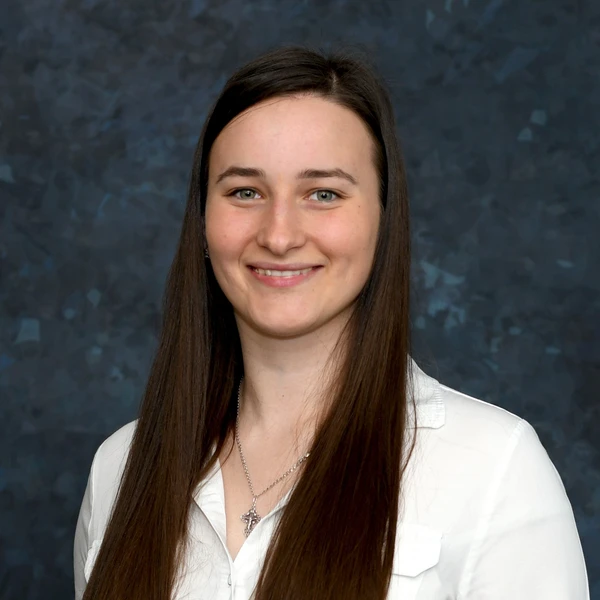
Yuliia Skrypniuk is a Biological Sciences student at the University of Delaware, graduating in Spring 2026 with a 4.0 GPA. Originally from Ukraine, she began her medical education at Ivano-Frankivsk National Medical University before relocating to the United States. Yuliia aspires to become a physician, with a strong interest in psychiatry, and is actively involved in research and community service. She also serves as a project coordinator for Історії з Їжачком-Розумничком (Stories with Clever Hedgehog), a bilingual online library that supports Ukrainian children and families through playful, culturally rooted learning.
Education
University of Delaware
Bachelor's degree programMajors:
- Biology, General
Delaware Technical Community College-Stanton-Wilmington
Associate's degree programMajors:
- Biology, General
Miscellaneous
Desired degree level:
Doctoral degree program (PhD, MD, JD, etc.)
Graduate schools of interest:
Transfer schools of interest:
Majors of interest:
Career
Dream career field:
Medicine
Dream career goals:
Medical Assistant
Brain Spa2023 – 20252 years
Sports
Volleyball
Club2020 – Present6 years
Research
Biotechnology
Delaware Technical Community College — Independent Researcher2024 – 2025
Public services
Volunteering
Jewish Family Services — Active Volunteer2024 – 2025
Future Interests
Advocacy
Volunteering
Philanthropy
Dr. Nova Grace Hinman Weinstein Triple Negative Breast Cancer Research Scholarship
My journey into cancer research began with a fascination for the intricate biology that underlies human health, but it became deeply personal as I joined the Christian Care Translational Cancer Research Team. As a research assistant, I work closely with graduate students and senior investigators, including Dr. Nicholas Patrelli and Dr. Sims-Mourtada, contributing to studies that focus on triple-negative breast cancer—a particularly aggressive and treatment-resistant form of the disease. My role involves assisting in experiments, analyzing data, and supporting our team in translating scientific findings from the bench to potential therapies.
Triple-negative breast cancer is a disease that disproportionately impacts women and carries significant challenges due to its resistance to many standard treatments. Being involved in this research has given me firsthand insight into both the complexity of cancer biology and the urgency of developing novel, effective therapies. Each assay we run, each dataset we analyze, feels like a small but vital step toward improving outcomes for patients whose lives are profoundly affected by this illness. Working alongside dedicated researchers has shown me how collaboration, precision, and persistence can bring science closer to tangible change.
My passion for breast cancer research is rooted in the belief that science can transform lives. I am drawn not only to the challenge of understanding the mechanisms that drive cancer growth and resistance but also to the human impact of our work. Every discovery in the lab has the potential to improve patient care, extend lives, and offer hope to those facing one of the most difficult diagnoses imaginable. Being part of a team that directly contributes to that mission is both humbling and inspiring.
In addition to my hands-on research, I have learned the importance of mentorship and teamwork. Collaborating closely with graduate students has strengthened my scientific skills and deepened my appreciation for rigorous methodology, while interactions with Dr. Patrelli and Dr. Sims-Mourtada have taught me to approach questions creatively and with critical thinking. These experiences have reinforced my goal of pursuing a career that blends medical practice with research, particularly in oncology, so that I can continue translating scientific advances into meaningful clinical outcomes.
Ultimately, my commitment to researching breast cancer stems from a desire to make a difference where it matters most. By contributing to the understanding and treatment of triple-negative breast cancer, I hope to honor the legacy of those like Dr. Nova Grace Hinman Weinstein, whose life and work remind us of the urgency and importance of this research. I am determined to use my education, training, and experiences to advance the field, offering patients not just hope but concrete progress toward cures and better treatments.
Natalie Joy Poremski Scholarship
My faith has been the compass guiding me through both personal and academic challenges. Growing up in Ukraine, I witnessed the fragility of life firsthand—through the war that displaced me, the uncertainty of leaving behind my medical studies, and the daily struggles of friends and family. In those moments, my belief in the sanctity of life became not just a principle, but a lifeline. It reminded me that every life, regardless of circumstance or vulnerability, holds intrinsic value.
Being pro-life is an extension of my faith in action. It is not only a moral position but a commitment to recognizing and protecting the dignity of all human life, especially the most vulnerable. I see this in my work in psychiatry, where I help patients navigate mental and emotional challenges. Every patient’s life is sacred, and every moment I spend assisting them—listening, supporting, and advocating—is an affirmation of that belief. Even when life feels uncertain, my faith encourages me to approach every individual with care, patience, and respect.
My experiences as a displaced student and aspiring physician have strengthened my resolve to live out my faith daily. I have faced financial and cultural barriers, yet I persist in my studies and clinical work because I believe that serving others is the highest calling. Carrying this perspective into medicine means advocating not just for physical health, but for holistic well-being, honoring the value of each person at every stage of life.
As I pursue a career in medicine, my goal is to integrate my faith into practice by providing compassionate care that protects and uplifts life. I hope to educate patients and communities about the sanctity of life, supporting families facing difficult decisions, and offering medical guidance rooted in respect for both the patient and the vulnerable lives involved. Beyond individual care, I aspire to participate in initiatives that promote life-affirming healthcare access, particularly for underserved populations who may lack resources or support.
Living my faith means more than belief; it means action. Whether through clinical work, advocacy, or mentorship, I strive to reflect the value of every human life in my choices and interactions. My faith has taught me resilience, empathy, and courage—qualities that fuel both my personal journey and my professional aspirations.
Natalie Joy Poremski’s story reminds us of the beauty and worth of every life, however brief or fragile. Through my education and future career, I hope to honor that legacy by protecting life at every stage, supporting families, and serving patients with compassion and dignity. My faith will continue to guide me as I seek to make a meaningful difference in the lives of those entrusted to my care.
American Dream Scholarship
For me, the American dream is not a house with a white picket fence or a promise of effortless success. It is the belief that even when life uproots you—when you lose your home, your country, your security—you can rebuild your future through determination, education, and service. It is not about wealth or status; it is about dignity, opportunity, and the chance to contribute meaningfully to society.
I came to the United States after being displaced by the war in Ukraine. I had already begun my medical studies there, but in a single moment, everything I had worked for seemed to collapse. I lost not only my school, but also my sense of stability and belonging. Yet, I did not lose my purpose. I knew I still wanted to pursue a career in medicine, to become a psychiatrist, and to dedicate myself to helping others heal from trauma, memory loss, and mental illness.
Living in the U.S. as a non-citizen has not been easy. Opportunities that many students take for granted are often closed to undocumented or displaced students like me. Financial aid is limited, scholarships are scarce, and the uncertainty of status looms over every decision. But these challenges have also sharpened my definition of the American dream. To me, it is about creating space for yourself and others where none seems to exist. It is about persistence when the system was not designed for you.
Community service has been one of the ways I have found both belonging and purpose here. Volunteering has reminded me that even when resources are scarce, compassion is abundant. Whether organizing bilingual story hours for children affected by displacement, tutoring classmates in biology, or advocating for mental health awareness, I have found that giving back is one of the most powerful ways to claim your place in a community. Service transforms hardship into strength and creates ripples of impact that go beyond yourself. That, too, is part of my American dream: not just to achieve for myself, but to lift others along the way.
In many ways, I see the American dream as a collective effort. It is not only about individual achievement, but about building communities where people are supported, valued, and empowered to succeed regardless of where they were born. I believe education and healthcare are two of the most powerful pathways toward that dream, because they allow people to reclaim their futures and contribute fully to society. My ambition to become a physician, particularly in psychiatry and neuroscience, is deeply tied to this vision. I want to stand as proof that even students facing displacement, limited access, and systemic obstacles can achieve their goals—and, more importantly, use those goals to help others.
The American dream, in my eyes, is not perfection. It is progress. It is the chance to take broken beginnings and turn them into meaningful contributions. It is the promise that no matter where you started, you can build a life of purpose, resilience, and service. And that is exactly what I intend to do.
Henry Respert Alzheimer's and Dementia Awareness Scholarship
When I think about Alzheimer’s disease and other forms of dementia, what comes to mind is not just a clinical diagnosis, but the profound human cost—the way memory loss reshapes identities, families, and communities. My personal journey as a displaced medical student from Ukraine and now an aspiring psychiatrist in the United States has given me a unique perspective on what it means when the brain—our most precious organ—begins to falter.
Although I have not had a family member with Alzheimer’s, I have witnessed dementia-related illnesses up close through my work in psychiatry clinics. I remember one patient in particular whose early-onset Alzheimer’s had stripped away her independence long before her family expected. She would arrive accompanied by her daughter, who spoke with a mixture of love and exhaustion. There were days when the patient smiled warmly and asked about everyone in the clinic as if they were old friends, and other days when she did not remember she had been there before. Sitting with her during treatments, I saw how devastating it was not only for her but for her family to watch her slip in and out of herself. For me, it was a lesson that dementia does not affect one person alone; it reshapes the lives of everyone connected to them.
This experience deepened my understanding of how memory is more than a biological function—it is the thread that connects us to our history, our relationships, and our sense of who we are. When dementia takes hold, those threads begin to unravel, leaving loved ones to piece together continuity for someone who can no longer provide it themselves. I think about this often as I study neuroscience and prepare for medical school: the fragility of memory, and yet the resilience of love and caregiving that often surrounds dementia patients.
The impact of Alzheimer’s on my perspective has also been shaped by my own history of displacement. During the war in Ukraine, I lost my home, my studies, and the life I had built. While my memories remain intact, the dislocation created a disorienting sense of rupture—like waking up in a world that no longer recognized me. It gave me a glimpse into what it might feel like to lose one’s bearings, to struggle to connect past and present, to feel the ground of familiarity slipping away. That personal experience gave me an even greater empathy for people with dementia. While I could hold on to my identity through memory, they cannot. And yet, like me, they deserve compassion, patience, and care as they navigate an unfamiliar reality.
Alzheimer’s and other dementias also highlight a critical gap in medicine and research that I hope to help address. Despite decades of study, we still have limited treatments and no cure. Through my undergraduate studies in biology and neuroscience, I have immersed myself in understanding the brain not just as an organ, but as the seat of human experience. I am fascinated by the biochemical processes of memory, the ways neurons communicate, and the mysteries of what causes those pathways to deteriorate. Every lecture, every lab, and every patient I encounter fuels my conviction that advancing dementia research is urgent and necessary.
But the lessons I’ve learned go beyond science—they are deeply human. Dementia has taught me about patience: the importance of meeting people where they are, even if that “where” changes from day to day. It has taught me about resilience: how families adapt, grieve, and yet continue to show up for their loved ones. And it has taught me about dignity: that every person, no matter how much memory they have lost, deserves to be treated with respect and compassion.
In my future as a psychiatrist, I plan to integrate these lessons into both my clinical practice and research endeavors. I want to work at the intersection of neuroscience and psychiatry, studying not only how to treat dementia but how to support the mental health of caregivers and families who shoulder the invisible weight of this disease. Too often, the conversation about dementia ends with the patient, but the ripples extend far beyond. Addressing those ripples—through therapy, education, and accessible community resources—is just as important.
My advocacy also extends into broader community work. As the co-founder of a bilingual children’s library created in response to the war in Ukraine, I have seen how preserving memory and identity can sustain resilience during times of upheaval. That project reminded me that storytelling, continuity, and connection are forms of “mental preservation” too. In a way, it parallels the challenges of dementia: when memory begins to fade, communities must step in to hold stories and identity on behalf of those who cannot. This belief—that community can help carry memory—will guide me as I continue working in healthcare and mental health advocacy.
The legacy of people like Henry Respert reminds me that dementia is not an abstract concept but a lived reality for countless families. It demands our attention, compassion, and most of all, our commitment to research. I want to be part of the generation of medical professionals who not only deepen our scientific understanding of Alzheimer’s and related diseases but also transform the way society supports those affected by them.
For me, studying healthcare and neuroscience is not just about academic achievement—it is about service. It is about using science to restore dignity where it is threatened, to create hope where it is scarce, and to honor the humanity of those whose memories are fading. What I have learned from dementia is that while the disease can steal memories, it cannot erase the love, patience, and determination of those who continue to care. That is the legacy I want to carry forward in my career: to combine science with empathy, and to work tirelessly for a future where memory loss is met not only with understanding, but with real, effective treatments and cures.
Learner Mental Health Empowerment for Health Students Scholarship
Mental health is not just a subject I study—it is woven into my own life story. As a displaced Ukrainian medical student, I have faced the profound mental toll of war, loss, and rebuilding everything from scratch in a foreign country. There were moments when the weight of uncertainty, financial hardship, and cultural displacement felt overwhelming. Yet, it was during those times that I came to see mental health not as something separate from education or success, but as the very foundation of my ability to move forward. Without stability of mind, no amount of academic drive or ambition can be sustained.
As a student, I know how easily mental health can be overlooked in the rush to meet deadlines, maintain grades, or fulfill responsibilities. But I also know that ignoring it carries real consequences—loneliness, burnout, and hopelessness. I learned this firsthand, and that is why I am passionate about making mental health awareness central to both my education and my community.
My advocacy began in small ways: listening to peers who felt isolated, sharing resources, and normalizing open conversations about stress, anxiety, and trauma. Over time, it grew into larger commitments. I have volunteered with refugee children, creating a bilingual library project to help them stay connected to their culture during displacement—an initiative not just about books, but about mental resilience and belonging. I also support patients directly through my work as a medical assistant and TMS specialist in a psychiatry clinic. There, I witness the courage of people battling depression and trauma, and I play a role in helping them access care with dignity.
In my academic and professional path toward psychiatry, I see advocacy and action as inseparable. I work to dismantle the stigma around therapy and psychiatric treatment, especially in immigrant and refugee communities where cultural barriers often silence these conversations. I remind people that seeking help is not weakness, but a profound act of strength. In Delaware, I have used my own experiences as an international student and refugee to connect with others who feel they don’t belong, reassuring them that they are not alone in their struggles.
To me, mental health advocacy means creating spaces of understanding—whether in a classroom, a clinic, or a community center—where people feel safe to share their stories and ask for help. It means ensuring that care is accessible not only to those with resources but to those most marginalized. And it means leading by example: being open about my own journey, showing that resilience is not the absence of struggle, but the choice to keep moving forward despite it.
Mental health is important to me as a student because it is the key that unlocks everything else—academic growth, personal fulfillment, and the ability to serve others. By combining my lived experience, my medical training, and my advocacy, I want to help change the mental health narrative: from stigma and silence to openness, compassion, and healing.
Women in STEM Scholarship
My decision to pursue STEM was born from a moment of awe when I was eleven years old. During the Maidan protests in Ukraine, I sat beside my grandmother as she trembled with fear while watching the chaos unfold on television. She placed a few drops of valerian into her glass, and within minutes, her fear softened into calm. I stared at that tiny bottle, astonished that a liquid could transform her mind and body so profoundly. That moment sparked an insatiable curiosity in me about the human brain, the chemistry of medicine, and the unseen ways biology governs our lives.
Curiosity became action when I pursued medical training in Ukraine, a field universally known for its difficulty and low pay. I embraced it not for prestige but because medicine—and the science behind it—offers the ability to bring relief, hope, and dignity to people at their most vulnerable. My path was interrupted by war, which forced me to leave my country and restart my education in the United States. Yet displacement did not weaken my commitment to STEM; it sharpened it. I saw how trauma and stress affect not just individuals but entire communities, and I knew I wanted to dedicate myself to exploring these hidden dimensions of human health through neuroscience and psychiatry.
In the U.S., my STEM journey has grown richer. Working as a medical assistant, TMS specialist, and Spravato coordinator in a psychiatry clinic, I have witnessed the profound effects of brain stimulation and novel therapies. Patients who once felt trapped in years of depression began to rediscover hope. Each treatment I assisted with reminded me that science is not abstract—it is lived, breathed, and experienced by people who are waiting for breakthroughs to change their lives. This is the power of STEM: to take curiosity and translate it into innovations that heal.
As a woman in STEM, I am acutely aware of the barriers that persist. In both Ukraine and the U.S., I have seen women questioned more harshly, doubted more quickly, and encouraged less often in science. But I also know that representation matters. My journey as a displaced international student, now pursuing biology and neuroscience, shows that women can persist through challenges and still contribute meaningfully to innovation. By carving a place for myself in this field, I hope to show younger women—especially those from underrepresented backgrounds—that they belong here too.
Beyond personal achievement, I want my work to close the gap between science and communities who need it most. Many immigrant and refugee families in Delaware struggle with limited access to healthcare, language barriers, and stigma around mental health. My background allows me to bridge these divides. Through my future career in psychiatry, I want to combine rigorous neuroscience research with compassionate, community-centered care—ensuring that science serves not just those with privilege but those whose voices are often unheard.
STEM is my way of uniting curiosity, resilience, and service. As I continue my education and move toward becoming a physician, I carry with me the lesson from my grandmother’s valerian drops: even the smallest discovery can have profound impact. As a woman in STEM, I hope to transform both science and society—by advancing knowledge, breaking barriers, and ensuring that innovation is guided by empathy and inclusivity.
Women in STEM and Community Service Scholarship
One issue that matters deeply to me is the intersection of displacement and health. As a Ukrainian student forced to leave my country during the war, I have seen firsthand how conflict disrupts not only lives and education but also access to care, stability, and dignity. Refugees and immigrant families often face multiple barriers—language, stigma, financial limitations—that prevent them from receiving the healthcare and community support they need. This issue has shaped both my academic path in biology and neuroscience and my lifelong commitment to service.
Even before coming to the United States, I sought ways to bring people together. At age seven, I created a neighborhood “talking club” called Besida, where children could share frustrations and feel heard. Years later, after displacement from Ukraine, I co-founded Stories with Clever Hedgehog, a bilingual online library that helps displaced children stay connected to their language and culture. What began as a small volunteer effort grew into a platform reaching families worldwide, giving them continuity, belonging, and hope. This project taught me that community service doesn’t always require large resources—sometimes, it begins with simply recognizing a need and acting on it.
In Delaware, I have continued serving immigrant and refugee families by volunteering at local clinics and working in a psychiatry practice. There, I witness daily how many people struggle silently with trauma, depression, or isolation. Even when resources exist, stigma and lack of understanding often prevent people from seeking help. As a medical assistant and TMS specialist, I’ve seen how a simple act of listening, a respectful explanation of treatment, or advocating for a patient in their preferred language can transform their experience of care. These encounters reinforce my belief that service must always be human-centered, culturally sensitive, and rooted in empathy.
Looking ahead, my education in neuroscience and biology will equip me with the tools to address these issues more broadly. I aspire to become a physician specializing in psychiatry, with a focus on trauma and immigrant health. I want to use my training not only to provide direct clinical care but also to advocate for systems that make mental healthcare more accessible to marginalized communities. Science gives us the methods to understand the brain, but it is compassion that ensures those discoveries truly serve people.
Community service will remain central to my work. I plan to expand initiatives like Stories with Clever Hedgehog to integrate health education for refugee families, particularly around mental health. I also hope to mentor younger students from underrepresented backgrounds in STEM, because representation matters: when students see someone who has overcome barriers like their own, they believe in their own possibilities.
The issue I care about—supporting displaced and underserved communities through healthcare—will not be solved overnight. But every small act of service builds momentum toward change. My journey has taught me that resilience and compassion are as powerful as any scientific tool. Through my STEM education and my commitment to service, I hope to continue creating spaces of healing, dignity, and hope for those who need it most.
Leading Through Humanity & Heart Scholarship
1. I grew up in Ukraine, where I began my medical studies before my life was disrupted by war. Leaving my country meant leaving my education, community, and stability behind, but it also solidified my determination to pursue a career in medicine. Now, as a pre-medical student in the United States, I balance full-time studies with clinical work to support myself financially.
My formative values—resilience, service, and empathy—were shaped through both hardship and service. I know what it feels like to be displaced and unseen, and I carry this awareness into everything I do. In my work as a medical assistant in psychiatry, I see the profound impact of compassionate listening. A patient may come in burdened by suffering, but when treated with respect and care, they leave with renewed hope.
Volunteering has also been central to my journey. Through co-founding Stories with Clever Hedgehog, a bilingual library for displaced Ukrainian children, I saw the healing power of connection and belonging. These experiences made me passionate about human health—not just as the absence of illness, but as a state of dignity, hope, and community. I want to dedicate my life to helping others achieve that.
2. To me, empathy is the foundation of healthcare. It is the ability to recognize the humanity of every patient, to see beyond their symptoms, and to understand their fears, hopes, and needs. In medicine, empathy is not optional—it is the difference between treating an illness and healing a person.
As a future psychiatrist, empathy is the core of my work. Psychiatry requires listening deeply, without judgment, and building trust with individuals who may feel vulnerable, stigmatized, or hopeless. I have already witnessed this in my role as a medical assistant in a psychiatry clinic. Patients often share stories of trauma, loss, or isolation. While I cannot yet prescribe treatments, I can listen attentively, advocate for them, and reassure them that they are not alone. These seemingly small acts of empathy often transform the clinical encounter, and they remind me why I want to devote my life to this field.
Empathy also means being human-centered in my approach. Mental health cannot be addressed in isolation from the broader social context. My own experience as a refugee taught me how displacement, financial insecurity, and cultural barriers shape health. For many patients, the biggest challenge is not just access to medication, but access to understanding, trust, and culturally sensitive care. As a doctor, I plan to provide treatment that honors both the science of medicine and the lived experiences of patients.
Human-centered healthcare also means collaboration. Medicine is not practiced in isolation—it requires teamwork with nurses, therapists, social workers, and families. I believe that respecting each perspective and building care plans around patients’ needs, not just protocols, is essential to improving outcomes.
Finally, empathy requires advocacy. Through my volunteer work co-founding Stories with Clever Hedgehog, I supported displaced children by preserving their language and culture. That experience taught me that healing happens when we affirm people’s identities and give them tools to thrive. I will carry this lesson into my medical career by working not only within hospitals but also within communities, reducing stigma around mental health and expanding access for underserved groups.
Empathy, for me, is not just an abstract quality—it is a daily practice of listening, respecting, and uplifting others. In psychiatry, it will guide me to treat patients not as cases, but as people with stories that deserve to be heard. It will shape my ability to build trust, to heal, and to ensure my work always reflects a human-centered lens.
Dr. Tien Vo Healthcare Hope Scholarship
My path toward becoming a physician has been anything but linear. I began medical school in Ukraine with the dream of becoming a psychiatrist, determined to dedicate my life to supporting those struggling with mental health. But during my second year, war erupted, and I was forced to leave my country, my patients, and my studies behind. The displacement was more than geographic—it was an uprooting of identity, purpose, and security. Yet, it was also the moment when my commitment to medicine became unshakable.
Starting over in the United States was both an opportunity and a struggle. I enrolled as a pre-medical student while simultaneously working in psychiatry clinics to support myself. Financial hardship quickly became my constant reality. I rely on Pell Grants, federal loans, and part-time jobs to cover tuition and living expenses. Every semester is a balancing act: long hours in classes and labs, evenings spent as a medical assistant or TMS specialist, weekends dedicated to coordinating patient care. At times, the weight of finances has made me question if I could continue. But each patient encounter reminds me why I must.
I have seen individuals who once felt hopeless gradually find relief through treatment. I have sat with patients as they began to reclaim joy, purpose, and stability after years of depression. These moments—small to some, transformative to others—remind me that psychiatry is not only about prescribing medication, but about restoring dignity and possibility. This is the impact I want to make: to ensure that no one feels invisible in their suffering, and to make mental health care accessible to those who need it most, especially immigrant and low-income communities who often face barriers to treatment.
My own experiences as a refugee have given me empathy for those navigating systems that feel foreign, overwhelming, or unwelcoming. I know what it means to feel unseen, and I know the relief of finding someone who listens. As a future psychiatrist, I want to be that person for others: the physician who not only treats symptoms but also sees the human story behind them.
I am also committed to service beyond the clinic. Through co-founding Stories with Clever Hedgehog, a bilingual library for displaced Ukrainian children, I witnessed the healing power of preserving identity and connection. I hope to continue building projects that extend care outside traditional medical settings, supporting communities holistically.
Becoming a doctor is a long, difficult, and expensive journey. There are days when the financial stress feels overwhelming. But I remind myself that perseverance is also part of healing—the resilience I build now will help me support my future patients. With this scholarship, I could devote more energy to my studies and clinical work, rather than worrying about whether I can afford next semester.
My journey has been shaped by war, displacement, and hardship, but also by an unwavering belief in medicine’s power to restore hope. I plan to make a difference by becoming a psychiatrist who not only heals but advocates—standing beside those who feel silenced, and ensuring their voices are heard.
Maxwell Tuan Nguyen Memorial Scholarship
When I was eleven, I sat beside my grandmother during a moment of national crisis. The Maidan protests had erupted in Ukraine, our president had fled, and the television filled our small apartment with images of chaos. My grandmother, trembling with fear, poured a few drops of valerian into her water. Within minutes, her voice softened, and her demeanor completely shifted. To me, it was as if I were speaking to a different person. I remember staring at that small bottle in awe: how could something so simple alter both mind and body? That moment planted in me a lifelong curiosity about medicine and the invisible connections between body, mind, and society.
Even as a child, I gravitated toward supporting others. At seven, I created a neighborhood “talking club” called Besida (“little talks”), where children gathered to share frustrations about parents, school, and life. I became the one they trusted to listen, and I discovered the profound relief people feel when their stories are heard. Though childish in form, this experience revealed something essential about who I am: I find purpose in helping people articulate their struggles and feel less alone.
That instinct eventually guided me toward medicine. In Ukraine, I enrolled in medical school not for prestige or financial security, but because I wanted to stand with people in their most vulnerable moments. My dream was psychiatry—a field that marries science with deep empathy. But in my second year, the war forced me to leave behind my studies, home, and my community. Displacement did not extinguish my dream; it sharpened it. I saw even more clearly how invisible wounds of trauma could shape lives as profoundly as any physical illness.
In the U.S., I began rebuilding my path as a pre-medical student while working in psychiatry clinics. Shadowing a psychiatrist showed me the centrality of trust in healing, while my roles as a medical assistant, TMS specialist, and Spravato coordinator allowed me to participate in patients’ journeys firsthand. I witnessed individuals burdened by years of depression gradually rediscover lightness and possibility. Those moments affirmed why I want to dedicate decades of my life to medicine: because being a doctor means helping people reclaim not only health but hope.
I also recognize the inequities that prevent many from accessing care. In Delaware, immigrant and refugee families often face stigma, language barriers, and systemic obstacles. My own background gives me the ability to bridge those gaps. I know what it feels like to navigate unfamiliar systems while feeling vulnerable and unseen. That empathy compels me to make medicine more inclusive and accessible.
Beyond the clinic, I co-founded Stories with Clever Hedgehog, a bilingual online library for Ukrainian children displaced by war. By helping families preserve cultural roots and continuity, I sought to bring healing and stability in times of uncertainty. For me, giving back is not an option—it is the principle guiding every choice I make.
What inspired me to pursue medicine was a mix of wonder and compassion: the curiosity sparked by valerian drops calming my grandmother, and the joy of listening to others in Besida. What sustains me is resilience: the decision to keep pursuing this path despite war, displacement, and financial hardship. I plan to make a difference as a psychiatrist who listens deeply, advocates for underserved communities, and treats each patient not as a diagnosis but as a whole person.
Medicine is my calling because it allows me to bring together intellect, empathy, and service. I know this journey will demand everything of me, but I also know there is no greater purpose than helping others heal.
Manny and Sylvia Weiner Medical Scholarship
From the time I was a child, I knew I wanted to become a doctor—not for status or security, but because I wanted to dedicate my life to healing others. In Ukraine, I pursued this dream directly by enrolling in medical school, determined to become a psychiatrist. I was fascinated by how the human brain shapes identity, emotion, and behavior, and I wanted to help people who often felt invisible or misunderstood. My path was clear, but then war forced me to leave everything behind—my studies, my patients, my community, and the future I had worked so hard to build.
Coming to the United States gave me safety and hope, but it also meant starting over in a new educational system without family guidance or financial support. I am now a full-time undergraduate student on a pre-med track, rebuilding step by step toward medical school. Every class I take brings me closer to the dream I had to leave behind, but the financial burden weighs heavily on me. My husband was recently laid off, and we are struggling to cover even our most basic needs. I cannot work enough hours to support us while maintaining the full-time enrollment and high academic performance required for medical school. There are nights when the fear of not being able to afford this journey feels overwhelming.
Still, I refuse to let financial hardship be the reason I do not become a doctor. In fact, it has only deepened my resolve. Medicine is about service, and I know that my struggles now will make me a better physician later. Having experienced displacement, instability, and financial strain, I will never take for granted the weight my patients carry. I will understand, in a way that textbooks cannot teach, what it means to feel powerless—and what it means to need someone who listens, advocates, and refuses to give up on you.
As a future psychiatrist, I plan to focus my practice on immigrants, refugees, and underserved communities who often face unique mental health challenges but lack access to care. My own story gives me insight into the toll that uncertainty, trauma, and financial stress can take on mental health. I believe this will make me not only more empathetic, but also more determined to fight for better systems of support and equity in healthcare.
The story of Emanuel “Manny” Weiner resonates deeply with me. His regret at not being able to attend medical school reminds me of how fragile this path can be when financial barriers stand in the way. I carry that same fear, but I also carry the belief that, with support, I can finish what I started years ago in Ukraine. Becoming a doctor is not just my dream—it is my calling, and every hardship I face now is shaping me into the kind of physician who will serve with compassion, resilience, and an unwavering commitment to her patients.
This scholarship would not only ease the financial obstacles standing in my way but would also honor Manny’s dream by helping me achieve mine. With your support, I will continue forward, determined to become an M.D. and to devote my life to bringing healing, dignity, and hope to others.
Future Women In STEM Scholarship
My name is Yuliia, and I am an undergraduate student pursuing biological sciences as the foundation for my future in medicine. My ultimate goal is to become a psychiatrist—a doctor who not only treats mental illness but also advocates for greater understanding of the human mind. For me, psychiatry lies at the intersection of science and compassion, a STEM field that demands not only knowledge but also empathy.
My interest in STEM was shaped long before I arrived in the United States. Growing up in Ukraine, I was naturally drawn to science because it gave me a sense of clarity and possibility in a world that often felt uncertain. When I began medical school there, I was captivated by neuroscience, biochemistry, and psychology—disciplines that explained how the smallest changes in brain chemistry could alter how a person thinks, feels, and functions. The idea that science could unlock the mysteries of the mind inspired me to dedicate my life to this path.
One of the most pivotal experiences that solidified my interest in STEM was during my time volunteering with patients who were struggling with chronic illnesses and depression. I met people who were not only battling their conditions but also carrying the weight of stigma and misunderstanding. I saw how their suffering was dismissed or overlooked because mental health was not prioritized. That experience made me realize that medicine, and psychiatry in particular, could be a powerful way to bridge science and humanity. It also gave me the determination to pursue psychiatry so I could help dismantle the stigma surrounding mental health and ensure that patients are treated with dignity and care.
When the war in Ukraine forced me to leave behind my medical studies, I feared my dream was over. Starting over in the U.S. as an undergraduate was daunting. I had no family background in higher education, no roadmap for navigating an unfamiliar system, and no financial safety net. But I refused to let those obstacles stop me. Instead, I leaned on the same resilience that first drew me to STEM—the belief that knowledge and perseverance can solve even the most difficult problems. Every biology lecture and neuroscience lab here in the U.S. has reaffirmed my passion for medicine and strengthened my resolve to continue toward psychiatry.
As a woman and an immigrant in STEM, I know that representation matters. Too often, voices like mine are absent from scientific spaces and leadership roles. I want to change that by showing that women from historically underrepresented backgrounds can thrive in medicine, contribute to scientific advancement, and mentor others who come after them. My journey has been shaped by hardship, but those challenges have only deepened my drive.
This scholarship would not only ease the financial burden of continuing my education but also affirm my place in a field where women are still underrepresented. I want to honor that support by pushing forward with the same determination that first drew me to science, so that one day I can help others as a psychiatrist, researcher, and advocate for equity in healthcare.
Christina Taylese Singh Memorial Scholarship
My name is Yuliia, and my journey into medicine has been anything but traditional. I was born and raised in Ukraine, where I began medical school with the dream of becoming a psychiatrist. From an early age, I was fascinated not just by the human body, but by the human mind—how invisible struggles can shape people’s lives as much as any physical illness. I wanted to devote my life to understanding those struggles and helping patients find hope and healing.
When the war in Ukraine forced me to leave behind my country, my studies, and my family, it felt as though my dream had been interrupted. Starting over in the United States was not easy. I had to learn a new system of higher education, rebuild my academic path, and adapt to an entirely new culture without the safety net of extended family. Yet even in the face of these obstacles, my commitment to medicine never wavered. I am now pursuing my undergraduate degree in biological sciences, determined to continue my journey to medical school and to psychiatry.
I have always believed that medicine is about service, and volunteering has been at the heart of my journey. While in Ukraine, I volunteered with community health programs that supported patients with chronic illnesses and mental health challenges. Here in the U.S., I have sought out opportunities to continue serving, whether through tutoring students from immigrant families who, like me, are adjusting to a new country, or by assisting in local community events that promote health awareness. These experiences have reinforced my belief that healthcare is not just about treating disease—it is about supporting the whole person, especially those who are vulnerable or marginalized.
Christina Taylese Singh’s story resonates deeply with me. Like her, I know what it means to dedicate yourself fully to healthcare, to sacrifice and persevere because you believe in helping others. I am inspired by her determination to become an occupational therapist, a field rooted in restoring independence and dignity to patients. Psychiatry holds a similar purpose for me: to restore hope and meaning to people whose lives have been disrupted by mental illness or trauma. Though Christina’s journey was cut short, her dedication to serving others lives on, and I am honored to follow in those footsteps by pursuing my own dream in medicine.
My ultimate goal is to become a psychiatrist working with immigrants, refugees, and underserved populations. Having lived through displacement and cultural transition myself, I understand the unique psychological struggles that come with these experiences—grief, identity loss, and uncertainty about the future. I want to use my career not only to treat mental illness but to advocate for mental health as an essential part of overall well-being, especially for communities that are often overlooked.
This scholarship would provide me with the support I need to continue on this demanding path. Like Christina, I want to dedicate my life to helping people regain their independence, their hope, and their futures. I am committed to carrying her legacy forward by pursuing psychiatry with compassion, resilience, and a lifelong devotion to serving others.
Maggie's Way- International Woman’s Scholarship
When I read about Malgorzata “Maggie” Kwiecien’s life, I felt an immediate connection. Like her, I left behind the familiar comfort of home and family to come to the United States with little more than determination and a dream. As a young woman from Ukraine pursuing my education here, I know what it means to arrive in a new country with no support system, to navigate cultural and language barriers, and to push forward despite fear and uncertainty.
In Ukraine, I had already begun my journey toward medicine, studying to become a doctor. My dream was, and still is, to become a psychiatrist—someone who listens to people’s hidden struggles and helps restore their strength and hope. But war and displacement disrupted my path. Suddenly, I was no longer a medical student with a clear trajectory but an international student starting over in a country where every step felt heavier and more complicated. Much like Maggie, I had to prove to myself, again and again, that even when the odds are stacked against you, resilience and courage can carry you forward.
One way I relate deeply to Maggie is through her fearlessness in the face of challenges. While my battles may not have been physical mountains or ski slopes, they have been battles of endurance all the same: adapting to a new educational system, carrying the financial weight of being a full-time student, and facing setbacks that threatened to derail my dream. There have been times when I felt like an outsider, overwhelmed and alone, but each time I reminded myself that moving forward—no matter how slow or difficult—is an act of bravery.
Like Maggie, I am also devoted to knowledge. I have always believed that education is both a personal achievement and a gift to others. Even after being uprooted, I refused to give up on medicine. I am now completing my undergraduate studies in biological sciences, determined to build the foundation I need for medical school. My ambition is not only to become a psychiatrist but to use my journey to show others—especially immigrants and women in STEM—that they, too, can succeed despite hardships.
Maggie’s adventurous spirit also resonates with me. She approached life with curiosity, refusing to limit herself to one identity or one pursuit. I carry a similar drive: while medicine is my ultimate calling, I embrace every opportunity to learn new skills, challenge my own limits, and adapt to environments that once intimidated me. In Maggie, I see the same mix of strength and openness that I strive for in myself.
This scholarship would mean more than financial support; it would be a reminder that women like Maggie—women who dared, who endured, who learned relentlessly—are the role models guiding me forward. I want to honor her legacy by living boldly, by refusing to surrender to setbacks, and by dedicating my life to healing others.
Like Maggie, I am an international student, a woman who chose the difficult road because I believe in where it leads. I may not yet be the doctor I dreamed of becoming, but I am on my way. With this scholarship, I will carry Maggie’s spirit with me as proof that determination and courage can turn even the steepest climb into a path toward a brighter future.
STEAM Generator Scholarship
I grew up believing that education was not just a personal achievement, but a responsibility—a chance to lift not only myself, but also my family, into a better future. In Ukraine, I pursued medicine with all of my heart, determined to become a psychiatrist and to bring understanding and healing to people struggling with mental illness. That dream was abruptly interrupted when I was forced to leave my country behind. I carried my textbooks, my memories of the hospital wards, and a vision of who I wanted to become, but I also carried the weight of starting over in a new country where everything—from the language to the culture to the financial system—was unfamiliar.
As a first-generation immigrant in the United States, I know firsthand what it means to be an outsider in higher education. I am now a full-time student pursuing my bachelor’s degree in biological sciences, the first step toward reclaiming my path to medical school. Every class I take feels like a step toward the future I once had in Ukraine, but the road here has been far more difficult than I could have imagined. Unlike many of my peers, I do not have parents or grandparents who can advise me about navigating college applications, preparing for the MCAT, or financing my education. Instead, I have had to rely on my own resourcefulness, persistence, and determination to make sense of this system and to push forward despite the challenges.
One of the hardest struggles has been financial. My husband was recently laid off, and our household suddenly lost the stability we had relied upon to manage the basic costs of living. At the same time, I am fully enrolled in a demanding, full-time program that requires every ounce of my focus and energy if I am to remain a competitive applicant for medical school. I cannot work the hours necessary to support us without jeopardizing the academic performance that my dream depends on. This reality keeps me awake at night: the fear that I may fall short of my dream not because I lack the ambition or ability, but simply because of finances.
And yet, despite these struggles, my passion to become a psychiatrist has only grown stronger. My own experiences as a displaced immigrant, combined with my background in medicine, have deepened my understanding of how trauma, uncertainty, and loss can affect mental health. I want to dedicate my career to helping people who feel voiceless, misunderstood, or forgotten. Psychiatry, to me, is about restoring dignity and hope—something I have fought to hold onto in my own life.
This scholarship would not just ease my financial burden; it would be an investment in someone who refuses to give up. I am so close to the next stage of my journey: applying to medical school and returning to the path I was forced to leave behind in Ukraine. I want to show that even when circumstances seem impossible, persistence and education can still transform a life. More importantly, I want to use my career to make sure others who feel like outsiders are heard, supported, and given the chance to heal.
I know the weight of being the first in my family to pursue higher education. I know what it feels like to navigate a system without a guide, and I know how important this opportunity is. With your support, I will continue forward—not just for myself, but for my family, and for the countless patients I hope to serve one day as a psychiatrist.