user profile avatar

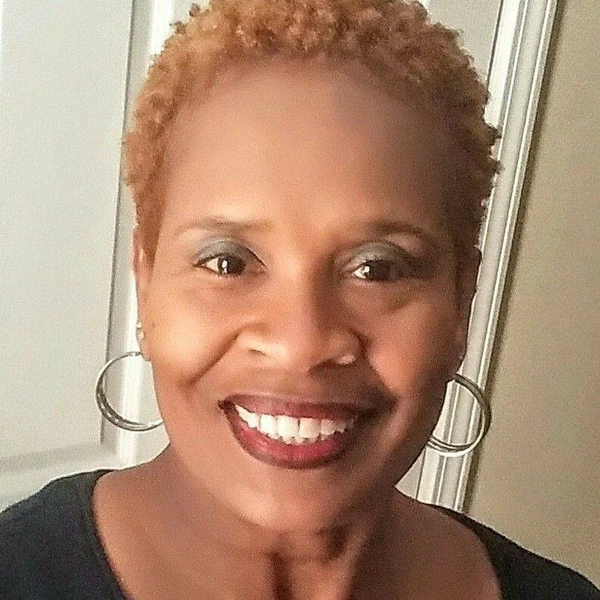
Yolanda Towns-Lymas

1x

Finalist

Bio

My name is Yolanda, and I have been in Special Education as a Teacher for more than 20 years. After raising my children, I decided to go back to school to complete my degree. My passion is the love that I have for my students and their respective families. My desire is to further facilitate educational support within the finds of additional programs for students once they transition from high school. I am looking to teach beyond high school. I have had the opportunity to teach in both middle and high school, and I have taught in public separate schools. My biggest passion is students with severe disabilities.

Education

Western Carolina University

Master's degree program
2023 - 2026
  • Majors:
    • Teacher Education and Professional Development, Specific Subject Areas
Central State University

Bachelor's degree program
1985 - 1989
  • Majors:
    • Communication, Journalism, and Related Programs, Other

Miscellaneous

  • Desired degree level:

    Doctoral degree program (PhD, MD, JD, etc.)

  • Graduate schools of interest:

  • Transfer schools of interest:

  • Majors of interest:

  • Not planning to go to medical school
  • Career

    • Dream career field:

      Higher Education

    • Dream career goals:

    • Lead Teacher

      Guilford County
      2003 – Present23 years

    Research

    • Education, Other

      Western Carolina University — Student
      2025 – 2026
    Therese Ingelaere Murray Memorial Scholarship
    Teaching is more than a career for me—it is my calling, my purpose, and my opportunity to make a meaningful difference in the lives of students and their families. For the past 23 years, I have dedicated my career to education, serving students with diverse learning needs and helping them reach their fullest potential. Currently, I am a Special Education Teacher in an Adapted Curriculum classroom at Northern Guilford High School, where I work with students with intellectual disabilities, autism spectrum disorder, Down syndrome, multiple disabilities, and deaf/hard of hearing disabilities. My journey into education began with a desire to help others discover their strengths and capabilities. Throughout my career, I have taught middle school language arts, high school English, and special education. These experiences have strengthened my belief that every student can learn when provided with appropriate instruction, support, and encouragement. Working with students who face significant challenges has taught me that success is not always measured by grades or test scores. Sometimes success means a student independently communicating a need, mastering a daily living skill, securing employment, or developing the confidence to advocate for themselves. Teaching is important to me because education has the power to transform lives. As a first-generation college graduate, I understand the opportunities that education can provide. I strive to create a classroom environment where students feel valued, respected, and capable of achieving their goals. I believe that every student deserves access to meaningful learning experiences that prepare them for life beyond the classroom. One of the most rewarding aspects of my work is helping students prepare for adulthood. I collaborate with families, community partners, vocational rehabilitation services, and transition programs to ensure students have opportunities to develop employment, independent living, and social skills. I am passionate about advocating for inclusive opportunities that allow individuals with disabilities to participate fully in their schools and communities. As I pursue my master's degree in special education, my goal is to expand my knowledge of evidence-based practices and strengthen my ability to support students with significant disabilities. I hope to continue serving as a leader and advocate within my school district, mentoring other educators and promoting effective instructional practices that improve student outcomes. For my students, I want to help them become as independent, confident, and successful as possible. I want them to leave school with the skills necessary to participate in their communities, pursue employmentopportunities, build meaningful relationships, and advocate for themselves. I want them to understand that their disabilities do not define their potential. For myself, I want to continue growing as an educator and lifelong learner. I aspire to use my experience, education, and leadership skills to influence positive change for students with disabilities and their families. My ultimate goal is to ensure that every student I teach is given the opportunity, support, and encouragement needed to achieve a fulfilling and meaningful life. When I first entered college, I envisioned a career as a writer. I was passionate about storytelling, particularly human-interest stories, and pursued a degree in Journalism and Mass Communication. However, life had a different path for me. Over the course of my professional journey, I discovered a deeper passion for helping others through education. Today, twenty-five years later, I find myself in a profession that has given me purpose, fulfillment, and countless opportunities to make a difference in the lives of students and families. There is a saying that many are called, but few are chosen. I truly believe that teaching is my calling.
    RonranGlee Special Needs Teacher Literary Scholarship
    I am currently a special education teacher in the adapted curriculum, meaning that I teach high school students with intellectual disabilities, including students with Autism Spectrum Disorder, Down syndrome, multiple disabilities, and students who are deaf or hard of hearing. I have been teaching for many years in both public separate school settings and separate classroom environments. These experiences have strengthened my passion and commitment to serving students with special needs and advocating for their success both inside and outside the classroom. As an educator of students with special needs, it is my heart’s desire to provide a nurturing and supportive learning environment that enables students to find their place to live, learn, and laugh — a place where they can thrive as human beings and develop a strong sense of self-worth. I believe every student deserves to feel valued, respected, and capable regardless of their disability or challenges. My classroom is centered around building confidence, promoting independence, and creating meaningful opportunities for students to experience success in ways that are individualized to their needs and abilities. Through my years of teaching, I have learned the importance of being a better listener, not only to my students but also to their families. Working closely with families has helped me better understand the unique strengths, needs, and goals of each student. These relationships have taught me that education is most successful when it is built on trust, collaboration, communication, and mutual respect. As I continue to strengthen my teaching practices through professional development, collaboration with colleagues, and ongoing partnerships with families, I am constantly thinking about my students both individually and collectively. I continuously strategize on how to best support their learning, communication, independence, and overall quality of life. To accomplish this, I use evidence-based instructional practices such as picture and word supports, direct instruction, scaffolding, modeling, task analysis, and progress monitoring to help students access learning in meaningful and achievable ways. In our classroom, learning extends far beyond academics. We engage in life-skills application through peer partnering, turn-taking, community-based instruction, communication development, self-advocacy skills, and social interaction opportunities that prepare students for life beyond high school. My goal is to empower students to become as independent and self-confident as possible while helping them recognize their own value and potential. These experiences have shaped not only my career aspirations but also my personal values of compassion, service, patience, and advocacy. They are the reason I continue pursuing higher education and professional growth so I can better serve my students, support families, and make a lasting positive impact within the special education community. Lastly, I work to advocate for transitional support services after high school by collaborating with stakeholders, community partners, Project SEARCH programs, and vocational rehabilitation services to ensure my students have meaningful opportunities upon graduation. I believe transition planning is essential in helping students move successfully from the classroom into adulthood, employment, and community involvement. Through these partnerships, I strive to connect students and families with resources that promote independence, job readiness, life skills, and long-term success. My goal is for every student to leave school with a sense of purpose, confidence, and the understanding that they are capable of contributing meaningfully to society. By building strong community relationships and expanding opportunities for individuals with disabilities, I hope to continue advocating for a future where inclusion, dignity, and accessibility are available to all. Yolanda J. Towns-Lymas
    Reimagining Education Scholarship
    As an educator, I strongly believe that many of our students are suffering from significant social and emotional skill deficits. The COVID-19 pandemic of 2020 had a tremendous impact on students’ overall well-being, leaving behind heightened levels of anxiety, depression, and even noticeable cognitive delays. These challenges have carried over into the classroom, where many students struggle not only academically but also socially and emotionally. In response, I would like to design and implement a program within the school system that focuses on supporting the whole child, particularly through opportunities that allow them to embrace their feelings, build resilience, and develop stronger coping mechanisms. One of the ways I envision this happening is by creating structured social clubs that students can participate in during the school day. These clubs would provide safe spaces where students could connect with their peers, practice social interaction, and engage in activities that support emotional regulation and sensory processing needs. I would collaborate with administrative teams to schedule designated days for students to take part in “encore” classes that are intentionally designed to enhance social-emotional learning. Additionally, students would complete periodic surveys to provide insight into their specific needs, challenges, and areas of growth. This feedback would guide the planning of lessons, ensuring that the program remains responsive to the students we serve. The curriculum I would design would be student-centered and strategically aligned with core academic subjects such as reading/language arts, mathematics, and social studies. Each lesson would embed opportunities for students to strengthen their writing, critical thinking, and expressive communication skills. For example, students could participate in small-group activities where they practice journaling, collaborative problem-solving, and reflective discussions. A central component of the program would involve students using written prompts to explore their feelings, identify personal triggers of anxiety or sadness, and develop healthier ways of coping with those emotions. The goal is not only to help students process difficult emotions but also to give them tools to express themselves fluently and confidently in both academic and social settings. Ultimately, I believe that educators must take intentional steps to dive deeper into supporting students’ social and emotional needs while simultaneously building academic growth. In today’s fast-paced world, students face immense pressures—anxieties, insecurities, bullying, and peer influence—that can hinder their success. By creating a program that addresses these challenges directly, we can help students feel more connected, supported, and empowered to thrive both inside and outside of the classroom.