user profile avatar

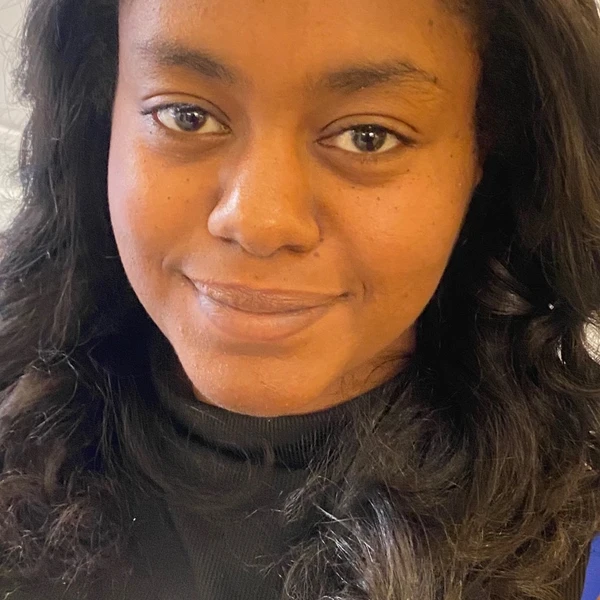
Yidedya Kedir

1x

Finalist

Bio

I’m an assistant teacher in a special education setting, where I support students with IEPs as they learn in general education classrooms. I’m deeply interested in inclusive education and student-centered problem-solving, finding practical, creative ways to help students feel understood, supported, and confident. I’m motivated by the small changes that create real momentum: building routines, tracking progress, and adjusting strategies so learning feels more accessible and less overwhelming. My goal is to keep growing as an educator and advocate, helping students thrive both academically and emotionally while contributing to school communities where belonging and opportunity are truly available to everyone.

Education

Arizona State University Online

Bachelor's degree program
2025 - 2026
  • Majors:
    • Social Sciences, General
    • Public Relations, Advertising, and Applied Communication
City Colleges of Chicago-Harold Washington College

Associate's degree program
2021 - 2023
  • Majors:
    • Liberal Arts and Sciences, General Studies and Humanities

Miscellaneous

  • Desired degree level:

    Bachelor's degree program

  • Graduate schools of interest:

  • Transfer schools of interest:

  • Majors of interest:

  • Not planning to go to medical school
  • Career

    • Dream career field:

      Public Policy

    • Dream career goals:

      Education administration

      Sports

      Volleyball

      Junior Varsity
      2016 – 20182 years

      Research

      • Public Relations, Advertising, and Applied Communication

        Aspen Young Leaders Fellowship — Public Outreach
        2022 – 2023

      Arts

      • Apachi

        Visual Arts
        2026 – Present

      Future Interests

      Advocacy

      Politics

      Volunteering

      Entrepreneurship

      Special Needs Advocacy Inc. Kathleen Lehman Memorial Scholarship
      I am a special education assistant teacher in a charter school, and that role has shaped both who I am and the kind of social impact I want to make with my career. Every day, I work alongside students with diverse learning needs, communication styles, and strengths that are often misunderstood by the world around them. I have learned that supporting students with disabilities is not only about academics. It is about dignity, belonging, and making sure a student’s environment is built for success instead of punishment. Being part of a special education classroom has shown me how powerful patience, consistency, and advocacy can be, especially for students who have spent years being told what they cannot do. I am also pursuing higher education with a major in public policy and a minor in social and behavioral science. I chose these fields because I want to understand how systems influence the lives of students with special needs and their families. Public policy helps me see the “big picture.” It shows how funding decisions, staffing models, school discipline policies, transportation, and access to services shape what students receive in real life. Social and behavioral science helps me understand the “human picture.” It helps explain why students behave the way they do, how trauma or stress can affect learning, and how supportive relationships can change outcomes. Together, these studies help me bridge the gap between what schools are required to provide and what students truly need to thrive. In my career, I plan to make a positive social impact by focusing on three areas: building inclusive school environments, strengthening family-school partnerships, and advocating for better systems. First, I want to help create classrooms and school communities where students with disabilities are not treated as problems to manage, but as learners to support. That means promoting routines and supports that reduce anxiety, using positive behavior strategies, and encouraging staff to view behavior as communication. I want students to feel safe enough to try, fail, and try again without fear of being labeled. Second, I want to support families more intentionally. In special education, caregivers often carry a heavy load, including appointments, paperwork, meetings, and constant worry about whether their child is being understood. I plan to be an educator who communicates clearly, listens without judgment, and helps families navigate school processes with confidence. When families feel respected and informed, students benefit from stronger consistency between home and school. Third, I want to advocate beyond my classroom by using my public policy background to push for changes that improve access and equity. I hope to contribute to policies that increase mental health supports, improve special education staffing, expand early intervention, and reduce disciplinary practices that disproportionately harm students with disabilities. I also want to help schools adopt restorative and supportive approaches that keep students connected to learning rather than excluded from it. Ultimately, my goal is to serve students with special needs in a way that creates lasting change. I want my work to be felt in the daily moments, when a student finally feels understood, when a family feels supported, and when a school becomes more inclusive. And I want it to be seen in the long term, through stronger systems that protect students’ rights and expand opportunities for every learner to succeed.
      Minority Women in LAS Scholarship
      My immigrant experience has shaped my ability to attain my educational goals in two powerful ways: it created real obstacles, and it strengthened the mindset and skills I rely on to overcome them. Coming to the United States alone at sixteen meant I had to pursue an education while also learning a new culture, new expectations, and an unfamiliar school system without a built-in support network. I had to figure out how to enroll, plan courses, meet graduation requirements, and navigate financial aid through trial, research, and persistence. There were moments when I felt like I was translating more than language. I was translating rules, paperwork, and unspoken expectations that other students seemed to already understand. The pressure to succeed also felt heavier because I was not only working for myself. I was working for my family and for everyone who believed that my sacrifice would lead to something better. One of the hardest obstacles I faced was losing my mother after she sacrificed so much to support my education. As her only child, I could not return home to bury her. I carried grief and guilt while still showing up for school and work, trying to function in a place that suddenly felt even more distant from everything familiar. That loss tested my focus and my motivation. It also forced me to mature quickly, because I did not have the option to pause my responsibilities or step away from my goals. At the same time, immigrating taught me independence, resilience, and the ability to keep moving forward when everything feels uncertain. I learned to advocate for myself by asking questions even when I felt intimidated and by seeking help even when I worried about being judged. I built support through mentors, classmates, and community resources, and I learned that strength is not only enduring hardship, but also knowing how to reach for guidance. Balancing grief, working two jobs, and remaining a full-time student required discipline and careful time management. Maintaining strong grades during that period reminded me that perseverance can be practiced like a skill, one decision at a time. Today, as a first-generation student majoring in public policy and minoring in social behavioral science while working in a special needs classroom, I see clearly how systems can either open doors or create barriers. My immigrant journey makes me sensitive to the challenges students face when they are navigating school without a roadmap, whether they are new to the country, first in their family to attend college, or simply overwhelmed by life circumstances. It motivates me to keep pursuing my education so I can help create clearer pathways, stronger support networks, and more equitable access for students and families who deserve opportunity but are too often left to figure everything out alone.
      First Generation Scholarship For Underprivileged Students
      I grew up in an underdeveloped country where higher education often felt like a distant dream instead of a clear pathway. Opportunities were limited, and the idea of leaving everything familiar to chase an education seemed almost impossible. But I carried a belief that learning could change not only my future, but also the future of the people I care about. At sixteen years old, I came to the United States alone to pursue my education. I arrived without a built in support system, navigating a new culture, new expectations, and a new academic environment while also trying to build a sense of home. That experience shaped my identity: I learned to be independent, resilient, and focused, even when the journey was lonely or uncertain. As a first generation student pursuing higher education, I understand what it means to move forward without a roadmap. I have had to figure out financial aid forms, course planning, and academic requirements through trial, research, and persistence. I have also had to manage the emotional pressure that first generation students often carry, the pressure to succeed not only for yourself, but for your family and for everyone watching your sacrifice. Those challenges taught me that motivation is not something you either have or do not have. It is something you build through habits, community, and a clear sense of purpose. Today, I am majoring in public policy and minoring in social behavioral science while working as an educator in a special needs classroom. My studies help me understand how systems shape people’s lives, especially those who have been overlooked or underserved. Public policy gives me the tools to analyze how decisions are made and how resources are distributed, while social behavioral science helps me understand what drives human behavior, how environments influence outcomes, and how support can be designed with empathy. Working with students in special education keeps me grounded in real life. Every day I see how patience, consistency, and encouragement can help a student believe in themself again. That same approach is what I want to bring to first generation students who doubt they belong in college. I plan to inspire and motivate other first generation students by being visible, honest, and practical. I want to share my story openly, not as a perfect success story, but as proof that you can start with fear, confusion, and limited support and still build a future through persistence. I will mentor students by helping them break overwhelming goals into manageable steps: applying, enrolling, choosing classes, finding campus resources, and building study routines. I also want to create spaces where first generation students feel safe asking “basic” questions without shame, because those questions are not basic when no one has taught you the process. Most importantly, I want to remind other students that their background is not a weakness. It is a source of strength. Coming to the U.S. alone at sixteen taught me courage. Being first generation taught me determination. Working in special education taught me the power of encouragement. I plan to use those lessons to help others see higher education as possible, and to motivate them to keep going until they reach it.
      Michele L. Durant Scholarship
      My community has shaped who I am, and it is also where I want to invest my knowledge, energy, and leadership. As an assistant special education teacher, I see every day how access, understanding, and consistent support can change the direction of a student’s life. Earning my college degree with a minor in social behavioral science will help me serve students and families more effectively by strengthening my ability to understand behavior, respond with empathy, and use research-based strategies that create safe and inclusive learning environments. I plan to use my education to advocate for students with disabilities and for learners who are often overlooked. In the classroom, that means designing supports that respect each student’s dignity, collaborating with families, and working with colleagues to remove barriers to learning. In the broader community, it means being a voice for inclusive practices, encouraging early intervention, and helping schools partner with local organizations so students can access resources such as counseling, tutoring, and enrichment programs. My academic training will also prepare me to contribute to a school culture where differences are understood rather than judged. Social behavioral science gives me tools to interpret the “why” behind student behavior and to focus on prevention instead of punishment. I want to bring that perspective to school-wide systems so that discipline is fair, restorative practices are used when appropriate, and students receive the supports they need to thrive. ### How my educational journey will help me reach my personal goals My educational journey is directly connected to my long-term goal of working in school administration. I want to move from supporting students one-on-one to leading systems that support entire school communities. College is helping me build the foundation for that responsibility by deepening my understanding of special education law and practice, human development, behavioral supports, and the social factors that influence student success. As I continue my education, I am developing skills that will matter as an administrator: clear communication, collaborative problem solving, data-informed decision making, and ethical leadership. My experience in special education has shown me how important it is for administrators to understand individualized supports, coordinate services, and build trust with families. I want to become the kind of leader who listens, values staff expertise, and ensures that policies translate into real support for students. Ultimately, my goal is to help create schools where every student feels seen, challenged, and protected. This degree is not only a personal achievement, but a step toward greater service. By combining my classroom experience with a strong academic background, I will be prepared to lead with compassion, improve systems for students with disabilities, and strengthen my community through education.
      Maggie's Way- International Woman’s Scholarship
      Moving to the United States without a built-in support system requires a kind of courage that is quiet, constant, and sometimes lonely. While my path is different from Maggie Kwiecien’s, I relate deeply to the challenge of building stability while adjusting to a new environment, learning new expectations, and proving to yourself that you belong. Maggie’s story stands out to me because she did not wait for conditions to be comfortable before she pursued a bigger life. She stepped into uncertainty and decided to grow there. What I admire most is that Maggie’s bravery was not limited to one area. She challenged herself physically as a skier, climber, cyclist, and traveler, but she also challenged herself intellectually. That combination resonates with me because I have learned that real strength is multidimensional. In my own life, I have had to develop endurance, patience, and discipline to keep showing up even when I felt overwhelmed. Starting over in a new place forces you to become your own motivator, planner, and support system. You learn to solve problems quickly, ask for help without feeling weak, and keep faith in your long-term goals when the short term feels uncertain. Like Maggie, I am devoted to education and growth. I am drawn to learning because it gives me tools to make sense of the world and to serve others more effectively. In my work as an assistant special education teacher, I see how powerful knowledge becomes when it is paired with compassion. I have had to become a student of behavior, communication, and resilience. Every day, I study what helps a child regulate emotions, what builds trust with families, and what strategies create a classroom where students feel safe enough to try. That curiosity, the desire to understand the “why,” is part of how I connect with Maggie’s intellectual boldness. I also relate to the idea of becoming an expert through persistence. In special education, progress is often measured in small steps, and it takes consistency to see results. That has shaped my work ethic and my mindset: keep refining, keep practicing, and do not quit when improvement is slow. Maggie’s determination to master whatever she set her mind to reflects the same approach I want to bring to my education and career. Finally, I connect with Maggie’s legacy because it is about more than achievement. It is about using your talents to build a life that matters, even in the face of hardship. I want to pursue higher education not only to advance professionally, but to widen access for students who are overlooked, to strengthen support systems for families, and to advocate for equitable opportunities in schools. In that way, I hope to mirror Maggie’s courage: moving forward with purpose, taking on challenges that stretch me, and turning ambition into service.
      Gladys Ruth Legacy “Service“ Memorial Scholarship
      I am different because my life sits at the meeting point of educator, advocate, and survivor. As an assistant special education teacher, I have learned to balance structure with compassion. I notice the quiet signs that are easy to miss: a student who jokes to hide confusion, a caregiver who is tired but still showing up, or a child whose behavior is really a message about an unmet need. Because I work so closely with students who need extra support, I have learned that what looks like “misbehavior” is often fear, frustration, or a lack of tools. Loss has also shaped me. I lost my cousin to suicide when I was young, and later I lost my mother unexpectedly. Those experiences taught me that pain can be invisible. Someone can look “fine” and still be struggling. They also taught me that help does not always have to be big or dramatic to matter. Sometimes support is a steady adult, a real question, and a follow-up that shows you meant it. Because of what I have lived through, I feel a responsibility to be that steady person for someone else. I leverage my uniqueness by choosing to be the kind of adult I once needed. In special education, consistency builds trust. Students who have faced instability sometimes test limits, not because they want to fail, but because they want to know if an adult will leave. When I respond with calm boundaries, clear expectations, and respect, I am teaching more than a lesson. I am showing students that their dignity is not earned by perfect behavior, and that support does not disappear when emotions get loud. I make a difference through small, repeatable actions that create safety and belonging. I greet students by name. I check in when I notice a change in mood. I celebrate effort, not only grades. I use language that lowers shame and builds self-awareness. If a student is overwhelmed, I might say, “I can tell today is hard. Let’s take a minute and try again.” For a student who has been labeled “a problem,” words like that can be a turning point. I also take mental health seriously and talk about it in a respectful way. I do not treat it like a performance or a story for attention. I pay attention to the “emotional weather” in a room: attendance changes, energy shifts, withdrawal, or sudden behavior changes. I cannot fix everything, but I can document what I see, communicate with the right people, and connect students and families to support before a situation becomes a crisis. The question says, “someone’s life that you have no idea is watching you.” In schools, we rarely know who is watching or what they will remember. A younger sibling may be watching how I treat their brother with an IEP. A student may be watching to decide if adults are safe. A caregiver may be watching to see if the school will shame them or partner with them. Even coworkers may be watching how we speak about students, and that shapes the whole culture. Ultimately, I use my difference to serve beyond the moment. Individual care matters, but long-term change also requires fair systems, restorative approaches, and adults who see behavior through a lens of dignity and equity. I may never know the full impact of a calm response during a student’s hardest day. But if my consistency helps even one person feel seen, safe, and worth the effort, then my story becomes something bigger than me.
      Tammurra Hamilton Legacy Scholarship
      Mental health and suicide prevention are urgent topics for my age group because many of us are navigating high expectations, financial pressure, social media comparison, and constant access to information without always having consistent support. People can look “fine” online or at school while quietly struggling with depression, anxiety, trauma, or grief. Suicide prevention matters because the warning signs are not always obvious, and because one conversation, one trusted adult, or one connection to the right resource can interrupt a crisis and save a life. When mental health is treated as something to hide, students and young adults are more likely to isolate, self-blame, and wait too long to ask for help. Normalizing honest conversations, teaching coping skills, and making resources easy to access can turn suffering into support and silence into safety. My beliefs about mental health were shaped by loss. I lost my cousin to suicide when I was 13 and she was 14. We were close in age and grew up more like sisters than cousins, and her death taught me early that pain is not always visible. I carried questions that many grieving people carry: what signs I missed, what I could have said, and whether I could have prevented it. That experience changed how I see others. It made me believe that checking in, listening without judgment, and taking mental health concerns seriously are not “extra” things we do. They are basic acts of care. Later, I experienced another loss that reopened those emotions when I lost my mother suddenly due to an unexpected medical error. Because I had not seen her for seven years, my grief was complicated by regret and the sadness of a relationship I wished I could have rebuilt. This time, I chose to seek therapy. Therapy helped me understand that grief is not linear, and that feeling strong one day and overwhelmed the next does not mean I am failing. It also helped me replace shame with language. I learned to name what I was feeling, to challenge “what if” spirals, and to use healthy coping strategies instead of shutting down. These experiences have influenced my relationships by making me more intentional and honest. I try to be the person who follows up, notices when someone’s behavior shifts, and creates space for difficult conversations. I have learned that support is not about having the perfect words. It is about being present, asking direct but caring questions, and helping someone connect to help when they need it. I also learned to set boundaries and to practice self-care, because supporting others requires knowing when to reach out for support myself. Most importantly, my experiences have shaped my career aspirations. As an assistant special education teacher, I see how mental health affects learning, behavior, and a student’s ability to feel safe and successful at school. I want to build a career focused on prevention and support, not punishment and stigma. My goal is to become a school social worker and eventually contribute to leadership that strengthens school-wide systems. I want to help students access counseling and crisis support, build social-emotional skills, and connect families to resources. Suicide prevention, to me, is not only responding to emergencies. It is creating schools where students feel seen, supported, and worth protecting long before they reach a breaking point.
      Fuerza de V.N.C.E. Scholarship
      My passion for social work comes from seeing, day after day, that a student’s success depends on more than grades or test scores. As an assistant special education teacher, I have watched students grow when they have at least one consistent adult who understands their needs, sets clear expectations, and responds with patience. I have also seen how quickly progress can stall when a family is overwhelmed, a child is dealing with trauma, or a student does not have stable access to food, transportation, counseling, or medical care. Those experiences have shown me that education and social support cannot be separated. I am drawn to social work because it centers the whole person, respects family voice, and addresses the barriers that can keep students from feeling safe, supported, and ready to learn. I want to be part of the team that helps students navigate challenges with dignity, protects their rights, and builds strengths that last beyond the classroom. My career goal is to become a school social worker and, over time, contribute to leadership that improves systems for entire school communities. In the short term, I hope to provide direct support to students through counseling, social-emotional skill building, crisis response, and case management. I also want to serve as a bridge between home and school by helping caregivers understand available services, participate in decision making, and feel welcomed as partners. Over the long term, I want to support school-wide practices that reduce harm and increase belonging, including strong referral processes, early intervention, attendance supports, and restorative approaches to discipline. To reach these goals, I plan to earn my master’s degree in social work so I can deepen my knowledge of child and adolescent development, trauma-informed care, mental health supports, substance use prevention, crisis intervention, and culturally responsive family engagement. Graduate training will strengthen my ability to assess needs, create support plans, connect families to community resources, and collaborate with multidisciplinary teams. It will also prepare me to advocate effectively within school systems by understanding policy, ethics, confidentiality, and the responsibilities schools have to provide equitable access and appropriate services. Carmen Jimenez-Pride’s legacy of service, cultural humility, and advocacy aligns closely with the way I hope to show up for students and families. Service, to me, means being reliable and present: listening carefully, following through, and doing what I say I will do. It also means working alongside educators, caregivers, and community organizations to reduce barriers to learning, rather than expecting families to carry the entire burden alone. Cultural humility means approaching each family as the expert on their lived experience, recognizing that I will always be learning, and reflecting on my own assumptions so I can build trust. It also means honoring each student’s identity, language, culture, and strengths in the supports I recommend. Advocacy means using my knowledge of special education, behavior supports, and school systems to ensure students receive fair treatment and real opportunities. It can look like helping a student access counseling, supporting a family during meetings, or speaking up when policies unintentionally exclude learners. Ultimately, I want my education to strengthen my ability to interpret the “why” behind student behavior, respond with empathy, and use research-based strategies that emphasize prevention over punishment. By combining my classroom experience with graduate-level social work training, I will be prepared to support students holistically, partner with families respectfully, and advocate for inclusive practices that reflect Carmen Jimenez-Pride’s commitment to justice and community-centered care.
      Jackanow Suicide Awareness Scholarship
      I lost my cousin to suicide when I was 13 and she was 14. Because we were so close in age, we grew up more like sisters than cousins. We shared jokes, music, and the kind of secrets you only tell someone who understands you without needing an explanation. When she died, it felt impossible to accept. I did not just lose a person. I lost the future I assumed we would have together, and I lost a sense of safety that I did not realize I depended on. Her death changed the way I looked at people and at life. It taught me that someone can be smiling on the outside and still be struggling in ways that others cannot see. At 13, I did not have the words for grief, depression, or suicidal thoughts. I only knew that one day she was here, and the next day she was gone, and nothing in the world seemed to make sense. I remember feeling angry, confused, and guilty all at once. I questioned what signs I missed, what I could have said, and whether I could have prevented it. Over time, I learned that those questions are part of grief, but they are also heavy to carry when you are still a child. In the months after losing my cousin, I tried to cope the only way I knew how. Sometimes I stayed busy so I would not have to think. Other times I shut down because it was easier than trying to explain feelings that did not have a clear shape. I also noticed that my grief came in waves. There were days I could function normally and days when something small, like a song or a photo, would bring everything back. Eventually, I found comfort in hobbies and routines. Doing things with my hands and focusing on small goals helped me feel grounded. Even when I could not control what had happened, I could control one step at a time. Recently, I experienced another loss that reopened many of those emotions. I lost my mother suddenly due to an unexpected medical error. I had not seen her for seven years, which brought its own kind of complicated grief. Along with sadness, there was regret, and a longing to make up for time I cannot get back. I grieved not only the person I lost, but also the relationship I wished we had been able to rebuild. The shock of how quickly everything changed reminded me of how fragile life can be. Although this loss has been incredibly painful, I have been able to cope in healthier ways because of what I learned from losing my cousin. This time, I chose to seek therapy. Therapy has given me space to say the hard parts out loud, to work through guilt and “what if” thoughts, and to learn tools for managing anxiety and sadness. It has also helped me understand that grief does not follow a straight line. Some days I feel strong, and other days I feel like I am starting over. Therapy has helped me accept that both can be true. I also returned to the hobbies that helped me when I was younger. When grief makes life feel out of control, hobbies create a place where I can breathe and reconnect with myself. They remind me that healing is not forgetting. Healing is learning how to carry loss while still making room for joy, growth, and purpose. These experiences have taught me to be more compassionate, more attentive, and more committed to supporting others. Losing my cousin taught me the importance of checking in, listening without judgment, and taking mental health seriously. Losing my mother taught me not to assume there will always be more time. Together, these losses have shaped the person I am becoming: someone who understands pain, values support, and wants to use personal experience to offer hope and help to others.
      Compass Scholarship
      ### How I will use my college education to help my community My community has shaped who I am, and it is also where I want to invest my knowledge, energy, and leadership. As an assistant special education teacher, I see every day how access, understanding, and consistent support can change the direction of a student’s life. Earning my college degree with a minor in social behavioral science will help me serve students and families more effectively by strengthening my ability to understand behavior, respond with empathy, and use research-based strategies that create safe and inclusive learning environments. I plan to use my education to advocate for students with disabilities and for learners who are often overlooked. In the classroom, that means designing supports that respect each student’s dignity, collaborating with families, and working with colleagues to remove barriers to learning. In the broader community, it means being a voice for inclusive practices, encouraging early intervention, and helping schools partner with local organizations so students can access resources such as counseling, tutoring, and enrichment programs. My academic training will also prepare me to contribute to a school culture where differences are understood rather than judged. Social behavioral science gives me tools to interpret the “why” behind student behavior and to focus on prevention instead of punishment. I want to bring that perspective to school-wide systems so that discipline is fair, restorative practices are used when appropriate, and students receive the supports they need to thrive. ### How my educational journey will help me reach my personal goals My educational journey is directly connected to my long-term goal of working in school administration. I want to move from supporting students one-on-one to leading systems that support entire school communities. College is helping me build the foundation for that responsibility by deepening my understanding of special education law and practice, human development, behavioral supports, and the social factors that influence student success. As I continue my education, I am developing skills that will matter as an administrator: clear communication, collaborative problem solving, data-informed decision making, and ethical leadership. My experience in special education has shown me how important it is for administrators to understand individualized supports, coordinate services, and build trust with families. I want to become the kind of leader who listens, values staff expertise, and ensures that policies translate into real support for students. Ultimately, my goal is to help create schools where every student feels seen, challenged, and protected. This degree is not only a personal achievement, but a step toward greater service. By combining my classroom experience with a strong academic background, I will be prepared to lead with compassion, improve systems for students with disabilities, and strengthen my community through education.