user profile avatar

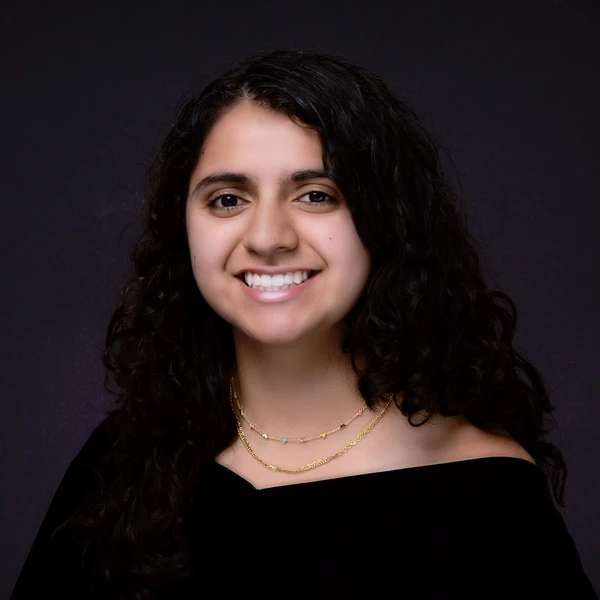
Xiomara Sanchez

1x

Finalist

1x

Winner

Bio

Hello, thank you for checking out my profile! My name is Xiomara Sanchez, and I'm a high school student from Houston, Texas. I'm passionate about architecture, space, and sustainability, and I aspire to design environments that encourage human growth, connection, and innovation for generations to come, whether on Earth or beyond the stars. I plan to continue my education at the University of Texas at Austin, studying architecture & architectural engineering (dual degree). Furthermore, I am an active volunteer in clubs such as Key Club, Interact Club, National Honor Society, and National Art Honor Society. Throughout my years in service, I've helped raise $1000+ dollars for UNICEF, collected 1,000+ clothing items to donate, created care packages (food, toiletries, and other essentials) for the unhoused, helped build beds and shelters for those in need, hosted dozens of food drives, and more. These experiences have greatly impacted me, motivating me to continue serving my community for years to come. Outside of academics, I am a varsity member of cross-country and track & field, serving as the girls' captain. I also compete with my local Technology Student Association chapter, entering my architecture projects for awards. Thank you for your time and consideration.

Education

The University of Texas at Austin

Bachelor's degree program
2026 - 2032
  • Majors:
    • Architectural Engineering
    • Architecture and Related Services, Other
Lone Star College System

Associate's degree program
2023 - 2026

Cypress Creek High School

High School
2022 - 2026

Miscellaneous

  • Desired degree level:

    Bachelor's degree program

  • Graduate schools of interest:

  • Transfer schools of interest:

  • Majors of interest:

    • Architecture and Related Services, Other
    • Architectural Engineering
    • Interior Architecture
    • Landscape Architecture
    • Aerospace, Aeronautical, and Astronautical/Space Engineering
    • Astronomy and Astrophysics
    • Physics and Astronomy
  • Not planning to go to medical school
  • Career

    • Dream career field:

      Architecture & Planning

    • Dream career goals:

      Become a space architect for NASA

    • Guest Services Attendant: Manage park grounds/events; serve guests needs; answer questions clean facilities + grounds; translation services; coordinate w/ outside organizations.

      Westchase District
      2025 – Present1 year

    Sports

    Track & Field

    Varsity
    2021 – Present5 years

    Awards

    • 6A Region 3 Area Qualifer - 3200m
    • 6A Region 3 Regional Qualifer - 3200m

    Cross-Country Running

    Varsity
    2020 – Present6 years

    Awards

    • 3x Individual 6A Region 3 Regional Qualifer

    Arts

    • Technology Student Association

      Architecture
      2024 – Present

    Public services

    • Volunteering

      Key Club — Member (2022-23) | Historian (2023-24) | VP (2024-25) | President (2025-present) AWARDS:
      2022 – Present
    • Volunteering

      National Art Honor Society — Member (2024-present): Volunteer at art shows; crafted props for theater; volunteer for color guard by assisting with gear and creating props; repaint murals around school
      2024 – Present
    • Volunteering

      National Honor Society — Member
      2024 – Present
    • Volunteering

      Interact Club — Member (2022-24) | Historian (2024-present: organized orientation affairs, including promotional content; designed club T-shirt; created social media content; updated & maintained club website; planned end-of-year banquet for 30+ members
      2022 – Present

    Future Interests

    Advocacy

    Volunteering

    Philanthropy

    Smith & Moore Uplift Scholarship
    ““When are we going home?” For years, I asked this question on every outing, counting down the minutes until I could return to familiar spaces: the corner of my room filled with paint supplies, the window where I searched for stars through Houston’s glow, and the desk where I worked late into the night. Over time, I realized I was not simply missing a house. I was drawn to environments that foster creativity, provide stability, and create a sense of belonging. That realization shaped my decision to pursue architecture and showed me how deeply spaces influence the way people live and grow. Pursuing a career in architecture, a STEM field grounded in mathematics, engineering, and design, will allow me to directly benefit society by creating spaces that are functional, resilient, and centered on human needs. Architecture is not just about constructing buildings; it is about solving problems. It requires balancing structural integrity with environmental responsibility and designing spaces that improve quality of life. Through studying architecture, I will gain the technical knowledge to design safe, efficient structures while also developing the creativity needed to address complex community challenges. Growing up in Houston, I have seen how environmental factors shape daily life. Flooding from major storms has highlighted the importance of resilient design and sustainable infrastructure. As an architect, I want to contribute to solutions that protect communities from these challenges. Designing flood-resistant buildings, using durable materials, and incorporating sustainable systems can reduce long-term damage and create safer living conditions. By applying engineering principles and innovative design strategies, I can help build environments that are better prepared for the future. Beyond safety, architecture can strengthen communities. Many neighborhoods lack accessible public spaces where people can gather, exercise, and connect. Thoughtful design can change this. Creating walkable areas, community centers, and inclusive public spaces encourages interaction, supports local economies, and improves overall well-being. Spaces influence behavior, and when designed intentionally, they can promote healthier, more connected communities. My experiences in community service have reinforced this understanding. Through volunteer work, I have helped repair homes, build beds for families, and construct ramps for individuals with limited mobility. These projects showed me that even small-scale design and construction can have a meaningful impact. A stable home, a safe structure, or an accessible entrance can restore independence and dignity. These moments demonstrated that architecture is not only about large projects but also about meeting everyday needs. Innovation is another way architecture can benefit society. Living in a city known for its connection to space exploration has encouraged me to think beyond traditional design. As technology advances, architecture must evolve alongside it, incorporating new materials, energy-efficient systems, and forward-thinking approaches. By staying engaged with emerging technologies, I hope to contribute to designs that are both sustainable and adaptable. Ultimately, pursuing architecture will allow me to combine technical knowledge with a commitment to service. My goal is to design spaces that support individuals, strengthen communities, and address real-world challenges. After graduation, I hope to join a firm or organization dedicated to community-centered design, where I can work on affordable housing projects, resilient public spaces, and sustainable infrastructure in underserved neighborhoods. Over time, I also aspire to lead initiatives that bring together architects, engineers, and local residents to develop innovative solutions that directly address community needs. Whether improving infrastructure, creating inclusive environments, or developing sustainable solutions, I want my work to have a lasting, positive impact. What began as a simple question about going home has become a clear purpose: to create spaces that help others feel secure, supported, and inspired
    Ward Green Scholarship for the Arts & Sciences
    “When are we going home?” For years, I asked this question everywhere I went. My parents laughed at my impatience as I counted down the minutes until we returned, but over time, I realized I wasn’t longing for just a house. Rather, I simply missed the spaces that defined me, where curiosity felt natural, and ideas felt possible: the corner of my room filled with worn paintbrushes, the window where I searched through Houston’s light pollution for the stars’ glow, and the desk that became a studio as projects stretched late into the night. That realization shaped what I want to study and why it matters. I plan to study architecture because it allows me to bring together everything I care about. I have never been able to choose just one subject. Art fuels my imagination; physics and math give me structure; English builds empathy; and athletics have taught me discipline. Architecture is where these intersect. It challenges me to think creatively while solving real problems and designing spaces that influence how people live, feel, and connect. Through my coursework and future studies, I want to deepen my understanding of structural systems, sustainable design, and human-centered planning so I can create environments that serve a purpose beyond aesthetics. My interest in architecture did not begin in a classroom. It began in my backyard. Growing up in Houston, I was surrounded by conversations about NASA and space exploration. I carried out my own “missions” with my dad: repairing fences, patching roofs, and rebuilding sheds. I was a small assistant, handing him tools I could barely name. Still, I learned something lasting. Building is not always glamorous. It is slow, imperfect, and demanding, yet deeply meaningful. A repaired fence provides safety; a fixed roof, comfort. Even the simplest structures can change someone’s daily life. That understanding grew through service. As a member of Key Club, I helped build beds for families, repair hurricane-damaged homes, and construct ramps for individuals who had been confined to their houses. These experiences showed me that architecture is not just about designing impressive buildings. It is about restoring dignity, independence, and stability. A well-designed space can allow someone to sleep peacefully, move freely, or feel secure again. That is the kind of impact I want my work to have. As I pursue architecture, I hope to apply what I learn to benefit my community further. In a city like Houston, rapid growth and environmental challenges intersect. Thoughtful design is essential, and I want to focus on creating resilient structures that can withstand flooding and extreme weather while remaining accessible and welcoming. Similarly, designing walkable public spaces and community-centered environments can strengthen connections, improve health, and support local economies. Spaces should not only function; they should bring people together. I am also interested in sustainable and innovative design. By incorporating energy-efficient materials and forward-thinking building strategies, I hope to contribute to a future where cities reduce their environmental impact while improving quality of life. Houston’s identity as Space City inspires me to think beyond traditional boundaries, exploring how architecture can evolve alongside advancing technology while remaining grounded in human needs. Ultimately, my goal is to design spaces that people long to return to, just as I once did. By studying architecture, I will gain the tools to shape environments that support communities, respond to challenges, and create opportunities. What began as a simple question has become a lifelong purpose: to build places that feel like home, not just for me, but for everyone.
    InnovateHER Engineering Scholarship
    Throughout my high school career, I have had the privilege of participating in several community service organizations. Yet, Key Club most profoundly shaped my experience. Over four years, I served as a member, historian, vice president, and ultimately president, leveraging my skills from designing outreach posters to coordinating fundraisers. In my senior year, I led initiatives that made a direct impact on my community. Building on my earlier experience as president of Cypress Creek Key Club, I led several service initiatives that addressed real needs in our area. I organized a CFISD school supply drive that collected over 50 essential items, including backpacks, pencils, and SAT prep books, helping students start the year prepared to succeed. I also coordinated Rally with Lally, our annual field day that raises resources for service organizations, where seven Key Clubs came together with over 140 attendees. Through this event, we raised more than $600 for UNICEF USA and collected over 200 cans of food, nonperishables, and cases of water for families in need. In addition, during the holidays, I led efforts to assemble custodian gift baskets valued at $150 to recognize the staff who support our school daily and organized a toy drive that collected over 100 toys for local CFISD children. Furthermore, I helped lead Wrapped in Love, a service project focused on clothing those in need, which collected more than 1,000 items for the Star of Hope Foundation, an organization that helps local Houstonians. These experiences taught me how to lead with organization, accountability, and empathy while making a tangible difference. Inspired by these experiences, as I pursue a career in architectural engineering, I aim to become an architect and architectural engineer specializing in designing secure, efficient, and resilient buildings for fast-growing cities like Houston. My vision is to advance structural systems and building performance, creating spaces that withstand environmental challenges and meet the community's changing needs. Our community holds many talented individuals who lack the infrastructure to succeed. Just as I provided resources as president, I aim to continue supporting others as I progress in my career. This mission is especially relevant to Houston’s distinct needs. The spaces around us shape who we become, and we must address the threats to them. Houston’s vulnerability to flooding, especially during Hurricane Harvey, underscores the demand for resilient infrastructure. Through architectural engineering, I aim to design flood-resistant buildings, streamlined drainage systems, and robust materials that minimize long-term damage and expense. These measures safeguard residents and public assets, keeping buildings operational during emergencies. They also reduce interruptions to public life, allowing communities to focus on education, passions, and daily life. Alongside resilience, I also want to improve accessibility and walkability through engineering-focused design. By working on structural layouts, transportation integration, and pedestrian-friendly systems, I can help create safer and more connected communities. Well-designed public spaces encourage interaction, support local businesses, and improve overall quality of life. Ultimately, although my approach has changed, as an architectural engineer, I can still design spaces that foster growth and safety within my community. As I begin this new chapter, I am eager to support and strengthen my community through architectural engineering.
    Christopher T. Muschalek Memorial Scholarship
    Winner
    “When are we going home?” For years, this question followed me everywhere, from outings to long days that seemed to stretch endlessly. My parents teased me for counting down the minutes until we returned, but the truth was simpler: I missed the spaces that held me. The corner of my room where my paints lived, even after the bristles gave out; the window I leaned against, straining to see a sliver of stars through Houston’s glow; the desk that slowly became my personal studio as TSA projects piled higher and later into the night. It took growing up to realize I wasn’t longing for a house. I was longing for the environments that shaped me; the places where curiosity felt natural and ideas felt possible. That early yearning became my first clue that spaces are not passive backdrops. They are catalysts for who we become. I wanted to learn how to create them. However, my interests never fit neatly into one box. When teachers asked, “What’s your favorite subject?” I froze. How could I choose between the imagination of art, the precision of physics, the patterns of math, the humanity of English, the curiosity of biology, or the discipline of athletics? I didn't want to choose, but architecture allowed me to merge them all. High school confirmed this. Architecture demanded creativity when I brainstormed ideas, logic when I balanced spatial flow, and empathy when I imagined how people would move, feel, and live in my designs. Whether designing a tiny house or a sprawling art museum, every project taught me to build with intention: purpose first, aesthetics following, and human impact at the center. But architecture didn't first enter my life in a classroom. It began in my backyard. Growing up in Space City, kids talked about NASA, rockets, Artemis, and Apollo. Meanwhile, I completed my own missions: Mission Fence Repair, Mission Roof Patch, Mission Neighbor’s Shed. My father was the commander, and I was the five-year-old crewmember handing him tools I couldn't name. Under the Texas sun, I learned that building was rarely glamorous. Often it was sweaty, uneven, and slow, but always meaningful. A repaired fence meant safety. A patched roof meant comfort. A rebuilt shed meant someone could keep what mattered to them. Every mission ended with stories, food, and the reminder that architecture, at any scale, is a way to care for people. As I grew older, my missions expanded. Through Key Club, I helped build beds for families who had none, repaired hurricane-damaged homes, constructed ramps for people who had not left their houses independently in years, and fundraised to build shelters. These projects were not sleek or futuristic, but each altered someone’s life: a child finally slept soundly, safety returned to a storm-battered home, and independence was restored. In these moments, I realized architecture is not just about designing structures. It is about restoring dignity, possibility, and stability. At the same time, Houston taught me to look upward. I grew up glued to rocket launches, following ISS updates the way other kids followed sports. Space taught me to imagine bigger things; community taught me to design responsibly. Together, they shaped my understanding that architecture can both anchor us to the Earth and push us beyond what we think possible. I knew architecture was right for me the first time all my interests, experiences, and values converged into a single path. Now, as the commander of my own missions, I want to design spaces that uplift communities, protect what matters, and carry people farther than they ever imagined. Thank you for your time and consideration.