user profile avatar

Wyatt Pearson

1x

Finalist

Bio

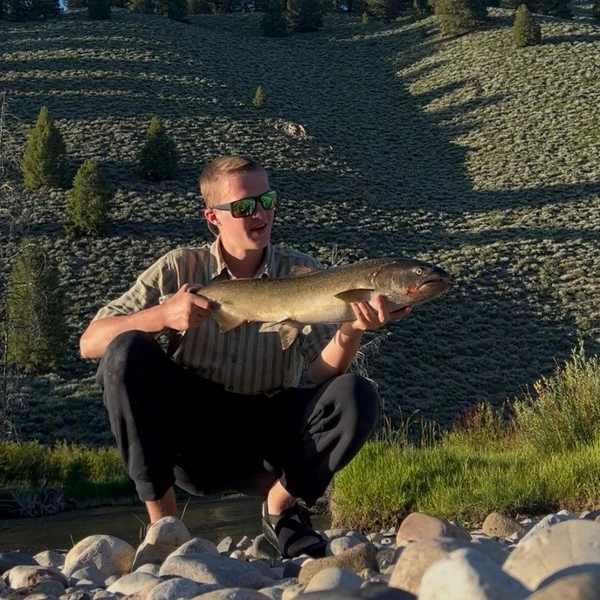
I’m a senior who grew up between Idaho’s farmlands and mountains, learning early the value of hard work and curiosity. I balance team sports like wrestling and mountain biking with outdoor passions like fly-fishing, hunting, kayaking, alpine skiing, and backpacking. I’m passionate about conservation and the science behind the natural world, and I plan to study in a field that connects people and the outdoors. I’ve held a steady job since eighth grade and learned that discipline, patience, and grit can open doors that grades alone can’t. I’m ready to bring that same drive to college and everything that comes after.

Education

Timberline High School

High School
2023 - 2026

Miscellaneous

  • Desired degree level:

    Bachelor's degree program

  • Majors of interest:

    • Fishing and Fisheries Sciences and Management
    • Environmental Geosciences
  • Not planning to go to medical school
  • Career

    • Dream career field:

      Fishery

    • Dream career goals:

      I plan to become a fisheries biologist and minor in GIS so I can use mapping and data tools to track habitat changes, manage resources, and balance recreation with conservation across Idaho’s waterways.

      Sports

      Wrestling

      Varsity
      2020 – Present6 years

      Awards

      • Rookie of the year
      • Three-Time State Qualifier
      • Team Captain

      Public services

      • Volunteering

        NICA Mountain Bike — Youth Mentor
        2023 – 2025
      • Volunteering

        Local Youth Wrestling Events — Volunteer Coaching / Youth Mentorship
        2023 – Present

      Future Interests

      Advocacy

      Politics

      Volunteering

      Philanthropy

      Entrepreneurship

      Future Green Leaders Scholarship
      The first time I stood knee-deep in a cold Idaho river with a fly rod in my hand, I didn’t realize I was learning about sustainability. I was just a kid who loved being outside. But over the years, those experiences, hunting, fishing, backpacking, kayaking, and mountain biking taught me something that stuck: every time we use the land or water, we leave a mark. It’s our job to make sure that mark gives more back than it takes away. I plan to study Fisheries Science and minor in Geographic Information Systems (GIS) because I want to make a career out of protecting the ecosystems that shaped my life. For me, sustainability isn’t just a concept, it’s a responsibility that connects the way we live, the way we work, and the way we treat the environment. In my field, sustainability should be the foundation of every decision, because healthy rivers, forests, and fisheries aren’t renewable without care. Once they’re gone, they’re gone. Growing up, I saw the outdoors from two perspectives: as a participant and as a steward. I fished creeks that have shrunk each year from drought, watched wildlife adapt to shifting seasons, and helped maintain ponds and wetlands through my part-time job. Those experiences made me realize how fragile natural systems are and how easily they can be overlooked in favor of convenience or profit. Sustainability in environmental science is about seeing the long game, understanding how small, informed decisions now prevent irreversible damage later. What inspires me most is the possibility of blending fieldwork and technology. GIS gives scientists and local communities a powerful way to map, measure, and understand environmental change. I want to use GIS to study fish habitats, track water quality, and help restore rivers and streams. By combining research with accessible data, I can help communities make smart, science-based choices about land use, recreation, and conservation. But sustainability goes beyond research, it’s about connection. I’ve seen firsthand how introducing kids to fishing or mountain biking can spark a lifelong respect for nature. I’ve helped younger students and teammates learn outdoor ethics like “leave no trace,” and I’ve watched their attitudes shift from seeing the outdoors as a playground to seeing it as something worth protecting. Education is one of the most powerful tools we have for change, and I want to be part of passing that understanding forward. In the future, I see myself working in habitat conservation or watershed management, using my background in fisheries science and GIS to help local and regional agencies protect aquatic life and maintain balanced ecosystems. I want to develop projects that restore fish passages, monitor invasive species, and help rural and recreation-based communities find sustainable ways to share limited resources. It’s a balance between science and people between using the land and protecting it. Sustainability should be a priority in every field because it asks us to think beyond ourselves. In environmental science, it’s the line between thriving ecosystems and empty rivers. Every clean stream, healthy fish population, and restored habitat starts with someone who chose to do the hard work of protecting it. I want to be that person, the one who studies the data, listens to the land, and makes sure that the next generation of kids who stand knee-deep in a river have the same opportunity to learn, explore, and protect it. That’s how I plan to make my mark, by ensuring the places that made me who I am are still here for those who come next.
      Jimmie “DC” Sullivan Memorial Scholarship
      The whistle blows, and before I know it, I’m on the mat trying to remember every move I practiced that week. I’ve been an athlete for as long as I can remember. From the small farming town where I grew up to my high school in the city, sports have been a constant in my life. They’ve shaped my discipline, work ethic, and determination. I’ve played nearly every sport, cross country, track, basketball, football, golf, soccer, wrestling, swimming, and NICA mountain biking and each has taught me something.. Wrestling, though, is where I found my passion. I started later than most, in seventh grade, right before COVID shut down nearly everything. Seasons were canceled, and I was competing against wrestlers who’d been on the mat since they were toddlers. That challenge became my motivation. I trained year-round, lifted at 6 a.m., and pushed myself until I closed the gap. Now, as a three-time state qualifier, I’ve learned wrestling is less about medals and more about what you do when nobody’s watching, the early mornings, the discipline, and the grit it takes to keep improving. What I’ve gained from sports isn’t just personal growth, it’s the chance to give back. I’ve volunteered at youth wrestling tournaments, setting up mats, keeping time, refereeing, and helping young athletes. Seeing a kid’s eyes light up after winning their first match or mastering a new move reminds me why I love the sport. Even harder and maybe more important is helping them stay calm when they’re losing, fighting tears, or getting yelled at from the sidelines. Those are the moments that make the biggest difference. I also mentor youth riders through our local NICA mountain-biking program, helping teammates with trail skills, race prep, and safety. NICA is about more than racing,it’s about community and confidence. Outside formal programs, I’ve introduced my younger brother and friends to fishing, hunting, and backpacking, teaching them respect for nature and the patience that comes with outdoor sports. Sports have taught me resilience; coaching and volunteering have taught me patience and responsibility. My goal is to continue that impact through college and beyond. I plan to study Fisheries Science and minor in GIS (Geographic Information Systems), combining my love for the outdoors with a career in conservation and education. I want to mentor young people the way my coaches and mentors inspired me. While I’ve tried nearly every sport, the ones that stuck were where I felt seen, where a coach believed in me, teammates became friends, and I felt part of something bigger. That sense of belonging made me dig deeper and stay committed through tough seasons. I’ve learned that keeping kids like me engaged isn’t just about winning, it’s about relationships, trust, and the small moments of belief that keep them coming back. More than anything, I want to be that person for others, the one who sees potential before they see it in themselves. I know what it feels like to almost give up, and how much it matters when someone believes in you. Every hobby I’ve taken on, hunting, fishing, biking, skiing, or wrestling, started because someone shared their passion with me. A friend, coach, or mentor took the time to include me and make me feel capable. Those relationships are what got me hooked and kept me pushing forward. If I can help another athlete or student find that spark, the reason to keep showing up and believing in themselves, then I’ll know I’ve made an impact worth more than any medal or trophy.
      Daniel R. Torres "Complete Your Dream” Memorial Scholarship
      My college dream began in seventh grade in an AVID class, when we had to research a college that matched our interests. That simple assignment stuck with me. I remember scrolling through photos of mountains, rivers, and research programs, realizing that one day I wanted to go to a school where I could learn, explore, and live the kind of outdoor life that has shaped me since childhood. I grew up in a small farming town where my earliest memories were spent riding in tractors, wandering fields, and fishing in canals. My best friends back then were in their fifties and sixties, farmers, neighbors, and hunting mentors who taught me how to work hard, listen, and respect the land. My dad and I learned to hunt together there, and it quickly became something more than a hobby. It was where I learned patience, persistence, and gratitude for the experiences we earned. When my family moved back to the city, it was a big shift, from dirt roads to crowded schools, from open fields to full schedules. I didn’t have much gear, was late to most activities as compared to my peers but I never let that stop me. I played nearly every sport, raced in the YMCA youth triathlons and was always on the go. I later settled into NICA mountain bike racing and Wrestling. I raced mountain bikes against kids whose bikes weighed half of mine and had every upgrade possible. I wrestled year-round to close the gap on competitors who had been training since they were toddlers. I skied in second-hand gear, hunted in layers I earned piece by piece, and kayaked Idaho’s toughest rivers without the perfect dry suit or top-end equipment. What I lacked in gear, I made up for with determination. Each experience taught me to work with what I had, to be resourceful, and to keep showing up. Those lessons carried into everything I do. I started working just days after I was legally old enough, walking into a sushi restaurant, applying on my own, and earning a job that I still hold today. I also work for a housing development cleanup crew, maintaining ponds and wetlands near my neighborhood, places where I now fish and watch wildlife. Every dollar I earn goes toward funding my hobbies and saving for college. Over the years, I’ve learned to balance team sports, work, and outdoor passions. I’m a three-time state wrestling qualifier and a NICA mountain bike racer. I hunt, fish, backpack, alpine ski, kayak, and recently added bouldering. These experiences aren’t just hobbies, they’ve taught me discipline, courage, and balance. The outdoors has given me a second classroom, one that’s taught me how to stay calm when things get rough, how to solve problems quickly, and how to appreciate every moment of hard work that leads to success. My dream is to study Fisheries Science and minor in Geographic Information Systems (GIS) so I can help protect the lakes, rivers, and ecosystems that have shaped my life. I want to combine my love for the outdoors with science using mapping, data, and fieldwork to study fish populations, improve habitats, and help communities manage their natural resources responsibly. Idaho’s waters have given me so much; I want to dedicate my career to giving back. Helping others is also a big part of my dream. I’ve spent time teaching my younger brother and other kids how to fish, hunt, and hike. I’ve shown them how to tie flies, track animals, and handle a rifle safely. It’s more than teaching skills, it’s about teaching patience, respect for nature, and pride in learning something the right way. My goal is to continue that mentorship, whether through conservation education or community outreach. The steps to achieve my dream are clear: Education. I’ll attend college to major in Fisheries Science and minor in GIS, building both scientific knowledge and technical mapping skills. Experience. I’ll continue working part-time to fund school and my gear while seeking internships. Connection. I’ll build relationships with professors, mentors, and agencies to learn how to serve communities and landscapes effectively. Giving Back. I’ll volunteer to help youth programs, especially in outdoor education, so younger kids see that they can chase their dreams too, no matter their starting point. This scholarship represents more than just financial support. It represents belief in hard work, perseverance, and the kind of balance Daniel R. Torres lived by chasing dreams, loving the outdoors, and helping others along the way. I may not have had the best gear, the fanciest bike, or the easiest path, but I’ve always had the drive to keep moving forward. Like Daniel, I’ve learned that dreams aren’t completed in one big step; they’re built through small, steady actions, early mornings, long practices, long hours at work, and the courage to keep pushing. My dream is to combine everything I’ve learned from the wrestling mat to the riverbank to make a real difference. I want to help protect and preserve the outdoors, inspire younger generations to get outside, and show that you can build a life filled with purpose, adventure, and balance if you’re willing to work for it. That’s what completing my dream looks like and I’m ready to do it.