user profile avatar

Wyatt Hylka

1x

Finalist

General information

Hobbies & Interests

  • Running
  • Hiking And Backpacking
  • Canoeing
  • Kayaking
  • Driving
  • Camping
  • Travel And Tourism
  • Animals
  • Chess
  • Church
  • Criminal Justice
  • Criminology
  • Ecology
  • Horseback Riding
  • Environmental Science and Sustainability
  • Exploring Nature And Being Outside
  • Fishing
  • Gaming
  • Geocaching
  • Geography
  • Geology
  • Hammocking
  • Paddleboarding
  • Track and Field
  • Swimming
  • Spending Time With Friends and Family
  • Snorkeling
  • Scuba Diving

Reading

  • Academic

I read books daily.

Bio

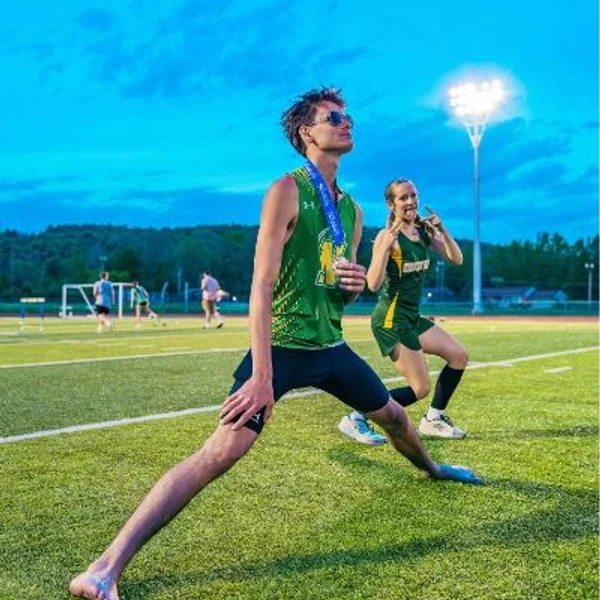
Growing up, I have always felt most at home outdoors. Whether running cross country trails, competing in track meets, hiking mountain paths, fishing, or exploring national parks across the country, nature has shaped both my interests and my future goals. As a dedicated athlete, I have learned the value of discipline, perseverance, and resilience. Qualifying for state and national cross country and track competitions required hard work, commitment, and the determination to push beyond my limits. These experiences have taught me how to overcome challenges and stay focused on achieving long term goals. My love for travel and the outdoors has inspired a deep appreciation for conservation and environmental stewardship. Visiting national parks throughout the United States has allowed me to experience the beauty and diversity of our natural landscapes while strengthening my desire to protect them for future generations. These experiences have led me to pursue a career as a National Park Ranger, combining my interests in environmental science, conservation, and law enforcement. I am passionate about protecting natural resources, educating visitors, and serving the public while preserving our nation's most treasured places. Through my experiences as an athlete, traveler, and outdoor enthusiast, I have developed a strong work ethic, leadership skills, and a commitment to making a positive impact. I look forward to furthering my education and turning my passion for the outdoors into a meaningful career dedicated to service and conservation.

Education

Nativity Bvm High School

High School

2023 – 2027
Miscellaneous

Desired degree level:
Bachelor's degree program
Majors of interest:
Geography and Environmental Studies, Natural Resources and Conservation, Other, Natural Resources Conservation and Research, Environmental Geosciences
Desired degree modality:
In-Person, Full-Time
Medical school interest:
No
English as first language:
Yes
Homeschooled:
No

Career

  • Scholarship Recipient: Selected for a week-long business simulation, developing strategic plans, budgets, and financial forecasts while strengthening leadership, public speaking, teamwork, and collaboration with Pennsylvania business leaders.

    Financial Services · Pennsylvania Free Enterprise Week

    Jan 2025 – Jan 2025

  • Selected through a competitive application process (12 recipients, 5 counties). Completed weeklong, 120 mile Schuylkill River Watershed expedition, conducting water quality testing, studying environmental impacts & strengthening leadership & teamwork.

    Renewables & Environment · Schuylkill Acts & Impacts Expedition 2025 Scholarship

    Jan 2025 – Jan 2025

  • Represented the student body as a Student Representative on the Friends of Tuscarora & Locust Lake State Parks Board, attending monthly meetings and supporting conservation through park cleanups, trail maintenance, and campsite improvement projects.

    Renewables & Environment · Friends of Tuscarora and Locust Lake State Parks

    Jan 2023 – Jan 2024

  • Attended watershed workshops, meetings, and volunteer events; planted riparian buffers; tested local waterways to assess road salt impacts; monitored riverbeds for trash and reported findings, supporting healthier Schuylkill and Delaware River watersheds.

    Renewables & Environment · Delaware River Keepers Network: Mentee

    Jan 2025 – Present

  • Prepared food, maintained quality and safety standards, delivered fast, friendly customer service, operated cash register, handled cash transactions, collaborated with team members in a high-volume environment, and ensured a clean, efficient restaurant.

    Food & Beverages · Kentucky Fried Chicken

    Jan 2026 – Present

  • Assisted with planting, cultivating, irrigating, and harvesting crops; operated hand tools and farm equipment; collaborated to meet productivity and quality goals; managed farm stand setup, customer orders, cash handling, and daily market operations.

    Farming · Stein's Farm Market

    Jan 2023 – Present

  • Mentored 12 selected high school students from five counties on a weeklong scholarship expedition across the 120-mile Schuylkill River Watershed, conducting water testing while examining how human development impacts watershed health.

    Renewables & Environment · Schuylkill Acts & Impacts 2026 Mentor

    Jan 2026 – Present

Miscellaneous

Dream career field:
Environmental Services, Environmental Science, Law Enforcement
Dream career goals:
National Park Ranger Environmental Scientist
Work experience:
3 years
Has nursing license:
No
Leadership experience:
Yes

Future Interests

  • Advocacy
  • Volunteering
  • Philanthropy
Ethel Hayes Destigmatization of Mental Health Scholarship
Mental health has shaped my life for as long as I can remember. Some of my earliest memories are of watching my family change because of my father's mental illness. At the time, I did not understand what was happening. I only knew that my dad was becoming someone I did not recognize. Looking back now, I can see how those experiences affected my beliefs, relationships, and goals. When I was five years old, my father began going through what we later learned was Bipolar II Disorder. For years, everyone thought he was struggling with depression. Then he entered a manic episode and left my mother. He made choices that completely changed our family. He was homeless for a period of time and seemed to forget he had children. Eventually, he moved back in, and my parents tried to work things out. But the cycle continued. He went on and off his medication, struggled with substance abuse, and made decisions that hurt the people around him. As a child, I spent a lot of time trying to earn my father's attention. I wanted him to be proud of me. I wanted him to choose his children first. Instead, I often felt ignored and disappointed. After my parents divorced, my siblings and I spent time at his house. Those visits were difficult. My father often did not pay attention to us or take care of himself. I never felt fully safe there. As I got older, I realized how much those experiences affected my own mental health. Today, I live with PTSD, anxiety, and depression. There were times when I blamed myself for things that were never my responsibility. I struggled with trust and often felt like I had to be strong all the time. For years, I wondered why my father would not get the help he needed or stay consistent with his treatment. At the same time, these experiences changed the way I view mental health. I learned that mental illness is real and can affect entire families. I also learned that mental illness does not excuse harmful behavior. For a long time, I thought I had to choose between being angry at my father and feeling compassion for him. As I got older, I realized I could feel both. I can recognize that he has a serious illness while also acknowledging the pain his choices caused. One of the hardest things to watch was my father repeatedly stopping his treatment. There would be periods when he seemed to be doing better, but then he would stop taking his medication or turn to alcohol and other unhealthy coping mechanisms. Seeing that pattern taught me how important treatment and support can be. Mental illness is not something people can simply "get over" through willpower alone. Recovery takes commitment, support, and access to proper care. That lesson has stayed with me. My experiences have also shaped my relationships. The person who has influenced me the most is my mother. No matter how difficult things became, she continued to fight for my siblings and me. She advocated for our safety and never stopped supporting us. Watching her taught me what strength really looks like. Because of her example, I value honesty, loyalty, and consistency. I have learned that healthy relationships are built on trust and respect. These experiences have also shaped my goals. More than anything, I want to build a stable future for myself. I want to continue working on my mental health and break cycles that have affected my family for generations. I want to prove that difficult circumstances do not have to decide the rest of someone's life. My experiences have made me more understanding of other people. I know that many struggles are invisible, and that kindness can make a bigger difference than we realize. My father's story also taught me why mental health should not be hidden or ignored. Too many people suffer in silence because they are ashamed, afraid, or worried about what others will think. When mental health is treated like something people should keep secret, it becomes harder for them to ask for help. I have seen firsthand what can happen when mental illness goes untreated or when people stop receiving the support they need. That is one reason I believe it is so important to talk openly about mental health. Honest conversations reduce stigma and make it easier for people to seek treatment before a crisis develops. Although my experiences have been painful, they have made me stronger, more compassionate, and more determined. They have shown me the importance of mental health, support systems, and speaking openly about difficult topics. My past will always be part of my story, but it does not define my future. Instead, it motivates me to build a better life and help create a world where people feel safe asking for help and know they do not have to face their struggles alone.
Matthew E. Minor Memorial Scholarship
Growing up, I have always felt most at home outdoors. I enjoy running cross-country, competing in track, hiking, fishing, traveling, and exploring national parks. Being outside has taught me to appreciate the environment and the people around me. It has also helped shape my future goal of becoming a National Park Ranger. Sports have been a major part of my life. Cross-country and track have taught me discipline, patience, and how to keep going when things get difficult. I have qualified for state and national competitions, which took a lot of time and effort. Those experiences showed me that progress does not happen overnight. You have to stay committed and keep working toward your goals. I also try to stay involved in my community. Through Schuylkill Acts and Impacts, I have had opportunities to mentor younger students and be a positive role model. I know that younger kids pay attention to how older students act. I try to set a good example by being respectful, encouraging others, and including people who may feel left out. I believe leadership can be as simple as treating people well and speaking up when something is wrong. My family’s financial situation is an important part of my college plans. I come from a large household with six children when my siblings and step-siblings who live with us are included. With so many people in one home, there are many everyday expenses, and college adds another major cost. Tuition, housing, books, transportation, and other fees will be difficult for my family to cover. I plan to work hard, apply for scholarships, and do my part, but financial assistance would make a real difference. It would help me focus more on school and move closer to a career in environmental science, conservation, and law enforcement. Keeping children and teens safe from bullying is also important to me. In person, I try not to ignore bullying when I see it. I support the person being targeted and involve a trusted adult, teacher, coach, or leader when help is needed. I also try to include younger students and make sure they know they have someone they can talk to. Online, I believe the same respect should apply. I do not share embarrassing posts, rumors, or hurtful comments about other people. If I see cyberbullying, I report the content instead of adding to it. I encourage the person being targeted to save evidence and talk to someone they trust. I also remind younger people to protect their privacy, think before they post, and block or report accounts that threaten or harass them. My goal is to serve others while protecting the places and communities that matter to me. Becoming a National Park Ranger would allow me to combine my love of the outdoors with conservation, education, law enforcement, and public service. I hope to keep growing as a leader and use my education to make a positive difference.
Darran Cherep Remembrance Scholarship
Growing up, I have always felt most at home outdoors. I enjoy running cross-country trails, hiking, fishing, traveling, and visiting national parks across the country. These experiences have shaped my interests and helped me realize what I want to do in the future. My goal is to pursue a career in law enforcement as a National Park Ranger. I am interested in this field because it combines many things that are important to me. It allows me to serve others, protect people, enforce laws, respond to emergencies, and help preserve some of the most important natural places in our country. Law enforcement park rangers have a major responsibility. They help keep visitors safe, investigate incidents, enforce park regulations and federal laws, and respond when someone is injured, lost, or in danger. They also protect wildlife, natural resources, and public lands. I like the idea of having a career where every day is different and where my work can have a real purpose. My experiences as a cross-country and track athlete have prepared me for that kind of responsibility. I have qualified for state and national competitions, which required years of training, discipline, and commitment. Running has taught me how to push through difficult situations and stay focused when I am tired or under pressure. It has also taught me resilience. Not every race goes the way I want it to. Sometimes I have to adjust, stay calm, and keep moving forward. I believe those lessons will help me in law enforcement, where officers often face stressful and unpredictable situations. I am also drawn to this career because of the opportunity to help people. A ranger may assist an injured hiker, help find someone who is lost, respond to an accident, or protect visitors during an emergency. In those situations, people need someone who can remain calm, make good decisions, and treat them with respect. That is the type of person I hope to become. Darran Cherep spent twenty-nine years serving his community as a police officer. A career of that length shows dedication, responsibility, and a commitment to helping others. I respect people who choose careers where their job is to protect and serve the public, even when the work can be difficult. I hope to make a difference in a similar way through my own career. I plan to continue my education in areas related to environmental science, conservation, criminal justice, and law enforcement. I want to gain the knowledge and training needed to protect people and natural resources. As a National Park Ranger, I hope to make visitors feel safe and welcome while also protecting the parks for future generations. I want to be someone people can depend on during difficult situations. I also want to educate others about conservation and why these places are worth protecting. For me, law enforcement is about more than enforcing rules. It is about service, responsibility, and making a positive difference. Becoming a law-enforcement National Park Ranger would allow me to combine my love of the outdoors with my desire to help others and serve the public.
Augustin Gonzalez Memorial Scholarship
Growing up, I have always felt most at home outdoors. I enjoy running cross-country trails, hiking, fishing, traveling, and visiting national parks across the country. Those experiences have shaped who I am and have helped me decide what I want to do in the future. My goal is to pursue a career in law enforcement as a National Park Ranger. Law enforcement park rangers have many of the same responsibilities as police officers. They protect people, enforce laws, respond to emergencies, investigate incidents, and help keep the public safe. They also have the responsibility of protecting our country's natural resources and national parks. I am drawn to this career because I want to serve others while also working in an environment that means a lot to me. As a cross-country and track athlete, I have learned the importance of discipline, resilience, and staying calm when things become difficult. I have qualified for state and national competitions, which took years of training and commitment. There were difficult practices and races where I had to push myself beyond what felt comfortable. Those experiences taught me not to give up when something becomes challenging. I believe those lessons will be important in law enforcement. Police officers and park rangers often have to make decisions in stressful situations. They need to remain calm, communicate clearly, and treat people with respect. They also need to be physically and mentally prepared to help someone during an emergency. Visiting national parks has made me appreciate how important these places are. I have seen incredible landscapes, wildlife, and environments that need to be protected. I have also seen how many different people visit these parks every day. Rangers have the opportunity to protect both the land and the people enjoying it. That combination is what makes the career so meaningful to me. Detective Augustin Gonzalez's career also shows the type of service I respect. His willingness to help others during the attacks on September 11, 2001, represents the courage and dedication required in law enforcement. Police officers do not always know what situation they will face when they begin their day. They still choose to serve their communities and help people when they are needed most. I want to bring that same sense of responsibility to my future career. I plan to continue my education in areas related to environmental science, conservation, criminal justice, and law enforcement. I hope to develop the skills needed to protect natural resources, enforce laws, respond to emergencies, and assist visitors. For me, becoming a law enforcement National Park Ranger would be more than just a job. It would give me the opportunity to serve others, protect places that are important to our country, and make a positive difference every day.
Sharon Oshatz Memorial Scholarship
Growing up, I have always felt most at home outdoors. Some of my best memories come from running cross-country trails, hiking mountain paths, fishing, traveling, and visiting national parks with my family. Being outside has always been more than a hobby for me. It is where I feel challenged, focused, and connected to the world around me. I am currently a high school senior and a dedicated cross-country and track athlete. Running has played a big part in shaping who I am. I have qualified for state and national competitions, but those accomplishments did not come easily. They required early mornings, long practices, difficult races, and the willingness to keep going when I was tired. Through sports, I have learned discipline, perseverance, and resilience. I have learned that progress takes time. I have also learned how to stay calm under pressure and keep working toward a goal even when things do not go as planned. I believe these qualities will help me in my future career. My experiences traveling and visiting national parks have had an even bigger influence on my future. Each park is different. Every place has its own wildlife, landscape, history, and challenges. Seeing these places in person made me realize how important it is to protect them. Those experiences are what drew me toward becoming a National Park Ranger. I want a career that allows me to work outdoors while also serving others. Park rangers do much more than protect the environment. They educate visitors, enforce laws, respond to emergencies, protect wildlife, and help keep people safe. That combination of conservation, law enforcement, emergency response, and public service is what interests me most. I plan to continue my education in areas related to environmental science, conservation, and law enforcement. My goal is to build the knowledge and skills needed to protect both people and natural resources. I also want to be someone visitors can depend on when they need help. What inspires me most about public service is the chance to make a real difference. Sometimes that may mean protecting a natural area from damage. Other times it may mean helping an injured hiker, responding to an emergency, finding a lost visitor, or teaching someone why conservation matters. Sharon Oshatz dedicated her life to helping people and preparing others to respond when someone was in need. That spirit of service is something I respect and hope to carry into my own career. I want my future work to have a purpose. Becoming a National Park Ranger would allow me to protect places that have meant so much to me while serving the people who visit them. I hope to turn my love of the outdoors into a career built around responsibility, service, conservation, and helping others.
Jennifer Webb-Cook Gameplan Scholarship
Growing up in a single-parent household has made me grow up faster than I expected. When I was five, my dad left because of mental health issues. Since then, my mom has been the parent who has always been there for me. She has had to carry the responsibility of raising our family on her own. Watching her work hard to give us everything she could taught me at a young age that sometimes you have to step up, even when life does not go as planned. My older brother also struggled with his mental health and was in and out of hospitals, starting when I was around seven. When I was twelve, he became incarcerated. At that point, I became the oldest child at home. I knew my mom needed help, and I knew my younger twin sisters needed someone they could count on. I could not change our circumstances, but I could decide what kind of person I wanted to be because of them. At thirteen, I started working. My mom always did everything she could financially, but supporting a family on one income is not easy. I wanted to earn my own money so I could buy some of the things I needed instead of always asking her. When I eventually got my driver’s license, I could help even more. I started helping get my sisters where they needed to go and taking some responsibilities off my mom’s shoulders. Sometimes, being a teenager has meant putting what I wanted to do on hold because my family needed me. Through all of this, running became the one place where I could push myself and see exactly what I was capable of. Cross country and track have completely changed my life. I wanted to compete at the highest level I could, and I knew that would require sacrifice. I trained year-round and pushed myself toward state and national competitions. At the same time, I had to maintain honor roll to be allowed to compete. I also had a job and responsibilities at home. There were definitely days when it felt like there were not enough hours. I learned to use every one of them. I learned how to fit homework between practice and work. I learned to plan ahead instead of waiting until the last minute. I learned that being tired was not an excuse to ignore my responsibilities. Most importantly, running taught me perseverance. A bad race does not mean you quit. You learn from it, show up the next day, and keep working. That mindset has helped me outside of sports, too. My family has faced situations I could not control. Running taught me to focus on what I can control: my effort, my attitude, and what I do next. As I prepare for college and the opportunity to continue running competitively, I know it will bring new challenges. But balancing school, work, athletics, and family has already given me a pretty good game plan. I have learned how to manage my time, work for what I want, and be there for the people who depend on me. My circumstances made me take on responsibility early. Sports taught me how to handle it. I would not choose every obstacle my family has faced, but I am proud of the person I have become while overcoming them.
Michael Rudometkin Memorial Scholarship
For me, being selfless does not always mean doing something huge. Most of the time, it means being there when someone needs you. It means helping without expecting anything in return. I have learned this through my family, my friends, my teammates, and especially my relationship with my sister, who has autism. Growing up with my sister has taught me to be patient and understanding. I have seen that people sometimes judge someone because they act, communicate, or see the world differently. When that happens, I stand up for her. I want people to see her for who she is instead of making assumptions about her. Being her brother has taught me that doing the right thing is not always the easiest thing. Sometimes you have to speak up, even when it would be easier to stay quiet. I also try to be someone she can look up to. That has made me think more about my own choices. I want to show her that hard work matters and that you should treat people with respect. Whether I am working toward my goals in school, training for cross-country and track, or helping at home, I try to set a good example. That same attitude carries over to my friends and family. If someone needs help, I try to be there. Sometimes that means helping with a problem. Other times it means listening when a friend is having a bad day or giving up some of my own time to help someone else. These actions may seem small, but I have learned that small things can matter a lot to someone who is struggling. Running has also taught me about perseverance. Qualifying for state and national competitions took years of training. There were difficult practices, disappointing races, and times when giving up would have been easier. I kept going because running is something I care about. That perseverance has taught me to stand by the things and people that matter to me. One of those things is the environment. Some of my best memories are outdoors. I have spent time running through the woods, hiking, fishing, and visiting national parks. Those experiences have made me realize that protecting the environment is another way of helping others. I want future generations to have clean water, healthy forests, wildlife, and beautiful places to explore. That is why my goal is to become a National Park Ranger and study environmental science and law enforcement. I want to spend my career protecting natural resources while also helping and educating people. To me, service is not only about what I can do for someone today. It is also about what I can help protect for someone I may never meet. My sister has helped teach me to stand up for others. Running has taught me not to give up. The outdoors has given me something worth protecting. Together, these parts of my life have shaped the person I want to be. I want to keep showing up for people, standing up for what matters, and leaving the world a little better than I found it.
Barbara Cain Literary Scholarship
Some of the best lessons I have learned did not come from a classroom. They came from books, running trails, and time spent outdoors. Reading has allowed me to experience lives completely different from my own, while also helping me understand my own life better. One book that stayed with me is Life of Pi by Yann Martel. Pi’s story taught me that we cannot always control what happens to us, but we can control whether we keep moving forward. In Life of Pi, Pi suddenly finds himself in a situation he never could have imagined. He is alone at sea and forced to survive with very little. He has to deal with fear, uncertainty, and challenges that seem impossible. What I remember most is that Pi keeps going. He adapts. He finds ways to survive one day at a time. I connect with that idea because running has been a major part of my life. Cross-country especially has taught me what it means to keep going when something is difficult. There is usually a point in a race when my legs hurt, I am tired, and slowing down would be easier. In those moments, I have to decide to keep pushing forward. Qualifying for state and national competitions did not happen because every race or practice went perfectly. It took early mornings, long runs, disappointing races, and days when I did not feel like training. Running has taught me that progress often comes from what you do when things are hard. Reading Life of Pi reinforced that lesson for me. Strength is not about never struggling. Sometimes it is simply refusing to give up. Books have also encouraged me to be curious about the world beyond what I already know. That curiosity connects with another important part of my life: the outdoors. Some of my favorite memories are hiking mountain trails, fishing along quiet streams, running through the woods, and visiting national parks with my family. I have been lucky enough to see some incredible places. Standing beneath massive sequoias or looking across a mountain landscape is something that is hard to describe until you experience it yourself. Those experiences have helped shape what I want to do with my future. My goal is to become a National Park Ranger and pursue a career that combines environmental science and law enforcement. I want to protect wildlife and natural resources, but I also want to help people experience and understand these places. I want future kids to stand beneath those same trees or hike those same trails and feel the same sense of wonder that I have felt. Books have shown me worlds I may never see, but they have also made me pay more attention to the world right in front of me. Life of Pi taught me about perseverance, courage, and adapting when life takes an unexpected turn. Other books have made me more curious and willing to explore. As I leave high school, I do not know exactly where every trail will lead. I do know that I want to keep learning, exploring, and challenging myself. Whether I am turning the page of a book or taking the next step on a trail, I am excited to see where it takes me.
Learner Mental Health Empowerment for Health Students Scholarship
Mental health is important to me because I have seen what happens when someone is struggling and doesn't get the help they need. I have also learned that mental health doesn't only affect one person. It can affect an entire family. My dad has Bipolar II Disorder. His mental illness has been part of my life since I was about five years old. At first, everyone thought he had depression. I was too young to understand any of it. I just knew my dad was changing. Eventually, he had a manic episode and left my mom. He was homeless for a period of time and sometimes acted like he forgot he even had kids. He would come back into our lives, get treatment, and start doing better. Then he would stop taking his medication or struggle with substance abuse, and everything would change again. For a long time, I wanted to fix things. I wanted to make my dad proud of me. I thought maybe if I was good enough, he would choose his kids first. As I've gotten older, I've realized that his mental illness was never something I could fix for him. Mental health has affected my siblings, too. My brother and I have had to deal with a lot of the same instability and hurt. I also have an autistic sister. Growing up with her has taught me patience and that everyone's brain works differently. Sometimes she needs support in ways other people don't understand. I have seen how quickly people can judge someone when they don't understand what they are going through. All of this has affected my own mental health. I have struggled with PTSD, anxiety, and depression. Being a student while dealing with those things isn't always easy. There are days when you still have to go to school, finish assignments, study, and act like everything is normal, even when your mind is somewhere else. I've had to learn that being strong doesn't mean pretending you're okay all the time. I don't advocate for mental health through a big organization or by giving speeches. For me, it happens in smaller ways. I try to be someone my friends and family can talk to without feeling judged. I listen when someone is having a hard time. At home, I try to be patient with my sister and support my siblings. I also talk more openly about mental health instead of treating it like something embarrassing. I think being willing to say that I've struggled too can make it easier for someone else to be honest about what they're going through. As I get ready for college, I know mental health will continue to be important to me. College will bring new responsibilities and stress, and I know I will need to take care of myself while working toward my goals. My family has taught me that you never really know what someone is dealing with. Sometimes the person who looks completely fine is struggling the most. I can't change everything that has happened in my family, but I can decide what I do with it. I can listen. I can be there for people. I can ask for help when I need it. And I can help make mental health something people don't have to be ashamed to talk about.
Elizabeth Schalk Memorial Scholarship
I have always believed that our experiences shape who we become. For me, one of the biggest influences in my life has been growing up with a father and brother who have Bipolar Disorder. Watching mental illness affect my family from such a young age changed the way I see people, relationships, and the importance of mental health. When I was very young, my father was diagnosed with Bipolar Disorder Type II. Throughout my childhood, I remember him changing often. Everyone thought he was dealing with depression, and I was too young to understand what was happening. I only knew that the dad I loved didn't seem like himself anymore. When I was almost five, he experienced a particularly bad manic episode. He left my mom, became homeless for a period of time, and seemed to forget that he had children. Even though he eventually came back into our lives, things were never the same. Growing up, I spent a lot of time trying to earn my father's attention and approval. I wanted him to be proud of me and to choose his family first. Instead, there were many times when he stopped taking his medication, struggled with substance abuse, and made decisions that hurt the people who cared about him most. As a kid, I didn't understand why this kept happening. I often blamed myself and wondered if there was something I could do to make things better. As I got older, I realized that mental illness is much more complicated than I once thought. I learned that recovery is not just about wanting to get better. It takes consistent treatment, support, and access to the right resources. Seeing my father improve when he stayed on his medications and then struggle again when he stopped them showed me how important ongoing care really is. My childhood also affected my own mental health. Because of the emotional and physical traumas I experienced, I developed PTSD, anxiety, and depression because of everything I experienced. For a long time, I felt like I had to keep my emotions to myself and always be the strong one. Eventually, I realized that asking for help is not a weakness. Through my own healing, I have learned the value of therapy, healthy boundaries, and taking care of my mental well being. These experiences have made me more compassionate and understanding toward others. I know that many people are fighting battles that cannot be seen, and I try not to judge someone based on what I see on the surface. I also want to help break the cycle that has affected my family for generations by building a stable, healthy future for myself. Mental illness has affected nearly every part of my life, but it has also taught me resilience, empathy, and the importance of supporting others. It has shown me that people deserve understanding instead of judgment and that everyone should have access to the care they need. My family's story has shaped who I am, and it has inspired me to value mental health as an essential part of living a healthy and meaningful life.
Begin Again Foundation Scholarship
When I was little, I didn't fully understand what sepsis was. I only knew it was something that could take my youngest sister away from us. My sister, Brylee, was born with serious heart problems and has gone through multiple open-heart surgeries. After her third surgery, she developed sepsis because of an infection. It wasn't the only time. She has battled sepsis more than once after different infections, and every time our family held our breath. My parents officially split in 2015, so life was already different. Then everything would stop whenever Brylee got sick. My brother, my healthy sister, and I would leave home and stay at the Ronald McDonald House near Geisinger Children's Hospital while Brylee recovered. We lived out of bags and tried to make temporary rooms feel like home. The hardest time for me was during the summer when I was seven years old. Most kids were outside playing with friends or enjoying vacation. I was sleeping in someone else's bed, in a place that wasn't familiar, wondering what would happen next. Everything felt uncertain. I remember looking around at the walls and wishing I could just be back in my own room. More than anything, I was scared for Brylee. I didn't know if she was going to be okay. As a kid, you don't understand medical terms or treatments. You just know that your little sister is very sick, your parents are worried, and everyone is hoping for good news. Watching Brylee fight through sepsis changed the way I see life. I learned that a normal day is never guaranteed. I also saw how important doctors, nurses, and hospitals are to families going through the worst moments of their lives. They didn't just care for my sister. They cared for all of us. Those experiences also taught me resilience. Even when life was turned upside down, we kept going. We leaned on each other and appreciated every small victory. When Brylee got stronger, we celebrated the little things that most people never think twice about. Today, I am going into my senior year of high school. Brylee is about to be a freshman. The memories of those hospital stays are still with me. They remind me not to take my family for granted and to support the people I care about whenever they need me. Sepsis affected my sister, but it also changed every member of my family. The Begin Again Scholarship means more to me because I know what sepsis can do. I have seen the fear, the uncertainty, and the strength it takes to keep moving forward. Brylee's courage has inspired me to face my own challenges with determination and gratitude. No family should have to experience what ours did, but our journey has made me a more compassionate, resilient, and grateful person.
Larry Darnell Green Scholarship
When I was five years old, my parents separated because of my father's mental health struggles. My father emptied my mother's checking account and left her with debt on her credit cards. In what felt like an instant, my mom became responsible for raising four children on her own while trying to rebuild our lives. Some of my earliest memories are of my parents fighting over custody. My mom wasn't trying to keep us from our father. She was trying to keep us safe. My father has Bipolar Disorder Type II, and my older brother has Bipolar Disorder Type I. Eventually, my father lost custody of me. I still have a relationship with him, but now it is on my own terms. Growing up in a single parent household wasn't always easy, but it shaped the way I approach school and life. My mother made education her top priority, even when money was tight. I wanted to attend a Catholic high school, and although I earned scholarships, it was still a sacrifice for her. She worked twelve hour days to make sure I had opportunities she never wanted me to miss. Even after long shifts, she drove me to and from my job, cross country practice, and track and field. Looking back, I don't know how she found the energy, but she always did. She also held me to high standards. Throughout high school, she reminded me that she was working hard to pay for my education, and she expected me to take it seriously. Her rule was simple: no Honor Roll, no extracurricular activities. At the time, I thought she was being strict. Now I understand that she was teaching me discipline and responsibility. Because of her expectations, I have maintained Honor Roll throughout high school while balancing athletics and a job. Time management became one of the most valuable skills I have learned. This year, I qualified for the state championships in both cross country and track and field. Those accomplishments didn't happen by chance. They came from years of learning how to work hard, stay organized, and keep moving forward, even when life became difficult. The biggest lesson my mother taught me wasn't about grades or sports. She wanted me to become someone who could stand on my own. She often tells me, "You can want people in your life, or you can need people in your life, but it's important to know the difference." That mindset has given me confidence to face challenges and build a future based on hard work instead of circumstances. Being raised by a single mother has also shown me how important it is to help others. I have spent time volunteering in my community because I know how much a helping hand can matter to a family that is struggling. Whether it is giving my time, encouraging younger students, or simply being someone others can count on, I want to make a positive difference. My mother's strength gave me opportunities she had every reason to believe were out of reach. The best way I can honor her sacrifices is by using my education to serve others. Just as people supported my family when we needed it most, I hope to build a career and a life that allows me to give back to my community and help others overcome the challenges they face.
Sloane Stephens Doc & Glo Scholarship
Growing up, I have always felt most at home outdoors. Whether I was running cross country trails, racing in track meets, hiking mountain paths, fishing with my family, or exploring national parks across the country, nature has always been where I feel inspired. Those experiences have shaped who I am and the kind of difference I want to make in the world. Being a competitive athlete has taught me lessons that go far beyond sports. Qualifying for state and national cross country and track competitions took discipline, perseverance, and countless hours of hard work. There were days when I was exhausted or disappointed, but I learned that success comes from staying committed and pushing through challenges. Those lessons have helped me become more confident, responsible, and determined to reach my goals. Traveling to national parks opened my eyes to how special our natural spaces are. Every park has its own history, wildlife, and beauty. Seeing these places made me realize how important it is to protect them. I also saw how parks bring people together. Families make memories, children learn about nature, and visitors from different backgrounds share the same appreciation for the outdoors. I want future generations to have those same opportunities. Because of these experiences, I plan to pursue a career as a National Park Ranger. This career combines everything I care about: conservation, environmental science, public service, and education. As a ranger, I hope to protect wildlife and natural resources while helping visitors understand why these places matter. I also want to encourage young people, especially those who may not have easy access to the outdoors, to explore nature and discover the opportunities it can provide. Education will give me the knowledge and skills I need to make that vision a reality. It will prepare me to solve environmental challenges, work with diverse communities, and protect our nation's public lands. Just as important, it will allow me to become someone others can look to for guidance, leadership, and encouragement. The people who inspire me most are my family, my coach, my teachers and my mother. They have always encouraged me to work hard, stay humble, and never give up. Their support has shown me how one person can have a lasting impact on someone else's life. I hope to do the same for others through my career. Giving back means more than volunteering for a day. It means dedicating your life to something bigger than yourself. I want to spend my career protecting the places that have given me so much while helping others experience the same sense of wonder that shaped my childhood. By serving as a National Park Ranger, I hope to preserve our natural treasures, educate future generations, and leave my community, and our country, a little better than I found it.
Joe Gilroy "Plan Your Work, Work Your Plan" Scholarship
Growing up, I have always felt most at home outdoors. Whether I was running cross country trails, competing in track meets, hiking mountain paths, fishing, or exploring national parks across the country, nature has shaped who I am. Those experiences have inspired my biggest goal: to become a National Park Ranger and dedicate my career to protecting our public lands for future generations. Being a competitive athlete has taught me that success does not happen by accident. Qualifying for state and national cross country and track competitions took discipline, perseverance, and the willingness to work hard every day. I learned to trust a plan, even when progress felt slow. That same mindset is how I will approach my education and career. My first step is to earn a degree in environmental science. During college, I plan to take classes in conservation, biology, ecology, natural resource management, and minor in criminal justice. These courses will prepare me for the wide range of responsibilities National Park Rangers handle, from protecting wildlife to educating visitors and assisting with law enforcement. I also plan to gain hands on experience through internships, volunteer work, and seasonal jobs with the National Park Service or state park systems. These opportunities will help me build practical skills while making valuable professional connections. A college education is a major investment, so I have created a financial plan. Tuition, books, housing, transportation, and supplies are my biggest expenses. I will apply for scholarships like this one, complete the FAFSA for financial aid, and work part time during school and full time during the summers to help cover costs. I also plan to keep my expenses as low as possible by budgeting carefully and avoiding unnecessary debt. Every dollar I earn or receive through scholarships brings me one step closer to achieving my goal. My timeline is clear. I will begin college immediately after high school. During my first two years, I will focus on completing core classes while gaining outdoor and volunteer experience. In my junior and senior years, I plan to complete internships that relate directly to my career goals. After graduation, I will apply for seasonal ranger positions and continue building experience until I earn a full time National Park Ranger position. I know there may be challenges along the way. College is demanding, and competition for ranger positions can be strong, especially in the most coveted of our nation's prized gems. However, I believe my experiences as an athlete have prepared me to overcome setbacks. When races became difficult, I learned to stay focused on the finish line instead of the obstacles. I will bring that same determination to my education and career. Joe Gilroy believed in planning your work and working your plan. That philosophy matches the way I approach my future. I have a clear goal, a realistic plan, and the determination to follow it every step of the way. By combining my passion for the outdoors with a strong education and practical experience, I hope to spend my life protecting our nation's most beautiful places and inspiring others to appreciate and preserve them.
Students Impacted by Incarceration Scholarship
When people hear the word incarceration, they often think only about the person who is in jail or detention. What many people do not see is how it affects the entire family. My brother's incarceration changed my life in ways that I am still learning to understand. My brother has Bipolar Disorder Type I and has struggled with serious mental health and behavioral issues for most of his life. My mother spent years trying to help him. He went through many different types of therapy, and she did everything she could to support him. My parents had separated when I was five years old, and as my brother's behavior became more dangerous, my mother faced an impossible choice. When I was twelve and my brother was fifteen, she sent him to live with my father because she needed to protect the rest of us. Eventually, the situation became much more serious than any of us realized. Authorities became involved, and my brother was placed in a residential treatment facility. During that time, painful truths came to light about the harm he had caused within our family. He later went through the court system and was sentenced to juvenile detention. Having a sibling in juvenile detention was difficult and embarrassing. In a small community, people talk. Everyone seemed to know what had happened, and I was constantly asked where my brother was or what he had done. Most of the time, I did not know what to say. I learned to keep parts of my life private and to focus on moving forward rather than explaining my family's struggles to others. These experiences taught me that people often carry burdens that others cannot see. They also taught me the importance of compassion, accountability, and resilience. I watched my mother spend years trying to help my brother while also protecting my sisters and me. Her strength showed me what it means to put others first, even when the choices are painful. Because of my family's experiences, I have become interested in helping others who face mental health challenges, trauma, and family hardship. I want my education to give me the tools to make a difference in people's lives and to support those who feel overlooked or misunderstood. My brother's incarceration does not define me, but it has shaped who I am. It has taught me perseverance, empathy, and the value of creating a better future despite difficult circumstances.
Ethel Hayes Destigmatization of Mental Health Scholarship
Mental health has shaped my life for as long as I can remember. Some of my earliest memories are of watching my family change because of my father's mental illness. At the time, I did not understand what was happening. I only knew that my dad was becoming someone I did not recognize. Looking back now, I can see how those experiences affected my beliefs, relationships, and goals. When I was five years old, my father began truly struggling with what we later learned was Bipolar Disorder Type II. For years, everyone thought he was struggling with depression. Then he entered a particular manic episode and left my mother. He made choices that completely changed our family. He was homeless for a period of time and seemed to forget he had children. Eventually, he moved back in, and my parents tried to work things out. But the cycle continued. He went on and off his medication, struggled with substance abuse, and made decisions that hurt the people around him. As a child, I spent a lot of time trying to earn my father's attention. I wanted him to be proud of me. I wanted him to choose his children first. Instead, I often felt ignored and disappointed. After my parents divorced, my siblings and I spent time at his house. Those visits were difficult. My father often did not pay attention to us or take care of himself. I never felt fully safe there. As I got older, I realized how much those experiences affected my own mental health. Today, I live with PTSD, anxiety, and depression. There were times when I blamed myself for things that were never my responsibility. I struggled with trust and often felt like I had to be strong all the time. For years, I wondered why my father would not get the help he needed or stay consistent with his treatment. At the same time, these experiences changed the way I view mental health. I learned that mental illness is real and can affect entire families. I also learned that mental illness does not excuse harmful behavior. For a long time, I thought I had to choose between being angry at my father and feeling compassion for him. As I got older, I realized I could feel both. I can recognize that he has a serious illness while also acknowledging the pain his choices caused. One of the hardest things to watch was my father repeatedly stopping his treatment. There would be periods when he seemed to be doing better, but then he would stop taking his medication or turn to alcohol and other unhealthy coping mechanisms. Seeing that pattern taught me how important treatment and support can be. Mental illness is not something people can simply "get over" through willpower alone. Recovery takes commitment, support, and access to proper care. That lesson has stayed with me. My experiences have also shaped my relationships. The person who has influenced me the most is my mother. No matter how difficult things became, she continued to fight for my siblings and me. She advocated for our safety and never stopped supporting us. Watching her taught me what strength really looks like. Because of her example, I value honesty, loyalty, and consistency. I have learned that healthy relationships are built on trust and respect. These experiences have also shaped my goals. More than anything, I want to build a stable future for myself. I want to continue working on my mental health and break cycles that have affected my family for generations. I want to prove that difficult circumstances do not have to decide the rest of someone's life. My experiences have made me more understanding of other people. I know that many struggles are invisible, and that kindness can make a bigger difference than we realize. My father's story also taught me why mental health should not be hidden or ignored. Too many people suffer in silence because they are ashamed, afraid, or worried about what others will think. When mental health is treated like something people should keep secret, it becomes harder for them to ask for help. I have seen firsthand what can happen when mental illness goes untreated or when people stop receiving the support they need. That is one reason I believe it is so important to talk openly about mental health. Honest conversations reduce stigma and make it easier for people to seek treatment before a crisis develops. Although my experiences have been painful, they have made me stronger, more compassionate, and more determined. They have shown me the importance of mental health, support systems, and speaking openly about difficult topics. My past will always be part of my story, but it does not define my future. Instead, it motivates me to build a better life and help create a world where people feel safe asking for help and know they do not have to face their struggles alone.
Learner Math Lover Scholarship
Math has always been one of my favorite subjects because it helps me make sense of the world around me. While some people only think of math as numbers and formulas, I see it in places I enjoy most, especially outdoors. I love spending time in nature, whether that means hiking, visiting national parks, or traveling to new places. The more I learn about math, the more I notice how it shows up everywhere. The patterns in leaves, the shapes of mountains, the paths of rivers, and even the way animals move all have mathematical connections. It is interesting to think that the same concepts I learn in class can help explain things I see every day. Math is also one of the few subjects that connects to almost everything else. Science relies on math to study the natural world, predict weather, understand ecosystems, and make new discoveries. Technology, engineering, and even economics all depend on mathematical ideas. I like knowing that the skills I develop in math can be applied to so many different fields and real-world problems. What I enjoy most about math is the challenge. Not every problem is easy, and sometimes it takes several attempts to find the right solution. When I finally figure it out, there is a sense of accomplishment that makes the effort worthwhile. Math has taught me patience, persistence, and how to think through problems logically. For me, math is more than just a school subject. It is a way to better understand nature, science, and the world as a whole. The more I learn, the more I realize that math truly is everywhere, and that is one of the reasons I love it.
Our Destiny Our Future Scholarship
Some of my earliest and most meaningful memories have taken place outdoors. Whether I was running through wooded trails during cross country practice, hiking mountain paths, fishing along quiet streams, or exploring national parks with my family, I have always felt a strong connection to nature. These experiences have shaped my character, strengthened my values, and inspired my future goals. Most importantly, they have given me a sense of purpose: to protect the environment, serve others, and make a positive impact on future generations. As a dedicated cross country and track athlete, I have learned lessons that extend far beyond sports. Qualifying for state and national competitions required years of discipline, determination, and perseverance. Every difficult workout and challenging race taught me the importance of resilience and hard work. Running has shown me that success is achieved through consistent effort and a willingness to push beyond perceived limits. These experiences have helped me develop leadership skills, self-confidence, and a strong work ethic that I apply to every aspect of my life. My passion for the outdoors has also inspired a love of travel and exploration. Visiting national parks across the United States has allowed me to experience the beauty and diversity of our nation's landscapes. Standing beneath giant redwoods, hiking rugged mountain trails, and observing wildlife in its natural habitat have deepened my appreciation for conservation. These experiences have shown me that nature has the power to educate, inspire, and connect people from all backgrounds. They have also strengthened my desire to protect these places so future generations can experience the same sense of wonder that I have. Because of this passion, I aspire to become a National Park Ranger and pursue a career that combines environmental science, conservation, public education, and public service. Through this profession, I hope to protect natural resources, educate visitors about environmental stewardship, and ensure that America's public lands remain safe and accessible. I am drawn to this career because it allows me to combine my love for the outdoors with a commitment to serving others. I plan to make a positive impact on the world by promoting conservation and encouraging others to appreciate and protect the environment. Through education and outreach, I hope to inspire people to become responsible stewards of the land and understand the importance of preserving natural resources. By protecting wildlife habitats and supporting conservation efforts, I can help ensure that future generations have the same opportunities to experience the outdoors that have influenced my life. As I prepare for the next chapter of my life, I am excited to continue growing academically, athletically, and personally. The lessons I have learned through running, traveling, and exploring the outdoors have shaped me into a determined and service-oriented individual. With the support of higher education, I hope to gain the knowledge and skills necessary to turn my passion into a lifelong career dedicated to conservation, education, and public service. By protecting our natural resources and inspiring others to value the outdoors, I hope to leave a lasting positive impact on my community and the world.
Wyatt Hylka Student Profile | Bold.org