Hobbies and interests
Acting And Theater
Church
Criminology
Sociology
William Vailes
1x
Finalist1x
Winner
William Vailes
1x
Finalist1x
WinnerBio
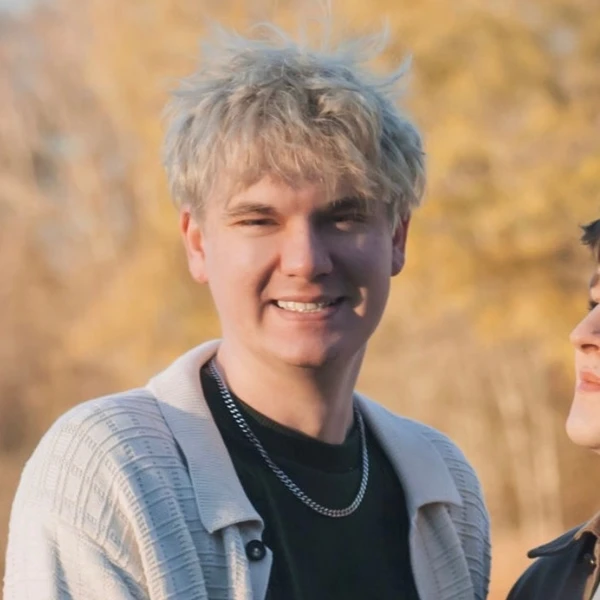
Hello, my name is William Vailes, and I am a senior at the University of Arkansas at Little Rock, where I am majoring in Criminal Justice, Sociology, and Psychology. Throughout my life, I have overcome significant financial, personal, and health challenges while working multiple jobs to support myself through college and maintaining a 3.6 GPA. I currently work as a Direct Support Professional, helping children and adults with disabilities build independence and achieve their goals. My experiences have inspired me to pursue a master’s degree in counseling so I can support children and young adults who have experienced trauma, adversity, or a lack of support. I am passionate about helping others, advocating for those in need, and making a positive difference in my community.
Education
University of Arkansas at Little Rock
Bachelor's degree programMajors:
- Sociology and Anthropology
- Sociology
- Criminal Justice and Corrections, General
- Clinical, Counseling and Applied Psychology
- Research and Experimental Psychology
- Psychology, Other
- Psychology, General
- Criminology
Miscellaneous
Desired degree level:
Master's degree program
Graduate schools of interest:
- University of Arkansas at Little Rock
Transfer schools of interest:
Majors of interest:
- Sociology
- Social Work
- Clinical, Counseling and Applied Psychology
- Psychology, General
- Psychology, Other
Career
Dream career field:
- Mental Health Care
- Public Health
- Hospital & Health Care
- Healthcare Administration
- Health, Wellness, and Fitness
Dream career goals:
Sloane Stephens Doc & Glo Scholarship
Growing up I learned that even small acts of kindness can change someone’s life. My family faced financial struggles and instability, and there were many times when I relied on the support of others to keep moving forward. Those experiences taught me the importance of compassion and inspired me to build a career dedicated to serving people during some of the most difficult moments of their lives.
I am currently studying criminal justice psychology and sociology because I believe understanding people is just as important as understanding systems. My long term goal is to earn a masters degree in counseling so I can combine my education with a career focused on helping individuals experiencing trauma mental health challenges and difficult life circumstances. I want to be someone who listens without judgment advocates for those who feel unheard and helps people find hope when they need it most.
One of the biggest influences on my life has been my mother. She has spent her career in education first as a teacher then as an assistant principal and now as an elementary school principal. Watching her dedicate her life to helping children succeed showed me that leadership is not about recognition but about serving others with compassion patience and integrity. She taught me that making a difference often begins with simply believing in someone before they believe in themselves.
My work as a Direct Support Professional has also shaped my vision for the future. I have worked with children and adults with disabilities helping them learn daily living skills become more independent and participate in their communities. Every client has taught me something about resilience patience and the importance of treating every person with dignity. Whether I was helping someone learn to cook manage their emotions or gain confidence in everyday tasks I saw how encouragement and consistency could change someone’s life. Those experiences confirmed that I want a career where helping people is at the center of everything I do.
In the future I hope to give back by improving access to mental health support and advocating for individuals who often feel overlooked. I want to help people understand that asking for help is a sign of strength not weakness. I also hope to work with families and young people to provide guidance support and resources before problems become crises. By combining my education in criminal justice psychology and sociology I hope to build stronger relationships between communities and the professionals who serve them while promoting understanding compassion and trust.
I know that creating change does not always require grand gestures. Sometimes it begins with one conversation one act of kindness or one person who chooses to care. My goal is to be that person for others. I want to leave every community I serve stronger than I found it by helping people feel valued respected and supported.
Receiving this scholarship would help me continue my education and move closer to that vision. More importantly it would allow me to continue preparing for a career where I can make a lasting impact on individuals families and communities. I believe the greatest way to give back is to use my experiences and education to lift others up and help them discover that no matter what challenges they face there is always hope for a brighter future.
Christian Fitness Association General Scholarship
Throughout my life I have learned that success is not measured only by grades awards or titles. I believe success is measured by perseverance compassion and the willingness to continue moving forward even when life becomes difficult. Those values have shaped my academic journey my career goals and the person I have become. They are also why I believe I would be a strong candidate for this scholarship.
I am currently a college student studying criminal justice psychology and sociology. These fields have allowed me to better understand people their experiences and the challenges many individuals face throughout their lives. My long term goal is to continue my education by earning a masters degree in counseling so I can work with individuals experiencing mental health challenges trauma and difficult life circumstances. I hope to combine my knowledge of criminal justice and behavioral health to help people during some of the hardest moments of their lives while also strengthening the communities around me.
Growing up life was not always easy. My parents divorced when I was young and both later remarried. My family moved many times and financial struggles were a constant part of my childhood. There were periods when stability was difficult to find and I often had to grow up faster than many of my peers. Even during those difficult years I learned the importance of resilience hard work and kindness. Those experiences gave me a greater appreciation for education because I saw it as the path toward creating a better future not only for myself but also for the people I hope to serve.
One of my greatest sources of inspiration has been my mother. She dedicated her career to education first as an elementary school teacher then as a middle school assistant principal and now as the principal of Magness Creek Elementary School. Watching her invest countless hours helping students and supporting families taught me the value of servant leadership. She showed me that making a difference is not always about receiving recognition. Often it is about showing up every day doing your best and helping others succeed.
Outside of the classroom I have worked as a Direct Support Professional supporting children and adults with disabilities. My responsibilities include helping clients develop daily living skills administering medications encouraging independence and supporting them during community outings. Every client I have worked with has taught me something valuable. I have helped individuals learn basic life skills improve emotional regulation build confidence and participate more fully in their communities. These experiences have strengthened my communication skills patience leadership and empathy while confirming that serving others is the career path I want to pursue. I am also CPR and First Aid certified which has prepared me to respond calmly and responsibly during emergencies.
One of the greatest challenges I faced during school was balancing college while working multiple jobs to support myself. Because I did not qualify for enough financial aid to cover my expenses I often worked extremely long hours while attending school full time. During one period I worked nearly ninety five hours each week just to pay for tuition housing food and other basic necessities. While many students were able to focus primarily on their classes I had to divide my time between work school and meeting my everyday financial responsibilities.
As if balancing work and school was not difficult enough I also experienced health challenges that required hospital visits medical appointments and ongoing treatment. There were days when I questioned whether I would be able to keep up with everything. Physically I was exhausted and emotionally I often felt overwhelmed. It would have been easy to step away from school but I knew that earning my degree was the key to creating the future I wanted.
Instead of giving up I learned how to manage my time more effectively and focus on one step at a time. I completed assignments whenever I had free time studied between work shifts communicated with my professors when medical appointments affected my schedule and reminded myself why I started this journey. Every challenge became another opportunity to prove to myself that I was capable of overcoming adversity.
These experiences taught me far more than anything I could have learned from a textbook. They taught me resilience discipline responsibility and perseverance. They also taught me empathy because I know firsthand that many people carry burdens that are invisible to others. That understanding has influenced the way I interact with the individuals I serve through my work and has strengthened my commitment to helping those who may be struggling.
My academic accomplishments represent much more than completing classes or earning good grades. Every semester reflects countless hours of studying after work late nights completing assignments and the determination to continue despite obstacles. I am proud of what I have accomplished because I know the sacrifices it took to get here.
Receiving this scholarship would ease the financial burden of continuing my education and allow me to spend more time focusing on my studies and serving my community. More importantly it would bring me one step closer to achieving my dream of helping others through counseling public service and behavioral health. I want to use my education to advocate for individuals facing trauma mental health challenges disabilities and other hardships while helping them find hope and the resources they need to succeed.
I believe my experiences have prepared me to make a meaningful impact in the lives of others. I have learned that adversity does not define a person. Instead it can become the foundation for strength compassion and service. My goal is to take every lesson I have learned through hardship and use it to help people feel supported valued and understood. This scholarship would not simply invest in my education. It would invest in the countless lives I hope to touch throughout my career by serving others with integrity empathy and dedication.
Taylor Swift Fan Scholarship
The Taylor Swift performance I find the most moving is not one specific concert or award show but the way she consistently performs as herself. What stands out to me is her confidence and authenticity on stage. No matter how large the crowd is she seems fully committed to the music and to connecting with the people watching.
Part of the reason this is meaningful to me is because my best friend is a huge Taylor Swift fan. I have seen how much joy her music and performances bring to him and how they create moments for people to share together. Through that I have come to appreciate not only the songs but also the way Taylor can make fans feel understood and included.
What moves me most is seeing someone stay true to who they are despite being in the spotlight for so many years. Taylor’s performances show confidence creativity and a willingness to keep growing. That reminds me that success is not just about fame but also about continuing to be yourself while pursuing what you love.
For me the most powerful part of any Taylor Swift performance is that it feels genuine. She appears to enjoy what she is doing and that energy reaches the audience. Watching someone be unapologetically themselves can be inspiring and that is what makes her performances memorable to me.
Sabrina Carpenter Superfan Scholarship
Sabrina Carpenter is one of my favorite artists because she is confident funny and always seems comfortable being herself. One of the things I admire most about her is that she does not try to be someone else to make people happy. She embraces her personality and reminds others that it is okay to be different and have fun while chasing your dreams.
Her career has also shown me the importance of working hard and never giving up. She started performing at a young age and has continued to grow as both an actress and a singer. Even when she faced criticism she stayed focused on her goals and continued to improve. That determination inspires me to keep working toward my own goals even when life becomes difficult.
As a college student balancing school work and everyday responsibilities I appreciate having music that helps me relax and smile. Sabrina’s songs and sense of humor can brighten my day when I am feeling stressed. She reminds me that it is important to enjoy life while still working hard for the future I want.
What I admire most is that she seems genuine. She is not afraid to laugh at herself and she encourages others to be confident in who they are. That has inspired me to be more comfortable being myself instead of worrying about what other people think.
Sabrina Carpenter has impacted me by showing that kindness confidence and authenticity can go a long way. Her career reminds me that success comes from staying true to yourself working hard and continuing to grow. Those are lessons I hope to carry with me throughout my own life and future career.
Love Island Fan Scholarship
My new Love Island challenge is called Casa Under Surveillance. The goal is to test not only loyalty but also honesty because every Islander can see what is happening in the other villa the entire time.
The season begins with the original six men and six women coupling up after spending two days getting to know each other. Just as they start to feel comfortable they receive a text announcing that Casa Amor is starting early. The original boys move to Casa Amor while the original girls stay in the Main Villa. Instead of six bombshells each villa receives eighteen new singles. This means there are twenty four people in each villa and forty eight Islanders involved overall.
The biggest twist is that both villas have giant live screens that show everything happening in the other villa. Every conversation every flirtation every kiss every argument and every challenge can be seen in real time. Nothing is hidden and everyone knows they are being watched.
Each day both villas must vote out two Casa Amor singles. Only the new Casa Islanders can be eliminated so by the end of six days each villa will have reduced its eighteen Casa singles down to six. This forces Islanders to make genuine connections quickly because people are leaving every day.
Every morning both villas receive a text with a new challenge. The twist is that the dares are created by the opposite villa. For example the girls in the Main Villa might dare one of the original boys to kiss the person he finds most attractive or share a bed with someone new. The boys might dare one of the original girls to rank everyone by attraction or choose someone for a private date. The other villa watches every second of the challenge. If an original Islander refuses a dare the entire villa loses a reward.
At the end of each day every original Islander answers three questions such as Are you still loyal Have you kissed someone because you genuinely wanted to and Would you recouple today Their answers immediately appear on the screens in the opposite villa. This creates tension because everyone can compare what people say with what they actually do.
The challenge ends with a final recoupling after six days. Before each original Islander makes their decision the producers play a short highlight reel of everything they did during Casa Amor. Every kiss every flirt and every promise is shown to both villas. Then the Islander must decide whether to stay loyal or recouple.
I think Casa Under Surveillance would be different from any previous Love Island twist because there are no secrets. Instead of wondering what happened behind closed doors everyone sees everything as it happens. This would create constant drama emotional decisions and some of the most intense recouplings in Love Island history.
Jean Ramirez Scholarship
When people think about suicide loss they often think only about the immediate family of the person who died. I have learned that the pain reaches much farther than that. Friends classmates neighbors and entire communities are affected. Although I did not lose an immediate family member to suicide I have seen the heartbreak it leaves behind through the people I love.
When I was in ninth grade my older brother’s best friend died by suicide during his senior year of high school. I watched my brother struggle with grief confusion and sadness in ways I had never seen before. Our family felt the weight of that loss as we tried to support him while also trying to understand something that seemed impossible to explain. Seeing someone my brother cared about so deeply disappear so suddenly changed the atmosphere in our home and made me realize how one life can affect so many others.
Later that same year my best friend’s boyfriend also died by suicide. Once again I found myself watching someone I cared about experience overwhelming grief. I did not always know the right words to say or how to make the pain better. Instead I learned that sometimes the best way to help is simply to be there. I listened when people wanted to talk sat with them when they were hurting and reminded them they did not have to face their grief alone.
Those experiences taught me that suicide leaves behind many unanswered questions. It also showed me how important it is to take mental health seriously and to check on the people around us because we never truly know what someone may be carrying inside. A simple conversation or act of kindness can make a bigger difference than we realize.
These losses also influenced the direction of my life. They strengthened my desire to study psychology and pursue a career where I can support people experiencing mental health challenges crisis and trauma. I want to be someone who helps others feel heard understood and valued before they ever reach a point of believing they are alone.
Although those experiences were heartbreaking they also taught me resilience hope and compassion. I learned that healing does not happen overnight but it becomes easier when people have support. I cannot change what happened but I can honor those who were lost by working toward a future where more people have access to understanding encouragement and mental health care.
Today I carry those lessons with me in my relationships my education and my career goals. I hope to be the kind of person who listens without judgment offers hope during difficult moments and reminds others that their lives matter.
Working Student Scholarship
While pursuing my college degree I have worked part time as a Direct Support Professional helping children and adults with disabilities. My job includes teaching daily living skills helping clients become more independent administering medications and supporting them during community outings. Every day is different and each client has unique needs. Some days I help with cooking cleaning shopping and personal hygiene while other days I focus on teaching life skills or helping clients manage their emotions. This work has taught me patience communication problem solving and compassion. It has also shown me how important it is to treat every person with dignity and respect.
Working while attending college has not always been easy but it has helped me grow in many ways. I have learned how to manage my time stay organized and remain focused on my long term goals. My classes in criminal justice psychology and sociology connect closely with the work I do every day which has made my education even more meaningful. The people I serve remind me why I chose a career centered on helping others and motivate me to continue working hard toward earning my degree.
One of the hardest times during college happened when I was working multiple jobs while attending school full time because I did not qualify for enough financial aid to cover my expenses. At one point I was working close to ninety five hours each week just to pay for tuition rent food and other basic needs. During that same period I also experienced health problems that required hospital visits medical appointments and ongoing treatment. Trying to balance work school and my health felt overwhelming and there were times when I wondered if I would be able to finish my degree.
Even during those difficult moments I refused to give up. I learned to use every free moment wisely by completing assignments between shifts studying whenever I had extra time and staying in communication with my professors when medical appointments affected my schedule. Instead of focusing on everything that still had to be done I focused on taking one step at a time. My dream of building a career helping others reminded me why I was working so hard and gave me the motivation to keep moving forward.
Looking back those experiences taught me much more than what I learned in the classroom. They taught me resilience perseverance responsibility and the importance of asking for help when needed. They also helped me develop empathy because I understand what it feels like to face challenges that other people cannot always see. Today I carry those lessons with me in both my education and my work. I know that balancing school and work will continue to require dedication but I also know that overcoming these challenges has prepared me to succeed in my future career serving others with compassion integrity and determination.
Arthur and Elana Panos Scholarship
My faith in God has been one of the few things that has remained constant throughout my life. Growing up my family moved often and experienced many hardships. My parents divorced and there were times when life felt uncertain and unstable. Even when I did not understand why difficult things were happening I always found comfort in talking to God through prayer. As a child I often felt like God was my best friend because I knew I could always talk to Him no matter what I was going through.
I have not always been perfect in my faith. There have been times when I was more active in church and other times when I struggled or felt distant. Even during those seasons I never stopped believing that God was with me. Looking back I can see that He gave me the strength to keep moving forward during moments when I wanted to give up. My faith reminded me that my circumstances did not define my future and that every challenge could become an opportunity to grow stronger and help others.
My faith has also shaped the way I treat people. I believe every person has value and deserves to be treated with kindness compassion and respect. That belief influences how I interact with the individuals I serve as a Direct Support Professional. Whether I am helping someone learn daily living skills administering medications or simply listening to someone who is having a difficult day I try to show the same love and patience that God has shown me.
In the future I hope to continue serving others through a career in healthcare and counseling. I know that I will meet people who are hurting physically emotionally and mentally. My faith will remind me to care for each person with empathy rather than judgment and to remember that sometimes the greatest gift I can offer is simply being present. I want every patient and every family to know they are seen heard and valued.
I do not believe faith removes every hardship but I believe it gives us the strength to face those hardships with hope. My relationship with God has helped me become more resilient more compassionate and more determined to make a positive difference in the lives of others. As I continue my education and begin my career I hope my actions will reflect my faith by serving others with humility integrity and love every day.
Henry Respert Alzheimer's and Dementia Awareness Scholarship
Dementia has affected my life in a very personal way and has changed how I see other people. It has taught me that every person deserves patience kindness and respect no matter what they are going through. Watching people I care about struggle with memory loss has been heartbreaking but it has also helped shape the person I am today and the future I hope to build in healthcare.
When I was a child I lived with my dad in a neighborhood where one of our neighbors had dementia. She was one of the sweetest people I had ever met but when her husband was away she would often become confused and wander outside. Sometimes she forgot where she was or how to get back home. Instead of ignoring her the people in our neighborhood came together to help. Families took turns checking on her and making sure she stayed safe until her husband returned. I remember watching everyone work together because they cared about her. Even as a kid I never saw her as just someone with dementia. I saw a kind woman who was scared confused and needed people to show her compassion. That experience stayed with me and taught me that people should never be defined by a disease.
Over the past few years dementia has become much more personal because I have watched my grandmother slowly lose parts of her memory. I live with her and have helped take care of her. Seeing someone who has always been so strong begin to forget things has been one of the hardest experiences of my life. My grandmother has always been there for me. When my family was going through difficult times she gave me love support and stability. She encouraged me believed in me and helped me become the person I am today. Watching her memory fade has been painful because I know how much she has done for me and I wish there was more I could do for her.
There are days when I think about all the memories we have shared together and I realize how precious those moments are. Dementia can take away memories but it cannot erase the love that people have for one another. Even on difficult days I try to be patient spend time with her and help however I can because I know she deserves the same love and care that she has always given to me.
These experiences have also influenced my career goals. I want to work in healthcare because I want to care for people during some of the hardest moments of their lives. Whether I become a nurse counselor or first responder I want every patient and every family to know they are treated with dignity compassion and respect. Watching my grandmother and my neighbor struggle with dementia has shown me how important it is to care not only for the person with the disease but also for the people who love them.
Dementia has taught me that sometimes the greatest gift you can give someone is simply your time your patience and your presence. Those lessons have changed my life and will continue to guide me as I pursue a career dedicated to helping others. I hope to honor the kindness my grandmother has shown me by giving that same kindness to every person I have the privilege to serve.
MSGT & DET Bridgette Rochelle Horn Memorial Scholarship
My name is William Vailes and I am a college student studying criminal justice psychology and sociology. I enjoy helping people and making a difference in my community. Right now I work as a Direct Support Professional where I help children and adults with disabilities learn everyday life skills. I help them with cooking cleaning bathing shopping taking their medicine and learning how to be more independent. I am also CPR and First Aid certified. My job has taught me that every person deserves kindness patience and respect.
Growing up my family went through many hard times. My parents divorced when I was young and they both got remarried. We moved many times and life was not always stable. Money was often tight and there were times when my family struggled just to get by. Even though life was difficult my mom always worked hard to take care of me. She was an elementary school teacher then a middle school assistant principal and now she is the principal at Magness Creek Elementary School. Watching her work hard every day taught me the importance of never giving up and always doing my best.
Because of the challenges I faced growing up I learned to care deeply about other people. I know what it feels like to go through hard times and I understand how much a kind person can mean when life feels overwhelming. Those experiences made me want to spend my life helping others. I believe everyone deserves to be treated with respect no matter where they come from or what they are going through.
I want to become a first responder because I want to help people during some of the hardest moments of their lives. When someone is hurt scared or in danger they need someone who will stay calm and help them. I want to be that person. I know that being a first responder is not always easy but I believe it is one of the most important jobs anyone can have. It takes courage compassion and a willingness to put others first.
My job has helped prepare me for this goal. I have learned how to stay calm during difficult situations solve problems and communicate with people who have different needs. Every day I see how important it is to listen carefully and treat people with dignity. Those lessons will help me become a better first responder in the future.
My goal is to continue my education and spend my life serving others. I want to protect people help families through difficult times and make my community a safer place. I hope that every person I meet will know they are valued and cared for. I believe being a first responder is more than a career. It is a chance to make a real difference in someone’s life and that is the kind of person I want to be.
Learner Calculus Scholarship
Calculus is an important part of STEM because it helps people understand how things change over time. STEM stands for science technology engineering and mathematics. Even though calculus can seem hard at first it helps people solve problems that make our world safer healthier and better. Without calculus many of the things we use every day would not exist or work as well as they do.
In science calculus helps people learn about nature the weather space and the human body. Scientists use it to understand how diseases spread how medicine works and how the Earth changes over time. This information helps doctors and researchers create new medicines and better treatments for people who are sick.
In technology calculus helps people build computers phones video games and robots. It also helps create artificial intelligence which is technology that can learn and solve problems. Many of the apps people use every day would not work without the math ideas that come from calculus.
Engineers also use calculus every day. They use it to design bridges roads buildings airplanes cars and roller coasters. Before something is built engineers must make sure it is safe and strong. Calculus helps them figure out how much weight something can hold and how it will work over time. This helps keep people safe.
Mathematicians use calculus to solve problems and make predictions. They can study patterns and use math to help other people in science engineering and technology. Their work helps create new ideas that make life better for everyone.
I want to work in healthcare and help people through psychology and counseling. Even though I may not use calculus every day I know it is still important. Medical researchers use calculus to study diseases improve medical equipment and create better treatments for patients. They also use it to understand how medicines move through the body and how they can help people recover.
One of the biggest lessons calculus teaches is how to think through difficult problems. Sometimes the answer is not easy to find but calculus teaches students to stay patient and work one step at a time. Those problem solving skills are useful in school at work and in everyday life.
Overall calculus is important because it helps people discover new ideas solve problems and improve the world. It helps scientists make new discoveries engineers build safe structures and doctors provide better care. Even though it is a challenging subject calculus gives students the tools they need to create a brighter future for themselves and for others.
Shaunterrio Hudson Memorial Scholarship
Working as a Direct Support Professional has taught me that showing up for someone does not always involve dramatic moments. More often it is found in the small everyday acts of patience compassion and consistency that help someone feel seen and valued. Through the individuals I have supported I have learned that healthcare is about far more than treating a condition. It is about building trust encouraging independence and reminding people they are never alone.
One of my clients was a man in his sixties whose family was no longer involved in his life. He lived alone and needed support with everyday skills such as bathing showering cooking cleaning laundry and participating in community outings. While helping him develop these skills I realized that what mattered most was not simply completing the tasks but being someone he could depend on. By consistently showing up I was able to help him build confidence and maintain his independence while reminding him that he was worthy of care and respect.
Another client was a fifteen year old boy who had been placed in foster care after moving from home to home throughout his childhood. He struggled with reading writing and counting which often left him discouraged. Since he loved Monopoly I used Monopoly money to teach him how to count and understand finances. We also practiced shopping attended church together and completed job applications. Although he did not get a job right away I watched his confidence grow as he realized he was capable of learning. That experience taught me that meeting people where they are can make all the difference.
I also worked with an eleven year old boy who struggled with emotional regulation and physical aggression. He often became frustrated hit others with nearby objects and resisted daily routines such as showering. Rather than responding with frustration I focused on remaining calm teaching self regulation skills and celebrating small successes. Over time I learned that difficult behaviors often reflect unmet needs and that patience can create opportunities for growth.
These experiences revealed that meaningful care requires empathy consistency and a willingness to believe in people even when they struggle to believe in themselves. They also strengthened my desire to pursue nursing and eventually counseling. Growing up with family instability financial hardship and my own mental health challenges has helped me understand how important it is to have someone who listens without judgment.
Shauns legacy reminds me that the best healthcare professionals are not remembered only for their clinical knowledge but for how they make people feel. Every client I have served has taught me that healing begins with human connection. As I continue my education I hope to become a healthcare professional who combines knowledge with compassion and who always takes the time to truly show up for every person in my care.
Augustin Gonzalez Memorial Scholarship
I want to become a police officer because I believe law enforcement gives people the opportunity to make a meaningful difference in the lives of others during some of their most difficult moments. Growing up I experienced instability financial hardship and trauma that shaped the person I am today. Those experiences taught me that one caring person can have a lasting impact on someone who feels scared alone or unheard. They also inspired me to pursue a career where I can protect others serve my community and be someone people can trust when they need help the most.
My education in criminal justice psychology and sociology has strengthened my desire to become a police officer. These fields have taught me that every situation has a story behind it. Many people officers encounter are experiencing mental health challenges trauma addiction homelessness or other difficult circumstances that influence their decisions and behavior. While everyone should be held accountable for their actions I also believe it is important to treat every person with dignity respect and fairness. I want to be the type of officer who remains calm under pressure listens before making assumptions and works to build trust within the community.
My current job as a Direct Support Professional has given me valuable experience that I know will help me succeed in law enforcement. I work with children and adults with disabilities helping them develop independent living skills administer medications and overcome daily challenges. This position requires patience communication problem solving and the ability to remain calm during stressful situations. Every day I learn the importance of treating each person as an individual and recognizing that every person deserves compassion and respect regardless of their circumstances.
My own life experiences have also motivated my career goals. I worked multiple jobs throughout college to support myself while earning my degree because I did not receive enough financial aid to cover my expenses. Even while facing health challenges that required hospital visits I remained committed to my education and maintained a strong GPA. Those experiences taught me perseverance resilience and responsibility. They reinforced my belief that hard work and determination can help people overcome even the most difficult obstacles.
In the future I plan to continue my education by earning a masters degree in counseling. My long term goal is to combine my knowledge of criminal justice and mental health to better serve individuals in crisis especially children and families who may not have a strong support system. I hope to help people find resources improve their situations and build safer healthier communities.
For me becoming a police officer is about much more than enforcing laws. It is about protecting vulnerable people standing up for those who cannot stand up for themselves and serving with honesty integrity and compassion. I want to be someone who leads by example treats every person with respect and helps create positive relationships between law enforcement and the community. My goal is to make a lasting difference by helping others feel safe supported and valued while serving with professionalism every day.
Hazel Joy Memorial Scholarship
Losing someone close changes the way you see the world, even when that loss is not always talked about in traditional terms of “sibling loss.” For me, my experience of loss is deeply connected to the people who felt like siblings in my life—especially my two stepsisters, who were a constant and meaningful part of my childhood.
Growing up, they were more than just step-family to me. They were my best friends and the people I spent most of my time with. We did everything together—playing outside, making up games, spending time at home, and simply being kids together. In those moments, my life felt stable and happy in a way I did not always feel elsewhere. They were a source of comfort and belonging, and I truly saw them as my sisters.
That connection changed when my stepfather left my mother after infidelity, and as a result, my sisters were no longer part of my daily life. The separation was sudden and difficult, and I lost regular contact with them. Even though they were not my biological siblings, the emotional impact felt very similar to a loss. It was the loss of shared memories, daily connection, and the sense of having them consistently in my life.
That experience affected me deeply. It taught me that relationships can change quickly and unexpectedly, and that people you love may not always remain physically present in your life. It also taught me how important it is to value moments while you have them, because they can become memories sooner than you expect.
In the years since, I have carried that experience with me as I have grown and matured. It shaped how I understand attachment, change, and resilience. It also influenced the way I connect with others, because I know what it feels like to lose a meaningful bond. I try to be intentional in my relationships now, appreciating people while they are present in my life.
Although this experience brought sadness and adjustment, it also helped shape my empathy and emotional awareness. It strengthened my desire to pursue a career in counseling and psychology, where I can support others who are experiencing loss, instability, or emotional hardship.
Ultimately, this experience taught me that love and connection do not disappear even when circumstances change. The impact people have on your life remains with you, and I carry that with me as motivation to build a future where I can help others navigate their own experiences of loss and change.
Deanna Ellis Memorial Scholarship
My experience with substance abuse in my environment has significantly influenced my beliefs, relationships, and career aspirations by shaping how I understand addiction, stability, and personal growth. Growing up around individuals who struggled with substance use and alcohol misuse showed me how deeply addiction can impact not only the individual, but also their family, relationships, and overall environment. It created instability at times in my life and helped me recognize early on how powerful the effects of substance abuse can be.
These experiences shaped my beliefs by teaching me that addiction is complex and often connected to deeper emotional, psychological, and environmental struggles. Instead of viewing substance abuse in a simplistic or judgmental way, I have come to understand it as something that requires compassion, support, and access to resources. I learned that many people are not defined by their struggles, but by whether they are given the opportunity and support to change their circumstances.
In my relationships, this experience has made me more understanding and patient with others. I have learned to be more aware that people may be dealing with challenges that are not always visible on the surface. Because of this, I try to create supportive, nonjudgmental spaces in my interactions with others. I value communication and empathy, and I have learned how important it is to listen and meet people where they are emotionally.
These experiences have also played a major role in shaping my career aspirations. They are a large part of why I am pursuing degrees in psychology, sociology, and criminal justice, with the goal of becoming a counselor. I want to better understand the root causes of substance abuse and mental health struggles so I can support individuals who are trying to break cycles of addiction and instability.
My work as a Direct Support Professional has further reinforced these goals. In this role, I support individuals with disabilities in building independent living skills, and I am CPR and first aid certified as well as trained in medication administration. This work has shown me the importance of patience, structure, and consistent support in helping people improve their quality of life.
Ultimately, my experiences with substance abuse in my environment have shaped me into someone who values understanding over judgment and growth over labels. My goal is to use my education and future career to support individuals and families impacted by addiction, helping them find stability, healing, and hope for a better future.
Learner Mental Health Empowerment for Health Students Scholarship
Mental health is important to me as a student because it directly affects every part of my ability to learn, stay consistent, and succeed academically. Living with ADHD, anxiety, and depression has shown me how mental health can influence focus, motivation, energy levels, and overall performance in school. There have been times when balancing coursework, work responsibilities, and personal challenges felt overwhelming, and I had to learn how to adapt in order to keep moving forward. Because of this, I understand firsthand that mental health is not separate from education—it is a major part of it.
My experience has also taught me that mental health is deeply connected to stability and support systems. Growing up in an unstable environment, I saw how stress, family challenges, and financial pressure can affect emotional well-being. These experiences helped me understand that many students are dealing with invisible struggles while still trying to meet academic expectations. This awareness has shaped my compassion for others and strengthened my desire to create supportive environments where people feel understood rather than judged.
I advocate for mental health in my community through both my actions and my career path. In everyday life, I try to be supportive and encouraging to others, even in small interactions. I believe that simple words of kindness or listening without judgment can make a meaningful difference in someone’s day. I also try to normalize conversations about mental health so that people feel more comfortable speaking openly about their struggles.
In my professional role as a Direct Support Professional, I advocate for mental well-being by supporting individuals with disabilities in their daily lives and helping them build independence. I am CPR and first aid certified and also administer medications, but beyond the technical responsibilities, I focus on patience, respect, and emotional support. This role has shown me how important it is to treat every individual with dignity and understanding, especially when they are facing challenges.
Academically, I continue to advocate for mental health by pursuing a degree in psychology, sociology, and criminal justice with the long-term goal of becoming a counselor. I want to help others who are struggling with mental health challenges, trauma, or instability by providing support and guidance. My goal is to be someone who not only understands mental health academically, but also understands it through lived experience.
Ultimately, mental health is important to me because it shapes how people think, learn, and live. I want to use my education and future career to reduce stigma, increase understanding, and support individuals in building healthier and more stable lives.
Bulkthreads.com's "Let's Aim Higher" Scholarship
Something I want to “build” is a future grounded in stability, purpose, and service to others. More specifically, I want to build a career in counseling and healthcare where I can help individuals overcome mental health challenges, trauma, and difficult life circumstances. At the same time, I want to build a life that is not defined by the instability I experienced growing up, but instead defined by growth, resilience, and the ability to help others heal.
Growing up, I experienced a lot of instability within my home environment, including exposure to substance use, emotional inconsistency, and financial struggles. Because of this, I learned early how to be independent and adapt to situations that were often unpredictable. While these experiences were difficult, they shaped my motivation to create something different for myself. I realized that I wanted to build a future where stability, support, and understanding were not missing, but instead foundational.
One of the most important things I am actively building is my education. I am currently pursuing degrees in psychology, sociology, and criminal justice, with the long-term goal of becoming a counselor. Education is the foundation that will allow me to turn my experiences into something meaningful and useful for others. Even though I have faced financial stress, long work hours, and personal challenges, I have continued to push forward because I know my education is key to the future I want to build.
I am also building my professional experience through my work as a Direct Support Professional. In this role, I support individuals with disabilities in developing independent living skills. I administer medications and am CPR and first aid certified. This job has taught me patience, responsibility, and the importance of meeting people where they are. It has shown me that building a better future for others often starts with small, consistent acts of care and support.
Another important thing I want to build is trust and safety in the relationships I form with others. My experiences have taught me how valuable it is to feel understood and supported, especially during difficult times. Because of that, I try to be someone who encourages others, listens without judgment, and creates space for people to be themselves.
Ultimately, I am building a future where I can help others build their own. I want to use my education and career to support individuals who are struggling with mental health challenges, trauma, or instability, and help them find direction and hope. The kind of future I am building is not just for myself—it is for the people I will serve, support, and advocate for throughout my life.
Ethel Hayes Destigmatization of Mental Health Scholarship
My experience with mental health has deeply shaped my goals, relationships, and understanding of the world by teaching me resilience, empathy, and the importance of stability and support. Living with ADHD, anxiety, and depression has not only affected how I navigate daily life, but it has also influenced the way I see people, relationships, and my future career path. Over time, I have learned that mental health is not just an individual experience—it is something that affects every part of a person’s life, including their education, relationships, and ability to pursue opportunities.
Academically, managing my mental health has required me to develop structure and discipline in ways I did not naturally have. There have been many moments where staying focused, organized, and motivated has been difficult, especially while balancing school, work, and personal responsibilities. I have worked multiple jobs throughout college to support myself, often putting in long hours while still maintaining my coursework. On top of that, I have faced health challenges that sometimes required hospitalization, which made staying consistent even more difficult.
Despite these challenges, I learned how to adapt. I began advocating for myself, communicating with professors when I needed support, and building systems that helped me stay organized and on track. These experiences strengthened my determination to complete my education. Instead of allowing mental health challenges to define my limits, I learned how to work with them and still move forward. This has shaped my long-term academic goals and reinforced my commitment to finishing my degree and continuing into graduate education.
My mental health journey has also deeply influenced my relationships. I have learned to approach people with more patience, understanding, and compassion because I recognize that many individuals are carrying invisible struggles. Growing up in an unstable environment, including exposure to substance use and emotional instability in the home, also shaped my awareness of how external circumstances can impact mental health. These experiences taught me that behavior is often connected to deeper emotional or environmental challenges rather than what is visible on the surface.
Because of this, I try to create safe and supportive spaces for the people around me. I understand how important it is to feel heard and not judged. My friendships and relationships have been shaped by this mindset, and I value communication, empathy, and mutual support. I have also learned the importance of surrounding myself with people who contribute positively to my mental and emotional well-being.
My understanding of the world has also been shaped by these experiences. I recognize now that many people are silently struggling while still trying to function in their daily lives. Mental health challenges are far more common than they appear, and they can affect anyone regardless of background. This awareness has influenced my desire to pursue a career in psychology, sociology, and counseling, where I can better understand human behavior and support individuals facing similar challenges.
In addition to my academic journey, I currently work as a Direct Support Professional, where I support individuals with disabilities in developing independent living skills. I am CPR and first aid certified and also administer medications. This role has strengthened my understanding of care, patience, and consistency, and it has shown me how meaningful it is to support others through their own challenges. It has also reinforced my desire to pursue a helping profession where I can make a long-term impact on people’s lives.
My mental health experiences have ultimately shaped my goals by giving me a clear direction: I want to become a counselor. I want to support individuals who are struggling with trauma, instability, or mental health challenges and help them find stability and confidence in their lives. I know what it feels like to struggle internally while still trying to push forward, and I want to be someone who helps others feel understood rather than alone.
Overall, my experience with mental health has shaped me into someone who values resilience, empathy, and growth. It has taught me that challenges do not define a person’s future—they can become the foundation for purpose. My goal is to use everything I have learned to help others navigate their own mental health journeys and create a positive impact in the lives of those who need support.
Learner Math Lover Scholarship
I have always loved math because it represents both logic and connection in my life. While many people see math as only numbers and formulas, I have always seen it as something meaningful that connects me to learning, problem-solving, and family. My appreciation for math began early and grew stronger because of my grandmother, who was a math teacher.
Growing up, math became one of the ways I felt connected to her. Even when I was in high school, I would often think of her while working through problems or learning new concepts. It felt like a shared experience between us, even when we were not in the same place. Math became something that allowed me to feel close to her and to understand the way she viewed teaching and learning. She showed me that math is not just about finding the right answer, but about patience, patterns, and building confidence through practice.
In school, I found myself especially drawn to algebra and statistics. I enjoy algebra because it requires step-by-step thinking and structured problem-solving. I like the challenge of breaking down complex problems into smaller parts until I reach a solution. Statistics interests me because it connects math to real-life situations. It helps me understand data, patterns, and information in a way that can be applied to healthcare, psychology, and everyday decision-making.
In college, taking math courses helped me strengthen these skills and build confidence in my academic abilities. Even when I faced challenges in other areas of my life, math remained something steady that I could rely on. It taught me persistence because difficult problems often require multiple attempts and different strategies before finding the correct answer. That process has helped me develop resilience in other parts of my life as well.
My love for math also connects to my future goals in nursing. Math is important in healthcare, whether it is calculating medication dosages, interpreting patient data, or understanding research and statistics in medical studies. These skills will be essential in providing safe and effective care.
Ultimately, I love math because it is both personal and practical. It connects me to my grandmother, challenges me to think critically, and supports my future career in healthcare. Math has taught me patience, persistence, and problem-solving skills that I will continue to carry with me in both my education and my career.
Melendez for Nurses Scholarship
Having a family member with disabilities has deeply shaped who I am as a person and has strongly influenced my decision to pursue a career in nursing. It has given me a personal understanding of patience, empathy, and the importance of providing consistent, respectful care to individuals who may rely on others for support in their daily lives.
Growing up, I saw firsthand how disability can affect not only the individual but also the entire family. It requires adjustments, understanding, and a level of compassion that goes beyond basic awareness. I learned early that people with disabilities are often more capable than others assume, but they may need the right support systems, encouragement, and resources to fully thrive. This perspective changed the way I view care and human dignity.
Because of this experience, I became more observant and more intentional in how I treat others. I began to understand that small actions—such as patience, clear communication, and consistency—can have a major impact on someone’s daily life. I also learned that dignity is one of the most important parts of care. People want to be treated as individuals first, not defined by their disability.
These lessons became even more meaningful through my professional experience as a Direct Support Professional. In this role, I work directly with individuals with disabilities, helping them develop independent living skills and supporting them in their daily routines. I administer medications and am CPR and first aid certified, which has strengthened my sense of responsibility and attention to detail. Working in this environment has reinforced everything I learned from my personal experiences and has shown me that I want to continue building a career centered on care and advocacy.
My family experience with disability also played a major role in leading me toward nursing. I realized that I am drawn to helping others in structured, meaningful ways where I can make a direct difference in someone’s quality of life. Nursing represents that balance of clinical skill and human connection. It allows me to combine science, compassion, and service in a way that supports both physical and emotional well-being.
Through my education in psychology, sociology, and criminal justice, I have also gained a broader understanding of how systems, environments, and access to care affect individuals with disabilities. This has strengthened my desire to work in healthcare, where I can advocate for patients and ensure they receive fair, respectful, and effective treatment.
Ultimately, having a family member with a disability has taught me that care is not just about treating conditions—it is about seeing the person behind the condition. It has shaped my values, strengthened my empathy, and confirmed my commitment to nursing. I want to be a nurse who not only provides medical care but also creates an environment where patients feel understood, respected, and supported.
Annie Pringle Memorial Scholarship
Breast health education is important to me because I have seen firsthand how breast-related health issues can affect people physically, emotionally, and mentally. These experiences have shown me that breast health is not only about awareness of cancer or serious illness, but also about understanding the wide range of conditions that can impact comfort, confidence, and overall quality of life.
Several family members and close family friends I know have faced medical challenges involving breast health. Some of them discovered tumors that required surgical removal. Watching them go through diagnosis, treatment, and recovery opened my eyes to how important early detection and education truly are. I saw how stressful and overwhelming it can be when someone is faced with a medical issue they did not expect, and it made me realize how valuable it is for people to have knowledge about what to look for and when to seek help. Early awareness can make a significant difference in outcomes, both medically and emotionally.
I also had a close friend in high school named Kaylee who experienced significant physical discomfort due to the size of her breasts. The weight caused severe back and spine pain, which affected her daily life, posture, and overall comfort. Eventually, she required breast reduction surgery to relieve the pain and improve her quality of life. Seeing her experience taught me that breast health is not always about disease—it can also involve chronic pain, physical strain, and the impact those issues have on everyday functioning. It helped me understand that breast health education should include a broad range of issues, not just cancer awareness.
In addition, my mother’s close friend, whom I consider like an aunt, has also undergone breast-related medical procedures, including implants. Her experience added another perspective for me, showing that breast health can also involve reconstructive and restorative decisions that affect both physical and emotional well-being. Each of these experiences showed me that breast health is deeply personal and can affect individuals in very different ways depending on their circumstances.
These experiences have shaped my understanding of how important education, open communication, and early action are when it comes to breast health. Many people feel uncomfortable discussing these topics, or they may not have access to clear information about what is normal and what may require medical attention. I believe that this lack of awareness can lead to delayed care and unnecessary suffering.
Breast health education is important to me because I want people to feel informed, empowered, and confident in taking care of their bodies. I believe that education can reduce fear and encourage proactive health decisions, such as regular screenings, self-awareness, and seeking medical care when something feels wrong. Even simple knowledge can make a major difference in outcomes.
Moving forward, I hope to support awareness efforts and encourage open, judgment-free conversations about breast health. Whether in healthcare, education, or community settings, I want to be someone who helps others feel comfortable asking questions and advocating for their own health. My experiences have shown me that awareness saves lives, improves quality of life, and gives people the tools they need to take control of their health.
Ultimately, breast health education matters to me because I have seen how deeply it can impact real people in my life. It is not just a medical topic—it is a personal and human one. I want to contribute to a future where people feel informed, supported, and empowered to prioritize their health without fear or stigma.
Sandra West ALS Foundation Scholarship
My experience with ALS has been shaped through my friendship with a classmate I met in seventh grade. On the first day of school, I met a girl named Kaylee, and she was one of the first people I had ever encountered who communicated using sign language. Before that moment, I had only seen sign language in media, and I did not have any real-life experience interacting with someone who used it as their primary form of communication.
Because we shared several classes together, she helped me learn basic sign language through apps and patient practice so that we could communicate more easily in social studies and throughout the school day. What started as a simple effort to communicate quickly became a meaningful friendship. Through her, I gained a new perspective on communication, inclusion, and the importance of meeting people where they are.
Over time, I became more comfortable with signing, and it allowed me to understand how important accessibility and communication support are for individuals with hearing differences. Even though I eventually became rusty after not using it as often, when we reunited in tenth grade, she helped me regain those skills again. That experience reminded me how important consistent support and understanding are for maintaining connection and inclusion.
While I do not personally live with ALS, my connection to individuals in the ALS and communication-accessibility community has influenced how I view advocacy, inclusion, and education. It has helped me recognize how important it is for people to have tools and support systems that allow them to fully participate in school, relationships, and daily life.
This experience has also influenced my educational and career goals. As someone pursuing a future in psychology and counseling, I want to work with individuals who face communication barriers, disabilities, or social challenges. I want to ensure that people are not excluded because of differences in how they communicate or interact with the world.
If awarded this scholarship, the support would help me continue my education while balancing financial challenges, allowing me to focus more fully on my academic and professional development. It would also reduce the need to work excessive hours, giving me more time to strengthen my skills and pursue meaningful training opportunities in my field.
Ultimately, my experience with ALS-related communication differences has taught me the value of patience, inclusion, and connection. It has shaped my desire to create spaces where people feel understood and supported, regardless of how they communicate.
RonranGlee Literary Scholarship
The central meaning of Marcus Aurelius’ statement is that human suffering is not produced by external events themselves, but by the interpretations the mind assigns to those events, and therefore true strength comes from mastering internal perception rather than attempting to control an uncontrollable external world.
At the core of this passage is a strict philosophical separation between external reality and internal experience. Marcus Aurelius argues that external events exist independently of the human mind and do not inherently contain emotional meaning. In his view, events are neutral occurrences that “stand outside, motionless.” They do not arrive pre-labeled as good or bad, threatening or safe, successful or failed. Instead, meaning is created internally through interpretation. This distinction is essential because it shifts responsibility for emotional suffering away from external circumstances and toward the individual’s cognitive response to those circumstances.
The implication of this idea is not that external hardship is insignificant, but that it is not the direct source of emotional disturbance. Two individuals can experience the same event and respond in completely different ways, not because the event itself changes, but because their interpretations differ. Marcus Aurelius is pointing to this variability as evidence that suffering is not inherent in reality but constructed in perception. In this framework, emotional distress is not eliminated by changing the external world alone; it is addressed by examining and refining internal judgment.
This philosophy places significant emphasis on personal responsibility. If interpretation is the source of disturbance, then the mind becomes the primary site of both suffering and relief. This can initially seem burdensome, but Marcus Aurelius presents it as empowering. The individual is not powerless in the face of external instability; rather, they possess consistent authority over their own cognitive framing. This creates a form of freedom that is independent of circumstance.
Marcus Aurelius wrote as both a Stoic philosopher and a Roman emperor, a position that exposed him to constant political pressure, loss, and uncertainty. His philosophy is therefore not abstract idealism, but a practical framework for maintaining stability in environments where external control is limited. The emphasis on internal mastery reflects lived experience: when external conditions cannot be reliably controlled, survival depends on controlling one’s response to them.
The deeper meaning of the passage is that emotional freedom is rooted in awareness of interpretation. Most human suffering arises in the space between an event and the meaning assigned to it. For example, an event such as rejection, failure, or criticism does not inherently contain emotional harm. The suffering emerges when the mind interprets the event as evidence of inadequacy, loss, or injustice. Marcus Aurelius’ argument suggests that if the interpretation is recognized as separate from the event itself, it can be questioned, reshaped, or even released.
This introduces a powerful concept: emotional experience is not fixed at the moment of external impact but is continuously constructed internally. Therefore, mastery of the mind involves developing the ability to observe one’s interpretations rather than immediately identifying with them. This creates a mental space between stimulus and response, where reflection becomes possible. In that space, the individual regains agency.
However, Marcus Aurelius is not advocating emotional denial or suppression. His philosophy does not suggest that pain should be ignored or invalidated. Instead, it emphasizes clarity. Pain may still occur, but suffering is amplified when the mind attaches rigid narratives to it. By recognizing interpretation as the mechanism of disturbance, the Stoic approach encourages examination rather than reaction. This does not eliminate emotion, but it prevents emotion from becoming distorted into unnecessary suffering.
The broader philosophical implication is that true strength is internal rather than external. Society often defines strength in terms of control over circumstances—wealth, influence, physical power, or success. Marcus Aurelius reverses this definition by arguing that none of these forms of control guarantee inner stability. A person can possess external success while remaining internally distressed, or face external adversity while maintaining internal clarity. Therefore, the highest form of strength is not control over the world, but control over the mind’s interpretation of the world.
In practical terms, this philosophy remains highly relevant. Human beings frequently experience emotional distress not because of objective reality, but because of perceived meaning layered onto events. Stress, anxiety, frustration, and sadness are often intensified by internal narratives that assume permanence, personal failure, or threat. Marcus Aurelius’ framework suggests that by questioning these narratives, individuals can reduce unnecessary suffering and respond more deliberately.
Ultimately, the underlying meaning of the passage is that freedom begins in perception. External events will always contain uncertainty and elements beyond human control, but interpretation remains within reach of awareness. By recognizing that the mind is the source of disturbance—not the world itself—individuals can reclaim a sense of agency and stability. This does not eliminate life’s difficulties, but it transforms the relationship to them. Strength, in this Stoic sense, is not the absence of struggle, but the ability to remain internally grounded regardless of external conditions.
VNutrition and Wellness Nursing Scholarship
My nursing career will help improve people’s nutrition and overall health by allowing me to combine clinical care with education, prevention, and long-term lifestyle support. I believe nutrition is one of the most important foundations of health, and many chronic conditions—such as diabetes, heart disease, obesity, and fatigue-related disorders—can be improved or prevented through better eating habits and increased awareness. As a nurse, I want to be someone who not only treats illness but also helps patients understand how to take control of their health through daily choices.
One of the most important steps I plan to take is making nutrition education a consistent part of patient care. I want to take the time to explain how food affects the body in simple, practical terms. Many patients receive medical information that feels overwhelming or too technical, so I plan to break down concepts in a way that is realistic and easy to understand. This includes explaining how balanced meals can improve energy levels, mental health, immune function, and recovery outcomes.
I also plan to encourage healthier eating habits by helping patients set small, achievable goals rather than expecting immediate lifestyle changes. For example, I would support patients in gradually increasing their water intake, adding fruits and vegetables to meals, reducing processed foods, and learning how to read nutrition labels. I believe that long-term success comes from consistency, not perfection, so I will focus on helping patients build habits they can maintain in their everyday lives.
In addition, I want to consider each patient’s personal circumstances when discussing nutrition. Access to healthy food, financial limitations, cultural preferences, and work schedules all impact a person’s ability to eat well. Because of this, I plan to provide realistic recommendations that fit within each patient’s lifestyle rather than offering one-size-fits-all advice. I also hope to collaborate with registered dietitians and other healthcare professionals to ensure patients receive well-rounded and specialized nutritional support when needed.
Beyond direct education, I also want to promote preventative care by encouraging patients to understand the long-term effects of their dietary choices. Many health conditions develop gradually, and early intervention through better nutrition can significantly improve outcomes. As a nurse, I want to be part of that early education process.
Ultimately, my goal is to improve overall health outcomes by empowering patients with knowledge, support, and encouragement. By helping individuals build healthier eating habits and understand the connection between nutrition and wellness, I hope to contribute to a healthcare approach that focuses not only on treating illness, but also on preventing it and improving quality of life.
Lost Dreams Awaken Scholarship
To me, recovery means rebuilding stability and direction after hardship and choosing to keep moving forward. It is a process of growth, not a single moment of change.
Growing up in an unstable environment taught me independence early, but it also motivated me to create a different future. Recovery has meant focusing on my education while working multiple jobs and managing financial and personal challenges. It has also meant learning how to manage ADHD, anxiety, and depression through structure and coping skills.
Through my work as a Direct Support Professional, I have also seen recovery in others as they build independence.
Overall, recovery means choosing growth over circumstance and continuing to move forward.
Max Bungard Memorial Scholarship
Growing up, I was surrounded by environments where substance use and alcohol misuse were present in the household. From a young age, I was exposed to adults in my life who frequently consumed alcohol and other substances in excessive amounts. This created instability in the home environment and shaped many of my early experiences of stress, uncertainty, and emotional difficulty.
Being in that kind of environment taught me very early that substance use can deeply affect not only the individual using but also everyone around them. It impacted communication, trust, and overall stability within the home. As a child and teenager, I often had to learn how to navigate situations that were unpredictable and emotionally overwhelming. These experiences forced me to become more independent at a young age and to find ways to cope internally rather than relying on consistent support.
Although these experiences were difficult, they also became a major turning point in how I view life and my future. I made a conscious decision that I did not want substance use or addiction to define my path or my future environment. Instead, I began focusing on education, personal growth, and building a different life for myself. Over time, I learned the importance of setting boundaries, seeking healthier environments, and developing resilience in the face of adversity.
One of the biggest ways I have grown from these experiences is through empathy. I understand that addiction is complex and often connected to deeper emotional, psychological, and environmental struggles. This understanding has shaped my desire to work in fields such as counseling, psychology, and social services. I want to be someone who helps individuals and families break cycles of addiction and instability rather than being defined by them.
Currently, I work as a Direct Support Professional, where I support individuals with disabilities in developing independent living skills. This role has strengthened my patience, communication skills, and understanding of how important structure and support are in someone’s life. It has also reinforced my desire to work in a helping profession where I can support people through difficult circumstances.
My long-term goal is to continue my education in psychology and counseling so I can work with individuals and families impacted by addiction and mental health challenges. I want to help others find stability, healing, and healthier ways of coping with life’s challenges. My personal experiences have shown me both the impact of addiction and the importance of breaking cycles through support, education, and intervention.
Ultimately, the challenges I experienced growing up have shaped my purpose. Instead of allowing those experiences to define me negatively, I am using them as motivation to build a future focused on healing, understanding, and helping others create healthier lives.
Bill E. Wood Memorial Scholarship
My uncle Al served in the United States Army for many years, and his example has had a lasting influence on how I view discipline, responsibility, and service to others. Growing up, I saw him as someone who carried himself with a strong sense of purpose and commitment. His military service showed me what it means to dedicate yourself to something larger than yourself and to remain steady even in difficult or high-pressure situations. That example has stayed with me and has influenced my own goals and values, especially in how I approach leadership and helping others.
One of the biggest lessons I learned from my uncle’s example is the importance of showing up for others even when it is not easy or required. In my own life, I have often found myself stepping into roles of support and leadership without being asked. Whether in school, work, or daily life, I naturally take on responsibility when I see a need. I have learned that leadership is not about titles, but about action and consistency.
One example of this is in my work as a Direct Support Professional. In this role, I support individuals with disabilities in their daily routines and help them build independence. There have been many times when I have stepped up beyond my assigned responsibilities—helping a client through unexpected challenges, staying calm during stressful situations, or taking initiative to ensure someone’s safety and comfort without being prompted. I am CPR and first aid certified, and I also administer medications, so I understand the importance of being reliable and prepared. In moments where situations became difficult or unpredictable, I chose to step forward, remain calm, and provide support where it was needed most.
Outside of work, I also try to lead through small acts of service. I have always believed that kindness and encouragement can change someone’s day. I often find myself offering compliments or simple words of encouragement to strangers because I understand how much impact small moments of positivity can have. These habits reflect my belief that leadership is also about how you treat people in everyday life.
My uncle’s military service helped shape my understanding of discipline and service, but my own experiences have taught me how to apply those values in real-world situations. I have learned how to stay composed under pressure, take responsibility without being asked, and support others even when it is not convenient. These experiences have strengthened my desire to pursue a career where I can continue serving others, particularly in fields such as counseling, healthcare, or social services.
Ultimately, both my uncle’s example and my own experiences have shaped my ambition to lead through service. I want to continue building a life where I can make a positive difference by showing up for others, taking initiative, and providing support in meaningful ways.
M.R. Brooks Scholarship
I am a gay man and the child of a single mother, and both of these parts of my identity have shaped how I see the world, how I relate to others, and how I plan my future. Growing up in a single-parent household, I witnessed my mother work tirelessly to provide stability for me. She often carried the full weight of financial and emotional responsibility on her own, and her strength taught me resilience, responsibility, and perseverance. At the same time, our circumstances were not always stable, and I learned early how to adapt, stay independent, and keep moving forward even when life was difficult.
As I grew into my identity as a gay man, I also began to understand what it means to navigate the world while holding a part of yourself that is not always fully understood or accepted. While my personal experience has included support and love in important areas of my life, I am still very aware of the challenges many LGBTQ+ individuals face, especially those who also come from unstable or single-parent households. That awareness has shaped my empathy and deepened my desire to be someone who creates safety and acceptance for others.
These experiences have taught me the importance of compassion, understanding, and non-judgment. I have learned how powerful it is when people feel seen for who they are without having to hide parts of themselves. Because of my background, I naturally try to encourage others and create moments of kindness in everyday interactions, even in small ways, because I understand how much that can matter.
My experience working as a Direct Support Professional has strengthened these values even more. In this role, I support individuals with disabilities in developing independent living skills. I also administer medications and am CPR and first aid certified. This work has shown me how important patience, dignity, and respect are when supporting people who may already feel vulnerable or overlooked.
Through my education in psychology, sociology, and criminal justice, I plan to continue building the knowledge and skills needed to make a larger impact. My goal is to become a counselor and support individuals who are navigating identity struggles, trauma, mental health challenges, or unstable environments. I want to be a source of stability and understanding for people who may not always feel accepted or supported.
Ultimately, I want to use my education to help others feel valued, understood, and empowered to build better futures for themselves. My lived experiences have given me both perspective and purpose, and I am committed to using them to create a positive impact in the lives of others.
Students Impacted by Incarceration Scholarship
Incarceration has had a meaningful impact on my life by shaping how I understand accountability, stability, and the long-term effects that difficult circumstances can have on individuals and families. Whether directly or indirectly, it has influenced how I view the importance of making intentional decisions and understanding how quickly life paths can change.
Through this experience, I have learned the value of reflection, personal responsibility, and growth. It has shown me that people are more than their past choices and that individuals often need support, structure, and opportunity in order to rebuild and move forward. I have also learned how important it is to break cycles and to actively work toward creating a different future than the one that may have been modeled or experienced.
This experience has deeply influenced my academic and career ambitions. It has strengthened my desire to pursue higher education in psychology, sociology, and criminal justice, as I want to better understand the systems and personal factors that contribute to incarceration and recidivism. My goal is to eventually become a counselor and work with individuals who are impacted by trauma, instability, or involvement in the justice system.
Rather than viewing incarceration as only a setback or label, I have come to see it as part of a larger story that can include growth and change. It has motivated me to focus on helping others find pathways forward, especially those who may feel overlooked or judged by their circumstances.
Ultimately, this experience has reinforced my commitment to education and service. I want to use my future career to support individuals in rebuilding their lives, developing stability, and recognizing their own potential beyond their past. It has given me a stronger sense of purpose and a clearer understanding of the kind of impact I want to make in my community.
Kaprieasha Tyler Healthcare Scholarship
I am currently a college student working toward completing my undergraduate degree while managing significant financial and personal responsibilities. I have been largely responsible for supporting myself through school, which has required me to work multiple jobs while maintaining my coursework. Because of this, balancing school and work has been one of my greatest challenges.
These circumstances have made my academic journey more demanding than a traditional college experience. I have had to develop strong time management, discipline, and perseverance to stay on track. There have been times when financial stress and work obligations made school difficult, but I have remained committed to continuing my education.
I have also faced health-related setbacks, including periods of illness that required hospitalization and recovery time. These challenges impacted both my ability to work and attend classes consistently, but I worked with my professors and adjusted as needed to stay academically engaged.
While I am not a single parent, I have had to take on a high level of independence in managing my education and personal life. These experiences have strengthened my resilience and ability to adapt under pressure.
Despite these challenges, I have maintained strong academic performance. I am currently pursuing a degree in psychology, sociology, and criminal justice, with the goal of becoming a counselor. I plan to continue into a master’s program in counseling.
I am passionate about this career path because of my personal experiences with adversity and my desire to support individuals facing trauma, instability, and mental health challenges. My goal is to use my education to provide guidance, stability, and meaningful support to others.
Learner Online Learning Innovator Scholarship for Veterans
To further my understanding of the subjects I am studying—particularly psychology, sociology, criminal justice, and healthcare-related coursework—I regularly use a combination of online platforms, academic tools, and educational resources that support both my classroom learning and my long-term career goals. These tools have been essential in helping me strengthen my understanding of complex topics while also learning how to apply knowledge in real-world contexts.
One of the primary platforms I use is my university’s learning management system, where professors provide lecture materials, assignments, discussion boards, and supplemental resources. This platform allows me to stay organized and keep up with coursework, especially while balancing work and other responsibilities. Being able to access course content at any time has been especially helpful given my busy schedule and the challenges I face with time management and focus.
I also regularly use educational platforms such as YouTube lectures, TED Talks, and academic channels that break down topics in psychology, mental health, and human behavior. These resources help me understand concepts in different ways than traditional lectures, often providing real-world examples that make the material more relatable and easier to apply. Hearing professionals and researchers explain theories and case studies helps me connect academic content to practical situations.
For research-based assignments, I rely heavily on Google Scholar and university library databases. These tools allow me to access peer-reviewed journals and credible academic sources, which have strengthened my ability to evaluate information critically. Using these resources has helped me improve my writing, deepen my understanding of evidence-based practices, and learn how to support arguments with reliable research rather than general information.
In addition, I use organizational and productivity tools such as digital calendars, note-taking apps, and task management systems. These tools are especially important for me because I manage ADHD, which can make it challenging to stay organized and focused. Breaking down assignments into smaller tasks, setting reminders, and tracking deadlines has helped me stay consistent and complete my coursework effectively. These systems have taught me discipline and structure, which are essential in both academic and professional environments.
These online platforms and tools have not only helped me understand academic content but have also improved my ability to apply what I learn in real-life settings. In my work as a Direct Support Professional, I often use principles from psychology and human behavior that I have learned through my studies. Understanding communication styles, emotional regulation, and developmental differences has helped me better support individuals with disabilities in developing independence and daily living skills.
Overall, these resources have allowed me to bridge the gap between theory and practice. They have helped me become a more independent learner, improved my academic performance, and strengthened my ability to apply knowledge in meaningful, real-world ways. As I continue my education, I plan to keep using these tools to deepen my understanding and prepare for a career where I can support and advocate for others.
Sola Family Scholarship
Growing up with a single mother played a major role in shaping who I am today and how I view the world. My mother worked extremely hard to provide stability for me, often taking on multiple responsibilities and commitments to make sure I had what I needed. Watching her sacrifice so much at a young age taught me the value of hard work, perseverance, and responsibility, even in situations where life feels overwhelming or uncertain.
Although my mother did everything she could to provide support, our circumstances were often financially and emotionally challenging. There were times when stability was difficult to maintain, and I had to learn how to adapt quickly to changing environments and situations. Because of this, I developed independence earlier than most. I learned how to manage responsibilities on my own, problem-solve under pressure, and continue moving forward even when life was not consistent or easy. These experiences shaped my ability to stay resilient and self-reliant in difficult situations.
Growing up in a single-parent household also shaped my understanding of empathy. I became more aware that many people are going through struggles that are not always visible on the outside. Experiencing instability firsthand allowed me to understand how important it is for people to feel supported, even in small ways. This has influenced how I interact with others in my daily life. I often try to encourage people, offer kindness, or simply acknowledge them in a positive way, because I understand how impactful those small moments can be when someone is going through a difficult time.
My mother’s strength also influenced my outlook on education and personal growth. Even though our circumstances were not always easy, she consistently emphasized the importance of education and working toward a better future. She modeled what it looks like to persevere through challenges while still maintaining focus on long-term goals. My mother has dedicated her career to education, beginning as an elementary school teacher, then serving as a middle school assistant principal, and now working as a principal at Magness Creek Elementary in Cabot. Her commitment to leadership, students, and education has had a lasting influence on me.
Watching her dedication has inspired me to pursue a path where I can also serve others in a meaningful way. It showed me that success is not only about personal achievement, but also about the ability to positively impact the lives of others. Her example reinforced my desire to pursue higher education and eventually enter a career where I can support individuals who may be facing their own challenges.
Overall, being raised by a single mother shaped me into someone who values resilience, compassion, and determination. It taught me how to be strong in difficult circumstances while also remaining empathetic toward others. These experiences have influenced my goals and motivated me to build a future where I can use my education and personal experiences to help others succeed, especially those who are facing instability or hardship similar to what I experienced growing up.
Jerrye Chesnes Memorial Scholarship
Returning to school has come with significant financial, personal, and health-related challenges that have tested my resilience, independence, and commitment to my education. One of the most difficult obstacles I have faced is financial instability. I did not qualify for FAFSA-based financial aid, which meant I had to independently find ways to fund my education. Because of this, I have consistently worked multiple jobs at the same time, often totaling extremely long hours each week, just to afford tuition, housing, and basic living expenses. Balancing this workload with full-time coursework has been one of the most demanding parts of my academic journey, requiring constant time management and sacrifice.
In addition to financial stress, I have also faced ongoing health challenges while in school. I have experienced periods of serious illness that required hospitalization and time away from both work and classes. These medical issues created additional setbacks, not only academically but financially as well, since missing work directly impacted my ability to keep up with essential expenses. Despite these challenges, I remained committed to continuing my education and worked closely with my professors to communicate, adjust deadlines when necessary, and stay on track academically rather than giving up during difficult moments.
Another major challenge I have faced while returning to school is managing my mental health alongside academic and work responsibilities. I have been diagnosed with ADHD, anxiety, and depression, which can make it difficult at times to stay focused, organized, and emotionally regulated under pressure. These challenges have required me to develop structure, discipline, and coping strategies that allow me to function in high-stress environments. Over time, I have learned how to break tasks into manageable steps, prioritize responsibilities, and push forward even when I feel overwhelmed.
Despite these challenges, I have continued to persevere and maintain strong academic performance, earning a 3.6 GPA while balancing school, work, and health-related setbacks. Returning to school has not been a straightforward path for me; it has required persistence, adaptability, and a strong internal drive to succeed even when circumstances have been difficult.
I have also had to grow emotionally and mentally through this process. There were moments where I felt exhausted, uncertain, or discouraged, but I consistently reminded myself of my long-term goals and the reason I chose to return to school. I want to build a stable future for myself and pursue a career where I can help others who are facing their own struggles. That purpose has helped me stay focused when challenges arise.
Overall, returning to school has shaped me into a more resilient and determined individual. It has taught me the importance of perseverance, self-advocacy, and commitment, even in the face of adversity. These experiences have not only impacted my education but have also strengthened my character and deepened my motivation to complete my degree and use my experiences to support others in the future.
Beyond The Ride Scholarship
Growing up, my parents divorced and both later remarried, which brought changes to my family structure. Through my mother’s remarriage, I gained two step-sisters who became a very important part of my life. I grew up with them, and they were truly like my best friends.
When I was with them, life felt stable and joyful. I never felt like I had to hide who I was around them. We were open, honest, and always together. We spent our time doing simple things that meant everything to me—playing outside, making up games, creating “food concoctions” from whatever we could find, and giving them funny names. We played dolls, rode around on a golf cart, ran up and down the road near our home, and played Roblox together. No matter what was happening in my life, those moments with them felt like happiness and safety.
Eventually, my stepdad cheated on my mom and left, and after that, I lost contact with my step-sisters. That change removed them from my daily life, and it was very painful. Even though they were not biologically my sisters, they were my sisters in every way that mattered to me.
That experience taught me how quickly relationships and stability can change, even when something feels permanent. It also showed me the importance of holding onto meaningful connections and appreciating the time you have with people.
Although I no longer have contact with them, I still carry the memories and love we shared. I will always consider them my sisters, and they remain an important part of my childhood and who I have become.
Noah Jon Markstrom Foundation Scholarship
What inspired me to pursue a career in pediatric medicine is my deep desire to support children during some of the most vulnerable and formative moments of their lives. My experiences growing up, combined with my work in caregiving roles, have shown me how much of a difference compassionate, consistent support can make in a young person’s development, especially when they are facing challenges beyond their control.
Throughout my life, I have experienced instability, both emotionally and financially, and I understand what it feels like to grow up without consistent support systems. Because of that, I developed a strong awareness of how important it is for children to have adults in their lives who are patient, understanding, and reliable. I also learned that even small acts of care and encouragement can have a lasting impact on how someone views themselves and their future.
My interest in working with children has also been shaped by my current role as a Direct Support Professional. In this position, I work with individuals with disabilities, including some who are younger, helping them build independence and confidence in their daily lives. I administer medications, and I am CPR and first aid certified, which has given me hands-on experience with responsibility, safety, and direct care. More importantly, it has taught me how to communicate with patience, meet people where they are, and recognize the importance of dignity in every interaction.
Through this work, I have seen how children and young individuals respond not only to medical or physical care, but also to emotional support and encouragement. It has reinforced my belief that healthcare is not just about treating conditions, but about seeing the whole person—their fears, their environment, and their potential. That perspective is what draws me to pediatric medicine specifically.
I am especially motivated by the idea of being a consistent and positive presence in a child’s healthcare journey. Whether a child is dealing with a chronic condition, developmental challenges, or a sudden illness, I want to be someone who can help reduce fear, build trust, and create a sense of safety in medical environments. I understand how intimidating healthcare settings can be, especially for children, and I want to help change that experience into one that feels supportive rather than overwhelming.
Ultimately, my inspiration to pursue pediatric medicine comes from both personal experience and professional exposure. I want to combine my empathy, resilience, and hands-on caregiving experience to advocate for and support children in meaningful ways. My goal is to contribute to a healthcare environment where every child feels seen, heard, and cared for—not just medically, but emotionally as well.
Robert and Suzi DeGennaro Scholarship for Disabled Students
My name is William Vailes, and I am a 21-year-old college student currently pursuing my degree while working toward a future in counseling and healthcare. My journey has been shaped by both personal challenges and a strong determination to build a better future for myself and others.
Throughout my life, I have faced a combination of mental health challenges, including ADHD, anxiety, and depression, as well as periods of physical mobility limitation. There was a time when I used a wheelchair, and although I do not currently use one, that experience had a lasting impact on how I view accessibility and independence. Navigating broken sidewalks, malfunctioning accessibility buttons, and limited access across campus made even basic daily tasks significantly more difficult. It required constant planning, patience, and resilience just to move through environments that were not always designed with accessibility in mind.
These experiences have influenced both my education and my career path. Academically, I have often had to work harder to stay focused, organized, and consistent while managing ADHD and anxiety. There have been times where balancing school, work, and health challenges felt overwhelming, but I remained committed to continuing my education. I have learned how to adapt, advocate for myself, and push forward even when circumstances are difficult. Despite these challenges, I have maintained a strong academic performance and continued progressing toward my degree.
My mental health experiences have also shaped how I interact with others. I have developed a strong sense of empathy and awareness that people often carry invisible struggles. Because of this, I naturally try to uplift others in small ways, whether through encouragement, kindness, or simple phrases like “have a blessed day.” I believe that small moments of positivity can have a meaningful impact on someone’s emotional well-being.
In addition to my personal experiences, I currently work as a Direct Support Professional. In this role, I support individuals with disabilities in developing independent living skills. I also administer medications and am CPR and first aid certified. This work has given me hands-on experience in caregiving, responsibility, and crisis response. More importantly, it has reinforced my desire to pursue a career where I can continue supporting individuals who face physical, mental, or developmental challenges.
My long-term goal is to continue my education in psychology, sociology, and criminal justice, and eventually pursue a master’s degree in counseling. I want to work with individuals who are navigating trauma, disability, or mental health challenges. My experiences have given me a deep understanding of what it feels like to struggle without consistent support, and I want to be someone who provides guidance, stability, and encouragement to others in those situations.
Financial support would make a significant difference in my ability to continue my education. I have had to work multiple jobs—often extensive hours each week—just to afford tuition, housing, and basic living expenses. Additional funding would reduce the financial pressure that currently limits my ability to focus fully on my studies and professional development. It would also allow me to continue gaining experience in my field without having to sacrifice academic progress for financial survival.
Ultimately, I am committed to completing my education and using my experiences to make a positive impact in the lives of others. My challenges have not defined me—they have strengthened my resilience, shaped my goals, and deepened my desire to serve others. With continued support, I will be able to move closer to a career dedicated to helping individuals overcome barriers and achieve independence and stability.
Frank and Patty Skerl Educational Scholarship for the Physically Disabled
Being part of the neurodivergent and mental health community has deeply shaped how I view the world, how I understand others, and how I approach challenges and relationships. Living with ADHD, anxiety, and depression has given me a perspective rooted in awareness, empathy, and resilience. It has also taught me that many people carry invisible struggles that are not always seen or understood.
In addition to mental health challenges, I have also had personal experience with physical mobility limitations. There was a time when I used a wheelchair. Although I do not currently use one, that experience gave me firsthand insight into the barriers many individuals face in everyday environments. Navigating sidewalks that were broken, buildings without accessible pathways, and doors with accessibility buttons that did not function properly made even simple tasks difficult. Getting to and from places on my college campus required constant planning and effort. That experience opened my eyes to how physical environments can either support or exclude individuals with disabilities, and it strengthened my awareness of accessibility and inclusion.
Growing up, I often had to adapt quickly to difficult circumstances. My life lacked stability, and I learned early how to manage challenges on my own. These experiences shaped my mindset and helped me develop resilience, but they also made me more sensitive to the struggles of others. I understand what it feels like to face obstacles that are not always visible, whether physical, emotional, or mental.
Because of this, I have developed a strong sense of empathy. I am naturally drawn to encouraging others in small ways, whether through kind words, compliments, or simply saying “have a blessed day.” I have always believed that even brief moments of kindness can have a meaningful impact on someone’s emotional state. Over time, I have come to realize that these small interactions matter more than they may seem.
My experience working as a Direct Support Professional has also reinforced this perspective. In this role, I support individuals with disabilities in developing independent living skills. I administer medications and am CPR and first aid certified, which has taught me responsibility, attention to detail, and the importance of safety and care. More importantly, it has shown me how vital patience, dignity, and understanding are when supporting individuals who rely on assistance in their daily lives.
Living with mental health challenges and experiencing accessibility barriers firsthand has shaped how I view the world. I have learned to be more patient, more observant, and more understanding of the fact that everyone has different needs. These experiences have also taught me that accessibility is not just physical—it also includes emotional support, understanding, and inclusion.
Looking forward, I plan to use these experiences to positively impact others through a career in counseling or healthcare. My goal is to support individuals who are navigating mental health challenges, disabilities, or life circumstances that make daily functioning difficult. I want to be someone who not only provides care or guidance but also truly understands the lived experiences of the people I serve.
Ultimately, my experiences have taught me that challenges do not define a person’s worth or potential. Instead, they shape perspective, build empathy, and create opportunities to support others in meaningful ways. I plan to use everything I have learned to advocate for inclusion, provide compassionate support, and help others feel seen, heard, and valued.
EverGreen Trails of Service Scholarship
I have chosen to pursue nursing because I am deeply committed to providing compassionate, hands-on care to individuals during some of the most vulnerable moments of their lives. My desire to enter the healthcare field has grown from both my personal experiences with health challenges and my professional experience supporting individuals with disabilities. Nursing represents the intersection of science, service, and human connection, and I am drawn to the opportunity to make a meaningful difference in patients’ lives every day.
I am particularly interested in working within a patient-centered specialty that allows me to build relationships over time and support individuals through both acute and long-term needs. While I remain open to gaining experience across multiple areas of nursing, I am especially drawn to medical-surgical nursing, mental health nursing, or community-based care. These areas align with my passion for supporting individuals who are managing complex life circumstances, including disability, chronic conditions, or limited support systems.
My decision to pursue nursing is strongly influenced by my current professional experience as a Direct Support Professional. In this role, I work closely with individuals with disabilities to help them develop independent living skills and maintain their health and safety. I routinely administer medications and am CPR and first aid certified, which has given me hands-on experience in responsible care, attention to detail, and emergency response. This work has taught me the importance of patience, consistency, and dignity in caregiving, as well as the importance of treating each person with respect and compassion.
Through this role, I have learned how essential healthcare workers are in advocating for patients who may not always be able to advocate for themselves. I want to continue building on these skills in a nursing career where I can provide both clinical care and emotional support, ensuring that patients feel seen, heard, and valued as individuals.
My interest in healthcare and service has also been shaped by my family background. My mother has dedicated her career to education and leadership, beginning as an elementary school teacher, then serving as a middle school assistant principal, and now working as a principal at Magness Creek Elementary in Cabot. Her commitment to education, leadership, and supporting children has had a strong influence on my own values. Watching her dedicate her life to helping students learn, grow, and succeed has reinforced my desire to pursue a career centered on service and care for others.
I hope to bring that same level of commitment into nursing by focusing on a patient population that includes individuals with disabilities, chronic conditions, or complex social and medical needs. I am especially passionate about caring for patients who may be overlooked or underserved, and I want to serve as an advocate for those who need both medical treatment and compassionate understanding.
Ultimately, nursing will allow me to combine my lived experiences, professional skills, and personal values into a meaningful career. I am committed to becoming a nurse who not only provides high-quality clinical care, but also treats every patient with dignity, empathy, and respect.
Ernest Lee McLean Jr. : World Life Memorial Scholarship
What has driven me to pursue a degree related to mental health is my lived experience with instability, hardship, resilience, and the powerful difference that support can make in a person’s life. My path toward counseling and mental health developed through years of navigating difficult circumstances and realizing how deeply people need understanding, stability, and someone who will truly listen.
Growing up, my life lacked consistency and stability. My family moved frequently, and I never had a secure or predictable home environment. I experienced financial hardship, limited family support, and periods of emotional, verbal, and physical instability. There were times when even basic needs were not consistently met, and I learned early how to survive and adapt on my own. By high school, I had already become largely independent and responsible for my own finances and daily needs.
Despite these challenges, my faith became a constant in my life. Prayer and my relationship with God provided comfort during moments when I felt alone or overwhelmed. That spiritual foundation helped me endure, but it also helped me recognize something important: many people struggle without any form of emotional support or understanding. I began to see how essential it is for people to feel seen, heard, and valued.
Because of this, I naturally began trying to encourage others in small ways. Whether it was saying “have a blessed day,” offering compliments, or speaking kindly to strangers in places like Walmart or Dollar Tree, I consistently looked for ways to uplift people. Even though I sometimes spoke openly or without much of a filter, my intention was always rooted in kindness. Over time, I learned that small interactions can have a meaningful impact on someone’s day.
My desire to pursue mental health also comes from my experience working as a Direct Support Professional. In this role, I assist individuals with disabilities in developing independent living skills. This work has shown me how important emotional support, patience, and consistency are in helping people grow. I have witnessed how encouragement and structure can build confidence, independence, and dignity in individuals who are often overlooked.
In addition, I have faced my own health challenges during college, including serious illness and hospitalizations. These experiences showed me how quickly life can become overwhelming when physical and mental health struggles intersect. They also reinforced how important it is to have support systems—whether through professionals, educators, or peers—who can help individuals navigate difficult circumstances with compassion and care.
These experiences have guided me toward pursuing degrees in psychology, sociology, and criminal justice, with the long-term goal of entering a master’s program in counseling. I want to work with individuals who have experienced trauma, instability, or a lack of support systems. My goal is to become a counselor who not only listens but also understands what it feels like to struggle without guidance or stability.
What drives me most is the belief that people are not defined by their circumstances. I know what it feels like to grow up without consistent support, but I also know what it feels like to overcome challenges through perseverance and faith. I want to help others realize that their past does not determine their future and that healing is always possible.
Mental health is not just an academic interest for me—it is personal. It is rooted in my life experiences, my faith, and my desire to turn hardship into purpose. I am committed to dedicating my career to helping others find stability, hope, and healing in the same way I have learned to find it for myself.
WCEJ Thornton Foundation Low-Income Scholarship
Higher education is more than an academic path for me—it is the bridge between the life I have survived and the life I am working to build. My experiences growing up without stability, consistent financial support, or a strong support system have shaped both my goals and my determination. Attending higher education is essential to my future because it will provide me with the knowledge, skills, and professional foundation needed to turn my life experiences into meaningful service for others.
Throughout my life, I have had to become independent far earlier than most. My family situation was unstable, and I often moved between homes without consistency. Financial hardship was constant, and I did not receive support for college through FAFSA. As a result, I have worked multiple jobs—often exceeding 90 hours per week—just to remain enrolled in school. Despite these challenges, I have maintained a 3.6 GPA while balancing work, health issues, and academic responsibilities. These experiences have taught me discipline, resilience, and the value of perseverance, but they have also shown me how important access to education truly is.
Higher education is the tool that will allow me to transform my lived experiences into professional impact. I am currently pursuing degrees in criminal justice, sociology, and psychology at the University of Arkansas at Little Rock. These fields are directly aligned with my long-term goal of becoming a counselor. After completing my undergraduate studies, I plan to enter a master’s program in counseling so I can work with individuals who have experienced trauma, instability, or lack of support systems. My goal is to become someone who can provide guidance, structure, and hope to those who feel forgotten or overlooked.
My motivation for this career path comes directly from my own life. I understand what it feels like to grow up without stability, to navigate emotional and financial hardship alone, and to feel like there is no consistent support system. I also understand the importance of even small acts of kindness and encouragement. Throughout my life, I have naturally tried to be that source of positivity for others. Whether it was offering encouragement to strangers, saying “have a blessed day,” or giving compliments in everyday places like stores or public spaces, I have always believed that small interactions can make a meaningful difference in someone’s life.
In addition to my personal experiences, my professional work has strengthened my desire to serve others. I currently work as a Direct Support Professional, assisting individuals with disabilities in developing independent living skills. This role has taught me patience, empathy, and the importance of meeting people where they are. It has also reinforced my belief that every individual deserves dignity, support, and the opportunity to grow toward independence. This work has been deeply fulfilling and has confirmed my commitment to a career centered on helping others overcome barriers.
Higher education will also equip me with the clinical, theoretical, and practical skills necessary to provide effective support as a future counselor. While my life experiences have given me empathy and understanding, my education will give me the tools to turn that empathy into structured, evidence-based care. I want to be prepared not only emotionally but also professionally so I can offer real solutions and support to individuals in need.
Beyond my career goals, I plan to create a positive impact through advocacy, mentorship, and community involvement. I want to be a voice for individuals who come from backgrounds similar to mine—those who may not have stability, financial support, or encouragement. I also hope to work with youth, helping them understand that their circumstances do not define their future. I believe deeply that a person’s past does not limit their potential, and I want to help others see that for themselves.
My personal faith and values also play a role in my commitment to service. Throughout my life, prayer and faith have been my foundation. Even during my most difficult moments, my relationship with God provided strength and guidance. That faith continues to shape how I treat others, reminding me to lead with compassion, humility, and gratitude.
Ultimately, higher education is the pathway that will allow me to turn struggle into purpose. It will give me the opportunity to build a stable career, serve my community, and create lasting impact in the lives of others. My goal is not only to succeed personally, but to use my education to uplift others who are walking through challenges similar to the ones I have faced.
Charles B. Brazelton Memorial Scholarship
Growing up, one thing that always made me stand out was that I never really had a filter. If I thought something, there was a good chance I was going to say it. Sometimes that got me into trouble, but more often than not, it led to some pretty interesting conversations and a lot of laughs.
I was also known for constantly saying, “Have a blessed day.” It became something people expected to hear from me. Whether I was at school, work, Walmart, Dollar Tree, or anywhere else, I would tell people to have a blessed day before I left. To me, it was a simple phrase, but I genuinely meant it. You never know what someone is going through, and I always wanted people to leave a conversation feeling appreciated.
Along with that, I have always been the person who gives random compliments to strangers. If I liked someone’s shirt, I would tell them. If someone had a nice smile, cool hair, or looked like they were having a rough day, I would find something positive to say. Some people thought it was a little awkward, but I never really cared. I have always believed that kindness costs nothing, and a few encouraging words can completely change someone’s day.
As I got older, I realized that what made me different was not just my tendency to blurt things out. It was the fact that I genuinely care about people. I know what it feels like to struggle, feel overlooked, or wonder if anyone notices what you are going through. Because of that, I try to make sure the people around me feel seen and valued.
There were times growing up when being different made me feel out of place. I often felt like I stood out for all the wrong reasons. However, I eventually learned that the qualities I was most self-conscious about were actually strengths. Being open, authentic, and willing to connect with people has allowed me to build meaningful relationships and help others feel accepted.
Today, that same mindset influences my career goals. I work as a Direct Support Professional helping individuals with disabilities, and I plan to pursue a career in counseling and mental health. My goal is to make people feel heard, supported, and appreciated—just like I tried to do with those random compliments and “have a blessed day” comments growing up.
If there is one thing that makes me stand out, it is that I genuinely want people to know they matter. Whether it is a stranger in a grocery store or someone going through one of the hardest moments of their life, I believe a little kindness can make a big difference. That belief has shaped who I am, and it is the same belief that will guide me throughout my career and life.
Olivia Rodrigo Fan Scholarship
Music has a unique way of helping people understand their experiences and emotions. Olivia Rodrigo’s music resonates with me because many of her songs explore themes of pain, resilience, self-discovery, and growth. While my experiences are different from hers, several of her lyrics reflect challenges I have faced and the strength I have gained through overcoming them.
One lyric that deeply connects with me comes from “hope ur ok”: “Address the letters, to the holes in my butterfly wings.” This lyric reminds me that everyone carries scars that others may never see. Throughout my life, I have experienced family instability, financial hardship, trauma, and health challenges. There were times when I felt overwhelmed by everything I was facing, yet I continued moving forward. Like the butterfly in the lyric, I may have had damaged wings, but I never stopped trying to fly. Those challenges taught me resilience and strengthened my determination to create a better future.
Another lyric that resonates with me comes from “the grudge”: “You have everything and you still want more.” While the song addresses a different situation, it reminds me of times when trust was broken by people I expected to support me. Growing up, I often felt disappointed by those who should have provided guidance and stability. Learning to move forward from those experiences was difficult, but it taught me independence, perseverance, and the importance of treating others with compassion and respect.
One of the most meaningful themes in Olivia Rodrigo’s music is self-acceptance. In “pretty isn’t pretty,” she sings, “I could change up my body and change up my face.” To me, this lyric reflects the pressure many people feel to change themselves to fit in. As a gay man, part of my journey involved learning to accept myself and embrace who I am. For years, I questioned whether I truly belonged, but I eventually realized that happiness comes from authenticity rather than trying to meet other people’s expectations. Learning to love myself is one of the greatest accomplishments of my life.
These lyrics connect directly to the person I am today. I am currently a senior majoring in Criminal Justice, Sociology, and Psychology, and I work as a Direct Support Professional helping individuals with disabilities build independence and confidence. My experiences have inspired me to pursue a master’s degree in counseling so I can help children and young adults who are struggling with trauma, adversity, or a lack of support. I understand what it feels like to need someone in your corner, and I want to be that person for others.
What I appreciate most about Olivia Rodrigo’s music is that it acknowledges pain while also demonstrating growth. My own life has followed a similar path. I have faced obstacles that could have prevented me from reaching my goals, but each challenge has strengthened my determination to succeed. The lyrics that resonate with me most are not simply about hardship—they are about survival, growth, and finding hope. Those themes reflect my own journey and remind me that while our struggles shape us, they do not define us. What defines us is how we rise above them and use our experiences to help others.
Chandler Wall Memorial Scholarship
WinnerMy name is William Vailes, and I am a senior at the University of Arkansas at Little Rock majoring in Criminal Justice, Sociology, and Psychology. My goal is to build a career in mental health counseling, where I can help children, adolescents, and young adults overcome challenges and recognize their potential. My passion for mental health and social services comes from my own life experiences and the obstacles I have overcome to pursue higher education.
Throughout my life, I have faced financial hardship, family instability, health challenges, and personal trauma. These experiences taught me resilience, perseverance, and the importance of having access to support systems. There were many times when I felt alone and uncertain about my future, but I learned that healing and growth are possible when people are given the resources, encouragement, and guidance they need. Because of this, I have dedicated my education and career goals to helping others who may be facing similar struggles.
Throughout college, I have worked multiple jobs to support myself financially while pursuing my degree. Balancing employment, academics, and personal responsibilities has required discipline and determination. Despite these challenges, I have maintained a 3.6 GPA and remained committed to my long-term goal of making a difference in the lives of others. These experiences have strengthened my work ethic and reinforced my belief that obstacles do not define a person’s future.
Currently, I work as a Direct Support Professional (DSP), assisting children and adults with disabilities in developing independent living skills and achieving personal goals. This work has been one of the most meaningful experiences of my life. Every day, I have the opportunity to help individuals gain confidence, develop independence, and improve their quality of life. Working closely with people from diverse backgrounds has taught me the value of empathy, patience, and advocacy. It has also shown me how important it is for individuals to have someone who believes in them and supports their growth.
My career goal is to earn a master’s degree in counseling and become a licensed mental health professional. I hope to work with children and young adults who have experienced trauma, adversity, disabilities, mental health challenges, or a lack of support. Many young people struggle in silence because they feel misunderstood, isolated, or afraid to ask for help. I want to create a safe environment where they feel heard, respected, and empowered to overcome obstacles.
Through my career, I hope to make a positive impact by helping individuals develop healthy coping skills, improve their self-confidence, and build resilience. I want to teach young people that their circumstances do not determine their future and that they are capable of achieving their goals despite adversity. By providing counseling, advocacy, and emotional support, I hope to help clients recognize their strengths and build meaningful, fulfilling lives.
In addition to my professional goals, I am passionate about serving my community and supporting vulnerable populations. I believe positive change happens when people invest in one another, and I intend to spend my career doing exactly that. Whether I am working with children, families, individuals with disabilities, or those facing mental health challenges, my focus will always be on helping others thrive.
My experiences have shaped both my character and my purpose. They have given me a deep understanding of the importance of compassion, support, and advocacy. Through a career in mental health, I hope to use those lessons to help others heal, grow, and discover their own potential. By empowering individuals to overcome challenges and believe in themselves, I believe I can make a meaningful and lasting impact on the world.
Champions Of A New Path Scholarship
When I think about what gives me an advantage over other applicants, I do not believe it is simply the challenges I have faced. Many people experience hardship. What sets me apart is my determination to continue moving forward despite those hardships and my commitment to using my experiences to help others.
Throughout my life, I have faced obstacles that could have easily prevented me from pursuing higher education. I grew up in an environment marked by financial instability, family conflict, and trauma. By the time I graduated high school, I was largely responsible for supporting myself financially. Since beginning college, I have worked multiple jobs—often more than 90 hours per week—to pay for tuition, housing, transportation, and daily living expenses because I did not qualify for sufficient financial aid. While many students are able to focus primarily on their coursework, I have learned how to balance academics, employment, and personal responsibilities simultaneously.
In addition to financial challenges, I have faced significant personal and medical hardships. During college, I experienced serious health complications that resulted in hospital visits, extensive medical treatment, and time away from work. Despite these setbacks, I maintained a 3.6 GPA and continued progressing toward my degree. I refused to allow temporary obstacles to derail my long-term goals.
Another factor that distinguishes me is my ability to transform painful experiences into purpose. Throughout my childhood and adolescence, I experienced situations that left lasting emotional impacts. Rather than allowing those experiences to define my future, I chose to use them as motivation to help others. These experiences inspired my passion for psychology, sociology, criminal justice, and ultimately counseling. They taught me firsthand how important support systems, advocacy, and mental health services can be for young people who feel alone or unheard.
I currently work as a Direct Support Professional, helping children and adults with disabilities develop independence and achieve their goals. This work has strengthened my patience, compassion, communication skills, and dedication to service. It has also reinforced my belief that every individual deserves respect, opportunity, and support regardless of their circumstances. Many people say they want to help others; I have already begun building my career around that commitment.
What truly gives me an advantage is resilience. Time and time again, I have been placed in situations where giving up would have been the easier option. I have faced financial barriers, family struggles, health challenges, and personal adversity. Yet each challenge strengthened my determination rather than weakened it. I have learned how to adapt, solve problems, and continue working toward my goals even when the path forward is uncertain.
My long-term goal is to earn a master’s degree in counseling and work with children and young adults who have experienced trauma, adversity, disabilities, or a lack of support. I want to be the person I often needed when I was younger—someone who listens, advocates, and helps others recognize their worth. This scholarship would not simply support my education; it would help me continue pursuing a career dedicated to improving the lives of others.
I deserve this scholarship because I have demonstrated perseverance, responsibility, academic commitment, and a genuine dedication to serving my community. More importantly, I have proven that no matter the obstacle, I will continue moving forward. If selected, I will use this opportunity not only to complete my education but also to create positive change for countless individuals throughout my career. The investment made in me today will be returned through a lifetime of service to others.
Marsha Cottrell Memorial Scholarship for Future Art Therapists
Although my primary career goal is to become a counselor, I have become increasingly interested in art therapy because of its unique ability to help people express emotions that are often difficult to put into words. Throughout my life, I have experienced significant personal challenges, including family instability, trauma, financial hardship, health issues, and struggles with mental health. These experiences taught me that healing is not always a straightforward process and that different people need different ways to express and process their emotions. Art therapy stands out to me because it provides a safe and creative outlet for individuals who may struggle to communicate their experiences verbally.
Growing up, there were many times when I felt unheard, unsupported, or uncertain about how to express what I was feeling. Like many young people who experience trauma, I often found it difficult to put my emotions into words. Looking back, I recognize how valuable creative outlets can be during difficult times. Art has the ability to communicate feelings, experiences, and perspectives that may otherwise remain hidden. It allows people to tell their stories without fear of judgment and can create opportunities for healing when traditional conversations feel overwhelming.
My interest in art therapy is closely connected to my passion for helping children and adolescents. Many young people who have experienced trauma, abuse, neglect, loss, or other difficult circumstances struggle to explain what they are going through. Some may not have the vocabulary or emotional awareness necessary to communicate their feelings effectively. Others may simply feel safer expressing themselves through creative activities rather than direct conversation. Art therapy provides an opportunity for these individuals to explore their emotions, build confidence, and process difficult experiences in a supportive environment.
I am particularly interested in working with children who have experienced adversity because I understand how life-changing it can be when someone provides support and encouragement during difficult times. Art therapy can help children develop emotional regulation skills, reduce anxiety, improve self-esteem, and strengthen their ability to cope with stress. It also creates opportunities for counselors and therapists to better understand what a child may be experiencing when words alone are not enough.
In addition to helping children process trauma, I believe art therapy can be beneficial for individuals with disabilities, mental health challenges, and developmental differences. Through my work as a Direct Support Professional, I have seen firsthand how important individualized approaches are when helping people achieve their goals. Every person learns, communicates, and processes emotions differently. Art therapy offers flexibility and creativity that can be adapted to meet the unique needs of each individual.
My long-term goal is to combine counseling skills with therapeutic approaches that encourage self-expression, healing, and personal growth. Whether I work in schools, community mental health settings, or private practice, I hope to create environments where individuals feel safe, valued, and empowered. I want to help people recognize that their experiences do not define them and that healing is possible even after significant challenges.
Ultimately, what draws me to art therapy is its ability to reach people in ways that traditional methods sometimes cannot. It provides hope, encourages self-discovery, and allows individuals to express emotions that may otherwise remain hidden. Through my future career, I hope to use art therapy as one of many tools to help children and young adults heal, build resilience, and discover their own strengths. By helping others find healthy ways to express themselves, I believe I can make a meaningful and lasting impact on their lives.
Joe Gilroy "Plan Your Work, Work Your Plan" Scholarship
My primary goal is to earn my bachelor’s degree from the University of Arkansas at Little Rock, continue into a master’s program in counseling, and build a career helping children and young adults overcome trauma, adversity, disabilities, and other challenges. My long-term objective is to become a licensed counselor who can provide support, advocacy, and guidance to young people who may feel unheard or unsupported. Many of my own life experiences have inspired this goal, and I want to use those experiences to help others build brighter futures.
To achieve this goal, my first step is successfully completing my undergraduate degree. I am currently majoring in Criminal Justice, Sociology, and Psychology because these fields provide a strong foundation for understanding human behavior, social systems, and the challenges many young people face. Maintaining a strong academic record is essential for admission into a graduate counseling program, so I plan to continue prioritizing my coursework and maintaining or improving my current 3.6 GPA.
After earning my bachelor’s degree, I plan to enroll in a master’s program in counseling. This degree will provide the specialized education, supervised experience, and professional training required to become a licensed counselor. During graduate school, I hope to gain practical experience through internships and field placements working with children, adolescents, and families. These opportunities will help me develop the skills necessary to provide effective counseling services and better understand the needs of the populations I hope to serve.
Financial planning is one of the most important aspects of achieving my goals. Because I have largely supported myself throughout college, I understand the importance of budgeting and resource management. My estimated annual educational expenses include tuition and fees, textbooks, transportation, housing, food, and personal expenses. While costs vary, I anticipate needing approximately $20,000 to $25,000 per year to cover educational and living expenses during my undergraduate studies and additional funding during graduate school. To meet these needs, I plan to continue working while attending school, applying for scholarships, seeking grants, and utilizing available financial aid resources whenever possible.
In addition to financial resources, I recognize the importance of professional and personal support systems. I plan to continue building relationships with professors, advisors, mentors, and professionals in the counseling field. These connections can provide guidance, networking opportunities, letters of recommendation, and valuable career advice. I also intend to remain involved in community service and professional experiences that strengthen my skills and demonstrate my commitment to helping others.
Currently, I work as a Direct Support Professional, assisting children and adults with disabilities in developing independent living skills. This role provides valuable hands-on experience working with diverse populations and strengthens many of the skills that will benefit me as a future counselor. Continuing to gain practical experience in helping professions will allow me to better serve clients throughout my career.
I understand that challenges may arise, including financial obstacles, academic demands, and personal responsibilities. However, my experiences have taught me resilience and adaptability. If one path becomes difficult, I am prepared to explore alternative options such as part-time enrollment, additional employment opportunities, payment plans, or alternative funding sources. My commitment to my goals remains strong regardless of the obstacles I may encounter.
Ultimately, my plan is built on education, hard work, financial responsibility, professional development, and perseverance. By successfully completing my degrees and obtaining counseling licensure, I hope to make a meaningful difference in the lives of children and young adults. My goal is not only to build a successful career but also to create positive change by helping others overcome challenges, recognize their strengths, and achieve their full potential.
Lieba’s Legacy Scholarship
⸻
My career goal is to become a licensed counselor who works with children and adolescents, particularly those who have experienced trauma, adversity, disabilities, or a lack of support. Through my education in Criminal Justice, Sociology, and Psychology, as well as my future pursuit of a master’s degree in counseling, I hope to help young people develop the skills, confidence, and resilience needed to succeed. This includes supporting gifted children, whose social-emotional needs are often overlooked despite their exceptional intellectual abilities.
Many people assume that gifted children do not need additional support because they perform well academically. However, gifted students frequently face unique challenges such as perfectionism, anxiety, social isolation, and the pressure to constantly meet high expectations. Some struggle to connect with peers who do not share their interests or abilities, while others feel overwhelmed by the expectations placed upon them. These challenges can affect their emotional well-being and academic success if they are not properly addressed.
My own experiences have taught me the importance of emotional support and advocacy. Throughout my life, I have faced financial hardship, family instability, health challenges, and personal trauma. There were many times when I felt alone and unsure where to turn for help. Those experiences inspired me to pursue a career where I can provide support and guidance to young people who may be facing their own struggles. Because I understand the impact that adversity can have on a person’s life, I am committed to helping children recognize their strengths and build confidence in themselves.
One of the primary ways I plan to foster the social-emotional well-being of gifted children is by creating a safe and supportive environment where they feel understood. Gifted students often feel pressure to be perfect or believe that they must always succeed. As a counselor, I would help students develop healthy coping skills, emotional resilience, and realistic expectations for themselves. I want them to understand that making mistakes is a natural part of growth and that their value is not determined solely by academic achievement.
I also hope to help gifted children develop strong interpersonal skills and meaningful relationships. Some gifted students struggle with feelings of isolation because they have difficulty relating to their peers. Through counseling and group-based activities, I would encourage communication, collaboration, and peer support. Helping students build connections with others can strengthen their confidence and improve their overall well-being.
In addition to supporting their emotional health, I want to help meet the intellectual needs of gifted children. Gifted students thrive when they are challenged and engaged. I plan to collaborate with educators and families to ensure students have access to enrichment opportunities, advanced coursework, creative projects, and leadership experiences that match their abilities and interests. When students are appropriately challenged, they are more likely to remain motivated, engaged, and excited about learning.
I also recognize that giftedness appears in many different forms. Some gifted students excel academically, while others demonstrate exceptional creativity, leadership, artistic talent, or problem-solving abilities. Some are also twice-exceptional, meaning they are gifted while also living with a disability or learning difference. These students often require individualized support to ensure that both their strengths and challenges are recognized. As a counselor, I would advocate for approaches that address each student’s unique needs and potential.
Ultimately, my goal is to help gifted children develop both intellectually and emotionally. I want them to understand that their abilities are gifts to be nurtured, but that their worth extends far beyond grades, test scores, or accomplishments. By providing emotional support, advocating for educational opportunities, and helping students build resilience, I hope to empower gifted children to become confident, compassionate individuals who use their talents to make a positive impact on the world.
Through my career in counseling, I hope to ensure that gifted children not only reach their academic potential but also develop the emotional well-being necessary to lead fulfilling and meaningful lives.
Robert F. Lawson Fund for Careers that Care
My name is William Vailes, and I am a senior at the University of Arkansas at Little Rock majoring in Criminal Justice, Sociology, and Psychology. My journey to this point has not been easy. Throughout my life, I have faced financial hardship, family instability, health challenges, and personal adversity. Despite these obstacles, I have remained committed to my education and my goal of helping others.
For most of my college career, I have worked multiple jobs, often working long hours each week, to pay for tuition, housing, and other expenses because I did not qualify for sufficient financial aid. I have learned the value of hard work, perseverance, and determination through these experiences. Even when faced with serious health issues that required hospital visits and time away from work, I continued my education and maintained a 3.6 GPA.
Many of my life experiences have shaped the person I am today. Growing up, I often felt unsupported and had to learn how to navigate challenges on my own. I also experienced trauma during my teenage years that deeply impacted my mental health. However, overcoming these struggles taught me resilience and helped me discover my passion for supporting others who may be facing similar difficulties. Rather than allowing adversity to define me, I have used it as motivation to create positive change in the lives of others.
Currently, I work as a Direct Support Professional, assisting children and adults with disabilities in developing independent living skills and achieving their personal goals. This role has shown me the importance of patience, compassion, and advocacy. Watching individuals gain confidence and independence is incredibly rewarding and has reinforced my desire to dedicate my life to helping people overcome barriers and reach their full potential.
My long-term goal is to earn a master’s degree in counseling and work with children and young adults who have experienced trauma, adversity, disabilities, or a lack of support. I want to be the person I often needed when I was younger—someone who listens, believes in them, and helps them see their worth. I believe every child deserves a safe environment, access to resources, and someone who will advocate for them during difficult times.
I also have a deep passion for animal welfare and community service. Whenever possible, I volunteer my time helping animal shelters and caring for dogs. Animals provided comfort and stability during some of the hardest moments of my life, and I believe giving back to them is one way I can make a positive impact.
Through my future career, I hope to create a world where young people feel supported, valued, and empowered to succeed regardless of their circumstances. My experiences have taught me that resilience, compassion, and service can transform lives. By combining my education, professional experience, and personal journey, I plan to advocate for vulnerable populations, provide meaningful support to those in need, and help others recognize that their challenges do not define their future. I am committed to using my career to make a lasting and positive difference in the lives of others.