Hobbies and interests
Motorsports
Shooting
William Tindall
1x
FinalistWilliam Tindall
1x
FinalistBio
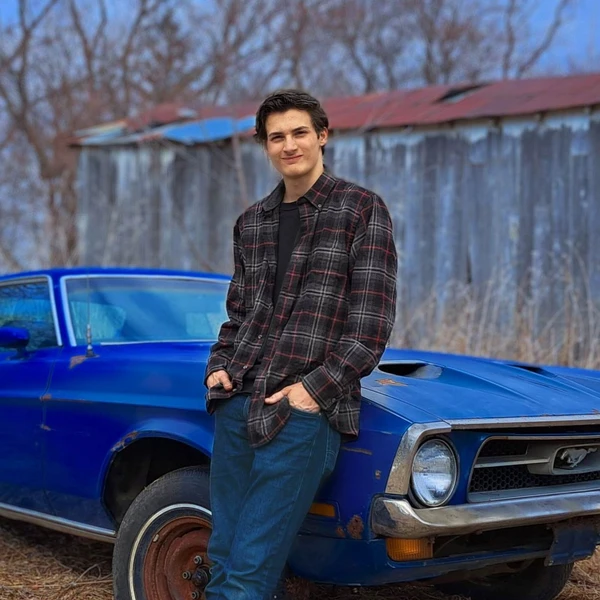
Driven by a lifelong passion for automotive history, I have begun to learn and develop the skills it takes to specialize in bringing vintage cars back to life. With hands-on experience as an Automotive Service Technician and through personal projects such as the ongoing restoration of a 1972 Ford Mustang, I’ve developed strong mechanical, fabrication, and problem-solving skills. My greatest ambition is to continue to contribute towards the preservation of automotive history while continuing to grow as a skilled mechanic in the automotive industry.
Education
McPherson College
Bachelor's degree programMajors:
- Mechanic and Repair Technologies/Technicians, Other
Career
Dream career field:
Automotive
Dream career goals:
Open my own classic automotive Restoration shop to directly contribute to keeping history alive!
Automotive Service Technician
Eilertson Repair2023 – 20241 yearAutomotive Service Technician
Dan Deery Toyota2024 – 20251 year
Sports
Sports shooting/Marksmanship
Junior Varsity2021 – 20232 years
Awards
- Yes
Public services
Volunteering
McPherson College Car Show Judging Comitee — Car show judge2025 – Present
Anthony McPherson Memorial Automotive Scholarship
Hello, my name is Will Tindall. I’m 20 years old and enrolled in McPherson College’s Classic Automotive Restoration program. I want to begin by expressing my deepest condolences to the family and friends of Anthony McPherson. This is not just another essay to me; it's a reflection of lives lost, lessons learned, and the desire I feel to honor those affected by drunk driving. Writing this has given me a chance to do my part in raising awareness and help prevent tragedies caused by drunk driving and show ways to reduce them further, so that the pain endured by victims may never be without purpose.
Drunk driving has been a serious concern for over a century. The first recorded arrest occurred in 1897. However, consistent DUI data wouldn’t appear until the 1970s, when the National Highway Traffic Safety Administration began tracking them. By then, over half of all traffic deaths involved alcohol. The founding of Mothers Against Drunk Driving (MADD) in 1980 marked a turning point, sparked by the loss of a 13-year-old girl struck by a drunk driver. Her mother’s grief became a national movement, inspiring awareness and legal change. Yet even with progress, the consequences of impaired driving remain deadly. The 1988 Carrollton Bus Crash was caused by an intoxicated driver which killed 27 people and injured 40 others. This would become one of the worst drunk driving tragedies in U.S. history. From tragedies like these, society has learned valuable lessons, leading to stricter DUI laws, safer vehicles, and broader public awareness to protect lives.
The lessons drawn from these tragedies continue to shape our sense of moral responsibility today. The heartbreak experienced by families and loved ones teaches us to act with care and vigilance, to intervene when others are at risk, and to make decisions that can prevent further loss. Prevention begins with personal responsibility by offering someone a safe ride home, taking keys, helping to secure a place for them to stay, or encouraging them to seek help for alcohol misuse. These are all actions that can save thousands of lives.
Technology provides additional tools to prevent drunk driving. Having personally worked on installing ignition interlocks, commonly known as “intoxalocks,” I have seen firsthand how they stop impaired individuals from ever starting a vehicle. Automotive innovations such as driver-assist systems, lane departure alerts, automatic braking, and integrated safety monitoring can reduce the risk of these accidents. Modern platforms like social media amplify our campaigns and messages, allowing life-saving words to reach far more people than ever before. Combining moral responsibility with technological innovation is essential to saving lives.
Families grieve, friends are heartbroken, and communities are forever changed by the consequences of drunk driving. Still, even in the face of tragedy, lessons can be learned. Every life lost is a reminder of our moral obligation to act responsibly, and every safe choice made in response honors those affected. This scholarship represents more than a gift; it symbolizes the commitment to transform loss into action, to guide our choices, and to protect those we care about.
We cannot take back the pain already endured, but we can honor it through our actions today. In that way, the deaths caused by drunk driving are never truly in vain—they are lessons we carry forward, shaping a safer future for all. I hope this essay reflects my respect for the lives affected and conveys my thoughts and ideas in a meaningful way that honors those we’ve lost and reminds us how one simple choice saves lives. Thank you for your consideration.