Hobbies and interests
German
Art
Business And Entrepreneurship
Running
Movies And Film
Cooking
Baking
Reading
Graphic Design
Advertising
Reading
Novels
Adventure
Suspense
I read books multiple times per week
William Stappert
1x
FinalistWilliam Stappert
1x
FinalistBio
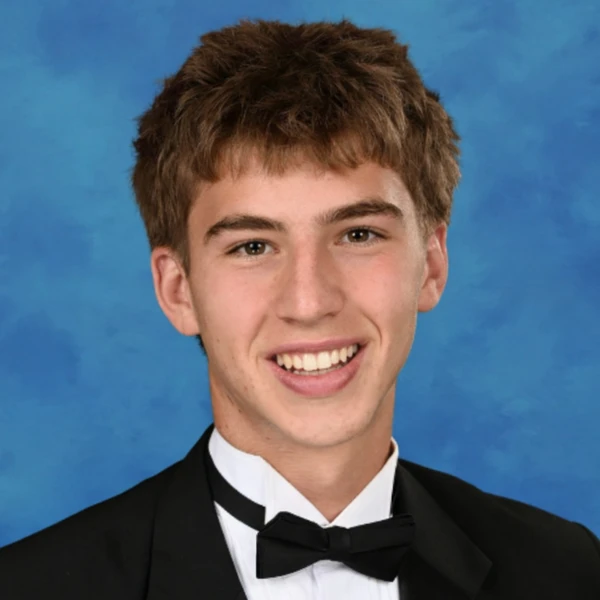
Hello, I am Liam Stappert, a current high school senior at Loyola Blakefield High School. I’m a student who spends a lot of time balancing my 5:30 AM track workouts with the work of pursuing business. While I love the logic of math and economics, art is my actual reset button and where I get to be creative. Growing up in a single-parent home and being a caregiver for my dad has definitely made me grow up faster, but it’s also given me the grit to start my own ventures. I’m hoping to study business one day, but I want to keep my creative side part of whatever I build.
Education
LOYOLA BLAKEFIELD
High SchoolMiscellaneous
Desired degree level:
Master's degree program
Majors of interest:
- Business, Management, Marketing, and Related Support Services, Other
Career
Dream career field:
Banking
Dream career goals:
Entrepreneurship
Marketing Assistant
Roland Park Orthodontics2021 – 20265 yearsBusser/Food Runner (Part-Time)
Cece's Roland Park2024 – Present2 years
Sports
Track & Field
Varsity2023 – Present3 years
Awards
- MVP 2023
Cross-Country Running
Varsity2022 – 20253 years
Awards
- MVP
- Conference Athlete of the Year 2025
- Unsung Hero 2024
Research
Social Sciences, General
Loyola Blakefield — Independent Student Researcher2025 – Present
Arts
Loyola Blakefield
Visual ArtsColored Pencil Pieces, Collage Work, Painting2022 – Present
Public services
Volunteering
The Franciscan Center of Baltimore — I served food to struggling members of the community2025 – 2026Volunteering
Healthy Kids Running Series — I helped run the program which included: race organization, leading warmups, course explanation, timing2023 – Present
Future Interests
Advocacy
Volunteering
Philanthropy
Entrepreneurship
Brent Gordon Foundation Scholarship
I was nine, watching Star Wars with my dad, when he paused the movie and asked me, "Do you know where the word ‘Stormtrooper’ comes from?” Without knowing, I responded that I thought it was just the name of the bad guys in white armor. My dad shook his head slightly. Smiling now, he explained that Stormtroopers, or Stoßtruppen, were German soldiers in WWI. In that moment, Dad showed me how Star Wars wasn’t just a movie about a galaxy far, far away; he taught me that it was instead a story which reflected history and ideas. He loved to teach me this way. Dad taught me to see the meaning behind what seemed meaningless. He was my mentor. When I had questions, he helped me find the answers. With him, things made sense, everything was clear.
But this clarity didn’t last. As I entered high school, something began to change. Though his smile never faded, his mind did. I noticed how he became confused when we talked and often lost his train of thought. The once confident conversations we had became uncertain and hesitant. At first I dismissed the signs thinking he was just tired or stressed, but it continued. The diagnosis came later. I was the first to hear it, but I suspected it long before the word was spoken:
Dementia.
He was only fifty-one.
Dad no longer held the same presence as he used to. What started as a few slurred words became lost thoughts and lost memories. The person I looked to for lessons now filled his sentences with hollow words. I would wait patiently trying to decipher his message as he struggled to string fragments together. There is no preparing for that sort of unraveling, to watch the eloquent person who had once guided you lose their way. The silence between us grew longer when we spoke. Not only had I lost his voice, but the structure he brought into my life. Questions no longer had easy answers. I began to grieve. I grieved not just for him, but for the version of myself who had someone to turn to when things didn’t make sense. I used to protest the nights he would make me play chess with him instead of watching TV. Now I would give anything to share one more game, one more chance to hear how he saw the world.
As my father’s condition progressed, my role within my family began to shift—especially with my younger brother Anderson. As a freshman, he decided to join me on the cross country team. During his first two years running, I was the one who laid out gear the night before for both of us and reminded him to eat something before practice. On our runs, I slowed my pace to match his and asked the kinds of questions my dad used to ask me: How did that hill feel? What changed when you pumped your arms? And I waited while he worked through the answer.
Somewhere along the way, at some point during the process of guiding Anderson and grappling with the loss of my father as I once knew him, the role of teacher and student changed. I still carry my dad’s wisdom and desire to look deeper, to pause and to question what others may have missed. I want to explore complexity, to work through the gray, and to keep building the kind of mind my dad inspires in me. I miss his voice, but I am learning to listen well to the instructive silence that passes between us all.
Shop Home Med Scholarship
I was nine, watching Star Wars with my dad, when he paused the movie and asked me, "Do you know where the word ‘Stormtrooper’ comes from?” Without knowing, I responded that I thought it was just the name of the bad guys in white armor. My dad shook his head slightly. Smiling now, he explained that Stormtroopers, or Stoßtruppen, were German soldiers in WWI. In that moment, Dad showed me how Star Wars wasn’t just a movie about a galaxy far, far away; he taught me that it was instead a story which reflected history and ideas. He loved to teach me this way. Dad taught me to see the meaning behind what seemed meaningless. He was my mentor. When I had questions, he helped me find the answers. With him, things made sense, everything was clear.
But this clarity didn’t last. As I entered high school, something began to change. Though his smile never faded, his mind did. I noticed how he became confused when we talked and often lost his train of thought. The once confident conversations we had became uncertain and hesitant. At first I dismissed the signs thinking he was just tired or stressed, but it continued. The diagnosis came later. I was the first to hear it, but I suspected it long before the word was spoken:
Dementia.
He was only fifty-one.
Dad no longer held the same presence as he used to. What started as a few slurred words became lost thoughts and lost memories. The person I looked to for lessons now filled his sentences with hollow words. I would wait patiently trying to decipher his message as he struggled to string fragments together. There is no preparing for that sort of unraveling, to watch the eloquent person who had once guided you lose their way. The silence between us grew longer when we spoke. Not only had I lost his voice, but the structure he brought into my life. Questions no longer had easy answers. I began to grieve. I grieved not just for him, but for the version of myself who had someone to turn to when things didn’t make sense. I used to protest the nights he would make me play chess with him instead of watching TV. Now I would give anything to share one more game, one more chance to hear how he saw the world.
As my father’s condition progressed, my role within my family began to shift—especially with my younger brother Anderson. As a freshman, he decided to join me on the cross country team. During his first two years running, I was the one who laid out gear the night before for both of us and reminded him to eat something before practice. On our runs, I slowed my pace to match his and asked the kinds of questions my dad used to ask me: How did that hill feel? What changed when you pumped your arms? And I waited while he worked through the answer.
Somewhere along the way, at some point during the process of guiding Anderson and grappling with the loss of my father as I once knew him, the role of teacher and student changed. I still carry my dad’s wisdom and desire to look deeper, to pause and to question what others may have missed. I want to explore complexity, to work through the gray, and to keep building the kind of mind my dad inspires in me. I miss his voice, but I am learning to listen well to the instructive silence that passes between us all.
Raise Me Up to DO GOOD Scholarship
I was nine, watching Star Wars with my dad, when he paused the movie and asked me, "Do you know where the word ‘Stormtrooper’ comes from?” Without knowing, I responded that I thought it was just the name of the bad guys in white armor. My dad shook his head slightly. Smiling now, he explained that Stormtroopers, or Stoßtruppen, were German soldiers in WWI. In that moment, Dad showed me how Star Wars wasn’t just a movie about a galaxy far, far away; he taught me that it was instead a story which reflected history and ideas. He loved to teach me this way. Dad taught me to see the meaning behind what seemed meaningless. He was my mentor. When I had questions, he helped me find the answers. With him, things made sense, everything was clear.
But this clarity didn’t last. As I entered high school, something began to change. Though his smile never faded, his mind did. I noticed how he became confused when we talked and often lost his train of thought. The once confident conversations we had became uncertain and hesitant. At first I dismissed the signs thinking he was just tired or stressed, but it continued. The diagnosis came later. I was the first to hear it, but I suspected it long before the word was spoken:
Dementia.
He was only fifty-one.
Dad no longer held the same presence as he used to. What started as a few slurred words became lost thoughts and lost memories. The person I looked to for lessons now filled his sentences with hollow words. I would wait patiently trying to decipher his message as he struggled to string fragments together. There is no preparing for that sort of unraveling, to watch the eloquent person who had once guided you lose their way. The silence between us grew longer when we spoke. Not only had I lost his voice, but the structure he brought into my life. Questions no longer had easy answers. I began to grieve. I grieved not just for him, but for the version of myself who had someone to turn to when things didn’t make sense. I used to protest the nights he would make me play chess with him instead of watching TV. Now I would give anything to share one more game, one more chance to hear how he saw the world.
As my father’s condition progressed, my role within my family began to shift—especially with my younger brother Anderson. As a freshman, he decided to join me on the cross country team. During his first two years running, I was the one who laid out gear the night before for both of us and reminded him to eat something before practice. On our runs, I slowed my pace to match his and asked the kinds of questions my dad used to ask me: How did that hill feel? What changed when you pumped your arms? And I waited while he worked through the answer.
Somewhere along the way, at some point during the process of guiding Anderson and grappling with the loss of my father as I once knew him, the role of teacher and student changed. I still carry my dad’s wisdom and desire to look deeper, to pause and to question what others may have missed. I want to explore complexity, to work through the gray, and to keep building the kind of mind my dad inspires in me. I miss his voice, but I am learning to listen well to the instructive silence that passes between us all.
Resilient Scholar Award
I was nine, watching Star Wars with my dad, when he paused the movie and asked me, "Do you know where the word ‘Stormtrooper’ comes from?” Without knowing, I responded that I thought it was just the name of the bad guys in white armor. My dad shook his head slightly. Smiling now, he explained that Stormtroopers, or Stoßtruppen, were German soldiers in WWI. In that moment, Dad showed me how Star Wars wasn’t just a movie about a galaxy far, far away; he taught me that it was instead a story which reflected history and ideas. He loved to teach me this way. Dad taught me to see the meaning behind what seemed meaningless. He was my mentor. When I had questions, he helped me find the answers. With him, things made sense, everything was clear.
But this clarity didn’t last. As I entered high school, something began to change. Though his smile never faded, his mind did. I noticed how he became confused when we talked and often lost his train of thought. The once confident conversations we had became uncertain and hesitant. At first I dismissed the signs thinking he was just tired or stressed, but it continued. The diagnosis came later. I was the first to hear it, but I suspected it long before the word was spoken:
Dementia.
He was only fifty-one.
Dad no longer held the same presence as he used to. What started as a few slurred words became lost thoughts and lost memories. The person I looked to for lessons now filled his sentences with hollow words. I would wait patiently trying to decipher his message as he struggled to string fragments together. There is no preparing for that sort of unraveling, to watch the eloquent person who had once guided you lose their way. The silence between us grew longer when we spoke. Not only had I lost his voice, but the structure he brought into my life. Questions no longer had easy answers. I began to grieve. I grieved not just for him, but for the version of myself who had someone to turn to when things didn’t make sense. I used to protest the nights he would make me play chess with him instead of watching TV. Now I would give anything to share one more game, one more chance to hear how he saw the world.
As my father’s condition progressed, my role within my family began to shift—especially with my younger brother Anderson. As a freshman, he decided to join me on the cross country team. During his first two years running, I was the one who laid out gear the night before for both of us and reminded him to eat something before practice. On our runs, I slowed my pace to match his and asked the kinds of questions my dad used to ask me: How did that hill feel? What changed when you pumped your arms? And I waited while he worked through the answer.
Somewhere along the way, at some point during the process of guiding Anderson and grappling with the loss of my father as I once knew him, the role of teacher and student changed. I still carry my dad’s wisdom and desire to look deeper, to pause and to question what others may have missed. I want to explore complexity, to work through the gray, and to keep building the kind of mind my dad inspires in me. I miss his voice, but I am learning to listen well to the instructive silence that passes between us all.
Jimmie “DC” Sullivan Memorial Scholarship
My passion for running didn't come from logging long miles and laps around the track. It came from the discipline and dedication that grew in me as a result of close calls and near misses. My arms pump violently as I barrel down the track for the last 200 meters of my 800m race. I was on pace to qualify for nationals. The seconds tick off faster as I come out of the last turn. When I crossed the line, my coach ran over: 1:56. I needed a 1:55. I had eased up. I lost four seconds in those final 200 meters. There was no one to blame.
I hadn't consciously decided to slow down. After hearing my 600m split, my mind relaxed thinking I had already made it. That's when I learned running is every bit a mental sport as it is a physical one. Every thought matters just as much as every stride, and I lost focus before the job was done. That race ended my junior year track season.
That failure helped build the foundation of how I now lead. As captain of the cross-country team, I carry this lesson forward. During practice, I make sure to push my younger teammates through the line as older ones had once pushed me. Five years of running have taught me to appreciate the growth that often comes from the near misses rather than the victories. Through cold five A.M. practices and humid races, I have discovered the perseverance it takes to reach the finish line and the complex training process that comes with it. Running is more than putting one foot in front of the other; it requires the mind to be comfortable with the uncomfortable.
But leadership isn't just about pushing people to be faster. Sometimes it's about protecting why they run in the first place. At the Healthy Kids Running Series, I've learned that community impact often has nothing to do with the clock. One season, two first grade boys always raced the quarter mile. Parents would crowd the finish line and cheer as they matched each other's strides each week. That day, they were especially close. One crossed the finish line first by a fraction of a second; the other finished smiling, convinced they had tied. As a volunteer at the Healthy Kids Running Series, I recorded the time. Moments later, the second kid came up to me breathless, with his parents smiling behind him, asking if the race was a tie.
I paused. Though the truth mattered, so did context. This wasn't a championship meet; it was a community event meant to build confidence and foster a love for running. I told him it was a tie. His face lit up as he ran back to his cheering parents. I realized that my responsibility was not only to record the time, but to protect the spirit of the race. At that moment, my role wasn't to enforce outcomes but to protect the meaning of that race for him.
I now see that service isn't always about following the rules, but noticing what matters most in each moment. Through running, I've come to learn that extracurriculars aren't just about personal achievement, but about the joy and confidence you bring to others. Whether it's a teammate finding their stride in the final 200 meters or a first-grader convinced he tied for first, these moments of joy and confidence are what make running matter to myself and my community.
Sammy Meckley Memorial Scholarship
My passion for running didn't come from logging long miles and laps around the track. It came from the discipline and dedication that grew in me as a result of close calls and near misses. My arms pump violently as I barrel down the track for the last 200 meters of my 800m race. I was on pace to qualify for nationals. The seconds tick off faster as I come out of the last turn. When I crossed the line, my coach ran over: 1:56. I needed a 1:55. I had eased up. I lost four seconds in those final 200 meters. There was no one to blame.
I hadn't consciously decided to slow down. After hearing my 600m split, my mind relaxed thinking I had already made it. That's when I learned running is every bit a mental sport as it is a physical one. Every thought matters just as much as every stride, and I lost focus before the job was done. That race ended my junior year track season.
That failure helped build the foundation of how I now lead. As captain of the cross-country team, I carry this lesson forward. During practice, I make sure to push my younger teammates through the line as older ones had once pushed me. Five years of running have taught me to appreciate the growth that often comes from the near misses rather than the victories. Through cold five A.M. practices and humid races, I have discovered the perseverance it takes to reach the finish line and the complex training process that comes with it. Running is more than putting one foot in front of the other; it requires the mind to be comfortable with the uncomfortable.
But leadership isn't just about pushing people to be faster. Sometimes it's about protecting why they run in the first place. At the Healthy Kids Running Series, I've learned that community impact often has nothing to do with the clock. One season, two first grade boys always raced the quarter mile. Parents would crowd the finish line and cheer as they matched each other's strides each week. That day, they were especially close. One crossed the finish line first by a fraction of a second; the other finished smiling, convinced they had tied. As a volunteer at the Healthy Kids Running Series, I recorded the time. Moments later, the second kid came up to me breathless, with his parents smiling behind him, asking if the race was a tie.
I paused. Though the truth mattered, so did context. This wasn't a championship meet; it was a community event meant to build confidence and foster a love for running. I told him it was a tie. His face lit up as he ran back to his cheering parents. I realized that my responsibility was not only to record the time, but to protect the spirit of the race. At that moment, my role wasn't to enforce outcomes but to protect the meaning of that race for him.
I now see that service isn't always about following the rules, but noticing what matters most in each moment. Through running, I've come to learn with what Sammy Meckley understood: that extracurriculars aren't just about personal achievement, but about the joy and confidence you bring to others. Whether it's a teammate finding their stride in the final 200 meters or a first-grader convinced he tied for first, these moments of joy and confidence are what make running matter to myself and my community.