user profile avatar

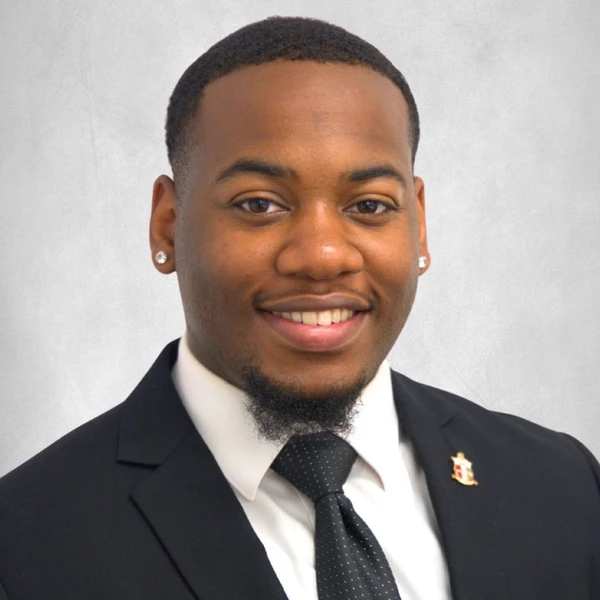
Will Walker

1x

Nominee

1x

Finalist

Bio

I’m a first year senior Mechanical Engineering student at Prairie View A&M University and a passion for engineering design, innovation, and hands-on learning. With experience in Turbomachinery Repair & Disassembly, Cryogenics: Dealt with Distilled Air and Hydrocarbons, Artificial Intelligence (AI), Rotating Equipment, C++, SolidWorks, Auto-CAD, NX10, Inventor, Technical Communications, Teamwork, Project Management, Relationship Building, and Conflict Resolution. I strive to apply engineering principles to real world challenges. I’m also active in organizations like NSBE and Kappa Alpha Psi, where I lead, mentor, and collaborate with peers on both academic and community driven initiatives. I’m always open to connecting with industry professionals and exploring opportunities that help me grow as a future engineer.

Education

Prairie View A & M University

Bachelor's degree program
2021 - 2027
  • Majors:
    • Mechanical Engineering

Miscellaneous

  • Desired degree level:

    Bachelor's degree program

  • Graduate schools of interest:

  • Transfer schools of interest:

  • Majors of interest:

    • Mechanical Engineering
  • Not planning to go to medical school
  • Career

    • Dream career field:

      Mechanical or Industrial Engineering

    • Dream career goals:

    • Mechanical Engineer Intern

      Air products and chemicals rotoflow houston tx
      2025 – 2025

    Sports

    Football

    Varsity
    2008 – 202214 years

    Awards

    • 1st District LB

    Research

    • Mechanical Engineering

      Air products and chemicals rotoflow houston tx — Mechanical Engineer Intern
      2025 – 2025

    Arts

    • Band

      Music
      2016 – 2021

    Public services

    • Volunteering

      Kappa Alpha Psi Fraternity Inc. — Distributor
      2024 – Present

    Future Interests

    Volunteering

    Philanthropy

    Entrepreneurship

    Nabi Nicole Grant Memorial Scholarship
    One of the most challenging periods in my life came during a season when academic pressure, self doubt, and uncertainty about my future felt overwhelming. As I navigated the demands of a rigorous course load and personal responsibilities, there were moments when discouragement threatened my confidence. During that time, my faith became the foundation that allowed me to endure rather than give up. When progress felt slow and setbacks appeared repeatedly, I found myself questioning my strength and direction. Instead of allowing fear to control my thoughts, I turned to prayer and Scripture. One verse that grounded me was Proverbs 3:5–6, which says, “Trust in the Lord with all your heart and lean not on your own understanding; in all your ways submit to Him, and He will make your paths straight.” That reminder helped me release the pressure of having everything figured out and trust that my journey still had purpose, even when I could not see the outcome. Relying on my faith did not remove the challenge, but it changed how I responded to it. I learned that strength does not always mean immediate success; sometimes it means endurance. During moments of exhaustion and doubt, I reflected on Isaiah 40:31, “But those who hope in the Lord will renew their strength. They will soar on wings like eagles; they will run and not grow weary.” That verse reminded me that God provides renewed strength when our own feels depleted. There were days when motivation alone was not enough. On those days, faith became my source of peace. Prayer allowed me to quiet my fears and refocus on discipline rather than discouragement. I learned to approach each day with faith instead of anxiety, holding onto Philippians 4:6–7, which encourages believers not to be anxious, but to bring everything to God in prayer so that His peace can guard our hearts and minds. That peace carried me through moments when uncertainty felt heavy. My faith also reshaped how I viewed struggle itself. Instead of seeing obstacles as signs of failure, I began to view them as opportunities for growth. James 1:2–4 teaches that trials produce perseverance and maturity. That perspective helped me remain patient and committed, understanding that adversity was refining my character rather than limiting my potential. Through this experience, my faith strengthened my resilience and humility. I learned that relying on God does not mean avoiding hardship, but trusting Him through it. My faith reminded me that my worth is not defined by setbacks, but by perseverance and obedience. Overcoming this challenge deepened my relationship with God and taught me that endurance, grounded in faith, leads to growth. Looking back, I recognize this obstacle as a turning point. Faith transformed fear into trust and doubt into determination. Because of this experience, I now face challenges with greater peace and confidence, knowing that God’s strength carries me when my own falls short.
    STLF Memorial Pay It Forward Scholarship
    One of the most meaningful ways I have given back to my community has been through my involvement with Kappa Alpha Psi Fraternity, Inc., where I serve as one of the event coordinators. In this role, I have had the responsibility not only to participate in service, but to help organize, plan, and lead initiatives that directly impact the community. Being trusted with leadership through service taught me that giving back is most effective when it is intentional, organized, and rooted in genuine care for others. One volunteering event I helped organize was a book reading and mentorship initiative at lower income elementary schools in the Houston area. Our goal was to encourage literacy, confidence, and self belief in young students. During these visits, we read books with the children, spoke to them about the importance of education, and showed them that people who look like them can pursue higher education and succeed. What made this event especially powerful was the connection we built. Many of the children were excited simply to be seen and encouraged. As an event coordinator, I worked to ensure the logistics were handled, volunteers were prepared, and the environment was welcoming and engaging for the students. Another impactful service event I helped coordinate was a visit to a nursing home, where we spent time with elderly residents playing bingo and speaking with them. While the activity itself may seem simple, the impact was profound. Many of the residents expressed gratitude just for the company and conversation. We listened to their stories, laughed with them, and reminded them that they were valued and remembered. Helping organize this event taught me that service does not always require grand gestures. Sometimes leadership through service is about showing up, being present, and offering human connection. Through these experiences, I learned that leadership is not about recognition or authority, but about responsibility. As an event coordinator, I had to communicate effectively, motivate others, and ensure that service efforts were meaningful rather than performative. Leadership through service means putting the needs of others first and creating opportunities for collective impact. It requires humility, empathy, and consistency. Volunteering through Kappa Alpha Psi reinforced my belief that service is a lifelong commitment. Whether working with children in underserved communities or spending time with the elderly, each experience reminded me that leadership is measured by how you uplift others. These moments strengthened my character and deepened my understanding of community engagement. Ultimately, my role in organizing and participating in these events shaped how I view leadership. True leadership is rooted in service, compassion, and action. By giving back through structured, intentional service, I learned how to lead with purpose and create meaningful impact, lessons I will carry forward in my academic journey, career, and continued commitment to serving my community.
    Simon Strong Scholarship
    Adversity became a defining teacher in my life during my college journey, when academic challenges and personal pressure forced me to confront self doubt and uncertainty. Entering a demanding STEM program, I carried high expectations for myself and believed that hard work alone would guarantee success. When I encountered setbacks early on, that belief was tested in ways I was not prepared for. Struggling academically for the first time challenged my confidence and identity. I questioned whether I truly belonged in such a rigorous field and worried about disappointing my family and myself. The pressure was heavy, and there were moments when giving up felt like the easiest option. Balancing coursework, financial stress, and emotional strain made it difficult to stay focused and optimistic. This period of adversity forced me to face uncomfortable truths about my habits, mindset, and resilience. I overcame this adversity by choosing accountability over avoidance. Instead of allowing setbacks to define me, I took an honest look at what needed to change. I adjusted my study habits, became more intentional with time management, and sought help without shame. Learning to ask questions, attend office hours, and collaborate with peers was not easy at first, but it made a meaningful difference. I also learned the importance of self care, reflection, and patience during difficult seasons. This adversity shaped me by teaching me resilience and humility. I learned that growth does not happen in comfort, and that failure is not a final destination. The experience strengthened my mental toughness and reinforced the value of persistence. I became more disciplined, self aware, and confident in my ability to adapt. Most importantly, I learned that belief in oneself must remain steady even when circumstances feel discouraging. The adversity I faced also reshaped how I view others. Experiencing struggle made me more empathetic and understanding. I became more patient with myself and those around me, recognizing that everyone carries unseen battles. This perspective influenced how I mentor others and how I approach leadership and service within my community. If I could offer advice to someone facing similar circumstances, it would be this: do not let temporary hardship convince you that you are incapable. Struggle is not a sign of failure, but an invitation to grow. Be honest with yourself, seek support, and remain committed to progress, even when improvement feels slow. Most importantly, remember why you started. Purpose can carry you through moments when motivation fades. Adversity did not stop my journey; it strengthened it. By confronting challenges with accountability and perseverance, I emerged more resilient and prepared for future obstacles. This experience shaped me into someone who understands that success is built through effort, patience, and the courage to keep going when things are difficult.
    Grand Oaks Enterprises LLC Scholarship
    My journey to this point has been shaped by growth, resilience, and a deep commitment to becoming someone who uses opportunity with purpose. Reaching this stage in my education did not happen by accident. It required perseverance through setbacks, discipline during uncertainty, and the willingness to mature through challenge. Like many students pursuing higher education, especially in a demanding STEM field, I faced moments of doubt that tested my confidence and determination. However, those moments ultimately strengthened my resolve and helped define the person I am today. Early in my academic journey, I learned that success in higher education requires more than intelligence or ambition. It requires consistency, adaptability, and accountability. Navigating rigorous coursework while managing personal responsibilities forced me to reassess my habits and mindset. There were times when progress felt slow and discouraging, but those experiences taught me patience and self belief. Instead of allowing obstacles to derail me, I used them as opportunities to grow stronger and more disciplined. Each challenge reinforced the idea that my journey has purpose and that perseverance is a form of progress. Getting to this point also reflects the support of my family and mentors who believed in me even when I struggled to believe in myself. Their encouragement reminded me that my education is not just about individual success, but about honoring the sacrifices that helped place me here. I carry that responsibility with pride and gratitude as I continue moving forward. Attending Prairie View A&M University holds deep meaning for me and has played a vital role in shaping my academic and personal development. PVAMU is more than an institution of higher learning; it is a place rooted in history, resilience, and excellence. As an HBCU, Prairie View represents generations of perseverance and progress within the Black community. Being educated in this environment has strengthened my confidence and affirmed my identity in ways that extend beyond the classroom. At PVAMU, I am surrounded by peers, faculty, and leaders who understand my background and encourage me to succeed without compromising who I am. This sense of belonging is powerful. It allows me to focus on growth rather than assimilation, on excellence rather than explanation. The environment at Prairie View fosters both academic rigor and cultural pride, helping me develop not only as a student, but as a well rounded individual prepared to lead and serve. Attending an HBCU also carries a sense of responsibility. I am constantly reminded that the opportunities I have today exist because of the sacrifices made by those who came before me. That awareness motivates me to approach my education with intention and respect. My success is not solely my own; it is connected to a larger legacy of empowerment, resilience, and progress. Through my choice of study in Mechanical Engineering, I plan to make a meaningful difference for both my family and my community. For my family, earning this degree represents stability, opportunity, and the fulfillment of dreams built through sacrifice. I aim to create generational impact by using my education to open doors not only for myself, but for those who follow. My success is a reflection of their belief in me, and I carry that responsibility with pride. For my community, my goal is to use my education as a tool for uplift and representation. As someone pursuing a career in a technical field where diversity is still limited, I understand the importance of visibility. I want young people, especially those from underserved backgrounds, to see that success in STEM is attainable. Through mentorship, outreach, and continued service, I plan to encourage others to pursue education with confidence and determination. Beyond professional impact, I am committed to remaining engaged in service and leadership. My experiences working with at risk youth and supporting others through mentorship reinforced my belief that success is most meaningful when shared. Education has given me not only knowledge, but responsibility. I intend to use both to contribute to stronger communities, ethical engineering practices, and inclusive spaces where others feel supported. Ultimately, my journey, my experience at Prairie View A&M University, and my academic path are deeply connected. PVAMU has helped shape my confidence, sharpen my purpose, and strengthen my commitment to service. As I continue forward, I am dedicated to honoring the opportunities I have been given by using my education to uplift others, support my family, and contribute positively to my community. My goal is not simply to graduate, but to leave a lasting impact that reflects growth, gratitude, and purpose.
    Goths Belong in STEM Scholarship
    My journey in STEM has been shaped not only by academic rigor, but by navigating spaces where my identity and presentation do not always fit traditional expectations. As a young Black man in engineering, I quickly learned that STEM environments often come with unspoken norms about how a professional should look, speak, or carry themselves. Choosing to remain authentic to who I am while pursuing a demanding technical field has been both challenging and transformative. My alternative identity and presentation taught me early on that excellence and individuality are not mutually exclusive. In some academic and professional settings, I felt pressure to conform in order to be taken seriously. There were moments when I sensed assumptions being made before I even spoke, moments where I felt I had to work harder to prove my competence because I did not fit a narrow stereotype of what an engineer “should” be. These experiences were frustrating at times, but they also strengthened my resolve. I learned that my value is defined by my work ethic, integrity, and ability, not by how closely I match someone else’s expectations. One of the biggest challenges I faced was overcoming self-doubt that came from feeling different in technical spaces. Seeing few people who looked like me or shared similar backgrounds sometimes made me question whether I truly belonged. However, persistence taught me that representation starts with presence. Every exam passed, project completed, and obstacle overcome reinforced that I earned my place through dedication and effort. Instead of shrinking myself to fit in, I chose to show up prepared, disciplined, and confident in my abilities. Embracing my identity also helped me develop resilience and leadership. Being different forced me to communicate clearly, advocate for myself, and remain composed under pressure. These skills are invaluable in STEM, where teamwork, collaboration, and problem solving are essential. I learned how to navigate difficult conversations, remain professional in challenging environments, and focus on long-term goals rather than short-term discomfort. Rather than viewing my identity as a barrier, I now see it as a strength. It gives me a broader perspective and a deeper understanding of the importance of inclusion in technical fields. Innovation thrives when diverse voices are present, and I believe my experiences allow me to contribute ideas shaped by resilience, adaptability, and real-world awareness. I want to be part of a future STEM workforce that values different perspectives and recognizes that diversity strengthens solutions. Looking ahead, I see myself contributing to the future of my field not only through technical expertise, but through representation and mentorship. I want to be someone younger students can look to and think, “If he can do it while staying true to himself, so can I.” By remaining authentic and committed to excellence, I hope to help redefine what an engineer looks like and create space for others who may feel out of place. Ultimately, my alternative identity and presentation shaped my journey by teaching me confidence, perseverance, and purpose. They pushed me to grow beyond fear and into self-assurance. As I move forward in STEM, I plan to contribute not just solutions, but change, proving that authenticity and excellence can coexist and that the future of STEM is strongest when everyone belongs.
    Sewing Seeds: Lena B. Davis Memorial Scholarship
    One of the most meaningful goals I have worked hard to reach was staying committed to my Mechanical Engineering degree during a period when quitting felt easier than continuing. Entering a demanding STEM program, I believed hard work alone would be enough. What I quickly learned was that persistence, humility, and self belief mattered just as much as intelligence. Early in my college journey, I faced academic challenges that shook my confidence. Courses moved fast, expectations were high, and setbacks came sooner than I expected. There were moments when I questioned whether I truly belonged in engineering. Watching others seem to grasp concepts more easily made me feel isolated and discouraged. The pressure of not wanting to disappoint myself or my family weighed heavily on me, and there were nights when frustration and self doubt felt overwhelming. Despite those moments, I made a decision that changed everything: I refused to let temporary struggle define my future. I set a personal goal to rebuild not just my grades, but my confidence and discipline. Accomplishing that goal required honesty with myself. I had to admit where I was falling short and commit to doing the work differently. I changed my study habits, became more structured with my time, and learned to ask for help without shame. Each small adjustment felt difficult at first, but together they created progress. What truly pushed me forward was remembering why I started. Engineering represented more than a degree; it represented growth, opportunity, and the ability to create something meaningful. On days when motivation was low, I reminded myself that perseverance in hard moments builds character. Slowly, improvement followed. My understanding deepened, my confidence returned, and the doubt that once consumed me began to lose its power. Beyond academics, serving others helped ground me. Working with at risk youth and mentoring others reminded me that perseverance matters, not just for personal success, but as an example to others watching. Seeing young people face challenges with far fewer resources inspired me to stay committed to my goals. It reinforced the idea that quitting was not an option when my journey could motivate someone else to keep going. Reaching this goal changed how I see myself. I learned that resilience is built through discomfort and that growth often comes quietly, one decision at a time. I discovered that setbacks do not mean failure; they mean opportunity to adapt. Most importantly, I learned that belief in yourself must be stronger than fear. What I am working toward next is completing my Mechanical Engineering degree and building a career rooted in purpose and impact. I aim to continue developing my technical skills while remaining committed to mentorship and service. I want to be an engineer who not only solves problems, but understands struggle and leads with empathy. The goal I reached was not simply staying in engineering. It was learning how to stand firm in moments of doubt and choosing growth over fear. That lesson will guide every goal I pursue moving forward.
    Learner Math Lover Scholarship
    I love math because it gives structure to the world around me and turns complex problems into something understandable and solvable. Math is one of the few subjects where effort and logic directly translate into clarity. When a problem finally clicks, there is a sense of accomplishment that comes from knowing the answer was earned through reasoning, patience, and persistence. What draws me to math most is its honesty. There is no guessing or ambiguity; solutions are built step by step, and each conclusion must be justified. That process taught me discipline and critical thinking. Even when a problem feels overwhelming at first, math reminds me that breaking it down into smaller parts makes it manageable. That lesson applies not only in the classroom, but in life as well. I also love math because it challenges me to think differently. It forces me to look for patterns, relationships, and efficient solutions. When I struggle with a concept, it pushes me to adjust my approach rather than give up. Over time, math helped me build confidence in my ability to work through difficulty. It taught me that struggle is part of learning and that persistence often matters more than initial understanding. Another reason I love math is its real-world impact. Math is the foundation of science, engineering, technology, and innovation. It allows us to design structures, analyze systems, predict outcomes, and solve problems that affect everyday life. Knowing that math has practical applications beyond the classroom motivates me to master it and appreciate its value. Ultimately, I love math because it strengthens my mindset. It taught me patience, problem-solving, and resilience. Every equation solved and concept understood reinforces the idea that growth comes from effort and focus. Math is more than numbers to me; it is a way of thinking that shapes how I approach challenges, learn from mistakes, and pursue progress with confidence.
    Arlin Diaz Memorial Scholarship
    Receiving this scholarship would have a profound and lasting impact on my educational journey, not only by easing the financial burden of higher education, but by allowing me to pursue my academic goals with greater focus, clarity, and determination. As a student committed to earning a rigorous degree, I understand that success requires discipline, consistency, and full engagement. However, financial pressure can often compete with academic priorities, creating stress that affects both performance and well being. This scholarship would help relieve that burden and allow me to fully invest in my education. Higher education represents opportunity, growth, and responsibility. While I am deeply committed to completing my degree, the cost of tuition, materials, and living expenses adds a constant layer of concern. Balancing academic demands with financial obligations requires careful planning and sacrifice. Receiving this scholarship would reduce that strain, giving me the freedom to focus on learning, professional development, and meaningful involvement on campus and in my community. It would allow me to approach my studies with greater peace of mind and sustained motivation. Beyond financial support, this scholarship represents belief. It signifies that others see value in my goals and trust in my potential. That affirmation is incredibly meaningful and motivating. Knowing that my education is being supported by individuals who care about opportunity and impact would encourage me to hold myself to the highest standards. It would serve as a reminder that my efforts are not isolated, but connected to a larger legacy of generosity and hope. As a recipient, I would honor Arlin’s memory and legacy by approaching my education with gratitude, integrity, and purpose. I recognize that scholarships like this are established not only to support academic achievement, but to carry forward the values of the individual they honor. To me, honoring Arlin means committing myself fully to growth, resilience, and service. It means making the most of every opportunity this scholarship provides and ensuring that the support I receive leads to meaningful outcomes. I intend to honor Arlin’s legacy by using my education as a tool for positive impact. Throughout my journey, I have been involved in mentorship and service, particularly with young people facing adversity. This scholarship would strengthen my ability to continue that work by allowing me to remain engaged beyond the classroom. I believe that education gains its greatest value when it is used to uplift others, and I am committed to doing so both during my studies and throughout my career. In my future profession, I plan to carry forward the spirit of this scholarship by giving back in tangible ways. Whether through mentorship, community outreach, or professional involvement, I want to support individuals who may be navigating obstacles similar to those I have faced. I understand that financial assistance can be the difference between opportunity and limitation, and I hope one day to contribute to initiatives that provide others with the same encouragement and support I have received. This scholarship would also reinforce my sense of responsibility. I would view it not as an endpoint, but as a commitment to live up to the values it represents. Every academic achievement, professional milestone, and act of service would be done with the awareness that someone believed in me enough to invest in my future. That awareness would guide my decisions and motivate me to act with purpose and integrity. Ultimately, receiving this scholarship would allow me to pursue my academic endeavors with greater focus, determination, and gratitude. It would relieve financial stress, strengthen my commitment to excellence, and empower me to honor Arlin’s memory through action. By using this opportunity responsibly and paying it forward, I hope to extend Arlin’s legacy by contributing to a future shaped by opportunity, compassion, and meaningful impact.
    Enders Scholarship
    My story has been shaped by both ambition and loss. One of the most impactful experiences of my life occurred in high school, when I lost a close friend to gun violence. That loss was sudden, painful, and deeply unsettling. It forced me to confront grief at a young age and challenged the sense of safety and certainty I once had. Losing someone I cared about in such a violent way changed how I viewed life, relationships, and my own sense of responsibility moving forward. After my friend’s passing, I had to navigate a range of emotions that I had never experienced before. There was sadness, anger, confusion, and a lingering sense of disbelief. At times, I struggled with questions that had no clear answers. Why did this happen? How could someone so full of life be gone so quickly? Over time, I learned that grief does not follow a straight path. Some days were heavier than others, and healing required patience and self honesty. Through this experience, I learned that I am more resilient than I once believed and that it is okay to acknowledge pain rather than suppress it. To process these emotions, I turned to journaling and quiet reflection. Writing allowed me to put thoughts on paper that I did not always feel comfortable speaking out loud. Journaling helped me organize my emotions, release stress, and reflect on how I wanted to move forward rather than remain stuck in grief. While I may not practice meditation formally every day, moments of intentional reflection and prayer helped calm my mind and center my thoughts. These practices taught me the importance of self awareness and emotional care, especially during difficult seasons. The loss of my friend also influenced my decision to pursue higher education. It reminded me that life is fragile and that time should be used intentionally. Continuing my education represents more than a career goal; it represents purpose. College is an opportunity for me to grow, to honor the people I have lost by striving for something meaningful, and to build a future that reflects resilience rather than fear. Education gives me the tools to create stability for myself and to positively impact others who may be navigating hardship. The biggest influences in my life include my family, mentors, and individuals who lead with integrity and purpose. My family has been a constant source of support, encouraging me to remain focused and grounded. Mentors who have guided me through challenges showed me the value of discipline, compassion, and perseverance. I am also inspired by people I have not met personally, individuals who use their platforms and professions to create positive change and uplift their communities despite adversity. Losing a loved one to gun violence was one of the most painful experiences of my life, but it taught me empathy, strength, and intentionality. I learned that grief can either harden you or shape you. I choose to let it shape me into someone who values life deeply, pursues growth, and uses opportunity responsibly. Through reflection, education, and the influence of those around me, I continue moving forward with purpose, honoring the memory of those I have lost by building a future rooted in resilience, awareness, and hope.
    Second Chance Scholarship
    I want to make a change in my life because I believe growth requires intention, not comfort. There came a point in my journey when I realized that remaining the same would limit my potential, while committing to change could open doors not only for me, but for those who look to me as an example. I want a life defined by purpose, discipline, and impact, and that desire is what motivates me to continue striving for better. The change I seek is rooted in accountability and direction. Pursuing higher education, especially in a demanding field like Mechanical Engineering, has challenged me to evaluate my habits, mindset, and priorities. Early obstacles forced me to recognize areas where I needed to grow academically and personally. Instead of allowing setbacks to discourage me, I chose to adjust my approach. I developed stronger time management skills, sought support when needed, and committed myself to consistent improvement. These steps helped me rebuild confidence and strengthened my belief that progress is possible through persistence. Beyond academics, I have taken steps to grow through service and leadership. Working with at-risk youth, mentoring others, and spending two summers at Marvelous Counseling exposed me to the responsibility that comes with being a source of support. These experiences reinforced my desire to live intentionally and reminded me that success has greater meaning when it is shared. They also helped shape my long-term goal of building a career that balances technical excellence with human impact. This scholarship would play a critical role in helping me continue this journey. Financial stress can be a major barrier to focus and performance, especially for students navigating rigorous programs. By easing that burden, this scholarship would allow me to fully dedicate my energy to academic excellence, professional development, and continued community involvement. It would provide stability, reduce stress, and help me move closer to completing my degree and achieving my long-term goals. Receiving this scholarship would not only support my growth, but also strengthen my ability to give back. Paying it forward is something I take seriously. I plan to continue mentoring young people, particularly those from underserved backgrounds who may doubt their ability to succeed in higher education. By sharing my experiences honestly, offering guidance, and being present, I hope to encourage others to pursue their goals with confidence. In my future career, I also plan to give back by creating inclusive, supportive environments and advocating for opportunities that uplift others. Ultimately, the change I seek is about becoming someone who uses opportunity responsibly. This scholarship represents more than financial assistance; it represents belief in my potential and the path I am working toward. By continuing to grow, serve, and uplift others, I intend to honor that support by paying it forward and creating positive impact wherever I am able.
    Eden Alaine Memorial Scholarship
    One of the most significant losses in my life was the passing of my grandmother. Although she was my grandmother by title, she was a central figure in my upbringing and someone who played a parental role in my life. Losing her was not only emotionally painful, but life changing. Her absence forced me to grow, reflect, and carry forward the lessons she instilled in me. My grandmother was a source of stability, wisdom, and unconditional love. She was the person who encouraged me when I doubted myself and reminded me of the importance of faith, family, and perseverance. She believed deeply in education and often emphasized that knowledge was something no one could ever take away from you. Her words and actions taught me the value of discipline, respect, and humility. She led by example, showing me what it meant to care for others selflessly and to remain strong during difficult times. When she passed away, I experienced a level of grief that was unfamiliar and overwhelming. It felt like I had lost a guiding voice and a safe place all at once. Adjusting to life without her support was difficult, especially during moments when I wished I could seek her advice or reassurance. Grief introduced me to emotions I had never fully faced before, including sadness, confusion, and vulnerability. However, through that pain, I began to recognize how deeply her influence was rooted in who I am. Her loss shaped my outlook on life by teaching me the importance of time and presence. I became more intentional about expressing gratitude and showing love to those around me. I no longer take relationships for granted, understanding that moments with loved ones are precious and not guaranteed. This perspective has influenced how I engage with my family, friends, and community. Academically and personally, my grandmother’s passing motivated me to pursue my goals with greater purpose. She always wanted the best for me and believed in my potential, even when I struggled to see it myself. I carry that belief with me as I navigate challenges in my education and personal growth. When obstacles arise, I remind myself that perseverance honors her legacy and the sacrifices she made for our family. Losing my grandmother also strengthened my sense of empathy. Experiencing loss allowed me to better understand the pain others may carry silently. It made me more patient, compassionate, and willing to support those around me during difficult times. This has shaped how I give back to my community and how I strive to uplift others through encouragement and service. Although her loss was deeply painful, it profoundly shaped who I am today. My grandmother’s values continue to guide my decisions, my work ethic, and my faith. While she is no longer physically present, her love and lessons live on through my actions and ambitions. I strive every day to honor her memory by living with integrity, pursuing my education with determination, and becoming someone she would be proud of.
    Elijah's Helping Hand Scholarship Award
    I have been deeply impacted by suicide through the loss of a close friend. Their passing changed the way I understand mental health, grief, and the importance of presence in people’s lives. Losing someone in this way is different from other forms of loss because it leaves behind unanswered questions and a quiet weight that is difficult to explain. It is an experience that reshaped my outlook on life and how I engage with others. One of the most challenging aspects of losing my friend was learning how to live with uncertainty. There were moments filled with reflection and self questioning, wondering if there were signs I missed or words I could have said differently. That internal struggle was heavy, and grief came in waves rather than all at once. Over time, I learned that healing does not come from finding perfect answers, but from allowing yourself to feel, reflect, and continue forward with intention. This experience taught me that mental health struggles are often invisible. My friend was someone I cared deeply about, yet their pain was not always apparent. That realization changed how I interact with people. I became more intentional about checking in on others, listening without judgment, and creating space for honest conversations. I learned that sometimes the most meaningful support comes from simply being present and showing care, even when you do not have the right words. The loss also strengthened my sense of empathy. Grief softened me in ways I did not expect. It made me more patient, more understanding, and more aware that everyone carries something unseen. I no longer assume that silence means someone is okay. Instead, I try to lead with compassion and attentiveness, knowing that small acts of kindness can have a lasting impact. Although losing my friend was painful, it influenced how I choose to live my life moving forward. I strive to be more intentional with my time and relationships. I value connection more deeply and understand the importance of mental health awareness and support. Their passing motivated me to advocate for openness around mental health and to encourage others to seek help without shame. Being impacted by suicide did not break me, but it changed me. It taught me the importance of empathy, connection, and hope, even in the face of tragedy. While the grief remains, it has shaped me into a more compassionate and resilient person. I honor my friend’s memory by choosing to be present for others, to speak openly about mental health, and to live with greater purpose and care for the people around me.
    Rev. and Mrs. E B Dunbar Scholarship
    My pursuit of higher education has been shaped by obstacles that tested my confidence, discipline, and perseverance. Entering college, I quickly learned that success would require more than motivation alone. Balancing the academic rigor of a STEM program, financial pressures, and personal responsibilities challenged me in ways I had never experienced before. There were moments when the weight of these demands made progress feel overwhelming, and I had to confront the reality that growth would come through struggle. One of the most significant obstacles I faced was adjusting to the intensity and pace of college level coursework. As a Mechanical Engineering student, the expectations were high and the margin for error was small. Early academic setbacks forced me to reflect on my study habits, time management, and mindset. Rather than allowing those challenges to define me, I made the decision to take accountability for my growth. I sought help, adjusted my approach, and committed myself fully to improvement. That process was humbling, but it taught me resilience and the importance of persistence. Financial stress has also been a challenge throughout my educational journey. The pressure of managing school expenses while remaining focused academically added another layer of difficulty. At times, financial concerns competed with my ability to concentrate fully on my studies. Navigating these pressures taught me discipline, responsibility, and gratitude for every opportunity I have been given. It reinforced my understanding that education is both a privilege and a responsibility. Despite these challenges, my experiences have strengthened my resolve and clarified my purpose. Education has shown me that obstacles do not signal failure, but growth. Each challenge I overcame helped me develop confidence in my ability to adapt, persevere, and succeed even when conditions are not ideal. Looking ahead, I plan to use my education to give back to my community in meaningful ways. I am committed to mentorship and outreach, especially for young people from underserved backgrounds who may face similar challenges. Through my work with at risk youth and community involvement, I have seen how guidance, encouragement, and representation can change lives. I want to be someone who helps others believe in their potential and navigate higher education with confidence. In my future career, I also plan to give back by using my technical skills responsibly and ethically. I want to contribute to solutions that improve quality of life and create opportunity, while remaining actively engaged in community service and mentorship. By sharing my experiences honestly and leading by example, I hope to help others overcome obstacles and pursue their goals. Ultimately, the challenges I faced in higher education shaped me into a more resilient, disciplined, and purpose driven individual. By continuing to invest in my education, I aim to uplift others and give back to the community that helped shape who I am today.
    JobTest Career Coach Scholarship for Law Students
    My desired career path is to become a mechanical engineer who contributes to innovative, reliable, and people-centered solutions. I am drawn to mechanical engineering because it blends analytical thinking with hands-on problem solving and allows engineers to design systems that directly affect safety, efficiency, and quality of life. This field aligns with both my strengths and my desire to build solutions that have lasting impact. I have already taken meaningful steps toward achieving this goal through my education and professional development. As a Mechanical Engineering major, I have completed rigorous coursework that strengthened my foundation in mathematics, physics, and engineering principles. These courses taught me how to approach complex problems methodically, analyze data, and apply theory to real-world scenarios. Beyond academics, I have sought opportunities that reinforce discipline, teamwork, and accountability, all of which are essential in engineering environments. My experiences working with at-risk youth and in mentorship roles have also shaped how I envision myself as an engineer. Through my work at Marvelous Counseling and community engagement, I developed strong communication skills, emotional intelligence, and patience. These experiences taught me how to listen actively, remain calm under pressure, and support others through challenges. I believe these skills are critical in engineering, where collaboration, leadership, and ethical responsibility are just as important as technical ability. Looking ahead, I plan to continue developing both my technical and professional skill sets. I intend to gain hands-on experience through internships, research opportunities, and project-based learning that allow me to apply classroom knowledge to real engineering challenges. I also plan to strengthen my understanding of design, manufacturing, and systems analysis while staying current with emerging technologies and industry standards. Continuous learning will be a central part of my career, as engineering requires adaptability in a constantly evolving field. My interests in problem solving, structure, and service strongly align with mechanical engineering. I enjoy working through complex systems and finding efficient solutions, but I am equally motivated by the human impact of engineering decisions. I want to work in environments where innovation is guided by safety, ethics, and consideration for the communities being served. Whether contributing to infrastructure, manufacturing, or technology-driven projects, I aim to prioritize reliability and responsibility in my work. Ultimately, I envision positively impacting my future profession by being an engineer who values both excellence and empathy. I hope to contribute to teams that foster collaboration and inclusion, mentor younger engineers, and advocate for thoughtful, ethical engineering practices. By combining technical expertise with strong character and communication skills, I aim to help create solutions that not only function well, but also serve people effectively. My goal is to leave the engineering profession stronger, more inclusive, and more impactful than I found it.
    Jean Ramirez Scholarship
    Losing a close friend to suicide is an experience that permanently changes the way you see the world. It is a loss that brings confusion, grief, and questions that do not always have clear answers. As a suicide loss survivor, I have learned that healing is not linear and that resilience often looks like choosing to keep moving forward even when understanding feels incomplete. One of the greatest challenges I faced after losing my friend was the weight of unanswered questions. There were moments filled with guilt, wondering if there were signs I missed or words I could have said differently. That internal struggle was heavy and isolating. Grief did not arrive all at once; it came in waves, sometimes quietly and sometimes overwhelmingly. Learning to sit with that pain without allowing it to consume me was one of the hardest lessons I had to face. Through this experience, I learned that mental health struggles are often invisible. My friend was someone I cared deeply about, yet their pain was hidden in ways I did not fully recognize at the time. This realization changed how I interact with others. I became more intentional about checking in on people, listening without judgment, and understanding that strength does not always look like stability. It taught me that kindness, presence, and compassion matter more than having the perfect words. Resilience for me came through reflection, faith, and community. I learned that asking for support is not a weakness, but a necessary part of healing. Talking openly about loss helped me release the burden of carrying grief alone. I also found strength in honoring my friend’s memory by choosing to live with greater purpose. Rather than allowing tragedy to harden me, I allowed it to soften my heart toward others. This loss reshaped my outlook on life. It reminded me that time is fragile and that people often carry silent battles. As a result, I strive to live more intentionally. I no longer assume that people are “okay” simply because they appear to be. I try to create space for honesty, encourage openness around mental health, and remind those around me that they are not alone. If my presence can offer even a small sense of comfort or understanding, then I am honoring the lessons this loss taught me. Hope did not come from forgetting the pain, but from learning how to carry it. I found hope in the idea that tragedy does not have to define the end of a story, but can influence how one chooses to live moving forward. My friend’s loss strengthened my commitment to mental health awareness and to being someone others feel safe opening up to. As a suicide loss survivor, I carry grief, but I also carry purpose. The experience taught me empathy, patience, and the importance of connection. While the pain of loss never fully disappears, it has shaped me into a more compassionate and resilient person. I move forward with hope by choosing to live fully, love deeply, and remain present for others in ways I wish my friend had been able to experience.
    Travis Ely Collegiate Angler Memorial Scholarship
    I exemplify character, sportsmanship, and work ethic by holding myself to consistent standards in every environment, whether I am in the water or serving my community. Both settings demand discipline, accountability, and respect, and the lessons I have learned in one area have strengthened how I show up in the other. In the water, character begins with self discipline. Aquatic activities require mental focus, physical endurance, and consistency. Progress does not come overnight, and improvement depends on showing up prepared, even on days when motivation is low. Being in the water has taught me patience and resilience. I have learned how to push through fatigue, manage pressure, and remain composed when conditions are challenging. These experiences reinforced the importance of integrity, doing the work correctly even when no one is watching, and holding myself accountable for my performance. Sportsmanship in the water means respect for teammates, competitors, coaches, and the process itself. I believe that how someone conducts themselves during training or competition speaks louder than results. I strive to encourage others, accept feedback with humility, and maintain composure in both success and disappointment. Losing with grace and winning with humility are values I take seriously. By respecting the rules, supporting those around me, and keeping a positive attitude, I aim to create an environment that promotes growth and mutual respect. My work ethic in aquatic environments has directly shaped how I engage with my community. The same consistency and effort I bring to physical training guide how I serve others. In my community, I am intentional about being reliable and present. Whether mentoring youth, supporting peers, or participating in service initiatives, I show up ready to contribute fully. I understand that people depend on consistency just as much as they do skill, and I take that responsibility seriously. Character in the community means acting with integrity, empathy, and responsibility. I have worked with at risk and troubled youth, where patience and understanding are essential. In these spaces, leadership is not about authority, but about trust. I listen actively, communicate respectfully, and offer encouragement without judgment. These interactions require emotional discipline similar to what is learned in the water, staying calm under pressure, adapting to changing situations, and remaining focused on long term growth rather than immediate outcomes. Sportsmanship in the community shows up through collaboration and respect for others’ perspectives. I value teamwork and understand that progress is achieved when individuals work together rather than compete against one another. Whether working with peers on group projects or participating in outreach efforts, I strive to uplift those around me and contribute positively to shared goals. Treating others with respect, even during disagreement, reflects the same sportsmanship expected in athletic settings. Ultimately, my work ethic ties everything together. Being in the water taught me that success comes from consistency, preparation, and perseverance. Serving my community taught me that impact comes from reliability, compassion, and follow through. Together, these experiences shaped me into someone who values effort as much as outcome and character as much as achievement. By applying the lessons learned in aquatic environments to my community involvement, I strive to be someone others can depend on. Whether in the water or on land, I aim to exemplify strong character, respectful sportsmanship, and a relentless work ethic that positively influences those around me and contributes to a stronger, more supportive community.
    ADHDAdvisor Scholarship for Health Students
    Mental health is important to me because I have seen firsthand how support, encouragement, and understanding can change a young person’s life. For two summers, I worked at Marvelous Counseling, where I spent time talking with at risk and troubled youth who were navigating emotional challenges, unstable environments, and personal struggles. That experience deeply shaped how I view mental health and my responsibility to support others. At Marvelous Counseling, my role was centered on connection and trust. Many of the youth I worked with needed someone who would listen without judgment and speak with patience and empathy. I learned that emotional support is not about having all the answers, but about being present, validating feelings, and helping individuals feel seen and heard. Through daily conversations, mentorship, and guidance, I helped create safe spaces where youth could express themselves and begin developing healthier coping strategies. Working with at risk youth taught me the importance of consistency and compassion. I saw how trauma, stress, and lack of support can affect behavior and self esteem, especially at a young age. These experiences strengthened my ability to communicate effectively, remain calm in difficult situations, and approach mental health with empathy rather than assumptions. As a Mechanical Engineering major, my studies have taught me discipline, problem solving, and critical thinking. Engineering requires patience, attention to detail, and the ability to work through complex challenges, qualities that translate directly into how I support others emotionally. In my future career, I want to be an engineer who values people as much as systems. Whether working on a team, mentoring younger engineers, or supporting colleagues under pressure, I plan to foster environments where mental well being is respected and prioritized. Ultimately, my goal is to use both my education and lived experience to emotionally support others. The time I spent at Marvelous Counseling showed me that mental health support can change lives. By combining my Mechanical Engineering background with empathy and mentorship, I hope to continue being a steady, compassionate presence for those who need it most.
    James T. Godwin Memorial Scholarship
    Although I did not grow up in a military household, one of the most influential people in my life was Brother Spike from my church, a veteran whose service and character left a lasting impression on me. He was the kind of person who did not talk about the military to impress others, but whose actions quietly reflected everything he learned from his time in service. One memory that stands out happened during a church volunteer event that did not go as planned. We were organizing supplies for a community outreach, and things quickly became chaotic. People were frustrated, instructions were unclear, and some volunteers began to disengage. While others complained, Brother Spike calmly stepped in. Without raising his voice, he began organizing tasks, assigning roles, and restoring order. What struck me most was how naturally people followed him. Later, someone joked that he must have gone back into “military mode.” Brother Spike smiled and said something I will never forget: “Panic helps nobody. Preparation and calm will always win.” That moment taught me an important lesson about leadership. Brother Spike explained that the military taught him to remain composed under pressure and to focus on solutions instead of stress. He emphasized that leadership is not about control, but about responsibility. Watching him lead that day showed me how discipline and humility can coexist, and how effective leadership often speaks quietly but carries weight. Brother Spike also taught me the value of consistency. He often said that discipline is not about being perfect, but about showing up every day even when you do not feel like it. He shared how the military taught him to rely on routine, accountability, and teamwork. Those lessons stuck with me, especially as I navigated academic challenges. Whenever I felt overwhelmed or discouraged, I remembered his words and reminded myself that progress comes from steady effort, not shortcuts. What I admire most about Brother Spike is how he carried his military values into civilian life without arrogance. He used what he learned to serve others, mentor young men, and strengthen his community. His example taught me that service does not end when the uniform comes off. It becomes a lifelong commitment to integrity, responsibility, and uplifting others. Brother Spike may not be a biological family member, but he is family in every way that matters. His military service shaped not only his life, but mine as well. Through him, I learned lessons about leadership, discipline, and character that continue to guide my education and personal growth. His story reminds me that the impact of military service reaches far beyond the individual and into the lives of those they lead and inspire.
    Frank and Patty Skerl Educational Scholarship for the Physically Disabled
    While I do not personally identify as having a disability, my interactions with and exposure to individuals within the disabled community have significantly shaped how I view the world. Through observation, learning, and meaningful interactions, I have gained a deeper understanding of accessibility, empathy, and the importance of inclusive environments. These experiences challenged assumptions I once held and expanded my awareness of how systems and attitudes can either empower or limit individuals. Being around individuals with disabilities taught me that disability is not a lack of ability, but often a mismatch between people and the environments designed without them in mind. I began to notice how everyday spaces, educational settings, and technologies are frequently built with limited consideration for accessibility. Simple barriers, such as inadequate accommodations or dismissive attitudes, can have a profound impact on someone’s independence and confidence. Recognizing this shifted my perspective from sympathy to responsibility. It made me more attentive to how inclusion must be intentional, not assumed. These experiences also taught me patience and respect. I learned the importance of listening rather than assuming, and of valuing lived experience as expertise. Whether through classmates, community members, or educational discussions, I saw resilience and determination in individuals navigating challenges that others rarely consider. Their perseverance reshaped my understanding of strength and reinforced the idea that diversity in ability brings valuable perspectives that enrich communities. As a student pursuing a STEM education, this awareness has influenced how I think about my future role. I plan to use what I have learned to positively impact my future endeavors by advocating for accessibility and inclusive design. In engineering and technology, decisions made at the design stage determine who is included and who is excluded. I want to contribute to solutions that prioritize usability, safety, and access for people of all abilities. Inclusive design does not benefit only those with disabilities; it improves experiences for everyone. Beyond technical applications, I carry this perspective into how I interact with others. I strive to be more mindful, patient, and supportive, recognizing that challenges are not always visible. In professional and community settings, I hope to be someone who speaks up for inclusive practices and encourages awareness rather than silence. Ultimately, learning from the disabled community has made me more intentional about impact. It has taught me that progress is not measured only by innovation, but by who is able to benefit from it. By applying these lessons to my education and career, I aim to contribute to a future where inclusion is embedded into systems, opportunities are expanded, and all individuals are valued for their abilities and potential.
    Bulkthreads.com's "Let's Aim Higher" Scholarship
    What I want to build is a future grounded in purpose, stability, and impact. While engineering often focuses on building physical systems and structures, I view building as something much broader. I am working to build a life that reflects resilience, discipline, and service, using my education as the foundation. As an engineering student, I am learning how to build solutions through problem solving, critical thinking, and persistence. Engineering has taught me that nothing strong is built quickly. Every successful structure requires planning, patience, and accountability. I apply this same mindset to my personal goals. I am building myself into a professional who is not only technically capable, but also dependable and ethical. Each class, project, and challenge contributes another layer to that foundation. Beyond my personal development, I am committed to building opportunities for others. Through mentorship and community involvement, especially with youth from underserved and single parent households, I work to help young people see what is possible for their future. Many of them lack consistent role models or exposure to higher education and technical careers. I want to build relationships that provide encouragement, guidance, and belief. Sometimes the most important thing you can help build in someone is confidence. I am also building a long term commitment to service. I believe success has greater meaning when it is shared. My goal is to use my engineering career to create systems and solutions that improve quality of life, whether through technology, infrastructure, or innovation. At the same time, I plan to continue giving back through mentorship, outreach, and advocacy. Building a career without giving back feels incomplete, because communities grow stronger when individuals return to uplift those behind them. Building my future means being intentional about the legacy I leave. I want to be someone who proves that perseverance and discipline can overcome obstacles. I want young people to see that someone who looks like them can succeed in technical fields and still remain connected to their community. That representation helps build belief and expand possibilities. Ultimately, what I am building is a life that creates impact beyond myself. By combining education, service, and integrity, I am laying the foundation for a future that benefits both me and my community. Each step I take is part of a larger structure built on purpose, resilience, and the belief that meaningful progress is achieved when we build not only for ourselves, but for others as well.
    Organic Formula Shop Single Parent Scholarship
    Although I am not a single parent, my experiences mentoring and supporting students and youth from single parent households have had a profound emotional impact on me. Watching individuals balance the demands of education while carrying the full responsibility of raising a child has reshaped how I understand perseverance, sacrifice, and love. These experiences have taught me that combining school and parenthood is not simply a matter of time management, but an emotional journey that requires extraordinary strength and commitment. One of the most challenging realities I have witnessed is the constant sacrifice single parents make. Many of the students I have supported study late into the night after putting their children to sleep, attend classes while worrying about childcare, and push through exhaustion because they know their education is directly tied to their child’s future. They often carry the weight of knowing that their success or failure affects someone who depends entirely on them. Seeing that level of responsibility carried with such dedication has deeply moved me and changed the way I view effort and determination. Beyond the physical demands, the emotional weight of being both a student and a parent is immense. Single parents often face feelings of guilt for time spent away from their children, fear of falling behind academically, and isolation from peers who may not understand their reality. Through conversations and mentorship, I have seen how easily discouragement can set in when support systems are limited. These moments revealed to me the power of compassion and encouragement. Sometimes, knowing that someone truly sees their struggle and believes in their ability to succeed is enough to help them keep going. These experiences have profoundly influenced how I approach my own education. I no longer view academic challenges as isolated or burdensome. When coursework feels overwhelming or deadlines pile up, I think of the parents I have seen persevere through far greater obstacles. Their resilience reminds me to remain disciplined, focused, and grateful for the opportunities I have been given. I approach my studies with a sense of responsibility, knowing that education is a privilege that can transform not just one life, but entire families and communities. My involvement with youth from single parent households has also strengthened my sense of purpose. I have seen firsthand how access to education, stability, and mentorship can shift a child’s outlook. Many of these young people carry stress and responsibilities beyond their years, yet still hold onto dreams for a better future. Being able to support them, listen to them, and encourage them has reinforced my belief that success is not meant to be achieved alone. It is something that should be shared and used to uplift others. This scholarship would play a critical role in paving the way for my future by easing financial pressures and allowing me to fully focus on completing my degree. Financial stress can be a major barrier that limits both academic performance and community involvement. With this support, I can dedicate my energy to academic excellence while continuing to serve as a mentor and advocate for those who face challenges similar to the families I support. This scholarship would provide stability and focus, enabling me to maximize my potential. In the long term, I plan to use my education and career to create opportunities and systems that support families and young people. While I am not a single parent, I carry a deep sense of responsibility to those who are. My goal is to build a future where I can give back through mentorship, outreach, and advocacy. By succeeding academically and professionally, I hope to become a resource and role model for individuals striving to break cycles of hardship through education. Ultimately, this scholarship represents more than financial assistance. It represents compassion, understanding, and belief in the power of education to create generational change. My experiences with single parent households have shaped my values, strengthened my empathy, and deepened my commitment to service. With this opportunity, I can continue building a future rooted in purpose and stability while remaining dedicated to uplifting others and supporting families who are working tirelessly to create better lives for their children.
    Learner Calculus Scholarship
    Calculus is important in the STEM field because it serves as the mathematical language used to understand change, motion, and complex relationships that exist in the natural and engineered world. Many of the systems studied in science, technology, engineering, and mathematics are constantly changing, and calculus provides the tools needed to analyze, predict, and optimize those changes. Without calculus, much of modern STEM innovation would not be possible. In engineering, calculus is essential for designing, analyzing, and improving systems. Engineers rely on derivatives to understand rates of change such as velocity, acceleration, stress, heat transfer, and electrical current. Integrals allow engineers to calculate accumulated quantities like work, energy, mass, and area. These tools are critical when designing safe bridges, efficient engines, aircraft, and electronic systems. Calculus helps engineers model real-world conditions accurately and ensure that structures and systems perform reliably under varying loads and environments. Calculus also plays a major role in the physical sciences. In physics, it is used to describe motion, forces, wave behavior, and electromagnetic fields. Many of the fundamental laws of physics, including Newton’s laws and Maxwell’s equations, are expressed using calculus. In chemistry, calculus helps model reaction rates, diffusion, and thermodynamic processes. In biology, it is used to study population growth, neural activity, and the spread of disease. These applications demonstrate how calculus allows scientists to move beyond observation and into prediction and analysis. In technology and computer science, calculus is increasingly important. Optimization techniques based on calculus are used in machine learning, artificial intelligence, and data analysis. Algorithms rely on derivatives to minimize error, improve efficiency, and train models effectively. Calculus also supports computer graphics, robotics, and signal processing by helping engineers and programmers model motion, change, and continuous systems. Beyond its direct applications, calculus develops critical thinking and problem-solving skills that are valuable across all STEM fields. Studying calculus teaches students how to approach complex problems systematically, break them into manageable parts, and analyze relationships between variables. These skills are essential for innovation and research, where challenges are rarely straightforward and often require creative and logical solutions. Calculus also encourages precision and attention to detail. In STEM careers, small errors can lead to large consequences, especially in fields such as engineering and medicine. Learning calculus trains students to be methodical, accurate, and thoughtful in their work. It also builds perseverance, as many calculus problems require patience and persistence to solve. Ultimately, calculus is important in STEM because it bridges mathematical theory and real-world application. It allows scientists and engineers to design better systems, make accurate predictions, and solve complex problems that impact society. As STEM fields continue to evolve and address challenges such as sustainability, technology advancement, and public health, calculus remains a foundational tool that enables progress, innovation, and informed decision-making.
    Best Greens Powder Heroes’ Legacy Scholarship
    Although neither of my parents served in the military, one of the most influential figures in my life was a mentor from my church known as Brother Spike. His background in the military and his commitment to service, faith, and discipline left a lasting impression on me and helped shape the person I am becoming today. Through his mentorship, I gained insight into the values often instilled through military service and how those values can guide a life rooted in purpose and integrity. Brother Spike carried himself with a sense of structure and accountability that was immediately noticeable. Whether he was leading conversations at church, offering guidance to young men, or simply interacting with others, he exemplified discipline, respect, and humility. He often spoke about how his military experience taught him the importance of preparation, consistency, and responsibility. Seeing how those lessons translated into his daily life showed me that military service is not just about duty during enlistment, but about character long after service ends. Through conversations with Brother Spike, I also learned about the sacrifices that come with military service. He shared stories about time away from loved ones, the mental demands of service, and the challenges of transitioning back into civilian life. Hearing these experiences gave me a deeper appreciation for the emotional strength required to serve and for the unseen struggles many veterans carry. It taught me empathy and reinforced my respect for those who dedicate themselves to protecting others. Brother Spike’s influence became especially meaningful during challenging moments in my academic journey. When coursework felt overwhelming or setbacks tested my confidence, his guidance reminded me to remain disciplined and focused. He emphasized that growth often comes through perseverance and that quitting is never the answer. These lessons, shaped by both his faith and military background, encouraged me to approach my education with greater accountability and resilience. Although I was not raised in a military household, being mentored by someone shaped by military service allowed me to experience many of the same values associated with military families. Brother Spike taught me the importance of respect for authority, commitment to purpose, and staying grounded through faith. His example showed me how discipline and belief can coexist, strengthening both character and resolve. Ultimately, Brother Spike’s military background and spiritual leadership helped guide my development. His mentorship taught me how to navigate pressure with calmness, how to lead with integrity, and how to remain committed to my goals even when the path is difficult. While my experience differs from that of a child raised by a military parent, the influence of Brother Spike’s service and faith has had a profound impact on my life. I carry his lessons with me as I continue my education, striving to live with discipline, gratitude, and purpose.
    Bryent Smothermon PTSD Awareness Scholarship
    Although I have not personally experienced service-related PTSD, my understanding of its impact has grown through learning, observation, and supporting individuals who have. Engaging with veterans, listening to their stories, and educating myself on the realities of PTSD has deeply shaped how I view mental health, resilience, and responsibility toward those who have served. These experiences have taught me important lessons about empathy, patience, and the lasting effects of service beyond active duty. Through conversations with veterans and exposure to discussions around military mental health, I learned that PTSD is not a weakness, but a response to intense and often life-altering experiences. Many veterans carry invisible wounds that affect their daily lives, relationships, and sense of stability. Learning this challenged assumptions I once held and reinforced the importance of listening without judgment. I came to understand that healing is not linear and that support must be consistent, compassionate, and informed. What I learned most about myself through these experiences is the importance of presence. Often, helping does not mean fixing a problem, but creating a safe space where someone feels heard and respected. I learned how powerful it can be to simply listen, validate experiences, and encourage veterans to seek resources without stigma. These lessons shaped how I approach mental health advocacy more broadly and reinforced my belief that community support plays a vital role in recovery. Witnessing the struggles veterans face also expanded my awareness of the gaps that exist in mental health support systems. Many veterans encounter barriers to care, including stigma, limited access to resources, or difficulty reintegrating into civilian life. Recognizing these challenges strengthened my commitment to advocacy and education. It showed me that mental health awareness must extend beyond acknowledgment and into action. I hope to use what I have learned to support veterans with PTSD by being an advocate and ally. In the future, I plan to continue educating myself on veteran mental health resources and encouraging conversations that normalize seeking help. Whether through community organizations, mentorship programs, or volunteer initiatives, I want to contribute to environments where veterans feel supported rather than isolated. Additionally, I hope to use my professional career to indirectly support veterans by promoting inclusive and compassionate workplace cultures. Veterans transitioning into civilian careers often face unique challenges, and I want to be someone who recognizes those challenges and supports their success. By advocating for mental health awareness and flexibility in professional settings, I can help create spaces where veterans feel valued and understood. Ultimately, while PTSD is not part of my personal experience, it has influenced my understanding of resilience and service. Learning from veterans has taught me the importance of compassion, advocacy, and responsibility toward those who have sacrificed for others. I am committed to using my voice, education, and future opportunities to support veterans who are suffering from PTSD and to help foster communities where healing and dignity are prioritized.
    SrA Terry (TJ) Sams Jr. Civil Engineering Scholarship
    I am seeking a degree in engineering because it allows me to combine problem solving, innovation, and real world impact. Engineering challenges me to think critically, work discipline into my daily life, and apply knowledge in ways that directly improve systems, technology, and communities. I chose this degree because I am motivated by the responsibility engineers carry and the opportunity to create solutions that make a lasting difference. Throughout my academic journey, I have learned that engineering is more than mastering technical concepts. It requires persistence, accountability, and the ability to adapt under pressure. The rigor of the program has strengthened my character and sharpened my focus. Each challenge I have faced reinforced my commitment to this field and confirmed that engineering aligns with both my skills and long term goals. At this time, I do not plan to pursue a career in the United States Air Force or any other branch of military service. While I respect those who choose to serve in that capacity, my career aspirations are focused on applying my engineering education in the civilian sector. I am driven by a desire to work in environments where innovation, collaboration, and community impact are central to the mission. After graduation, my goal is to begin a career as an engineer in an industry where my technical skills can contribute to meaningful progress. I am interested in roles that allow me to work on complex systems, improve efficiency, and support technological advancement. Whether through aviation, aerospace related industries, manufacturing, or infrastructure focused work, I want to be part of projects that prioritize safety, innovation, and ethical responsibility. In addition to professional growth, I plan to remain committed to mentorship and community involvement. I understand the importance of representation in technical fields and hope to serve as an example for students who may not see many engineers who look like them. By sharing my experiences and providing guidance, I aim to help others navigate their educational and career paths with confidence. Ultimately, earning my engineering degree represents the foundation for a future built on purpose and impact. I am committed to using my education to create solutions, uplift others, and contribute positively to society. While my path does not include military service, it is guided by the same values of discipline, responsibility, and service that engineering demands. My goal is to graduate prepared, focused, and ready to build a career that reflects both professional excellence and meaningful contribution.
    Special Delivery of Dreams Scholarship
    One significant problem I have overcome in my life was learning how to persevere through academic and personal adversity without losing confidence in myself. Transitioning into higher education, particularly within a demanding STEM program, challenged me in ways I had never experienced before. Early setbacks tested my discipline, time management, and self belief. There were moments when it felt easier to doubt myself than to push forward. However, instead of giving up, I chose to confront those challenges head on. I adjusted my habits, sought support, and committed to growth. Over time, I rebuilt my confidence and strengthened my resilience. This experience taught me that obstacles are not indicators of failure, but opportunities to develop perseverance, accountability, and maturity. This scholarship will help me give back to my community by allowing me to focus more fully on both my education and service. Financial support reduces the stress and limitations that often prevent students from engaging deeply in mentorship and outreach. With this assistance, I can continue investing time in community service through youth mentorship, educational outreach, and involvement with young people from underserved backgrounds. My goal is to use my education as a tool to uplift others, showing them that persistence and opportunity can change outcomes. By easing financial barriers, this scholarship enables me to remain present and active in my community while preparing for a career rooted in impact and service. Stamp collecting has also played an unexpected but meaningful role in shaping who I am today. What began as a simple hobby developed into a way of learning patience, curiosity, and appreciation for history. Each stamp tells a story about a place, a culture, or a moment in time. Collecting stamps taught me how small details can carry great significance and how global connections can be found in the most unexpected places. Through this hobby, I developed an appreciation for learning beyond the classroom and a deeper respect for history and perspective. Stamp collecting influenced my life by strengthening my attention to detail and my ability to see value in things others may overlook. It encouraged organization, discipline, and long term thinking, qualities that translate directly into my academic and professional pursuits. It also sparked an interest in understanding how people, systems, and societies are connected, reinforcing my desire to pursue a career where I can contribute to meaningful progress. Ultimately, overcoming adversity, serving my community, and engaging in activities like stamp collecting have all shaped my character and outlook. Together, these experiences taught me resilience, responsibility, and appreciation for growth. With the support of this scholarship, I will continue using my education, skills, and experiences to give back, uplift others, and build a future defined by purpose and positive impact.
    Brent Gordon Foundation Scholarship
    Although she was my grandmother by title, she was a parent to me in every way that mattered. Her presence, guidance, and unconditional love shaped my upbringing, and losing her was one of the most impactful moments of my life. Her absence left a space that can never truly be filled, but the lessons she instilled in me continue to guide my journey. My grandmother played a central role in raising me. She was a source of stability, wisdom, and encouragement, always reminding me of the importance of faith, family, and perseverance. She believed in me even before I fully believed in myself. Whether it was through her advice, her discipline, or the way she showed up consistently, she helped mold my character and values. To me, she was more than a caregiver; she was a protector, teacher, and role model. When she passed away, I experienced a loss that went far beyond grief. It felt as though the foundation I leaned on had suddenly been taken away. Navigating life without her guidance was overwhelming at first. There were moments of confusion, sadness, and vulnerability, especially during times when I needed reassurance or direction. However, in that loss, I also gained clarity about the strength she had instilled in me. Her passing forced me to mature quickly. I learned how to carry responsibility with greater intention and how to push forward even when emotionally drained. I began to understand that honoring her meant living out the values she taught me. She emphasized hard work, respect, and resilience, and those principles became my compass during difficult seasons. When challenges arose in my education or personal life, I reminded myself that she would want me to keep going, to stay focused, and to never give up on myself. The loss of my grandmother also reshaped my outlook on life. It taught me that time is precious and that relationships should never be taken for granted. I became more intentional about showing love, expressing gratitude, and being present for those around me. Her influence deepened my sense of empathy and strengthened my desire to support others who are navigating loss or hardship. Academically and personally, her absence continues to motivate me. Every step I take toward my goals is driven by a desire to make her proud. I approach my education with a sense of purpose, knowing that the opportunities I have are a blessing she always wanted for me. Even though she is no longer physically present, her voice lives on in my determination, my discipline, and my faith. Ultimately, my grandmother’s loss has shaped me into a more resilient, focused, and compassionate individual. She may not be here to see the person I am becoming, but her impact is woven into everything I do. My journey is a reflection of her love and sacrifice, and I carry her legacy with me as I continue moving forward, determined to live a life that honors the role she played as a parent in my life.
    Student Referee Scholarship
    One of my favorite memories from my experience as a referee occurred during a competitive youth basketball game where emotions were running high on both sides. The game was close, the crowd was loud, and the players were clearly invested in the outcome. Midway through the second half, I had to make a difficult call that resulted in a turnover at a critical moment. The decision was immediately met with frustration from players, coaches, and spectators. In that moment, I realized the weight of responsibility that comes with officiating and the importance of remaining calm, confident, and fair under pressure. Instead of reacting emotionally, I took a breath, communicated clearly with the coach, and explained the call respectfully. I maintained composure and focus, understanding that my role was not to please everyone, but to uphold the integrity of the game. As the game continued, tensions settled, and the players returned their attention to playing. By the end of the game, a coach approached me and thanked me for how I handled the situation, acknowledging that officiating is not easy and that professionalism matters. That moment stayed with me because it reinforced the value of leadership through calm decision making and respect. Participating in sports as a referee has played a major role in developing my character. Officiating taught me accountability, as every call I made had immediate consequences. It forced me to trust my judgment and stand by my decisions, even when they were unpopular. This experience strengthened my confidence and taught me how to remain composed in high pressure situations, a skill that translates directly into academics and everyday life. Refereeing also enhanced my leadership skills. As an official, I learned how to communicate effectively, manage conflict, and earn respect through consistency rather than authority alone. Players and coaches may not always agree with decisions, but they respond to fairness and professionalism. Learning how to lead without escalating conflict helped me grow as a communicator and problem solver. These lessons have shaped how I interact with peers, handle disagreements, and take on leadership roles in other areas of my life. On a personal level, officiating contributed to my growth by teaching me discipline and preparation. I learned the importance of knowing the rules, staying physically ready, and remaining mentally sharp throughout an entire game. These habits carried over into my academic life, where preparation and focus are equally important. Officiating showed me that success often comes from consistency and attention to detail, not just talent. Looking ahead, I hope to remain involved in officiating as a way to continue developing leadership and giving back to the sports community. I aspire to officiate higher level youth or high school games and eventually mentor younger referees who are just starting out. I want to help create an environment where sports remain fair, safe, and educational for young athletes. Ultimately, my experience as a referee has shaped me into a more confident, disciplined, and resilient individual. It taught me how to lead under pressure, communicate with purpose, and uphold integrity even in challenging situations. These lessons will continue to guide my personal and professional goals as I grow and remain involved in officiating in the future.
    Brooks Martin Memorial Scholarship
    One of the most significant losses I have experienced was the passing of my grandmother. Losing her marked a turning point in my life, not only because of the deep love I had for her, but because of the role she played in shaping my values, perspective, and sense of responsibility. Her absence forced me to confront grief at a young age and taught me lessons that continue to influence how I live, learn, and pursue my goals. My grandmother was a constant source of strength and comfort in my life. She embodied patience, wisdom, and unconditional love. She had a way of making everyone around her feel valued, whether through her words, her actions, or simply her presence. Growing up, she encouraged me to stay grounded, work hard, and treat others with respect. She believed deeply in family and faith, and those beliefs were reflected in how she lived every day. When she passed away, it felt like a piece of my foundation was suddenly gone. The loss was difficult to process. Grief introduced emotions I had never fully experienced before sadness, confusion, and a sense of vulnerability. However, in the midst of that pain, I began to understand the depth of her influence on my life. I realized that everything she taught me did not disappear with her. Instead, it became something I carried within me. Her lessons became my guide during moments when I felt uncertain or overwhelmed. Losing my grandmother changed the way I view time and relationships. It taught me that life is fragile and that moments with loved ones should never be taken for granted. I became more intentional about showing appreciation, expressing love, and being present for the people around me. Her passing reminded me that how we treat others and the legacy we leave behind matter far more than material success. This experience also influenced my goals and outlook on life. Watching my grandmother live with grace and resilience inspired me to pursue my education with purpose. I approach my academic and personal goals with a deeper sense of responsibility, knowing that the opportunities I have are not guaranteed. Her belief in me motivates me to push forward, especially during difficult moments. When challenges arise, I remind myself that she would want me to persevere and give my best effort. Additionally, losing her strengthened my sense of empathy. Experiencing grief allowed me to better understand the pain others carry, even when it is not visible. I became more patient, compassionate, and willing to support those around me during their own difficult times. This has shaped how I engage with my community and how I strive to uplift others through encouragement and service. Although the loss of my grandmother was painful, it profoundly shaped who I am today. Her memory continues to guide my decisions, values, and ambitions. I strive to honor her legacy by living with integrity, pursuing my goals with determination, and treating others with the same kindness she showed throughout her life. While she is no longer physically present, her influence remains a constant source of strength, shaping the person I am becoming and the future I am working toward.
    Learner Mental Health Empowerment for Health Students Scholarship
    Mental health is deeply important to me as a student because it directly affects how we learn, perform, and show up for ourselves and others. Academic success is not determined by intelligence alone. It is shaped by emotional stability, stress management, and the ability to persevere through pressure. As a student navigating a demanding academic environment, I have learned that protecting mental health is essential to long term success, growth, and balance. In higher education, students face constant expectations, deadlines, and comparisons that can easily lead to burnout if mental well being is neglected. I have witnessed classmates struggle under academic pressure, financial stress, and personal responsibilities, sometimes silently. Seeing this reinforced my belief that mental health deserves the same attention and care as physical health. When mental health is compromised, focus, motivation, and confidence often follow. As a result, prioritizing mental wellness allows students to perform at their best while maintaining a sense of self worth beyond grades or outcomes. My perspective on mental health has been shaped not only by my own academic experiences, but by supporting others around me. Through mentorship, fraternity involvement, and community engagement, I have interacted with individuals who faced anxiety, stress, and emotional exhaustion while trying to balance school, work, and family responsibilities. Observing their resilience and vulnerability taught me the importance of empathy, patience, and encouragement. It showed me that mental health challenges do not reflect weakness, but humanity. I advocate for mental health in my community by fostering open conversations and being a supportive presence. Within my school and peer circles, I encourage classmates to speak honestly about stress and seek help when needed. Sometimes advocacy looks like reminding someone that it is okay to take a break, ask for assistance, or prioritize rest without guilt. I make an effort to check in on people, especially during high stress periods such as exams or major project deadlines, and remind them that their well being matters. Through my fraternity and service work, I also advocate for mental health by mentoring youth and promoting healthy outlets for stress and self expression. Many young people, particularly those from underserved or single parent households, carry emotional burdens that go unseen. By being present, listening without judgment, and offering encouragement, I aim to create safe spaces where they feel supported and understood. I emphasize the importance of balance, discipline, and healthy coping strategies such as physical activity, goal setting, and positive self talk. Additionally, I believe leading by example is one of the most effective forms of advocacy. I prioritize structure, routine, and self awareness in my own life, understanding that mental health maintenance is ongoing. Whether through fitness, time management, or faith based reflection, I practice habits that support mental clarity and emotional resilience. Sharing these strategies with others helps normalize conversations about mental wellness and reduces stigma. Ultimately, mental health is important to me because it affects not only academic success, but quality of life. By advocating for awareness, compassion, and balance, I aim to contribute to a community where students feel empowered to care for themselves and each other. Mental health advocacy is about creating environments where people feel seen, supported, and capable of thriving. As I continue my academic and professional journey, I remain committed to uplifting others and promoting mental wellness as a vital foundation for success.
    Jim Maxwell Memorial Scholarship
    This opportunity is deeply meaningful to me because it reflects God’s faithfulness and affirms the journey He has guided me through. My story is not one of perfection, but of persistence rooted in faith. Every step toward success has been shaped by trusting God, especially during seasons when the path ahead felt uncertain. This scholarship represents more than financial assistance; it is confirmation that faith, obedience, and perseverance do not go unnoticed. Throughout my academic journey, my faith has been my anchor. Pursuing higher education in a demanding STEM program required resilience, discipline, and trust in God’s timing. There were moments when setbacks challenged my confidence and moments when pressure made progress feel distant. During those times, I leaned heavily on Proverbs 3:5–6, which reminds me to trust in the Lord with all my heart and not rely solely on my own understanding. That scripture reassured me that God was directing my path even when results were not immediate. One of the greatest challenges I overcame was learning how to rise after difficulty instead of allowing it to define me. Early academic struggles humbled me and forced me to reflect on my habits, mindset, and commitment. Rather than giving up, I turned to prayer and action. James 1:2–4 taught me to view trials as opportunities for growth, producing perseverance and maturity. Through faith and consistent effort, I experienced transformation not only academically, but spiritually and mentally. My triumphs have been shaped by faith just as much as my challenges. Each milestone serves as a testimony to God’s grace. James 2:17 reminds us that faith without works is dead, and that truth motivates me to show up prepared, disciplined, and intentional. I strive to honor God through excellence, knowing that my abilities are gifts entrusted to me for a purpose greater than myself. Faith has also shaped how I treat others and how I define success. Micah 6:8 calls us to act justly, love mercy, and walk humbly with God. This scripture influences how I serve my community, mentor youth, and remain grounded. I believe success is not meant to be hoarded, but shared in ways that uplift and encourage others. Looking ahead, I plan to continue using my faith as a guiding force as I pursue even greater heights. Jeremiah 29:11 reminds me that God’s plans are filled with hope and a future. As I advance in my education and career, my faith will remain my moral compass, guiding my decisions and keeping me rooted in integrity, humility, and purpose. This opportunity allows me to continue walking in alignment with God’s plan with greater focus and stability. My journey is a testimony of faith in action. Every challenge strengthened my trust, every triumph deepened my gratitude, and every step forward reaffirmed Philippians 4:13: I can do all things through Christ who strengthens me.
    Dream BIG, Rise HIGHER Scholarship
    Education has been the most powerful force in shaping my goals, strengthening my resilience, and giving me a clear sense of direction. It has transformed uncertainty into purpose and obstacles into motivation. Through both challenges and growth, education has taught me who I am, what I am capable of, and how I can use my experiences to create a better future not only for myself, but for others as well. Early in my academic journey, education represented opportunity, but it also represented pressure. As I progressed into higher education, particularly within a rigorous STEM program, I quickly realized that success would require more than intelligence. It demanded discipline, adaptability, and persistence. There were moments when the workload felt overwhelming and moments when setbacks tested my confidence. Navigating these challenges forced me to mature quickly and take full ownership of my academic path. One of the greatest challenges I overcame was learning how to recover from difficulty rather than allowing it to define me. Experiencing academic struggles early on forced me to confront areas where I needed growth. Instead of giving up, I made a conscious decision to change my habits, seek support, and commit fully to improvement. This period was humbling, but it was also transformative. Education taught me that failure is not final unless you stop trying. Through perseverance and accountability, I rebuilt my confidence and strengthened my ability to handle adversity. Education also gave me clarity about my purpose. As I continued my studies, I realized that learning was not just about grades or credentials, but about impact. Understanding how systems work, how problems are solved, and how innovation is created helped me recognize the responsibility that comes with knowledge. Education showed me that I have the ability to influence outcomes, whether through engineering solutions, mentorship, or leadership. That realization gave my academic efforts meaning beyond personal success. As a Black student navigating higher education, education also shaped my identity and awareness. There were times when I felt the weight of being underrepresented in academic and professional spaces. Those experiences made me more intentional, more prepared, and more determined. Education taught me how to advocate for myself, how to move confidently in unfamiliar environments, and how to remain grounded in my values. Rather than discouraging me, these experiences strengthened my resolve and sharpened my sense of responsibility. Beyond personal growth, education expanded my understanding of community impact. Through mentorship, service, and involvement with youth, I saw firsthand how access to education can change lives. Working with young people, particularly those from lower income communities or single parent households, showed me how powerful encouragement and representation can be. Many of these students simply needed someone to believe in them and show them what was possible. Education taught me that sharing knowledge and experience is one of the most effective ways to uplift others. My challenges have shaped how I view success and how I plan to use my education moving forward. I no longer see my degree as an endpoint, but as a tool. I plan to use my education to build a future rooted in stability, service, and impact. Professionally, I aim to work in a technical field where my skills contribute to innovation, safety, and progress. Personally, I plan to continue mentoring, advocating, and creating pathways for others who may feel uncertain about their place in higher education. Education has also given me a long term vision. I want to be someone who not only succeeds in their career, but who remains connected to their community. I want young people to see someone who looks like them thriving in a technical field and believe that they can do the same. By returning to schools, supporting outreach programs, and sharing my story honestly, I hope to help others navigate challenges with confidence rather than fear. Ultimately, education gave me direction when I needed it most. It taught me how to push forward when things were difficult, how to remain disciplined under pressure, and how to turn setbacks into growth. It shaped my goals by helping me understand that success is not measured solely by personal achievement, but by the positive impact one leaves behind. As I continue my educational journey, I am motivated by the knowledge that what I am building extends beyond myself. I hope to use my education to create a better future defined by opportunity, access, and encouragement. Through persistence, purpose, and service, I plan to honor the lessons education has taught me and use them to uplift others while building a meaningful life rooted in growth and contribution.
    Learner Tutoring Innovators of Color in STEM Scholarship
    I chose to pursue a degree in STEM because I believe knowledge, innovation, and perseverance are tools for change, especially in a nation where people who look like me often have to work twice as hard to be seen as equally capable. STEM challenges me not only intellectually, but personally. It demands discipline, resilience, and accountability, qualities that reflect my own journey navigating academic spaces as a person of color. My interest in STEM began with curiosity, but it quickly became purpose driven. As I learned more about how systems, technology, and engineering shape everyday life, I realized that STEM holds the power to influence who benefits from progress and who is left behind. Choosing this path meant choosing rigor and responsibility, knowing that success would require persistence in environments where representation is limited and expectations can feel uneven. As a person of color in STEM, I am constantly aware that my presence carries weight. I walk into classrooms and professional spaces knowing I may be one of the few, and sometimes the only one, who looks like me. That reality has taught me to prepare more thoroughly, speak more confidently, and remain focused even when doubt or pressure exists. While this can be exhausting, it has also strengthened my resolve. I refuse to allow barriers or assumptions to define my limits. I hope to have an impact in STEM by showing that excellence and diversity are not opposing ideas. Representation matters because it changes what young people believe is possible. I want students from underrepresented backgrounds to see someone who looks like them succeeding in STEM and realize that they, too, belong in these spaces. Through mentorship, outreach, and honest conversations about both challenges and victories, I plan to help others navigate the path with confidence rather than fear. In my career, I also aim to advocate for inclusive and ethical practices within STEM fields. Diverse voices lead to stronger innovation, safer systems, and more equitable outcomes. I want to be part of teams that value different perspectives and recognize that progress is most meaningful when it serves everyone. Using my voice to challenge inequities and promote access is a responsibility I take seriously. Ultimately, I chose STEM not because it is easy, but because it matters. In a nation where I must often work harder to prove my worth, STEM has become a space where I channel resilience into impact. My goal is to succeed with integrity, uplift others along the way, and help shape a future where opportunity in STEM is defined by talent and dedication, not by background.
    Zedikiah Randolph Memorial Scholarship
    I am an engineering student driven by a desire to solve problems, create impact, and represent excellence in spaces where people who look like me are often underrepresented. I chose engineering because it challenges both my intellect and character, requiring discipline, creativity, and accountability while offering the opportunity to build solutions that directly improve lives. For me, engineering is not just a career path, but a platform to create meaningful change. My interest in engineering developed from a curiosity about how things work and how systems can be improved. As I progressed through my education, that curiosity evolved into purpose. I became drawn to engineering because it blends technical skill with real world responsibility. Engineers design systems that affect safety, infrastructure, technology, and innovation, and I am motivated by the idea that my work can have a lasting impact beyond myself. The rigor of the program has pushed me to grow academically and personally, shaping me into a more disciplined and resilient individual. I plan to make an impact on my community by using both my education and my presence intentionally. Through mentorship, community service, and fraternity involvement, I already work with at risk youth in lower income communities, encouraging them to believe in their potential and pursue education with confidence. I understand how powerful representation can be, especially for young people who may not see many examples of engineers who look like them. By showing up, sharing my journey honestly, and remaining accessible, I aim to help make higher education and technical careers feel attainable. In engineering, representation remains limited. Black professionals make up approximately four to five percent of engineers in the United States, despite being a significantly larger portion of the population. Being part of such a small percentage carries responsibility. It means understanding that my presence matters and that my success can help shift perceptions and expectations. Rather than being discouraged by these statistics, I am motivated by them. They reinforce my commitment to persist, excel, and open doors for those who follow. I plan to inspire the next generation by being visible, engaged, and intentional. I want young students to see that engineering is not out of reach and that they belong in technical fields. Through mentorship programs, school visits, STEM outreach, and youth sports involvement, I will continue to encourage curiosity, confidence, and discipline. I believe inspiration begins with access and honesty. By sharing both my challenges and achievements, I can help others understand that success is built through perseverance, not perfection. Ultimately, I chose engineering because it allows me to combine purpose with impact. My goal is not only to succeed professionally, but to use my education as a tool for service. By representing excellence in an underrepresented field and actively uplifting others, I hope to contribute to a future where diversity in engineering continues to grow and opportunity becomes more accessible for the next generation.
    Kim Moon Bae Underrepresented Students Scholarship
    My identity as a Black man pursuing higher education has profoundly shaped my path, my perspective, and my purpose. Growing up and navigating academic spaces as a member of an underrepresented minority has required resilience, self awareness, and determination. While my journey has come with challenges, it has also instilled in me a strong sense of responsibility to succeed not only for myself, but for those who come after me. From an early age, I became aware that opportunities are not always distributed equally. As a Black student, I often felt the pressure to prove my capability and worth in spaces where people who look like me are underrepresented. These experiences motivated me to work harder, remain disciplined, and take ownership of my growth. Rather than discouraging me, these challenges strengthened my resolve and shaped my mindset. I learned to see obstacles as opportunities to build character and resilience. Attending an HBCU has been a transformative part of my journey. Being surrounded by peers, faculty, and mentors who understand my background allowed me to grow with confidence and pride in my identity. At the same time, pursuing a rigorous engineering curriculum challenged me to meet high academic standards and pushed me to develop discipline, adaptability, and perseverance. Navigating this environment as an underrepresented minority reinforced my belief that representation matters and that my presence in technical spaces carries meaning beyond personal success. My identity has also influenced how I lead and serve. Through community service, mentorship, and fraternity involvement, I am intentional about uplifting others, especially young people from similar backgrounds. I understand the importance of seeing someone who looks like you succeed, and I strive to be that example whenever possible. My experiences have taught me that leadership is rooted in service and that creating opportunity often begins with encouragement and access. Looking ahead, my identity will continue to shape my future goals and career path. As an aspiring engineer, I recognize that technical fields often lack diversity, and I am committed to being part of the solution. I plan to use my education and experiences to advocate for inclusion, equity, and representation in professional spaces. I want my career to reflect not only technical excellence, but also a commitment to ethical responsibility and community impact. Being an underrepresented minority has taught me the value of perseverance, accountability, and purpose. It has shaped how I approach challenges and how I define success. I am motivated to pursue excellence while remaining grounded in my identity and values. As I continue on my path, I carry the responsibility to open doors, challenge barriers, and contribute to a future where opportunity is more accessible for all.
    Shanique Gravely Scholarship
    Two of the greatest influences in my life have been my father and my history professor, Dr. Crawford. Each shaped me in different but equally powerful ways. Together, they helped mold my values, my confidence, and my understanding of what it means to navigate the world as a young Black man in America with purpose, resilience, and pride. My father has had the most profound impact on my life. From a young age, he taught me the importance of discipline, responsibility, and perseverance. Watching him consistently show up for my family instilled in me a strong work ethic and a sense of accountability. He led by example, demonstrating what it means to remain committed, especially during challenging times. As a Black man raising a family in America, his strength and steadiness showed me that success is built through integrity, patience, and consistency. His guidance has shaped how I approach obstacles, relationships, and long term goals. Growing up, my father also emphasized the importance of character. He taught me that how I carry myself matters, especially as a young Black man in a society where assumptions are often made before words are spoken. His lessons encouraged me to move with confidence, respect, and self awareness. Whenever I face challenges or moments of doubt, I reflect on his example and remind myself to stay grounded in the values he instilled in me. Another defining influence in my life was Dr. Crawford, my American History and African American Studies professor. His class was transformative. Dr. Crawford taught me the importance of knowing our history as Black people and understanding the legacy we carry. He challenged me to see history not as distant facts, but as lived experiences that directly connect to who we are today. Through his teaching, I gained a deeper sense of pride in my identity and a clearer understanding of the sacrifices made by those who came before me. Dr. Crawford helped me understand that being a young Black man in America comes with responsibility as well as opportunity. He emphasized that knowledge of our past is a source of strength, not limitation. His words reinforced my confidence and reminded me that excellence is an act of resistance and progress. That perspective reshaped how I view my education and my role in the world. Together, my father and Dr. Crawford influenced how I see myself and my future. My father gave me the foundation through lived example, while Dr. Crawford provided historical context and intellectual empowerment. One taught me how to stand firm in the present, and the other taught me why it matters. As a young Black man in America, their influence continues to guide me. They taught me that success is not only personal, but purposeful. Their impact has motivated me to pursue my education with intention, lead with integrity, and honor the legacy I represent. I carry their lessons with me as I continue striving to build a future grounded in resilience, knowledge, and pride.
    Arthur and Elana Panos Scholarship
    My faith has been a constant source of strength, guidance, and perspective throughout my life. During moments of uncertainty, challenge, and growth, my relationship with God has helped ground me in purpose and resilience. Rather than serving as a crutch, my faith has pushed me to become disciplined, accountable, and intentional in how I live and pursue my goals. Throughout my academic journey, especially within a demanding engineering program, my faith has helped me navigate pressure and self doubt. There were times when setbacks tested my confidence and focus, but prayer and reflection reminded me that challenges are part of the growth process. Faith taught me patience and perseverance, encouraging me to trust the process even when progress felt slow. It helped me remain centered during stressful periods and reminded me that my worth is not defined solely by outcomes, but by effort, integrity, and character. My faith has also shaped how I treat others. Scripture emphasizes humility, service, and compassion, values that I strive to embody in my daily life. Through community service, mentorship, and fraternity involvement, I view service not as an obligation, but as a calling. Faith has taught me that leadership is rooted in service and that uplifting others is a responsibility, not an option. This mindset has strengthened my relationships and influenced how I engage with my community. Looking ahead, I believe my faith will play a vital role in my career. As an engineer, I will be entrusted with responsibilities that impact safety, efficiency, and quality of life. My faith reinforces the importance of ethical decision making and accountability. It reminds me to approach my work with honesty, diligence, and humility, understanding that my skills are meant to serve a greater purpose. Faith encourages me to act with integrity even when faced with difficult decisions or external pressures. Additionally, my faith provides clarity during moments of uncertainty. Engineering careers often involve complex problems, high expectations, and evolving challenges. Trusting God allows me to remain adaptable and confident, knowing that setbacks are opportunities for learning rather than failure. Faith gives me the courage to take risks, pursue growth, and remain resilient in competitive environments. Ultimately, my faith shapes not only what I strive to achieve, but how I strive to achieve it. It keeps me grounded, focused, and motivated to pursue excellence with purpose. As I move forward in my academic and professional journey, I trust that my faith will continue to guide my actions, strengthen my character, and help me contribute positively to my field and the communities I serve.
    Sgt. Albert Dono Ware Memorial Scholarship
    Sgt. Albert Dono Ware’s legacy reflects values that extend far beyond military service. His life represents a commitment to service, a willingness to sacrifice for the greater good, and the bravery required to stand firm in the face of adversity. These values have profoundly shaped my personal journey and continue to guide how I view leadership, responsibility, and my role in addressing the challenges faced by the African diaspora in the United States. Service has been a foundational principle in my life. Through my involvement in Kappa Alpha Psi and community outreach initiatives, I have learned that service is not defined by recognition, but by consistency and intention. Whether mentoring at risk youth, participating in educational programs, or supporting peers through academic and personal challenges, I strive to serve in ways that create meaningful impact. These experiences have taught me that real change begins when individuals are willing to invest in others without expecting immediate returns. Service, in this sense, becomes a form of advocacy that strengthens communities from within. Sacrifice has played a significant role in shaping my academic and personal development. Pursuing a demanding engineering degree required long hours, discipline, and the willingness to delay comfort in pursuit of long term goals. There were moments when setbacks tested my confidence and resolve, but those moments reinforced the understanding that progress often comes through perseverance. This mirrors the sacrifices made by previous generations within the African diaspora, including individuals like Sgt. Ware, whose courage and commitment created opportunities that many benefit from today. Recognizing this history pushes me to honor those sacrifices by striving for excellence and purpose in my own life. Bravery, to me, is not limited to acts of heroism in moments of crisis. It is the courage to speak up when silence would be easier, to lead when uncertainty exists, and to challenge systems that perpetuate inequality. As a Black engineering student navigating higher education and professional spaces, bravery has meant advocating for myself, supporting others who feel overlooked, and stepping into leadership roles even when the path forward is unclear. Attending an HBCU reinforced the importance of bravery rooted in identity and pride, reminding me that our presence in technical and academic spaces is itself a testament to resilience. These values directly inform my vision for addressing the challenges currently faced by the African diaspora in the United States. Persistent disparities in education, economic opportunity, healthcare access, and representation continue to affect many Black communities. Addressing these issues requires a multifaceted approach that combines policy reform with community driven solutions. One of the most critical areas for reform is education equity. Increased funding for public schools in underserved areas, expanded support for HBCUs, and greater access to mentorship and STEM programs are essential for closing opportunity gaps and fostering long term success. Economic reform is another crucial area. Policies that promote workforce development, fair hiring practices, and access to capital for small businesses can help address generational wealth disparities. Community based initiatives such as entrepreneurship training, financial literacy programs, and local job pipelines can further empower individuals to build sustainable futures. These efforts must be designed with direct input from the communities they aim to serve to ensure that solutions are both effective and culturally informed. Healthcare access, including mental health resources, is also a pressing concern. Many African American communities face barriers to quality care, leading to long term health disparities. Expanding affordable healthcare access, increasing culturally competent providers, and investing in preventative care programs are critical reforms that can improve overall well being and stability within these communities. Driving meaningful change requires collaboration among a wide range of stakeholders. Government leaders play a key role in implementing equitable policies and allocating resources. Educational institutions, particularly HBCUs, are essential in developing future leaders, innovators, and advocates. Community organizations, faith based institutions, fraternities, and local leaders provide trusted support and direct engagement at the grassroots level. Additionally, professionals in technical fields, including engineers, have a responsibility to use their expertise to advocate for infrastructure improvements, technological access, and sustainable solutions that enhance quality of life. As an aspiring engineer, I plan to use my technical training to directly support solutions that address these disparities. Engineering plays a critical role in designing safe infrastructure, expanding access to clean energy, improving transportation systems, and developing technologies that support healthcare delivery and education. I intend to work in spaces where engineering decisions are guided not only by efficiency, but by equity and community impact. By applying problem solving skills and data driven analysis, I aim to help create systems that serve marginalized communities more effectively and responsibly. By investing in my education, the scholarship donors are empowering me to transform the values of service, sacrifice, and bravery into tangible outcomes. Your support allows me to continue developing the technical expertise, leadership skills, and ethical foundation necessary to advocate for equitable policy, strengthen communities, and engineer solutions that address real world challenges. This investment is not only in my academic success, but in a future where engineering is used as a force for justice, opportunity, and lasting change within the African diaspora and beyond.
    Stephan L. Wolley Memorial Scholarship
    Family has always been the foundation of who I am. I come from a close knit household where support, accountability, and love are central values. I am the middle child, with an older sister and a younger brother, and growing up in this role shaped my character in meaningful ways. Being between an older sibling to learn from and a younger sibling to guide taught me responsibility, balance, and empathy from an early age. My parents are still together, and their partnership has provided a stable and encouraging environment that continues to influence how I approach life, education, and relationships. My family dynamic taught me the importance of communication and perseverance. Watching my parents work together through challenges showed me what commitment and teamwork truly look like. Their example instilled in me a strong work ethic and a belief that success is built through consistency and integrity. My siblings have also played a major role in my development. My older sister motivated me to aim higher and push myself academically, while my younger brother inspires me to lead by example and remain mindful of the influence my actions can have on others. Academically, my schooling has been a journey of growth and self discovery. As I progressed through my education, I learned that success requires more than natural ability. It demands discipline, adaptability, and resilience. Pursuing an engineering degree challenged me both mentally and personally, but it also helped me develop confidence in my ability to overcome obstacles. I learned how to manage demanding coursework, seek support when needed, and remain focused on long term goals. These experiences strengthened my maturity and prepared me for professional environments that require accountability and problem solving. My family’s support has been critical throughout my academic journey. Knowing that I have people who believe in me has motivated me to remain committed even during difficult moments. Their encouragement reminds me that my education is not only a personal achievement, but an opportunity to create a better future for myself and those around me. Looking ahead, my future plans center on building a meaningful career in engineering while continuing to give back to my community. I aspire to work in a technical field where my skills contribute to innovation, safety, and positive impact. Beyond my professional goals, I plan to remain actively involved in mentorship and service, especially with young people who may benefit from guidance and encouragement. I want to be someone my family is proud of and someone others can look to as proof that dedication and perseverance lead to opportunity. Ultimately, my family, schooling, and future plans are deeply connected. The values instilled in me at home guide how I approach education and shape the goals I pursue. As I continue forward, I carry my family’s support with me, motivated to build a future grounded in purpose, responsibility, and service.
    Priscilla Shireen Luke Scholarship
    Giving back has always been a central part of who I am and how I measure success. I believe that true achievement is not only about personal advancement, but about the positive influence one has on others. Through service, mentorship, and leadership, I currently give back to my community, and I plan to continue expanding that impact as I progress into my professional career. At present, I give back primarily through my involvement in Kappa Alpha Psi and community outreach initiatives. Through my fraternity, I participate in service projects focused on mentorship, education, and youth engagement. One of the most meaningful ways I serve is by working with at risk youth in lower income neighborhoods. Through school visits, reading programs, and mentorship, I strive to be a positive presence in their lives. I make it a priority to encourage young people, remind them of their potential, and show them that success is attainable regardless of circumstances. I also give back by supporting my peers academically and emotionally. As an engineering student, I understand how demanding the curriculum can be, and I make a conscious effort to help classmates when they are struggling. Whether it is offering guidance, sharing resources, or simply encouraging someone during stressful moments, I believe creating a supportive environment strengthens the entire community. Looking toward the future, I plan to expand my impact by using my engineering degree as a tool for service. Engineering has the power to shape systems, improve safety, and enhance quality of life. I aim to work in fields where my technical skills contribute to solutions that benefit communities, whether through innovation, infrastructure, or technology focused initiatives. I want my career to be defined not only by technical achievement, but by ethical responsibility and human centered design. In addition to my professional goals, I plan to continue mentoring and engaging with youth throughout my career. Representation matters, especially in technical fields where many young people may not see themselves reflected. I want to return to schools, support STEM programs, and create pathways that make higher education and engineering careers more accessible. By sharing my experiences honestly, including challenges and setbacks, I hope to inspire others to pursue their goals with confidence. Ultimately, how I give back now and how I plan to impact the world in the future are guided by the same values: service, integrity, and compassion. I am committed to using my time, education, and voice to uplift others and create meaningful change. By continuing to invest in people and communities, I hope to contribute to a future that is more supportive, equitable, and empowered.
    Imm Astronomy Scholarship
    I am pursuing a degree in engineering, a field that allows me to combine analytical thinking, problem solving, and innovation to understand and improve the world around us. My interest in astronomy naturally grew from this foundation. Astronomy represents the intersection of science, engineering, and curiosity, pushing humanity to ask fundamental questions about the universe while developing the technology needed to explore it. What draws me most to astronomy is its ability to inspire wonder while demanding precision, discipline, and collaboration. My interest in astronomy began with a fascination for how systems operate beyond Earth. The vastness of space and the complexity of celestial bodies challenged me to think beyond conventional boundaries. As I learned more about satellites, spacecraft, propulsion systems, and observational technology, I realized that astronomy is not only about studying stars and galaxies, but about engineering the tools that make discovery possible. This realization connected directly to my passion for engineering and reinforced my desire to work in a field that contributes to scientific advancement on a global scale. Astronomy also represents hope and progress. It reminds us that exploration drives innovation, whether through advanced materials, data analysis, or imaging technology. Being part of a field that expands human knowledge while inspiring future generations excites me deeply. I am motivated by the idea that the work done in astronomy today can influence education, technology, and exploration for decades to come. In ten years, my ideal job would place me at the intersection of engineering and astronomical research. I envision myself working as an engineer or technical specialist contributing to space missions, observatories, or aerospace organizations that support astronomical discovery. In this role, I would help design, test, or maintain systems such as satellites, telescopes, or instrumentation used to study space. I want to be involved in projects where precision matters, teamwork is essential, and the outcomes contribute directly to scientific understanding. Beyond technical responsibilities, I hope to be a mentor and leader within my field. I want to support younger engineers and students who are interested in astronomy and space related careers, especially those from underrepresented backgrounds. Representation in science and engineering matters, and I want my career to reflect not only professional success, but a commitment to lifting others as I progress. Ultimately, a career in astronomy allows me to combine curiosity with responsibility. It challenges me to think critically, innovate continuously, and contribute to something larger than myself. In ten years, I hope to look back knowing that my work played a role in expanding our understanding of the universe while inspiring others to pursue knowledge, exploration, and discovery.
    Prince Justice Memorial Scholarship
    Sickle Cell Disease has shaped my life not through personal diagnosis, but through proximity, love, and lived experience. Watching someone I care deeply about endure the physical, emotional, and mental challenges of this disease has profoundly influenced my perspective on strength, perseverance, and purpose. My line brother, Dominick Bibbs, was one of the first individuals in the state of Texas to be cured of Sickle Cell Disease, and his journey has become a constant source of inspiration in my own life. Before his cure, I witnessed the realities of Sickle Cell Disease up close. I saw the pain crises that could strike without warning, the hospital visits that interrupted daily life, and the emotional weight of living with a condition that others often fail to fully understand. What stood out most was not the hardship itself, but Dominick’s determination to continue pushing forward despite it. He refused to let his diagnosis define his worth or limit his ambitions. His resilience reshaped my understanding of what it truly means to endure. When Dominick received his cure, it represented more than a medical milestone. It was a moment of hope, not only for him, but for everyone who has been affected by Sickle Cell Disease. Witnessing that transformation reinforced my belief in the power of perseverance, medical innovation, and faith in progress. It showed me that even the most deeply rooted challenges can be overcome through commitment, courage, and support. Although I do not personally live with Sickle Cell Disease, managing its impact on my life has meant learning how to support, advocate, and remain strong for those who do. I have learned the importance of patience, empathy, and consistency. I have learned how to show up when things are difficult and how to celebrate victories that others may take for granted. These lessons have shaped how I approach challenges in my own life, especially when faced with obstacles that test my discipline or focus. Dominick’s journey has also sharpened my sense of purpose. It has motivated me to take my education seriously and to pursue my goals with urgency and gratitude. Seeing how fragile health can be has reminded me not to waste opportunities. It has taught me that time, effort, and preparation matter. I approach my academic and personal goals with a deeper awareness of what is at stake, not just for myself, but for those who believe in me and those whose battles look different from my own. My greatest source of inspiration comes from the strength of people like Dominick who continue to move forward despite circumstances beyond their control. His story fuels my focus during moments of doubt and pushes me to lead with compassion and resilience. As I continue pursuing my education and long term objectives, I carry his journey with me as a reminder that adversity does not disqualify us from greatness. Ultimately, Sickle Cell Disease has impacted my life by teaching me how to value health, perseverance, and hope. Through witnessing survival, healing, and transformation, I have learned to pursue my goals with intention and to use my platform to uplift others. I am committed to honoring this journey by striving for excellence, supporting those facing adversity, and never losing sight of the power of resilience.
    Jimmie “DC” Sullivan Memorial Scholarship
    I am an engineering student who believes that youth sports are one of the most powerful tools for building confidence, discipline, and community. Growing up around athletics and remaining active through fitness and mentorship, I have seen firsthand how sports can positively influence young people far beyond the playing field. I plan to make a lasting impact in my community by using youth sports as a platform to teach life skills, encourage healthy habits, and create safe spaces for growth. Youth sports provide structure and guidance at a critical stage in a child’s life. Through coaching, mentoring, and community involvement, I want to help young athletes understand that success is built on consistency, effort, and accountability. Sports teach lessons about teamwork, perseverance, and respect that translate directly into academics and life. I aim to be a mentor who reinforces these values while encouraging young people to believe in themselves and their abilities. My involvement in community service and youth mentorship has shown me how impactful positive role models can be. Many young athletes, especially those from lower income neighborhoods, may not always have access to structured programs or mentors who prioritize their development both on and off the field. I plan to work with youth sports programs that emphasize inclusion and accessibility, ensuring that children have opportunities regardless of their background. By being present, engaged, and consistent, I hope to create environments where young athletes feel supported and motivated. In addition to skill development, I believe youth sports play a vital role in mental and physical well being. Participating in sports promotes healthy lifestyles and provides an outlet for stress, discipline, and self expression. I plan to encourage balance by emphasizing fitness, nutrition, and mental resilience. My goal is to help young athletes develop habits that support long term health and confidence. As someone pursuing an engineering degree, I also plan to bring organization, structure, and leadership into youth sports initiatives. Whether through program planning, equipment management, or community partnerships, I want to help improve the quality and sustainability of youth sports programs. My technical mindset allows me to think strategically about how to expand access, improve safety, and create positive long term outcomes. Ultimately, my goal is to use youth sports as a foundation for community impact. I want young people to walk away from these programs not only as better athletes, but as more confident, disciplined, and motivated individuals. By investing my time and energy into youth sports, I hope to help build stronger communities and empower the next generation to succeed both on and off the field.
    STEAM Generator Scholarship
    Entering higher education as a second generation college student often felt like stepping into a world where everyone else seemed to know the rules except me. I understood the importance of earning a degree, but I did not fully understand how the system worked or what it truly demanded. From navigating financial aid to adjusting to academic expectations, much of my college experience began with uncertainty. There were moments when I felt like an outsider trying to find my footing in a space that was never clearly explained. Although education was valued in my household, there was limited guidance on how to move through higher education strategically. I learned quickly that college was more than attending classes and completing assignments. It required self advocacy, discipline, and emotional resilience. There were times when setbacks made me question whether I belonged or if I was capable of succeeding at this level. Those moments were discouraging, but they forced me to grow. I learned how to take responsibility for my progress, seek support, and push forward even when confidence was low. Attending an HBCU became a turning point in my journey. Prairie View A&M University provided a sense of belonging that helped counter the feelings of isolation I experienced early on. Seeing professors and peers who looked like me succeed in academic and professional spaces gave me reassurance that I was not alone. At the same time, the rigor of my engineering program challenged me in ways I had never experienced. Balancing that rigor while learning how to navigate the system tested my perseverance daily, but it also strengthened my belief in myself. One of my greatest concerns entering higher education was the fear of failure. I worried that a single mistake could derail my goals or confirm doubts about whether I belonged. Over time, I learned that failure is not a stopping point but a lesson. Each obstacle taught me something about resilience, patience, and determination. I began to see growth in myself not only academically, but emotionally and mentally. I became more confident, more disciplined, and more committed to my long term goals. These experiences have deeply shaped my future aspirations. Knowing what it feels like to navigate higher education without clear guidance has motivated me to be a source of support for others. I want to help students who feel overlooked or uncertain understand that they are capable and deserving of success. I plan to use my education and experiences to mentor, advocate, and create pathways for students who may feel like outsiders in academic spaces. Today, I no longer see myself as an outsider, but as someone who earned their place through persistence and growth. My journey as a second generation college student at an HBCU has taught me that belonging is built through resilience and self belief. These lessons continue to guide my goals, my leadership, and my commitment to creating opportunities for others who are still finding their way.
    Mark A. Jefferson Teaching Scholarship
    I am an engineering student whose passion for education extends beyond textbooks and lecture halls. While my career path is rooted in engineering, I strongly believe that education takes many forms. Through mentorship, leadership, and example, I plan to make a positive impact on the world by educating others, especially young people, about their potential, their value, and the opportunities available to them. My desire to serve as an educator comes from my experiences working with at risk youth and students in lower income communities. Through my fraternity involvement and community outreach, I have spent time reading to students, mentoring young people, and speaking with them about education and future goals. In these moments, I realized that education is not only about transferring knowledge, but about building confidence and belief. Many students simply need someone to show them that success is possible and that they are capable of more than they may currently believe. As I have grown academically and personally, I have come to see myself as a role model and guide for those who are still finding their path. I plan to use my career as an engineer to educate through visibility and engagement. By being present in schools, community programs, and mentorship initiatives, I can expose students to careers in engineering and STEM fields that they may not otherwise encounter. Representation matters, and seeing someone who looks like them succeed in a technical field can reshape how young people view their own futures. In my professional career, I plan to continue educating others by mentoring interns, training new engineers, and contributing to learning focused environments within the workplace. Education does not stop after graduation, and I want to be the type of professional who invests time in helping others grow. Whether explaining complex concepts, encouraging curiosity, or creating supportive learning spaces, I intend to lead with patience, clarity, and purpose. I also believe that educators shape the world by influencing how people think, not just what they know. Through my actions, I hope to teach resilience, accountability, and integrity. I want students and young professionals to understand that setbacks do not define them and that growth comes through persistence and discipline. These are lessons I have learned through my own journey and lessons I am committed to passing on. Ultimately, my goal is to make a positive impact by combining my technical skills with a heart for education and service. As an engineer and mentor, I will use my career to open doors, share knowledge, and empower others to believe in their abilities. By educating through example and engagement, I hope to contribute to a world where more young people feel supported, inspired, and equipped to pursue their goals with confidence.
    Jimmy Cardenas Community Leader Scholarship
    One of the most defining moments of my academic and personal journey was learning how to push forward when giving up felt like the easier option. My path through college has not been linear, but it has been shaped by perseverance, self accountability, and a commitment to growth. Overcoming obstacles has not only strengthened my character, but has also shaped the way I lead and support others. Early in my college career, I faced academic challenges that tested my confidence and discipline. Adjusting to the rigor of an engineering curriculum required more than intelligence. It demanded time management, resilience, and mental toughness. There were moments when setbacks made me question whether I truly belonged in such a demanding field. However, instead of allowing those doubts to define me, I made the decision to confront my challenges directly. I sought out resources, adjusted my study habits, and committed myself fully to improving. Over time, my efforts paid off as I strengthened my academic performance and rebuilt my confidence. This experience taught me that failure is not final unless you allow it to be. That same mindset carried over into my professional development. During my internship experience, I served as the sole engineering intern, which presented its own set of challenges. Without other interns to rely on, I had to learn quickly, ask thoughtful questions, and take initiative in unfamiliar situations. While the responsibility was intimidating at first, I embraced it as an opportunity to grow. I took ownership of my tasks, communicated professionally with engineers, and proved that I could perform in a demanding environment. Overcoming the pressure of that role reinforced my belief that discomfort is often a sign of growth. Leadership has also played a major role in my journey, particularly through my involvement in Kappa Alpha Psi. Within my fraternity, I have learned that leadership is not about titles, but about service, accountability, and example. I strive to lead by showing up consistently, supporting others, and holding myself to the same standards I expect from those around me. Whether mentoring at risk youth, participating in community service, or encouraging my peers through difficult moments, I aim to lead in ways that create positive impact rather than recognition. One of the most meaningful ways I demonstrate leadership is through mentorship. Working with young students in lower income communities has reminded me of the importance of representation and encouragement. I make it a priority to show them that obstacles do not determine their future and that perseverance can open doors they may not yet see. By sharing my experiences honestly, including my struggles, I help them understand that success is built through resilience and effort. Ultimately, overcoming obstacles has shaped me into a stronger student and a more intentional leader. Every challenge I have faced has reinforced my belief that growth comes from persistence and responsibility. I carry these lessons with me as I continue my academic and professional journey, committed to leading with integrity, resilience, and a willingness to uplift others along the way
    James Lynn Baker II #BeACoffeeBean Scholarship
    I have been able to impact my community by choosing to lead through service, presence, and consistency, especially in spaces where encouragement and representation are often lacking. My involvement in community outreach has taught me that real change does not always begin with grand gestures, but with a willingness to show up, listen, and invest in people. Through my fraternity, Kappa Alpha Psi, I have worked to uplift my community by mentoring at risk youth in lower income neighborhoods and helping them recognize their own potential. One of the most meaningful ways I have served my community is through educational outreach and youth mentorship. Through Kappa Alpha Psi, I have participated in school visits and reading programs where I spend time engaging directly with young students. Many of these children come from environments where resources are limited and positive role models are not always visible. By reading to them, speaking with them, and simply being present, I aim to create moments of encouragement that can shift how they see themselves and their future. The change created by these actions is deeply personal and emotional. I have seen students who were once quiet become more confident, more engaged, and more willing to express themselves. When young people see someone who looks like them pursuing higher education and working toward a professional career, it challenges the limits they may have unconsciously placed on themselves. I strive to be a living example that success is attainable regardless of background. My goal is to help bring out the brilliance within them, to remind them that their circumstances do not define their worth or their potential. In addition to working with youth, I aim to positively influence my peers and campus environment by leading with accountability and integrity. I make a conscious effort to support classmates during difficult academic periods, offer encouragement when others feel discouraged, and step up when leadership is needed. These actions help foster a culture of support rather than competition, where individuals feel valued and motivated to succeed together. As an engineering student, I recognize that my degree will allow me to create change on a much larger scale. Engineering has the power to transform communities through safer systems, improved infrastructure, and innovative solutions that enhance quality of life. I plan to use my degree to further affect change by contributing to engineering solutions that prioritize safety, accessibility, and ethical responsibility. Whether through aviation, technology, or infrastructure focused work, I want my career to reflect both technical excellence and human impact. Beyond technical contributions, I plan to continue mentoring and serving as a role model throughout my professional career. Representation in engineering matters, especially for students from lower income communities who may not see themselves reflected in technical fields. By returning to schools, mentoring students, and creating pathways into engineering, I can help close gaps in opportunity and access. My long term goal is to use my education not only to advance myself, but to lift others along the way. Ultimately, the impact I have made in my community is rooted in service, empathy, and belief in others. The change created by my actions is seen in confidence, hope, and motivation. With the support of this scholarship, I will continue expanding my reach, using my engineering degree to build solutions, strengthen communities, and ensure that the same encouragement I received is passed on to future generations.
    Mohamed Magdi Taha Memorial Scholarship
    Being an up-stander means refusing to stay silent when others need support. It means choosing courage over comfort and compassion over convenience. I strive to live this principle by using my voice to uplift, defend, and advocate for those who may not yet feel empowered to speak for themselves. I believe that standing up for what is right begins with empathy and is sustained through consistent action. One of the most meaningful ways I act as an up-stander is through my involvement in Kappa Alpha Psi. Through service initiatives, youth mentorship, and community engagement, I intentionally show up for individuals who need encouragement and guidance. When I work with young people, especially those from underserved or at risk backgrounds, I see how powerful words of affirmation and presence can be. I speak life into them by reminding them that their circumstances do not define their potential and that their voices matter. I also practice being an up-stander in moments that are less visible. I have learned that advocacy is not always loud or public. Sometimes it looks like checking in on a struggling classmate, stepping in when someone is treated unfairly, or choosing to speak truth when it would be easier to remain quiet. I refuse to ignore situations where silence could allow harm, discouragement, or injustice to continue. Instead, I choose to act with integrity, even when it requires vulnerability or discomfort. As an engineering student, I understand that my voice will one day carry weight in professional spaces. Engineering decisions impact safety, access, and quality of life. I plan to use my voice to advocate for ethical practices, inclusive design, and solutions that serve communities with dignity and care. I want to be the kind of engineer who speaks up when something is wrong and works actively toward solutions that benefit people, not just systems. Looking forward, I am committed to continuing the work of building community through mentorship, service, and leadership. I want to create spaces where young people feel seen, heard, and capable of achieving more than they imagined. Like Mohamed Magdi Taha, I believe that meaningful change happens when compassion is paired with action, whether through small daily choices or bold moments of advocacy. By supporting my education, the scholarship donors are empowering me to strengthen my voice and expand my impact, allowing me to stand up for others, build inclusive communities, and carry forward a legacy of advocacy rooted in compassion, courage, and purpose.
    Emma Jane Hastie Scholarship
    I am an engineering student who believes that true success is measured not only by personal achievements, but by the positive impact one makes on others. Community service has always been an important part of my life, and through my fraternity, Kappa Alpha Psi, I have been able to turn that belief into consistent action. Serving my community has shaped my character, strengthened my leadership, and reinforced my responsibility to uplift those who may not yet see their own potential. Through Kappa Alpha Psi, I have participated in multiple service initiatives focused on education, mentorship, and community engagement. One of the most meaningful ways I serve is by working with at risk youth through school visits and reading programs. Spending time in classrooms, reading to students, and engaging with them one on one allows me to connect with young people in a way that is both impactful and personal. These experiences remind me that sometimes the simplest acts, such as showing up and giving attention, can make a lasting difference. When I speak with these students, my goal goes beyond reading or completing an activity. I strive to be a positive example and living proof that success is attainable. Many of the students I work with come from challenging environments and may not always see examples of individuals who look like them pursuing higher education or professional careers. As a Black engineering student and member of Kappa Alpha Psi, I understand the importance of representation. I make it a point to encourage them, listen to their aspirations, and remind them that their background does not define their future. These moments of service have taught me that every child has brilliance within them. My role is not to tell them who they should be, but to help bring out the confidence, curiosity, and belief they already possess. Whether it is through a conversation, a shared story, or simple encouragement, I aim to help these young students recognize their worth and potential. Watching their faces light up when they realize they are capable is one of the most rewarding parts of my service. Serving through Kappa Alpha Psi has strengthened my sense of purpose and accountability. It has shown me that leadership means putting others first and using my position to create opportunities for those who need them. These experiences continue to motivate me to serve with humility and consistency, both on campus and beyond. By investing in my education, the scholarship donors are supporting not only my academic journey, but also my commitment to service. I will continue to use my platform, education, and experiences to uplift my community, inspire young minds, and help the next generation believe that they too can succeed.
    Hector L. Villarreal Memorial Scholarship
    I am a dedicated engineering student who has grown significantly both academically and personally throughout my college journey. What began as curiosity about how machines work has evolved into a clear calling to contribute to the aviation industry, a field that represents precision, innovation, and responsibility on a global scale. My experiences in the classroom, in industry, and through personal growth have prepared me to pursue this path with purpose and discipline. From a young age, I was drawn to engineering because it combined problem solving with real world impact. As I progressed through my degree program, my interest became more focused on aviation and aerospace related systems. Aviation demands exactness, safety, and accountability, qualities that resonate deeply with how I approach my work. The idea that engineering decisions directly affect lives motivates me to hold myself to the highest standards, both technically and ethically. A defining moment in my development came through my internship experience, where I served as the sole engineering intern. In this role, I was entrusted with responsibilities that required independence, adaptability, and professionalism. I worked on real engineering tasks, collaborated with experienced engineers, and learned how theoretical knowledge translates into operational systems. Being the only intern forced me to grow quickly. I learned how to communicate effectively, manage time under pressure, and take ownership of my work. This experience strengthened my confidence and confirmed that I belong in demanding technical environments like aviation. Equally important to my technical growth has been my character development. I entered college as a young student still learning how to navigate academic rigor and personal responsibility. Over time, through challenges and perseverance, I have matured into a more seasoned and disciplined engineering student. I now approach my coursework, projects, and career goals with clarity, resilience, and accountability. This growth has shaped my leadership style and reinforced my commitment to continuous improvement. I feel called to work in the aviation industry because it combines innovation with service. Aviation engineers play a critical role in advancing technology while ensuring safety and efficiency for millions of people. I aspire to contribute to this field by applying my engineering skills to systems that improve performance, reliability, and sustainability. I am particularly motivated to be part of an industry that pushes boundaries while demanding excellence at every level. This scholarship would be instrumental in helping me achieve my goals by easing financial burdens and allowing me to remain fully focused on my academic and professional development. With this support, I can continue gaining hands on experience, advancing my technical knowledge, and preparing for a career in aviation engineering. By investing in my education, the scholarship donors are supporting a driven and prepared engineering student who is committed to growth, integrity, and making a meaningful impact in the aviation industry.
    JK and Mary Ann Newville Memorial Engineering and Nursing Scholarship
    Mental health has played a meaningful role in shaping my beliefs, relationships, and career aspirations, not because I have personally struggled with mental illness, but because I have witnessed the strength, resilience, and determination of those around me who have. Seeing friends, classmates, and community members navigate mental health challenges has deeply influenced how I view people, success, and responsibility. Through these experiences, I have learned that mental health is not a weakness, but a reflection of the pressures and realities people face. I have seen individuals balance academics, work, family expectations, and personal battles while still showing up each day determined to move forward. Their resilience has taught me the importance of empathy and patience. Rather than judging others based on what is visible on the surface, I have learned to listen, encourage, and support those who may be fighting battles that are not immediately seen. These lessons have strongly influenced my relationships. I strive to be someone others feel comfortable speaking to, whether they need encouragement, understanding, or simply someone to listen. I have learned that offering support does not always require having all the answers. Sometimes it means being present, respectful, and willing to remind someone of their worth during moments when they may struggle to see it themselves. These experiences have helped me build stronger, more meaningful relationships rooted in trust, compassion, and mutual respect. Witnessing the perseverance of individuals facing mental health challenges has also influenced my personal beliefs. I believe strongly in the importance of mental well being as part of overall success. Achievement is not only about grades, titles, or career milestones, but about maintaining balance, purpose, and self respect along the way. Observing the courage of others has motivated me to approach my own goals with gratitude, discipline, and awareness of the importance of mental health in sustaining long term success. As an engineering student, these experiences shape my career aspirations. Engineering is often viewed as a purely technical field, but I believe the best engineers are those who understand the human impact of their work. Whether designing systems, managing teams, or solving complex problems, mental well being plays a critical role in performance, safety, and innovation. I aspire to be an engineer who not only brings technical skill to the table, but also contributes to environments where people feel valued, supported, and encouraged to perform at their best. Ultimately, being encouraged by the resilience of those facing mental health challenges has shaped me into a more empathetic student, friend, and future professional. Their strength has inspired me to lead with compassion, remain mindful of others, and pursue a career grounded in both excellence and humanity. By supporting my education, the scholarship donors are investing in a future engineer who values both technical achievement and the mental well being of the people and communities he serves.
    Mrs. Doris Glover Scholarship
    The first day I walked into Dr. Crawford’s American History course, I expected a typical lecture filled with dates and memorization. Instead, I encountered a professor who challenged me to think deeper about who I am, where I come from, and how that knowledge should shape my future. Dr. Crawford, a professor within the Center for African American Studies, profoundly influenced my academic mindset by teaching me that understanding history is not separate from pursuing a technical career. It is foundational to becoming a well rounded, impactful professional. Dr. Crawford emphasized the importance of knowing our history as Black people, not only the oppression we have endured, but the innovation, resilience, and excellence of our ancestors. He taught us that many advancements in science, engineering, and technology were built on the intellectual contributions of Black inventors and scholars whose stories are often overlooked. Through his course, I learned that being proud of our ancestors means recognizing their brilliance and continuing their legacy through excellence in our chosen fields. One of the most invaluable lessons Dr. Crawford taught me was the importance of identity and purpose. As an engineering student, it can be easy to focus solely on equations, problem sets, and technical skills. However, Dr. Crawford reminded me that engineers do not work in isolation. We design, build, and innovate for people and communities. Understanding history allows me to approach engineering challenges with greater awareness, responsibility, and empathy. His teachings helped me realize that my role as an engineer is not just to solve problems, but to contribute solutions that uplift and serve society. At Prairie View A and M University, these lessons continue to guide me. PVAMU is an institution rooted in resilience and opportunity, much like the history Dr. Crawford taught us to honor. As I pursue my engineering degree, I strive to embody the same perseverance and excellence demonstrated by those who came before me. Whether working on team projects, participating in campus organizations, or preparing for my future career, I carry myself with pride in both my academic discipline and my cultural identity. Dr. Crawford’s influence has strengthened my confidence as a Black engineering student and reinforced my belief that I belong in spaces where innovation and leadership are shaped. He taught me that knowing my history fuels my motivation to succeed, not only for myself, but for my community and future generations. By investing in my education, the scholarship donors are helping me continue this legacy, empowering me to apply my engineering skills with purpose, honor my history, and give back through meaningful contributions at PVAMU and beyond.