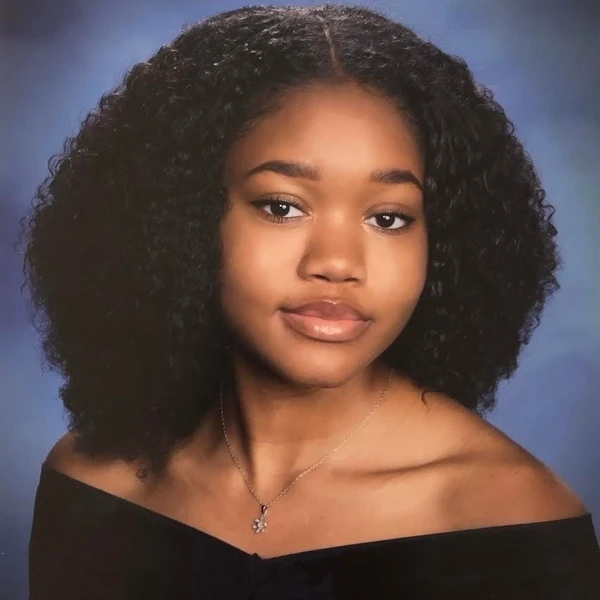
My path to physical therapy wasn’t through an injury or because of a family member in recovery; it was found through my own interest. I didn’t have any ties to physical therapy from personal experiences or relatives. As a young black woman, I saw the disconnect between my community and healthcare. Even so, I found a love for science and movement early on, through school projects, camps, and sports. I became aware of the physical therapy field through my research as a high school student. As I started reading about the field, it immediately piqued my interest, having everything I wanted in a career– a continuation of my knowledge of the human body, how it moves and heals, as well as an opportunity to use that knowledge to better the lives of others. My curiosity regarding physical therapy has not been hindered by my experiences. I believe this unwavering interest will allow me to continuously learn and grow as a provider.
From my limited knowledge of the field of physical therapy, I started seeking out as many experiences as possible. My high school had an internship program that allowed me to spend my afternoons volunteering at an outpatient clinic, where I got my first taste of what the profession was like. I interacted with a majority of older patients and had the opportunity to work on my patient communication skills with a group of people who were different from me. Going into college, I immediately looked for university-based opportunities. I was able to secure a position as a student athletic trainer for Men’s Lacrosse, eventually working my way up to the title of head student trainer. The patients there were different from my previous encounters. They were younger, wanted to be pushed to their limit, and received different treatments depending on their goals. I have continued to seek out diverse clinical experiences that have opened up my view of the profession and allowed me to interact with a diverse patient population. These include a range of settings from inpatient cardiopulmonary to outpatient neurology and a school. My unique experiences with so many different types of patients have allowed me to understand that every patient, whether older, an infant, or an athlete in their prime, has their own distinctive goals and needs.
Being a black woman in a healthcare setting also gives me a unique perspective that I believe I can bring to the profession to help me be successful. Unfortunately, in the black community, there are many stigmas around health. Whether it be physical or mental, both of which are important in physical rehabilitation, they are sometimes avoided or not talked about. The history of how our people have been treated medically has made some in our community fearful of seeking help. A lack of representation can make people feel unheard. I believe that seeing or speaking to a healthcare provider that you feel represented by is extremely important in helping to break some of these stigmas. Few physical therapists are black. I have learned how important trust is in rehabilitation, and personally understand the feeling of not being seen. Seeing a black medical provider, going to a historically black university, and playing sports with people who look like me all made a large positive impact on how comfortable I felt in each of those settings.
My main purpose in becoming a physical therapist is to give patients the opportunity to feel seen, relieved, and to improve their quality of life.