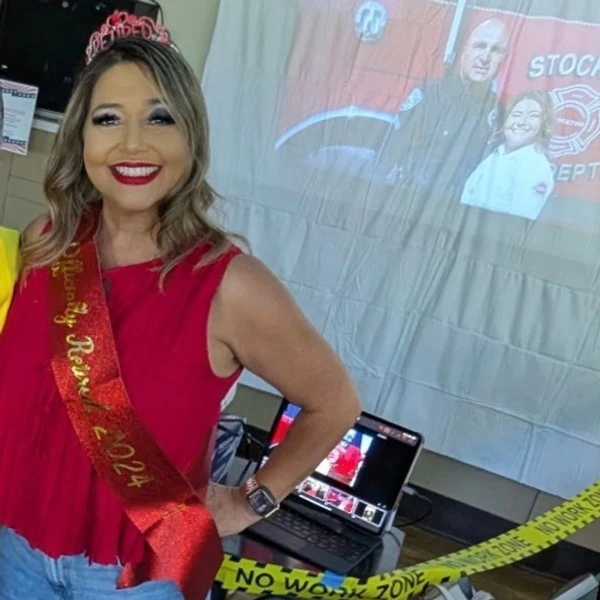
Mental health is deeply important to me because I know firsthand how silently it can affect every part of a person's life, For many years, I worked in public safety as a 911 dispatcher while my husband, Paul, served as a police officer and prior to that served 14 years in the United States Air Force. Together, we dedicated our lives to helping others during some of their worst moments. While serving our community was meaningful, the emotional toll of being first responders slowly began to affect both of us in ways we did not fully recognize at the time.
As a dispatcher, I was often the first voice people heard during emergencies, tragedies, and moments of crisis. Those calls do not simply disappear at the end of a shift. Over time, the stress, anxiety, and emotional weight followed me home. My husband experienced similar struggles through his work in law enforcement. Like many first responders, we were taught to stay strong, keep moving forward, bottle it up, and put everyone else first. However, mental health challenges do not disappear simply because they are ignored.
After retirement, I found myself struggling with depression, anxiety, and a loss of identity. For so long, my career had defined my purpose. Without it, I felt disconnected and emotionally exhausted. One of the most important things that helped me begin healing was returning to school later in life. Choosing to pursue my education became more than an academic journey; it became part of my mental health recovery. It gave me structure, motivation, confidence, and a renewed sense of purpose during one of the most difficult seasons of my life. I've been vocal about my struggles with mental health. I gave a speech at my retirement party requesting that everyone not be ashamed to talk about that bad call, or the children you had to remove from homes, don't bottle up your emotions. I advocate for mental health by encouraging honest conversations and reminding others that asking for help is not a weakness. I use any platform I can to preach the importance of mental health. I'm open with my story because I believe vulnerability helps others feel less alone.
As a student, I have learned that mental health is just as important as physical health. Students carry invisible burdens every day, including stress, financial pressures, family responsibilities, grief, anxiety, and self doubt.
Returning to school at this stage of my life has shown me that healing and growth are always possible. Mental health matters because people matter. No one should feel ashamed for struggling, especially those who have spent their lives helping others. My experiences have taught me the importance of resilience, support, and speaking openly about mental health so that others know they are not alone.