Hobbies and interests
American Sign Language (ASL)
Animals
Board Games And Puzzles
Child Development
Counseling And Therapy
Health Sciences
Reading
Adult Fiction
I read books multiple times per week
Veronica Cook
1x
FinalistVeronica Cook
1x
FinalistBio
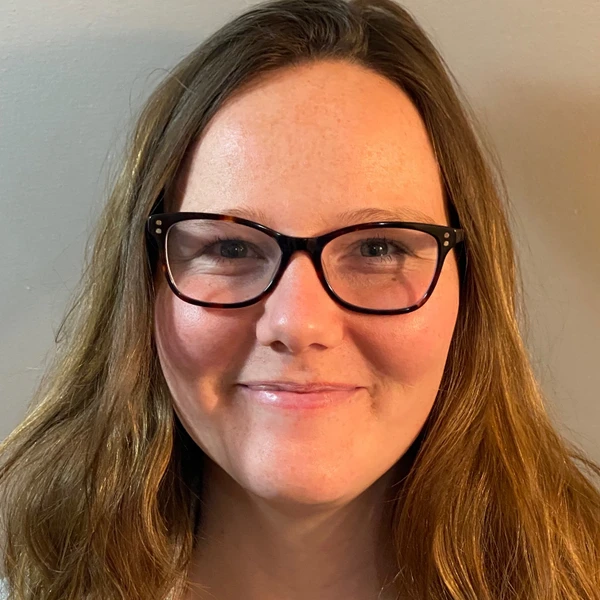
I am a licensed mental health counselor with a graduate degree in Clinical Psychology. I began my career in community-based mental health services, where I developed a strong foundation in serving diverse and high-need populations. I recently transitioned to private practice to allow greater flexibility in caring for my family. This shift has also enabled me to provide more personalized, flexible, and trauma-informed care to my clients, with a strong emphasis on person-centered approaches.
Education
Saint Michael's College
Master's degree programMajors:
- Clinical, Counseling and Applied Psychology
Norwich University
Bachelor's degree programMajors:
- Psychology, General
Miscellaneous
Desired degree level:
Graduate schools of interest:
Transfer schools of interest:
Majors of interest:
- Clinical, Counseling and Applied Psychology
Career
Dream career field:
Mental Health Care
Dream career goals:
Therapist
Betterhelp2023 – Present3 years
Sports
Field Hockey
Varsity2012 – 20153 years
Awards
- no
Research
Clinical, Counseling and Applied Psychology
Saint Michael's College — Researcher2019 – 2020
Arts
High school
Music2010 – 2014
Therapist Impact Fund: Legacy Loan Relief
1. Growing up in rural Vermont, I saw firsthand how trauma silently shaped the lives of those around me, and how stigma and a lack of mental health resources kept people from seeking help. The impact of unaddressed trauma was everywhere: in families, schools, and communities. Those early observations became the foundation for my commitment to trauma-informed care.
As a clinician, I work with individuals who have experienced complex trauma, often rooted in poverty, marginalization, and intergenerational cycles of harm. Many of my clients have never had the opportunity to process their experiences in a safe, supportive space. In traditional settings, I often found care constrained by politics, bureaucracy, and insurance limitations that made it difficult to center the client’s needs.
I found BetterHelp while navigating the limitations of designated agencies. It allowed me to offer trauma-informed therapy without gatekeeping. Clients don’t need a diagnosis to receive support, and they don’t have to jump through administrative hoops. BetterHelp makes therapy accessible to those who may be distrustful of traditional systems, whether due to past experiences, lack of transportation, or fear of judgment.
The flexibility of virtual care also helps create a safe environment where survivors of trauma can engage on their own terms. BetterHelp has allowed me to reach rural and underserved populations who otherwise might not access therapy at all.
Trauma impacts all aspects of a person’s life and healing requires consistent, equitable support. I’m proud to be part of a platform that reduces barriers and puts healing back into the hands of the people who need it most.
2. As a trauma-informed therapist, I hold space for the pain, resilience, and healing journeys of people who have endured profound adversity. But like many clinicians, I also carry the financial weight of student loans, and this burden can quietly affect my capacity to show up fully for my clients.
I chose this profession because I believe deeply in the importance of accessible and compassionate care. Yet at times, I’ve had to make difficult choices between taking on higher-paying roles or serving lower-income clients. That conflict is especially painful when working with individuals who have already experienced systemic harm or neglect.
This grant would help alleviate the financial stress of loan repayment, allowing me to maintain a sustainable caseload of clients who may not otherwise afford therapy. It would give me the freedom to continue offering sliding-scale rates and increase my availability on BetterHelp, where I can reach clients who need trauma-informed care but lack access through traditional means.
With this support, I could also pursue advanced training in trauma modalities like EMDR or somatic therapy: tools that are often transformative for survivors. Continued education is vital not just for my growth as a clinician, but for the long-term healing of the clients I serve.
By easing the financial burden, this grant would allow me to stay aligned with my values, grow my skillset, and continue walking alongside people as they reclaim their stories and rebuild their lives after trauma.