Hobbies and interests
Hiking And Backpacking
Reading
Health
I read books multiple times per week
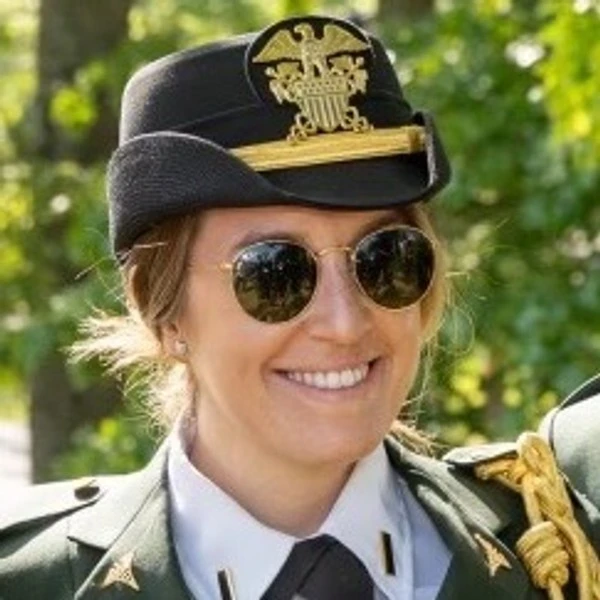
Vanessa Vaughan
1x
Finalist1x
WinnerVanessa Vaughan
1x
Finalist1x
WinnerBio
I am passionate about mental health, helping patients and coworkers worth through all of life’s struggles. Guiding others to the tools within their own arsenal to battle whatever life throws at them.
Education
Binghamton University
Master's degree programMajors:
- Registered Nursing, Nursing Administration, Nursing Research and Clinical Nursing
Capella University
Bachelor's degree programMajors:
- Registered Nursing, Nursing Administration, Nursing Research and Clinical Nursing
Suffolk County Community College
Associate's degree programMajors:
- Practical Nursing, Vocational Nursing and Nursing Assistants
Miscellaneous
Desired degree level:
Graduate schools of interest:
Transfer schools of interest:
Majors of interest:
- Registered Nursing, Nursing Administration, Nursing Research and Clinical Nursing
Career
Dream career field:
Alternative Medicine
Dream career goals:
Assistant nurse manager
Stony Brook medicine2020 – Present6 years
Sports
Track & Field
Varsity2014 – 2014
Research
Registered Nursing, Nursing Administration, Nursing Research and Clinical Nursing
Stony Brook Medicine — Team Leader2025 – 2025
Public services
Volunteering
South Country Ambulance — Lieutenant2019 – Present
Love Island Fan Scholarship
This challenge explores the gap between intention, perception, and behavior—a huge theme in relationships. Islanders often think they’re clear, caring, or secure… but their partner may experience something very different.
The challenge subtly tests:
Attachment styles (secure / anxious / avoidant)
Emotional attunement
Defensive vs reflective communication
Projection and assumptions
Ability to repair after discomfort
SETTING & VIBE
Islanders are split into couples, seated back-to-back in semi-private cabanas (can’t see each other).
Soft lighting, intimate atmosphere—less silly, more psychological.
Calm narrator tone (almost therapy-adjacent).
No phones, no banter from others—this feels serious.
PART 1: “WHAT I THINK I SHOW” (Self-Insight)
Each islander is asked 5 questions privately, recorded on camera.
Examples:
“When I’m upset, I believe I come across as…”
Calm
Honest
Withdrawn
Defensive
Direct
“In this couple, I think I’m the one who…”
Reassures more
Pulls away first
Tries to fix things
Avoids conflict
Needs reassurance
“When my partner needs space, I usually feel…”
Understanding
Anxious
Rejected
Relieved
Confused
“My biggest emotional strength in relationships is…”
“My biggest emotional blind spot is…”
These answers are not shared yet.
PART 2: “WHAT YOU EXPERIENCE” (Perception)
Now each islander answers the same questions about their partner.
Example:
“When my partner is upset, they come across as…”
“In this couple, my partner is the one who…”
This reveals mismatches between self-concept and lived experience.
💥 PART 3: THE REVEAL WALL
Couples stand side-by-side in front of a large digital board.
For each question, three things appear:
What Island A thinks they show
What Island B experiences
A short psych insight caption (not judgmental, but revealing)
Example caption:
“Difference between intention and impact can shape emotional safety.”
Or:
“Anxious pursuit vs. avoidant withdrawal often feel personal—even when they’re not.”
The host pauses after each reveal—awkward silences allowed
PART 4: THE REPAIR TEST (Most Important)
Each couple is given 90 seconds to respond to one mismatch.
Rules:
No interrupting
No defending intentions
You must start with:
“What I hear you saying is…”
This tests:
Reflective listening
Emotional regulation
Ability to tolerate discomfort
Willingness to repair vs deflect
Other Islanders watch quietly.
PART 5: THE WILDCARD QUESTION
Each couple gets one unexpected question, chosen based on earlier answers.
Examples:
“Who feels less secure in this relationship—and why?”
“What moment here triggered an old wound for you?”
“Who is more afraid of being abandoned vs. being controlled?”
They must answer together.
WINNER & CONSEQUENCES
Winning Couple (judged by Islanders + public vote):
Chooses one couple to send on a date OR
Chooses one islander to receive anonymous reassurance messages from the villa
Most Avoidant / Defensive Performance:
That islander must participate in a solo confessional challenge later:
“Three things I don’t say out loud—but should.”
WHY THIS IS PSYCH-HEAVY BUT STILL TV GOLD
No therapy jargon, but therapy dynamics
Exposes patterns without shaming
Creates:
Emotional intimacy
Resentment
Vulnerability
Breakthroughs and breakdowns
Viewers will diagnose attachment styles in real time
Priscilla Shireen Luke Scholarship
Service has never been something I added to my life when it was convenient. It has been the foundation of who I am for more than a decade. For the past eleven years, I have volunteered in emergency medical services, and even as I advance through graduate school, I have never been willing to give it up. EMS is where I learned how to show up for people on their worst days, and it continues to shape the way I understand service, community, and responsibility.
Volunteering in EMS has allowed me to give back in ways that extend far beyond medical care. I have responded to emergencies in living rooms, on highways, and in moments of quiet crisis that never make the news. I have sat with patients who were scared, confused, or alone, sometimes long after the medical emergency was over. Often, what they needed most was not a procedure or medication, but reassurance, dignity, and someone willing to listen. Those moments taught me that service is not just about action, but about presence.
Over the years, my role in EMS has grown. With experience comes responsibility, and I have taken pride in teaching new volunteers, mentoring younger providers, and helping create a culture of compassion and accountability. I believe that serving my community also means investing in the people who will continue that service long after my shift ends. Sharing knowledge, modeling calm under pressure, and emphasizing patient-centered care are ways I give back not just to individuals, but to the system that supports them.
Even as a graduate student, balancing coursework, clinical responsibilities, and personal life, EMS remains nonnegotiable for me. It keeps me grounded. It reminds me why I chose a career in healthcare in the first place. It challenges me to stay humble and adaptable, and it continually makes me a better provider. The diversity of patients, situations, and communities I serve has shaped my ability to connect with people from all backgrounds and to approach each person as more than a diagnosis or a problem to solve.
Looking forward, my goal is to expand the impact I already have. Through advanced training, I hope to serve patients not only in moments of crisis, but also through long-term, meaningful care. I am particularly passionate about serving vulnerable and underserved populations, advocating for patients who feel unheard, and addressing the gaps in care that leave people feeling abandoned by the system. I want to help shape healthcare environments where compassion and communication are valued as highly as clinical expertise.
Priscilla Shireen Luke’s legacy of service resonates deeply with me because I believe that a better world is built through consistent, selfless acts of care. I do not measure success by titles or status, but by the trust I earn from my community and the difference I make in individual lives. Service is not something I plan to do someday. It is something I live every day, and it is the path I will continue to follow as I work to leave the world better than I found it.
Issa Foundation HealthCare Scholarship
Medicine has a way of quietly dismantling the ideas you think you understand about competence and control. Early in my training, I believed that being a good clinician meant staying composed, following the plan, and moving efficiently from one task to the next. I thought that if I did my job well, patients would feel safe simply because the system was working. One experience in psychiatric care forced me to confront how incomplete that belief was and why advancing my education is not optional for me, but essential.
I was caring for a patient in acute psychiatric crisis who had been medically cleared and was awaiting inpatient transfer. Clinically, everything appeared complete. Yet the patient did not truly understand what was happening. When transport arrived and the involuntary nature of the transfer became clear, fear overwhelmed them. The situation escalated rapidly, involving security, crisis staff, and EMS. No one was physically harmed, but I remember standing there with a heaviness in my chest, aware that something fundamental had failed long before the escalation began.
What stayed with me was the painful realization that this was preventable. The medicine had been done correctly, but the patient had been left alone in their fear. No one had returned to sit with them, to explain the plan in a way they could absorb, or to acknowledge how terrifying it feels to lose autonomy. In that moment, I saw how easily efficiency can erase humanity, especially for psychiatric patients whose voices are often minimized.
I felt conflicted and unsettled. I was part of a system that prioritized movement over meaning, and I questioned my own silence. As I worked to de escalate the situation, speaking calmly and trying to preserve dignity even when safety measures were required, I felt a deep sense of responsibility. I realized that I wanted to be more than someone who carries out decisions made by others. I wanted to be someone with the knowledge, authority, and responsibility to slow things down, to explain, to advocate, and to change the outcome before fear takes over.
That moment clarified my motivation for graduate study. I am not pursuing advanced training for money, titles, or status. I am pursuing it because I want to help in a way that truly matters. I want to understand patients deeply enough to anticipate their fear. I want the clinical expertise to make sound decisions and the human insight to communicate them with compassion. I want to be able to sit with patients in their most vulnerable moments and ensure they are not treated as problems to be moved, but as people to be cared for.
This experience reshaped how I see myself in medicine. I learned that composure is not emotional distance, but presence. I learned that advocacy often begins before a crisis, in quiet conversations and thoughtful explanations. Most importantly, I learned that healing requires trust, and trust is built through honesty, patience, and respect.
Graduate study represents my commitment to becoming the kind of medical professional I needed to be in that moment and could not yet fully be. I am driven by a genuine desire to help patients feel seen, heard, and safe. Medicine is demanding and humbling, but it is also a privilege. I am choosing this path because I believe that when knowledge is paired with compassion, it has the power to change not just outcomes, but lives.
Women in Healthcare Scholarship
I chose to pursue a degree in healthcare because I have seen, firsthand, how deeply health and illness shape the lives of individuals, families, and entire communities. Through my experiences working both in the hospital and on the ambulance, I have witnessed people at their most vulnerable moments. In those moments, healthcare professionals are not only providers of medical treatment, but sources of safety, reassurance, advocacy, and hope. Being able to offer that level of care and support is what initially drew me to healthcare, and it is what continues to motivate me to grow within this field.
My decision to pursue an advanced degree in healthcare is rooted in a desire to create meaningful change, particularly in the area of mental health. I have seen how untreated mental health conditions complicate medical care, increase hospitalizations, and strain families and communities. I have also seen how stigma and lack of access prevent people from seeking help until they are already in crisis. These experiences have made it clear to me that healthcare must address both physical and mental well being in an integrated, compassionate way. By advancing my education, I hope to expand my ability to advocate for patients, improve continuity of care, and contribute to systems that treat mental health with the same urgency and respect as physical illness.
As a woman in healthcare, I recognize both the challenges and the responsibility that come with this role. Historically, women have had to overcome barriers to education, leadership, and recognition despite being the backbone of the healthcare workforce. I am driven to not only succeed academically and professionally, but to help create spaces where women are supported, heard, and empowered. I believe women bring invaluable strengths to healthcare, including empathy, collaboration, communication, and resilience. These qualities are essential to patient centered care and to the advancement of healthcare as a whole.
I hope to make a positive impact by leading with compassion and integrity while advocating for patients who are often overlooked or misunderstood. I want to serve as a role model for other women pursuing healthcare careers by demonstrating that ambition and empathy can coexist. I also hope to mentor and support future students and colleagues, particularly women balancing demanding careers, education, and personal responsibilities.
Pursuing a degree in healthcare requires significant financial and personal sacrifice, yet the opportunity to make a difference makes that commitment worthwhile. This scholarship would support my educational journey and allow me to continue pursuing my goals without compromising my well being. Ultimately, my ambition is to contribute to a more inclusive, compassionate, and accessible healthcare system. As a woman in healthcare, I am committed to using my education, voice, and experience to improve outcomes for patients and to help shape a stronger future for the communities I serve.
Ella's Gift
Mental health and substance use have shaped my life both personally and professionally. They have challenged me, humbled me, and ultimately strengthened my resolve to grow, heal, and serve others with empathy and purpose. My journey has not been linear, but it has been defined by resilience, reflection, and an unwavering commitment to becoming better than I was yesterday.
I have witnessed the impact of mental health and substance use disorders from multiple perspectives. Personally, I have navigated periods of emotional struggle, burnout, and secondary trauma that often accompany high stress caregiving roles. Professionally, I work in both hospital and prehospital settings, where I regularly encounter individuals facing addiction, depression, anxiety, and crisis. Over time, these experiences forced me to confront my own limits and recognize that strength does not come from pushing endlessly forward, but from learning how to care for myself with the same intention I show others.
Early in my career, I believed that resilience meant endurance alone. I worked excessive hours, ignored warning signs of emotional exhaustion, and minimized my own needs in order to keep functioning. Eventually, I realized that without balance and support, even the most passionate commitment can become unsustainable. Acknowledging this was a turning point. I began actively prioritizing mental health through boundaries, therapy, reflection, and honest conversations with trusted peers. That decision marked the beginning of meaningful personal growth and a healthier relationship with my work and myself.
These experiences have deepened my understanding of recovery as an ongoing, intentional process rather than a single achievement. I have learned that recovery requires self awareness, accountability, and a willingness to seek help when needed. I maintain my mental health by engaging in therapy, practicing stress management techniques, setting firm limits around work demands, and staying connected to a strong support system. I also recognize the importance of purpose and fulfillment in recovery, which is why continuing my education is such a critical part of my journey.
Academically, I am pursuing an advanced degree in nursing with a focus on mental health. My goal is to become a provider who bridges the gap between crisis care and long term support. Through my education, I am developing the clinical knowledge, leadership skills, and evidence based foundation needed to advocate for patients who are often overlooked, misunderstood, or stigmatized. I am especially passionate about supporting individuals with co occurring mental health and substance use disorders, as I have seen how fragmented systems and lack of continuity can perpetuate cycles of relapse and crisis.
Ella’s story deeply resonates with me. Her determination, her drive to be better, and her desire to help others despite her own struggles reflect the courage I see every day in patients and peers fighting for recovery. Like Ella, many individuals with mental health and substance use challenges are far more than their diagnoses. They are talented, driven, loving, and full of potential. This scholarship represents not only financial support, but a powerful affirmation that resilience and growth deserve to be recognized and nurtured.
My plan for continuing recovery is rooted in sustainability. I am committed to maintaining balance as I advance academically and professionally by continuing therapy, engaging in reflective practice, and remaining honest about my limits. I will continue to seek mentorship, lean on my support system, and prioritize rest and well being alongside ambition. I also plan to give back by mentoring others in healthcare and education who may be navigating similar challenges, reinforcing the idea that success and recovery can coexist.
This scholarship would support my educational goals while honoring the spirit of perseverance and hope that Ella embodied. I strive to carry that same fighting spirit forward, not through competition alone, but through compassion, growth, and a lifelong commitment to healing.
ADHDAdvisor Scholarship for Health Students
I have spent much of my career supporting the mental health of others, through my work in the hospital and on the ambulance. In these settings, I regularly encounter individuals experiencing acute mental health crises, including anxiety, depression, substance use, psychosis, and suicidal ideation. Often, these moments occur during some of the most frightening and vulnerable points in a person’s life. My role has required me to remain calm, grounded, and compassionate while helping patients feel safe, heard, and respected. On the ambulance, mental health support often begins before any medical intervention. I have learned that tone, body language, and presence can dramatically influence how a patient responds. I take time to listen, avoid judgmental language, and explain each step of care to reduce fear and agitation. I have deescalated situations by validating emotions, offering reassurance, and building trust in environments that are chaotic and unpredictable. Even when transport is brief, I strive to leave patients feeling less alone and more supported than when I arrived. In the hospital, I support patients whose mental health needs intersect with complex medical conditions. I frequently care for patients on suicide precautions or those whose anxiety, withdrawal, or untreated psychiatric illness interferes with their ability to engage in care. I advocate for appropriate psychiatric consults, collaborate with interdisciplinary teams, and spend time educating patients and families to help them understand diagnoses and treatment plans. I also support families who are overwhelmed, grieving, or struggling to cope, recognizing that mental health care extends beyond the patient alone. Beyond direct patient care, I often serve as a source of emotional support for colleagues. Healthcare is emotionally demanding, and I make a point to check in on coworkers after difficult cases, encourage open conversations about burnout, and seeking help. Creating a supportive environment for those providing care is just as important as caring for patients themselves.Through my studies and future career, I plan to deepen my ability to emotionally support others by gaining advanced training in mental health assessment, therapeutic communication, and evidence based interventions. I hope to work in a role that allows for continuity of care, where I can build long term relationships and support individuals beyond moments of crisis. My goal is to reduce stigma, promote resilience, and ensure that people feel seen and supported. By combining clinical expertise with empathy and advocacy, I plan to continue helping others navigate their mental health
Community Health Ambassador Scholarship for Nursing Students
I want to pursue an advanced degree in nursing because mental health is not just an area of interest for me, it is the foundation of why I chose healthcare and why I continue to do this work. Through my experiences both in the hospital and on the ambulance, I have seen how deeply mental health impacts patients long before it is formally recognized or adequately treated. These experiences have shaped my perspective as a nurse and fueled my desire to gain advanced clinical training so I can make a greater and more sustainable impact on the individuals and communities I serve.
In the prehospital setting, I have responded to countless calls involving psychiatric emergencies. I have cared for patients experiencing severe anxiety, psychosis, suicidal ideation, substance use related crises, and acute emotional distress. Many of these calls are not isolated events. I have returned to the same patients repeatedly because the underlying mental health needs were never fully addressed. I have seen how fear, stigma, and limited access to mental health resources leave people trapped in cycles of crisis. In those moments, my role has often been to slow things down, create a sense of safety, and treat the person in front of me with dignity and compassion. While that care matters, I have also felt the frustration of knowing that once the immediate crisis passes, the system often fails them.
In the hospital setting, mental health challenges are just as present, though they often appear in more subtle ways. I frequently care for patients admitted for medical issues whose hospital course is complicated by depression, anxiety, withdrawal, or untreated psychiatric illness. I have seen patients refuse necessary treatments because they are overwhelmed, distrustful, or unable to cope emotionally. I have cared for patients on constant observation for suicide risk while simultaneously managing complex medical needs. These experiences have reinforced for me that mental health cannot be separated from physical health. When mental health needs are not addressed, healing is delayed and outcomes suffer.
One experience that has stayed with me involved a patient who was frequently brought to the emergency department for intoxication and aggressive behavior. Over time, I learned more about his history of trauma, homelessness, and untreated mental illness. During one admission, I took the time to speak with him when he was calm, explain his diagnoses, and discuss available resources. His demeanor shifted completely. He told me no one had ever taken the time to explain things to him before. That interaction highlighted both the power of compassionate communication and the limitations of my current role. It made me want to be a provider who can offer continuity, education, and long term support rather than just crisis management.
Pursuing an advanced degree in nursing will allow me to expand my scope of practice and advocate for patients in more meaningful ways. I hope to contribute to my community by helping bridge the gap between emergency services, inpatient care, and ongoing mental health treatment. I want to help reduce stigma, promote early intervention, and support patients before they reach a breaking point.
Ultimately, I want to serve my community as a nurse with advanced training who understands mental health from both a clinical and human perspective. By combining my frontline experience with advanced education, I hope to improve access to care, strengthen patient outcomes, and be a steady source of support for individuals during some of the most vulnerable moments of their lives.
Sabrina Carpenter Superfan Scholarship
I am a fan of Sabrina Carpenter because her career represents growth, authenticity, and confidence earned through hard work. I have followed her evolution from a young performer navigating the industry to a fully realized artist who owns her voice, sound, and identity. Watching that progression has been genuinely inspiring.
What resonates most with me is how she has embraced reinvention without losing herself. Sabrina’s music reflects emotional honesty, humor, and self awareness. Her more recent work feels unapologetic and self assured, especially in how she addresses relationships, boundaries, and self worth. She is not afraid to be playful or vulnerable, and that balance makes her music feel relatable and empowering rather than performative.
Her career has also impacted me because she is a reminder that success does not have to be immediate to be meaningful. She spent years building her craft, learning from criticism, and continuing forward even when recognition came slowly. That persistence mirrors my own professional journey, where growth has come from consistency, resilience, and staying true to why I started rather than chasing quick validation.
Beyond the music itself, I admire how she carries herself publicly. She appears grounded, confident, and comfortable taking up space without over explaining herself. That energy is motivating and serves as a reminder that confidence can be quiet, earned, and intentional.
Overall, Sabrina Carpenter’s career has impacted me by reinforcing the value of patience, self trust, and evolution. She shows that it is possible to grow into yourself on your own timeline, and that embracing who you are, even when it changes, can be both powerful and rewarding.
Jean Gwyn Memorial Student Loan Repayment Scholarship for Oncology Nurses
My journey into oncology nursing began long before I ever entered the profession. When I was a child, my one year old sister was diagnosed with retinoblastoma. At a time when most families are focused on milestones and growth, my family was suddenly immersed in hospital visits, cancer treatments, and constant uncertainty. I witnessed firsthand the profound impact oncology nurses had not only on my sister’s care, but on my parents as they navigated fear, grief, and hope simultaneously. The compassion, consistency, and humanity those nurses demonstrated left a lasting impression on me and planted the seed for the career I would one day pursue.
That experience ultimately led me to oncology nursing. I currently work as an oncology nurse at a large academic medical center, where I care for patients throughout the cancer continuum, from diagnosis and active treatment to symptom management and end of life care. Each day, I am reminded of my sister’s journey and of the nurses who supported my family during one of the most difficult times of our lives. That personal connection continues to inspire my practice and motivates me to provide the same level of compassionate, patient centered care to my patients and their families.
One of the most meaningful aspects of oncology nursing for me is the relationships I build with patients over time. Cancer care is rarely a single encounter. Patients return repeatedly for treatment, follow up, and support, and trust naturally develops. I have shared moments of celebration when treatment is successful and moments of deep sorrow when outcomes are not what we hoped for. These experiences have shaped my approach to care by reinforcing the importance of addressing emotional and psychological needs alongside physical symptoms. I strive to listen without rushing, acknowledge fear and uncertainty, and provide a steady presence during overwhelming moments. Often, simply being present and truly listening is one of the most powerful interventions I can offer.
Oncology nursing presents unique challenges. The emotional weight of caring for patients facing life threatening illness can be heavy, and witnessing suffering and loss can take a toll over time. Despite these challenges, the rewards are profound. It is a privilege to support patients and families during some of the most vulnerable moments of their lives. Being able to advocate for comfort, dignity, and compassionate care gives my work deep meaning and purpose.
Loan repayment support would play a critical role in allowing me to continue this work in a sustainable way. While I genuinely enjoy my job and feel fulfilled by caring for oncology patients, the financial burden of student loans often requires me to work excessive overtime. Over time, this increases the risk of burnout and emotional exhaustion. Loan repayment assistance would reduce that financial strain and allow me to work in a way that is healthier and more balanced. I know that I provide my best care when I am not financially overwhelmed and physically exhausted. This support would help me remain present, engaged, and emotionally available for my patients, which ultimately leads to better care and long term retention in oncology nursing.
Oncology nursing is not just a career for me, it is deeply personal. My sister’s diagnosis shaped my perspective at a young age, and my patients continue to shape the nurse I am today. With the support of loan repayment assistance, I am committed to continuing this important work with compassion, resilience, and dedication.
Taylor Swift Fan Scholarship
Taylor Swift’s twelfth studio album, The Life of a Showgirl, captures the heart of what it means to live a life in the spotlight. It honors the grit, the vulnerability, the theatricality, and the constant evolution required to sustain a career built on storytelling. I have been a devoted Taylor Swift fan for as long as I can remember. My love for her music began in 2006 when I first heard “Tim McGraw” on the small Hello Kitty radio my parents had given me. I was young, but even then I sensed something honest and comforting in her voice. I carried that feeling with me into adulthood, and it has shaped the way her work resonates with me today.
Among all the performances I have watched over the years, one moves me above all others. Her ERAS Tour show in New York felt like much more than a concert. It felt like witnessing a woman reclaim every version of herself in front of thousands of people. She stood on that stage and honored her past, her present, and the woman she continues to become. Each era was performed with intention, pride, and a level of emotional presence that made the entire stadium feel electric.
I was in complete awe of her stamina. She performed forty four songs for three straight hours, barely pausing, and never once losing the spark that makes her such a generational performer. It was as if she poured every part of her history into that night. The glitter, the sweat, the choreography, the storytelling, the delicate details woven into her transitions and costuming all created an immersive world that reminded me why so many people feel seen by her. She carried the weight of her entire career in those moments and yet somehow made it look effortless.
Her dedication to theater and entertainment left a deep imprint on me. Behind the scenes clips later confirmed what the performance already showed. Her discipline is unwavering. Her determination is unmatched. She repeatedly chooses to give more of herself than anyone expects. As I watched her I felt a renewed sense of possibility in my own life. Her fearlessness and consistency reminded me that dreams do not flourish by accident. They require commitment, authenticity, and the willingness to keep showing up even when it feels hard.
The New York ERAS performance became a defining moment for me. It reminded me to honor my own eras with the same compassion and courage she displays onstage, and to believe that reinvention is not only allowed but beautiful.
Elizabeth Schalk Memorial Scholarship
Mental illness has shaped nearly every part of who I am, how I cope, how I show up for others, and ultimately, why I chose to pursue psychiatric mental health. Growing up, I always knew my mother struggled with something heavy, but it wasn’t until I was a freshman in college that I learned she had been diagnosed with bipolar disorder years earlier. For most of my life, I misunderstood her symptoms as unpredictability, sadness, or exhaustion. I didn’t have the words to describe what I was seeing, and I certainly didn’t understand why she was hospitalized so often. All I knew was that I loved her deeply and wanted to help, even when I felt helpless myself. Once I began studying nursing and learning about psychiatric medications, mood disorders, and crisis stabilization, everything that once confused me started to make sense. Suddenly, the missed holidays, the nights she disappeared into her room, the sudden bursts of energy followed by weeks of silence, these patterns weren’t personal. They were symptoms, and they had been shaping our family long before I understood their name. That realization didn’t erase the pain or the instability of those years, but it transformed it. I saw an illness that deserved understanding, not shame. My mother’s hospitalizations left me feeling torn between fear and loyalty. I wanted to protect her, but I also wanted stability, clarity, and predictability things mental illness often steals from families. Watching her cycle through medications, struggle to maintain routines, and rebuild her life after each episode opened my eyes to how misunderstood mental health conditions are. It is easy for outsiders to judge, to label someone as “difficult,” “lazy,” or “dramatic.” When you love someone with mental illness, you learn quickly that it is not a character flaw it is a medical condition that requires compassion. Her journey lit a fire in me long before I ever had the words for it. I became the one who learned about her medications, asked questions during her transitions of care, and tried to bridge the communication gap between her providers and our family. I wanted to understand what she was experiencing so I could support her in a way that was meaningful. That desire eventually grew into a calling. Today, I am pursuing my psychiatric-mental health nurse practitioner degree with a drive rooted in lived experience. I know what it is like to sit in a waiting room not knowing how your loved one is doing. I know the fear of wondering whether this hospitalization will finally bring stability or be the start of another unpredictable chapter. These experiences have strengthened my empathy, and confirmed that mental health is where I belong. My passion for this field goes beyond academics. It is about helping families understand the illnesses that shape their lives. It is about giving patients dignity, validating their symptoms, and offering therapeutic support that my mother often did not receive. It is about breaking the cycle of silence that kept me confused for so long. I want to be the provider who listens, who teaches, who advocates, and who reminds patients and families that mental illness does not diminish a person’s worth. My mother’s bipolar disorder brought challenges, uncertainty, and heartbreak, but it also gave me purpose. It taught me a deep, unwavering compassion for those living with mental illness. Her journey pushed me into the field that I love, and it continues to guide the kind of clinician I strive to become. This scholarship would honor not only my educational goals but also the woman whose struggles inspired them.
Begin Again Foundation Scholarship
Sepsis is more than a medical diagnosis to me it is a deeply personal loss, a turning point, and the beginning of my ambition to create meaningful impact in healthcare. I lost my grandmother to sepsis, and the pain of that experience reshaped the way I understand life, illness, and the responsibilities we hold as clinicians. The speed of her decline, the rushed explanations, and the helplessness my family felt left a lasting mark. That loss ignited the drive I carry with me every day as a nurse and as a student pushing toward advanced practice.
My grandmother’s death happened at a time when I didn’t yet understand the complexities of sepsis. I watched my family try to make sense of vague terminology, inconsistent updates, and medical decisions that seemed to move faster than we could emotionally process. That confusion is something many families experience, because sepsis remains both loosely defined and rapidly evolving. Even today, it can feel terrifying and unpredictable. It affects 1.7 million people in the U.S. every year and claims 350,000 lives, leaving behind survivors who face long-term complications and families forever changed. My own family is part of that statistic, and that loss fuels my ambition to make sure that no one feels as uninformed or unsupported as we did.
As a nurse, I carry my grandmother’s memory into every room. I hold patients’ hands when they are scared. I stand beside families trying to understand what is happening to someone they love. Working in critical care has allowed me to witness the complexity of sepsis from the clinical side how quickly it escalates, how essential communication is, and how devastating the outcomes can be when misunderstandings occur. My drive comes from wanting to be the person who closes those gaps. Sepsis often presents with vague symptoms and requires rapid, coordinated action. In those chaotic moments, fear grows when clarity is missing. I make it my responsibility to slow the moment down for patients and their families, to translate medical terminology into something human, and to ensure they feel seen and supported.
That work, those conversations, those hands I hold, are the foundation of the impact I hope to create on a larger scale one day. My ambition goes beyond the bedside. Pursuing higher education is part of my commitment to becoming a provider who can diagnose early, intervene quickly, and guide families with compassion and clarity. I want to be able to advocate effectively, recognize subtle signs sooner, and prevent the delays or miscommunications that cost my grandmother her life. My drive to grow academically and professionally is rooted in wanting to prevent that pain for others. Losing my grandmother to sepsis was one of the deepest hurts I’ve ever experienced, but it also shaped the future I’m building. It taught me that impact in healthcare is not just about clinical skill; it is about communication, empathy, and the willingness to stand beside families during their most vulnerable moments. It pushed me to hold myself to a higher standard, to pursue advanced practice, and to dedicate my work to those who are suffering the way my family once did. The My ambition, drive, and desire to create lasting impact come from a place of love, loss, and unwavering commitment to the patients and families who trust me in their hardest moments. Through this scholarship, I hope to honor my grandmother by becoming the kind of provider who makes a difference one who brings understanding, comfort, and hope to people facing the frightening reality of sepsis.
A Man Helping Women Helping Women Scholarship
I joined my local volunteer ambulance company at eighteen, not knowing that it would become the place that shaped my identity, my confidence, and my future career. EMS is a space that has always been dominated by men, and stepping into that world as a young woman required strength that I did not yet realize I had. Over the past ten years, I worked my way up from a new volunteer to becoming the only female lieutenant in my company. Earning that role taught me that leadership is not defined by age or appearance, but by consistency, knowledge, and the ability to support and guide others with clarity and purpose.
Being the only woman in a leadership position has pushed me to develop a strong and steady presence. I learned how to speak with authority in rooms where I was often the youngest and the only female voice. I learned how to lead crews during emergencies, how to make critical decisions under pressure, and how to remain composed when others looked to me for direction. My leadership does not rely on force. It relies on skill, communication, and an understanding that people perform their best when they feel respected and supported. Over time, my coworkers began to trust my judgment not because I demanded it but because I consistently showed them that I earned it.
One of the most meaningful aspects of my role is mentoring new female volunteers. Many come into the company unsure of themselves, hesitant to speak up, or worried that they will not be taken seriously. I recognize that feeling, because I experienced it myself. I make a point to stand beside them, encourage their growth, and remind them that there is space for them to lead. Representation matters, and I want women who walk into our building to see leadership that looks like them. Guiding the next generation of women in EMS is one of the most rewarding parts of my work, and it motivates me to continue breaking barriers.
My nursing career has been shaped by the same values. On my medical surgical unit, I strive to be a supportive presence for patients and a reliable resource for my team. Nursing requires emotional intelligence, communication, and the ability to lead through compassion, and these are qualities I have built through years of responding to emergencies and guiding others. As I pursue my graduate degree as a psychiatric mental health nurse practitioner, I hope to continue being an example of strong female leadership in healthcare. My goal is to create environments where patients feel understood and where women feel empowered to grow, lead, and use their voices with confidence.
I want to use my career to make a difference by advocating for mental health, by supporting vulnerable populations, and by uplifting other women who want to enter healthcare fields. This scholarship would support my ability to continue advancing my education, strengthening my leadership, and serving as a role model for the women who come after me.
Sandy’s Scholarship
My path toward nursing—and now psychiatric-mental health—began long before I ever stepped into a hospital. At eighteen, I joined my local volunteer ambulance company. What I thought would be a small act of community service quickly became the foundation of my identity. Over the past ten years, that building, those crews, and the countless patients I met in the back of an ambulance shaped my values long before I knew I would become a nurse. EMS taught me to be calm in chaos, to meet people on their worst days with steadiness, and to recognize how deeply mental health intersects with every medical emergency, every family dynamic, and every moment of human vulnerability.
Some of the people who influenced me most were not patients, but the volunteers who had served for decades. The men and women with forty years in EMS taught me that caregiving is not just a skill—it is a way of life. They showed me that the truest form of resilience comes from humility, teamwork, and the willingness to keep learning no matter how long you’ve been in the field. As I’ve grown, I’ve become a mentor myself, guiding new volunteers through their first calls, helping them understand not just what to do clinically, but how to show up for people with compassion and presence. Teaching others has reinforced my belief that we rise by lifting one another, both in healthcare and in life.
My passion for mental health deepened during my years as an RN on a busy medical-surgical floor. I quickly realized that every patient, regardless of their diagnosis, brings emotional and psychological needs that require just as much attention as their physical symptoms. I saw how anxiety, grief, trauma, and chronic stress can shape recovery, complicate treatment plans, and influence a patient’s willingness to trust their providers. These experiences pushed me toward pursuing psychiatric-mental health nursing, where I could blend my EMS roots—meeting people in crisis—with the therapeutic relationships that nursing uniquely provides. I became passionate about helping patients feel seen, safe, and understood, especially when their suffering isn’t visible on a scan or lab result.
Outside of nursing, my greatest joy and grounding force comes from the same community that first sparked my career: the ambulance corps. Volunteering is no longer just something I do—it is where I’ve grown up, built lifelong friendships, and learned the value of service without expectation. It is also where I met my fiancé, who shares the same commitment to helping others and understands the unique lifestyle, pressures, and fulfillment that come with this work. Being part of EMS continues to give me balance, purpose, and a sense of belonging that carries me through the demands of nursing and graduate school.
Whether in the back of an ambulance, at the bedside, or in the classroom, my journey has always been guided by the same core belief: people deserve to be cared for in the fullest sense—physically, emotionally, and mentally. Nursing allows me to live that value every day. Psychiatric-mental health nursing allows me to expand it further. And the passions I carry outside of the hospital keep me grounded in who I am beyond the scrubs: a mentor, a volunteer, a partner, and someone committed to showing up for others with empathy and purpose.
Deanna Ellis Memorial Scholarship
My path toward nursing and psychiatric mental health began the day I joined my local volunteer ambulance company at eighteen. What I expected to be a simple way to give back to my community became the foundation of my identity. For the past ten years, EMS has shaped the way I understand people, suffering, resilience, and the complexity of human behavior. It taught me how to stay present in chaos, how to communicate with people during their most vulnerable moments, and how emotional wellbeing influences every medical situation.
One of the most defining parts of my EMS experience involved caring for patients struggling with substance abuse. I responded to calls involving alcohol intoxication, opioid overdoses, withdrawal symptoms, and the long term medical consequences of addiction. What affected me most were not the clinical emergencies themselves but the emotional stories behind them. I met people who used substances to cope with trauma, loss, untreated mental health conditions, and overwhelming fear. I cared for individuals who wanted help but did not know where to start, and families who were exhausted from trying to support someone who was suffering. These experiences showed me that substance abuse is not a sign of weakness but a sign of pain. They taught me that addiction and mental health are inseparable and that no one heals when they are judged. This understanding guides the way I care for patients and influences my commitment to psychiatric mental health nursing.
The volunteers who had been serving in EMS for decades also shaped my values. They showed me that caregiving is not simply a skill but a lifestyle built on humility, teamwork, and continuous learning. They taught me that the most meaningful part of this work is how you make people feel. As I grew within the company, I began mentoring new members. I taught them not only clinical steps but how to approach patients with genuine respect. Helping someone remain calm, preserving their dignity, and listening closely often mattered more than any specific intervention. Mentoring others reinforced my belief in lifting people up and supporting them through difficult moments, both in EMS and in life.
My passion for mental health deepened as I transitioned into nursing. Working as an RN on a busy medical surgical floor showed me how emotional distress, trauma, grief, and chronic stress influence physical healing. Many patients struggled not only with their diagnoses but also with anxiety, fear, and feelings of being overwhelmed. I realized that successful care requires attention to the whole person. I became committed to helping patients feel seen, understood, and safe, especially when their struggles were invisible to others. These experiences strengthened my desire to advance into psychiatric mental health nursing, where I can combine my EMS roots with the therapeutic connections that nursing fosters.
Outside of work, the ambulance company remains an important part of my life. It is where I grew up as a young adult, where I found lifelong friends, and where I met my fiancé, who shares the same commitment to serving others. The community I found there keeps me grounded and reminds me of the importance of compassion, patience, and teamwork. Whether I am responding to an emergency, caring for a patient at the bedside, or studying in graduate school, the same belief guides me. Every person deserves care that acknowledges both their physical and emotional needs. My experiences in EMS and nursing have shaped me into someone who values empathy, stability, and meaningful connection.
MJ Strength in Care Scholarship
My path toward nursing and psychiatric mental health began long before I ever stepped into a hospital. At eighteen, I joined my local volunteer ambulance company. What I thought would be a small act of community service quickly became the foundation of my identity. For the past ten years, that building, those crews, and the countless patients I met in the back of an ambulance have shaped my values in ways I did not expect. EMS taught me how to remain steady in chaotic moments, how to meet people on their worst days with calm and respect, and how deeply emotional wellbeing influences every medical emergency and every moment of human vulnerability.
Some of the people who influenced me most were the volunteers who had been serving for decades. The men and women with forty years in EMS taught me that caregiving is not only a learned skill but a way of life. They showed me that resilience comes from humility, teamwork, and the willingness to keep learning no matter how long you have been involved in the field. As I gained experience, I became a mentor to new volunteers. I helped guide them through their first calls and encouraged them not only to learn clinical skills but also to understand the importance of genuine presence and compassion. Teaching others reinforced my belief that we grow when we lift one another up and support each other in meaningful ways.
My passion for mental health strengthened as I spent more time working as an RN on a busy medical surgical floor. I quickly realized that every patient brings emotional and psychological needs that require attention alongside their physical symptoms. I saw how anxiety, grief, trauma, and chronic stress could affect recovery and influence a patient’s willingness to trust their providers. These experiences motivated me to pursue psychiatric mental health nursing, where I could combine the crisis response skills I learned in EMS with the therapeutic relationships that nursing supports. I became committed to helping patients feel understood and supported, especially when their struggles are not visible on a scan or lab result.
Outside of nursing, the ambulance company continues to bring me joy, purpose, and a grounding sense of community. Volunteering is no longer something I simply participate in. It has become a place where I have built lifelong friendships and where I feel deeply connected to the people around me. It is also where I met my fiancé, who shares the same commitment to serving others and understands the unique pace, responsibility, and fulfillment that come with EMS work. Spending time there keeps me balanced and reminds me why I chose a career that centers on helping others.
Whether I am in the back of an ambulance, caring for a patient at the bedside, or pushing myself academically, the same guiding belief remains at the center of my journey. People deserve to be cared for fully, with attention to both their physical and emotional needs. Nursing allows me to live out that belief each day, and psychiatric mental health nursing allows me to deepen it. The passions I carry outside the hospital remind me that I am a caregiver, a mentor, a volunteer, a partner, and someone who finds purpose in being present for others.
Skin, Bones, Hearts & Private Parts Scholarship for Nurse Practitioners, Physician Assistants, and Registered Nurse Students
Pursuing advanced nursing education is more than a career goal for me. It is the result of resilience, purpose, and a deep commitment to serving others through compassionate mental health care. My journey to becoming a Psychiatric Mental Health Nurse Practitioner has been shaped by adversity and determination, and by an unwavering belief that my experiences can be transformed into meaningful change for the patients I hope to serve.
My motivation to continue my education comes from the challenges I faced while completing my nursing degree. During that time, I experienced homelessness and spent many nights studying in my car or looking for temporary places to stay. There were days when simply getting through the next twenty four hours felt like a victory, yet I continued to focus on my dream of becoming a nurse. I attended clinicals even when I was unsure of where I would sleep that night. I took exams while coping with exhaustion and uncertainty. Still, I showed up for my patients because nursing gave me purpose and direction during moments when everything else seemed unstable. That period of my life taught me perseverance, humility, and the power of hope. Those lessons are now a core part of the way I care for others.
Becoming a Nurse Practitioner, and especially a PMHNP, is the natural next step in the values I developed during those difficult years. I know what it feels like to be overlooked or misunderstood, and I want to be the provider who listens carefully and advocates for individuals whose voices are often ignored. Mental health care is a place where people reveal their deepest struggles. I want to meet them with compassion that comes not only from clinical training but also from personal experience. My past gives me a unique sense of empathy, and it strengthens my dedication to providing trauma informed and patient centered care.
I am also motivated by the trust and respect that advanced practice nurses carry. When people see a Nurse Practitioner, they often see a person who represents knowledge, stability, and professionalism. I want to be that steady presence for my patients. The title reflects years of sacrifice and growth, and for me it will also reflect the truth that my circumstances did not determine my future. Earning this degree will be evidence that determination can overcome hardship and that my story can inspire hope for others who are struggling.
As PMHNP, I want to expand access to mental health services for individuals who face significant barriers to care. I hope to work with people who are dealing with homelessness, trauma, and financial challenges, because I understand how those experiences shape a person’s sense of safety and dignity. I want to be part of the solution for communities that are underserved and often overlooked. My long term goal is to contribute not only as a clinician but also as an advocate for accessible and equitable mental health resources.
Receiving this scholarship would help me continue my education with the focus and energy that graduate school requires.
It would be an investment in a student who has faced adversity and remained committed to a higher purpose.
Becoming a PMHNP will allow me to turn my challenges into a source of healing for others. Someone who leads with compassion, stands up for the vulnerable, and offers hope when it is needed most. This next step in my education is not only a career goal. It is the fulfillment of a promise I made to myself during the hardest moments of my life.
Rose Browne Memorial Scholarship for Nursing
From an early age, I have always been drawn to helping others and taking on leadership roles. In high school, I was naturally outgoing and deeply involved in student government, constantly seeking opportunities to serve my classmates and community. Whether I was organizing events, mentoring peers, or stepping up during times of conflict, I found fulfillment in being someone others could rely on. That sense of responsibility, connection, and service quickly became a core part of who I am.
After high school, I wanted to continue giving back, so I began volunteering in my community and riding on the ambulance. It was there on those late nights responding to emergencies that I discovered my true calling. I remember the first time I watched nurses and doctors work seamlessly under pressure. They didn’t just treat conditions; they cared for people. I saw how a nurse’s calm presence could comfort a frightened patient, how teamwork could turn chaos into order, and how compassion could exist even in the most stressful moments. Those experiences left a lasting impression on me. I knew I didn’t just want to witness that kind of work, I wanted to be part of it.
As I pursued my nursing education and became a registered nurse, my appreciation for the profession deepened. Nursing is not only about clinical skill it’s about empathy, critical thinking, and resilience. I fell in love with the hospital environment and the privilege of caring for people during their most vulnerable moments. Every patient interaction taught me something new about humanity about patience, strength, and hope. I learned that sometimes, the smallest gestures holding someone’s hand, listening without judgment, or offering reassurance—can mean more than any medication or procedure.
Over the years, I have also developed a deep interest in mental health. Working in healthcare has shown me that healing extends beyond the physical body; emotional and psychological well-being are equally vital. I have seen how mental health struggles can affect patients, families, and even colleagues, and I want to be part of the solution. That passion has led me to continue my education to become a Psychiatric-Mental Health Nurse Practitioner. I want to use my experience, compassion, and clinical knowledge to help individuals find stability, self-worth, and hope again.
Nursing has shaped me into a stronger, more empathetic version of myself. It has taught me to lead with heart, to see the person behind every diagnosis, and to never stop learning. My life experiences from high school leadership to ambulance volunteering to my years as a registered nurse have all guided me to this path. Nursing isn’t just my career; it’s my purpose, and I am proud to continue growing within this profession that embodies service, compassion, and lifelong learning.
Gregory A. DeCanio Memorial Scholarship
WinnerMy Passion for Emergency Services and Community Involvement
Nine years ago, I joined South Country Ambulance with a simple goal: to get patient care time to prepare me for nursing school. What I didn’t expect was how deeply I would fall in love with the work—especially the sense of purpose that comes from serving others in their most vulnerable moments. Over time, my passion grew beyond just emergency care. I quickly gained rank and became a lieutenant, the first and only female lieutenant in our department. I became increasingly aware of the emotional and psychological toll this job takes not only on our patients but on my fellow EMTs and first responders as well. I saw colleagues struggle after traumatic calls, often in silence, and it made me realize that mental health care is just as critical as physical first aid.
Educational and Career Goals
This realization led me to pursue a path that blends both emergency medicine and mental health. I’m currently furthering my education to become a Psychiatric Mental Health Nurse Practitioner (PMHNP). My goal is to take this specialized skill set back to the field—not only to become a more compassionate and effective EMT, but to be a trusted mental health resource for my South Country and EMS family. I want to bridge the gap between emergency response and emotional care, especially for those who are always expected to be strong. Mental health is often hidden away and ignored. I want to use my education to open doors and break barriers, use early recognition to help those in need.
Positive Impact on the Community
First responders often put others before themselves and rarely seek the help they need. With my training as a PMHNP, I aim to change that within my own ambulance company by offering free, confidential counseling to my coworkers. By doing so, I hope to foster a culture where mental health is openly discussed and prioritized. My ultimate goal is to reduce the stigma surrounding mental health in emergency services and create a support system that uplifts those who serve our communities every day.
This journey started as a way to fund my education, but it has become a calling to serve on a deeper, more meaningful level—for my patients, my coworkers, and my community. Everyone you meet is fighting their own battle, whether it’s in their time of crisis and they called 911 or it’s the person responding to that 911 call putting aside all of their own needs to help someone in their community. I have the utmost respect for first responders, they put everything and everyone before themselves. I want to use my education to guide them to be able to navigate the most challenging moments. Receiving this scholarship would not only ease the financial burden of my education, but directly support my mission to give back in a way that is often overlooked. I am committed, driven, and ready to make a lasting difference in the lives of first responders and those we care for.