user profile avatar

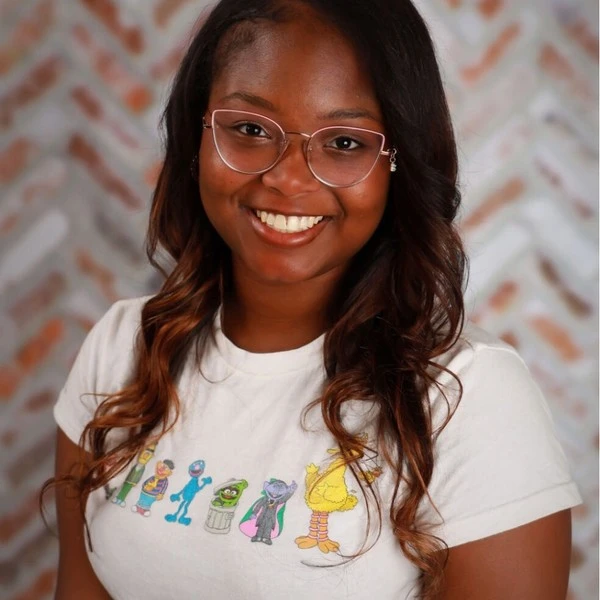
Valerie Griffin

1x

Finalist

Bio

I am currently pursuing my degree in Special Education at Colorado Christian University, where I am preparing for a career devoted to helping children with diverse needs succeed. I have always felt called to work in roles centered on care, support, and advocacy, and that calling has only grown stronger through my experiences in education and childcare. I am passionate about creating safe, encouraging spaces where students can learn, grow, and feel confident in who they are. My goal is to make a lasting impact in the lives of students and families, first through special education and eventually through advanced study in speech-language pathology. I care deeply about helping children who need extra support academically, socially, and communicatively, and I hope to be a source of consistency, encouragement, and hope in their lives. My faith, perseverance, and commitment to serving others continue to guide me as I work toward these goals. Scholarship support would not only help me continue my education, but also invest in the future work I hope to do in schools and communities. I am determined to use my degree to serve others with compassion, excellence, and purpose.

Education

Colorado Christian University

Bachelor's degree program
2023 - 2027
  • Majors:
    • Special Education and Teaching

Miscellaneous

  • Desired degree level:

    Master's degree program

  • Graduate schools of interest:

  • Transfer schools of interest:

  • Majors of interest:

  • Not planning to go to medical school
  • Career

    • Dream career field:

      Education

    • Dream career goals:

      Brooks Martin Memorial Scholarship
      One of the most significant losses I have experienced was the death of my brother. He had Down syndrome and passed away when he was 12 and I was 14. Even now, it is hard to put into words what that loss did to me. Losing him at such a young age changed my life in a way that never really goes away. It was the kind of loss that divides your life into before and after. There was who I was before it happened, and then there was the version of me that had to learn how to keep living after it. My brother was not just someone I loved. He was someone who shaped the way I see the world. Growing up with him taught me so much about patience, joy, tenderness, and the value of every person. He helped me understand from a young age that a person is never just a diagnosis. He was his own person with a presence, a personality, and a way of making people feel something. Because of him, I learned to pay attention to the way people with disabilities are treated, and I became more aware of how much dignity, compassion, and advocacy matter. When he died, I was still a child myself, but I had to carry a grief that felt much bigger than I was. I think that experience forced me to grow up in certain ways. It made me more reflective, more sensitive to other people’s pain, and more aware that life can change in an instant. It also gave me a different kind of strength. Not the loud kind that looks fearless from the outside, but the quieter kind that keeps going anyway. The kind that learns how to hold sadness and still move forward with purpose. That loss has shaped who I am today in so many ways. It is a big part of why I am pursuing a career in Special Education. My brother’s life gave me a personal connection to children with disabilities that no textbook ever could. Because of him, this work does not feel abstract to me. It feels personal. I know how important it is for children with exceptional needs to be seen, valued, and supported by people who genuinely care. I also know how much families need trust, compassion, and advocacy. I want to be the kind of educator who gives that to both students and families. More broadly, losing my brother changed the way I live my life. It made me realize that life is fragile and that love should never be taken for granted. It made me more intentional about how I treat people and more determined to build a life that means something. I do not want to move through the world carelessly. I want the work I do and the way I show up for others to reflect empathy, purpose, and heart. Although losing my brother was one of the hardest things I have ever experienced, it also shaped the person I am becoming. His life continues to influence my goals, my values, and the way I understand service. I carry that loss with me, but I also carry the love. In many ways, that love is what continues to guide me forward.
      Robert F. Lawson Fund for Careers that Care
      I would describe myself as someone who has always been drawn to helping people in real, tangible ways. A lot of who I am has been shaped by responsibility, resilience, and the desire to make my life mean something beyond just getting by. I am currently pursuing my degree in Special Education, and my long term goal is to build a career serving children and families through education and advocacy. For me, this path is not random. It is personal, and it comes from both my experiences and my heart. One of the biggest influences in my life was growing up with my brother, who had Down syndrome. He passed away when he was 12 and I was 14, but his life had a lasting impact on me. Loving him shaped the way I see children with disabilities and the way I understand patience, dignity, and support. Because of him, I learned early that people are so much more than the labels placed on them. I also saw how important it is for children with exceptional needs to have people around them who truly believe in them, advocate for them, and treat them with compassion. That perspective is a major reason I feel called to special education. My experiences have also taught me what it means to keep going even when life is heavy. I understand financial stress, personal loss, and the pressure of working hard while trying to build a better future. Being a low income student has made my educational journey more challenging, but it has also made me more determined. I do not take this opportunity lightly. I know that my education is not just about me. It is about what I will be able to give back through the work I do. Through my career, I hope to make a positive impact on the world by creating spaces where children feel safe, supported, and truly seen. I want to work especially with students who need extra support academically, socially, emotionally, or behaviorally. Too often, students in special education are underestimated or defined only by what they struggle with. I want to be the kind of teacher who sees the whole child and helps them build confidence in themselves. I want my students to know they are capable, valuable, and worthy of patience and high expectations. I also hope to make a positive impact by supporting families. When a child has exceptional needs, families are often carrying so much, and trust matters deeply. I want to be an educator families can rely on, someone who listens, communicates well, and advocates for their child with both professionalism and heart. I believe that meaningful change often starts in everyday moments, helping one child grow in confidence, helping one family feel supported, and helping students experience success in ways that are meaningful to them. More than anything, I want my career to reflect service, compassion, and purpose. I may not be able to change the whole world at once, but I do believe I can make a real difference in the lives of the students and families I serve. To me, that is how change happens. It happens one person, one classroom, and one act of care at a time.
      Sgt. Albert Dono Ware Memorial Scholarship
      Sgt. Albert Dono Ware’s legacy of service, sacrifice, and bravery speaks to the kind of life I want to live and the kind of impact I hope to make. To me, those values are not just admirable traits. They are a way of moving through the world with purpose, integrity, and a willingness to do something that matters beyond yourself. My own journey has been shaped by those same values, although in different ways. I have learned that service is often quiet and consistent, sacrifice is often unseen, and bravery is not always dramatic. Sometimes it looks like continuing to show up, continuing to care, and continuing to believe that your work can help change someone else’s life. My commitment to helping others has grown through both personal experience and the path I have chosen professionally. I am pursuing a degree in Special Education because I want to serve children who need support, advocacy, patience, and someone who truly sees them. That choice is deeply personal to me. Growing up with my brother, who had Down syndrome, shaped the way I understand disability, dignity, and the importance of being valued for who you are. After he passed away, I carried both the grief of that loss and the lessons that came with loving him. He taught me, without even trying to, that people are so much more than the labels placed on them. Because of him, I feel called to work with students who are often underestimated or overlooked and to create environments where they feel safe, supported, and capable. Service has shaped my journey by teaching me that helping others is not separate from my purpose. It is my purpose. Whether through working with children, supporting families, or pursuing a career in education, I want my life to reflect care, advocacy, and real commitment to my community. Sacrifice has also shaped me. I understand what it means to keep pursuing long term goals while carrying responsibilities, financial pressure, grief, and the emotional weight that life can bring. Bravery, for me, has looked like continuing anyway. It has meant choosing to build a life of purpose even when the path has not been easy. Those values also shape the way I think about the current challenges faced by the African diaspora in the United States. There are so many issues that continue to impact our communities, including educational inequity, economic instability, barriers to quality healthcare, underinvestment in neighborhoods, and the lasting effects of systemic racism. I think one of the most urgent challenges is the way inequality becomes generational when communities are denied consistent access to resources, representation, and opportunity. When children attend underfunded schools, when families cannot access stable housing or quality care, and when communities are treated as problems instead of priorities, it becomes harder for people to thrive no matter how hard they work. Because education is so personal to me, I believe educational reform is one of the most critical areas for change. Every child deserves access to strong schools, well prepared teachers, mental health support, early intervention, and learning environments that do not criminalize difference. This is especially important for Black children and children with disabilities, who are too often misunderstood, overdisciplined, or underserved. I believe policy reform should focus on equitable school funding, increased support for special education services, access to school based mental health care, and stronger accountability for disparities in discipline and academic opportunity. If we want to address long term inequality, we have to start with what children are experiencing right now. At the community level, I think reform also has to include greater investment in family support systems, mentorship, after school programs, and pathways to economic mobility. Communities need resources, but they also need trust, collaboration, and people who are willing to stay committed. Change cannot come only from outside organizations making decisions from a distance. It has to involve the people most affected. The key stakeholders in driving that change should include educators, families, community leaders, faith communities, mental health professionals, policymakers, and local organizations already doing the work on the ground. I also believe young people themselves need to be included in these conversations. Too often, decisions are made about communities without truly listening to them. Real change requires partnership, not just policy. When I think about Sgt. Ware’s legacy, I think about what it means to live with courage and commitment. I may serve in a different way, but I want my life to reflect the same belief that service matters and that helping others is worth sacrifice. My vision is to be part of change that starts locally and reaches outward, especially through education. I want to advocate for children, strengthen families, and contribute to a future where African diaspora communities are not just surviving, but fully supported in thriving. To me, that is one way to honor a legacy of service with a life of purpose.
      Michele L. Durant Scholarship
      I would describe myself as someone who cares deeply, works hard, and wants my life to mean something. A lot of who I am has been shaped by responsibility, resilience, and the desire to help other people in a real way. I have always been drawn to roles where I am supporting, encouraging, and showing up for others, especially children. That is a big part of why I am pursuing a degree in Special Education. For me, this path is not just about choosing a profession. It feels personal, purposeful, and connected to the kind of impact I want to make. One of the biggest influences in my life was my brother, who had Down syndrome. Growing up with him shaped the way I see children with disabilities and the way I understand patience, dignity, and advocacy. He passed away when he was 12 and I was 14, and losing him changed my life forever. Even so, his life continues to shape me in meaningful ways. Because of him, I learned early that children with disabilities are often underestimated, even though they have so much value, personality, and potential. He helped me understand how important it is for every child to be truly seen, supported, and treated with care. That perspective is a major reason I feel so strongly called to special education. My life experiences have also taught me resilience. I know what it means to carry responsibility, work through difficult seasons, and keep moving forward even when things feel heavy. I think that has made me more empathetic and more aware of how much people need encouragement. Sometimes what changes a person is not a huge moment, but consistent support, patience, and someone believing in them when they are struggling to believe in themselves. That is the kind of presence I want to have in the lives of others. I plan to make a positive impact on the world and my community through education, especially by working with students who need extra support academically, socially, emotionally, or behaviorally. I want to create a classroom where students feel safe, valued, and capable. I want them to know they are more than a diagnosis, a label, or a challenge. I want to be the kind of teacher who sees the whole child and helps them build confidence as they grow. I know that progress does not always look the same for every student, but that does not make it any less meaningful. Helping a child feel understood, supported, and successful in their own way can have a lasting impact. I also want to make a positive impact by supporting families. When a child has exceptional needs, families are often carrying a lot, and trust matters so much. I want to be a teacher families can count on, someone who communicates well, advocates for their child, and treats them with compassion and respect. I believe meaningful change often happens in everyday moments, through consistency, care, and the way people are treated over time. More than anything, I want my life and career to reflect compassion, service, and purpose. I may not be able to change the whole world at once, but I do believe I can make a real difference in the spaces I am called to serve. If I can help students feel seen, help families feel supported, and use my experiences to serve others well, then I know I am making the kind of positive impact that truly matters.
      RonranGlee Special Needs Teacher Literary Scholarship
      I am passionate about the special education teaching profession because, to me, it is some of the most meaningful and human work there is. Special education is not just about accommodations, data, paperwork, or helping students meet goals on an IEP. Those things matter, but they are not the heart of it. The heart of special education is helping students understand that they matter, that they belong, and that they are more than the challenges other people may notice first. That is a big reason this field feels so personal to me. I have a deep respect for children with disabilities, and I care about creating spaces where they are not only supported, but truly seen. When I read Professor Harold Bloom’s statement, “the purpose of teaching is to bring the student to his or her sense of his or her own presence,” I take that to mean that teaching should help a student become aware of their own value, voice, identity, and place in the world. It is not enough for a student to simply sit in a classroom and receive instruction. Real teaching helps a student feel present, not invisible. It helps them realize, “I am here. I matter. I can think. I can learn. I have something to offer.” For students in special education, that is especially important because so many of them have experiences that make them feel overlooked, underestimated, or defined by what they struggle with. Their sense of presence can be weakened when the world constantly focuses on deficits before strengths. My mission as a future special education teacher is to help students experience that sense of presence by creating a classroom where they feel safe, capable, and genuinely valued. I want my students to know that they are not a problem to manage or a label to work around. They are individuals with dignity, intelligence, personality, and potential. I would work to accomplish this by building strong relationships first. Students are much more likely to take risks and believe in themselves when they know they are with someone who respects them and cares about them. I want my classroom to feel like a place where mistakes are not shameful, growth is celebrated, and every student has room to be fully themselves. I would also guide my students toward a sense of their own presence by helping them recognize their strengths, not just their needs. That means paying attention to the small victories, celebrating progress that others might miss, and giving students opportunities to make choices, express themselves, and experience success. Some students may find their presence through words, others through art, movement, technology, routines, or relationships. Part of my responsibility is figuring out how each student communicates who they are and helping that part of them come forward. I want my students to feel that their voice matters even if it looks different from someone else’s. This work is personal to me because of my brother, who had Down syndrome. Growing up with him shaped the way I see children with disabilities and the importance of treating them with patience, dignity, and love. He taught me that a person is never just a diagnosis. Because of that, I feel strongly called to special education. I want to be the kind of teacher who helps students feel seen in a world that does not always slow down enough to truly notice them. If I were to turn this into a brief fairy tale, I would imagine myself as a guide walking through a dark forest with children who have been told by the world to stay quiet and small. One by one, I would hand them a lantern. At first, they would think the lantern came from me, but by the end they would realize the light had been inside them all along. My role would simply be to help them see it. That is what I believe special education should be. It should help students discover that they were never invisible to begin with.
      Norman's Scholarship
      I want to be a special education teacher because this work feels deeply personal to me. It is not just a career path I happened to choose. It is connected to my life, my experiences, and the kind of impact I want to have. Growing up with my brother, who had Down syndrome, shaped the way I see children with disabilities from a very young age. He passed away when he was 12 and I was 14, and that loss changed me forever. At the same time, loving him gave me a perspective that continues to guide me. Because of him, I learned that children with disabilities are never just a diagnosis. They are whole people with personalities, emotions, strengths, and so much value. That is a big part of why I feel called to special education. I know how easy it is for people to focus on what a child struggles with instead of seeing everything they are capable of. I also know how much it matters when a child has someone in their corner who truly believes in them. I want to be the kind of teacher who sees the whole child, not just the label, not just the behavior, and not just the data on paper. I want my students to feel safe, encouraged, and respected. I want them to know they are capable of growth and worthy of patience, support, and high expectations. I also want to be a special education teacher because I believe the right support can change a child’s life. Progress in special education does not always look big or dramatic from the outside, but that does not make it any less meaningful. Sometimes success is a student learning to communicate a need, regulate an emotion, build confidence, or do something independently that once felt impossible. Those moments matter. They deserve to be noticed and celebrated. I love that special education teaches you to see growth in a deeper way and to value the steps that others may overlook. Another reason this path means so much to me is that I care deeply about supporting families. When a child has exceptional needs, families are often carrying a lot emotionally and practically. They want to know their child is safe, understood, and in the hands of someone who genuinely cares. I want to be a teacher who builds trust with families and works alongside them, not separately from them. I will advocate for their child and honor the trust they place in me. My own experiences have also taught me empathy, resilience, and the importance of showing up consistently for others. I know what it means to carry grief and still move forward with purpose. I know what it means to work hard and still choose compassion. Those experiences are part of what I’ll bring into my classroom. I do not want to just teach academic skills. I want to create an environment where students feel seen, supported, and valued for who they are. I want to be a special education teacher because I believe this is where my heart and my purpose meet. I want the work I do to make a real difference in the lives of students and families. I want to be someone who helps children build confidence, feel understood, and experience success in ways that are meaningful to them. In many ways, pursuing special education is also a way of honoring my brother’s memory. His life shaped my heart, and I hope my work as a teacher reflects that through compassion, advocacy, and genuine care.
      Dr. Connie M. Reece Future Teacher Scholarship
      My brother is one of the biggest reasons I want to become a teacher. He had Down syndrome and passed away when he was 12, when I was 14. That experience changed my life forever. Growing up with him shaped the way I see children with disabilities, families, and the kind of support every child deserves. My brother was never just his diagnosis to me. He was my brother. He had a personality, a presence, and a way of bringing love and perspective into my life that still stays with me. Losing him was heartbreaking, but loving him taught me so much about patience, compassion, advocacy, and what it means to truly see someone. I think having that personal connection is a huge part of why special education feels so deeply meaningful to me. This path is not random for me and it is not something I chose lightly. It feels personal. It feels connected to who I am, what I have lived through, and the kind of impact I want to have. Because of my brother, I understand in a real way that children with disabilities are so often underestimated, overlooked, or defined by what others think they cannot do. I know how important it is for them to be surrounded by people who believe in them, respect them, and care enough to support them well. That is the kind of teacher I want to be. I want to be someone who sees the whole child, not just the struggle, not just the label, and not just the data on paper. I want my students to feel safe with me. I want them to feel encouraged, supported, and genuinely valued. I also want their families to know that I understand how important trust is. When a family has a child with exceptional needs, support matters, but so does heart. I want to be the kind of educator who brings both. My experiences have taught me that real encouragement can change so much for a child. Sometimes being patient, believing in them, and continuing to show up consistently can make a bigger difference than people realize. I plan to use my experiences to inspire others by creating a classroom environment where students feel seen and where they are reminded that they are capable. I want them to know that their challenges do not define them and that growth is still possible, even when it looks different for them than it does for someone else. I also hope my story can inspire others because it shows that pain can be turned into purpose. Losing my brother is something I will always carry, but I want to carry it in a way that honors him. I want his life to continue to matter through the work I do. Becoming a teacher is one of the clearest ways I can do that. In many ways, he inspired this path without ever knowing it. His life gave me perspective, empathy, and a heart for children who need someone to believe in them. To me, teaching is not just a job. It is a chance to serve, advocate, and make sure children feel valued for who they are. If I can be that kind of teacher, then I know I am honoring both my brother’s memory and the deeper reason I chose this path in the first place.
      Arin Kel Memorial Scholarship
      If I could start a business with my deceased sibling, I would want it to be something centered on helping children and families. I think we would create a business that was built on compassion, support, and genuine care for people, whether that looked like a childcare center, a family resource program, or another service-based business that made a real difference in people’s daily lives. I would want it to be something meaningful, something that gave back, and something that reflected love more than profit. The reason I would choose that kind of business is because loss changes the way you see the world. It deepens your understanding of how important people are and how much care, comfort, and connection matter. Starting a business with my sibling would not just be about building something successful. It would be about creating something that honored their life and carried their memory forward in a positive way. I would want our business to reflect the bond we shared and the values that mattered most to us, including kindness, loyalty, and service to others. What makes this idea especially meaningful to me is that it turns grief into purpose. Instead of letting loss be the end of the story, I would want to build something that continued to bring light into other people’s lives. A business like that would become part of my sibling’s legacy. It would be a way of saying that even though they are gone, the love we shared can still live on through work that helps others feel supported, seen, and valued.
      Special Needs Advocacy Inc. Kathleen Lehman Memorial Scholarship
      I am currently pursuing a degree in Special Education because my understanding of disability has always been personal as well as professional. I grew up alongside my brother, who had Down syndrome. From the moment he was born, doctors and others placed limits on what they believed his life would look like. Despite those expectations, he continually exceeded them. He learned, communicated, built relationships, and experienced joy in ways that challenged assumptions about what individuals with disabilities are capable of achieving. He later passed away from a respiratory infection, but the impact he had on my perspective continues to guide my career path. Living with him taught me that ability is often defined by opportunity. The biggest barriers he faced were rarely his diagnosis, but environments that were not prepared to include him. When teachers and caregivers believed in him, he thrived. When expectations were low, progress slowed. Watching this shaped my belief that the role of an educator is not just to teach content, but to remove barriers and create access. I saw firsthand how patience, communication supports, and consistent routines could change behavior, confidence, and participation. Because of him, I learned that growth should be measured by independence, communication, and quality of life, not just academic performance. As a future special education teacher, my goal is to build classrooms where students feel safe, capable, and respected. For students with significant support needs, success may look like asking for help appropriately, building peer relationships, or navigating daily routines independently. I want to teach functional life skills alongside academics so students leave school prepared for adulthood, not just graduation. I plan to use structured environments, individualized supports, and collaboration with families and service providers to ensure consistency across settings. I also plan to continue my education in speech language pathology to further support communication development. Communication is the foundation of autonomy. When students can express themselves and be understood, behaviors decrease and confidence increases. I want to help students advocate for themselves so they are active participants in their communities. Beyond my classroom, I hope to promote inclusion and understanding. My brother showed me that people often underestimate individuals with disabilities simply because they do not understand them. By educating peers and staff and modeling respectful interaction, I want inclusion to be meaningful rather than symbolic. My career is not just a professional choice, but a continuation of what I learned growing up. I want students and families to feel the same hope and possibility that my family experienced. Through advocacy, patience, and high expectations, I hope to create environments where individuals with special needs are seen not for their limitations, but for their potential.
      Valerie Griffin Student Profile | Bold.org