Hobbies and interests
Lacrosse
Golf
ROTC
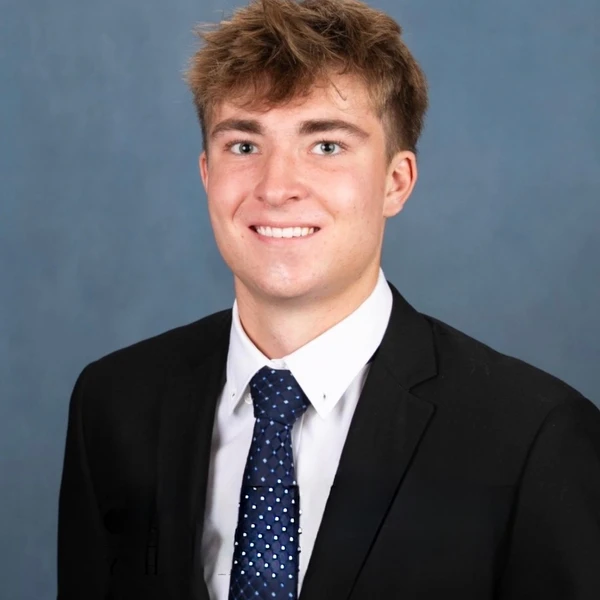
Tyler Sanchez
1x
Finalist
Tyler Sanchez
1x
FinalistBio
I’m passionate about continuing to grow as a leader, teammate, and student while building a future in business management. My goal is to earn a degree in business administration and develop the skills to lead teams, support organizations, and make a positive impact in the communities I’m part of. I’m especially interested in working in industries that bring people together through service, teamwork, and strong relationships.
Throughout high school, I challenged myself both academically and outside the classroom. I’ve been involved in DECA, completed my school’s Business Endorsement Program, and earned Honor Roll recognition while also playing varsity lacrosse and competing at the club level. Athletics taught me discipline, teamwork, and how to stay focused through setbacks, including recovering from ACL and MCL reconstruction surgery. That experience strengthened my resilience and perspective.
I’ve also worked since I was 15 as a youth sports counselor, referee, and golf course attendant. Working while balancing school and athletics helped me understand responsibility, time management, and the value of earning my own money. I’ve volunteered more than 100 hours through organizations like Food Bank of the Rockies and Project C.U.R.E., which shaped my commitment to serving others.
I’m a strong candidate because I stay consistent, take initiative, and look for ways to contribute wherever I am. I’m motivated to keep learning, growing, and using the opportunities I’m given to support others and build something meaningful in the future.
Education
Valor Christian High School
High SchoolMiscellaneous
Desired degree level:
Bachelor's degree program
Majors of interest:
- Business, Management, Marketing, and Related Support Services, Other
Career
Dream career field:
- Law Enforcement
Dream career goals:
Special Federal Agent: DEA, FBI, Secret Service
Outdoor Services Attendant
Plum Creek Golf Course2025 – 20261 yearReferee/Sports Counselor
Town of Castle Rock2023 – 20252 yearsHost
Los Dos Potrillos2026 – 2026
Sports
Lacrosse
Junior Varsity2022 – 20242 years
Lacrosse
Varsity2024 – 20251 year
Golf
2025 – 20261 year
Public services
Volunteering
Lifeline Christian Mission — Packing Meals2023 – 2023Volunteering
Manna Food Bank — Packing2022 – 2025Volunteering
Samaritans Purse — Packing2023 – 2023Volunteering
Project Cure — Packer2023 – 2023Volunteering
Food Bank of the Rockies — Food packer2023 – 2023
Future Interests
Advocacy
Volunteering
Entrepreneurship
Olivia Rodrigo Fan Scholarship
One lyric from Olivia Rodrigo that really connects to my life is from her song brutal when she says, “I’m so sick of 17, where’s my fucking teenage dream?” Even though the song is emotional and dramatic, I think a lot of teenagers understand the feeling behind it. Growing up, people always describe high school as the best years of your life, but in reality, it can feel stressful, uncertain, and overwhelming. Between school, sports, planning for the future, and trying to figure out who you are, being a teenager is not always easy.
As I prepare to graduate high school and move from Colorado to Florida for college, I relate to the pressure of feeling like I need to have everything figured out already. There are moments where I feel excited and confident about my future, but there are also times where I wonder if I’m making the right decisions. Leaving home, joining Army ROTC, balancing college classes, and becoming independent are all major changes. The lyric connects to me because it reflects the reality that growing up is exciting, but also scary and confusing at times.
Another lyric that stands out to me is from drivers license when Olivia sings, “I just can’t imagine how you could be so okay now that I’m gone.” Even though the song is about heartbreak, I think the idea behind it applies to change in general. As graduation gets closer, I realize that life moves on quickly. Friends go separate directions, routines change, and people who were once a huge part of your everyday life slowly become memories. That is one of the hardest parts about growing up. You want to move forward and chase your goals, but you also do not want to lose the people and moments that helped shape you.
At the same time, Olivia Rodrigo’s music also reflects resilience. In songs like get him back! and good 4 u, there is confidence and energy that remind me not to stay stuck in disappointment or fear. Life does not always go according to plan, but setbacks can push people to become stronger and more motivated. I have learned that growth often comes from difficult situations, whether that is dealing with stress, handling pressure, or stepping outside my comfort zone.
What makes Olivia Rodrigo’s music relatable is how honest it feels. She talks about insecurity, frustration, heartbreak, and ambition in a way that sounds real instead of perfect. My own journey has included challenges like balancing responsibilities, thinking about my future, and learning how to become more independent. But it has also included achievements, opportunities, and personal growth that make the hard moments worth it.
Overall, Olivia Rodrigo’s lyrics connect to my experience because they capture what it feels like to be young and caught between childhood and adulthood. Her music reflects both the struggles and excitement of trying to figure out your future while learning more about yourself along the way.
Joe Gilroy "Plan Your Work, Work Your Plan" Scholarship
My biggest goal right now is to earn a college degree while also developing into a strong leader and responsible adult. After graduating high school, I plan to attend Florida Atlantic University and major in Business Administration while participating in Army ROTC. I want to build a career that combines leadership, teamwork, and problem solving skills. Long term, I hope to either serve as an Army officer after college or use the leadership experience from ROTC and college to succeed in the business world.
One of the main reasons I chose this path is because I want to challenge myself and become more independent. Moving from Colorado to Florida for college will push me outside my comfort zone and help me grow. I know success will not happen automatically, so I have created a plan with specific goals, resources, and timelines to help me stay on track.
My first goal is earning my degree within four years. To accomplish this, I plan to stay organized with my class schedule, use tutoring resources when needed, and build relationships with professors and advisors early on. Time management will be one of the most important parts of my success because balancing college classes, ROTC responsibilities, work, fitness, and social life will require discipline. I plan to use calendars and weekly schedules to stay ahead of assignments and deadlines.
Financial planning is also important. College is expensive, especially with out of state costs, housing, books, transportation, and food. My plan is to apply for scholarships, financial aid, and ROTC opportunities to reduce tuition costs. I also plan to work part time during college to help cover personal expenses. A realistic yearly budget includes tuition and housing, books and school supplies, transportation, groceries, and emergency savings. I understand unexpected expenses can happen, so I want to avoid unnecessary debt by budgeting carefully and living responsibly.
Another major goal is physical and mental growth. ROTC requires leadership, accountability, and physical fitness, so I plan to continue working out regularly and maintaining healthy habits. I also want to build confidence in communication and teamwork by becoming involved in campus activities, intramural sports, and leadership opportunities. Being active in college organizations will help me network and create friendships that can support me both personally and professionally.
I know there are different paths to success, and I am keeping an open mind about my future. If military service becomes my long term career, ROTC will prepare me to lead others and serve with integrity. If I decide to pursue business full time, my degree and leadership experience will still give me valuable skills that employers look for. Either way, my plan focuses on education, discipline, leadership, and hard work.
My goals will take sacrifice, planning, and persistence, but I believe success comes from being willing to work for opportunities instead of waiting for them. By staying focused, managing my resources wisely, and continuing to push myself, I am confident I can build a successful future for myself and make the people around me proud.
Michael Rudometkin Memorial Scholarship
I think selflessness shows up most in the small, consistent choices you make for other people when you don’t have to. It’s not always one big moment, it’s how you show up day to day. I’ve learned that through my experiences working with younger athletes, volunteering in my community, and supporting the people around me when they need it.
One of the main ways I try to embody selflessness is through my job as a youth sports counselor and referee with the Town of Castle Rock. At first, I thought the job was mainly about running drills and keeping games organized. Over time, I realized it was really about the kids. I’ve worked with athletes who were nervous, struggling with confidence, or frustrated after making mistakes. In those moments, I try to slow things down, encourage them, and make sure they feel included. There have been times where I stayed after camp or spent extra time during drills to help a kid understand something or just build confidence. Those moments might seem small, but I know they can stick with someone, especially at a young age.
I’ve also tried to give back through volunteer work. I’ve completed over 100 hours of service with organizations like Food Bank of the Rockies, Project C.U.R.E., and Operation Christmas Child. Whether it was sorting food, preparing medical supplies, or packing boxes for kids in need, those experiences showed me how important it is to contribute to something bigger than yourself. A lot of that work doesn’t come with recognition, but knowing it helps people who need it makes it worth it.
Another time I had to think beyond myself was during my recovery from ACL and MCL reconstruction surgery. Even though I was dealing with my own challenge, I still tried to stay involved with my team and support my teammates however I could. That meant showing up to practices, encouraging others, and staying positive even when I couldn’t compete the way I wanted to. It taught me that selflessness also means being there for others even when you’re going through something yourself.
I’ve also learned selflessness from my family, especially watching my dad support my mom through her chronic illness. Seeing that kind of commitment showed me that putting others first is a choice you make every day.
Overall, I try to embody selflessness by being dependable, paying attention to what others need, and taking action when I can help. It’s not always something big or noticeable, but I believe those consistent efforts are what truly make a difference in people’s lives.
Learner Mental Health Empowerment for Health Students Scholarship
Mental health is important to me as a student because I have seen firsthand how deeply it can affect a person’s ability to succeed, maintain relationships, and feel stable in everyday life. My understanding of mental health did not come only from classroom discussions or awareness campaigns, it developed through personal experiences within my family and school community. Those experiences have shaped how I support others and how I approach challenges in my own life.
One of the most influential experiences has been watching a close family member live with Schizophrenia. My uncle is highly intelligent and once worked in corporate finance, but his illness has made it difficult for him to maintain employment, relationships, and independence. He has faced homelessness, struggled with parenting responsibilities, and even attempted suicide. Seeing someone with so much potential experience those challenges changed how I understand mental health. It showed me that mental illness is not a weakness or a choice, it is a real condition that can affect anyone. As a student, that perspective has made me more aware of how important support systems are and how powerful understanding and patience can be.
Because of what I have seen in my own family, I try to advocate for mental health by being someone others can talk to and rely on. In school communities, students often feel pressure to appear strong or handle stress on their own. I have learned that simply checking in on classmates, listening without judgment, and encouraging others to reach out for help when they need it can make a meaningful difference. Sometimes advocacy is not about leading a formal program, it is about creating a culture where people feel safe speaking honestly about what they are going through.
My involvement in academics, athletics, and leadership activities has also shown me how closely mental health is connected to performance and confidence. Recovering from sports injuries and balancing responsibilities taught me the importance of resilience and asking for support when needed. These experiences helped me understand that mental health is just as important as physical health when it comes to succeeding in school and preparing for the future. Supporting teammates and classmates during stressful times, whether related to competition, academics, or personal challenges, has become something I take seriously.
At home, I have also seen the impact that consistent family support can make. Watching my grandparents step in to provide stability for my uncle showed me what long term commitment to someone’s well being looks like. Their example taught me that advocating for mental health includes showing patience, staying present, and continuing to support people even when progress is slow. That lesson has influenced how I approach relationships with friends and family.
Mental health matters to me because it shapes how people learn, grow, and connect with others. As a student and future leader, I want to continue encouraging open conversations and reducing the stigma that still surrounds mental health challenges. Even small actions, listening, supporting others, and speaking openly can help create stronger communities where students feel understood and supported. Carrying that mindset forward is one way I hope to make a positive difference in both my school environment and the communities I am part of in the future.
Future Green Leaders Scholarship
Sustainability should be a priority in every field, but especially in business, because the decisions companies make have a direct and lasting impact on the environment, communities, and future generations. As someone planning to study business administration and pursue a career that combines leadership, discipline, and service, I see sustainability not as an optional initiative, but as a responsibility tied to ethical decision making and long term success.
My interest in business has been shaped through classes, DECA, and leadership experiences where I learned how companies operate and grow. But alongside those lessons, I have also become more aware of how business decisions affect the world beyond profits. Whether it is supply chain choices, waste production, or energy use, businesses have the power to either contribute to environmental problems or become part of the solution. That realization has changed how I think about success. It is no longer just about growth or revenue, it is about building something that is sustainable and responsible over time.
Living in Colorado has also influenced my perspective. Being surrounded by mountains and having the opportunity to challenge myself physically, like hiking and completing 14er has given me a deeper appreciation for the environment. Those experiences are not just personal accomplishments; they are reminders of what is worth protecting. Seeing the natural beauty of my state makes the idea of environmental responsibility feel real, not abstract. It reinforces my belief that future generations should have the same opportunities to experience and enjoy these places.
In the business world, sustainability is becoming increasingly important because consumers, employees, and communities expect companies to be accountable. Businesses that ignore environmental impact risk losing trust and long term viability. I want to be part of a generation of leaders that prioritizes both profitability and responsibility. This means supporting practices such as reducing waste, improving efficiency, and making thoughtful decisions about resources and partnerships.
In my future career, I see myself contributing to sustainability by promoting smarter operational decisions and encouraging a culture of accountability within organizations. Even small changes such as reducing unnecessary materials, improving energy efficiency, or choosing more sustainable suppliers can make a meaningful difference when applied consistently. I also want to lead by example, showing that sustainability is not a limitation, but an opportunity for innovation and growth.
My involvement in leadership programs like ROTC will also shape how I approach this responsibility. ROTC emphasizes discipline, accountability, and service values that directly connect to sustainability. Taking care of resources, planning for the long term, and thinking beyond immediate outcomes are all part of effective leadership. I plan to carry those principles into my career and use them to guide decisions that balance success with responsibility.
Ultimately, sustainability matters because it reflects how we value the future. My background in business education, leadership experiences, and personal connection to the environment has shaped my belief that success should not come at the expense of the world around us. As I move forward, I want to be part of a generation that leads with both purpose and awareness creating solutions that allow businesses to thrive while also protecting the environment for years to come.
Elijah's Helping Hand Scholarship Award
My understanding of mental health has been shaped most deeply by watching someone I care about live with Schizophrenia. My uncle’s experience has changed how I view success, relationships, stability, and the responsibility we have to support others with compassion instead of judgment. Seeing how mental illness can affect even the most capable and intelligent people has influenced my goals and strengthened my commitment to approaching others with empathy and patience.
My uncle is one of the most intelligent people I know. He graduated with a degree in finance and once worked successfully in corporate jobs, building a promising career and future. However, schizophrenia gradually changed the course of his life. Over time, he struggled to maintain employment, experienced unstable relationships, and went through two divorces. He was unable to consistently parent his children, and at one point he even attempted to take his own life. Eventually, he became homeless for a period of time. Today, he lives with my grandparents, who provide him with stability and support as he continues to navigate daily challenges.
Growing up and witnessing this experience shaped how I understand the world in a profound way. It taught me that mental illness does not define a person’s intelligence, character, or potential. Before seeing this firsthand, it would have been easy to assume that people struggling with homelessness or instability simply made poor decisions. My uncle’s story showed me that life is far more complicated. It helped me understand how quickly circumstances can change and how important family support and access to care are in helping someone maintain stability.
His experience also strengthened my appreciation for relationships and family responsibility. Watching my grandparents step in to care for him reminded me that support systems can make a life-changing difference. Their patience and consistency showed me what unconditional commitment looks like. Because of them, he has a safe place to live and people who continue to believe in him. Seeing this has shaped the way I approach my own relationships. I try to be more understanding, more patient, and more aware that people often carry challenges others cannot see.
This experience has also influenced my personal goals. It has motivated me to pursue stability and independence in my own life while recognizing that success is not something to take for granted. I want to build a future where I am prepared not only to support myself but also to help others when they face unexpected challenges. It has also encouraged me to become more open in conversations about mental health. Too often, mental illness is misunderstood or ignored, which can prevent people from seeking help when they need it most. I believe that increasing awareness and compassion can reduce stigma and create stronger communities.
Most importantly, my uncle’s story changed how I define success. Success is not only measured by career achievements or financial stability. It is also measured by resilience, relationships, and the willingness to support others through difficult seasons of life. His journey has helped me develop empathy, perspective, and a deeper understanding of how complex the world can be.
Because of what I have witnessed, I move forward with greater compassion, stronger purpose, and a commitment to treating others with dignity and understanding. Mental health challenges affect individuals and families in lasting ways, but they can also inspire growth, awareness, and a deeper commitment to supporting one another. That perspective will continue to guide my goals and relationships as I move into the next stage of my life.
Ethel Hayes Destigmatization of Mental Health Scholarship
My understanding of mental health has been shaped most deeply by watching someone I care about live with Schizophrenia. My uncle’s experience has changed how I view success, relationships, stability, and the responsibility we have to support others with compassion instead of judgment. Seeing how mental illness can affect even the most capable and intelligent people has influenced my goals and strengthened my commitment to approaching others with empathy and patience.
My uncle is one of the most intelligent people I know. He graduated with a degree in finance and once worked successfully in corporate jobs, building a career and future. However, schizophrenia gradually changed the course of his life. Over time, he struggled to maintain employment, experienced unstable relationships, and went through two divorces. He was unable to consistently parent his children, and at one point he even attempted to take his own life. Eventually, he became homeless for a period of time. Today, he lives with my grandparents, who provide him with stability and support as he continues to navigate daily challenges.
Growing up and witnessing this experience shaped how I understand the world in a profound way. It taught me that mental illness does not define a person’s intelligence, character, or potential. Before seeing this firsthand, it would have been easy to assume that people struggling with homelessness or instability simply made poor decisions. My uncle’s story showed me that life is far more complicated. It helped me understand how quickly circumstances can change and how important family support and access to care are in helping someone maintain stability.
His experience also strengthened my appreciation for relationships and family responsibility. Watching my grandparents step in to care for him reminded me that support systems can make a life changing difference. Their patience and consistency showed me what unconditional commitment looks like. Because of them, he has a safe place to live and people who continue to believe in him. Seeing this has shaped the way I approach my own relationships. I try to be more understanding, more patient, and more aware that people often carry challenges others cannot see.
This experience has also influenced my personal goals. It has motivated me to pursue stability and independence in my own life while recognizing that success is not something to take for granted. I want to build a future where I am prepared not only to support myself but also to help others when they face unexpected challenges. It has also encouraged me to become more open in conversations about mental health. Too often, mental illness is misunderstood or ignored, which can prevent people from seeking help when they need it most. I believe that increasing awareness and compassion can reduce stigma and create stronger communities.
Most importantly, my uncle’s story changed how I define success. Success is not only measured by career achievements or financial stability. It is also measured by resilience, relationships, and the willingness to support others through difficult seasons of life. His journey has helped me develop empathy, perspective, and a deeper understanding of how complex the world can be.
Because of what I have witnessed, I move forward with greater compassion, stronger purpose, and a commitment to treating others with dignity and understanding. Mental health challenges affect individuals and families in lasting ways, but they can also inspire growth, awareness, and a deeper commitment to supporting one another. That perspective will continue to guide my goals and relationships as I move into the next stage of my life.
David Foster Memorial Scholarship
One of the most influential teachers in my high school experience has been Mr. Ladwig, my DECA advisor and instructor for both my Introduction to Business and Marketing classes. More than teaching course material, he changed how I approach leadership, responsibility, and my future goals. His guidance helped me see business not just as a subject in school, but as a pathway to confidence, independence, and purpose.
When I first entered his Introduction to Business class, I expected to learn basic concepts about entrepreneurship and marketing. Instead, I found myself challenged to think differently about how businesses operate and how individuals contribute to a team. Mr. Ladwig created an environment where students were expected to participate, take initiative, and treat classroom projects like real world opportunities. He emphasized that preparation, communication, and follow through matter just as much as ideas. That mindset stayed with me long after the class ended.
His influence became even stronger through DECA. Being involved in DECA gave me the chance to step outside my comfort zone by competing, presenting, and working with other motivated students who shared similar goals. Mr. Ladwig did not just prepare us for competitions, he prepared us to think like professionals. He held us to high standards and reminded us that success comes from consistent effort, not last minute preparation. Through his mentorship, I learned how to organize my time better, speak more confidently in front of others, and take pride in representing my school and my team.
What stood out most about Mr. Ladwig was the way he treated students as capable young adults rather than just teenagers completing assignments. He encouraged us to think about our futures early and to take ownership of the opportunities in front of us. Because of his encouragement, I began to take my interest in business more seriously and started thinking intentionally about studying business administration in college. He helped me recognize that leadership is not about titles it is about reliability, preparation, and supporting others.
His example also changed how I approach challenges. Whether preparing for presentations, balancing responsibilities between school and activities, or setting goals for college, I now approach situations with more confidence and structure. Instead of waiting for direction, I try to take initiative and look for ways to contribute. That shift in mindset has helped me grow not only as a student, but as a teammate and future leader.
Teachers like Mr. Ladwig make a lasting difference because they help students see possibilities they may not have recognized on their own. Through his classes and mentorship in DECA, he helped shape the way I think about leadership, preparation, and my future career path. His influence continues to guide how I approach new opportunities, and it will remain part of how I lead and support others as I move forward into college and beyond.
Love Island Fan Scholarship
A brand new Love Island challenge I would introduce is called “Heart Rate Hustle.” It combines teamwork, athletic competition, communication, and trust while still creating the fun and connection that makes challenges memorable. The goal of this challenge is to test how well couples support each other under pressure while competing in a series of sports style mini events.
The challenge would take place on a beach obstacle style course divided into three stations: speed, teamwork, and trust. Each couple competes together, earning points at each stage. At the first station, the Speed Sprint, couples complete a short relay race through cones and hurdles while carrying a baton. One partner runs the first half, then tags the other partner to finish the course. This part tests encouragement and energy between partners. Islanders watching from the sidelines would be allowed to cheer but also distract adding excitement and humor.
The second station is the Teamwork Target Zone, where couples must work together to score points by tossing soft foam balls into moving targets. One partner throws while the other guides them verbally but cannot touch them. This tests communication skills and trust. The more successful throws they make, the more points they earn. It also creates funny moments when instructions get confusing or competitive couples try to outperform each other.
The final station is the Trust Finish Line, which is the most important part of the challenge. One partner is blindfolded and must navigate a short obstacle course using only their partner’s voice directions. This stage shows how well couples listen to each other and stay calm under pressure. The first couple to complete the course without penalties earns bonus points.
To make the challenge even more exciting, heart rate monitors would be worn throughout the event. At the end, the couple whose heart rates increased the most during the challenge wins a special prize, like a private sunset date. This adds a twist by suggesting both competition and attraction are being tested at the same time.
“Heart Rate Hustle” would be fun to watch because it mixes athletic ability, communication, and emotional connection. It would also reveal which couples are supportive teammates and which ones struggle under pressure. Most importantly, it keeps the challenge energetic, competitive, and entertaining while helping Islanders learn more about each other in a meaningful way.
Taylor Swift Fan Scholarship
The performance by Taylor Swift that I find the most moving is her live performance of All Too Well (10 Minute Version) during The Eras Tour. This performance stands out to me not only because of the emotion behind the song, but because it reflects the strength, growth, and connection she has built with her audience over the course of her career. It represents what it means to stay committed to your story and your voice even as you grow and change over time.
What makes this performance especially meaningful is the way Taylor Swift turns a deeply personal experience into something that resonates with millions of people. Her willingness to share vulnerability on such a large stage shows courage and authenticity. Watching her perform this song reminds me that storytelling can be powerful, and that being honest about your experiences can help others feel understood. That message has influenced how I think about my own journey and the importance of staying true to who I am, even during challenging times.
Another reason this performance stands out to me is the level of dedication it represents. The Eras Tour itself celebrates every stage of her career, showing how years of effort, creativity, and resilience can build something meaningful over time. That idea connects strongly with me as I prepare for my own transition into college and new responsibilities. Seeing someone commit to growth across different phases of life reminds me that success is not about one moment, but about continuing to move forward with purpose.
I am also inspired by the leadership Taylor Swift demonstrates through her performances. She creates an environment where people feel connected and encouraged to express themselves. Her confidence and work ethic show what it looks like to take ownership of your path while supporting others along the way. That example motivates me to approach my own goals with the same consistency and determination as I prepare for the next stage of my education and career.
Most importantly, this performance reflects the message behind The Life of A Showgirl, that living in the spotlight over time requires resilience, adaptability, and authenticity. Watching Taylor Swift perform “All Too Well (10 Minute Version)” reminds me that growth is a process, and that staying committed to your story can help shape a meaningful future. Her example encourages me to approach my own path with confidence, persistence, and the belief that each step forward matters.
Sabrina Carpenter Superfan Scholarship
I am a fan of Sabrina Carpenter because her career represents persistence, growth, and the courage to stay true to yourself while continuing to evolve. What stands out most to me is how she has built her success over time through dedication and resilience rather than overnight recognition. Watching her develop from a young performer into a confident artist with a strong voice and identity has been inspiring and has influenced how I think about my own goals and future.
One of the qualities I admire most about Sabrina Carpenter is her willingness to take risks and grow beyond expectations. She has continued to challenge herself creatively and professionally, showing that success is not about staying comfortable but about continuing to improve. That mindset resonates with me as I prepare for college and new responsibilities, including moving from Colorado to Florida and participating in ROTC while pursuing a degree in Business Administration. Her example reminds me that growth often requires stepping outside of familiar environments and trusting the process.
Her career has also shown me the importance of confidence and perseverance. There have been moments when she faced criticism or pressure in the public eye, yet she continued to focus on her goals and remain authentic. That has encouraged me to stay focused on my own path even when challenges arise. Whether recovering from injuries, balancing responsibilities at home, or preparing for major transitions in my education, I have learned that confidence develops through consistency and effort over time.
Most importantly, Sabrina Carpenter’s journey reminds me that success is built step by step. Her determination encourages me to stay committed to my education, leadership development, and future career goals. She represents the idea that with hard work, resilience, and self belief, it is possible to create opportunities and grow into the person you hope to become. Her example motivates me to continue working toward a future where I can lead with confidence and make a positive impact on others.
Big Picture Scholarship
The movie that has had the greatest impact on my life is The Shawshank Redemption. Its message about hope, perseverance, and quiet determination deeply resonates with me because it reflects lessons I have learned through my own challenges and experiences. The film shows that even in the most difficult circumstances, a person can choose resilience, integrity, and purpose. Those themes have shaped the way I approach obstacles in my life and the goals I am working toward for my future.
One of the most powerful messages I took from the movie is the importance of hope. Andy Dufresne’s character demonstrates that hope is not something passive, it is something you protect and hold onto even when everything around you feels uncertain. This idea stood out to me because I have experienced times when staying hopeful required real effort. Watching my mother live with lupus has taught me how unpredictable life can be, but it has also shown me how important it is to stay strong and focused even when circumstances are beyond your control. The film reinforced my belief that hope can be a source of strength rather than weakness.
Another lesson from the movie that impacted me is the value of persistence over time. Andy’s journey was not about quick success or recognition; it was about steady progress and patience. That message connected strongly with my own experience recovering from ACL and MCL reconstruction surgery after a sports injury. The recovery process took months of physical therapy and commitment, and progress often felt slow. Like Andy, I learned that meaningful outcomes are often built through consistent effort over long periods of time. The movie reminded me that determination can make even the most difficult paths possible.
The film also changed how I think about leadership and character. Andy never tried to lead through authority or attention. Instead, he helped others building the prison library, supporting fellow inmates, and staying true to his values even when it was difficult. That example showed me that leadership does not always come from being the loudest person in the room. Sometimes it comes from serving others and staying consistent with your principles. This perspective has influenced the way I approach leadership opportunities in school, athletics, and community service.
In addition, the friendship between Andy and Red demonstrates the importance of trust and connection. Their relationship shows how encouragement from others can help people move forward even when they feel stuck. That idea has reminded me to value the people who support me and to be someone who supports others in return. It reinforced my belief that success is not only about individual achievement but also about lifting others along the way.
Overall, The Shawshank Redemption has had a lasting impact on me because it reflects values I want to carry into my future: hope during uncertainty, perseverance through setbacks, and integrity in leadership. As I prepare to attend college, participate in ROTC, and pursue my career goals, I want to apply these lessons in the same steady and determined way the film portrays. It reminded me that even when circumstances are difficult, choosing hope and continuing to move forward can shape the direction of your life in powerful ways.
Arthur and Elana Panos Scholarship
My faith in God has been one of the most consistent sources of strength and direction in my life. It has helped shape the way I respond to challenges, how I treat others, and the kind of person I want to become. During both difficult and uncertain times, my faith has given me a sense of purpose and reassurance that I am not facing obstacles alone. It has reminded me that even when situations feel overwhelming, there is meaning in perseverance and growth through hardship.
One of the biggest ways my faith has supported me is through challenges within my family. Watching my mother live with lupus has not always been easy, and there have been times when I felt worried about her health and about the responsibilities that came with helping at home. In those moments, prayer gave me peace and perspective. Instead of feeling powerless, I learned to trust that God was guiding our family through circumstances we could not control. My faith helped me stay hopeful and focused, and it taught me the importance of patience, compassion, and resilience. These lessons have shaped how I approach both my education and my future goals.
My faith also played an important role during my recovery from ACL and MCL reconstruction surgery after a sports injury. The recovery process required months of physical therapy and determination, and there were times when progress felt slow and frustrating. Trusting in God helped me stay motivated and reminded me that setbacks are often part of a larger plan for growth. That experience strengthened my belief that challenges can become opportunities to develop perseverance and character if I stay focused and faithful.
Beyond helping me through difficult experiences, my faith influences the way I try to live each day. It encourages me to treat people with respect, to lead with integrity, and to look for ways to serve others. I believe leadership is most meaningful when it comes from a place of humility and responsibility, and my faith continues to guide me toward those values. It reminds me that success is not only measured by personal achievement but also by the positive impact I can have on others.
As I prepare to attend college and pursue a degree in Business Administration while participating in ROTC, I know my faith will continue to play an important role in my career path. I want to become someone who leads with honesty, discipline, and purpose. Faith gives me a strong foundation for making decisions and staying grounded when facing pressure or uncertainty. It also encourages me to remain committed to serving others, whether that is through leadership opportunities, teamwork, or future professional responsibilities.
Most importantly, my faith gives me confidence about the future. It reminds me that I am part of something bigger than myself and that my goals can be used to make a difference in the lives of others. As I continue my education and begin working toward my career, I believe my faith will help guide my decisions, strengthen my perseverance, and shape the kind of leader I hope to become.
It continues to give me direction, courage, and purpose as I move forward into the next chapter of my life.
Dream BIG, Rise HIGHER Scholarship
Education has never been just a pathway to a degree for me it has been the structure that helped me make sense of challenges, discover my strengths, and define the kind of future I want to build. Through both academic experiences and personal obstacles, I have learned that education is not simply about what happens in a classroom. It is about resilience, purpose, and using knowledge to serve others. My experiences growing up in a family shaped by chronic illness, recovering from serious sports injuries, and developing leadership through school and service have all influenced the direction I am choosing for my future.
One of the most significant influences on my sense of direction has been my mother’s ongoing battle with lupus. Watching someone I love navigate a chronic illness has shaped the way I see responsibility, perseverance, and empathy. There were times when I had to take on additional responsibilities at home and learn how to adapt to uncertainty. Instead of discouraging me, those experiences strengthened my independence and maturity. They taught me that stability is something you often have to build for yourself and sometimes for others too. Because of this, I have learned to approach my education with purpose rather than taking it for granted. I want to build a future where I can contribute meaningfully to my family and my community, and education is the foundation that will allow me to do that.
Athletics also played a major role in shaping who I am and how I approach challenges. Playing lacrosse taught me discipline, teamwork, and persistence, but it also tested me in ways I never expected. After tearing my ACL and MCL and undergoing reconstruction surgery, I faced one of the most difficult setbacks of my life. Recovery required months of physical therapy, patience, and determination. There were moments when progress felt slow and uncertain, but the experience taught me how to stay committed even when results were not immediate. It also helped me understand the importance of long term goals and resilience. That mindset has carried over into my academics and leadership experiences, reminding me that setbacks are often temporary if you continue moving forward.
My education has also helped me discover the importance of leadership through service. Whether through school involvement, community activities, or organizing volunteer efforts, I have learned that leadership is not about recognition it is about responsibility. True leadership means stepping forward when others need support and using your abilities to make a difference. These experiences showed me that service creates connection and strengthens communities. They also helped me understand that the most effective leaders listen first, act thoughtfully, and stay committed even when challenges arise.
Because of these experiences, I have developed clear goals for my future. I plan to attend Florida Atlantic University and pursue a degree in Business Administration while participating in ROTC. I am especially excited about combining academic learning with leadership training through ROTC because it reflects my desire to grow both professionally and personally. I want to challenge myself in an environment that values discipline, teamwork, and service. My goal is to develop the skills necessary to become a strong leader who can contribute to organizations and communities in meaningful ways.
Education, to me, represents opportunity but also responsibility. I want to use what I learn to create stability for my future and to support others facing challenges similar to the ones my family has experienced. I hope to build a career that allows me to lead with integrity, contribute to my community, and mentor others who may be facing obstacles of their own. I believe education creates the tools that make this possible. It teaches problem solving, communication, and skills that are essential in any field and especially important in leadership roles.
In addition, I want my education to help me grow in independence. Moving from Colorado to Florida for college will be a major transition, but it is one I am ready for. I see it as an opportunity to step outside my comfort zone and fully commit to the person I am becoming. I am motivated by the idea that each challenge I face now is preparing me for greater responsibilities in the future.
Most importantly, my experiences have shown me that a better future is not something that happens automatically, it is something you build intentionally. Education gives me the ability to make thoughtful choices, contribute to others’ success, and lead with purpose. The challenges I have faced have strengthened my determination rather than limiting my goals. They have helped me understand that resilience, service, and commitment are just as important as academic achievement.
As I continue my education, I plan to carry these lessons forward. I want to use what I learn not only to improve my own life but to positively impact the people and communities around me. My journey so far has taught me that challenges can become direction, responsibility can become leadership, and education can become the bridge to a stronger and more meaningful future. I am ready to continue building that future with purpose and determination.
Richard Neumann Scholarship
One problem I became aware of through my own experiences in athletics and working with younger kids in youth sports is how difficult it can be for athletes to stay confident and connected to their teams when they are injured. After going through ACL and MCL reconstruction surgery myself, I experienced what it felt like to suddenly shift from being fully involved every day to watching from the sidelines. At the same time, in my role as a youth sports counselor and referee, I saw younger athletes struggle with injuries, confidence loss, or feeling left out during recovery. Because of that, I began thinking about ways to better support injured student athletes during the recovery process.
To help solve this problem on a smaller scale, I made an effort to stay involved with my team while I was recovering by supporting teammates at practices and games, encouraging younger athletes I worked with, and sharing what I was learning about recovery. I realized that simply staying connected made a big difference not just for me, but for others who were going through similar challenges. That experience helped me begin thinking about a larger idea that could support injured athletes more consistently.
If I had the resources to fully develop a solution, I would create a structured recovery support program for student athletes called something like “Stay in the Game.” The goal of the program would be to help injured athletes remain connected to their teams, stay mentally engaged during recovery, and receive mentorship from others who have gone through similar experiences.
The program would include three main parts. First, I would create a peer mentorship system where athletes recovering from injuries are paired with older students or teammates who have already gone through the recovery process. Having someone who understands what recovery feels like can make a huge difference in confidence and motivation.
Second, I would build partnerships between schools, coaches, athletic trainers, and local recreation programs to create structured ways injured athletes could stay involved even when they can’t play. This could include helping with team leadership roles, assisting younger athletes at practices, or supporting game day operations. These roles would help injured athletes continue to feel like part of their teams instead of feeling separated from them.
Third, I would develop a simple platform or app that gives injured athletes access to recovery checklists, goal setting tools, encouragement messages, and connections with mentors. The platform could also include videos from physical therapists, coaches, and former athletes explaining what to expect during recovery and how to stay motivated through setbacks.
This idea matters to me because I know firsthand how challenging recovery can be both physically and mentally. Injuries don’t just affect performance, they affect confidence, identity, and connection with teammates. By creating a program like this, I believe student athletes could recover stronger both mentally and physically while staying engaged with their teams and communities.
In the future, I hope to continue building solutions that help people stay supported during difficult moments. Whether through athletics, leadership, or my future career in service, I want to keep finding ways to strengthen the environments that helped shape me.
STLF Memorial Pay It Forward Scholarship
One of the most meaningful ways I have given back to my community was by helping organize and participate in volunteer efforts that focused on supporting people in need both locally and beyond my immediate area. Through school, church, and community programs, I had the opportunity to be involved in service activities with organizations like Food Bank of the Rockies, Project C.U.R.E., and Operation Christmas Child. These experiences allowed me not only to volunteer my time but also to take responsibility in helping coordinate participation and encourage others to get involved.
One event that stood out to me was helping organize a volunteer effort through my church community to support Operation Christmas Child. I worked with others to collect supplies, pack boxes, and make sure donations were ready for shipment to children around the world who might not otherwise receive gifts or school supplies. Being part of the organization process showed me how service can bring people together around a shared purpose. It also helped me understand that leadership doesn’t always mean being in charge, it often means being willing to step forward, help coordinate efforts, and motivate others to participate.
In addition to organized events, I have volunteered many hours sorting food and preparing donations through Food Bank of the Rockies. That experience helped me see how many families rely on community support systems and how important it is for volunteers to stay consistent and dependable. At Project C.U.R.E., I helped sort and prepare medical supplies that would eventually be shipped to hospitals in other countries. Even though the work seemed simple at the time, I realized that each small task contributed to something much larger. It reinforced the idea that service doesn’t have to be complicated to be meaningful.
Outside of these organizations, I also give back through my role as a youth sports counselor and referee with the Town of Castle Rock. Working with younger athletes allows me to support kids in my community by helping them feel confident, included, and encouraged. Many of them look up to older students, and I take that responsibility seriously. Being a positive example in their lives is another way I try to serve others.
Leadership through service is important because it builds trust and creates stronger communities. When people see leaders willing to work alongside others rather than simply direct them, it encourages teamwork and respect. I’ve learned that leadership isn’t about recognition, I t’s about responsibility. Serving others first helps build the kind of character needed to lead effectively in the future.
These experiences shaped how I approach my goals moving forward. As I prepare for college and plan to participate in ROTC with the goal of becoming a military officer and eventually working in federal law enforcement, I want to continue leading through service. The volunteer work I’ve been part of showed me that real leadership starts with helping others and being willing to contribute wherever you are needed. Those lessons will continue to guide me as I look for new ways to support my community in the future.
Valerie Rabb Academic Scholarship
I plan to make a positive impact on the world by committing myself to a life of service, leadership, and responsibility. For me, making a difference doesn’t mean doing one big thing, it means consistently choosing a path where I can contribute to the safety, strength, and well-being of the communities around me. My goal is to do this through my education, military leadership, and a future career in federal law enforcement.
Throughout high school, I’ve learned that impact often starts with small actions. Working as a youth sports counselor and referee with the Town of Castle Rock gave me the opportunity to mentor younger athletes and help create an environment where they felt encouraged and supported. I realized that younger students look up to older role models more than we sometimes realize, and being someone they could trust and learn from showed me how important leadership is at every level. Experiences like that helped me understand that making a difference often begins by simply showing up consistently and treating people with respect.
Athletics have also shaped how I see my role in making a positive impact. Playing varsity lacrosse taught me discipline, teamwork, and perseverance. When I went through ACL and MCL reconstruction surgery, I had to shift my focus from competing to supporting my teammates in different ways while staying committed to recovery. That experience taught me resilience and patience, and it reminded me how important support systems are when people face challenges. It also strengthened my desire to be someone others can depend on.
Looking ahead, I plan to attend college and participate in ROTC so I can commission as a military officer. I see military service as an opportunity to develop strong leadership skills while serving something larger than myself. After that, I hope to pursue a career in federal law enforcement, following the example set by my dad, who served as a Special Agent with the Drug Enforcement Administration. Watching his commitment to protecting others influenced my decision to pursue a similar path.
I believe careers in military service and law enforcement provide opportunities to make a lasting difference by protecting communities and supporting people during difficult situations. I want to be part of that kind of work because it allows me to combine leadership, responsibility, and service in a meaningful way.
At the same time, I know that making a positive impact isn’t limited to a career. It also comes from how you treat people every day and how you contribute to the environments you are part of. Whether I’m working with younger athletes, supporting teammates, or preparing for future leadership roles, I want to continue building trust and encouraging others the same way mentors and coaches have encouraged me.
Making a positive impact on the world starts with being consistent in your values and willing to serve others. That is the path I plan to follow as I continue into college and the next stage of my life.
Sunshine Legall Scholarship
I plan to make a positive impact on the world by committing myself to a life of service, leadership, and responsibility. For me, making a difference doesn’t mean doing one big thing, it means consistently choosing a path where I can contribute to the safety, strength, and well-being of the communities around me. My goal is to do this through my education, military leadership, and a future career in federal law enforcement.
Throughout high school, I’ve learned that impact often starts with small actions. Working as a youth sports counselor and referee with the Town of Castle Rock gave me the opportunity to mentor younger athletes and help create an environment where they felt encouraged and supported. I realized that younger students look up to older role models more than we sometimes realize, and being someone they could trust and learn from showed me how important leadership is at every level. Experiences like that helped me understand that making a difference often begins by simply showing up consistently and treating people with respect.
Athletics have also shaped how I see my role in making a positive impact. Playing varsity lacrosse taught me discipline, teamwork, and perseverance. When I went through ACL and MCL reconstruction surgery, I had to shift my focus from competing to supporting my teammates in different ways while staying committed to recovery. That experience taught me resilience and patience, and it reminded me how important support systems are when people face challenges. It also strengthened my desire to be someone others can depend on.
Looking ahead, I plan to attend college and participate in ROTC so I can commission as a military officer. I see military service as an opportunity to develop strong leadership skills while serving something larger than myself. After that, I hope to pursue a career in federal law enforcement, following the example set by my dad, who served as a Special Agent with the Drug Enforcement Administration. Watching his commitment to protecting others influenced my decision to pursue a similar path.
I believe careers in military service and law enforcement provide opportunities to make a lasting difference by protecting communities and supporting people during difficult situations. I want to be part of that kind of work because it allows me to combine leadership, responsibility, and service in a meaningful way.
At the same time, I know that making a positive impact isn’t limited to a career. It also comes from how you treat people every day and how you contribute to the environments you are part of. Whether I’m working with younger athletes, supporting teammates, or preparing for future leadership roles, I want to continue building trust and encouraging others the same way mentors and coaches have encouraged me.
Making a positive impact on the world starts with being consistent in your values and willing to serve others. That is the path I plan to follow as I continue into college and the next stage of my life.
RonranGlee Literary Scholarship
The Picture of Dorian Gray,
Chapter II, Selected Paragraph:
“The only way to get rid of a temptation is to yield to it. Resist it, and your soul grows sick with longing for the things it has forbidden to itself, with desire for what its monstrous laws have made monstrous and unlawful. It has been said that the great events of the world take place in the brain. It is in the brain, and the brain only, that the great sins of the world take place also.” Lord Henry Wotton
What Wilde is really saying here through Lord Henry, who is basically the most dangerous kind of smart person, the kind who’s always technically right is that the rules we set up against our own desires don’t kill those desires. They just make them louder. That’s the whole point of this passage, and honestly it’s the whole point of the novel.
Lord Henry tells Dorian that the only way to get rid of a temptation is to give in to it. On the surface that sounds like something you’d see on a bad motivational poster, but Wilde means something more uncomfortable than that. He’s not saying “treat yourself.” He’s saying that when you tell yourself something is off limits, really off limits, morally wrong, shameful, you don’t stop wanting it. You just start obsessing over it. The soul “grows sick,” which is an interesting word choice. Wilde doesn’t say the soul grows wicked or weak. He says it gets sick, like an illness. Suppressing desire isn’t moral strength in this passage it’s a disease you give yourself.
This actually makes a lot of sense when you think about how human brains work. There’s a psychological thing sometimes called the white bear problem if someone tells you not to think about a white bear, a white bear is now the only thing you can think about. Wilde figured this out about desire in 1890, before psychology even had a real name for it. When Victorian society told people certain things were sinful and monstrous, it didn’t make people stop wanting those things. It just made those things feel enormous and all consuming. The word “monstrous” in the passage is interesting for exactly this reason, Wilde writes that the laws make desires “monstrous.” The desire wasn’t monstrous on its own. The law made it that way by treating it like a monster. You built the monster yourself by being so afraid of it.
The second part of the paragraph is where Wilde gets really philosophical and I think this is actually the more important part. He says the great events of the world happen in the brain, and then immediately flips it: the great sins of the world happen there too. What he’s doing is relocating morality. It’s not about what you do. It’s about what happens inside you. This is a direct attack on Victorian culture, which was obsessed with appearances and behavior and being seen to do the right thing. Wilde is saying that’s all theater. The real moral story is interior.
This is what makes the portrait in the novel so genius. Dorian gets to look clean and perfect on the outside his whole life while the painting rots in the attic. That’s exactly what Lord Henry is describing in this passage. The sin is happening, it’s just happening where no one can see it. But Wilde’s point is that hiding it doesn’t change it. It’s still there. The portrait is basically a physical representation of a brain that’s been accumulating everything its owner refused to look at.
The thing about Lord Henry, though, is that Wilde doesn’t fully endorse him. Lord Henry is fascinating and quotable and clearly very intelligent, but he’s also kind of cruel in a passive way. He plants this whole philosophy in Dorian’s head and then gets to watch what happens without ever having to live through it himself. Lord Henry talks about yielding to temptation like it’s a neat solution, but Dorian actually does it for decades and it doesn’t make him free. It makes him empty. He loses the ability to feel anything. So the passage is a half truth told by someone who will never test it personally. That’s a very Wilde thing to do, give the most seductive argument to a character who is himself a kind of warning.
What Wilde leaves you with is this uncomfortable idea that there’s no winning position inside a society that has decided parts of your inner life are shameful. If you repress what you want, you get sick with longing. If you indulge everything you want without reflection, you eventually hollow yourself out. The real problem Wilde is pointing at isn’t temptation, it’s the whole framework that turns natural human desire into something you either have to crush or hide. Dorian’s tragedy isn’t that he was too weak to resist. It’s that the world he lived in gave him no honest way to exist in it at all. The portrait doesn’t just show what Dorian did. It shows what it costs a person to live a life that has to be kept in a locked room.
Tawkify Meaningful Connections Scholarship
My relationship with my mom has shaped who I am in ways I didn’t fully understand when I was younger. She has lived with Lupus for much of my life, and growing up alongside her illness taught me lessons about strength, patience, and perspective that continue to influence how I approach challenges and relationships today. While lupus is something she has had to carry physically, it has also shaped our family emotionally by teaching us how to support each other and stay strong together.
When you grow up with a parent who lives with a chronic illness, you learn early that some days look different than others. There are times when energy is limited, plans change unexpectedly, or responsibilities shift within the family. As a kid, I didn’t always understand why those things happened, but as I got older, I began to recognize how much strength it takes to keep moving forward while managing something that doesn’t simply go away. Watching my mom handle those challenges with determination and positivity showed me what resilience looks like in real life.
One of the biggest lessons she taught me is how to stay steady even when things are uncertain. Living with lupus requires patience and flexibility, and I saw how she adapted without letting it define her. She continued to support our family, stay involved in our lives, and encourage me to pursue my goals even when she was dealing with her own health challenges. That example changed the way I think about perseverance. It showed me that strength isn’t always loud or obvious, sometimes it’s simply continuing to show up for the people around you every day.
Her example also influenced how I respond to challenges in my own life. When I went through ACL and MCL reconstruction surgery during high school, I already had a model for what it meant to stay patient during recovery. I understood that progress takes time and that setbacks don’t mean you stop moving forward. The mindset I developed while watching her manage lupus helped me stay focused during my own recovery and reminded me how important support from family can be during difficult seasons.
At the same time, her illness helped me become more aware of the needs of others. It taught me to pay attention when someone might be having a harder day than they show on the outside and to offer support when possible. That awareness has influenced how I interact with teammates, coworkers, and younger athletes I work with as a youth sports counselor and referee. I try to create a positive environment for others because I know how much encouragement can matter.
Most importantly, my relationship with my mom strengthened my sense of responsibility toward family and community. I’ve learned that being dependable and supportive isn’t something you do only when it’s convenient, it’s something you choose consistently. Watching her face challenges with determination motivated me to approach my own goals with the same mindset and to pursue a future where I can serve others in meaningful ways.
As I prepare for college and the next stage of my life, the lessons I’ve learned from my mom continue to guide me. Her strength shaped how I view resilience, her encouragement shaped my confidence, and her example continues to influence the kind of person I want to become. Living alongside her experience with lupus didn’t just teach me about illness, it taught me about perseverance, compassion, and the importance of supporting the people around you no matter what challenges come your way.
Forever90 Scholarship
Faith has played a steady role in my life for as long as I can remember. It has shaped how I see other people, how I respond to challenges, and how I think about the kind of future I want to build. For me, faith isn’t only something that exists on Sundays it shows up in the way I try to live with purpose, treat others with respect, and stay grounded when things don’t go as planned. It has also influenced my academic goals and my decision to pursue higher education with a focus on leadership and service.
Attending a faith centered school and being part of a church community helped me understand early on that success isn’t only measured by grades or achievements. It’s also measured by character and the way you contribute to the people around you. Through service opportunities like volunteering with organizations such as Food Bank of the Rockies, Project C.U.R.E., and Operation Christmas Child, I learned that faith is closely connected to action. Those experiences showed me that even small efforts can make a real difference in someone else’s life, and they helped shape my desire to pursue a career focused on service.
Faith also helped me stay motivated during one of the more difficult challenges I faced in high school recovering from ACL and MCL reconstruction surgery. Being unable to participate fully in sports for a period of time tested my patience and mindset. During that season, my family, coaches, teachers, and church community reminded me to stay focused on long-term goals and trust that progress takes time. That support strengthened my resilience and helped me return with a better perspective on what perseverance really means.
Looking ahead, faith continues to influence my future plans. I plan to attend college, participate in ROTC, and commission as a military officer before eventually pursuing a career in federal law enforcement. I see these goals as opportunities to serve something larger than myself and to live out the values I’ve learned through my family and community. My faith encourages me to lead with integrity, stay disciplined, and treat people fairly—qualities I believe are essential in both military service and law enforcement.
In addition to faith, my parents have been the biggest influence pushing me to pursue higher education. They’ve always emphasized responsibility, preparation, and taking advantage of opportunities. My dad’s career in federal law enforcement showed me what a life of service can look like, and my parents consistently encouraged me to challenge myself academically and stay involved in activities that would prepare me for the future. Teachers, coaches, and mentors also played an important role by supporting my goals and reminding me that education creates opportunities to grow as both a leader and a person.
College represents more than earning a degree to me, it represents the chance to continue developing the values that already guide my decisions and to prepare for a career where I can contribute to my community and my country. My faith has helped shape that vision and continues to motivate me as I work toward it.
Our Destiny Our Future Scholarship
I plan to make a positive impact on the world by committing myself to a life of service, leadership, and responsibility. For me, making a difference doesn’t mean doing one big thing it means consistently choosing a path where I can contribute to the safety, strength, and well-being of the communities around me. My goal is to do this through my education, military leadership, and a future career in federal law enforcement.
Throughout high school, I’ve learned that impact often starts with small actions. Working as a youth sports counselor and referee with the Town of Castle Rock gave me the opportunity to mentor younger athletes and help create an environment where they felt encouraged and supported. I realized that younger students look up to older role models more than we sometimes realize, and being someone they could trust and learn from showed me how important leadership is at every level. Experiences like that helped me understand that making a difference often begins by simply showing up consistently and treating people with respect.
Athletics have also shaped how I see my role in making a positive impact. Playing varsity lacrosse taught me discipline, teamwork, and perseverance. When I went through ACL and MCL reconstruction surgery, I had to shift my focus from competing to supporting my teammates in different ways while staying committed to recovery. That experience taught me resilience and patience, and it reminded me how important support systems are when people face challenges. It also strengthened my desire to be someone others can depend on.
Looking ahead, I plan to attend college and participate in ROTC so I can commission as a military officer. I see military service as an opportunity to develop strong leadership skills while serving something larger than myself. After that, I hope to pursue a career in federal law enforcement, following the example set by my dad, who served as a Special Agent with the Drug Enforcement Administration. Watching his commitment to protecting others influenced my decision to pursue a similar path.
I believe careers in military service and law enforcement provide opportunities to make a lasting difference by protecting communities and supporting people during difficult situations. I want to be part of that kind of work because it allows me to combine leadership, responsibility, and service in a meaningful way.
At the same time, I know that making a positive impact isn’t limited to a career. It also comes from how you treat people every day and how you contribute to the environments you are part of. Whether I’m working with younger athletes, supporting teammates, or preparing for future leadership roles, I want to continue building trust and encouraging others the same way mentors and coaches have encouraged me.
Making a positive impact on the world starts with being consistent in your values and willing to serve others. That is the path I plan to follow as I continue into college and the next stage of my life.
Patricia Lindsey Jackson Foundation - Eva Mae Jackson Scholarship of Education
Faith has played a steady role in my life for as long as I can remember. It has shaped how I see other people, how I respond to challenges, and how I think about the kind of future I want to build. For me, faith isn’t only something that exists on Sundays it shows up in the way I try to live with purpose, treat others with respect, and stay grounded when things don’t go as planned. It has also influenced my academic goals and my decision to pursue higher education with a focus on leadership and service.
Attending a faith centered school and being part of a church community helped me understand early on that success isn’t only measured by grades or achievements. It’s also measured by character and the way you contribute to the people around you. Through service opportunities like volunteering with organizations such as Food Bank of the Rockies, Project C.U.R.E., and Operation Christmas Child, I learned that faith is closely connected to action. Those experiences showed me that even small efforts can make a real difference in someone else’s life, and they helped shape my desire to pursue a career focused on service.
Faith also helped me stay motivated during one of the more difficult challenges I faced in high school recovering from ACL and MCL reconstruction surgery. Being unable to participate fully in sports for a period of time tested my patience and mindset. During that season, my family, coaches, teachers, and church community reminded me to stay focused on long-term goals and trust that progress takes time. That support strengthened my resilience and helped me return with a better perspective on what perseverance really means.
Looking ahead, faith continues to influence my future plans. I plan to attend college, participate in ROTC, and commission as a military officer before eventually pursuing a career in federal law enforcement. I see these goals as opportunities to serve something larger than myself and to live out the values I’ve learned through my family and community. My faith encourages me to lead with integrity, stay disciplined, and treat people fairly, qualities I believe are essential in both military service and law enforcement.
In addition to faith, my parents have been the biggest influence pushing me to pursue higher education. They’ve always emphasized responsibility, preparation, and taking advantage of opportunities. My dad’s career in federal law enforcement showed me what a life of service can look like, and my parents consistently encouraged me to challenge myself academically and stay involved in activities that would prepare me for the future. Teachers, coaches, and mentors also played an important role by supporting my goals and reminding me that education creates opportunities to grow as both a leader and a person.
College represents more than earning a degree to me. it represents the chance to continue developing the values that already guide my decisions and to prepare for a career where I can contribute to my community and my country. My faith has helped shape that vision and continues to motivate me as o work toward it.
Peter and Nan Liubenov Student Scholarship
I try to be a positive force in society right now by focusing on the small responsibilities I have in front of me how I treat people, how I show up for my team and coworkers, and how I contribute to my community. I’ve learned that making a difference doesn’t always start with big actions. It starts with being dependable, respectful, and willing to support others where you are.
One example of this is my job as a youth sports counselor and referee with the Town of Castle Rock. Working with younger athletes showed me how much influence older students can have without realizing it. Kids notice how you speak to them, how you handle mistakes, and whether you include everyone. I try to create an environment where they feel encouraged and confident, because I remember how important that kind of support was when I was younger. Being someone younger athletes can look up to is one of the most meaningful ways I feel I contribute right now.
Athletics have also shaped how I try to be a positive influence. Playing varsity lacrosse taught me that leadership isn’t always about being the loudest person on the field. Sometimes it’s about staying consistent, encouraging teammates, and continuing to show up even during difficult moments. Recovering from ACL and MCL reconstruction surgery was one of those moments for me. That experience taught me resilience and patience, and it helped me support teammates in a different way when I couldn’t contribute physically the same way I normally would.
Current social norms have also influenced how I think about making a difference. Today, people expect leaders to listen, communicate clearly, and treat others with respect regardless of their background or perspective. I believe being a positive force in society means understanding that trust is earned through fairness, consistency, and accountability. It also means recognizing that actions matter more than words. These expectations shape how I try to interact with others and how I approach responsibilities at school, work, and in my community.
Looking toward the future, I hope to continue serving others through a career in leadership and public service. My goal is to participate in ROTC during college, commission as a military officer, and eventually work in federal law enforcement. I see those paths as opportunities to protect communities and contribute to something larger than myself. I believe being a positive force in society means choosing a career where service, responsibility, and integrity are part of everyday decisions.
At the same time, I know that impact doesn’t only come from a job title. It comes from how you treat people and the example you set over time. Whether I’m working with younger athletes, supporting teammates, or preparing for my future career, I want to continue building trust and encouraging others the same way mentors and coaches have encouraged me.
Being a positive force in society, both now and in the future, means staying consistent in my values and continuing to look for ways to contribute wherever I am. That is something I plan to carry with me as I move forward into the next stage of my life.
Sharon Oshatz Memorial Scholarship
Growing up, I didn’t choose an interest in law enforcement randomly. It developed naturally through the example set by my dad and the experiences I had being around his work as a Special Agent with the Drug Enforcement Administration. From a young age, I understood that his career was about more than a job it was about service, responsibility, and protecting others. Hearing his stories and spending time around him and some of his colleagues helped me see what that kind of commitment looks like in real life, and it shaped the direction I want my own future to take.
Some of my earliest memories of being interested in law enforcement came from simply listening to him talk about his work. He never described it as easy, but he always spoke about it with purpose. I remember realizing that his job required discipline, teamwork, and the ability to make decisions that mattered. Seeing how seriously he took those responsibilities made an impression on me. It showed me that careers in federal law enforcement are built on integrity and trust, not just authority.
Spending time around his office environment and meeting people he worked with also helped me understand how strong teamwork plays a role in that kind of career. The people I met shared a sense of commitment to something bigger than themselves, and that stood out to me. It helped me realize that law enforcement isn’t just about enforcing rules it’s about protecting communities and working with others toward a common mission.
Outside of those experiences, athletics also played a role in shaping my interest in this field. Playing varsity lacrosse taught me discipline, accountability, and how to work toward long-term goals with a team. Recovering from ACL and MCL reconstruction surgery during high school also strengthened my mindset and resilience. That experience showed me how important persistence is when facing challenges, which I know is essential for a future in law enforcement.
Working since I was 15 as a youth sports counselor and referee with the Town of Castle Rock also gave me opportunities to lead younger athletes and serve as a role model in my community. Those experiences helped me understand how leadership often starts in small ways by being dependable, encouraging others, and creating a positive environment. They also showed me how important it is to build trust with people, something I know is critical in public service careers.
Looking ahead, I plan to attend college, participate in ROTC, and commission as a military officer before pursuing a career in federal law enforcement. My goal is to follow the example my dad set by serving with integrity and making a meaningful difference in the lives of others. His influence gave me a clear picture of what this path requires, and it continues to motivate me as I work toward that future.
Hines Scholarship
Going to college means more to me than just earning a degree. It represents the next step toward building a life focused on responsibility, leadership, and service to others. College is an opportunity for me to continue growing as a student and as a person while preparing for a career where I can make a meaningful impact in my community and beyond. It is also a chance to take what I’ve learned through my family, school, athletics, work, and service experiences and apply those lessons in a new environment with greater expectations and opportunities.
Throughout high school, I’ve worked to challenge myself academically while staying involved in athletics, leadership activities, and part-time jobs. Being part of DECA and completing my school’s Business Endorsement Program helped me develop an interest in business leadership and how organizations operate. At the same time, balancing responsibilities as a varsity athlete, a youth sports counselor and referee, and an employee at a golf course taught me discipline, time management, and the value of earning my own money. These experiences helped prepare me for the independence and responsibility that college requires.
One of my main goals in college is to study business administration while participating in ROTC. I plan to use this experience to develop leadership skills, strengthen my work ethic, and prepare to commission as a military officer after graduation. From there, I hope to pursue a career in federal law enforcement. My goal is to serve in a role where I can protect others, support communities, and take on meaningful responsibility as part of something larger than myself.
Going to college also represents an opportunity to continue growing through challenges. During high school, I learned an important lesson about resilience while recovering from ACL and MCL reconstruction surgery. That experience taught me patience and helped me stay focused on long-term goals even when progress felt slow. It also reminded me how important support systems are and how much growth can come from difficult situations. I plan to carry that mindset with me as I move into college and take on new responsibilities.
Another thing I hope to accomplish in college is building strong relationships with people who share similar goals and values. I want to be involved on campus through ROTC, intramural sports, and service opportunities so I can continue contributing to a positive environment wherever I am. I’ve learned that leadership begins with being dependable and supporting the people around you, and I want to continue developing those qualities during my college experience.
Overall, going to college means preparing myself for a future where I can lead with integrity, serve others, and make a lasting difference. It is an important step toward the goals I’ve set for myself, and I am committed to making the most of the opportunity by continuing to grow academically, personally, and as a future leader.
Treye Knorr Memorial Scholarship
My educational and personal journey has been shaped by a combination of academics, athletics, work, service, and strong support from my family and mentors. Throughout high school, I’ve tried to take advantage of opportunities that challenged me to grow not only as a student, but as a leader and teammate. These experiences helped shape my goals for the future and the kind of impact I hope to make in my community.
At Valor Christian High School, I pursued both the Business Endorsement Program and the Humanities Endorsement Program, which gave me the chance to explore different ways of thinking and learning. Through business coursework and my involvement in DECA, I developed an interest in leadership, management, and how organizations operate. At the same time, humanities classes strengthened my ability to think critically and communicate clearly, skills that will be important as I continue my education and future career.
Outside the classroom, athletics have played a major role in shaping who I am. Playing varsity lacrosse taught me discipline, teamwork, and how to stay committed to long-term goals. One of the biggest challenges I faced during high school was recovering from ACL and MCL reconstruction surgery. That experience tested my patience and mindset, but it also helped me become more resilient and focused. It reminded me that progress takes time and that support from family, coaches, and teammates makes a difference during difficult moments.
Working since I was 15 has also influenced my growth. As a youth sports counselor and referee with the Town of Castle Rock and as an outside services attendant at Plum Creek Golf Course, I learned responsibility, communication skills, and the importance of being dependable. I also completed more than 100 hours of volunteer service through organizations like Food Bank of the Rockies and Project C.U.R.E., which helped me understand the value of contributing to something larger than myself.
Looking ahead, I plan to attend Florida Atlantic University to study business administration while participating in ROTC. My goal is to commission as a military officer after college and eventually pursue a career in federal law enforcement. I’m motivated by the opportunity to serve others, take on leadership responsibilities, and make a positive impact in communities that depend on strong, trustworthy public servants.
One of my strengths is consistency. I try to stay committed to my responsibilities and continue improving over time. A weakness I’ve worked on is learning to be patient with myself when progress feels slow, especially after experiencing injury and recovery. That challenge taught me how important persistence and perspective are when working toward long-term goals.
This scholarship would help reduce the financial pressure of college and allow me to focus more fully on my education, leadership development through ROTC, and opportunities to serve my community. My goal is to continue building on the values I’ve learned through school, athletics, work, and service so that I can contribute in meaningful ways throughout my life.
As I move forward, I hope to continue growing as a leader and using the opportunities I’m given to make a difference not only in my future career, but in the lives of the people and communities I will have the chance to serve.
Christian Fitness Association General Scholarship
I am a graduating senior from Valor Christian High School in Highlands Ranch, Colorado, where I have spent four years pursuing excellence across academics, athletics, community service, and faith. My experiences have shaped me into a driven and grounded individual with a clear sense of purpose, and I believe they make me a compelling candidate for this scholarship.
Academically, I have maintained a place on the Honor Roll and in the National Honor Society throughout all three years of high school. I have challenged myself through Dual Credit and Advanced Placement courses, earning college credit while still in high school. I am also enrolled in two rigorous endorsement programs simultaneously. The Business Endorsement Program gave me hands on exposure to marketing, management, and finance, while the Humanities Endorsement Program deepened my understanding of English, history, theology, and classical languages. Balancing both programs alongside a demanding course load required discipline and time management that I will carry with me long after graduation.
Beyond the classroom, I have been actively involved in DECA since my freshman year, competing in Business Marketing and developing real skills in entrepreneurship, presentation, and professional development. These experiences reinforced my passion for business and confirmed my long term interest in entrepreneurship and sports management. I do not see business as just a career path. I see it as a way to create something meaningful and to serve others through innovation and leadership.
Athletics have been another cornerstone of my high school experience. I earned a Varsity Letter in lacrosse and received a CHASAA Academic All State Honorable Mention, an honor awarded based on athletic performance, sportsmanship, and coach nominations. I have competed at the club level with Denver Elite since 2022 and received special coach-only invitations to elite showcases including NLF Futures, One Percent, Future Phenoms, the Show, and NLF 120. These opportunities required not only skill but the ability to perform under pressure and represent my program with professionalism. I also competed in Club Golf at Valor in 2025, continuing to grow as a well rounded athlete. Sport has taught me that success is not given. It is built through repetition, humility, and an unwillingness to quit when things get hard.
Leadership has been woven throughout my time at Valor. As a School Ambassador, I represented the school at tours and orientation events, welcoming prospective students and their families with genuine enthusiasm. As a Freshman Leadership participant, I helped build campus culture through team building exercises and service projects. These roles taught me that leadership is less about standing in front of a crowd and more about showing up consistently for the people around you.
Service to others is something I take seriously. I have volunteered over 100 hours with organizations including the Food Bank of the Rockies, Operation Christmas Child, Project C.U.R.E., Manna Food Bank, and the Valor Youth Lacrosse Camp. Giving back is not something I do to fill a line on an application. It reflects values instilled in me from a young age, values that are reinforced every week through my faith community.
Faith is central to who I am. I attend church every week without exception, and my involvement goes beyond simply showing up on Sunday mornings. I participate actively in the life of my congregation, whether through youth group activities, serving in volunteer roles, or joining community outreach efforts. My school, Valor Christian, was chosen in part because its mission aligns with my faith. The Humanities Endorsement Program’s study of theology has deepened my understanding of the moral and philosophical foundations that guide how I want to live and lead. My faith is not a separate compartment of my life. It shapes how I treat people, how I compete, how I work, and how I serve.
I have also maintained consistent employment throughout high school. I have worked for the Town of Castle Rock Athletic Department since summer 2022 as a referee and sports camp counselor for lacrosse, basketball, softball, and baseball. More recently, I joined Plum Creek Golf Course as an Outside Services Attendant, where I continue to develop customer service and professional skills in a real work environment. Holding down a job while managing athletics, academics, and community involvement has not always been easy, but it has made me more organized, reliable, and ready for the demands of college life.
I graduate in 2026 with honors, a strong academic record, proven athletic achievement, consistent community service, and a faith that grounds everything I do. I am not simply looking for financial support. I am looking for an opportunity to prove that the investment is worthwhile. I intend to do exactly that.
Chi Changemaker Scholarship
Highlands Ranch is not the kind of place most people associate with food insecurity. Nice neighborhoods, good schools, people driving nice cars. But underneath that, there are families who do not know where their next meal is coming from. That gap between how a community looks and what some people are actually going through is what got my attention.
I started volunteering with the Food Bank of the Rockies and Manna Food Bank to log service hours. Honest answer, that was the original motivation, but it did not stay that way for long.
Once you are actually there, sorting food, packing boxes, watching the volume of need move through those facilities, it stops being abstract. These are not statistics. These are families in my area quietly struggling while life goes on normally around them. That stuck with me.
Over the past few years I have put in over a hundred volunteer hours across multiple organizations. What I learned is that the need is consistent and it does not slow down after the holidays or when the economy looks okay on paper. Families need help every single week, and these organizations depend entirely on people showing up.
My role has been ground level. Sorting donations, packing boxes, helping with distribution. But I have seen how directly it matters when volunteers do not show up, less food moves. Simple as that.
What keeps me coming back is my faith. I take seriously the idea that caring for people who are struggling is not optional. Feeding people is one of the most basic ways to live that out. It does not require a complicated program. It just requires showing up consistently.
Going into college, I want to build on this more intentionally. I am pursuing business, and I think there is a real intersection between marketing, operations, and what food banks actually need to grow their impact. I want to eventually contribute at that level not just as a volunteer, but in a leadership or organizational role.
Food insecurity in communities like mine stays invisible because nobody talks about it. I want to keep showing up, and eventually help more people see what I saw that the need is real, it is close, and it is something we can do something about.
Katherine Vogan Springer Memorial Scholarship
I was not a naturally confident speaker at all. I remember standing up in middle school speech class with sweaty hands just trying to get through two minutes without forgetting what I was saying. It was rough but I kept doing it and eventually something clicked.
The obvious thing speech and debate teaches you is how to talk. Structure, making a point, not rambling. But the thing I did not expect to get out of it was learning how to actually listen. In debate, if you are not paying attention to what the other person is saying, you are going to lose. You have to understand their argument before you can even respond. That ended up changing how I have conversations in general, way beyond any classroom.
I kept going with it into freshman year at Valor and then through DECA, which is basically a series of high pressure communication challenges: presentations, interviews, scenarios where you have to think on your feet. You get comfortable being uncomfortable. That part was probably the most useful thing.
So here is where faith connects to all of that.
I am a Christian and I actually try to live like one. Which means people ask me questions. Why do you not drink? Why do you not just do what everyone else is doing? Sometimes it comes from genuine curiosity. Sometimes it is a little pointed. Either way I have to have a real answer, not just “that is how I was raised.”
Speech and debate gave me the ability to have that conversation without making it weird. I am not preaching at anyone. I am just talking with teammates, friends, people I spend real time with. When someone asks me about my faith I can give them an honest answer and actually stay calm if they push back. I can hear where they are coming from instead of just waiting for my turn to talk.
That matters a lot more than people think. A lot of people have had experiences with Christians who come across as judgmental or like they have an agenda. I do not want to be that. I just want to be a normal person who can talk about what he believes the same way he would talk about anything else he cares about.
My faith is genuinely the most important thing in my life. Watching my mom go through lupus for most of my life, trying to hold onto my values when everyone around me is making different choices, faith is what keeps me steady. Being able to talk about that without shutting down or getting defensive is something I actually had to work at.
Speech and debate started that process. I am still figuring it out honestly. But I am way less afraid of the conversation than I used to be.
Charles B. Brazelton Memorial Scholarship
Okay so this is a little weird to write about, but here it is.
I am a Christian. Not in a cultural way where it is just something my family does on Christmas and Easter. I actually believe it, and I try to live like I do. That means I do not drink, I do not do drugs, and I am not hooking up with people. At 18, in high school, that is not exactly the norm.
Here is the thing though. I am not isolated from people who do those things. Most of my friends drink on weekends. Some do more than that. I go to the parties. I hang out. I am not sitting at home reading the Bible while everyone else lives their life. I am right there in the middle of it, just making different choices.
And that is honestly the hard part. It would be easier if I just avoided the whole scene. But I do not want to be that guy who hides from everything uncomfortable. I want to actually be around people, be a real friend, and still hold onto what I believe. Doing both at the same time is harder than it sounds.
There have been nights where I am the only sober person in a room full of people I care about. Nobody is forcing anything on me my friends are actually pretty respectful about it but there is still this low hum of pressure that is hard to describe. Like you are always slightly on the outside of the joke. You laugh anyway. You stay. But you notice it.
I think about it like lacrosse actually. The best thing I learned from years of playing is that you do not have to be loud to have a presence. You show up, you do your job, you earn people’s respect through consistency. I try to apply that to this too. I am not preaching at anyone. I am not making people feel judged. I just do what I do and I try to do it without making a big deal out of it.
My faith is not something I wear on my sleeve constantly. But it shapes how I treat people, how I handle pressure, and honestly how I got through watching my mom deal with her illness for most of my life. It gave me something solid to stand on when things got hard. I do not know how I would have navigated some of the last few years without it.
I go to Valor Christian, so faith is built into my school environment. But there is a difference between being at a Christian school and actually deciding for yourself that you believe this stuff and want to live by it. I made that decision on my own. Nobody handed it to me.
I know this is not the typical “what makes you different” answer. I am not about to say I speak three languages or build robots in my garage. My thing is just that I have a set of convictions I actually stick to, even when it costs me something socially. Even when it is awkward. Even when it would be way easier not to.
That is my thing. It is not flashy. But it is real, and it is mine.
Ava Wood Stupendous Love Scholarship
There is a photo of my mom and me from when I was three. She is laughing, holding me up in the air like I weighed nothing. I did not know it then, but that was one of her last pain free days. Not long after, she was diagnosed with lupus. I did not understand what that meant at the time. I just knew that things started to change.
Growing up with a mom who has a chronic illness is hard to explain to people who have not seen it. It is not dramatic. It is just constant. It is a Tuesday morning where she cannot get out of bed and you figure out breakfast yourself. It is learning which days are bad days before she says anything. You just know. Over time, I started doing more around the house. Cooking, cleaning, errands. Stuff that honestly I never thought twice about it just became normal.
I am not saying that to sound like a good person. It just needed to be done and I was there, so I did it.
This past year got harder. On top of lupus, my mom was diagnosed with something called Chiari Malformation basically brain tissue pushing into her spinal canal. She needs brain surgery.
I did not really have time to spiral about it though. She needed help, so I focused on that. On the really rough days I would just sit with her. Not saying much. Just there. I think sometimes that is the only thing you can actually do.
Lacrosse taught me a lot about showing up for your team even when it is hard. Through DECA and the business programs at Valor, I learned how to stay composed under pressure. But none of that really compares to what my mom taught me just by watching her deal with this. She handles it with so much dignity. It made me want to match that energy somehow.
Volunteering with places like the Food Bank of the Rockies and helping at Valor’s youth lacrosse camp showed me that taking care of people extends beyond your own front door. But home is where I first understood what it actually means to be there for someone not because you have to, but because you want to.
My mom has given me everything. The way I see it, being there for her is not a sacrifice. It is just what you do for someone you love. As she gets ready for surgery, I am getting ready too. I will handle the house, sit with her through recovery, and make sure she knows she is not going through it alone.
I used to think kindness was doing something big for someone. Now I think it is more about consistency. Showing up on the hard days. Doing it again tomorrow. My mom is the reason I understand that and honestly, taking care of her is one of the things I am most proud of
Evan T. Wissing Memorial Scholarship
One of the biggest struggles I have worked to rise above during high school was recovering from ACL and MCL reconstruction surgery. Athletics have always been an important part of my life, especially lacrosse, so the injury affected more than just my ability to play a sport. It challenged my routine, my confidence, and my mindset during a time when I was used to staying active and involved.
Before the injury, a lot of my schedule revolved around practices, training, and competition. After surgery, everything slowed down. Recovery required months of physical therapy and patience, and there were times when progress felt slower than I expected. It was difficult watching teammates continue their season while I focused on rebuilding strength and mobility. I had to learn how to stay motivated without the immediate goals I was used to working toward.
What helped me rise above that challenge was learning how to shift my mindset. Instead of focusing only on what I couldn’t do at the time, I started paying more attention to what I could control each day. Small improvements in recovery became important milestones. I also stayed involved with my team as much as possible and continued focusing on my academics, work, and leadership opportunities. That helped me stay connected and reminded me that progress can look different during different seasons of life.
Support from my family, coaches, and teammates also made a big difference. Their encouragement helped me stay positive and keep moving forward, even when recovery felt frustrating. Going through that experience taught me how important it is to rely on others and accept support when you need it.
The injury also changed how I approach challenges in general. I learned patience in a way I hadn’t before, and I became more disciplined about setting long-term goals instead of expecting quick results. It strengthened my work ethic and helped me appreciate opportunities to stay active and involved once I returned.
Since then, I’ve continued balancing academics, athletics, part-time jobs, and volunteer service while preparing for college. The experience reminded me that setbacks are part of growth and that resilience comes from continuing to show up and do your best even when things don’t go as planned.
Looking back, the injury was difficult, but it helped shape the mindset I carry with me now. It taught me how to stay focused during challenges and keep working toward my goals, even when progress takes time. That lesson is something I will continue to rely on as I move forward into college and future opportunities.
Road Home Exteriors Scholarship
“Do what is expected, then do more” is a mindset I’ve tried to follow throughout high school in my academics, athletics, work, and service. To me, it means being dependable first meeting responsibilities the right way and then choosing to go beyond what is required because you take pride in what you do and want to make a positive impact on the people around you.
One place I’ve learned this lesson clearly is through my job with the Town of Castle Rock Athletic Department as a youth sports camp counselor and referee. The expectation is to show up on time, help run drills, keep games organized, and make sure camps run safely. But over time, I realized younger athletes look up to older students working with them. Because of that, I try to do more than just supervise activities. I make an effort to encourage kids who are nervous, help them stay positive when they make mistakes, and create an environment where they feel included and confident. That experience taught me that doing more often means paying attention to people, not just tasks.
Athletics have also shaped how I apply this mindset. Playing varsity lacrosse required commitment both on and off the field. The expectation is to attend practices and compete at a high level, but doing more meant staying disciplined with academics, supporting teammates, and continuing to work through challenges even during difficult seasons. Recovering from ACL and MCL reconstruction surgery tested that mindset. Physical therapy and recovery became my responsibility, but I wanted to do more than just return to playing. I focused on staying positive for my teammates and continuing to contribute to the team culture even when I couldn’t be on the field the same way.
In school, I’ve tried to apply the same approach through my involvement in DECA and the Business Endorsement Program. Meeting expectations meant completing assignments and participating in class, but doing more meant developing presentation skills, learning how businesses operate in real world situations, and preparing myself for future goals in business leadership. I’ve also volunteered more than 100 hours through organizations like Food Bank of the Rockies and Project C.U.R.E., not because it was required, but because service is something I believe strengthens communities.
I’ve learned this mindset at home as well. My parents have always emphasized responsibility, integrity, and finishing what you start. They taught me that effort and consistency matter, even when no one is watching. Those lessons have influenced how I approach both opportunities and challenges.
As I prepare for college and participation in ROTC, I plan to continue living by this mindset. Leadership begins with meeting expectations, but real impact comes from doing more supporting others, taking initiative, and being someone people can rely on. That is the standard I try to hold myself to now, and it is one I plan to carry with me into the future.
Detective Sergeant Robert Feliciano “IMPACT” Scholarship
One of the most impactful people in my life has been my dad. He served as a Special Agent with the Drug Enforcement Administration for 25 years, and growing up around his example shaped how I see responsibility, leadership, and service to others. His career showed me that law enforcement is more than a job it’s a commitment to protecting people and doing what is right even when it’s difficult. Watching the way he carried himself both at work and at home is one of the biggest reasons I want to pursue a similar path.
My dad didn’t just talk about integrity and discipline he lived those values every day. He showed me what it means to be dependable, respectful, and steady under pressure. Whether it was supporting me through my lacrosse career, teaching me how to play golf, or spending time fly fishing together, he was always present and intentional about helping me grow. Through those experiences, he taught me patience, accountability, and how to handle both success and setbacks the right way.
Lacrosse in particular became one of the ways his influence shaped me the most. He was there through long practices, tournaments, injuries, and recovery. When I went through ACL and MCL reconstruction surgery, his support helped me stay focused during a challenging time. He reminded me that resilience matters just as much as talent. That lesson has stayed with me and continues to shape how I respond to challenges in school, athletics, and work.
Because of his example, I’ve tried to develop habits that reflect the kind of impact I hope to make in the future through law enforcement. One of those habits is consistency. Whether it’s maintaining strong academics, working part-time jobs since I was 15, or volunteering in my community, I’ve learned that showing up every day and doing the right thing builds trust over time. Trust is something I know is essential in law enforcement and in any leadership role.
Another quality I’ve worked to develop is service to others. Through my job as a youth sports counselor and referee with the Town of Castle Rock, I’ve had the opportunity to mentor younger athletes and help create a positive environment for them. Those experiences taught me how important it is to be a role model and how small actions can make a difference in someone else’s confidence and experience. I believe those same skills patience, communication, and leadership are important for building strong relationships within a community.
Integrity is the value my dad emphasized the most, and it’s one I take seriously. I’ve learned that being impactful in law enforcement starts with character. It means making decisions based on what is right, not what is easy. It also means earning the respect of the people you serve through fairness and consistency.
In the future, my goal is to commission as a military officer through ROTC in college and eventually pursue a career in federal law enforcement. I hope to follow the example my dad set by serving with integrity, supporting my community, and being someone others can rely on. His influence shaped who I am today, and it continues to guide the kind of impact I want to make in the future.
Ryan Murray Red Canyon Scholarship Award
After I graduate from high school, I plan to attend Florida Atlantic University to study business administration while participating in ROTC. My long term goal is to commission as a military officer after college and eventually pursue a career in federal law enforcement with agencies such as the Drug Enforcement Administration, Federal Bureau of Investigation, or the United States Secret Service. I’m motivated by the opportunity to serve others, take on leadership responsibilities, and contribute to something larger than myself.
A uniquely tailored academic experience in high school helped prepare me for this path by giving me both structure and opportunities to grow in areas that match my goals. At Valor Christian High School, I participated in the Business Endorsement Program, which allowed me to take focused coursework in marketing, management, and finance. These classes helped me develop problem solving skills and a stronger understanding of how organizations operate skills that will be important as I study business in college and later take on leadership roles through ROTC and beyond.
At the same time, the Humanities Endorsement Program challenged me to think critically and communicate clearly through courses in English, history, and related subjects. This experience strengthened my ability to analyze complex issues and understand different perspectives, which I believe are essential qualities for someone interested in public service and federal law enforcement.
Outside the classroom, my high school experience also encouraged leadership and responsibility through activities like DECA, athletics, volunteer service, and work in my community. Playing varsity lacrosse while maintaining strong academics taught me discipline and time management. Recovering from ACL and MCL reconstruction surgery during high school also strengthened my resilience and helped me stay focused on long term goals even when progress felt slow. In addition, working as a youth sports counselor and referee showed me how leadership often starts with setting a positive example for others.
These academic and extracurricular opportunities gave me a clearer sense of direction and confidence in the path I’m choosing. They helped me understand that leadership is built through preparation, consistency, and service to others. As I continue my education at Florida Atlantic University and work toward commissioning through ROTC, I plan to keep building on the foundation my high school experience provided.
My goal is to use what I learn in college and through military service to prepare for a career protecting and serving communities at the federal level. The experiences I’ve had in high school didn’t just prepare me academically they helped shape the mindset and values I will carry with me into the next stage of my life.
Scott A. Ross Memorial Golf Scholarship
My favorite part of playing golf is that it constantly challenges me to improve, both mentally and physically, while also giving me time to reset and stay focused on my own progress. Unlike many team sports I’ve played, golf requires patience and honesty with yourself every round. There’s always something to work on, whether it’s your swing, your mindset, or how you respond after a tough hole. That balance between competition and personal growth is what keeps me coming back to the game.
Golf has had a strong impact on my character because it teaches responsibility and integrity in a way few sports do. You’re expected to keep your own score and hold yourself accountable even when no one else is watching. That expectation carries over into everyday life. Through playing Junior PGA tournaments, competing on the Valor Christian High School golf team, and working at Plum Creek Golf Course, I’ve learned the importance of staying disciplined, respectful, and consistent. Golf has also taught me patience. Improvement doesn’t happen quickly in golf, and learning to stay committed even when results don’t come right away has shaped how I approach school, work, and other activities.
Working at Plum Creek Golf Course has given me a different perspective on the game as well. As an outside services attendant, I interact with golfers of all ages and skill levels and help create a positive experience for them when they arrive at the course. That experience helped me understand that golf is more than competition it’s also about community and relationships. It showed me how small actions, like welcoming someone or helping them prepare for their round, can make a difference in how people feel.
One of the biggest challenges I’ve faced so far was recovering from ACL and MCL reconstruction surgery during high school. As someone who has always been active in sports, going through surgery and months of rehabilitation tested my patience and motivation. There were times when progress felt slow and it was difficult not being able to participate at the level I was used to. However, that experience taught me resilience and helped me develop a stronger mindset. It also made me appreciate the support I received from my family, coaches, teammates, and teachers during recovery.
Going through that challenge changed how I approach both sports and life. I learned to focus on what I could control and stay committed even when things were difficult. Golf became one of the activities that helped me stay focused during recovery because it requires patience and steady improvement over time.
Overall, golf has helped shape my character by teaching me integrity, discipline, and perseverance. The lessons I’ve learned through the game and through overcoming challenges along the way are ones I plan to carry with me as I continue into college and the next stage of my life.
Tom LoCasale Developing Character Through Golf Scholarship
One of the biggest life lessons I’ve learned through golf is that progress takes patience, honesty with yourself, and a willingness to keep showing up even when improvement feels slow. Golf is a sport that doesn’t let you hide from mistakes. Every shot reflects your preparation, your mindset, and your attitude in that moment. Over time, playing Junior PGA tournaments, competing on the Valor Christian High School golf team, and working at Plum Creek Golf Course helped me realize that the lessons golf teaches go far beyond the course.
Playing in Junior PGA events was one of my first experiences competing individually rather than as part of a team. In golf, there isn’t anyone else to rely on when things aren’t going well. I had to learn how to stay focused after a bad hole and keep moving forward instead of letting frustration affect the rest of my round. That experience taught me how important it is to stay mentally steady and control what I can control. I’ve carried that lesson into school, athletics, and work, especially during challenging times like recovering from injury or balancing a busy schedule.
Golf at Valor Christian High School reinforced a different lesson: accountability to a team. Even though golf is often considered an individual sport, being part of a high school team showed me how much teammates support each other through practices, tournaments, and long days on the course. We encouraged each other, celebrated improvements, and learned from setbacks together. That experience taught me how to contribute to a positive team environment and how important encouragement can be in helping others perform their best.
Working at Plum Creek Golf Course gave me another perspective on the game that I wouldn’t have gained as a player alone. As an outside services attendant, I interact with golfers of all ages and skill levels every day. I’ve seen how the course staff works behind the scenes to create a great experience for guests, and I’ve learned how small details greeting people, preparing carts, and helping visitors feel welcome can shape someone’s entire day. That experience showed me that golf isn’t just about competition; it’s also about community, respect, and service. It helped me understand how strong environments are built through teamwork and consistency.
One lesson golf has taught me more than anything else is integrity. Golf is one of the few sports where players are expected to hold themselves accountable, even when no one else is watching. Calling penalties on yourself and staying honest about your score builds character in a way that carries over into everyday life. That mindset has influenced how I approach school, work responsibilities, and leadership opportunities.
As I prepare for college and my future career in business, I plan to carry these lessons with me. Patience will help me stay committed to long term goals. Accountability will help me be dependable in team settings. Integrity will guide my decisions when challenges arise. And the perspective I gained working at a golf course will continue shaping how I interact with people and contribute to the environments I’m part of.
Golf has taught me that improvement doesn’t happen overnight, but steady effort makes a difference over time. That lesson is something I plan to rely on as I continue working toward my education, career goals, and opportunities to lead and serve others in the future.