Hobbies and interests
African American Studies
Animals
Art
Athletic Training
Astrology
Advocacy And Activism
Clinical Psychology
Coffee
Cognitive Science
Counseling And Therapy
Coaching
Hiking And Backpacking
Human Resources
Health Sciences
Spirituality
Journalism
Journaling
Karaoke
Neuroscience
Liberal Arts and Humanities
Mental Health
Poetry
Public Speaking
Psychology
Reading
Self Care
Singing
Social Work
Writing
Reading
Spirituality
Self-Help
Psychology
Leadership
I read books daily
Trisheana Hunter
1x
Finalist1x
WinnerTrisheana Hunter
1x
Finalist1x
WinnerBio
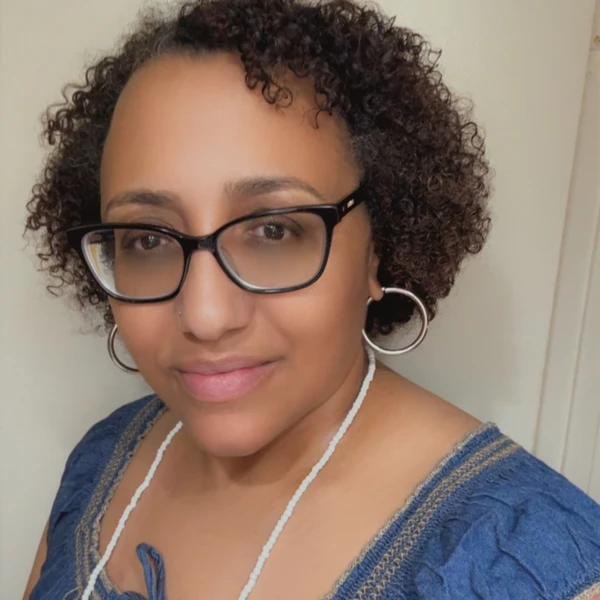
I am a disabled Black woman, trauma survivor, and first-year MSW student at Northern Arizona University. I have survived multiple brain surgeries, strokes, breast reconstruction, and live with chronic pain, fibromyalgia, and a traumatic brain injury. These experiences have shaped every part of my life. I’m also a certified mental health coach and founder of Moving Mountains Coaching, where I support professional athletes, couples, and individuals in navigating stress, emotional overwhelm, and life transitions with compassion and clarity.
As I pursue my Master of Social Work, my goal is to provide trauma-informed, culturally responsive care to communities often overlooked or underserved. I plan to continue my work in private practice, write personal development books, and create spaces where people can heal, grow, and reconnect with themselves. My life has taught me how to keep going, even when everything feels heavy. That perspective drives everything I do.
Education
Northern Arizona University
Master's degree programMajors:
- Social Work
Grand Canyon University
Master's degree programMajors:
- Psychology, Other
University of Phoenix
Master's degree programMajors:
- Psychology, General
University of Phoenix
Master's degree programMajors:
- Business, Management, Marketing, and Related Support Services, Other
University of Phoenix-Arizona
Bachelor's degree programMajors:
- Business, Management, Marketing, and Related Support Services, Other
Miscellaneous
Desired degree level:
Master's degree program
Graduate schools of interest:
Transfer schools of interest:
Majors of interest:
- Social Work
Career
Dream career field:
Civic & Social Organization
Dream career goals:
Social Worker
Owner & Coach
Moving Mountains Coaching2017 – Present9 years
Public services
Volunteering
Kyrene School District — Support Staff2014 – 2023Volunteering
East Valley NAACP — communications committee2017 – 2019
Future Interests
Advocacy
Politics
Volunteering
Philanthropy
Entrepreneurship
Michele L. Durant Scholarship
My name is Trisheana Hunter, and I am a graduate student pursuing my Master of Social Work at Northern Arizona University. I am also a mental health coach, a mother, and a disabled Black woman whose life experiences shaped my passion for helping others navigate adversity and access meaningful support in the medical and mental health fields. I hope to create positive change by advocating for expanded access to mental health resources while supporting individuals and communities that have historically been underserved through culturally competent counseling services.
Throughout my life, I have survived multiple brain surgeries, septic shock, and strokes that left me permanently disabled. Navigating these medical challenges forced me to confront the harsh realities of medical racism that many patients of color encounter when trying to advocate for themselves within complex healthcare systems. These experiences showed me how important it is to have compassionate professionals who listen, advocate, and support patients through difficult moments. Unfortunately, it was very difficult for me to find that support when I needed it most.
Understanding that this is often what marginalized people experience when seeking equitable access to quality care, I founded Moving Mountains Coaching, where I provide mental health and life coaching to individuals, couples, and professional athletes. Through this work, I help people navigate stress, trauma, and major life transitions while building resilience and a stronger sense of identity and purpose. I also provide pro bono support to individuals who are navigating complex mental health or healthcare challenges but cannot afford services. I believe everyone deserves access to support that helps them move forward in their lives.
Returning to graduate school has been another step toward expanding the impact of my work. Pursuing higher education while living with multiple disabilities and raising my children as a single mother in a system that often feels stacked against me has strengthened my understanding of perseverance and advocacy. Despite my personal challenges, I maintain a 4.0 GPA while managing ongoing health issues and cognitive impairments resulting from my medical history. My social work education is helping me develop the clinical knowledge and leadership skills needed to advocate for equitable mental health care and support individuals and families navigating systemic barriers.
In the future, I plan to continue working at the intersection of mental health, healthcare, and community advocacy. My goal is to help create systems that provide culturally responsive care and ensure that individuals from underserved communities receive the support and dignity they deserve. I also hope to mentor and support future professionals who are committed to improving mental health access and reducing disparities within healthcare systems.
I am also a passionate writer and am currently working on my first teaching memoir. I hope to complete this work and publish additional books that encourage people to overcome obstacles and move mountains in their own lives. Through my work, education, and advocacy, I remain committed to helping people strengthen their resilience and create healthier futures for themselves and their communities.
Lily Tantillo Scholarship
I am currently pursuing my Master of Social Work at Northern Arizona University. While I am not seeking a degree in exercise physiology, I work closely with professional athletes, supporting them in improving their mental health and overall well being. In high performance environments, athletes often face enormous pressure, public scrutiny, and emotional stress. My work focuses on helping them build resilience, strengthen their relationships, and develop a healthier sense of identity beyond their sport.
I believe it is important to help others see that there are always more solutions than there are problems. My goal is to support people as they recognize their own strengths and realize their highest potential. Through Moving Mountains Coaching, I provide mental health and life coaching to individuals, couples, and athletes. I also offer pro bono services for people who cannot afford support but are navigating complex mental health or healthcare challenges. I believe loyalty and honesty are essential when supporting others, especially during the most difficult periods of their lives.
In my personal life, I have overcome tremendous adversity including multiple brain surgeries, septic shock, and strokes that have left me permanently disabled. These experiences profoundly changed my life and forced me to rebuild my identity many times. Living with disability has taught me the importance of perseverance, honesty about one’s struggles, and the ability to find moments of humor and humanity even during painful circumstances. These experiences are also what shaped my commitment to helping others feel seen and supported when they are facing overwhelming obstacles.
Despite these limitations, I have dedicated my work to helping others rediscover their purpose and overcome obstacles in their own lives. I maintain a 4.0 GPA in my graduate studies while managing severe cognitive impairments and ongoing health challenges. My journey has shown me how difficult it can be to advocate for oneself within healthcare, education, and other systems. Because of this, I strive to help others develop the confidence and skills needed to advocate for themselves and pursue the life they want to live.
Giving back has always been an important part of who I am. Over the years I have volunteered in my community, including supporting local schools and organizations focused on mental health awareness and social justice. I believe that showing up for others with warmth, honesty, and loyalty is one of the most meaningful ways we can make a difference in the world.
As I continue my education and career in social work, I plan to expand the work I have already begun by advocating for better access to mental health support and culturally responsive care for underserved communities. My goal is to continue building spaces where people feel supported, understood, and empowered to move forward in their lives.
Lily Tantillo’s legacy reflects compassion, courage, and dedication to helping others live healthier and stronger lives. I hope to honor those same values by continuing to support others, stand up for those who need advocacy, and live with integrity in both my personal and professional life.
Susie Green Scholarship for Women Pursuing Education
Courage is something I have carried with me my entire life. Since I was a little girl, I have faced countless situations that forced me to push through fear, uncertainty, and doubt to accomplish what often felt impossible. Since the age of six, I have endured twelve brain surgeries, septic shock, multiple strokes, and years of living on disability income while raising my daughters. I spent decades living in survival mode. I am very proud of all that I have overcome. Everything I have endured has required courage.
Surviving all that I have in this lifetime has shown me that my life has tremendous purpose. I have been helping others through mental health coaching since 2017, and volunteering in my community has always been important to me. My own health challenges and experiences in the healthcare system showed me the importance of advocating for individuals navigating the same medical and mental health systems that I once struggled through. That desire to serve never left me.
My courage comes from accepting that my disabilities do not disqualify me from achieving my purpose. Living with chronic pain has not erased my intelligence or diminished my value. I realized that earning my Master’s in Social Work would equip me with the education and credentials to expand my impact and serve in a greater capacity.
Going back to school at 48, while living on disability and managing a traumatic brain injury, was not an easy decision. I was afraid I would not be sharp enough to keep up with my studies. But I knew something had to change for us, and I remained committed to my calling to help people improve their mental health. I found the courage to continue my education by reflecting on the evidence of everything I have already overcome in the face of the most difficult circumstances.
Returning to school was not part of my original plan given my many physical and cognitive limitations. At times, I believed I was not enough. But I also knew I did not want to spend my entire life living on disability income. To change that outcome, I had to confront my fears and move forward anyway.
It is harder than anything I have done before. I am tired and in pain most days. I have been sick for nearly two semesters straight. Balancing being a single mother, school, internships, protecting my disability income, and managing countless medical appointments is overwhelming at times. But somehow, I am doing it. I have excelled in my internship and maintained a 4.0 GPA in my MSW program at Northern Arizona University.
I am proud of myself. I intend to finish what I started and honor the strength my daughters have witnessed. I returned to school because I know I am still capable, and I am unwilling to let hardship define the limits of my future.
Debra S. Jackson New Horizons Scholarship
Thank you for considering me for the New Horizons scholarship. I am Trisheana Hunter, a 48-year-old disabled single mother returning to school to complete my Master’s in Social Work from Northern Arizona University. I already have my Master’s in Industrial-Organizational Psychology. I was planning to pursue Licensed Professional Counseling. But I could not handle it at the time because I was working full-time and raising two very young daughters. Completing internships and practicum hours was impossible at that time. So, I changed my major. A month after completing my master's, I found out that I needed to have brain surgery. This led to having five brain surgeries, septic shock, multiple strokes, and three breast reconstructions from 2014 to 2020. My daughters and I lived on a meager disability income for more than a decade. It was very hard for us during this time.
Through these experiences, I learned the importance of honoring each moment in our lives, practicing self-compassion, and advocating for health care and mental health for marginalized individuals. I know what it feels like to navigate complex medical and mental health systems while being unheard or misunderstood. Because of this, I value equitable access to care and compassionate support for those facing medical, emotional, and financial hardship.
My daughters are older now. I am still disabled and live with permanent brain damage and chronic pain. This does not prevent me from doing my part to help others through mental health coaching. I am passionate about helping people improve their mental health and heal their relationships through coaching. I have also remained committed to community service by volunteering in my daughters’ schools, supporting suicide prevention efforts, and participating in community organizations that advocate for marginalized families. Serving my community has always been important to me and continues to guide my professional goals.
Pursuing my MSW will allow me to receive my credentials and help even more people improve their mental health. My long-term goal is to become a licensed clinical social worker providing trauma-informed, culturally responsive mental health care to individuals and families who have been historically underserved. Through my current internship at Fresenius Kidney Care, I am learning how social work will help me contribute to my community and create impactful change. I am gaining experience supporting individuals managing chronic illness, financial strain, and emotional distress. I plan to use my education to continue advocating for accessible, ethical, and community-based care.
I was able to return to work for a while. But I was hit with pulmonary issues, headaches, and cognitive decline due to the brain surgeries. We are now back to living on a disability income, which has left my daughters and I struggling financially and unable to make ends meet. Maintaining basic necessities is extremely difficult. We often experience food insecurity, and our home has been in forebearance for a year. This scholarship will go a long way toward alleviating the financial strain we deal with every day. It will also help me focus more fully on completing my degree, fulfilling internship requirements, and obtaining licensure so that I can expand my impact, be better equipped to provide for our family, and continue serving my community in a greater capacity.
Jackanow Suicide Awareness Scholarship
Thank you for considering me for this scholarship. My experiences with loss due to suicide are very personal and vast. Suicide prevention and awareness have been of great importance in my life since high school. In 1995, my junior year in high school, two close friends committed suicide by hanging, which was devastating for me mentally and emotionally. A few years later, my foster brother would take his own life. Now at 47 years old, I have lost count of how many people I have lost due to suicide. This was all very hard for me as I struggled with my own depression and PTSD. Losing a loved one to suicide is a loss that defies description. It does not get easier just because you experience loss in this form. I am someone who feels each of these losses deeply and personally. This is because I understand the feelings of not wanting to be here anymore. I vividly remember feeling this way for the first time when I was 8 years old. When someone passes on from suicide, the stages of grief are intensified greatly, leading us to linger in feelings of anger, bargaining, and denial. It seems impossible that they are gone. We are left with questions of “how we did not know?” or “how did we miss it?” As I write this, I am remembering all the ways people I love have taken their own lives. Their memory and the way they left still hurts fresh as I continue to work through my own battles with depression and work to leave my days of suicidal ideations behind me.
I was twenty-one years old on November 1, 2021, when I made my first attempt at taking my own life. Suicidal ideations and attempts are something I have battled throughout my adult life. Now, I have lost count of how many times I have attempted to take my own life. It wasn’t until recently that I finally found a therapist I could trust that I was able to begin the journey to overcoming my own suicidal ideations. These failed attempts took me years to learn that I survived for a reason and that my life had purpose. I took my own experiences with brain surgeries, septic shock, and chronic health issues, along with my own mental health challenges, and decided to heal and be there to support others in their healing as a mental health coach. Through therapy, I was inspired to further my calling as a mental health provider by becoming a social worker, earning my Master’s in Social Work from Northern Arizona University. I hope to go into direct practice and provide the support for others that I wish I had for myself.
My own experiences and those of my loved ones gave me true insight and understanding into how difficult it is for individuals dealing with major depression and suicidal ideations to find non-judgmental and supportive providers who understand what it is like to not want to carry on. Many providers can be very dismissive of those dealing with suicidal ideations and label them as overreacting and dramatic. I desire to turn my own experiences through multiple suicide attempts into support for others who need someone relatable to lean on to carry them back into the light.
I personally dealt with the loss of many I love to suicide through writing, meditations, and time in nature. I find myself always trying to draw closer to nature to find a greater sense of purpose and meaning. Reading and writing have been coping mechanisms for me since I was 11. I wrote poetry as a way to get the negative feelings and emotions outside of myself. These coping mechanisms, along with a love of music and a desire to help others, continue to serve me today. The best way for me to honor those I have lost is to do my best to help those who are still here and need help through sound mental health support that is nonjudgemental towards individuals suffering from such hopelessness.
Dr. DeNinno’s Scholarship for Mental Health Professionals
Thank you for considering me for the Dr. DeNinno Scholarship. I am Trisheana Hunter, a disabled African American single mother pursuing a graduate degree in mental health because I am deeply committed to expanding access to compassionate, culturally responsive care for individuals and families who have historically been underserved. I have personally experienced several health and mental health challenges from a very young age, and finding nonjudgmental, relatable support often felt impossible. These experiences shaped my understanding of how deeply mental health impacts every aspect of a person’s life, family, and ability to move forward.
After navigating long-term severe health challenges from childhood and struggling to find support that truly met my needs, I became even more determined to help fill the gap in accessible, competent, and compassionate mental health care. After multiple brain surgeries from 2014 to 2020 and septic shock, I struggled to find the support I needed. This experience inspired me to become a Mental Health Coach and I found Moving Mountains Coaching. However, without proper credentialing, my reach is limited. Earning my Master of Social Work from Northern Arizona University will equip me with the clinical skills, ethical foundation, and professional credentials necessary to provide high-quality direct practice services to those who need them most.
As a first-generation graduate student from a low-income background, I understand the financial obstacles that can make higher education feel out of reach. In addition, I am currently experiencing significant financial difficulty as a single mother of two living solely on disability income. The financial strain often makes it difficult to pay the mortgage, cover utilities, and meet my family's basic needs.
Receiving this scholarship would not only help alleviate financial pressure but also allow me to focus more fully on my studies, internship, and professional development. Any financial assistance I receive helps me build a sustainable career in mental health while also reducing the immediate stress of simply trying to survive financially. Pursuing this degree is important to me not only for my own growth but also to allow me to serve others more effectively and ensure greater access to supportive, relatable, and culturally responsive mental health care.
I am dedicated to upholding social work values, practicing with integrity, and making a meaningful contribution to my community. Now more than ever, it is critical that we prioritize mental health, expand access to care, and support those who have been historically overlooked. This scholarship would help me continue this path with greater stability, clarity, and commitment to the work I am called to do.
Joshua’s Light: Suicide Awareness & Resilience Scholarship by Solace Mind®
My lived experience with mental health and suicide comes from my experiences as the daughter of an Army veteran with PTSD. Due to brain surgeries and domestic violence, I experienced mental health challenges from a young age. I have lost many loved ones to suicide, and I, myself, am no stranger to suicidal ideations and attempts. I understand how difficult it can be to overcome stigma and pursue mental health support, especially for marginalized populations. There were many times in my life when the weight of chronic illness, trauma, disability, and overwhelming circumstances made staying feel impossible. I felt trapped inside my own mind and in this life. As I worked to support others overcome their mental health challenges, I was drowning in my own. These moments were dark, lonely, and terrifying. I tried many times to seek help through therapy, but struggled to find the right fit that could relate to all I had been through without judgment. `
In October of 2024, I finally found a supportive provider who helped me find my purpose and restore my zest for life and will to live. This inspired me to pursue my Master’s of Social Work. My experiences with suicide and mental health challenges clarified for me that systems must be more humane, more responsive, and more accessible, and that individuals need professionals who truly understand what it means to fight for their lives. I desire to be that person.
I have made a steadfast commitment to my own mental health through consistent therapy, self-reflection, and accountability. I practice self-advocacy by speaking up for my needs, setting boundaries, seeking help when I need it, and refusing to carry shame about my struggles. I approach suicide awareness and prevention with compassion rather than fear, believing that open, honest conversations, early support, and culturally responsive care save lives.
Through my current field placement at Fresenius Kidney Care in Mesa, Arizona, I work closely with patients navigating chronic illness, emotional distress, and existential fear. Many of them carry their own silent battles. I listen without judgment, sit with their pain, and advocate for their psychosocial needs. This work has strengthened my conviction that mental health care is a matter of dignity, not a privilege. Because of my upbringing in the military, I am passionate about supporting the mental health of our veterans and their families. This has led me to pursue my focus year internship with the Veterans Administration here in Phoenix. I am looking forward to supporting our veterans in overcoming mental health struggles and helping them receive compassionate, relatable support.
As I move forward toward becoming a licensed clinical social worker, I plan to serve underrepresented communities through trauma-informed, culturally responsive direct practice. I want to support individuals, couples, and families who have been historically excluded from care, particularly those impacted by chronic illness, disability, and systemic inequities. I also plan to continue community-based advocacy, suicide prevention education, and resource navigation for those who lack access to support.
EJS Foundation Minority Scholarship
Thank you for considering me for the EJS Minority Scholarship. I am Trisheana Hunter, a disabled Black woman, single mother, and graduate student in the Master of Social Work program at Northern Arizona University. I am an avid reader and enjoy writing and supporting others in any way I can. I also love music and enjoy hiking near my home whenever my health allows. I am passionate about providing mental health support to those in need and have dedicated my life to this purpose. From 2014-2020, I experienced several severe health challenges, including multiple brain surgeries, septic shock, strokes, and breast reconstructions. Despite these obstacles, in 2017, I founded Moving Mountains Coaching, where I strive to provide mental health coaching to individuals who have struggled to find relatable support. I desire to expand my ability to provide this support to those without adequate access or financial means. I am also a person living with permanent disability and cognitive impairment after surviving twelve brain surgeries, septic shock, and strokes. Throughout my life, I have faced significant hardships and fought to overcome the unimaginable. However, I have been fortunate to overcome a lot, and now I am pursuing my purpose of supporting other marginalized individuals through social work.
I am currently pursuing my MSW to become a licensed clinical social worker with a focus on direct practice. My goal is to provide trauma-informed, culturally responsive mental health care to individuals, couples, and families who have been historically underserved or excluded from support. As someone who has experienced medical discrimination and ableism, I understand the importance of having diversity in support for individuals going through mental health and physical health challenges. It is my passion to fill this gap and be the support to others that I did not have when going through my own health challenges. My current field placement at Fresenius Kidney Care in Mesa, Arizona, is helping me to gain experience supporting patients navigating chronic illness, financial strain, and emotional distress while advocating for their dignity and psychosocial needs. I am also learning even more about how minorities are marginalized in healthcare settings and forced to face more obstacles than their Caucasian counterparts.
This scholarship would be greatly beneficial to me, as I have been living for some time solely on disability income, which makes it very difficult to make ends meet, and my family often goes without due to these financial difficulties. Assistance with my financial burdens will go a long way toward relieving stress and allowing me to focus more on my studies and internships. Despite these barriers, I have consistently demonstrated ambition, perseverance, and impact. Even as a student, I have faced significant health challenges. Yet, I have maintained academic excellence with a 4.0 GPA and remained deeply engaged in community service, including volunteering with the East Valley NAACP, Black Mothers Forum, local schools, South Phoenix communities, and the American Foundation for Suicide Prevention. This scholarship would help me complete my degree, reduce financial strain, and expand my ability to serve marginalized communities through ethical, compassionate, and effective social work.
Therapist Impact Fund: NextGen Scholarship
WinnerAs a disabled Black woman who has survived life-threatening medical trauma, systemic healthcare bias, and the intersecting weight of racism, sexism, and ableism, I am keenly aware of how it feels to sit across from a provider who cannot comprehend your reality, who looks on horrified instead of offering healing and relevant support. Moments like this have shown me the importance of having more relatable and culturally competent providers in mental health. I have a deep desire to be the provider for others that I struggled to find for myself.
I have chosen to build what I never had. As the founder of Moving Mountains Coaching, I have created safe and culturally responsive spaces for NFL athletes, couples, and individuals across diverse backgrounds, helping them process their emotions, strengthen their resilience, and restore their relationships. My work as a Mental Health Coach has yielded measurable results, including exceptional client outcomes. I am committed to blending evidence-based practices with authenticity and cultural humility to provide effective, empathetic mental health care to those who need it.
I am a Master of Social Work candidate at Northern Arizona University, holding a 4.0 GPA. I am preparing to expand my role as a licensed clinician. My training in ACT, DBT, CBT, and motivational interviewing, combined with years of coaching and care navigation, equips me to meet clients at their most vulnerable and guide them toward lasting transformation. I intend to be the kind of provider I once needed: someone who sees the whole person, their strengths and pain, without judgment, and offers not only clinical expertise but also lived understanding.
If I could make one significant change to today’s mental healthcare system, it would be to eliminate systemic barriers to culturally competent care. Too often, individuals from underrepresented communities, including BIPOC, LGBTQ+, disabled, and first-generation populations, struggle to find therapists who reflect their identities or truly understand their lived experiences. This lack of representation and cultural awareness contributes to mistrust, misdiagnosis, and disengagement from critical mental health care.
The change I envision is instituted through policies that invest in the recruitment, education, and long-term support of future mental health providers from these underrepresented communities. This includes expanding scholarships and loan forgiveness programs, increasing reimbursement rates for community-based providers, and removing licensure and internship barriers that disproportionately limit underrepresented students from entering the profession. Additionally, public funding should be directed toward placing diverse providers in underserved areas and supporting organizations that deliver care in culturally specific and community-based models.
Teletherapy has been one of the most significant innovations in mental healthcare, particularly in breaking down geographical and logistical barriers. For clients in rural areas, those with disabilities, or individuals balancing demanding schedules, teletherapy offers greater access and flexibility. It also provides a level of privacy and comfort for clients who may be hesitant to seek mental health support in person.
However, the greatest challenges of teletherapy often fall along lines of equity. Not everyone has access to reliable internet, private spaces for sessions, or personal environments that support secure communication and vulnerable engagement. Additionally, some aspects of human connection, such as body language, energy, or physical presence, can sometimes be more challenging to replicate virtually, which can impact the building of rapport in therapeutic relationships. Multiple state licensing can sometimes pose barriers to providing care, especially for social workers. With proper reforms and innovations to make access more equitable, I believe the future of mental health care can be not only more accessible, but also more compassionate, equitable, and empowering for the communities who need it most.
Dr. Jade Education Scholarship
As a compulsive dreamer, I envision a life of freedom, joy, and purpose. I aspire to live a life beyond mere survival, creating stability for my daughters, and inspiring others to believe in their own possibilities.
My life has been marked by instability, trauma, and illness. Stability is something I long for but rarely experience. My dream life includes a home filled with peace, love, safety, and security. It means my daughters know they are secure and supported as they build their own futures. It also means financial freedom, not only to provide for them but to invest in their passions so they never feel confined by fear or limitation.
I imagine myself traveling and spending time at the ocean in La Jolla, where I feel a deep spiritual connection. The ocean is where I find peace, creativity, and a sense of grounding. It is where I will write books that inspire and heal. These will be memoirs and works of personal development that empower women and individuals who have lived with disabilities, chronic illness, and overwhelming obstacles to achieve more of what they want in life. My words will carry hope to women of color who often feel buried under the weight of societal expectations, showing them that their voices and their dreams matter. Through writing, I will remind them that they are not defined by limitations but by their strength to rise.
In 2017, I founded Moving Mountains Coaching, where I have provided over 3,000 hours of coaching to individuals, couples, and athletes. I have worked with NFL players and their families, couples on the edge of separation, and people who believed their burdens were too heavy to bear. In my ideal life, my coaching practice evolves into a movement that liberates people from limitations, past traumas, and doubt, empowering them to overcome obstacles and achieve the lives they envision. I know what it means to feel broken, unseen, and hopeless. In my dream life, I continue to be the provider I once searched for, someone who sees people in their full humanity and helps them rebuild with dignity.
Coaching allows me to impact lives one at a time, but my current pursuit of my Master’s of Social Work at Northern Arizona University provides me with the tools to shape systems and expand my reach to help others.. My dream includes advocating for policies that protect vulnerable communities and creating programs that serve people who are too often overlooked or dismissed.
As a Black woman living with disabilities, I understand how race, gender, class, and health intersect to create barriers that feel impossible to overcome. My dream life includes dismantling those barriers for others. It means standing in spaces where decisions are made and ensuring that the voices of the silenced are brought to the forefront. It also means mentoring other women of color, so they see themselves beyond what society expects of them and are empowered to reclaim the freedom to define their own lives.
Ultimately, the life of my dreams is about creating a legacy and empowering others. It is about leaving behind more than scars from trauma. It is about building a legacy of healing and possibility. It is about my daughters seeing a mother who not only survived but thrived, and about women and men across the world realizing that their stories matter. The life of my dreams is one of writing, coaching, traveling, and teaching, all rooted in the belief that “Every Mountain Can Be Moved If You Are Willing to Take the First Step.™
Sloane Stephens Doc & Glo Scholarship
I was raised in Tucson, Arizona. My childhood was marked by instability and the absence of love and empathy. My father served in the military, and during our years overseas in the Philippines, we endured earthquakes and later evacuation after Mount Pinatubo erupted, forcing us to leave everything behind. When we returned to the United States, I moved in with my grandparents. My grandmother became my safe place, but even then, I felt responsible for my younger siblings who remained with my parents, who struggled with trauma, substance abuse, and cycles of violence. From early on, I understood what it meant to feel unsafe and unseen, but I also learned how to survive against overwhelming odds.
By the time I was in second grade, I had undergone eight brain surgeries. Chronic health conditions and the constant fear of recurrence overshadowed my childhood. In 2007, those fears became reality when a drunk driver struck me at 65 miles per hour while I was stopped at a red light with my daughter in the car. It took two years before I found a neurosurgeon willing to attempt the repairs, and in that time, my life became defined by fear, pain, and uncertainty.
In 2014, the arteriovenous malformations in my brain returned. These tangled blood vessels can rupture or bleed without warning, causing life-threatening complications. Between 2014 and 2020, I endured five more brain surgeries, septic shock, and the loss of both breasts to infection. I lived with depression, complex PTSD, and countless days when I wondered if life was worth continuing. There were nights of unbearable pain and days when guilt consumed me for being too sick to be the mother I wanted to be. For a long time, joy and peace felt impossible.
I knew the emptiness of searching for care that never came and what it felt like to have my humanity reduced to symptoms. That realization gave me my life’s calling: to become the provider I never had. In 2017, I founded Moving Mountains Coaching to transform my pain into purpose. With my master’s degree in psychology, I have built a practice that has provided over 3,000 hours of coaching. I work with NFL athletes, couples, and individuals carrying burdens they believed were too heavy to bear. My work focuses on mental wellness, growth, and healing. What makes it meaningful is not just my training but my lived experience. I know what it means to fall apart and rebuild, and I walk alongside my clients from that place of truth.
My work focuses on helping athletes navigate the expectations of performing at superhuman levels while carrying the trauma and burdens of their own. Couples and families often suffer under the weight of unaddressed struggles. I provide safe spaces where people can be genuine, fall apart, and still be supported as they rebuild with dignity.
I am pursuing my Master of Social Work at Northern Arizona University to expand my impact. Coaching allows me to change lives, but social work will provide me with the framework to address systems, advocate for justice, and ensure that mental health is recognized as an essential part of healthcare.
As a Black woman living with disabilities, I understand how race, gender, class, and health intersect to create barriers that feel impossible to overcome. My goal is to dismantle those barriers for others. Looking back, every painful chapter of my life has given me something I now use in my work. My journey has taught me that “Every Mountain Can Be Moved If You Are Willing to Take the First Step. ™”
Fishers of Men-tal Health Scholarship
My experiences with mental health started at a young age, before I knew anything about what it meant to live with depression, Post Traumatic Stress Disorder, or Anxiety. I faced health challenges early in life that changed how I saw myself and the world. My experiences made it hard for me to ever feel safe at home or school. By the time I was a teenager, my life had already been defined by chronic pain, family trauma, and challenging situations. From elementary school into adulthood, I lived through trauma, survived illness, and carried more than most people face in a lifetime.
As a young adult, my health battles became much more severe. I went through multiple brain surgeries that left me permanently disabled. I lived with a lot of fear and uncertainty about whether I could truly live and accomplish anything with my life. I lost both of my breasts after devastating infections and septic shock. My body was scarred, my spirit was tired, and my mind was overwhelmed by depression and complex PTSD. There were nights of unbearable pain and days when I no longer wanted to live. I felt isolated, unseen, and too weak to push forward, yet I still had two young daughters who needed me. In their most formative years, I often felt too lost and broken to give them the stability they deserved, and that guilt deepened my depression.
I searched for support throughout those years, but no matter how many providers I met with, I could not find someone who could help me carry the weight of my story. I needed someone who could see my humanity, not just my symptoms, and support me through horrors most could not imagine. That gap, that ache of not finding care that met me where I was, planted a seed in me. I realized it was my calling to become the kind of provider I never had. That realization is what gave birth to Moving Mountains Coaching in 2017. Through my master’s in psychology, I built a practice that serves athletes, couples, and individuals. I have provided more than 3,000 hours of mental health coaching, including work with employee assistance programs and direct coaching for NFL athletes and their families. Coaching became not just my work but the extension of my survival. It was how I transformed my pain into purpose.
Living with depression, PTSD, and long-term health challenges has shaped the way I connect with others in powerful ways. Struggling with PTSD taught me patience and compassion, while depression taught me the importance of simply being present in the miracles of today. My daughters grew up watching me fight battles that most children never see their mothers endure. They saw me lying in hospital beds, hooked up to machines. They saw my scars and witnessed my suffering. However, I was able to shield them in many ways and never missed a performance or parent-teacher conference. I did everything I could to remain present for them. They saw me rebuild myself more than once, and these experiences shaped their understanding of what resilience means. Our relationship is built on authenticity and acceptance because we understand how to push through and love despite imperfections.
This openness extends to the way I support my clients. Whether it is an athlete facing the crushing weight of performance expectations, a couple on the edge of separation, or an individual struggling to overcome the impossible, I speak from lived truth and provide a coaching experience they can relate to and depend on to help them grow. I know what it means to wake up at three in the morning in a panic. I know the exhaustion of depression, the way flashbacks make you feel like you are drowning in the past, and the isolation of being disabled in a world that rarely understands. My clients can sense that I know because I have lived it, and that level of trust opens the door to genuine healing work.
Every decision I have made in my career connects back to my journey with mental health. I became a coach because I had experienced darkness firsthand and wanted to help others find their own light. Working with athletes gave me insight into the unique pressures they face, pressures that outsiders rarely see. These men and women are asked to perform at superhuman levels while privately battling depression, anxiety, relationship challenges, or family struggles. The world sees their stats and contracts, but I see their humanity and their truth. I know that they deserve confidential spaces to fall apart and rebuild, just as I once needed myself.
Pursuing my Master of Social Work is the natural next step in this path. Coaching has allowed me to positively impact individuals and families, but social work provides me with the training and framework to effectively impact systems and establish justice, equity, and healing. Through social work, I will take my lived experiences and professional practice to a broader level, where I can advocate for policies that treat mental health as a human right and build culturally responsive systems of care for underserved communities. Too often, people who live with challenges are overlooked, dismissed, or left behind. My goal is to ensure no one feels as invisible as I once did.
Surviving trauma, illness, surgeries, PTSD, and depression has given me a perspective no classroom could. My work is about honoring pain, nurturing healing, and helping people believe in a future they cannot yet see.
I know the mountain of mental health struggles can feel immovable. I have felt that mountain pressing down on me. But I also understand the importance of having the courage to take the first step, even when your body is weak and your heart is heavy. That belief is how I live. Every mountain can be moved if you are willing to take the first step™.
My experience with mental health has influenced every part of me. It has shaped my beliefs, showing me that healing is a lifelong process, that culture and identity matter, and that every person deserves to be fully seen. It has shaped my relationships, teaching me empathy, patience, and the power of authenticity. My understanding of mental health has guided my career, pushing me to build a coaching practice and now pursue my MSW to make systemic change. Mental health has been both my greatest challenge and my greatest teacher. It has broken me open, rebuilt me, and given me the voice and purpose to dedicate my life to this work.