Hobbies and interests
Business And Entrepreneurship
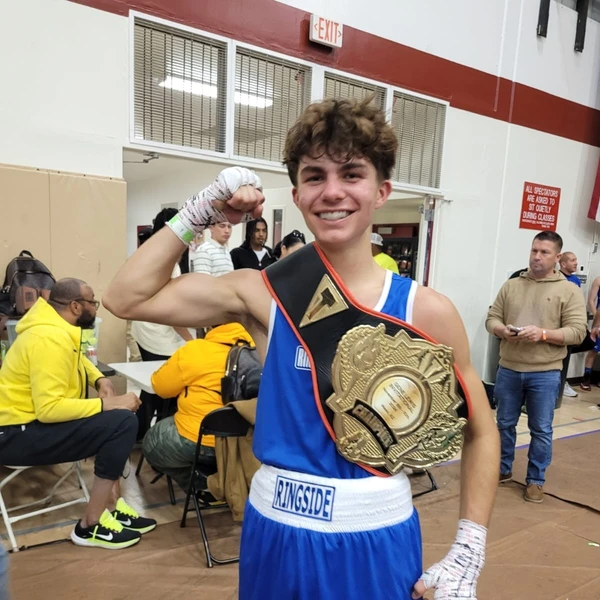
Boxing
Community Service And Volunteering
Artificial Intelligence
Tobias Sevier
1x
Finalist
Tobias Sevier
1x
FinalistBio
Tobias Sevier from Kaneohe, Hawaii incoming UC San Diego freshman studying Data Science (Sixth College). I run Sevier Sounds (customer-focused audio gear entrepreneurship), train in boxing, and completed the IB Diploma. I care about using data ethically to build products people actually need.
Education
Henry J Kaiser High School
High SchoolMiscellaneous
Desired degree level:
Bachelor's degree program
Majors of interest:
- Data Science
- Economics and Computer Science
Career
Dream career field:
Information Technology and Services
Dream career goals:
Business Owner/Founder
Dishwasher/Busser
Haleiwa Joes2024 – 20251 year
Sports
Boxing
Club2021 – Present5 years
Public services
Volunteering
Infuse Travel — Group member2025 – 2025
Ava Wood Stupendous Love Scholarship
1.
I hit a rough week in boxing and my coach caught it before I did.
I was up early for training, in class all day, doing IB work at night, and trying to cut weight. I was exhausted and acting like I was fine.
After practice he pulled me over and said, "You are not okay right now." Then he helped me map out a real week. Hard sessions, lighter days, sleep targets, meals, recovery. Nothing fancy. Just a plan I could actually follow.
He kept checking in too. Short messages like "Did you eat?" and "How are you feeling?" Those little check-ins kept me from spiraling.
Why it mattered: it changed how I see strength. I used to think strength meant doing everything alone. Now I think strength is being honest when you are overloaded, accepting help, and still showing up.
I try to do the same for younger fighters now. If I can tell someone is drowning, I check in early instead of waiting for them to crash. The big thing my coach gave me was not motivation. It was structure. Once I had a plan, I stopped guessing and started recovering like I was supposed to consistently.
3.
For me, "creating connection" looked like a bunch of small moments in Nasoucoko, Fiji.
At the start of the trip, our student group stayed in our comfort zone. We knew each other, so we naturally clumped up. The village families were kind, but there was still that distance at first.
I wanted to close that gap. During sidewalk work and food harvesting, I kept choosing to work next to local families, not just my own group. I asked how they wanted things done and followed their pace. I messed up a few things early, they laughed, I laughed, and we kept going. That actually helped.
Once that happened, other students in my group started opening up too. The quiet kids joined in. Meals got louder. Work got smoother. By the end, it did not feel like a school project anymore. It felt like people trusting each other.
I remember one night after work when everyone stayed around talking and eating together longer than usual. That was the moment I realized the wall between groups was gone.
That is the lesson I brought home. Connection is usually not one big act. It is repetition. You show respect, you listen, you keep showing up, and eventually people feel that you are really there with them.