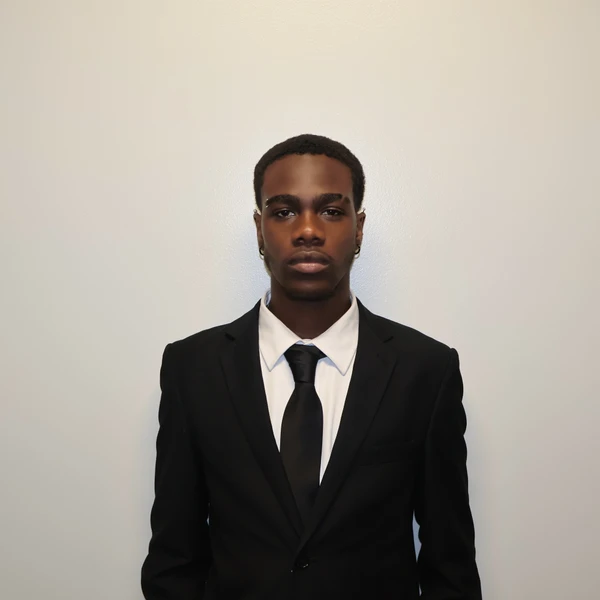
user profile avatar

TJ Harris

1x

Finalist

General information

Hobbies & Interests

  • Track and Field
  • Acting And Theater

Bio

Hi, my name is Spider Harris, and I am a rising sophomore at Howard University pursuing a B.S. in Psychology with minors in Biology and Chemistry on the pre-med track. My goal is to become a child psychiatrist and help address the lack of Black male representation in mental health care. My passion for mental health advocacy is deeply personal. Witnessing the impact of untreated mental health struggles showed me how important access to care, support, and understanding truly are. I want to help create spaces where children, especially Black youth and underserved communities, feel seen, heard, and supported. At Howard, I’ve dedicated myself to leadership, service, and growth. I’ve co-founded a Bible study community, served in mentorship and advocacy spaces, and contributed to campus organizations focused on student development and impact. I am also a creative and entrepreneur. Through my photography brand, ShotBySpidey, as well as modeling and other creative work, I use visual storytelling to connect with and inspire others. Coming from a low-income background, I have faced financial obstacles while pursuing higher education. Despite these challenges, I remain committed to my goals and to creating meaningful change. Scholarships are not just financial support—they are investments in my future as a physician, advocate, and leader dedicated to serving others.

Education

Howard University

Bachelor's degree program

2025 – 2029

Majors:
  • Psychology, General
Minors:
  • Chemistry
  • Biology, General

Woodward Academy

High School

2021 – 2025

Miscellaneous

Desired degree level:
Bachelor's degree program
Graduate schools of interest:
Columbia University in the City of New York
Majors of interest:
Psychology, General, Clinical, Counseling and Applied Psychology, Neurobiology and Neurosciences
Desired degree modality:
Full-Time, In-Person
Medical school interest:
Yes

Career

  • Mental Health technician

    Mental Health Care · Community Behavioral Healthcare

    Jan 2026 – Present

Miscellaneous

Dream career field:
Hospital & Health Care
Dream career goals:
Child Psychiatrist
Work experience:
1 year
Has nursing license:
No
Kalia D. Davis Memorial Scholarship
When I think about the kind of person I want to become, I think about the impact I hope to have on children before they ever have the opportunity to understand the circumstances around them. I am a Psychology major at Howard University with minors in Biology and Chemistry, and I hope to build a career focused on early childhood development. My goal is to better understand how a child’s earliest experiences shape their emotional, psychological, and academic development and eventually use that knowledge to help children and families thrive. Continuing my education at Howard is an important part of making that goal a reality. My journey to Howard has taught me that pursuing an education is not always easy, but it is worth fighting for. I come from a family where financial circumstances have made college difficult to afford. As I continue my education, I have had to take on responsibilities beyond being a student and actively seek scholarships and employment to help cover the cost of my education. Balancing school with work has challenged me, but it has also strengthened my work ethic and determination. I have learned that sometimes ambition means continuing to move forward even when the path is uncertain. Howard University is especially meaningful to me because it is more than the institution where I am earning my degree. It is the environment in which I am developing into the person and professional I hope to become. At Howard, I have been able to pursue psychology while exploring my interests in mental health, child development, research, and service. My experiences working with children and serving my community have reinforced my belief that supporting children early can have an impact that extends far beyond childhood. I want to contribute to research and programs that help children develop the emotional and psychological foundation they need to succeed. What inspires me about Kalia D. Davis is the example she set through her work ethic, ambition, kindness, and commitment to excellence. Her life reflected someone who pursued her goals while also contributing to the communities around her. Those are qualities I want to carry throughout my own education and career. I do not want my success to be measured only by the degrees I earn or the career I build. I want it to be measured by the people who are better because I chose to serve them. Receiving the Kalia D. Davis Memorial Scholarship would help me continue my education at Howard University and reduce some of the financial pressure that comes with pursuing my degree. More importantly, it would give me encouragement to continue investing in the future I am working so hard to build. This support would help me remain focused on my education, research, service, and preparation for a career dedicated to early childhood development. I am determined to finish what I started at Howard. I know that my circumstances may make the journey more difficult, but they do not determine how far I can go. I want to honor the values represented by Kalia’s legacy by continuing to work hard, serve others, pursue excellence, and use my education to create opportunities for children who deserve the chance to reach their full potential. This scholarship would not simply help me stay in school; it would help me continue moving toward a career and life centered on purpose, service, and lasting impact.
Erin Lanae's HBCU Excellence Scholarship
chose Howard University because it gave me the most financial aid, and that practical reality mattered in making college possible for me. But beyond finances, my decision was also rooted in something deeper: the importance of having a village. I come from a background where my education has only been possible because of the people who have supported me along the way. From private school to continuing as a sophomore in college, I have relied on teachers, mentors, family members, and community members who consistently showed up for my academic journey. I learned early that success is rarely individual. It is built through collective support. That is what drew me to Howard. I knew that at an HBCU, I would find a community that understands the importance of showing up for one another in ways that go beyond the classroom. I wanted an environment where I would not have to navigate challenges alone, and where I could also become part of someone else’s support system. Howard is not just a place I attend for prestige, finances, or academics. It is a place where I am building and being shaped by a village that reflects who I am and who I am becoming.
Byte into STEM Scholarship
My story is one of resilience, purpose, and service. I was raised in a single-parent household by my mother, who has sacrificed endlessly to give me opportunities she never had. Growing up, I saw firsthand how financial hardship, instability, and limited resources can create barriers that feel impossible to overcome. There were moments in my life when things felt uncertain, but those experiences taught me discipline, perseverance, and how to keep moving forward even when life feels heavy. They also shaped my desire to create change for others facing similar struggles. I am currently a psychology student at Howard University with minors in biology and chemistry, pursuing a path toward becoming a child psychiatrist. My passion for mental healthcare is deeply personal. I have seen how untreated mental health struggles can impact individuals, families, and entire communities, especially in underserved Black communities where access to care is often limited and stigma remains strong. These realities pushed me toward a career where I can combine science, empathy, and advocacy to make a lasting difference. My passion for this work has grown through both personal experiences and service. This summer, I am working as a Mental Health Technician at a behavioral healthcare facility, where I support patients facing serious mental health challenges. This role has taught me the importance of compassion, patience, and simply showing up for people during their most vulnerable moments. I have learned that healing is not always about having the perfect solution. Sometimes, it starts with making someone feel seen, heard, and valued. Service and leadership have always been central to who I am. I believe knowledge is most powerful when shared. This summer, I also worked in childcare, where I taught coding to elementary school students. Seeing young Black children become excited about technology reminded me how important representation and access are in STEM. I want young people to see that they belong in spaces like healthcare, science, and technology. Beyond that, I have consistently sought opportunities to mentor, lead, and serve within my school and community because uplifting others is a core value I carry with me. My education at Howard is preparing me to achieve both my personal and professional goals. Psychology gives me a deeper understanding of human behavior and mental health, while biology and chemistry provide the scientific foundation necessary for medical school and psychiatry. Together, these disciplines are equipping me with the knowledge and perspective to become a physician who provides compassionate, culturally aware care. My long-term goal is to become a child psychiatrist serving underserved communities, particularly Black youth who often face barriers to quality mental healthcare. I want to help children receive support early, before silent struggles turn into lifelong pain. Through my education and future career, I hope to increase access to mental healthcare, reduce stigma, and create lasting change in communities that need it most. I am not simply pursuing a degree for personal success. I am pursuing it to serve, to heal, and to build a future where more young people feel supported, understood, and empowered.
AROC AI/ML Scholarship
Artificial intelligence is often discussed in terms of efficiency, automation, and innovation. I see something deeper. I see AI as a tool with the power to either widen existing inequities or help solve them. That is what drew me to this field. As a Psychology major on the pre-med track at Howard University with minors in Biology and Chemistry, my primary academic focus is medicine, specifically mental health. My long-term goal is to become a child psychiatrist and help address disparities in healthcare, particularly within Black and underserved communities. As I have studied both psychology and science, I have become increasingly interested in how artificial intelligence and machine learning can transform healthcare outcomes. My hands-on experience with AI has primarily involved using AI-powered tools to strengthen my academic work, research, and problem-solving skills. I regularly engage with AI platforms to analyze information, improve efficiency, and explore complex problems from multiple perspectives. These tools have shown me how powerful AI can be when used intentionally. More importantly, they have shown me the importance of ensuring that the systems we build are equitable and inclusive. My interest in AI is rooted in a critical question: How can technology help reduce disparities in healthcare rather than reinforce them? This question is especially important in mental health. Black communities continue to face barriers including underdiagnosis, misdiagnosis, stigma, and limited access to culturally competent care. I believe AI and machine learning have the potential to help address these issues by improving early detection, strengthening diagnostic support, and expanding access to mental health resources. For example, AI-driven tools could help identify patterns in patient behavior, improve screening processes, and connect underserved populations with more effective support systems. However, AI is only as fair as the people who build it. Without diverse voices in STEM, these systems risk reflecting the same biases already present in society. That is why representation matters so deeply in AI and machine learning. Black professionals must have a voice in shaping the future of this technology. I hope to make an impact by working at the intersection of medicine, mental health, and emerging technology. I want to contribute to the development of AI tools that improve healthcare access and outcomes for marginalized communities. Whether through research, collaboration, or innovation, I want to help build systems that prioritize both accuracy and equity. This scholarship would support my continued education and allow me to further explore the intersection of STEM, healthcare, and artificial intelligence. I believe the future of AI should not simply be about building smarter systems. It should be about building better systems, systems that serve people fairly, ethically, and compassionately. I want to be part of that future.
Arnetha V. Bishop Memorial Scholarship
When I was in middle school, I lost one of my closest friends to suicide after he struggled with undiagnosed and untreated depression. His death changed my life forever. It forced me to confront a painful reality: many people suffer in silence, especially in communities where mental health is stigmatized, misunderstood, or ignored. That loss became the foundation of my purpose and shaped the person I am today. My name is Spider Harris, and I am a student at Howard University pursuing a degree in Psychology on the pre-med track with minors in Biology and Chemistry. My long-term goal is to become a child psychiatrist and help address mental health disparities within marginalized communities, particularly Black communities, where access to care remains limited and stigma remains deeply rooted. My experience with mental health has profoundly shaped my beliefs. I have come to understand that mental health care is not a luxury. It is a necessity. Yet too often, marginalized communities face systemic barriers that prevent access to quality care, including financial limitations, cultural stigma, and a lack of representation among providers. These barriers create cycles of silence and suffering that continue across generations. As a Black man pursuing medicine, I understand how important representation is in mental health care. Many people are more willing to seek help when they feel seen, understood, and safe. Unfortunately, Black psychiatrists, especially Black male psychiatrists, remain severely underrepresented. This disparity affects trust, communication, and outcomes for patients. I want to help change that. My activism is rooted in advocacy, service, and community building. At Howard University, I have sought opportunities to uplift and support others through mentorship, leadership, and service initiatives. I co-founded a Bible study community to create a space where students could find support, encouragement, and meaningful connection. I have also participated in community service efforts centered on outreach and helping underserved populations. These experiences have strengthened my belief that healing happens not only in clinical settings but also in trusted spaces where people feel valued and supported. Through my future work in mental health, I plan to make a meaningful impact by providing compassionate, culturally competent care to marginalized communities. I want to work with children and adolescents, particularly those from underserved backgrounds, to ensure they receive support early. Early intervention can change lives. I want to help young people develop the tools, support systems, and confidence needed to navigate mental health challenges before those struggles become overwhelming. My goal extends beyond individual patient care. I also hope to advocate for greater mental health awareness, reduce stigma in underserved communities, and expand access to resources. I want to contribute to a future where conversations about mental health are normalized and where seeking help is viewed as a strength rather than a weakness. Mental health advocacy is more than a career path for me. It is personal. It is a calling rooted in loss, shaped by compassion, and driven by purpose. I am committed to using my education and future career to serve communities that have too often been overlooked and to help build a world where mental health care is accessible, equitable, and compassionate for all.
Tia Lukeya Woods from Books Pages to Boarding Passes Scholarship
I have spent much of my life learning through books, classrooms, and lived experience, but I know some lessons cannot be fully understood until you cross a border and experience the world for yourself. As a Psychology major on the pre-med track at Howard University with minors in Biology and Chemistry, I aspire to become a child psychiatrist. My goal is to help address mental health disparities, particularly within Black and underserved communities. Through my studies, I have learned that mental health is not experienced, understood, or treated the same way across cultures. This has sparked a question that continues to challenge me: How do culture, community, and environment shape the way people understand emotional pain, healing, and mental wellness? That question is one I believe cannot be fully answered from a classroom alone. I hope to study abroad because I want to see firsthand how other countries approach mental health, community care, and healthcare systems. I want to understand how different cultures talk about trauma, family, identity, and healing. I want to learn what systems succeed, where gaps exist, and how those lessons could help me become a more thoughtful physician. Traveling abroad would challenge me to think beyond the frameworks I already know and deepen my understanding of both the world and myself. As a student from a low-income background, global learning opportunities have often felt inspiring but financially out of reach. Between tuition costs, educational expenses, and personal financial responsibilities, studying abroad has felt more like a distant dream than an accessible reality. I have learned to work hard and maximize every opportunity available to me, but financial barriers remain one of the biggest obstacles standing between intention and experience. That is why this scholarship would be transformative. The Tia Lukeya Woods from Books Pages to Boarding Passes Scholarship represents something much bigger than financial support. It represents access, the opportunity to move beyond learning about the world and toward truly experiencing it. It would help turn curiosity into action and possibility into reality. What resonates most with me about Tia’s story is that she understood education as something expansive. Learning did not stop in the classroom or at graduation. It continued through curiosity, exploration, conversation, and lived experience. That perspective deeply resonates with me because I believe the best physicians are lifelong learners. They continue growing not only in knowledge, but also in empathy, perspective, and understanding. I would carry everything I gain from global learning back into my academic journey, future medical practice, and community. I want to become a physician who sees patients fully, understands them deeply, and provides care shaped by cultural awareness and compassion. I want to bridge gaps in healthcare not just through science, but through understanding. Books have built my foundation. Now, I hope to expand that learning by seeing more of the world and becoming better because of it.
ESOF Academic Scholarship
When I was in middle school, I lost one of my closest friends to suicide after he struggled with undiagnosed and untreated depression. His death changed the course of my life. It forced me to confront the reality that many people suffer in silence, especially in communities where mental health struggles are stigmatized or overlooked. That loss gave me a sense of purpose and inspired both my educational and professional goals: to become a physician and dedicate my life to improving mental healthcare for underserved communities. I am currently a student at Howard University pursuing a Bachelor of Science in Psychology on the pre-med track, with minors in Biology and Chemistry. My educational goal is to build a strong academic foundation that will prepare me for medical school and, ultimately, a career in psychiatry. I am especially interested in child and adolescent psychiatry because I believe early intervention can change the trajectory of a young person’s life. I want to become the kind of physician who not only treats patients, but also advocates for their emotional well-being, listens to their experiences, and helps create pathways toward healing. My professional goal is to address disparities in mental healthcare, particularly in Black and underserved communities. There remains a significant shortage of culturally competent mental health providers, and Black male psychiatrists are especially underrepresented. Representation matters in medicine because trust matters. Patients deserve providers who understand their experiences and can deliver compassionate, informed care. I aspire to help bridge that gap by becoming a physician who advocates for equity, expands access to mental healthcare, and improves outcomes for vulnerable populations. Service has always been central to who I am. My commitment to civic and public service is rooted in the belief that meaningful change begins with serving others. At Howard University, I have actively sought opportunities to lead and uplift my community. I co-founded a Bible study community to create a supportive space for students to connect, grow spiritually, and encourage one another. I have also participated in mentorship and service initiatives focused on supporting students and giving back to the community. Beyond campus, I believe service extends into everyday actions—showing up for others, listening, mentoring, and helping meet tangible needs. Whether through community outreach, advocacy, or leadership, I strive to use my time and abilities to make a meaningful impact. Service has taught me humility, compassion, and responsibility. It has also reinforced my belief that leadership is not about status but about contribution. My journey has included financial challenges and personal obstacles, but these experiences have strengthened my resilience and determination. They have taught me the value of perseverance and hard work. Every challenge has deepened my commitment to my goals and reminded me why this journey matters. Education is more than a personal achievement for me—it is a pathway to service, impact, and transformation. I am committed to using my education and future career in medicine to serve others, reduce disparities in healthcare, and create lasting change in communities that need it most.
Junie Project Scholarship
I was in middle school when one of my closest friends died by suicide after struggling with undiagnosed and untreated depression. His death changed my life. It forced me to confront a painful reality: so many people suffer in silence, especially within communities where mental health is stigmatized, misunderstood, or ignored. I still carry the weight of that loss, but it also gave me purpose. It is the reason I aspire to become a physician, specifically a child psychiatrist, committed to ensuring that children and adolescents receive the care, support, and intervention they need before it is too late. My journey toward medicine has been shaped by both personal experiences and a deep desire to serve communities that have historically been underserved by healthcare systems. Growing up, I witnessed how often mental health struggles went unaddressed in Black communities due to stigma, limited access to care, and a lack of culturally competent providers. These experiences showed me that medicine is not just about treating symptoms—it is about understanding people, building trust, and providing care that acknowledges the realities of a patient’s lived experience. Attending Howard University has profoundly shaped my goals, values, and sense of purpose. As a Psychology major on the pre-med track with minors in Biology and Chemistry, Howard has challenged me academically while surrounding me with excellence, resilience, and community. Being at an HBCU has shown me the transformative power of representation. It has reinforced the importance of spaces where Black students are not only present, but empowered to lead, grow, and thrive. Howard has also taught me that success is not solely about personal achievement—it is about collective impact. Through mentorship, leadership, community service, and faith-based initiatives, I have grown into a stronger student, leader, and advocate. These experiences have strengthened my understanding that healing extends beyond hospitals and clinics. Healing also happens through compassion, advocacy, trust, and meaningful human connection. My journey has not been without challenges. I come from a low-income background and have faced significant financial barriers while pursuing higher education. Balancing academic demands, leadership responsibilities, and financial hardship has required resilience, discipline, and perseverance. These obstacles have strengthened my character and deepened my commitment to medicine. They have taught me humility, gratitude, and the importance of continuing forward even when the path feels uncertain. Receiving the Junie Project Scholarship would be transformative for my journey. This scholarship would help alleviate financial burdens and allow me to invest more fully in opportunities that will prepare me for medical school, including research, clinical experience, and mentorship. More importantly, it would provide support at a critical stage in my development, allowing me to focus more deeply on becoming the physician I aspire to be. As a future Black male physician, I understand how urgent the diversity gap in medicine is. Black physicians remain underrepresented, and Black male psychiatrists are especially rare. This gap affects patient trust, communication, and health outcomes. I am committed to helping bridge that gap by becoming a physician who delivers compassionate, culturally competent care while advocating for mental health equity. I hope to inspire future generations of Black students to pursue medicine and serve as proof that they belong in these spaces. I want to use medicine not only to heal individuals, but to create lasting change in communities that need it most.
TJ Harris Student Profile | Bold.org