user profile avatar

Timothy Winkler

1x

Finalist

1x

Winner

Bio

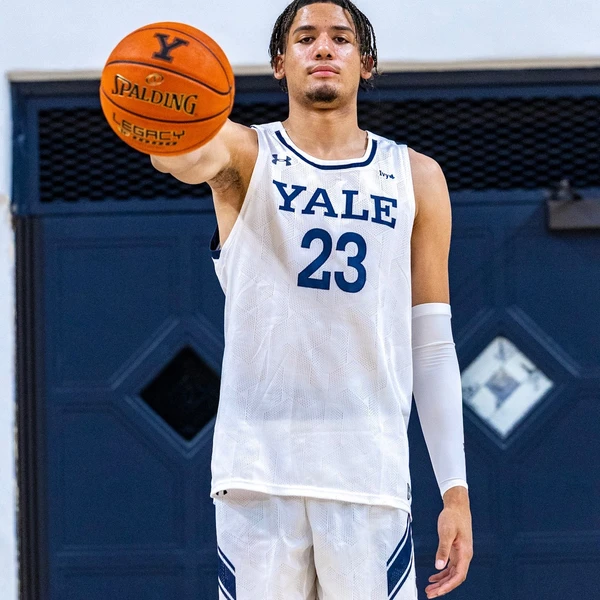
Hello. I am an incoming freshman at Yale University playing college D1 basketball. I am a great candidate for this because I have a 4.3 weighted gpa, 1260 on the SAT, and in the national honor society. I would look great for your brand. Please accept my applications. Thank you.

Education

Yale University

Bachelor's degree program
2026 - 2030
  • Majors:
    • Political Science and Government

Yale University

Bachelor's degree program
2026 - 2030
  • Majors:
    • Political Science and Government
  • Minors:
    • Marketing

Oak Ridge High

High School
2022 - 2026

Miscellaneous

  • Desired degree level:

    Bachelor's degree program

  • Graduate schools of interest:

  • Transfer schools of interest:

  • Majors of interest:

    • Political Science and Government
  • Not planning to go to medical school
  • Career

    • Dream career field:

      • Sports
    • Dream career goals:

      NBA

      Sports

      Basketball

      Varsity
      2022 – 20264 years

      Research

      • African Languages, Literatures, and Linguistics

        African American Studies — Leader
        2025 – 2026

      Public services

      • Volunteering

        Turky Giveaway — Passed out Turkeys
        2024 – 2024

      Future Interests

      Politics

      Kalia D. Davis Memorial Scholarship
      I am currently a student-athlete at Yale University and a member of the Yale men’s basketball team, with the goal of graduating in 2030. Being at Yale has given me the opportunity to challenge myself both academically and athletically while becoming more independent, disciplined, and prepared for my future. My experience as a student-athlete has taught me that success requires consistency, time management, resilience, and a willingness to learn from every experience. Basketball has been an important part of my life, but being a college athlete has shown me that basketball is about much more than competition. Being part of a team has taught me accountability, communication, leadership, and the importance of supporting the people around me. Every practice, game, and challenge has pushed me to become a better version of myself. These lessons have also carried over into the classroom, where I have learned how important it is to stay organized and committed even when my schedule is demanding. My education at Yale is one of the most important investments I am making in my future. I want to take full advantage of the opportunities Yale provides while continuing to develop as a student, athlete, and person. My goal is to graduate in 2030 with the knowledge, experiences, and relationships that will prepare me for a successful career and allow me to make a positive impact on others. This scholarship would help me continue pursuing that goal by reducing the financial burden of college expenses. The cost of attending a university can extend beyond tuition and include books, academic materials, transportation, and other educational needs. Receiving financial support would allow me to focus more of my attention on succeeding academically and athletically rather than being overwhelmed by financial concerns. More than financial assistance, this scholarship would be an investment in my potential. I understand the responsibility that comes with receiving support, and I would honor that investment through my work ethic, commitment to my education, and contributions to my team and community. I want to use my time at Yale to grow into someone who not only achieves personal goals but also helps and inspires others along the way. I am grateful for the opportunity to attend Yale and compete as a student-athlete. My journey is still in progress, and I know there are many challenges and opportunities ahead of me before I graduate in 2030. This scholarship would help me continue moving forward with confidence and allow me to make the most of my Yale experience. I am committed to working hard, representing my university and team with pride, and building a future that reflects the values I have developed through academics, basketball, and service.
      Sherman S. Howard Legacy Foundation Scholarship
      My involvement in my local church has taught me that serving others is not only about helping when it is convenient, but about being willing to give my time, energy, and support to people who need it. Through my church, I have learned the importance of compassion, responsibility, and community. These lessons have encouraged me to look beyond myself and find ways to make a positive difference in the lives of others. Being part of my church has given me opportunities to see how small acts of service can have a meaningful impact. Whether it is helping with church events, assisting other members, participating in community activities, or simply being there for someone who needs encouragement, I have learned that service does not always have to be something large or extraordinary. Sometimes, offering your time or helping someone with a simple task can make them feel supported and valued. My church has also taught me that a strong community is built when people are willing to work together. When members come together to help others, everyone contributes something different. This has influenced the way I approach service outside of church as well. Instead of waiting for someone else to solve a problem, I try to recognize where I can help and take responsibility for doing my part. My experiences at church have shown me that service is most meaningful when it comes from a genuine desire to help others rather than from recognition or praise. Another important lesson I have gained is the value of treating everyone with kindness and respect. My involvement in church has encouraged me to be more understanding of people who may have different experiences or challenges than I do. This has helped me become more aware of the needs of people around me and more willing to offer support when I can. My church involvement has also shaped the way I think about my future. I want my education and future career to allow me to make a positive contribution to my community. The lessons I have learned through service have shown me that success is not only about personal accomplishments. It is also about how you use your opportunities to help others. Overall, my local church has been an important influence on the way I serve my community. It has taught me that compassion, teamwork, and consistency are important parts of making a difference. The experiences I have had through my church have encouraged me to continue looking for ways to serve others and to carry those values with me throughout my education and into my future. I hope to continue growing as a person who is willing to give back, support others, and contribute positively to the community around me.
      RonranGlee Literary Scholarship
      Marcus Aurelius’s words—“You have power over your mind—not outside events. Realize this, and you will find strength.”—stick with you because they cut right to the heart of what we can actually control. You can’t always pick your circumstances, but you can decide how you’ll respond. That’s the kind of power he’s talking about. Instead of wasting all your energy trying to bend the world to your will, Aurelius wants you to build up your own resilience and discipline. If you don’t know him, Marcus Aurelius was both a Roman emperor and a Stoic philosopher. He wrote *Meditations* as a kind of journal for sorting out his thoughts on life, responsibility, and the constant struggle between what you can control and what you can’t. When he says you should focus on your mind, he isn’t telling you to tune out everything else. He knows life is messy. But if you get caught up trying to wrangle things that are way out of your reach, you’ll just end up frustrated and disappointed. Your mind, though—that’s yours to shape. That line about having power over your mind? It matters because how you see things can completely change your experience. Two people might go through the same problem, but one is crushed by it while the other uses it to grow. It’s not the event itself but what you make of it that matters. Aurelius is saying, “You get to decide your attitude. That’s your strength.” He draws a clear boundary: your mind belongs to you, the outside world doesn’t. You can’t control what other people do, or most of what happens in life. Trying to is exhausting. But you always have a say in what you do next. If you put your effort where it counts—on your own choices—you won’t waste energy fighting unwinnable battles. Now, this isn’t an excuse to just shrug your shoulders and accept bad situations without trying to improve them. It’s more about knowing where your responsibility begins and ends. Take a student, for example. They can’t control the teacher’s grading policies or what the assignment is, but they can study, ask questions, manage their time, and learn from their mistakes. That’s the stuff that makes a difference. And when Aurelius talks about “finding strength,” he isn’t talking about muscle or bossing people around. Real strength, to him, is keeping your cool when things get tough, learning from setbacks, and not letting a bad day change who you are. That kind of inner strength is yours alone, and no one can take it from you unless you give it up. Personally, I see this as a lesson in actually growing up. A lot of us think, “I’ll get my act together once life calms down.” But if you wait for the world to be perfect, you’ll be waiting forever. Aurelius’s point is: start by working on yourself, regardless of what’s happening outside. You can always tweak your habits, decisions, and mindset, even when life feels completely out of control. This ties right into resilience. Being resilient doesn’t mean you never feel upset or have doubts. It means you keep going, and you don’t let setbacks or disappointments dictate your next move. Once you realize you still control your response, you find a way forward. That makes the Stoic approach practical—not just a clever theory. In the end, Aurelius is flipping the question of power: stop measuring your strength by what you can force to happen in the world, and start measuring it by your own self-mastery. He’s not saying you should ignore problems or stop trying to make things better. He’s telling you to respond to challenges with intention, not just react to them. That’s what gives his words staying power, even two thousand years later. Life still throws curveballs, people still disappoint, and things still go off the rails. But the one thing we can carry with us is the ability to choose our response, and that’s where real strength begins.
      Neetu Watumull Scholarship Program for Those Who Serve Managed by Rupa Shah
      I’m my grandmother’s grandchild, and she served during the Vietnam War. Honestly, growing up with that story in my family shaped how I see the world. Even though I wasn’t alive when she served, I’ve heard her stories and I know what she gave up. That’s how I learned, on a really personal level, what it means to commit to something bigger than yourself. Living in a military family changes how you look at things. I have a deeper respect for people who serve—because I’ve seen, in my family, how it’s not just the person in uniform making sacrifices. It’s the whole family. Sometimes that means being apart from the ones you love, or putting your own plans aside. Hearing what my grandmother went through pushed me to learn more about history, too. You start to realize that choices people made decades ago still shape us today. Her influence shows up in the values I try to live by—gratitude, hard work, and respect. I take my education seriously because I know that’s one way to build on the legacy she started. I want to make the most of the chances I have, since I understand those opportunities come from the sacrifices of the people before me. My grandmother’s service isn’t just a piece of family history; it’s something I try to carry forward. Her example of perseverance and commitment motivates me every day. As I move toward my own goals, I want those values—service, courage, and responsibility—to show up in what I do and in how I treat the people around me.
      Barbara Cain Literary Scholarship
      Books have taught me things I never expected—stuff that goes way beyond what’s actually printed on the page. They’ve helped me figure out who I am, how other people think, and why the little choices I make actually matter for my future. With every book, I pick up a new way of looking at the world. The biggest thing I’ve learned? Real growth usually comes from tough moments. When life gets messy, that’s often when I really get to see what I’m made of and think about who I want to be. Perseverance is a lesson that pops up again and again when I read. I see characters mess up, hit roadblocks, or land in situations they can’t control. But they don’t just let those moments define them—they push through and learn something from it. Seeing that has taught me that success rarely happens overnight. Most of the time, you’ve got to keep trying, even when it feels impossible or when you keep making mistakes. Now, instead of seeing mistakes as giant failures, I look at them as chances to learn and keep moving. Books have also made me more open-minded. Every character comes with their own history, their struggles, and reasons behind their decisions. Reading stories about people who don’t think or act like I do has helped me stop judging so quickly. I realize now that there’s a lot going on beneath the surface for everyone. That’s a lesson I can use anywhere—school, with friends, even later on at work. And then there’s this idea that every choice matters. Books are great at showing how something small—just one decision—can completely change everything. That makes me pay way more attention to my own choices and goals. It’s not enough to dream; you actually have to take steps to get where you want. All of these things have shaped what I want for myself. I want to keep learning, be someone who doesn’t give up when things get hard, and stay open to new ideas. I’m hoping to find a career I’ll enjoy and build a life I’m proud of. I know I’ll mess up along the way, but everything I’ve read tells me that’s all part of it—that setbacks are just another chance to grow. In the end, books aren’t just stories for me. They’re guides, sometimes even wake-up calls. The characters and the problems they face push me to think harder about my choices and who I want to become. They remind me to keep learning, stay determined, and believe that my future is something I get to build for myself.
      Bright Lights Scholarship
      My future is all about combining my love for academics and basketball. Ever since I can remember, I’ve been passionate about the game, and my dream is to play college basketball at Yale while getting a top-notch education. Honestly, basketball has given me so much—discipline, teamwork, leadership, and the push to keep going when things get tough. Those lessons have shaped me, and I know they’ll stick with me as I move forward. Playing basketball in college isn’t just a dream—it's something I’ve worked toward for years. I know what it takes: hours of practice, endless drills, and a mindset that never settles. But I’ve never let my focus on basketball make me lose sight of school. Studying at Yale means I could challenge myself academically and play the sport I love at a high level. I want to grab every chance I get—inside and outside the classroom—so I’m ready for whatever comes after graduation. That’s why this scholarship matters so much. College gets more expensive every year, and getting help with tuition and other costs would really take some weight off my shoulders. With scholarship support, I could keep my mind on my studies and basketball, not on how to afford books or housing. It would give me the freedom to join academic programs, take on leadership roles, and get involved in community service—things I care about and know will help me grow. But honestly, it’s not just about the money. Winning this scholarship would remind me that others believe in what I’m trying to do. That kind of support pushes me to aim higher and make the most of the opportunities ahead. And when someone invests in me, I want to pass that forward and give back—on campus, on my team, and in my community. In the long run, I hope the education and experiences I gain in college set me up for a successful career and a life where I can make a difference for other people. Whether I’m making an impact through basketball, academics, or service, I want to be a leader who inspires others to go after their own goals. Going to Yale and playing college ball feels like the best way to make that vision real. Getting this scholarship would bring me closer to all of that—it would lift a huge weight and let me focus on becoming the best student-athlete I can be. I’m ready to work hard, represent my school with pride, and grab every opportunity that comes my way.
      Bick First Generation Scholarship
      I’m a first-generation college student, so every step I take feels new and a little uncertain. No one in my family’s been through college—no applications, no scrambling for financial aid, none of it. So I’ve had to figure things out as I go. I spend late nights researching, constantly asking questions, trying to map a path forward. It's not always easy, but honestly, the struggle has taught me how to stand on my own, bounce back from setbacks, and speak up for what I need. Being first-gen is a mix of pressure and possibility. My education isn’t just about hanging a diploma on the wall—it’s about changing my future, and hopefully making it easier for those who come after me. I want my younger siblings and cousins to see, firsthand, that college is in reach, even if nobody’s paved the way before us. High school brought plenty of doubt. At times, keeping up with classes and thinking about the future felt overwhelming. Without someone at home who’s been down this road, I worried I might be missing something important or lagging behind. But I didn’t let those fears hold me back. Instead, I turned them into fuel. I found mentors, leaned on teachers, and tracked down every resource I could. Each challenge boosted my confidence and reminded me that stubbornness and effort go a long way—sometimes even farther than knowing all the answers. My long-term goal? I want a meaningful career—one that lets me give back and support my family. Gratitude runs deep for the sacrifices they’ve made, and I carry the belief that hard work really does open doors. I want to not only improve my own life, but also encourage others who wonder if college is out of reach. Winning this scholarship would lift a huge weight. I’d be able to focus on my classes and growth, instead of always stressing about money. But, even more, it would mean someone believes in me—not just as a student, but as someone who’s not afraid to go first. I don’t have a perfect map, but I’m building one, and I’m ready for whatever comes next.
      Sloane Stephens Doc & Glo Scholarship
      When I was growing up, I always felt that success meant more when it lifted other people up. The impact I want to make is pretty simple: I want to help young people, especially those who don't always have the resources, guidance, or confidence to chase their potential. To do that, I’m putting my hopes in education. I don’t just want to get a degree and call it a day—I want to build the skills and experience to help my community and make a real difference for the next generation. Education changes everything. It opens doors, changes the way you see the world, and gives you the tools to handle life’s problems head-on. College, for me, isn’t just about getting a diploma; it’s about learning how to make a lasting impact. Whether I’m leading, mentoring, or working professionally, I want to use what I learn to help others push past obstacles and discover what they’re capable of. My biggest inspiration is my family. They showed me how much perseverance, hard work, and integrity matter. They sacrificed a lot, and their support taught me that success isn’t just about what you achieve—it’s about the difference you make for others. I also think about the teachers, coaches, and mentors who invested their time in me. Their encouragement made me realize how much power there is in simply believing in someone else, and now I want to offer that same support. Looking ahead, I want to use my education to be a role model and advocate for young people in my community. A lot of students run into barriers—sometimes it’s money, sometimes it’s a lack of guidance, sometimes it’s just not seeing the opportunities out there. I want to help fill those gaps. Mentoring students, backing educational programs, and encouraging them to go after their dreams—that’s what I’m aiming for. Even little gestures can mean a lot in someone’s life, and I want to be that person who offers them. I also want to go beyond just one-on-one mentorship. Building stronger communities means getting people working together, being innovative, and giving back. Every community has struggles, but education gives people the ability to create real solutions. By applying what I learn in college, I hope to join projects and push initiatives that actually change lives and open up chances for others. My aim isn’t just to succeed for myself—I want that success to be a launching pad for helping others. In the end, the change I want to spark is a future where more young people believe in themselves and step up to shape the world. Education is the key, I think, to making that happen. By investing in myself now, I’m preparing to give back later. The impact I hope to have isn’t a single trophy or moment—it’s all about the lives I can touch and the doors I can help open.
      Learner Online Learning Innovator Scholarship for Veterans
      Technology is woven into my daily life as a student. It gives me endless ways to find information, learn new things, and really dig into whatever I'm studying. Since I'm into STEM, I jump around different online platforms and tools all the time. They let me sharpen my skills, boost my grades, and pick up practical abilities I know I’ll need in college and later when I start my career. Khan Academy stands out for me. I use it a lot. Its lessons, practice sets, and videos cover everything from math to science and computer science. I like that I can set my own pace and go back to tough concepts as many times as I need. The exercises are interactive and offer instant feedback, so I always know what I need to work on and which topics I’ve nailed. YouTube’s another big one. There are tons of creators — teachers, scientists, professionals — who break down complex ideas in ways that actually stick. I can watch experiments, problem-solving walkthroughs, and get all sorts of different takes on subjects I’m working through at school. It’s made me more independent. Now, I don’t just wait for someone to explain things — if I get stuck, I hunt down explanations myself and learn to see problems from all angles. Then there’s Google Scholar. It puts a world of scholarly articles and research papers at my fingertips. Using solid, credible sources pushes me to think more critically and helps me learn how to judge information for quality. Plus, I get a peek at what’s new in STEM fields, which connects what I learn in class to the real world and what’s actually going on out there. For staying organized and working with others, I rely on Google Docs, Google Drive, and Google Classroom. They help me keep my assignments straight, hold onto important files, and team up with classmates easily. Learning how to use these tools has definitely made my communication smoother and my organization sharper — huge skills for both school and whatever comes next. AI tools like ChatGPT have started playing a role too. I use them to break down tricky ideas, make study guides, and figure out different strategies for solving tough problems. It’s not just about getting quick answers — I get to ask questions, dig deeper, and really understand the material. The more I use these tools, the more confident I feel tackling things on my own. Honestly, the biggest win with all this tech is being able to connect the dots between theory and practice. I don’t just memorize facts — I see how concepts show up in real-world situations, whether that’s through research, videos, interactive activities, or group projects. All of this makes me a better problem-solver and gives me a stronger sense of how STEM applies to real problems. So yeah, these platforms and tools have totally changed how I learn. They give me flexibility, access to expert info, and a way to keep learning, even outside the classroom. I’ve become a more active learner, a sharper thinker, and I feel way more prepared as I move toward my college and career goals.
      Lotus Scholarship
      Growing up in a single-parent, low-income household, I learned pretty quickly what perseverance and hard work really mean. I watched my parent make sacrifices day after day to provide for us, and saw all the determination it takes to deal with money worries and life’s curveballs. That kind of grit shaped who I am, and it pushes me to stay focused on my education and long-term goals—even when things get tough. Honestly, I stopped viewing challenges as roadblocks. I see them as chances to grow, adapt, and come out stronger. These lessons pushed me toward higher education, not just for myself, but because I want to create opportunities for others, too. My dream is to use what I learn—and my future STEM career—to help solve problems that impact people’s lives, especially in underserved communities. I want to be a mentor for younger students, kids who might be struggling like I once did, so they’ll know their background doesn’t decide their future. I keep working toward those goals every day. I stay committed to my studies, hunt for scholarships, and try to build new skills through classes and activities outside of school. I’m focused on laying the groundwork for lasting success, and I’m serious about giving back to my community. With education, determination, and service, I hope to make a difference that reaches far beyond just my own life.
      Dr. Christine Lawther First in the Family Scholarship
      Being the first in my family to earn a college degree would mean everything to me. It’s not just about reaching a personal milestone—this is about breaking through barriers and opening doors that were closed for generations. I’ve watched my family make sacrifices, work endlessly, and do whatever it took to give me a shot at something bigger. Their faith in me drives me forward, and earning that degree feels like a way to pay tribute to everything they’ve done. Being a first-generation college student comes with both pressure and possibility. There’s no clear roadmap, and sometimes I stumble, but honestly, I see that lack of direction as fuel to keep pushing. The hope is that my journey inspires the younger ones in my family to go after their own dreams, to really believe they can reach higher and achieve more. By graduating, I want to start an educational legacy that’s bigger than just me. I’m planning to major in a STEM field, and the truth is, I’m drawn to it because it sparks creativity and demands real problem-solving. STEM isn’t just theory—it’s about finding answers and tackling real-world challenges. Ever since I was young, I’ve been fascinated by how things work and how technology can make life better. Through college, I want to gain the skills and knowledge that will help me create solutions that matter. But it’s not all about classes and exams. I’m excited to dive into research, practice leadership, and connect with my new community. College gives me the chance to learn from professors who know their stuff and work alongside students from all walks of life. That kind of environment will help me grow, both professionally and personally. I’m also eager to join outreach programs and mentor others so more kids can see themselves in STEM careers. My goals stretch beyond landing a great job—I want to make an impact wherever I go. Professionally, I’m chasing a career where I can use what I know to solve problems and drive new ideas forward. I want to keep learning and push myself to grow every step of the way. Just as important, I want to turn my success into real support for others. Mentoring, helping out with education initiatives, and creating opportunities for people facing their own hurdles—those all matter to me. Success only feels right if it lifts others up too. In the end, earning my family’s first college degree would stand for perseverance, possibility, and hope. It would start a new chapter for all of us. By following a STEM path and putting service and leadership at the center of my life, I want to build a future that shows how hard work and lifelong learning can change lives—not just mine, but everyone around me.
      G.A. Johnston Memorial Scholarship
      Watercolor painting has turned into one of my favorite ways to be creative. It gives me a space to show how I feel, what I notice, and the things I care about—all in a totally personal way. There’s something about watercolor I really love: you never quite know how it’ll turn out. Every brushstroke, every color blend, it’s a little bit of a surprise each time. Along the way, painting has taught me to slow down, pay attention, and let go when things aren’t perfect. Those are lessons I take with me, not just in art, but in everything else I do. Art matters a lot to me, but I’m planning to go into STEM. I’m really drawn to science and technology because they let me tackle problems, build new things, and hopefully give back to my community. People often think of art and STEM as totally separate, but honestly, both depend on creativity, critical thinking, and the guts to try new things. All those hours spent painting have made me better at noticing details, solving problems, and sticking with tough projects—skills I know will help me down the road. The two watercolor pieces I submitted each came from different moods and moments. The first one is all about calm: soft colors, smooth transitions, a sense of quiet that I hoped would invite people to slow down and really look. I painted it wanting to remind others (and myself) to appreciate those small, peaceful moments we sometimes miss. The second piece has way more energy—bolder contrasts, brighter colors, a feeling of movement and hope. I painted it thinking about how even tough times can push us to grow and see things differently. These paintings show two sides of how I see the world and myself. Watercolor has given me a way to express that, and at the same time, it’s helped me build up discipline and confidence. As I work toward a career in STEM, I want to bring what I’ve learned from art with me—mixing creativity and new ideas to actually make a difference.
      Ruthie Brown Scholarship
      Paying for college feels like one of the biggest financial hurdles I could face. I know student loan debt isn’t something to take lightly, so I’m being careful and making sure I have a plan to handle it responsibly. I want to get my degree and reach my career goals, but I really don’t want to be stuck with a mountain of debt. So, I’m determined to keep any borrowing to a minimum and actually manage whatever loans I might need. Honestly, the first thing I’m doing is hunting for scholarships, grants, and any kind of financial aid I can get my hands on. I spend a lot of time researching these opportunities because every scholarship means less debt later on—and trust me, that takes a huge weight off my shoulders. I plan to keep applying for scholarships all throughout college, not just when I first get in, because every little bit helps. Besides financial aid, I also plan to work part-time while I’m in school. Bringing in some income will cover some expenses, cut down on my need for loans, and help me gain job experience. I know juggling work and school isn’t easy, but I think I can figure out a schedule that lets me do both without burning out. Any money I earn goes straight to tuition, books, transportation—basically anything that would otherwise force me to borrow more. I also realize budgeting is key. I’m keeping track of my spending, focusing on what I really need, and cutting out things that aren’t important. Getting into good financial habits now will help me not just keep debt in check, but set me up for a solid future when I graduate. If I can stick to living within my means and make smart money decisions, I won’t have to borrow more than necessary. When I finish school, my plan is to land a job in my field and start paying off any loans right away. I want to pay more than the minimum whenever I can, so I cut down the interest and get out of debt faster. If my employer offers any loan repayment help or there are programs for forgiveness, I’ll take advantage of those too. Honestly, I see college as an investment in my future. Yes, loans might have to be part of that, but I want to make smart choices about them. By combining scholarships, working part-time, sticking to a budget, and having a clear repayment strategy, I’m taking charge of my financial future. My aim isn’t just to graduate—it’s to start my adult life without debt weighing me down. If I stay disciplined and keep preparing, I know I can manage any student loans and still focus on building a strong career and supporting my community. That’s what higher education is really about for me—opening up opportunities and letting me move forward, not holding me back.
      First Generation College, First Generation Immigrant Scholarship
      My life so far has really shaped what I want for myself and why I push forward. Growing up, my family didn’t always have it easy, but I saw what real hard work and grit looked like. Watching them face whatever came their way—refusing to give up—showed me that it’s not where you start, but how much heart you put in that matters most. School wasn’t always a smooth ride for me. Juggling homework, family stuff, and everything else got overwhelming at times. I questioned myself a lot. But honestly, those rough patches taught me a lot about discipline and sticking with things. Instead of letting setbacks knock me down, I started seeing them as chances to get better, to learn what I was really capable of. That mindset helped me build a work ethic I’m proud of, and I don’t take any opportunity for granted. Along the way, I learned how important it is to be there for other people. Whether I was helping a classmate, pitching in around the neighborhood, or just listening when someone needed it, I saw how even small gestures matter. That sense of purpose—helping others and making things a little brighter for someone else—keeps me going. That’s why I’m aiming for higher education and a career where I can actually give back. I want my life to be about more than just my own goals. I want to use whatever I achieve to lift others up and make a real difference where I can.
      Stephan L. Daniels Lift As We Climb Scholarship
      STEM has always grabbed my attention because it brings together creativity, problem-solving, and innovation to tackle real problems. Ever since I was a kid, I wanted to see how things worked and wanted to know how technology, science, and engineering could actually make life better for people. The more I learned, the more I realized that STEM isn’t just a bunch of separate subjects—it’s a way of looking at the world. It’s about digging deeper, asking questions, and searching for answers that matter. That mindset is what pulled me in. I want to be part of the group that shapes the future, using what I know to actually help my community. What keeps me coming back to STEM is the real impact it has, both locally and globally. From building new tech to fixing healthcare, from tackling environmental problems to making sure everyone has access to information, folks in STEM play a huge part in shaping what comes next. I want to pitch in—share fresh ideas, help create solutions, and push for changes that really matter in people’s lives. It’s not just the challenge of problem-solving that motivates me—it’s wanting to lift others up, too. I know there are a lot of students out there, especially in underserved communities, who just don’t have the same access to STEM resources or mentors. I’ve seen how a little bit of guidance can make a huge difference. As someone working toward a STEM degree, I want to help close that gap. I hope I can mentor younger students and show them what’s possible, no matter where they’re starting from. I want them to see that these doors are open to them, too. When I finish my degree, I plan on working on projects that actually make people’s lives better—increasing access to technology, creating learning opportunities, and finding real answers to problems my community faces. We all rely on technology these days, but plenty of families still can’t get what they need. I’d like to change that—boost digital literacy and make sure more people can access the education and jobs that come with being comfortable in this tech-driven world. I also think just getting involved in the community is as important as climbing the career ladder. I want to volunteer, work with outreach programs, and team up with organizations pushing for better STEM education. By sharing what I’ve learned, maybe I’ll help open doors for future students who haven’t seen themselves in these fields before. Sometimes all it takes is a little encouragement or a nudge in the right direction to spark someone’s confidence. In the end, I’m not just chasing a degree for myself. I want to help create chances for others, tackle problems, and inspire new thinkers. By working, mentoring, and staying engaged with my community, I think I can help make STEM more accessible and use my skills to build a more fair and hopeful future for everyone.
      Mark A. Jefferson Teaching Scholarship
      Education means more to me than just a job. It’s a chance to leave a real mark on someone’s life. I’ve seen firsthand how teachers can spark more than just good grades—they can help build a student’s confidence, motivation, and sense of belonging. That’s what pushed me toward this path. I want to help students discover what they’re capable of and support them every step of the way. I’ve always valued growth, empathy, and perseverance. I love getting to know people who come from different backgrounds and learning what makes them unique. Those traits have taught me to communicate well and genuinely want to help others. Whether I’m working on group projects, helping classmates make sense of tough material, or getting involved in community events, there’s nothing quite like seeing someone else succeed because you encouraged them along the way. In my classroom, I want every student to feel welcomed and respected. It’s important that they feel comfortable asking questions, making mistakes, and expressing themselves. I’m aiming to create an environment that celebrates diversity and pushes for creative thinking, teamwork, and curiosity. Students need to know their voices matter and that they each have something valuable to offer. Boosting student confidence is one of the top ways a teacher can make a difference. So many kids struggle with doubt or just feel stuck when things get hard. I want to be the kind of teacher who notices their strengths and helps them push past obstacles. With encouragement and clear expectations, I believe students can discover abilities and opportunities they didn’t even know were possible. But education goes way beyond textbooks and exams. Teachers help shape students into responsible, empathetic, and active citizens. I want to teach the importance of respect, kindness, and never stop learning. When my students leave my classroom, I hope they carry both new knowledge and values that let them make a positive impact in the world. In the end, I want to spark a ripple effect of good. When kids feel supported and inspired, they’re more likely to lift others up, chase their dreams, and do something meaningful in their communities. If I can invest in helping each student grow and succeed, I know I’ll be playing a part in shaping future leaders and change-makers. Choosing education lets me blend my love for learning with my drive to help others. I’m looking forward to creating real change in students’ lives and building a brighter future through teaching.
      Dr. Mozell Haymon Memorial Scholarship
      Bishop Mozell Haymon once said, "life begins with sobriety," and that really sticks with me. I’ve seen firsthand how recovery can turn things around—not just for the person struggling, but for everyone close to them. While I’ve never battled addiction myself, someone I love did. Watching them face down substance abuse and slowly rebuild taught me a lot about resilience, owning up to your actions, and never letting go of hope. For years, my family lived with the uncertainty and stress that comes with addiction. Our days often felt centered around worry—wondering if our loved one was okay or if we’d get another late-night phone call. It put a strain on our routines, strained relationships, and chipped away at trust. Sure, it was scary, but in the middle of all that chaos, I saw the strength that comes from supporting each other and refusing to give up. Recovery wasn’t some one-time thing. It meant showing up, every single day, determined to make things better. I learned that sobriety isn’t just about not drinking or using; it’s about putting your life back together, fixing broken bonds, and building something healthier for the future. The biggest thing I took away from witnessing recovery is that people really can change. I watched someone close to me own their mistakes and fight—sometimes inch by inch—to become better. Their progress wasn’t perfect, but every small step forward took guts and determination. Seeing them grow inspired me to tackle my own problems head-on, looking at setbacks as chances to learn instead of reasons to give up. Watching this recovery also made me rethink how I see others. It’s easy to judge when you’re on the outside looking in, but I realized everyone has challenges you might never see. That experience pushed me to listen more and judge less—to respond with empathy instead of assumptions. Family, friends, mentors—they all matter. Support systems like these can make the difference between giving up and moving forward. That’s why I try to be the person who lifts others up, especially when things get hard. These experiences shape what I want out of my education. As I head into college, I’m focused on gaining the skills to make a real difference, whether that’s in healthcare, psychology, education, social services, or wherever I can help people who are facing their own battles. Recovery taught me that everyone deserves access to support and resources, and I want to be part of making that happen. Bishop Haymon is right—sobriety isn’t just the end of the struggle; it’s actually the start of something new. Watching recovery up close made me more resilient, more compassionate, and grateful for second chances. Those lessons keep driving me forward. I want to use what I’ve learned to help others find hope and rebuild, just like my family did.
      Harry & Mary Sheaffer Scholarship
      Building a more empathetic and understanding global community feels like one of the biggest challenges we’ll ever face. Honestly, it’s tough to really get where someone else is coming from—especially when their background or life experience looks nothing like yours. I think the first step is simple, but not easy: listen, learn, and make honest connections. That’s how you start seeing people as individuals, not just statistics or stereotypes. I’ve always tried to lean on what I’m good at—being resilient, communicating well, and just jumping in to help. I want to use those strengths to help others feel valued and respected. Growing up with ADHD, I figured out pretty early that everyone’s fighting a battle you can’t see. It pushed me to become more patient, adaptable, and persistent. When I meet someone who’s struggling, I don’t just see their difficulties; I see myself, too. That’s how empathy happens. Instead of judging, I try to understand. It opens the door to meaningful connections, and sometimes just being there matters more than any advice you could give. Honestly, communication is everything. Whether I’m helping a friend, collaborating on a project, or just chatting in class, I work hard to listen—like, really listen. That’s where you start breaking down walls and bad assumptions. Different viewpoints challenge you, but they also teach you things you’d have never picked up on your own. As I move forward in college and beyond, I want to keep sharpening those skills. I’m hoping to bring people together, spark real conversations, and build spaces where folks actually feel heard. Education’s a big part of my plan. It’s not just about climbing the ladder for myself—I want to use what I learn to stand up for fairness, inclusion, and equal opportunities. Sharing what I know, mentoring others, and encouraging understanding—those are the things that help people from all walks of life find their own path. If you create opportunities for others, you’re not just helping them. You’re making the whole community stronger. Service matters, too. Volunteering and helping out have shown me how even the smallest act can change someone’s life—or at least brighten their day. Whether I’m mentoring, joining a project, or just lending a hand, I want to be part of efforts that lift others up. Kindness spreads. One good deed inspires another, and before you know it, compassion becomes a habit in your community. Our world’s more connected than ever, which means we can learn from each other all the time. But progress really depends on how we treat one another—with empathy, patience, and an open mind. My own experiences with challenges and my stubborn drive to help have shaped me in ways I never expected. I feel ready to make a real difference. In the end, I just want to use what I have to bring people together, support those who need it, and help folks understand one another, no matter where they come from. If I lead with empathy, listen with respect, and serve with compassion, maybe I can help build a world where everyone has a shot at success. That’s the kind of community I want to be part of.
      STLF Memorial Pay It Forward Scholarship
      Giving back means a lot to me. One of my favorite volunteer projects was setting up a tutoring group to help classmates struggling with schoolwork. I noticed some students were having a tough time with assignments and exams, so I decided to start informal study sessions. I shared notes, brought together resources, and encouraged everyone to ask questions — no shame, no judgment. It wasn’t anything huge, but honestly, it made a real difference. This wasn’t just about academics for me. I wanted everyone to feel welcome, to ask for help, and to believe in themselves a little more. So, I spent time reviewing homework, walking through tricky concepts, and just being there whenever someone needed guidance. Watching people grow more confident and do better in school made me realize service isn’t about praise or attention, it’s about giving others a boost. I don’t limit service to the classroom. I’m always looking for ways to help, whether it’s supporting my family, pitching in when friends hit rough patches, showing up at community events, or just listening when someone needs encouragement. Serving your community doesn’t require grand gestures or official roles — sometimes, the smallest acts change someone’s day. Leadership, to me, is all about service. People usually think leaders are the ones calling the shots or standing in front, but real leaders lift others up and inspire them to succeed. It’s about empathy, responsibility, and a drive to make things better. You’re not just steering the ship — you’re ensuring everyone feels valued and capable. Through these volunteer efforts, I learned leaders lead by example. When you show you care enough to help, others catch on and join in. Service spreads, and suddenly, you’ve got a community working together, all moving towards a shared goal. Looking ahead, I plan to stick with this approach. I want to organize more projects, be a mentor, and support ideas that bring people together and make positive changes. Whether it’s helping younger students or getting involved in something bigger, I’ll use what I know to help others grow. In the end, leadership isn’t about titles or applause. It’s about the impact you make and the lives you touch. Leading through service is how I hope to make a real difference — and maybe inspire others to do the same. Leadership brings me To different heights that is truly in my DNA. I am blessed to volunteer.
      GD Sandeford Memorial Scholarship
      Education opens doors. That’s the whole point, honestly—it gives you a shot at new opportunities, and it can change lives. I’m heading to college not just to land a job or chase my own dreams, but because I want to bring something back to the community that’s always had my back. A degree isn’t just a ticket to a career, at least not for me. It’s a responsibility. I want to use what I learn to help people climb their own mountains. One thing I’m really passionate about is mentorship. When I was younger, a few kind words from older students or teachers made all the difference. I know how tough it feels to stare down college applications or figure out a life plan with nobody guiding you. So I plan to mentor younger students—give them real advice about school, jobs, or just life in general. Maybe I’ll tutor, maybe I’ll volunteer with some after-school programs, but the goal is the same: help others realize what’s possible for them. I also want to roll up my sleeves and tackle real problems in the neighborhood. Every community faces challenges—some kids don’t have the resources they need, jobs can be hard to find, safety is sometimes shaky, healthcare isn’t always accessible. With my degree, I want to get to the root of these issues and come up with solutions that actually work for people. I want to use what I learn in class for more than just papers or exams. I want to use it to make life better right here at home. Being a role model matters, too. I want kids to look at me and see someone who didn’t have all the answers, but kept trying anyway. Hard work, perseverance, sticking with it when things get rough—those values got me through. And if I can show that it’s possible to get somewhere starting from where we are, maybe others will feel like they can push ahead, too. Community service will always be part of the plan. My career path will give me skills and knowledge, but I don’t just want to use those for a paycheck. I want to support local organizations, help out with projects, and do what I can for people who don’t get enough chances. It could be volunteering, joining initiatives, leading programs—anything that makes this place more supportive. In the end, a degree isn’t just a personal milestone for me. It’s a chance to make a real impact. By mentoring others, getting involved, solving problems, and just showing up for my community, I want to help open doors for other people, too. My success won’t mean as much unless I lift a few others along the way.
      Our Destiny Our Future Scholarship
      How I Plan to Make a Positive Impact on the World Honestly, the idea of changing the world feels huge—almost overwhelming at times. But over the years, I’ve realized that making a real difference starts small. It’s about helping people close to you, using what you know, what you’re good at, and whatever chances come your way. All those little actions add up. That’s how I want to leave my mark: through learning, being part of my community, and actually stepping up for others. Education is the first step for me. Not just because it leads to a job or a paycheck, but because it’s powerful. Education gives you the tools to solve problems, create new paths, and really help people. I plan to keep learning—not just for myself, but so I can actually do something that matters. Maybe I’ll find an innovative solution to a big issue, or lead a team, or just reach out and help someone one-on-one. I want what I learn to translate into making life better for others. I’m also big on supporting people around me. Sometimes all it takes is saying the right thing at the right moment, giving a classmate a hand, or just being there for your family or friends. I’ve seen how that kind of encouragement can turn someone’s whole day—or even life—around. Going forward, I want to keep mentoring, guiding, and lifting up anyone who might need it. If I can help more people reach their goals, we all end up better off. Being active in my community matters to me, too. Strong communities don’t just happen—they’re built by people who care enough to get involved. That means volunteering, jumping into local projects, or speaking up about things that matter. I want to keep pitching in wherever I can, because even small things have an impact, especially when you’re joining forces with other people who care. It’s not just about what I do—it’s about how I do it. I want my actions to speak for themselves. I try to lead with integrity, work hard, and show compassion. People notice more than we realize. If I can inspire even a few others to do the same, that’s a ripple effect I’d love to start. At the end of the day, my goal is simple: use what I’ve learned, my experiences, and any opportunity I get to spark positive change. I’m not expecting to fix every problem, and I know it won’t happen overnight. But if I keep showing up, keep learning, and keep helping, I believe I can play a part in building a kinder, fairer, more successful world for everyone.
      7023 Minority Scholarship
      Making a Positive Impact Through My Education I’m a motivated student, and I really do believe education is the key to making a difference. Over the years, I’ve learned what it means to push through tough times, take responsibility, and look out for other people. I’ve faced my share of challenges growing up, and honestly, those moments just made me more determined and showed me why hard work matters. Everything I’ve gone through has shaped what I want for my future—and what kind of impact I want to have on others. Right now, I’m planning to major in a field that helps me build real skills, learn new things, and give something back to my community. No matter where my career takes me, I want to use what I learn to help solve problems, support the people around me, and open doors for others. For me, success isn’t just about personal milestones; it’s about making life better for those around me. I’m serious about taking what I learn in college and using it to improve lives and strengthen my community. One cause that matters a lot to me is making sure every student gets a fair shot at a good education and decent support. I know how much education changes lives and creates new possibilities. That’s why I jump in to help classmates who need it and always try to encourage others to chase their own goals. Down the road, I want to keep promoting educational opportunities—maybe through mentoring, volunteering, or getting involved with the community. When students have the resources and support to succeed, whole communities can grow stronger. Winning this scholarship would make a real difference for me. Paying for college is tough, and I know that burden well. This support would take some of that weight off my shoulders and let me focus more on my studies, growing as a person, and giving back. It would mean less time worrying about money and more time working toward my academic and career goals. Beyond the financial help, the scholarship would remind me that people believe in me and my potential. That encouragement pushes me to work even harder and grab every chance that comes my way. I’m committed to making my education count—not just for me, but for the people I can help with it. Looking forward, I want to lead by example, serve others, and give back in meaningful ways. My hope is to help people tackle their problems and hit their goals, whether it’s through my job or in my community. With the support from this scholarship, I’ll be one step closer to reaching my dreams—and to making a real impact on those around me.
      Goobie-Ramlal Education Scholarship
      I grew up as the kid in an immigrant family who always heard stories of sacrifice, rough beginnings, and dreaming big. Watching my parents and relatives hustle for a better future shaped the way I see the world. I learned early that you don’t get anywhere without hard work and grit, and that became the foundation for how I look at my goals and my education. Honestly, seeing the way my family built something out of almost nothing made me want to push forward, not just for myself, but because I want to give back and use what I learn to help others. Education always felt like the golden ticket in our house—my family made it clear it’s the key to new doors and a better life. I saw firsthand how hard it is when you don’t speak the language fluently or understand the system, and when you’re working every hour you can just to pay rent. All of that made me take my own schooling more seriously. I know I’ve got opportunities that they didn't, and I can't waste them. Being the first in my family heading to college feels like I'm carrying more than just my own ambitions—I'm carrying their dreams, too. There’s a sense that I owe it to my family to stay on track, no matter how tough things get. When I hit a wall—whether it’s school stress, work, or just self-doubt—I think about how they faced way bigger challenges and kept going. All those experiences opened my eyes to what others are dealing with, too. I get what it’s like to feel lost in a new system, to worry about money, or to need a helping hand. That's why I want to use my education for more than just myself. I want to help people who face the same roadblocks I did—give them support, boost their confidence, and show them what's possible. My plan is to take everything I learn in college and make it count. Whether it’s through mentoring, community work, or my future career, I want to roll up my sleeves and get involved. I hope to create solutions, build support systems, and fight for equal chances for everyone, especially kids who feel overlooked or out of place. I also want kids from families like mine to see that they belong here and that they can make it, too. Representation seriously matters, and if my journey helps even one student feel less alone, it’s worth it. I'll keep sharing my story and being there for the next wave, because no one should back down from their dreams just because the road looks tough. My family’s journey taught me resilience and fueled my ambition. As I move forward in my education, I’m determined to turn their sacrifices into something bigger than myself. I want to leave things better than I found them—by lifting others up, breaking down barriers, and doing my part to build a more supportive, welcoming world.
      Gladys Ruth Legacy “Service“ Memorial Scholarship
      What sets me apart isn’t one big talent or a particular accomplishment—it’s more about the way I tackle challenges and connect with people. Living with ADHD changed how I see the world. It pushed me to think outside the box and keep going, even when things get tough. Sure, staying focused and organized is sometimes a real fight, but ADHD also made me adaptable and creative. I’m always hunting for different ways around a problem. Instead of letting my differences hold me back, I’ve learned to treat them as strengths that shape my perspective and the way I interact with others. I try to lead by example. A lot of people only notice the end result, not the struggle that got me there. Because I deal with challenges most people never see, I know what it means to stick with something even when it’s hard. I keep a positive attitude and push forward, no matter how messy things get. People might not realize what I’ve been through, but they can see I don’t give up easily. I honestly believe that kind of perseverance rubs off on others. When someone sees you pushing through, it can give them the boost to keep going, too. I also do my best to support people around me. Whether it’s helping a classmate make sense of tough material, encouraging a friend when they’re stressed, or just listening when someone really needs it, I want to be someone others can count on. The small stuff—a few kind words, a bit of help, just being there—can leave a bigger mark than you expect. Half the time, you never even find out how much those moments matter to someone else. Even when I’m not thinking about it, just living my life can influence people. Younger kids, classmates, even random people—everyone notices how you act, especially when things go sideways. I want them to see me handling my responsibilities with respect and honesty. I’ve realized leadership isn’t about having a fancy title or being in charge. It’s about all the little choices you make each day that show people what kind of person you really are. What keeps me motivated is knowing that we’re all connected in ways we might never see. Someone might notice how I handle a setback or how I treat a classmate and feel inspired, though they’ll probably never mention it. That possibility makes me want to be better—to act with intention and genuine care. My unique perspective comes from everything I’ve struggled with, everything I’ve learned, and the way I look at things. By owning who I am and letting those experiences shape how I support and encourage others, I hope to leave a positive mark—even on people I never actually meet. Because even if nobody’s watching, or I don’t realize they are, my actions still matter. That’s how I know I can make a difference.
      Marie Jean Baptiste Memorial Scholarship
      My background has always pushed me to value hard work, responsibility, and looking out for others. Growing up, I saw firsthand that nobody gets anywhere entirely on their own—family, mentors, and people in the community play a huge role. I carry those lessons with me every day, and they push me to do my part, both at home and beyond. At home, I try to be someone my family can rely on. I pitch in with chores, help out when someone needs a hand, and do what I can to be a good example. Whether it’s something as small as helping with dinner, encouraging a sibling, or juggling schoolwork with family stuff, I know it matters. Those everyday moments taught me that even little things add up—and they’re worth doing. In my community, I try to step up when I see a need. I’ve helped classmates with homework, shared notes, and cheered them on when things got tough at school. I also look for ways to volunteer when I can. For me, community service isn’t just about checking off hours—it’s about lifting each other up and working together so everyone has a shot to do well. I’m especially proud of my Haitian roots. There’s a strength in Haitian culture—a sense of resilience, sticking together, and never giving up—even when things get hard. That’s something I carry with me, and I want to pass it along by continuing to give back and open doors for others. When I finish college, I’m not planning to stop there. I want to keep serving my community and stay involved in ways that really matter. Whether that means supporting organizations, mentoring kids, diving into nonprofit work, or lending a hand however I can, I want to be part of making things better—especially around education, community development, and helping folks who don’t always get the support they deserve. Honestly, my biggest goal is simple: use what I learn and achieve to help others, the same way people helped me. Success, to me, isn’t just personal—it comes with an obligation to give back. By staying connected to my roots, supporting my family, and working alongside my community, I hope I can make a real difference—something that lasts, even after I’m gone.
      Future Nonprofit Leaders Award
      I want to work in the nonprofit sector because, honestly, helping people just matters a lot to me. Making a real difference in someone’s life feels meaningful—it’s way more rewarding than simply chasing financial success. What attracts me most is that nonprofits focus on communities, tackle important problems, and actually try to improve lives. When I think about the future, I want my skills and education to create positive change. That’s what motivates me. I guess a big part of this is believing that everyone deserves a shot—access to good opportunities and basic resources, no matter where they come from. People struggle with things like poverty, limited education, hunger, or even getting decent healthcare. Nonprofits step in to deal with all of that: they offer support, advocate for change, and help folks get back on their feet. I really respect how people in this sector push to improve their communities—it's inspiring, and I’d like to join them. Honestly, my drive to help comes from personal experience. I’ve noticed small acts—helping a friend with homework, supporting family, or volunteering—actually stick with people. The little things sometimes mean more than you’d think. Every positive change starts with someone willing to step up. Seeing that in action convinced me I could do the same. If I get to work in nonprofits, I want to focus on things like education. I really believe knowledge opens doors and empowers people—it’s how you change futures. So, supporting programs that give students resources or mentorship matters to me. I want to help kids reach their potential regardless of where they start. I’m also interested in mental health, community development, and making sure everyone has access to essential services. My education is prepping me for this path. I’m picking up skills in communication, leadership, and solving problems—stuff you need to really help others. Learning how organizations work, how they create programs, and how to stretch resources further—that’s important. These tools should help me make a bigger impact with any nonprofit I join. Long term, I just want to be part of something that creates real, lasting improvement in people’s lives. Working with all kinds of people, partnering with communities, developing programs that solve actual problems—that sounds like success to me. It’s not about personal glory; it’s about the effect I can have. In the end, nonprofit work fits my values: compassion, service, and wanting to do something socially meaningful. I believe anyone can make a difference if they care enough, and I want my career to be about that—helping people overcome tough spots and find brighter futures. If I can contribute to communities and support causes I believe in, I’ll feel like I’ve done something worthwhile.
      TRAM Resilience Scholarship
      ADHD has shaped a lot of who I am. Sure, it’s made things like focus and organization harder, and I’ve definitely struggled with time management—plenty of late nights, missed deadlines, or just that nagging feeling of always playing catch-up. But over time, I’ve realized ADHD isn’t just a list of obstacles. It’s also changed how I look at myself, taught me to adapt, and forced me to get tough in ways I probably wouldn’t have otherwise. School hasn’t always come easily. I’ve had to figure out my own way of doing things, their “normal” just didn’t work for me. Sitting through endless assignments or juggling responsibilities takes a lot more mental energy when you’re constantly fighting your brain’s tendency to wander or get distracted. I’d get frustrated—knowing I understood the material, but my performance didn’t always show that. Still, somewhere along the way, I started building little strategies so I wouldn’t get lost in the mess. Breaking things down, setting reminders everywhere, sticking to routines even if they feel boring. It was awkward at first, but eventually, it worked. Not just for grades, but for life in general—when things get complicated or stressful, I know how to handle it. That’s something ADHD has forced me to learn. If nothing else, ADHD has made me stubborn. Not the bad kind—more like persistent. I’m used to hitting roadblocks that other people don’t even notice. So when things get rough, I don’t just bail. I try again, change my approach, and just keep going, even if it’s messy. I’ve learned that perfection isn’t really the point. What matters is refusing to quit when things go sideways. And honestly, ADHD isn’t just a hurdle. It gives me this different way of seeing things. I’m curious and rarely afraid to ask questions or try something weird if the usual methods don’t add up. Thinking differently makes me creative, and sometimes it helps me spot solutions nobody else saw coming. What used to feel like a shortcoming actually makes me flexible and open-minded—qualities that matter a lot in school and whatever comes next. Looking forward, I’m not just trying to survive school, I want to do something meaningful. Dealing with ADHD makes me want to take on challenges and actually push myself, just to prove that learning differences don’t have to hold you back. I’ve become stronger at speaking up for what I need and at chasing the things I care about—even if they’re tough. More than anything, I hope I can show others they aren’t defined by their challenges or labels. Everyone’s got something that makes things a little harder. But those differences? They’re not flaws—they’re just part of the story. If you can play to your strengths and own your struggles, you can do plenty. So, ADHD has definitely shaped me. It’s made me more resilient and self-aware, and yeah, it’s set my goals higher, not lower. The path hasn’t been straight, but I’m grateful for what I’ve learned. Those lessons—about growth, grit, and believing in yourself—are what I plan to carry with me, wherever I go next.
      Michael Rudometkin Memorial Scholarship
      Selflessness, to me, is really about putting other people first without looking for praise or anything in return. Sure, nobody gets it right every single day, but I do my best to show kindness and step in whenever I can. I’ve found that even the smallest good deeds can actually matter a lot to someone else, so I try to make a positive impact in little ways. One of the main ways I try to be selfless is by helping classmates who have a tough time with schoolwork. All through school, I’ve taken the time to explain assignments, go over notes, or tackle tricky concepts with friends. I know not everyone learns the same way, and falling behind feels awful. If I can help someone feel more confident or catch up, it honestly feels just as good as doing well myself. You know, sometimes those “small” tutoring sessions mean more than people realize. There was another moment when a family friend was going through a rough patch, and I started helping out with daily stuff—errands, chores, or just sitting and listening. I wasn’t there to fix everything, but just being present mattered. That experience taught me that sometimes, what people really need is someone to lean on, even if it’s just for a bit. At home, I try to pitch in before anybody asks. I take care of chores and help family members if they’re struggling. I’ve learned a lot about responsibility and compassion by putting my family’s needs before my own. Honestly, what pushes me to be selfless is knowing that everyone’s fighting battles we don’t always see. A simple gesture can brighten someone’s day or lift their spirits during a hard moment. I don’t think you need to do anything huge—a positive impact can come from quiet, everyday choices. Looking ahead, as I keep studying and think about the future, I want to keep finding new ways to serve others. Whether it’s through my job, volunteering, or even just daily interactions, I hope I can use what I know to help my community. It’s not just about stepping in during big crises; it’s about carrying an attitude of care and service wherever you go. Through helping classmates, supporting friends or family, and doing what I can in my corner of the world, I’ve come to believe selflessness is pretty vital. It builds stronger bonds, brings people together, and reminds us all that we’re capable of making someone’s life a little better.
      Champions Of A New Path Scholarship
      Why do I deserve this scholarship? Honestly, it comes down to how I approach every opportunity. Sure, a lot of applicants probably have good grades and packed resumes, but I think what makes me different is that I don’t back down from challenges—I double down on effort and refuse to settle. I’ve always believed hard work matters more than talent alone. I stick with my goals, even when things get tough or plans go sideways. Setbacks aren’t a sign to quit—they’re a reason to try again, just smarter and stronger. This attitude hasn’t just given me decent grades; it’s taught me to get back up and keep going, which I know will help me in college and later on in life. But it’s not just about working hard—I really love learning. School isn’t just a box to check off; for me, it’s a chance to get better, to dig into new ideas, and figure out how I can do more with what I know. I show up with curiosity, whether I’m listening to a lecture or diving into something new outside class. That drive pushes me to go beyond what’s expected, both inside and outside the classroom. I also take being dependable seriously. When I commit to something—school projects, volunteer work, helping friends—people can rely on me. I care about doing things right and following through, and I think that’s earned me the trust of my teachers, classmates, and community. These relationships mean a lot to me, and I plan to keep building on them as I move forward. Getting this scholarship doesn’t just mean less stress about money. It means I can focus on what really matters: using my education to set myself up for success, give back to the community, and help others along the way. I’m serious about making the most of any investment in my education. At the end of the day, I’m not claiming I’m the most talented or that my achievements are the most impressive out there. What I know for sure is that I never stop trying to grow, I put in the work, and I turn even small chances into real progress. If I’m chosen for this scholarship, I’ll prove it by aiming high, staying committed, and doing everything I can to make a difference—for myself and for the people around me.
      Learner Math Lover Scholarship
      I love math because it really changes the way I think. Some people look at math and just see a pile of numbers and confusing formulas, but I see it as a whole system for solving problems, spotting patterns, and building discipline. Math pushes me to be patient, to think sharply, and to tackle things head-on and logically. Honestly, those are skills I use everywhere, not just in class. There’s something pretty satisfying about finally cracking a tough problem. A lot of times, the answer isn’t staring me in the face—I have to stick with it, try a bunch of different ideas, and refuse to give up. But when I get there, when I finally figure it out, I feel this real boost in confidence. That feeling taught me to push through, not just in math, but in basketball, or really anything I care about. What’s cool is, math is universal. It doesn’t matter where you live or what language you speak; the math itself doesn’t change. It connects people—everyone uses logic, and the same rules apply whether you’re working on chemistry experiments, designing something new, figuring out a business problem, or, for me, playing sports. I catch myself using math when I check my stats or try to improve my game. It’s everywhere. But the best part? Math has changed how I see success. It’s not about avoiding mistakes—it’s about learning from them. Wrong answers happen. Each one teaches me something new, helps me adjust, and, bit by bit, makes me better. That mindset matters way beyond school. At the end of the day, I love math not just because it’s interesting, but because it helps me dig deeper, work harder, and turn into someone who can solve problems—whatever life throws at me. For me, it’s more than a subject. It’s training for everything else I’ll do.
      Hines Scholarship
      For me, college is all about opportunity. It’s a shot at chasing my dream—playing professional basketball—and also setting myself up for whatever comes next in life. I’ve committed to Yale to play Division I basketball, but I know it’s about more than just sports. College is where I plan to grow, not just as an athlete, but as a student and a person gearing up for whatever challenges or chances come my way. I want to play basketball at the highest level, and yeah, the NBA sits at the top of that mountain. I know what it takes: years of hard work, discipline, and giving up things other people might take for granted. I'm all in. Yale gives me the kind of coaching, competition, and training that really pushes me to level up. Division I basketball means I’ll get to go up against some seriously talented players, and that’s the kind of challenge I’m after. But I also get that basketball careers don’t all look the same. The NBA’s the dream, but it isn’t the only way to play professionally. There are paths overseas, and a lot of great players find success and purpose playing in other countries. Honestly, the idea of seeing the world, competing, and learning from different cultures sounds amazing. Still, the real value of college goes beyond what happens on the court. Injuries happen, life throws curveballs, and plans have a way of changing. That’s why my education matters so much to me. Yale isn’t just a place to play ball—it’s a place packed with great professors, mentors, and a network that will stick with me wherever I end up. While I’m there, I want to learn how to lead, push myself, and pick up knowledge I’ll use long after graduation. Whether I end up in pro sports, business, or something I haven’t even considered yet, I want to walk out of college with the skills and confidence to make a real impact. For me, this whole thing is about more than just a diploma or a win-loss record. I want to create new opportunities for myself and my family and prove that hard work and grit really do pay off. I want to make the most of every chance I get, and walk away as the best version of myself—on and off the court. College is the bridge from where I am now to where I want to go. It’s where I’ll keep chasing my basketball dream, but also where I’ll prep for a future that could take me anywhere. Whatever path opens up, I’m ready to go all in, make the most of it, and use what I learn to build a life I’m proud of.
      Ani Porter Pre-Law Scholarship
      I know what it’s like to face tough situations without much of a safety net. Back when I was a teenager, I left home for IMG Academy and played varsity basketball as a freshman. Everyone saw the rankings and attention, but honestly, they didn’t see what was really going on—how lonely it got, or how hard it was to deal with everything away from my family. Figuring out how to handle things by myself pushed me to become more resilient and independent. It also made me realize how much it matters to have someone in your corner when you need it most. That’s a big reason I want to become a lawyer, especially a public defender. Public defenders help people who often feel ignored or misunderstood—folks who get judged before anyone really hears their story. They fight to make sure everyone gets fair treatment, no matter how much money they have. What draws me to this work is the chance to stand up for others and help make justice feel real for everyone. A lot of people dealing with the criminal justice system struggle with way more than just their court cases. Some come from tough backgrounds, broken families, or places where resources are scarce. People need to be held accountable, sure, but everyone deserves respect and a fair shot at legal defense. My own journey showed me how support and guidance can change everything. That’s the kind of help I want to give others through a career in law. Right now, my plan is to go to Yale, keep up my basketball career as a Division I athlete, and dive into classes about law, government, public policy, and criminal justice. I want to get involved with internships, legal research, and community service, just to see what these challenges look like up close and learn as much as I can. Down the road, I’m aiming for law school. I want the kind of hands-on experience you get from clinics, internships, and public interest work, especially in criminal defense and constitutional rights. In the end, I hope to land in a Public Defender’s Office, representing clients with real professionalism and heart. But I don’t want to stop at individual cases—I hope to help build trust in the legal system and make justice something everyone can count on. Whether I’m in the courtroom or out in the community, I want to use what I’ve learned to fight for fairness, protect rights, and give people a voice who really need one. Sticking it out through hard times taught me perseverance and empathy. Learning how much it matters to stand up for others still shapes everything I want to do. Those are the values behind the legal career I’m determined to build.
      Joe Gilroy "Plan Your Work, Work Your Plan" Scholarship
      I want to play in the NBA. That’s the dream, and I’ve been chasing it for as long as I can remember. Basketball’s opened doors for me that used to feel completely out of reach, and committing to Yale as a Division I player is a huge move forward. But getting to the NBA takes a lot more than talent. It means having a real plan, using every resource, being smart with money, and staying flexible when things get tough. These next four years at Yale, I’m all in. On the court, I’ll push myself every day—training hard, watching film, lifting, and battling against top college players. Yale’s coaches are some of the best, the facilities are first-class, and I’ll have access to everything from sports medicine to nutrition to academic support. I know I’ll keep growing, not just as an athlete, but as a person too. I’m serious about taking full advantage of a Yale education. Sure, basketball is the focus, but I know how unpredictable sports can be. Getting that degree from Yale sets me up for whatever comes next. It’s not just a fallback; it’s an investment in my future. Paying for Yale isn’t easy. With everything—tuition, housing, meals—it’s over $90,000 a year. Financial aid, scholarships, and athletic opportunities will help, and that’s a huge relief because I want to stay locked in on basketball and school. There are other costs too—private skill training, good nutrition, traveling to showcases—it all adds up fast. That’s where scholarship support really matters. Less financial stress means I can focus on developing my game and staying on top of academics. I have a plan for how this goes. Freshman and sophomore years, I’ll work to earn my spot and get stronger. Junior and senior years, I want to be one of the best in the conference and catch the eye of pro scouts. After graduation, I’ll go for the NBA Draft, play in Summer League, hit the G League, and show up for pro workouts—whatever it takes. But I’m realistic, too. A lot of pros start out overseas or in development leagues. If that’s the road, I’ll take it and keep working. And thanks to Yale, I have options outside basketball—business, finance, sports management, entrepreneurship, coaching—you name it. This isn’t just about making it to the NBA. It’s about making the most of every opportunity I’ve earned. With discipline, a great education, and nonstop work, I’m determined to build a successful future—on or off the court. Yale is my next big step, and I’m ready to give it everything I have.
      Khalil Mack 52 Scholars Program
      Winner
      At 15 years old, I thought I was living my dream. I had earned a spot on the varsity basketball team at IMG Academy as a freshman, something very few players my age accomplished. I was a four-star recruit, receiving attention from coaches and scouts, and from the outside, it looked like everything was falling into place. What no one saw was how lonely I was. Moving to IMG meant leaving behind everything familiar. While other students had strong support systems, close friendships, and family members who regularly checked in on them, I felt like I was navigating life on my own. My family was not consistently present in my life, and I struggled with the reality of being a teenager carrying adult responsibilities. Every day, I walked through campus surrounded by people, yet I often felt completely isolated. Basketball had always been my escape. Growing up, I believed that if I worked hard enough and became successful enough, everything else would take care of itself. When I arrived at IMG, I learned that success on the court could not fill every void off the court. I had no close friends I could confide in, no strong support system to lean on, and no sense of belonging. The attention that came with being a highly ranked player did not make me feel less alone. As the months passed, my mental health began to suffer. The pressure I put on myself, combined with the loneliness I carried every day, started affecting my performance. For the first time in my life, basketball was no longer bringing me happiness. My play began to decline, and I became frustrated because the one thing that had always defined me was no longer enough. I realized that talent and rankings could not replace genuine relationships, emotional well-being, or a sense of purpose. That season became the turning point of my life. I learned that strength is not just about competing through physical challenges. Real strength is asking for help, continuing to show up when things are difficult, and refusing to let your circumstances define your future. Instead of allowing my struggles to break me, I used them to develop resilience, self-awareness, and empathy for others facing their own battles. Today, I am committed to my education because I understand that my future cannot depend on basketball alone. I am committed to my community because I know what it feels like to struggle in silence, and I want others to know they are not alone. Most importantly, I am committed to building a future where my value is measured not by stars, rankings, or statistics, but by the impact I have on the people around me. Being a four-star recruit taught me how to compete. Being a lonely 15-year-old at IMG taught me how to grow. That experience shaped the person I am today, and it continues to motivate me as I work toward creating a future defined by purpose, resilience, and service to others.
      Learner Mental Health Empowerment for Health Students Scholarship
      Mental health matters a lot to me as a student because it shapes how I think, learn, and connect with people. School isn’t just about cramming facts or chasing grades—it’s about figuring out who I am and how I grow. When I’m feeling good mentally, I can pay attention in class, stay motivated, and actually handle tough situations without falling apart. But when the stress or anxiety piles up, everything feels so much heavier, and just keeping up in school gets tough. It’s not just my schoolwork that suffers—my confidence, friendships, and overall happiness take a hit, too. Honestly, being a student means dealing with endless pressures: exams, deadlines, everyone’s expectations, and even that nagging feeling of comparing myself to others. If I ignore my mental well-being, all this stuff can get overwhelming really fast. I’ve learned genuine mental health isn’t about being cheerful all the time; it’s about coping with stress, bouncing back after bad days, and knowing when to ask for help. It keeps me balanced and reminds me that a single bad grade doesn’t define who I am. In my own circle, I try to make mental health a normal thing to talk about. Sometimes, just checking in with people—friends at school, family at home—makes a difference. A simple “how are you really doing?” helps, because lots of students try to hide their stress and pretend everything’s fine. Giving them a space where they can be honest eases some of that pressure. I also try to push conversations about mental health out into the open. People still treat it like it’s something to whisper about, but it deserves to be talked about just like any physical issue. If someone’s overwhelmed, I don’t brush it off or tell them to tough it out. I listen, and remind them it’s fine to take breaks or ask for support. Even simple things like telling friends to rest, keep organized, or not stretch themselves too thin help everyone build healthier habits. I pay attention to how I behave, too. I avoid creating drama or adding stress, like competing in unhealthy ways or judging others. Instead of stacking up comparisons about grades or tearing people down, I focus on cheering them on. This makes school feel more encouraging and takes the edge off the pressure. At home, I push for honest communication. If I’m stressed, I try to talk about it instead of keeping it bottled up. That helps me, and it lets others know it’s okay to be open about their emotions. I also make space for rest, hobbies, and things that actually bring joy, not just homework or chores. Bottom line: mental health is a big deal for me because it affects every corner of my life as a student. By checking in on others, starting real conversations, and taking care of myself, I hope I’m helping to build a place where mental health is respected and valued just like academic success.
      Stephan L. Wolley Memorial Scholarship
      I am originally from Michigan, and my journey has taken me through different places and experiences that have shaped who I am today. Growing up, my family played an important role in keeping me grounded and focused on my goals. They supported me through the ups and downs of school, sports, and personal development, even when things were not always easy or stable. Being part of a family that values hard work and perseverance has helped me stay motivated to keep pushing forward no matter the circumstances. A major transition in my life was moving from Michigan to Orlando, Florida, to attend IMG Academy. That experience challenged me both academically and athletically because I was stepping into a more competitive environment where expectations were higher. It taught me discipline, independence, and how to adapt quickly to new situations. After my time at IMG, I continued my high school journey at Oak Ridge High School, where I was able to grow even more as a student-athlete and build my identity on and off the court. During my time at Oak Ridge, I had the opportunity to compete at a high level and make a name for myself as a basketball player. I earned All-Area Orlando honors all three years, which reflects the consistency and effort I put into my game. I also reached a milestone of becoming a 1,000-point scorer, which is something I am proud of because it represents years of dedication, training, and commitment. These achievements did not come easily—they came from early mornings, late nights, and a strong focus on improving every aspect of my game. Academically and personally, I have also faced challenges that have helped me grow. Managing ADHD and overthinking has sometimes made it difficult to stay fully focused or confident in high-pressure situations. However, I have learned how to adapt by creating structure, staying disciplined, and focusing on one task at a time. Basketball has also helped me channel my energy in a positive way and stay grounded in my goals. My future plan is to continue my academic and athletic career at Yale University, where I will play Division I basketball. This is an important step for me because it represents both an opportunity to compete at the highest level and to receive a strong education. I see college as a place where I can continue developing not only as an athlete, but also as a person who is preparing for life beyond sports. Ultimately, my long-term goal is to pursue a professional basketball career in the NBA. I understand that reaching that level requires discipline, consistency, and continuous improvement, both mentally and physically. At the same time, I also want to make sure I am building a strong educational foundation so that I can succeed in life no matter where my career takes me. Overall, my journey from Michigan to Orlando, through IMG Academy and Oak Ridge High School, has shaped me into a focused, determined, and resilient individual. With the support of my family, my experiences in basketball, and my commitment to growth, I am working every day toward achieving my goals at Yale and beyond.
      Arthur and Elana Panos Scholarship
      My personal faith plays an important role in my life because it gives me direction, discipline, and peace in situations where I might otherwise feel overwhelmed. I believe in keeping God first in everything I do, and that mindset has helped shape the way I approach school, basketball, and my personal growth. Faith is not just something I think about during difficult times—it is something that influences how I make decisions, how I treat others, and how I stay focused on my goals. One of the biggest ways my faith has helped me is by giving me stability when life feels uncertain. As a student-athlete, there are many moments where pressure builds—whether it is in the classroom, during games, or in balancing responsibilities. On top of that, I have also faced personal challenges like ADHD and overthinking, which can sometimes make it harder to stay calm and focused. In those moments, my faith helps me reset mentally. It reminds me that I do not have to carry everything on my own and that I can trust a greater purpose even when I do not fully understand the situation. Keeping God first has also influenced how I handle adversity. Instead of getting discouraged when things do not go the way I planned, I try to stay grounded and trust that challenges are part of my growth. This mindset has helped me develop resilience. Whether I am dealing with a tough academic workload or a difficult game, I try to stay patient and continue working instead of giving up or losing focus. Faith has taught me that setbacks are not the end of the story—they are part of the process of becoming stronger. In my daily life, my faith also influences how I treat others. It reminds me to be respectful, patient, and supportive, even when things are stressful. On my basketball team, I try to encourage my teammates, stay positive, and contribute to a strong team environment. I understand that leadership is not just about performance, but also about character and how you impact those around you. My faith pushes me to be someone who lifts others up rather than brings negativity. Looking ahead to my career, I believe my faith will continue to be a strong foundation for my success. As I pursue Division I basketball at Yale University and prepare for future opportunities, I know there will be moments of pressure, competition, and uncertainty. My faith will help me stay focused on my purpose rather than just outcomes. It will remind me to stay disciplined, humble, and committed to doing my best regardless of circumstances. I also believe my faith will guide me in how I use my career to impact others. I do not want success to only be about personal achievement—I want it to be about influence and service. Whether through mentorship, athletics, or future professional work, I want to be someone who leads by example and encourages others to stay grounded in their own values and goals. Overall, my faith is a major part of who I am. It helps me stay focused, resilient, and grounded in both good and difficult times. By keeping God first, I am able to approach my future with confidence, purpose, and a strong sense of direction.
      Charles B. Brazelton Memorial Scholarship
      One of my “awkward” things growing up has been how much I tend to overthink everything, especially in situations where I feel pressure to perform. On the outside, I might seem calm or focused, but internally my thoughts can move very fast—sometimes too fast. Whether it’s schoolwork, basketball, or even simple conversations, my mind has a habit of analyzing every detail and thinking ahead to possible outcomes. It can be helpful in some situations, but it has also made things more difficult at times. For example, in basketball, there were moments where instead of reacting naturally, I would hesitate because I was thinking too much about making the “perfect” decision. I would replay mistakes in my head or worry about what might happen next instead of staying fully present in the moment. That sometimes made simple plays feel more complicated than they needed to be. Over time, I realized that while thinking ahead is a strength, overthinking can slow me down if I don’t learn how to manage it. In school, it showed up in a similar way. I would sometimes spend too much time trying to make assignments perfect or second-guessing my answers even when I understood the material. With ADHD, my thoughts can move quickly, which makes it harder to stay focused in a straight line. It is almost like my brain is constantly running multiple tabs at once, and I have had to learn how to close some of them so I can concentrate on what matters most in the moment. What makes this “awkward” for me is that it is not something people always notice right away. From the outside, it might just look like I am being careful or thoughtful, but internally it can feel like I am overloading myself with information and pressure. I used to think this was just a weakness, but over time I’ve started to see it differently. I’ve learned that this tendency also comes with strengths. It helps me be more aware, reflective, and intentional when I slow it down correctly. In basketball, once I learned to focus on one play at a time instead of thinking too far ahead, my performance became more natural. In school, breaking tasks into smaller steps helped me turn something overwhelming into something manageable. I’ve realized it’s not about stopping the way my mind works—it’s about learning how to guide it. In a way, my “different” trait is that I think deeply about everything, even when I don’t always need to. It can be challenging, but it has also helped me grow. I’ve had to become more disciplined, more self-aware, and more intentional about how I respond to situations. Instead of letting overthinking control me, I’m learning how to use it in a way that supports my goals. So if I had to define my “awkward” thing, it wouldn’t be something physical or obvious—it would be the way my mind works. It’s fast, detailed, and sometimes overwhelming, but it’s also part of what makes me who I am. And over time, I’ve learned that what makes you different isn’t something to hide—it’s something you learn how to work with.
      Treye Knorr Memorial Scholarship
      I am a student-athlete from Orlando, Florida, with a strong commitment to education, basketball, and personal growth. My journey has been shaped by both challenges and opportunities that have helped me develop discipline, resilience, and a clear vision for my future. As I work toward playing Division I basketball at Yale University, I see my education as a key foundation for everything I hope to achieve—not just in sports, but in life. Academically, I have worked hard to stay focused and consistent, even when I face internal challenges such as ADHD and overthinking. At times, my mind can move quickly, which makes it difficult to stay fully present or organized without structure. However, over time I have learned how to adapt. I break tasks into smaller steps, create routines, and focus on one goal at a time instead of becoming overwhelmed. These strategies have helped me stay on track in school while also balancing the demands of basketball. I have learned that success is not about being perfect—it is about being consistent and willing to improve. On the basketball court, I have developed strengths such as discipline, teamwork, and mental toughness. Basketball has taught me how to handle pressure, accept coaching, and stay focused in competitive environments. It has also given me structure and purpose, especially during times when life felt uncertain. Through training, practices, and games, I have learned that growth comes from effort and repetition, not shortcuts. One of my biggest strengths is my willingness to keep going even when things are difficult, whether mentally or physically. At the same time, I recognize my weaknesses. Overthinking can sometimes affect my confidence, especially in high-pressure situations. There are moments when I analyze mistakes too much instead of staying present and moving forward. However, I am actively working on this by training my mindset to focus on the next play, the next task, or the next opportunity. I am learning that letting go of mistakes quickly is part of becoming stronger both as an athlete and as a student. My hopes and dreams are centered around continuing my education at a high level while competing in Division I basketball. I want to challenge myself academically, grow in a strong university environment, and prepare for a future where I can make a meaningful impact. Beyond basketball, I am interested in becoming a mentor and leader for younger students, especially those who face challenges similar to mine. I understand what it feels like to struggle with focus, pressure, or uncertainty, and I want to be someone who encourages others to keep going. My vision for the future is to use my experiences to contribute positively to my community and beyond. I want to help young athletes and students believe in their potential, especially those who may not always have the resources or guidance they need. Whether through mentorship, coaching, or community involvement, I want to give back in ways that help others grow and succeed. This scholarship would play an important role in helping me reach these goals by reducing financial stress and allowing me to focus more fully on my education and athletic development. It would help cover essential costs such as tuition, academic materials, and living expenses, easing the burden on my family. More importantly, it would provide me with the opportunity to fully engage in the college experience without constantly worrying about financial limitations. Overall, I see myself as someone who is still growing, learning, and building toward a larger purpose. My journey has taught me discipline, resilience, and the importance of mindset. With continued support, I am committed to using my education not only to improve my own life, but to positively impact the lives of others around me.
      TOMORROW X TOGETHER (TXT) MOA Scholarship
      I first found TXT while exploring K-pop through recommendations online and music playlists. I became more interested after watching their performances and learning about their concepts and storytelling. One of the most important characteristics of a MOA is loyalty and genuine support. I think being a MOA means uplifting TXT not just during successful moments, but also appreciating their growth, effort, and artistry consistently. Yes, my TXT bias is Yeonjun because of his stage presence, versatility, and confidence as a performer. He stands out to me because he is very dynamic, but also shows personality and creativity in everything he does. My ultimate bias across all groups is Michael Jackson (not K-pop), because he inspired my love for performance, dance, and music as a whole. His artistry set a standard for stage presence and expression that I still admire. My favorite TXT song is “0X1=LOVESONG (I Know I Love You)” because of its emotional depth and powerful energy. I like how it combines vulnerability with intensity, and the lyrics connect to themes of love, struggle, and growth. No, I have not had the opportunity to see TXT live in concert yet, but it is something I would really like to experience in the future. My favorite album concept is “The Chaos Chapter: FREEZE” because of its contrast between chaos and emotional storytelling. I like how it represents confusion, growth, and navigating difficult emotions in a creative way. I am currently paying for school through a combination of family support and personal effort as a student-athlete. I also work hard academically and athletically to create opportunities for scholarships and future financial support. The scholarship would help fill financial gaps related to tuition, educational expenses, and reducing the burden on my family. It would allow me to focus more on my academics and basketball without constant financial stress, especially as I pursue higher education. TXT has influenced me in a positive way by showing the importance of growth, teamwork, and emotional expression. Their music often reflects perseverance and self-reflection, which motivates me to stay focused on my own goals and challenges. I plan to use my education to do good in the world by becoming a role model for younger students and athletes. I want to use my experiences to mentor others, especially those facing challenges like ADHD or financial hardship, and show them that success is possible with discipline and consistency. Overall, I see education as more than just personal achievement—it is a tool to create long-term impact. As I continue my journey as a student-athlete, I want to build discipline, leadership, and communication skills that allow me to contribute positively in any environment I am in. Whether through sports, mentorship, or future career opportunities, I hope to use what I learn to encourage others to stay motivated, overcome challenges, and believe in their potential even when things feel difficult. I also hope to represent resilience and growth in everything I do, showing that consistency and mindset can change any future.
      Robert and Suzi DeGennaro Scholarship for Disabled Students
      I am a student-athlete from Orlando, Florida, with a strong passion for basketball and education. My goal is to continue my academic and athletic career at the collegiate level while building a future that allows me to give back to my family and community. One of the most important parts of my journey has been learning how to manage ADHD and the way it impacts my focus, organization, and learning style. Having ADHD has affected my schooling in both challenging and motivating ways. In the classroom, I sometimes struggle with overthinking, distractions, and staying fully focused for long periods of time. My mind can move quickly from one thought to another, which can make it harder to stay organized or complete tasks efficiently without structure. At times, this has caused stress or self-doubt, especially when I know I am capable of doing the work but have difficulty maintaining consistent focus. However, over time I have learned how to adapt and build systems that help me succeed. I break assignments into smaller steps, use structure in my daily routine, and focus on one task at a time instead of trying to handle everything at once. On the basketball court, I have also learned how to manage this by focusing on the present moment rather than overthinking mistakes or future outcomes. These adjustments have helped me grow as both a student and an athlete, teaching me discipline and mental resilience. Despite the challenges, ADHD has also shaped some of my strengths. It has helped me become more self-aware and intentional about how I approach learning and performance. I have learned how important preparation, repetition, and focus are to success. These lessons have influenced my mindset and helped me stay committed to my goal of playing Division I basketball at Yale University while earning a strong education. Financial support would make a meaningful difference in my ability to pursue higher education. As a student-athlete, there are many costs associated with college, including tuition, housing, academic materials, and daily living expenses. Additional funds would help reduce the financial pressure on my family and allow me to focus more fully on my academics and athletic development instead of worrying about financial stress. It would also provide access to resources such as tutoring, training programs, and academic support systems that can help me continue improving. More importantly, financial assistance would allow me to take full advantage of the opportunities that come with higher education. I want to be able to focus on learning, developing as an athlete, and preparing for a future where I can create positive impact. I also want to use my experiences with ADHD to help others who face similar challenges. I understand what it feels like to struggle with focus and confidence, and I want to be someone who shows that those challenges do not limit your potential. Overall, my journey has been shaped by both challenges and growth. ADHD has tested my ability to stay focused and organized, but it has also taught me discipline, resilience, and adaptability. With continued support and financial assistance, I will be able to pursue higher education with full commitment and work toward achieving my goals both on and off the basketball court.
      Christian Fitness Association General Scholarship
      One of the biggest challenges I have faced during school has been managing ADHD and overthinking while trying to perform at a high level academically and athletically. As a student-athlete, I am constantly balancing schoolwork, basketball training, games, and personal responsibilities. While I am motivated to succeed, ADHD has made it difficult at times to stay focused, organized, and confident, especially in high-pressure situations. In the classroom, I would sometimes struggle to stay fully engaged for long periods of time. My mind would move quickly from one thought to another, which made it harder to retain information or complete assignments efficiently. On top of that, overthinking would make things more difficult. Instead of simply completing tasks, I would sometimes overanalyze them, second-guess myself, or feel mentally overwhelmed. This would slow me down and affect my confidence, even when I understood the material. In basketball, the challenge showed up differently. There were moments in games where I would overthink decisions instead of reacting naturally. Instead of trusting my instincts, I would hesitate, replay mistakes in my head, or focus too much on outcomes instead of the present moment. At a competitive level, even small mental distractions can affect performance, so learning how to manage this became very important for me. At one point, I realized that if I did not address these challenges directly, they could limit my potential both in school and in sports. I made a decision to take responsibility for improving my focus, mindset, and habits instead of using ADHD as an excuse. That decision was a turning point for me. The first step I took was creating structure in my daily routine. I started breaking my work into smaller, more manageable tasks instead of trying to handle everything at once. This helped reduce the feeling of being overwhelmed and made it easier to stay focused on one thing at a time. I also became more intentional about managing my time—setting specific periods for studying, training, and rest. Having that structure gave me a sense of control and helped me stay consistent. I also worked on improving my mental approach, especially in basketball. I trained myself to focus on one play at a time instead of thinking too far ahead or dwelling on mistakes. If I made an error, I learned to reset quickly and move forward instead of letting it affect my confidence. This took practice, but over time, it helped me become more composed and effective during games. Another important part of overcoming this challenge was learning to ask for help. I began to communicate more with teachers and coaches, asking questions when I needed clarification and accepting feedback without taking it personally. Having mentors who challenged me while also supporting me made a big difference in my growth. They helped me stay accountable and reminded me that improvement comes through effort and consistency. Through this process, I developed stronger discipline and self-awareness. I learned how my mind works and how to manage it instead of being controlled by it. What once felt like a weakness has become something I am learning to use as a strength. My ability to think deeply and analyze situations, when controlled, can actually help me perform better both academically and athletically. This experience has shaped how I approach challenges today. Instead of avoiding difficulties, I face them directly and look for ways to improve. It has also strengthened my resilience and determination. I understand that success is not about having no obstacles—it is about how you respond to them. As I continue working toward my goal of playing Division I basketball at Yale University, I carry these lessons with me. I know that the next level will bring even greater challenges, but I also know that I have built the habits, mindset, and discipline to handle them. Overall, overcoming ADHD and overthinking has been one of the most important challenges in my life. It has taught me how to stay focused, how to manage pressure, and how to keep pushing forward even when things are difficult. Most importantly, it has shown me that growth comes from effort, and that I am capable of more than I once believed. These experiences have also taught me to be patient with my own growth. I understand that improvement takes time, and setbacks are part of the process. By staying committed and focused, I continue to build confidence in my abilities and prepare myself for success at the next level. I am grateful for this oppurtunity.
      Marie J. Lamerique Scholarship for Aspiring Scholars
      One of the most challenging moments in my life came when I was living in Southfield, Michigan, during a time when my family was struggling financially. At that point, I was still young, but I was old enough to understand that things were not stable. Money was tight, and that affected everything—from where we lived to the consistency of my daily routine. What made it even harder was that I had to transition between my mom and dad, which meant constantly adjusting to new environments while trying to stay focused on school and basketball. I remember feeling uncertain about what each day would look like. There wasn’t always a clear sense of stability, and that can affect you mentally, especially as a kid. One specific moment that stands out to me was during a time when I had to pack up my things and move again, not knowing how long I would be in the next place or what the situation would be like. It wasn’t just about moving—it was the feeling of not having control over my circumstances. At that moment, I could have let that uncertainty affect my attitude, my effort in school, and my focus in basketball. Instead, I made a decision, even at a young age, to stay hopeful and keep moving forward. I didn’t fully understand everything that was happening, but I knew that giving up or losing focus would only make things harder. I leaned into the things I could control—my effort, my attitude, and my commitment to improving myself. Basketball became an outlet for me, a place where I could put my energy into something positive. No matter what was happening outside, when I was on the court or in the gym, I had structure and purpose. At the same time, I had to grow up mentally faster than I expected. Moving between homes taught me how to adapt quickly, how to stay focused even when things around me were changing, and how to manage my emotions. It also made me more aware of the importance of stability and opportunity. I realized that not everyone starts from the same place, and that made me more motivated to create something better for myself in the future. That experience shaped the way I approach challenges today. Now, when I face pressure—whether it’s in school, basketball, or personal situations—I don’t panic or shut down. I go back to what I learned during that time: focus on what you can control and keep moving forward. I also developed a stronger sense of discipline. I understand that success is not about perfect conditions—it’s about what you do when conditions are not ideal. It also shaped my long-term goals. I am working toward playing Division I basketball at Yale University, not just for the opportunity to compete, but because I understand what education and stability can provide. I want to build a future where I am not limited by circumstances the way I once felt. More importantly, I want to be in a position where I can help others who are going through similar situations, whether that is through mentorship, encouragement, or simply showing them that their current situation does not define their future. Looking back, that time in Southfield was difficult, but it also built resilience in me. It taught me how to stay hopeful when things are uncertain and how to keep pushing forward even when life is not easy. That mindset is something I carry with me every day, and it continues to guide how I approach my future.
      First Generation Scholarship For Underprivileged Students
      I am a first-generation student-athlete from Orlando, Florida, and my journey has been shaped by discipline, resilience, and a strong desire to create a better future for myself and my family. Being first-generation means that I have had to learn how to navigate education without always having a clear guide. I’ve had to ask questions, seek help from teachers and mentors, and figure things out step by step. While that has been challenging at times, it has also made me more independent, motivated, and determined to succeed. Basketball has played a major role in my life and in shaping who I am today. Through training, competition, and working with coaches, I’ve learned the importance of consistency, accountability, and pushing through adversity. At the same time, I’ve faced personal challenges such as ADHD and overthinking, which have affected my focus and confidence at times. Instead of letting those challenges hold me back, I’ve learned how to manage them through structure, preparation, and discipline. These experiences have helped me grow not only as an athlete, but as a student and a person. As a first-generation student, I understand how difficult it can be to believe that higher education is possible when you haven’t seen someone close to you go through that path. That is why I want to inspire and motivate other first-generation students by showing them that it is achievable. I plan to do this by leading through example. By continuing my education, pursuing Division I basketball at Yale University, and staying committed to my goals, I want others to see that hard work and persistence can open doors. I also want to actively support other first-generation students through mentorship. I know how important it is to have someone who can guide you, answer questions, and encourage you when things feel uncertain. Whether it is helping someone understand the college application process, sharing study strategies, or simply reminding them to stay focused, I want to be a resource for others who are trying to navigate similar challenges. In addition, I want to be open about my own journey, including the obstacles I’ve faced. I believe that being honest about challenges like mental health, pressure, and self-doubt can help others feel less alone. Many students struggle silently, and sometimes all it takes is seeing someone else push through those struggles to feel motivated to keep going. Ultimately, my goal is to use my experiences to create a positive impact. I want to inspire first-generation students to believe in their potential, take their education seriously, and understand that their background does not limit their future. By staying disciplined, continuing my education, and giving back through mentorship and support, I hope to help others take that same step toward higher education and a better future.
      WCEJ Thornton Foundation Low-Income Scholarship
      Attending higher education is a critical step in helping me achieve both my personal and professional goals. As a student-athlete working toward playing Division I basketball at Yale University, I see college as more than just the next level of competition—it is an opportunity to grow academically, mentally, and socially while building a strong foundation for my future. Higher education will give me the structure, knowledge, and environment I need to develop into a more disciplined, well-rounded individual who is prepared for life beyond sports. One of the biggest ways higher education will help me is by strengthening my ability to think critically and adapt to challenges. In high school, I have already faced challenges such as managing ADHD and dealing with overthinking, especially in high-pressure situations. College will push me even further by requiring a higher level of focus, independence, and responsibility. I see this as an opportunity to continue building systems that help me stay organized, manage my time, and perform consistently. These are skills that will not only help me succeed academically, but also in any career path I pursue. Academically, higher education will expose me to new ideas, perspectives, and experiences that I would not otherwise encounter. Being in a university environment like Yale means being surrounded by people who are motivated, diverse, and driven to succeed. That environment will challenge me to think beyond my current perspective and develop a broader understanding of the world. This is important to me because I want to grow not just as an athlete, but as someone who can contribute meaningfully to society. Basketball plays a major role in my path, but I understand that it is only one part of my future. While I am working toward the goal of playing at a high level, I also want to prepare for life after sports. Higher education will allow me to explore interests such as leadership, sports-related careers, and potentially working in areas where I can mentor or guide younger athletes. I want to use what I learn to create opportunities for others, especially those who may face challenges similar to mine. In terms of creating a positive impact, I plan to use both my education and my platform as an athlete to support and inspire others. Growing up, I have experienced challenges with focus, pressure, and balancing multiple responsibilities. Because of this, I understand how important guidance and support can be. I want to mentor younger students and athletes, helping them stay disciplined, believe in themselves, and develop strong habits early on. Even small encouragement can make a big difference in someone’s confidence and direction. I also want to promote the importance of mental health and self-awareness. My experience with ADHD has taught me that many people struggle silently with focus, anxiety, or self-doubt. Through my journey, I have learned how to manage these challenges and turn them into strengths. I want to share that knowledge with others, showing them that challenges do not define their potential. By being open and supportive, I hope to help create environments where people feel understood and motivated to improve. Ultimately, attending higher education will help me build the tools I need to succeed in life while also giving me the opportunity to impact others in a positive way. It will shape my mindset, expand my opportunities, and prepare me to lead both on and off the court. My goal is not only to achieve personal success, but to use my experiences, education, and platform to uplift others and contribute to a stronger, more supportive community.
      Adrin Ohaekwe Memorial Scholarship
      My career goals are centered around continuing to develop as a disciplined, strategic thinker and applying those skills both in athletics and in my long-term professional path. As a student-athlete, I am currently focused on playing Division I basketball at Yale University, where I hope to compete at a high level while also receiving a strong academic education. Beyond basketball, I am also interested in careers that involve leadership, decision-making, and analysis—fields where patience, preparation, and critical thinking are essential. Whether I remain in sports professionally or transition into areas such as sports management, education, or business, my goal is to be in a position where I can make thoughtful decisions under pressure and positively impact others. One of the unexpected but valuable tools that has helped shape my thinking toward these goals is chess. Playing chess has taught me that success is not about rushing decisions, but about thinking ahead, understanding patterns, and staying calm under pressure. At first, I approached chess in a simple way, focusing only on immediate moves. Over time, I learned that every decision has consequences and that strong players think several steps ahead. This mindset has carried over into my academic and athletic life in meaningful ways. One of the most important lessons I have learned from chess is patience. In many situations, the best move is not the fastest one, but the most thoughtful one. This has helped me understand the importance of slowing down mentally, especially in high-pressure environments. As someone who deals with ADHD and sometimes overthinking, this lesson has been especially valuable. Chess has helped me train my mind to pause, evaluate, and make more intentional decisions instead of reacting impulsively. Another key lesson from chess is adaptability. No game ever goes exactly as planned, and you must constantly adjust your strategy based on your opponent’s moves. This directly relates to basketball and life in general. In basketball, plays break down, opponents adjust, and unexpected situations happen. Learning to adapt quickly while staying focused on the bigger picture has improved my decision-making on the court. Instead of becoming frustrated when things do not go as expected, I have learned to adjust and find new solutions. Chess has also taught me the importance of discipline and preparation. Strong players do not rely on luck—they study patterns, practice consistently, and learn from past mistakes. This mindset has helped me approach both academics and basketball more seriously. I understand now that improvement comes from repetition, reflection, and effort over time, not just natural ability. Most importantly, chess has strengthened my ability to think strategically about my future. It has encouraged me to plan ahead, set clear goals, and consider long-term outcomes instead of only focusing on immediate results. This is directly connected to my career goals, as I know success in any field requires both vision and execution. Overall, chess has helped me develop patience, adaptability, discipline, and strategic thinking—skills that I will continue to use as I pursue Division I basketball at Yale and explore future career opportunities. It has taught me that every decision matters, and that success comes from thinking carefully, preparing thoroughly, and staying focused even when the situation becomes challenging.
      Richard Neumann Scholarship
      Something I would create to solve a real problem I see in my own life and in many student-athletes’ lives is a “Focus and Recovery Performance Center”—a combined academic, athletic, and mental support space designed specifically for students who struggle with attention, stress, and performance pressure. This idea comes directly from my experience as a student-athlete with ADHD, where balancing school, basketball, and mental focus can become overwhelming without the right structure and support. The problem I want to solve is not just lack of resources, but lack of integration. Right now, academic support, athletic training, and mental health resources are often separated. Students are expected to manage all three independently, even when they are deeply connected. For someone like me, overthinking, pressure, and focus challenges do not only affect school—they affect sports performance, confidence, and daily decision-making. I believe a unified system would help students perform better in all areas of life. If I had the money and resources to build this center, the first part would be a structured academic zone. This would include quiet study rooms, tutors trained to work with students who have ADHD or learning differences, and personalized study planning sessions. Instead of only focusing on grades, the goal would be to teach students how to learn effectively based on how their brain works. There would also be workshops on time management, breaking down tasks, and reducing procrastination, because many students struggle not from lack of ability, but from lack of structure. The second part would be an athletic performance training area, designed for student-athletes. This would not just focus on physical strength, but also decision-making, game IQ, and mental preparation. For example, athletes would go through simulated pressure scenarios where they learn how to stay calm and focused in high-stress moments. This connects directly to my experience in basketball, where overthinking can affect performance. Training the mind to stay present is just as important as training the body. The third and most important part would be a mental wellness and focus development center. This would include sports psychologists, counselors, and mental performance coaches who specialize in attention, anxiety, and performance pressure. The goal would not be to “fix” students, but to give them tools to understand and manage how they think. For example, students would learn techniques for grounding, reframing negative thoughts, and building confidence through preparation. In addition, I would create a peer mentorship program within the center. Older students or athletes would mentor younger ones, helping them navigate school, sports, and personal challenges. I believe real connection is one of the most powerful tools for growth, especially when students feel like they are struggling alone. If fully implemented, this center would help students like me stop feeling like they are constantly trying to “catch up” mentally and instead feel supported in building systems that match how they learn and perform. It would reduce stress, improve focus, and increase confidence across academics and athletics. Ultimately, my goal with this idea is to create a space where students are not forced to separate their academic, athletic, and mental lives—but instead are supported as whole individuals. I believe that with the right structure and support, students can move from simply managing challenges to truly thriving.
      RonranGlee Literary Scholarship
      Marcus Aurelius, Meditations, Book 5): “Very little is needed to make a happy life; it is all within yourself, in your way of thinking. If you are distressed by anything external, the pain is not due to the thing itself, but to your estimate of it; and this you have the power to revoke at any moment.” Marcus Aurelius’ statement reflects a core Stoic principle: human suffering is not caused directly by external events, but by the interpretation we assign to those events. The underlying meaning of this passage is that personal agency over thought is the foundation of emotional stability, and that mastery of the mind is more powerful than control over circumstance. Aurelius is not denying hardship or minimizing pain; instead, he is arguing that internal perception determines whether hardship becomes destructive or manageable. This idea places responsibility for emotional life within the individual, while also offering the possibility of freedom through self-awareness and disciplined thinking. The most important claim in the passage is that distress is not inherent in external events but is created by judgment. Aurelius suggests that events themselves are neutral—they do not carry emotional weight until the mind assigns meaning to them. This shifts the source of suffering away from the external world and toward internal interpretation. In doing so, he is challenging a common human assumption: that circumstances directly control emotional states. Instead, he argues that the mind acts as an interpreter, and it is this interpretation that determines emotional response. This idea is especially significant because it reframes control. According to Aurelius, humans often waste energy trying to control what is outside of themselves—outcomes, opinions of others, or unexpected changes. However, these are not fully within human power. What is within human power is the ability to pause, evaluate, and reframe how we think about those events. The phrase “this you have the power to revoke at any moment” emphasizes immediacy and accessibility. Mental freedom is not distant or conditional; it is available through conscious choice in how one thinks. The deeper philosophical implication is that happiness is not dependent on external success or stability, but on mental discipline. Aurelius reduces “a happy life” to something internal and accessible, suggesting that fulfillment comes from alignment of thought rather than accumulation of external achievements. This directly challenges materialistic or achievement-based definitions of happiness. Instead, it proposes that peace is achieved through rational control of perception. From a modern perspective, this idea connects closely to psychological concepts such as cognitive reframing. When individuals face stress or adversity, their interpretation of the situation often determines the emotional outcome more than the situation itself. Aurelius’ philosophy anticipates this understanding by nearly two thousand years, suggesting that emotional suffering can be reduced by changing thought patterns rather than changing external conditions alone. However, the passage should not be interpreted as a denial of real pain or difficulty. Rather, it is a call for mental resilience. External events can still be painful, unfair, or traumatic, but Aurelius argues that adding destructive interpretation—such as hopelessness or exaggeration—intensifies suffering unnecessarily. The goal is not emotional suppression, but clarity of thought that prevents additional self-inflicted distress. In my own understanding, the strength of this passage lies in its emphasis on internal control. It suggests that while life cannot always be controlled externally, the mind can be trained to respond with balance rather than chaos. This is particularly meaningful in situations where individuals face pressure, uncertainty, or adversity. The ability to pause and reframe thought becomes a form of stability. Ultimately, Aurelius’ message is that freedom begins in thought. A person who learns to govern interpretation gains a form of independence that cannot be taken away by circumstance. Happiness, then, is not something pursued externally, but something cultivated internally through disciplined awareness and intentional thinking.
      Sandra West ALS Foundation Scholarship
      ALS has impacted my life in a deeply personal way, not only emotionally but also in how I view education, time, and responsibility. When a family member was diagnosed with ALS, it changed the atmosphere of my home and my perspective on what truly matters in life. It is a disease that slowly takes away independence, and watching that process unfold in someone you love is something that stays with you. It brought a level of emotional weight into my life that I had never experienced before, and it made me realize how quickly circumstances can change. In terms of my educational journey, ALS has affected me by making it harder to focus at times while also pushing me to stay committed to my goals. There were days when my mind was distracted or emotionally heavy, but I still had to show up for school, basketball, and responsibilities. Over time, I learned how to manage my emotions better and stay disciplined even when things at home were difficult. It taught me resilience—not the kind that is talked about casually, but the kind where you continue forward even when you are carrying personal stress that others may not see. This experience has also shaped my motivation for education. It made me realize that education is not just about personal success, but about building stability for the future. As a student-athlete pursuing Division I basketball at Yale University, I see education as a way to open doors that can allow me to support my family and create long-term opportunities. However, financial challenges can make that path more difficult. This scholarship would help relieve some of that burden by supporting costs related to tuition, books, and living expenses, allowing me to focus more on my academics and athletic development rather than constant financial stress. One of the biggest challenges this scholarship would help me overcome is the pressure of balancing everything at once—school, basketball, personal responsibilities, and emotional strain from my family situation. Having additional support would give me more stability and allow me to fully commit to excelling in college without being overwhelmed by financial concerns. It would also help ease the pressure on my family during a difficult time. While I am still developing my involvement in ALS-related awareness and support efforts, this experience has made me more aware of the importance of advocacy and support for families affected by the disease. I plan to become more involved in awareness efforts in the future, whether through fundraising, volunteering, or using my platform as a student-athlete to bring attention to ALS and similar conditions. Even small actions—sharing information, supporting events, or helping raise awareness—can make a difference for families going through the same experience mine has faced. Overall, ALS has changed my perspective on life in a powerful way. It has taught me empathy, resilience, and appreciation for time with family. It has also strengthened my commitment to education and my desire to build a future where I can give back and support others facing similar challenges.
      Bulkthreads.com's "Let's Aim Higher" Scholarship
      Something I want to “build” is a strong foundation for my future as both a student-athlete and a role model in my community. For me, this foundation is not just about achieving personal success in basketball or academics, but about creating a life structure based on discipline, mental strength, and service to others. I want to build something that lasts beyond my playing career—something that positively impacts the people around me and the younger generation coming after me. As a student-athlete, I am currently working toward playing Division I basketball at Yale University. That goal represents more than just competition at a high level—it represents the opportunity to build myself through education, structure, and exposure to new experiences. Through basketball, I have already started building key qualities like discipline, resilience, and teamwork. Every practice, workout, and game is another step in building consistency and mental toughness. I have learned that success is not built in one moment, but through daily habits and commitment over time. At the same time, I want to build stronger mental discipline. Living with ADHD has taught me that my thoughts can move quickly and sometimes lead to overthinking, especially under pressure. Instead of seeing this as a limitation, I am learning how to build systems that help me stay focused and grounded. This includes preparation, routine, and learning how to slow my thinking in high-pressure environments. Building this kind of mental control is important not only for basketball, but for life in general. Beyond myself, I also want to build a positive impact in my community. I know what it feels like to face challenges where focus, confidence, or direction can be difficult to maintain. Because of that, I want to be someone who encourages younger students and athletes to believe in their potential, even when things feel overwhelming. I want to help build environments where young people feel supported, guided, and motivated to keep going. Ultimately, what I want to build is a future that reflects growth, purpose, and impact. I want to build myself into someone who is not only successful individually, but also someone who contributes to others’ success. Whether it is through mentorship, basketball, or education, I want the foundation I build now to create opportunities not only for my future, but for the people who look up to me as well.
      Ethel Hayes Destigmatization of Mental Health Scholarship
      My experience with mental health, especially ADHD and the challenges that come with overthinking, has played a major role in shaping my goals, my relationships, and the way I understand the world. It has not been a straight path, and at times it has been frustrating trying to manage my thoughts, stay focused, and perform at a high level in both academics and basketball. However, over time, I have learned that mental health is not just something you struggle with—it is something you learn to understand, manage, and grow from. In terms of my goals, mental health has pushed me to become more intentional and disciplined. I used to think that success was mostly about talent or effort in the moment, but I’ve learned that consistency and mental control are just as important. With ADHD, I sometimes deal with racing thoughts or overthinking situations, especially under pressure. In basketball, this could affect decision-making or confidence in key moments. Instead of allowing that to hold me back, I’ve developed habits to manage it, such as focusing on preparation, breaking things down into smaller steps, and trusting my training. This has shaped my goal of playing Division I basketball at Yale University, because I now understand that reaching that level requires not only physical ability, but also strong mental discipline. Mental health has also influenced my relationships in a meaningful way. In the past, I sometimes struggled to express what I was feeling clearly, especially when I was overwhelmed or stuck in my thoughts. Over time, I’ve learned the importance of communication and honesty with the people around me. Whether it is teammates, coaches, or friends, I’ve realized that being open about how I am feeling helps build stronger and more supportive relationships. I have also become more understanding of others. Because I know what it feels like to deal with internal pressure that others might not see, I try to be more patient and supportive when people around me are going through their own challenges. In sports, especially basketball, mental health has been a huge factor in my development. There are moments in competition where things move fast and pressure is high, and my mind can sometimes start to overthink instead of reacting naturally. Through experience, I have learned how important it is to stay present and focus on one play at a time. Basketball has taught me that you cannot control every outcome, but you can control your effort, preparation, and mindset. That lesson has helped me not only as an athlete but also in life. My understanding of the world has also changed because of my mental health journey. I have become more aware that everyone is dealing with something, even if it is not visible on the outside. People may look confident or successful, but internally they may be struggling with stress, anxiety, or self-doubt. This has made me more empathetic and less judgmental. I try to approach people with understanding instead of assumptions, because I know firsthand how mental struggles can affect someone’s behavior and confidence. Overall, my experience with mental health has not defined me in a negative way—it has helped shape who I am becoming. It has taught me discipline, self-awareness, and resilience. It has strengthened my relationships and given me a deeper understanding of both myself and others. Most importantly, it has shown me that challenges can be turned into growth when you are willing to learn from them and keep moving forward.
      “I Matter” Scholarship
      One time I helped someone in need was during high school when a teammate on my basketball team was going through a difficult period both on and off the court. He was struggling with confidence, his performance had dropped, and you could tell it was affecting his attitude and motivation. He started to isolate himself during practices and stopped communicating as much with the team. As someone who has also dealt with mental pressure and overthinking, I recognized some of those signs in him. At first, I didn’t say anything because I wasn’t sure if it was my place. But over time, I realized that being a teammate means more than just playing together—it means looking out for each other. I decided to approach him after practice one day. I kept it simple and respectful, just asking how he was doing and letting him know I had noticed he seemed a bit off lately. At first, he didn’t open up much, but I made sure to let him know I wasn’t there to judge him, just to listen. After a few conversations over the next couple of weeks, he slowly started to talk more about what he was going through. He was feeling pressure from school, sports, and personal expectations, and it was affecting his mindset. I could relate to a lot of what he was saying because I’ve dealt with overthinking and moments where I felt mentally overwhelmed too, especially with ADHD making it harder to stay focused at times. Instead of trying to “fix” his problems, I just listened and shared some of my own experiences with handling pressure, staying focused, and breaking things down into smaller steps. On the basketball side, I also started helping him more during practices. I encouraged him when he made mistakes instead of letting him get discouraged. I would remind him to focus on one play at a time and not get stuck in his head after errors. Sometimes we would stay a little after practice to get extra shots up, not even talking much—just working. Over time, I started to see small changes. He became more engaged again, started communicating more with teammates, and slowly regained his confidence. What I learned from this experience is that helping someone in need does not always require big actions. Sometimes it is about being present, listening, and showing consistency when someone else feels like they are losing their direction. I also learned that people often go through silent struggles that are not immediately visible, especially in competitive environments like sports where everyone is expected to perform at a high level. This experience also changed how I view leadership. I realized that leadership is not about being the best player or the loudest voice—it is about noticing when someone is struggling and choosing to step in rather than stepping away. It also reinforced the importance of empathy, patience, and communication in building strong teams. Overall, helping my teammate taught me that small acts of support can make a real difference in someone’s confidence and mindset. It reminded me to be more aware of others around me and to use my own experiences not just for my growth, but to help others get through their challenges as well.
      Dinakara Rao Memorial Scholarship
      Being a first-generation student has shaped my mindset, my work ethic, and the way I view opportunity. I am the first in my family to seriously pursue a path toward higher education at the level I am aiming for, and that responsibility motivates me every day. It means that I am not only working for myself, but also building a foundation that can impact my family’s future and change what feels possible for the next generation after me. Growing up, I did not always have a clear roadmap for what college or a professional career would look like. A lot of what I learned came from figuring things out step by step—talking to teachers, listening to coaches, and learning from mentors along the way. Because of that, I had to become resourceful early. I learned how to ask questions, how to seek guidance, and how to take initiative when I did not fully understand something. That process taught me independence, but also made me appreciate the importance of support systems in education. One of the biggest motivations behind my chosen path is basketball. As a student-athlete, I have developed a strong commitment to discipline, consistency, and improvement. Basketball has been more than just a sport for me—it has been a structure that has helped me stay focused on long-term goals. Through training in the gym, working with coaches, and pushing myself through challenges, I have learned that success comes from daily effort, not shortcuts. It has also taught me how to handle pressure and stay composed, even when things are not going perfectly. At the same time, I am also motivated by my academic journey and my desire to continue developing as a student. I have faced challenges such as ADHD and overthinking, which sometimes affect my focus and confidence in academic environments. However, instead of allowing those challenges to define me, I have learned how to manage them through preparation, structure, and persistence. Being a first-generation student means I have had to learn how to navigate both academic and athletic expectations without always having someone in my immediate family who has gone through the same path. That has made me more determined to succeed and more appreciative of every opportunity I earn. My chosen career path is centered around continuing to grow as both an athlete and a student at the collegiate level, with the goal of playing Division I basketball at Yale University. This opportunity represents more than just athletics—it represents access to education, personal development, and future career possibilities. I want to take full advantage of that environment to grow academically, expand my perspective, and prepare for life beyond sports. Being first-generation also motivates me to think about impact beyond myself. I want to be someone who sets an example for younger students in my family and community. I understand what it feels like to navigate uncertainty, and I want to be able to guide others who may be in the same position one day. Whether it is through mentoring, coaching, or simply sharing my experience, I want to help others believe that higher education is possible for them too. Overall, my story as a first-generation student is one of learning, adapting, and pushing forward without always having a clear path laid out in front of me. It has taught me independence, resilience, and gratitude. Most importantly, it has given me the motivation to pursue my goals with purpose, knowing that my success can open doors not only for myself, but for others who come after me.
      Patricia Lindsey Jackson Foundation - Eva Mae Jackson Scholarship of Education
      Faith plays an important role in my life by giving me direction, perspective, and stability when things feel uncertain. It reminds me that my life is part of a bigger purpose and that my actions, decisions, and effort matter beyond the moment I am in. Even when I face pressure in school, basketball, or personal challenges, my faith helps me stay grounded and focused on doing my best rather than being overwhelmed by what I cannot control. One of the ways faith impacts me is through how I handle adversity. As a student-athlete, I deal with pressure in different forms—academics, competition, and personal expectations. There are moments when I overthink situations or feel mentally overloaded, especially because of ADHD. In those moments, my faith helps me reset mentally. It encourages me to slow down, trust the process, and keep moving forward one step at a time. Instead of allowing stress or doubt to take over, I try to focus on discipline, gratitude, and consistency. Faith has also influenced my academic goals by helping me understand the importance of effort and responsibility. I believe that my abilities are gifts that need to be developed through hard work. Because of that, I approach education with seriousness and intention. Even when subjects feel difficult or when I struggle with focus, I remind myself that persistence matters more than perfection. This mindset has helped me stay committed to my goal of continuing my education at a high level, including my aspiration to attend Yale University while playing Division I basketball. My faith also shapes how I view my future. I do not see success as something that is only about personal achievement, but also about impact. I want my future to reflect growth, service, and leadership. Whether I pursue basketball professionally or build a career beyond sports, I want to use my platform and education to positively influence others. Faith reminds me that my journey is not just about me—it is also about how I can contribute to others along the way. Outside of faith, my biggest motivation to pursue higher education comes from basketball and the people who have supported me. Basketball has been one of the strongest driving forces in my life. It has taught me discipline, teamwork, resilience, and the importance of preparation. Every training session in the gym, every practice, and every game has reinforced the idea that success requires consistent effort over time. It has also opened my eyes to opportunities that require education in order to fully access and understand. In addition, teachers and mentors like Ms. Gayle have pushed me to take education seriously. She challenged me to stay accountable, pushed me when I struggled, and showed me that potential only becomes meaningful when it is matched with effort. Her belief in me helped shift my mindset from just getting through school to actually striving to succeed in it. My family and personal experiences have also played a role in my decision to pursue higher education. Growing up, I learned that opportunities are not always guaranteed, and education is one of the most powerful ways to create stability and open doors for the future. Overall, faith gives me strength, perspective, and purpose. It influences how I handle challenges, how I approach my education, and how I view my future. Combined with basketball, mentorship, and life experiences, it continues to push me toward higher education and motivates me to build a future that reflects discipline, growth, and impact. @timwinkler_
      Sabrina Carpenter Superfan Scholarship
      Sabrina Carpenter is an artist I admire because of her ability to grow publicly while still staying authentic to herself. What makes her stand out to me is not just her music, but the way she has evolved through different stages of her career without losing her identity. She started as a young Disney actress and gradually transitioned into a confident pop artist who tells more personal, honest, and emotionally complex stories through her music. One of the main reasons I am a fan of Sabrina Carpenter is her willingness to be vulnerable in her songwriting. Her music often reflects real emotions—relationships, self-worth, confidence, and growth—in a way that feels relatable. Songs like Nonsense and Feather show different sides of her personality, from playful confidence to emotional independence. I appreciate that she is not afraid to show both strength and insecurity, because it makes her feel real rather than distant or manufactured. Her career has also impacted me by showing the importance of perseverance and self-belief. Sabrina faced a lot of public comparison and expectations early in her career, especially coming from a background where people already had assumptions about her identity as an artist. Instead of letting that define her, she continued to develop her sound, refine her style, and prove herself through consistency and hard work. That mindset resonates with me as a student-athlete because I understand what it means to be evaluated, compared, and expected to perform under pressure. As someone who deals with overthinking at times, I also connect with the emotional honesty in her music. She expresses feelings in a way that is direct but still creative, which reminds me that emotions do not need to be hidden or overanalyzed—they can be expressed and processed in healthy ways. Her confidence in embracing who she is has encouraged me to be more comfortable with my own growth process, even when I am still figuring things out. Another reason I admire her is how she has built a career through consistency and evolution. She did not become successful overnight; instead, she continued improving her craft, experimenting with her sound, and trusting her direction. That connects with my own journey in basketball, where progress comes from daily effort, repetition, and learning from mistakes. Just like she refined her artistry over time, I understand that improvement in sports and life is a long-term process. Overall, Sabrina Carpenter’s career has impacted me by showing that growth is not linear, confidence can be built over time, and authenticity is powerful. She represents the idea that you can evolve publicly while still staying true to yourself. That message motivates me in my own journey as I continue to pursue goals in both academics and basketball, while learning who I am along the way.
      Love Island Fan Scholarship
      A brand new Love Island challenge I would create is called “Truth, Trust & Temptation”, a challenge designed to test communication, loyalty, and emotional intelligence between couples—not just physical attraction or popularity in the villa. The challenge is split into three rounds, each focusing on a different part of relationships in the villa: honesty, teamwork, and temptation. Round 1: “Truth Tunnel” Islanders enter separate booths and answer personal but meaningful questions about their relationship in the villa. Questions would include things like: “Who do you trust the most in the villa and why?” “What is your biggest insecurity in this relationship?” “Have you ever felt misunderstood by your partner here?” After answering, their partner must guess what they said before seeing the real answer. If they match correctly, they earn a point as a couple. If not, it opens up a short discussion where they must explain their reasoning. This round is meant to highlight how well couples actually understand each other beyond surface-level attraction. Round 2: “Trust Bridge” In this physical and mental challenge, couples are split: one partner is blindfolded while the other must guide them across a small obstacle course using only verbal communication. However, there are distractions—other islanders are allowed to shout misleading directions or tempt the blindfolded partner with wrong instructions. The goal is not speed, but trust and communication. If the couple successfully completes the course without stepping out of bounds, they earn points. This round represents how relationships require focus, trust, and the ability to tune out outside noise. Round 3: “Temptation Room” This final round is the most dramatic. Each islander enters a private room and is shown a series of scenarios involving new bombshell arrivals or hypothetical situations designed to test loyalty. For example: “A new bombshell has just picked you for a date—your partner doesn’t know yet. What do you do?” “You are offered a chance to recouple with someone who seems like a ‘perfect match’ on paper. Do you take it?” Islanders must choose between loyalty, honesty, or temptation-based answers. Their partner is then shown their responses and must decide whether they trust them more or feel uncertain about the relationship. At the end of the challenge, couples are ranked based on their combined performance. The winning couple receives a special reward: a private “connection date” where they can reflect on their relationship without cameras or other islanders interrupting. The purpose of “Truth, Trust & Temptation” is to go beyond surface-level drama and challenge islanders to actually communicate, build trust, and confront emotional honesty. It still includes the entertainment and tension Love Island is known for, but adds deeper layers that reveal who is genuinely compatible and who is just playing the game.
      Taylor Swift Fan Scholarship
      One of Taylor Swift’s most moving performances, in my opinion, is her rendition of All Too Well (10 Minute Version) during her live shows on The Eras Tour. While Taylor has performed many songs in powerful ways over the years, this particular performance stands out because it feels less like entertainment and more like storytelling in its purest form. It captures emotion, vulnerability, and reflection in a way that connects deeply with the audience. What makes this performance so impactful is how openly Taylor leans into the emotional weight of the song. She does not rush through it or try to soften its meaning. Instead, she allows the lyrics, pauses, and delivery to carry the full emotional story. The extended version gives her space to express details that feel personal and reflective, and that honesty makes the performance feel real and grounded. You can sense the difference between simply singing a song and reliving a memory through music. The live setting also adds another layer to its impact. When she performs it on stage, the audience becomes part of the experience. You can see how people react emotionally, often relating the song to their own experiences of heartbreak, growth, or letting go. That shared emotional connection is what makes the performance so powerful—it is not just about Taylor’s story, but about how her story becomes a mirror for others. Another reason this performance is so meaningful is because it reflects Taylor Swift’s growth as an artist. Taylor Swift has built her career on storytelling, but this version of the song shows a deeper level of maturity and control over her narrative. She is not just recalling the past—she is owning it, presenting it, and transforming it into art that resonates with millions of people. What I find most moving about it is the emotional honesty. In a world where performances can often feel polished or distant, this one feels raw and human. It reminds me that vulnerability can be a strength, and that expressing emotion openly can create real connection with others. That idea resonates beyond music—it applies to how people communicate, relate, and understand each other in everyday life. Overall, this performance stands out to me because it combines storytelling, emotion, and authenticity in a way that feels timeless. It shows why Taylor Swift’s work continues to connect with so many people and why certain performances stay with you long after they end.
      Sharra Rainbolt Memorial Scholarship
      Life shifted when my great-grandfather got sick. A slow fade in his eyes taught me what textbooks never could. One moment everything holds together, next thing - cracks appear without warning. His struggle wasn’t just his own; it pulled everyone close, then closer still. That kind of pain doesn’t stay quiet - it moves through rooms, silences conversations, reshapes routines. What seemed like future plans turned into hospital visits, hushed tones, waiting. Not knowing became part of daily living. The clock didn’t matter until it suddenly did. Grief arrived early, even before loss showed its face. Moments stretched thin, others vanished too fast. Family meant showing up, again and again, without promises of outcomes. His journey carved new understanding deep inside. Looking back, my great-grandfather stood out - not loud or flashy, yet always steady. Once the doctors said cancer, things quietly unraveled at home. Talk turned toward blood tests, meals, hospital visits - spoken over coffee, between silences. We started showing up earlier to dinners, stayed longer after birthdays, hugged without reason. Change came slow then all at once, like fog lifting too fast. Each week brought new hurdles for him - pain, fatigue, decisions - but he met them standing. Strength wasn’t something I read about anymore; I saw it in how he tied his shoes when tired. Resilience wore slippers and asked for tea, even on bad days. Life doesn’t come with promises, something that hit me hard after what happened. Not knowing how long we get with loved ones or whether there's enough time for dreams reshaped everything. My days now move differently because of it. Time feels heavier, so I choose where it goes more carefully - whether with relatives or chasing aims. Moments aren’t assumed anymore; they’re noticed, held onto while they last. Life showed me how vital it is to truly live. That does not look like endless thrills; instead, it means grabbing chances without waiting for permission. Fear has less power when you move forward anyway. Balancing sports and studies fits into this way of thinking naturally. Each drill, each match, each lecture carries weight now. Time feels sharper since I realized how fast everything shifts. Purpose grows when you stop pretending there will always be more days. Back then, my great-grandfather didn’t speak much, yet his actions carried weight. Through hardship after hardship, he stayed steady - quiet but unshaken. What stuck with me wasn’t boldness, it was consistency. Turns out, strength isn’t just muscle or force; sometimes it lives in silence. Moving ahead despite pain - that counts too. Meaning appears not when life is easy, but while enduring what remains. Now I see my family differently. Without waiting, I notice what happens when we talk, eat together, or just sit nearby. Later never shows up like you think it will. Paying attention today changed how close I feel to them. What matters most became clear once I stopped postponing small things. Looking back, watching cancer touch my family changed how I see everything. Gratitude grew slowly, not from books but moments. Staying focused on now became natural after losing control so many times. Goals feel different these days - closer, more real, driven by something deeper than ambition. What stands out most is how fragile things are. Each morning arrives like a quiet reminder: choose care, choose meaning, choose to notice.
      Sgt. Albert Dono Ware Memorial Scholarship
      Starting with quiet moments of reflection, I often think about gt. Albert Dono Ware’s life - one marked by duty, courage, because it echoes what truly matters when no one is watching. His path wasn’t built on personal gain but on standing firm when others needed strength most. Though I’ve never worn a uniform, his example still speaks loud through daily choices far removed from battlefields. From Orlando, where early mornings begin under gym lights or classroom windows, those lessons take shape differently yet feel just as real. Basketball teaches timing, patience, while school demands focus, resilience, each moment adding up without fanfare. In both spaces, giving more than you keep becomes its own kind of honor. What matters most starts small - how you move through daily moments alongside others. Playing ball taught me leading isn’t just stats or strength - it’s showing up when it counts, owning mistakes, lifting peers without waiting for thanks. Quiet support speaks louder than loud praise. I guide newer players not because anyone told me to, but because growth spreads faster when shared. Belonging grows best in spaces built on respect, not rules. Giving up ease, pride, even applause - that shifts energy toward collective wins. Meaning comes from being part of a rhythm larger than your own steps. Inside, courage looks different than what people see on the outside. Dealing with ADHD meant facing constant thoughts and stress, particularly during tough moments in school and sports. Moments came when staying sharp felt uncertain, when doubt crept into every attempt. Still, moving forward even while struggling - that turned out to be strength. Choosing again and again to center myself, get ready, believe in practice - this quiet act builds something steady. It links back to what Sgt. Ware stood for, without saying his name aloud. Looking at struggles within the African diaspora in the U.S., core beliefs shape my perspective. Tied closely to unequal reach - into strong schools, fair jobs, emotional care, stable neighborhoods - are many hurdles people face. Fixing them? That takes big shifts across institutions along with efforts rooted right where people live. What shapes fairness more than anything else? School chances do. Places with fewer supports usually face bigger gaps - outdated materials sit in classrooms, teacher turnover stays high, learning slows down. Fixing how money flows into schools matters a lot now. Pair that with guidance from mentors, open doors to sports and study help too. Real shifts start when every student gets what they need. Break the pattern by giving everyone space to grow. What stands out next is helping young people thrive through stronger communities. In neighborhoods left behind, kids often lack safe spaces to learn and mature without risk. After-school efforts, athletic projects, or guidance from mentors open doors - offering structure while nurturing self-assurance and responsibility. Having lived the influence of basketball myself, it’s clear how movement on a court shifts thinking, guiding lives forward in quiet but powerful ways. Stress often piles up where care isn’t within reach. People in overlooked neighborhoods carry silent weights - trauma, fear, doubt - with little backup nearby. When counseling shows up in classrooms or local hubs, problems meet answers before they deepen. Help arriving sooner means fewer wounds lasting years. Most of the push for change will come from teachers, people who lead neighborhoods, those making rules nearby or across the state, charities doing real work, plus players - past or present - who speak up for kids growing up. Right where young ones show up every day - classrooms and sports teams - those places need to be part of it too. Without everyone talking, listening, moving together, nothing lasts long enough to matter. One day soon, classes at Yale will fill my mornings. Basketball practices might follow, since playing D1 ball matters just as much. Because learning sharpens thinking, school helps me see patterns others miss. Sports teach patience, timing - lessons that stick long after games end. When problems come up, I’d rather help fix them than step away. Maybe it happens by talking with younger students. Could show up while organizing local events. Even later on, work in schools, leagues, or city programs could become part of the path. Looking back, Sgt. Ware’s example shows what matters most: showing up when it counts, giving without expecting return, standing firm even so. That kind of path has quietly changed how I see my days, steering choices, shaping goals too. Maybe progress begins small - through listening more closely, sharing knowledge differently, building trust slowly instead. What stays with me isn’t grand gestures but steady presence over time. The chance to open doors once closed feels like a duty now, not just luck. Helping people feel seen can start ordinary ways - with words, actions, quiet consistency. Belief spreads easier if someone else already dares to hold space.
      Forever90 Scholarship
      Living to serve shows up most in how I move through days at school, on the field, because of my town. Helping out rarely needs grand moves. Instead, it grows from showing up the same way each time, staying someone others can count on, then sharing what I know so those nearby get stronger. Being part of teams while studying taught me influence isn’t measured by stats or speed - it lives in quiet moments shared with teammates and classmates alike. When I play on basketball teams, it matters to me that others feel seen and supported through how I show up each day. Not every player grows at once; some take longer, needing extra reassurance along the way. Teammates who seem left out? I move toward them instead of away. Passing knowledge happens quietly - walking a newer player through steps even if we’re short on time. Frustration shows its face often, so I stay steady when someone else feels like quitting. Little moments stand out most: correcting gently after a missed shot or simply waiting without complaint while someone catches up. Those things shift something inside another person over weeks, maybe months. Now things click differently because helping people changed how I face struggles with ADHD and constant thinking. Back then, stress would lock me into my head, particularly when everything felt urgent. Yet every time I turned attention away - wondering what someone else might need instead - it loosened the grip. My mind settles once I stop circling myself. Being useful to others pulls me into now, quieting the noise. Most days in class, I pay attention, speak kindly, listen more than I talk. Helping someone isn’t always big - it might be waiting my turn, letting another share first. People learn at different speeds, some need examples, others just a quiet moment. Patience shows up in small ways, like repeating an idea without frustration. Understanding grows when someone feels heard, not rushed. Leading well means noticing who’s left out, who hesitates. Real guidance includes space for questions, mistakes, pauses. Caring about others shapes how we move forward together. Walking into this next chapter feels like opening a door I’ve been preparing for. School matters more now, since playing basketball at Yale means balancing books with life on the court. Because of that balance, learning becomes less about grades and more about seeing clearly. When ideas connect, understanding deepens - especially around how people live, why systems work certain ways, or break down. Thinking sharp helps me listen better, respond wiser. Words gain weight when spoken with care. Seeing wider lets me step outside what's right in front of me. Helping isn’t just showing up - it’s knowing where to stand. Later on, I plan to help younger students by sharing my time as a student-athlete. My own journey taught me how heavy expectations can weigh. When doubt creeps in, knowing someone has been there makes a difference. Through rough patches, juggling school and sport felt impossible at times. That’s why being steady matters - offering real talk instead of empty advice. Hard days built resilience, not trophies. Maybe just showing up honestly will mean something. Support works best when it listens first. Growing through struggle shapes how you show up for others. School taught me things I plan to use off the court, too. Not just passing knowledge but shaping paths - guiding young players, standing beside them when they stumble, building programs where talent gets room.
      Tawkify Meaningful Connections Scholarship
      A quiet moment each morning began our class - Ms. Gayle would wait, eyes scanning, until silence settled like dust. She never praised loudly; instead, corrections came gently, tucked inside questions that made me rethink answers too fast. Growth wasn’t mentioned once, yet it showed up daily through how she listened without rushing to reply. Rules existed, firm ones, though kindness bent around them whenever someone struggled silently. Her voice stayed even when mine shook, which somehow made honesty feel safer than hiding. Learning felt less like filling pages and more like uncovering something already there, buried under noise. Respect grew slowly, not because she demanded it - but because she gave hers first, evenly, every day. Now, years later, I hear her tone in my choices, especially when patience feels hard to reach. Walking into her classroom at the start, I had no real sense of how much steady work mattered in school. Much like others juggling classes, games, and private hurdles, attention often slipped away, thinking too hard on tasks made harder by ADHD. Early, Ms. Gayle saw what was going on - yet didn’t ease up, rather stretched the bar higher so growth could happen. Push came when it counted, course correction arrived quietly, belief stayed firm even during rough patches. She kept showing up, even on days when I struggled just to face the work. Not once did she let my doubt slow her down - each morning brought steady calm instead of pressure. What mattered wasn’t comfort; it was growth built slowly through trust. Her presence said more than advice ever could. Long after those lessons ended, I still carry how she balanced strength with kindness. Real help doesn’t lift burdens - it shapes hands strong enough to hold them. Most days, growth shows up quietly, like a pattern repeated over time. Because of one person long ago, I see friendship differently now. Basketball handed me lessons beyond the court - trust builds where support meets push. My group expects effort because someone once expected it from me. When energy fades, I offer strength without lowering standards. Being dependable matters more than speaking often or loud. How you act sticks longer than what you say. Real guidance feels steady, never forced. Every morning, Ms. Gayle walked in like calm had a habit. Her attitude never wavered, even when storms brewed beyond school walls. Being around that steady glow clicked something deep. It wasn’t loud, but it stuck - showing up matters more than grand gestures ever could. That is why I pay closer attention to my presence around people. In class, on the field, or just walking through the day, one thing sticks - feelings linger longer than words ever do. Looking ahead, her impact reshaped what I expect from tomorrow. Heading into Division I ball at Yale, those moments with her stay close. What counts isn’t only skill or luck - what matters grows from routine, attitude, because obstacles reveal character. Because of this, bonds still steer my path forward. Who stands near me, since respect flows both ways, builds who I become inside classrooms, on courts alike. One thing stayed clear after knowing Ms. Gayle: steady presence matters more than grand gestures. She shifted something inside without saying much, just by showing up the right way. A single person can reshape your inner voice, even when they do not try. Through her example, real bonds grew - not handed out but built slowly, like trust stacked brick by brick. Respect took root where effort met honesty. Now, wherever I go, that quiet truth walks beside me. Forward motion carries echoes of those moments.
      Ojeda Multi-County Youth Scholarship
      Orlando raised me, a place where eyes stay open, minds stay sharp. Inside those city lines, lessons came fast - what waits around corners, who walks beside you. Talent lives here, loud in the streets, woven into daily talk and rhythm. Yet trouble also lingers, close enough to pull you off course without warning. Culture hums through neighborhoods, strong and real, impossible to ignore. But so does risk, quiet until it isn’t, ready to shift your path when attention slips. Life shows two faces at once: one full of motion, another full of weight. Staying locked into long-term aims didn’t come easily when noise pulled me in every direction. Not everyone around shared the drive for grades or sports, which meant tuning out more than just chatter. Keeping pace took mental distance, even if loneliness tagged along. School, hoops, growth - each piece demanded full presence, never half attention. Slipping away from discipline crept in quietly, tempting as comfort often does. Yet clarity arrived fast: small choices stack, building what comes next whether noticed or not. Most days, thoughts raced ahead of what I actually did. School felt like wading through fog when my head wouldn’t slow down. On the court, second-guessing a missed pass lingered longer than the play itself. Jumping ahead mentally often meant missing what was right in front of me. Slowly, patterns began shifting - not overnight, but by doing the same thing again, then again. Routines turned into anchors, less flashy - but they held firm. The noise didn’t vanish, just became easier to carry. One play at a time - that’s what the court taught me. School had different lessons, though - chopping work into tiny pieces kept things clear, stopped my head from filling up too fast. From the start, basketball shaped how I faced struggles around me and inside me too. Structure came through practice. Discipline followed close behind. Each time at the court demanded responsibility - no excuses. Improvement showed up only when effort stayed steady, never when trying to rush ahead. Coaches pointed out flaws loud enough for change to take root, especially when hearing truth felt hard. Energy found its place there, on hardwood floors, away from noise outside. Focus sharpened with every drill. Goals grew larger than what life nearby offered. Orlando shaped my ability to bounce back. When plans fell apart - at class, on the field, during quiet struggles - I found ways forward rather than stopping. Stumbles became normal, just steps along the path. Movement never follows a straight line, I realized. Holding that thought kept me moving, especially when challenges felt heavy or unclear. People who mattered stepped in when things got tough, shaping how I handled hard times. Guidance came through teachers, coaches, mentors - each pointing me toward better choices without pushing too hard. What stuck wasn’t talent matters, but showing up every day even when motivation fades. Effort, not just ability, turned out to be the real gatekeeper. Now it feels like growing up in Orlando set the base for how I approach tasks and challenges. That time showed me discipline through routine, staying steady under stress came from real situations. Moving ahead despite tough moments became normal because of those early years. All of this still moves me today while playing Division I ball at Yale University. The path toward what comes after college carries the same rhythm built long ago. Looking back, life in the neighborhood wasn’t only tough - each moment taught persistence. Through those years came sharper focus, grit built step by step, then a drive shaped slowly through daily choices. The path forward now carries every lesson learned before.
      Travel Not to Escape Study Abroad Scholarship
      Most folks figure out survival in hard times, yet rarely push past those limits into real dreaming. Shaped largely by my own path, managing duties, tight spots, and inner hurdles never fully replaced the sights set far ahead. Basketball kept calling, school stayed heavy, ADHD hummed constantly - through it all, staying steady meant drawing from grit when fatigue pulled hardest. Forward motion often depended less on strength than on refusing to freeze under weight of thought or tension. Pressure used to scatter my attention, one tough hurdle I keep working through. Because of ADHD, quick-paced scenes like intense games or timed tests often pulled me in too many directions at once. Thoughts would spiral during key plays or exams, making me doubt choices rather than lean on practice. That noise inside forced new habits - ways to pause, breathe, recenter. Slowly, methods emerged: small routines that pull me back when things speed up. Control shifts when I stop chasing everything and fix only on what matters right now. Out there on the court, bouncing back taught me more than plays or points ever could. Sweat in the gym, feedback from mentors, doing drills again and again - slowly shaped a quiet kind of trust. Not loud or flashy, just knowing you’ve put in the work. Some days my head wasn’t in it, still I laced up and went anyway. Turns out strength isn’t found where everything feels smooth. It shows up when fatigue hits, yet movement continues. Little by little, hardship stopped being something to survive. Now it's part of how growth begins. Some days, juggling classes, games, and tough moments nearly tipped the scale - yet something steady stayed inside. Not every step was clear, still I trusted motion mattered more than speed. Push came from a quiet voice saying outcomes aren’t fixed by today's weight. Aiming high didn’t start with confidence - it grew because stopping never fit right. Yale, Division I ball, these weren’t dreams tossed lightly - they stuck around like weathered marks on a wall. Where I stood then did not carve where I could land later. Looking ahead, stepping into another country for school means building something real instead of just getting by. Right now, no official program has started, yet every step forward includes plans to go overseas during university years. With focus shifting toward classes and mindset prep, the goal is clear - grasp global education chances when campus life begins. What pulls attention most? Places where thinking stretches beyond borders, meeting new ways of living becomes daily, growth happens without announcement. One day, studying overseas feels possible - where classroom ideas meet life outside. Learning might shift when views on teaching, guiding others, or worldwide traditions come into play. A new place could quietly build independence, flexibility, even trust in making choices ahead. One thing life showed me: surviving means pushing through hard times, yet growing comes from what those moments teach you - turning struggle into momentum. Resilience helped. So did finding ways around problems, plus holding on to belief even when it felt thin. Moving ahead never stops, really. Next phase? Learning in another country. That shift opens new views, sharpens self-reliance, shapes what comes next - not just who I am now, but the person taking shape down the road.
      Dan Leahy Scholarship Fund
      Ms. Gayle comes to mind whenever I think about people who truly shaped how I see learning, doing what's right, and becoming better over time. Not just because she explained lessons clearly, yet more so because she held faith in us - especially during moments we doubted our own worth. Pushing back gently but firmly, she urged me forward instead of letting excuses slide by unnoticed. Her presence made aiming higher feel necessary, almost natural. Back then, handling tough classes often seemed impossible whenever stress piled up or my mind raced too fast. Juggling ball games, homework, and life stuff - like ADHD - meant thoughts spun at odd hours, making concentration shaky during lectures. She stepped in without grand gestures, noticing ability others overlooked, yet clear about what was missing: steady routines, someone checking in, daily follow-through. What changed wasn’t sudden brilliance - it was showing up the same way every day. What stood out wasn’t just her consistency, but how she nudged me forward when things got tough. Not by forcing, but by making effort feel worthwhile. Even on days I wanted to check out, she found ways to pull me back in - quietly, firmly. Her rules weren’t harsh, they were clear - and somehow that made them easier to follow. Behind each demand for better work sat something rare: real belief. She smiled often, listened without rushing, offered help before it was asked for. None of it felt performative. It simply was. Because of her, trying hard didn’t seem like pressure - it began to feel like respect. The classroom shifted. So did I. Learning felt different once I met Ms. Gayle - suddenly it wasn’t about scores on a page but how much you could stretch yourself. Her way of teaching made persistence stand out more than flawless results, while setbacks started looking like chances instead of dead ends. That shift changed how I saw school, pushing me to take my studies deeper and trust what I can do when aiming for college life. Now heading into Division I basketball at Yale University, I carry that same drive - not just to play hard, but to grow through every tough class and long practice. Starting with speech and debate felt natural after changing how I see challenges. It wasn’t about winning - more about growing comfortable while speaking under tension. When thoughts race too far ahead, clarity often fades. This activity forced me to slow chaos into structure. Moments of quick thinking now feel less like traps, more like chances. The practice didn’t fix nerves - it reshaped them. Speaking up in front of others showed me how to build strong points, question assumptions carefully, yet share thoughts plainly so people get them fast. When someone disagreed, I stayed quiet at first - then answered not with heat, but with reason that made space for their view too. That balance matters just as much during team projects or chats at work as it did on stage under bright lights. Truth is, speaking up got easier because of debate. My thoughts gained weight once I saw how they landed with others. When things got tense, I stayed steady, thanks to those practice rounds.What sticks most is how Ms. Gayle made school feel like something worth showing up for. Speaking up without fear? That came later, through hours of arguing cases and building speeches. One taught me confidence mattered; the other showed how to use it. When college felt uncertain, both were already part of how I saw myself. Facing new hurdles didn’t seem impossible after that.
      Elijah's Helping Hand Scholarship Award
      What stands out is how living with ADHD changed the way I see who I am. It started without clear signs - at first, just constant thinking, trouble staying on task, ideas racing ahead too fast to catch. One day it clicked: those struggles weren’t flaws. They were woven into how my mind works. Slowly, a pattern emerged - not just frustration, yet also clarity about why things felt different. Now, facing problems feels less like fighting myself. Instead, it feels more like moving with something familiar. That shift didn’t come overnight. Yet here it is. Pressure and performance? They hit different when your brain works the way mine does. Basketball games, exams - moments that demand sharp focus often flood my head with too many pieces rushing at once. At first, I’d stall. Get stuck. Blame myself for missing shots or blanking out mid-problem. But slowly, something shifted. Rather than backing down, I began testing small ways to stay steady amid the noise inside. Practice made it clear. With time spent doing things again and again, a pattern showed up - getting ready ahead of time cuts down on second-guessing. Each round of rehearsal built something steady inside me. Confidence grew not from hoping but from having done the work before. Decisions felt lighter once familiarity replaced hesitation. Knowing what to expect meant less need to question each move. Some days, my thoughts race so fast they knock over everything else. Once, I believed focus problems made me weaker than most people around me. Not anymore. Each person carries unseen weights - mine just shows up differently. Figuring out how to move with it, instead of fighting it, changed things quietly. Now, when I pause instead of push, it feels like trust. Patience grows where frustration once lived. Most days, it’s small steps forward that matter most. Lately, I pay attention to how far I’ve come rather than what’s missing. Slow gains add up when you stick with them. Mistakes feel lighter once I stopped treating them like failures. Staying steady beats chasing flawlessness every single time. ADHD shaped how I handle conversations - sometimes a pause makes all the difference when thoughts collide. Listening now feels like waiting for the right moment instead of racing ahead. Not every idea needs to land first. Slowing down opened up room, somehow, making space matter just as much as words. People show up differently each day, carrying unseen weights, which became clearer only after missteps added up. Teammates noticed shifts without me saying much; trust grew quiet but steady. Coaches pointed out patterns long before I named them. Peers met me halfway once signals aligned better than usual. Moments add up off rhythm sometimes still, yet awareness changes weight behind actions. One day ahead, my path with mental health shapes where I’m headed - clearer now than before. At Yale, chasing Division I basketball feels real, even knowing ADHD walks beside me still. Not a wall blocking the road, more like a teacher showing up late, demanding focus, tough patience, steady eyes. What sticks matters off the court just as much: how to bend without breaking, notice inner shifts, stay grounded when chaos leans close. Looking back, living with ADHD made me think deeper about things. Because of that challenge, persistence came naturally over time. One thing led to another, now flexibility feels like second nature. Struggles showed up, sure, yet each one opened space for growth. Without those moments, some inner strengths might’ve stayed hidden. Learning to handle my mind isn’t finished - far from it.
      Mikey Taylor Memorial Scholarship
      Starting out, I missed just how deeply ADHD colored my thinking, attention, and reactions. Now I notice the loops - how stress pulls me into spirals of too many thoughts, scattered energy, moments where everything feels like static. Slowly, those repeated stumbles became clues, not failures. It wasn’t just an obstacle; more like a strange lens, sharpening some things while blurring others. Seeing that changed what I expect from myself, how I move through conversations, even how I picture what comes next. Not fixed, never perfect - but aware, adjusting, building differently. Success, for me, isn’t what it seemed before. My mind works in loops instead of lines, and that once felt like falling behind. Through awkward rhythms and missed cues, I found progress hides in detours. Effortless doesn’t live here - instead, small shifts add up when nothing else sticks. Adjusting plans became normal, even welcome. Focus? It arrives late sometimes, but shows up. Preparing with care matters more than speed ever did. Persistence quietly replaced perfection. Now, capability feels broader, shaped by trial rather than rules. Differences aren’t gaps - they’re just another kind of path. Now I pay closer attention to how I react, staying calm even when progress feels slow. When challenges come up, rather than giving in to frustration, I adjust the way I work - tweaking routines so effort leads somewhere real. Because of ADHD, how I connect with others shifted. When thoughts raced without pause, speaking back felt like climbing a hill - slowed, uneven. Instead of rushing replies, now I wait until meaning settles. Pauses used to scare me; today they guide. Listening changed everything - really hearing someone cuts through noise. Clarity comes not from speed but from admitting when things blur. Stronger bonds grew once honesty replaced pressure. Teammates noticed. Coaches adjusted. Teachers leaned in. Friends stayed. Now I see things differently, noticing how each person carries hidden struggles. Because of this, my reactions slowed down, kindness grew stronger instead. Patience shows up more often these days, along with a deeper sense of care during conversations. Respect comes naturally now, shaped by what stays unseen but felt clearly. Backward glances at past plays used to slow me down - too many thoughts crowding the moment. Basketball, though, became clearer once routines took over where doubts began. When drills stick deep, reactions follow without asking permission. Speed of play now meets muscle memory, not second-guessing. Trust builds not from hoping, but doing the same move hundreds of times until it shows up on its own. One bounce at a time, basketball keeps my mind where it needs to be - right here. That little rhythm of now helps quiet the noise inside. When thoughts scatter, I come back to the play, not the scoreboard. Sticking to practice shapes how I move, think, even breathe. Structure isn’t rigid; it’s what lets me flow without tripping over myself. Each drill builds something unseen but felt. Without regular effort, sharpness fades fast. Showing up matters, especially when nothing big seems on the line. How I train shows up when pressure does. Consistency becomes its own kind of strength. Dealing with mental health shaped how I think about work and goals. At Yale, playing Division I basketball isn’t just a path - it pulls together effort in class and on the court. ADHD stays present, yes, yet it doesn’t block what comes next. Rather, it handed down skills like adjusting fast, staying focused, knowing myself - tools useful far outside games.
      Joseph A. Terbrack ALS Memorial Scholarship
      Strength took on new meaning after ALS entered our world - suddenly it wasn’t about power, but endurance. Seeing someone live through this shifts things quietly, without warning. At first, little differences slip by unnoticed, yet they grow heavier with days. Over time, routine tasks carry meanings they never had before. Emotions pile up even when nothing dramatic happens. Moments stretch longer than clocks suggest. The real change isn’t only in movement or speech - it’s in how silence speaks louder now. Each breath shared feels measured differently. Family bonds twist into deeper forms without announcement. Time doesn’t pass like it once did; instead it lingers, presses close. What hits hardest with ALS is the slow loss of self-reliance. Watching a person who handled all their own chores now struggle with small acts stings deep. This journey revealed something quiet - power isn’t only in muscles. True grit lives in facing each morning, shifting with new limits, still offering warmth despite the weight. The deepest courage wears ordinary clothes. Patience showed up differently now, like something felt instead of learned. Gratitude grew roots where it never had soil before. What once slipped by without notice - talking without rushing, sitting together quietly, doing ordinary things - started carrying weight. Meaning stuck around longer than it used to. Now I see why showing up truly matters. ALS shows fast how fragile time can be. This truth reshapes my days now, even during class or practice. When studying, moving through drills, sharing meals - attention stays sharper than before. Worry fades when presence takes over. Effort counts more when done fully. Staying close to those I care about feels natural now, not forced. Stillness shapes thought more than noise ever could. When feelings weigh like wet stone, something inside learns to bend without breaking. Plans fall apart, sure, yet motion remains possible even through thick air. Basketball moves just the same - no script, only response. When things go wrong on the field, you keep moving instead of walking away. Facing ALS pushed that same attitude into every part of my days. Now I see how quiet struggles shape lives. One moment changes nothing, yet everything shifts inside. Listening matters more than speaking, most times. Hardship walks beside us, unseen, daily. A steady presence helps - no speeches needed. Younger teammates notice who stays after practice, not just the drills. Community grows where attention goes. Small acts carry weight when timing aligns. Support isn’t loud; it leans close. Empathy moves slow, but reaches far. What if using my time as a student-athlete could shine light on ALS and similar tough diseases hitting homes? Maybe games aren’t just games - they might spotlight real struggles needing voices. Conversations matter, especially ones pushing help, study, and true knowing. Tiny actions - tossing out facts, joining donation pushes, speaking up - sometimes shift things more than expected. Life feels thinner now, yet each second holds more weight. That shift came through what ALS showed me about courage - it is quiet, not loud. Time slips faster than expected; because of this, I pay closer attention to who needs a steady hand. Moving ahead, these truths stick like dust on skin - always present. They guide how I show up, speak, listen, stay. Being kind matters more when you see how fast things change. So does staying rooted while everything shifts. Helping others isn’t grand gestures - it lives in small choices made daily.
      Rick Levin Memorial Scholarship
      Starting with special education changed how I handle problems, do my work, every choice about studying more after graduation. This path never felt like being held back - more like getting steady help to see how my mind works, learns best, pushes through blocks. Growth shows up not when tasks feel light, instead it builds slowly by adjusting daily, staying focused, stepping ahead even on heavy days. What stands out from my time in Special Education? A clearer sense of self. At moments, my mind handles thoughts in its own way - ADHD plays a role - bringing extra loops of thinking or trouble locking onto tasks when surroundings get tough. Rather than treat those traits like roadblocks, I’ve found ways to move alongside them. Structure matters more now. So does doing things again and again. Getting ready ahead of time makes a difference. Most days run smoother if there is a clear plan. Sticking to habits makes school tasks feel lighter, also helps on the field during practice. Guidance from special education revealed how routines shape results. Simple tools came through that support - ways to track time, keep thoughts in line, move step by step. Now I know school fits better when effort meets help from others - this moment made clear what was possible. Effort matters, yet guidance changes everything. At first, belief in myself felt shaky during classwork. Slowly though, proof built up: taking on harder tasks became normal. Adults around me pointed out a truth - I grow where obstacles appear. Seeing it that way shifted something inside. Goals rose without warning after that shift took hold. Life throws tough moments often, particularly when juggling school, sports, and self-improvement. Not far behind in shaping me? Basketball - relentless yet vital. It demands sharp attention, split-second choices, even calm during chaos. Sometimes thoughts race too loud, tripping up moves on court when speed matters most. Still, practice after session, guided by feedback and routine, taught a quieter mental rhythm. Now breathing steadies thought, faith grows in past work, presence tightens grip on now. Hard moments shaped my ability to bounce back. Frustration crept in when results did not match effort, be it classwork or games under bright lights. Rather than walk away, I began pausing, shifting approach, then moving forward again. Pushing through stumbles built something steady inside. Progress does not arrive overnight, I see that now - small efforts stacking day after day make change real. Starting over isn’t new to me - each day feels like building routines from scratch. Because of school struggles long ago, I stick to a schedule without second thoughts. When lessons get tough, during workouts, or just moving through morning tasks, clarity comes from planning ahead. Staying focused doesn’t happen by accident; it grows from small choices repeated. College won’t hand out reminders, so showing up ready matters more than ever. One step ahead means carrying lessons from special ed and hard times into college life. Basketball stays part of the path, but so does hitting books and building a future worth having. Yale looms large - not just hoops at the top tier, yet proof effort pays when direction is clear. Every day adds another brick through focus, no shortcuts, just steady motion. Looking back, working in Special Education showed me how unique each person’s learning path really is - those differences aren’t flaws but chances to adapt when guidance fits. Because I’ve dealt with ADHD and constant mental loops, I now notice myself better, bounce back faster, sometimes push harder without being asked. Progress feels real to me, not some distant idea; carrying it forward seems natural even as college looms ahead like any big change does.
      Julie Holloway Bryant Memorial Scholarship
      I am a student-athlete who has been shaped by basketball, discipline, and the experience of navigating challenges both on and off the court. One of the most defining parts of my identity is being bilingual. English is my primary language, and being able to communicate in more than one language has helped me connect with different people, understand different perspectives, and adapt in new environments. At the same time, I have also faced personal challenges such as overthinking, which I connect to both my learning process and my performance in high-pressure situations like basketball games. Being bilingual has given me a real advantage in life. It allows me to communicate with a wider range of people and better understand different cultures and ways of thinking. In sports, especially basketball, communication is everything. Being able to connect with teammates, coaches, and people from different backgrounds has helped me build relationships and learn how to work more effectively in a team setting. It has also taught me patience, because switching between languages and thought processes requires focus and mental flexibility. However, being bilingual also comes with challenges. Sometimes I find myself mentally processing things more deeply before responding, which can connect to my tendency to overthink. This can slow down my decision-making, especially in fast-paced environments like basketball. There are moments when I analyze situations too much instead of trusting my instincts. Over time, I have learned that this challenge is something I can manage and even turn into a strength by preparing thoroughly, staying present, and trusting my training. Basketball has been one of the most important parts of my life and my biggest motivator. It has taught me discipline, resilience, and how to perform under pressure. Through training in the gym, working with coaches, and constantly pushing myself to improve, I have learned that success comes from consistency and effort over time. My goal is to continue playing basketball at a high level, and I am currently working toward playing Division I basketball at Yale University. After graduation, my plan is to continue developing both academically and athletically at the college level. I want to use college not only as an opportunity to compete in basketball, but also to grow intellectually and prepare for life beyond sports. While my long-term dream is to play professional basketball, I also understand the importance of education and having a strong foundation for the future. Being bilingual, managing challenges like overthinking, and balancing academics with athletics have all shaped who I am today. These experiences have taught me adaptability, discipline, and self-awareness. I know that my journey will continue to require hard work and mental strength, but I am committed to pushing forward in both basketball and life. Ultimately, I see myself as someone who is still growing and learning. My goal is to keep improving as an athlete, a student, and a person, while using my experiences to connect with others and build a successful future.
      Heather Brown Sports Information Scholarship
      What drives me toward sports info isn’t just the games - it’s the stories behind them, built from numbers, effort, and shared moments. Being part of a college basketball team showed me there's more than scoring; patterns in stats caught my eye, along with growth over seasons, details in evaluations. Slowly it clicked - this field blends what I care about: competition, asking questions, sharing insights. Instead of only being on the court, I found myself drawn to the quiet work behind results - the tracking, breaking down plays, explaining outcomes. The energy fans feel? It often starts long before tip-off, shaped by how we gather, frame, deliver facts. One day, I picture myself shaping how sports stories are told using numbers and facts. Not just collecting stats but turning them into something people grasp easily - that matters to me. Sometimes it might start on the sidelines, watching games closely; other times, it could begin inside a newsroom or press area. Clear details, well shared, can shift how fans see a match or how coaches adjust their plans. Down the road, being part of a college program feels like a real possibility - maybe even stepping into pro leagues later. Wherever it lands, the mix of insight and conversation around sports is what keeps pulling my interest. Success in sports information hinges on a few must-have abilities. Look closely - that tiny shift in stats might flip the entire story. Sharing what you find? It has to land clearly, whether for someone holding a clipboard or watching from home. Staying sharp matters just as much; showing up right, on time, without fail keeps things running. Each piece fits only when handled with care. Curiosity matters most, really. Staying hungry to dig into how the game shifts, what patterns emerge, why stats tell certain stories - this drives anyone forward here. Starting out on the court gave me a chance to grow abilities without even realizing it. High-stakes games showed me how spacing shapes outcomes, not just effort. Strategy became clearer each time we adjusted mid-match, reacting to patterns others missed. Watching replays of our plays sharpened my eye for detail and timing. Data began making sense when linked to actual moves during real moments. Team interactions revealed habits - some helpful, some not - that numbers alone wouldn’t catch. Pressure didn’t fade, but handling it got easier with every close loss or win. Sticking to routines kept me steady when schedules crowded in. Managing early mornings and late practices built structure naturally. Discipline arrived not through rules, but repetition under fatigue. These pieces fit now into analyzing sports info like puzzle parts that finally align. Kindness matters most when it shows up in little ways, so I aim to live that way each day. Teammates always notice when someone reaches out, which is why I stay involved with everyone on our squad. When others feel down or stuck, staying close helps them find strength again. Working together through practice sessions lets me pass along useful moves, sometimes even stepping back to guide those still learning. Patience grows trust, respect builds safety, while a few honest words at the right moment can lift someone higher than they thought possible. Most days, it feels right to pay attention to how words land when I speak. Folks often carry unseen weights - ADHD taught me that slowly. It showed up in missed cues, rushed replies, moments where silence would have helped more. Now, space between thought and speech matters.
      John "Sam" Collins Memorial Scholarship
      Running fast didn’t just build muscle. It built choices. Each morning practice taught timing, sure - but also attention. Attention sticks when you notice your breath matches someone else’s on the track beside you. Effort spreads, actually. What you do quietly, consistently, shows up in how teammates act later. Habits aren’t private things. They ripple through locker rooms, classrooms, even family dinners. Now I see food labels differently. Landfills near training fields bother me more. Movement connects to soil health somehow. Breathing links to policy decisions far away. Influence isn’t loud. It lives inside routines most ignore. Staying aware feels less like duty now. More like alignment. Like shoes gripping pavement at dawn - simple contact, steady grip, moving forward without shouting. That kind of strength lasts. From early mornings on the court to late drills under bright lights, basketball shaped who I am. Discipline arrived not through rules but repetition, each pass and pivot building something steady. Coaches offered guidance, yes - yet it was the quiet grind between sessions that changed me. Effort every single day matters more than any big moment ever did. When thoughts race too fast, a familiar rhythm brings balance back. Confidence grows not in victory, but during those times no one is watching and you keep going anyway. When my mind feels heavy, basketball keeps me steady. It pulls me back to effort, attention, little gains. That struggle taught me what sports can do - how they shape kids who show up day after day. Guidance matters. So does routine. A good coach, a clear plan - they change the way young people see themselves. That's the reason my heart leans toward movement and play in neighborhoods. Right there on courts or fields, lessons take root - how to push through, stand tall, follow through, listen close. Spaces matter most when they open doors for kids who’ve been overlooked. By guiding, walking alongside, showing up for teams and clubs, growth becomes possible. What shaped me might just shape someone else too. Lately, paying attention to what I eat has mattered more as someone who trains hard. The things that go on your plate shape how sharp you feel, how fast you recover, how far you push. Training taught me - day after day - that giving the body proper fuel makes a difference when building power or lasting through tough sessions. Maybe schools could talk about food choices more, particularly where fresh options are scarce or lessons around eating never happen. Shifts in mindset, even tiny ones, sometimes spark big gains - not just in speed or stamina but in everyday energy too. Lately, nature’s well-being has started meaning more to me - especially keeping wild animals safe. Though sports take up most of my time, it's clear that dirty air or polluted rivers don’t just hurt trees; they hit people too, even kids who’ll one day run tracks or climb trails. Open green areas matter because fresh ones invite movement, breathing deep, walking without fear. When we guard forests and fields, we’re really guarding games, races, laughter under sunlit skies. One step at a time, walking through campus with books in one hand and goals in mind, I see practice courts alongside classrooms shaping who I’m becoming. Off the hardwood, moments spent talking with younger kids about choices they can make start to matter just as much. Through small actions like picking up litter after games or sharing meals grown locally, new
      Olivia Rodrigo Fan Scholarship
      Truth hits different when a song names what you’ve felt but never said. Olivia Rodrigo puts voice to messy feelings - like crying in the shower or yelling into a pillow. Life keeps moving even when your insides feel stuck, much like training every day despite exhaustion. Sometimes lyrics arrive exactly when needed, landing like a note passed in class. Her sound carries weight, not because it’s perfect, but because it stumbles honestly. Growing up isn’t clean - it cracks things open, especially during late-night study sessions after practice. Moments of doubt creep in, just like they do in her tracks about love gone quiet. Strength shows up quietly too - not with cheers, but by showing up anyway. Out here in the quiet stretch between verses, something shifts. Drivers license doesn’t just speak of lost love - it hums with the weight of things slipping beyond reach. Life pivots when you’re not looking, much like that split second before a sprint begins. Roles dissolve, goals blur, effort wavers - yet motion remains. Not every turn erases what came before; instead, it folds experience into stride. Growth isn’t loud. It shows up quietly, dressed in repetition, shaped by moments you didn’t choose but carry anyway. Truth sits heavy when silence grows loud. Where one gives too much, balance tilts without warning. Teammates rely on each other, yet doubt creeps in when actions do not match words. Coaches expect commitment, but so should the person standing beside you. Focus slips easier when thoughts race ahead of speech. Clear talk helps slow things down enough to see straight. Music like that pulls moments into light - moments often passed by unnoticed. Seeing another angle does not excuse harm, though it may explain weight behind choices made fast. Reaction waits longer now than it once did, mostly because answers rarely live inside first impulses. Out here looking strong, yet something tight hums beneath the surface - like how good 4 u holds that spark of ache inside triumph. Folks watch the game, cheer the win, never noticing the weight stacked behind closed eyes. Sometimes my face stays calm, even when thoughts twist into knots. That track? It speaks without shouting - the gap between what shows and what stirs below. Moments like these aren’t broken - they’re layered. Moving ahead doesn’t mean everything’s settled. One thing about tracks such as vampire or enough for you - they dig into worth, stress, because they mirror real shifts inside a person. Pressure shows up when standards feel unreachable, someone else's or your own weight pressing down. Playing ball at Yale on a D1 path has brought times where confidence cracked under demand. Still, staying with it matters more than hitting some flawless mark - progress hides in trying again, not finishing clean. Starting out, Olivia Rodrigo’s songs trace how feeling everything deeply can shape who you become. In my life, that shift shows up elsewhere - not in lyrics but on the court, in class, and while handling ADHD day by day. Listening to her, I see how hard moments aren’t roadblocks - they’re steps. Moving ahead, even when unsure, turns pressure into strength without announcing it.
      For the Culture Scholarship
      David Foster Memorial Scholarship
      One day, while walking past her classroom, I noticed Ms. Gayle reading aloud with such calm focus it made me pause. Instead of rushing through lessons, she lingered on questions most would skip - like why effort matters even when results take time. Because of her, I started noticing patterns in my own habits - the moments I’d give up without knowing I was close to breaking through. She never praised easily; each word meant something real, earned only after true try. A quiet kind of trust grew between us - not loud, just steady. When others saw hesitation, she called it reflection. Where I once saw walls, now there are paths worth trying again. Her presence rewired parts of how I see struggle - not as warning signs but invitations. It was her mix of push and care that set Ms. Gayle apart. Not once did she lower the bar, yet never left me feeling alone. What happened was I tried harder, because she believed I could - no shouting, just steady trust. Straying off track? She’d guide without scolding. Her attention stayed sharp when mine faded. Quiet moments became lessons without words. That kind of presence sticks. Slowly, it clicked - doing what I said I would do wasn’t about fear. She kept showing up, nudging me to follow through, own my choices, while also watching how I showed up each day. Not because she demanded it, but because consistency built something real. That shift? It didn’t come from rules. Growth came from choosing to stick around even when it got hard. What stood out most about Ms. Gayle was how steady she remained. Each morning, she arrived carrying a quiet strength - like nothing could shake her center. Her calm didn’t shout; it settled into the room. On days my thoughts scattered like dust in wind, hers held firm without trying. Because of her, I noticed how much power lives in showing up fully - even quietly. Support came through her actions more than words, yet accountability sat just beside it. Not pushed, never forced - the responsibility grew naturally. The way she balanced care with expectation stayed with me long after class ended. Now obstacles feel different because of Ms. Gayle. Hard times once made me step back, yet they now pull me forward. That change didn’t stay off the court - it showed up in my game too. Out there lifting, then later facing off under bright lights, I moved straight into the struggle rather than stepping back. Not in the mood? Tough. Still showed up - inside practice walls or out on the court where tension builds fast. Focusing right now matters most, especially once doubt creeps close. Pushing past edge moments became normal, even when body and mind wanted out. Discomfort stopped being a signal to quit. Instead, staying put felt like progress. Each time resisting the urge to pull away built something quiet but strong. Most days, it wasn’t inspiration that kept me going - just the habit she showed me. Ms. Gayle made clear: results come from routine, not mood. Thinking back, that idea shaped how I handle classwork just like practice. Sticking to a path matters more when pressure grows. Soon enough, Yale’s court will test that truth harder than before.
      Cooper Congress Scholarship
      What counts isn’t just letting folks talk - but making sure they sense someone’s truly listening, no matter who they are, how quiet they seem, or where they stand. This idea anchors my view of leading well, working together, even living alongside others. Missing it? Choices tilt, some stop trying, ideas vanish before being shared. But when presence matters - when space opens up - energy shifts; people lean in, connections deepen, outcomes improve without force. Most days, I live out what matters by playing basketball and stepping up when working with others. When people come together in sports, differences show fast - how they talk, act, how much they know. Some stay back, say little, maybe shy or unsure, yet their thoughts can shift everything. What I do? I pull them into talks, lift someone feeling stuck, help each feel tied to wins we earn together. It’s not about watching - it’s belonging. Start with purpose each time I step into practice or training. Instead of just going through motions, I stay aware of how actions shape team culture. While guiding peers or newcomers, room opens naturally - questions flow easier there. Mistakes happen. That is okay. They belong in growth. Safety builds slowly, built on respect, shown in small moments. A shared look helps. So does naming an effort out loud. Even silence can support if it feels steady. Confidence grows where voices aren’t shut down. Explaining steps matters less than listening first. Encouragement lands better when timing fits emotion. Leadership shows up quietly - not always leading front, sometimes stepping back. Trust forms not because titles say so, but because behavior proves it. This way of thinking shapes the way I handle things like ADHD and constant mental chatter. Sometimes, these traits turn conversations into something heavier or make my thoughts race too fast to follow. So I started giving myself extra time, paying closer attention when someone speaks, staying quiet until clarity arrives. It became clear only after moments of silence - true connection grows where understanding lives, not just replies. Patience grew quietly here, alongside a deeper sense of what it means to be seen by another person. Starting elsewhere than athletics, respect for varying views shapes how I engage in school and friendships - backgrounds differ, so perspectives do too. Learning hides in each chat, really; silencing anyone shrinks the circle for everyone involved. What matters most isn’t just speaking up - it’s making room for others to do the same. Strength grows not from a single viewpoint, yet from different thoughts meeting halfway. Moving ahead into college life while playing basketball at Yale, my aim takes shape quietly: lift those around me, hear them fully, build moments where they stand taller without prompting.
      Doing Hard Things My Way: Adaptive Athlete Scholarship
      Basketball brought me into athletics, yet right away it felt deeper than play. Pressure taught me about effort, competition showed my core, each moment shaped understanding. Slowly came clarity - athletic life leans as much on mind as muscle, relies on steady choices when paths get rocky. Most days, dealing with ADHD takes up space in my head. When things move quickly, thoughts pile on top of each other, making it hard to stay clear. Out on the court, that meant pausing too long, second-guessing a play rather than just moving. Inside classrooms, attention would drift, like trying to hold water in cupped hands. Early on, it seemed like a weight slowing me down, particularly where speed and instinct shape outcomes. What shaped me wasn’t the setback but how I shifted around it. On the court, things clicked without words. Staying sharp right now - that’s what matters most when the ball’s bouncing. Slowly, day by day, drills added up like layers. My coach didn’t fix anything - he just showed up, and that helped more than advice. Confidence came not from winning but knowing I’d put in the work. One step at a time, practice made decisions easier - thinking less came naturally when experience filled the gaps. At first awkward, then familiar, moments that tripped me up began working in my favor since they forced closer attention, sharper focus. The effort pulled me deeper into understanding, shaped choices with purpose. Starting fresh each day, I see progress differently now - less about matching others, more about moving at my own pace. Truth sits heavy sometimes, yet facing it opens paths forward instead of blocking them. When energy dips or pain shows up, shifting tactics keeps steps coming, slow or fast. Growth hides in those small changes nobody sees, not grand wins. Staying present matters far more than hitting ideals; showing up again defines what works. Perfection never showed up for me, but consistency did, quietly building something real. Running through failure built something steady inside. Discipline arrived not by rule, but repetition - day after day showing up when results didn’t follow. Patience grew while waiting for progress that refused to hurry. Mistakes stopped feeling like endings; each one became quiet instruction. Focus shifted from winning now toward growing slowly, even when nothing felt certain. Confidence came later, during moments off the court - when facing hard things without flinching. The game did not teach victory alone - it revealed balance between effort and calm. Starting college won’t erase what I’ve already figured out - it’ll just test it more. Playing D1 ball at Yale means faster games, tougher classes, longer days. When pressure climbs, which it will, I fall back on routine, not luck. Staying sharp with ADHD takes daily choices, not grand gestures. Order in the little things makes room for big efforts. Focus isn’t magic. It’s built. Repeated. Kept. Challenges never knock you out. They build what’s inside. Moving ahead matters most to me - racing hard, aiming high. Proof comes through changing fast, holding focus tight, effort every single day.
      Edna McGrowder Memorial Scholarship
      What shaped my choice to go to college ties back to being a student-athlete and what that meant day after day. Basketball showed up early in my life, sticking around longer than most things do. Slowly though, it turned into something beyond games and practices. Inside those gym walls, lessons took root - how to stay focused, own my choices, how small moves today shape tomorrow. Wins taught one thing, losses another, yet both said the same: skill gets noticed, but staying power comes from systems, learning, access. That truth settled deep, guiding me toward higher education without force or fanfare. It hit me one day just how much groundwork it takes to reach elite performance. On the court, nothing slips through - the workouts, staying sharp mentally, choices during play, working as a unit. Strength and stamina come from hours lifting, moving, pushing in practice spaces. A mentor guides my moves, shaping technique and game sense bit by bit. Slowly, I saw growth isn’t sudden - it sticks when effort stays steady and ears stay open. Out of nowhere, my thinking about school started mirroring sports. It hit me - progress in class thrives on dedication, much like training does, when support shows up plus routines hold things together. Most days, thoughts spin too fast because of ADHD. Slowing them down took work. Decisions sometimes drag behind when pressure shows up. Yet moving through those moments became easier somehow. The game offered a path forward without saying much about it. Feet on hardwood, hands ready - those details matter more than worry. Trusting practice arrived slowly, like morning light. One breath, then another, keeps things clear enough. This journey of adjusting taught me something quiet yet strong - education shapes self-awareness just as much as it sharpens problem-solving. College began to seem less like classrooms, more like a space where thinking deepens and identity slowly takes form. Out here, playing sports against others opened my eyes to lives unlike mine. Each person brings something unseen, shaped by where they’ve been. What looks like talent sometimes traces back to help someone had or tools they could reach. Watching it unfold shifted how I see learning - not as a trophy but as a door. Far beyond grades, it becomes leverage, a way to outgrow walls built around you. Looking back, those moments shaped how I think about school now since each taught something about effort alongside learning. My aim stays clear: grow stronger in class just like on the court, one step at a time through hard work. Playing basketball matters to me, so aiming for Division I at Yale feels like the next part of that journey. This path lets challenges come from books as much as games, both pushing me forward. Looking back, time on the court taught me more than plays. Dealing with tough moments off it shaped how I see effort. Moving through new places showed adaptability matters. Each piece fits differently now. College feels less like a path ahead and more like ground that must be laid. Growth happens where learning has space to stretch. Purpose shows up when direction is clear. That kind of setting makes sense right now.
      Maria's Legacy: Alicia's Scholarship
      I know a college education will help me think on my feet, speak up when it counts, and look past what’s right in front of me. The impact stretches way beyond just me, too. I want to makeTo me, a college degree is more than just proof I sure no sat in classrooms and passed exams. It’s a turning one in my family ever w point—a shot at something bigger than myself. I seeonders if going it as a doorway, not just for me, but for my familyto college is off-limits or out and the generations that follow. Growing up, I sawof reach how having access to knowledge and opportunities could totally change someone’s story. That’s why college. I want that question g is so important to me. It’s where discipline, talentone. Ins, and hard work come together and, if you stick withtead, college should jus it, really pay off. Getting a college degree would show that I stuck with something through thick andt be what we do. thin. It's not just about studying, but also about By becoming the first i juggling basketball, classes, and personal growthn my fam. At Yale, playing Division I basketball, I know Iily to grab hold’ll be tested on all fronts. I actually look forward to that—because I want to get stronger, not just on of something like a Yale education, and a Division I basketball career, I want to set a new standard. I want my story to inspire my younger relatives, to get them to aim higher and see more for themselves than maybe they do right now. Basketball is at the heart of who I am. It’s taught me discipline and resilience, and forced me to work as part of a team. It kept me focused in school and helped me build some mental toughness when things got stressful. If I’m not in class or doing homework, I’m in the gym training, working with a coach, or just pushing myself to get better, even when it felt like I was stuck. Every practice, every game, it’s all been about more than just basketball—it’s about pushing myself to grow. I’m also really interested in people and systems—why some folks get chances others don’t, how education shapes lives, how your environment matters. That curiosity is what keeps me learning. It’s why I want to use my education not just for myself, but to figure out how I can help others, too. At the end of the day, a college degree means change. It’s the moment I move from what I could be, to what I’m prepared for—and then to actually making an impact. It’ll help me chase after my basketball dreams and whatever comes after that, while also making sure my family has a stronger foundation. Most of all, it’s proof that where I start doesn't decide where I end up, and it’s a reminder that it’s on me to clear the path a bit more for the next person in line.
      Williams Foundation Trailblazer Scholarship
      I’ve spent a lot of time thinking about how to really make a difference for people who tend to get overlooked. That realization didn’t hit me all at once—it’s something that built up over years, just from paying attention at school, in my neighborhood, and especially through basketball. Playing as a student-athlete, I saw firsthand how things like good coaching, training, academic support, and simply having enough money can totally change the kinds of opportunities someone gets. Knowing that pushed me to step up in small but real ways for people around me who didn’t have the same chances. Basketball was probably the biggest way I’ve given back. I decided to help younger players or anyone who didn’t have proper coaching or resources. I’d run informal workouts, share drills I picked up from my coach, and teach the fundamentals—like ball-handling, shooting, conditioning. Lots of these kids come from places where organized training just isn’t a thing, so I do my best to close that gap. More than anything, I want them to see that improvement isn’t just about talent; it’s about showing up every day and putting in the work. I focus on their mindset, too. Athletes who come from tough backgrounds often struggle with confidence just as much as skills. So I talk to them about sticking with it, getting through tough days, and reminding them that progress is slow—sometimes you don’t see it right away. These conversations feel small, but they matter. They help build confidence in places where it’s usually in short supply. Another thing I always try to do is make sure everyone feels included, especially in my own teams and training groups. It’s easy for quieter or less experienced players to get pushed to the side, especially when everyone’s competing. I make an effort to bring them in, give them chances in drills, and encourage them when things don’t go right. Sometimes just letting someone know they belong can change everything. All these experiences taught me that helping people who are underserved doesn’t have to be some big formal project. Sometimes, it’s just about paying attention, being consistent, and using your skills to lift someone up. I learned that leadership isn’t just about stats or wins—it’s about what you choose to do with the opportunities you’ve had. Looking ahead to playing Division I basketball at Yale, I want to keep expanding on this. The school has more formal programs and opportunities to mentor, and I can’t wait to get involved. Basketball is still my thing, but now I see it as a tool to help others get the kind of support and access I was lucky to have. If there’s one thing I’ve learned from all this, it’s that even the smallest actions matter. Sharing my knowledge, encouragement, and time can help people discover what they’re capable of, both on and off the court. That’s what I want to keep doing—finding ways to help others grow, wherever I am.
      Katherine Vogan Springer Memorial Scholarship
      Speech and debate changed the way I communicate and think—there’s no other way to put it. I joined the team because I wanted to speak with more confidence and handle my thoughts without getting flustered. I thought that’s all it’d be. Pretty soon, it turned into something deeper. It became the place where I really learned how to listen, how to answer thoughtfully, and how to get my ideas across clearly and respectfully. One skill I picked up is organizing arguments. Giving speeches, reacting on the spot—it showed me how to build a point logically, back it up with reasons, and explain everything so anyone could follow along. That skill helps a lot when I talk about my Christian faith. I’ve realized I can’t just say what I believe. I need to lay it out in a way that makes sense, step by step, without getting carried away or lost in the moment. I also learned the value of real listening. In debate, you run into all kinds of arguments that go against what you think. I used to react right away, but after a while, I started listening to where people were coming from. I tried to understand before trying to respond. That habit stuck with me. Now, if someone questions my faith or just sees things differently, I do my best to listen first. I’m not just trying to “win” or get the last word—I’m trying to have an honest conversation. Those moments end up being more productive and, honestly, feel a lot less stressful. Confidence—that came too. Standing up in front of a bunch of people, sometimes judging me, sometimes not even listening, I had to figure out how to speak up without second-guessing myself. That confidence doesn’t disappear when the debate round ends; it’s with me when I talk about my faith, whether it’s just chatting with friends or having a serious conversation with someone who’s genuinely curious. I stay calm and steady, but I always remember to be thoughtful toward what others believe. But the biggest thing I took away is empathy. You start to see it’s not just what you say—it’s how you say it that matters. Sharing my Christian faith isn’t about pushing or convincing. It’s about being honest and humble, and recognizing that everyone’s coming from a unique place. I’m not there to pressure anyone. I’d rather share where I’m coming from and let the conversation flow naturally. Looking back, speech and debate didn’t just teach me to speak better. It taught me to share what matters to me—my faith included—with openness and understanding. Those skills will keep helping me connect with people, wherever life takes me.
      No Limits Athletic Scholarship
      Living with ADHD doesn’t just show up in my life as a label—it’s like a background track that never stops playing. It shapes how I see things, process what’s happening, and deal with stress. If I’m honest, overthinking is probably the toughest part. My mind likes to race ahead, whether I’m sitting in class, picking what to eat for lunch, or out there on the basketball court. Sometimes I get stuck analyzing things when I should just be playing. But I’ve learned a few things: if you stay disciplined and pay attention to your habits, you can actually turn overthinking into an advantage. Basketball has taught me that. There’s no time to get lost in your thoughts on the court—you just react, trust your training, and move. I didn’t always get it right. When I first started, I’d freeze up and second-guess myself instead of just playing. But after a lot of practice, a bunch of coaching, and honestly, just making mistakes and learning from them, I figured out how to channel that mental energy. Now, instead of letting my brain trip me up, I use it to dive deeper into the game: studying patterns, preparing for what’s next, sharpening my instincts until they feel natural. Training in the gym matters too. Sticking to a structured routine keeps me grounded—I know what I need to do, and I don’t drift off mentally. My coach keeps me focused, reminding me not to let my thoughts spiral and to take things one step at a time. These lessons didn’t just help my game; they made things easier at school and in my everyday life, too. I’m applying for this scholarship because I want to keep growing—as a student and an athlete. But college is expensive, and I don’t want to get sidetracked worrying about money. I want to focus on becoming the best version of myself, on and off the court. As I work toward playing for Yale’s Division I basketball team, I know balancing academics, sports, and all the costs will get tough. This scholarship would take some pressure off and let me put my energy where it matters. My big goal is to play in the NBA. That dream gets me out of bed every morning, but I’m not naïve—I know it’s about more than just skill. It takes grit, discipline, and mental toughness, especially when you’re managing something like ADHD. I don’t see ADHD as something holding me back; if anything, it’s made me more resilient and self-aware. But basketball isn’t the whole story. I want to do well in school, too, and someday, I hope I can use my experience to help others who deal with the same stuff. I want to prove that ADHD doesn’t have to limit you—it can make you more adaptable, creative, and determined. This scholarship won’t just support my education or my sports journey. It’s a way for me to keep turning challenges into strengths and goals into reality.
      Scorenavigator Financial Literacy Scholarship
      I realized pretty early that money isn’t just something you track on a spreadsheet—it shapes nearly everything, from the choices you can make to the amount of stress you deal with day to day. When you’re a student-athlete like me, you see just how fast expenses pile up: travel, training fees, gear, school costs. Even when I’m not the one paying, I’ve come to understand just how much planning and discipline it takes to keep your goals within reach. Most of my lessons about money didn’t come from formal classes—they came from everyday life. I’ve watched my family make careful decisions about what’s worth spending on, trying to balance school, sports, and basic needs. Playing basketball has really hammered this lesson home. If you want to succeed, you have to put in time, effort, and sometimes your own money. Nothing keeps going on its own. You need a plan and respect for the resources you have, and you can’t take anyone’s support for granted—whether it’s your parents, a team program, or a scholarship. I still have a lot to learn about finances, honestly. I get the basics—how to budget, why saving matters—but I know how important it is to understand things like credit, loans, interest, and big-picture planning. Now that college is right around the corner, those lessons feel more real than ever. Tuition, housing, meals—it all adds up, and I don’t want to just hope for the best. I want to know exactly what I’m getting into. Going to Yale and playing basketball at the D1 level is a huge chance for me, but it’s also a big financial commitment. I know college is expensive, so I’m planning to take every chance to learn more—taking finance workshops, classes, or just asking questions when I need help. The sooner I learn, the better off I’ll be. In the long run, I want all this knowledge to help me build a stable, independent life. I don’t want to stress out over money if I don’t have to. If I stay on top of things—budgeting, tracking spending, making smart choices—I can take care of myself and maybe even give back to my family, who’ve had my back since day one. I don’t want to keep this stuff to myself, either. I know a lot of people my age—especially other athletes—never get a real education about handling money. If I can teach or encourage someone else, maybe through mentoring or just by talking about it more openly, I want to do that. It can make a huge difference in how someone’s life turns out. Bottom line, money management isn’t a choice. It’s something everyone needs to know. The more I learn and use these lessons, the more confident I feel about building a future that’s steady, smart, and maybe even a little brighter.
      Ryan T. Herich Memorial Scholarship
      I’ve always thrived on structure and discipline, but just as much on noticing things—watching how people interact, how situations play out, and how everything connects. Being a student-athlete taught me that success isn’t just about raw talent. You win by seeing patterns. It’s true in basketball, sure, but the same thing happens in a lively classroom debate or watching how societies evolve and bump into each other over time. That’s what drew me to fields like history, political science, cultural anthropology, and geography. Every system around us is the result of old decisions, clashes, and cultural exchanges that never really go away; they just change form. Basketball shaped me in ways I didn’t see coming. Playing at a high level forced me to recognize how every player brings something different to the team—different strengths, different ways of communicating, even different ways of seeing the game. To really play well together, you have to quickly figure out roles, spot patterns in the other team’s play, and adjust constantly. Life outside basketball works like that too. In cultural anthropology, you start to see why people think and act in all kinds of ways, depending on their backgrounds and the traditions they grew up with. Understanding that helps me relate more easily to people who aren’t like me. It’s given me a real sense of empathy. History showed me that things hardly ever move in a straight line. When you dig into the past, you notice decisions from decades—sometimes centuries ago—still shaping what’s possible for people today. Whether you’re talking about inequality, migration, or international politics, the context matters. Political science builds on this by showing who gets to make decisions and how those decisions affect opportunities for everyone else. And geography pulls it all together—where you are, what resources you have, where borders land—all of that changes how communities grow or struggle. I want to use what I’m learning and what I’ve lived to make an actual difference. I hope to keep playing basketball at Yale, at the Division I level, and dive deep into these areas of study. Being around people who push my thinking, in a place where everyone’s curious about how the world works, is exactly what I want. Looking ahead, I want to do something meaningful with this—maybe in education, leadership, or public service. My main goal? To bridge gaps between people, especially where cultural or economic differences get in the way. By really understanding how history, politics, and geography all fit together, I hope I can help create solutions—ones rooted in fairness, clarity, and opportunity. At the end of the day, I’m someone who learns from every setting. Whether it’s on the court, in the classroom, or just moving through daily life, I want to use what I pick up to help people see the bigger picture—and maybe, understand their own place in it a little better.
      Route Tree Performance Higher Education Scholarship
      Outside of school, I train and develop my basketball skills primarily in the gym and through structured workouts with my coach. My training routine focuses on building strength, improving conditioning, and refining the fundamentals that translate directly to game performance. In the gym, I work on weight training and explosive movements to enhance my speed, vertical jump, and overall physicality. I also spend time doing individual skill work such as ball-handling drills, shooting off the dribble, and finishing through contact. In addition to solo training, I work closely with my coach, who helps me break down film, correct mistakes, and push me through high-intensity practices. These sessions emphasize decision-making, defensive positioning, and consistency under pressure. Having a coach outside of school has helped me stay accountable and develop a more disciplined approach to the game. Basketball has had a major impact on my life. It has taught me resilience, time management, and how to perform under pressure. The sport has also shaped my mindset—learning how to respond to adversity, stay focused after setbacks, and work toward long-term goals. It has pushed me to stay disciplined academically as well, since balancing school and athletics requires structure and responsibility. I plan to continue playing basketball in college. I am currently aspiring to play Division I basketball at Yale University, where I hope to combine high-level athletics with a strong academic environment. Yale stands out to me because of its academic excellence and the opportunity to compete at a competitive level while preparing for my future beyond sports. I am also mindful of the financial responsibilities of college, including room and board, and I hope to contribute to easing that burden through my athletic performance and dedication. Overall, basketball is not just a sport for me—it is a driving force in my life and a path I hope to continue at the next level.