user profile avatar

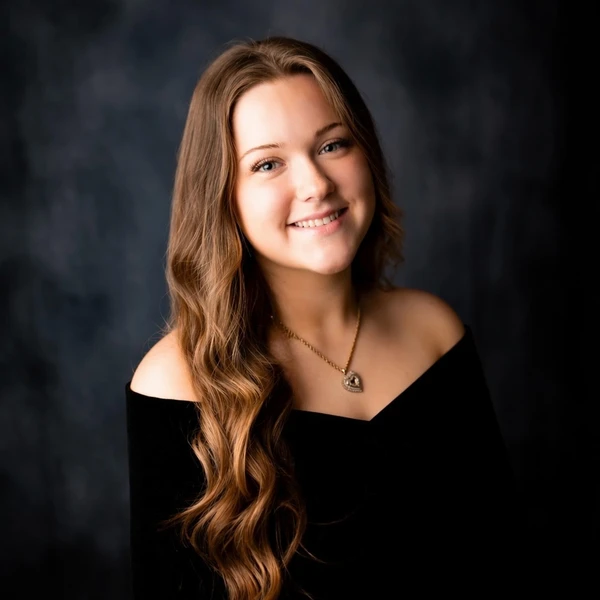
Tiara Adkins

1x

Finalist

Bio

I am a 17-year-old high school graduate who plans to pursue speech pathology and earn my doctoral degree. I come from a low-income background, so I haven't had the same opportunities as other kids. My mom and dad both abandoned me at birth, so I've lived with my aunt my whole life. I have faith that the Lord will pull me through tough times. My Latino background comes from my father's side. I never got to meet my dad. I hope to help children in the future who may be struggling with speech problems, because I once didn't have a voice either. I was the VP of my chapter's National Beta Club, where I received 1st place in the state of WV in the 2024 Beta Convention Jewelry Senior Division and 2nd place in the state of WV in 2025.

Education

Southern West Virginia Community and Technical College

Associate's degree program
2023 - 2026
  • Majors:
    • Communication, General
  • Minors:
    • Community/Environmental/Socially-Engaged Art
  • GPA:
    4

Chapmanville Regional High School

High School
2021 - 2026
  • GPA:
    4

Miscellaneous

  • Desired degree level:

    Doctoral degree program (PhD, MD, JD, etc.)

  • Majors of interest:

    • Communication, General
  • Not planning to go to medical school
  • Career

    • Dream career field:

      Public Relations and Communications

    • Dream career goals:

      Speech Pathology

    • Baker

      Brookies Cookies
      2023 – 20241 year

    Sports

    Volleyball

    Varsity
    2021 – Present5 years

    Research

    • Bible/Biblical Studies

      teacher
      2022 – Present

    Arts

    • National Beta Club

      Jewelry
      2024 – Present
    • West Logan Christian Music Band

      Music
      2022 – Present

    Public services

    • Volunteering

      Church — Many roles including, cook, clean, media, singing, teaching
      2022 – Present

    Future Interests

    Volunteering

    Entrepreneurship

    SuperDad Scholarship
    Growing up, I did not have a traditional relationship with a father, and I was primarily raised with the support of my family, including my uncle, who played a major role in my upbringing. While he is not my father, he stepped into a position of responsibility and stability in my life when it was needed. Watching him carry those responsibilities shaped the way I understand strength, consistency, and family. My uncle faced his own challenges as a single man helping to support and guide family members. He had to learn how to balance work, responsibility, and being present for others without always having support himself. Even though things were not always easy, he remained steady and committed. From him, I learned that being dependable does not always require perfection—it requires showing up, even when life is difficult. His example taught me that strength can be quiet and consistent rather than loud or obvious. One of the most lasting impacts he had on me was the way he approached responsibility. I remember observing how he handled stress and daily challenges without giving up or allowing circumstances to completely control him. Those moments taught me resilience in a practical way. Instead of telling me what to do, he showed me through action what it looks like to keep going when things are hard. That lesson has stayed with me throughout my educational journey, especially during times when I felt overwhelmed or uncertain about my future. Being raised without a father figure and instead having the support of a single uncle and family has influenced my dreams and values in meaningful ways. It has made me more independent and self-aware. I learned early that I would need to take responsibility for my own growth and decisions. While that was not always easy, it helped me become someone who is motivated, disciplined, and focused on creating a stable future for myself. It has also shaped my desire to help others who may feel unheard or unsupported. Because I understand what it feels like to grow up without certain types of guidance, I am especially drawn to careers where I can support children and families through communication and development. My goal is to become a speech pathologist, where I can help individuals find their voice and build confidence in expressing themselves. I want to be the kind of support system that helps others feel seen and understood, even if their home life is complicated or unstable. These experiences have also influenced my values. I value consistency, empathy, and patience. I have learned that not everyone’s journey looks the same, and success often comes from persistence rather than perfect circumstances. My uncle’s influence showed me that even without ideal conditions, it is still possible to build structure, grow, and move forward in life. Looking toward the future, I carry both gratitude and determination. I am grateful for the guidance I did have, even if it did not come from a traditional father figure, and I am determined to build a life that reflects the lessons I learned from those around me. My vision is to use my education not only to create stability for myself, but also to help others find their own sense of voice, confidence, and direction. Ultimately, being raised in this environment has taught me that family is not defined only by structure, but by support and presence. Those experiences continue to shape who I am and who I am becoming.
    Second Chance Youth Scholarship
    A second chance, to me, means being given the opportunity to rebuild your life even after facing circumstances that could have easily defined your future. It represents growth, healing, and the belief that your past does not determine your worth or your potential. A second chance is not just about being allowed to move forward—it is about choosing to take that opportunity seriously and turning it into something meaningful. My life began with a difficult reality, as I was abandoned at birth and had to begin my journey without the stability of a traditional start. That experience shaped the foundation of my life in ways I am still learning from today. Even though I was too young to understand it at the time, growing up with that knowledge later influenced how I saw myself and the world around me. It made me more aware of instability, but it also pushed me to become someone who values consistency, effort, and personal growth. As I grew older, I faced other challenges that required me to mature quickly and learn how to depend on myself emotionally and academically. There were times when I felt uncertain about my direction, but I learned that I could not allow my circumstances to define my future. Instead, I began focusing on what I could control—my education, my habits, and my goals. I started becoming more intentional about my schoolwork, organizing my time better, and pushing myself to stay consistent even when things felt overwhelming. Through these experiences, I learned important lessons about resilience and accountability. I realized that success is not about avoiding hardship, but about continuing forward despite it. I also learned the importance of support systems, whether through teachers, mentors, or people who believed in my potential. Slowly, I began to rebuild my confidence and trust in my ability to create a better future for myself. A second chance also means having access to opportunities that allow me to grow into the person I am working to become. My goal is to pursue a career in speech pathology, where I can help individuals who struggle with communication find their voice. I want to support children and families who feel unheard, just as I have learned the importance of finding my own voice through life’s challenges. Communication is deeply connected to identity and confidence, and I want to help others feel understood and empowered. If awarded this opportunity, the funds would go directly toward my educational expenses, including tuition, textbooks, transportation, and other costs that come with attending college. This support would reduce financial stress and allow me to focus more fully on my studies and clinical training. It would also help me take advantage of learning opportunities such as internships and hands-on experience, which are essential for my future career. Looking ahead, I want to do more than just build a successful career for myself. I want to “pay it forward” by being someone who encourages others to keep going, even when life starts difficult. I hope to support young people who may feel overlooked or uncertain about their future and remind them that their beginning does not determine their ending. Whether through my career, mentorship, or community involvement, I want to be a source of encouragement and support for others working toward their own second chance. To me, a second chance is not about where you start—it is about what you choose to do after. It is about resilience, growth, and turning pain into purpose. That is exactly what I am committed to doing with my life and education.
    Sandra West ALS Foundation Scholarship
    ALS has helped me better understand how fragile and valuable communication is, and it has strengthened my commitment to pursuing a career where I can help others maintain their ability to express themselves. While I have not experienced ALS personally, learning about the disease and its effects on individuals and families has had a strong impact on my educational journey. It has shown me how quickly communication can be taken away and how important it is to support people who are facing that loss. This awareness has deepened my interest in speech pathology, where I hope to help individuals preserve and strengthen their ability to communicate for as long as possible. As a student, learning about ALS has also influenced the way I view my education. It has reminded me that the knowledge and skills I am gaining are not just for personal success, but for real-world impact. I am especially interested in understanding how neurological conditions affect speech, language, and cognitive function. This interest motivates me to work harder in my science and communication-related courses because I know they are building the foundation for my future career. It has also helped me appreciate the importance of empathy in healthcare, since conditions like ALS affect not only the individual but their entire support system. This scholarship would significantly support my education by easing the financial burden of college. Like many students, I face challenges in covering tuition, textbooks, and other academic expenses. Receiving this scholarship would allow me to focus more fully on my studies rather than worrying about financial stress. It would also help me stay on track in my academic path toward becoming a speech pathologist by giving me access to continued learning opportunities, such as clinical experiences, internships, and specialized training. In addition, this support would help me overcome the challenge of balancing academics with financial pressure. Without adequate support, it can be difficult to fully engage in the hands-on experiences that are essential in my field. This scholarship would give me the ability to invest more time into developing the skills needed to work with individuals who have communication disorders, including those affected by ALS and similar conditions. While I am not currently involved in ALS-specific organizations, I am actively interested in expanding my involvement in awareness and advocacy efforts as I continue my education. I hope to participate in community events, educational initiatives, or volunteer opportunities that support individuals and families affected by ALS. As I grow professionally, I also plan to use my skills in speech pathology to contribute directly to improving quality of life for those experiencing communication challenges. Ultimately, ALS has reinforced my desire to make a meaningful impact in the world. It has shaped my understanding of communication as something essential, not optional, and has motivated me to dedicate my future to helping others maintain their voice, independence, and dignity.
    New Light: Illuminating Your Future Scholarship
    My personal goals are centered around building a stable, meaningful future where I can use my education to positively impact others. One of my biggest long-term goals is to become a speech pathologist and work with children who struggle with communication. I want to help them find confidence in their voice and make sure they feel understood in school, at home, and in their communities. I also hope to make these services more accessible to families who may not have the financial means to receive consistent support. Growing up as a former Jehovah’s Witness has also shaped how I view my future. Leaving that environment required me to adjust to a new way of thinking about education, independence, and long-term planning. It pushed me to become more self-reliant and intentional about my decisions. While it was not always easy to navigate change, it helped me develop resilience and a stronger sense of identity. I learned how to move forward while building a life that reflects my own goals and values. On a smaller, day-to-day level, I aim to stay focused and disciplined in college. My short-term goals include maintaining strong academic performance, improving my study habits, and taking advantage of hands-on learning opportunities such as internships and clinical experience. I also want to build relationships with mentors who can guide me through my academic and career path. I plan to meet these goals by staying organized, asking for help when needed, and remaining consistent even when things feel challenging. Another important goal of mine is personal growth. I want to continue developing confidence in myself and my abilities, especially in situations where I may have once doubted my voice or direction. I aim to challenge myself academically and socially so I can grow into a well-rounded and capable professional. Each step I take in my education is part of building the foundation for the life I want to create. In the future, I hope to be in a position where I am not only successful in my career, but also making a real difference in people’s lives. Whether it is helping a child communicate for the first time or supporting a family through speech therapy services, I want my work to have a lasting, positive impact. My ultimate goal is to use my education as a tool to serve others while also creating stability and opportunity for my own future.
    Rose Ifebigh Memorial Scholarship
    I would describe myself as a determined, empathetic, and family-oriented student who has been shaped by both responsibility and resilience. Growing up in an immigrant family has influenced the way I see education and opportunity. I learned early that success is not just personal—it reflects the sacrifices and hopes of the people who came before me. These experiences have made me value hard work, independence, and staying focused even when things are difficult. I have also developed a strong interest in helping others communicate and feel understood, which has guided my desire to pursue speech pathology. While I do not personally identify with Nigeria or the African diaspora, I respect the importance of cultural identity and understand how deeply it can shape a person’s sense of belonging and purpose. Studying and growing up in a culture different from my family’s background has taught me how important adaptability and understanding are. Navigating school systems, expectations, and social environments sometimes felt overwhelming, especially when my family was still adjusting to life in a new country. However, this experience helped me become more independent and confident in asking questions, seeking help, and advocating for myself. It also taught me to be more aware of how culture affects communication styles and learning. I’ve learned that people express themselves differently depending on their background, and being patient and open-minded is essential for real understanding. Through my educational journey, I have gained a deeper understanding of both myself and the people around me. I have learned that growth often comes from challenges, especially when you are pushed outside of your comfort zone. Academically, I have learned the importance of consistency, organization, and asking for support when needed. Personally, I have learned that my voice matters, even when I feel unsure or overlooked. Culturally, I have become more aware of how diverse experiences shape the way people think, learn, and communicate. One of the most meaningful lessons I’ve learned is that patience—both with myself and others—is essential for growth and connection. My academic interest in speech pathology is directly connected to my goal of helping others find their voice and communicate with confidence. I want to work with individuals, especially children, who struggle with speech and language so they can feel understood and included in their communities. I am passionate about making communication support more accessible, especially for families who may not have easy access to services. Receiving this scholarship would ease the financial pressure of college and allow me to focus more on my education, training, and hands-on experience. It would bring me closer to becoming a professional who can make a meaningful difference in people’s lives through communication support and advocacy.
    Peter and Nan Liubenov Student Scholarship
    I perceive myself as a positive force in society through the way I treat people now and through the goals I am working toward for the future. Right now, I try to contribute in small but meaningful ways by being patient, supportive, and intentional in how I interact with others. Whether it is helping a classmate understand an assignment, including someone who feels left out, or simply listening when someone needs to talk, I believe these actions matter. Positivity in society does not always come from large achievements; it often starts in everyday moments where people feel seen, heard, and valued. In the future, I plan to continue this impact through my career in speech pathology. I want to help individuals who struggle with communication find their voice and build confidence in expressing themselves. Communication is a foundation of human connection, and when someone cannot fully express their thoughts, it affects every part of their life—from education to relationships to self-esteem. By working in this field, I hope to support children and families in overcoming those barriers. My goal is not only to improve speech and language skills, but also to create environments where people feel safe and encouraged to communicate without fear or shame. My thinking about being a positive force in society is also shaped by current social norms. Today’s society places a strong emphasis on independence, success, and fast achievement. While these values can be motivating, they can also make it easy to overlook people who need more time, support, or understanding. Because of this, I believe being a positive force means slowing down and being more intentional with empathy. It means recognizing that not everyone learns, speaks, or develops at the same pace, and that differences should not be seen as limitations. Social norms also influence how people view communication and confidence. In many environments, being outspoken is often rewarded, while quieter individuals may be overlooked. This has shaped my belief that support systems are important, especially for people who communicate differently or struggle with self-expression. I want to challenge the idea that only certain voices deserve attention by helping create spaces where all forms of communication are valued. At the same time, society is also becoming more aware of inclusion, mental health, and accessibility. These changes reinforce my desire to contribute in a meaningful way. I want to be part of a generation that not only talks about inclusion but actively practices it. That means advocating for individuals who are often unheard and helping bridge gaps in education and healthcare. Overall, I see myself as a positive force in society by choosing empathy, patience, and service in my daily life, and by committing to a future where I can help others find their voice.
    “I Matter” Scholarship
    One of the most meaningful experiences I had helping someone in need happened when I noticed a younger student in my school who often seemed left out during group activities. She rarely spoke, avoided eye contact, and often struggled to participate in class discussions. It was clear she wanted to be involved, but something was making it difficult for her to communicate confidently with others. At first, I didn’t know how to approach her. I didn’t want to make her uncomfortable or draw attention to her struggles. However, I decided to start small by simply being kind and consistent. I would greet her in the hallway, sit near her when I could, and slowly begin short conversations about schoolwork or shared interests. Over time, she began to respond more, even if it was just small words or nods at first. As we became more comfortable, I started including her in group work and making sure she had a voice when we were assigned class activities together. I noticed that she often had great ideas but lacked the confidence to share them. Instead of speaking for her, I encouraged her to say her thoughts herself, even if it took extra time or patience. I learned how important it was to create a safe and supportive environment where she did not feel rushed or judged. One day, during a group project presentation, she surprised me by volunteering to speak in front of the class. I could tell she was nervous—her hands were shaking and her voice was soft—but she still chose to try. I stood beside her as moral support, and she made it through the presentation successfully. Afterward, she told me quietly that she never thought she would be able to speak in front of others like that. That moment stayed with me because it showed me how powerful encouragement and patience can be. Helping her was not about changing who she was, but about helping her feel safe enough to express herself. I realized that small actions—like listening, including someone, and giving them time—can make a huge difference in someone’s confidence. This experience also strengthened my interest in speech pathology. I began to understand how communication is not just about speaking clearly, but about confidence, environment, and emotional support. It made me want to pursue a career where I can help others find their voice in a more formal and impactful way. In the end, what I learned from helping her is that support does not always have to be big or dramatic. Sometimes, it is simply showing up consistently and believing in someone until they start believing in themselves. That experience has shaped how I treat people in my community today and has influenced my goal of becoming someone who helps others communicate with confidence and dignity.
    Mark Caldwell Memorial STEM/STEAM Scholarship
    There was a period in my life where I had to grow up faster than most people my age. I was faced with significant family instability and had to learn how to become independent emotionally, academically, and personally. During that time, I did not have the same level of guidance or support that many of my peers had, and I had to figure out how to keep moving forward on my own. At first, the situation felt overwhelming. I struggled with focus in school and often felt uncertain about my future. However, I realized that if I wanted things to change, I would have to take responsibility for my own path. I began by setting small, manageable goals for myself each day—completing assignments on time, organizing my schedule, and staying consistent even when I didn’t feel motivated. One of the most important strategies I used was building structure in my life. I started writing down deadlines, breaking large tasks into smaller steps, and creating routines that helped me stay grounded. Academically, I learned to ask for help when I needed it instead of trying to handle everything alone. I reached out to teachers, used available school resources, and focused on improving in areas where I was struggling instead of avoiding them. Over time, these habits helped me regain confidence in myself. I began to see that even though I could not control my circumstances, I could control my effort, my discipline, and my attitude. That mindset shift made a huge difference in both my academic performance and my personal growth. Despite the challenges I faced, I continued to push toward my goal of going to college and building a career in speech pathology. I want to help others find their voice, especially children who feel unheard or overlooked. My experiences have given me a deep sense of empathy and patience, which I believe are essential qualities in the field I am pursuing. This journey has taught me resilience, independence, and the importance of persistence. What once felt like a setback ultimately became the foundation of my determination. I am proud of how far I have come, not because my circumstances were easy, but because I chose not to let them define my future. I continue to strive every day to be more like my lord and savior, Jesus Christ. He has helped me through so much, and I have to give all the glory to him.
    Reach Higher Scholarship
    Reading has played a major role in shaping who I am and what I want to do with my future. The books I’ve read have taught me lessons about resilience, empathy, and the importance of finding your voice. One of the biggest things I’ve learned is that every person has a story worth listening to, even if they struggle to express it. Whether it’s fiction that explores characters overcoming challenges or stories based on real life experiences, I’ve learned to understand people more deeply and look beyond what is immediately visible. These lessons have influenced my goal of working in speech pathology, where helping others communicate is at the center of everything. As a student and a person, I would describe myself as determined, observant, and compassionate. I am someone who pays attention to how people feel, especially when they are struggling to express themselves. I also come from an immigrant family, which has shaped my identity in many ways. Growing up in that environment taught me responsibility early on and made me appreciate opportunities like education in a different way. It also pushed me to become more independent, especially when navigating school and planning for college with limited guidance. One of the most important lessons I’ve learned came from failure. There was a time when I underestimated how much effort a goal would take and didn’t prepare as well as I should have for an important academic responsibility. When I didn’t perform the way I expected, I felt disappointed in myself. However, that experience taught me that success is not just about intelligence or effort in the moment—it’s about preparation, consistency, and asking for help when needed. After that, I changed the way I approached my schoolwork by planning ahead, studying more intentionally, and not being afraid to seek support from teachers when I don’t understand something. Mentorship has also had a strong impact on my life. Teachers and mentors have helped me see my potential more clearly, especially during times when I doubted myself. Having someone believe in me and guide me through academic and personal challenges has made a big difference in my confidence. It has also shown me the importance of becoming that same kind of support for others in the future. I want to be a mentor figure for children who struggle with communication or confidence, just like others have supported me. I believe what makes me unique is the combination of my background, my experiences, and my passion for helping others communicate. Being part of an immigrant family has given me a strong sense of purpose and resilience, while my interest in books has strengthened my empathy and understanding of people. I also value education deeply because I know it can change the direction of a family’s future. In my community, I hope to contribute by supporting children and families who may not have easy access to communication resources or academic support. Through my future career in speech pathology, I want to help individuals find their voice and gain confidence in expressing themselves. Overall, my experiences have shaped me into someone who values growth, learning, and service, and I plan to carry those values into everything I do.
    Goobie-Ramlal Education Scholarship
    Being a college-bound student in an immigrant family has shaped the way I see education, responsibility, and opportunity. Growing up, I watched my family work hard to build stability in a new country while also adapting to a different culture and language. Their sacrifices made it clear to me that education is not just a personal goal—it is a way to honor the opportunities they worked so hard to create for me. As a student in an immigrant household, I’ve often felt the weight of being the “first” or one of the first to reach certain milestones. College is not just a next step for me; it represents progress for my family as a whole. At times, I’ve had to navigate school and future planning with limited guidance because higher education systems were unfamiliar to my family. That experience taught me independence, problem-solving, and how to advocate for myself when I need help. It also made me appreciate every opportunity I’ve been given, because I know it was not easily earned. One of the biggest lessons I’ve learned from my background is resilience. My family’s journey has shown me that challenges are not excuses to stop, but reasons to keep going. Whether it was adjusting to a new environment, overcoming language barriers, or building a stable life from the ground up, I’ve seen perseverance firsthand. That mindset has influenced how I approach my education. Even when school becomes overwhelming, I remind myself that I am working toward something bigger than just a degree—I am working toward breaking barriers and expanding what is possible for my future family. Through my education, I plan to pursue a career in speech pathology within the STEAM field, where I can help individuals who struggle with communication. I want to support children and families who feel unheard or misunderstood, especially those from backgrounds similar to mine. I understand how difficult it can be to navigate systems when language or communication becomes a barrier, and I want to be someone who makes that process easier and more compassionate for others. My goal is to use my education to create positive change in both small and large ways. On a personal level, I want to help individuals find confidence in their voices and improve their ability to communicate. On a broader level, I want to contribute to making healthcare and educational support more accessible for underserved communities, including immigrant families who may face financial or language barriers. I also hope to serve as an example for younger students in immigrant families who may not yet see college as achievable. I want them to know that their background is not a limitation, but a source of strength. Everything I have experienced has prepared me to be determined, adaptable, and empathetic in the work I want to do. Ultimately, my education is more than just my own achievement. It is a way to give back to my family, my community, and future generations. Through my experiences and the knowledge I gain in college, I plan to help others find their voice—just as I have learned to find mine.
    Kayla Nicole Monk Memorial Scholarship
    I chose to further my education in STEAM because I want to build a career that combines science, problem-solving, and helping people in a real, hands-on way. I’ve always been drawn to fields where I can make a difference in someone’s everyday life, not just in a small way, but in a lasting one. For me, that connection became strongest through speech pathology, which blends science with communication and human development. Over time, I realized how important communication is. It affects learning, relationships, confidence, and independence. Seeing how difficult it can be for someone who struggles to express themselves made me understand how valuable speech and language support really is. That experience pushed me toward wanting to study a STEAM-related field that focuses on the brain, language, and how people develop communication skills. I chose to continue my education because I know this is not a career I can step into without proper training. College will give me the knowledge and hands-on experience I need to truly help people the right way. I want to understand how speech and language work scientifically, and also learn how to support people in a way that fits their individual needs. STEAM education gives me that balance of research, critical thinking, and real-world application. Another reason I chose this path is because I care deeply about access to care. Not every child or family can afford services like speech therapy, even when they really need them. That motivates me to one day work in a field where I can help close that gap. I want to be someone who provides support to children who might otherwise go without it, especially those who feel misunderstood or overlooked. This scholarship would have a big impact on my ability to reach those goals. Financial stress can make college more difficult and distracting, and this support would allow me to focus more on my education and training. It would help me stay on track academically while also gaining the experience I need through internships, clinical practice, and coursework. More importantly, this scholarship would be an investment in the people I hope to help in the future. Everything I learn will eventually be used to support children and families who need help finding their voice. I want to be able to make a real difference in their confidence and communication skills, and this opportunity would bring me one step closer to that goal. In the end, I’m pursuing STEAM not just for a degree, but for a purpose. I want my education to lead to meaningful work where I can help people feel understood and supported.
    Maria's Legacy: Alicia's Scholarship
    Some of the biggest battles in life are not visible to anyone else, yet they shape every decision, every goal, and every dream a person carries forward. For me, that truth connects deeply to both my personal journey and my future. A college degree represents a major turning point in my life and in the future of my family. It is more than just a personal achievement—it is an opportunity to change the direction of my life and create possibilities that may not have been available before. For me, earning a degree would mean opening doors to a stable and meaningful career, while also setting an example for younger generations in my family. I want them to see that no matter what challenges someone faces, whether it is financial struggle or health-related obstacles, education can still be achieved through determination and hard work. I hope to be someone who shows that your circumstances do not have to decide your future. On a personal level, a college degree would mean independence, growth, and confidence in my ability to succeed. It would represent years of effort, dedication, and perseverance. I have learned throughout my life that success is not always a straight path. Living with a heart arrhythmia has taught me that life can come with unexpected challenges that require patience and strength to overcome. There have been times when I have had to slow down, adjust my plans, or push through moments of uncertainty. Because of that, a college degree would mean even more to me—it would be proof that I did not let those challenges stop me from reaching my goals. It would show that I was able to stay focused, continue moving forward, and build a future for myself despite obstacles that are not always visible to others. I am passionate about helping others, especially children who struggle with communication and feeling understood. That passion comes from my own experiences of facing challenges that have shaped how I view strength and voice. I know what it feels like to want to express yourself but struggle with being fully understood, and that is why I want to pursue a career in speech pathology. I want to help children find confidence in their ability to communicate and make sure they feel heard. I believe everyone deserves the chance to express themselves clearly and feel valued when they do. To pursue this passion, I have worked hard to stay committed in both academics and athletics. I played volleyball for four years, where I learned discipline, teamwork, and leadership. In my final year, I served as a team captain, which helped me develop responsibility and communication skills that I know will carry into my future career. Being an athlete has also taught me how to stay focused under pressure and how to keep pushing forward even when things are difficult. At the same time, managing a heart arrhythmia has taught me how important it is to listen to my body, stay balanced, and remain determined even when challenges arise. All of these experiences have shaped who I am today and the path I want to take. A college degree is not just an academic goal for me—it is a symbol of resilience, opportunity, and purpose. It represents the future I am working toward, not only for myself but for the people who will come after me. I want to continue growing, learning, and building a life where I can make a meaningful difference in the lives of others through my education and my passion for helping people find their voice.
    YOU GOT IT GIRL SCHOLARSHIP
    1. I believe I am a “YOU GOT IT GIRL” because I have learned how to stay strong and determined even when life becomes challenging. Living with a heart arrhythmia has taught me discipline, patience, and resilience in ways that are not always visible to others. I have had to balance my health with school and athletics, which has made me more focused and intentional with everything I do. Even when things feel difficult, I don’t stop—I adjust, refocus, and keep moving forward. This scholarship would help me by easing financial stress so I can focus more on school, training, and preparing for my future goals without unnecessary pressure. 2. I played volleyball for 4 years. I was a Libero (Back middle), and in my last year, I was the team captain. Sports have taught me how to push through challenges and stay committed even when progress is not immediate. My journey has also required me to manage my heart condition while staying active, which has strengthened my discipline and determination. While I may not focus on awards, I take pride in my growth, effort, and dedication to my team. 3. One of the biggest challenges I face is living with a heart arrhythmia. There are times when symptoms affect my energy or make me feel uncertain about physical activity. Instead of letting this discourage me, I learned to listen to my body and adapt. This experience taught me that setbacks are not failures—they are part of growth. It helped me build patience with myself and strength in continuing forward even when things are not easy. 4. I admire people who overcome personal struggles and still choose to keep going and help others. I am inspired by individuals who turn challenges into motivation and do not allow their circumstances to define their future. Their resilience reminds me that strength is not about never struggling, but about continuing despite challenges and using those experiences to grow. 5. This scholarship would support my journey by helping reduce financial stress related to school, athletics, and future college preparation. It would allow me to focus more on training, academics, and personal development instead of worrying about financial burdens. I am committed to continuing my growth as a student-athlete, and this support would help me stay consistent and dedicated to my goals. 6. I am someone who values perseverance, discipline, and growth. My experiences with a heart condition have shaped me into a more resilient and empathetic person. I want to use my future not only to succeed personally, but also to help and inspire others who are facing their own challenges. I believe in working hard, staying consistent, and pushing forward no matter what obstacles come my way. 7. I currently participate in school athletics and plan to continue competing in college. I hope to continue my athletic journey while balancing my education and future career goals. I am open to competing in any role I earn, including walking on if necessary. Being a student-athlete means discipline, responsibility, and commitment both on and off the field. I am ready to give my full effort, grow as an athlete, and represent my team with dedication and heart.
    TRAM Resilience Scholarship
    Living with a heart arrhythmia has influenced who I am in ways that are both physical and deeply personal. On the outside, I may look like any other student going through school, working toward goals, and planning for the future. However, on the inside, my experience with a heart condition has shaped how I understand strength, resilience, and what it truly means to keep moving forward even when life feels uncertain. A heart arrhythmia is not always something people can see, but it is something I can feel. There are moments when my heartbeat becomes irregular, either too fast or uneven, and in those moments I am reminded that my body does not always function in a predictable way. While these experiences can be frightening at times, they have also taught me how to stay calm under pressure and how to listen to my body in ways I never had to before. One of the biggest challenges of living with an invisible disability is that other people do not always understand it. Because I may look fine, it is easy for others to assume that nothing is wrong. But what they do not see is the anxiety that can come with physical symptoms or the quiet adjustments I sometimes have to make in my daily life. I have learned that not every struggle is visible, and not every limitation is obvious to the outside world. This experience has influenced my character in important ways. It has made me more aware of my limits, but it has also taught me not to define myself by those limits. Instead of focusing on what I cannot always control, I have learned to focus on what I can control—my attitude, my effort, and my determination to keep working toward my goals. Living with a heart condition has strengthened my patience, independence, and ability to adapt when things do not go as planned. In school, this has influenced how I approach my education. I have learned that success is not just about pushing myself constantly, but also about balance. There are times when I need to slow down or take care of my health in order to perform at my best in the long run. This mindset has helped me become more responsible and intentional with my time. It has also taught me that taking care of myself is not a weakness, but a necessary part of achieving my goals. I know what it feels like to navigate something that others cannot see or fully understand, and that experience has made me more empathetic. It has shown me how important it is for people to feel heard, supported, and valued, even when they are struggling silently. I want to bring that same understanding into my future career, especially when working with children or individuals who may feel frustrated or isolated because of their challenges. Overall, my heart arrhythmia has influenced me by teaching me that strength is not always visible and that struggles are not always obvious. It has shaped my mindset in school by encouraging balance, persistence, and self-awareness. Most importantly, it has shaped my future goals by inspiring me to help others who are facing their own invisible challenges. While my condition is a part of my life, it does not limit what I can achieve—it motivates me to keep going and to help others find their own strength as well.
    Julie Adams Memorial Scholarship – Women in STEM
    For many people, speaking is effortless; for me, it was something I had to fight for. There are moments in life that quietly shape who we become long before we realize it. For me, those moments happened in classrooms, playgrounds, and conversations where words felt trapped inside me. While other children seemed to speak effortlessly, I often felt like my thoughts moved faster than my mouth could keep up. I knew what I wanted to say, but sometimes the words came out wrong, incomplete, or misunderstood. Those experiences did not just shape my childhood—they shaped my future and inspired my passion for pursuing a career in speech pathology. As a young child, communication felt like a challenge that followed me everywhere. I remember sitting in class and rehearsing simple answers in my head before raising my hand because I worried about pronouncing words incorrectly. There were times when classmates would ask me to repeat myself, and even when they were not trying to be unkind, it still made me feel embarrassed. Something as simple as introducing myself or participating in group activities became stressful because speaking never felt automatic for me. What hurt the most was not always the speech difficulties themselves—it was feeling unheard. There is a difference between being physically present and feeling like your voice matters. When communication becomes difficult, even small interactions can become overwhelming. As a child, I often felt invisible in spaces where speaking up was expected. I remember moments where I chose silence because staying quiet felt safer than risking embarrassment. Those experiences gave me a perspective that many people may never fully understand. I know what it feels like to have thoughts, ideas, and emotions inside you but struggle to express them clearly. I know what it feels like to want people to understand you and feel frustrated when they cannot. Most importantly, I know how isolating communication barriers can feel—especially for children. Over time, I began to realize that speech is about far more than pronunciation or articulation. Communication shapes confidence, friendships, academic success, and identity. When children struggle with speech or language challenges, they are not simply working on sounds or sentences; they are working toward feeling understood. As I grew older, I began paying more attention to the professionals who help children overcome those barriers. I became fascinated by the way speech-language pathologists do more than teach communication skills—they give people tools for independence, confidence, and connection. The work they do changes lives in ways that often go unnoticed by others but mean everything to the people receiving that support. My passion for speech pathology comes from understanding both the emotional and practical side of communication challenges. I understand how discouraging it can feel when people ask you to repeat yourself multiple times. I understand how exhausting it can be to overthink every interaction. I understand how quickly frustration can turn into self-doubt. Those experiences created a level of empathy that I plan to bring into every patient interaction throughout my future career. One of the reasons I am especially passionate about working with children is because childhood is where confidence begins to develop. A child who feels unheard can begin believing their voice does not matter. A child who struggles to communicate may stop participating, asking questions, or building connections with others. Early intervention can change that trajectory completely. I want to be the person who helps children discover that their struggles do not define them. I want to create environments where children feel safe making mistakes, practicing new skills, and expressing themselves without fear of judgment. Progress in speech therapy often comes through patience, consistency, and encouragement, and I want to provide all three. Beyond personal experiences, my interest in speech pathology also comes from my love for helping others in meaningful ways. Healthcare offers countless opportunities to make a difference, but speech pathology stands out because communication impacts nearly every part of life. The ability to communicate affects education, relationships, career opportunities, emotional well-being, and independence. Helping someone strengthen that ability means helping them in countless areas beyond therapy sessions. What draws me most to this field is that progress is often deeply personal. Success might look different for every patient. For one child, success could mean saying a difficult sound correctly. For another, it could mean confidently participating in class for the first time. For someone else, it could mean communicating basic needs independently. Every milestone matters because every voice matters. I also recognize that access to speech services is not equal for everyone. Many families struggle with financial barriers, transportation challenges, or limited access to specialists, particularly in underserved communities. This motivates me even more because I believe communication support should not be a privilege available only to some people. Every child deserves the opportunity to be understood. My long-term goal is not simply to become a speech-language pathologist—it is to become someone who creates lasting impact. I want to advocate for children who feel overlooked. I want to educate families about communication disorders and available resources. I want to support children academically, socially, and emotionally through their communication journeys. The phrase “finding your voice” is often used symbolically, but for many children, it is literal. Having a voice means being able to participate, connect, advocate for yourself, and feel seen. It means confidence. It means belonging. When children gain those things through therapy, the results extend far beyond speech sessions. Looking back, I no longer view my childhood struggles only as obstacles. They were difficult experiences, but they shaped the empathy, patience, and determination that guide me today. The moments where I felt unheard created the motivation to ensure others never feel that way if I can help it. I know this path will require years of education, clinical training, and dedication. Speech pathology is not an easy profession, nor should it be. The responsibility of supporting someone’s communication development is significant. However, the challenges of this field only strengthen my commitment to it. I am pursuing speech pathology because I understand the power of communication and the pain of struggling with it. I am pursuing speech pathology because children deserve professionals who see more than diagnoses or treatment plans—they deserve people who see their potential. Most importantly, I am pursuing speech pathology because I want to help others discover what I once searched for myself: the confidence to speak, the courage to be heard, and the belief that their voice matters. My goal is simple: to help children find their voices, use them confidently, and know that what they have to say deserves to be heard.
    Women in Healthcare Scholarship
    “Words are something most people never think twice about—until speaking them becomes difficult.” Growing up, I watched someone I loved struggle with communication every day. My sister had difficulty speaking correctly, and seeing her frustrations at such a young age changed the way I viewed language forever. While other people saw speech as something simple, I saw how powerful it truly was. I saw how being unable to communicate clearly could affect confidence, relationships, education, and everyday life. Those experiences shaped who I am and ultimately led me to pursue a degree in speech-language pathology. From a young age, I have always felt called to help children, especially those who struggle with communication. Watching my sister work through speech challenges made me realize how important speech therapists are—not only because they help children pronounce words correctly, but because they help build confidence and independence. Communication is one of the most important parts of being human. It allows us to express emotions, ask for help, build friendships, and connect with the world around us. When a child struggles with language or speech, it can affect every area of their life. I want to be someone who helps change that. My desire to pursue healthcare comes from wanting to make a direct difference in people’s lives. Healthcare is more than medicine and treatment—it is advocacy, compassion, and creating opportunities for people to thrive. Speech therapy stands out to me because it combines science, patience, education, and human connection. Every small milestone matters, whether it is a child saying their first clear sentence or finally gaining confidence to speak in class. Those moments create lifelong impacts, and I want to be part of those moments for families and children. One of the biggest reasons I chose this field is because I believe healthcare should be accessible to everyone. Throughout my life, I have thought about the children who need speech services but cannot afford them or do not have access to proper resources. Too many children fall behind simply because support is unavailable or out of reach financially. As a future speech-language pathologist, I hope to work with underserved communities and advocate for children who may otherwise go unnoticed. I want to help create opportunities for every child to succeed, regardless of their financial situation. As a woman entering the healthcare field, I hope to make a positive impact through compassion, advocacy, and leadership. Women have always played important roles in healthcare, not only by providing care but also by creating change within their communities. I want to contribute by being someone who listens, encourages, and fights for better access to speech and language services. I want children to feel understood, parents to feel supported, and families to know they are not facing challenges alone. My experiences growing up with my sister taught me that communication is more than words—it is confidence, connection, and opportunity. Pursuing speech-language pathology is not just a career choice for me; it is something that feels deeply personal. I want to give children the confidence to use their voices because sometimes the ability to communicate can change the course of someone’s entire life.
    Taylor Swift Fan Scholarship
    Taylor Swift’s performance of “All Too Well (10 Minute Version)” during The Eras Tour is the performance that moved me the most because it represented much more than music—it represented resilience, growth, and learning how to turn difficult experiences into something meaningful. Watching that performance for the first time, I expected to hear a popular song, but what I saw was someone standing confidently in front of thousands of people, sharing pieces of her life and transforming emotions into art. It changed the way I looked at ambition and personal growth. Before that, I often viewed success as something that happened all at once. If things didn’t go according to plan, I would get frustrated with myself and feel like I was falling behind. During a time when I was balancing school, future plans, friendships, and trying to figure out who I wanted to become, I constantly felt pressure to have everything figured out. There were moments when I doubted whether I was capable enough or motivated enough to reach my goals. Seeing Taylor Swift continue to evolve throughout her career while constantly facing criticism made me realize that growth is rarely straightforward. What stood out to me most during that performance was not just the lyrics or the production—it was the confidence behind it. Performing a ten-minute song in front of massive crowds takes commitment, passion, and trust in your work. It reminded me that ambition is not always about achieving something quickly. Sometimes ambition means continuing even when things are difficult, uncomfortable, or uncertain. Taylor’s career has always reflected reinvention. Over the years, she has moved through different genres, different eras, and different stages of life while remaining authentic to herself. Watching that performance made me realize that changing and growing should not be viewed as failure or inconsistency. Instead, growth should be embraced. That mindset shifted how I approached challenges in my own life. Instead of seeing setbacks as proof that I was failing, I started viewing them as opportunities to learn and improve. Her performance also showed me the impact that vulnerability can have. In a world where many people feel pressure to appear perfect all the time, being open about mistakes, heartbreak, and growth takes courage. That influenced how I communicate with others and how I treat myself during difficult moments. I became less focused on perfection and more focused on progress. Most importantly, that performance changed how I define success. I used to think success meant reaching a destination, but now I think success is about consistency, resilience, and continuing forward even when things feel uncertain. Watching someone build a career over many years while constantly adapting reminded me that success is not built in one moment—it is built through repeated effort. Taylor Swift’s performance of “All Too Well (10 Minute Version)” moved me because it was not just entertainment; it was a reminder that ambition requires patience, drive requires persistence, and impact comes from authenticity. It inspired me to approach my goals with more confidence and to understand that every difficult chapter can eventually become part of a larger story.
    Carolyn Craddock Memorial Scholarship
    Living with Type 1 diabetes has taught me resilience, discipline, and perseverance. Every day presents challenges that most people never see—monitoring blood sugar levels, calculating insulin doses, preparing for unexpected highs and lows, and making constant decisions to protect my health. There have been moments when managing this disease felt overwhelming, but I have never allowed it to define who I am or limit what I can achieve. Instead, I have used those challenges as opportunities to grow stronger, more determined, and more appreciative of each day. One of the most difficult circumstances I have faced in life began at birth. My parents abandoned me, leaving me without the foundation many children rely on for security and support. While that experience could have filled my life with anger or self-doubt, I chose to rise above it. Through every hardship, I have found strength in my faith and in the belief that my life has a purpose. My relationship with my Lord and Savior, Jesus Christ, has been the foundation that has sustained me through both my health challenges and personal struggles. When I have faced uncertainty, fear, or disappointment, my faith has reminded me that I am never alone and that God can use every challenge for a greater purpose. Carolyn was described as both fierce and kind, and those qualities deeply resonate with me. I believe I exemplify fierceness through my determination to overcome adversity. Managing Type 1 diabetes requires constant vigilance and responsibility. There are no days off from this disease, yet I continue to pursue my goals without allowing it to become an excuse. Likewise, overcoming the circumstances of my birth required perseverance and courage. Rather than allowing difficult beginnings to dictate my future, I have worked hard to build a life rooted in faith, integrity, and purpose. At the same time, I strive to embody kindness in my interactions with others. My experiences have taught me that everyone carries burdens that may not be visible. Because I understand what it feels like to face challenges beyond my control, I try to offer encouragement, compassion, and support to those around me. Whether it is listening to someone who is struggling, helping a friend through a difficult time, or simply treating others with respect and empathy, I believe kindness is one of the most powerful ways we can make a difference in the lives of others. Living with Type 1 diabetes has strengthened my resilience, while my faith has strengthened my spirit. Together, they have taught me that challenges do not define us—our response to them does. Despite being abandoned at birth and facing the daily realities of a chronic illness, I have remained steadfast in my faith and committed to becoming the best version of myself. I have learned to face adversity with courage, to extend grace to others, and to trust God's plan even when the path is difficult. Carolyn's legacy of being fierce and kind inspires me because those are qualities I strive to demonstrate every day. Through perseverance, faith, compassion, and service to others, I hope to honor those values while continuing to overcome challenges and make a positive impact on the people around me.
    RonranGlee Literary Scholarship
    In the opening letter of his epistolary correspondence with Lucilius, the Roman Stoic philosopher Lucius Annaeus Seneca diagnoses the primary existential pathology of the human species: our catastrophic, unthinking squandering of time. Rather than framing this issue as a superficial logistics problem or a mere lack of efficiency, Seneca approaches it as a fundamental cognitive error rooted in a deep misunderstanding of human mortality. The central thesis of Seneca's text is that human anxiety, moral drift, and existential paralysis stem from a flawed mental model: we mistakenly view death as a distant destination waiting for us at the end of life, when it is actually an active, ongoing process consuming us in the present. Most individuals treat time as an infinite, cost-free commodity, postponing their true life while tolerating passive stagnation or chasing trivial distractions. By shifting the definition of death from a single terminal event to the steady, unyielding consumption of past hours, Seneca reveals that we are actively dying every single minute that we misuse. True wisdom demands an urgent cognitive revolution. We must learn to value the immediate day as our only tangible possession, shattering the comfortable but toxic illusion that we have a surplus of time left. Only by looking directly at this daily robbery can we reclaim ownership of our lives from the subconscious drift of wasting our existence.The brilliance of Seneca’s argument lies in his radical restructuring of the psychological relationship between the individual and mortality. In the ordinary human imagination, life is a linear highway, and death is a roadblock waiting for us miles away in the distance. This spatial metaphor gives us a false sense of security. Because the roadblock feels far away, we believe we can safely coast, pull over, or drive in the wrong direction without losing anything of immediate value. We treat our present hours as disposable containers, throwing them away because we assume there is an endless stack of replacements waiting in the future. Seneca completely shatters this comforting illusion. By declaring that "whatever years lie behind us are in death's hands," he turns our perspective entirely around. Death is not standing ahead of us; it is marching right behind us, swallowing up every single second we leave behind. The past is not a safe library where our memories are preserved; it is a graveyard filled with our spent moments. When an hour passes, it does not simply vanish into history; it is signed over to mortality. Therefore, a sixty-year-old individual has not merely lived sixty years; they have already died sixty years. This conceptual shift changes everything. It strips away the psychological buffer that humans use to justify procrastination, moral laziness, and aimless living. We treat our time poorly because we think we are losing a future that hasn't happened yet. In reality, we are losing the only thing we actually own: the present moment.To further unpack this human tendency toward waste, Seneca breaks down human existence into three distinct categories of temporal loss: doing what is wrong, doing nothing, and doing what is "otherwise than what we should." This framework covers the entire spectrum of an unexamined life, showing how easily we surrender our autonomy to bad habits, laziness, and societal noise. The first category, "doing what is wrong," goes beyond breaking societal laws; it refers to actions that violate our own rational nature and moral compass. When we give in to destructive anger, petty jealousy, or short-sighted greed, we are actively trading our finite, irreplaceable time for moments that shrink our character. Every minute spent plotting a petty revenge, nursing an injury to our ego, or engaging in deceit is a double loss: we lose the time itself, and we lose a piece of our moral integrity. The second category, "doing nothing," describes the paralysis of comfort and passivity. This is the state of cognitive hibernation where a person simply waits for life to happen to them. They use mindless consumption or comfortable routines to kill time, completely blind to the fact that time is actually killing them. This is the modern equivalent of endless scrolling or digital distraction—activities that demand nothing from our intellect or spirit, leaving us trapped in a loop of passive consumption. The final category, doing what is "otherwise than what we should," is perhaps the most dangerous because it masquerades as useful activity. This is the realm of chronic people-pleasing, corporate climbing without purpose, and chasing empty status markers. Seneca is not demanding rigid, assembly-line economic productivity. Rather, he is demanding intentionality. When we fill our days with superficial obligations, endless trivial arguments, or fighting over things outside our control, we are choosing to run in place. We mistake frantic movement for progress, spending our lives preparing to live, but never actually taking the time to live.In his wider philosophical works, Seneca often points out a bizarre double standard in human behavior: our contradictory attitudes toward physical property versus temporal wealth. If someone walked into our home and tried to steal our money, clothing, or furniture, we would defend our possessions with fierce anger, using locks, alarms, and legal systems to guard them. Yet, when people, media, and empty obligations walk into our minds and steal our hours, we willingly let them take whatever they want. This paradox happens because money and property are visible objects with tangible metrics. We can look at a bank account or a physical boundary and see exactly what we own. Time, however, is invisible, silent, and abstract. Because we cannot see the hourglass running out, we treat it as if the supply were bottomless. Seneca asks us to find just one person "who puts a value on time, who estimates the worth of a day." To estimate the worth of a day means treating twenty-four hours not as a blank space to be filled or endured, but as a non-renewable resource. It requires us to audit our schedules with the same strictness we use to manage our finances, recognizing that every distraction we give our attention to is an expensive purchase paid for with a piece of our life.A common misunderstanding of Seneca’s "dying daily" philosophy is that it leads to a bleak, anxious, or morbid view of life. Critics might argue that constantly thinking about death would paralyze a person with fear, making every choice feel heavy and terrifying. However, the Stoic practice of memento mori—remembering your mortality—is designed to do the exact opposite: it is an antidote to anxiety, not the cause of it. When we realize that a large part of death is already behind us, the petty worries that make up our daily lives begin to melt away. Long-term anxieties about the future lose their grip because the future is revealed to be an imaginary space. Similarly, the crushing weight of past regrets is lifted because those years have already been handed over to death; they are gone, out of our control, and no longer our responsibility. The realization that we are dying daily focuses all our mental energy onto the immediate present. It creates a calm, focused urgency. It encourages us to speak honestly today, forgive quickly today, and engage deeply with our work right now, because tomorrow belongs to an unwritten future, and yesterday is already dead. To apply Seneca's philosophy to our lives today and demonstrate true leadership potential, we must wage a deliberate war against the modern attention economy. We live in an era specifically engineered to steal our time. Social media algorithms, push notifications, and cultural pressures are designed to keep us trapped in the zones of "doing nothing" or "doing what is otherwise than what we should." Reclaiming our time requires more than just better time-management tools or productivity apps; it requires a radical change in perspective. First, we must stop viewing death as something that happens to us at the very end of our lives. We need to accept the reality that our mortality is an active, hungry process taking place right now, hour by hour. Second, we must learn the art of saying "no" to things that do not align with our core values or purpose. Every time we agree to a superficial obligation or give in to a mindless distraction, we are paying with the only currency that matters. Finally, we must learn to treat each day as a complete, self-contained lifetime. We shouldn't live our lives waiting for the weekend, for retirement, or for some perfect future scenario to finally be happy. Wisdom means showing up fully to the present hour, anchoring ourselves in what we can control, and living with enough intention that if our life were to end tonight, we could say we truly owned our time. In conclusion, Seneca’s letter to Lucilius is not an academic lecture on the metaphysics of time; it is an urgent wake-up call for future leaders and scholars. His insight that we look forward to death while missing the fact that it is already swallowing our past exposes the tragic irony of human existence: we waste our lives out of fear of losing them, and we kill time because we don't realize time is killing us. By redefining death as a daily occurrence, Seneca strips away our excuses for procrastination and passivity. He forces us to look into the mirror of our daily routines and ask whether we are truly living, or merely occupying space. True freedom does not come from absolute financial wealth or holding power over others; it comes from holding power over yourself and owning your own mind. When we stop drifting through life and learn to measure the value of a single day, we rescue our existence from the hands of death. We transform our lives from an unexamined sprint toward the grave into a deliberate, beautiful expression of conscious awareness, scholarship, and profound community purpose.
    First Generation College, First Generation Immigrant Scholarship
    One of the experiences that affected me most was the passing of my grandparents. They were a source of encouragement, wisdom, and stability, and their absence changed the way I looked at both life and relationships. Going through that loss forced me to mature emotionally and appreciate how valuable time with loved ones truly is. It also made me realize how important it is to be present for other people, especially when they are struggling. Watching my family come together during that time showed me the strength that can come from support, compassion, and perseverance. That experience changed the way I approach challenges. Instead of taking opportunities and relationships for granted, I became more motivated to work hard and make the most of the time I have. Their passing also pushed me to reflect on the kind of legacy I want to leave behind. I want to be remembered as someone dependable, caring, and willing to help others the same way they helped me. In addition to personal loss, balancing school, responsibilities, and other commitments has also shaped my character. Managing multiple priorities taught me discipline and consistency. Overall, my personal experiences—especially the loss of my grandparents—have shaped my sense of purpose by teaching me empathy, perseveran|ce, and gratitude. They showed me the importance of using difficult experiences as motivation to grow rather than reasons to stop moving forward. Because of this, I strive to live with integrity, continue improving myself, and positively impact the people around me.
    Our Destiny Our Future Scholarship
    Making a positive impact on the world does not require a single, massive action; rather, it is achieved through intentional, sustainable service that uplifts individuals and transforms communities. Throughout my life, my experiences as a young entrepreneur running small jewelry and baking ventures have shown me the power of community-focused action. Now, as I pursue a career in speech-language pathology, my goal is to fuse my entrepreneurial grit with my clinical aspirations. I plan to make a lasting, positive impact on the world by dismantling the barriers to healthcare, creating innovative therapeutic spaces, and treating communication as a fundamental human right.The primary way I will impact the world is by breaking down the systemic barriers that prevent vulnerable families from accessing speech therapy. High-quality clinical care is often a privilege reserved for those who can afford expensive private fees or navigate long medical waiting lists. Low-income and rural families are frequently left behind due to a lack of local resources or inflexible work hours. To solve this crisis, I plan to launch "Communi-Chat," a mobile speech-language pathology clinic built inside customized, eco-friendly transit buses. This initiative will bring state-of-the-art diagnostic tools, therapy software, and communication tablets directly to public schools, food banks, and community centers. By removing the hurdles of cost and transportation, I will ensure that children with developmental delays receive the early intervention they need to succeed academically and socially.In addition to mobile outreach, I plan to revolutionize traditional therapy models by creating an innovative pediatric therapy and community wellness center. Drawing directly from my personal background in starting micro-businesses, this center will feature hands-on life-skills workshops, such as youth baking and crafting programs. Instead of sitting in a sterile clinic room, children will practice social interaction, teamwork, cognitive problem-solving, and fine motor skills in a fun, real-world kitchen environment. This holistic approach not only builds speech confidence but also instills a sense of independence and creativity in young minds. To keep this care accessible, the center will operate on a "buy-one-give-one" subsidy model and offer sliding-scale fees, ensuring no child is turned away due to financial hardship.Finally, my impact will be driven by a deep personal faith that teaches me every individual possesses inherent dignity and a unique voice. I view my future business not merely as a commercial enterprise, but as a vehicle for stewardship, mentorship, and service. I plan to use my platform to mentor aspiring young entrepreneurs, share financial literacy tools, and train the next generation of graduate speech-language pathology interns in empathetic, patient-centered care. By empowering individuals to find their voices and equipping them with life skills, I am not just treating a diagnosis—I am opening doors for their future. Ultimately, I look forward to dedicating my career to pouring light into my community, leaving behind a legacy of equity, communication, and empowerment.
    Arthur and Elana Panos Scholarship
    My personal faith has been the anchor that grounds me through life’s uncertainties and the ultimate driving force behind my entrepreneurial pursuits. Growing up and managing small businesses at a young age taught me that plans rarely unfold perfectly. Ingredients ruin, sales slump, and financial stress can easily trigger self-doubt. During these challenging moments, my relationship with God has provided me with an unwavering sense of peace, patience, and purpose. Instead of viewing setbacks as failures, my faith allows me to reframe them as divine tools for character building and personal redirection. Relying on prayer gives me the emotional resilience needed to face adversity with grace. It constantly reminds me that my ultimate worth is not tied to my worldly achievements, but to a higher calling of love, leadership, and service to others.This spiritual foundation has directly shaped my desire to help people, transforming my career goals from a simple job path into a meaningful mission. In my future career as a speech-language pathologist and business owner, my faith will serve as both my ethical compass and my daily motivation. The clinical field of speech therapy requires immense patience, deep empathy, and unconditional positive regard for individuals facing severe communication barriers. My faith teaches me that every single person is intentionally created with inherent dignity, value, and a unique voice that deserves to be heard. When a child struggles to speak or an adult is recovering from a stroke, I will not just see a clinical diagnosis; I will see a child of God who deserves my absolute best effort, care, and respect.On days when therapy progress feels slow or the logistics of running a business become overwhelming, my spiritual foundation will sustain me. My faith will remind me that my work is a direct avenue to serve my neighbor and practice stewardship. I plan to bring this mindset into the pediatric therapy and community wellness center I hope to build. By operating this business through a lens of faith, I will prioritize integrity, honesty, and accessibility above profit margins. My faith will push me to advocate fiercely for underserved families, ensuring that the financial barriers of healthcare do not silence the children who need help the most.Ultimately, my faith will assist me by keeping me humble in times of success and hopeful in times of trial. It will remind me that the light I shine into the world is not my own, but a reflection of God’s grace working through me. By entering the field of speech-language pathology with a servant’s heart, I will be equipped to handle the emotional demands of healthcare with long-lasting joy. I look forward to using my career to uplift the vulnerable, restore confidence to the silent, and leave a legacy that honors God by empowering my community.
    Richard Neumann Scholarship
    Innovation often begins at the intersection of personal necessity and community need. Throughout my entrepreneurial journey, I have realized that the most impactful solutions are those that simplify complex problems for everyday people. By applying the resourcefulness I developed while running my own micro-businesses, I have successfully solved financial hurdles in my past, and I have developed a visionary plan to solve systemic healthcare barriers in the future.My first experience with problem-solving occurred at my own kitchen table. As my jewelry and baking ventures grew, I struggled to understand my true profits because my personal cash and business revenue were constantly mixed. I was buying ingredient scales, packaging, and raw materials with whatever money was in my pocket, making it impossible to see if my cookie pricing covered my labor and utilities. To solve this, I designed a customized digital cash-flow spreadsheet. I color-coded every expense into distinct categories: raw materials, packaging, and marketing. I built a formula that calculated the exact production cost of a single earring or cookie. This tool completely transformed my business, preventing me from underpricing my goods and ensuring steady profits. I later shared this tracker with a friend running a local craft business, helping them stabilize their pricing and eliminate financial stress.While a spreadsheet solved my immediate financial problem, I recognize a much larger problem plaguing my community: the lack of accessible speech and language therapy for low-income and rural families. Traditional clinics are expensive, geographically isolated, and bound by months-long waiting lists. Children with developmental delays fall behind academically simply because their parents lack the transportation or flexible work hours required to visit a clinic.If given the funding and resources, I would solve this systemic crisis by creating "Communi-Chat," a mobile speech-language pathology clinic and community kitchen housed inside a fleet of customized, eco-friendly transit buses. The vehicle interior will be divided into two functional zones. The front half will be a state-of-the-art diagnostic room equipped with soundproofing, speech therapy software, and specialized communication tablets. The back half will feature an accessible, child-safe kitchen. Here, children will practice language, social interaction, and fine motor skills through hands-on activities like baking. This unique setup utilizes the therapeutic power of real-world tasks, mirroring the very activities that sparked my own growth.The execution plan relies on a sustainable, fully funded resource model. Operating costs will be covered through corporate sponsorships, government grants, and a "buy-one-give-one" subsidy from a flagship brick-and-mortar center. This funding will allow Communi-Chat to hire full-time licensed pathologists and offer entirely free services. Additionally, we will develop a companion mobile application that provides parents with free, gamified speech exercises to continue therapy at home. The buses will operate on a fixed weekly schedule, parking at public schools, community centers, and food banks. By removing the barriers of cost, travel, and literacy, Communi-Chat will catch developmental delays early, proving that with innovative thinking, we can ensure every child has the opportunity to speak, connect, and thrive.
    Let Your Light Shine Scholarship
    Creating a legacy means building something that outlasts me and leaves my community better than I found it. My early experiences as an entrepreneur taught me that business is not just about making money; it is a powerful tool for bringing people together, solving real problems, and driving positive social change. I plan to build a legacy by combining my passion for entrepreneurship with a deep commitment to helping others communicate, grow, and thrive. By fusing business acumen with human empathy, I aim to create structures that empower vulnerable individuals for generations to come.One day, I hope to create an innovative pediatric therapy and community wellness center. This business will merge speech-language pathology services with creative, hands-on learning experiences for children. The center will provide traditional speech, language, and occupational therapy, but it will also feature unique interactive programs. For example, I want to incorporate life-skills workshops such as youth baking and craft programs where children can practice social communication, teamwork, and fine motor skills in a fun, real-world setting. This approach bridges my past entrepreneurial ventures with my clinical aspirations. By offering sliding-scale fees and community-funded scholarships, this business will ensure that high-quality care is accessible to all families, regardless of their financial situation.I shine my light by using my creativity, empathy, and entrepreneurial grit to uplift the people around me. In a classroom or clinic, I shine my light through patient, compassionate listening, making sure every person feels seen, heard, and valued. In business, I shine my light by mentoring others, sharing what I have learned about financial literacy, and turning small ideas into impactful community projects. I believe that true leadership is about illuminating the potential in others. Whether I am helping a child find their voice, teaching a peer how to price a product, or encouraging a neighbor to start their own micro-business, I strive to be a source of encouragement and a catalyst for growth.Ultimately, my legacy will not be defined by personal accolades, but by the doors I open for others. By building a business that prioritizes human connection, accessibility, and community empowerment, I will leave behind a sustainable footprint. I want to build an institution that continues to serve families long after I am gone. I look forward to using my future career to shine a light on the unique potential of every individual I serve, proving that with the right support, everyone can find their voice and build a brighter future.
    Appalachian Region Vocational Scholarship
    The human voice is the most powerful tool we possess for connection, expression, and survival. When a person loses the ability to communicate, they lose a piece of their independence. Discovering the field of Speech-Language Pathology (SLP) showed me how clinical science and human empathy can restore that vital connection. My path to this career stems from a desire to help people find their voice, and I plan to use this education to bridge communication gaps for vulnerable populations.My interest in speech-language pathology began with observing the isolating effects of communication barriers. Seeing a loved one struggle to express basic needs after a medical event revealed how communication disorders impact emotional well-being. It became clear that speech therapy does not just fix speech mechanics; it restores a person’s dignity. This realization drew me to the profession, where science meets deep empathy to improve a patient's everyday life.Furthermore, the academic diversity of the field matches my passion for lifelong learning. Speech-language pathology combines linguistics, psychology, neuroscience, and anatomy. The variety of clinical settings from schools helping children with autism to hospitals rehabilitation stroke survivors means the work stays engaging. The balance between analytical clinical problem solving and direct, compassionate patient care makes SLP the ideal career path for me.I plan to make a meaningful difference by advocating for early intervention in underserved communities. Many children with speech delays or developmental disorders go undiagnosed due to a lack of resources, causing them to fall behind academically and socially. By working in public schools or community clinics, I want to provide early screening and therapy to children who need it most. Helping a child speak clearly or use an assistive device changes their entire educational path.In addition to working with children, I want to make an impact in adult neurogenic rehabilitation. Conditions like traumatic brain injury, dementia, and stroke can suddenly take away a person's ability to speak or swallow safely. My goal is to design person-centered therapy plans that focus on functional goals, helping patients regain their independence and return to their families. This work improves safety and enhances the overall quality of life for aging populations.Ultimately, my career in speech-language pathology will be defined by empowering individuals and educating families. Communication is a fundamental human right, not a privilege. By combining clinical knowledge with a compassionate approach, I will help patients overcome their unique barriers. I look forward to entering this rewarding field and making a lasting difference, one voice at a time.
    Scorenavigator Financial Literacy Scholarship
    Growing up, money was always more than just currency; it was a puzzle I wanted to solve. While many of my peers viewed finances as an abstract concept managed by adults, my introduction to economics was hands-on and self-taught. I became an entrepreneur at a young age, starting and operating several small businesses. My journey began with a creative spark, designing and crafting handmade jewelry, including earrings and bracelets, which I sold to friends and neighbors. Most recently, I transitioned into the culinary world, baking cookies from scratch and selling them directly to members of my community. These ventures were born out of a desire for independence, but they ultimately served as my foundational classroom for financial literacy.Operating these micro-businesses provided me with a practical education that no textbook could replicate. I quickly learned that generating revenue is vastly different from making a profit. For instance, when baking cookies, I had to account for the hidden costs of ingredients, packaging, utilities, and my own labor time. This required me to develop basic accounting skills, manage cash flow, and master the art of competitive pricing. I also learned about supply and demand; if I priced my jewelry too high, inventory sat idle, but if I priced it too low, I could not reinvest in new materials. These experiences taught me resilience, discipline, and the value of a dollar earned through hard work.Despite these practical successes, I recognize that my informal financial education has its limits. Managing the cash drawer of a cookie business is a great starting point, but it does not automatically translate to navigating complex modern financial systems. To truly secure my future, I need a deeper understanding of macro-level financial concepts, such as compound interest, stock market investing, tax strategies, and debt management. True financial literacy means transitioning from a mindset of just saving money to a mindset of making money work for me.I plan to use the structured financial education I gain in the future to build long-term stability and wealth. First, I will apply these concepts to optimize my personal finances by establishing a strict budgeting framework and building a robust emergency fund. Second, I intend to take the profits from my entrepreneurial endeavors and move them into wealth-building vehicles, such as index funds and retirement accounts, leveraging the power of compounding early in life. Finally, my ultimate goal is to scale my entrepreneurial passions. Understanding business finance, corporate structures, and strategic investing will allow me to transform small community ventures into scalable, sustainable enterprises.In conclusion, my early experiences as a jewelry maker and community baker ignited my passion for financial independence. They transformed finance from a dry academic subject into a tangible, exciting tool for personal growth. By combining the grit I learned from running small businesses with a formal financial education, I will have the tools to make smart decisions. I am excited to use this knowledge to build a secure future, create jobs, and make a lasting impact on my community.
    Learner Mental Health Empowerment for Health Students Scholarship
    Mental health is important to me as a student because it is the foundation upon which all learning, ambition, and personal growth are built. When our psychological well-being is compromised, the classroom transforms from a space of opportunity into an insurmountable obstacle course. My acute awareness of this reality is not academic; it was forged through a lifetime of witnessing my mother battle Post-Traumatic Stress Disorder (PTSD), Obsessive-Compulsive Disorder (OCD), and generalized anxiety disorder. As a child, watching her spiral into a severe panic attack and completely lose self-awareness was both terrifying and confusing. The true weight of her daily reality finally hit me at sixteen, the day I experienced my first panic attack. Feeling my heart race, my chest tighten, and my breath escape, I realized how quickly your own body can feel like an inescapable prison. This profound crisis showed me that academic success, intellectual focus, and daily functioning are completely impossible without emotional stability, making mental health advocacy my life's calling. In my community, I actively advocate for mental health by fostering environments of radical vulnerability, education, and transparency. At home, my advocacy began by shifting from a confused, frightened bystander to an active, informed partner in my mother’s wellness journey. I took the time to understand her triggers, validate her experiences, and de-escalate moments of high tension. By openly discussing these conditions within our household, we broke the cycle of silent burden and isolation that so often tears families apart. This personal caregiving experience taught me that advocacy must always begin with patience, education, and unconditional support for those closest to us. In my school community, I channel these personal insights into dismantling the toxic standards of perfectionism that isolate struggling students. I openly share my own battles with panic attacks and anxiety to challenge the pervasive stigma that associates mental illness with weakness. By refusing to hide my diagnosis, I create a safe, judgment-free zone that encourages my peers to drop their facades, acknowledge their pain, and actively seek professional resources. Whether leading informal peer support discussions or coordinating with school counselors to distribute mental health resources, my objective is to ensure that no student suffers in silence or feels entirely trapped within the confines of their own mind. Ultimately, my experiences have shaped a worldview centered on deep empathy, structural advocacy, and systemic change. I no longer view mental health challenges through a simplistic lens, but rather as a catalyst for profound resilience. This scholarship will directly fund my higher education, allowing me to master the clinical and psychological frameworks necessary to turn my personal survival into a professional lifeline for others. Armed with academic excellence and firsthand understanding, I am determined to champion mental health access, eradicate systemic stigma, and help others safely unlock the doors to their own mental prisons.
    Kristinspiration Scholarship
    Growing up, my home environment taught me the profound value of resilience and empathy at an early age. Watching my mother navigate severe, unpredictable personal health challenges was difficult because, as a child, I lacked the context to understand her struggles. However, everything changed at sixteen when I faced my own sudden, overwhelming health crisis. Experiencing that intense vulnerability firsthand completely transformed my perspective. My childhood confusion quickly turned into deep empathy, reshaping my understanding of education, my purpose, and the legacy I wish to leave behind. Education is deeply important to me because it transforms personal adversity into an actionable blueprint for helping others. My early experiences taught me the limitations of compassion alone. While empathy allows me to connect with someone's suffering, a higher education provides the evidence-based tools, structural frameworks, and professional skills required to actually alleviate it. Higher education is not merely a path to career stability; it is a vital catalyst that elevates personal survival into a meaningful professional lifeline for families navigating complex life challenges. By pursuing advanced studies, I can translate my personal insights into structural solutions, ensuring my future work is backed by rigorous research and effective practice. Furthermore, my journey has radically altered my relationships and broadened my global perspective. Learning to navigate family health crises taught me that true connection requires radical patience, maturity, and active listening. Because of this, I actively foster spaces where friends and peers feel safe enough to drop their facades and share their unseen burdens. I no longer see the world through a simplistic lens of success versus failure, or strength versus weakness. I understand that beneath the surface, many individuals are fighting quiet, exhausting battles. This realization drives my commitment to advocacy, community education, and systemic change. The legacy I hope to leave is one of dismantled barriers, accessible systemic support, and enduring resilience. I want to build a career dedicated to pioneering accessible, community-based support programs for underfunded areas. My goal is to ensure that no child has to navigate family crises in confusing isolation, and no young person feels entirely trapped by their circumstances. I intend to leave behind a world where comprehensive care and support are viewed as fundamental human rights rather than expensive privileges. Ultimately, I want my legacy to be measured by the lives redirected toward hope. I refuse to stand by while others navigate life's heaviest obstacles alone. By integrating academic excellence with deep, firsthand empathy, I am determined to help others unlock their potential and overcome their personal constraints. This scholarship will directly fund the education required to turn my personal growth into a lasting foundation for community empowerment.
    Ethel Hayes Destigmatization of Mental Health Scholarship
    Growing up, my home was defined by conditions I did not understand: PTSD, OCD, and generalized anxiety disorder. As a child, watching my mother spiral into a panic attack and completely lose self-awareness was terrifying. Without context, her sudden shifts from stability to overwhelming fear felt unpredictable. However, everything changed at sixteen when I experienced my first panic attack. Feeling my heart race and my breath escape, I finally understood the terrifying prison your own body can feel like. This shared vulnerability transformed my confusion into profound empathy, reshaping my goals, relationships, and worldview. Witnessing my mother’s struggles and confronting my own anxiety ignited my passion for clinical psychology. I refuse to let others suffer in isolation, trapped inside their own minds. My goal is to become a licensed mental health counselor, dedicating my career to providing evidence-based care and developing accessible resources for families navigating generational trauma. This scholarship will directly fund the education required to turn my personal survival into a professional lifeline for others. Furthermore, these experiences have deeply strengthened my relationships and broadened my global perspective. Dealing with mental illness taught me that true connection requires radical patience and active listening. I actively foster spaces where friends and family feel safe enough to drop their facades and share their unseen burdens. Ultimately, I no longer see the world through a simplistic lens of strength versus weakness. I understand that beneath the surface, many individuals are fighting quiet, exhausting battles. This realization drives my commitment to advocacy and community education. I view mental health challenges not as a permanent life sentence, but as a catalyst for profound resilience. Armed with academic knowledge and deep personal empathy, I am determined to help others unlock the doors to their own mental prisons.
    Love Island Fan Scholarship
    This brand-new Love Island challenge, titled "Lost for Words," tests the Islanders' communication skills using concepts from speech-language pathology. The game forces couples to navigate communication barriers under intense pressure, proving whether their connection is built on genuine understanding or just physical attraction. The challenge consists of three distinct phases. Phase one is "The Dysphagia Gauntlet," inspired by swallowing disorders. One Islander sits at the end of a slippery runway while their partner races across carrying a tray of different food textures, including a thin liquid, a thick puree, and a solid marshmallow. The racing partner must safely feed these to their teammate without spilling a drop, requiring trust and careful physical coordination. Phase two introduces "The Aphasia Maze," targeting expressive language barriers. One partner is placed inside a maze wearing heavy noise-canceling headphones, leaving them unable to hear. The other partner holds the map but is completely muted. They must use hyper-exaggerated facial expressions, gestures, and body language to guide their teammate through the obstacles, testing their ability to establish a functional, non-verbal code on the fly. The final phase is "The Motor Speech Finale." One partner puts a plastic cheek retractor in their mouth and must read a scandalous piece of villa gossip from a cue card. The listening partner must accurately write the garbled phrase on a whiteboard. However, the host introduces a cognitive processing delay: every incorrect guess triggers a blast of pink slime, forcing the couple to wait before trying to decode the garbled message again. The first couple to successfully write the phrase wins a romantic night in the Hideaway, while the losers face a text that could tear their relationship apart. Because I want to be a (SLP) of course.
    Joe Gilroy "Plan Your Work, Work Your Plan" Scholarship
    My goal is to become a certified speech-language pathologist dedicated to helping children overcome communication challenges within the school system. I want to work in an educational setting because it allows me to support students directly during their formative years, ensuring that speech, language, or fluency disorders do not hinder their academic success or social development. This career path requires deep commitment, specialized training, and a structured long-term plan, but I am fully determined to see it through. To achieve this goal, my plan begins with completing my foundational education. I will focus on earning a bachelor's degree in communication sciences and disorders, or taking the necessary prerequisite leveling courses if my degree is in another field. After securing my undergraduate foundation, the next major milestone is getting accepted into and graduating from a master’s program accredited by the Council on Academic Accreditation. While in graduate school, I will intentionally pursue clinical rotations within local public schools. This hands-on training will give me direct experience navigating Individualized Education Programs, collaborating with special education teams, and understanding federal education laws like the Individuals with Disabilities Education Act. Following graduation, I will pass the national Praxis examination and complete a twelve-hundred and sixty-hour supervised clinical fellowship year in a school district to secure my permanent state license and educational credentials. The most significant obstacle standing in my way is the financial burden of higher education. Between undergraduate tuition, graduate school costs, textbooks, and licensing fees, the total price tag is incredibly high. However, I refuse to let money prevent me from reaching this dream. I am managing this hurdle through a combination of hard work, careful budgeting, and strategic borrowing. I plan to work part-time during my studies or secure a graduate assistantship on campus to help offset my immediate living expenses and reduce the need for consumer debt. For the remaining tuition costs, I will strategically utilize federal student loans. Borrowing money is a heavy responsibility, but I have a definitive plan to handle the debt after I graduate. By committing to work full-time as an employee in a public school district, my career path aligns perfectly with the federal Public Service Loan Forgiveness program. Under this program, after I make one hundred and twenty on-time monthly payments while working for a qualifying public employer, the remaining balance on my federal loans will be completely forgiven. Additionally, working directly for a school district often grants me access to professional development stipends and tuition reimbursement programs to cover ongoing licensing fees. I know that balancing work, intensive graduate coursework, and clinical hours will be exhausting. It will require immense discipline and sacrifice, but the opportunity to make a lasting difference in the lives of children makes every financial risk and late-night study session completely worth it.
    Sabrina Carpenter Superfan Scholarship
    Sabrina Carpenter got me through all of my study sessions, when I felt like I was overloaded with course work her music helped me to unwind and get the work done. I can still remember the first time I ever heard her on the radio. I was around 13 years old and we were driving to Olive Garden for dinner with the family, from that moment on I fell in love with nearly every song she came out with. Album drop after album drop I anxiously awaited till the next drop would happen. Although I have never got to see her in concert, an actual in person concert that is I have watched countless live concert videos of her performances. From her hair, make up and super cute outfits just the appearance of her is inspiring. As I start my college career, I hope that her music will continue to resonate and continue to grow with me as I enter into the next phase of my life. As things are continuously changing, I just hope that her music will continue to bring me relaxation and comfort while I'm working towards making all of my dreams come true through determination and perseverance in the coming years.