user profile avatar

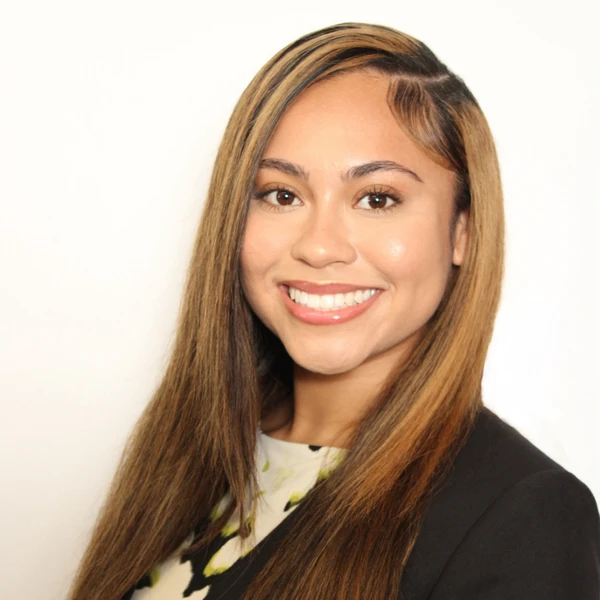
Tianna Haliburton

1x

Finalist

Bio

I am a first-generation college student and immigrant currently pursuing a Bachelor of Science in Health Science on the pre-medical track at Spelman College. Born in the United Kingdom and raised in Jamaica, I have been shaped by resilience and transition. Witnessing my mother’s struggle with reproductive health challenges ignited my passion for women’s health and advocacy, particularly for Black and Caribbean women who are often underserved. I aspire to earn a Master of Public Health and attend medical school to become an Obstetrician-Gynecologist committed to equitable, culturally competent care. Through breast cancer research and community service, I have translated purpose into action. I am driven, service-oriented, and deeply committed to using my education to create meaningful, lasting impact for my community.

Education

Spelman College

Bachelor's degree program
2025 - 2029
  • Majors:
    • Biological and Biomedical Sciences, Other
Dunnellon High School

High School
2024 - 2025

Miscellaneous

  • Desired degree level:

    Doctoral degree program (PhD, MD, JD, etc.)

  • Graduate schools of interest:

  • Transfer schools of interest:

  • Majors of interest:

    • Public Health
    • Biopsychology
    • Biology, General
    • Medicine
    • Psychology, General
  • Not planning to go to medical school
  • Career

    • Dream career field:

      Medicine

    • Dream career goals:

      Research

      • Biological and Biomedical Sciences, Other

        University of California, San Francisco — Intern
        2024 – 2024

      Public services

      • Volunteering

        San Francisco Campus for Jewish Living — I assisted residents to and from their rooms, aided in the Black Heritage Group meetings and built connections with residents.
        2024 – 2024

      Future Interests

      Advocacy

      Volunteering

      Philanthropy

      Entrepreneurship

      Rose Ifebigh Memorial Scholarship
      I would describe myself as resilient, purpose-driven, and deeply shaped by my identity within the African diaspora. Born in the United Kingdom to a Jamaican mother and raised primarily in Jamaica, my upbringing was grounded in cultural pride and tradition. Growing up in a single-parent household, I learned early the value of responsibility and sacrifice. Financial instability required me to mature quickly, but it also instilled discipline and a deep commitment to community uplift. As a Caribbean woman of African descent, I recognise the shared histories of resilience and cultural continuity that connect African and Caribbean communities. This diasporic identity informs my worldview and reinforces my responsibility to contribute meaningfully to Black communities globally, particularly in areas such as education and healthcare. Living and studying across multiple countries has been one of the most transformative aspects of my educational journey. Transitioning from the Jamaican education system to the United States required significant adjustment. I encountered new academic expectations, teaching styles, and institutional structures that initially felt unfamiliar. As a foreign and first-generation student, I had to quickly learn how to self-advocate, seek academic support, and navigate systems that were not designed with students like me in mind. These experiences strengthened my adaptability and confidence. Living across cultures taught me how to communicate effectively with people from diverse backgrounds while remaining grounded in my own identity. I learned to approach differences with curiosity rather than fear, and to view education as a global exchange of perspectives rather than a singular experience. Being an international student pushed me beyond my comfort zone and helped me develop resilience. Through my educational journey, I have gained a deeper understanding of how systemic inequities shape access to opportunity. One of the most impactful realisations came from witnessing disparities in healthcare, particularly those affecting Black and Caribbean women. Growing up, I observed my mother struggle with reproductive health challenges that were often minimised or inadequately addressed. These experiences revealed how underrepresentation and bias can influence outcomes in critical systems such as healthcare. Academically, I have learned that meaningful progress requires interdisciplinary thinking—combining science and community engagement. Personally, I have learned that resilience is not simply endurance, but intentional perseverance rooted in purpose. Culturally, I have gained a deeper appreciation for the strength and resourcefulness of immigrant and diasporic communities, whose stories are often overlooked yet foundational to societal progress. I am currently pursuing a Bachelor of Science in Health Science on the pre-medical track, with plans to obtain a Master of Public Health before attending medical school to become an Obstetrician-Gynecologist. My academic interests are directly aligned with my desire to address reproductive health inequities and improve outcomes for underserved women. Beyond clinical practice, I plan to establish a nonprofit organisation focused on reproductive health education and access for young girls, especially in Black and Caribbean communities. Receiving this scholarship would provide critical financial support, allowing me to remain focused on my studies while continuing my community engagement and leadership efforts. More importantly, it would empower me to fully pursue an education rooted in service and impact—strengthening my ability to contribute meaningfully to the African diaspora and beyond.
      Kim Moon Bae Underrepresented Students Scholarship
      My identity as an underrepresented minority is not a singular label; it is the intersection of my lived experiences as a Black, Caribbean, immigrant, first-generation college student raised in a single-parent household. These identities have shaped how I move through the world, how I understand inequity, and how I define success. They have not only influenced my academic and professional aspirations, but also instilled in me a deep sense of responsibility to create change for communities that mirror my own. My upbringing was marked by financial hardship that required early maturity. I learned quickly that systems are not built equally for everyone and that opportunity often depends on access, advocacy, and visibility. When I later immigrated to the United States as a teenager, I encountered new challenges: adjusting to unfamiliar academic standards, social norms, and expectations while carrying the weight of being the first in my family to pursue higher education. These transitions sharpened my adaptability but also made clear how easily underrepresented students can be overlooked without intentional support. As a Black woman, I have also witnessed firsthand how inequities manifest within healthcare. Growing up, I watched my mother endure years of suffering from uterine fibroids, often navigating medical spaces where her pain was minimised and delayed care was normalised. These experiences exposed me early to the disparities Black and Caribbean women face in reproductive health outcomes. This understanding profoundly influenced my decision to pursue a career in healthcare. My identity has shaped my path as a student by instilling purpose in my education. I do not approach learning passively. As a first-generation student, I recognise education as both an opportunity and a responsibility—to my family, who sacrificed so I could be here, and to communities that continue to face systemic barriers. I have learned to advocate for myself, seek mentorship, and remain disciplined even when circumstances outside the classroom are unstable. My resilience was forged not by ease but by navigating environments where representation was limited, and expectations were often unclear. Looking forward, my identity will continue to guide my path as a future physician and public health advocate. I aspire to become an Obstetrician-Gynecologist who provides culturally competent, patient-centered care to women who have historically been underserved. Representation matters deeply in healthcare; it builds trust, improves communication, and leads to better outcomes. I intend to be a physician who understands the cultural, social, and economic contexts shaping my patients’ lives—not through assumption, but through lived experience and training. Beyond clinical practice, I plan to address disparities through education and community engagement. I am developing a nonprofit organisation focused on educating young girls, particularly in Caribbean communities, about reproductive health and proper feminine hygiene while providing essential resources. This work is rooted in my understanding that empowerment begins with knowledge and access. By addressing stigma and increasing health literacy early, I hope to contribute to long-term improvements in women’s health outcomes. My identity as an underrepresented minority has not limited my vision—it has clarified it. It has shaped me into a student who leads with empathy, a future professional committed to equity, and an advocate determined to transform systems that too often exclude voices like my own. I carry my identity with pride, knowing it is both the foundation of my resilience and the compass guiding my purpose.
      Pierson Family Scholarship for U.S. Studies
      I was born on a Sunday morning, the first day of the week—a detail my mother often calls poetic, as my life has been marked by many “firsts.” Born in the United Kingdom to a Jamaican mother and raised primarily in Jamaica, I learned early that perseverance is not optional but necessary. My background, shaped by immigration, a single-parent household, and economic uncertainty, has deeply influenced my values, my pursuit of higher education, and my commitment to service. My family and community upbringing instilled both humility and responsibility. Raised by my mother, a resilient Jamaican immigrant, I witnessed firsthand the sacrifices required to provide stability amid limited resources. Jamaica is often portrayed as idyllic, but my reality included financial hardship and early maturity. I remember saving my lunch money to help my mother pay bills and learning to navigate adult responsibilities long before I was an adult. Education became my refuge and my strategy for change. I understood that learning was not merely academic achievement. It was survival. It was hope. This belief inspired my pursuit of higher education in the United States, where I sought expanded opportunities to combine rigorous academic training with meaningful impact. One of the most significant challenges I have overcome was adjusting to life in the United States amid housing instability and constant uncertainty. After relocating as a teenager, my family faced multiple displacements, often with little notice. During my senior year of high school, I balanced academic demands with fear of instability and financial stress for my family. Despite these obstacles, I remained disciplined and focused. I sought academic support, maintained strong grades, and completed college applications even when circumstances felt overwhelming. This experience taught me resilience rooted in action: showing up, working consistently, and refusing to let hardship define my future. I learned that adaptability and perseverance are not innate traits but skills developed through adversity. The person who has inspired me most is my mother. Her strength extends beyond survival; it is found in her faith, sacrifice, and unwavering commitment to her children despite her own struggles, including chronic health challenges. Watching her navigate pain—particularly from uterine fibroids—while continuing to provide for our family shaped my understanding of true love. She taught me that courage often looks like persistence in silence. Her resilience inspired my passion for healthcare and my desire to serve women who are too often dismissed or overlooked. My post-graduate plans reflect both my academic interests and my lived experiences. I plan to pursue a Master of Public Health followed by medical school, with the goal of becoming an Obstetrician-Gynecologist. I aspire to provide culturally competent, compassionate care while addressing reproductive health inequities affecting Black and Caribbean women. Beyond clinical practice, I intend to establish a nonprofit organisation dedicated to educating young girls about reproductive health and proper feminine hygiene while providing essential resources. Through medicine, public health, and community advocacy, I aim to transform access into equity. My journey to higher education has been shaped by challenge and purpose. Each obstacle strengthened my resolve, each transition clarified my mission. I pursue education not only to change my own life, but to uplift my family and contribute meaningfully to the communities that shaped me.
      Immigrant Daughters in STEM Scholarship
      One of the most significant struggles I have faced has been navigating life as an immigrant while carrying adult responsibilities long before I was ready for them. Born in the United Kingdom, raised in Jamaica, and later relocating to the United States as a teenager, my life has been defined by constant transition. Each move required me to adapt quickly—to new cultures, new education systems, and new expectations—often without the safety net of stability or certainty. While immigration offered the promise of opportunity, it also demanded resilience at an early age. When I moved to the United States to reunite with my mother, the adjustment was far more challenging than I anticipated. Beyond cultural differences, my family faced housing instability and financial uncertainty. There were moments when we were unsure where we would live next or how we would meet essential expenses. As the eldest child, I felt a deep sense of responsibility to remain composed and dependable, even when circumstances were overwhelming. I learned quickly that survival required resourcefulness—maximising limited resources, managing time efficiently, and remaining focused on long-term goals despite immediate hardship. One of the most defining aspects of this struggle was maintaining academic excellence amid instability. Frequent relocations meant adjusting to new schools and unfamiliar environments. Rather than allowing disruption to derail me, I relied on discipline and self-advocacy. I sought out teachers, counsellors, and academic resources to ensure I stayed on track. I structured my time carefully and treated my education as something no circumstance could take from me. Responsibility, for me, meant showing up fully even when my life outside the classroom was unpredictable. This struggle profoundly shaped who I am as a student. I approach my education with urgency and intention, understanding that opportunity is not guaranteed. I am self-motivated, adaptable, and unafraid to ask for help when necessary. As a first-generation college student, I recognise the privilege of higher education and treat it as both an achievement and a responsibility—to my family and to communities that share similar barriers. As a future healthcare professional, my immigrant experience informs my commitment to equity, empathy, and advocacy. I understand how systemic barriers—language, culture, finances, and access—can influence outcomes. My resilience has prepared me to navigate complex environments, while my sense of responsibility ensures that I approach patient care with diligence and compassion. Ultimately, this struggle did not weaken me—it refined me. It shaped me into a resilient student and an aspiring professional who leads with problem-solving and purpose. My immigrant journey taught me that success is not defined by ease, but by the ability to adapt, endure, and rise with integrity.
      Nabi Nicole Grant Memorial Scholarship
      Faith has been a constant anchor throughout my life, but it became essential during one of the most unstable and uncertain periods of my journey. In my senior year of high school, my family experienced a series of events that tested not only our physical security, but my emotional and spiritual endurance. We faced housing instability, abrupt displacement, and the overwhelming fear of not knowing where we would go next. At a time when I was expected to focus on college applications, grades, and planning for my future, my reality was defined by survival. After relocating to the United States, my family’s circumstances deteriorated rapidly. We moved multiple times within a short period, often relying on the goodwill of others. What initially felt like refuge soon turned into emotional strain, as we lived in environments where we were made to feel unwelcome and disposable. Eventually, we were forced to leave with little notice, packing our belongings in a single day without a clear destination. The instability was exhausting, and I felt the weight of responsibility not only for myself, but for my younger sibling and my mother. During this time, fear threatened to overwhelm me. I questioned how I could succeed academically when my basic sense of safety was constantly disrupted. Yet it was in these moments that my faith became more than belief—it became practice. I leaned into prayer not as a request for immediate answers, but as a source of calm and clarity. Faith reminded me that my circumstances did not define my worth or my future. It gave me the strength to focus on what I could control: my work ethic, my integrity, and my perseverance. One of the most challenging aspects of this period was maintaining hope while everything around me felt uncertain. Each day, I chose to trust that my efforts mattered, even when progress felt invisible. I attended school consistently, completed my coursework with excellence, and continued applying to colleges despite doubts about affordability and stability. Faith allowed me to reframe hardship as preparation rather than punishment. I believed that the discipline I was developing would serve me long after the crisis passed. The outcome of this season affirmed that belief. Despite the trauma of my senior year, I graduated with high honours and was accepted into Spelman College, the nation's top HBCU. That acceptance was not just an academic milestone—it was confirmation that perseverance grounded in faith can create opportunity even in the most difficult circumstances. I became the first in my mother’s lineage to graduate high school and attend college, a moment that felt both humbling and sacred. Relying on my faith during this challenge reshaped how I approach adversity. I learned that faith does not eliminate struggle, but it equips you to endure it with purpose. Today, as a first-generation college student pursuing a career in healthcare, I continue to rely on faith to navigate financial uncertainty, academic rigour, and personal responsibility. It reminds me to remain grounded, disciplined, and hopeful. Ultimately, my faith taught me that resilience is not accidental; it is cultivated through persistence. It carried me through one of the most difficult chapters of my life and continues to guide me as I work toward a future rooted in service and impact.
      Women in Healthcare Scholarship
      I chose to pursue a degree in healthcare because my earliest understanding of medicine was shaped not in a classroom, but at home. Growing up, I witnessed my mother endure years of pain caused by uterine fibroids—pain that was often minimised, misunderstood, or inadequately addressed. As her eldest child, I became a quiet observer of her suffering and an active participant in her care, helping her navigate appointments, manage fear, and endure uncertainty. These experiences revealed to me that healthcare is not only about treatment, but about advocacy, dignity and compassion. From a young age, I learned that women are often forced to carry pain in silence. I saw how cultural stigma, limited access to care, and systemic inequities compound medical conditions and delay intervention. These realities sparked my desire to understand the science behind women’s health while also confronting the structural barriers that shape health outcomes. Pursuing a degree in healthcare allows me to bridge compassion with competence and empathy with evidence-based practice. My academic journey in health sciences has further affirmed this calling. Through research experiences, including breast cancer research at the University of California, San Francisco, I gained insight into how scientific inquiry drives progress in patient care. I learned that innovation in medicine requires persistence, collaboration, and representation—especially in research areas that disproportionately affect women of color. Volunteering in nursing homes expanded my understanding of patient-centered care, as I listened to women share stories shaped by decades of unequal access to healthcare. These experiences taught me that healing is not confined to clinical interventions; it also involves listening, validating lived experiences, and addressing social determinants of health. As a woman pursuing a career in healthcare, I hope to make a positive impact by challenging long-standing inequities within the medical system. Representation matters—not only in who provides care, but in whose experiences inform medical practice and policy. I aim to become an Obstetrician-Gynecologist who delivers culturally competent, trauma-informed care to women who have historically been overlooked. By creating environments where patients feel seen, heard, and respected, I hope to restore trust between marginalised communities and the healthcare system. Beyond clinical practice, I am committed to advocacy and education. I plan to integrate public health into my medical training to address health disparities at both the individual and community levels. I am actively developing a nonprofit organisation focused on educating young girls bout reproductive health and proper feminine hygiene while providing essential resources. Through this work, I aim to reduce stigma, promote early health literacy, and empower girls to advocate for their bodies and well-being. Ultimately, I pursue healthcare not only to treat illness, but to transform systems. My goal is to ensure that women’s health is approached with urgency, equity, and compassion. As a woman in healthcare, I intend to lead with empathy and contribute to a future where no woman’s pain is dismissed, and no community is left behind.
      Resilient Scholar Award
      I am a 19-year-old first-generation college student whose upbringing in a single-parent household shaped my understanding of resilience, responsibility, and purpose from an early age. Raised primarily by my mother, a Jamaican immigrant, I grew up witnessing both her strength and her vulnerability as she navigated the challenges of parenthood, financial instability, and chronic health issues with limited support. Our household was not defined by what we lacked, but by the perseverance required to keep moving forward despite uncertainty. From a young age, I learned that survival often demands adaptability and that love can exist even in the most difficult circumstances. As the eldest child, I assumed responsibilities beyond my years. I often served as my mother’s emotional support and advocate in professional and healthcare settings. Watching her struggle with uterine fibroids and severe blood loss exposed me early to the realities of women’s health disparities. I witnessed how pain could be minimised, how care could be delayed, and how navigating complex systems without adequate resources could feel overwhelming. These experiences forced me to mature quickly, but they also instilled in me a deep sense of empathy and accountability—not only toward my family, but toward others facing similar challenges. One pivotal realisation that reshaped my understanding of myself occurred during my early teenage years, when housing instability disrupted our sense of normalcy. Being unhoused revealed how fragile security can be and how quickly circumstances can change despite effort and integrity. For the first time, I became acutely aware of how society often views hardship as a personal failure rather than a systemic issue. This experience challenged me to confront my own assumptions and to recognise the dignity and humanity in people whose struggles are often invisible or misunderstood. It taught me that resilience is not simply endurance, but the courage to persist with purpose. Academically, this realisation fueled my commitment to education as a means of empowerment. I began to see learning not only as personal advancement, but as a tool to create change for my family and community. My experiences at home motivated me to pursue the health sciences, with a particular focus on women’s and reproductive health. I wanted to understand the systems that failed my mother so that I could one day work to improve them. Through research, volunteering, and leadership opportunities, I have sought ways to turn adversity into impact. Growing up in a single-parent household taught me that strength is often quiet, forged in moments of sacrifice and perseverance. It also taught me the importance of advocacy—of speaking up for those who may not have the resources or platforms to do so themselves. Today, I carry these lessons with me as a student and aspiring physician. My upbringing has not only shaped who I am, but clarified who I strive to become: someone who leads with compassion, challenges inequity, and uses her education to uplift others.
      Sgt. Albert Dono Ware Memorial Scholarship
      Sgt. Albert Dono Ware’s legacy, defined by service, sacrifice, and bravery, resonates deeply with me because these are the same principles that have guided my own life. As a first-generation immigrant from Jamaica, I have navigated a path marked by instability, cultural transitions, and systemic barriers. From a young age, I witnessed my mother face significant reproductive health challenges while managing financial and social hardships. I quickly assumed responsibilities beyond my years, helping her navigate medical appointments, managing household needs, and supporting her emotionally during moments of pain and uncertainty. These experiences instilled in me a profound understanding of sacrifice: the willingness to prioritise the well-being of others, often at personal cost. Service became a guiding principle, motivating me to seek opportunities to uplift my family and broader community, whether through volunteer work, mentorship, or advocacy. Bravery, I have learned, is not the absence of fear but the decision to act in the face of uncertainty—a value exemplified by Sgt. Ware, and one I strive to embody in every aspect of my life. These values inform my vision for addressing the contemporary challenges faced by African-descended communities in the United States. Systemic inequities, including disparities in health outcomes, educational access, and economic opportunity, continue to disproportionately affect Black and Caribbean communities. Many African-descended women, for example, experience higher rates of aggressive breast cancer, maternal mortality, and other preventable health conditions, often due to a combination of structural barriers, lack of culturally competent care, and gaps in community education. These inequities are compounded by historical and ongoing social marginalisation, which limit access to resources and opportunities. Inspired by Sgt. In Ware’s example, I see these challenges not as insurmountable obstacles but as opportunities to channel courage and service into meaningful change. Through my academic and professional pursuits, I have begun addressing these disparities. Conducting breast cancer research at the University of California, San Francisco allowed me to contribute to the scientific understanding of a disease that disproportionately impacts Black women. Volunteering in a nursing home exposed me to the realities of healthcare inequities across diverse populations, deepening my understanding of how social, cultural, and economic factors intersect to influence health outcomes. Additionally, I am in the process of establishing a nonprofit organisation that educates young girls in the Caribbean and beyond about reproductive health and proper feminine hygiene while providing access to essential resources. Through this initiative, I aim to reduce stigma, improve health literacy, and empower girls with knowledge and confidence, fostering a culture in which women’s health is valued and prioritised. Addressing systemic challenges requires thoughtful policy and community reform. I believe the most critical initiatives include expanding access to culturally competent healthcare and preventive services, creating inclusive educational pipelines, and investing in mentorship and leadership programs tailored for Black and Caribbean youth. These reforms must be supported by collaboration among multiple stakeholders, including policymakers, healthcare providers, educators, nonprofit leaders, and community members themselves. Policies must be informed by the lived experiences of the communities they intend to serve, while community-driven programs ensure sustainability and relevance. By engaging stakeholders across sectors, we can develop evidence-based, culturally responsive solutions that address both immediate needs and long-term structural inequities. Sgt. Ware’s legacy challenges me to pair courage with action, ensuring that my own journey of overcoming adversity translates into measurable impact. His example reminds me that true service requires both sacrifice and bravery: a willingness to act even when solutions are not easy or guaranteed, and the resolve to advocate for those whose voices have historically been marginalised. Guided by these values, I am committed to using my education, experiences, and professional ambitions to advance equity for African-descended communities, particularly women, and to create opportunities where barriers have long persisted. My hope is to leave a legacy of advocacy, empowerment, and tangible change, ensuring that communities like mine are not only supported but uplifted.
      New Beginnings Immigrant Scholarship
      My name is Tianna Haliburton, and I am a 19-year-old first-generation college student whose journey has been shaped by resilience and determination. Born in the United Kingdom to a Jamaican mother and raised primarily in Jamaica, I grew up navigating financial instability, family challenges, and educational transitions that tested both my adaptability and perseverance. At sixteen, I migrated to the United States to join my mother, leaving behind the familiarity of Jamaica for a new country, culture, and educational system. The move was daunting, and the adjustments were many: adapting to a different academic structure, a new social environment, and the uncertainties of starting over in a foreign land. Yet, these experiences strengthened my resolve and taught me that growth often comes from discomfort. My immigrant experience has shaped not only who I am, but also how I approach challenges, opportunities, and my future career. Witnessing my mother’s struggles with uterine fibroids throughout my childhood deeply influenced my understanding of health and advocacy. From a young age, I became someone she could rely on during moments of pain and uncertainty—comforting her, helping manage her responsibilities, and learning about the female reproductive system long before experiencing my own menstrual cycle. These experiences revealed how women’s pain, particularly among Black women, is often overlooked or minimised, highlighting the urgent need for culturally competent care and community education. It was in these early moments that my purpose began to take shape: I wanted to be someone who could advocate for women, improve access to healthcare, and empower others through education and support. My academic and professional journey has transformed that purpose into actionable goals. I am currently pursuing a Bachelor of Science in Health Science on the pre-medical track, with plans to obtain a Master of Public Health before entering an MD-PhD program. Conducting breast cancer research at the University of California, San Francisco, exposed me to the scientific processes driving innovation in women’s health and underscored the critical role research plays in improving patient outcomes. Volunteering in a nursing home allowed me to build meaningful connections with women from diverse backgrounds, providing firsthand insight into how systemic, cultural, and socioeconomic barriers shape access to care. Beyond these experiences, I regularly attend women’s health–focused seminars and college events to learn from healthcare professionals actively working to advance equity in medicine. Each step has reinforced my commitment to combining research, patient care, and advocacy in a career that prioritises women’s health. My ultimate career aspiration is to become an Obstetrician-Gynecologist, providing compassionate, culturally competent care to women, particularly those from Black and Caribbean communities. In parallel, I am developing a nonprofit organisation to educate young girls about reproductive health and proper feminine hygiene, while providing access to essential resources. Through this initiative, I hope to reduce stigma, decrease school absenteeism, and empower young women with knowledge and confidence. My goal is to create spaces, both in clinical practice and in the community, where women feel seen, heard, and valued. My immigrant journey, coupled with my personal and academic experiences, has shaped my understanding of resilience and purpose. Through education and community advocacy, I aim to transform my own opportunities into meaningful change for others. Attending an HBCU has strengthened this mission by providing an environment where my identity is celebrated and my potential is nurtured. I am committed to using my education to uplift my family, my community, and future generations, ensuring that women’s health and empowerment are not afterthoughts, but central to building a healthier, more equitable world.
      Grand Oaks Enterprises LLC Scholarship
      My name is Tianna Haliburton, and I am a 19-year-old immigrant and first-generation college student. Born in the United Kingdom to a Jamaican mother and raised primarily in Jamaica, I was shaped by constant adaptation across cultures, educational systems, and circumstances. My journey to this point has been shaped by resilience, sacrifice, and an unwavering belief in the power of education to transform lives. From a young age, I learned that survival and ambition often coexisted. I remember saving my lunch money to help my mother pay bills and comforting her through serious reproductive health challenges, even before I fully understood their medical implications. These experiences forced me to mature quickly, but they also instilled in me a profound sense of determination. My adolescence and early academic journey were marked by frequent transitions. I attended multiple schools across different countries and states, adjusting to new cultures, academic systems, and environments while carrying the weight of uncertainty at home. During my senior year of high school, my family experienced housing instability and emotional trauma that threatened to derail my education entirely. Yet, even in the most uncertain moments, I remained steadfast in my commitment to learning. Education was not simply a pathway to personal success; it was my means of creating stability for my family and rewriting our future. Graduating with high honors and earning acceptance into Spelman College represented not only an academic milestone, but a victory over circumstances that once seemed insurmountable. Attending an HBCU holds deep personal and cultural significance for me. As a Black, first-generation college student, Spelman College represents a space where my identity is not merely acknowledged but celebrated. At Spelman, I am surrounded by peers who share a commitment to scholarship and service. Being part of an HBCU means learning in an environment that affirms my lived experiences and equips me to lead with confidence and purpose in spaces where Black women have historically been underrepresented. For me, an HBCU is more than an institution; it is a community and responsibility. It means carrying forward a legacy of excellence while remaining grounded in service to others. At Spelman, I am not only being educated; I am being prepared to uplift my community and contribute meaningfully to the world around me. My choice of study in Health Science on the pre-medical track is deeply rooted in my desire to make a tangible difference for my family and community. Witnessing my mother’s struggle with uterine fibroids throughout my childhood profoundly shaped my understanding of women’s health and healthcare inequities. I saw firsthand how women’s pain, particularly Black women’s pain, is often minimised and inadequately treated. These early experiences ignited my passion for medicine and my commitment to advocating for equitable healthcare. My academic and professional experiences have reinforced this calling. Conducting breast cancer research at the University of California, San Francisco, exposed me to the scientific foundation behind medical innovation and highlighted the stark disparities that exist in women’s health outcomes, especially among Black women. Volunteering in a nursing home further deepened my understanding of how systemic barriers and limited access to care shape healthcare. Through these experiences, I have learned that meaningful healthcare requires more than clinical knowledge; it requires compassion and advocacy. Looking ahead, I aspire to become an Obstetrician-Gynecologist, women’s health advocate, and nonprofit founder. I plan to pursue both medicine and public health to address health disparities at the individual and community levels. My long-term goal is to open a medical practice where women, especially Black and Caribbean women, feel seen, heard, and respected. In addition, I am developing a nonprofit organisation focused on educating young girls in the Caribbean and beyond about reproductive health and proper feminine hygiene, while providing access to essential hygiene products. This initiative aims to reduce stigma, decrease school absenteeism, and empower young women with knowledge and confidence. Through my education at an HBCU and my commitment to service, I intend to be a source of pride and possibility for my family and a catalyst for change within my community. My journey has taught me that adversity does not define one’s limits—purpose does. I plan to honour the sacrifices that brought me here by using my education to uplift others and ensure that future generations have access to opportunities.