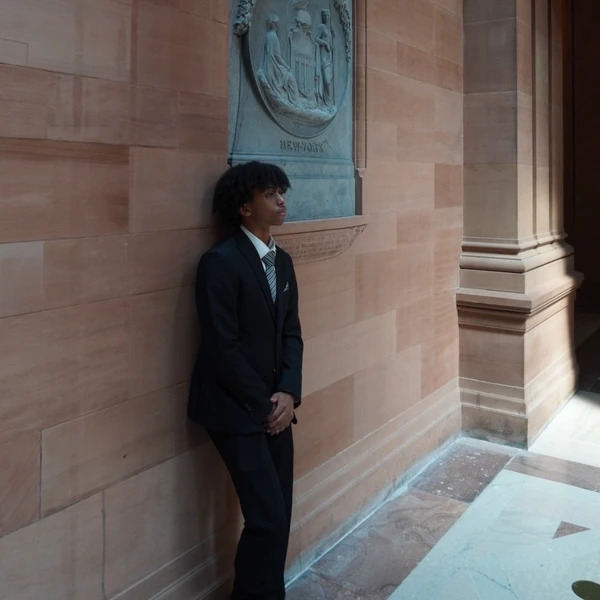
I plan to use my education to expand opportunities for underrepresented communities, much like I did when I introduced squash to my school. Growing up in the Bronx, I rarely saw people who looked like me excelling in sports outside of basketball and football. Squash, an unfamiliar sport at first, became a vehicle for personal growth and an opportunity to bring meaningful change to my community. Education will help me build on this foundation, equipping me with the tools to broaden my impact.
When I joined StreetSquash in the seventh grade, I immediately recognized its potential to be more than just a sport. It became a second home—a place where I could develop discipline, build confidence, and challenge myself. Over time, it became clear that squash could offer these same opportunities to others in my community, but the barriers were steep. Squash is often viewed as a sport for the elite, dominated by people who don’t look like us. These unspoken boundaries became my motivation to bring squash to Thurgood Marshall Academy.
Creating a squash team at my school was no easy feat. It required persistence, leadership, and creativity. I began by pitching the idea to our assistant principal, who was supportive but uncertain if students would embrace the sport. I led outreach efforts, advocating for flyers, open houses, and field trips to StreetSquash, so students could experience the sport firsthand. We eventually built a team, but the challenges didn’t stop there. We needed funding for tournament fees, transportation, and accommodations. Partnering with my superintendent, we launched a GoFundMe campaign and caught the attention of local news outlets like CBS News. By the time we raised $5,500, I knew we weren’t just forming a team—we were building a movement.
Competing at the 2023 High School Squash Nationals in Philadelphia was an unforgettable experience. Walking into the Specter Center, I felt both pride and unease. My team and I were the only Black players there, and the stares from spectators were hard to ignore. I realized that for many, we weren’t just competitors—we were symbols of change. Winning my first match against a private school student solidified this realization. His question, “Do you play basketball?” wasn’t just a stereotype—it was a reflection of the narrow expectations placed on people like me. In that moment, I understood that my influence extended beyond the court. I wasn’t just representing myself but also my community, showing what’s possible when barriers are broken.
This experience taught me that education is more than academics—it’s about leveraging knowledge to create opportunities and challenge societal norms. Through my studies, I plan to gain the skills to build programs that empower underrepresented youth, whether through sports, education, or other avenues. I envision creating initiatives that provide access to resources, mentorship, and platforms for young people to explore their potential. By combining my passion for advocacy with the leadership skills I’m developing, I want to ensure that kids from marginalized communities see themselves in spaces where they’ve historically been excluded.
My education will also allow me to challenge stereotypes and redefine representation. Just as I introduced squash to my peers and shattered preconceived notions within the sport, I aim to expand these efforts on a larger scale. I want to create a ripple effect, inspiring others to step outside their comfort zones and embrace new opportunities. Whether it’s through sports, academics, or community programs, my goal is to ensure that every young person, regardless of their background, feels empowered to pursue their passions.