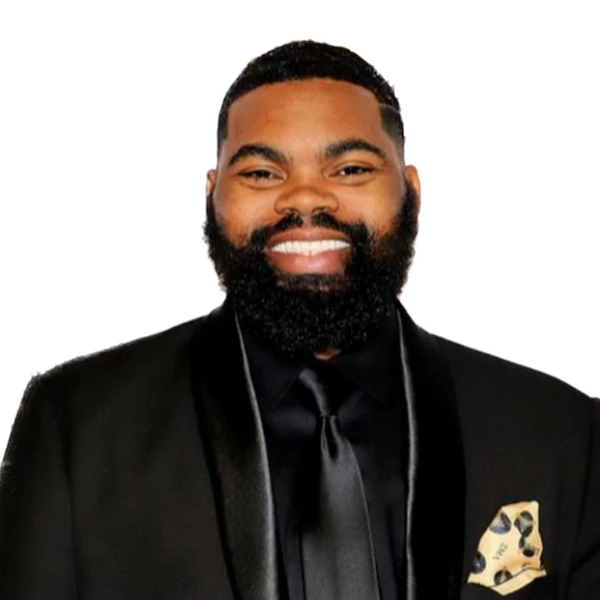
user profile avatar

Master Brown

1x

Finalist

1x

Winner

Bio

Master Brown (ML) is a former behavioral health nurse who transitioned into research, education, and advocacy focused on disability equity and inclusive education. He holds an M.Ed. in Special Education from PennWest University and received clinical training in Applied Behavior Analysis at Caldwell University. ML is currently pursuing a Ph.D. in Special Education at The Pennsylvania State University, where he is also completing a Graduate Certificate in Children’s Literature to support his work writing inclusive children’s books that center neurodivergent and disabled youth. ML is a Robert Wood Johnson Foundation Health Policy Research Scholar and a doctoral fellow in Penn State’s federally funded OSEP SACRED program (Socially and Culturally Responsive Education for Students with Emotional and Behavioral Disorders). His research examines racial inequities in special education, teacher perceptions of students with Emotional and Behavioral Disorders, and the experiences of Black families navigating school systems. In addition to his research, ML is committed to expanding representation in both academia and children’s literature. Through scholarship, policy engagement, and creative writing, he works to amplify the voices of marginalized communities and develop culturally responsive educational practices. ML ultimately aspires to become a professor and public scholar who bridges research, policy, and storytelling to create more equitable systems for children and families.

Education

Pennsylvania State University-Main Campus

Trade School
2026 - 2026
  • Majors:
    • Education, General
  • Minors:
    • English Language and Literature, General
  • GPA:
    4

Pennsylvania State University-Main Campus

Doctoral degree program (PhD, MD, JD, etc.)
2025 - 2027
  • Majors:
    • Special Education and Teaching
  • GPA:
    4

Caldwell University

Technical bootcamp
2023 - 2025
  • Majors:
    • Clinical, Counseling and Applied Psychology
    • Rehabilitation and Therapeutic Professions, General
    • Psychology, Other
    • Education, General
    • Behavioral Sciences
  • Minors:
    • Psychology, General
  • GPA:
    4

California University of Pennsylvania

Master's degree program
2021 - 2022
  • Majors:
    • Special Education and Teaching
  • Minors:
    • Behavioral Sciences
  • GPA:
    3.8

Lincoln Technical Institute-Philadelphia

Trade School
2016 - 2017
  • Majors:
    • Practical Nursing, Vocational Nursing and Nursing Assistants
  • GPA:
    3.6

Delaware State University

Bachelor's degree program
2010 - 2013
  • Majors:
    • Psychology, General
  • GPA:
    3.1

Miscellaneous

  • Desired degree level:

    Doctoral degree program (PhD, MD, JD, etc.)

  • Graduate schools of interest:

  • Transfer schools of interest:

  • Majors of interest:

  • Not planning to go to medical school
  • Career

    • Dream career field:

      Writing and Editing

    • Dream career goals:

      A College Professor and a Published Author

    • Graduate Research Assistant

      Pennsylvania State University
      2025 – Present1 year
    • Assistant Clinical Supervisor (ABA Center)

      Caldwell University
      2023 – 20252 years
    • Nurse

      Care Link Community Support Services
      2017 – 20236 years

    Sports

    Cross-Country Running

    Intramural
    2020 – Present6 years

    Research

    • Education, Other

      Pennsylvania State University — Researcher
      2025 – Present
    • Behavioral Sciences

      Caldwell University — Contributer
      2023 – Present

    Arts

    • Pennsylvania State University

      Design
      2025 – Present
    • Freelance

      Painting
      No
      2012 – Present

    Public services

    • Public Service (Politics)

      Dymond S Dantlzer Legacy Foundation — Unity Walk Coordinator
      2015 – Present
    • Volunteering

      Masters Of Our Fate LLC — CEO
      2017 – Present
    • Volunteering

      Alpha Phi Alpha Fraternity Inc. — General Member
      2013 – Present

    Future Interests

    Advocacy

    Politics

    Volunteering

    Philanthropy

    Entrepreneurship

    Catalyst Creators: Scholarship for Children's Picture Book Manuscripts Featuring Underrepresented Voices
    Winner
    didn’t originally set out to become a children’s book writer. Writing grew out of the work I was already doing in education and behavioral health. Over the years I have worked with and studied children who are often misunderstood in school systems, especially Black children and children who are neurodivergent or have disabilities. One thing kept bothering me. The kids I worked with rarely saw themselves in the books around them. The characters didn’t look like them, communicate like them, or experience the world the way they did. At the same time, I have always loved stories. Growing up I was the kid who loved theater. My family and I went to plays at our local community college, and later I started traveling to New York to see Broadway shows. I have seen The Lion King more times than I can count. What always stuck with me was how powerful stories can be when people feel seen in them. That love of storytelling stayed with me as I moved into healthcare and eventually into my current work pursuing a PhD in Special Education. Over time those two parts of my life started to connect. My research focuses on how marginalized children, particularly Black children with emotional and behavioral differences, are perceived and treated in schools. I spend a lot of time thinking about bias, systems, and policy. But I kept coming back to a simple question. What would it look like if children like the ones I work with could open a book and see themselves right away, in a positive and affirming way? That question is what pushed me to start writing. The manuscript I am submitting is part of a larger ABC style children’s book that centers neurodivergent children and children with disabilities. Each letter highlights a strength, experience, or feeling connected to neurodivergence. For example, “B is for Brilliant and Bright,” which celebrates the creativity and intelligence neurodivergent children bring to the world. The goal of the book is not to frame difference as something that needs to be corrected. Instead it shows the many ways children think, feel, communicate, and experience the world. Representation is at the heart of the story. The children in the book are Black and come from a range of disability and neurodivergent experiences. Some communicate differently. Some use wheelchairs. Some experience the world in unique sensory or emotional ways. But the story is not about limitation. It is about pride, identity, and possibility. This project feels personal because it reflects the families I meet through my work and research. I often talk to parents who worry that their children are misunderstood in school or seen only through labels. I wanted to create a book that shows a different perspective. One where children are celebrated for who they are rather than defined by what others think they lack. Children’s books are powerful because they shape how young people see themselves and others. The characters children encounter early on influence their sense of belonging and possibility. When certain identities are missing from stories, kids notice. Diverse stories expand the world children imagine and help them understand people whose experiences may be different from their own. For children who share identities with the characters in this book, I hope the story feels affirming. I want them to see that the qualities that make them different can also be sources of strength. For other children, I hope the book encourages curiosity and empathy and helps them see neurodiversity and disability as natural parts of human experience. This manuscript is just the beginning of what I hope becomes a larger series of books that center neurodivergent and disabled children from communities that are often overlooked in children’s literature. At the end of the day, my goal is simple. Every child should be able to open a book and recognize themselves in the story. And every child should grow up knowing that their way of being in the world matters.
    #AllKidsNeedBooks Scholarship
    My work sits at the intersection of education, storytelling, and advocacy. As an educator and researcher, much of my professional life has focused on children who are often misunderstood in school systems, especially Black children and children who are neurodivergent or have disabilities. Through that work I began to notice something that stayed with me. Many of the children I worked with rarely saw themselves reflected in the books around them. The characters often did not look like them, learn like them, or experience the world the way they did. That gap in representation is what pushed me toward writing. I am currently developing children’s books that center Black children with a range of abilities and identities. The story I am working on now features a group of Black children, including a child who uses a wheelchair, a child who is blind, a deaf child, and a neurodivergent child. Rather than focusing on limitations, the story highlights friendship, creativity, and the different ways children experience the world. My goal is to create stories where children who are often left out of books can see themselves as central characters. Even in the early stages of this work, I have seen how powerful these stories can be. When I share ideas or early concepts with educators, parents, and community members, the response is often immediate. Many people say they rarely see books that reflect the full diversity of Black childhood, especially when disability and neurodivergence are part of the story. Parents and teachers have expressed excitement about having books they can use to help children feel seen and understood. Through conversations in schools, libraries, and community spaces, I have also seen how these stories can spark discussions about inclusion, empathy, and belonging among young readers. One challenge I have faced in this journey is navigating the publishing process while trying to create stories that center communities that are still underrepresented in children’s literature. Representation in books has improved in some ways, but there are still major gaps when it comes to Black children with disabilities or neurodivergent identities. It can sometimes feel difficult to find pathways to bring these stories into the world while maintaining the authenticity and care they deserve. I have learned that persistence matters. I have also learned the importance of building community with educators, parents, and advocates who understand why these stories are necessary. Receiving the #AllKidsNeedBooks Scholarship would help move this work forward in a meaningful way. Writing the story is only the first step in creating a children’s book. Illustration, editing, and design are essential parts of the process, and they require resources. This scholarship would allow me to collaborate with illustrators who can thoughtfully portray Black children with different disabilities and neurodivergent traits in ways that are affirming and authentic. It would also support the editing and development process so the book can reach classrooms, libraries, and families. Ultimately, my goal is to help expand the stories that children have access to. Every child deserves to open a book and see a world where they belong. Through storytelling, I hope to create books that reflect the richness and diversity of childhood, while helping young readers see themselves and others with empathy, dignity, and imagination.
    Justin Burnell Memorial Scholarship
    I did not originally set out to become a writer. My path to writing really began through my work in education, behavioral health, and research. Over the years I have spent a lot of time working with children who are often misunderstood in school systems, particularly Black children and children who are neurodivergent or have disabilities. Again and again I noticed something that stayed with me. Many of the children I worked with rarely saw themselves reflected in the books they read. The characters often did not look like them, communicate like them, or experience the world the way they did. That absence matters, especially for young readers who are still figuring out who they are and where they belong. As a Black, neurodivergent educator, I have also experienced how quickly people form assumptions about identity. Whether in classrooms, professional spaces, or everyday life, there are often expectations placed on people before they have a chance to tell their own story. Those experiences have shaped how I think about representation and the power of storytelling. Books can either reinforce narrow ideas about who belongs, or they can open doors for children to see themselves as capable, valued, and worthy of being at the center of the story. That realization is what pushed me toward writing children’s books. I am currently working on a children’s book that centers Black children with different abilities and ways of experiencing the world. The characters include a child who uses a wheelchair, a child who is blind, a deaf child, and a neurodivergent child. Each character brings something unique to the group, and the story focuses on their friendships, their creativity, and the ways they support one another. Too often disability and neurodivergence are presented in children’s books only through struggle or limitation. I want this story to focus on joy, imagination, and the richness of difference. My hope is that children who read this book will see that there is no single way to move through the world. For Black children with disabilities or neurodivergent identities, representation can be especially limited. I want these characters to exist in a story where they are fully seen and valued, not as side characters but as the heart of the narrative. The funding from this opportunity would help move the book from an idea and manuscript into a finished product that can reach readers. Writing is only one part of creating a children’s book. There are also costs connected to illustration, editing, design, and the production process. High quality illustrations are especially important because visual storytelling is such a powerful part of how children engage with books. Support from this funding would allow me to work with an illustrator who can thoughtfully portray Black children with different disabilities and neurodivergent traits in ways that feel authentic and affirming. It would also help with editing and preparation for publication so that the book can reach classrooms, libraries, and families who are looking for stories that reflect a wider range of childhood experiences. Ultimately, my goal is not just to write one book, but to build a series of stories that center children who are too often missing from the pages of children’s literature. I want young readers to open a book and see themselves, their friends, and their communities reflected with dignity and imagination. If even one child feels seen in those pages, then the work will have done what it was meant to do.
    Your Health Journey Scholarship
    Embarking on a health journey has been a transformative experience, empowering me to take charge of my well-being and positively change my lifestyle. My commitment to better health began with two simple yet impactful habits: drinking a gallon of water daily and running three miles regularly. In the past, I often struggled to maintain a healthy lifestyle, succumbing to the demands of a busy schedule and neglecting my well-being. My energy levels were perpetually low, and I found it challenging to stay focused and productive throughout the day. Recognizing the need for a change, I decided to take small, achievable steps towards better health, starting with hydration. Drinking a gallon of water a day became my primary goal. Initially, it was not an easy task, as I had grown accustomed to consuming inadequate amounts of water. However, I began to notice the difference almost immediately. Hydration infused me with newfound energy, clearing the mental fog that once clouded my thoughts. I felt more alert, refreshed, and better equipped to tackle the day's challenges. Beyond the physical benefits, staying hydrated impacted my overall well-being. I noticed improved skin appearance, with a healthier glow replacing the dullness I had previously experienced. Additionally, my digestion improved, and I found myself less prone to headaches and muscle cramps. The positive changes in my health from staying hydrated encouraged me to take the next step in my health journey: incorporating running into my daily routine. Admittedly, the idea of running three miles daily initially seemed daunting. I was not particularly athletic, and the thought of exerting myself so intensely was intimidating. However, I was determined to challenge myself and push past my perceived limitations. At first, running was indeed a struggle. My body was not accustomed to such physical activity, and I often felt breathless and fatigued. Yet, I persevered, understanding that progress would come with consistency and dedication. Slowly but steadily, my stamina improved, and I ran longer distances more easily. Running became not just a physical activity but a form of therapy for me. It provided a much-needed release of stress and anxiety, allowing me to clear my mind and focus on the present moment. With each stride, I felt a sense of accomplishment, knowing I was taking a step towards better health and greater self-care. The combination of hydration and running has had a profound impact on my overall health and well-being. I feel more in tune with my body and its needs, recognizing when it requires nourishment, rest, or physical activity. My mental clarity has soared, and I am better equipped to face life's challenges with resilience and determination. Moreover, these lifestyle changes have influenced other aspects of my life positively. As my physical health improved, so did my motivation and productivity. I approached tasks with greater focus and efficiency, benefiting my personal and professional pursuits. In conclusion, my health journey has been a testament to the power of small changes in transforming one's life. By committing to drinking a gallon of water daily and running three miles regularly, I have experienced improvements in my physical and mental well-being. Staying hydrated has revitalized my energy levels and improved my skin's appearance, while running has become a form of therapy, providing stress relief and mental clarity. These lifestyle changes have not only benefited my health but also influenced other areas of my life positively. I am motivated to continue this journey, inspiring others to prioritize their well-being and embrace the transformative power of small, sustainable changes.
    Will Johnson Scholarship
    Living with bipolar disorder has been an arduous journey filled with challenges that often threatened to consume me. However, through unwavering determination and the support of loved ones, I have managed to rise above these obstacles and transform my disability into a source of strength and inspiration. My journey with bipolar disorder has taught me the importance of self-awareness and self-care. Understanding the intricacies of my condition has allowed me to recognize the early signs of mood shifts, empowering me to take proactive steps to manage my mental health. I have developed coping strategies, including mindfulness practices and maintaining a stable daily routine. Seeking professional help has also played a pivotal role in my recovery, as therapy has given me the tools to navigate the challenges that bipolar disorder presents. Moreover, the support of my family and friends has been invaluable. They have been my pillars of strength during difficult times, providing unwavering encouragement and understanding. Their belief in my potential, even in the face of setbacks, has helped me find the courage to persevere. As I plan to further my education, I am determined to pursue a degree in Applied Behavior Analysis (ABA). This field aligns with my passion for understanding human behavior and helping individuals with diverse abilities reach their full potential. ABA offers evidence-based interventions that can positively impact the lives of those living with disabilities, including those like myself with bipolar disorder. My experience with mental health challenges has fostered a deep sense of empathy, driving me to contribute to the well-being and development of others. Teaching the next generation in ABA is a dream I ardently cherish. By imparting my knowledge and experiences, I hope to inspire future practitioners to approach their work with compassion, understanding, and an unwavering commitment to their client's growth. Empathy and genuine connection are crucial in fostering an environment where individuals can thrive, irrespective of their abilities. As I explore the fields of ABA and education, I also aspire to play a role in breaking down the stigma surrounding mental health. Sharing my journey with bipolar disorder can help others understand that disabilities do not define one's potential or value. I aim to advocate for mental health awareness, promoting a culture of acceptance and support for individuals facing similar challenges. Through higher education and professional growth, I hope to contribute to developing inclusive and supportive environments where individuals with disabilities can flourish. By combining my personal experiences with my academic knowledge, I aim to create a positive impact on the lives of those I work with, helping them achieve their goals and fostering a sense of independence and empowerment. Above all, I want to inspire others to believe in their capacity to overcome obstacles and embrace their unique strengths. My journey with bipolar disorder has taught me that resilience and hope are powerful forces that can carry us through the darkest of times. By sharing my story and advocating for mental health awareness, I aspire to show others that disabilities need not hinder one's pursuit of dreams and aspirations. In conclusion, my journey with bipolar disorder has been a testament to the human spirit's resilience. Overcoming the obstacles posed by my disability has been a transformative process, teaching me the importance of self-awareness, self-care, and a strong support system. Pursuing higher education in ABA and aspiring to become an educator in this field are driven by my passion for helping others with diverse abilities reach their full potential. Through my journey, I hope to inspire others to advocate for mental health awareness and contribute to creating a compassionate society.
    Trever David Clark Memorial Scholarship
    My journey with mental health has been profound and transformative, both within myself and through my experiences with a loved one. These experiences have shaped my beliefs, deepened my relationships, and influenced my career aspirations. Within myself, I have navigated the labyrinth of anxiety and depression, grappling with the stigma that once shrouded mental health issues. It was a lonely and frightening path at first, as I struggled to understand and accept the complex emotions I was facing. However, through self-discovery and seeking support, I began to view mental health as an essential aspect of overall well-being, akin to physical health. My struggles have instilled in me an unwavering belief in the significance of mental health. I realized that emotional and psychological well-being are not luxuries but fundamental rights for everyone. This understanding compelled me to become an advocate for mental health awareness, challenging societal misconceptions, and advocating for accessible and compassionate mental health services. In my relationships, my experience with mental health has deepened the bonds with those who stood by me during my darkest moments. The empathy and compassion extended by my loved ones allowed me to shed my shame and vulnerability. Sharing my struggles with friends and family created authentic connections, making our relationships stronger and more meaningful. Conversely, some relationships were strained by misunderstandings surrounding mental health. Stigma and misconceptions led to judgments and dismissive attitudes from a few individuals. These experiences reinforced my determination to fight against the stigma and educate others. My encounter with the mental health industry has been a mix of positive and negative experiences. I have witnessed the transformative power of therapy and counseling firsthand. Speaking openly with a skilled therapist provided invaluable insights into my emotions and thought patterns, empowering me to address underlying issues and develop healthier coping mechanisms. Furthermore, I have encountered mental health professionals who genuinely cared about their clients' well-being, going above and beyond to provide support and guidance. These compassionate individuals reminded me that the mental health industry is populated by dedicated professionals committed to helping others heal and thrive. However, I have also faced negative experiences within the mental health industry, primarily related to access and affordability. Limited availability of mental health services in certain areas and long waiting lists have made it challenging for some individuals to receive timely support. Additionally, the cost of therapy and counseling can be prohibitive for many, exacerbating the disparities in mental healthcare. This disparity has influenced my career aspirations significantly. Witnessing the impact of accessible mental health resources on individuals' lives, I have been inspired to pursue a career that bridges the gap in mental health services. My dream is to create more inclusive and affordable mental health solutions, especially for marginalized communities that often face systemic barriers to accessing care. In conclusion, my experiences with mental health have fundamentally shaped my beliefs, relationships, and career aspirations. Personal struggles have fostered a profound belief in the importance of mental health and the need to break the stigma surrounding it. These experiences have strengthened my connections with empathetic loved ones and motivated me to advocate for mental health awareness. While I have witnessed the transformative power of therapy, I have also been confronted with challenges in accessing mental health services. These challenges have fueled my aspirations to contribute to a more equitable and inclusive mental health industry where everyone can access the support they deserve. My journey with mental health has taught me resilience, compassion, and the power of authenticity, guiding me toward a future where mental health is prioritized, understood, and accessible to all.
    Lost Dreams Awaken Scholarship
    Recovery, to me, is a journey of rediscovering and reclaiming my authentic self. It is a process of healing and growth, transcending the shackles of past challenges and adversities. Recovery means embracing vulnerability, acknowledging my wounds, and daring to confront them head-on. It is about finding strength amid vulnerability as I build resilience from the broken pieces of my past. In this transformative process, recovery means letting go of self-judgment and allowing myself the grace to stumble and learn from my mistakes. It recognizes that healing takes time, and there is no shame in seeking support along the way. Recovery means seeking solace in the company of understanding friends, compassionate therapists, and supportive communities. To me, recovery embodies hope – the belief that I can rise above my circumstances and create a brighter, more empowered future. It means unearthing my passions, dreams, and aspirations buried beneath layers of pain. Through recovery, I rekindle my sense of purpose, nurturing the drive to pursue what brings joy and fulfillment into my life. Ultimately, recovery signifies liberation. It is breaking free from the chains of addiction, trauma, or mental health challenges that once held me captive. Recovery is not a destination but an ongoing journey, a testament to my strength and willingness to evolve. It constantly reminds me that I deserve love, compassion, and a life worth living. Recovery, to me, is the profound transformation of a wounded soul into a warrior, ready to embrace life's challenges with newfound courage and grace.
    Mental Health Importance Scholarship
    In a world that relentlessly pushes us to prioritize our physical well-being, it is all too easy to overlook the profound significance of mental health. However, I firmly believe that my mental well-being is the foundation upon which my overall happiness and success rest. To me, nurturing my mental health is not merely a choice; it is a responsibility I owe to myself, my loved ones, and the world around me. Throughout my life, I have discovered many reasons why mental health is paramount and have cultivated various practices to maintain its wellness. First and foremost, my mental health influences every aspect of my life. When I am in a positive state of mind, I am more productive, creative, and resilient in facing challenges. It is like having a shield against the storms of life, allowing me to navigate through difficulties with clarity and confidence. Moreover, sound mental health enables me to foster better relationships with those around me, as I can offer genuine support, empathy, and understanding. When I prioritize my mental well-being, I become a better partner, friend, and family member, creating positivity in my social circles. To maintain my mental wellness, I have adopted a holistic approach that encompasses various practices. One fundamental aspect is self-awareness. I continuously strive to be attuned to my emotions and thoughts, recognizing signs of stress, anxiety, or negativity. This awareness empowers me to address these issues before they escalate, helping me avoid being overwhelmed by the weight of unresolved emotions. Furthermore, practicing mindfulness and meditation has been a game-changer in my mental health journey. Allocating time to meditate daily allows me to embrace the present moment fully and let go of worries about the past or the future. It provides me with peace and tranquility that grounds me in times of chaos. Physical activity also plays a pivotal role in maintaining my mental wellness. Regular exercise releases endorphins, those magical chemicals that lift my spirits and promote my well-being. Engaging in activities like yoga, jogging, or dancing not only helps me stay physically fit but also bolsters my emotional resilience. In addition to individual practices, I recognize the importance of a support system. I actively cultivate meaningful connections with friends and family members who understand and respect the significance of mental health. Having people with whom I can share my struggles and triumphs gives me a sense of belonging and helps alleviate the burden of navigating life's challenges alone. When needed, I never hesitate to seek professional help. Therapy has proven to be an invaluable resource in my journey toward mental well-being. It offers a safe space to explore my emotions, past experiences, and thought patterns, helping me gain new insights and coping mechanisms. Lastly, I acknowledge the role of self-compassion in maintaining mental health. I remind myself that it is okay to experience difficult emotions and that self-criticism is counterproductive. By being kinder to myself and treating myself with the same care and understanding I offer others, I nurture a healthier relationship with my inner self. In conclusion, my belief in the importance of mental health is unwavering. I understand that the state of my mind profoundly affects my life's quality and the lives of those I interact with. By prioritizing my mental wellness through self-awareness, mindfulness, physical activity, support systems, professional help, and self-compassion, I embrace the sanctity of my mental health and equip myself to lead a fulfilling and purposeful life. The journey to self-care is an ongoing one, but it is one I am committed to, knowing that it enriches my life in immeasurable ways.
    I Can Do Anything Scholarship
    The dream version of my future self is a fulfilled and compassionate individual who has positively impacted the lives of others while finding personal happiness and contentment.
    Social Change Fund United Scholarship
    In my utopian vision for optimal mental health in the Black community, everyone feels valued, heard, and supported in their emotional well-being. Mental health care is not a luxury but a fundamental right, readily accessible and devoid of any racial disparities. This vision entails breaking down systemic barriers that perpetuate mental health inequalities and embracing a holistic approach to healing that addresses both individual and community needs. To achieve this utopian vision, mental health care and advocacy play pivotal roles in the pursuit of social justice for communities of color: 1. Equitable Access to Mental Health Care: My vision begins with dismantling the barriers that hinder Black individuals from accessing mental health care. This involves increasing the number of mental health professionals from diverse backgrounds and offering training in cultural competency. Additionally, community-based mental health clinics and telehealth services can enhance accessibility, ensuring that help is available regardless of location or economic status. 2. Culturally Affirming Mental Health Services: Mental health care must be culturally affirming, validating the experiences and unique challenges faced by the Black community. Integrating culturally competent approaches, such as narrative therapy and Afrocentric healing practices, can empower individuals to embrace their identities and overcome mental health stigmas. 3. Holistic Healing and Community Support: Optimal mental health in the Black community necessitates a holistic healing approach that acknowledges the interconnectedness of mind, body, and spirit. Community support networks, such as support groups and healing circles, can provide spaces for sharing experiences, fostering resilience, and combating isolation. 4. Education and Mental Health Literacy: Raising awareness about mental health is paramount. By incorporating mental health education into school curriculums and community programs, we can destigmatize seeking help and encourage early intervention. Mental health literacy empowers individuals to identify signs of distress and support their peers. 5. Eradicating Mental Health Stigma: Advocacy efforts must center on eradicating the stigma surrounding mental health in the Black community. Media campaigns, public discussions, and the endorsement of mental health champions can shatter misconceptions and pave the way for open dialogues. 6. Addressing Racial Trauma: Acknowledging and addressing racial trauma is essential in my utopian vision. Mental health care must incorporate trauma-informed practices that acknowledge the historical and ongoing trauma experienced by communities of color. Healing spaces should be created to support individuals in their journey toward reclaiming agency and strength. 7. Collaboration with Social Justice Movements: Mental health advocacy can be a powerful tool for achieving social justice for communities of color. By partnering with social justice movements, we can amplify mental health concerns in broader conversations about racial equality and reform. 8. Empowering Community Voices: Amplifying the voices of Black mental health professionals and community advocates is crucial. These individuals possess unique insights into the challenges faced by the Black community and can lead efforts to reform mental health policies and services. In conclusion, my utopian vision for optimal mental health in the Black community is founded on equitable access, cultural affirmation, and holistic healing. Mental health care and advocacy are key to achieving social justice for communities of color by dismantling barriers, eradicating stigma, and addressing systemic inequalities. This vision is not just an aspiration; it is a call to action for all of us to stand together, advocate passionately, and create a society where every individual's mental well-being is honored and prioritized, regardless of race or background. Only by championing mental health as an essential component of social justice can we pave the way toward a more equitable and compassionate world.
    Harry Potter and the Sorting Hat Scholarship
    In the enchanting world of Hogwarts, where magic and friendship intertwine, the Sorting Hat awaits to determine the house best suited for each new student. While it is impossible to predict with certainty, if I were to embark on my journey at Hogwarts, I believe that Gryfador House would be my rightful destination. This unique hybrid house, merging the noble traits of Gryffindor and the loyal virtues of Hufflepuff, would be the perfect fit for my character and aspirations. 1. Courage and Bravery: Gryffindor, the house of courage, embodies the values of bravery and daring. Throughout my life, I have shown a propensity to face challenges head-on and embrace new adventures with a fearless spirit. Whether tackling academic challenges or stepping up to lead a team, I am always ready to stand up for what is right and take the initiative to make a difference. The determination to confront adversity and emerge triumphant aligns seamlessly with Gryffindor's ethos. 2. Loyalty and Dedication: Hufflepuff, on the other hand, places a strong emphasis on loyalty and dedication to others. As a friend and teammate, I am committed to offering unwavering support and being a dependable ally. My loyalty extends to my loved ones, and I take great pride in being someone who can be relied upon in times of need. This profound sense of loyalty and the desire to create lasting bonds with my peers resonate strongly with the values upheld by Hufflepuff. 3. Leadership and Teamwork: Gryfador House would provide the ideal platform to cultivate my leadership skills while fostering a collaborative spirit. I am naturally drawn to positions of responsibility, but I also appreciate the power of teamwork. I understand that true leadership lies in inspiring others and working together to achieve common goals. At Gryfador House, I would thrive in an environment that values individual achievements and collective success. 4. Quest for Knowledge: Pursuing knowledge is a crucial aspect of my persona. I am driven by an insatiable curiosity and an eagerness to learn from every experience and encounter. I can imagine eagerly attending classes at Hogwarts, immersing myself in magical history and spellcasting with equal fervor. The quest for knowledge is a value shared by all houses at Hogwarts, and in Gryfador, it would be enriched by bravery and dedication. 5. Advocating for Justice: Standing up for what is right and advocating for justice resonates strongly with me. Like the brave Gryffindors, I believe in defending the vulnerable and promoting equality and fairness. My sense of justice is grounded in empathy, compassion, and the firm belief that we all have a responsibility to make the world a better place. As a Gryffindor, I would be encouraged to use my courage and dedication to champion noble causes. 6. A Home Away from Home: Hogwarts houses are not just places for education; they become homes away from home. I see Gryfador House as a welcoming and tight-knit community where I would find friendship, support, and encouragement. The camaraderie amongst Gryfador members would foster a sense of belonging and a shared vision to make a positive impact on the wizarding world. In conclusion, if I were to be sorted into a house at Hogwarts, Gryfador House would undoubtedly be my ideal destination. The amalgamation of courage, loyalty, leadership, and the pursuit of knowledge within Gryfador perfectly aligns with my character and aspirations. With the magical backdrop of Hogwarts, I am confident that I would thrive and make a significant impact on the magical world, upholding the values and virtues of Gryfador with pride and dedication.
    So You Want to Be a Mental Health Professional Scholarship
    As someone deeply passionate about mental health, I believe every individual deserves understanding, compassion, and support on their journey to emotional well-being. Recognizing the significance of mental health in shaping overall happiness and productivity, I have taken it upon myself to create a positive impact in this crucial area. By embracing specific actions and initiatives, I aim to contribute to a society that prioritizes mental wellness and fosters a culture of empathy and support. 1. Educating Myself: To become an effective advocate for mental health, I understand the importance of educating myself about various mental health disorders, treatment options, and available resources. Through books, articles, seminars, and online courses, I continuously expand my knowledge base. By staying informed, I can share accurate information and dispel myths surrounding mental health. 2. Raising Awareness: I firmly believe that awareness is the first step towards change. As a vocal advocate, I leverage my social media presence and campus networks to raise awareness about mental health. I share informative posts, personal stories, and resources to start conversations and break the stigma surrounding mental health challenges. 3. Supporting Peer Groups: Recognizing the power of peer support, I have actively participated in establishing and promoting mental health support groups on campus. These safe spaces allow individuals to share their struggles, experiences, and triumphs. By encouraging empathy and solidarity, we build a network that fosters resilience and mutual understanding. 4. Advocating for Improved Campus Resources: every educational institution should prioritize mental health services. To advocate for improved resources on campus, I engage with student organizations, collaborate with counseling centers, and attend student government meetings. Together, we work towards enhancing access to counseling, crisis helplines, and mental health awareness programs. 5. Leading by Example: I firmly believe that actions speak louder than words. By prioritizing my own mental well-being, I demonstrate the importance of self-care and healthy coping mechanisms. Engaging in mindfulness exercises, yoga, and other stress-reducing activities not only benefits me personally but also encourages others to do the same. 6. Extending Support as a Peer Listener: I have undergone training to be an active listener, so I can provide empathetic support to my peers struggling with mental health issues. Through confidential conversations, I offer a non-judgmental space where individuals can express their feelings and concerns. 7. Hosting Events and Workshops: To engage my community further, I organize events, workshops, and seminars focused on mental health. These interactive gatherings provide a platform for open discussions, guest speakers, and information sharing. I ensure these events cater to diverse perspectives and experiences to create a more inclusive environment. 8. Advocating for Policy Changes: I recognize the need for systemic changes to promote mental health on a larger scale. I advocate for policy changes on campus and within my community to ensure that mental health support is integrated into academic settings and workplace environments. 9. Emphasizing the Importance of Self-Compassion: As I champion mental health, I emphasize the importance of self-compassion. I encourage individuals to be kind to themselves, to recognize their worth, and to understand that it's okay to ask for help when needed. In conclusion, my journey to create a positive impact in mental health encompasses education, empathy, and proactive initiatives. By taking these actions, I aspire to foster a society that celebrates mental well-being, supports one another through challenges, and creates an environment where everyone can thrive emotionally and mentally. Through collective effort and dedication, we can build a world that prioritizes the mind as much as the body, leading to greater happiness and overall well-being.
    Henry Bynum, Jr. Memorial Scholarship
    Life is an unpredictable journey, full of both joys and challenges. As an adult who has faced the trials of mental health disorders, I know firsthand the weight of adversity. My journey with bipolar disorder has been arduous, but it has also been a catalyst for growth, teaching me invaluable lessons about resilience, empathy, and the power of giving back. As I continue to work through my diagnosis, I am resolute in my determination to support and uplift my community as a behavior analyst. Overcoming the hurdles of mental health disorders has been a transformative experience for me. Living with bipolar disorder meant navigating through periods of extreme highs and lows, trying to maintain a semblance of normalcy in a world that often seemed chaotic. Accepting my condition was a pivotal step toward healing. By seeking professional help, engaging in therapy, and embracing healthy coping mechanisms, I learned to manage my emotions effectively. Throughout my journey, the unwavering support of loved ones has been instrumental in my perseverance. Their empathy, understanding, and encouragement became a lifeline during difficult times. I realized that a strong support system is crucial for anyone battling mental health issues, and this understanding has fueled my desire to give back to my community. As someone who has experienced the complexities of mental health, I have gained a unique perspective on the struggles individuals face in similar circumstances. With my experiences as a foundation, I aspire to become a behavior analyst to help others face their battles. By studying human behavior and psychology, I aim to facilitate positive change in the lives of those grappling with mental health disorders or behavioral challenges. In my future role as a behavior analyst, I envision implementing evidence-based interventions to help individuals develop coping strategies, adaptive behaviors, and social skills. My goal is to provide them with the tools to lead fulfilling lives, despite their adversities. Understanding the importance of early intervention, I also plan to work closely with children and teenagers to foster healthy emotional development and self-awareness. Beyond one-on-one counseling, I am committed to advocating for mental health awareness and resources in my community. I aim to collaborate with local organizations, schools, and healthcare providers to reduce the stigma surrounding mental health issues and increase access to mental health services. By hosting workshops, seminars, and support groups, I hope to create a safe and inclusive space where people can openly discuss their challenges and experiences. Mentorship will play a significant role in my community involvement. I aspire to be a mentor for those facing mental health adversities, sharing my journey of triumph and encouraging them to embrace their unique strengths. Empowering individuals to believe in their potential and inspiring hope will be the cornerstones of my mentorship approach. Additionally, I plan to participate in research initiatives on mental health to contribute to the growing knowledge surrounding effective treatments and support systems. By advancing our understanding of mental health disorders, we can continually improve interventions and provide more comprehensive care to those in need. As I look forward to my future as a behavior analyst, I am driven by my personal experiences, empathy, and desire to make a meaningful impact on the lives of others. Overcoming adversity has taught me the value of compassion and the immense power of lending a helping hand. By giving back to my community, I hope to create a ripple effect of positive change that will reach far beyond individual lives, fostering a society that embraces mental health with understanding, acceptance, and support.