user profile avatar

Tessa Mongelluzzo

1x

Finalist

1x

Winner

Bio

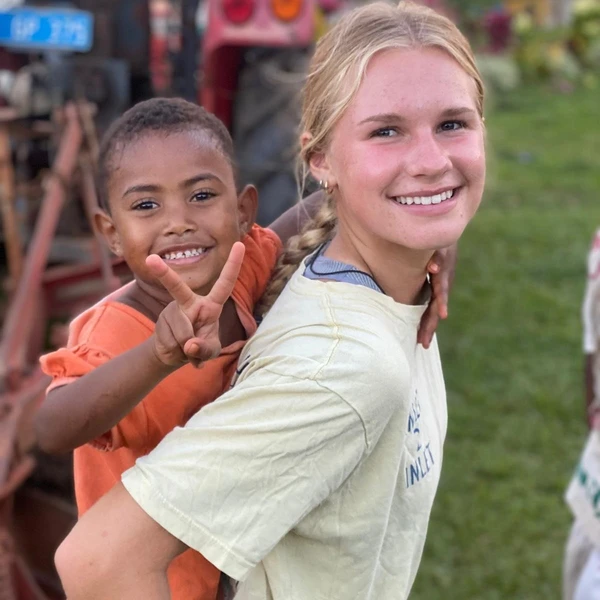
My goal is to be a Nurse Practitioner and focus on Global Public Health. I began my 750 hours of service work at age 14 in Costa Rica & Fiji, where I first encountered the impact of my actions on underserved communities. In both countries, I worked in rural villages to build infrastructure, tutor English, & restore ecosystems through reforestation & coral reef planting. These experiences taught me that service work transcends differences in culture & language. My path to advocacy resulted from visiting Fiji, where I contracted a life-threatening waterborne illness. I experienced gross inequities in healthcare & the global water crisis. Today, I advocate for rural populations by fundraising for Charity:water.org to combat the global water crisis. I’ve raised over $5,000. My outreach extends locally also; I am a certified Ocean Rescue Lifeguard & EMT. As an EMT with <400 hours of field service, I’ve witnessed acts of care changing lives. EMT work has made me confront fear & vulnerability, while expanding my empathy & resolve. Each patient exposes me to something new, testing if I could endure the practical & emotional realities of nursing, and affirming that I can. As I prepare for my future, I am working toward bilingual proficiency in Spanish & English. I will earn the Seal of Biliteracy upon graduating from high school, enabling me to serve a broader range of patients. As a student committed to UNC Chapel Hill in 2026, I will answer my calling with greater knowledge, reach, & an unwavering commitment to compassionate, global care.

Education

Westhampton Beach High School

High School
2021 - 2026

Westhampton Beach Senior High School

High School
2021 - 2026

Miscellaneous

  • Desired degree level:

    Doctoral degree program (PhD, MD, JD, etc.)

  • Majors of interest:

    • Psychology, General
    • Health Professions and Related Clinical Sciences, Other
    • Registered Nursing, Nursing Administration, Nursing Research and Clinical Nursing
    • Public Health
  • Not planning to go to medical school
  • Career

    • Dream career field:

      Medicine

    • Dream career goals:

      Nurse Practitioner & Global Public Health

    • Student

      Outset Pre-Med Summer Camp- Pediatrics Track UNC Chapel Hill
      2025 – 2025
    • Organizer/Fundraisers = $5,565

      Charity:Water.org
      2025 – 2025
    • Intern

      Barbara Cusimano, MD Stonybrook Medicine, Southampton Pediatric Medicine, NY
      2025 – 2025
    • Intern

      John J Santucci, MD, Cardiology NYU Langone Ambulatory Care
      2025 – 2025
    • Volunteer Certified Emergency Medical Technician - Sole Provider

      Westhampton Volunteer Ambulance
      2025 – Present1 year
    • Cafe Attendant

      Quogue Beach Club
      2019 – 20212 years
    • Certified Ocean Lifeguard

      Southampton Town
      2022 – Present4 years

    Sports

    Track & Field

    Varsity
    2023 – Present3 years

    Soccer

    Varsity
    2023 – Present3 years

    Research

    • Botany/Plant Biology

      Monteverde Cloud Forest Biodiversity Research Laboratory, Costa Rica — Volunteer
      2023 – 2023
    • Marine Sciences

      Barefoot Manta with Head Marine Biologist Rob Macfarlane — Volunteer
      2024 – 2024

    Arts

    • Westhampton Beach School District

      Drawing
      2020 – Present

    Public services

    • Volunteering

      Westhampton Emergency Medical Team — Junior EMT
      2025 – Present
    • Volunteering

      Westhampton Volunteer Ambulance — Volunteer
      2024 – Present
    • Volunteering

      Global Works — Volunteer
      2021 – 2023

    Future Interests

    Advocacy

    Politics

    Volunteering

    Philanthropy

    Entrepreneurship

    Wieland Nurse Appreciation Scholarship
    My interest in nursing comes from seeing healthcare from both sides: as a patient in crisis and as a caregiver responsible for others in emergencies. My goal is to become a Nurse Practitioner specializing in global public health, combining direct patient care with efforts to improve healthcare access for underserved communities. My commitment to public service resulted from a profound experience volunteering in Fiji, where I encountered the impact of my actions on underserved communities. I worked and lived alongside residents in a rural village to build infrastructure, tutor English to children, and restore ecosystems through reforestation and coral reef planting. My passion for medicine solidified when I contracted a life-threatening waterborne illness during my stay. I learned the area had been declared a “Red Zone” by the Ministry of Health and Human Services due to outbreaks caused by contaminated floodwaters. When I became severely ill, I required hospitalization, but the nearest clinic was a full day’s drive away, and no one in the village owned a car. For two days, I lay feverish, dehydrated, and vomiting while waiting for transportation. Experiencing a medical emergency without access to care showed me how devastating healthcare inequities can be and inspired my commitment to nursing and global public health. Since then, I have intentionally sought hands-on medical experience to ensure nursing is the right path for me. My most impactful experience has been serving as an EMT with Westhampton War Memorial Ambulance. After completing the New York State EMT certification training in eleventh grade, I advanced to becoming a certified sole provider in twelfth grade. With over 400 hours of field experience, I respond to emergency calls, perform Basic Life Support protocols, assist paramedics, and care for patients during life-threatening emergencies. This role has pushed me to grow. During one of my first calls, I treated a woman experiencing postictal psychosis after a seizure. As I attempted to take her vitals, she became combative and punched me in the chest. Through tears, I questioned whether I was strong enough for emergency medicine. My supervisor reminded me that composure is developed through experience. That lesson stayed with me. Over time, I gained confidence through increasingly difficult calls. I transported an unconscious stroke patient, treated victims of severe car accidents, and manually ventilated a patient in cardiac arrest for nearly an hour while we rushed to the hospital, maintaining her airway and sustaining her life. Those moments taught me how critical calm decision-making, teamwork, and compassion are in patient care. My experience as a Town of Southampton Ocean Rescue Lifeguard has further strengthened my emergency medical skills. While monitoring crowded beaches, I prevent incidents, perform water rescues, and respond to emergencies using first aid, CPR, AEDs, and rescue equipment. The role requires physical strength, stamina, quick thinking, leadership, and the ability to remain calm in high-pressure situations where seconds matter. I have also explored healthcare through clinical internships and shadowing opportunities. At NYU Langone Health, I shadowed cardiologist Dr. John J. Santucci and observed echocardiography, stress testing, vascular diagnostic testing, and arrhythmia monitoring. While shadowing at Stony Brook Medicine, I observed pediatric consultations, assisted with patient intake, and learned about diagnosing childhood illnesses. Additionally, I attended Outset, a pre-med program at the University of North Carolina at Chapel Hill, where I practiced taking vitals, suturing, intubation, ultrasounds, and patient assessments. These experiences have confirmed that nursing is the right career for me because it combines science, advocacy, and human connection. As a future Nurse Practitioner, I hope to provide compassionate bedside care while addressing global healthcare disparities. I found this scholarship on BOLD.
    Sara Jane Memorial Scholarship
    My interest in nursing comes from seeing healthcare from both sides: as a patient in crisis and as a caregiver responsible for others in emergencies. My goal is to become a Nurse Practitioner specializing in global public health, combining direct patient care with efforts to improve healthcare access for underserved communities. My commitment to public service resulted from a profound experience volunteering in Fiji, where I encountered the impact of my actions on underserved communities. I worked and lived alongside residents in a rural village to build infrastructure, tutor English to children, and restore ecosystems through reforestation and coral reef planting. My passion for medicine and Global Public Health solidified when I contracted a life-threatening waterborne illness during my stay. I learned the area had been declared a “Red Zone” by the Ministry of Health and Human Services due to outbreaks caused by contaminated floodwaters. When I became severely ill, I required hospitalization, but the nearest clinic was a full day’s drive away, and no one in the village owned a car. For two days, I lay feverish, dehydrated, and vomiting while waiting for transportation. Experiencing a medical emergency without access to care showed me how devastating healthcare inequities can be and inspired my commitment to nursing and global public health. Since then, I have intentionally sought hands-on medical experience to ensure nursing is the right path for me. My most impactful experience has been serving as an EMT with Westhampton War Memorial Ambulance. After completing the New York State EMT certification training in eleventh grade, I advanced to becoming a certified sole provider in twelfth grade. With over 400 hours of field experience, I respond to emergency calls, perform Basic Life Support protocols, assist paramedics, and care for patients during life-threatening emergencies. This role has pushed me to grow. During one of my first calls, I treated a woman experiencing postictal psychosis after a seizure. As I attempted to take her vitals, she became combative and punched me in the chest. Through tears, I questioned whether I was strong enough for emergency medicine. My supervisor reminded me that composure is developed through experience. That lesson stayed with me. Over time, I gained confidence through increasingly difficult calls. I transported an unconscious stroke patient, treated victims of severe car accidents, and manually ventilated a patient in cardiac arrest for nearly an hour while we rushed to the hospital, maintaining her airway and sustaining her life. Those moments taught me how critical calm decision-making, teamwork, and compassion are in patient care. My experience as a Town of Southampton Ocean Rescue Lifeguard has further strengthened my emergency medical skills. While monitoring crowded beaches, I prevent incidents, perform water rescues, and respond to emergencies using first aid, CPR, AEDs, and rescue equipment. The role requires physical strength, stamina, quick thinking, leadership, and the ability to remain calm in high-pressure situations where seconds matter. I have also explored healthcare through clinical internships and shadowing opportunities. At NYU Langone Health, I shadowed cardiologist Dr. John J. Santucci and observed echocardiography, stress testing, vascular diagnostic testing, and arrhythmia monitoring. While shadowing at Stony Brook Medicine, I observed pediatric consultations, assisted with patient intake, and learned about diagnosing childhood illnesses. Additionally, I attended Outset, a pre-med program at the University of North Carolina at Chapel Hill, where I practiced taking vitals, suturing, intubation, ultrasounds, and patient assessments. These experiences have confirmed that nursing is the right career for me because it combines science, advocacy, and human connection. As a future Nurse Practitioner, I hope to provide compassionate bedside care while addressing healthcare disparities on a global scale.
    William T. Sullivan Memorial Scholarship
    Clean water is something I care deeply about, and most of us take it for granted. I became an advocate for clean water and equitable access to healthcare after returning home from a volunteer service trip I took in 2024 to a small rural farming village in Nativi, Fiji. There, I contracted leptospirosis, a life-threatening waterborne bacterial disease spread through contaminated water after seasonal flooding—an increasingly common consequence of climate change in the region. The illness disproportionately kills children under eighteen, making the disease that much more devastating. My condition required hospitalization; however, the nearest medical clinic was a full day’s drive away, and no one in the village owned a car. For two days, I was stranded, lying feverish, dehydrated, and vomiting while waiting for transportation. Being gravely ill in a remote village without medical access was the most terrifying experience of my life. That experience revealed two urgent global crises to me: inequitable access to healthcare and the global water crisis. What struck me most was that the people who welcomed me into their homes with extraordinary kindness lacked reliable access to clean water and basic healthcare, two fundamental human rights. Returning home with a newfound perspective and determination, I became an advocate for water security and equitable healthcare for underserved communities, both local and global. My first step was to launch a fundraiser for clean water initiatives through Charity:Water.org, raising over $3,500. While fundraising, I noticed that my 7th-grade sister was reading A Long Walk to Water by Linda Sue Park for her English class. The book depicts the true stories of two Sudanese children who walk miles to a contaminated watering hole to fetch water for their families. I couldn’t believe the synchronicity of this reading assignment with my cause! I emailed the middle school principal seeking permission to organize a “Water-Walk” fundraiser with the middle school students for Charity:Water.org, to provide students with a real-world impact. I suggested that I could integrate an educational mini-unit at the end of their reading assignment about the global water crisis, enriching their curriculum with a real-life application. She agreed, so I presented my own story to the students, then showed educational videos provided by the Charity:Water.org kids' resources page for educators, of children in Ethiopia carrying empty 40-gallon jugs to contaminated watering holes shared with livestock to fill for their families. We discussed how the health and education of these children were compromised by their 4-hour daily journeys to obtain dirty water. I then created promotional flyers for the students to share with the community, providing facts about the global water crisis and information about donating to the charity. Finally, I organized and publicized the event. Together, we raised an additional $3,578! See charitywater.org/tessa-mongelluzzo/my fundraisers. The “Water Walk” fundraiser provided an authentic opportunity for students to develop agency through activism, while fostering a sense of community and social responsibility. With this fundraiser, I aimed to empower the 7th-grade students to become activists for their own causes one day. I hope this fundraiser becomes an annual natural extension of the A Long Walk To Water assignment, promoting youth activism and philanthropy for generations to come. In addition to clean water advocacy, I also sought to fight health inequities in my community. I earned my EMT-Basic certification and volunteered with my local ambulance company. Since then, I have volunteered over 400 hours for the WHB Volunteer Ambulance. I plan to major in Global Public Health and Pre-Health at UNC-Chapel Hill in the Fall, and become a future policy leader promoting a more water-secure future for communities worldwide.
    Dream BIG, Rise HIGHER Scholarship
    In 2024, I traveled to Nativi, Fiji, to volunteer with Global Works International. There, I found beauty and peace I could never imagine - in the people, the culture, the nature, and in myself. The work there was demanding but gratifying: pouring foundation, painting, nailing plywood, and digging irrigation trenches. My muscles ached, but my heart and mind were satisfied; I found a meaningful purpose and profound connection with the villagers who welcomed me with warm smiles and loving hearts. While living in the village, I contracted leptospirosis, a life-threatening waterborne bacterial disease, spread through contaminated water and soil. I learned the village had been declared a “Red Zone” following severe flooding—an increasingly common consequence of climate change. The illness disproportionately affects and kills children under 18. I became severely ill and required hospitalization. The nearest clinic, however, was a full day’s drive away, and the villagers did not own a car. For two days, I lay feverish, dehydrated, and vomiting while waiting for transportation. Being gravely ill in a remote village without medical access was the most terrifying experience of my life. Yet within that fear, I also witnessed extraordinary compassion. Villagers stayed by my side, cooling my forehead and offering reassurance despite having so little themselves. Their kindness revealed a painful injustice: the people who cared for me so selflessly lacked reliable access to clean water and basic healthcare. Surviving that experience transformed my fear into purpose. As soon as I arrived home, I transformed my experience into action. I launched a campaign through Charity: Water.org and single-handedly raised $3,535 to help fight the global water crisis. I then partnered with seventh graders at my local school district, who were reading A Long Walk to Water by Linda Sue Park. I organized a “water walk” fundraiser that allowed students to connect their curriculum to real-world impact. Watching them learn that their efforts could help others showed me the power of community-driven change. Together, we raised over $6,000 to support clean water initiatives worldwide. To address healthcare inequities within my own community, I became an Ocean Rescue Lifeguard and a certified EMT, joining the local volunteer ambulance. With over 400 hours of field service as an EMT, I have seen firsthand how a small act of care can change someone’s life. My first patient encounter was an unforgettable learning experience. A homeless woman in a post-seizure state was shouting, flailing, and resisting treatment. When my chief instructed me to take her vitals, she punched me square in the chest. Shocked and overwhelmed, I ran from the ambulance in tears. After regaining my composure, I returned to find her sedated. My chief handed me the glucometer and said simply, “Try again.” Ashamed but determined, I complied. The experience forced me to confront a difficult question: was I strong enough for this work? Instead of criticizing me, my chief reassured me that composure in trauma medicine is not innate—it is learned through experience. Vulnerability, he explained, is not weakness; it is part of becoming competent. Another call tested me differently. While conducting an intake for a teenage girl after a car accident, I fainted from heat and emotional overwhelm. When I regained consciousness, my crew members shared stories of their own early struggles, reminding me that vulnerability does not disqualify someone from service—it reveals their humanity. Even so, I doubted myself, but I persisted. Each call strengthened my resilience. I took vitals through violent bouts of vomiting and helped transport an unconscious stroke patient onto a gurney. Eventually, during a cardiac arrest call, I manually ventilated a patient with a bag-valve mask for nearly an hour while we raced to the hospital—maintaining her airway and sustaining her life without hesitation or self-doubt. In that moment, I realized how much I had grown. It felt incredible to serve on a team that helped save a life in my own community. Through my real-world experiential learning in high-pressure EMT settings, I developed skills no traditional classroom could replicate. My passion for nursing was shaped not in a building, but through lived experience caring for others in moments of crisis. My commitment to medicine began in a rural village in Fiji due to my direct experience with two interconnected global crises: inequitable access to healthcare and the global water crisis, both of which are fundamental human rights. However, a formal collegiate classroom environment will refine that foundation with the knowledge and clinical reasoning required of a medical professional. Together, these experiences will complete my education, transforming practical skills into professional competence. College is vital for providing medical knowledge and skills for the nursing profession, and beyond that, college will provide me with exposure to top-tier mentors in the medical field that will shape my intellect, critical thinking, and provide me with the leverage I will need to make effective change in the world of Public Health. My goal is to be a Nurse Practitioner with a focus on Global Public Healthcare. In this role, I would advocate for equitable health policies, respond to pandemics, and manage health crises. As a student of nursing and global public health, I would be combining advanced clinical care with advocacy to improve health equity in underserved populations. I aim to develop solutions that improve access to preventative care and medical services in remote rural areas. A pre-health education at the University of North Carolina-Chapel Hill will expand my knowledge and impact as I begin my academic journey towards advocacy, global public health, and nursing to ensure that all people—regardless of where they live—lead healthy lives.
    Sharon Oshatz Memorial Scholarship
    While volunteering on a service trip in a farming village in Nativi, Fiji, I contracted leptospirosis, a life-threatening bacterial disease spread through contaminated water and soil. I learned that the village had been declared a “Red Zone” by the Ministry of Health following an outbreak of seasonal flooding—an increasingly common consequence of climate change. The disease disproportionately affects and kills children under eighteen, making its impact even more devastating. It is on this trip that I became passionate about pursuing a career in medicine and global public health. I became severely ill, requiring hospitalization. However, the nearest clinic was a full day’s drive away, and the villagers had no car. For two days, I lay feverish, dehydrated, and vomiting while waiting for transportation. Being gravely ill in a remote village without medical access was the most terrifying experience of my life. Yet within that fear, I witnessed extraordinary compassion. Villagers stayed by my side, offering reassurance despite having so little themselves. Their kindness illuminated a painful injustice: the people who cared for me lacked reliable access to clean water and basic healthcare. In that moment, I began to understand the intersection of two global crises—healthcare inequity and water insecurity, and I felt a responsibility to act. When I returned home, I took action. Through a fundraising campaign with Charity:Water.org, I raised $3,535 to support clean water initiatives. Later, I partnered with seventh-grade students in my community who were reading A Long Walk to Water, organizing a “Water Walk” fundraiser that transformed awareness into advocacy. Watching students realize their ability to create change reinforced my belief in the power of community-driven solutions. I sought to serve my community more directly and became a certified Ocean Rescue Lifeguard and a volunteer EMT with over 400 hours of field experience. I began to experience healthcare on a personal level—one patient at a time. During my first patient encounter, a woman in a postictal state became combative and struck me while I attempted to take her vitals. Shocked, I ran from the ambulance in tears. When I returned, my chief calmly handed me the glucometer and said, “Try again.” That moment forced me to confront the difficult question: was I strong enough for this work? Another call tested me differently. While treating a teenager injured in a car accident, I fainted from heat and emotional overwhelm. After regaining consciousness, my crew members shared stories of their own early struggles, reminding me that resilience is developed through experience. I began to understand that vulnerability does not disqualify providers from caregiving—it reveals their humanity. With each call, my resilience strengthened. I took vitals as patients vomited and transported an unconscious stroke patient onto a gurney. During a cardiac arrest emergency, I manually ventilated a patient for an hour while racing to the hospital. I realized then I was no longer paralyzed by fear or self-doubt; I was focused entirely on preserving a life. These experiences have shaped my goal of becoming a Nurse Practitioner specializing in global public health. I hope to combine clinical care with advocacy, addressing healthcare inequities while serving patients directly. As a nursing student at the University of North Carolina-Chapel Hill, I will develop my clinical skills while engaging with underserved communities both locally and globally. My journey began in a rural Fijian farming village where I experienced healthcare inequity firsthand. It continues through my work as an EMT, where I strive to provide care in moments of crisis. As a future Nurse Practitioner, I am committed to ensuring that compassion, access, and quality care are not privileges, but fundamental human rights.
    Women in STEM Scholarship
    While volunteering on a service trip in a farming village in Nativi, Fiji, I contracted leptospirosis, a life-threatening bacterial disease spread through contaminated water and soil. I learned that the village had been declared a “Red Zone” by the Ministry of Health following an outbreak of seasonal flooding—an increasingly common consequence of climate change. The disease disproportionately affects and kills children under eighteen, making its impact even more devastating. It is on this trip that I became passionate about pursuing a career in medicine and global public health. I became severely ill, requiring hospitalization. However, the nearest clinic was a full day’s drive away, and the villagers had no car. For two days, I lay feverish, dehydrated, and vomiting while waiting for transportation. Being gravely ill in a remote village without medical access was the most terrifying experience of my life. Yet within that fear, I witnessed extraordinary compassion. Villagers stayed by my side, offering reassurance despite having so little themselves. Their kindness illuminated a painful injustice: the people who cared for me lacked reliable access to clean water and basic healthcare. In that moment, I began to understand the intersection of two global crises—healthcare inequity and water insecurity, and I felt a responsibility to act. When I returned home, I took action. Through a fundraising campaign with Charity:Water.org, I raised $3,535 to support clean water initiatives. Later, I partnered with seventh-grade students in my community who were reading A Long Walk to Water, organizing a “Water Walk” fundraiser that transformed awareness into advocacy. Watching students realize their ability to create change reinforced my belief in the power of community-driven solutions. I sought to serve my community more directly and became a certified Ocean Rescue Lifeguard and a volunteer EMT with over 400 hours of field experience. I began to experience healthcare on a personal level—one patient at a time. During my first patient encounter, a woman in a postictal state became combative and struck me while I attempted to take her vitals. Shocked, I ran from the ambulance in tears. When I returned, my chief calmly handed me the glucometer and said, “Try again.” That moment forced me to confront the difficult question: was I strong enough for this work? Another call tested me differently. While treating a teenager injured in a car accident, I fainted from heat and emotional overwhelm. After regaining consciousness, my crew members shared stories of their own early struggles, reminding me that resilience is developed through experience. I began to understand that vulnerability does not disqualify providers from caregiving—it reveals their humanity. With each call, my resilience strengthened. I took vitals as patients vomited and transported an unconscious stroke patient onto a gurney. During a cardiac arrest emergency, I manually ventilated a patient for an hour while racing to the hospital. I realized then I was no longer paralyzed by fear or self-doubt; I was focused entirely on preserving a life. These experiences have shaped my goal of becoming a Nurse Practitioner specializing in global public health. I hope to combine clinical care with advocacy, addressing healthcare inequities while serving patients directly. As a nursing student at the University of North Carolina-Chapel Hill, I will develop my clinical skills while engaging with underserved communities both locally and globally. My journey began in a rural Fijian farming village where I experienced healthcare inequity firsthand. It continues through my work as an EMT, where I strive to provide care in moments of crisis. As a future Nurse Practitioner, I am committed to ensuring that compassion, access, and quality care are not privileges, but fundamental human rights.
    Julie Adams Memorial Scholarship – Women in STEM
    In 2024, I traveled to Nativi, Fiji, to volunteer with Global Works International, an organization providing teenagers with international service work and environmental preservation opportunities. I journeyed halfway around the world, and found a beauty and peace I could never imagine - in the people, the culture, the nature, and in myself. I worked with residents in a remote rural farming village to build infrastructure and restore ecosystems through reforestation and coral reef planting. The work there was demanding but gratifying: pouring foundation, painting, nailing plywood, and digging irrigation trenches. My muscles ached, but my heart and mind were satisfied; I found a meaningful purpose and connection with the villagers who welcomed me with loving hearts. It is on this trip that I first encountered the impact of my actions on underserved communities. It is also when I became passionate about pursuing a career in medicine and global public health. Three days into my visit to the Fijian village, I contracted a life-threatening waterborne illness. Later, I learned that the area had been declared a “Red Zone” by the Ministry of Health and Medical Services for leptospirosis, a bacterial disease that spreads through water contaminated by animal urine, often after seasonal flooding—an increasingly common consequence of climate change in the region. It primarily affects and kills children under 18 years of age. I fell severely ill with this disease, requiring hospitalization; however, the nearest clinic was a day's drive away, and the villagers did not own a car. For two days, I lay feverish, dehydrated, and vomiting while waiting for transportation. Being gravely ill in a remote village without medical access was the most terrifying experience of my life. Yet within that fear, I witnessed extraordinary compassion. Villagers stayed beside me, offering reassurance despite having so little themselves. Their kindness revealed a painful injustice to me: the people who cared for me so selflessly lacked reliable access to clean water and basic healthcare. That experience exposed me to two global crises: inequitable access to healthcare and the global water crisis, both of which are fundamental human rights. I returned home and took action. I single-handedly raised $3,535 to help fight the global water crisis, then partnered with seventh graders in my local school district, who were reading A Long Walk to Water by Linda Sue Park. I organized a “water walk” fundraiser that allowed students to connect their curriculum to real-world impact. Watching them learn that their efforts could help others showed me the power of community-driven change. I've raised over $6,000 to combat the global water crisis. Determined to address healthcare inequities in my own community, I became a certified Ocean Rescue Lifeguard and serve as a volunteer EMT sole provider. As an EMT with over 400 hours of field service, I’ve seen firsthand how small acts of care change lives. My first patient encounter as an EMT was an unforgettable learning experience. It was a call for a homeless woman experiencing postictal psychosis after a seizure: hallucinations, paranoia, and shouting while resisting treatment. When my chief instructed me to take her vitals, she punched me square in the chest. Shocked and overwhelmed, I ran from the ambulance in tears. After regaining my composure, I returned to find her sedated. My chief handed me the glucometer and said, “Try again.” Ashamed, but determined, I complied. The experience forced me to confront a difficult question: was I strong enough for this work? Instead of criticism, though, he reassured me that composure in trauma medicine is learned through experience. Another call tested me differently. While conducting a patient intake of a young girl injured in a car accident, I fainted from heat and emotional overwhelm. When I regained consciousness, the crew shared their own similar early EMT experiences, reminding me that vulnerability doesn’t disqualify one from service—it shows humanity. I wasn’t convinced and questioned my capacity for the work. Still, I chose to persist. Each call strengthened my resilience. I took vitals through violent bouts of vomiting. I helped lift and transport an unconscious stroke patient onto a gurney. Eventually, during a cardiac arrest call, I manually ventilated a patient with a bag-valve mask for nearly an hour while we raced to the hospital—maintaining her airway and sustaining her life without hesitation or self-doubt. In that moment, I realized how much I had grown. Responding to medical emergencies showed me how vulnerable people can be during moments of crisis. I’ve learned that compassion and presence are just as important as clinical skill, and that meaningful service requires both empathy and resilience. It means listening to people’s needs, respecting their dignity, and standing beside them during their most difficult moments. Who knew that the worst experience of my life would ultimately transform it? Adversity can either discourage us or shape us into stronger, more compassionate individuals. Facing illness and fear strengthened my resilience and deepened my empathy for those who struggle without access to care. EMT work has forced me to confront fear and vulnerability, while expanding my empathy and resolve. As I pursue a career in medicine focused on solving global public health challenges at the University of North Carolina-Chapel Hill in the fall, I will carry these lessons with me.
    Dashanna K. McNeil Memorial Scholarship
    In 2024, I traveled to Nativi, Fiji, to volunteer with Global Works International, an organization that provides teenagers with opportunities for international service work and environmental preservation. I journeyed halfway around the world and found a beauty and peace I never imagined - in the people, the culture, the nature, and in myself. The work was extremely demanding but gratifying: pouring foundation, nailing plywood, and digging trenches. My muscles ached, but my heart was satisfied; I found a meaningful purpose and connection with the villagers who welcomed me with loving hearts. I later learned that the farming village I called home for two weeks was declared a "Red Zone" by the Fijian Ministry of Health and Medical Services for Leptospirosis. This bacterial disease spreads through water contaminated by animal urine, often after seasonal flooding—an increasingly common consequence of climate change in the region. It primarily affects and kills children under 18 years of age. I fell severely ill with this disease, requiring hospitalization; however, the nearest clinic was a day's drive away, and the villagers did not own a car. For two days, I lay feverish, dehydrated, and vomiting while waiting for transportation. Being gravely ill in a remote village without medical access was the most terrifying experience of my life. What struck me most was the injustice that the people who had shown me such compassion lacked reliable access to clean water and basic healthcare—things I believe are fundamental human rights. That realization ignited my passion for nursing and global public health. . I launched a fundraising campaign for Charity:Water.org and raised over $6,000 to support clean water initiatives worldwide. Determined to address healthcare inequities locally, I earned my EMT-Basic certification and began volunteering with the Westhampton Beach Volunteer Ambulance. As an EMT, my first patient encounter was an unforgettable experience. It was a call for a homeless woman experiencing postictal psychosis: hallucinations, paranoia, shouting, and resisting treatment. I was instructed to take her vitals, and when I approached her, she punched me in the chest. Shocked, I ran from the ambulance in tears. After regaining my composure, I returned to find her sedated. My chief handed me the glucometer and said, “Try again.” Ashamed, I complied. The experience forced me to confront a difficult question: was I strong enough for this work? Instead of criticizing me, my chief reassured me that composure in trauma medicine is learned through experience. Another call challenged me differently. While conducting an intake interview of a teenage girl injured in a car accident, I fainted from heat and emotional overwhelm. When I regained consciousness, the crew shared stories of their early struggles, reassuring me that vulnerability does not disqualify one from service—it reveals humanity. Even so, I doubted myself... but I persisted. Each call strengthened my resilience. I took vitals through bouts of vomiting and assessed a patient for stroke symptoms. Eventually, during a cardiac arrest emergency, I manually ventilated a patient with a bag-valve mask for an hour while we raced to the hospital—maintaining her airway and sustaining her life without hesitation or self-doubt. I realized then how much adversity had transformed me. I was no longer paralyzed by fear; I was focused entirely on preserving a life. My goal is to become a Nurse Practitioner specializing in global public health. I will pursue this career at the UNC-Chapel Hill’s School of Nursing, where I will expand my knowledge and address global public health challenges in the Gillings School of Public Health. In this way, I strive to be a public servant to local communities as well as the global community.
    John F. Rowe, Jr. Memorial Scholarship
    In 2024, I traveled to Nativi, Fiji, to volunteer with Global Works International, an organization that provides teenagers with opportunities for international service work and environmental preservation. I journeyed halfway around the world and found a beauty and peace I never imagined - in the people, the culture, the nature, and in myself. The work was extremely demanding but gratifying: pouring foundation, nailing plywood, and digging trenches. My muscles ached, but my heart was satisfied; I found a meaningful purpose and connection with the villagers who welcomed me with loving hearts. I later learned that the farming village I called home for two weeks was declared a "Red Zone" by the Fijian Ministry of Health and Medical Services for Leptospirosis. This bacterial disease spreads through water contaminated by animal urine, often after seasonal flooding—an increasingly common consequence of climate change in the region. It primarily affects and kills children under 18 years of age. I fell severely ill with this disease, requiring hospitalization; however, the nearest clinic was a day's drive away, and the villagers did not own a car. For two days, I lay feverish, dehydrated, and vomiting while waiting for transportation. Being gravely ill in a remote village without medical access was the most terrifying experience of my life. What struck me most was the injustice that the people who had shown me such compassion lacked reliable access to clean water and basic healthcare—things I believe are fundamental human rights. That realization ignited my passion for medicine and global public health. . I launched a fundraising campaign for Charity:Water.org and raised over $6,000 to support clean water initiatives worldwide. Determined to address healthcare inequities locally, I earned my EMT-Basic certification and began volunteering with the Westhampton Beach War Memorial Volunteer Ambulance. My first patient encounter was an unforgettable experience. It was a call for a homeless woman experiencing postictal psychosis: hallucinations, paranoia, shouting, and resisting treatment. I was instructed to take her vitals, and when I approached her, she punched me in the chest. Shocked, I ran from the ambulance in tears. After regaining my composure, I returned to find her sedated. My chief handed me the glucometer and said, “Try again.” Ashamed, I complied. The experience forced me to confront a difficult question: was I strong enough for this work? Instead of criticizing me, my chief reassured me that composure in trauma medicine is learned through experience. Another call challenged me differently. While conducting an intake interview of a teenage girl injured in a car accident, I fainted from heat and emotional overwhelm. When I regained consciousness, the crew shared stories of their early struggles, reassuring me that vulnerability does not disqualify one from service—it reveals humanity. Even so, I doubted myself...But I persisted. Each call strengthened my resilience. I took vitals through bouts of vomiting and assessed a patient for stroke symptoms. Eventually, during a cardiac arrest emergency, I manually ventilated a patient with a bag-valve mask for an hour while we raced to the hospital—maintaining her airway and sustaining her life without hesitation or self-doubt. I realized then how much adversity had transformed me. I was no longer paralyzed by fear; I was focused entirely on preserving a life. My goal is to become a Nurse Practitioner specializing in global public health. I will pursue this career at the UNC-Chapel Hill’s School of Nursing, where I will expand my knowledge and address global public health challenges in the Gillings School of Public Health. In this way, I strive to be a public servant to local communities as well as the global community.
    Aserina Hill Memorial Scholarship
    In 2024, I traveled to Nativi, Fiji, to volunteer with Global Works International, an organization that provides teenagers with international service work and environmental preservation opportunities. I journeyed halfway around the world to find beauty and peace I never imagined - in the people, the culture, the nature, and in myself. The work was demanding but gratifying: pouring foundation, painting, nailing plywood, and digging irrigation trenches. My muscles ached, but my heart was satisfied; I found a meaningful purpose and profound connection with the villagers who welcomed me with warm smiles and loving hearts. I later learned that the farming village I called home for two weeks was declared a "Red Zone" by the Fijian Ministry of Health and Medical Services (MHMS) for Leptospirosis. This bacterial disease spreads through water contaminated by animal urine, often after seasonal flooding—an increasingly common consequence of climate change in the region. It primarily affects and kills children under 18 years of age. I fell severely ill with this disease, requiring hospitalization; however, the nearest clinic was a day's drive away, and the villagers did not own a car. For two days, I lay feverish, dehydrated, and vomiting while waiting for transportation. Being gravely ill in a remote village without medical access was the most terrifying experience of my life. Yet within that fear, I witnessed extraordinary compassion. Villagers stayed beside me, offering reassurance despite having so little themselves. Their kindness revealed a painful injustice: the people who cared for me so selflessly lacked reliable access to clean water and basic healthcare themselves. That experience exposed me to two global crises: inequitable access to healthcare and the global water crisis, both of which are fundamental human rights. This ignited a passion in me for medicine and global public health. I returned home and took action. I launched a fundraising campaign for Charity:Water.org and raised over $6,000 to support clean water initiatives worldwide. Determined to address healthcare inequities locally, I earned my EMT-Basic certification and began volunteering with the Westhampton Beach War Memorial Volunteer Ambulance to gain hands-on medical training. I also put my medical training to use as a certified Ocean Rescue Lifeguard, working to keep the public safe in the ocean, while also training incoming lifeguards for their certifications. Who knew that the worst experience of my life would ultimately transform it? My experience with adversity didn’t discourage me, but rather, shaped me into a stronger, more compassionate individual. Facing illness and fear strengthened my resilience and deepened my empathy for those who struggle without access to care. It has shaped not only what I want to do in the future but also who I strive to be: a Nurse Practitioner with a focus on Global Public Healthcare. In this role, I will advocate for equitable health policies, respond to pandemics, and manage health crises, combining advanced clinical care with advocacy to improve health equity in underserved populations. If I create my own charity someday, it will be to provide equitable access to medical care, clean water, vaccines, and hygiene products to underserved communities. As a student educated at the University of North Carolina-Chapel Hill, I will expand my knowledge and impact by serving patients at the bedside in the nursing program, while addressing global public health challenges.
    Our Destiny Our Future Scholarship
    My community service journey began when I was fourteen, when I volunteered for Global Works International, a teen service program providing meaningful global travel experiences. I served in rural villages, working alongside local residents, in Costa Rica and Fiji. I helped build infrastructure, tutor English, and restore ecosystems through reforestation and coral reef planting. Those early experiences showed me that service is not simply about helping others—it is about building relationships and learning from the communities you serve. In Fiji, that lesson became deeply personal. When I arrived in the farming village of Nativi, I found a beauty and peace I had never experienced before—in the people, their culture, the surrounding landscape, and even within myself. The work was demanding but deeply fulfilling. Each day we labored under the sun restoring coral reefs and planting trees, and each evening the villagers welcomed us with warm smiles and generosity. Only later did I learn that the village had recently been declared a “Red Zone” for leptospirosis by the Ministry of Health and Medical Services. This bacterial disease spreads through water contaminated by animal urine, often after seasonal flooding—an increasingly common consequence of climate change in the region. It disproportionately affects communities with limited access to clean water. Soon after, I became severely ill with the disease. The nearest clinic was a full day’s drive away, and the village did not have a car. For two days, I lay feverish, dehydrated, and vomiting while we waited for transportation. Being gravely ill in a remote village without access to medical care was the most frightening experience of my life. Yet during those difficult days, the villagers cared for me with extraordinary compassion. They stayed by my side, cooling my forehead and offering reassurance despite having so little themselves. Their kindness revealed a painful reality: the people caring for me so selflessly lacked reliable access to clean water and basic healthcare. Surviving that experience transformed my fear into action. When I returned home, I launched a fundraising campaign through Charity: Water and raised $3,535 to support clean water initiatives. Later, I organized the seventh-grade students in my community who were reading A Long Walk to Water by Linda Sue Park to participate in a “Water Walk” fundraiser. This allowed students to experience the challenge many children face daily when collecting water. This enabled young students to develop agency through activism and realize that they could have an impact on a global problem. This project reinforced my belief that community service can inspire collective change. My commitment to service also grew through my work as a volunteer EMT with the Westhampton Volunteer War Ambulance. Responding to medical emergencies showed me how vulnerable people can be during moments of crisis. Whether assisting a stroke patient, taking vitals on a car accident victim, treating an individual experiencing a post-seizure state, or manually stabilizing the airway of someone during cardiac arrest, I learned that compassion and presence are just as important as clinical skill. These experiences taught me that meaningful service requires both empathy and resilience. It means listening to people’s needs, respecting their dignity, and standing beside them during their most difficult moments. Community service has shaped not only what I want to do in the future but also who I strive to be. The kindness I experienced in a small village in Fiji has guided me today to pursue a career as a nurse practitioner focused on global public health. At the University of North Carolina, Chapel Hill, I will expand my impact by serving patients at the bedside and by addressing global public health challenges.
    Beverly J. Patterson Scholarship
    My goal is to be a Nurse Practitioner with a focus on Global Public Healthcare. My journey began through global service work at age 14 in Costa Rica and Fiji, where I first encountered the impact of my actions on underserved communities. In both countries, I worked with residents in rural villages building infrastructure, teaching English, & restoring ecosystems through reforestation & coral reef planting. My commitment to medicine resulted from my trip to Fiji, where I contracted a life-threatening waterborne illness. I experienced first-hand the gross inequities in healthcare & the global water crisis. While living in the farming village of Nativi, I later learned the area had been declared a “Red Zone” by the Ministry of Health and Medical Services for leptospirosis. This bacterial disease spreads through contact with animal urine in contaminated water, soil, or food, after seasonal flooding—an increasingly common consequence of climate change in the region. It disproportionately affects and kills children under eighteen. I became severely ill with the disease and required hospitalization. The nearest clinic, however, was a full day’s drive away, and the village did not own a car. For two days, I lay feverish, dehydrated, and vomiting while waiting for transportation. Being gravely ill in a remote village without medical access was the most terrifying experience of my life. Yet within that fear, I witnessed extraordinary compassion. Villagers stayed beside me, offering reassurance despite having so little themselves. Their kindness revealed a painful injustice: the people who cared for me so selflessly lacked reliable access to clean water and basic healthcare. I returned home determined to take action. I launched a fundraising campaign through Charity: Water and raised $3,535 to support clean water initiatives. Later, I partnered with seventh-grade students in my community reading A Long Walk to Water by Linda Sue Park. Together, we organized a “Water Walk” fundraiser that allowed students to experience advocacy themselves. My most profound growth occurred as a volunteer EMT with the Westhampton Volunteer War Memorial Ambulance. My first patient encounter was an unforgettable learning experience. It was a call for a homeless woman in a postical state of seizure. She was experiencing postictal psychosis: hallucinations, paranoia, shouting, flailing, and resisting treatment. I was instructed to take her vitals, and when I approached her, she punched me square in the chest. Shocked and overwhelmed, I ran from the ambulance in tears. After regaining my composure, I returned to find her sedated. My chief handed me the glucometer and said, “Try again.” Ashamed, I complied. After regaining my composure, I returned. My chief handed me the glucometer and simply said, “Try again.” Instead of criticizing me, he reminded me that composure in trauma medicine is not innate—it is learned. Vulnerability is not weakness but part of becoming competent. With each call, my resilience grew. I took vitals through bouts of vomiting and helped transport an unconscious stroke patient. Eventually, during a cardiac arrest call, I manually ventilated a patient with a bag-valve mask for nearly an hour while we raced to the hospital—maintaining her airway and sustaining her life without hesitation or self-doubt. In that moment, I realized how much I had grown. It felt incredible to help save a life. As a nurse educated at the University of North Carolina at Chapel Hill, home to the #1 Public Health Program in America, I will expand my knowledge and impact by serving patients at the bedside while addressing global public health challenges. While my clinical skills grow, what I hope patients remember most is a calm voice and a reassuring smile showing that someone truly cares.
    Losinger Nursing Scholarship
    My goal is to become a Nurse Practitioner specializing in global public health. My commitment to medicine began during a volunteer service trip to Fiji, where I contracted a life-threatening waterborne illness. While living in a rural farming village, I learned that the area had been declared a “Red Zone” by the Ministry of Health and Medical Services for leptospirosis, a bacterial disease spread through contaminated water, soil, or food after seasonal flooding—an increasingly common consequence of climate change in the region. The illness disproportionately affects and kills children under eighteen. When I became severely ill, I required hospitalization. However, the nearest clinic was a full day’s drive away, and the village had no car. For two days, I lay feverish, dehydrated, and vomiting while waiting for transportation. Being gravely ill in a remote village without medical access was the most terrifying experience of my life. What struck me most was the injustice that the people who had shown me such compassion lacked reliable access to clean water and basic healthcare—things I believe are fundamental human rights. That realization ignited my passion for medicine. Determined to fight these inequities, I joined the Westhampton Beach Junior Ambulance and later earned my EMT-Basic certification. Serving as an EMT has forced me to confront fear, failure, and vulnerability while deepening my empathy and resolve, and these experiences have confirmed that I can endure the practical and emotional realities of nursing. I experienced the "human touch" in my first EMT patient encounter, and it was an unforgettable learning experience. It was a call for a homeless woman in a postical state of seizure. She was experiencing postictal psychosis: hallucinations, paranoia, shouting, flailing, and resisting treatment. I was instructed to take her vitals, and when I approached her, she punched me square in the chest. This woman, in her current state, was a violent and dangerous patient. A gentle human touch was not the course of action to initiate treatment. However, being an EMT means that you have to treat every patient, no matter the circumstances, so, unfortunately, she had to be sedated with ketamine to be treated. As an EMT, I have seen some extreme parallels of human touch, where hands can harm and heal. I have treated individuals who were violently injured by stab wounds. I have taken vitals of individuals while looking into their bloody faces after brutal fights. I have also manually ventilated a cardiac arrest patient with a bag-valve mask for nearly an hour while we raced to the hospital—maintaining her airway while sustaining her life. As I carefully managed her BVM, my crewmate rested a compassionate, reassuring hand on her shoulder to convey care, making her feel secure and safe on the ride to the hospital. In my AP Psychology class, we are learning about the power of human touch, and conversely, the effects of touch deprivation. I have learned how essential touch is for babies. In infants and toddlers, touch supports brain development, weight gain, immune function, body awareness, digestion, emotional attachment, and cognitive development. Babies simply will not thrive without being held. For a critical care patient or a patient in hospice, simply holding their hand can provide comfort and reduce pain and anxiety. Human touch is arguably the most important healing tool a caregiver has at their disposal. As a nurse educated at the University of North Carolina at Chapel Hill, where I am attending, I will expand my knowledge and impact by serving patients at the bedside while addressing global public health challenges. Yet as my clinical skills grow, what I hope patients remember most is something simpler: a calm voice, a reassuring presence, and the feeling that someone truly cares... perhaps due to a gentle touch.
    Valerie Rabb Academic Scholarship
    My first profound encounter with adversity occurred at fourteen during a service trip in Fiji. While living in a rural farming village, I unknowingly contracted leptospirosis, a dangerous bacterial disease spread through contaminated water and soil. Only later did I learn that the village had been declared a “Red Zone” by the Ministry of Health due to an outbreak following seasonal flooding—an increasingly common consequence of climate change in the region. The illness disproportionately affects and kills children under eighteen. When I became severely ill, I required hospitalization. However, the nearest clinic was a full day’s drive away, and the village had no car. For two days, I lay feverish, dehydrated, and vomiting while waiting for transportation. Being gravely ill in a remote village without medical access was the most terrifying experience of my life. Yet within that fear, I also witnessed extraordinary compassion. Villagers stayed by my side, cooling my forehead and offering reassurance despite having so little themselves. Their kindness revealed a painful injustice: the people who cared for me so selflessly lacked reliable access to clean water and basic healthcare. Surviving that experience transformed my fear into purpose. I returned home determined to take action. I launched a fundraising campaign through Charity: Water and raised $3,535 to support clean water initiatives. Later, I partnered with seventh-grade students in my community who were reading A Long Walk to Water by Linda Sue Park. Together, we organized a “Water Walk” fundraiser that allowed students to experience advocacy firsthand. Watching young students realize they could make a difference reinforced my belief that adversity can inspire meaningful change. My most meaningful growth, however, occurred as a volunteer EMT with the Westhampton Volunteer War Ambulance. My first patient encounter was an unforgettable learning experience. A homeless woman in a post-seizure state was shouting, flailing, and resisting treatment. When my chief instructed me to take her vitals, she punched me square in the chest. Shocked and overwhelmed, I ran from the ambulance in tears. After regaining my composure, I returned to find her sedated. My chief handed me the glucometer and said, “Try again.” Ashamed, I complied. The experience forced me to confront a difficult question: was I strong enough for this work? Instead of criticizing me, my chief reassured me that composure in trauma medicine is not innate—it is learned through experience. Vulnerability, he explained, is not weakness; it is part of becoming competent. Another call challenged me differently. While conducting an intake for a teenage girl injured in a car accident, I fainted from heat and emotional overwhelm. When I regained consciousness, my crew members shared stories of their own early struggles, reminding me that vulnerability does not disqualify someone from service—it reveals our humanity. Even so, I doubted myself, but I persisted. With each call, my resilience strengthened. I took vitals through violent bouts of vomiting and helped transport an unconscious stroke patient onto a gurney. Eventually, during a cardiac arrest emergency, I manually ventilated a patient with a bag-valve mask for nearly an hour while we raced to the hospital. In that moment, I realized how much adversity had transformed me. I was no longer paralyzed by fear or self-doubt; I was focused entirely on preserving a life. As a nurse educated at the University of North Carolina at Chapel Hill, I will expand my knowledge and impact by serving patients at the bedside while addressing global public health challenges. Yet as my clinical skills grow, what I hope patients remember most is something simpler: a calm voice, a reassuring presence, and the feeling that someone truly cares.
    Medford Volunteer Ambulance Aspiring Healthcare Hero’s Scholarship
    Winner
    My goal is to become a Nurse Practitioner specializing in global public health. My commitment to medicine began during a volunteer service trip to Fiji, where I contracted a life-threatening waterborne illness. While living in a rural farming village, I learned that the area had been declared a “Red Zone” by the Ministry of Health and Medical Services for leptospirosis, a bacterial disease spread through contaminated water, soil, or food after seasonal flooding—an increasingly common consequence of climate change in the region. The disease. disproportionately affects and kills children under eighteen. When I became severely ill, I required hospitalization. However, the nearest clinic was a full day’s drive away, and the village did not own a car. For two days, I lay feverish, dehydrated, and vomiting while waiting for transportation. Being gravely ill in a remote village without medical access was the most terrifying experience of my life. What struck me most was the injustice that the people who had shown me such compassion lacked reliable access to clean water and basic healthcare—things I believe are fundamental human rights. That realization ignited my passion for medicine. Determined to fight these inequities, I joined the West Hampton Beach Junior Ambulance and later earned my EMT-Basic certification. My first patient encounter was an unforgettable learning experience. A homeless woman from Shirley, NY, in a post-seizure state was shouting, flailing, and resisting treatment. When the chief instructed me to take her vitals, she punched me square in the chest. Shocked and overwhelmed, I ran from the ambulance in tears. After regaining my composure, I returned to find her sedated. The chief handed me the glucometer and said, “Try again.” Ashamed but determined, I complied. The experience forced me to confront a difficult question: was I strong enough for this work? Instead of criticizing me, my chief reassured me that composure in trauma medicine is not innate—it is learned through experience. Vulnerability, he explained, is not weakness; it is part of becoming competent. Another call tested me differently. While conducting an intake for a Central Islip teenage girl post-car accident, I fainted from heat and emotional overwhelm. When I regained consciousness, the crew members shared stories of their own early struggles, reminding me that vulnerability does not disqualify someone from service—it reveals their humanity. Even so, I doubted myself, but I persisted. Each call strengthened my resilience. I've taken vitals through violent bouts of vomiting, helped transport an unconscious stroke patient onto a gurney, checked for signs of concussion in a young lacrosse player, and bandaged the wounds of others. Eventually, during a cardiac arrest call, I manually ventilated a patient with a bag-valve mask for nearly an hour while we raced to the hospital—maintaining her airway and sustaining her life without hesitation or self-doubt. In that moment, I realized how much I had grown. It felt incredible to help save a life in my own community. Serving as an EMT has forced me to confront fear, failure, and vulnerability while deepening my empathy and resolve. These experiences confirmed that I can endure the practical and emotional realities of healthcare service. At the University of North Carolina at Chapel Hill, where I will be attending, I will pursue a nursing education that integrates advanced clinical training with public health research. UNC’s nationally recognized public health program will allow me to study epidemiology, health policy, and disease prevention while gaining hands-on experience caring for diverse patient populations. Yet as my clinical skills grow, what I hope patients remember most is something simpler: a calm voice, a reassuring presence, and the feeling that someone truly cares.
    Chi Changemaker Scholarship
    Service work is both a passion and a calling for me. That is why I am driven to pursue a career as a Nurse Practitioner focused on Global Public Health, advocating for underserved communities worldwide. I have committed over 750 hours to service work. I began global service work at age 14 in Costa Rica and Fiji, where I first encountered the impact of my actions on underserved communities. In both countries, I worked with residents in rural villages to build infrastructure, tutor English, and restore ecosystems through reforestation and coral reef planting. These experiences taught me that service work transcends differences in language and culture. My commitment to nursing and fighting health inequalities resulted from my trip to Fiji, where I contracted a life-threatening waterborne illness, Leptospirosis, from contaminated water. I experienced first-hand the gross disparities in healthcare access and treatment in developing regions, such as the Fajian village where I was living, compared to cities in the US. Additionally, I experienced how the global water crisis directly impacted my Fajian family. Today, I advocate for underserved populations by fundraising for Charity:Water.org. I’ve raised over $5,000 to combat the global water crisis, and even involved the 7th-graders in my school district in the cause, linking it to their English curriculum! Students were reading A Long Walk to Water by Linda Sue Park, and I seized the opportunity to organize a water walk fundraiser to engage the middle schoolers in developing agency through activism and fostering a sense of community and social responsibility. My commitment to outreach extends to my own community also; I am a certified Ocean Rescue Lifeguard and volunteer EMT. As a certified EMT with over 400 hours of field service, I’ve seen firsthand how small acts of care can change someone’s life. Working as an EMT forces me to confront fear and vulnerability, while expanding my empathy and resolve. Each patient contact exposes me to something new, testing if I could endure the practical and emotional realities of nursing, and affirmed that I can. I am dedicated, passionate, experienced, and understand the realities I will encounter in the emergency room or bedside as a nurse. As I prepare for my future, I am working toward bilingual proficiency in Spanish and English, earning the Seal of Biliteracy upon graduating high school, enabling me to serve a broader range of patients to reduce health disparities locally and globally.
    Maxwell Tuan Nguyen Memorial Scholarship
    My goal in life is to be a Global Public Health Advocate & Nurse Practitioner. I have committed over 750 hours to service work. My journey into global volunteer service began at age 14 in Costa Rica and Fiji, where I first encountered the impact of my actions on underserved communities. In both countries, I worked with residents in rural villages to build infrastructure, tutor English to children, and restore ecosystems through reforestation and coral reef planting. These experiences taught me that service transcends differences in language and culture, where we discovered our common humanity and a shared appreciation for each other. My commitment to medicine resulted from my trip to Fiji, where I contracted a life-threatening waterborne illness. I experienced first-hand the gross inequities in healthcare and the global water crisis. Today, I advocate for underserved populations by fundraising and organizing water walks with local schools. I’ve raised over $5,000 for Charity:water.org to combat the global water crisis. My commitment to outreach extends to my own community also; I am a certified Ocean Rescue Lifeguard and volunteer EMT. As an EMT with over 400 hours of field service, I’ve seen firsthand how small acts of care change lives. My first patient encounter was an unforgettable learning event. The patient, a homeless woman in a post-seizure state, was shouting, flailing, and resisting treatment. When the chief instructed me to take her vitals, she punched me square in the chest. I ran out of the ambulance in tears. Regaining my composure, I returned to find her sedated. Chief handed me the glucometer and said, “Try again.” Ashamed, I complied. I questioned whether I was strong enough for emergency medicine after that incident. Instead of criticism, though, he reassured me. Composure in trauma medicine, he told me, is not innate - it is learned through experience. Vulnerability is a strength; it is human and a part of becoming competent. Another call tested me differently. While conducting a patient intake of a teenage girl injured in a severe car accident, I fainted from heat and emotional overwhelm. When I regained consciousness, my crew shared their own experiences, reminding me that vulnerability doesn’t disqualify one from service—it shows humanity. I wasn’t convinced and questioned my capacity for the work. Still, I chose to persist. Each call built up my resilience. Each patient exposed me to something new. I took vitals through bouts of vomiting and transported a naked, elderly man onto a gurney after a stroke. Recently, I manually ventilated a cardiac arrest patient with a bag valve mask for an hour en route to the hospital, maintaining her airway and sustaining her life. EMT work has forced me to confront fear and vulnerability, while expanding my empathy and resolve. Each patient contact exposes me to something new, testing whether I can endure the practical and emotional realities of nursing, and affirming that I can. I am dedicated, passionate, experienced, and understand the realities I will encounter in the emergency room and bedside as a nurse. Additionally, I am working toward bilingual proficiency in Spanish and English, earning the Seal of Biliteracy upon graduating high school, which enables me to serve a broader range of patients at home and abroad. As a student committed to UNC Chapel Hill, I will answer my calling with greater knowledge, reach, and commitment to compassionate global and local care.
    Maureen C. Pace Memorial Nursing Scholarship
    Charity work is both my passion and my calling. I have devoted over 750 hours of my life to service, and it is this work that has led me to my life’s passion: nursing. I aspire to become a nurse practitioner focused on global public health, advocating for underserved communities worldwide. This commitment is deeply personal. Surviving leptospirosis from contaminated water while volunteering in Fiji transformed my general interest in medicine into a lifetime dedication to researching, preventing, and treating infectious diseases. Additionally, I am passionate about health equity, and I believe access to healthcare is a human right. My journey into global volunteer service began at age 14 in Costa Rica and Fiji, where I first encountered the impact of my actions on underserved communities. In both countries, I worked with residents to build infrastructure, tutor English, and restore ecosystems through reforestation and coral reef planting. These experiences taught me that service transcends differences in language and culture. As we worked alongside each other towards our shared goals, we discovered our common humanity and appreciation for each other. Ensuring that my commitment to outreach extends to my own community, I became an Ocean Rescue Lifeguard, a volunteer EMT, and participate in local environmental initiatives. I also advocate to end the global water crisis by organizing fundraisers. I raised over $5,000 for Charity:water.org. As an EMT with 400 hours of field service, I’ve seen how small acts of care change lives. My first patient encounter was an unforgettable learning event. The patient, a homeless woman in a post-seizure state, was shouting, flailing, and resisting treatment. When the chief instructed me to take her vitals, she punched me square in the chest. I ran out of the ambulance in tears. Regaining my composure, I returned to find her sedated. Chief handed me the glucometer and said, “Try again.” Ashamed, I complied. I questioned whether I was strong enough for emergency medicine after that incident. Instead of criticism, though, he reassured me. Composure in trauma medicine, he told me, is not innate - it is learned through experience. Vulnerability is a strength; it is human and a part of becoming competent. Another call tested me differently. While conducting a patient intake of a teenage girl injured in a severe car accident, I fainted from heat and emotional overwhelm. When I regained consciousness, my crew shared their own experiences, reminding me that vulnerability doesn’t disqualify one from service—it shows humanity. I wasn’t convinced and questioned my capacity for the work. Still, I chose to persist. Each call built up my resilience. Each patient exposed me to something new. I took vitals through bouts of vomiting and transported a naked, elderly man onto a gurney after a stroke. Recently, I manually ventilated a cardiac arrest patient with a bag valve mask for an hour en route to the hospital, maintaining her airway and sustaining her life. EMT work forced me to confront fear and vulnerability, while expanding my empathy and resolve. Each patient contact exposes me to something new, testing whether I can endure the practical and emotional realities of nursing, and affirming that I can. I am dedicated, passionate, experienced, and understand the realities I will encounter in the emergency room and bedside as a nurse. I am working toward bilingual proficiency in Spanish and English, earning the Seal of Biliteracy upon graduating high school, enabling me to serve a broader range of patients. Maureen C. Pace's legacy of compassionate, community-based, quality patient care is embodied in my volunteer work. In college, I will gain greater knowledge and reach to extend her legacy.
    Evan James Vaillancourt Memorial Scholarship
    Charity work is both my passion and my calling. I have devoted over 750 hours of my life to service, and it is this work that has led me to my life’s passion: nursing. I aspire to become a nurse practitioner focused on global public health, advocating for underserved communities worldwide. This commitment is deeply personal. Surviving leptospirosis from contaminated water while volunteering in Fiji transformed my general interest in medicine into a lifetime dedication to researching, preventing, and treating infectious diseases. Additionally, I am passionate about health equity, and I believe access to healthcare is a human right. My journey into global volunteer service began at age 14 in Costa Rica and Fiji, where I first encountered the impact of my actions on underserved communities. In both countries, I worked with residents to build infrastructure, tutor English, and restore ecosystems through reforestation and coral reef planting. These experiences taught me that service transcends differences in language and culture. As we worked alongside each other towards our shared goals, we discovered our common humanity and appreciation for each other. Ensuring that my commitment to outreach extends to my own community, I became an Ocean Rescue Lifeguard, a volunteer EMT, and participate in local environmental initiatives. I also advocate to end the global water crisis by organizing fundraisers. I raised over $5,000 for Charity:water.org. As an EMT with 400 hours of field service, I’ve seen how small acts of care change lives. My first patient encounter was an unforgettable learning event. The patient, a homeless woman in a post-seizure state, was shouting, flailing, and resisting treatment. When the chief instructed me to take her vitals, she punched me square in the chest. I ran out of the ambulance in tears. Regaining my composure, I returned to find her sedated. Chief handed me the glucometer and said, “Try again.” Ashamed, I complied. I questioned whether I was strong enough for emergency medicine after that incident. Instead of criticism, though, he reassured me. Composure in trauma medicine, he told me, is not innate - it is learned through experience. Vulnerability is a strength; it is human and a part of becoming competent. Another call tested me differently. While conducting a patient intake of a teenage girl injured in a severe car accident, I fainted from heat and emotional overwhelm. When I regained consciousness, my crew shared their own experiences, reminding me that vulnerability doesn’t disqualify one from service—it shows humanity. I wasn’t convinced and questioned my capacity for the work. Still, I chose to persist. Each call built up my resilience. Each patient exposed me to something new. I took vitals through bouts of vomiting and transported a naked, elderly man onto a gurney after a stroke. Recently, I manually ventilated a cardiac arrest patient with a bag valve mask for an hour en route to the hospital, maintaining her airway and sustaining her life. EMT work has forced me to confront fear and vulnerability, while expanding my empathy and resolve. Each patient contact exposes me to something new, testing whether I can endure the practical and emotional realities of nursing, and affirming that I can. I am dedicated, passionate, experienced, and understand the realities I will encounter in the emergency room and bedside as a nurse. Additionally, I am working toward bilingual proficiency in Spanish and English, earning the Seal of Biliteracy upon graduating high school, which enables me to serve a broader range of patients at home and abroad. As a student committed to UNC Chapel Hill, I will answer my calling with greater knowledge, reach, and commitment through compassionate care.
    Community Health Ambassador Scholarship for Nursing Students
    Charity work is both my passion and my calling. I have devoted over 750 hours of my life to service, and it is this work that has led me to my life’s passion: nursing. I aspire to become a nurse practitioner focused on global public health, advocating for underserved communities worldwide. This commitment is deeply personal. Surviving leptospirosis from contaminated water while volunteering in Fiji transformed my general interest in medicine into a lifetime dedication to researching, preventing, and treating infectious diseases. Additionally, I am passionate about health equity, and I believe access to healthcare is a human right. My journey into global volunteer service began at age 14 in Costa Rica and Fiji, where I first encountered the impact of my actions on underserved communities. In both countries, I worked with residents to build infrastructure, tutor English, and restore ecosystems through reforestation and coral reef planting. These experiences taught me that service transcends differences in language and culture. As we worked alongside each other towards our shared goals, we discovered our common humanity and appreciation for each other. Ensuring that my commitment to outreach extends to my own community, I became an Ocean Rescue Lifeguard, a volunteer EMT, and participate in local environmental initiatives. I also advocate to end the global water crisis by organizing fundraisers. I raised over $5,000 for Charity:water.org. As an EMT with 400 hours of field service, I’ve seen how small acts of care change lives. My first patient encounter was an unforgettable learning event. The patient, a homeless woman in a post-seizure state, was shouting, flailing, and resisting treatment. When the chief instructed me to take her vitals, she punched me square in the chest. I ran out of the ambulance in tears. Regaining my composure, I returned to find her sedated. Chief handed me the glucometer and said, “Try again.” Ashamed, I complied. I questioned whether I was strong enough for emergency medicine after that incident. Instead of criticism, though, he reassured me. Composure in trauma medicine, he told me, is not innate - it is learned through experience. Vulnerability is a strength; it is human and a part of becoming competent. Another call tested me differently. While conducting a patient intake of a teenage girl injured in a severe car accident, I fainted from heat and emotional overwhelm. When I regained consciousness, my crew shared their own experiences, reminding me that vulnerability doesn’t disqualify one from service—it shows humanity. I wasn’t convinced and questioned my capacity for the work. Still, I chose to persist. Each call built up my resilience. Each patient exposed me to something new. I took vitals through bouts of vomiting and transported a naked, elderly man onto a gurney after a stroke. Recently, I manually ventilated a cardiac arrest patient with a bag valve mask for an hour en route to the hospital, maintaining her airway and sustaining her life. EMT work has forced me to confront fear and vulnerability, while expanding my empathy and resolve. Each patient contact exposes me to something new, testing whether I can endure the practical and emotional realities of nursing, and affirming that I can. I am dedicated, passionate, experienced, and understand the realities I will encounter in the emergency room and bedside as a nurse. Additionally, I am working toward bilingual proficiency in Spanish and English, earning the Seal of Biliteracy upon graduating high school, which enables me to serve a broader range of patients at home and abroad. As a student committed to UNC Chapel Hill, I will answer my calling with greater knowledge, reach, and commitment through compassionate care.
    Philippe Forton Scholarship
    My goal is to be a Global Public Health Advocate & Nurse Practitioner. I have committed over 750 hours to service work. I began global service work at age 14 in Costa Rica and Fiji, where I first encountered the impact of my actions on underserved communities. In both countries, I worked with residents in rural villages to build infrastructure, tutor English, & restore ecosystems through reforestation & coral reef planting. These experiences taught me that service transcends differences in language & culture. My commitment to medicine resulted from my trip to Fiji, where I contracted a life-threatening waterborne illness. I experienced first-hand the gross inequities in healthcare & the global water crisis. Today, I advocate for underserved populations by fundraising & organizing water walks with local schools. I’ve raised over $5,000 for Charity:water.org to combat the global water crisis. My commitment to outreach extends to my own community also; I am a certified Ocean Rescue Lifeguard & EMT. As a certified EMT with over 400 hours of field service, I’ve seen firsthand how a small act of care can change someone’s life. My first patient encounter was an unforgettable learning event. The patient, a homeless woman in a post-seizure state, was shouting, flailing, and resisting treatment. When my chief instructed me to take her vitals, she punched me square in the chest. I ran out of the ambulance in tears. After regaining my composure, I returned to find her sedated. My chief handed me the glucometer and said, “Try again.” Ashamed, I complied. I questioned whether I was strong enough for emergency medicine after that incident. Instead of criticism, though, he reassured me. Composure in trauma medicine, he told me, is not innate - it is learned through experience. Vulnerability is a strength; it is human and a part of becoming competent. Another call tested me differently. While conducting a patient intake of a teenage girl injured in a severe car accident, I fainted from heat and emotional overwhelm. When I regained consciousness, my crew shared their own similar experiences and reminded me that vulnerability doesn’t disqualify one from service—it shows humanity. I wasn’t convinced, however, and I questioned my capacity for the work. Still, I chose to persist. Each call built up my resilience and confidence. Each patient contact exposed me to something new, thickening my skin. I took vitals through violent bouts of vomiting from a patient suffering complications from previous abdominal stab wounds. I helped lift and transport a naked, unconscious elderly man from the shower onto a gurney after a stroke. Additionally, I manually ventilated a cardiac arrest patient with a bag valve mask for nearly an hour en route to the hospital, expertly maintaining her airway and sustaining her life... all of which was due to the compassionate encouragement of the chief and crew. I realized how much I had grown in confidence, skill, and proficiency. Working as an EMT has forced me to confront fear, failure, and vulnerability, while expanding my empathy and resolve. These moments tested whether I could endure the practical and emotional realities of nursing - the blood, vomit, and trauma - and affirmed that I can. Having honed my skills through these diverse experiences assures that my potential for a career in nursing is exceptionally high. I am dedicated, passionate, experienced, and understand the realities I will encounter in the emergency room or bedside as a nurse. Most importantly, however, I realize the power of compassion.
    STLF Memorial Pay It Forward Scholarship
    I have committed over 750 hours to service work. My journey into global volunteer service began at age 14 in Costa Rica and Fiji, where I first encountered the impact of my actions on underserved communities. In both countries, I worked with residents in rural villages to build infrastructure, tutor English to children, & restore ecosystems through reforestation & coral reef planting. There, I found beauty and peace I could never imagine - in the people, the culture, the nature, and in myself. The work there was demanding but gratifying. My muscles ached, but my heart and mind were satiated; I found a meaningful purpose and spiritual connection with the villagers who welcomed me with warm smiles and loving hearts. These experiences taught me that service transcends differences in language & culture, where we discovered our common humanity & a shared appreciation for each other. My commitment to medicine resulted from my trip to Fiji, where I contracted a life-threatening waterborne illness. There, I experienced first-hand the gross inequities in healthcare & the global water crisis. The village I lived in was declared a "Red Zone" by the Fijian Ministry of Health and Medical Services (MHMS) for Leptospirosis. This bacterial disease spreads through contact with animal urine in contaminated water, soil, or food, primarily affecting and killing children under 18 years of age. Leptospirosis was endemic that season due to severe flooding in the region. I fell severely ill with this disease, requiring hospitalization; however, the nearest clinic was a day's drive away, and the village was poor and did not own a car. Though I survived, I languished dangerously for two days, dehydrated from constant vomiting and without proper medical care. It was the most terrifying event of my life. When I returned home, I retold the story of my dramatic illness, but my thoughts often returned to the love I felt for the people who cared for me, the relationships I formed, and the strong sense of community I felt in the village. Existing outside my American bubble for that brief time profoundly shifted my perspective and values. I enjoyed the warm, slow lifestyle of simplicity that was fulfilling and joyful, which stood in stark contrast to the fast-paced, cold industrialized nation I came from. To this day, I feel a strong sense of injustice that my Fijian family lacks access to clean water and basic medical care in their village, which are human rights. I could not fly home from Fiji and do nothing, so I chose to act. As soon as I arrived home, I transformed my experience into action. I found Charity: water.org, and launched a fundraising campaign. I raised $3,535.00. While fundraising, I noticed my 7th-grade sister reading A Long Walk to Water by Linda Sue Park for her English class. This book depicts the story of two Sudanese children struggling with the global water crisis. I immediately emailed her principal to ask if I could organize a fundraiser for the 7th-grade class on behalf of Charity:water.org, linking it to their curriculum. She approved, and we raised $2,578 for the charity! This provided an authentic opportunity for students to develop agency through activism, while fostering a sense of community and social responsibility. Through my global volunteering, illness, recovery, and fundraising leadership efforts, I have initiated a web of human connection, purpose, and empowerment that has rippled outward, affecting people around the world- from Costa Rica, Fiji, NY, and everywhere Charity:Water.org serves. In college, I will create new relationships, continue my service work and advocacy, and lead others to forge their own path of service!
    Second Chance Scholarship
    During my sophomore year of high school, I experienced social and relational aggression from a group of female friends whom I had known since childhood. This came on suddenly and without explanation. I was completely ostracized, not only by the girls who targeted me, but by the entire high school, due to the explicit directive of the lead, most popular aggressor. I had become an untouchable, a ghost, a girl with a scarlet letter on my chest. The most confusing part was that the girls wouldn't tell me what I did or said to warrant such severe treatment. Yet, they savagely enjoyed tearing me down publicly, humiliating me, and disparaging my character and reputation to the entire student body. It wasn't enough for them to part ways with me; they wanted to see my life destroyed. This is high school for girls for many girls. I underwent different stages of grief while processing the loss of friends who had previously meant the world to me. Friends for life, I thought. My heart was broken, and my entire nervous system went into shock. My hands literally shook. My heart raced. I felt nauseous, and was afraid to sleep alone. I struggled to focus on schoolwork, coming home in tears, and begging my mom to let me skip the next day of school to avoid harassment. I was miserable. Severely depressed and anxious, I stopped eating, couldn't sleep, and became a hollow, self-conscious version of myself. I was no longer confident, bubbly, and self-assured. My mother was concerned about the drastic change she saw in me and intervened. She knew if she went to the school, she would only make things worse for me with the girls. So, despite my resistance, she got me involved in activities outside of school, away from the drama. First, she signed me up for a lifeguard certification class, where I discovered a new skill set that bolstered my confidence and ignited a passion for rescue work in my heart. Then, she enrolled me in a teen volunteer service trip to Fiji. There, she hoped I would center my attention upon “Service above Self” to regain balance and perspective… and it worked. Serving others took me out of my depression. Working alongside a community in need shifted my mindset away from my problems at home to the very tangible problems of creating livable homes for the rural villagers I was living with and embracing as family. The acts of service I performed for them brought me joy, profound human connection, and clarity to my life, providing me with a deeper meaning and purpose. I became addicted to the feeling of human connection and realized charity work was a lifeline for my mental health, and something I was committed to for life. Because service work brought light into my life during a time of darkness, and led me to my life’s passion, I feel empowered to pursue it professionally as a nurse practitioner, focusing on global public health. I have an insatiable thirst for traveling the world and a drive to advocate for underserved communities. Service work is my way of demonstrating love for others, myself, and the world, and I can't think of a better way to integrate it into my life than to pursue nursing. In College, as I pursue my academic goals, I will be an active participant in several community outreach organizations, and my simple acts of giving back on campus might bring light to other students, perhaps in their time of darkness, to build community and create a lasting impact on their lives.
    Ella's Gift
    During my sophomore year of high school, I experienced social and relational aggression from a group of female friends whom I had known since childhood. This came on suddenly and without explanation. I was completely ostracized, not only by the girls who targeted me, but by the entire high school, due to the explicit directive of the lead, most popular aggressor. I had become an untouchable, a ghost, a girl with a scarlet letter on my chest. The most confusing part was that the girls wouldn't tell me what I did or said to warrant such severe treatment. Yet, they savagely enjoyed tearing me down publicly, humiliating me, and disparaging my character and reputation to the entire student body. It wasn't enough for them to part ways with me; they wanted to see my life destroyed. This is high school for girls for many girls. I underwent different stages of grief while processing the loss of friends who had previously meant the world to me. Friends for life, I thought. My heart was broken, and my entire nervous system went into shock. My hands literally shook. My heart raced. I felt nauseous, and was afraid to sleep alone. I struggled to focus on schoolwork, coming home in tears, and begging my mom to let me skip the next day of school to avoid harassment. I was miserable. Severely depressed and anxious, I stopped eating, couldn't sleep, and became a hollow, self-conscious version of myself. I was no longer confident, bubbly, and self-assured. My mother was concerned about the drastic change she saw in me and intervened. She knew if she went to the school, she would only make things worse for me with the girls. So, despite my resistance, she got me involved in activities outside of school, away from the drama. First, she signed me up for a lifeguard certification class, where I discovered a new skill set that bolstered my confidence and ignited a passion for rescue work in my heart. Then, she enrolled me in a teen volunteer service trip to Fiji. There, she hoped I would center my attention upon “Service above Self” to regain balance and perspective… and it worked. Serving others took me out of my depression. Working alongside a community in need shifted my mindset away from my problems at home to the very tangible problems of creating livable homes for the rural villagers I was living with and embracing as family. The acts of service I performed for them brought me joy, profound human connection, and clarity to my life, providing me with a deeper meaning and purpose. I became addicted to the feeling of human connection and realized charity work was a lifeline for my mental health, and something I was committed to for life. Because service work brought light into my life during a time of darkness, and led me to my life’s passion, I feel empowered to pursue it professionally as a nurse practitioner, focusing on global public health. I have an insatiable thirst for traveling the world and a drive to advocate for underserved communities. Service work is my way of demonstrating love for others, myself, and the world, and I can't think of a better way to integrate it into my life than to pursue nursing. In College, as I pursue my academic goals, I will be an active participant in several community outreach organizations, and my simple acts of giving back on campus might bring light to other students, perhaps in their time of darkness, to build community and create a lasting impact on their lives.
    Ethel Hayes Destigmatization of Mental Health Scholarship
    During my sophomore year of high school, I experienced social and relational aggression from a group of female friends whom I had known since childhood. This came on suddenly and without explanation. I was completely ostracized, not only by the girls who targeted me, but by the entire high school, due to the explicit directive of the lead, most popular aggressor. I had become an untouchable, a ghost, a girl with a scarlet letter on my chest. The most confusing part was that the girls wouldn't tell me what I did or said to warrant such severe treatment. Yet, they savagely enjoyed tearing me down publicly, humiliating me, and disparaging my character and reputation to the entire student body. It wasn't enough for them to part ways with me; they wanted to see my life destroyed. This is high school for girls for many girls. I underwent different stages of grief while processing the loss of friends who had previously meant the world to me. Friends for life, I thought. My heart was broken, and my entire nervous system went into shock. My hands literally shook. My heart raced. I felt nauseous, and was afraid to sleep alone. I struggled to focus on schoolwork, coming home in tears, and begging my mom to let me skip the next day of school to avoid harassment. I was miserable. Severely depressed and anxious, I stopped eating, couldn't sleep, and became a hollow, self-conscious version of myself. I was no longer confident, bubbly, and self-assured. My mother was concerned about the drastic change she saw in me and intervened. She knew if she went to the school, she would only make things worse for me with the girls. So, despite my resistance, she got me involved in activities outside of school, away from the drama. First, she signed me up for a lifeguard certification class, where I discovered a new skill set that bolstered my confidence and ignited a passion for rescue work in my heart. Then, she enrolled me in a teen volunteer service trip to Fiji. There, she hoped I would center my attention upon “Service above Self” to regain balance and perspective… and it worked. Serving others took me out of my depression. Working alongside a community in need shifted my mindset away from my problems at home to the very tangible problems of creating livable homes for the rural villagers I was living with and embracing as family. The acts of service I performed for them brought me joy, profound human connection, and clarity to my life, providing me with a deeper meaning and purpose. I became addicted to the feeling of human connection and realized charity work was a lifeline for my mental health, and something I was committed to for life. Because service work brought light into my life during a time of darkness, and led me to my life’s passion, I feel empowered to pursue it professionally as a nurse practitioner, focusing on global public health. I have an insatiable thirst for traveling the world and a drive to advocate for underserved communities. Service work is my way of demonstrating love for others, myself, and the world, and I can't think of a better way to integrate it into my life than to pursue nursing. In College, as I pursue my academic goals, I will be an active participant in several community outreach organizations, and my simple acts of giving back on campus might bring light to other students, perhaps in their time of darkness, to build community and create a lasting impact on their lives.
    Women in Healthcare Scholarship
    My journey into global volunteer service began at age 14 in Costa Rica, where I first encountered the impact of my actions on underserved communities. I worked with residents in rural villages to build infrastructure, tutor English to children, and restore ecosystems through reforestation. This experience taught me that service transcends differences in language and culture, and as I worked alongside villagers towards our shared goals, we discovered a common humanity and a shared appreciation for each other. In 2024, I traveled again to Nativi, Fiji, to volunteer. There, I found beauty and peace I could never imagine - in the people, the culture, the nature, and in myself. The work there was demanding but gratifying: pouring foundation, painting, nailing plywood, and digging irrigation trenches. My muscles ached, but my heart and mind were satiated; I found a meaningful purpose and spiritual connection with the villagers who welcomed me with warm smiles and loving hearts. I learned later that the village I lived in was declared a "Red Zone" by the Fijian Ministry of Health and Medical Services (MHMS) for Leptospirosis. This bacterial disease spreads through contact with animal urine in contaminated water, soil, and food, primarily affecting and killing children under 18 years of age. Leptospirosis was endemic that season due to severe flooding in the region. I fell severely ill with this disease, requiring hospitalization; however, the nearest clinic was a day's drive away, and the village was too poor to own a car. Though I survived, I languished dangerously for two days, dehydrated from vomiting without medical care. It was the most terrifying event of my life. I returned home and retold the story of my dramatic illness, but my thoughts often returned to the love I felt for the people who cared for me, the relationships I formed, and the strong sense of community I felt in the village. Existing outside my American bubble for that brief time profoundly shifted my perspective and values. I enjoyed the warm, slow lifestyle of simplicity, which stood in stark contrast to the fast-paced, industrialized coldness I came from. I felt a strong sense of injustice that my Fijian family lacked access to clean water and medical care in their village, which are human rights. I couldn't fly home and do nothing, so I chose to act. I transformed my experience into action. I found Charity: water.org, and launched a fundraising campaign. I raised <$6,000. Ensuring that my commitment to outreach extended to my own community, I became an Ocean Rescue Lifeguard and EMT. Each act of service has shaped my path toward a medical career. As a certified EMT with <400 hours of field service, I’ve seen how acts of care change lives. EMT work has me regularly confronting fear and vulnerability, while expanding my empathy and resolve. Every moment tests whether I can endure the practical and emotional realities of a medical career- blood, vomit, and trauma - and affirms that I can. I am dedicated, passionate, experienced, and understand the realities I will encounter in the emergency room and bedside. As a woman in the healthcare field, I realize the advantage of accepting one's vulnerability, fear, empathy, and resolve in a clinical setting as strengths, only broadening one's ability to provide more compassionate and patient-centered care.
    William T. Sullivan Memorial Scholarship
    My journey into global volunteer service began at age 14 in Costa Rica, where I first encountered the impact of my actions on underserved communities. I worked with residents in rural villages to build infrastructure, tutor English to children, and restore ecosystems through reforestation. This experience taught me that service transcends differences in language and culture, and as I worked alongside villagers towards our shared goals, we discovered a common humanity and a shared appreciation for each other. In 2024, I traveled again to Nativi, Fiji, to volunteer with Global Works International. There, I found beauty and peace I could never imagine - in the people, the culture, the nature, and in myself. The work was demanding but gratifying: pouring foundation, painting, nailing plywood, and digging irrigation trenches. My muscles ached, but my heart and mind were satiated; I found a meaningful purpose and spiritual connection with the villagers who welcomed me with warm smiles and loving hearts. I learned later that the village I lived in was declared a "Red Zone" by the Fijian Ministry of Health and Medical Services (MHMS) for Leptospirosis. This bacterial disease spreads through contact with animal urine in contaminated water, soil, and food, affecting and killing children under 18 years of age. Leptospirosis was endemic that season due to severe flooding in the region. I fell severely ill with the disease, requiring hospitalization; however, the nearest clinic was a day's drive away, and the village was too poor to own a car. Though I survived, I languished dangerously for two days, dehydrated from vomiting without proper medical care. It was the most terrifying event of my life. When I returned home, I retold the story of my dramatic illness, but my thoughts often returned to the love I felt for the people who cared for me, the relationships I formed, and the strong sense of community I felt in the village. Existing outside my American bubble for that brief time profoundly shifted my perspective and values. I enjoyed the warm, slow lifestyle of simplicity that stood in stark contrast to the fast-paced industrialized nation I came from. I felt a strong sense of injustice that my Fijian family lacked access to clean water and medical care in their village, which are human rights. I could not fly home and do nothing, so I chose to act. As soon as I arrived home, I transformed my experience into action. I found Charity: water.org, and launched a fundraising campaign. I raised $3,535.00. While fundraising, I noticed that my 7th-grade sister was reading A Long Walk to Water by Linda Sue Park for her English class. This book depicts the true story of Sudanese children struggling with the global water crisis. I couldn't believe the synchronicity of this! I emailed the middle school principal to ask if I could lead the 7th-grade students in a fundraiser for Charity:water.org, linking it to their curriculum. She approved, and we raised an additional $2,578 for the charity! The fundraiser provided an authentic opportunity for students to develop agency through activism, while fostering a sense of community and social responsibility. Who knew that the worst experience of my life would ultimately transform it? My global volunteering, illness, recovery, and fundraising efforts created a ripple effect of human connection, purpose, and empowerment, affecting people around the world- from Costa Rica, Fiji, Westhampton, and the Charity:Water.org locations. Furthermore, I will create new relationships at UNC Chapel Hill, where I have committed to college. There, I will continue onward with my service work and begin my studies in advocacy, Global Public Health, and Nursing.
    Ava Wood Stupendous Love Scholarship
    In 2024, I traveled to Nativi, Fiji, to volunteer with Global Works International. There, I found beauty and peace I could never imagine - in the people, the culture, the nature, and in myself. The work there was demanding but gratifying: pouring foundation, painting, nailing plywood, and digging irrigation trenches. My muscles ached, but my heart and mind were satiated; I found a meaningful purpose and spiritual connection with the villagers who welcomed me with warm smiles and loving hearts. I later learned that the village I lived in was declared a "Red Zone" by the Fijian Ministry of Health and Medical Services (MHMS) for Leptospirosis. This bacterial disease spreads through contact with animal urine in contaminated water, soil, or food, primarily affecting and killing children under 18 years of age. Leptospirosis was endemic that season due to severe flooding in the region. I fell severely ill with this disease, requiring hospitalization; however, the nearest clinic was a day's drive away, and the village was poor and did not own a car. Though I survived, I languished dangerously for two days, dehydrated from vomiting without proper medical care. It was the most terrifying event of my life. When I returned home, I retold the story of my dramatic illness, but my thoughts often returned to the love I felt for the people who cared for me, the relationships I formed, and the strong sense of community I felt in the village. Existing outside my American bubble for that brief time profoundly shifted my perspective and values. I enjoyed the warm, slow lifestyle of simplicity that was fulfilling and joyful, which stood in stark contrast to the fast-paced, industrialized nation I came from. I felt a strong sense of injustice that my Fijian family lacked access to clean water and basic medical care in their village, which are human rights. I could not fly home from Fiji and do nothing, so I chose to act. As soon as I arrived home, I transformed my experience into action. I found Charity: water.org, and launched a fundraising campaign. I raised $3,535.00. While fundraising, I noticed my 7th-grade sister reading A Long Walk to Water by Linda Sue Park for her English class. This book depicts the true story of two Sudanese children struggling with the contaminated water crisis in Africa. I couldn't believe the synchronicity of this! I emailed the middle school principal to ask if I could lead the 7th-grade students in a fundraiser for Charity:water.org, linking it to their curriculum. She approved, and we raised an additional $2,578 for the charity! The 7th-grade fundraiser provided an authentic opportunity for the students to develop agency through activism, while fostering a sense of community, social responsibility, and belonging. Who knew that the worst experience of my life would ultimately transform it? My global volunteering, illness, recovery, research, and fundraising efforts created a path of human connection, purpose, and empowerment that has rippled outward, touching the lives of people all the way around the world- from Costa Rica, Fiji, Westhampton, NY, and everywhere that Charity:Water.org serves throughout the world. I will create new profound relationships in North Carolina, where I have committed to attend UNC Chapel Hill for college. There, I will continue onward with my service work, continuing to bring people together through service and fellowship, as I begin my academic studies in advocacy, Global Public Health, and Nursing, which will forge a path of purpose and connection for the rest of my life!
    Tawkify Meaningful Connections Scholarship
    Purpose & Connection Through Volunteerism My journey into global volunteer service began at age 14 in Costa Rica, where I first encountered the impact of my actions on underserved communities. I worked with residents in rural villages to build infrastructure, tutor English to children, and restore ecosystems through reforestation. This experience taught me that service transcends differences in language and culture, and as I worked alongside villagers towards our shared goals, we discovered a common humanity and a shared appreciation for each other. In 2024, I traveled again to Nativi, Fiji, to volunteer with Global Works International. There, I found beauty and peace I could never imagine - in the people, the culture, the nature, and in myself. The work there was demanding but gratifying: pouring foundation, painting, nailing plywood, and digging irrigation trenches. My muscles ached, but my heart and mind were satiated; I found a meaningful purpose and spiritual connection with the villagers who welcomed me with warm smiles and loving hearts. I later learned that the village I lived in was declared a "Red Zone" by the Fijian Ministry of Health and Medical Services (MHMS) for Leptospirosis. This bacterial disease spreads through contact with animal urine in contaminated water, soil, or food, primarily affecting and killing children under 18 years of age. Leptospirosis was endemic that season due to severe flooding in the region. I fell severely ill with this disease, requiring hospitalization; however, the nearest clinic was a day's drive away, and the village was poor and did not own a car. Though I survived, I languished dangerously for two days, dehydrated from constant vomiting and without proper medical care. It was the most terrifying event of my life. When I returned home, I retold the story of my dramatic illness, but my thoughts often returned to the love I felt for the people who cared for me, the relationships I formed, and the strong sense of community I felt in the village. Existing outside my American bubble for that brief time profoundly shifted my perspective and values. I enjoyed the warm, slow lifestyle of simplicity that was fulfilling and joyful, which stood in stark contrast to the fast-paced, cold industrialized nation I came from. To this day, I feel a strong sense of injustice that my Fijian family lacks access to clean water and basic medical care in their village, which are human rights. I could not fly home from Fiji and do nothing, so I chose to act. As soon as I arrived home, I transformed my experience into action. I found Charity: water.org, and launched a fundraising campaign. I single-handedly raised $3,535.00. Knowing that my efforts impacted the lives of many people in need was deeply meaningful to me. While fundraising, I noticed my 7th-grade sister reading A Long Walk to Water by Linda Sue Park for her English class. This book depicts the true stories of two Sudanese children struggling with the contaminated water crisis. I couldn't believe the synchronicity of this! I emailed the middle school principal to ask if I could lead the 7th-grade students in a fundraiser for Charity:water.org, linking it to their curriculum. Approved, we raised an additional $2,578 for the charity! My 7th-grade fundraiser provided an authentic opportunity for the students to develop agency through activism, while fostering a sense of community and social responsibility. Who knew that the worst experience of my life would ultimately transform it? My global volunteering, illness, recovery, research, and fundraising efforts created a path of human connection, purpose and empowerment that has rippled outward, touching the lives of people all the way around the world- from Costa Rica, Fiji, Westhampton, NY, everywhere that Charity:Water.org serves around the world. I will create new profound relationships in North Carolina, where I have committed to attend UNC Chapel Hill for college. There, I will continue onward with my service work and begin my academic studies in advocacy, Global Public Health, and Nursing, which will forge a purposeful path for the rest of my life!
    Forever90 Scholarship
    My journey into global volunteer service began at age 14 in Costa Rica, where I first encountered the impact of my actions on underserved communities. I worked with residents in this rural village to build infrastructure, tutor English to children, and restore ecosystems through reforestation. This experience taught me that service transcends differences in language and culture. As we worked alongside each other towards our shared goals, we discovered our common humanity and a shared appreciation for each other. In 2024, I traveled to Nativi, Fiji, to volunteer again with Global Works International. I journeyed halfway around the world, and found a beauty and peace I could never imagine - in the people, the culture, the nature, and in myself. The work there was demanding but gratifying: pouring foundation, painting, nailing plywood, and digging irrigation trenches. My muscles ached, but my heart and mind were satiated; I found a meaningful purpose and spiritual connection with the villagers who welcomed me with warm smiles and loving hearts. I learned later that the farming village that I lived in for two weeks was declared a "Red Zone" by the Fijian Ministry of Health and Medical Services (MHMS) for Leptospirosis. This bacterial disease spreads through contact with animal urine in contaminated water, soil, and food, primarily affecting and killing children under 18 years of age. Leptospirosis was endemic that season due to the severe flooding within the region. I fell severely ill with this disease, requiring hospitalization; however, the nearest clinic was a day's drive away, and the village did not own a car. I languished dangerously for two days, dehydrated from constant vomiting. Though I survived, being near death and apart from my family in a foreign country was the most terrifying event of my life. When I returned home, I retold the story of the dramatic illness I fought in Fiji, but my thoughts mostly returned to the love I felt for those who cared for me and the strong sense of community I felt in this village. Existing outside my American bubble for that brief time profoundly shifted my perspective and values. I witnessed a lifestyle of simplicity that was joyful and fulfilling, in stark contrast to the fast-paced industrialized nation I come from. To this day, I feel a strong sense of injustice for my Fijian family who lack access to clean water and basic medical care in their village, which are human rights. I could not fly home from Fiji and do nothing, so I chose to act. As soon as I arrived home, I transformed my experience into action. I found Charity: water.org, and launched a fundraising campaign. I single-handedly raised $3,535.00. Knowing that my efforts impacted the lives of many people in need was deeply meaningful to me. Ensuring that my commitment to outreach extended to my community, I organized a water walk fundraiser for the middle school students in my school district, raising over $2,000 for Charity:water.org to combat the global water crisis. I wanted participants to experience the realization that even small, selfless actions can ripple outward to create meaningful change. I also became a certified Ocean Rescue Lifeguard, EMT, and continue to participate in environmental initiatives locally, such as beach clean-ups. Before my trip to Fiji, I was unsure of my future career path; however, after my harrowing experience, what I needed to do with my life became crystal clear. I plan to study Global Public Health and Nursing at UNC Chapel Hill, where I have enrolled, so that I can embark upon a future of service that I am passionate about.