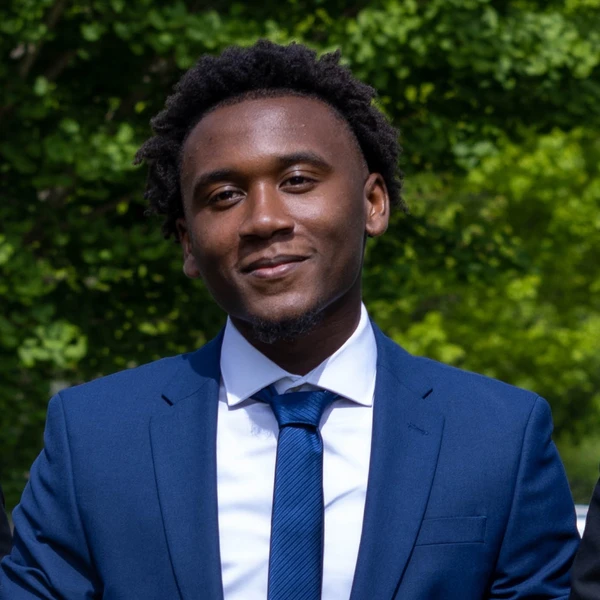
Service, sacrifice, and bravery—values embodied by Sgt. Albert Dono Ware—are the foundation of progress and resilience in the African American community. These values have profoundly shaped my personal journey as I navigate the path of becoming a civil engineer with a mission to uplift communities through infrastructure development. Service drives my commitment to improving living conditions in underserved areas, sacrifice fuels my perseverance despite challenges, and bravery empowers me to challenge systemic barriers that hinder progress. Inspired by Sgt. Ware’s legacy, I seek to apply these principles to address critical challenges faced by the African diaspora in the U.S.
One of the most pressing issues affecting African American communities is the lack of equitable access to essential infrastructure, including transportation, clean water, and sustainable housing. Historically, redlining and disinvestment have left many predominantly Black neighborhoods with deteriorating public services and economic opportunities. Poorly maintained roads, outdated sewage systems, and limited public transportation options continue to restrict access to education, employment, and healthcare. These systemic issues contribute to cycles of poverty and economic stagnation, making it imperative to implement policies that promote equitable urban planning. My vision for change involves advocating for increased investment in infrastructure projects that address these disparities, ensuring that communities of color receive the same development opportunities as more affluent areas.
As a civil engineering student, I aim to contribute to innovative and cost-effective solutions that close these infrastructure gaps and create more livable environments for marginalized populations. One of my primary interests is sustainable wastewater management, which directly impacts public health and environmental justice. Many African American communities suffer from outdated sewage systems and contaminated water sources, leading to higher rates of disease and environmental degradation. By developing efficient, affordable, and sustainable wastewater treatment solutions, I hope to improve water quality and sanitation in underserved areas, ultimately enhancing the well-being of residents.
Beyond infrastructure, policy reforms that prioritize economic development, housing equity, and environmental justice are critical in addressing disparities affecting African American communities. Increased federal and state funding for infrastructure projects in historically underserved neighborhoods is essential. Additionally, improved access to homeownership through financial literacy programs can empower families to build generational wealth. Stronger environmental regulations must also be enforced to protect minority neighborhoods from industrial pollution, which has long contributed to health disparities in Black communities.
Education reform must also be a priority, particularly in promoting STEM programs for young Black students. Many African Americans remain underrepresented in engineering and technology fields, limiting their opportunities for upward mobility and leadership in industries that shape the built environment. By supporting STEM education initiatives in predominantly Black schools and creating mentorship programs that connect students with professionals, we can inspire and equip the next generation of Black engineers, scientists, and policymakers to drive change in their communities.
Key stakeholders in these reforms include government agencies, nonprofit organizations, private sector leaders, and community activists. Local, state, and federal policymakers must advocate for and implement legislation that addresses infrastructure inequality and environmental racism. Nonprofits and grassroots organizations play a crucial role in mobilizing communities and providing resources for economic and educational advancement. Additionally, partnerships with private sector companies can help drive investment in sustainable infrastructure projects and workforce development initiatives that benefit African American communities.
Corporate social responsibility also plays a significant role in addressing systemic disparities. Private companies in the construction, engineering, and energy sectors should actively invest in Black communities by funding scholarships, internship programs, and job training initiatives that provide young African Americans with the skills needed to thrive in the workforce. Public-private partnerships can further drive impactful change by pooling resources to fund large-scale infrastructure improvements in underserved neighborhoods.
Sgt. Ware’s bravery in service reminds me that meaningful change requires courage, resilience, and a commitment to justice. His legacy serves as a powerful example of how selfless dedication can lead to transformative progress. As I continue my journey in civil engineering, I am dedicated to using my knowledge and skills to advocate for policies and reforms that ensure all communities, regardless of race or socioeconomic status, have the resources they need to thrive. By addressing systemic challenges through sustainable infrastructure and community-driven solutions, I hope to contribute to a future where the African diaspora in the U.S. can overcome historical injustices and build a more prosperous, equitable society.