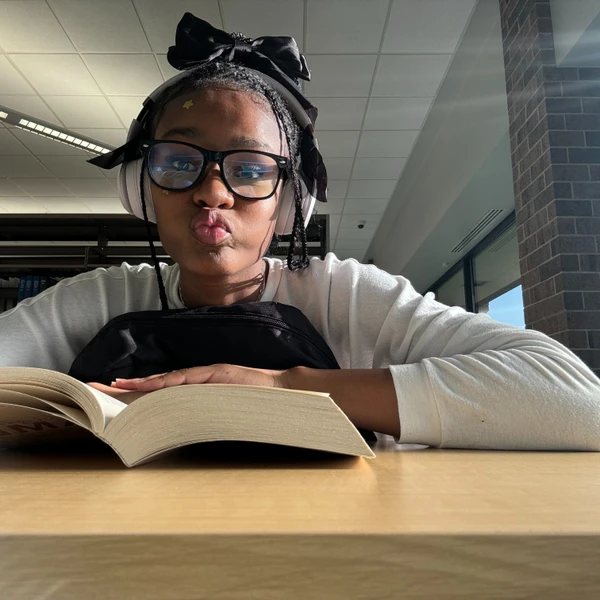
Hobbies and interests
Step Team
Drawing And Illustration
American Sign Language (ASL)
Anime
Art
Basketball
Bible Study
Clinical Psychology
Japanese
Reading
Reading
Romance
I read books multiple times per week
Taylor Smith
1x
Finalist
Taylor Smith
1x
FinalistBio
Looking for great opportunities for a great future. Trying to make the world a better place by building awareness on the importance of mental health.
Education
Naperville Central High School
High SchoolMiscellaneous
Desired degree level:
Bachelor's degree program
Majors of interest:
- Psychology, General
- Real Estate
Career
Dream career field:
Mental Health Care
Dream career goals:
Guest Services/ Front End
Target2024 – Present2 years
Sports
Basketball
Intramural2019 – 20201 year
Public services
Volunteering
Covenant Harbor — Leader2023 – 2023
Future Interests
Advocacy
Entrepreneurship
Mental Health Profession Scholarship
For a long time, I dealt with my mental health completely on my own. There were moments in my life when I was battling depressive episodes and suicidal thoughts quietly, convincing myself that no one needed to know. I did not feel like I had anyone I could talk to or open up to, and I believed that if I said something out loud, it would make everything worse. So instead, I stayed silent. I showed up, smiled, and kept going, even when I felt exhausted and disconnected from myself.
I was used to being strong, or at least appearing strong. I told myself that other people had it worse and that I should just push through. But the truth was, I was struggling more than I admitted, even to myself. There were days when my thoughts felt overwhelming, and nights when I felt completely alone. Getting through those moments took everything I had.
What helped me begin overcoming those thoughts was learning to sit with my feelings instead of running from them. I started acknowledging when I wasn’t okay instead of pretending I was fine. I reminded myself that emotions don’t last forever, even when they feel unbearable in the moment. Little by little, I learned how to choose myself during the times when giving up felt easier. I didn’t have all the answers, but I kept going, and that mattered.
As I worked through my own healing, I started noticing how many people around me were struggling in similar ways. I saw friends who laughed the loudest but felt the loneliest. I realized how common it was for people to feel overwhelmed and unheard. That realization changed me. I decided I wanted to be the person I once needed.
Now, I am often the person people come to when they are dealing with stress, depression, or dark thoughts. I don’t rush to fix things or give perfect advice. I listen. I make sure they feel heard, understood, and safe. I know how hard it is to open up, so I treat that trust with care. I remind people that their feelings are valid and that struggling does not make them weak. Sometimes, just knowing someone is willing to listen makes all the difference.
Moving forward, I want to continue supporting others and generating awareness around mental health by helping normalize honest conversations. I want people to feel less ashamed about struggling and more comfortable asking for help. Whether through leadership roles, community involvement, or everyday interactions, I plan to keep creating safe spaces where people feel seen.
My mental health journey taught me that healing is not linear and strength does not mean silence. It means choosing to keep going, even when it’s hard. Turning my pain into purpose has shown me that even the darkest experiences can lead to connection. I hope to continue being a source of support and a reminder to others that they are not alone, because I know how much that reminder can matter.
Evangelist Nellie Delores Blount Boyce Scholarship
Mental health and suicide prevention feel personal to my generation because so many of us are silently going through something. We see friends disappear from school for weeks. We scroll through perfect-looking posts from people who are barely hanging on. We hear about someone our age dying, and everyone says they
"seemed fine." After a while, it becomes impossible to pretend this is not real.
Growing up, I heard messages like stay strong, pray about it, keep going, you will be fine. In the Black community, strength is almost like a survival rule. You do not complain. You do not ask for help. You definitely do not talk about depression or anxiety. For a long time, I honestly thought struggling meant you were weak. I would push through things, smile, and tell myself that other people had it worse.
That changed when I started noticing the people around me closely. I saw friends who were always joking, but then cried at night. I noticed how many of us felt burnt out, angry, confused, and tired, but had no space to talk about it. I also saw people I love trying to deal with grief, pressure, and trauma without help because therapy felt "embarrassing" or "not for us."
Learning more about mental health opened my eyes. I realized this silence was not strength. It was survival that turned into habit. And it was hurting us. My own experiences with stress and self doubt taught me to slow down and actually feel instead of pretending. I learned to say I am not okay, and that was scary the first time. But it allowed people to show up for me. That changed how I treat relationships. I check in more. I ask real questions like, "How are you really?" I learned to listen instead of rushing to give advice. And I remind people they deserve help, because I had to learn that for myself.
This journey also shaped what I want to do with my future. I want to help make mental health support easier to reach and less judged, especially in Black communities. I am interested in working in counseling, community services, or programs that make therapy affordable and welcoming. I believe culturally competent care matters. People need therapists who understand our history, our families, our faith, and the pressures we carry. Then after I get enough experience I will pursue in making a business bases upon creating more awareness of mental health care and awareness not only in black communities, but for the communities that have been affected by negative stigma.
Mental health and suicide prevention are important to my age group because we are tired of pretending. We are choosing conversations over silence and empathy over shame. My experiences taught me that speaking up can literally change lives. Maybe not always in big dramatic ways, but in quiet moments when someone finally says, "Thank you for listening. I needed that."
That is the kind of difference I want to make. Starting with myself. Then my friends. Then my community.
Majestic Bison for Wellness Scholarship
Mental health and suicide prevention feel personal to my generation because so many of us are silently going through something. We see friends disappear from school for weeks. We scroll through perfect-looking posts from people who are barely hanging on. We hear about someone our age dying, and everyone says they “seemed fine.” After a while, it becomes impossible to pretend this is not real.
Growing up, I heard messages like stay strong, pray about it, keep going, you will be fine. In the Black community, strength is almost like a survival rule. You do not complain. You do not ask for help. You definitely do not talk about depression or anxiety. For a long time, I honestly thought struggling meant you were weak. I would push through things, smile, and tell myself that other people had it worse.
That changed when I started noticing the people around me closely. I saw friends who were always joking, but then cried at night. I noticed how many of us felt burnt out, angry, confused, and tired, but had no space to talk about it. I also saw people I love trying to deal with grief, pressure, and trauma without help because therapy felt “embarrassing” or “not for us.”
Learning more about mental health opened my eyes. I realized this silence was not strength. It was survival that turned into habit. And it was hurting us.
My own experiences with stress and self doubt taught me to slow down and actually feel instead of pretending. I learned to say I am not okay, and that was scary the first time. But it allowed people to show up for me. That changed how I treat relationships. I check in more. I ask real questions like, “How are you really?” I listen instead of rushing to give advice. And I remind people they deserve help, because I had to learn that for myself.
This journey also shaped what I want to do with my future. I want to help make mental health support easier to reach and less judged, especially in Black communities. I am interested in working in counseling, community services, or programs that make therapy affordable and welcoming. I believe culturally competent care matters. People need therapists who understand our history, our families, our faith, and the pressures we carry. Then after I get enough experience I will pursue in making a business bases upon creating more awareness of mental health care and awareness not only in black communities, but for the communities that have been affected by negative stigma.
Mental health and suicide prevention are important to my age group because we are tired of pretending. We are choosing conversations over silence and empathy over shame. My experiences taught me that speaking up can literally change lives. Maybe not always in big dramatic ways, but in quiet moments when someone finally says, “Thank you for listening. I needed that.”
That is the kind of difference I want to make. Starting with myself. Then my friends. Then my community.
Tammurra Hamilton Legacy Scholarship
Mental health and suicide prevention feel personal to my generation because so many of us are silently going through something. We see friends disappear from school for weeks. We scroll through perfect-looking posts from people who are barely hanging on. We hear about someone our age dying, and everyone says they “seemed fine.” After a while, it becomes impossible to pretend this is not real.
Growing up, I heard messages like stay strong, pray about it, keep going, you will be fine. In the Black community, strength is almost like a survival rule. You do not complain. You do not ask for help. You definitely do not talk about depression or anxiety. For a long time, I honestly thought struggling meant you were weak. I would push through things, smile, and tell myself that other people had it worse.
That changed when I started noticing the people around me closely. I saw friends who were always joking, but then cried at night. I noticed how many of us felt burnt out, angry, confused, and tired, but had no space to talk about it. I also saw people I love trying to deal with grief, pressure, and trauma without help because therapy felt “embarrassing” or “not for us.”
Learning more about mental health opened my eyes. I realized this silence was not strength. It was survival that turned into habit. And it was hurting us.
My own experiences with stress and self doubt taught me to slow down and actually feel instead of pretending. I learned to say I am not okay, and that was scary the first time. But it allowed people to show up for me. That changed how I treat relationships. I check in more. I ask real questions like, “How are you really?” I listen instead of rushing to give advice. And I remind people they deserve help, because I had to learn that for myself.
This journey also shaped what I want to do with my future. I want to help make mental health support easier to reach and less judged, especially in Black communities. I am interested in working in counseling, community services, or programs that make therapy affordable and welcoming. I believe culturally competent care matters. People need therapists who understand our history, our families, our faith, and the pressures we carry.
Mental health and suicide prevention are important to my age group because we are tired of pretending. We are choosing conversations over silence and empathy over shame. My experiences taught me that speaking up can literally change lives. Maybe not always in big dramatic ways, but in quiet moments when someone finally says, “Thank you for listening. I needed that.”
That is the kind of difference I want to make. Starting with myself. Then my friends. Then my community.