Hobbies and interests
African American Studies
Bible Study
Anatomy
Animals
Basketball
Church
Community Service And Volunteering
Cleaning
Concerts
Fashion
Human Rights
Medicine
Reading
Drama
Adult Fiction
Adventure
Historical
Horror
I read books multiple times per month
taylor grandberry
1x
Finalisttaylor grandberry
1x
FinalistBio
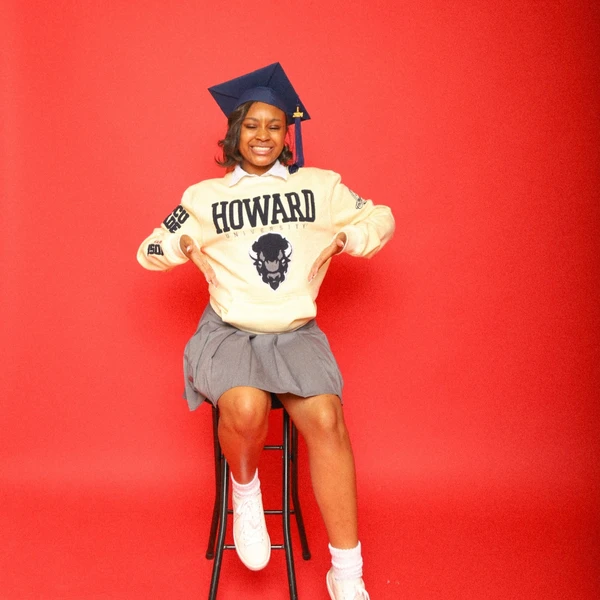
HU 🦬❤️💙
major: nursing
class of 28!
Education
Howard University
Bachelor's degree programMajors:
- Registered Nursing, Nursing Administration, Nursing Research and Clinical Nursing
Power Center Academy High School
High SchoolMiscellaneous
Desired degree level:
Doctoral degree program (PhD, MD, JD, etc.)
Graduate schools of interest:
Transfer schools of interest:
Majors of interest:
- Medicine
- Registered Nursing, Nursing Administration, Nursing Research and Clinical Nursing
Career
Dream career field:
Medicine
Dream career goals:
Finish undergrad, pass MCAT and go to medical school, graduate medical school, start my career in Obstetrics and Gynecology.
Shadowed Dr. Harbin, gynecologic oncologist, observing patient visits and surgeries including robotic and open hysterectomies. Visited multiple hospitals and clinics in TN and MS, including West Cancer Center and Regional One.
West Cancer Center Clinic, Oncology Gynecology2025 – 2025
Public services
Volunteering
Memphis Ambassador Program — Ambassador/Volunteer2022 – 2024
Sgt. Albert Dono Ware Memorial Scholarship
Sgt. Albert Dono Ware’s legacy of service, sacrifice, and bravery resonates deeply with me because those values have shaped my life long before I had the words to name them. I was raised watching strength in action—through my mother, through community, and through everyday acts of resilience that often go unseen. Service, to me, has never meant recognition; it has meant showing up, even when it’s hard. Sacrifice has meant choosing long-term purpose over short-term comfort. Bravery has meant speaking up, enduring uncertainty, and continuing forward despite fear. These values have guided my personal journey and now shape my vision for how I hope to contribute to addressing the challenges faced by the African diaspora in the United States.
Growing up, I learned early that many systems are not built with people who look like me in mind. As a Black woman and the child of a single mother, I have seen how inequities in healthcare, education, and economic opportunity disproportionately affect African American families. These realities became even more personal as I spent time in hospitals as a child and later watched my mother navigate her ongoing battle with ovarian cancer. In those moments, service looked like advocating when voices were ignored. Sacrifice looked like putting family needs before my own. Bravery looked like trusting myself to ask questions and demand better care, even when it felt uncomfortable.
These experiences are what led me to pursue a career in nursing and, eventually, medicine. I believe that service is most powerful when it is rooted in proximity—when you are close enough to the problem to understand it fully. In healthcare, members of the African diaspora continue to face disparities in maternal mortality, cancer outcomes, chronic illness management, and access to preventative care. These are not just medical issues; they are policy failures, communication breakdowns, and trust gaps rooted in historical and ongoing injustice. Sgt. Ware’s legacy reminds me that real change requires courage—the courage to confront systems, not just symptoms.
One of the most critical reforms needed to address these challenges is equitable healthcare policy that centers patient advocacy and accountability. This includes improving access to affordable, quality care, increasing funding for community-based health programs, and mandating bias training for healthcare providers. African American patients are often not believed or are dismissed, leading to delayed diagnoses and poorer outcomes. Policies must prioritize culturally competent care and ensure that patients have clear avenues to voice concerns without fear of being ignored.
Community reform is just as essential. Grassroots health education programs can empower individuals with knowledge about their bodies, their rights, and available resources. Many health disparities persist because information is inaccessible or delivered without cultural context. Community clinics, churches, and local organizations should be supported as trusted spaces for education and prevention. I’ve seen firsthand how faith-based and community-centered environments can bridge gaps that institutions alone cannot.
Education reform also plays a critical role. Increasing representation of Black professionals in STEM and healthcare fields is not just about diversity—it’s about trust, perspective, and advocacy. When patients see providers who understand their lived experiences, care becomes more effective and humane. Scholarships, mentorship programs, and pipeline initiatives for underrepresented students are key to creating sustainable change.
Driving this change requires collaboration among key stakeholders. Policymakers must listen to the communities most affected and be willing to invest in long-term solutions rather than short-term fixes. Healthcare institutions must hold themselves accountable for outcomes, not just intentions. Educators must create inclusive pathways that support students from marginalized backgrounds. Most importantly, community members themselves must be empowered as leaders in shaping solutions, not just recipients of them.
Sgt. Albert Dono Ware’s legacy challenges me to think beyond personal success and toward collective responsibility. His example reinforces my belief that bravery is not the absence of fear, but the decision to act anyway. As I continue my journey in healthcare, I carry these values with me—not just as ideals, but as daily commitments. My goal is to serve with compassion, sacrifice with intention, and lead with courage, so that future generations of the African diaspora can experience systems that affirm their dignity, protect their health, and honor their humanity.
Jeune-Mondestin Scholarship
I am a nursing student who chose healthcare not just as a career path, but as a calling shaped by my life experiences. From a young age, I learned what it means to be vulnerable in medical spaces. I spent a lot of time in hospitals as a child due to my own health challenges, and those early experiences left a lasting impression on me. I remember feeling scared, confused, and small—but I also remember the nurses who took the time to explain things, comfort me, and make me feel seen. Those moments showed me that healthcare is about more than diagnoses and treatments; it’s about human connection.
As I got older, my passion for healthcare deepened when my mother was diagnosed with ovarian cancer. Watching her navigate a complex and often overwhelming medical system opened my eyes to the realities many patients and families face. I saw how important it was to have providers who listened, advocated, and treated patients with dignity. I also saw gaps—moments where compassion was lacking, where questions went unanswered, and where fear could have been eased with better communication. Those experiences stayed with me and pushed me toward health science and nursing, because I knew I wanted to be part of the solution.
I chose healthcare because I believe in service. Being able to care for people during some of the hardest moments of their lives is both a responsibility and a privilege. Nursing, in particular, stood out to me because nurses are often the ones who spend the most time with patients. They are educators, advocates, and sources of comfort. I want to be the nurse who notices when something feels off, who speaks up when a patient’s concerns aren’t being heard, and who brings empathy into every interaction.
The difference I want to make in healthcare is rooted in advocacy and equity. I am especially passionate about women’s health and addressing the disparities that affect African American women. Too often, women—especially Black women—are dismissed or not taken seriously in medical settings. I want to be a provider who listens closely, believes patients, and ensures they feel safe and respected. My long-term goal is to continue my education and eventually become an OB/GYN, so I can play a direct role in improving outcomes for women and families.
Beyond clinical care, I want my impact to extend into education and community outreach. I hope to empower patients by helping them understand their bodies, their conditions, and their options. Knowledge is powerful, and I want my patients to feel confident in advocating for themselves. I also want to serve as a role model for students from underrepresented backgrounds who may not see themselves reflected in healthcare professions. If my journey can inspire even one person to believe they belong in this field, then I know I’m making a difference.
Healthcare is where my experiences, passions, and purpose intersect. I chose this field because I know what it feels like to be on the other side of the hospital bed—and I am committed to making that experience better for others through compassion, advocacy, and meaningful care.
Grand Oaks Enterprises LLC Scholarship
My journey to this point has been shaped by resilience, faith, and a deep desire to serve others. I am a nursing student who has always known that my life’s purpose would be connected to caring for people, especially during their most vulnerable moments. This calling did not come from a single moment, but from a collection of experiences that pushed me to grow up quickly, observe deeply, and lead with empathy. From navigating personal health challenges as a child to watching my mother courageously battle ovarian cancer, I have learned firsthand how powerful compassionate, patient-centered care can be—and how devastating it can be when that care is absent.
I was raised by a single mother who has been my greatest example of strength, sacrifice, and perseverance. Watching her juggle work, finances, and parenting taught me what it truly means to show up, even when life feels overwhelming. Her ongoing fight with cancer has been one of the most challenging experiences of my life. It forced me to mature emotionally and mentally, while still trying to balance school, financial responsibilities, and my own well-being. At times, it felt like the weight of everything rested on my shoulders, but it also clarified my purpose. I knew I wanted to be in a field where I could not only treat illness, but also comfort families, advocate for patients, and provide reassurance during moments filled with fear and uncertainty.
Attending an HBCU means more to me than simply earning a degree—it represents belonging, legacy, and empowerment. As a Black woman pursuing a career in healthcare, being at an HBCU places me in an environment where my identity is affirmed rather than questioned. It is a space where excellence is expected, culture is celebrated, and history is honored. At an HBCU, I am surrounded by peers and mentors who understand the unique challenges faced by Black students and who push me to strive for greatness while remaining rooted in service to my community.
Being at an HBCU has reinforced my confidence and strengthened my sense of responsibility. I am not just working toward my own success; I am carrying the hopes of my family and the generations before me who did not always have access to the same opportunities. This experience has taught me that education is not only a personal achievement, but also a collective one. Every step forward I take opens doors for others who may come after me.
Through my choice to study nursing, I plan to make a meaningful difference for both my family and my community. For my family, my education represents stability, hope, and breaking cycles. I want to be a source of pride and support, showing that perseverance through hardship can lead to purpose-driven success. I hope to use my knowledge to advocate for my loved ones, help them navigate healthcare systems, and ensure they receive the quality care they deserve.
For my community, my goal is to be a nurse—and eventually a physician—who prioritizes empathy, equity, and advocacy. I am especially passionate about women’s health and addressing the disparities that disproportionately affect African American women. Too often, Black women are not listened to or taken seriously in medical settings. My lived experiences have made me determined to be a provider who listens first, educates thoroughly, and treats every patient with dignity and respect.
Beyond clinical care, I plan to give back through mentorship, outreach, and education. I want to encourage young students from underrepresented backgrounds to pursue careers in healthcare by showing them that it is possible, even when the odds feel stacked against you. I hope to be someone who reminds others that their background does not limit their future—it strengthens it.
My journey has not been easy, but it has been purposeful. Attending an HBCU has grounded me, my family’s sacrifices have motivated me, and my experiences have shaped the healthcare professional I aspire to become. Through my actions and my education, I plan to create change—not just for myself, but for the community that raised me and the patients I will one day serve.
Priscilla Shireen Luke Scholarship
Giving back has always been a core part of who I am, not because I see it as an obligation, but because service has been modeled for me throughout my life. Right now, I give back in the ways that are accessible to me—through presence, compassion, and support. I believe that making a difference does not always require a title or a large platform; it often starts with how you show up for the people around you every day. Whether that means checking in on friends who are struggling, supporting family members during difficult times, or offering encouragement to classmates, I try to lead with empathy and intention.
My church community has played a significant role in shaping how I give back. Through my involvement, I’ve learned the value of serving others selflessly and meeting people where they are. Being part of a faith-based environment has taught me that service goes beyond physical acts—it includes emotional support, listening, and showing compassion during life’s hardest moments. Watching my church community come together to uplift those in need has inspired me to carry those values into every area of my life.
As a student pursuing a career in healthcare, I also give back by being open and supportive within my academic community. I make it a point to be honest about my experiences with mental health, academic stress, and personal challenges so that others feel less alone in their struggles. I try to create a sense of community by offering encouragement, study support, and simply being someone others can talk to. These small efforts reflect the kind of healthcare provider I aim to become—one who listens, understands, and cares beyond surface-level interactions.
Looking ahead, I plan to positively impact the world through a career rooted in service, advocacy, and education. My goal is to work in healthcare, focusing on improving outcomes for underserved communities, especially women and Black women who often face disparities in care. Through compassionate, patient-centered treatment, I hope to empower individuals to feel informed, respected, and confident in their healthcare decisions.
Beyond clinical care, I want to give back through mentorship and outreach. I hope to inspire and support younger students from underrepresented backgrounds who aspire to careers in healthcare by sharing my journey and offering guidance. Ultimately, I want my future impact to reflect the values I live by now—faith, empathy, and a commitment to uplifting others. By continuing to serve with intention, I hope to contribute to a world that is more understanding, equitable, and compassionate.
Zedikiah Randolph Memorial Scholarship
I am a student whose academic journey is deeply rooted in purpose, service, and lived experience. I chose to pursue a degree in nursing because it allows me to combine science, compassion, and advocacy in a way that directly impacts people’s lives. My interest in healthcare began early, shaped by time spent in hospitals both as a patient and as a loved one supporting family members through illness. Those experiences showed me how meaningful it is to have healthcare providers who are not only knowledgeable, but also genuinely caring and attentive.
My decision to pursue nursing became even more intentional during my mother’s ongoing battle with ovarian cancer. Watching her navigate treatments, appointments, and difficult conversations exposed me to the realities of the healthcare system, particularly for Black women. I witnessed moments where concerns were minimized and questions went unanswered, and it made me realize how important it is to have providers who advocate for their patients. That experience inspired me to pursue a role where I can be both a caregiver and a voice for those who may feel overlooked.
As a Black woman in nursing, I represent a population that is still underrepresented in many areas of healthcare, especially in leadership and advanced practice roles. While Black nurses make up only a small percentage of the nursing workforce compared to the overall population, representation becomes even smaller in specialized and decision-making positions. Being part of that minority fuels my motivation to continue pushing forward, not just for my own success, but to help shift the narrative and increase representation in the field.
I plan to make an impact on my community by providing compassionate, patient-centered care and advocating for health equity. My long-term goal is to continue my education and become a physician specializing in women’s health, where I can address disparities affecting African American women. I want to create healthcare spaces where patients feel heard, respected, and empowered to take part in their own care.
Inspiring the next generation is also important to me. I want to be visible and honest about my journey—the challenges, the doubts, and the perseverance it took to get here. Through mentorship, community outreach, and representation, I hope to encourage young students, especially those from underrepresented backgrounds, to pursue careers in healthcare. By showing them that success is possible despite obstacles, I hope to help increase the odds and open doors for those who come after me.
Kim Moon Bae Underrepresented Students Scholarship
My identity as a Black woman has shaped every part of my life, from how I move through the world to the goals I’ve set for my future. Being part of an underrepresented minority population has meant learning early on that I often have to work harder to be seen, heard, and taken seriously. While that reality can be discouraging, it has also strengthened my sense of purpose and fueled my determination to create change, especially within healthcare spaces where people who look like me are too often overlooked.
Growing up, I became aware of disparities long before I had the language to describe them. I saw how access to resources, education, and quality care was not equal for everyone. Those observations became deeply personal as I experienced the healthcare system firsthand—both as a patient when I was younger and later as a daughter watching my mother navigate her ongoing battle with ovarian cancer. I witnessed moments where questions were brushed off or concerns were not fully addressed, and it reinforced what many Black women already know: our voices are not always valued in medical spaces. These experiences shaped my desire to pursue a career in healthcare, not just to treat patients, but to advocate for them.
As a member of an underrepresented minority, I often carry both pride and pressure. There are times when I feel like I am representing more than just myself—my family, my community, and the generations of women who came before me. While that pressure can feel heavy, it has also pushed me to aim higher and stay committed to my goals. I am pursuing nursing with the long-term goal of becoming a physician so I can help bridge the gaps that exist in women’s healthcare, particularly for Black women who face higher rates of misdiagnosis and mortality.
My identity has also shaped how I lead and connect with others. I bring empathy, cultural awareness, and lived experience into every space I enter. I understand the importance of trust, listening, and respecting patients’ concerns because I know what it feels like to be unheard. Moving forward, I plan to use my education and platform to advocate for equity, mentor students from similar backgrounds, and contribute to a healthcare system that values diversity not as an afterthought, but as a necessity.
Being an underrepresented minority has influenced my path by giving me clarity. It has shown me where change is needed and where I belong in creating it. I don’t just want a seat at the table—I want to help redesign it so others can sit there too.
Rev. and Mrs. E B Dunbar Scholarship
Pursuing higher education has not been a straightforward journey for me. One of the biggest obstacles I’ve had to overcome has been financial instability. Coming from a single-parent household, I quickly learned that education often comes with stress beyond academics. There have been moments when I genuinely questioned whether I would be able to continue school because of the cost. Balancing tuition, housing, books, and everyday expenses has been overwhelming, especially while trying to stay focused in a demanding field like healthcare. The fear of having to pause or end my education because of finances has been heavy, but it has also pushed me to become more determined and resourceful.
Another obstacle has been navigating school while dealing with personal and emotional challenges. Watching my mother battle ovarian cancer has taken a toll on me mentally and emotionally. At the same time, I’ve had to manage my own mental health struggles while meeting academic expectations. There were periods when stress and self-doubt made me question whether I belonged in college at all. I felt undeserving of opportunities and overwhelmed by the pressure to succeed. Learning how to ask for help, lean on my faith, and take care of my mental health became essential to continuing my education.
Despite these challenges, I have remained committed to my goals. Education has become more than a pathway to a career—it represents stability, growth, and the ability to create change. Through nursing and my long-term goal of becoming a physician, I plan to give back by serving communities that often feel overlooked, especially women and Black women. I want to use my education to provide compassionate, patient-centered care and to advocate for those who may not feel empowered to speak up for themselves.
In the future, I also hope to give back through mentorship and education. I want to support students who come from similar backgrounds and remind them that their circumstances do not define their potential. By turning my obstacles into motivation, I plan to use my education as a tool for healing, advocacy, and lasting impact within my community.
Bulkthreads.com's "Let's Aim Higher" Scholarship
One of the most important things I want to build is a future rooted in care, trust, and service—specifically through a career in healthcare that centers women, compassion, and advocacy. What I am building is not just a job or a title, but a life of purpose where my education, values, and experiences come together to create meaningful change. This future is something I am building intentionally, step by step, through my commitment to learning, healing, and showing up for others.
I am currently working toward a career in nursing, with long-term goals of becoming a physician specializing in women’s health. This goal was shaped by my personal experiences in hospitals, both as a patient when I was younger and as a daughter watching my mother navigate her ongoing battle with ovarian cancer. Those experiences showed me how powerful compassionate care can be—and how damaging it can be when patients feel unheard or overlooked. Because of that, I want to help build a healthcare space where patients feel safe, respected, and informed, especially women and Black women who are often underserved.
In building my future, I am also building resilience within myself. Balancing school, financial challenges, and family responsibilities has not been easy, but each obstacle has taught me discipline and perseverance. I am learning how to advocate for myself, manage stress, and remain focused on long-term goals even when the present feels overwhelming. These lessons are just as important as what I learn in the classroom.
The impact I hope to make goes beyond my own success. By building a career centered on empathy and education, I want to contribute to a healthier, more informed community. I hope to mentor younger students who aspire to enter healthcare, normalize conversations around mental and physical health, and encourage others to pursue careers that serve their communities.
Ultimately, what I am building is a future where my experiences are not wasted, but transformed into purpose. A future where my work uplifts others and where my community benefits from care that is knowledgeable, compassionate, and rooted in understanding.
Dr. Samuel Attoh Legacy Scholarship
To me, legacy is not about money, titles, or recognition—it’s about impact. It’s about what people feel when they think of you and the ways your life continues to matter even after you’re gone. Legacy is built through how you treat others, the values you stand on, and the lives you touch along the way. For me, legacy means being remembered as someone who cared deeply, showed up consistently, and used her purpose to make life better for others, especially those who often go unseen or unheard.
My upbringing has had a major influence on the path I am on today. Being raised by a single mother showed me strength in its rawest form. I watched her carry the weight of providing, protecting, and nurturing all at once, often without help. She worked hard, sacrificed constantly, and still made sure I felt loved and supported. Growing up in that environment taught me independence early. I learned how to be resilient, responsible, and determined, even when things weren’t easy. At the same time, I also saw how heavy that burden can be, especially for women, and that shaped my desire to create a different future—not just for myself, but for others like us.
There were cycles in my upbringing that I am grateful for and plan to continue. I plan to carry forward the values of perseverance, faith, and hard work that were modeled for me. Watching my mother push through obstacles, even during her battle with ovarian cancer, taught me what it means to keep going when life feels unfair. That strength fuels my own commitment to education and service. It is why I am pursuing a career in healthcare and why I want to advocate for women, especially Black women, who deserve to feel seen, respected, and cared for.
At the same time, there are cycles I am intentional about breaking. I want to break the cycle of silence around mental health, the cycle of women being expected to endure without support, and the cycle of feeling limited by circumstances. I want to create a life rooted in balance, healing, and openness—one where asking for help is not seen as weakness, but wisdom.
Ultimately, my legacy will be shaped by how I use what I’ve been given. I plan to build a life and career that uplifts others, honors where I come from, and creates space for growth, healing, and opportunity. If my story inspires even one person to believe they can rise above their circumstances, then I will know my legacy truly mattered.
Jim Maxwell Memorial Scholarship
This opportunity is meaningful to me because it represents more than financial support or recognition—it represents reassurance. It is a reminder that my journey, with all of its challenges, setbacks, and growth, has purpose. My story is shaped by moments of uncertainty, resilience, and faith, and every step forward has required me to trust God even when I didn’t fully understand the path ahead.
One of the greatest challenges in my life has been walking through my mother’s ongoing battle with ovarian cancer. Watching someone I love endure pain, treatment, and uncertainty changed me deeply. There were moments when fear and exhaustion felt overwhelming, and I struggled to balance my responsibilities as a student with my role as a daughter. At times, I questioned how I would continue pursuing my education while carrying the emotional and financial weight that came with illness. In those moments, my faith became my anchor. Prayer gave me peace when I felt out of control, and trusting God helped me keep moving forward even on the hardest days.
My mental health journey has also been a defining part of my story. There were periods when I doubted myself and felt undeserving of the opportunities in front of me—college, nursing, and eventually medical school. I allowed stress and self-doubt to affect my relationships and my confidence. Through faith, I learned that setbacks do not define my worth. God reminded me that I was capable, chosen, and still becoming. Healing didn’t happen overnight, but my faith gave me the strength to confront my struggles instead of running from them.
Despite these challenges, I have experienced meaningful triumphs. I have continued pursuing higher education in a demanding field, rebuilt important relationships, and grown into a more resilient and self-aware person. Each accomplishment feels deeper because I know what it took to get there. I didn’t achieve these milestones alone—my faith carried me when my own strength felt limited.
Looking ahead, I plan to continue using my faith as a guiding force in everything I do. As I pursue a career in healthcare, my faith will shape how I treat patients—with compassion, patience, and respect. It will remind me to lead with empathy, especially when advocating for women and underserved communities. When challenges arise, I will rely on the same trust that has brought me this far, knowing that if God has placed a calling on my life, He will equip me to fulfill it.
This opportunity matters to me because it supports not just my education, but my purpose. It affirms that faith, perseverance, and determination can coexist—and that with God’s guidance, even greater heights are possible.
Mikey Taylor Memorial Scholarship
My experience with mental health has shaped who I am in ways I’m still learning to fully understand. It influenced my beliefs about myself, changed how I show up in relationships, and ultimately strengthened my desire to pursue a career in healthcare. There was a time when my mental health struggles made me feel small, undeserving, and disconnected from the future I worked so hard to envision. I questioned whether I truly belonged in spaces like college, nursing school, or eventually medical school. Those thoughts didn’t come from a lack of ambition or ability, but from feeling overwhelmed and emotionally drained.
For a long time, I believed that struggling meant I was weak. I thought I had to push through everything on my own, without letting anyone see how much I was hurting. Over time, I learned that mental health challenges don’t mean you are incapable; they mean you are human. That shift in belief changed how I viewed myself and others. I began to understand that strength can look like asking for help, setting boundaries, and choosing rest when necessary. My faith also played a role in reshaping my mindset, reminding me that hardship is temporary and that growth often comes from uncomfortable seasons.
My mental health struggles also affected my relationships. I became distant from people I cared about, including close friends and family. At my lowest points, I pushed others away because I didn’t know how to explain what I was feeling. I said things I regret and allowed my pain to spill onto people who didn’t deserve it. One of the hardest consequences was losing touch with my best friend for an entire year. That experience taught me how damaging unspoken pain can be—not just to yourself, but to the people around you. Thankfully, time, accountability, and healing allowed us to reconnect, and our relationship is stronger because of the growth we both experienced.
These experiences deeply influenced my career aspirations. As someone pursuing nursing with the goal of becoming a physician, I understand that mental health is inseparable from physical health. My struggles have given me empathy and awareness that can’t be taught in a textbook. I know what it feels like to be overwhelmed, misunderstood, and afraid of being judged. Because of that, I want to be a healthcare provider who listens, who notices what isn’t being said, and who treats patients as whole people—not just diagnoses.
My journey with mental health has taught me patience, compassion, and humility. It pushed me to grow emotionally and strengthened my commitment to serving others with care and understanding. Instead of derailing my goals, my experiences refined them. I now aspire to build a career rooted in empathy, advocacy, and healing—because I know firsthand how powerful it is when someone truly cares.
Learner Mental Health Empowerment for Health Students Scholarship
Mental health is important to me as a student because it affects every part of my life—how I learn, how I show up for others, and how I see myself. As a student in a rigorous academic environment, I’ve learned that success isn’t just about grades or discipline; it’s also about emotional stability, self-worth, and knowing when to ask for help. There was a time when I struggled silently with my mental health and began to feel undeserving of the opportunities in front of me. I questioned whether I truly belonged in college, whether I was capable of handling a demanding path like nursing and eventually medicine. Those thoughts didn’t come from lack of ability, but from mental exhaustion and self-doubt.
During that period, my mental health struggles affected my relationships and my confidence. I became distant from people who cared about me, including close friends and family. I isolated myself because I didn’t know how to explain what I was feeling, and I convinced myself that I had to carry everything alone. Over time, I learned that ignoring mental health only makes things heavier. Acknowledging my struggles was the first step toward healing, and it helped me understand that mental health is just as important as physical health—especially for students who are constantly under pressure to perform.
Because of my experiences, I advocate for mental health by being open and honest in my community. In my school environment, I check in on friends, especially during stressful times like exams or personal challenges. I remind people that it’s okay to take breaks, to rest, and to prioritize themselves without guilt. At home, I’ve worked on communicating more openly about how I’m feeling instead of bottling everything up. Having those conversations hasn’t always been easy, but they’ve helped create a more supportive and understanding environment.
I also advocate for mental health by leading through example. I’ve learned to set boundaries, practice self-care, and seek support when I need it. As someone pursuing a career in healthcare, I understand how deeply mental health impacts overall well-being. By normalizing conversations about mental health and encouraging compassion instead of judgment, I hope to contribute to a culture where students and families feel safe asking for help.
Mental health matters to me because I’ve seen what happens when it’s ignored—and I’ve experienced the growth that comes from facing it head-on. By continuing to advocate for awareness, empathy, and support, I hope to help others feel less alone and more empowered in their own journeys.
Nabi Nicole Grant Memorial Scholarship
One of the most challenging times in my life when I truly had to rely on my faith was during my mother’s ongoing battle with ovarian cancer. Watching someone you love face a life-threatening illness changes you in ways that are hard to explain. There were moments filled with fear, uncertainty, and exhaustion—times when I didn’t know what the next day would bring or how my family would make it through emotionally, mentally, or financially. In those moments, my faith was not just something I believed in; it became something I leaned on to survive.
At the height of this challenge, I felt overwhelmed. I was trying to balance school, family responsibilities, and my own emotions while carrying the constant worry of losing my mother. There were days when I felt powerless, frustrated, and angry at the situation. I questioned why this was happening and struggled with feelings of fear and helplessness. What kept me grounded was turning to God in prayer—sometimes asking for strength, sometimes for understanding, and sometimes just for peace. Even when I didn’t have the right words, I trusted that God understood what my heart couldn’t express.
My faith taught me patience during this time. Cancer is not something that has quick answers or easy solutions, and learning to trust God’s timing was difficult. I had to remind myself daily that I was not meant to carry everything alone. Scriptures, prayer, and quiet moments of reflection helped me release some of the anxiety I was holding onto. I learned that faith does not mean everything will be easy, but it does mean you are never walking through hardship by yourself.
This experience also reshaped how I respond to adversity. Instead of shutting down or losing hope, I learned to lean into faith when things felt out of control. I began to see obstacles not as endings, but as moments that required trust and perseverance. My mother’s strength, combined with my faith, reminded me that God can bring light even in the darkest seasons. If He could carry my family through something as heavy as cancer, I knew He could guide me through my own struggles as well.
Relying on my faith during this challenge has had a lasting impact on who I am today. It has strengthened my resilience, deepened my compassion for others facing illness, and reinforced my belief that every hardship has purpose. Most importantly, it taught me that if God brings you through something, He will also lead you out of it—stronger, wiser, and with a deeper sense of hope.
Sammy Hason, Sr. Memorial Scholarship
I plan to improve the lives of others through a career in healthcare by leading with empathy, education, and advocacy—especially for patients whose voices are often overlooked. My desire to work in healthcare comes from personal experiences that showed me how vulnerable patients and families can feel when facing illness, uncertainty, and complex medical systems. Because of that, I don’t just want to treat conditions; I want to care for people as whole human beings. This approach is especially important for individuals living with lung disease and rare medical conditions, who often face delayed diagnoses, limited treatment options, and a lack of understanding from both providers and society.
One of the most powerful ways I hope to help patients with lung disease and rare conditions is through patient-centered care. These patients frequently experience frustration because their symptoms are misunderstood or minimized. I want to be the kind of healthcare professional who listens closely, asks thoughtful questions, and takes concerns seriously. Whether a patient is struggling to breathe, manage chronic fatigue, or explain a condition that even some providers may not fully understand, I want them to feel seen, heard, and respected. That sense of trust can make a huge difference in how patients engage with their care and advocate for themselves.
Education will also be a major part of how I improve lives. Lung diseases and rare conditions often require patients to manage long-term treatment plans, medications, and lifestyle adjustments. I hope to help patients and families understand their diagnoses in clear, compassionate ways so they feel empowered rather than overwhelmed. Knowledge gives patients control in situations where so much can feel out of their hands. By explaining conditions in an accessible way, I can help reduce fear and increase confidence in treatment decisions.
Advocacy is another area where I see myself making an impact. Patients with rare diseases often struggle to access specialists, resources, or even recognition within the healthcare system. I want to advocate for timely referrals, coordinated care, and equitable treatment—especially for patients from underserved communities. As someone who has seen firsthand how race, gender, and socioeconomic status can affect healthcare outcomes, I am committed to standing up for patients who may feel dismissed or invisible. I hope to be a bridge between patients and the system, ensuring their needs are met with urgency and respect.
I am also passionate about improving communication and continuity of care. For patients with lung disease or rare conditions, care often involves multiple providers. I want to help create smoother communication between healthcare teams so patients do not feel like they have to repeat their story over and over or fall through the cracks. Even small actions—following up, checking in, or explaining next steps—can make a lasting difference in a patient’s experience.
Ultimately, my goal in healthcare is to combine science with compassion. I want to improve lives not only by supporting physical health, but by offering emotional reassurance, clear communication, and unwavering advocacy. For patients facing lung disease or rare medical conditions, I hope to be a source of comfort, knowledge, and strength—someone who reminds them that they are not alone and that their lives, experiences, and voices truly matter.
Dream BIG, Rise HIGHER Scholarship
Education has been the one constant in my life that has consistently given me direction, even during moments when everything else felt uncertain. For me, education has never been just about grades, degrees, or meeting requirements—it has been a source of stability, purpose, and hope. It has shaped my goals, strengthened my resilience, and helped me envision a future where I can make a meaningful impact on others, particularly in healthcare. Through every challenge and turning point, education has remained the foundation that grounds me and pushes me forward.
Growing up in a single-parent household deeply influenced how I view education. Watching my mother manage everything on her own—working, caring for me, and keeping our household afloat—taught me early lessons about perseverance and responsibility. She often put her own needs aside to ensure I had opportunities, and that sacrifice never went unnoticed. Education became my way of honoring her strength and resilience. I learned that knowledge is power, and that education can open doors that might otherwise remain closed, especially for someone coming from limited financial means.
My sense of purpose became even clearer through my personal experiences with healthcare. As a child, I spent time in hospitals dealing with health challenges of my own. Those experiences were frightening, but they also sparked my curiosity about the human body and how medicine works. I remember being fascinated by how healthcare professionals could explain complex processes in ways that brought comfort and clarity. Over time, that curiosity turned into a genuine interest in science, anatomy, and patient care. Education gave me the language and structure to explore those interests and imagine myself in those roles one day.
Later in life, my motivation deepened when my mother was diagnosed with ovarian cancer. Watching her navigate treatments, appointments, and uncertainty was one of the most difficult experiences I have faced. It forced me to grow up quickly and take on emotional responsibilities while still trying to succeed academically. Seeing firsthand how healthcare systems operate—both their strengths and shortcomings—made me realize how critical compassionate, informed providers truly are. This experience shaped my long-term goal of becoming a nurse and eventually an OB/GYN, with a focus on advocating for women’s health, especially for African American women who are often overlooked or dismissed in medical spaces.
The challenges I have faced while pursuing my education have tested my commitment but also strengthened my resolve. Balancing school while supporting my family emotionally during my mother’s illness was exhausting and overwhelming at times. Financial stress has also been a significant obstacle. Coming from a single-parent household meant I had to be intentional about budgeting, working when possible, and seeking out scholarships and resources to continue my education. There were moments when the pressure made my goals feel out of reach, but education gave me structure and something to hold onto during those uncertain times.
Through these challenges, education taught me resilience, discipline, and adaptability. I learned how to manage my time, advocate for myself, and remain focused even when life felt overwhelming. I also learned that setbacks do not define failure—they are part of growth. Each obstacle forced me to reassess, adjust, and push forward with even more determination. Education became not just a goal, but a coping mechanism and a source of empowerment.
Academically, my studies have helped me find my voice. Courses in science, anatomy, and healthcare-related subjects have strengthened my critical thinking skills and deepened my understanding of patient-centered care. Education has shown me that my lived experiences are not barriers but strengths that shape the kind of healthcare professional I want to become. They allow me to approach patient care with empathy, cultural awareness, and genuine understanding.
Looking ahead, I hope to use my education to create a better future for myself and for others. My goal is to work in healthcare as someone who not only treats patients but truly listens to them. I want to be a provider who builds trust, educates patients, and advocates for better outcomes. Long-term, I dream of opening my own practice where patients feel empowered, respected, and informed about their health. I want my education to serve as a bridge—connecting science with compassion and knowledge with action.
Education has shaped my goals by giving me clarity, confidence, and purpose. Despite the challenges I have faced, I remain committed to my educational journey because I know it is the key to creating lasting change. Through education, I am building a future rooted in service, resilience, and impact—not just for myself, but for the communities I hope to serve.
Women in STEM Scholarship
Being a woman in STEM, especially as a woman of color, means constantly learning how to take up space in rooms where we have historically been underrepresented. This scholarship’s mission to foster a community of women empowered by knowledge, driven by curiosity, and ready to contribute to the STEM field deeply aligns with who I am and the path I am working toward. My journey into STEM is not just rooted in academics, but in lived experience, curiosity, and a desire to create meaningful change.
My interest in STEM began early through my exposure to healthcare. As a child, I experienced my own health challenges, which introduced me to hospitals, medical language, and the science behind how the human body works. At the time, I didn’t have the words to explain it, but I was fascinated by how biology, chemistry, and anatomy came together to heal people. That curiosity grew stronger as I got older, especially as I witnessed my mother’s ongoing battle with ovarian cancer. Watching her navigate treatments, appointments, and uncertainty showed me the importance of science-backed care and compassionate providers. It also revealed how much knowledge truly is power—power to advocate, to ask questions, and to make informed decisions.
Pursuing a career in nursing, with the long-term goal of becoming an OB/GYN, allows me to combine science with service. STEM, to me, is not cold or distant; it is human-centered. It is about applying evidence, research, and innovation to improve real lives. I am driven by curiosity—wanting to understand why the body responds the way it does, how disease develops, and how medical advancements can close the gaps that disproportionately affect women, especially African American women.
This scholarship represents more than financial support; it represents belonging. Being part of a community of women who are equally curious, motivated, and committed to STEM would remind me that I am not walking this path alone. It would affirm that my questions matter, my voice belongs in scientific spaces, and my perspective is valuable. Access to resources like this allows students like me to focus more fully on learning, research, and growth instead of constant financial stress.
I plan to contribute to STEM not only through my career but through mentorship, advocacy, and representation. I want younger girls—especially those who look like me—to see STEM as accessible and achievable. By continuing my education, engaging in clinical experiences, and eventually practicing medicine, I hope to help create a future where women are not just participants in STEM, but leaders shaping its direction. This scholarship supports that vision by investing in women who are ready to learn, lead, and give back, and I am committed to being one of them.
Harvest Scholarship for Women Dreamers
My “pie in the sky” dream is to become an OB/GYN and one day open my own women’s health practice that is rooted in trust, advocacy, and community. It’s the kind of dream that excites me but also feels just out of reach at times—because I know how long the road is, how demanding the work will be, and how many obstacles I’ll have to overcome along the way. Still, it’s a dream I carry with me every day, and it’s one that feels deeply personal.
This dream was sparked by my lived experiences. When I was younger, I spent a lot of time in hospitals due to my own health issues. I remember feeling small, scared, and confused, but what stayed with me were the nurses and doctors who took the time to explain things, comfort my family, and treat me like more than just a chart. As I got older, that early exposure to healthcare stayed in the back of my mind. Then, my perspective shifted even more as I watched my mother navigate her ongoing battle with ovarian cancer. Seeing her go through appointments, treatments, and moments of uncertainty opened my eyes to how critical compassionate, informed, and respectful care is—especially for women.
As an African American woman, I’ve also become increasingly aware of the disparities Black women face in healthcare. Too often, our pain is dismissed, our voices are overlooked, and our outcomes suffer because of it. That reality fuels my dream. I don’t just want to work in medicine—I want to change how women experience it. I want to be the kind of physician who listens first, advocates fiercely, and creates a space where patients feel safe, heard, and empowered.
I know this dream won’t happen overnight. The steps to get there require discipline, patience, and sacrifice. Right now, that means committing fully to my education, starting with nursing and building a strong academic foundation. It means gaining hands-on clinical experience, learning how to work under pressure, and developing the emotional resilience this field demands. It also means preparing for medical school, seeking mentorship, and being honest with myself when things feel overwhelming instead of giving up.
Beyond academics, I know I’ll need to grow personally. I’ll need to continue strengthening my confidence, learning how to use my voice in spaces where I may be the only one who looks like me, and staying grounded in my “why” when the journey feels heavy. I’ll need to lean on community, ask for help, and remind myself that progress doesn’t have to be perfect to be meaningful.
My “pie in the sky” dream isn’t just about a title or a career—it’s about impact. It’s about creating change for women who deserve better care and better outcomes. Even if the dream feels distant at times, my courage comes from knowing that every step forward, no matter how small, brings me closer to the life I’m working so hard to build.
Raise Me Up to DO GOOD Scholarship
Being raised in a single-parent household has shaped who I am in ways I continue to discover as I grow. From an early age, I learned what resilience looks like up close. I watched my mother take on multiple roles at once—provider, caregiver, motivator, and protector—often while facing challenges that would overwhelm many people. Growing up in that environment taught me independence, responsibility, and empathy long before I fully understood those words. It also showed me that strength doesn’t always look loud or effortless; sometimes it looks like showing up every day, even when you’re tired, scared, or unsure.
Living in a single-parent household meant that I had to grow up quickly in certain ways. I became aware of financial limitations, emotional stress, and the importance of supporting one another as a family. At the same time, it made me deeply appreciative of the sacrifices my mother made so I could have opportunities she didn’t. Watching her persevere through hardship, including serious health challenges, reinforced my belief that circumstances do not define your potential. Instead, how you respond to those circumstances shapes your future.
This upbringing has had a major impact on my goals. It pushed me to value education as a pathway to stability, independence, and service. I learned early on that nothing is guaranteed, which motivated me to work hard and take responsibility for my own future. Even when I felt uncertain or overwhelmed, I carried with me the example my mother set: keep going, ask for help when needed, and never lose sight of your purpose. Those lessons continue to guide my academic ambitions and the way I approach challenges today.
Looking ahead, I envision a future where I am able to use my talents to uplift and serve others. While I am still exploring exactly where my path will lead, I know that helping people will always be at the center of what I do. I am drawn to roles that allow me to listen, advocate, and make others feel seen and supported—especially individuals and families who may feel overlooked or underserved. Whether through healthcare, education, community outreach, or another service-driven field, I hope to create spaces where compassion and understanding are just as important as skill and knowledge.
My background has also given me a strong sense of responsibility to give back. I understand how much a single supportive person, resource, or opportunity can change someone’s trajectory. Because of that, I hope to be someone who not only succeeds personally but also reaches back to help others move forward. Being raised in a single-parent household didn’t limit my dreams—it expanded them. It taught me that even in the face of hardship, it is possible to build a future rooted in purpose, service, and hope.
Learner Tutoring Innovators of Color in STEM Scholarship
Choosing to pursue a degree in STEM feels deeply personal to me because it connects my curiosity, my lived experiences, and my desire to make a meaningful difference in people’s lives. From a young age, I’ve been drawn to science and healthcare, not just because of the technical knowledge involved, but because of how powerful science can be when it’s used to help others. STEM is not just about numbers, data, or formulas to me—it’s about problem-solving, innovation, and improving quality of life, especially for communities that are often overlooked.
My interest in STEM was shaped by my own health struggles as a child and, more significantly, by my mother’s ongoing battle with ovarian cancer. Watching her navigate the healthcare system opened my eyes to both the life-saving potential of science and the gaps that still exist within it. I saw how medical research, technology, and clinical practice come together to diagnose and treat disease, but I also witnessed moments where bias, lack of communication, or limited representation affected the quality of care. These experiences made me want to be part of the solution—to understand the science behind medicine so I can help deliver care that is not only effective, but also compassionate and equitable.
As a person of color in STEM, I understand the importance of representation. Growing up, I rarely saw people who looked like me in advanced science or medical roles, which sometimes made those paths feel distant or unattainable. Pursuing a STEM degree is my way of challenging that narrative. I want to show that people of color belong in labs, hospitals, research spaces, and leadership roles. Representation matters because it builds trust, encourages younger students to envision themselves in STEM careers, and helps ensure that research and innovation consider diverse perspectives.
My goal is to make an impact in STEM by focusing on healthcare equity, particularly in women’s health. I hope to use my education in nursing and beyond to advocate for better research, improved patient outcomes, and more inclusive healthcare practices. By combining scientific knowledge with empathy, I want to help close gaps in care that disproportionately affect women of color. I also hope to mentor and inspire younger students from underrepresented backgrounds who may feel intimidated by STEM fields, reminding them that their voices and experiences are valuable.
Ultimately, I chose STEM because it allows me to turn personal challenges into purpose. Through education, advocacy, and service, I hope to contribute to a STEM field that is not only innovative, but also just, inclusive, and reflective of the communities it serves.
Shanique Gravely Scholarship
The person who has had the biggest impact on my life is my mother. Growing up with a single mother shaped my understanding of strength, sacrifice, and perseverance from a very young age. She did everything on her own—worked, provided, cooked, cleaned, and still found ways to be present for me emotionally. Watching her manage so much without support taught me independence and resilience. She showed me that giving up is never an option, even when life feels overwhelming. Her determination became the foundation of my own work ethic and the way I approach challenges today.
The event that most dramatically impacted my life, however, was my mother’s diagnosis with ovarian cancer. That moment changed everything. Suddenly, the strong woman I had always relied on became vulnerable, and I had to learn how to be strong in a different way. Watching her go through chemotherapy, constant hospital visits, and the emotional toll of her illness was heartbreaking. There were moments filled with fear, uncertainty, and exhaustion, but there were also moments of hope and growth. That experience forced me to mature quickly and reshaped how I see life, health, and purpose.
Being present during my mother’s treatment gave me a front-row view of the healthcare system. I saw how impactful compassionate providers could be, and I also saw how dismissive or rushed care could make an already painful situation even harder. This experience opened my eyes to the importance of patient advocacy, especially for women and women of color, who are often not taken seriously in medical spaces. It made me realize how much trust patients place in healthcare professionals and how deeply that trust can affect outcomes.
My mother’s illness also affected me emotionally and mentally. Balancing school, finances, and my own well-being while worrying about her health was one of the hardest periods of my life. There were moments when I doubted myself and questioned whether I could continue pursuing my goals. Through faith, reflection, and determination, I learned how to keep going even when things felt uncertain.
Ultimately, my mother’s influence and her battle with cancer shaped my desire to pursue a career in healthcare. She taught me resilience, compassion, and the importance of showing up for others. Because of her, I am motivated to turn hardship into purpose and to become someone who makes others feel supported, heard, and cared for during their most vulnerable moments.
Robert F. Lawson Fund for Careers that Care
I am a motivated, compassionate, and resilient student whose life experiences have strongly shaped my values and career goals. I am currently pursuing nursing, with the long-term aspiration of becoming an obstetrician-gynecologist and eventually opening my own women’s health practice. My passion for healthcare is deeply personal and rooted in moments of vulnerability, growth, and purpose that have guided me toward a career centered on service and advocacy.
From a young age, I was introduced to the medical world as a patient. Spending time in the hospital was frightening, especially as a child who didn’t fully understand what was happening. What made those experiences manageable were the nurses who showed me kindness, patience, and reassurance. They took the time to explain procedures, comfort me when I was afraid, and treat me like a person rather than a condition. One nurse in particular, Jessica, left a lasting impression on me by demonstrating what compassionate care truly looks like. Her ability to combine clinical skill with empathy showed me the kind of healthcare professional I wanted to become.
As I grew older, my connection to healthcare became even more personal when my mother was diagnosed with ovarian cancer. Watching her endure treatment, hospital visits, and emotional exhaustion changed my perspective on medicine. I saw how overwhelming the healthcare system can be for patients and families, especially during life-altering diagnoses. I also became more aware of the disparities that exist in women’s healthcare, particularly for Black women, who are often dismissed or underserved. These experiences strengthened my desire to pursue a career where I could not only care for patients, but also advocate for them.
Through my career, I plan to make a positive impact by providing patient-centered, empathetic care that prioritizes trust, communication, and dignity. I want to be a healthcare professional who listens closely, believes patients, and creates a safe environment where people feel comfortable sharing their concerns. Beyond direct patient care, I hope to give back to my community through education, mentorship, and outreach programs focused on women’s health and preventative care. I believe that empowering people with knowledge and access to resources can significantly improve health outcomes.
Ultimately, I want my career to reflect my purpose. I aim to use my education, experiences, and compassion to serve others and address inequities within healthcare. By leading with empathy and advocacy, I hope to make a lasting difference in the lives of my patients and contribute to a more just and caring healthcare system.
Bick First Generation Scholarship
Being a first-generation student means carrying both pride and pressure at the same time. It means walking a path my family never had the opportunity to walk, while trying to figure things out without a roadmap. There are moments when it feels overwhelming—navigating college, finances, and long-term planning on my own—but it has also made me resilient, self-motivated, and deeply grateful for the opportunity to pursue higher education. I see my education as bigger than myself; it represents progress, sacrifice, and the chance to create a different future for my family.
One of the greatest challenges I’ve faced while pursuing my education has been balancing school with financial stress and family responsibilities. My mother’s ongoing battle with ovarian cancer has affected every aspect of our lives. Emotionally, it has been painful to watch someone I love endure treatment and uncertainty. Financially, it has made continuing school feel uncertain at times. There were moments when I questioned whether I could afford to stay in school or if I should pause my education altogether. Despite those doubts, I chose to keep going. I leaned on my faith, stayed focused on my goals, and reminded myself that perseverance is part of my story.
These experiences have shaped my dreams and strengthened my purpose. I am pursuing nursing with the long-term goal of becoming an OBGYN so I can advocate for women, especially Black women, who are often overlooked or dismissed in healthcare settings. Being both a former patient and the daughter of a cancer patient has shown me how important compassion, communication, and advocacy are in medicine. These experiences drive me to work harder and remain committed, even when the journey feels heavy.
This scholarship would make a meaningful difference in my life. It would ease some of the financial burden I carry and allow me to focus more fully on my education and growth. More than that, it would serve as encouragement—proof that someone believes in my potential and my purpose. As a first-generation student, I am learning to navigate unfamiliar spaces with determination and heart. This scholarship would help me move closer to my goals and continue a journey defined by resilience, service, and hope.
Lotus Scholarship
Coming from a single-parent and low-income household has taught me perseverance in ways that no textbook ever could. Watching my mother do everything on her own—work, provide, and still show up for me—showed me what strength and sacrifice truly look like. There were moments when resources were limited and uncertainty felt overwhelming, but those experiences taught me how to stay focused, adaptable, and determined even when things were hard. I learned early on that giving up was never an option, and that resilience is built through persistence and faith.
These experiences have shaped how I move through the world and how I plan to give back. Having faced instability and hardship, I am deeply committed to serving others who may feel unseen or unsupported, especially women and families in underserved communities. My goal is to pursue a career in nursing and eventually medicine, where I can advocate for patients and help bridge gaps in access and understanding within healthcare.
I am actively working toward my goals by staying committed to my education, seeking mentorship, and gaining experiences that strengthen both my academic and personal growth. Despite financial challenges, I continue to push forward, applying for scholarships and staying focused on my long-term vision. I plan to use my lived experiences to lead with empathy, uplift others, and create positive change in my community and beyond.
Pangeta & Ivory Nursing Scholarship
Pursuing a career in nursing became something I seriously considered through a combination of personal experiences that showed me the power of compassionate, patient-centered care. From a young age, I was introduced to the healthcare system not just as an observer, but as a patient. Spending time in the hospital as a child was overwhelming and scary, but the nurses who cared for me made those moments easier to face. They took the time to explain what was happening, checked in on me often, and treated me with patience and kindness. One nurse in particular, Jessica, stood out to me because she made me feel safe and understood. She showed me that nursing is not just about medical skills, but about human connection, and that stayed with me long after I left the hospital.
As I grew older, my understanding of healthcare deepened when my mother was diagnosed with ovarian cancer. Watching her navigate chemotherapy, hospital visits, and the emotional weight of her diagnosis was one of the most difficult experiences of my life. During this time, I saw how essential nurses were to my mother’s care. They were often the ones who noticed subtle changes, offered comfort during painful moments, and took the time to answer our questions when everything felt overwhelming. Seeing their compassion and dedication reinforced my desire to work in a field where I could support patients not only physically, but emotionally as well.
These experiences also made me more aware of the gaps and disparities within the healthcare system, especially for women and women of color. I witnessed how easily patients’ concerns can be dismissed and how important it is to have advocates within the system. This realization pushed me toward nursing as a career where I could actively stand up for patients, listen to their concerns, and help ensure they receive the care they deserve. I want to be the nurse who believes patients when they speak up and takes the extra step to make sure they feel heard.
Beyond my personal experiences, my involvement in community service and church has reinforced my desire to serve others. Helping people in moments of need has always been important to me, and nursing allows me to do that on a deeper, more impactful level. It combines science, empathy, and service in a way that aligns with who I am.
Ultimately, I chose to pursue nursing because it allows me to turn my experiences into purpose. It gives me the opportunity to be present for people during their most vulnerable moments and to make a meaningful difference in their lives. Nursing is not just a career path for me—it is a calling rooted in compassion, resilience, and the desire to care for others the way I once needed to be cared for.
Kristinspiration Scholarship
Education has always been important to me because it represents opportunity, growth, and the ability to change not only my own life, but the lives of others as well. For me, education is more than earning a degree or achieving academic success—it is a tool for empowerment. Growing up, I learned early that knowledge opens doors, creates independence, and gives you a voice in spaces where you might otherwise be overlooked. Education has given me hope during moments of uncertainty and has allowed me to dream beyond my circumstances.
My appreciation for education deepened as I navigated personal and family challenges. Watching my mother battle ovarian cancer showed me how critical knowledge and access to information are within healthcare. Understanding diagnoses, treatment options, and patient rights can make an overwhelming situation feel manageable. I realized that education equips individuals to advocate for themselves and others, especially in systems where disparities exist. This understanding strengthened my desire to pursue higher education in nursing and medicine, so I can use my knowledge to support and protect others.
As a student, education has also taught me resilience and discipline. Balancing school with personal responsibilities, financial challenges, and emotional stress has not been easy, but it has shaped me into someone who is determined and focused. Every challenge I’ve faced has reinforced my belief that education is worth fighting for. It has become the foundation for my long-term goals of becoming an OBGYN and opening my own practice focused on women’s health.
The legacy I hope to leave is one rooted in service, compassion, and advocacy. I want to be known as someone who used her education to uplift others, especially women and communities that are often underserved. I hope my legacy shows that education is not just about personal success, but about responsibility. I want to create safe, supportive spaces where patients feel heard, respected, and empowered to make informed decisions about their health.
Beyond my career, I want my legacy to inspire others to believe in themselves and pursue their goals, even when the path feels uncertain. I hope to mentor young women, especially Black girls, and show them that their dreams are valid and achievable. If my journey can encourage even one person to push forward despite obstacles, then my legacy will be meaningful.
Ultimately, education matters to me because it allows me to transform experience into purpose. It gives me the tools to make a lasting impact, to advocate for justice, and to serve with intention. The legacy I hope to leave is one of care, empowerment, and positive change—built on the belief that education has the power to heal, uplift, and transform lives.
Beverly J. Patterson Scholarship
My passion for nursing comes from deeply personal experiences that have shaped how I view healthcare, compassion, and service. From a young age, I learned what it feels like to be vulnerable in a medical setting. As a child, I spent time in the hospital dealing with health issues that left me scared and uncertain. During that time, nurses became my source of comfort and reassurance. They explained what was happening, checked on me often, and treated me with kindness and patience. One nurse in particular, Jessica, made a lasting impression on me by showing me that nursing is not just about treating symptoms, but about caring for the whole person. That experience stayed with me and became the foundation of my passion for nursing.
As I grew older, that passion deepened when my mother was diagnosed with ovarian cancer. Watching her go through chemotherapy, hospital visits, and the emotional toll of her diagnosis gave me a new understanding of how critical nurses are to both patients and their families. Nurses were often the ones who noticed when my mom was struggling, advocated for her comfort, and offered support during moments of fear and exhaustion. Seeing this level of care reinforced my belief that nursing is a profession built on empathy, advocacy, and trust.
What I hope to get out of my career as a nurse goes beyond professional success. I want to know that my work makes a real difference in someone’s life. I want to be the nurse who listens, who believes patients when they express pain or concern, and who makes them feel safe and respected. Nursing allows me to combine science with compassion, and it gives me the opportunity to serve people during some of the most vulnerable moments of their lives.
The area of nursing I hope to enter is women’s health, with a long-term goal of becoming an obstetrician-gynecologist. I am especially passionate about advocating for women, particularly Black women, who face significant disparities in healthcare. Too often, women’s concerns are dismissed or minimized, leading to delayed diagnoses and poorer outcomes. My experiences have shown me how important it is for patients to have providers who truly listen and advocate for them.
In this specialty, I hope to make an impact by providing patient-centered, culturally competent care. I want to educate women about their bodies, empower them to advocate for themselves, and create a safe space where they feel heard. Ultimately, my goal is to help change the way women experience healthcare by leading with empathy, respect, and understanding. Through nursing, I hope to build trust, improve outcomes, and make a lasting difference in the lives of the patients and communities I serve.
Penny Nelk Nursing Scholarship
My inspiration to pursue a career in nursing comes from experiences that shaped me at some of the most vulnerable moments of my life. From a young age, I learned firsthand how powerful compassionate care can be. As a child, I spent time in the hospital dealing with my own health issues, and while the medical side of that experience was important, what stayed with me the most was how the nurses treated me. They didn’t just monitor my vitals or administer medication—they comforted me when I was scared, explained what was happening in ways I could understand, and made me feel seen. One nurse in particular, Jessica, showed me what it truly meant to care for a patient as a whole person. Her kindness and patience made a lasting impression on me and planted the first seed of my desire to become a nurse.
As I grew older, my connection to healthcare became even more personal when my mother was diagnosed with ovarian cancer. Watching her navigate chemotherapy, hospital visits, and the emotional toll of her diagnosis changed the way I viewed the medical field. I saw how essential nurses were—not only to patients but also to their families. They were often the ones who noticed when my mom was struggling, offered reassurance, and took the time to answer our questions. Their presence brought comfort during moments that felt overwhelming and uncertain. Seeing this level of dedication reinforced my belief that nursing is more than a profession; it is a calling grounded in empathy and advocacy.
These experiences also made me aware of the disparities that exist in healthcare, particularly for women and women of color. I began to understand how often patients feel dismissed or unheard, and how harmful that can be. This realization strengthened my desire to pursue nursing as a way to be a voice for those who may not feel empowered to speak up. I want to be the kind of nurse who listens carefully, believes patients, and advocates for their needs without hesitation.
Nursing aligns with who I am at my core. I am someone who leads with compassion, values connection, and wants to make a meaningful difference in the lives of others. Pursuing this career allows me to combine science with service and skill with heart. My goal is not only to provide quality medical care, but also to create safe spaces where patients feel respected, understood, and supported. Every experience I’ve had—both as a patient and as a loved one—has guided me toward nursing, and it is a path I am deeply committed to walking.
Harry & Mary Sheaffer Scholarship
Building a more empathetic and understanding global community starts with the ability to truly see people — not just their circumstances, backgrounds, or diagnoses, but their humanity. My unique talents and skills come from lived experience, deep empathy, and a genuine desire to help others feel heard and valued. These qualities have been shaped by my personal journey through illness, family hardship, and growth, and they guide how I show up in the world and how I plan to make an impact.
One of my strongest skills is empathy rooted in experience. As someone who has been both a patient and a caregiver’s support system, I understand how vulnerable it feels to place your life in someone else’s hands. Being hospitalized as a child taught me what it feels like to be scared and unsure, while watching my mother battle ovarian cancer taught me the emotional weight that illness places on families. These experiences allow me to connect with others on a deeper level, especially those who feel overlooked or misunderstood. Empathy, to me, is not just feeling for someone — it’s listening without judgment and responding with care.
Another strength I bring is my ability to communicate with compassion. I’ve learned the importance of using my voice thoughtfully, especially after experiencing moments when I struggled to speak up about my mental health and needs. Those moments taught me that honest communication can heal relationships and build trust. As I move forward in healthcare, I plan to use this skill to bridge gaps between patients and providers, ensuring people feel comfortable expressing concerns and advocating for themselves.
I also believe that service is a powerful way to build empathy on a larger scale. Through my involvement in church and community spaces, I’ve seen how showing up consistently for others creates connection and understanding. In the future, I plan to extend this service through healthcare outreach, education, and mentorship, particularly in underserved communities. By sharing knowledge and providing support, I hope to empower individuals to take ownership of their health and well-being.
On a global level, my goal is to contribute to a culture of care that prioritizes dignity and equity. As someone pursuing a career in medicine, I recognize the responsibility that comes with caring for people from diverse backgrounds. I plan to approach every patient interaction with cultural humility, recognizing that empathy looks different across cultures and experiences. By remaining open-minded and committed to lifelong learning, I hope to create spaces where people feel respected and understood.
Ultimately, I will use my talents to lead with compassion, advocate for fairness, and serve with intention. Building an empathetic global community doesn’t require grand gestures; it starts with small, meaningful actions rooted in understanding. Through my career and service, I hope to be someone who brings people together through care, listening, and genuine human connection.
Maxwell Tuan Nguyen Memorial Scholarship
My inspiration to pursue a career in the medical field comes from experiences that have followed me throughout my life and shaped the way I see care, compassion, and advocacy. From a young age, I was introduced to healthcare not just as a system, but as something deeply personal. As a child, I spent time in the hospital dealing with my own health issues, and those moments were often scary and confusing. What made the biggest difference for me were the nurses who took the time to comfort me, explain what was happening, and make me feel safe. One nurse in particular, Jessica, showed me what it meant to truly care for a patient. She didn’t just focus on my symptoms; she focused on me as a person. That experience stayed with me and planted the first seed of my desire to work in medicine.
That passion only deepened as I grew older, especially when my mother was diagnosed with ovarian cancer. Watching her go through chemotherapy, hospital visits, and the emotional toll of her diagnosis opened my eyes to the realities of the medical system in a way I had never experienced before. I saw moments of incredible compassion from healthcare professionals, but I also witnessed how exhausting and overwhelming the process could be for patients and their families. Through my mother’s journey, I learned how important it is for patients to feel heard, supported, and advocated for, especially women navigating serious health conditions.
particularly for Black women. I began to understand how often women’s pain is dismissed or minimized, and how that can lead to delayed diagnoses and poorer outcomes. This realization strengthened my determination to pursue a career in medicine where I can be a voice for those who feel overlooked. I don’t just want to treat illnesses; I want to help change the way care is delivered.
I plan to make a difference in the medical field by combining clinical knowledge with empathy and advocacy. My goal is to pursue nursing as the foundation for my long-term plan of becoming an obstetrician-gynecologist. I want to work in women’s health so I can support patients through some of the most vulnerable moments of their lives and ensure they feel respected and understood. I hope to create a safe and inclusive environment where patients are encouraged to ask questions, share concerns, and trust their care team.
Beyond individual patient care, I want to give back to my community through education, outreach, and mentorship. I believe that improving health outcomes starts with empowering people with knowledge and access to care. By using my experiences, voice, and compassion, I hope to build a career that not only heals bodies, but also restores trust in the healthcare system. Ultimately, I want my work to reflect my purpose—to care deeply, advocate fiercely, and make a lasting impact in the lives of others.
Hearts on Sleeves, Minds in College Scholarship
One of the realest moments when I struggled to use my voice happened during a time when I was dealing with my own mental health while also trying to be strong for everyone around me. On the outside, I looked like I was holding everything together, but on the inside I felt overwhelmed, insecure, and unsure of myself. I didn’t speak up about how much I was struggling because I felt like my feelings were a burden, and I didn’t want to disappoint the people who depended on me. Staying silent felt easier than explaining emotions I barely understood myself.
That silence affected my relationships deeply. I became distant from people I loved, including close friends and my boyfriend at the time. I was mean, not because I wanted to hurt anyone, but because I didn’t know how to express what I was feeling in a healthy way. I also had a rocky relationship with my mom during this period. We argued almost every day, and there was a point where our conflict escalated into an altercation that left both of us hurt and emotionally disconnected. She didn’t trust me, and I felt like I couldn’t turn to her at all. Instead of using my voice to explain what I was going through, I shut down. That silence created misunderstandings, distance, and regret.
What made this experience especially painful was realizing how much could have been different if I had spoken up sooner. Over time, through reflection, support, and faith, I learned that staying quiet does not protect anyone—it only delays healing. I eventually found the courage to talk honestly about my mental health, take accountability for my behavior, and rebuild the relationships I had damaged. Reconnecting with my best friend after a year apart was one of the most meaningful moments of my life. It reminded me that communication, even when it’s uncomfortable, has the power to restore what feels broken.
This experience taught me that having a voice isn’t just about speaking loudly—it’s about speaking honestly. I learned that confidence grows when you allow yourself to be vulnerable and that your feelings are valid even when they’re messy or hard to explain. I also learned that listening is just as important as speaking, especially when emotions are involved.
As I pursue a career in healthcare, this lesson stays with me. I hope to use my voice to advocate for patients who feel unheard, especially women and people of color who are often dismissed in medical settings. I want to create spaces where people feel safe to speak up about their pain without fear of judgment. In the future, I plan to use my voice not only to educate and advocate, but also to listen with empathy and understanding. My struggle to speak taught me the value of communication, and now I’m committed to using my voice to create healing, trust, and meaningful impact.
Anthony Belliamy Memorial Scholarship for Students in STEAM
I am a driven, compassionate, and resilient student whose life experiences have deeply shaped both who I am and who I hope to become. I am currently pursuing nursing, with the long-term goal of becoming an obstetrician-gynecologist and eventually opening my own practice. My journey toward this career path has not been easy, but it has been meaningful. The most significant challenge I have faced in my life has been navigating my education and personal growth while watching my mother endure an ongoing battle with ovarian cancer, all while managing my own health, emotional struggles, and financial uncertainty.
My understanding of hardship began early. As a child, I experienced serious health issues that required hospitalization. Being so young and surrounded by unfamiliar machines and faces was frightening, but what made that experience bearable were the nurses who cared for me with patience and empathy. One nurse in particular, Jessica, treated me like a person rather than a problem to solve. She explained what was happening in ways I could understand and made sure I felt safe. That experience stayed with me, planting the first seed of my desire to work in healthcare.
Years later, that seed grew when my mother was diagnosed with ovarian cancer. Watching her undergo chemotherapy, hospital visits, and moments of pain and exhaustion was one of the hardest things I’ve ever experienced. At the same time, our family was facing financial strain and emotional stress. I often felt overwhelmed, trying to balance school, work, and being emotionally present for my mother. There were moments when I questioned whether I could continue my education at all. The cost of school felt heavy, and I struggled with feelings of guilt for focusing on my future while my mother was fighting for her health.
Overcoming this challenge required resilience, faith, and a deep reevaluation of my purpose. I leaned on my support system, especially my faith, which reminded me that hardship is not the end of the story. I learned to manage my time more intentionally, ask for help when I needed it, and remain focused even when circumstances felt uncertain. Instead of allowing these challenges to discourage me, I let them strengthen my determination.
This experience reshaped my career goals in a powerful way. It opened my eyes to the gaps in women’s healthcare, especially for Black women, who often face delays in diagnosis, dismissal of symptoms, and unequal treatment. Seeing my mother’s experience firsthand made me want to be more than just a healthcare professional — it made me want to be an advocate. I want to be the kind of provider who listens, believes patients, and fights for them when they feel unheard.
My challenge taught me empathy, perseverance, and the importance of human-centered care. It confirmed my desire to pursue nursing as a foundation for a future in medicine, where I can combine clinical skill with compassion. Ultimately, my experiences have shaped me into someone who leads with purpose and resilience. They have shown me that even in the most difficult moments, growth is possible — and that healing begins when someone truly cares.
Erin Lanae's HBCU Excellence Scholarship
I chose to attend Howard University because I wanted to be in an environment where excellence, culture, and purpose all exist together. Howard is more than just a school to me — it’s a place where Black excellence is celebrated and where I can grow both academically and personally without feeling like I have to shrink myself. As a student pursuing nursing with long-term goals in medicine, I wanted to be surrounded by people who look like me, believe in me, and push me to aim higher.
Being at an HBCU means learning in a space that understands my experiences and values my voice. Howard has given me a sense of belonging and confidence that I don’t think I would have found anywhere else. This experience means building community, honoring my identity, and preparing myself to become a healthcare professional who advocates for others. Howard is shaping me into someone who leads with purpose, resilience, and pride — and that means everything to me.
Mighty Memorial Scholarship
The decision to pursue a career in nursing did not come from a single moment, but from a series of experiences that shaped the way I view care, compassion, and service. From a young age, I was introduced to the healthcare system in a very personal way. As a child, I spent time in the hospital, scared and unsure of what was happening to my body. What made that experience bearable was not just the treatment I received, but the nurses who took the time to comfort me, explain things in a way I could understand, and make me feel safe. One nurse in particular, Jessica, left a lasting impression on me. She treated me like more than a chart or a diagnosis—she treated me like a person. That human connection stayed with me long after I left the hospital and became the foundation of my desire to become a nurse.
As I grew older, my understanding of healthcare deepened, especially as I watched my mother battle ovarian cancer. Seeing her navigate chemotherapy, hospital visits, and the emotional toll of her diagnosis showed me how crucial nurses are not just to patients, but to families as well. Nurses were often the ones who explained procedures, noticed when something felt off, and provided comfort during moments of fear and exhaustion. Watching them care for my mother with empathy and respect reinforced my belief that nursing is a profession built on trust, advocacy, and compassion.
These experiences also opened my eyes to the disparities that exist within healthcare, particularly for women and women of color. I began to realize how important it is for patients to have providers who listen, believe them, and advocate for their needs. This realization strengthened my desire to pursue nursing as a pathway to making a real difference. I don’t just want to provide medical care—I want to be a voice for patients who feel overlooked or unheard.
Beyond my personal experiences, my involvement in church and community service has further inspired my passion for nursing. Serving others, especially during difficult times, has taught me the value of presence and empathy. It has shown me that sometimes the most powerful form of care is simply showing up and being there for someone.
Pursuing nursing allows me to combine science with compassion, and skill with service. It gives me the opportunity to care for people in their most vulnerable moments and to make them feel seen and supported. Ultimately, I want to become the kind of nurse who leaves a lasting impact—not just through clinical expertise, but through kindness, understanding, and genuine care. My inspiration comes from my past, my family, and my desire to help others heal, and that is what continues to drive me toward a career in nursing.
Undergraduate Minorities in STEM Scholarship
My career goals are rooted in my passion for helping others and my personal experiences that have shaped the way I view healthcare. I’m currently pursuing nursing with the goal of becoming an OBGYN and eventually opening my own women’s health practice. Ever since I was young, I’ve been drawn to the medical field — not just because of the science behind it, but because of the compassion and care it requires. Watching my mother’s ongoing battle with ovarian cancer has also deepened that passion. It showed me the importance of patient-centered care, empathy, and advocacy, especially for women who often feel unheard in medical spaces.
In the short term, I plan to finish nursing school, gain hands-on clinical experience, and build the foundation needed for medical school. Long-term, I want to focus on improving women’s health outcomes, particularly for African American women who face higher risks and disparities in care. My dream is to create a practice that provides more than just treatment — one that educates, empowers, and uplifts women in my community.
Ultimately, my goal is to combine medical expertise with compassion, so I can make every patient feel cared for, supported, and respected. I want my career to be a reflection of my purpose — to heal, to help, and to make a difference.
Community Health Ambassador Scholarship for Nursing Students
From as far back as I can remember, I’ve always wanted to help people. I’ve always been the one to check in, offer a hand, or try to make someone’s day better, no matter how small the gesture was. But my passion for nursing truly started when I got sick as a child and spent a lot of time in the hospital. During that period, I met nurses who didn’t just care for me physically — they cared for my spirit. They smiled, comforted me when I was scared, and treated me like more than just a patient. That experience stayed with me. It showed me that nursing is not just a profession; it’s an act of service, compassion, and humanity.
Now that I’m older, that calling feels even stronger, especially watching my mother battle ovarian cancer. Seeing her go through chemotherapy and countless hospital visits has given me a whole new perspective on what true care looks like. I’ve watched nurses show her the same compassion I once received — holding her hand when she was in pain, encouraging her when she was tired, and treating her with kindness and dignity. Those nurses have been a light in some of our darkest moments, and they’ve reminded me exactly why I want to pursue this path. I want to be that light for someone else.
Pursuing a degree in nursing isn’t just about achieving a career goal for me; it’s about walking in my purpose. I want to dedicate my life to caring for others in their most vulnerable times and to being the person patients can trust and lean on. Nursing combines everything I value — empathy, science, advocacy, and service — into one field that truly makes a difference. It’s not an easy path, but it’s one I’m ready for because I know the impact it can make on individuals, families, and entire communities.
As a nurse, I hope to contribute to my community by focusing on women’s health and maternal care. My long-term goal is to become an OBGYN and open my own practice, where women — especially African American women — can receive high-quality, compassionate, and culturally competent care. Too often, women of color face barriers and biases in healthcare that can put their lives at risk. I want to change that by being a voice and advocate for those who are often overlooked or unheard. I want to create a safe and welcoming space where patients feel respected, understood, and cared for — not just medically, but emotionally and mentally too.
Beyond the hospital or clinic, I also plan to give back through community outreach, education, and mentorship. I believe healthcare doesn’t stop at treatment — it includes prevention, awareness, and empowerment. I want to work with young girls and women to help them understand their health, their bodies, and their rights. I want to help build a healthier and more informed community.
In the end, nursing is more than a profession to me — it’s a calling built from my experiences, my family’s strength, and my desire to help others heal and find hope. Every lesson I’ve learned from my own health journey and from watching my mother’s fight has only deepened my commitment. I’m determined to become the kind of nurse who treats every patient with care, understanding, and respect — because I know firsthand how powerful that can be.
Gwendolyn M. Sanders Memorial Scholarship
From a young age, I knew I wanted my life to be centered around helping others. Growing up, I was surrounded by strong examples of compassion and service, whether it was in my family, church, or community. But what truly inspired me to pursue nursing came from a personal experience when my younger self had to spend a lot of time in the hospital. During those difficult moments, the nurses stood out the most. They weren’t just taking care of medical needs — they were the ones providing comfort, reassurance, and a sense of safety when everything felt uncertain. Their kindness and patience stuck with me, and I realized I wanted to be that person for someone else one day. I wanted to have the ability to not only heal but also to bring peace and strength to people when they need it most.
Family dynamics also played a huge role in shaping my path. My mother’s strength and resilience, especially during hard times, showed me what it means to care for others without hesitation. Watching her balance everything while still pouring love and support into our family taught me the true meaning of service. That lesson stayed with me and helped me understand that nursing isn’t just about science or medicine — it’s about heart. It’s about treating people with dignity, kindness, and understanding, even when the circumstances are difficult. I carry that lesson with me every day, and it’s one of the biggest reasons I feel called to nursing.
As I look toward the future, I plan to use my nursing career to make a positive impact in several ways. First, I want to be a source of comfort for patients during some of the most vulnerable times of their lives. Whether it’s through listening, advocating, or simply showing compassion, I want patients to feel seen and valued as people, not just as cases. I believe the human connection between nurse and patient can be just as powerful as the medicine being administered. Second, I hope to focus on women’s health and eventually become an OBGYN nurse, with the long-term goal of opening my own practice. My dream is to create a space where women feel respected, cared for, and understood — a place where they know their voices matter and their concerns will be taken seriously. I especially want to serve women in communities where healthcare access is limited, because I believe everyone deserves high-quality care no matter their background or circumstances.
I know nursing is not an easy path, but it is one that feels deeply personal to me. It’s more than a career choice — it’s a calling that blends my passion for helping people with my desire to make a difference in the world. I see nursing as a way to bring light into dark moments, advocate for those who need it, and leave every patient I encounter with a sense of dignity and care. My ultimate goal is to be the kind of nurse who not only helps patients heal physically, but also gives them hope, comfort, and a reminder that they are not alone in what they are going through. That is the impact I hope to make in the world through nursing.
Losinger Nursing Scholarship
1. Personal Inspiration for Pursuing a Career in Nursing
My inspiration for pursuing nursing started with a very personal experience. When I was younger and in the hospital, I was scared, overwhelmed, and unsure of what was happening to me. During that time, one nurse named Jessica stood out. She didn’t just provide medical care—she went above and beyond to make me feel comfortable, safe, and seen. She explained things to me in ways I could understand and made sure that my emotional needs were cared for as much as my physical ones. That experience left such an impact on me because it showed me how powerful a nurse’s role can be in a patient’s healing process.
My inspiration has only grown as I’ve gotten older and watched my mother battle ovarian cancer. Seeing her strength and resilience while also watching the care she’s received has deepened my appreciation for nurses and healthcare professionals. I’ve witnessed how much of a difference it makes when patients are treated with compassion and empathy. I want to be that person for someone else—the person who reassures them, advocates for them, and makes them feel valued even in their most difficult moments.
Ultimately, my goal is to become a nurse and continue into medical school to specialize in obstetrics and gynecology. Nursing is the foundation that will allow me to develop the skills, discipline, and compassion needed to succeed as a doctor. My inspiration comes from both my personal experiences and the desire to give others the same sense of comfort and hope that I was given when I needed it most.
2. What “Human Touch” Means to Me
To me, the phrase “human touch” goes beyond physical interaction—it represents genuine care, empathy, and compassion. It’s about acknowledging patients not just as cases or diagnoses, but as human beings with emotions, fears, and families. The “human touch” is the ability to see the whole person and connect with them on a deeper level, even in moments of pain, uncertainty, or fear.
In patient care, the “human touch” can change everything. A gentle reassurance, a kind word, or even the simple act of listening can ease anxiety and build trust between a provider and patient. When patients feel truly heard and understood, they are more likely to share concerns openly, which can lead to better outcomes. I’ve seen this firsthand—both during my time in the hospital as a child and while watching my mother’s battle with ovarian cancer. The doctors and nurses who took the time to explain things clearly, offer compassion, and treat her with dignity made the hardest days a little easier. That kind of care creates hope in the midst of struggle.
The human touch is also especially important in women’s health, which is where I plan to specialize. Too often, women—especially African American women—face disparities in healthcare and are not taken seriously when they share their symptoms. By practicing human-centered care and leading with empathy, I can help break down those barriers. My goal is to make sure my patients know their voices matter and that they can trust me to treat them with respect and compassion.
For me, the human touch is at the heart of why I want to work in healthcare. Medicine may treat the illness, but the human touch is what heals the person. I plan to carry this belief with me in every interaction as a nurse, medical student, and future physician.
Leading Through Humanity & Heart Scholarship
To me, empathy means more than simply understanding someone else’s feelings—it means truly placing yourself in their shoes and treating them with the same care, dignity, and respect you would want for yourself or your loved ones. Empathy is active; it requires listening, compassion, patience, and the willingness to see people as human beings before seeing them as patients. It is about connecting with others on a deeper level so that they feel seen, heard, and valued, even in their most vulnerable moments.
In healthcare, and specifically in obstetrics and gynecology, empathy is not optional—it is essential. Women, especially African American women, face disparities and injustices within the medical system that can leave them feeling ignored or dismissed. Having empathy as a healthcare provider means taking their concerns seriously, respecting their voices, and creating a safe environment where they feel comfortable sharing their symptoms, fears, and hopes. As someone who has witnessed firsthand how illness impacts both patients and families—through my own childhood health struggles and my mother’s battle with ovarian cancer—I know how powerful it is when a nurse or doctor shows genuine compassion. My own nurse Jessica did this for me when I was sick, and it left an impression that inspired me to pursue nursing and ultimately a career in medicine.
Practicing empathy also means approaching care through a human-centered lens. I want my future patients to know that I see them as whole people, not just as diagnoses. To ensure my work reflects this, I will prioritize active listening, cultural humility, and patient advocacy in every interaction. I will take the time to understand not just the medical issue, but also the personal, emotional, and social factors that affect a patient’s health. For example, if a patient feels uncomfortable discussing certain topics, I will work to build trust and create space where their voice matters. Human-centered care requires slowing down enough to treat every patient as an individual whose life and health are unique.
Empathy means recognizing that behind every chart, every lab result, and every diagnosis is a person with a story. Carrying this perspective into my career as a future OBGYN will allow me to provide the kind of care that empowers women, addresses disparities, and builds a stronger foundation of trust in the medical field. For me, empathy is not just a quality—it is the heart of why I want to serve in healthcare and the foundation for the impact I hope to make in the lives of others.
Christina Taylese Singh Memorial Scholarship
My name is Taylor Grandberry, and I’m currently a nursing major with the goal of becoming an OB-GYN. I’ve always had a heart for people, especially women and children, and I knew early on that I wanted to be in a profession where I could show up for others in some of the most vulnerable, emotional, and life-changing moments of their lives. For me, healthcare is about more than checkups and charts — it’s about connection, care, and compassion.
My interest in women's health grew stronger after watching my mom battle ovarian cancer. Being that close to the healthcare system — sitting through treatments, watching her body go through so many changes, and seeing the role nurses and doctors played — it made me realize how deeply the healthcare field impacts families. I saw how small acts of kindness from medical professionals could bring peace on the hardest days. That experience made everything real for me — I don’t just want a career, I want to make a difference in people’s lives.
I chose to go the nursing route because nurses are the backbone of care. They are often the ones holding your hand when the doctor walks out, explaining things you don’t understand, and noticing the details that can save a life. I want to be that person. Eventually, I plan to continue my education and become a certified OB-GYN so that I can focus on reproductive health, labor and delivery, and educating women about their bodies and options.
Black maternal health is another huge reason I’m pursuing this field. As a Black woman, I’ve seen how the medical system doesn’t always listen to us. The statistics around Black maternal mortality are honestly scary. I want to be a provider who makes my patients feel seen, heard, and safe. I want to advocate for women who may not know how to advocate for themselves and create a space where people aren’t judged, ignored, or treated as less than.
This isn’t just a job for me — it’s a purpose. I’m serious about learning everything I can and growing both personally and professionally. Whether it’s comforting someone during labor, educating a young teen on her reproductive health, or supporting a family through a tough diagnosis, I want to be a light in those moments. Healthcare is where I feel called to be, and I’m working hard every day to make that calling a reality.
Dashanna K. McNeil Memorial Scholarship
What inspired me to continue my education and pursue an advanced degree in nursing is a combination of personal experience, purpose, and a deep desire to make real change in the lives of women—especially Black women. I’m currently on the path to becoming an OB-GYN nurse practitioner, and I know in my heart this is exactly where I’m meant to be.
My inspiration started at home. My mother was diagnosed with ovarian cancer, and I spent a lot of time in and out of hospitals with her. During that time, I saw firsthand how much healthcare professionals can shape a patient’s experience—for better or worse. There was one medical assistant in particular, Chade, who truly left a mark on me. She was gentle, patient, and incredibly present. She didn’t just care for my mother’s body—she cared for her spirit too. Watching her gave me the blueprint for the kind of provider I wanted to be: someone who brings comfort, confidence, and compassion in the midst of uncertainty.
That experience planted the seed, but what really pushed me to keep going in this field is what I learned about disparities in women’s health, about the Black maternal mortality crisis, and about how many women walk away from their births or reproductive care feeling traumatized, ignored, or unsupported. That’s not okay with me. I want to be the kind of provider who flips that narrative. I want to show women—especially Black women—that they deserve to be heard, respected, and advocated for.
My long-term goal is to become a certified OB-GYN and eventually open my own women’s health clinic. I want to create a space that feels safe and welcoming—a place where care is not just high-quality, but culturally competent and emotionally aware. I want young girls to feel like they can ask questions without being judged. I want new moms to feel supported through their entire pregnancy and postpartum journey. I want women going through loss or fertility struggles to know they are not alone.
To get there, I know I have to keep learning. That’s why continuing my education is so important to me. I want to build the skills, the knowledge, and the confidence to be a true leader in this field. Nursing school has given me a strong foundation, but advanced practice will allow me to take everything further—to diagnose, to treat, to educate, and to advocate on a much deeper level.
I see education as both a responsibility and a gift. Every class I take, every lab I complete, brings me one step closer to becoming the provider I needed when I was younger, and the one so many women in our communities still need today. I’m not just doing this for me—I’m doing it for every patient I’ll meet, for every story I’ll listen to, and for every life I hope to impact with knowledge, care, and love.
Love Island Fan Scholarship
Okay, so picture this. The islanders are chilling by the pool, vibes are flirty and light... and then BOOM — text alert. It's time for “Truth or Steal”, a messy, chaotic, love-exposing challenge that’s guaranteed to shake the villa.
Here’s how it works:
Each islander draws a card. The card will either say “Truth” or “Steal.”
If you get Truth, you have no choice but to answer a spicy question about your time in the villa. I’m talking real questions like:
- “If you had to recouple right now with anyone BUT your current partner, who would it be?”
- “Have you been playing a game or are your feelings real?”
- “Who do you think is least compatible in the villa?”
No dodging. No sugarcoating. The whole villa hears the answer — AND watches the reactions unfold in real time.
Now, if you draw a Steal card, that’s where the chaos really starts. You get to “steal” one islander for a mini-date — even if they’re already coupled up. Yup. You can steal someone’s man or girl for a private 10-minute chat on the daybeds, the terrace, wherever you want. Doesn’t matter if y’all were vibing before or not. You better shoot your shot and make it count.
The catch? If your steal ends up choosing YOU in the next recoupling... the person they were originally with is immediately vulnerable.
Cue the side-eyes, confessionals, and dramatic music.
This challenge would be perfect right before Casa Amor or right after it, when the couples are still fragile and unsure. It’s the ultimate test of loyalty, confidence, and straight-up boldness. You’ll see who’s locked in and who’s lowkey ready to jump ship.
I love it because it mixes real emotions with Love Island-style drama. It forces people to say how they really feel, while also opening the door for new connections (or for old flames to reignite 👀). Plus, you just KNOW the villa would be tense after — people whispering, couples arguing, and everyone second-guessing what they thought was solid.
Honestly, it’s giving everything a Love Island challenge should: pressure, temptation, honesty, and just the right amount of mess.
Sherman S. Howard Legacy Foundation Scholarship
My involvement in my local church has played a huge role in shaping the person I am today and how I choose to serve my community. Growing up in church, I didn’t always realize the impact it was having on me—but looking back, I see how deeply it’s influenced my values, my goals, and how I treat the people around me. Church wasn’t just something I went to on Sundays—it became a space where I learned what service truly meant.
From a young age, I got involved with volunteer work through my church, like food drives, helping out with the children’s ministry, and participating in outreach events. Whether it was packing meals for families in need or just helping clean up after events, I began to understand that service isn’t always about big gestures—it’s about consistency, humility, and showing up for others even when nobody is watching. Those experiences taught me how powerful it is to give your time and energy for the sake of others, especially when they’re going through hard times.
One of the most important things I learned from my church community is that people don’t just need resources—they need compassion. Sometimes people just need someone to listen, pray with them, or sit beside them during a tough moment. That lesson has stuck with me as I’ve gotten older, especially now that I’m pursuing nursing. The church gave me a foundation of empathy and selflessness that lines up perfectly with what it means to be a nurse—showing care and support to people in vulnerable situations, even when it’s difficult or exhausting.
My church also taught me the importance of being a light wherever I go. I don't think service should be limited to formal events or certain spaces. Because of what I’ve learned, I try to be intentional about making a difference in everyday life too—whether that’s comforting a friend who’s struggling, helping someone who’s overwhelmed, or just spreading kindness in my community. Church has reminded me over and over that being a servant leader starts with your heart.
I think what makes church service so impactful is that it connects people from different backgrounds who all share the same purpose: love, faith, and a desire to lift others up. Being surrounded by people who live out their faith by giving, serving, and loving others has been so inspiring to me. It’s helped me realize that I want my whole life to be about making a difference, not just in big, dramatic ways, but in quiet, meaningful ones too.
At the end of the day, I serve because I was served first—by my church family, by mentors, and by God. And because of everything I’ve learned and experienced, I now feel called to continue that cycle of giving. Whether through healthcare or everyday life, I want to keep showing up for people the way others showed up for me.
Gregory A. DeCanio Memorial Scholarship
Growing up, I always knew I wanted to help people—but I didn’t fully understand what that meant until I became the one in need. When I was hospitalized as a child, it wasn’t just the medication or machines that brought me comfort—it was a nurse named Jessica. She didn’t just take care of my symptoms; she took care of me. She asked how I was feeling beyond the pain scale, she sat with me when I was scared, and she made sure I didn’t feel invisible in a world of charts and cold hospital rooms. That experience changed me forever. It sparked my passion for emergency services and showed me what true community care looks like.
My commitment to helping others isn’t limited to hospital walls. I’ve always been involved in my community, whether it’s through church, volunteering, or supporting friends and family when they’re going through tough times. I’m someone who shows up. Whether it’s offering rides, tutoring classmates, or simply being there when someone needs to vent, I’ve made it my mission to bring light and support wherever I can. I believe emergency services don’t always have to involve flashing lights or trauma bays—sometimes it’s just responding to the emergency of someone’s bad day with kindness and empathy. That mindset is at the core of everything I do.
Currently, I’m pursuing my nursing degree at Howard University, where I’ve been learning not only the technical skills required to succeed in healthcare, but also the cultural and emotional intelligence needed to be an advocate, especially for underserved communities. My ultimate goal is to become an OBGYN nurse and eventually open my own practice. I want to create a space where Black women feel seen, heard, and cared for—not rushed, ignored, or judged. I’ve learned through my own experience and the stories of those around me that Black women often face disparities in reproductive and maternal healthcare. I want to be part of the change.
Emergency services, in my eyes, extend beyond 9-1-1 calls and ER visits. They involve stepping in when systems fail, when healthcare deserts leave communities without access, and when people fall through the cracks. That’s why I’m passionate about reaching underserved populations—because everyone deserves dignity, quality care, and someone willing to fight for them. I hope to bring mobile clinics into low-income areas, provide reproductive education to teens, and become a trusted presence for families who are used to being ignored by the healthcare system.
The communities I serve will benefit not just from my education, but from my lived experience. I know what it’s like to feel powerless, confused, and scared in a medical setting. I also know how powerful it can be when someone genuinely cares. I want to be that person for someone else. I want my patients to feel like they’re more than just a number—that their lives, fears, and voices matter.
Receiving support like this scholarship allows me to keep pursuing this path with focus and intention. It means I can spend less time worrying about tuition and more time investing in the skills, knowledge, and hands-on experience that will allow me to make a real difference. It means I can stay committed to service—whether that’s through clinical hours, community events, or simply being present and available when someone needs help.
In the end, my passion is rooted in people. I want to help heal not just bodies, but trust in the healthcare system. I want to provide care that uplifts, empowers, and respects. And I want to keep showing up—for my patients, my community, and the next young girl in a hospital bed who needs someone to remind her she’s not alone.
Champions Of A New Path Scholarship
I believe I deserve this scholarship not because I’ve had it easy, but because I’ve kept going even when it was hard. My strength comes from my story, my determination, and my heart for helping others.
What gives me an advantage isn’t just my academic performance or career goals—it’s the why behind it all. I didn’t just choose nursing because it sounded good or guaranteed a stable job. I chose nursing because I experienced firsthand how powerful and life-changing the care of a good nurse can be. When I was younger, I was in the hospital for a serious illness. It was a scary time for me and my family. But there was one nurse—Jessica—who made all the difference. She didn’t just treat me like another patient. She talked to me, listened to me, and treated me with so much kindness that I felt safe in the middle of all the chaos. That experience stayed with me and planted the seed for the nurse I want to become.
I know what it feels like to be vulnerable in a hospital bed. I know what it feels like to be ignored or dismissed in healthcare spaces. That’s why I’m working hard to become a nurse who can advocate for patients—especially those who feel overlooked or misunderstood. I want to be the one who listens, who explains things clearly, who takes the time to care. That personal connection to my future career is what sets me apart.
Another thing that gives me an advantage is that I’m not afraid of doing the hard work. Balancing school, responsibilities at home, and my own mental and emotional health hasn’t always been easy. But I’ve learned to keep showing up, to stay organized, to ask for help when I need it, and to find strength in my purpose. I’ve also made it a priority to give back—whether that’s through volunteering, supporting my peers, or taking care of my family when they need me. Everything I’ve been through has made me more compassionate, more focused, and more determined.
This scholarship would not only support me financially—it would also be a reminder that someone sees my potential and believes in my dreams. It would allow me to worry less about how to pay for school and focus more on becoming the nurse I know I’m meant to be. I want to continue representing strength, service, and heart in every space I walk into—and this scholarship would be a step forward in that journey.
RonranGlee Literary Scholarship
“But to die in another’s stead, to save another’s life at the cost of your own—this is no small thing. Many say they would do it. Few mean it. Fewer still follow through when the moment arrives.”
The central truth of Euripides’ Alcestis lies not in death itself, but in the weight of sacrifice and how that act separates the noble from the merely well-spoken. The paragraph above strikes at the core of the play's emotional power—exposing how rare it is for people to follow through on love or loyalty when sacrifice is required. My thesis is this: Euripides uses Alcestis’ decision to die in place of her husband as a lens through which we can examine the difference between performative love and genuine selflessness. The paragraph reveals that true sacrifice, especially in the name of love, is one of the rarest and most powerful forms of human virtue.
Growing up, I often heard the phrase “I’d do anything for you,” mostly from family or friends during emotional moments. But as I got older, I started to realize that people’s actions rarely backed up those promises. This is what Euripides is showing us here: everyone wants to be the kind of person who sacrifices for someone else—but when the time comes, most people flinch. Alcestis doesn’t. She stands apart not just from the other characters, but from human nature as we know it. The line “many say they would do it. Few mean it” could describe countless relationships today, especially in a world where words come cheap. Alcestis' act is a disruption of that pattern. It's the ultimate proof of love—not just spoken, but lived and died for.
What makes this sacrifice even more powerful is how calm Alcestis is about it. She doesn’t demand praise or pity. She isn’t angry at Admetus for letting her take his place. She simply does what needs to be done. That kind of quiet strength reminds me a lot of the women I admire in my life—especially my mom and the nurses I’ve seen while shadowing in hospitals. Their strength doesn’t come from dramatic speeches, but from consistency and selflessness, even when no one’s watching. In that way, Alcestis feels modern. Her act of love is silent and complete.
Euripides also draws a contrast between Alcestis and everyone else in the play. When Admetus begs others to take his place, nobody steps up—not even his own parents. The paragraph shines because it makes us reflect on what it means to truly love someone. Is it just about feeling good around them? Is it about sharing happy memories? Or is it about being willing to hurt—really hurt—for their sake? Alcestis shows that love is more than affection—it’s about action, about doing the hard thing even when it's unfair, even when it costs you everything.
This resonates with me deeply, especially as someone pursuing nursing. Healthcare is, in a sense, a career built around this idea of sacrifice—not in the dramatic, life-for-a-life way shown in Alcestis, but in the daily ways we choose to put others first. You stay late for a patient who’s scared. You advocate for someone who doesn’t have a voice. You listen when no one else will. Alcestis reminds me that real care isn’t flashy—it’s enduring. It's hard. And most people aren't willing to go that far.
Alcestis also teaches us something important about how we receive sacrifice. Admetus is grateful, yes, but also cowardly. He lets his wife die so he doesn’t have to. He becomes a complex character—not a villain, but certainly not a hero. That duality is powerful because it forces us to ask: what do we do when someone gives everything for us? How do we live with that? How do we earn it? I think about this when I reflect on the sacrifices my mom has made to put me through school. She's done it all on her own—working, cooking, cleaning, supporting me emotionally and financially. She never asked for recognition, just like Alcestis. That makes me feel a responsibility not just to succeed for myself, but for her. That’s the kind of love that transforms you.
In the end, this paragraph from Alcestis is less about dying and more about loving completely. It's about the difference between talk and truth—between those who say they’d die for someone and those who actually would. It's a reminder that the deepest forms of care involve loss, risk, and sometimes pain. And it calls us to be better—not just in words, but in action. As someone entering the healthcare field, I want to carry that with me. I want to be the kind of person who doesn’t flinch when things get hard. Who keeps showing up. Who chooses love—even when it costs.
Dr. Tien Vo Healthcare Hope Scholarship
Growing up, I didn’t have the most traditional upbringing. I was raised by my mother—a strong, hardworking woman who carried everything on her shoulders without ever complaining. Watching her manage everything on her own taught me what resilience, independence, and sacrifice truly look like. Those lessons shaped me into the person I am today: someone who pushes through adversity, stays focused, and leads with heart. But it wasn’t until I was hospitalized at a young age that I truly understood my purpose.
Being in the hospital was scary. I didn’t know what was happening, and I felt like everything was out of my control. But in the middle of that chaos, there was a nurse named Jessica who changed everything for me. She didn’t just treat me like another patient—she made me feel human. She talked to me like I mattered, she explained things in ways I could understand, and she showed me what compassionate, patient-centered care really looks like. Jessica made a huge impact on me without even knowing it, and from that moment on, I knew I wanted to be that person for someone else one day.
That moment planted the seed, and my life experiences have continued to water it. As a young Black woman, I’ve witnessed and experienced healthcare disparities firsthand. I’ve seen how people in underserved communities are often overlooked or misunderstood, and it only motivates me more to become the kind of healthcare provider who doesn’t just see a chart or diagnosis—but sees a whole person, their background, and their story.
Being raised in a single-parent household came with challenges. There were moments of financial stress, emotional strain, and a lot of responsibility placed on my shoulders at a young age. But all of that taught me the importance of hard work and showing up—even when things feel impossible. I’ve carried those lessons with me through school, work, and every step I’ve taken toward my nursing journey.
I’ve had the opportunity to shadow a gynecologic oncologist and observe what patient care looks like up close—from surgeries to consultations to those quiet, meaningful moments where a provider just listens. That experience confirmed for me that I want to specialize in women’s health and one day open my own practice. I want to create a safe space for women—especially women of color—to receive the care and attention they deserve.
My dream is to be more than a nurse. I want to be a source of support, a comfort in a scary moment, and an advocate for those whose voices are often ignored. Healthcare is more than medicine—it’s about connection, compassion, and making people feel seen. I know that my journey hasn’t been easy, but every challenge has pushed me closer to my purpose. And through this career, I hope to change lives the same way Jessica changed mine—with care, kindness, and a whole lot of heart.
RELEVANCE Scholarship
I truly believe that everything I’ve gone through has played a role in shaping who I am and why I’ve chosen to pursue a career in medicine. My personal challenges—especially growing up with a single mother, facing health issues at a young age, and being in the hospital—have all pushed me to want more for myself and to want better for others. These experiences didn’t just influence my decision to go into medicine—they’re the reason I’m so passionate about becoming a nurse.
Growing up, my mom was my everything. She worked long hours to make sure we had what we needed, and even when she was exhausted, she always made time for me. Watching her hold everything together on her own taught me about strength, independence, and sacrifice. I learned early on that life isn’t always fair, but that doesn’t mean you stop trying. That mindset stuck with me, especially when I found myself on the other side of healthcare—as a patient.
I was hospitalized when I was younger, and it was one of the most overwhelming experiences of my life. I remember feeling scared, uncomfortable, and unsure of what was going on. But in the middle of all of that, there was one nurse—Jessica—who made all the difference. She wasn’t just doing her job. She made sure I felt heard, seen, and cared for. She made the hospital feel less cold, less intimidating. That experience shifted everything for me. I realized that I wanted to be just like her. I wanted to help people feel safe and understood during the most difficult moments of their lives.
Ever since then, my goal has been clear: I want to be a nurse who makes a real impact, not just medically, but emotionally and mentally too. I want to create the kind of space Jessica created for me—one where patients feel respected and cared for. And because I know what it’s like to feel powerless in a medical setting, I know how important that kind of care really is.
My personal challenges have also given me a unique level of empathy. I know how hard it can be to navigate life when you’re dealing with more than people can see. That’s why I want to go into women’s health, especially focusing on serving underserved communities. I want to make sure that people who look like me and come from situations like mine are not only treated but truly cared for. I want to be part of changing the way healthcare works for people who are often overlooked.
I believe my experiences have made me strong, compassionate, and deeply committed to making a difference. Nursing isn’t just a career path for me—it’s a calling. The challenges I’ve faced have given me purpose, and I’m determined to turn that into something that helps others. I want my story to inspire someone else, just like Jessica inspired me.
With the RELEVANCE Scholarship, I know I can keep pushing toward that goal and continue building a future where my personal journey helps heal others.
Rose Browne Memorial Scholarship for Nursing
My decision to pursue nursing as a career is deeply personal and rooted in one of the most vulnerable experiences of my life—my own time in the hospital. When I was younger, I was hospitalized for an extended period, and it was one of the scariest times I can remember. I didn’t fully understand what was happening, and I felt overwhelmed by the pain, the unfamiliar environment, and the constant presence of doctors and machines. But in the middle of all of that, there was one person who brought me peace and comfort: my nurse, Jessica.
Jessica wasn’t just kind—she was present. She talked to me like I mattered, not just as a patient, but as a person. She explained what was happening in a way I could understand, she held my hand when I was scared, and she always made sure I felt safe. That kind of care stuck with me. It wasn’t just what she did—it was how she made me feel. And from that moment, I knew I wanted to be that person for someone else one day.
Growing up with a single mother also played a huge part in my journey toward nursing. Watching my mom take care of everything—working long hours, making sure I had what I needed, keeping the house together, and still being there for me emotionally—taught me what real strength looks like. My mom never gave up, even when things were hard. She’s the reason I’m so determined and independent. That same drive she showed every day is the same drive I bring with me as I work toward becoming a nurse.
I’ve always felt a natural pull toward helping others. Whether it’s checking in on friends, volunteering, or just being someone people come to for advice or comfort, I’ve always cared deeply. But after my experience in the hospital, I realized that I wanted to take that care to a professional level. I want to be on the frontlines, comforting patients like Jessica comforted me, especially young girls who may be scared and unsure of what’s happening to their bodies or health.
In the future, I hope to specialize in women’s health, particularly as an OBGYN nurse. I’m passionate about creating safe, affirming spaces for women—especially Black women—who often don’t feel seen or heard in medical settings. I want to open my own practice one day and be a resource for my community, where women can get respectful, compassionate care.
My journey toward nursing isn’t just about having a stable career. It’s about purpose. It’s about healing. It’s about making someone feel seen in the same way Jessica made me feel seen. My time in the hospital could’ve been just a memory of fear and discomfort—but instead, it sparked my passion. I don’t just want to be a nurse—I want to be the nurse who makes a difference.
Sola Family Scholarship
Growing up with a single mother has shaped so much of who I am today. Watching my mom do everything on her own made me realize just how strong and resilient mothers are—especially single mothers. There were so many times I would see her come home from a long day at work, only to immediately start cooking dinner, clean the house, help me with whatever I needed, and still somehow find the strength to be emotionally present. She didn’t complain. She didn’t slow down. She just did what needed to be done—day in and day out. That taught me more than words ever could.
One of the biggest lessons I learned from her was what it truly means to be independent. My mom didn’t have anyone she could always depend on, so she had to make things happen herself. That mindset rubbed off on me. I don’t sit around and wait for things to fall into place—I go after them. Whether it’s school, work, or personal goals, I’ve developed this internal drive that pushes me to figure things out, even when they’re hard or overwhelming. I’ve become a young woman who doesn’t give up easily. That kind of determination definitely came from watching my mom power through every obstacle with grace.
At the same time, growing up in a single-parent home also taught me empathy. I saw the sacrifices she made, the quiet moments where she was tired or stressed but still showed up. It made me more aware of other people’s struggles and taught me not to judge anyone’s situation. That’s a big reason why I’m going into healthcare—I want to care for people in a way that’s not just clinical but compassionate and understanding. I want my patients to feel seen and heard, the way I always felt with my mom despite her carrying the world on her shoulders.
Of course, it wasn’t always easy. There were times when money was tight, when things felt uncertain, and when I wished she had someone to lean on too. But those moments made us closer. They showed me what it means to work hard for the life you want. I’ve learned that nothing is promised, and that you have to fight for your future. That’s exactly what I’m doing now.
As I continue my journey through college and eventually into my career, I carry everything my mom has instilled in me. I carry her strength, her sacrifice, and her love in everything I do. She showed me what it looks like to show up—even when you're exhausted, even when you're scared, and even when you're doing it alone. And because of her, I know I can overcome anything that comes my way.
Growing up with a single mother didn’t just shape who I am—it gave me the foundation to become the woman I’m still growing into. Strong, independent, determined, and full of heart. Just like her.
Sarah F. Watson and James E. Dashiell Scholarship
Charity is important to me because I know what it feels like to struggle and to hope that someone—anyone—will care enough to help. I’ve experienced times where I wasn’t sure how I was going to afford school or move forward in my journey, and it was the kindness and support of others that reminded me to keep going. Charity, to me, is about showing up for people when they need it most. It’s about compassion, community, and choosing to care even when you don’t have to.
In the future, I plan to give back by using my medical career to serve women in underserved communities—especially Black women who are often ignored in the healthcare system. I want to open a women’s health clinic that not only provides quality care, but also offers free health education workshops, mental health resources, and mentorship programs. I also want to help future students like me through scholarships and outreach, because I know how much of a difference just one opportunity can make. Charity isn’t just something I believe in—it’s something I live by and something I will continue to carry with me as I grow.
William A. Lewis Scholarship
One of the biggest obstacles I’m facing right now in my pursuit of higher education is my finances. I currently owe a balance of $4,419 to my school, and because of that, I haven’t been able to register for classes or confirm if I can even return this upcoming semester. It’s honestly been one of the most stressful and heartbreaking challenges I’ve dealt with so far. I’ve worked so hard to get where I am. I’ve pushed through mental health struggles, personal hardships, and self-doubt—but now I feel stuck, not because of a lack of effort or dedication, but because I simply can’t afford to continue.
Being at an HBCU and studying nursing has been one of the most meaningful parts of my life. I’m passionate about becoming an OBGYN, opening my own women’s health practice, and giving back to the community—especially to women who look like me and have been overlooked in healthcare. But the reality is, college is expensive, and it’s hard to move forward when you’re carrying financial burdens that seem impossible to manage. I’ve applied for countless scholarships, reached out to my school’s financial aid and bursar’s offices, and I’ve even considered taking time off just to try and work enough to cover the balance. The idea of having to pause my education when I’ve come this far is painful.
Through this, I’ve leaned on my faith, my family, and a few amazing mentors and professors who have encouraged me to keep fighting for my dream. My mom and I have had a complicated relationship, but she’s been doing what she can to support me emotionally even when we both feel helpless financially. I've also had friends and peers who remind me why I started and what I’m working toward. Their belief in me keeps me grounded when I start to lose hope.
This situation has shown me just how much pressure college students—especially first-gen and Black students—carry. It’s not just about going to class and doing the work. Sometimes we’re trying to survive, to find money, to balance jobs, and to hold onto our dreams even when the odds feel stacked against us. But I refuse to give up. I know I’m meant to be in this field. I know that one day, I’ll be the provider who shows up for patients who feel like they don’t have anyone else. I’ll be the doctor who understands what it means to struggle, and who uses that experience to care more deeply and serve more fully.
This obstacle is real, and it’s hard. But I also know it’s temporary. I’m doing everything I can to overcome it—not just for myself, but for every future patient who will need me one day.
Catrina Celestine Aquilino Memorial Scholarship
My name is Taylor Grandberry, and I am a nursing student with a long-term goal of becoming an OBGYN. My dream is to make a lasting impact in the medical field by changing the way women—especially Black women—experience healthcare. I’ve always known I wanted to help people, but it wasn’t until I was hospitalized as a child that I saw just how powerful that kind of help could be. During that time, a nurse named Jessica cared for me in a way that I’ll never forget. She was patient, kind, and made me feel like I wasn’t alone. That moment sparked something in me, and it’s what pushed me to choose medicine not just as a career, but as a calling.
As I grew older, I started to notice how many Black women, including those in my own family and community, were not getting the quality of care they deserved. Whether it was being dismissed, misdiagnosed, or not being listened to, I saw how harmful those experiences were—not just physically, but emotionally too. That’s when I knew I didn’t just want to be in healthcare—I wanted to be part of changing it. I want to build a future where women feel safe, respected, and heard, especially during vulnerable times like pregnancy, childbirth, or health scares.
My goal is to open my own women’s health clinic that focuses on culturally competent and compassionate care. I want it to be a space where patients don’t have to feel like they’re being judged or ignored, but instead can trust that they are in good hands. I also want to provide educational resources and outreach programs in underserved communities, so that more women know their rights, their options, and how to advocate for their own health. I truly believe that healthcare should be about more than just medicine—it should be about healing, trust, and respect.
My journey hasn’t been perfect. I’ve struggled with my own mental health, experienced broken relationships, and at times doubted whether I was even capable of achieving my goals. I’ve had rocky moments with my family, especially with my mom, and there were times when I felt completely alone. But those hard experiences made me stronger and more understanding. They taught me the importance of listening, patience, and grace—qualities I know I’ll carry with me as a doctor.
I plan to make a positive impact on the world by becoming the type of doctor I wish more women had access to. I want to be the one who listens, who explains, who supports, and who fights for her patients. And I want to inspire others—especially young Black girls—to know that they can do it too.
This isn’t just a career to me—it’s my purpose. And I’m committed to using it to change lives.
Milan Alexander Memorial Scholarship
My name is Taylor Grandberry, and I’m currently a nursing student with plans to become an OBGYN and one day open my own women’s health practice. My journey toward medicine has been shaped by personal experiences, real-life challenges, and a deep desire to serve others—especially women of color who are too often overlooked in the healthcare system. This scholarship would make a huge difference for me. I’ve faced financial struggles throughout college, and receiving this support would not only relieve a burden, but give me the space to keep focusing on my studies and future goals without constantly worrying about how I’ll make ends meet.
Though I’m pursuing a medical career, my long-term vision includes entrepreneurship and community-based care, which aligns closely with the values of business and service. I don’t just want to work within the system—I want to build something that helps reshape it. My dream is to create a women’s health clinic that provides affordable, culturally competent, and holistic care, especially for Black women in underserved communities. I also want the clinic to serve as an educational hub where we host workshops, maternal health classes, mental health resources, and mentorship programs for young women interested in healthcare. That’s where my business mindset comes in—planning, managing, and sustaining a healthcare space that gives back while growing responsibly.
The path to get here hasn’t been easy. I’ve struggled with mental health, self-doubt, and relationships that were affected during the harder seasons of my life. There were times when I questioned if I was good enough or if my goals were even realistic. I had difficult moments with my mom, times when I didn’t feel supported or seen, and moments where I didn’t know who I could turn to. But through all of that, I’ve grown stronger, more focused, and more rooted in my faith. I’ve learned that every challenge I’ve faced is preparing me to support others through their own.
As far as community service, I’ve always believed in giving back, especially to those who don’t have a voice. I’ve volunteered in food drives, participated in community cleanup efforts, and helped organize care packages for women in shelters. I’m also passionate about mentorship, and I’ve spent time helping younger students navigate school and life, especially those interested in STEM or healthcare. I know how powerful it is to have someone believe in you, and I plan to keep being that person for others.
Receiving this scholarship wouldn’t just help me financially—it would be an investment in the future I’m building for my community. Whether it’s through medical care, mentorship, or creating safe spaces for women, I’m committed to making a difference that lasts.
Wieland Nurse Appreciation Scholarship
I decided to pursue a career in nursing because I want to be the kind of person who shows up for others the way nurses once showed up for me. My passion for healthcare began with a personal experience that completely shifted how I saw the medical field. I was hospitalized as a child, and I’ll never forget how scared and unsure I felt during that time. But there was one nurse—Jessica—who made all the difference. She wasn’t just kind; she was attentive, gentle, and made sure I understood everything that was happening. She talked to me like I mattered, and her presence alone brought me peace. That experience stuck with me and planted the seed for what would become my life’s purpose.
As I’ve gotten older and learned more about healthcare, that seed has only grown. I’ve seen the way Black women, in particular, are often overlooked, dismissed, or mistreated in medical settings. That realization hit me hard and gave my passion even more direction. I don’t just want to be a nurse—I want to be a nurse who advocates, who sees the whole person, and who creates a safe space for women who have often felt invisible in healthcare. Eventually, I hope to become an OBGYN and open my own women’s health practice focused on empowering and supporting women of color.
The journey hasn’t been easy. I’ve faced mental health challenges that made me question if I even deserved to be in nursing school, let alone dream of medical school. I went through periods of serious self-doubt and emotional struggle. Those moments impacted my relationships—I distanced myself from friends and even had a tough relationship with my mom during that time. We argued constantly, and I felt like I couldn’t turn to her for support. There was so much going on inside of me, and I didn’t know how to ask for help. But what I’ve learned is that healing is a process, and the struggles I went through gave me a deeper understanding of what many patients face, both mentally and emotionally.
To prepare for my career, I’ve taken every opportunity to learn and grow. I recently shadowed Dr.Harbin, a gynecologic oncologist in Memphis, where I observed surgeries and patient visits that gave me insight into what compassionate, detailed care really looks like. I’ve also immersed myself in my studies, knowing that every bit of knowledge I gain now will help me serve my future patients more fully.
Nursing isn’t just a job to me—it’s a calling. It’s the path that allows me to combine my faith, empathy, and purpose to make a real difference. Whether I’m at the bedside or eventually in a clinic as a physician, I want every patient I care for to feel heard, respected, and genuinely cared for—just like Nurse Jessica made me feel all those years ago.
I found out about this scholarship from Bold.org.
Delories Thompson Scholarship
In the future, I want to become an OBGYN and open my own women’s health practice focused on serving and uplifting Black women. My goal is to create a space where women—especially those who are too often ignored or mistreated in the medical system—feel safe, heard, and respected. I want to be more than just a doctor; I want to be an advocate, a listener, and a source of support for women navigating some of the most personal and vulnerable moments of their lives. Through my career, I hope to break barriers and change the way healthcare is delivered to women of color.
Being Black means being resilient, powerful, and deeply rooted in community. It means carrying the strength of those who came before me and using that strength to create change. I chose to attend an HBCU because I wanted to learn and grow in a space where my culture, identity, and experiences are celebrated, not questioned. At Howard, I’m surrounded by people who inspire me every day—students and professors who look like me, who understand where I come from, and who push me to aim even higher. Being at an HBCU has helped me find my voice, my purpose, and my confidence. It has reminded me that I don’t just belong in these spaces—I deserve to be here, and I’m capable of making a real impact.
Willie Mae Rawls Scholarship
My name is Taylor Grandberry, and I’m a college nursing student with a big heart for service, a strong sense of purpose, and a deep passion for helping women—especially Black women—feel seen, heard, and respected in the healthcare system. I’ve always been the kind of person who wants to take care of others, but my true interest in healthcare started when I was hospitalized as a child. That experience changed everything for me. The way the nurses took care of me—how they made sure I was physically okay, but also emotionally safe and comforted—left a lasting impression. It was the first time I realized how powerful it is to be cared for by someone who truly cares.
Since then, I’ve been determined to build a life around that same kind of impact. My ultimate goal is to become an OBGYN and open my own women’s health practice one day. I want to create a space that is rooted in compassion and centered around the needs of women, especially those in underserved communities. Too often, Black women face medical mistreatment, higher maternal mortality rates, and overall worse health outcomes. It’s something that deeply bothers me and drives me to become part of the solution.
Right now, I’m working toward my bachelor’s degree in nursing, which is the first step in my journey. I chose nursing because I believe it teaches you not only the technical skills needed in medicine, but also the emotional and interpersonal ones—how to listen, how to advocate, and how to truly care for a person as a whole. Nursing allows me to connect with people during some of the most vulnerable moments of their lives, and I consider that both a responsibility and a privilege.
I’ve already started gaining experience through shadowing a gynecologic oncologist in Memphis. During that time, I observed surgeries like hysterectomies, saw how doctors interact with patients, and learned how to handle both the clinical and emotional aspects of care. That opportunity showed me what it means to show up for patients not just as a provider, but as a human being who listens and supports.
My personal journey hasn’t always been easy. I’ve faced mental health challenges, financial stress, and moments where I doubted whether I was good enough or deserving of my dreams. But I’ve learned that God doesn’t give you a purpose without also giving you the strength to fulfill it. Every obstacle has taught me something valuable—about myself, about others, and about the kind of provider I want to be. I want to be someone who understands her patients not just through textbooks, but through real empathy and experience.
Through my studies and future career, I plan to make a positive impact by being the kind of doctor who listens, advocates, and shows up fully for every patient. I want to build trust, break barriers, and make sure that every woman I care for feels empowered and supported. That’s the legacy I hope to leave, and the difference I’m working toward every single day.
Tanya C. Harper Memorial SAR Scholarship
My name is Taylor Grandberry, and I’m a nursing student with a long-term goal of becoming an OBGYN. I’ve always known I wanted to help people, but it wasn’t until I was hospitalized due to a disease called Histoplasmosis. During my hospital stay, the nurses and doctors weren’t just doing their jobs—they were showing me compassion, explaining things clearly, and making sure I felt safe. That experience stayed with me and lit a fire in me to pursue medicine. I want to be that same comforting presence for someone else, especially during moments that feel uncertain or frightening.
What truly drives me is the need for change in the way women—especially Black women—are treated in the medical system. There are so many stories of women being ignored, misdiagnosed, or treated unfairly, and it’s backed up by real statistics showing the racial disparities in maternal health and other areas of care. My goal is to help close that gap. I want to provide culturally competent, compassionate care to women who may have felt overlooked or dismissed in the past. One day, I hope to open my own women’s health practice focused on listening, educating, and empowering my patients.
My journey so far hasn’t been easy. I’ve had to overcome a lot of self-doubt, moments where I questioned whether I was good enough or even deserving of my goals. There were times when my mental health suffered, and I felt overwhelmed by everything I was carrying—school, finances, relationships, and personal struggles. But every time I felt like giving up, I leaned on my faith. I truly believe that if God brings you to it, He’ll bring you through it. That belief has been my anchor, and it’s the same strength I plan to offer my future patients: faith, support, and compassion.
One step I’ve taken to prepare for this journey is shadowing a gynecologic oncologist, Dr. Harbin, at several hospitals and clinics in Memphis. I observed hysterectomies, patient consultations, and complex surgical procedures. Watching how Dr. Harbin balanced clinical skill with emotional care showed me the kind of doctor I want to become—knowledgeable, kind, and present.
Through my medical career, I hope to impact lives not just by treating illness, but by restoring dignity and trust. I want every woman who walks into my office to leave feeling stronger, heard, and cared for. That’s the kind of legacy I want to build.
Sara Jane Memorial Scholarship
The nursing industry interests me as a career choice because it’s rooted in service, compassion, and healing—three things I deeply value. I’ve always been someone who cares deeply about others, and I knew from a young age that I wanted to work in healthcare. But what really confirmed my calling was a personal hospital experience I had as a child. I was scared and unsure of what was happening, but the nurses who took care of me made all the difference. They didn’t just provide medical care—they made me feel safe, comforted, and truly cared for. That moment made me realize the kind of impact a nurse can have on someone’s life, and I knew I wanted to be that kind of person for others.
My long-term goal is to become an OBGYN, and I see nursing as the foundation of that journey. I want to start my career as a registered nurse, gain hands-on experience, and build strong, compassionate relationships with my patients—especially women of color who are too often overlooked in the healthcare system. One day, I hope to open my own women’s health practice, where I can provide personalized, culturally competent care to women in underserved communities. I want my patients to feel seen, heard, and empowered, because I know how important it is to feel like your provider truly cares.
So far, I’ve already taken steps toward these goals. I’m currently pursuing a nursing degree and working hard to develop both the clinical and emotional skills it takes to be successful in this field. Recently, I had the opportunity to shadow a gynecologic oncologist, Dr. Harbin, for two weeks at various hospitals and clinics in the Memphis area. During that experience, I observed cancer surgeries, including hysterectomies, both robotic and open. I also sat in on patient visits and consultations. Seeing how Dr. Harbin handled both the medical and emotional sides of patient care confirmed that this is the kind of work I want to do. It inspired me to keep pushing forward, even when things get tough.
I’ve also experienced challenges with mental health, which has made my journey harder at times—but it’s also made me stronger and more empathetic. I know what it feels like to be overwhelmed, to struggle silently, and to feel like you're not being heard. That experience has given me a deeper sense of compassion that I plan to bring into my future nursing practice.
Nursing isn’t just a job to me—it’s a purpose. It’s the path that allows me to serve, uplift, and advocate for others. I’m excited for what lies ahead, and I’m committed to becoming the kind of nurse—and future doctor—that makes a real difference in people’s lives.
Manny and Sylvia Weiner Medical Scholarship
I want to become a medical doctor because I believe in the power of healing—not just physical healing, but emotional and spiritual healing too. My goal is to become an OBGYN and provide care that centers women, especially Black women, in a healthcare system that too often neglects and dismisses them. For me, medicine isn’t just about treating illness—it’s about listening, advocating, and restoring trust between patients and providers. I want to be the kind of doctor who makes her patients feel seen, safe, and valued.
My journey toward becoming a doctor hasn’t been easy. I’ve dealt with moments of self-doubt, mental health struggles, and financial stress that have made the path feel overwhelming at times. There were points when I genuinely questioned whether I belonged in school, or whether I was capable or even worthy of reaching this goal. Starting nursing school at Howard was a blessing, but also a test of faith. I worry constantly about finances, textbooks, lab fees, transportation, and all the hidden costs that come with being a full-time student. I know that medical school would bring even more challenges, and I sometimes ask myself, “Is this even possible for someone like me?”
On top of the financial burden, my mental health took a toll. There were times when I shut down emotionally, pushed away people I loved, and felt completely overwhelmed by the pressure I was under. I had rocky relationships with some of the closest people in my life, including my mom and my best friend. My mom and I argued constantly, and during one of my lowest points, we got into an altercation that left us both hurting. I felt like I couldn’t turn to her, and that added to my feelings of isolation. I was also mean to people who didn’t deserve it—my then-boyfriend, my best friend—and I still regret that. Thankfully, I’ve been able to rebuild some of those relationships, especially with my best friend, and I now approach all my connections with more gratitude and care.
Despite everything, I’ve never given up on my dream. If anything, going through these challenges has only deepened my commitment to becoming a doctor. I know what it feels like to be overwhelmed, misunderstood, and overlooked—and I never want my future patients to feel that way. I want to be a provider who listens closely, who advocates fiercely, and who treats every patient like they matter—because they do.
Having faced hardship has made me more empathetic, more grounded, and more determined. I don’t see these obstacles as things that broke me, but as experiences that shaped me. They’ve taught me patience, resilience, and how to hold space for others even when I’m struggling myself. Those are lessons I plan to carry with me into every exam room, every delivery, and every conversation I have with my future patients.
Becoming a doctor is not just my dream—it’s my calling. And I know that with hard work, faith, and continued support, I’ll get there. Not just for me, but for every woman I’ll one day serve.
Kelly O. Memorial Nursing Scholarship
My name is Taylor Grandberry, and I’m currently pursuing my undergraduate degree in nursing. I’ve always been someone who wants to help others, but my passion for nursing truly began when I was a patient myself. I had a hospital stay that really opened my eyes—not just to what nurses do, but to how much they care. The nurses who took care of me were so kind, so attentive, and so full of purpose. They made me feel seen, safe, and supported during a scary time. That experience stuck with me and became the reason I chose to pursue nursing as a career. I realized that I wanted to be that source of comfort and healing for someone else one day.
I’m especially interested in specializing in women’s health, with the goal of becoming an obstetrician-gynecologist (OBGYN) after completing my nursing degree. Women—particularly Black women—face serious disparities in the healthcare system. From maternal mortality rates to pain being dismissed or ignored, I’ve learned that there are deep-rooted issues in the way care is provided. That’s what drives me. I want to create a safe, welcoming, and empowering environment for women, where their voices are heard and their concerns are taken seriously. My dream is to one day open my own practice centered around providing compassionate, culturally competent care for women in underserved communities.
The path to nursing hasn’t been easy, but every step has helped prepare me for what’s ahead. I’ve had to overcome self-doubt and moments where I felt like I wasn’t good enough for this path. There were times when I questioned whether I deserved to be in college, to be in nursing school, or to dream of medical school. Those thoughts took a toll on my mental health and made me second-guess everything. But through it all, I’ve learned that challenges don’t define me—how I respond to them does. My faith has played a huge role in helping me get through those dark times. I remind myself constantly that if God brought me to it, He’ll lead me through it.
Beyond my academic work, I’ve also taken steps to prepare for this journey outside of the classroom. I recently began shadowing a gynecologic oncologist, Dr. Harbin, at hospitals and clinics around Memphis. Through that experience, I’ve been able to observe patient interactions, watch complex surgeries like hysterectomies, and see what compassionate care truly looks like in action. It’s been inspiring and motivating, and it’s reminded me why I chose this path in the first place. It’s also given me a better understanding of the emotional strength and attention to detail required in women’s healthcare—something I’m committed to developing in myself.
Nursing isn’t just a job to me—it’s my purpose. It’s a way for me to give back, to uplift others, and to use my experiences to care for people with empathy and understanding. I’m excited for what’s ahead, and I’m ready to continue learning, growing, and serving in this field. I know that with hard work, faith, and compassion, I’ll be able to make a real difference in people’s lives—and that’s all I’ve ever wanted.
Olivia Wilson Memorial Scholarship
My name is Taylor Grandberry, and I’m currently an undergraduate nursing student working toward my goal of becoming a nurse and, eventually, an OBGYN. I’m still early in my journey, but every lecture, lab, and clinical experience is preparing me for a career built on care, compassion, and purpose. I chose nursing not just because I want to work in healthcare, but because I want to be someone who makes people feel safe, heard, and respected—especially in their most vulnerable moments.
My passion for nursing started during a personal experience in the hospital. I’ll never forget how the nurses made me feel. They didn’t just come in to check vitals and give medications—they actually talked to me, comforted me, and reminded me that I was going to be okay. That kind of care left a permanent mark on me. It made me realize how powerful the role of a nurse truly is. Nurses do so much more than treat symptoms—they treat the person as a whole. From that moment on, I knew I wanted to be part of that impact.
As I’ve grown, I’ve also become more aware of the challenges that Black women face in the medical system. From higher maternal mortality rates to pain being dismissed, there are countless stories and statistics that point to a system that needs change. I don’t just want to be a nurse or doctor—I want to be a voice and a presence for those who have been made to feel invisible. I want my future practice to be a place where Black women feel seen, supported, and safe. That vision is what drives me, even on the hard days.
My own mental health journey has also shaped my perspective on nursing. There was a time when I didn’t believe I was deserving of this path. I questioned whether I was good enough to go to Howard, to be in nursing school, or to even dream of becoming a doctor. That self-doubt impacted every part of my life, including my relationships. I pushed people away, isolated myself, and carried guilt for the way I treated those closest to me. But through that experience, I learned that healing is possible, and that faith can carry you through anything. God never left me, even when I felt lost. That truth has become the foundation for how I live and how I want to treat others.
As a nurse, I plan to bring that same compassion and understanding into my work. I know what it’s like to feel broken and unsure, and I want my patients to feel supported not only physically, but emotionally and spiritually as well. I want to use my voice to advocate for those who often go unheard, and my knowledge to provide care that’s thorough, thoughtful, and deeply rooted in love and service.
Becoming a nurse is more than just a career for me—it’s my calling. And I plan to use it to create real change, one patient and one moment at a time.
RonranGlee Literary Scholarship
"Twelve voices were shouting in anger, and they were all alike. No question, now, what had happened to the faces of the pigs. The creatures outside looked from pig to man, and from man to pig, and from pig to man again; but already it was impossible to say which was which." — George Orwell, Animal Farm
The Animal Farm paragraph has stuck in my head since I first read it in 8th grade. And now that I have reread it is sticking even more. At first, I was impressed by the imagery-the confusion, the tension, the uneasy feeling that things haven't really changed. Now that I have finished, I appreciate that this paragraph is a warning. It’s about how quickly one form of oppression can replace another. The statement, “...but already it was impossible to say which was which” tells us that the oppressed often become the oppressors. It’s a commentary on power, identity, and betrayal.
That idea of betrayal-the moment that the people who you thought were fighting with become the very same thing claimed to be resisting-resonates deeply with me, especially as a Black woman attempting to move up in the healthcare industry. I’ve learned that even in spaces that are supposed to care and protect us, there can be systems and people who end up doing harm. For example, Black women face unequal rates of maternal mortality and are often dismissed by medical professionals. It’s just history-it’s still happening. And as in the case of Orwell’s novel, the institutions that guarantee equality and safety can commemorate the same unfairness if no one will challenge them.
That is why close reading is important. It isn’t merely a method of reading literature-it’s a method of reading the world. By being able to actually listen to what’s really being communicated, to pay attention to contradictions and underlying assumptions, I’ve been able to establish my own voice and learn skills I need as I work through my education. I want to be an OBGYN not just because I want to treat women medically but because I want to be their voice, observe when things are being overlooked, and speak up when something does not seem right. I will not be part of a system that slowly forgets its purpose and becomes what it once stood against. I want to be a different kind of leader-one who actively listens, asks questions, and remembers exactly whom she’s fighting for.
In Animal Farm, Orwell depicts what happens when people stop being vigilant. The pigs in the novel started off with good intentions, but they ended up becoming just like those they rebelled against. I never want to lose sight on why I started this journey. That’s why I learn critically. And that’s why I plan to treat my patients with empathy and compassion-not just following rules, but actually understanding the impact of my care.
This $2,500 scholarship would help remove some of the financial stresses I carry as a student and allow me to spend more time on coursework, extracurriculars, and community service. But more than that, it would be a statement of faith-not in what I’m doing today, but what I will be doing in the future. I want to be remembered as someone who cared for women, especially Black women, and for pushing against a system that frequently fails to see us clearly. I want to be remembered as someone who did not conform to a broken system, and as someone who dared to challenge it.
Orwell’s words are a warning, but they’re also a call to action. I’m responding to that call one class, one patient, one step at a time.
Dashanna K. McNeil Memorial Scholarship
As a graduating high school student, why do you want to become a nurse, and is there a specific area of nursing you would like to pursue?
My life experiences and personal values have greatly influenced my decision to become a nurse. Helping others has always been the foundation of who I am, and I get a feeling of fulfillment and purpose. I have always loved helping people, weather it is helping my family when they are sick or lending a helping hand to a classmate in need. This passion for helping others has naturally led me to pursue a career in nursing.
Nursing, to me, is the pinnacle of service and compassion. It is a career that calls for a genuine concern for other people’s health in addition to technical skills and understanding. The thought of being there for someone when they are most vulnerable and being able to provide care, comfort, and hope is truly inspiring. Because nurses put forth endless effort to ensure that patients receive the best treatment possible, they are often the hidden heroes of the healthcare system. This level of commitment and selflessness deeply resonates with me and aligns with my beliefs.
My own experiences strengthen my interest in nursing even more. I have spent long periods of time in the hospital, both as a patient and a visitor. I was deeply touched by the commitment, compassion, and expertise of the nurses who looked after me and my family during these times. Their ability to combine medical expertise with compassionate care left a lasting impression on me. I soon realized that being a nurse is more than a job; it’s a calling and a way of life I am excited to begin.
I find that being a travel nurse particularly appeals to me as I consider my future in nursing. Traveling and helping others are my two biggest passions, and this speciality area of nursing combines them both. I’m very interested in the chance to work in a variety of healthcare settings across the world. It provides me with the opportunity to experience different cultures, make new friends, and adjust to various healthcare settings. Travel nursing also allows for continued learning and professional development are also made possible, as each assignment brings new challenges and opportunities to improve my skills.
Additionally, travel nursing addresses a vital need for medical professionals in rural and underdeveloped locations. The idea of being able to help communities that are in desperate need of medical assistance is both motivating and fulfilling. It fits with my ambition to positively impact society and actually change the world. By becoming a travel nurse, I can reach a wider audience and have a greater impact, providing high-quality treatment to those who might go without it.
In conclusion, my aspiration to serve people and give a significant impact on their lives is what motivates me to pursue my dream of being a nurse. Becoming a travel nurse excites me because it combines my love of nursing and traveling. I am determined to follow this path with perseverance, compassion, and a strong desire to make a positive impact in the lives of people I help. For me, becoming a nurse means a lifelong commitment to helping people and improving the world, one patient at a time, rather than just a career choice.
Zendaya Superfan Scholarship
Within the broad domain of Hollywood, where performers frequently focus on a single genre or character, Zendaya distinguishes herself as an exceptionally versatile artist. She is versatile in many facets of the entertainment industry, but her acting skills stand out as one of her most remarkable and admirable traits. When Zendaya landed her breakthrough role as Rue Bennett on the television series "Euphoria," her path into the spotlight took a dramatic turn. The program, renowned for its honest and unvarnished depiction of adolescence, gave Zendaya an opportunity to demonstrate her acting abilities. She had the extraordinary ability to fully inhabit a variety of characters and bring them to life with an authenticity that struck a chord with viewers right away. Zendaya's dedication to taking on difficult and significant roles has been a defining characteristic of her acting career. She has purposefully selected projects that push boundaries and tackle difficult subjects in a field that frequently falls victim to typecasting. Her commitment to her work has won her recognition for both her technical skill and the emotional nuance she infuses into each character. A notable illustration of Zendaya's ability to take on challenging roles is her part in the movie "Malcolm & Marie." Zendaya portrayed a range of emotions in this deep and personal examination of a relationship, from strength to vulnerability, enthralling viewers with her nuanced performance. Her dedication to telling compelling stories propels her above the level of simple celebrity, establishing her as a reputable and significant player in the acting community. Zendaya's ability to move fluidly between genres is another example of her versatility. She fits the demands of each role with ease, whether it's the sophisticated drama of "Malcolm & Marie" or the gritty realism of "Euphoria." Her ability to adapt not only demonstrates her acting talent but also keeps fans excited for her next role, wondering what new depths she will add to the roles she plays. Outside of the big screen, Zendaya's influence on the business is also apparent in the way she has emerged as a pioneer in the areas of diversity and representation. Her accomplishment dispels stereotypes and provides motivation for aspiring performers from marginalized communities. Zendaya is a shining example of progress in this era of increased calls for inclusivity in Hollywood, demonstrating that talent has no bounds. Although Zendaya's acting career is unquestionably her greatest accomplishment, her influence is felt in other areas as well. She has become a style icon as a result of the public's acclaim for her sense of style. In addition, her singing ability showcases her ability to go beyond conventional boundaries in the entertainment industry and adds another dimension to her artistic expression. In addition, Zendaya's activism is an additional facet of her character that merits acknowledgement. She uses her position to promote social justice causes, bringing significant discussions to a wider audience and using her power to effect change. Her dedication to changing the world outside of entertainment confirms her reputation as a multifaceted, socially conscious artist. In summary, Zendaya's diverse career is evidence of her extraordinary talent and steadfast dedication to her craft. Her acting career is what really shines, but her activism, singing voice, and sense of style all play a part in her overall impact. Zendaya has left an enduring impression on both the silver screen and the larger cultural landscape thanks to her versatility, devotion, and ability to take on a wide range of difficult roles.
Redefining Victory Scholarship
For me, having stable and independent finances is the epitome of success. It stands for the freedom to pursue opportunities and make decisions free from the weight of financial concerns, as well as the absence of financial limitations. Reaching this point is more than just a personal goal; it's a calculated step toward a life in which I can be self-sufficient and choose my own path. Education is frequently a key to success, and I believe that this opportunity will help me open that door. A major time and financial commitment is made to oneself when pursuing higher education. Regrettably, many people may find that the expense of schooling poses a significant barrier, which can result in the accumulation of debt from student loans. For me, the mark of success is making it through this academic journey without having to worry about money. The possibility that this opportunity will free me from the constraints of student debt is one of the main ways it fits with my definition of success. A tool that not only sharpens the mind but also opens doors to a multitude of opportunities, education is an invaluable asset. However, the overwhelming financial burden that comes with earning a degree frequently discourages people from going to college at all. This opportunity acts as a catalyst for my academic endeavors by providing the necessary financial support, allowing me to concentrate on learning and development without having to worry about mounting debt all the time. Success requires financial freedom, which extends beyond the short-term issues surrounding student loans. It gives me the freedom to choose things based on my passion and purpose rather than my need for money. Success is the capacity to pursue a career for its own sake, for the fulfillment it offers as well as for financial gain. It entails being free to pursue opportunities, take chances, and devote time and energy to projects that support my career and personal goals. Success also entails laying a solid foundation for the future. This is a chance that serves as a pillar for building that. The financial burden of education is lessened, allowing me to concentrate on developing a strong career, setting money aside for the future, and eventually reaching financial stability. Success also entails laying a solid foundation for the future. This is a chance that serves as a pillar for building that. The financial burden of education is lessened, allowing me to concentrate on developing a strong career, setting money aside for the future, and eventually reaching financial stability. This stability allows me to weather unforeseen challenges and pursue opportunities that might require financial investment. It goes beyond simply building wealth and creating a safety net that brings peace of mind. In this case, success is essentially the result of a well-balanced combination of stability, financial independence, and education. It is the release from the limitations that one's goals may be subject to as a result of financial difficulties. This chance acts as a lighthouse, pointing the way for me to attain my academic objectives debt-free and to create a life characterized by sound financial management and the flexibility to follow my interests. When I set out on this journey, my goals go beyond merely achieving success for its own sake. Instead, I want to live a life that will allow me to make significant contributions, find personal fulfillment, and reach my full potential.
Netflix and Scholarships!
Interested in watching a new Netflix show? I got you! There are times when my show blows up on social media, but it is still underrated. This Netflix Original series follows four bright, street-savvy friends who try to help each other through high school, growing pains, and new experiences. Jamal, Ruby, Monse, and Cesar face these challenges together in their predominantly Hispanic and Black neighborhood in South Los Angeles. Jamal is my favorite character. Not just because he's the only main black character, but because he has the most personality. Not saying the others don't, but he stands out the most. The search for "RollerWorld" money drives him to extreme measures. To find the money, he dug up his school's football field, called many people, dug up a grave, etc. One thing about it, he was going to get that money. Ruby's character was good. I liked how caring, soft, and gentle he was. As you know men of color don't show that side of themselves. Ruby would do anything for his friends and he showed it multiple times. His actions, for example, include throwing Olivia a quince, helping Cesar, and tolerating Jasmine when no one else did. Ruby goes through a lot in the show, but besides everything, he is still sweet and stays true to himself. Also, he's really cute. Monse's character was alright. I feel like they could've done more with her, but in all her character was interesting. The family problems she had to face, her relationship with Cesar, and her writing journey. She was the only girl in the group, besides Olivia and Jasmine. I kind of relate to her in a way. She cared about her education when she wasn't letting boys distract her. I care about my education and hope to become the best in my career. Now my least favorite character, but he's everybody's favorite character, is Cesar. Don't get me wrong, Cesar is an essential character in the show. But his plotline doesn't change much in the story. He goes from not wanting to be in the gang, to being in the gang, to leaving the gang, to being the leader of the gang. Same as Monse, I wish they had done more with his character because he had a lot of potential. Other than that I loved the show's plotline, how we get to know almost every character in the show and how each character is impactful to the story. Rather it is a main character or a side character. The show also has a good balance between humor and heart. One minute you're laughing and then the next you might be crying if you're emotional. The dialogue is witty and relatable. These aspects make the show more engaging. In conclusion On My Block should be your next binge series. The authenticity, the characters, the storytelling, and the perfect blend of humor and heart make the show stand out and I'll watch it over and over again.