Hobbies and interests
Alpine Skiing
Weightlifting
Bodybuilding
Athletic Training
Martial Arts
Clinical Psychology
Exercise And Fitness
Jiu Jitsu
Social Media
Neuroscience
Reading
Adult Fiction
Philosophy
I read books multiple times per week
Tatum Cronin
1x
Finalist
Tatum Cronin
1x
FinalistBio
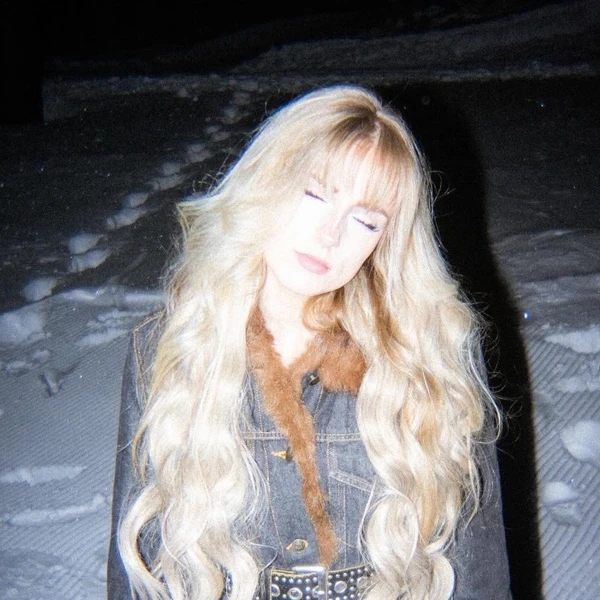
My name is Tatum Cronin, and I am a graduating valedictorian from Reed High School in Sparks, Nevada. I will be attending UCLA to study neuroscience on a pre-medical track, to pursue a career in oncology or neurology. Throughout high school, I have challenged myself both academically and athletically, serving as a National Honor Society officer, competing as a varsity ski racer, earning my first-degree black belt, and qualifying nationally in bodybuilding.
I am deeply committed to giving back to my community, especially through children’s cancer advocacy, where I have organized toy drives and donated my time and hair. As a childhood cancer survivor, I am driven to contribute to advancements in medicine and improve patient outcomes. I hope to combine my passion for science, leadership, and service to make a lasting impact in healthcare.
Education
Edward C Reed High School
High SchoolGPA:
4
Miscellaneous
Desired degree level:
Doctoral degree program (PhD, MD, JD, etc.)
Majors of interest:
- Biological and Biomedical Sciences, Other
- Neurobiology and Neurosciences
Career
Dream career field:
Medical Practice
Dream career goals:
Oncologist
Assistant Manager
Grocery Outlet2022 – 20253 years
Sports
Mixed Martial Arts
Club2017 – Present9 years
Bodybuilding
Club2025 – Present1 year
Alpine Skiing
Varsity2017 – Present9 years
Public services
Volunteering
Northern Nevada Food Bank — Head Oversight2024 – PresentVolunteering
The Yes! Initiative — Lead Coordinator2024 – 2025Volunteering
Northern Nevada Children's Cancer Foundation — Volunteer and Guide2024 – PresentVolunteering
National Honor Society — Officer2024 – Present
Future Interests
Advocacy
Philanthropy
Julie Adams Memorial Scholarship – Women in STEM
Cells that sabotage their host due to uncontrollable and often deadly mutations have fascinated me for as long as I can remember. While waiting in the cold exam room for a checkup on my hand-sewn neck, my anxiety turned to curiosity instead of fear. Why and how consumed my thoughts, yet neither my parents nor my doctor could fully answer what I wanted to understand. I wondered how a single genetic mutation could have such life-threatening effects and why I had recovered. While I had survived neuroblastoma, the stitches across my neck remained years later, serving as a reminder that survival did not mark the end of my questions. Cancer's volatility and diverse manifestations only deepened my fascination with the medical field's deadliest adversary.
It does not solely manifest itself as an agonizing physical state but also as a psychological burden. A diagnosis alters identity, cognition, and time itself. Although I was spared from lasting physical suffering, I was left to grapple with the mental turmoil from curiosity and survivor's guilt. Why had I recovered, while others didn't have the same chance at life that I did? And among the survivors, were they dealing with similar trauma and the loss of the years stolen from them?
My academic choices became an outlet to express my intrinsic motivation for my interest following recovery. Coursework in chemistry, biology, and psychology related the ineffable nature of my experience to a defined vocabulary. Learning the initially opaque medical terminology, such as metastasis, remission, and prognosis, gave my diagnosis a clearer meaning and provided memorable answers to some of my earliest inquiries. University-level STEM education has satisfied questions I held for years while also encouraging further investigation, which a superficial online search would never be able to provide. Each answer revealed new information to be learned, reinforcing that cancer wasn't just a part of my past, but a subject that I wanted to keep exploring.
Instead of viewing cancer as a biological betrayal, I have come to see my experience with it as my drive to advance care for those facing the disease. My insatiable curiosity regarding the impact of cancer on the molecular level quickly expanded into actions to combat its external effects. To minimize how deeply cancer disturbs childhood, I dedicated time, hair, and resources to pediatric patients. Volunteering with a local children's cancer non-profit became my field study, allowing me to witness resilience amid such dire circumstances and to create moments of normalcy and joy.
Cancer remains the topic that captures my attention, shapes my goals, and connects my intrinsic motivation to my future. My lived experience with pediatric oncology treatment, combined with a growing scientific understanding, has solidified my commitment to continual learning. At UCLA, where I will study neuroscience on a pre-medical track, I plan to investigate both the molecular progression of cancer and its neurological and psychological effects, continuing to connect the scientific and human dimensions of the disease. I am eager to understand more and contribute to the collective effort to combat a disease that once disrupted my life but now drives my purpose to create meaningful change.
Women in Healthcare Scholarship
As a young woman pursuing a future in healthcare, my understanding of medicine began not in a classroom, but in a hospital. Cells that sabotage their host due to uncontrollable and often deadly mutations have fascinated me for as long as I can remember. While waiting in the cold exam room for a checkup on my hand-sewn neck, my anxiety turned to curiosity instead of fear. Why and how consumed my thoughts, yet neither my parents nor my doctor could fully answer what I wanted to understand. I wondered how a single genetic mutation could have such life-threatening effects and why I had recovered. While I had survived neuroblastoma, the stitches across my neck remained years later, serving as a reminder that survival did not mark the end of my questions. Cancer's volatility and diverse manifestations only deepened my fascination with the medical field's deadliest adversary.
It does not solely manifest itself as an agonizing physical state but also as a psychological burden. A diagnosis alters identity, cognition, and time itself. Although I was spared from lasting physical suffering, I was left to grapple with the mental turmoil from curiosity and survivor's guilt. Why had I recovered, while others didn't have the same chance at life that I did? And among the survivors, were they dealing with similar trauma and the loss of the years stolen from them?
My academic choices became an outlet to express my intrinsic motivation for my interest following recovery. Coursework in chemistry, biology, and psychology related the ineffable nature of my experience to a defined vocabulary. Learning the initially opaque medical terminology, such as metastasis, remission, and prognosis, gave my diagnosis a clearer meaning and provided memorable answers to some of my earliest inquiries. University-level STEM education has satisfied questions I held for years while also encouraging further investigation, which a superficial online search would never be able to provide. Each answer revealed new information to be learned, reinforcing that cancer wasn't just a part of my past, but a subject that I wanted to keep exploring.
Instead of viewing cancer as a biological betrayal, I have come to see my experience with it as my drive to advance care for those facing the disease. My insatiable curiosity regarding the impact of cancer on the molecular level quickly expanded into actions to combat its external effects. To minimize how deeply cancer disturbs childhood, I dedicated time, hair, and resources to pediatric patients. Volunteering with a local children's cancer non-profit became my field study, allowing me to witness resilience amid such dire circumstances and to create moments of normalcy and joy.
Cancer remains the topic that captures my attention, shapes my goals, and connects my intrinsic motivation to my future. My lived experience with pediatric oncology treatment, combined with a growing scientific understanding, has solidified my commitment to continual learning. As a woman entering the healthcare field, I hope to contribute not only to scientific progress but also to a more inclusive and compassionate medical environment, where patients feel seen, heard, and understood. I am eager to understand more and contribute to the collective effort to combat a disease that once disrupted my life but now drives me.
Joseph A. Monachino Memorial Scholarship
While waiting in the cold exam room for a checkup on my hand-sewn neck, my anxiety turned to curiosity instead of fear. Why and how consumed my thoughts, yet neither my parents nor my doctor could fully answer what I wanted to understand. I wondered how a single genetic mutation could have such life-threatening effects and why doctors were unable to catch it sooner. While I had survived neuroblastoma, the stitches across my neck remained years later, serving as a reminder that survival did not mark the end of my questions. Why had I recovered, while others didn’t have the same chance at life that I did? And among the survivors, were they dealing with similar trauma and the loss of the years stolen from them?
Receiving university-level STEM education through dual enrollment has satisfied the burning questions I’ve held for years while simultaneously encouraging further investigation. Each answer revealed new and fascinating concepts to learn, reinforcing that cancer wasn’t just a part of my past, but a subject that I wanted to keep exploring. While I delve into academic and charitable opportunities to contextualize my experience, I anticipate my next step toward a career in oncology.
This fall, I plan to begin a pre-medical track at one of the nation’s top healthcare-oriented undergraduate universities, the University of California, Los Angeles. My intended major, neuroscience, will provide comprehensive preparation and meaningful research opportunities. Since an undergraduate degree is only the beginning of the journey toward becoming a Pediatric Oncologist, I am already preparing for medical school.
I am eager to conduct research focused on the optimization of human health at both the undergraduate and graduate levels. In particular, I have my sights set on improving early-stage cancer liquid biopsies to accurately identify otherwise undetectable mutations before extreme health risks arise for the nearly 20 million people diagnosed with cancer annually.
America’s battle with the healthcare workforce shortage is far from over, but I know my contribution as a future physician is essential to reducing the strain on patient care. These shortages often result from inaccessibility to education due to the extreme costs. By alleviating financial barriers early in my medical education, the Joseph A. Monachino Memorial Scholarship would enable me to focus entirely on developing the skills necessary to address the deficit in our healthcare system. This scholarship represents not only monetary assistance but also an investment in my medical career, in addressing healthcare workforce shortages, and in expanding access to life-saving care.
Pursuing a minimum eight-year educational path requires significant financial commitment, especially as an out-of-state student. The average educational debt for medical graduates is estimated at $250,000+, with 70% carrying loans. The Joseph A. Monachino Memorial Scholarship would ease the financial burden from tuition, housing, and academic resources, allowing me to prioritize rigorous coursework, research opportunities, and clinical preparation without the distraction of demanding work hours or the burden of excessive student loan debt.
Cancer remains the topic that captures my attention, shapes my goals, and connects my intrinsic motivation to my future. My lived experience with pediatric oncology treatment, combined with a growing scientific understanding, has solidified my commitment to continual learning, which would be made possible by the Joseph A. Monachino Memorial Scholarship. Instead of viewing cancer as a biological betrayal, I have come to see my experience with it as the foundation of my determination to advance care for those facing the disease. I am eager to understand more and contribute to the collective effort to combat a disease that once disrupted my life but now guides my purpose.
Forever90 Scholarship
To live a life of service is to live a meaningful life. I embody a life of service through consistent, intentional actions that support those around me, whether in academics, athletics, or at home. Over the course of my three years with the Reed High School Ski Team, I have taken on the role of providing academic and athletic support to teammates who need it. By intentionally planning time each week to assist my teammates on subjects they struggle to master, especially because we miss school for races, I have become someone they can rely on.
As a black belt, I have been responsible for setting the example for every rank in each class, using my discipline and energy to motivate others and create a positive training environment. At home, I have taken initiative and served my family financially by getting my first job in the eighth grade. These experiences have shown me that service is not defined by recognition, but by reliability, consistency, and a willingness to meet others where they are.
My commitment to service extends beyond my immediate community and is deeply rooted in my lived experience with cancer. Surviving neuroblastoma was the beginning of my innate responsibility to serve others facing the same uncertainty. I wondered why I had recovered, while others did not have the same chance at life that I did.
Cancer’s volatility and diverse manifestations only deepened my fascination with the medical field’s deadliest adversary, but more importantly, it strengthened my commitment to those affected by it. Through university-level STEM coursework, I began connecting molecular mechanisms to cancer’s biological underpinnings, transforming confusion into understanding so that I can better support future patients. Each answer reinforced that cancer was not just a part of my past, but a subject I want to keep exploring in the service of others.
My curiosity quickly translated into action. To minimize how deeply cancer disturbs childhood, I dedicated time, hair, and resources to pediatric patients. From converting my birthday celebrations into toy drives for children undergoing treatment to donating my hair to those who had lost theirs, I have pursued opportunities to preserve a sense of normalcy during these formative years. Also, by organizing and leading a fundraiser through the Yes! Initiative, I raised money to support children’s access to sports opportunities. These efforts allowed me to extend my service beyond awareness and into tangible impact, helping children maintain a sense of identity and joy outside of medical challenges.
This fall, I will pursue a pre-medical track in neuroscience, preparing for a career in oncology with the intention of serving patients through both research and clinical care. I am eager to conduct research focused on improving early-stage cancer liquid biopsies to identify otherwise undetectable mutations before they pose extreme health risks.
In addition to research, I recognize the need to address healthcare workforce shortages and barriers to care. As a future physician, I will serve by treating patients, advocating for access to care, and helping reduce systemic strain in healthcare. My education will equip me with the skills necessary to do so, but more importantly, my experiences have given me a responsibility to ensure that others receive the same chance at life that I did.
I practice service through leadership, curiosity, and a commitment to improving the lives of others. This is reflected in how I show up every day and in the future I am building, one centered on advancing cancer care and giving others more time.
Elijah's Helping Hand Scholarship Award
Junior year, numbers on nutrition labels hijacked my consciousness. Every bite was another addition to the running total of calories stored in my memory. What started as “new year, new me” developed into the most significant challenge I’ve faced: a debilitating eating disorder. My initial objective to escape the body I was ashamed of morphed into chronic distortion and a cognitive decline during an academically demanding period. This disorder did not remain physical; it consumed my thoughts, creating a constant internal dialogue of guilt, control, and anxiety that I could not silence. I became isolated within my own mind, unable to separate my self-worth from numbers I could never seem to satisfy.
School became a waiting room for my planned cardio, as assignment instructions across seven college courses were drowned out by distracting, intense hunger. The meals that I once looked forward to became nightmarish. Symptoms of my illness culminated, and after long school days, I used the scarce amount of energy that remained to do cardio, leaving me too drained to attempt homework. Struggling to understand rudimentary concepts filled me with irrational anger and confusion. My tried-and-true tactic of thinking my way out of personal and academic problems felt futile against this cognitively destructive illness. The mental exhaustion was constant, marked by brain fog, irritability, and a loss of motivation that made even simple tasks feel overwhelming. I no longer recognized the disciplined and driven student I once was. As my grades began to drop and numbers on the scale stalled, I knew I had to take action.
My original goal was no longer an anchor for ambition; instead, my alternative goal of pursuing bodybuilding became my escape. Bodybuilding offered the development of strength, while my restriction only caused destruction. The incoherent nature of this disorder required professional guidance to overcome my body dysmorphia. Following recommendations from my local gym, I hired a coach, who assigned macros nearly triple my previous intake. Though I was terrified, I trusted that her guidance was the key to recovery. This line of treatment isn’t traditional, but I knew it would facilitate progress toward both my ambitious goal and my recovery. Relearning how to nourish my body also meant rebuilding my mindset, challenging the fear I had attached to food, and regaining a sense of control that was no longer rooted in restriction.
Winning first place in my first bodybuilding show proved that my decision to recover had triumphed. The fixation on calories and brain fog dissipated as my concentration returned to schoolwork instead of distracting obsessions. Food that once posed a threat to control became fuel to power both my training and learning. With recovery came mental clarity, confidence, and the ability to think beyond the rigid patterns that once defined my daily life. Committing to bodybuilding has given me the means to circumvent disordered patterns by establishing food as essential for achievement.
Maxwell Tuan Nguyen Memorial Scholarship
An uncontrollable and, often, inevitable mutation. Cells sabotaging their host. Absolutely fascinating. My thoughts raced as I waited for the doctor’s return following the check-up on my hand-sewn neck. I was safe from my previous malignant condition, but the stitches were still intact, not dissolved as intended. Growing up with a disheartening cancer diagnosis has both intrigued and motivated me to contribute to the advancement of the treatments that gave me a second chance at life.
The volatile nature of cancer is what inspires me to pursue the collective effort to defeat it and subdue its life-changing effects on its unsuspecting victims. Cancer does not just manifest itself as an agonizing physical state, but also as a mental plaque. For years, I have been frustrated that so many children with similar diagnoses do not receive the same chance at life that I did. Even for survivors, the perpetual effects of trauma and the loss of the years stolen from them remain.
Exploring my interest and giving back to the field of medicine has taken the form of donations of time, hair, course concentrations, and resources. Converting my birthday celebrations into toy drives for children suffering from cancer was only the beginning of my exploration into oncology. Similar to cancer cells, my ever-growing hair allowed me to dedicate two of my ponytails to those who had lost theirs in a battle they never signed up for. Contributing my time to a local children’s cancer non-profit became my field study. I observed fellow survivors enter charity events with smiles and laughter, moments that only solidified my dedication to the cause.
As I worked toward mitigating the external manifestations of cancer, I began the education toward understanding the disease itself. Hours spent commuting to college courses and focusing on STEM subjects gave me context for both my own experience and for my future in healthcare. Instead of considering cancer as a biological betrayal, my mutation became the foundation for my commitment to create change.
Through my career, I plan to contribute to both the advancement of cancer treatment and the experience of those undergoing it. I aim to be part of the effort to improve early detection methods and develop more effective, less invasive treatments, while also ensuring that patients are supported beyond their diagnosis. My goal is not only to address the disease itself, but also the lasting emotional and psychological impact it leaves behind.
Moving forward, I intend to pursue a career in medicine, with a focus on oncology or neurology. By combining scientific understanding with patient-centered care, I hope to provide others with the same opportunity I was given: not just survival, but the ability to move forward with their lives.
Diana Wagner Memorial Scholarship
Giving back to my community has been shaped not only by where I was raised but by the experiences that have connected me to others through shared purpose, value, and challenge. Although I was born and raised in Sparks, my sense of community has not been limited to geography. It also includes the groups I have found connections within due to adversity, service, and collective effort. These communities have not only influenced how I give back but have also directly shaped my future career ambitions.
Through my involvement in the National Honor Society (NHS), I have been able to contribute to several aspects of the Northern Nevada community. Following my induction during my junior year, I participated in a wide range of service initiatives, including making holiday cards for veterans, hosting family engagement nights for young students, regularly cleaning up my school’s local park, and packing over 90,000 pounds of food in a single semester for the Northern Nevada Food Bank. As NHS Food Bank Oversight, I expanded this impact by creating opportunities for other members to actively fight local food insecurity, maintaining Reed High School NHS as a top volunteer group. These experiences taught me that service is not defined by a single act, but by consistency, leadership, and the ability to mobilize others toward a common goal.
Outside of the NHS, I have also given back through the communities that supported me during some of the most difficult moments of my life. An uncontrollable and, often, inevitable mutation. Cells are sabotaging their host. This once defined my reality. As a childhood cancer survivor, I experienced firsthand the fear, uncertainty, and long-lasting impact of a life-threatening diagnosis. Growing up with this disheartening condition not only challenged me, but also fascinated me, motivating me to contribute to the advancement of the treatments that gave me a second chance at life.
Because of this, my most meaningful form of giving back has been through cancer advocacy. I have worked with the Northern Nevada Children’s Cancer Foundation, the same organization that assisted my family during my treatment, by hosting toy drives and volunteering at their charity events. Converting my birthday celebrations into toy drives for children suffering from cancer was only the beginning of my involvement. Additionally, I donated my hair twice so that children who had lost theirs in a battle they never signed up for could regain a sense of confidence and normalcy. Through these efforts, I aimed to mitigate the external manifestations of cancer and bring moments of comfort to children facing overwhelming circumstances.
At the same time, I sought to understand the disease beyond my personal experience. Hours spent commuting to college courses and focusing on STEM subjects allowed me to explore the biological complexity of cancer, transforming it from something I feared into something I was determined to study and combat. Witnessing the emotional and mental toll that cancer takes, not just on patients but on families and communities, solidified my desire to contribute to both the scientific and human aspects of medicine.
In addition to my work in healthcare-related advocacy, I have also contributed to my community through youth sports accessibility. Growing up in sports communities that had such a positive impact on me, I wanted to ensure that others had the same opportunity. Through the Yes! Initiative, a local nonprofit youth sports scholarship, I helped raise $4,000 by organizing partnerships with local businesses, hosting charity events, and implementing creative fundraising strategies such as push-up ticket sales. This experience reinforced the idea that even small, collective efforts can be transformative when directed toward a meaningful cause.
These combined experiences have directly influenced my future career ambitions. The communities I have been a part of, whether through service organizations, cancer advocacy, or athletics, have shown me the power of resilience, compassion, and action. They have also revealed the gaps that still exist, particularly in healthcare, where not every child receives the same chance at life that I did.
Moving forward, I intend to pursue a career in medicine, with a focus on oncology or neurology. I hope to contribute to advancements in treatment while also addressing the emotional and psychological dimensions of patient care. Rather than viewing cancer solely as a biological betrayal, I have come to see it as the foundation for my unwavering commitment to create change. My community has not only supported me. It has shaped my purpose, and it is through that purpose that I will continue to give back on a larger scale.