user profile avatar

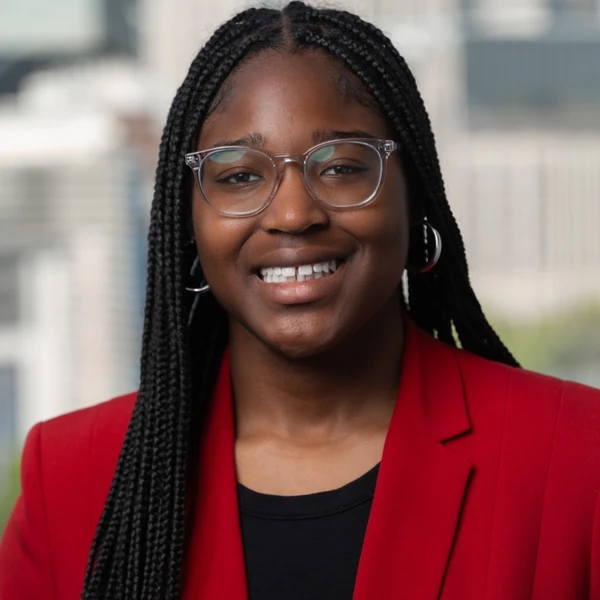
Tatum Alston

1x

Finalist

Bio

Hi! I’m Tatum Alston, a rising senior at Independence High School in Charlotte, NC, with a 4.1 GPA and a passion for healthcare, youth leadership, and community empowerment. I serve as Vice President of HOSA, Senior Class Representative, Junior Ambassador, and National Honor Society member. I also co-founded L.E.A.D. (Live Excellence Achieve Dreams), a club focused on mentorship and student voice. I’ve interned at Atrium Health Musculoskeletal Institute, worked as a Camp Counselor at Passport to Adventure, and participated in medical programs at Johns Hopkins University and UNC Chapel Hill. I was also nominated as a North Carolina Delegate for the Congress of Future Medical Leaders by Harvard University. As a four year varsity soccer player, two-year varsity basketball athlete, and two time NCHSAA 4A All-Conference recipient, I value teamwork and leadership. Beyond school, I serve as Secretary of the Union County NAACP Youth Council, a Junior Ambassador for the Mint Hill Chamber of Commerce, and a member of Delta Sigma Theta’s GEMS program.

Education

Independence High School

High School
2022 - 2026

Miscellaneous

  • Desired degree level:

    Bachelor's degree program

  • Majors of interest:

    • Medicine
    • Sports, Kinesiology, and Physical Education/Fitness
  • Planning to go to medical school
  • Career

    • Dream career field:

      Sports Medicine

    • Dream career goals:

      Sports

      Soccer

      Club
      2011 – Present15 years

      Public services

      • Advocacy

        NAACP — Secretary and organizer
        2025 – Present

      Future Interests

      Advocacy

      Volunteering

      Ethel Hayes Destigmatization of Mental Health Scholarship
      My understanding of mental health has been shaped not by a single event, but by experiences that showed me how closely mental and physical well-being are connected. Through athletics, leadership, community service, and personal challenges, I have learned that mental health affects every aspect of a person's life, including confidence, relationships, decision-making, and overall quality of life. These experiences have changed how I view people, influenced my future goals, and strengthened my belief that mental health deserves the same attention, understanding, and support as physical health. One experience that significantly influenced my perspective was recovering from a sports injury. Before my injury, I viewed recovery primarily as a physical process. I assumed that healing meant following medical advice, completing rehabilitation exercises, and eventually returning to normal activities. However, I quickly realized that injuries can affect much more than the body. They can impact confidence, motivation, identity, and emotional well-being. As a student-athlete, sports had always been an important part of my life. Being unable to participate the way I once had was frustrating and discouraging. There were moments when I felt isolated from teammates and uncertain about my progress. I learned that healing involves much more than physical rehabilitation. It also requires patience, resilience, and emotional support. That experience helped me better understand the challenges many people face when dealing with setbacks, whether those challenges are physical, emotional, or both. My leadership experiences further expanded my understanding of mental health. As a co-founder of the Live Excellence Achieve Dreams (LEAD) Club, I worked with students on topics such as confidence, leadership, personal growth, and mental wellness. Through conversations with peers, I realized that many young people experience stress, anxiety, self-doubt, and pressure while feeling uncomfortable discussing those challenges openly. Some students worried about being judged. Others felt they needed to appear strong even when they were struggling internally. These experiences taught me that mental health challenges are often invisible. Someone may appear successful, confident, or happy while quietly carrying significant stress or emotional burdens. I learned that creating supportive environments where people feel heard and respected can have a meaningful impact. Sometimes people do not need someone to solve their problems. They simply need someone willing to listen and remind them that they are not alone. Community service has also influenced my understanding of mental health. Through organizations such as CocoLife Black Maternal Health Foundation, NC MedAssist, the NAACP Youth Council, and volunteer projects serving underserved populations, I have met people facing a variety of challenges. Many of those challenges were connected not only to financial or physical needs but also to emotional well-being. These experiences reinforced the importance of compassion and reminded me that every person has a story that deserves understanding rather than judgment. My experiences have shaped my future goals as a healthcare professional. I plan to pursue a degree in exercise science and continue to medical school to become a sports medicine physician. While many people think of sports medicine as treating injuries, I have come to understand that recovery involves the whole person. Athletes who experience injuries often face fear, frustration, disappointment, and uncertainty in addition to physical pain. I want to be a healthcare professional who recognizes those challenges and provides support beyond a diagnosis or treatment plan. My experiences have also strengthened my relationships. They have taught me the importance of listening without judgment, showing empathy, and recognizing that everyone is facing challenges that may not be visible to others. Understanding mental health has made me more compassionate and more intentional about supporting the people around me. It has also helped me appreciate the value of open conversations and the importance of encouraging others to seek support when needed. Mental health should be viewed with the same importance as physical health. When people feel safe discussing their struggles and seeking support, they are more likely to receive the help they need. Destigmatizing mental health begins with education, compassion, and a willingness to listen. By promoting understanding and encouraging open conversations, we can create communities where people feel empowered to prioritize their well-being without fear of judgment. My experiences have shown me that mental health is not separate from overall health. It influences how we learn, grow, build relationships, and overcome challenges. As I continue my education and pursue a career in healthcare, I hope to contribute to a future where mental health is discussed openly, treated with compassion, and recognized as an essential part of living a healthy and fulfilling life.
      Nabi Nicole Grant Memorial Scholarship
      My sophomore year of high school was supposed to be one of the most exciting seasons of my basketball career. I had spent the off season training and improving my skills, hoping to earn a starting position on the team. Sports had always been more than just a game to me. It was an outlet where I could challenge myself, express my determination, and feel confident in what I could accomplish. But only a few weeks into the season, everything changed. During one practice, I jumped for a rebound and landed the wrong way. A sharp pain shot through my foot, and I immediately knew something was wrong. After visiting the doctor, an X ray confirmed that I had fractured my foot. Hearing that I would miss most of the season felt devastating. I had worked so hard to prepare, and suddenly I was stuck on the sidelines watching my teammates practice and compete while I sat in a walking boot. I kept replaying the moment of the injury in my mind, wondering why it had happened and questioning whether God had forgotten about the goals I had been working toward. One evening I shared how discouraged I felt with my grandmother. I told her that I did not understand why God would allow this to happen after I had put in so much effort. She gently told me, “Sometimes God slows you down so your faith can catch up.” Her words stayed with me. They helped me realize that even though I could not control my circumstances, I could choose how I responded. From that point forward, prayer became part of my healing process. I began praying not just for a quick recovery, but for patience, strength, and peace. On the days when frustration returned, I leaned on scripture such as Isaiah 41:10, which reminds us not to fear because God is always with us. Slowly, small milestones began to feel meaningful. Putting weight on my foot again, jogging for the first time, and eventually shooting a basketball without pain all felt like steps forward that strengthened both my body and my faith. Being on the other side of sports as an injured athlete and experiencing the medical process firsthand inspired me to pursue a career in sports medicine. I want to support other athletes through injuries and help them return to the sports they love with strength and confidence. Even while I was injured, I found purpose in supporting my teammates. I encouraged them during games and stayed involved during practices. Being forced off the court taught me that leadership is not only about performance but also about presence and encouragement. When I finally returned to play near the end of the season, I carried a different mindset. My faith had grown stronger, and I had learned that setbacks can shape us in ways we do not expect. That injury did not end my passion for sports. Instead, it strengthened my resilience and deepened my relationship with God. It reminded me that faith does not always change the situation immediately, but it changes how we walk through it.
      Matthew E. Minor Memorial Scholarship
      Service is central to who I am. As a student leader, athlete, and community advocate in Charlotte, I have intentionally positioned myself in spaces where I can uplift others. Whether serving on Student Council, co-founding the Live. Excellence. Achieve. Dreams Club at my school, serving as vice president of Health Occupations Students of America, or through Delta Sigma Theta Sorority, Inc. Growing and Empowering Myself Successfully (GEMS) program, my involvement centers on mentorship and access to opportunity. I believe leadership is most meaningful when it produces tangible change for others. One of the most impactful experiences I have had was helping organize community outreach events for families in need, including baby showers and donation drives that provided essential supplies and resources. These experiences strengthened my ability to serve while reinforcing a core value: people deserve support during vulnerable seasons of life. Through soccer, I have also had the opportunity to mentor my teammates. I have served as a role model of discipline and positive sportsmanship. As I prepare to enter higher education with aspirations of pursuing a career in medicine, the anticipated financial burden is a major concern. My mother is the only consistent source of income in our household. Despite careful planning, the cost of tuition, housing, books, and related expenses exceeds what my family can reasonably afford. To help prepare for this responsibility, I have worked as a camp counselor for the past two summers and saved a portion of my earnings for college expenses. This experience reinforced my sense of accountability and commitment to investing in my future. While my family provides constant emotional support, financial limitations remain a significant barrier. Scholarships are not supplemental for me. They are essential. Receiving this scholarship would allow me to focus fully on my education and move forward with confidence toward my career goals. Keeping youth safe both in person and online is another area where I actively contribute. As a student leader, I intervene when I witness harassment, ensuring peers feel seen and supported. For instance, when I noticed a teammate being excluded and the target of negative comments after a tough game, I addressed the team directly about respect and accountability. I also privately checked in with her to encourage her to speak up and to make sure she felt supported. I encourage open conversations about digital responsibility. Through the LEAD Club, I have helped facilitate conversations with students about online behavior, respectful communication and digital footprints. I created a presentation on digital footprints, emphasizing the longevity of online social media posts, possible consequences of harmful posts, and the importance of proper privacy settings. I have coordinated mental health guest speakers to host round table discussions with our students to discuss digital responsibility and mental health in hopes of equipping them with the information and the tools to adequately address any cyberbullying or physical bullying situation. Ultimately, my involvement in my community reflects who I am: a leader committed to compassion and safety. As I pursue higher education, I will continue to serve others and help create safer and more supportive communities.