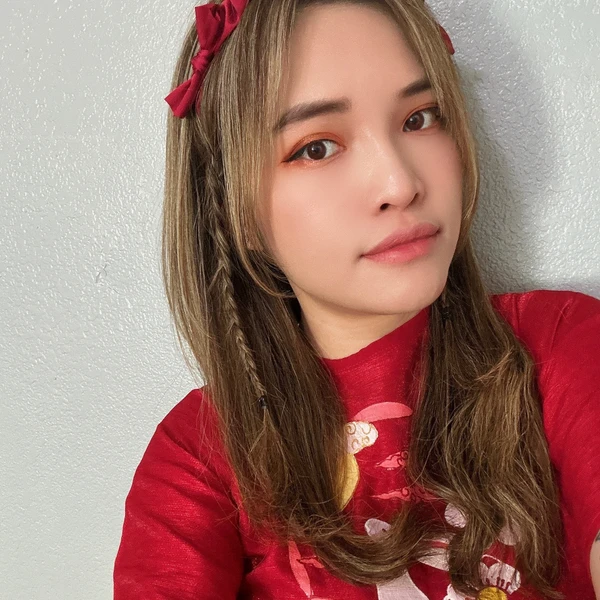
Tannah Pham
1x
FinalistTannah Pham
1x
FinalistBio
My name is Tannah Pham, and I am currently a student at Santa Ana College, studying healthcare and nursing preparation. My life goal is to become a registered nurse and, eventually, a nurse practitioner specializing in community and patient-centered care. My dream is to work in hospitals and community clinics where I can serve people from all backgrounds — especially those who face barriers to healthcare because of language, culture, or financial hardship. I want to use my knowledge and compassion to make a difference in people’s lives, one patient at a time.
I have always believed that nursing is more than a career — it is a calling to serve others. My inspiration came from watching nurses care for my grandparents when they were battling heart disease. Their kindness and patience left a deep impression on me. Later, when I experienced my own health struggles with insomnia and hearing problems, I truly understood how powerful compassionate care can be. Those experiences taught me that healing begins not just with medicine, but with empathy, understanding, and the human touch.
Education
Santa Ana College
Associate's degree programMajors:
- Registered Nursing, Nursing Administration, Nursing Research and Clinical Nursing
Minors:
- Social Sciences, General
Miscellaneous
Desired degree level:
Bachelor's degree program
Graduate schools of interest:
Transfer schools of interest:
Majors of interest:
- Registered Nursing, Nursing Administration, Nursing Research and Clinical Nursing
Career
Dream career field:
Hospital & Health Care
Dream career goals:
Sports
Volleyball
Club2018 – 20202 years
Badminton
Club2010 – 20155 years
Future Interests
Volunteering
Ella's Gift
For as long as I can remember, I’ve been learning how to live with both visible and invisible challenges. My journey with mental health began when I developed severe insomnia, and later, when I faced the lasting effects of meningitis that weakened my hearing. These experiences deeply affected my emotional well-being, but they also taught me valuable lessons about perseverance, empathy, and purpose. They helped me grow into someone who understands what it means to struggle—and to heal—and they inspired me to dedicate my life to nursing, where compassion and care make a difference every single day.
Living with Insomnia
Insomnia changed my life in ways I never expected. What began as a few restless nights slowly became a constant battle with my own thoughts. There were weeks when I barely slept, and the exhaustion began to affect every part of my life—my studies, my mood, and my confidence. It was more than just being tired; it was feeling trapped in my mind, unable to escape the noise that kept me awake.
At first, I blamed myself. I thought I just needed to “try harder” to rest, but I soon realized that insomnia is not simply a lack of discipline—it’s a mental health struggle that requires understanding and patience. When I finally sought help, I learned coping strategies like mindfulness, journaling, and setting healthy routines. It took time, but slowly, I began to heal.
Through that process, I discovered a powerful truth: mental health recovery is not linear. Some days are harder than others, but progress still counts. Learning to manage insomnia gave me a deeper appreciation for self-care and compassion—not only for myself but for others facing unseen battles.
Living with Hearing Loss
My experience with meningitis was equally life-changing. The illness weakened my hearing, forcing me to adapt to a world that suddenly felt distant and muffled. At first, I felt frustrated and isolated. I had to ask people to repeat themselves, and sometimes I misunderstood conversations. But instead of letting it defeat me, I chose to see it as an opportunity to grow stronger.
I learned to rely on other senses, pay closer attention to body language, and truly focus on the person in front of me. In many ways, my partial hearing loss made me a better listener. It taught me patience, empathy, and the importance of understanding beyond words—skills that are essential in healthcare.
Growth, Beliefs, and Relationships
Both of these challenges reshaped my beliefs about mental and physical health. I realized that everyone carries something unseen—whether it’s anxiety, pain, grief, or fear. That understanding has made me more open-minded and compassionate. I stopped judging others by appearances and started asking, “How can I help?”
My relationships also grew stronger. My family and friends learned how to support me during difficult times, and I learned to communicate my needs instead of hiding them. It deepened our trust and connection. Most importantly, I learned that vulnerability does not make a person weak; it makes them human.
Educational and Career Goals
These experiences inspired me to pursue a career in nursing. When I was in and out of hospitals, I saw how compassionate nurses could make all the difference in a patient’s recovery. They were the ones who offered comfort, listened without judgment, and showed that healing takes both science and heart. I want to be that kind of nurse—someone who not only treats physical pain but also understands emotional struggles.
My goal is to continue my nursing education and eventually specialize in patient advocacy or mental health nursing. I want to help patients who feel unseen or misunderstood, just like I once did.
Managing Recovery and Moving Forward
Recovery, for me, is an ongoing journey. I’ve built a healthy routine that includes regular exercise, journaling, and mindfulness to manage my insomnia. For my hearing, I use assistive tools when needed and practice open communication so I can stay engaged in every conversation. Most importantly, I continue to seek balance—between work, rest, and emotional care.
I’ve learned that mental and physical health go hand in hand. Taking care of one means taking care of the other. Every challenge I’ve faced has taught me to keep moving forward, even on difficult days.
Conclusion
Living with insomnia and partial hearing loss has not been easy, but it has shaped me into someone who sees life through the lens of compassion. These experiences gave me the strength to keep going, the empathy to care for others, and the determination to turn pain into purpose. My struggles have not defined me—they have refined me. And with each step forward, I carry the lessons of resilience, empathy, and hope into my journey toward becoming a nurse who understands healing from the inside out.
Mikey Taylor Memorial Scholarship
My journey with mental and physical health has been one of the most challenging yet transformative experiences of my life. Struggling with insomnia and the aftereffects of meningitis, which left me with weak hearing, has changed the way I see myself, others, and the world around me. These challenges tested my patience and emotional strength, but they also taught me empathy, self-awareness, and resilience — qualities that have shaped my beliefs, my relationships, and my desire to pursue a career in nursing.
Living with insomnia is more than just losing sleep — it’s battling your own mind every night. There were times when I felt exhausted but unable to rest, trapped in a cycle of overthinking and fatigue. The lack of sleep affected my mood, concentration, and confidence. Some days I felt isolated, as if no one could fully understand what I was going through. But over time, I learned to be kinder to myself. I began to see that mental health isn’t a weakness or something to hide — it’s part of being human. That realization helped me develop compassion for others who struggle silently. I became someone who listens more deeply and judges less quickly.
Then, after experiencing meningitis, my world changed again. The illness weakened my hearing, forcing me to adapt to a new way of communicating and connecting. At first, I felt frustrated and even embarrassed when I couldn’t hear everything clearly. But gradually, I learned to rely more on observation, patience, and understanding. This challenge taught me that communication is not only about words — it’s about empathy, attention, and presence. Ironically, losing some hearing helped me “listen” better in a deeper emotional sense.
Both of these experiences reshaped my relationships. I learned to value people who show understanding and patience, and I also learned to be that person for others. I became more open about mental health, encouraging conversations that break the stigma around it. My family and friends saw how I faced these struggles with determination, and that strengthened our bond. I discovered that vulnerability can actually bring people closer when met with compassion.
Most importantly, my experiences guided me toward nursing. I know firsthand what it feels like to be both physically and emotionally vulnerable — to feel afraid, unseen, or misunderstood. That understanding fuels my desire to help others through their own moments of weakness and fear. I want to be the kind of nurse who listens, supports, and advocates for patients’ well-being, not just their physical recovery but their mental health too.
My insomnia and hearing loss have not defined me; they have refined me. They taught me patience, empathy, and strength. They helped me build a belief system based on compassion and understanding. Today, I see my challenges not as limitations, but as reminders that healing comes in many forms — through care, kindness, and human connection. And that is exactly what I hope to bring into my career as a nurse.
Melendez for Nurses Scholarship
My grandmother has always been the heart of our family—strong, gentle, and full of wisdom. When she developed a disability that limited her mobility and independence, it changed all of our lives. Watching her struggle with daily activities and depend on others for basic needs was heartbreaking, but it also became the experience that shaped my compassion, strengthened my patience, and guided me toward nursing.
At first, I was too young to understand the seriousness of her condition. I just knew that she couldn’t walk or move the same way she used to. I remember helping her by holding her arm, bringing her water, or sitting beside her when she felt lonely. Those small moments taught me that care is not only physical—it’s emotional. What truly matters is making someone feel seen and valued even when they are in pain.
As I got older, I began to notice how deeply her disability affected her emotionally. My grandmother often smiled to hide her frustration, but I could sense her sadness when she couldn’t cook, garden, or go for walks like before. She sometimes said she felt like a burden, and hearing that broke my heart. That’s when I realized that many people living with disabilities don’t just fight physical limitations—they also face emotional isolation and loss of independence. I promised myself that I would dedicate my life to helping people like her feel supported and respected.
The nurses who cared for my grandmother left a powerful impression on me. They treated her with such kindness, explaining every step of her care and making sure she was comfortable. They spoke to her with patience and dignity, even when she was in pain or frustrated. Seeing how their compassion made her smile again showed me the true meaning of nursing—it’s not just about treating illness but about restoring comfort, trust, and hope.
Over time, I became more involved in helping with her care. I learned how to check her blood pressure, assist her when moving, and help her take her medication safely. These experiences gave me a glimpse into what nurses do every day—combining skill, empathy, and responsibility. It wasn’t always easy, but I felt a deep sense of purpose. I realized that caregiving wasn’t just something I did for her; it was something I was meant to do.
My grandmother’s journey also opened my eyes to the importance of advocacy in healthcare. I saw how challenging it was for her to communicate her needs during appointments, and how confusing medical instructions could be. Many patients—especially the elderly or those with disabilities—face similar barriers. As a future nurse, I want to be a voice for them. I want to bridge those gaps by ensuring every patient receives compassionate and respectful care, regardless of their background or ability.
My grandmother may no longer move as freely as she once did, but her strength continues to inspire mine. She taught me that healing is more than medicine—it’s patience, love, and understanding. Because of her, I’m not just pursuing a career in nursing; I’m pursuing a lifelong mission to care for others the way she cared for me—with compassion, humility, and an open heart.
Kim Moon Bae Underrepresented Students Scholarship
Growing up as a member of an underrepresented minority community has shaped nearly every aspect of who I am—my values, my motivation, and my dreams for the future. My identity is not just a label; it is a constant reminder of both the challenges I have faced and the resilience I have developed. Coming from a background where opportunities were limited and representation was scarce, I learned early that perseverance, education, and compassion could open doors not only for myself but also for others who share my story.
As a student of color and an immigrant, navigating the education system has not always been easy. I often found myself bridging two worlds—one defined by my family’s culture, language, and traditions, and the other by the expectations of American society. There were times when I struggled to belong, feeling invisible in classrooms where few people looked like me or shared my experiences. Yet those moments strengthened my determination. Instead of viewing my differences as barriers, I began to see them as sources of strength and perspective.
My identity has also influenced my career path in healthcare. Coming from a community where access to quality medical care is often limited, I have witnessed how cultural barriers, financial hardship, and language differences can prevent people from receiving proper treatment. These experiences inspired me to pursue a career where I can make a tangible difference—by becoming a nurse who not only provides care but also advocates for patients who might otherwise be unheard. My bilingual abilities and cultural awareness allow me to connect with diverse patients on a deeper level, helping them feel seen and understood.
Being part of an underrepresented group has also taught me the value of empathy and representation. When patients see someone who looks like them in a professional healthcare role, it builds trust and hope. I want to be that person—someone who shows that success is possible despite the obstacles. I hope my presence in the nursing field will encourage other students from minority backgrounds to pursue careers in science and healthcare, knowing that their voices and experiences are needed.
Ultimately, my identity is not an obstacle—it is a source of pride and purpose. It reminds me of the generations who worked hard so I could stand here today, and it fuels my desire to give back through service, education, and compassion. My journey is proof that diversity enriches every field, and that representation truly matters in shaping a more equitable future.
Losinger Nursing Scholarship
My inspiration for pursuing a career in nursing comes from my family, my personal health experiences, and my desire to help others feel seen and cared for. Growing up, I spent a lot of time helping my grandparents, both of whom struggled with heart disease. I saw how much nurses meant to them—not just because of their medical skills, but because of their kindness. The nurses who visited our home treated my grandparents like family. They held their hands, listened to their worries, and brought calm during moments of fear. Watching that compassion in action made a deep impression on me.
Later, when I experienced my own health challenges with insomnia and an ear infection that weakened my hearing, my understanding of nursing grew even deeper. There were days I felt anxious and exhausted, unsure if I would ever feel like myself again. But the nurses who cared for me made those moments easier. Their patience, their smiles, and their gentle explanations gave me hope. That’s when I realized I wanted to dedicate my life to helping others the way they helped me.
Now, as a student at Santa Ana College, I am preparing for a future where I can give back to my community through nursing. To me, nursing is more than a career—it is an act of service. It combines science and compassion, knowledge and heart. I want to work in hospitals or clinics where I can serve people from diverse backgrounds, especially those who face language or cultural barriers in healthcare.
My inspiration comes from every person who showed me that healing begins with understanding. Nursing gives me a way to turn my challenges into purpose and my compassion into care. It’s not just what I want to do—it’s who I want to be.
To me, the phrase “human touch” means connection, empathy, and compassion. It’s not just physical contact—it’s the way a nurse looks into a patient’s eyes and says, “You’re not alone.” It’s the kindness that makes a hospital room feel less frightening and the presence that brings peace to someone in pain.
The “human touch” is what transforms medical care into healing. Machines can monitor vital signs, but they can’t comfort fear. Medication can ease symptoms, but it can’t replace warmth or reassurance. When patients feel the human touch, they are reminded that they are more than their illness—they are people who matter.
When my grandfather was hospitalized with heart failure, I saw this firsthand. He was frightened and silent, but one nurse changed everything. She took time to sit beside him, adjust his blanket, and speak softly to him. That small act made him smile for the first time in days. It was a simple moment, but it reminded me that healing isn’t only physical—it’s emotional and spiritual too.
In healthcare today, technology and efficiency are important, but they can never replace compassion. The human touch builds trust and gives patients strength. It turns a routine procedure into a moment of care and a hospital into a place of healing.
As a future nurse, I plan to make human touch part of everything I do. Whether it’s through a reassuring word, a gentle gesture, or simply being there in silence, I want my patients to feel valued, respected, and safe. Human touch is the heart of nursing—it’s what brings dignity, comfort, and hope to those who need it most.
John Nathan Lee Foundation Heart Scholarship
Cardiac disease has always been more than a medical term to me—it’s something that has touched my family deeply. Both of my grandparents struggled with heart problems for many years, and watching them face those challenges shaped who I am today. Their experiences taught me what real strength looks like, and they gave me the motivation to dedicate my life to caring for others through healthcare.
My grandfather was one of the strongest people I’ve ever known. He worked hard his entire life, often putting everyone else before himself. But as he grew older, he began to tire easily, and I remember the day he was diagnosed with congestive heart failure. At first, our family didn’t fully understand what that meant. We just knew he had to slow down—a difficult thing for someone who had always been so active and proud. Watching him adjust to medications, dietary changes, and frequent doctor visits was hard. There were days when he felt frustrated that his body couldn’t keep up with his mind. Yet, even in his weakest moments, he never lost his humor or his hope.
My grandmother’s struggle was different but equally challenging. She developed arrhythmia and later required a pacemaker. I can still remember sitting beside her at the hospital, holding her hand as she waited for her procedure. She tried to stay strong for everyone else, but I could see the fear in her eyes. Those moments made me realize how vulnerable and human we all are when facing illness—and how important it is to have people who can bring comfort during those times.
These experiences were not easy. There were moments of fear, sadness, and helplessness. I saw how cardiac disease didn’t just affect their bodies—it affected our entire family. Plans revolved around doctor appointments, medications, and hospital stays. There were financial worries and emotional exhaustion. But in the middle of all that difficulty, we also became closer. We learned to appreciate every meal together, every story shared, and every heartbeat we still had the gift to hear.
Caring for my grandparents during their health struggles inspired me to study nursing. I want to help families like mine who are going through the same challenges—people who need both medical guidance and emotional support. I’ve learned that cardiac disease doesn’t just require treatment; it requires compassion, education, and understanding.
The biggest obstacle I faced wasn’t just watching my grandparents suffer—it was learning how to stay strong for them. I had to balance my studies, work, and family responsibilities while carrying the emotional weight of worry. But those hardships gave me resilience and empathy that I now bring into everything I do.
My grandparents’ fight with heart disease taught me that even when life weakens the body, love and faith can strengthen the heart. Their courage continues to inspire me to make a difference—one patient, one heartbeat, and one act of kindness at a time.
Zedikiah Randolph Memorial Scholarship
My name is Tannah Pham, and I am currently studying healthcare and nursing preparation at Santa Ana College. I come from a family and culture where caring for others is deeply valued, and that belief has always guided me. I chose the nursing program because I have witnessed how compassion and knowledge can save lives and bring hope to people in their most vulnerable moments. Nursing is not just a career for me—it is a calling that combines heart, science, and service.
My decision to pursue nursing came from both personal experience and inspiration. Growing up, I often helped care for elderly relatives and neighbors. I saw how a small act of kindness—a gentle touch, a listening ear, or a few reassuring words—could ease someone’s pain. Later, when I suffered from insomnia and an ear infection that affected my hearing, I experienced firsthand the patience and empathy of nurses who helped me through recovery. Their care inspired me to follow the same path: to help others heal physically, emotionally, and spiritually.
In my program, I represent a small but growing number of first-generation college students and Asian-American women preparing to enter the nursing field. While there isn’t an exact statistic for my specific background, minorities make up less than 20 percent of registered nurses in the United States. Knowing that I am part of this smaller percentage motivates me to work harder—not only to succeed for myself but also to open doors for those who will come after me.
My dream is to use my education to serve my community in meaningful ways. I plan to work in local hospitals and community health clinics where access to care is limited, especially for immigrant and low-income families. I want to provide culturally sensitive healthcare that makes people feel understood and respected. I also hope to organize bilingual health workshops that teach families about preventive care, nutrition, mental health, and chronic disease management. Many people avoid hospitals because of fear or language barriers, and I want to change that by being a nurse who listens, educates, and advocates.
To inspire the next generation, I believe visibility and mentorship are key. I want to return to schools and community centers to speak with students—especially those who feel that nursing or higher education is out of reach. Sharing my journey, including the challenges of learning a new language, working part-time, and balancing studies, can remind others that their struggles do not define their potential.
I hope to encourage young people to see healthcare not only as a profession but as a purpose. When students from diverse backgrounds see someone like themselves succeeding in this field, they begin to believe they can, too. My goal is to be that example—to show that with faith, hard work, and compassion, anyone can rise above their challenges and help others do the same.
Rev. and Mrs. E B Dunbar Scholarship
My journey in higher education has not been an easy one. I have faced several obstacles that tested my strength, patience, and faith, but each one has shaped me into the person I am today. The two challenges that affected me most were my health problems and the difficulties of adjusting to life as a student while managing financial and language barriers.
For a long time, I struggled with insomnia and a recurring ear infection that weakened my hearing. The lack of sleep left me exhausted, and the ear pain made it hard to focus or hear lectures clearly. There were days when I sat in class trying to read lips, afraid that I would miss important instructions. I felt embarrassed to ask professors to repeat themselves, but I had to learn to advocate for my needs. I began sitting in the front row, recording lectures, and spending extra hours studying to make sure I didn’t fall behind. It was tiring, but it taught me resilience and self-discipline.
At the same time, I was balancing school with part-time work to support myself and help my family. There were times when I came home from a late shift and went straight into studying for exams. As an English-as-a-Second-Language student, I also had to spend extra time translating and rewriting notes to fully understand my materials. Many nights I wanted to give up, but my dream of becoming a nurse kept me going. I reminded myself why I started—to help people the same way nurses once helped me when I was sick and afraid.
Studying at Santa Ana College has opened my eyes to how powerful education can be. Every class, every skill I learn, brings me one step closer to serving others. When I finish my nursing program, I plan to give back to my community by working in local hospitals and clinics that serve low-income and immigrant families. I want to be a nurse who not only provides care but also teaches people how to take care of their health, especially those who face language or cultural barriers.
I hope to organize community health workshops in both English and other languages to make information accessible to everyone. I also want to mentor young students who are interested in healthcare but are afraid of the challenges. I want them to see that even when life gets hard, education is the key that opens doors to hope and opportunity.
Every obstacle I’ve faced—my hearing loss, sleepless nights, financial worries—has taught me compassion. I know what it feels like to struggle, and I want to use that understanding to comfort and uplift others. My education is more than a personal achievement; it’s a responsibility to give back, to serve, and to make my community stronger and healthier.
Nabi Nicole Grant Memorial Scholarship
There was a time in my life when I felt completely defeated. I was struggling with insomnia and a painful ear infection that affected my hearing. What began as a small irritation soon turned into a daily battle. I couldn’t sleep well for weeks, and the lack of rest made me exhausted, anxious, and easily discouraged. The ear infection left me with weak hearing, which made it difficult to focus in class, understand people clearly, and even feel comfortable in conversations.
At first, I tried to push through it by pretending everything was fine. I told myself I could handle it, that it wasn’t a big deal. But deep down, I was overwhelmed. I felt like I was falling behind in my studies, and I started to lose confidence in myself. Simple things—like listening to instructions in class or participating in group discussions—became stressful. I felt isolated, frustrated, and unsure how long I could keep up.
One night, after lying awake again until nearly dawn, I finally broke down. I sat on my bed and prayed. I told God that I felt weak and helpless, that I didn’t know what to do anymore. It wasn’t a long or fancy prayer—just a simple, honest conversation from my heart. I asked for strength, patience, and peace. That moment became a turning point for me.
My faith reminded me that I didn’t have to carry everything alone. I realized that even when I felt powerless, I could still find hope in something greater than myself. I began to pray every night before bed, not only for healing but for the courage to keep moving forward. I also started to take better care of myself physically—following the doctor’s instructions, resting when I could, and practicing mindfulness.
Slowly, my sleep began to improve, and the pain in my ear started to ease. My hearing was still sensitive, but I learned to adapt by sitting closer to instructors and using written notes to stay on track. More importantly, I learned that faith doesn’t always remove obstacles—it gives you the strength to face them.
Through this experience, I discovered that struggles can become lessons in disguise. My insomnia taught me patience, and my ear infection taught me to listen more deeply—to myself, to others, and to God. Faith turned my frustration into endurance and my weakness into understanding.
Today, I still face challenges, but I handle them differently. I don’t panic when things go wrong. I pray, breathe, and remind myself that I’ve made it through before—and I can again. That time in my life reminded me that faith isn’t just about believing in miracles; it’s about believing in your own resilience, even when you feel broken.
Kyla Jo Burridge Memorial Scholarship for Brain Cancer Awareness and Support
My connection to brain cancer began when a close family friend, who was like an aunt to me, was diagnosed with glioblastoma, one of the most aggressive forms of brain cancer. She was full of life, laughter, and love, but the disease slowly took away her ability to speak, move, and remember. Watching her fade was painful, but what stayed with me most was her courage. Even when she could no longer talk, she still smiled when I held her hand. That moment taught me that care is not just about curing—it’s about presence, dignity, and love.
Her diagnosis changed my view of health completely. Before then, I thought cancer was something distant, something that only happened to other families. Seeing it up close made me realize how fragile life is and how little many people know about brain cancer. I also saw how isolation adds to suffering. Many people didn’t know what to say, so they stayed silent. That silence made me understand that awareness is not just about facts or fundraising—it’s about breaking fear and creating empathy.
This experience is the reason I decided to study healthcare at Santa Ana College and work toward becoming a registered nurse and, one day, a nurse practitioner specializing in neurology or oncology. I want to be the kind of nurse who stands beside families in their hardest moments and says, “You’re not alone.”
After my aunt’s passing, I wanted to turn grief into action. I began volunteering at local cancer walks and community health fairs, helping distribute information about early detection and support resources. At Santa Ana College, I helped organize a small fundraiser and awareness booth during Cancer Awareness Month. We shared stories, distributed brochures about brain tumors, and raised funds for research. Many students told me it was their first time learning about glioblastoma. Knowing that even one person walked away more informed made all the effort worth it.
These experiences taught me leadership, empathy, and communication. They also helped my community become more open to talking about brain cancer and neurological health. Personally, I learned that advocacy begins with one voice and grows through compassion. Every story shared and every conversation started creates a ripple of awareness that can save lives in the future.
Receiving the Kyla Jo Burridge Memorial Scholarship would help me continue this mission. Like many students, I balance coursework with financial struggles. This scholarship would relieve some of that pressure, allowing me to focus on my clinical training and volunteer work. It would also bring me closer to my dream of advancing into nursing practice where I can educate patients, advocate for early detection, and support families facing brain cancer.
In the future, I hope to expand awareness programs in schools and community centers, focusing on neurological education and support for patients. I want to create workshops that explain medical terms in simple, comforting language so families can make informed decisions without fear.
Brain cancer took someone I loved, but it also gave me purpose. It taught me that awareness saves lives and compassion heals hearts. Through this scholarship, I will continue to honor those who fought this disease and carry forward Kyla Jo Burridge’s spirit of hope and kindness. My goal is to use my education, my heart, and my hands to make sure no one ever faces this journey alone.
Annie Pringle Memorial Scholarship
Breast health education is one of the most powerful tools we have to save lives. Every year, thousands of women and men are diagnosed with breast cancer, and many of these cases could have been detected earlier through education, awareness, and regular screening. As a student preparing for a career in healthcare at Santa Ana College, I believe that teaching people about breast health is not only a medical responsibility but also a moral one. Knowledge gives people the power to protect themselves, seek help early, and reduce fear through understanding.
One of the main reasons breast health education is so important is because early detection saves lives. Many individuals still do not know how to perform self-exams or understand what warning signs to look for. In communities where healthcare access is limited, or where cultural stigma prevents open discussion, breast cancer is often discovered too late. Through proper education, people can learn the importance of mammograms, monthly self-checks, and regular doctor visits. By spreading this knowledge, healthcare professionals can help reduce mortality rates and increase survival chances for countless individuals.
Education also helps break down fear and misinformation. Too often, people avoid screenings because they are scared of what they might find or believe false myths about breast cancer. I have seen how fear can stop someone from seeking help until it becomes an emergency. As future nurses, it is our duty to provide compassionate education that replaces fear with understanding. Teaching in a kind and respectful way can encourage individuals to take charge of their health rather than hide from it.
Breast health education also empowers entire families and communities. When one person learns how to perform a self-exam or understands the importance of early testing, they can pass that knowledge on to mothers, sisters, and friends. This ripple effect can change entire generations. In my future nursing career, I hope to volunteer at community health fairs and schools to promote awareness and offer information about breast health. Even a short conversation can inspire someone to schedule a screening or take preventive action.
For me, this topic is deeply personal. A close family friend was diagnosed with breast cancer at a late stage because she ignored small changes she noticed in her breast. She didn’t realize those signs could be serious and thought she was simply too young to worry. Watching her fight through treatment opened my eyes to how much difference early education could have made. Thankfully, she recovered, but her experience reminded me that lack of awareness can be as dangerous as the disease itself.
Receiving the Annie Pringle Memorial Scholarship would help me continue my education and strengthen my ability to serve others through healthcare outreach and patient education. My goal is to become a registered nurse who not only treats patients but also teaches them how to care for themselves. I want to be part of a new generation of healthcare professionals who prioritize prevention as much as treatment.
Breast health education matters because it saves lives, promotes self-confidence, and builds healthier communities. By educating others, we help them recognize their own strength, face challenges early, and support one another through difficult times. I believe that is the heart of nursing — using knowledge, compassion, and care to make a difference before illness takes hold.
Skin, Bones, Hearts & Private Parts Scholarship for Nurse Practitioners, Physician Assistants, and Registered Nurse Students
My journey toward becoming a nurse began with a deep desire to help others feel cared for, understood, and valued. Growing up, I saw how illness could change a person’s entire life — not only physically but emotionally. When someone is sick, they often lose more than their health; they can lose confidence, independence, and hope. That realization sparked my passion for healthcare and continues to motivate me every day as I study at Santa Ana College, preparing to advance toward a career as a registered nurse and, eventually, a nurse practitioner.
For me, pursuing advanced education is about becoming the kind of healthcare professional who can truly make a difference — someone who understands both the science of medicine and the human side of healing. Nursing is not just a job; it’s a lifelong calling. I am motivated by the opportunity to learn more, to challenge myself, and to gain the knowledge needed to treat patients with skill, compassion, and respect.
In my classes at Santa Ana College, I’ve learned how the smallest actions — like listening carefully to a patient or explaining a medication in simple terms — can change the outcome of care. These experiences have inspired me to continue my education beyond the basics. I want to gain a deeper understanding of advanced anatomy, pathophysiology, and clinical practice so I can help patients with complex health conditions. Becoming a nurse practitioner would allow me to provide more direct care, especially in communities where access to healthcare is limited.
This scholarship would make an enormous difference in my educational journey. Like many students, I balance my studies with financial challenges, and I often worry about tuition, textbooks, and clinical costs. Receiving the Skin, Bones, Hearts & Private Scholarship would not only relieve some of that burden but would also allow me to focus more fully on my training and clinical experience. It would help me continue my path toward nursing school and eventually graduate-level education, where I can specialize in patient-centered care and prevention.
My dream is to work in a healthcare setting where I can serve patients of all backgrounds — especially those struggling with chronic illnesses, respiratory issues, and rare conditions. I want to be the kind of nurse who gives comfort, advocates for those without a voice, and inspires others to believe in their strength again.
This scholarship represents more than financial help; it represents opportunity. It would be a step forward toward my goal of becoming a highly skilled, compassionate nurse who heals not only with hands and knowledge but also with heart. Every lesson I learn brings me closer to that dream — and to the people I hope to help for the rest of my life.
Sammy Hason, Sr. Memorial Scholarship
My goal in pursuing a career in healthcare is simple but powerful: I want to make people feel that they are not alone in their pain. Healing begins not only with medicine but also with compassion, patience, and understanding. Ever since I began my studies at Santa Ana College, I have grown more certain that I want to dedicate my life to helping people who are struggling with illness, especially those living with lung disease and rare medical conditions.
I chose this path because I’ve seen how deeply illness can affect a person’s entire world. Breathing is something most of us never think about, yet for people with lung disease, every breath is a battle. I once met a patient with chronic obstructive pulmonary disease who shared how the hardest part wasn’t just the physical pain—it was the fear of suffocating, the anxiety of depending on a machine, and the loneliness that comes from not being able to join in normal activities. That moment stayed with me. It made me realize that healthcare workers have the power to do more than treat symptoms—we can bring hope back into people’s lives.
In my future nursing career, I plan to improve the lives of others by combining technical skill with emotional care. I want to educate patients and families about prevention, early detection, and healthy lifestyle choices that protect their lungs—such as avoiding smoking, improving air quality, exercising safely, and practicing deep-breathing techniques. I also want to advocate for patients with rare conditions who often feel invisible, unheard, or misunderstood. These patients deserve someone who listens, believes, and helps them navigate the complex healthcare system with compassion and respect.
Working in healthcare is not just about medical charts or test results; it is about seeing the whole person behind the diagnosis. I imagine myself one day working in a hospital or community clinic, caring for patients who need long-term respiratory therapy or rehabilitation. Even simple acts—helping a patient sit up to breathe more easily, holding their hand during treatment, or offering reassurance when they are scared—can make a life-changing difference.
Every class I take, every clinical skill I learn, brings me closer to my purpose. My dream is to become a nurse who not only provides care but also inspires hope. Through compassion, knowledge, and dedication, I plan to breathe life into the lives of others—one patient, one act of kindness, and one heartbeat at a time.