Hobbies and interests
African American Studies
Art
Baking
Biology
Dance
Golf
Global Health
Mental Health
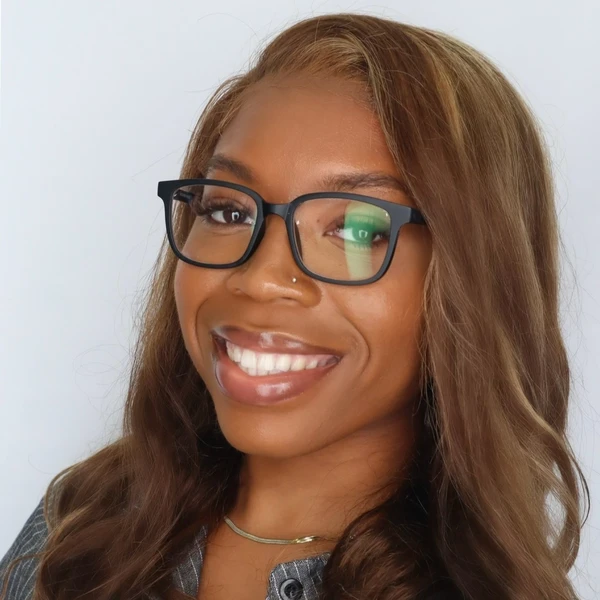
Tamilore Adeagbo
2x
Finalist1x
Winner
Tamilore Adeagbo
2x
Finalist1x
WinnerBio
I am a first-generation Black woman, public health advocate, and aspiring physician committed to advancing health equity for underserved communities. My passion for medicine has been shaped by resilience, leadership, and a deep commitment to serving populations that face systemic barriers to quality healthcare.
I graduated from Johns Hopkins University with a double major in Public Health Studies and Molecular and Cellular Biology, where I combined scientific training with a strong focus on community health and healthcare disparities. I later earned a Master of Health Science degree in Mental Health from the Johns Hopkins Bloomberg School of Public Health, graduating with a 4.0 GPA. My graduate studies strengthened my understanding of the relationship between mental health, public health, and equitable healthcare access.
Throughout my academic journey, I have been actively involved in leadership, mentorship, research, clinical care, and community service initiatives focused on supporting underserved populations and increasing representation in medicine. These experiences have reinforced my commitment to becoming a physician who advocates for both individual patients and systemic change.
This fall, I will attend David Geffen School of Medicine at UCLA to pursue my Doctor of Medicine degree. I aspire to become a pediatric physician dedicated to providing compassionate, culturally responsive care to underserved children and families.
Education
University of California-Los Angeles
Doctoral degree program (PhD, MD, JD, etc.)Majors:
- Medicine
Johns Hopkins University
Master's degree programMajors:
- Mental and Social Health Services and Allied Professions
- Public Health
Johns Hopkins University
Bachelor's degree programMajors:
- Biochemistry, Biophysics and Molecular Biology
- Public Health
Eisenhower High School
High SchoolCareer
Dream career field:
- Medicine
Dream career goals:
Certified Nursing Assistant
Lifebridge Nursing Home2021 – 20221 yearStudy Consultant
Johns Hopkins University Office of Academic Support2024 – 20251 yearPeer tutor
Johns Hopkins University Office of Academic Support2023 – 20252 yearsClinical Assistant
Kennedy Krieger Institutes2025 – 20261 year
Sports
Soccer
Varsity2008 – 202517 years
Golf
Varsity2021 – 20254 years
Awards
- 6th place KSHAA Girl's Varisity Gold State Championship
Research
Neurobiology and Neurosciences
Johns Hopkins Bloomberg School of Public Health — Research Assistant2024 – 2025Medicine
Johns Hopkins School of Medicine — Research Assistant2022 – 2026
Arts
Johns Hopkins Temps D'Afrique
Dance2021 – 2025
Public services
Volunteering
Johns Hopkins University Hodson Trust Foundation — Orientation Leader2022 – 2022Advocacy
Johns Hopkins Black Women's Collective — Co-founder/Program Lead2023 – 2025Volunteering
Johns Hopkins Hospital Pediatric Emergency Room — Volunteer/Clinical Experience Coordinator2022 – 2025Volunteering
Tutorial Project — Tutor2021 – 2025
PrimePutt Putting Mat Scholarship for Women Golfers
When I was growing up, there was a golf course just down the road from my house. Its perfectly trimmed fairways and greens seemed like a world apart from the one I knew. I lived in a predominantly white community, attended predominantly white schools, and rarely saw people who looked like me in the spaces around me. Golf was no exception.
The only golfer who looked remotely like me was Tiger Woods. I watched him on television and admired his talent, but I never saw Black women playing golf. I never saw a golfer who reflected both my race and my gender. The message was subtle but clear: this was not a sport designed for people like me.
Still, I was drawn to it.
What began as curiosity soon became determination. If I could not find the representation I was looking for, I decided I would become it. In middle school, I joined a PGA youth golf camp and learned the fundamentals of the game. Golf challenged me in ways I had never experienced before. It required patience, discipline, resilience, and confidence. Every swing demanded focus, and every round taught me how to recover from mistakes and keep moving forward.
When I entered high school, I joined the varsity golf team. Often, I was one of the few girls and one of the only Black girls in the spaces where I played and competed. There were moments when I felt out of place or questioned whether I belonged. But each challenge strengthened my resolve. Rather than allowing those obstacles to discourage me, I used them as motivation to improve and to make the sport more accessible for those who would come after me.
One of my proudest accomplishments was inspiring my younger sisters to play golf as well. They saw me step onto the course, compete, and embrace a sport where we were rarely represented. Because I chose to take that first step, they felt empowered to do the same. Representation matters, and I witnessed firsthand how seeing someone who looks like you can change what you believe is possible.
Golf also shaped my leadership beyond the course. Throughout my life, I have been committed to creating opportunities in spaces that were not originally built with women in mind. At Johns Hopkins University, I founded an organization dedicated to increasing representation and support for underrepresented students. This fall, I will continue that mission as I attend the UCLA David Geffen School of Medicine to pursue my dream of becoming a physician.
The courage to lead, advocate, and challenge expectations did not appear overnight. It was cultivated through years of stepping onto golf courses where I rarely saw anyone who looked like me and choosing to belong anyway.
Golf taught me that change begins when someone is willing to take the first swing. I chose to be the representation I never saw growing up, and that decision has shaped every step of my journey since. Whether on the golf course, in higher education, or one day in medicine, I hope to continue opening doors for others and proving that we all belong in spaces where our presence can inspire the next generation.
TRAM Panacea Scholarship
One national and global health issue I care deeply about is inequitable access to mental healthcare, particularly for children, adolescents, and underserved communities. Mental health conditions affect millions of people worldwide, yet access to quality care remains limited by financial barriers, provider shortages, stigma, and systemic inequities. While conversations surrounding mental health have become more open in recent years, many individuals still struggle in silence because they cannot access care or fear judgment for seeking help.
My passion for this issue is deeply personal. During the COVID-19 pandemic, I lost my younger sister, Tumi, after a long struggle with mental illness. Living in a rural community meant my family faced long waitlists, overwhelmed providers, and limited access to specialized mental healthcare. We watched someone we loved struggle while navigating a healthcare system that often felt inaccessible and fragmented. That experience opened my eyes to how profoundly gaps in mental healthcare can impact not only individuals but entire families and communities.
After losing my sister, I became determined to better understand the systemic factors contributing to mental health disparities. At Johns Hopkins University, I pursued a double major in Public Health Studies and Molecular and Cellular Biology before earning a Master of Health Science in Mental Health from the Johns Hopkins Bloomberg School of Public Health with a 4.0 GPA. My graduate studies focused on culturally competent mental healthcare, reducing stigma, and improving access to care for underserved populations. Through my coursework and research, I explored how race, socioeconomic status, geography, and cultural stigma influence whether people seek and receive mental healthcare.
I am especially passionate about addressing mental health stigma within marginalized communities, including Black communities, where conversations surrounding mental illness are often silenced by fear, shame, or mistrust of healthcare systems. I believe improving mental health outcomes requires more than simply increasing the number of providers; it also requires building culturally responsive systems where patients feel safe, understood, and respected. Mental health cannot be separated from physical health, as untreated mental illness can worsen chronic disease, reduce quality of life, and increase mortality, while physical illness can significantly impact emotional well-being.
My advocacy for mental health extends beyond academics. I co-founded the Black Women’s Collective at Hopkins to create mentorship, wellness initiatives, and supportive spaces for Black women navigating higher education. I also worked with students as a study consultant and tutor, helping them manage academic stress while encouraging balance and self-care. In clinical settings, I have supported adolescents facing mental health crises and witnessed how compassion and trust can profoundly influence healing.
This fall, I will attend the David Geffen School of Medicine at UCLA to pursue my Doctor of Medicine degree. Regardless of the specialty I ultimately practice, mental health advocacy will remain central to my career. I hope to contribute to a healthcare system where mental healthcare is accessible, culturally competent, and treated with the same urgency and compassion as physical healthcare. Most importantly, I want to help create a future where fewer individuals suffer in silence and more families receive the support they deserve.
Jean Ramirez Scholarship
WinnerLosing my younger sister, Tumi, to mental illness during the COVID-19 pandemic forever changed the course of my life. Before her illness, she was joyful, creative, and full of light. Watching that light slowly dim while my family struggled to access adequate mental healthcare was devastating. Living in a rural community meant facing long waitlists, overwhelmed providers, and limited access to specialized care. Although we fought tirelessly to support her, there were moments when the healthcare system felt impossible to navigate. When she passed away, I was left carrying grief, guilt, confusion, and questions I did not know how to answer.
One of the greatest challenges I faced as a suicide loss survivor was learning how to exist in a world that continued moving forward while my own felt shattered. In the Black community, mental health is often stigmatized, and conversations about suicide can feel especially difficult. I found myself suppressing my grief at times because I did not know how to express the depth of my pain. I tried to remain “strong” for others, but I eventually realized that silence only deepened my suffering. Healing required vulnerability, honesty, and allowing myself to ask for support.
Over time, I began to understand that resilience does not mean moving on from loss, but learning how to carry it with purpose. My sister’s life and death transformed the way I view mental health, healthcare, and human connection. I became more intentional about checking on people, listening without judgment, and creating spaces where others feel safe discussing struggles that are often hidden. Her loss also inspired my academic and professional path. At Johns Hopkins University, I pursued studies in public health, molecular biology, and mental health to better understand the systemic inequities and stigma that prevent many individuals from receiving proper care. I later earned a Master of Health Science in Mental Health from the Johns Hopkins Bloomberg School of Public Health, where I focused on culturally competent mental healthcare and improving access for underserved communities.
I also found resilience through service and advocacy. Co-founding the Black Women’s Collective allowed me to help create supportive spaces for students navigating stress, isolation, and identity struggles. Working with children and adolescents in clinical and mentorship settings reminded me how important it is for people to feel seen and valued, especially during vulnerable moments. In many ways, supporting others became part of my own healing process.
Although grief never fully disappears, I have found hope in knowing that my sister’s story continues to inspire the work I do every day. Her life taught me the importance of compassion, and her loss gave me a deeper understanding of how urgently we need open conversations about mental health. This fall, I will attend the David Geffen School of Medicine at UCLA to pursue my Doctor of Medicine degree, and regardless of the specialty I practice, I know mental health advocacy will remain central to my career.
As a suicide loss survivor, I have learned that tragedy can either close us off from the world or deepen our capacity to love, empathize, and fight for change. I choose the latter. I hope to honor my sister’s memory by helping build a future where fewer people suffer in silence and more individuals feel supported enough to seek help without shame or fear.
Women in Healthcare Scholarship
My decision to pursue healthcare was shaped by both personal loss and a lifelong desire to advocate for people whose needs are too often overlooked. During the COVID-19 pandemic, I lost my younger sister, Tumi, after a long struggle with mental illness. Watching my family fight to access adequate mental healthcare in our rural community exposed me to the devastating consequences of healthcare disparities. Long waitlists, overwhelmed providers, and limited access to specialists left us feeling powerless as we watched someone we loved suffer. That experience changed my understanding of medicine forever and inspired me to pursue a career dedicated not only to treating illness, but also to advocating for equitable, compassionate care.
As a woman, particularly a Black woman pursuing medicine, I understand the importance of representation in healthcare. Throughout my life, I have seen how cultural misunderstandings, implicit bias, and lack of diversity within healthcare systems can affect patient trust and outcomes. I want to help create a future where patients from all backgrounds feel seen, heard, and respected by their providers. Representation matters because patients deserve physicians who understand their lived experiences and who are committed to addressing the systemic barriers that impact health.
At Johns Hopkins University, I pursued a double major in Public Health Studies and Molecular and Cellular Biology while dedicating myself to leadership, research, and community advocacy. I later earned a Master of Health Science in Mental Health from the Johns Hopkins Bloomberg School of Public Health with a 4.0 GPA. My graduate studies focused on mental health disparities, culturally competent care, and improving healthcare access for underserved communities. Through this work, I became passionate about addressing not only physical illness, but also the social and structural factors that shape health outcomes.
Beyond academics, I have worked to uplift others through mentorship and advocacy. I co-founded the Black Women’s Collective to create supportive spaces for Black women navigating higher education, with a focus on mentorship, wellness, and professional development. I also worked with underserved children through tutoring, volunteered with adolescents with neurodevelopmental disorders, and supported patients in the pediatric emergency department. These experiences reinforced my belief that healthcare extends far beyond hospitals and clinics; it requires compassion, trust, and a commitment to empowering communities.
This fall, I will attend the David Geffen School of Medicine at UCLA to pursue my Doctor of Medicine degree. I hope to become a pediatric physician serving underserved populations while advocating for more equitable and culturally responsive healthcare systems. As a woman in healthcare, I want to use my voice not only to care for patients, but also to challenge stigma, mentor future generations of young women in medicine, and help create a healthcare system where every patient feels valued regardless of their background or circumstances.
Ultimately, I pursue healthcare because I believe medicine is one of the most powerful ways to combine science, advocacy, and human connection in the service of others.
Ethel Hayes Destigmatization of Mental Health Scholarship
My journey with mental health has profoundly shaped my beliefs, relationships, and aspirations. During the COVID-19 pandemic, I lost my younger sister, Tumi, after a long struggle with mental illness. Before her illness, she was joyful, creative, and full of life. As her mental health declined, my family struggled to access the care she needed in our rural community. Long waitlists, overwhelmed providers, and the limitations of telemedicine left us feeling powerless as we watched someone we loved suffer through a healthcare system that could not fully meet her needs.
Her loss changed the way I view mental health forever. Growing up in the Black community, I often witnessed mental health treated as something to suppress rather than openly discuss. Strength was equated with silence, and vulnerability was too often misunderstood as weakness. After losing my sister, I realized how dangerous that silence can be. I began to understand that healing requires openness, compassion, and community, not shame. That realization transformed not only how I approached my own mental health, but also how I showed up for others.
My experiences inspired me to pursue a Master of Health Science in Mental Health at the Johns Hopkins Bloomberg School of Public Health, where I focused on mental health disparities, culturally competent care, and reducing stigma surrounding mental illness. Through my education and research, I explored how systemic inequities and cultural barriers prevent many individuals, especially marginalized communities, from seeking or receiving proper care. I became passionate about advocating for mental healthcare that recognizes patients’ cultural backgrounds, lived experiences, and humanity.
Mental health has also deeply influenced my relationships. After losing my sister, I became more intentional about creating spaces where others feel safe discussing their struggles. At Johns Hopkins University, I co-founded the Black Women’s Collective, which provided mentorship, wellness initiatives, and supportive spaces for Black women navigating a predominantly white institution. I also worked as a study consultant and mentor, helping students manage academic stress while encouraging healthy routines and self-care. These experiences taught me that sometimes the most meaningful form of advocacy is simply making people feel seen, heard, and supported.
My journey with mental health has ultimately shaped my aspirations in medicine. This fall, I will attend the David Geffen School of Medicine at UCLA to pursue my Doctor of Medicine degree. Regardless of the specialty I practice, mental health advocacy will remain central to my career because mental and physical health are inseparable. I want to become a physician who not only treats illness, but also helps dismantle the stigma surrounding mental health, particularly in underserved communities where silence and limited access to care continue to cost lives.
Although losing my sister will always be one of the greatest pains I carry, her life and memory continue to guide me. She taught me the importance of empathy, presence, and speaking openly about struggles that too often remain hidden in darkness. Through my career and advocacy, I hope to help create a world where fewer people suffer in silence and more individuals feel empowered to seek help without fear or shame.
Learner Mental Health Empowerment for Health Students Scholarship
Mental health is deeply important to me because I have experienced firsthand how profoundly it can shape a person’s life, relationships, and future. During the COVID-19 pandemic, I lost my younger sister, Tumi, after a long struggle with mental illness. Watching someone I loved navigate a healthcare system that could not adequately meet her needs changed me forever. Living in a rural community meant facing long waitlists, limited access to specialists, and providers overwhelmed by the growing mental health crisis. That experience not only strengthened my commitment to medicine but also made mental health advocacy a lifelong mission.
My passion for this work led me to pursue a Master of Health Science in Mental Health at the Johns Hopkins Bloomberg School of Public Health, where I graduated with a 4.0 GPA. Through my studies, I explored how structural inequities, cultural barriers, and stigma prevent many individuals, particularly those in marginalized communities, from accessing mental healthcare. My research interests focus on making mental healthcare more culturally competent, improving access to care, and reducing the stigma surrounding mental illness. I believe effective mental healthcare requires understanding the lived experiences, cultural backgrounds, and systemic challenges patients face rather than approaching treatment through a one-size-fits-all lens.
As a student at Johns Hopkins University, I have worked to advocate for mental health both inside and outside of the classroom. I co-founded the Black Women’s Collective, an organization designed to support Black women navigating a predominantly white institution through mentorship, wellness initiatives, and community-building spaces. I also worked as a study consultant and tutor, helping students manage academic stress while encouraging healthy routines and self-care. These experiences taught me how many students silently struggle with anxiety, burnout, grief, and feelings of isolation, often believing they must endure those challenges alone.
My clinical experiences reinforced the importance of compassionate mental healthcare. In the pediatric emergency department, I supported children and adolescents facing mental health crises and saw how trust and human connection can shape healing. I learned that patients are more than diagnoses; they are individuals carrying stories, fears, and experiences that deserve understanding and dignity.
As I prepare to attend the David Geffen School of Medicine at UCLA this fall, I know mental health advocacy will remain central to my career regardless of the specialty I ultimately practice. Mental health and physical health are inseparable; untreated mental illness can profoundly affect physical well-being, just as chronic physical illness can impact mental and emotional health. Too often, healthcare systems treat them as separate issues when they are deeply interconnected.
No matter where my medical career leads, I will continue advocating for accessible, culturally competent mental healthcare and working to eliminate the stigma that prevents so many people from seeking support. I hope to help create a future where mental health is treated with the same urgency, compassion, and respect as physical health, and where no one feels ashamed to ask for help.
Noah Jon Markstrom Foundation Scholarship
Losing my younger sister, Tumi, during the COVID-19 pandemic transformed my understanding of healthcare and inspired my pursuit of pediatric medicine. Before her illness, Tumi was joyful, creative, and full of life. But as her mental health declined, my family struggled to access the care she needed in our rural community. Long waitlists, overwhelmed providers, and the limitations of telemedicine left us feeling powerless as we tried to support her through a healthcare system that could not fully meet her needs. Watching her suffer showed me how deeply children and families rely not only on medical treatment, but also on compassionate healthcare professionals who are willing to see them truly.
What inspires me most about pediatric medicine is the unique opportunity to care for both children and the families who love them. Reading Noah’s story resonated with me because I understand how profoundly healthcare providers can shape a family’s experience during unimaginable hardship. The physicians, nurses, and caregivers who supported Noah gave him not only treatment, but also joy, dignity, and the ability to continue making meaningful memories with his family. That kind of care leaves a lasting impact far beyond medicine itself.
My experiences working with children have continually reaffirmed my desire to pursue pediatrics. As a volunteer in the pediatric emergency department, I supported children and families during some of their most vulnerable moments. One experience that deeply impacted me involved a teenage girl recovering from a suicide attempt who had stopped speaking to the medical staff around her. I sat beside her and asked if she wanted to fold paper cranes with me, a small act that had once brought comfort to my sister. Slowly, she began to talk. By the time her physician returned, she was finally engaging with her care team. That moment taught me that healing often begins not with procedures or medications, but with trust, patience, and human connection.
Beyond the hospital, I have worked to support children through mentorship and community engagement. I tutored underserved elementary school students, volunteered with adolescents with neurodevelopmental disorders, and helped organize public health initiatives serving children and families. These experiences taught me that caring for children means advocating for their emotional, educational, and social well-being alongside their physical health.
At Johns Hopkins University, I studied Public Health Studies and Molecular and Cellular Biology before earning a Master of Health Science in Mental Health from the Johns Hopkins Bloomberg School of Public Health. My academic and research experiences strengthened my understanding of health disparities and reinforced my commitment to improving care for vulnerable populations. This fall, I will attend the David Geffen School of Medicine at UCLA to pursue my Doctor of Medicine degree, where I hope to continue exploring pediatric mental health and underserved care.
Ultimately, I want to become the kind of physician who helps children experience joy, dignity, and hope even during life’s hardest moments, just as Noah’s caregivers did for him and his family. I hope to build trusting relationships with patients and families, advocate for equitable healthcare access, and ensure that children feel cared for not only as patients but as people.
Catrina Celestine Aquilino Memorial Scholarship
As a first-generation Black woman pursuing medicine, my journey has been shaped by resilience, advocacy, and a deep commitment to serving underserved communities. Growing up, I learned early how systems can overlook people whose voices are not centered. In high school, I founded a student organization advocating for greater diversity and cultural competency in our curriculum because I believed education should reflect the experiences of all people, not just a select few. That experience taught me that meaningful change begins when someone is willing to speak up for those too often unheard.
My commitment to healthcare became deeply personal after losing my younger sister, Tumi, during the COVID-19 pandemic. Living in a rural community in Kansas, my family struggled to access timely mental healthcare as providers became overwhelmed and telemedicine replaced meaningful connections. Watching my sister suffer through delayed care exposed the devastating consequences of inequitable healthcare access and inspired me to pursue medicine as both a healer and advocate.
At Johns Hopkins University, I double majored in Public Health Studies and Molecular and Cellular Biology before earning a Master of Health Science in Mental Health from the Johns Hopkins Bloomberg School of Public Health with a 4.0 GPA in less than 1 year. Throughout college, I worked to bridge gaps in healthcare and education through research, mentorship, and service. I co-founded the Black Women’s Collective to create mentorship and wellness spaces for Black women navigating predominantly white institutions, and I tutored underserved students because I believe support and advocacy can transform lives.
One of the most transformative experiences in my education was studying abroad in Bahia, Brazil, where I shadowed physicians and explored how culture, race, and public policy shape healthcare systems and patient experiences. Immersing myself in a new language and culture taught me that effective healthcare requires humility and an openness to perspectives different from our own. Catrina Aquilino’s commitment to learning from communities around the world deeply resonates with me. Like her experiences in Ghana and Guatemala, my time in Brazil reinforced my belief that understanding people’s lived experiences is essential to serving them with compassion and justice.
My clinical experiences further solidified the physician I hope to become. In the pediatric emergency department, I supported children and families during vulnerable moments and saw how healing often begins with trust and human connection. These experiences taught me that medicine is not only about treating illness, but also about ensuring patients feel seen, heard, and valued.
This fall, I will attend the David Geffen School of Medicine at UCLA to pursue my Doctor of Medicine degree. I hope to become a pediatric physician serving underserved communities, combining medicine, mental health advocacy, and public health to improve outcomes for children and families. Like Catrina, I believe compassion should never depend on where someone comes from or what resources they have, and I hope to spend my career ensuring that no patient is left behind.