Hobbies and interests
Advocacy And Activism
Child Development
Cooking
Fashion
Hair Styling
Mathematics
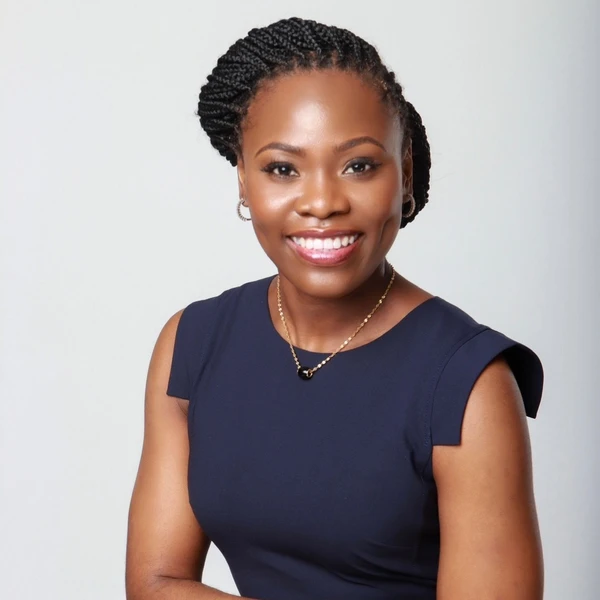
Tamika Keane
1x
Finalist
Tamika Keane
1x
FinalistBio
I am a dedicated educator and passionate advocate for students with disabilities. As a special education teacher, I work to create inclusive learning environments where every student can thrive, build confidence, and discover their unique strengths. My approach combines empathy, creativity, and evidence-based practices to ensure that all learners have equitable access to education. Beyond the classroom, I champion awareness and collaboration among families, educators, and communities to support lifelong success for students with diverse needs.
Education
Russell Sage College
Doctoral degree program (PhD, MD, JD, etc.)Majors:
- Education, General
CUNY Brooklyn College
Master's degree programMajors:
- Special Education and Teaching
Monroe College
Bachelor's degree programMajors:
- Hospitality Administration/Management
Career
Dream career field:
Education
Dream career goals:
Academic Advisor
Monroe University2013 – 20152 years
RonranGlee Special Needs Teacher Literary Scholarship
I have learned that the purpose of teaching is to bring the student to his or her sense of his or her own presence.” In this statement, Professor Harold Bloom captures a truth that lies at the heart of education, and especially at the heart of special education. To experience a sense of one’s own presence is to recognize oneself as a thinking, feeling, capable individual whose voice, choices, and existence matter. It is an awareness of identity, agency, and belonging in the world. For many students, this awareness develops naturally through traditional academic pathways. For students with special needs, however, this journey often requires intentional guidance, patience, and deeply individualized support. My passion for the special education teaching profession comes from my commitment to helping students discover this sense of presence within themselves and help them discover their voice.
To define “a sense of one’s own presence” in the context of special education is to understand it as self-awareness paired with self-worth. It means a student recognizes their emotions, abilities, limitations, and strengths without shame. It means they understand that they are not defined by their disability, diagnosis, or challenges, but by their humanity. Many students with special needs have spent much of their educational lives being spoken for, redirected, corrected, or underestimated. As a result, they may struggle to see themselves as active participants in their own learning and lives.
Teaching, then, becomes an act of empowerment rather than mere instruction.
My mission as a special education teacher is to create learning environments where students feel seen, safe, and capable of growth. I believe that before academic success can occur, students must first believe that they belong and that their presence has value. I accomplish this by meeting students where they are and honoring their individual ways of communicating, processing, and expressing themselves. Whether a student communicates verbally, through assistive technology, gestures, or behavior, I treat every form of communication as meaningful. When students realize that their thoughts and feelings are acknowledged and respected, they begin to recognize their own presence.
Guiding students toward self-presence also requires fostering autonomy. In my classroom, choice is essential. Allowing students to make decisions—no matter how small—builds confidence and self-awareness. Choosing a book, selecting a preferred activity, or deciding how to demonstrate understanding reinforces the idea that their preferences matter. For students with special needs, who often experience a lack of control, these moments of choice are powerful affirmations of self.
Additionally, I strive to help students understand and regulate their emotions. Emotional awareness is a critical component of presence. Through explicit instruction, modeling, and supportive strategies, I help students name their feelings, recognize triggers, and develop coping mechanisms. When students learn that emotions are not something to fear or suppress but signals to be understood, they gain greater control over their experiences. This emotional literacy allows them to engage more fully with themselves and the world around them.
Another essential part of my mission is to celebrate strengths rather than focus solely on deficits. Special education too often centers on what students cannot do. I intentionally highlight what they can do and what makes them unique. Whether a student excels creatively, socially, mechanically, or emotionally, I make those strengths visible. This shifts their self-perception from “I am lacking” to “I am capable,” reinforcing their sense of presence and worth.
Finally, I guide students toward understanding their place within a community. A sense of presence is not developed in isolation; it is shaped through relationships. I foster inclusive environments where differences are respected and collaboration is encouraged. When students feel accepted by peers and adults, they are more willing to take risks, express themselves, and grow.
I am passionate about special education because it is not simply about teaching skills—it is about affirming humanity. Helping a student recognize their own presence is one of the most profound and lasting gifts a teacher can offer. In doing so, I honor Professor Bloom’s vision of teaching as an act of awakening, and I commit myself to guiding students toward lives of dignity, agency, and self-knowledge.