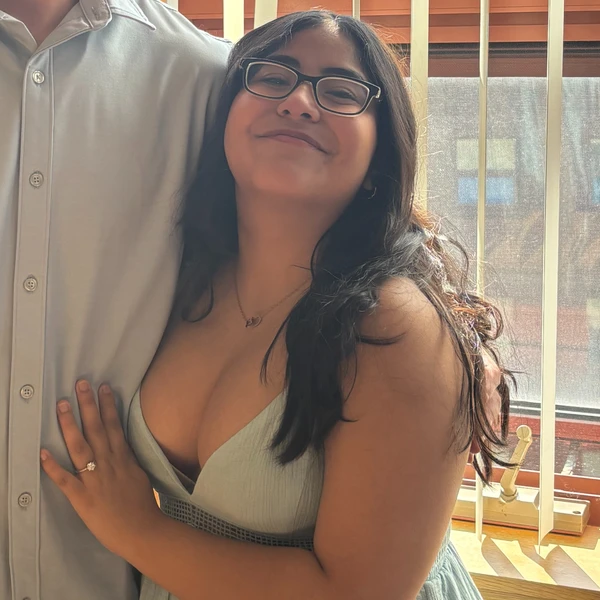
Huntington Station, NY
Age
20
Gender
Female
Ethnicity
Hispanic/Latino
Religion
Christian
Church
Catholic
Hobbies and interests
Drawing And Illustration
Singing
Journalism
Astrology
True Crime
Reading
Thriller
Fantasy
Romance
True Story
Biography
Adventure
I read books multiple times per week
LOW INCOME STUDENT
Yes
FIRST GENERATION STUDENT
Yes
Tameisha Andrade
1x
Finalist
Tameisha Andrade
1x
FinalistBio
My name is Tameisha Andrade, and I am currently a college student majoring in criminal justice. I chose this major because I am interested in understanding the justice system and learning how laws, policing, and corrections impact society. During my time in college, I hope to gain the knowledge and skills needed to build a meaningful career in the criminal justice field. I am a motivated and hardworking student who takes my education seriously and always tries to do my best in my classes. I enjoy learning about topics related to law, public safety, and how communities can be improved through fair and effective justice systems.
I also enjoy working with others and being involved in activities where I can help people and make a positive impact. I am energetic, responsible, and always willing to learn new things that will help me grow both personally and professionally. Through my college education, I hope to gain experience that will prepare me for future opportunities in the criminal justice field. My goal is to use what I learn to build a successful career while also making a positive difference in my community.
Education
Quinnipiac University
Bachelor's degree programMajors:
- Law
- Homeland Security, Law Enforcement, Firefighting and Related Protective Services, Other
- Criminal Justice and Corrections, General
Minors:
- Criminology
- Sociology
- Social Work
- Clinical, Counseling and Applied Psychology
GPA:
3.6
St John the Baptist Diocesan High School
High SchoolGPA:
4
Miscellaneous
Desired degree level:
Doctoral degree program (PhD, MD, JD, etc.)
Graduate schools of interest:
Transfer schools of interest:
Majors of interest:
- Criminal Justice and Corrections, General
Career
Dream career field:
Law Enforcement
Dream career goals:
Camp Counselor
Crestwood Day Camp & School2024 – 2024Dean's Assistant
Quinnipiac University2025 – 20261 yearAdministrative Assiantant
Precipart2022 – 2022Hostess
Slider's Grill and Bar2024 – 20251 yearCashier
Pollo Campero2025 – 2025Server
JJ Stacks2026 – Present7 months
Sports
Soccer
Club2024 – 20251 year
Awards
- no
Research
Criminology
Criminal Justice Research Class — Researcher2026 – Present
Arts
Art Club
Drawing2026 – Present
Public services
Advocacy
Women and Families Center — Victim Advocate2026 – Present
Future Interests
Advocacy
Volunteering
Entrepreneurship
Dinakara Rao Memorial Scholarship
Being a first-generation student means a lot more to me than just being the first in my family to go to college. It means carrying my family’s sacrifices, struggles, and dreams with me every single day. My parents came to this country when they were only 19 years old, with nothing but hope for a better life. They didn’t have the same opportunities that I have now, but they worked incredibly hard to create them for my siblings and I.
Growing up, I didn’t always understand why my dad was never home much. He worked two jobs just to make sure we had what we needed, and there were times I barely saw him because he was always working. My mom was also constantly busy, she went to college to learn English while still going to work every day. Watching both of them push through exhaustion and challenges showed me what real determination looks like.
They never complained, even when things were hard. They just kept going because they wanted a better future for us. Seeing everything they went through has shaped who I am today. It made me realize that I have opportunities they never had, and I don’t want to take that for granted. Their sacrifices motivate me to work harder, especially in school, because I know everything they do is for me to succeed.
Even now, they continue to work hard to help pay for my education so that I can have a better life than they did.
This is a big reason why I want to pursue a career in law. I want to help people who feel unheard or powerless, just like many families who come to this country looking for a chance. I want to be someone who can stand up for others and help them find justice, especially for those who might not understand the system or have the resources to defend themselves.
Growing up, I saw how hard life can be when you don’t have support or knowledge of your rights, and I want to be able to change that for others.
Being a first-generation student is not always easy. It comes with pressure, responsibility, and sometimes fear of failing. But it also comes with strength, resilience, and purpose. I am not just doing this for myself, and I am doing this for my parents and everything they have sacrificed. Their journey is the reason I keep pushing forward, and it is what inspires me to build a future where I can make a difference in other people’s lives.
Goobie-Ramlal Education Scholarship
Growing up as a college-bound student in an immigrant family has shaped who I am and the kind of impact I want to make in the world. My parents came to this country, working hard to build a better life for our family, and they made incredible sacrifices to ensure I could have opportunities they didn’t have. They often worked long hours at multiple jobs, sometimes missing sleep or skipping meals, just to pay for my school supplies, tutoring, and extracurricular activities. They also navigated a system they didn’t always understand, like filling out forms, learning English, and advocating for me in schools, so I could get the education I deserved. Watching them go through so much showed me the true meaning of dedication, and it inspired me to work hard and make the most of every opportunity they fought to give me. Being the first in my family to go to college is both exciting and challenging, but it has made me feel responsible for using my education to help others and honor their sacrifices.
Growing up, I also faced personal challenges. I was diagnosed with ADHD in second grade, and for a long time, people assumed I wasn’t capable of succeeding in school. I had to learn how to manage my ADHD, stay focused, and find ways to organize myself so I could reach my goals. These experiences taught me resilience and determination, lessons I carry with me every day. I know now that obstacles don’t define me, but how I respond to them does. These lessons, along with seeing my parents’ sacrifices, have motivated me to work hard not just for myself, but for my family and my community.
Being a first-generation student has also made me more aware of the struggles that immigrant families face. I’ve seen how difficult it can be to access resources, receive fair treatment, or have one’s voice heard. My family’s efforts to ensure I had a strong education taught me the value of advocacy and persistence. This awareness has pushed me to want to stand up for others, whether it’s immigrants at risk of deportation, people experiencing discrimination, or survivors of abuse. I want to use my education as a tool to make sure others feel supported and empowered to succeed.
My experience has also taught me the importance of giving back. I know that my education is not only for me, but it’s also a way I can make a difference in the lives of others. I plan to use what I learn in college and beyond to help my community, whether that’s through volunteer work, advocacy, or a career in law or public service. I want to combine my personal experiences, my family’s sacrifices, and my education to make a positive impact on the world and lift others along the way.
Growing up in an immigrant family and being a first-generation college student has given me perspective, resilience, and a sense of purpose. I want to use my education to create opportunities, advocate for others, and leave a lasting positive impact. I hope to show that hard work, determination, and dedication can not only change my own life but help change the lives of others, too.
Jesus Baez-Santos Memorial Scholarship
Someone who has shaped the way I see myself as a leader is my principal. Throughout my life, especially while I was learning to manage ADHD, my principal has been a constant source of support and encouragement. Growing up, I often struggled to focus in class, and some people doubted my abilities or assumed I wasn’t smart enough to succeed. My principal, however, always saw my potential. They didn’t judge me for my challenges, but instead encouraged me to work hard, believe in myself, and keep pushing forward. One of the moments that really stuck with me was when they called me a “successful student.” Hearing that made me feel proud of myself and motivated me to continue striving for success, even when things got difficult. Their support helped me understand that resilience isn’t just about overcoming challenges on your own, it’s also about being willing to learn from others and let their encouragement guide you.
From my experiences with my principal, I have learned important values that I carry with me as a leader. The first is resilience. Managing ADHD while trying to excel in school was never easy. There were times I felt frustrated or like giving up, but I learned to keep going and to find strategies that helped me succeed. My principal taught me that setbacks don’t define me; how I respond to them does. This lesson has helped me face challenges in other parts of my life, including personal struggles and responsibilities I take on as a first-generation student. Resilience has taught me to stay focused on my goals and to keep pushing forward, even when the path isn’t simple.
Another value I learned is leadership through service. My principal led by example, and they showed care for every student and treated everyone fairly. Seeing this inspired me to lead in ways that lift others. Whether it’s helping classmates with schoolwork, advocating for students who feel unheard, or volunteering in my community, I try to lead by supporting and empowering others. I’ve learned that leadership isn’t about being in charge, it’s about helping others reach their potential, just as my principal helped me.
Fairness and empathy are also lessons I carry with me. My principal listened to students and tried to understand our struggles instead of judging us. That example taught me to consider others’ experiences and treat everyone with respect. I’ve applied this in my community by standing up for people who face unfair treatment and advocating for marginalized individuals. I want to use these qualities to make a positive impact in the world and create a community where people feel valued and heard.
As a first-generation student, I also feel a responsibility to give back to my family, peers, and community. My principal’s support taught me that lifting others is just as important as achieving personal success. I want to create a legacy where I can help others overcome challenges, especially those who may feel like they don’t have a voice. By staying resilient, leading with empathy, and advocating for others, I hope to honor the example my principal set by continuing to build a positive impact on the people around me.
My principal has shaped who I am as a leader and influenced the values I carry forward. Their belief in me helped me realize my potential, inspired me to serve others, and taught me the importance of resilience, fairness, and empathy. I strive to leave a legacy of support and empowerment for those who come after me.
Detective Sergeant Robert Feliciano “IMPACT” Scholarship
Someone who has been really impactful in my life is my principal. Throughout school, especially while I was learning to manage my ADHD, my principal always believed in me even when others doubted me. Growing up, I had a hard time focusing in class, and a lot of people thought I wasn’t smart enough or couldn’t keep up. But my principal saw something different. Instead of seeing my ADHD as a problem, they recognized my potential and encouraged me to push myself. One moment that really stuck with me was when I was graduating, they called me a “successful student.” That meant so much because it showed me that my hard work and determination were noticed and appreciated. Their support gave me confidence and helped me believe that I could overcome challenges, no matter what others thought.
From my experiences with my principal, I learned a few important qualities that I know will help me make a difference in law enforcement. One of the biggest things I learned is empathy. My principal always tried to understand what each student was going through instead of judging us. They encouraged me to share my struggles and to find ways to work through them. Seeing that taught me how important it is to listen to others and try to understand their point of view. I think empathy is really important in law enforcement because every person has a story, and officers need to understand that before making decisions. Treating people with respect and understanding can help make communities safer and fairer.
Another quality I learned is perseverance. Managing ADHD while trying to succeed in school wasn’t easy. There were times I felt frustrated or like giving up, but I kept going and worked hard to improve. I learned to break down challenges into smaller steps and keep moving forward even when things were hard. I know this kind of perseverance will help me in law enforcement because the job can be stressful and challenging. Staying focused, keeping a positive attitude, and not giving up are really important when you’re trying to make a difference in people’s lives.
I also learned the importance of fairness. My principal treated every student equally and gave everyone a chance to succeed, no matter their background or struggles. That showed me how important it is to be fair and unbiased when working with people. In law enforcement, being fair is essential for building trust in the community. When people feel that officers are fair and treat them with respect, it creates stronger relationships and safer neighborhoods.
My principal taught me the value of using my influence to help others. By believing in me and encouraging me, they helped me realize my potential and inspired me to support others who might feel overlooked or underestimated. I want to do the same in law enforcement by standing up for people, protecting them, and helping make positive changes in my community.
My principal had a big impact on me and helped me develop empathy, perseverance, fairness, and a desire to make a difference. They showed me that challenges don’t define you, how you handle them does. I want to use these qualities to make a real difference in my community through law enforcement and to help people feel heard, respected, and safe.
Jeffrey J. Douglas First Amendment Scholarship
My demonstrated interest in free expression comes from speaking up for individuals whose voices are often ignored, dismissed, or silenced. I believe that free expression is one of the most powerful tools to challenge injustice, share experiences, and demand change. Throughout my life, I have used my voice to advocate for those who may not always have the ability or opportunity to speak for themselves, especially those impacted by inequality and discrimination.
One area where I have been especially passionate is advocating for individuals who are unfairly targeted by immigration enforcement. I have spoken out for those who face deportation, recognizing that many of these individuals are placed in situations where their voices are overlooked. I believe that everyone deserves to be treated with dignity and fairness, regardless of their background or circumstances. Free expression allows people to bring attention to these injustices and stand up against policies or actions that harm vulnerable communities. By speaking out, I aim to contribute to a broader conversation that promotes compassion, understanding, and justice.
I am strongly committed to advocating against racial injustice, particularly in cases involving the mistreatment of Black individuals. The death of George Floyd had a profound impact on me, as it highlighted the ongoing reality of systemic racism and the urgent need for change. It also showed me how powerful free expression can be, as people across the country used their voices to protest, raise awareness, and demand accountability. This moment reinforced my belief that speaking out is not only a right but also a responsibility. I strive to continue that advocacy by raising awareness and supporting efforts that challenge injustice and promote equality.
Another important part of my advocacy involves supporting survivors of sexual assault and domestic violence. Through my involvement with the Women and Families Center, I have worked to support individuals who have experienced trauma and often struggle to have their voices heard. Many survivors face fear or disbelief, which can make it incredibly difficult for them to speak out. I believe that free expression plays a critical role in empowering survivors to share their stories, seek justice, and begin the healing process. Being able to support and stand alongside these individuals has strengthened my understanding of how important it is to create spaces where people feel safe and heard.
My advocacy work reflects my belief that free expression is not just a right, but a responsibility to stand up for others and bring attention to important social issues. Whether I am supporting immigrants, speaking out against racial injustice, or advocating for survivors, I am committed to using my voice to amplify those who are often unheard. These experiences have shaped my desire to pursue a career in law, where I can continue to defend the rights of others and ensure that every individual has the opportunity to be heard. I am passionate about using free expression as a tool for justice, and I will continue to carry this commitment with me in my future endeavors.
New Jersey New York First Generation Scholarship
Being a first-generation college graduate means a lot to me because it represents breaking a cycle and creating opportunities that my family did not have. No one in my immediate family has graduated from college, so pursuing higher education has often felt like stepping into the unknown. There was no clear roadmap for how to apply to college, manage classes, or navigate everything that comes with being a college student. At times, it has been overwhelming trying to figure everything out on my own, but it has also pushed me to become more independent and determined. I know that what I am doing is bigger than just myself.
Being the first in my family to graduate from college would mean making my parents proud by pursuing the dreams that I want for my life. My parents worked incredibly hard to try to build a better life and achieve the American dream. They made sacrifices so that I could have opportunities they never had. Seeing how much they have worked and everything they have done for our family motivates me to keep going even when things feel difficult. Graduating from college would show them that all of their hard work, struggles, and sacrifices were worth it. It would be a way of honoring everything they have done for me and proving that their efforts created new possibilities for the next generation.
Being a first-generation student has also taught me resilience. I have had to learn how to advocate for myself, find resources, and stay focused on my goals even when I felt uncertain. It has made me appreciate education in a deeper way because I understand how valuable this opportunity is. I also hope that by reaching this milestone, I can inspire younger members of my family and other first-generation students to believe that college is possible for them too.
My extracurricular activities have also played a major role in shaping who I have become. One of the most meaningful experiences for me has been working as a victim advocate for the Women and Families Center in New Haven and Meriden, Connecticut. In this role, I support individuals and families who are going through very difficult and sometimes traumatic situations. Listening to people’s stories and helping them find support has taught me empathy, patience, and the importance of simply being there for someone who feels alone. This experience has also strengthened my desire to pursue a career in law because I want to advocate for people who often feel like they do not have a voice.
Another experience that has shaped me is working as a camp counselor. Working with kids has helped me develop leadership and communication skills while also allowing me to create a positive and supportive environment for them. I enjoy being someone they can look up to, and it has helped me grow into a more confident and energetic leader.
All of these experiences have helped shape the person I am becoming. Being a first-generation college graduate will represent perseverance, growth, and the sacrifices my family made to build a better future. It will mean that the opportunities my parents worked so hard for are turning into something real, and that their journey toward the American dream helped open the door for mine.
First Generation Scholarship For Underprivileged Students
I am a first-generation student, and my journey through school has been full of challenges, growth, and learning. Growing up, my parents worked hard to give my siblings and me opportunities they never had. They didn’t have the chance to go to college, and they sacrificed so much to make sure we could get an education. Their hard work and dedication have inspired me to pursue my own path in higher education and to take full advantage of the opportunities in front of me.
Being a first-generation student hasn’t always been easy. I have faced challenges like navigating school systems, understanding college requirements, and balancing responsibilities at home. On top of that, I’ve struggled with depression and anxiety, which sometimes made it hard to focus and stay motivated. I’ve also had to overcome moments of self-doubt and the feeling of being different from peers who had family members who had already gone to college. Despite these obstacles, I’ve learned resilience, determination, and the importance of asking for help when I need it. These lessons have shaped who I am today and have made me more prepared to succeed in college.
I plan to use my experiences to inspire and motivate other first-generation students to pursue higher education. I want them to know that it’s possible to overcome obstacles and achieve their goals, even if they are the first in their families to attend college. I would share my story about struggles with mental health, balancing responsibilities, and navigating school, so other students can see that challenges are part of the process and that they are not alone. I hope that by sharing my journey, I can encourage other first-generation students to believe in themselves, work hard, and pursue their dreams.
I also want to help others by showing the importance of resilience and self-advocacy. Being a first-generation student has taught me that it’s okay to ask questions, seek support, and take advantage of resources. I plan to mentor other students, participate in programs that support first-generation students, and create a community where students feel supported and motivated. By sharing my successes and setbacks, I can provide guidance, encouragement, and practical advice to students who might be struggling.
I hope to inspire other first-generation students by showing that higher education is achievable and that their efforts can lead to a brighter future. I want to be an example of determination and resilience, proving that challenges can be overcome and that first-generation students have the ability to succeed, make a difference, and create opportunities for themselves and their families.
John F. Rowe, Jr. Memorial Scholarship
I have faced many challenges in my life that have made pursuing my education difficult, but they have also made me stronger and more determined. One of the biggest challenges has been my mental health. I have struggled with depression and anxiety for years, and there were times when I couldn’t get out of bed or focus on schoolwork. My grades would drop, not because I didn’t care or try, but because my depression made it hard to cope with everyday responsibilities.
On top of that, I have ADHD, which made it difficult to keep up with lessons and stay organized. At one point, I realized I needed help, so I started going to therapy. Therapy has taught me healthy coping strategies, how to manage my mental health, and how to advocate for myself when I need support. It has helped me push through difficult times and continue working toward my educational goals.
Growing up, I also faced discrimination and teasing. As a Hispanic student and a bisexual woman, I was sometimes made fun of for being different. People would comment on the foods I ate, make jokes about my identity, or assume I couldn’t succeed. These experiences made me feel isolated and misunderstood, but they also motivated me to work harder and prove myself. I’ve learned to embrace my differences, focus on my strengths, and use my experiences to help others. These challenges have shaped who I am today and have given me a sense of purpose in everything I do.
My desire to serve others and pursue public service comes from the struggles I’ve seen and experienced. I want to study criminal justice so I can help people who are facing injustices, discrimination, or challenges in their lives. I currently work as a victim advocate for the Women and Families Center in New Haven and Meriden, CT, which has given me firsthand experience supporting individuals and families going through difficult situations. In this role, I provide guidance, resources, and emotional support to victims of violence and abuse. Being able to help people in these moments has shown me how important advocacy, fairness, and empathy are, and it has strengthened my desire to work in public service and make a meaningful difference in my community.
Overcoming mental health struggles, discrimination, and academic challenges has taught me resilience, empathy, and determination. These experiences have strengthened my commitment to my education and inspired me to use my knowledge and skills to serve others. Being a victim advocate has reinforced my understanding of how important it is to stand up for people who might not have a voice and to fight for systems that protect them. I feel a strong call to public service because I’ve seen how unfair systems and circumstances can affect people, and I want to be someone who creates change, supports others, and helps communities feel safer and more just.
My challenges and experiences have shown me that perseverance and empathy are essential, and they have motivated me to pursue a path where I can make a meaningful impact. By combining my education, my personal experiences, and my work as a victim advocate, I hope to build a future where I can contribute to a safer, fairer, and more inclusive world for everyone.
Mikey Taylor Memorial Scholarship
My experiences with mental health, specifically my struggles with depression and anxiety, have had a big impact on who I am and how I see the world. There have been times when school, family responsibilities, and everyday life felt overwhelming. Depression made it hard to get out of bed or even complete simple tasks, and anxiety made situations feel more stressful than they should have been. Because of this, my grades would sometimes drop, not because I didn’t care or try, but because I couldn’t cope with the way I was feeling. I sometimes dealt with my depression in unhealthy ways, trying to ignore it or push it aside, which only made things worse.
These struggles pushed me to start therapy, and that has been a turning point in my life. In therapy, I’ve learned healthier ways to cope with my depression and anxiety, like setting small goals, managing my time, and talking through my feelings. Therapy has helped me understand myself better, recognize my triggers, and develop strategies to stay motivated even on difficult days. It has also taught me that asking for help is not a weakness and that getting support is essential for growth and success. Through this process, I’ve started to regain control over my mental health, and I’ve seen improvement in my focus, motivation, and grades.
Going through these experiences has shaped my beliefs. I believe that mental health is just as important as physical health, and that people should be supported rather than judged when they are struggling. I’ve learned that everyone faces challenges, even if they aren’t visible, and that patience, understanding, and kindness are essential. These lessons have also made me more resilient, because I’ve had to push through difficult times and continue working toward my goals, even when it felt impossible.
Mental health has also influenced my relationships. I’ve learned to appreciate the people who support me and to be more empathetic toward others who are struggling. I try to notice when someone might need help, even if they don’t ask for it, and I try to be understanding and patient. My struggles have taught me that building strong, supportive relationships is essential for personal growth and well-being.
These experiences have shaped my career aspirations as well. I want to study criminal justice so I can make a positive impact on people’s lives, especially those who are vulnerable or facing challenges. My experiences with depression and anxiety have given me empathy and insight into what it feels like to struggle, and I want to use that understanding to help others. I hope to create environments where people feel safe, supported, and respected, and to advocate for communities that are often overlooked.
My mental health struggles, combined with therapy and the lessons I’ve learned, have made me stronger, more patient, and more determined. They have shaped my beliefs, strengthened my relationships, and inspired me to pursue a career where I can help others, create meaningful change, and show that challenges can become growth opportunities.
Julie Holloway Bryant Memorial Scholarship
My first language is Spanish, and growing up bilingual has had a big impact on my life. When I was younger, I spoke mostly Spanish at home, but I had to learn English at school. At first, I struggled to pronounce words correctly and communicate clearly in English, so I had to go to speech therapy to help me improve. It was hard at the time because I felt embarrassed, and I remember people at school making fun of me for speaking both English and Spanish. Sometimes classmates would tease me for my accent or laugh when I mixed words from both languages, and it made me feel different and self-conscious.
Over time, I worked really hard in speech therapy, and I eventually became fluent in English. I speak English perfectly now, and it has given me more confidence in school and in life. However, because of the teasing I went through, I slowly stopped speaking Spanish as much. I got shy about speaking it because I didn’t want people to judge me for my accent or make fun of me again. Even now, I’m careful about speaking Spanish in public because of the struggles I went through in elementary school, and that experience shaped the way I see language and communication.
Being bilingual has both challenges and benefits. One of the challenges is that I sometimes feel disconnected from my Spanish-speaking culture because I have stopped speaking the language as much. It also took me a long time to feel confident in English because I was learning two languages at the same time, and I was worried about making mistakes or being judged. On the other hand, being bilingual has taught me resilience and determination. I’ve learned to work hard to improve my skills, adapt to different situations, and communicate with people from different backgrounds. It has also given me the ability to understand multiple perspectives and connect with people in ways that monolingual people can’t.
Being bilingual has shaped who I am and my goals for the future. I want to continue using my English skills to succeed in school and eventually build a career in criminal justice. I hope that one day I can also reconnect with Spanish and use both languages in my work to help communities, especially people who don’t speak English fluently. My experience has taught me that struggles can become strength, and that even challenges like teasing or embarrassment can push you to grow, improve, and become more determined.
Elijah's Helping Hand Scholarship Award
Mental health and being part of the LGBTQ+ community have had a big impact on my life and shaped who I am today. Growing up with ADHD, I often struggled to focus, stay organized, and keep up with school lessons. Learning at a different pace than my classmates made me feel frustrated and left out, and sometimes I felt like I didn’t belong. On top of that, I’ve struggled with depression, which made even simple tasks feel overwhelming at times. Some days it was hard to stay motivated or feel like I could succeed, and it was difficult to see a way forward.
Being bisexual added another layer of difficulty. People would sometimes make fun of me, say my identity was weird, or treat me differently because of it. I would hear classmates whisper or make jokes, and it made me feel like I couldn’t be fully myself. The fear of judgment made it hard to open up or express who I really am. Feeling different in multiple ways because of my ADHD, my depression, and my sexuality often left me isolated and misunderstood.
Despite all of this, I’ve learned important lessons about resilience, self-advocacy, and patience. I realized that my mental health struggles and my identity don’t define me, they are parts of my story, but they don’t control my future. I’ve learned to find strategies that help me manage my ADHD and depression, to ask for help when I need it, and to stay persistent even when things feel hard. These experiences also taught me empathy, because I understand what it feels like to face struggles that aren’t always visible. I try to be supportive and kind to others, especially when they might be going through challenges themselves.
My experiences with mental health and being bisexual have shaped my goals and my outlook on life. I want to study criminal justice so I can make a positive impact on people’s lives, protect vulnerable communities, and fight for fairness and inclusion. I want to help people who feel isolated, judged, or overlooked, and I want to advocate for systems that support everyone regardless of their background, mental health, or identity. I hope to show others that being different does not make them less capable, and that challenges can be transformed into strength.
Facing these challenges has made me stronger, more determined, and more compassionate. I’ve learned that personal growth comes from persistence, self-acceptance, and turning struggles into lessons. I want to use what I’ve learned from my experiences to help others, create positive change, and contribute to communities where everyone is respected and valued. Mental health and identity have shaped who I am, and I plan to use my education and my journey to make a difference in the world.
New Beginnings Immigrant Scholarship
I am proud to say that I will be the first person in my family to graduate from college, and this drives me to work hard every single day. My career aspirations are not just about achieving my own dreams, they are about making my parents proud and honoring the sacrifices they made for my siblings and me. My grandfather came to this country when my father was only three years old, hoping to give him a better life. Because of the circumstances, my father and grandfather didn’t even see each other again until my father was nineteen. That distance and the struggles they faced shaped my father into the hardworking man he is today, and it inspired my parents to dedicate themselves entirely to giving my siblings and me opportunities they never had.
My parents work unbelievably hard to provide for our family. My father wakes up at 3 a.m. every day and works overtime so that we can have the resources we need for school and life. Sometimes he had two jobs when I was younger, which meant he wasn’t around much, but he did it to make sure we wouldn’t lose our home, and so we could survive. Even when I didn’t always deserve it, he tried his best to provide for us, and I am so grateful for everything he has done. My mother has also sacrificed so much. She hasn’t been able to visit her family in Peru for over twenty years because we can’t afford it. She works tirelessly to save money for our education, for opportunities, and for a life better than the one she grew up with. She has given up luxuries and time with her loved ones so that we can have what she never had.
Growing up seeing their struggles and sacrifices has shaped my goals. I want to work hard, graduate from college, and build a career that my parents can be proud of, not just for the success itself, but because it will honor everything they have done for me. Scholarships are incredibly important to my family because they help ease the financial burden and allow me to focus on school without adding extra stress to my parents. Receiving support through scholarships means I can continue my education and, one day, show my dad that all of his long hours, sacrifices, and struggles were worth it.
Being the first in my family to graduate from college is about more than personal achievement, it’s about fulfilling the “American dream” my parents worked so hard to give me. It’s about taking the opportunities they fought for and using them to create a better life, not just for myself, but for my family and my future. I want to honor my parents’ hard work by making every sacrifice they made count and by building a career where I can give back, make a difference, and continue their legacy of perseverance and determination.
Their story and their sacrifices remind me every day that success is not only personal, it’s also about family, gratitude, and creating a life that reflects the opportunities they gave me. I want to make my parents proud, repay their sacrifices through my hard work, and show them that coming to this country for a better life for our family was not in vain.
Jeannine Schroeder Women in Public Service Memorial Scholarship
This is one of the most important social issues: Discrimination against Hispanics and people of color. Growing up as a Hispanic student, I experienced discrimination in ways that really shaped who I am today. People used to make fun of me for being different, for the foods I ate, or for the traditions my family practiced. Some classmates would say racial slurs, make jokes about my culture, and even tell me that my family didn’t deserve to be in this country because we hadn’t “worked as hard as white people.” They even went so far as to say that I didn’t deserve an education because I didn’t fit into their standard of what a student should be. Hearing those words was painful, and for a long time, I felt like I didn’t belong or that I wasn’t good enough.
At first, it was hard to know how to respond. I would try to ignore the comments or just hope they would stop, but the discrimination kept happening. Over time, though, I learned to stand up for myself and my culture. I realized that my value isn’t determined by other people’s narrow ideas of who is “worthy” or what success looks like. I began to focus on my strengths, my goals, and my education, even when it felt like the world was telling me I wasn’t good enough. These experiences taught me resilience, patience, and the importance of standing up for myself and others.
Experiencing this kind of discrimination has shaped my outlook on life and my career goals. I want to study criminal justice so I can help create systems and communities where people are treated fairly, regardless of their race, ethnicity, or background. I want to make sure that people who face discrimination, as I did, have support, guidance, and opportunities to succeed. I also want to advocate for policies and programs that fight racial prejudice and ensure that education and safety are accessible to everyone.
I’m also trying to make a difference in my daily life. I speak up when I hear racist comments or stereotypes, I try to educate others about Hispanic culture, and I work to create spaces where everyone feels respected and valued. I know that change doesn’t happen overnight, but I believe that by using my voice and education, I can help make my community a safer and fairer place for everyone.
Experiencing discrimination has been painful, but it has also made me stronger, more empathetic, and more determined. I want to show that being different is not something to be ashamed of, it is something to celebrate. I hope that through my career and my actions, I can help break down barriers, fight injustice, and allow others to succeed, no matter where they come from or what they look like.
Simon Strong Scholarship
I’ve faced a lot of adversity in my life, especially when it comes to my mental health and substance use. Since I was in second grade, I’ve struggled with ADHD, which made it hard to focus, learn, and keep up with my classmates. School was frustrating, and I often felt like I was failing no matter how hard I tried. On top of that, I’ve dealt with depression, which made it even harder to stay motivated or believe in myself. I often felt alone, like nobody could understand what I was going through.
During my freshman year of college, I started vaping and drinking alcohol as a way to cope with my stress and emotions. At first, it felt like it helped me escape from my problems, but over time, it made everything worse. My focus in school dropped even more, my relationships with friends and family suffered, and my depression got heavier. On top of that, seeing my uncle struggle with drugs and my dad and grandpa struggle with alcoholism made me realize how damaging addiction can be. One of the hardest parts was watching my uncle’s addiction affect his mental health so badly that he became aggressive and even tried to hurt my grandmother. It was terrifying and heartbreaking, and it made me feel helpless.
The way I overcame this adversity was by realizing I couldn’t let these struggles control my life. I reached out for help from family, friends, and counselors, and I started making healthier choices for myself. I worked on managing my ADHD and depression, learned coping strategies, and committed to staying sober from alcohol and vaping. It wasn’t easy, and I had setbacks, but I kept pushing forward because I wanted a better life. I also focused on my education and my future goals, like pursuing a degree in criminal justice, so I could help others who are facing challenges similar to mine.
Facing these challenges has shaped me into someone resilient, empathetic, and determined. I’ve learned the importance of asking for help, staying focused on my goals, and using my experiences to make a positive impact on others. I understand how it feels to feel trapped or alone, and that perspective drives me to help people who are struggling, whether it’s through support, advocacy, or creating safer communities.
The advice I would give to someone facing the same circumstances is this: don’t give up on yourself, even when it feels impossible. It’s okay to ask for help, and it’s okay to take small steps toward improvement. Recovery and growth take time, but every step forward counts. You are capable of overcoming adversity, and your struggles can even become your strength if you use them to guide yourself and help others.
Brooks Martin Memorial Scholarship
One of the most significant losses I have experienced was the death of my aunt from breast cancer. She wasn’t just a family member, she was the heart of our family. She was kind, loving, and always put everyone else before herself. She made time for all of us, helped us when we needed guidance, and filled our lives with warmth and laughter. Losing her was one of the hardest things my family and I have ever gone through. Watching her leave this world left a hole in our lives that can never be filled. It hurt because she was such an amazing woman, and it felt impossible to imagine our family without her presence.
This experience taught me a lot about the fragility of life and how important it is to value every moment with the people you love. I realized that life is short, and it’s not guaranteed, so I should make the most of every day. It also taught me empathy and compassion. Seeing my family grieve and struggle made me understand how deeply people can be affected by loss, and it inspired me to be more patient and supportive toward the people around me. I’ve learned to express my love for people more openly and not take the moments I have with family and friends for granted.
Losing my aunt also influenced the way I think about my future and my goals. It made me realize that I want to live a life that leaves a positive impact on others, just like she did. I want to help people, support those in need, and be someone who spreads kindness and love. Her passing motivated me to pursue my dreams, work hard, and not waste time hesitating or doubting myself. It also shaped my interest in fields like criminal justice and helping others, because I want to create safe and supportive environments where people feel cared for.
This loss has affected my outlook on life in a very personal way. I’ve learned to appreciate the small moments, to cherish my relationships, and to face challenges with strength and resilience. It has reminded me that life can change in an instant, and that makes it even more important to live purposefully and to try to make the world a better place for others.
Overall, losing my aunt has shaped me into someone more empathetic, motivated, and determined to make a difference. Her love, kindness, and support continue to inspire me every day, and her memory drives me to live my life fully, chase my goals, and care for the people around me.
Dylan's Journey Memorial Scholarship
I have struggled with ADHD for most of my life, and it has made school very challenging for me. Since second grade, I have had a hard time focusing on lessons, completing assignments, and keeping up with my classmates. Learning has always taken me longer because my brain processes information differently, and it can be frustrating when I see others understand things quickly while I have to work extra hard to catch up. It was discouraging to feel like I could never do as well as other students, even when I tried my best.
ADHD also made it hard for me to make friends. I felt different from the other kids, and sometimes that difference made me a target for teasing or exclusion. People would make fun of me because I needed extra help or because I didn’t learn as fast as they did. It was difficult to feel confident and accepted, and for a long time, I felt isolated and misunderstood. But even though it was hard, these experiences taught me resilience and determination. I learned to advocate for myself, ask for help when I needed it, and find strategies that helped me to focus and succeed.
Despite these challenges, I never gave up on my education. I worked hard to improve my focus, stay organized, and find ways to understand material in a way that worked for me. Over time, I learned that ADHD doesn’t define my abilities or limit my potential. It just means I have to approach learning differently. I have also become more empathetic toward others, because I understand what it feels like to face challenges that others may not see.
My motivation for pursuing higher education is to prove to myself that I can succeed despite these challenges and to make a difference in the world. I want to show others, especially those who struggle with ADHD or other learning disabilities, that it is possible to achieve their goals if they are determined and willing to work hard. I also want to use my education to help people, fight for fairness, and create opportunities for those who may feel overlooked or misunderstood.
Struggling with ADHD has been difficult, but it has shaped me into someone determined, hardworking, and compassionate. I know that with support and the right tools, I can succeed in college and in my career, and I hope to use my experiences to inspire and help others who face similar challenges.
Tandy Law Firm Scholarship
I want to become a lawyer because I refuse to sit back and watch injustice happen. I’ve seen too many people hurt, overlooked, or treated unfairly, and it breaks my heart to know that they don’t always have someone to stand up for them. I want to be that person. I want to help victims get the justice they deserve and fight for people who are facing discrimination or bias. Too often, the world makes people feel small or powerless, and I want to make sure they know that they are not alone, that someone is willing to fight for them.
I dream of creating a world where people can live in safety, where fear doesn’t control their lives, and where they can experience joy without worrying about being treated unfairly. Becoming a lawyer is not just about having a career for me; it’s about using my voice and my actions to make a real difference. I want to be one of those women who prove that females can lead, fight, and inspire change. I want to leave a mark by helping people rebuild their lives, by being a source of hope when they feel like there isn’t any.
My vision is bigger than just helping individuals. I want to create a haven in every community I touch. I want to make sure people feel protected, supported, and heard. I want my work to matter in the lives of those who are struggling, so they know that justice isn’t something they have to fight for alone. I’ve seen how much pain and fear can affect people when they feel powerless, and I refuse to let that continue if I can do something about it. I want to help build a system and a world where people can walk freely, smile without worry, and trust that someone is looking out for them.
I also want to fight against discrimination in every form I see it. People shouldn’t be punished or overlooked because of their race, gender, background, or circumstances. I want to be someone who challenges the system when it’s wrong and helps people rise above the unfair treatment they face. I want to make the law a tool for protection and empowerment, not just rules that control or punish.
Becoming a lawyer means more to me than a title or a paycheck. It’s a way to make an impact, to take action, and to live out my values. I want to help people, fight for fairness, and create spaces where everyone feels safe and supported. I want to leave the world a little better than I found it, and I know that through law, I can do that. I am ready to work hard, learn everything I can, and dedicate myself to standing up for others because no one should have to face fear, injustice, or discrimination alone.
Trudgers Fund
I struggled with addiction to weed, vaping, and alcohol for 3 years now. I didn’t realize how much these habits were affecting me, but they started to take a toll on my school, my relationships, and my overall health. I found it hard to focus on my classes and stay motivated, and I sometimes felt isolated because I didn’t want to admit what I was going through. Addiction made life feel overwhelming, and I often relied on these substances to cope with stress instead of facing problems in healthier ways. I always got blackout drunk or used my vape to help myself with stress, and used weed to calm myself down over time.
I realized that I needed to make a change. With support from family, friends, and therapy that helps people struggling with addiction, I began the process of becoming sober. It was not easy. Quitting required patience, and helped me face some underlying issues that led me to use these drugs in the first place. I started to feel more in control of my life and more confident in my ability to make positive decisions. Sobriety has allowed me to rebuild my relationships, focus on school, and set goals for my future.
Since becoming sober, my life has changed in many ways. I feel healthier mentally and physically, and I have learned how to handle stress without turning to weed, vaping, or alcohol. I have also grown more self-aware. I understand my limits and how to make better choices for myself. Sobriety has given me a new sense of purpose and motivation, and it has made me want to help others who may be facing similar challenges.
I want to use my education to help people who are struggling with addiction. I hope to learn more about how substance use affects individuals and communities, and how programs, counseling, and support systems can help people recover. My goal is to work in a field where I can provide guidance, support, and encouragement to others who want to make a change. I also want to be a positive example for people who are struggling, showing them that it is possible to overcome addiction and rebuild their lives.
Struggling with weed, vaping, and alcohol has been one of the hardest experiences of my life, but it has also taught me resilience, empathy, and the importance of support and guidance. Sobriety has allowed me to focus on my education, my health, and my future, and I want to use my experiences and my education to help others overcome challenges and create better lives for themselves.
Women of Impact Education Scholarship
I decided to study criminal justice because I have always been interested in how the justice system works and how it affects people and communities. I want to learn more about how laws are enforced, how courts and prisons operate, and how people in criminal justice help keep communities safe. I also realized that this field is not just about enforcing rules, but also about helping people, protecting their rights, and making the system fairer. I want to be part of creating positive change, especially because many people face discrimination or unfair treatment in the system. I want to help make things more equal and just for everyone, no matter their background or situation.
One of the main reasons I chose criminal justice is that I want to make a difference in people’s lives. I want to be one of those women who show that females can succeed in criminal justice while helping others and standing up for what is right. There are many challenges in this field, and I know that women sometimes have to work harder to be heard and respected. I want to break those barriers and show that women can be leaders and advocates for fairness. I also want to help people who face bias or discrimination, whether that is in the justice system or in their daily lives. Supporting others and making sure everyone is treated fairly is very important to me.
Through my education and future career, I hope to positively impact society by helping create safer, stronger, and more inclusive communities. I want to use what I learn in college to contribute to a justice system that not only enforces the law but also protects people’s rights and supports those who need it most. I believe that fairness and equality are important for a healthy society, and I want to be part of building a system that treats everyone with respect. I also want to show younger women that it is possible to succeed in fields where they might feel underrepresented, and to inspire them to pursue their goals.
I plan to use my criminal justice education to serve others and make a meaningful difference. Whether I am working directly with communities, helping people who are struggling, or improving the systems that affect people’s lives, my goal is to contribute to positive change. I want to fight discrimination when I see it, support people who are marginalized, and create opportunities for fairness and equality. I also want to show that women can lead and make a difference in the world, and that their voices matter.
Criminal justice is the field where I feel I can make the most impact. I want to help others, challenge unfair treatment, and use my education to make communities better. I hope to be a strong, compassionate, and fair professional who inspires others and helps make society safer, fairer, and more supportive for everyone. I am motivated to work hard, keep learning, and show that women can make a real difference in the field of criminal justice.
Sharra Rainbolt Memorial Scholarship
My aunt was one of the kindest, most loving, and amazing people I have ever known. She was truly the heart of our family, always making sure that everyone felt loved, cared for, and supported. She had a way of noticing when someone was struggling or needed encouragement, and she would go out of her way to help. Whether it was offering advice, helping with school or work, or just spending time with family members, she always made sure we knew how important we were to her. Her kindness and love didn’t just stay within our family; everyone who met her could see how special she was, and she had a way of making people feel valued and important. She had a smile that could light up a room and a personality that made everyone feel welcome.
When she passed away from breast cancer, it was incredibly difficult for our family. Losing her felt like losing the heart of our family because she was the one who kept everyone connected. She was the person who made holidays, birthdays, and everyday moments feel special. Seeing her leave this earth was heartbreaking because she had given so much of herself to her family and loved ones. She had always been the one we turned to for support, encouragement, and love, and suddenly, we were left to continue without her guidance and presence. The pain of losing her was deep because she was an amazing woman who cared so much about the happiness and well-being of everyone around her. Her absence created a sense of emptiness in our family that we are still learning to cope with.
Through this experience, I have learned so many important lessons about life, family, and love. I have learned the importance of cherishing every moment with the people we care about. Life is unpredictable, and we never know how much time we have with someone, so it is important to express our love, gratitude, and appreciation while we can. I have also learned the importance of family support and resilience. Watching my family come together during this difficult time showed me how love and care can help us get through even the hardest experiences.
I have learned the value of kindness, patience, and compassion from my aunt’s example. She always thought of others before herself and taught us that showing love and care can have a lasting impact on the people around us. Even though her passing was painful, her life continues to inspire me to be loving, kind, and supportive to others. She showed me what it means to be selfless and how one person’s love can strengthen an entire family.
Losing my aunt has been one of the hardest experiences of my life, but it has also taught me to be more compassionate, appreciative, and resilient. I try to honor her memory by being a caring and supportive person, by cherishing my family, and by showing love to others whenever I can. Her life and the love she shared will always guide me and remind me to value the people who matter most.
Jim Maxwell Memorial Scholarship
This opportunity is very meaningful to me because it represents more than just financial support. It represents encouragement, belief, and the chance to continue pursuing my goals even when challenges arise. My journey toward success has not always been easy, but throughout my life my faith has played an important role in helping me stay motivated and hopeful. Faith has given me strength during difficult moments and has reminded me to trust the process, stay patient, and continue working toward the future I want to build for myself.
Throughout my life, I have faced different challenges that have tested my determination. Balancing school, responsibilities, and personal struggles has not always been simple, and there have been times when the pressure of everything felt overwhelming. However, my faith has helped guide me through those moments. It has reminded me that obstacles are not meant to stop me but to help me grow stronger. By trusting in my faith and continuing to work hard, I have been able to stay focused on my education and keep moving forward toward my goals.
One of my greatest achievements so far has been continuing my college education and working toward a degree. Pursuing higher education requires dedication, discipline, and persistence, and I am proud of the progress I have made. My faith has helped me stay grounded during this journey, reminding me that success does not happen overnight and that every step forward matters. It has encouraged me to keep believing in my abilities, even when things feel uncertain or difficult.
Looking toward the future, I plan to continue using my faith as a guiding force in my life and career. My faith helps shape the way I treat others, encouraging me to act with compassion, honesty, and integrity. As I work toward my goals, I want to use my education and experiences to make a positive difference in the lives of others. I believe that faith can guide us not only toward personal success but also toward helping and uplifting the people around us.
This opportunity would allow me to continue my journey with confidence and determination. With faith guiding me and the support of opportunities like this, I believe I can continue overcoming challenges and reaching even greater heights in the future. I am committed to working hard, staying true to my values, and using the opportunities I receive to build a meaningful and successful future.
Star Farm Scholarship for LGBTQ+ Students
I am currently a college student studying criminal justice, and I plan to continue focusing on this field as I work toward my degree. I chose criminal justice because I am interested in understanding how the justice system works and how it affects individuals and communities. I want to learn more about the roles of law enforcement, the court system, and correctional institutions, and how these systems can both protect communities and support fairness. My goal is to build a career where I can make a positive impact, whether that is by helping people in difficult situations, supporting safer communities, or advocating for improvements in the justice system. Through my education, I hope to gain the knowledge, critical thinking skills, and real-world understanding that will prepare me for a meaningful career in this field.
Being part of the LGBTQ+ community has played an important role in shaping my perspective and who I am today. I am bisexual, so my experiences have taught me the importance of acceptance, empathy, and understanding others’ perspectives. At times, members of the LGBTQ+ community can face challenges such as discrimination, misunderstanding, or feeling like they do not fully belong. Because of this, I have learned how important it is to create environments where people feel respected, safe, and valued for who they are. Being part of this community has also helped me develop resilience and compassion for others who may be facing their own struggles. These experiences influence the way I approach my education and my future career, as I want to be someone who treats everyone with fairness and dignity, regardless of their background or identity.
I do see myself as someone who wants to give back to the community in the future. I believe that education and opportunity should be used not only for personal success but also to help others. As I continue my studies and eventually enter the workforce, I hope to contribute in ways that support people who may feel marginalized or unheard. This could include mentoring younger students, participating in community outreach programs, or advocating for fair treatment within the criminal justice system. I want to be someone who helps create positive change and encourages others to feel confident in who they are.
Financially, receiving a scholarship would make a significant difference for me and my ability to continue my education. The cost of college can be overwhelming, including tuition, books, and other necessary expenses. Like many students, I work hard to manage these financial challenges while staying focused on my academic goals. A scholarship would help reduce some of that financial stress and allow me to dedicate more time and energy to my studies. It would also give me greater confidence that I can continue pursuing my degree and working toward my career goals. Support like this is incredibly meaningful because it helps students like me continue our education and work toward building a better future for ourselves and our communities.