Hobbies and interests
Running
Pickleball
Painting and Studio Art
Cooking
Tamara Gil
1x
FinalistTamara Gil
1x
FinalistBio
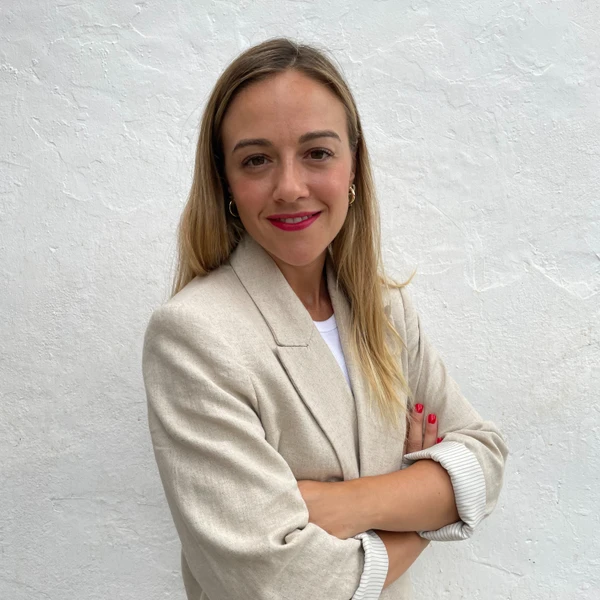
I am a special education teacher in a self-contained classroom with over ten years of experience. My students make me smile even on the hardest days—they admire you not for being the best teacher, or cooking or painting perfectly, or even for teaching them math, but simply for being there and guiding them. Children are the best because they value you as you are and are always eager to learn.
One of my favorite projects is our cooking workshop. I’m not a professional chef, but we always have fun, and even other teachers stop by our door wanting to taste what we’ve made.
I am now preparing to earn my Diagnostician Certificate so I can continue supporting students and their families in new ways.
Education
Texas A & M International University
Master's degree programMajors:
- Special Education and Teaching
Miscellaneous
Desired degree level:
Doctoral degree program (PhD, MD, JD, etc.)
Graduate schools of interest:
Transfer schools of interest:
Majors of interest:
Career
Dream career field:
Education
Dream career goals:
Teacher
2015 – Present11 years
Reimagining Education Scholarship
Cooking Together: Ms. T Kitchen Lab :)
Cooking is much more than preparing food—it is about collaboration, creativity, and real-life skills. In this class, students would begin by deciding together what to cook. This step would encourage them to explore and share ideas, practice teamwork, and learn to listen to one another. The decision-making process is already a lesson in itself, as students learn to negotiate, compromise, and reach agreements. Then, they would search for recipes online, which builds digital literacy and research skills. Writing and preparing the recipe would give them authentic opportunities to practice reading and writing in a meaningful way, not just on paper, but in an activity that comes to life.
Next, we would go shopping for the ingredients. This experience alone teaches so much: how to plan a budget, compare prices, manage money, and make responsible choices. At the store, students would also learn important social and community skills—riding the bus respectfully, pushing the shopping cart safely, crossing the street, greeting the cashier, and practicing courtesy. These are everyday actions that sometimes go untaught, but they prepare children to be independent, confident members of their communities.
Finally, in the kitchen, students would take turns cooking, preparing, and cleaning up. Here, they would learn responsibility, patience, and teamwork. They would see that every role matters, whether you are the one cooking, setting the table, or washing the dishes. The class would not be about perfection but about effort and collaboration. Math would be naturally integrated when measuring ingredients, doubling a recipe, or staying within the budget. Science would come alive in understanding how ingredients change when mixed or cooked. Even social studies could be included, as students explore recipes from different cultures and discuss traditions around food.
The impact of this class would be enormous. Students would gain practical skills they will carry for life, from budgeting to problem-solving. They would develop confidence by creating something tangible and meaningful. They would also learn how to work as part of a team, to share responsibility, and to respect the contributions of others. Perhaps most importantly, cooking together would create memories, laughter, and a sense of community.
Cooking is universal—we all need to eat, and food makes all of us happy :) By making it a required class, we would be giving students tools not only for academic success but also for independence, social growth, and lifelong well-being.
RonranGlee Special Needs Teacher Literary Scholarship
Why I am Passionate about the Special Education Profession
To me, Bloom’s statement means that teaching is not simply about transmitting knowledge, but about helping each student discover their own value and presence in the world. “A sense of their own presence” is that moment when a student realizes they are capable, respected, and important just as they are. For many students in special education, this realization can be life changing. Too often they are underestimated, or worse, treated with pity and low expectations. I admit that it makes me upset when my students are seen only through compassion without challenge, because I know they deserve better. They deserve dignity, respect, and the opportunity to grow.
One of the reasons I connect so strongly with my students is because I treat them the same way I would treat general education students. I do not look at them with pity or sympathy, and I do not lower expectations by filling time with movies or busy work. Instead, we work—each child at their own rhythm, but we work. We laugh, we play, we celebrate, but I also challenge them and hold them accountable. My students know that I will not give up on them, and that trust creates real connection. They begin to see that if I believe in them, they can believe in themselves too.
As a teacher, my mission is to give my students dignity through meaningful learning. In my classroom, every student is a learner, a creator, and an active participant in their own growth. We may cook together in our workshop, and although I am not the best chef, we enjoy the process, learn life skills, and share our creations with pride. Some days, even other teachers stop by our door, curious to taste what we’ve made. These moments remind my students that their work matters, and that others appreciate it too.
Children have the remarkable ability to accept you as you are. They do not need you to be perfect; they simply need you to be present, to care, and to guide them. That is what I try to give them every day—expectations mixed with laughter, and the space to discover their own presence.
A Short Fairy Tale
Once upon a time, there was a teacher known as Ms. T, who had a classroom full of children that the world often underestimated. Many outsiders believed the children could not climb high mountains, or that the path was too steep for them. But Ms. T knew the truth. She did not surround them with pity, but with patience, laughter, and hard work.
Her students worked at their own pace, but they worked. They played, they smiled, and step by step they began to climb. Some took longer, some needed more rest, but each discovered a strength they did not know they had.
In time, the children stopped looking at the mountain with fear. They began to see themselves as strong enough to keep moving, even if the path was slow. And so, Ms. T’s classroom became a place of discovery—where every child saw themselves as capable, valued, and full of presence.