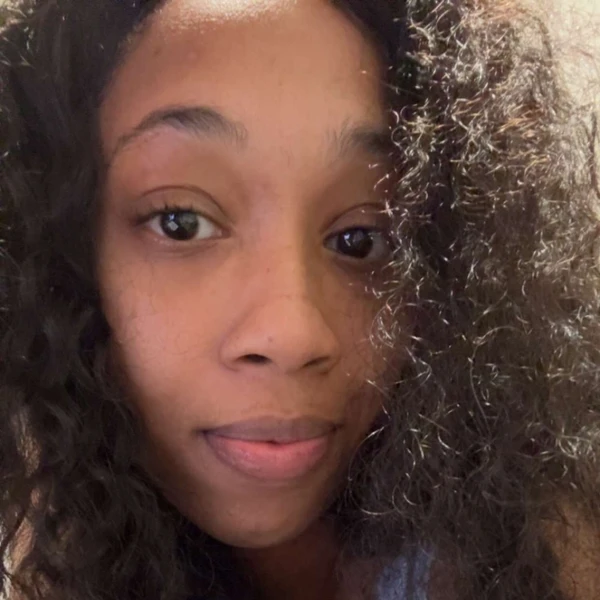
My journey toward becoming a dental hygienist is rooted in both personal experience and a deep desire to serve others. Coming from a lower-income background, I understand firsthand the barriers that many families face when it comes to accessing quality dental care. Growing up without consistent health insurance, I saw how easily oral health could be overlooked when financial struggles took priority. These experiences are what drive my passion to become a dental hygienist who provides care, education, and hope to underserved communities.
While studying dental hygiene, I have dedicated myself to building the skills and knowledge necessary to make a real impact. One of the most meaningful moments in my journey was being featured in the Delaware County Times alongside my dentist for bringing dental care to an underserved area. That experience reaffirmed my purpose—to help bridge the gap in oral healthcare access through prevention, compassion, and education.
Outside of school, I remain active in my local Buddhist temple, where service and compassion guide everything I do. These values extend into my future goals as a hygienist: to treat every patient with respect and empathy, regardless of their background.
To me, empathy means the ability to truly understand and share the feelings of others—to see beyond a person’s circumstances and connect with their experiences on a human level. It’s more than kindness or sympathy; empathy is about listening without judgment, offering compassion without hesitation, and meeting people where they are. In healthcare—and especially in dental hygiene—empathy is one of the most essential qualities a professional can have.
Growing up in a lower-income household, I experienced firsthand the challenges of living without consistent health or dental insurance. I remember the anxiety that came with a simple toothache, knowing that care wasn’t always affordable or easily accessible. Those experiences taught me how deeply oral health impacts not just physical well-being, but self-esteem and quality of life. They also instilled in me a lifelong commitment to help others who face the same barriers. As a future dental hygienist, I want to be the type of professional who not only provides preventive care, but also reassures, educates, and empowers every patient who sits in my chair.
One of my proudest moments was being featured in the Delaware County Times alongside my dentist for helping provide dental care in an underserved community. During that experience, I met patients who hadn’t seen a dental professional in years. Many shared their fears and insecurities about their oral health, and I quickly realized that my role extended far beyond cleaning teeth—it was about restoring trust, dignity, and confidence. That experience reminded me that empathy isn’t just a soft skill; it’s a powerful tool that can change lives.
In my journey as a dental hygiene student, I strive to keep empathy at the heart of my education and practice. At my local Buddhist temple, I participate in community outreach that reinforces values like compassion, mindfulness, and service—principles that I plan to carry into my professional life. I believe that to truly care for others, we must see each patient as a whole person, not just a diagnosis or a procedure.
To ensure that my work remains human-centered, I plan to approach every patient interaction with cultural awareness, active listening, and patience. I want to create a safe and inclusive environment where individuals from all walks of life feel seen, respected, and understood. Whether I’m providing preventive education, performing clinical care, or participating in community outreach, I will always strive to make my patients feel valued and empowered in their own oral health journey.
Empathy, to me, is the foundation of meaningful care. It bridges the gap between provider and patient, transforming a routine dental visit into an opportunity for trust, healing, and understanding. As I continue my journey toward becoming a dental hygienist, I will carry empathy as both my guiding principle and my greatest tool in serving others—one smile, one conversation, and one act of compassion at a time.