user profile avatar

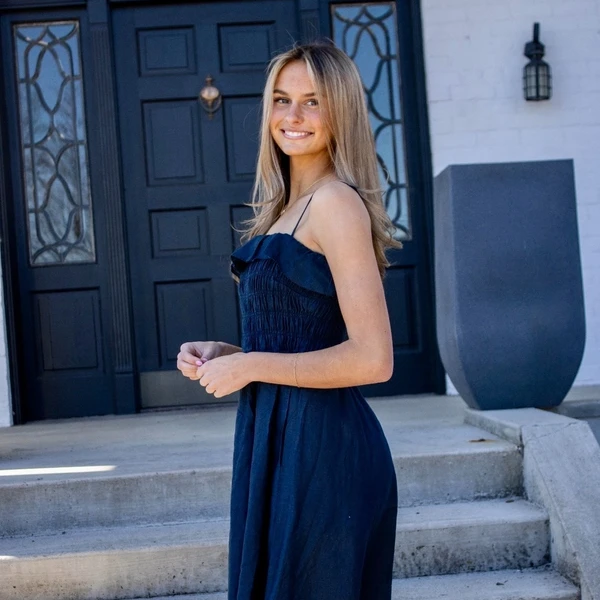
Summer Rohlfs

1x

Finalist

General information

Hobbies & Interests

  • Softball
  • Track and Field
  • National Honor Society (NHS)
  • Church
  • Youth Group
  • Advocacy And Activism
  • Animals
  • ATV Riding
  • Babysitting And Childcare
  • Baking
  • Beach
  • Bible Study
  • Beading
  • Board Games And Puzzles
  • Calisthenics
  • Canoeing
  • Ceramics And Pottery
  • Child Development
  • Clinical Psychology
  • Coaching
  • Cleaning
  • Collecting
  • Comedy
  • Community Service And Volunteering
  • Counseling And Therapy
  • Couponing
  • Dance
  • Driving
  • Ethics
  • Exercise And Fitness
  • Fitness
  • Food And Eating
  • Football
  • Golf
  • Greek
  • Gardening
  • Journaling
  • Kayaking
  • Learning
  • Legos
  • Math
  • Medicine
  • Makeup and Beauty
  • Mental Health
  • Mentoring
  • Music
  • Modeling
  • Nutrition and Health
  • Pet Care
  • Pickleball
  • Psychology
  • Pilates
  • Running
  • Self Care
  • Polish
  • Shopping And Thrifting
  • Singing
  • Sleeping
  • Social Media
  • Sports
  • Baseball
  • Sustainability
  • Volleyball
  • Weightlifting

Reading

  • Romance
  • Chick Lit
  • Book Club
  • Thriller
  • True Story

I read books multiple times a month.

Bio

My name is Summer Rohlfs, and I am from Loveland, Ohio. I am driven by resilience and personal experience to become a child psychiatrist and support children facing challenges like those in my own family. Growing up in a single-income household after my mother left my father due to his alcoholism, I developed perseverance, responsibility, and a strong desire to create a better future. Supporting my younger brother through behavioral and emotional struggles without clear answers inspired my passion for child psychology and my commitment to helping children who feel misunderstood or overlooked. As a three-year varsity softball captain, I developed leadership, accountability, and teamwork while also helping lead a team effort that raised $32,000 in three months to ensure all teammates could attend spring training. I have maintained strong academic performance while balancing athletics, work, and service, earning the Eastern Cincinnati Conference All-Conference Academic Award for all six eligible seasons. I am determined to attend the University of South Carolina, where I hope to continue growing as a leader, join a sorority, and give back through service and philanthropy. Scholarships will allow me to turn my dream into reality and pursue a career dedicated to making a meaningful impact in the lives of others.

Education

University of South Carolina-Columbia

Bachelor's degree program

2026 – 2030

Majors:
  • Research and Experimental Psychology
  • Clinical, Counseling and Applied Psychology
  • Psychology, General
Minors:
  • Business, Management, Marketing, and Related Support Services, Other
  • Business/Commerce, General

Loveland High School

High School

2022 – 2026

Miscellaneous

Desired degree level:
Bachelor's degree program
Majors of interest:
Psychology, Other, Business, Management, Marketing, and Related Support Services, Other, Mental and Social Health Services and Allied Professions, Clinical, Counseling and Applied Psychology
Desired degree modality:
In-Person
Medical school interest:
Yes

Career

  • Chocolate Connoisseur

    Retail · Coco Muse

    Jan 2025 – Present

  • Clothing Specialist

    Apparel & Fashion · Ally's Boutique

    Jan 2024 – Present

Miscellaneous

Dream career field:
Medical Practice
Dream career goals:
Psychiatry
Work experience:
0 years
Has nursing license:
No

Future Interests

  • Advocacy
  • Volunteering
  • Entrepreneurship
J&Y Law Yahouda Yahoudai Service Scholarship
Some of the good I have contributed to my community happened on a softball field, surrounded by younger girls who reminded me of who I used to be. Softball has been a major part of my life since I was little. It gave me confidence, discipline, friendships, and a place where I learned how to lead. Because of that, one of the most meaningful ways I have served my community has been volunteering with youth softball camps and winter clinics. As a varsity player and team captain, I helped coach younger athletes, teach basic skills, run drills, answer questions, and create a positive environment where girls felt comfortable learning. The impact was bigger than softball. Many young players came in nervous, shy, or afraid to make mistakes. I understood that feeling because I had once been the little girl looking up to older players. I wanted them to know they belonged on the field, even if they were still learning. Sometimes the most important thing I could do was not correct a swing or a throw. It was encouraging a player after she missed, cheering when she tried again, or reminding her that confidence grows with practice. Over time, I saw younger girls become more comfortable, more excited, and more willing to take chances. That mattered to me because strong communities are built when older students invest in younger ones. I wanted to help strengthen the Loveland softball program by making younger athletes feel supported and proud to be part of it. I also wanted them to see that leadership is not about being perfect. It is about showing up, caring, and helping others believe in themselves. I have also served my community through other volunteer roles. As a Care Team Intern at Northstar Church, I helped support outreach efforts for individuals and families in need by assisting with essentials, resources, and community care. That experience taught me how important it is to treat people with dignity during difficult seasons. As an Elementary School Student Ambassador and School Ambassador, I helped younger students, families, and visitors feel welcomed and included. I have also helped collect and deliver Thanksgiving meals, volunteered at the Flying Pig Marathon water station, and cared for a family member with spina bifida on an as-needed basis. Each of these experiences has taught me that service does not have to be complicated to matter. Sometimes good is found in coaching a young athlete, handing water to a runner, helping a family receive a meal, welcoming a nervous student, or showing patience to someone who needs support. My future goal is to study psychology at the University of South Carolina, minor in business, and eventually become a child psychiatrist. I want to continue helping children and families who feel misunderstood or unsure where to turn. The good I have tried to contribute to my community has shown me that encouragement, patience, and compassion can change how people see themselves. That is the kind of impact I want to keep making, in my community now and in my future career.
Robert F. Lawson Fund for Careers that Care
I am a student-athlete, leader, volunteer, and future mental health professional who believes that some of the most meaningful ways to help the world begin with helping one person at a time. Growing up, my younger brother and I were raised by a single mother after she left an abusive marriage. Watching my mom rebuild our lives taught me resilience, determination, and the importance of helping others even during difficult circumstances. Although we faced financial challenges, she always emphasized education, hard work, and compassion. She showed me that true success is not measured by what you achieve for yourself, but by how you use your experiences to make life better for others. Throughout high school, I worked hard to balance academics, athletics, employment, leadership, and community service. As a four year varsity softball player and three year captain, I learned accountability, teamwork, and perseverance. I also volunteered through youth softball camps, winter clinics, community service projects, and meal distribution programs. Working with younger athletes taught me the importance of encouragement and mentorship. Sometimes a few words of support can make a lasting impact on a young person's confidence and future. The experience that shaped me most was watching my younger brother struggle emotionally and behaviorally while my mom searched for therapists, evaluations, and support. I saw firsthand how difficult it can be for families to find answers and access the help they need. Too often, people judged my brother's behavior without understanding what he was experiencing internally. Those experiences inspired my career goal of becoming a child psychiatrist. I plan to attend the University of South Carolina to study psychology and continue my education toward a career in child psychiatry. My goal is to diagnose and treat children facing mental health challenges while helping families better understand and support them. I want to create an environment where children feel safe, heard, and valued, and where parents leave with hope rather than frustration. In the future, I hope to make a positive impact by increasing access to mental health care and reducing the stigma surrounding mental health challenges. I would like to eventually open my own practice and provide support to families who may not otherwise have access to quality care. I also hope to continue mentoring young people and advocating for mental health awareness within schools and communities. Robert F. Lawson dedicated his life to serving others. That same commitment to service is what drives me today. My experiences have taught me that one caring person can change the course of another person's life. Through my education and future career, I hope to be that person for children and families who need support, understanding, and hope.
Dr. Mozell Haymon Memorial Scholarship
Bishop Mozell Haymon believed that "life begins with sobriety." While I have not personally struggled with addiction, alcoholism has had a significant impact on my life through a loved one. Growing up, I witnessed how addiction can affect not only the individual struggling but also everyone around them. I saw the fear, uncertainty, and emotional toll it took on my family, especially my mother, who worked tirelessly to protect my younger brother and me while trying to hold everything together. The moment that shaped me most was when my mother chose courage over despair. After years of living with the effects of alcoholism and domestic violence, she made the difficult decision to leave. She walked away from the life she knew with no guarantee of what would come next. Suddenly, she was responsible for raising two children on her own while rebuilding every aspect of our lives. It would have been easier to stay where things were familiar, but she chose a harder path because she believed my brother and I deserved a safer and healthier future. Watching my mother rebuild our lives changed my understanding of strength. She never allowed our circumstances to define us. Instead, she emphasized education, faith, hard work, and perseverance. Even during difficult times, she continued to help others and encouraged us to do the same. Her courage showed me that recovery is not only about overcoming addiction. It is also about healing families, rebuilding hope, and creating opportunities for a better future. Addiction also affected my younger brother in indirect ways. I watched him struggle emotionally and behaviorally while my mother searched for therapists, evaluations, and support. Seeing those challenges firsthand taught me how deeply family trauma can affect children. It also taught me how important compassionate professionals can be in helping families heal and move forward. These experiences inspired my educational and career goals. I plan to attend the University of South Carolina to study psychology and continue my education toward becoming a child psychiatrist. My goal is to help children and families who are facing mental health challenges, trauma, addiction-related struggles, and difficult life circumstances. I want to provide the support, understanding, and guidance that can help families find hope during some of their hardest moments. My family's story taught me that one person's courage can change the course of an entire family's future. My mother's decision to choose hope over fear gave my brother and me opportunities we might never have had otherwise. Through my education and future career, I hope to honor that sacrifice by helping other children and families discover that healing, recovery, and hope are always possible.
Sloane Stephens Doc & Glo Scholarship
The impact I want to make begins with helping children and families feel seen, understood, and supported. Growing up, I learned that some of the biggest struggles people face are not always visible. My younger brother faced emotional and behavioral challenges, and I watched my mom spend years searching for therapists, evaluations, and resources that could help him. As a single mother, she worked tirelessly to support our family while navigating a system that often felt confusing and overwhelming. Those experiences inspired my dream of becoming a child psychiatrist. My mom is the person who has inspired me most. After leaving an abusive marriage, she rebuilt our lives while raising my brother and me on her own. There were times when money was tight and the future felt uncertain, but she never stopped believing in us. She taught me that resilience is not about avoiding challenges. It is about continuing to move forward despite them. She also taught me the importance of helping others, even when you are struggling yourself. I plan to attend the University of South Carolina to study psychology and continue my education toward becoming a child psychiatrist. My goal is to diagnose and treat children struggling with mental health challenges while helping families better understand and support them. Too often, children are labeled because of their behavior rather than understood for what they may be experiencing internally. I want to help change that. Education will provide me with the knowledge and skills necessary to make that impact. It will allow me to advocate for children who feel unheard, support families who feel overwhelmed, and help reduce the stigma surrounding mental health. I want parents to leave appointments feeling hopeful rather than helpless and children to know that their struggles do not define them. I have already begun giving back to my community through youth softball camps, winter clinics, and volunteer service projects. As a varsity softball captain, I enjoyed mentoring younger athletes and helping them build confidence both on and off the field. I learned that sometimes the smallest encouragement can make the biggest difference in a child's life. Those experiences reinforced my passion for helping young people reach their potential. My vision for the future extends beyond my career. One day, I hope to open my own mental health practice and provide resources for families who may not otherwise have access to quality care. I would also like to partner with schools and community organizations to increase mental health education and support for children at an early age. Just as Sloane Stephens used her success to create opportunities for others, I hope to use my education to create opportunities for children and families who need support. My goal is not simply to build a career. It is to create lasting change by helping young people feel understood, valued, and empowered to succeed.
Joe Gilroy "Plan Your Work, Work Your Plan" Scholarship
My ultimate goal is to become a child psychiatrist and eventually own a private mental health practice that helps children and families access compassionate, effective care. This goal comes from watching my younger brother struggle emotionally while my mother spent years searching for therapists, evaluations, and support. Those experiences showed me how difficult it can be for families to find answers and inspired me to dedicate my life to helping children feel understood and supported. My first step is attending the University of South Carolina, where I plan to major in psychology and minor in business. Psychology will provide the foundation necessary to understand child development, behavior, and mental health disorders. My business minor will prepare me to one day operate my own practice by teaching me leadership, financial management, marketing, and operations. My educational timeline is detailed and intentional. I will spend four years earning my bachelor's degree while maintaining strong grades, gaining research experience, volunteering, and seeking opportunities to work with children. After graduation, I plan to attend medical school and complete a psychiatry residency followed by specialized training in child and adolescent psychiatry. The financial aspect of this plan is one of my greatest challenges. The estimated cost of attending the University of South Carolina exceeds $60,000 per year as an out-of-state student. To reduce costs, I have applied for scholarships, completed the FAFSA, pursued financial aid appeals, and worked throughout high school. I currently balance academics with employment and plan to continue working part-time during college. My goal is to graduate with as little debt as possible while maintaining focus on my education. Beyond academics, I plan to continue serving my community through youth softball camps, volunteer work, and mentorship opportunities. These experiences allow me to develop leadership skills while making a positive impact on younger children. My long-term vision is to open a practice that combines quality mental health care with accessibility. I hope to provide services to families who may otherwise struggle to receive support, including offering reduced-cost services, community education programs, and partnerships with schools. Success for me will not simply be measured by opening a practice. It will be measured by the number of children and families whose lives improve because they received the help they needed. Joe Gilroy believed in planning your work and working your plan. My path may be long, but it is clear. Every class I take, every scholarship I apply for, every hour I work, and every person I serve brings me one step closer to achieving my goal of helping children and families build healthier futures.
Stephan L. Wolley Memorial Scholarship
I am a student-athlete, leader, and future mental health professional whose goals have been shaped by my family, my experiences, and the lessons I have learned through sports. Throughout my life, I have been fortunate to have a mother who demonstrated incredible strength and resilience, qualities that continue to inspire me every day. Growing up, my younger brother and I were raised by a single mother after she left an abusive marriage. Watching my mom rebuild our lives while working tirelessly to provide for us taught me the value of perseverance, hard work, and faith. Although our family faced financial challenges and uncertainty at times, she never allowed those obstacles to define our future. Instead, she emphasized the importance of education, character, and treating others with kindness and respect. My educational journey has been shaped by those lessons. I have worked hard to maintain strong grades while balancing athletics, leadership roles, employment, and community service. As a four year varsity softball player and three year captain, I learned discipline, accountability, teamwork, and resilience. Softball became much more than a sport for me. It taught me how to lead by example, support teammates through challenges, and continue working toward goals even when success requires sacrifice. One of the experiences I am most proud of was helping organize fundraising efforts that allowed our softball team to attend spring training in Florida. Through months of working events, fundraising, and volunteering, I helped create opportunities not only for myself but for my teammates as well. That experience taught me that leadership is not about recognition. It is about creating opportunities for others and helping your team succeed together. Outside of athletics, I have dedicated time to volunteering through youth softball camps, winter clinics, community service projects, and meal distribution programs. Working with younger athletes showed me the importance of mentorship and positive role models. I discovered that small acts of encouragement can have a lasting impact on a child's confidence and future. Although my varsity softball career has officially ended, I realized after my final season that I am not ready to walk away from the game. Softball has been part of my life since I was four years old, when my mom first put a bat and tee in front of me. It has shaped my character, leadership skills, and work ethic. Because of how much the sport means to me, I plan to pursue an opportunity to walk on to the softball team at the University of South Carolina. Whether I make the team or not, the experience will reflect the same mindset that has guided me throughout my life: work hard, take chances, and never be afraid to pursue a goal that matters to you. My future plans are deeply connected to my personal experiences. I plan to attend the University of South Carolina to study psychology and continue my education toward becoming a child psychiatrist. Watching my younger brother struggle emotionally while my mom searched for therapists, evaluations, and support inspired me to pursue a career helping children and families facing similar challenges. I want to diagnose and treat children while providing families with the guidance, understanding, and hope they need. The values Stephan Laurence Wolley cherished, family, faith, and competition, are values that have shaped my own life. My family taught me resilience, athletics taught me perseverance, and my experiences inspired my purpose. As I continue my education, I hope to honor those values by helping others, leading with compassion, and making a meaningful difference in my community.
Maxwell Tuan Nguyen Memorial Scholarship
My decision to pursue a career in the medical field began with my family. Growing up, I watched my younger brother struggle emotionally and behaviorally while my mom spent years searching for therapists, evaluations, and support. As a single mother, she worked tirelessly to help him while also trying to navigate a system that often felt overwhelming and difficult to understand. Watching those experiences unfold gave me a firsthand look at how important compassionate and knowledgeable healthcare professionals can be in the lives of families. What affected me most was seeing how often people misunderstood my brother. Many saw only his behavior and not the challenges he was facing internally. It was frustrating to watch people make assumptions without understanding what he was going through. That experience taught me the importance of empathy and inspired me to pursue a career where I could help children who feel overlooked, misunderstood, or unheard. I plan to attend the University of South Carolina to study psychology and continue my education toward becoming a child psychiatrist. I chose this path because I want to be able to diagnose and treat children struggling with mental health challenges while helping families better understand and support them. Mental health is just as important as physical health, yet many children do not receive the resources, understanding, or treatment they need. I want to help change that. Throughout high school, I have worked to serve others in ways that reflect my future goals. As a four year varsity softball player and three year captain, I learned the importance of leadership, encouragement, and supporting others through challenges. Through youth softball camps and community service projects, I discovered how meaningful it can be to help young people build confidence and feel valued. These experiences strengthened my desire to work with children and reinforced my belief that support and understanding can change lives. Through my career, I hope to make a difference by creating a safe environment where children feel comfortable expressing themselves and families feel supported rather than judged. I want parents to leave appointments with answers, hope, and a plan for helping their child succeed. I also hope to advocate for greater awareness and understanding of mental health so fewer children feel alone in their struggles. My family's experiences inspired my career path, but my future patients will inspire my life's work. By becoming a child psychiatrist, I hope to provide the same guidance, compassion, and support that my family searched so hard to find.
Charles B. Brazelton Memorial Scholarship
Everyone has something that makes them a little different. Some people are teased for being tall, left-handed, or wearing braces. My awkward thing is a little harder to explain. If someone is chewing gum next to me, clicking a pen, rubbing their pants together, or making repetitive noises, there is a good chance I am paying more attention to that sound than whatever is actually happening around me. Trust me, I know it sounds ridiculous. If there were an Olympic sport for hearing someone chew a granola bar from three rows away, I would probably win a gold medal. Growing up, my sensory issues were difficult to explain because they were invisible. Most people assumed I was being dramatic or easily distracted. What they did not understand was that certain sounds felt impossible for me to ignore. One place where this affected me the most was in school. During tests, I was often the last student left in the room. Before I could focus on the questions in front of me, I had to work through all the sounds around me. The tapping pencils, rustling papers, clicking pens, and chewing gum seemed louder than the actual test. Some classmates made fun of me for taking longer than everyone else. What they did not know was that I was not struggling with the material. I was simply trying to get my brain to stop paying attention to everything else first. Once I could regulate the distractions, I almost always earned an A. For a long time, I wondered why things that seemed insignificant to everyone else felt so overwhelming to me. As I got older, however, I realized that being different is not something to be embarrassed about. In many ways, my sensory issues helped shape some of my greatest strengths. Because I know what it feels like to struggle with something people cannot see or understand, I have become more patient, compassionate, and understanding toward others. I try not to judge people based on first impressions because I know everyone is carrying challenges that may not be obvious. My experiences also influenced my future goals. I plan to study psychology and eventually become a child psychiatrist. I want to help children who feel misunderstood, overlooked, or different because I know how isolating that can feel. My sensory issues may be my awkward thing, but they taught me resilience, perseverance, and empathy. What once made me feel different is now one of the reasons I want to spend my life helping others.
Brett Brakel Memorial Scholarship
Softball has shaped nearly every part of who I am today. What started as a game I learned as a little girl quickly became one of the biggest sources of stability, leadership, and personal growth in my life. My mom was a college softball pitcher, so she started teaching me the game when I was four years old. My first toy was even a Little Tikes pink bat and tee. Some of my earliest memories are practicing with my mom in the backyard, traveling to tournaments together, and learning lessons about confidence, discipline, and perseverance long before I fully understood how important those lessons would become. As a four-year varsity softball player and three-year captain for my high school team, I learned lessons on the field that extended far beyond wins and losses. Softball taught me resilience during adversity, leadership under pressure, and compassion during difficult moments. Growing up, my family faced challenges involving alcoholism, domestic violence, financial hardship, and emotional struggles that deeply affected all of us. During some of the hardest years of my life, softball became the place where I could clear my mind, regain confidence, and focus on something positive. The structure of practices, games, and teammates gave me consistency during periods where life often felt uncertain. Coaches and teammates became part of my support system, and the game gave me an outlet when I needed one most. One of the biggest lessons softball taught me was that leadership is not about being the loudest person on the field or having the best statistics. It is about making people feel supported, included, and valued. As a captain, I always tried to encourage younger players because I understood how much confidence can grow when someone believes in you. One experience especially shaped my understanding of teamwork and compassion. Before one of our spring training trips, our team had to raise money ourselves to attend. One of my teammates was struggling emotionally because her father was battling stage 4 cancer. She felt overwhelmed trying to balance fundraising while also spending time with him during one of the hardest periods of her life. I told her not to worry about fundraising and that I would help take care of it for her. For months, I worked concessions, raffles, concerts, and sporting events to help raise the money she needed so she could focus on being with her family. Shortly after the season ended, her father passed away. That experience taught me that the impact you leave on people matters far more than statistics or awards ever will. The people who inspired me most throughout my softball journey were my mom, coaches, and teammates. My mom never let financial hardship stop my brother or me from pursuing opportunities. No matter how exhausted she was as a single parent, she still found ways to get me to practices, lessons, and tournaments because she believed in my dreams even when they felt financially impossible. Because of my experiences both on and off the field, I plan to attend the University of South Carolina to study psychology with the goal of eventually becoming a child psychiatrist. Watching my younger brother struggle emotionally while my mom searched tirelessly for support inspired me to pursue a career helping children and families who feel overwhelmed or misunderstood. Softball taught me that success is not measured only by accomplishments, but by the way you impact and support the people around you. Those are the values I hope to carry with me throughout college, my future career, and the rest of my life.
Sola Family Scholarship
Growing up with a single mother shaped nearly every part of who I am today. My mom became a single parent after leaving my father because of alcoholism and domestic violence. Although leaving was the hardest decision she ever had to make, it was also the moment she chose peace and safety for my younger brother and me over staying in a situation that was hurting our family. After we left, our lives changed completely. We went from living comfortably in a large home to moving into a much smaller house near Section 8 housing in Loveland, Ohio. Even though our financial situation became difficult, my mom somehow still made that small house feel like home. Looking back now, I realize she was carrying emotional exhaustion, financial stress, and the pressure of rebuilding our lives entirely on her own, yet she never let us feel unloved or unsupported. One of the biggest things my mom taught me was perseverance. There were times she worked long hours but still made sure my younger brother and I never missed practices, games, school events, or opportunities. No matter how hard things became financially, she always pushed us to maintain strong grades and reminded us that education was something nobody could ever take away from us. She constantly encouraged me to follow my dreams even when we did not have the money to make those dreams easy to achieve. She would always say, “We will figure it out somehow.” Watching my mom rebuild our lives from the ground up taught me resilience, independence, and what true strength looks like. It also made me more aware of the struggles other people carry silently. My younger brother faced emotional and behavioral challenges after everything our family experienced, and I watched my mom spend years trying to find therapists, evaluations, and support for him while still holding our family together emotionally. Seeing that inspired my future goals and shaped the way I view mental health, compassion, and helping others. Because of my experiences, I plan to attend the University of South Carolina to study psychology with the goal of becoming a child psychiatrist. I want to help children and families who feel overwhelmed, misunderstood, or emotionally exhausted while navigating mental health struggles. I understand firsthand how deeply emotional hardship can affect an entire family, and I want to become someone who helps people feel heard and supported. Growing up with a single mother also taught me responsibility and work ethic. Throughout high school, I balanced academics, athletics, work, volunteering, and scholarship applications while helping bridge the financial gap for college. As a four-year varsity softball player and three-year captain in competitive fastpitch softball, I learned leadership, discipline, and how important encouragement can be during difficult moments. Although growing up in a single-parent household came with challenges, it also gave me one of the strongest role models I could ever ask for. Watching my mom continue pushing forward no matter how difficult life became shaped me into a more compassionate, resilient, and driven person. Everything I hope to accomplish in the future is rooted in the sacrifices and strength she showed my brother and me every single day.
WCEJ Thornton Foundation Low-Income Scholarship
Growing up, I learned very early how quickly life can change. After my mom left my father because of alcoholism and domestic violence, my younger brother and I went from living comfortably in a large home to moving into a much smaller house near Section 8 housing in Loveland, Ohio. Although the house was small and our financial situation completely changed, it was the first place that truly felt peaceful and safe. My mom worked tirelessly as a single parent to rebuild our lives while also helping my younger brother through emotional and behavioral struggles that deeply affected our family. Watching my mom balance financial stress, emotional exhaustion, work, and parenting showed me what perseverance truly looks like. There were times where she worked long hours but still made sure my brother and I never missed practices, games, or school events. No matter how difficult life became, my mom always made sure education came first and pushed us to maintain strong grades. She always told me to follow my dreams even though we did not have the money to make them easy to achieve. She would tell me, “We will figure it out somehow.” Hearing that motivated me to work even harder toward my goals. Because of that, I have spent countless hours applying for scholarships, working jobs, balancing athletics, and doing everything I can to help bridge the financial gap between my dreams and what my family can realistically afford. I refuse to let financial hardship decide how far I am capable of going. At the same time, I watched my mom spend years trying to find support for my brother through therapists, evaluations, school meetings, and treatment plans while carrying the emotional pressure of trying to hold our family together. Those experiences made me realize how difficult it can be for families to access emotional and mental health support, especially when finances become another obstacle standing in the way. Higher education represents much more to me than simply earning a degree. It represents independence, stability, healing, and the opportunity to create a life where I can help others who are struggling emotionally the way my family once did. I plan to attend the University of South Carolina to study psychology with the goal of eventually becoming a child psychiatrist. Watching my younger brother struggle emotionally while my mom searched tirelessly for answers inspired my future career path. I saw firsthand how deeply emotional and mental health challenges can affect an entire family, especially when children feel misunderstood or unsupported. I want to help children who have had experiences like my brother and me feel understood instead of overlooked and give families the support my mom spent years trying to find for us. My experiences outside the classroom also shaped who I am. As a four-year varsity softball player and three-year captain in extremely competitive fastpitch softball, I learned leadership, resilience, and accountability. Softball became one of the biggest sources of stability in my life during difficult years. I also volunteered at Northstar Church helping provide families with food, clothing, and basic necessities. That experience impacted me deeply because there were moments where my own family could have easily been the ones needing that help. In addition to volunteering, I worked throughout high school while balancing athletics and academics. I worked at both a chocolate shop and a clothing boutique, often going directly from school to practice to work. Working taught me responsibility, time management, and the reality of how difficult it can be for families to afford higher education. However, those challenges only strengthened my determination to continue my education. Through my future career, I hope to advocate for children’s mental health, help families navigate emotional struggles, and create environments where people feel safe, supported, and valued. Growing up in a low-income single-parent household taught me resilience, empathy, and perseverance during difficult moments. My experiences shaped both my ambitions and the impact I hope to leave on others. I want to build a future where children and families facing hardship feel less alone and more hopeful about what lies ahead.
Hazel & Olive Sweet Horizons Scholarship
One of the hardest challenges I have faced was growing up in a home affected by alcoholism and domestic violence. As a child, I did not fully understand everything happening around me, but I understood the fear, tension, and uncertainty that filled our home. My father’s alcoholism slowly affected every part of our family, and eventually it escalated into moments that changed my life forever. My mom once told me that when they were dating, my father tried to choke her during an argument, and she left him for a period of time. Eventually, he begged and pleaded for her to come back, and she believed things would change. They got married, but over time the drinking became excessive and the abuse became more evident. My mom tried her best to shield my younger brother and me from what was happening, but children notice more than adults realize. I remember sleeping in my mom’s bed with my younger brother on one side of her and me on the other because we wanted to protect her. We lived in a huge house, but despite everything we had materially, our home never truly felt safe. I remember watching my father break a door down and spit on my mom during an argument. Another memory that has stayed with me for years was watching my father push my mother down the stairs while my younger brother and I were home. I remember the fear and chaos of that moment and watching the police arrive and take him away in handcuffs. Those experiences changed me in ways I still carry today. One of the biggest effects is that I struggle to trust people fully because I learned at a young age how quickly someone you love can become someone you fear. At the same time, those experiences made me extremely protective of the people I care about, especially my mom. She became my best friend, and I always felt responsible for trying to protect her emotionally, even as a child. After my mom finally left, we moved into a much smaller home near Section 8 housing. It was nothing like the large house we used to live in, but for the first time in a long time, it actually felt safe. It was just the three of us, and watching my mom turn that small house into a home showed me that peace and love matter far more than appearances or material things. I also saw how deeply those experiences affected my younger brother. Watching my mom spend years trying to find help for him through therapists, evaluations, and school meetings showed me how deeply trauma can affect children long after the situation itself ends. Those experiences inspired my future goals. I plan to attend the University of South Carolina to study psychology with the goal of becoming a child psychiatrist. I want to help children who have had experiences like my brother and me feel understood instead of overlooked and give families the support my mom spent years trying to find for us. Higher education represents much more to me than earning a degree. It represents healing, independence, and the opportunity to build a future different from the one I grew up in. Although my experiences with domestic violence brought pain and fear into my childhood, they also shaped me into a more compassionate, resilient, and driven person. Instead of allowing those experiences to define my future negatively, I want to use them to help others heal and feel less alone.
Our Destiny Our Future Scholarship
When people think about making an impact on the world, they often imagine large inventions, businesses, or groundbreaking achievements. While those things can certainly change lives, I believe some of the most meaningful impacts happen through compassion, emotional support, and simply showing up for people during difficult moments. I want my impact on the world to come from helping people feel understood, supported, and less alone during some of the hardest times in their lives. Growing up, I saw firsthand how deeply emotional struggles can affect an entire family. My younger brother struggled emotionally and behaviorally for years, and I watched my mom spend countless hours searching for answers through therapists, evaluations, school meetings, and treatment plans. As a single mother after leaving my father because of his alcoholism, she carried enormous emotional and financial pressure while still trying to make sure my brother felt supported and cared for. Watching those experiences unfold showed me how isolating mental health struggles can feel and how important strong support systems truly are. Those experiences inspired me to attend the University of South Carolina to study psychology with the goal of eventually becoming a child psychiatrist. I want to work with children who may feel misunderstood, overwhelmed, or alone and help them develop confidence, emotional stability, and healthy coping skills. I also hope to support families who are trying their best to help loved ones navigate emotional challenges but may feel exhausted or unsure where to turn for help. Beyond my future career, I hope to continue impacting my community through mentorship, leadership, and volunteer work. As a four-year varsity softball player and three-year captain, I learned how important encouragement and inclusion can be in someone’s life. Through coaching youth softball camps and mentoring younger athletes, I realized that helping someone believe in themselves can completely change their confidence and outlook. I have also volunteered at Northstar Church helping provide families with essentials such as food, clothing, and basic necessities. That experience impacted me deeply because there were moments where my own family could have easily been the ones needing that same help. Volunteering there reminded me how quickly life circumstances can change and how important it is to treat people with dignity, compassion, and understanding rather than judgment. One experience especially impacted me. A teammate of mine was struggling emotionally while her father battled stage 4 cancer. She felt overwhelmed trying to balance fundraising for our softball trip while also spending time with him during such an important period in his life. I stepped in to help raise the money she needed so she could focus on being with her father. Shortly after the season ended, he passed away. That experience taught me that making a positive impact is not always about solving every problem for someone. Sometimes it is simply about making sure people do not feel alone while carrying difficult burdens. I believe the world needs more compassion, understanding, and people willing to show up for others during difficult moments. Through my education, career, and relationships, I hope to create environments where people feel safe, valued, and supported during challenging times in their lives. Ultimately, I want my impact on the world to be measured not only by professional success, but by the number of people who felt understood, encouraged, and cared for because I chose to show up for them when they needed it most.
Ethel Hayes Destigmatization of Mental Health Scholarship
My experiences with mental health have shaped nearly every part of my life, including my relationships, future goals, and understanding of the world around me. Growing up, I learned that mental health struggles do not just affect one person. They impact entire families, relationships, and communities, often in ways people on the outside cannot fully see. Those experiences taught me the importance of compassion, emotional support, and creating environments where people feel understood rather than judged. One of the biggest influences on my understanding of mental health has been my younger brother. For years, he struggled emotionally and behaviorally, and I watched my mom spend countless hours trying to help him through therapists, evaluations, school meetings, and treatment plans. As a child, I did not fully understand everything he was going through, but I could see how frustrated, overwhelmed, and misunderstood he often felt. I also saw how emotionally exhausting it was for my mom to constantly fight for support while trying to hold our family together as a single parent after leaving my father because of his alcoholism. Those experiences changed the way I view people. I learned that many individuals who seem angry, withdrawn, difficult, or disconnected may actually be carrying emotional pain that others cannot see. Mental health struggles are often hidden behind behavior people quickly judge without understanding the full story. Watching my brother struggle taught me patience and empathy, while watching my mom advocate for him taught me the importance of showing up for people even when progress feels slow or exhausting. Mental health challenges also affected my relationships by making me more aware of how important emotional support can be. I became someone who naturally checks in on people, notices when someone seems overwhelmed, and tries to create environments where others feel included and comfortable being themselves. Through sports, friendships, and volunteer work, I realized that small acts of support can make a bigger impact than people realize. One experience that especially stayed with me happened through softball. One of my teammates was struggling emotionally while her father battled stage 4 cancer. She felt overwhelmed trying to balance fundraising for our softball trip while also spending time with him during such a difficult period in her life. I told her not to worry about the fundraising because I would help take care of it so she could focus on being with her father. Shortly after the season ended, he passed away. That experience reminded me how important support systems are when people are carrying emotional burdens they cannot handle alone. My experiences with mental health also shaped my future aspirations. I plan to attend the University of South Carolina to study psychology with the goal of eventually becoming a child psychiatrist. Growing up around emotional and behavioral struggles showed me how deeply children and families need compassionate professionals who genuinely listen and care. Too often, people struggling with mental health feel labeled instead of understood. I want to become someone who helps children feel safe expressing themselves and helps families feel less alone during difficult moments. Most importantly, my experiences taught me that mental health should never be something people feel ashamed to talk about. Many people suffer silently because they fear judgment or believe asking for help makes them weak. I have learned that emotional struggles can affect anyone, regardless of age, background, or appearance, and that kindness and understanding can sometimes make a greater difference than people realize. Mental health has shaped the way I see the world by teaching me that every person is fighting battles others may not fully understand. Because of those experiences, I hope to spend my future helping people feel heard, supported, and hopeful even during the darkest moments of their lives.
Natalie Joy Poremski Scholarship
My faith has shaped the way I view people, adversity, and the value of every life. Growing up, I learned that faith is not simply something practiced on Sundays, but something reflected through the way we treat others, support people during difficult moments, and carry ourselves through challenges. Throughout my life, my faith has been a source of strength during hardship and has guided the compassion and empathy I hope to bring into my future career. One of the biggest challenges my family faced was my father’s alcoholism. When I was younger, my mom made the difficult decision to leave in order to create a healthier environment for my younger brother and me. Watching her raise us as a single mother while continuing to put faith, family, and perseverance first deeply impacted me. There were moments where life felt uncertain emotionally and financially, but my faith taught me that difficult situations can strengthen compassion, resilience, and purpose rather than destroy them. My younger brother also struggled emotionally and behaviorally growing up, which affected our entire family. Watching my mom tirelessly advocate for him through therapists, school meetings, and treatment plans showed me how important patience, love, and support can be when someone is struggling. Those experiences inspired my desire to attend the University of South Carolina to study psychology with the goal of eventually becoming a child psychiatrist. My faith has taught me to see value, dignity, and purpose in every stage of life. Being pro-life to me means recognizing the humanity of every person, especially those who are vulnerable, struggling, or unable to advocate for themselves. I believe supporting life goes beyond simply holding a belief. It means actively supporting children, families, mothers, and individuals through difficult situations with compassion, understanding, and empathy. I try to live this out daily through leadership, service, and the way I treat others. As a four-year varsity softball player and three-year captain, I always tried to create an environment where people felt included, supported, and valued. Whether mentoring younger athletes, volunteering through youth softball camps, or supporting teammates during personal hardships, I learned that small acts of encouragement can make a meaningful difference in someone’s life. In the future, I hope to use my education and career to advocate for children and families facing emotional and mental health struggles. Too often, children who are struggling emotionally are judged rather than understood. I want to help create environments where children feel safe, supported, and valued while helping families navigate challenges that can often feel overwhelming and isolating. My faith has taught me that every life has purpose and deserves compassion, care, and support. Through my education, I hope to become someone who protects and advocates for others not only through my beliefs, but through my actions, career, and the way I choose to serve my community every day.
“I Matter” Scholarship
One conversation changed my entire senior softball season. During softball season, I asked my coach if our team could go to Florida for a spring training trip over spring break. At first, it felt unrealistic financially, but she told me that if I could figure out how to fund it, we could make it happen. So I got to work. I researched travel costs, fundraising ideas, and ways to make the trip affordable for every player. The more I planned, the more excited the team became. But as everything started coming together, I realized some girls still would not be able to go because of financial struggles at home. One teammate’s father was battling stage 4 cancer. Another came from a difficult home situation and did not have the support to afford the trip. Because I was also raised in a single-parent, single-income household, I understood how quickly opportunities can feel out of reach. The situation with my teammate and her dad stayed with me the most. I remember thinking that she should not have to spend her senior softball season worrying about fundraising while also trying to spend time with her father. No teenager should have to choose between making memories with their family and being able to afford a trip with their team. That was the moment I decided I would take on her fundraising responsibilities myself. For months, I spent nights working concessions at local arenas, sporting events, and concerts. We organized “split the pot” raffles at football games, sold tickets, and looked for every possible way to raise money. There were nights I came home exhausted trying to balance school, sports, work, and fundraising, but every time I wanted to complain, I reminded myself why I was doing it. This was bigger than softball. Over the course of three months, our team raised $32,000. More importantly, every player was able to go on the trip. I personally raised enough money to fully cover the costs for the girls who were struggling financially, especially my teammate whose father was sick, so she could focus on spending time with him instead of worrying about money. Shortly after our softball season ended, her father passed away. Looking back, I will never remember the long nights working concessions or selling raffle tickets as much as I will remember knowing she got more time with him during his final months. That experience changed the way I see leadership and helping others. I learned that leadership is not about recognition or being in charge. It is about stepping in when someone is overwhelmed and carrying part of the weight for them. Sometimes the most meaningful thing you can do for someone is simply give them the chance to focus on what matters most. Growing up in a single-parent household taught me resilience, empathy, and the importance of showing up for people when they need it most. Watching my mom work tirelessly for my brother and me inspired me to become someone who helps others whenever I can. As I continue my education at the University of South Carolina, I hope to continue using leadership, compassion, and determination to make meaningful differences in the lives of others, both in my community and in my future career as a child psychiatrist.
Tawkify Meaningful Connections Scholarship
One of the most meaningful relationships in my life is the relationship I have with my mom. Growing up, she raised my brother and me on her own after making the difficult decision to leave my father due to abuse and alcoholism. Looking back, I realize she sacrificed far more than I understood at the time. She sacrificed relationships, rest, stability, and pieces of herself in order to give my brother and me the safest and most supportive life possible. What shaped me most was not only the sacrifices she made, but the way she carried them. No matter how exhausted she was from working, cleaning, managing the house, helping my brother, or trying to keep everything together, she still showed up for us every single day. She always told me, “If you are going to do something, do it at 110%, or why do it at all?” That mindset shaped the way I approach leadership, school, work, relationships, and life. As I got older, my relationship with my mom became more of a partnership. Because my younger brother struggled with behavioral and emotional challenges, I often helped care for him and became someone he relied on emotionally. In many ways, I grew up faster than most people my age. But instead of hiding difficult realities from me, my mom was always transparent. She openly talked to me about mistakes she had made in life because she wanted me to learn from them instead of repeating them. She taught me that strong relationships require honesty, accountability, trust, and the ability to grow through difficult situations rather than run from them. One small thing that reflects our relationship is that I call my mom almost every time I get in my car. One day, I didn’t call her. Within minutes, she called me because she immediately felt something was wrong. She was right. I was overwhelmed trying to balance school, softball, track, work, leadership responsibilities, and preparing for college. Instead of panicking, she reminded me of something she has said for years: “It’s how you react to a situation that matters. The people who learn from situations the quickest and help others with what they learned will be the most successful.” That conversation grounded me and reminded me that I never have to carry everything alone. My understanding of human connection was also shaped by someone else important in our lives. For years, my mom avoided relationships because my brother and I were always her priority. One relationship she believed was truly healthy for our family was with a man named Danny. During COVID, we stayed with him in South Carolina, and for the first time in a long time, life felt peaceful. It felt like home. He loved my mom, my brother, and me with patience and consistency, and seeing that relationship showed me what healthy love and stability could look like. Tragically, when we returned to Ohio to begin planning a move to South Carolina, Danny unexpectedly passed away at only thirty-eight years old. That experience changed the way I view relationships forever. It taught me that human connection is fragile, valuable, and never something to take for granted. It also made me realize how deeply relationships shape our sense of safety, belonging, and hope for the future. At the University of South Carolina, I plan to study child psychology before continuing on the path toward becoming a psychiatrist. My experiences growing up taught me how deeply emotional support and human connection impact mental health, confidence, and resilience. In the future, I hope to create environments where children and families feel safe, understood, and supported during difficult moments in their lives. No one in the world wants the best for me the way my mother does. Because of her, I learned that the strongest relationships are not built through perfection, but through consistency, sacrifice, honesty, and showing up for people even when life becomes difficult. Those lessons have shaped every relationship I build today, and they are the foundation of the person I hope to become.
Let Your Light Shine Scholarship
I grew up watching entrepreneurship happen in real time, even before I fully understood what it meant. My mom raised my brother and me on her own after leaving my father due to abuse and alcoholism. She worked constantly, but somehow still managed to show up for every game, practice, and school event. As I got older, I started realizing how hard she worked behind the scenes to make that possible. My mom worked at a gym and slowly built her own personal training business from the ground up. I remember one of her clients randomly dropping bags of clothes and items off on our front porch for her to sell online. We did not live in the best area, so at first I thought it was strange. But next thing I knew, my mom had me taking pictures of the items, helping create listings, and learning how to post things online, which is actually how I still sell my own clothes to this day. I will be honest, meeting people to sell items sometimes made me nervous. But my mom would laugh and say, “That’s $50 for 15 minutes of work.” At the time, I thought we were just figuring things out day by day. Looking back, I realize I was learning entrepreneurship without even knowing it. More importantly, I was learning the value of time, work ethic, and showing up consistently. My mom taught me that opportunities do not always come in perfect packages. Sometimes success comes from being willing to work hard, adapt, and make the most out of whatever is in front of you. My brother and I used to joke that my mom “didn’t have a real job” because she was somehow always at everything. Looking back now, I realize she built opportunities for herself so she could build a better life for us. Watching that shaped the kind of entrepreneur I want to become. I want to own my own practice not only because I want to help children and families, but because I value the ability to build something meaningful while still being present for the people I love. Family is extremely important to me. Entrepreneurship, to me, represents the ability to create both impact and balance. At the University of South Carolina, I plan to study child psychology while minoring in business. My long-term goal is to become a psychiatrist and eventually open my own mental health practice. I specifically want to create individualized programs and treatment methods based on the approaches I study and develop throughout my education and career. My hope is to build a practice that eventually grows into a recognizable brand focused on making children and families feel understood and genuinely cared for. Beyond my future career goals, I already try to shine my light through leadership and service. I created and grew a youth softball program that expanded into more than 80 girls, helping younger athletes build both confidence and skills. I also volunteer through Young Life and serve as a Care Team intern at Northstar Church, helping distribute food, clothing, hygiene products, and Thanksgiving meals to families in need. To me, creating a legacy means building something that continues helping people long after you are gone. My mom taught me that success is not about having an easy path. It is about continuing to show up, work hard, and create opportunities for both yourself and others. That is the kind of entrepreneur, leader, and person I hope to become.
Forever90 Scholarship
I embody a life of service by using my experiences, time, and leadership to help people who may need encouragement, guidance, or simply someone willing to show up for them. My mom raised my brother and me on her own after leaving my father due to abuse and alcoholism. She gave everything she had to provide for us, and watching her continue to show up for our family taught me how important compassion, resilience, and community can be during difficult times. Because of that, helping others has become something I naturally prioritize in my own life. One of the biggest ways I have served my community has been through creating and growing a youth softball program in my area. What started as a small winter training group quickly grew into a program serving more than 80 girls. I organized practices, created lesson plans, coordinated schedules, and recruited teammates to help coach as the program expanded. While teaching softball skills was important, what mattered most to me was creating an environment where younger girls felt confident, included, and comfortable stepping outside of their comfort zones. One moment that has stayed with me involved a younger girl in the program who was terrified of learning how to slide. During practice, she became so overwhelmed that she started crying because she was afraid of getting hurt. The next day, I set up a slip-and-slide outside and showed her how to slide by doing it myself first, completely soaking myself in the process. Once she saw it could be fun instead of scary, she slowly became more comfortable trying it herself. Now, she leads her team in stolen bases because of how confident she has become with sliding. Moments like that reminded me that mentorship is often about building confidence just as much as teaching skills. I have also served as a Care Team intern at Northstar Church, where I help distribute clothing, hygiene products, and food to families facing financial hardship. Each year, I also help with a Thanksgiving meal drive that collects, organizes, and delivers meals to more than 100 families in the community. This experience has had a lasting impact on me because I understand what it feels like to struggle privately while still trying to move forward. Because of that, I approach every interaction with empathy and respect, wanting people to feel valued rather than judged. My involvement in Young Life and leading Bible study discussions has also shaped the way I serve others. Those experiences taught me the importance of creating spaces where people feel accepted, heard, and valued. I have learned that service is not always about large acts. Often, it is about consistently showing up for people and making them feel less alone. At the University of South Carolina, I plan to study child psychology and continue on to become a psychiatrist. My goal is to eventually open my own practice where I can provide accessible mental health care for children and families dealing with difficult home situations, emotional struggles, and behavioral challenges. Watching my younger brother struggle with challenges that were often misunderstood inspired me to pursue a career where I can help children feel seen, understood, and safe asking for help in ways they may not currently experience. I believe the most impactful service comes from using your own experiences to make someone else feel less alone, and that is the kind of impact I hope to continue making throughout my life.
Matthew J. Kauffman Memorial Scholarship
My name is Summer Rohlfs, and I am from Cincinnati, Ohio. I am a student athlete, playing varsity softball and participating in track, and I live with my mom and my brother. While these activities have shaped my discipline and work ethic, it is my life experiences at home that have most deeply influenced my decision to pursue a career in medicine. When I was six years old, my life changed in ways no child should experience. My father struggled with severe alcoholism, and his behavior became abusive toward my mother, my brother, and eventually me. I witnessed him hurt my mom both physically and verbally, and there were moments that no child should ever have to see. My mom made the courageous decision to leave, but even after we separated, the impact of that environment did not disappear. As time went on, my father began directing more of his anger toward me, often because I reminded him of my mother. At the same time, my younger brother, who had been exposed to this environment from such a young age, began to change. He had once been a kind and loving child, but the trauma he experienced affected him deeply. He now struggles with severe anger and depression, often isolating himself and finding it difficult to connect with others. Watching his transformation has been one of the most painful experiences of my life. These experiences opened my eyes to the lasting effects of trauma, especially on children. I saw firsthand how deeply mental health struggles can impact someone’s life, and how easily those struggles can go unnoticed or untreated. It made me realize that many children carry invisible pain, often without the support or understanding they need. Considering this, I want to pursue a career in medicine as a child psychiatrist. I am passionate about helping children who are dealing with trauma, mental health challenges, and emotional pain. I want to be someone who listens and helps them find a sense of peace within themselves. I want children to know that they are not alone and that their struggles do not define their worth. My experiences have given me not only a clear sense of direction but also a deep sense of empathy. I understand what it feels like to grow up in a difficult environment, and I have seen how important it is to have someone who truly cares. I believe that children facing mental health challenges are not burdens. They are individuals who deserve compassion, support, and the opportunity to heal. Through a career in child psychiatry, I hope to make a meaningful difference in the lives of children like my brother.
Ginny Biada Memorial Scholarship
The person who has shaped my life the most is my mother. Her strength and unconditional love have guided me through every stage of my life and continue to influence the person I am becoming. When I was eight years old, my mom made the most courageous decision of her life. She left my abusive father with absolutely nothing, taking my brother and me with her to start over. We moved into Section 8 housing, beginning again from the ground up. At the time, I didn’t fully understand how difficult that must have been, but now I realize the weight she carried every single day. She worked three jobs to provide for us, sacrificing her own comfort and rest so that we could have stability. What amazes me most is that she never let us see her struggle. No matter how hard things were, she always had a smile on her face. She made sure we never felt like we were missing out, even when money was tight. She found ways for us to play the sports we loved and participate in activities that made us happy. She gave us a sense of normalcy and joy during a time when her own world must have felt anything but normal. My mom taught me one of the most important lessons I will carry for the rest of my life: if there is something you want, go after it, no matter what stands in your way. She didn’t just say it, but she lived it. She refused to let fear or lack of resources define our future. Because of her, I have learned to keep pushing forward, even when things feel overwhelming, and to believe in myself when it matters most. She is also my best friend. I tell her everything, and I know she will always listen without judgment. She has created a safe space for me where I feel supported and understood, no matter what. That kind of love and trust has shaped my confidence and helped me grow into who I am today. As I prepare to attend the University of South Carolina in the fall, I see her sacrifices more clearly than ever. She has taken on overtime and continues to push herself, all so I can have the opportunity to pursue my education and my dreams. I have never seen anyone work harder or love more selflessly. Every goal I achieve will be a reflection of everything she has done for me. My mother is the bravest person I know. She has taught me the value of perseverance, the importance of loving others, and even how to love myself during difficult times. Her impact on my life is immeasurable. Because of her, I know that no matter what challenges I face, I have the strength to overcome them and continue moving forward. I am who I am today because of my mother, and everything I strive to become is rooted in the example she has set for me.
Curtis Holloway Memorial Scholarship
The moment I truly understood what strength looks like was not in a classroom, but watching my mom come home exhausted from work, still making sure I had everything I needed for school while fixing a leaking faucet or whatever else our landlord refused to fix, and even making lunches for the next day, something she still does even though she dislikes every moment of it. After my mom made the difficult decision to leave my dad due to his alcoholism, he chose not to be part of our lives, and she became the sole provider for our family. It was just the three of us, my mom, my younger brother, and me. She worked multiple jobs and often came home late, but no matter how tired she was, she always showed up for us. She never missed a game or school event and never let our situation become an excuse for us to fall behind. Her support went far beyond providing for us financially. She made education a priority, even when life felt overwhelming. She checked my assignments, pushed me to stay focused, and made sure I understood that my future depended on the effort I put in now. If our grades slipped or she felt we were not trying, we had to miss practice. At the same time, she reminded us we could not let our teammates down, so our schoolwork had to come first. Watching her hold us accountable while still supporting us shaped my work ethic. My mom always said if you are going to do something, it should be 110 percent or not at all, and that mindset has stayed with me. Growing up in a single-parent household has made me aware of financial challenges, and now I face a significant gap in funding my college education. Instead of seeing that as a barrier, I am applying that same mindset and giving everything I have to close it. My brother’s struggles also shaped my perspective. He has faced behavioral and emotional challenges for years, and I have seen how difficult it can be for a child to feel understood. Sitting in waiting rooms and watching him become frustrated when he was not heard showed me how important it is to have someone who truly listens and cares. Before the pandemic, my mom met Danny, who lived in South Carolina. During the pandemic, we stayed with him in Charleston, and it quickly felt like home. They got engaged and planned to move us there permanently, but that changed when he suffered a massive heart attack at 38. Losing him reinforced how quickly stability can change and strengthened my desire to leave Ohio and return to South Carolina to build the life we once planned. All of these experiences have shaped who I am and who I want to become. I plan to attend the University of South Carolina and study psychology, with the goal of becoming a child psychiatrist specializing in behavioral health. I want to both diagnose and treat mental health conditions while creating an environment where children feel safe, supported, and understood. I also plan to minor in business so I can one day open my own practice and create a space that prioritizes both quality care and accessibility. I am not just pursuing a career. I am working to build something of my own, a place where children feel understood, supported, and never overlooked.
Ava Wood Stupendous Love Scholarship
"Kindness in Action" One of the most meaningful acts of kindness I have been part of came during a team fundraising effort for a softball trip to Florida. Each player was responsible for raising money to attend, but I quickly realized not everyone had the same ability to participate. One of my teammates was quietly dealing with her father’s stage 4 cancer diagnosis. While the rest of us were focused on fundraising, she was facing something far more important. She never asked for help, but it was clear she needed time with her family, not extra responsibilities. In that moment, I decided to take on her fundraising entirely so she would not have to carry that burden. I worked extra shifts, took on more hours, and committed to making sure she could still be part of the team without sacrificing time with her dad. In the end, she was able to go on the trip with us, while also having the time she needed with her family. He passed away later that summer, which made that time even more meaningful. That experience changed how I understand kindness. It is not just about helping when it is convenient. It is about recognizing when someone needs support and stepping in without being asked. Sometimes, the most meaningful thing you can do for someone is to make sure they do not have to carry everything alone. "Creating Connection" For the past four years, I have worked to grow the sport of softball in my community, but what I created became about much more than the game itself. It started my freshman year when I invited a few girls in grades 2 through 5 to meet at the high school during the winter so I could teach them the basics. At first, only a small group showed up, but as word spread, more girls began to come. I quickly noticed that many of them were shy, unsure of themselves, or felt like they did not belong. Instead of focusing only on skill development, I made it a priority to create an environment where everyone felt included. I encouraged effort over perfection, made sure every girl had a role, and celebrated small wins. By my junior year, the program had grown to over 80 participants. I organized structured sessions, reserved space, and recruited teammates to help, turning it into something much bigger than I ever expected. The impact became clear during my senior night, when many of those girls, along with their families, came to support me. In that moment, I realized I had not just built a program. I had created a space where people felt welcomed, supported, and connected. That is what community means to me. It is not just bringing people together. It is making sure they feel like they belong once they are there.
Big Picture Scholarship
The movie that has had the greatest impact on my life is Legally Blonde. While many people see it as a lighthearted comedy, I see it as a story about drive, resilience, and refusing to be underestimated. One of my favorite moments is when Warner asks, “You got into Harvard Law?” and Elle responds, “What, like it’s hard?” That confidence has always stuck with me. I have often felt judged or underestimated, but like Elle, I have learned to trust my work ethic and push forward anyway. That mindset connects to something my mom has always told me: if you are going to do something, give it 110 percent or not do it at all. In Legally Blonde, Elle reflects that same mentality in a different way when she says, “It’s pink. And it’s scented! I think it gives it a little something extra.” It is that willingness to add something extra, even in small ways, that sets her apart. I have learned that success is not just about meeting expectations, but about going beyond them. As a student-athlete, I have had to balance academics, sports, jobs, leadership roles, and volunteer work. There are moments when it feels overwhelming, and it would be easy to do the minimum. However, I have learned that growth does not come from doing what is easy. It comes from showing up consistently and pushing yourself when things are difficult. That is something Elle demonstrates throughout the film. She does not just get into Harvard; she proves she belongs there through persistence and confidence in who she is. What makes Elle’s story so impactful is that she never changes who she is to fit into someone else’s expectations. In middle school, I was surrounded by my so-called “friends” who were making choices that did not align with how I was raised. There was pressure to fit in, but I knew it was not who I wanted to be. Like Elle, I had to decide whether to change or stay true to myself. I chose to walk away. It was not easy, but it taught me that real strength comes from standing on your own and staying committed to who you are. That experience shaped how I see myself. I have learned that I do not have to fit a specific mold to be successful. I can be driven, focused, and ambitious while still being true to who I am. This mindset has also shaped my goals for the future. I plan to study psychology and eventually become a child psychiatrist. Through my experiences with my brother, I have seen how important it is for children to feel understood and supported. I want to use my education to make a difference in their lives. Legally Blonde taught me that being underestimated is not a weakness unless you allow it to be. When I hear, “What, like it’s hard?” I do not hear arrogance. I hear confidence built through effort, and a reminder that with determination, I am capable of more than others may expect.
Sarah Eber Child Life Scholarship
When I was around five years old, I experienced adversity that shaped my understanding of family, hardship, and compassion for the rest of my life. At the time, my parents were going through a very difficult and hostile divorce. One night, an argument between them escalated into something I did not yet have the ability to fully understand. My father, who struggled with alcoholism, had been drinking heavily that night. As the situation intensified, he began trying to force my mother down the stairs. I remember feeling confused and scared, not understanding why my mom kept trying to move away from him or go upstairs. I kept telling her to just go down the stairs, not realizing she was trying to protect me and keep distance between me and the situation. Looking back, I now understand her actions were driven by fear that I might also get hurt. Eventually, my mother went downstairs, and my father attempted to leave the house. She followed him, and I witnessed him throw her against the laundry room wall. It was a moment no child should have to see, yet it became a defining memory in my life. Shortly after, my father was arrested and went to jail. At that age, my plan of action was simple. I could not fix what was happening, but I knew I wanted to comfort my mother. I reassured her that everything would be okay and that she was not alone. Even as a young child, I felt a strong sense of responsibility to support her emotionally. As I grew older, the challenges did not disappear. My father’s alcoholism continued, and his behavior became more difficult. At times, he would project his anger onto me, blaming me for things that were not my fault. For years, I viewed him with resentment and confusion. It was hard to separate who he was from the pain he caused. However, as I matured, my perspective began to shift. Instead of only seeing his actions, I started to recognize the deeper issue of addiction. I began to view him as someone who needed help rather than only someone who had caused harm. This change did not erase the past, but it helped me understand the importance of empathy and second chances. Today, my father has been sober for two years. Our relationship is not perfect, and I still maintain boundaries to protect my well-being. I see him about once a week, and our relationship feels different from a traditional father-daughter dynamic. However, I recognize the effort he has made to change, and I meet that effort with cautious understanding. This experience has impacted my perception of life in both challenging and meaningful ways. It has made trust difficult for me, and I know part of me will always carry those early experiences. At the same time, it has strengthened my belief that people are capable of growth and deserve compassion, especially during their lowest moments. Most importantly, this adversity has inspired my passion for helping children facing difficult family situations. I understand how confusing and overwhelming those experiences can be from a child’s perspective. Because of this, I want to pursue a career of child psychology where I can support children and families through hardship, offering the understanding and care that can make a lasting difference in their lives. In doing so, I hope to honor the mission of this scholarship and create meaningful change.
Brian J Boley Memorial Scholarship
I am pursuing a degree in the mental health field because I have seen how misunderstood and complex mental health challenges can be, and how often the system fails to provide clear answers or effective care. Mental health and addiction have shaped my life in a deeply personal way. My mother left my father due to his alcoholism, and our lives changed overnight. Many nights, he would call my mom and me while intoxicated, threatening to harm himself if he could not see us. As a child, I could not fully process what was happening, but I felt the fear and confusion that came with it. These experiences showed me how closely mental health and substance use are connected and how much families need guidance. Growing up, I also watched my younger brother, Blake, struggle with behavioral and emotional challenges that no one seemed able to explain. At times, we wondered if it was connected to the absence of his father, but I always felt there was something deeper. He has been to more doctors than I can count, yet no clear diagnosis or lasting solution has been given. Each appointment brought temporary hope, but little clarity. At home, the uncertainty has been constant. There have been times when my mom checks on Blake late at night, worried about his safety when he is in a darker mood. Blake is the closest thing to my heart, and he is often only truly happy and open with me. That connection has shown me how important trust is and how difficult it is when answers are missing. My perspective deepened as I saw similar struggles affect others close to me. My cousin Jacob, who is close to my age, has experienced severe mental health challenges and has spent time in treatment facilities. At times, his behavior was difficult for others to handle, yet with me he has always shown kindness. That contrast reinforced my belief that individuals are more than their most difficult moments and that behavior often reflects deeper struggles. Through these experiences, I became determined to find answers where others could not. I am pursuing psychology at the University of South Carolina with the goal of becoming a child psychiatrist so I can bridge the gap between emotional awareness and medical treatment. I want to study brain function, chemical imbalances, and evidence-based treatments so I can provide clearer direction and more effective care. Mental health and addiction are closely connected, yet often treated separately. I believe one of the most important ways to improve the system is to address these challenges together, ensuring individuals receive consistent, informed care that meets their full needs. I also believe mental health care must be more human-centered. Too often, individuals feel unheard or reduced to a diagnosis. I want to create an environment where patients feel respected, valued, and involved in their own care. This field is not just a career choice for me. It is personal. It is rooted in the fear of not having answers, the impact of addiction within my family, and the belief that better care is possible. By pursuing a career in mental health, I hope to provide clarity where there is confusion, compassion where there is fear, and real solutions where there have too often been none. In honoring Brian’s story, I am committed to becoming the kind of professional who ensures individuals facing these challenges are met with care that does not fall short.
YOU GOT IT GIRL SCHOLARSHIP
I have been playing softball since I was five years old. Over the years, I explored many different sports, but softball was the one I always returned to. Part of that commitment came from my mom, who played softball in college. Growing up, I admired her dedication and wanted to follow in her footsteps. What began as a way to feel closer to her gradually became a defining part of who I am. Softball was not just an activity; it was a constant in my life, shaping my schedule, my friendships, and my sense of identity. However, during my junior year of high school, I experienced the most difficult setback of my athletic journey: burnout. After more than a decade of constant practices, games, and pressure to perform, I found myself mentally and emotionally exhausted. The sport that once brought me so much joy started to feel like an obligation. I dreaded stepping onto the field, and practices that used to excite me became something I had to push myself to get through. I began to question whether all the time and effort I had invested over the past 13 years had been worth it. At my lowest point, I felt disconnected not only from the game but also from myself. It was difficult to admit that something I loved so deeply had become a source of stress and unhappiness. Recognizing how unhappy I had become, I made the difficult decision to step away from softball during my senior year's fall season. Taking that break was not easy. It felt like I was letting go of a part of my identity and disappointing both myself and others who had supported me along the way. However, that time away allowed me to reflect, reset, and rediscover why I started playing in the first place. Without the constant pressure of competition, I was able to reconnect with the simple joy of the game. I realized that somewhere along the way, I had lost sight of the passion that originally drew me to softball. When I returned to the field, my perspective had undergone a complete transformation. I no longer played out of obligation or expectation, but out of genuine love for the game. I learned how to have fun again, to appreciate each moment, and to value the experience rather than just the outcome. I became more present during practices and games, focusing less on perfection and more on effort and enjoyment. Now, I find myself smiling throughout games, fully engaged and grateful for the opportunity to play the sport that has been such a meaningful part of my life. As my senior year comes to a close, I feel a sense of bittersweet gratitude. While I am sad that this chapter is ending, I am proud of the growth I experienced. Burnout taught me the importance of balance, self-awareness, and resilience. It showed me that it is okay to step back when something no longer brings you joy and that doing so can lead to renewed passion and purpose. Most importantly, this experience empowered me to take control of my own well-being and redefine my relationship with something I love. Moving forward, I will carry these lessons with me, knowing that challenges can become growth opportunities when approached with courage.
Dream BIG, Rise HIGHER Scholarship
Education has never just been about school for me. It has been my way forward. When things in my life felt uncertain or out of my control, education was the one thing I could rely on. It gave me structure, direction, and a reason to keep pushing toward something better. One of the biggest challenges in my life started when I was eight years old. My mom made the decision to leave my dad because of his alcoholism, and everything changed after that. We went from living in a large home to moving into a much smaller house. I didn’t fully understand everything at the time, but I could feel the difference. Life felt less stable, even if no one said it out loud. Even with everything going on, my mom never stopped showing up for us. She worked multiple jobs, but she still made it to games, school events, and everything in between. She also made sure that school always came first. If I had a missing assignment, I was not allowed to go to practice or any extracurricular activities until it was done. At the time, it felt strict, but now I understand what she was teaching me. She was teaching me discipline, accountability, and the importance of education. There was a time when we did not have enough money to pay the water bill. Instead of telling us, my mom said we were going to her work to “work out” and shower there. At the time, we thought it was fun. We did not question it. We just thought it was cool to go to her work. Now I understand what was really happening. She was doing everything she could to protect us from stress we were too young to carry. That moment stayed with me. It showed me what quiet strength looks like. It taught me that even when things are hard, you keep going and take care of the people around you. At the same time, I was dealing with a different kind of challenge at home. My younger brother has always struggled with his behavior and emotions, and it has never been fully understood or diagnosed. To most people, he can seem difficult or frustrating. But with me, he is completely different. He is calm, open, and trusting. Over time, I became the person he would go to when he was overwhelmed, even when I did not have the answers. Being in that position taught me how to listen without judging and how to be patient even when things did not make sense. It also made me realize that behavior is not always what it seems. There is usually something deeper behind it that people do not always see. That realization is what led me toward psychology. At first, I just wanted to understand my brother better. But the more I thought about it, the more I realized how many families go through similar situations. There are so many kids who are misunderstood and labeled without anyone really trying to understand what they are going through. That is what pushed me to want to become a child psychiatrist. I want to help kids feel understood and give families the support and answers they need. Throughout high school, I have tried to turn what I have been through into something positive. I have maintained a 3.8 GPA while balancing sports, work, and leadership roles. As a four year varsity softball player and team captain, I learned how to stay disciplined and lead others through challenges. Being named First Team All Conference and selected to the Southwest District Underclassman Team showed me that consistency and effort matter over time. I have also taken on leadership roles as a school ambassador and as a member of the Student Athlete Leadership Team. I am involved in Young Life, where I have been able to build connections and be part of a community that focuses on supporting others. These experiences have pushed me to step outside of my comfort zone and be someone others can rely on. Outside of school, I have worked multiple jobs. Working while going to school has taught me responsibility and time management. It has also shown me the value of earning your own money and staying accountable to your goals. Another experience that had a big impact on me was working as a caregiver for someone with spina bifida. That role taught me patience and empathy on a deeper level. It showed me how important it is to be consistent and present for someone, even in small ways. The challenges I have faced have not held me back. They have given me a clear sense of direction. Growing up in a single parent household, dealing with financial uncertainty, and supporting my brother have shaped who I am. They have taught me how to stay strong, keep going, and care about others in a real way. In the future, I plan to use my education to make a difference in the lives of children and families. As a child psychiatrist, I want to create a space where kids feel safe and understood. I want to help them express what they are feeling and give families the tools to support them. I qualify for and need this scholarship because I have balanced school, work, and family challenges while staying focused on my goals. Growing up in a single parent household has meant financial stability has not always been guaranteed, and I have worked throughout high school to prepare for my future. This scholarship would allow me to focus more on my education and less on financial stress. Education is what makes all of this possible for me. It allows me to turn my experiences into something meaningful. I am committed to using it to build a better future for myself and to make a real difference in the lives of others.
Valerie Rabb Academic Scholarship
Most people see my brother as difficult. I see him as misunderstood. Growing up, I noticed a big difference in how he treated others compared to how he treated me. When things didn’t go his way, he would get frustrated, shut down, or lash out, leaving my parents overwhelmed and searching for answers that never seemed to come. But with me, he was different. He was calm, open, and trusting. I became the person he turned to when he felt overwhelmed, even when I didn’t have the answers. Over time, I started to realize that behavior is often a form of communication, and that frustration usually stems from something deeper that hasn’t yet been understood. My brother’s challenges were only part of my upbringing. I was also raised in a single-parent household after my mom made the decision to leave my father’s alcoholism when I was eight. We went from a large home to a small house, and although our circumstances changed, her effort never did. She worked multiple jobs but still showed up for everything. Both of our games, school events, and everyday life. Watching her push through difficult situations taught me that challenges don’t define you. How you respond to them does. Instead of letting these experiences hold me back, I learned from them. I became more patient, more aware of others, and better at listening without judgment. These moments are what led me to want to become a child psychiatrist. I want to help kids like my brother learn to express themselves in healthy ways. I also want to support families who feel stuck or unsure of how to help their children. Throughout high school, I’ve worked to turn my experiences into action. I’ve maintained a 3.8 GPA while balancing sports, work, and leadership roles. As a four-year varsity softball player and team captain, I earned First Team All-Conference honors and was selected to the Southwest District Underclassman Team. I’ve also worked multiple jobs, which has taught me responsibility, time management, and independence. In addition, being a caregiver for someone with spina bifida strengthened my patience and showed me how important consistency and compassion are when supporting others. The challenges I’ve faced haven’t held me back. They have shaped who I am. I’ve learned to choose growth over frustration and understanding over judgment. These lessons are what I will carry with me into my future. As a child psychiatrist, I want to create an environment where kids feel heard instead of dismissed. I want to help them understand themselves and give families the tools to support them in a healthier way. My goal is not just to treat mental health challenges, but to change how they are understood. Receiving this scholarship would help me continue my education without the constant financial stress. Coming from a single-parent household and working throughout high school, I understand the value of financial support. This scholarship would allow me to focus more on my studies and my future career so I can one day give back and support families like mine. In the spirit of Valerie Rabb’s commitment to uplifting children, I hope to carry that same purpose forward by helping kids like my brother feel understood and supported.
Resilient Scholar Award
I was 8 years old when my life changed overnight. My mom sat my brother and me down to tell us we were moving out and that we were now a family of 3. I didn't know back then that my father was an alcoholic. I just knew we were leaving our huge, beautiful house for a tiny home down the hill, next to Section 8 housing. The difference was impossible to ignore. You would think that everything I knew about "home" would be jarred. Even though our new house was small, my mom's presence was huge. She worked three jobs, but she never let that be an excuse to miss a moment of our lives. She was always the one driving us to school and to practice, and she even coached my softball team. She kept me involved in everything and anything I came home and said I wanted to try. That included softball, track, soccer, volleyball, piano lessons, Girl Scouts, and chess club. Looking back with more knowledge of the situation, I realize she was working herself to the bone to make sure my brother and I felt like we had a "normal" life. I'd be at a game in a freshly clean uniform and a bag of snacks, never fully grasping that my mom had probably just come from one job and was headed straight to another once the game was over. The moment that really changed my perspective happened two years ago. My mom told us we are moving back up the hill. It needed a ton of work, but I was so excited to have a pool. But what makes this house special isn't the neighborhood or the pool—it's the fact that my mom did the renovations herself. She spent months, during her free time, tearing down walls and tiling floors, never asking anyone for a hand, except YouTube, of course. Although we can say we live up the hill in a new home, things aren't perfect. There are still times when our electricity or water gets cut off and doesn't come back on until the next day. One day, while we were waiting for the water to turn back on, I had an epiphany. I realized that my mom's strength wasn't about the house we lived in; it was about her refusal to let our circumstances define us. Whether we were down the hill or back at the top, she made sure we showed up and always felt love. Seeing the toll that addiction took on my family, and the resilience it took for my mom to pull us through it on her own, gave me a clear sense of purpose. I want to be that support system for other kids who are dealing with things they don't yet understand. My goal is to leave Ohio and attend the University of South Carolina to study psychology and eventually become a child psychiatrist. I want to show kids that their current situation can change and to see the bigger picture. Whether they're living in a "big house" or just trying to get the lights back on, it doesn't limit what they can achieve. I'm moving to South Carolina with the same grit and drive my mom used to tile those floors and figure out how to clean a pool. I've learned that you don't need a perfect life to build a great one; you need the heart to keep showing up, especially for the ones you love.
Aserina Hill Memorial Scholarship
I am Summer Rohlfs, 18 years old, who lives in Loveland, Ohio. Throughout high school, I have been a four-year varsity softball player and a two-year varsity track and field player. I have received A's and B's during high school and have not dropped under that criteria. I plan to attend the University of South Carolina to become a child psychiatrist. I find exploring the social aspect of my life to be one of my main interests, for I find happiness in making others content, including myself. I have already volunteered with various non-profit organizations, including Life Food Pantry, a care service at my local church, participated in makeup drives, and blanket drives for those in need. After high school, I plan to pursue my dream of becoming a child psychologist, as I am passionate about working with kids. Overall, I have had countless experiences during my coming-of-age years, and I look forward to new ones. If I could start my own charity, my mission would be to tackle the growing poverty gap. Growing up, I had to live in an area that was filled with poverty and families who struggled to support their own children. These factors motivated me to reduce the skyrocketing poverty rate. I have considered starting my own charity focused on impoverished families and on helping in my community. Furthermore, driven by this ambition, I wrote a research paper and gave a presentation at my school to raise $1,000 for Adam Brown Community Action Partnership's non-profit. My charity would serve impoverished families who can not keep up with the day-to-day standards of living. For example, families who cannot afford housing, food, electricity, and transportation. The services my charity would provide and the roles volunteers would play include hosting drives where impoverished families can meet with volunteers to obtain basic necessities, such as toiletries. Furthermore, my volunteers would tutor children of impoverished families, as most kids are unable to receive proper education due to the environment they live in. These tutoring programs can also advance the child far enough to build wealth and fight poverty. Including volunteers in my charity would help with renovations to housing if unsafe living conditions are beyond the families' means to repair. These volunteers could also handle general tasks, such as sorting donations, managing inventory, and performing clerical work. To summarize, the charity I'd build would serve individuals in our stressful economy across a broad range of needs. The charity, which provides a wide range of services for low-income families, underscores the importance of the charity I would create. In addition, volunteers could assist the charity profoundly in countless ways. This not only allows everyday people to be positive in their lives, but it also makes a positive impact on society.
Kalia D. Davis Memorial Scholarship
Just this week, during my Varsity Softball practice, my coach asked everyone to speak up on what it would take to win and be successful this season. Some teammates responded with positivity, some mentioned with cheering and being a team player, and others said to be present. After listening to these basic responses, I chimed in with "Work Ethic." While all of the other answers contribute to a win here and there, I believe if you show up every single day and give 110%, whether it is a good or bad day, you will be successful at whatever you choose to pursue in life! Coach J acted like we had won the lottery with my answer, elaborating on all of the standards I have set for myself in my academic, athletic, and personal life. My name is Summer Rohlfs. I am a high school senior at Loveland High School in Ohio. My current GPA is 3.8. I am part of the National Honor Society and the Student-Athlete Leadership Team. Both of these accolades are very dear to my heart. It gives me the opportunity to utilize my leadership and collaborate with others who share my hard-working spirit. I have been playing sports my whole life. I have been a Varsity Softball starter for all 4 years of high school, while playing two years of Varsity Track during the same season. I would go from school, to softball, to track every day. Playing sports has had a huge impact on how I view many aspects and challenges of life. For the last year, I have found a new relationship with God and have become an active Young Life Member, participating in faith-based community activities. I believe it is important to invite my peers to these events without judgment, so they can find a new outlet for pursuing joy. I am a Care Center Intern at a local church, where I support the staff in providing essentials to people in need. My favorite part about that job is talking with the people who come in and putting a smile on their faces. I have two part-time jobs. One as a coffee shop employee and the other at a small boutique. I have one younger brother who has ADHD. We were both raised solely by my mother since I was 7 years old because my father was an alcoholic. My mother refused to let that affect us in any way and played both mother and father without any financial support from my father. Although we were "poor" in society's guidelines, my brother and I never went without, and honestly, never noticed we didn't have the same means as everyone else. She always found a way, meanwhile pushing me to be the best version of myself. I pride myself on getting my work ethic and perseverance from watching my mother do whatever it takes to provide a wonderful life for us three. This scholarship will help my family tremendously! I plan on attending the University of South Carolina. My goal is to become a child psychiatrist. I am choosing this path mainly due to my brother's difficulties as a child. I want to be able to understand, educate, and enlighten young children with mental issues. That said, it will be extremely costly for me to follow my dreams. The cost of out-of-state tuition will be a significant burden on my mother, and I want to contribute in any way I can after everything she has done for me.
Overcoming Adversity - Jack Terry Memorial Scholarship
Jack Terry's story inspires me deeply due to the hardships he went through, including the tenacious ways he overcame his challenges. Jack Terry was known for surviving the detrimental effects of the Holocaust, pushing through those challenges, and finally advancing his life to give support to other children in the world. As Jack Terry had pushed himself to become a successful individual in the United States, even after having no education or a positive view on the world due to the Holocaust, which heavily inspires me to know that there is always hope in what I would like to become. In my own life, I had to fight through numerous adversities, resulting in learning important information about my own life. For example, throughout my childhood, I dealt with a dad who was an alcoholic and who constantly disrespected and abused my family. I have moments of remembrance of seeing how my little brother and I were treated by my father when he was drinking, where we both would watch fights between our parents from a distance. Events like these in a child's life could be severely harmful to not only how the kid views society, but the actions the kid may make in the near future. These moments of remembrance allowed me to understand and learn that I should improve the mental health of children who are undergoing adversities in their lives, just as I did. I have overcome this strong hardship in my life by moving on, forgiving those who treated me that way, advanced my manners and personality, leaving life to drop me in the path of wanting to help these struggling kids who may not have the best family life. After seeing how Jack Terry and I could improve our own lives, even after these negative impacts on our lives, I could now use this information to begin to help the youth through the hardships they may be facing. Furthermore, I could assist the youth by pursuing my dreams of becoming a child psychologist, and making society a better place for these young individuals. Reading about how Jack Terry was treated during his coming of age years, influences me to need to help children that were around Jack Terry's age, which would cause them to likely turn out as successful as him. To conclude, Jack Terry's story is highly inspirational towards my own life, and only adds on to my desire to improve the youth in society. Undergoing an extreme hardship of watching others, and myself, be abused during my childhood, allows me to understand that these children deserve support during their maturing years. Including the fact that I will be persistent in trying to make society a safer, and more accepted place for all people, and to make them turn out as closely as Jack Terry.
Bros for Good Scholarship
This year, I have taken countless steps to become more involved in the community around me. In the ways I have became more engaged in my community ranges from assisting those in need who are struggling gaining the essentials they need in their life from a economic aspect, helping children to become more open and accepted during their daily activities from a social aspect, and boosting children's academic standpoint from an educational aspect. To begin, this year I volunteered at a care-center in my community to be more engaged with the impoverished members of Loveland. This involvement allowed me to understand how other people are forced to live, which resulted in me becoming extremely more empathetic to those around me. At this program, I provided impoverished families with basic necessities that they were unable to afford. Specifically paper towels, tide, laundry essentials, toiletries, and diapers for little kids. But most importantly, I was able to provide my community a sense of social acceptance. Overall, volunteering at this care-center that is affiliated with the NorthStar Church near me has allowed me to become more engaged with my community. Not only have I assisted struggling families in my community, I also helped the youth in their athletic abilities. Although I had volunteered at a care-center in my community this year, I have also worked with youth softball players who are aspiring to become more efficient at the sport. Each week, I met with certain youth softball players who are struggling to advance in the sport. I assisted the children in fielding balls, hitting, and building their endurance. These children, from working with me, allotted for them to become more accepted from others, and become more confident with their athletic abilities. To summarize, advancing these youth softball players to become more socially confident is a direct result of me becoming more involved in my community. Other than helping these children in their athletic abilities, I have also boosted their education. Even though I have helped my community by providing athletic assistance, I also became an ambassador for the Loveland Primary School that was in my community. As an ambassador for this primary school, I educated kids who are struggling in their classes and urged for extra help. I was able to teach these kids in all subjects that were mandated in the Ohio district, including the fact that I played with those at recess who had never acquired plenty of friends. To summarize, I became an ambassador for the Loveland Primary School to result in being more engaged in my community. In conclusion, during this current year, I have taken many steps into becoming more involved in my community, and am looking at other opportunities to assist those in need. I have helped struggling, impoverished families who couldn't keep up with the current standards of living, allowed children in my community to become more socially accepted and confident, and finally I have boosted children's education in school by becoming an ambassador for the Loveland Primary School. I am more than happy to take on any opportunity to become more involved in my community as it relates to what I am wanting to pursue in the future, child phycology.
Summer Rohlfs Student Profile | Bold.org