user profile avatar

Summer Clements

1x

Finalist

Bio

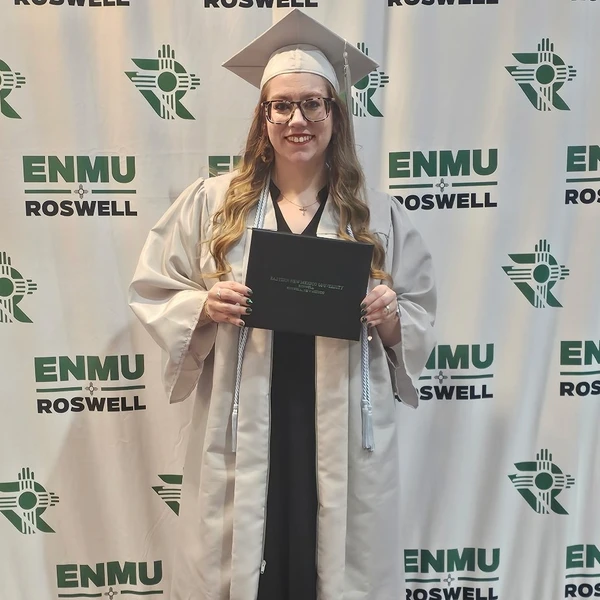
My dream is to be a special education pre-k teacher. I currently work at an early intervention in Roswell, NM as a Family Service Coordinator and I love kids! Watching them grow and develop new skills is a passion of mine and I hold all of the kids and families I work with close to my heart! I have obtained 2 associate degrees my first one in medical assisting in 2021 and my second degree is in Early childhood education, I graduated in 2025 with honors. My goal is to obtain a bachelors degree in university studies with an emphasis in early childhood education and special education. After that I will apply in the RISD to be a teacher and will begin an alternative licensure program! I am excited for this journey and would appreciate any help I could get! :) Thank you for taking time to read about me!

Education

Eastern New Mexico University-Main Campus

Bachelor's degree program
2026 - 2028
  • Majors:
    • Special Education and Teaching
    • Education, Other

Eastern New Mexico University-Roswell Campus

Associate's degree program
2024 - 2026
  • Majors:
    • Education, Other

Eastern New Mexico University-Roswell Campus

Associate's degree program
2019 - 2021
  • Majors:
    • Medicine

Miscellaneous

  • Desired degree level:

    Master's degree program

  • Graduate schools of interest:

  • Transfer schools of interest:

  • Majors of interest:

  • Not planning to go to medical school
  • Career

    • Dream career field:

      Education

    • Dream career goals:

      Special Ed. Teacher in a Pre-K setting

      Arts

      • Hagerman High School

        Music
        2012 – 2016

      Public services

      • Volunteering

        Church — Serving
        2023 – Present

      Future Interests

      Advocacy

      Volunteering

      Poster Studio Express Visual Education Scholarship
      In designing my educational visual aid, I chose the Common Core State Standard that focuses on classifying objects into categories, counting the number of objects in each category, and sorting the categories by count. I selected this standard because it introduces foundational math skills that are developmentally appropriate for young learners while encouraging observation, organization, and critical thinking. In early childhood classrooms, students learn best when they can interact with concepts in meaningful and hands-on ways. Sorting and counting objects helps children actively participate in learning while building early mathematical understanding. This standard also connects math to real-life experiences, helping students understand how math can be used in everyday situations. The strategy behind my design focused on creating a visually engaging and developmentally appropriate resource that supports comprehension and retention for young learners. Every visual element was intentionally chosen to help students focus, process information, and remain engaged in the activity. Color theory played an important role because young children are naturally drawn to bright and contrasting colors. I used warm and vibrant colors to attract attention and maintain student interest while also using consistent color coding to organize categories clearly. Objects within the same category were represented with coordinated colors so students could visually connect related items more easily. This helps reduce confusion while supporting memory retention through visual association. The layout of the design was organized in a simple and structured way to prevent students from feeling overwhelmed. Young learners benefit from predictable layouts because they help students focus on one task at a time. The categories were separated into clear sections with enough spacing to make sorting and counting visually easy to follow. I also arranged information from left to right and top to bottom to support early reading and organizational skills. This structure helps students follow the activity step-by-step while building independence and confidence. Typography was another important design choice. I selected large, easy-to-read fonts with simple lettering styles because early childhood students are still developing letter recognition and reading skills. Bold headings and clear labels help students identify categories quickly and remain focused on the learning objective. Using child-friendly typography also makes the design feel approachable and welcoming for young learners. Imagery was one of the most valuable components of the design because visuals help students connect abstract concepts to real-life objects. I used familiar images such as food and classroom items that students could easily recognize. Young children often learn best through visuals because pictures provide meaning before students are fully able to read independently. By incorporating relatable and engaging images, students are more likely to remain interested and retain the information being taught. Visual learning is critical in modern K-12 classrooms because it supports different learning styles, increases engagement, and improves understanding. In early childhood education especially, visuals are essential because young learners rely heavily on images, colors, and hands-on interaction to process information. Visual learning also supports students with diverse learning needs by making concepts more accessible and easier to understand. Overall, effective visual design strengthens comprehension, encourages participation, and creates meaningful learning experiences for students.
      RonranGlee Special Needs Teacher Literary Scholarship
      I am passionate about the special education teaching profession because I believe every child deserves the opportunity to feel seen, valued, understood, and capable of success. Through my experience working in early intervention, I have developed a deep passion for helping children grow not only academically, but emotionally and socially as well. I have worked with children who struggle with communication, emotional regulation, developmental delays, and social interaction, and those experiences have shown me how important it is for children to have supportive educators who believe in their potential. My goal as a future special education teacher is to create a safe and inclusive environment where every student feels confident in who they are and what they can accomplish. When Professor Harold Bloom says that “the purpose of teaching is to bring the student to his or her sense of his or her own presence,” I interpret this to mean helping students recognize their value, identity, strengths, and voice. Teaching is not only about helping students memorize information or complete assignments. It is about helping children understand that they matter, that they belong, and that they are capable of learning and contributing in meaningful ways. For students with special needs, this can be especially important because many may struggle with confidence, communication, or feeling understood by others. A teacher has the ability to help students discover their abilities, build independence, and develop confidence in themselves. As a future special education teacher, my mission is to guide students toward recognizing their own strengths and abilities while helping them feel safe and supported in the classroom. I want my students to know that learning looks different for everyone and that their challenges do not define them. I plan to create a classroom environment where students feel encouraged to express themselves, explore their emotions, ask questions, and celebrate their progress. I believe every child deserves patience, understanding, and individualized support that meets their unique needs. My experiences in early intervention have taught me how important emotional development and communication skills are during the early years of education. I have learned strategies that help children regulate emotions, communicate needs, and build relationships with others. I want to use those experiences in my future classroom to help students feel confident in their own presence and abilities. I believe children learn best when they feel emotionally safe, accepted, and encouraged. I also believe it is important to focus on what students can do rather than only focusing on their struggles. Many students with special needs may feel discouraged or frustrated when tasks are difficult for them. I want to help students recognize their growth and celebrate even small accomplishments. Whether a student learns to communicate a feeling, complete a task independently, or build a friendship, those moments are meaningful and deserve recognition. My goal is to help students develop confidence that carries with them throughout their education and everyday lives. If I were to describe my mission as a fairy tale, I would picture myself as a guide walking alongside children through a large forest. Some children may feel lost, afraid, or unsure of which path to take. Along the journey, I would help them discover tools, strengths, and confidence they did not realize they had. Little by little, they would begin to trust themselves and find their own voice. By the end of the journey, each child would realize they were never invisible or incapable—they simply needed someone to believe in them until they could believe in themselves. Overall, I am passionate about special education because I want to help children feel valued, confident, and successful. I hope to create a classroom where students feel empowered to embrace who they are while developing the skills they need to thrive both inside and outside of school.
      Forever90 Scholarship
      I embody a life of service through both my work with children and families in early intervention and my involvement in serving at my church. For many years, I have had the opportunity to support young children during important stages of their growth and development. Through this experience, I have learned that serving others is not always about big actions, but about showing patience, compassion, understanding, and consistency every day. I strive to be someone who supports children and families during both their successes and challenges while helping create positive experiences that encourage growth and confidence. In addition to my work in early intervention, I also serve at my church through greeting and food distribution. Greeting others at church has taught me the importance of making people feel welcomed, valued, and accepted. A simple smile or kind conversation can help someone feel comfortable and supported, and I believe those small acts of kindness can make a meaningful difference in a person’s day. Through food distribution, I have been able to help provide support to individuals and families in my community who may be going through difficult times. These experiences have strengthened my compassion for others and reminded me how important it is to serve people with kindness and without judgment. Working in early intervention has allowed me to see how much support and encouragement can impact a child’s development and a family’s daily life. I have worked with children who are learning how to communicate their needs, regulate their emotions, and develop important social and academic skills. These experiences have strengthened my passion for helping others and reminded me that every child deserves to feel safe, valued, and capable of success. I try to serve others by creating supportive relationships, listening to the needs of families, and helping children feel understood and encouraged. As a future educator, I plan to use my education to continue serving children and families by creating an inclusive and supportive classroom environment. My goal is to become a special education Pre-K teacher because I want to help young children build strong foundations during their early years of learning. I believe education is about more than academics; it is also about helping children develop confidence, emotional regulation skills, communication abilities, and positive relationships with others. Through my education, I hope to gain additional knowledge and strategies that will allow me to better support students with different learning needs and developmental abilities. I want to be the kind of teacher who recognizes that every child learns differently and who adapts instruction to help all students feel successful. I also want to continue advocating for children who may need extra support and ensure they have access to opportunities that help them thrive both academically and emotionally. In addition to serving students, I hope to serve families by building strong partnerships and maintaining open communication. Families play such an important role in a child’s development, and I want parents and caregivers to feel supported, respected, and included in their child’s education. My experiences in early intervention and community service have taught me the importance of collaboration, empathy, and meeting people where they are. Overall, I believe a life of service means using your abilities, knowledge, and compassion to positively impact others. I plan to use my education and experiences to support young children as they learn, grow, and develop confidence in themselves. By creating a safe and encouraging environment, I hope to make a meaningful difference in the lives of my future students, their families, and my community.
      Sandy Jenkins Excellence in Early Childhood Education Scholarship
      I am passionate about early childhood education because I have seen firsthand how important the early years are in a child’s growth and development. Through my experience working in early intervention for many years, I have developed a deep love for helping children learn new skills, build confidence, and reach important milestones. Watching children grow, communicate, and discover new things every day has inspired me to continue my education and pursue my dream of becoming a special education Pre-K teacher. I believe that early childhood education creates the foundation for a child’s future learning and success. During the early years, children are learning how to communicate, build relationships, regulate emotions, and explore the world around them. I want to be a teacher who helps support children through these important stages while creating a classroom environment where every child feels safe, valued, and encouraged to learn. My goal is to provide a classroom that allows students to grow academically, socially, and emotionally while feeling comfortable being themselves. Working in early intervention has taught me the importance of meeting children where they are and understanding that every child develops differently. I have learned strategies to support communication, emotional regulation, and developmental growth that I know will help me as a future educator. I have also learned how important patience, consistency, and encouragement are when working with young children. These experiences have helped shape my passion for special education because I want to make sure all children, regardless of their abilities or challenges, feel included and supported in their learning environment. One of the things I enjoy most is watching children accomplish something they once struggled with. Whether it is learning to express their emotions, communicate a need, or complete a new task independently, those moments are meaningful to me. I want my future students to know that mistakes are part of learning and that they are capable of success. I hope to create a classroom where students feel confident exploring, asking questions, and trying new things without fear of failure. I also believe emotional development is just as important as academic learning. Children need opportunities to understand and express their emotions in healthy ways. Because of my background in early intervention, I understand the importance of teaching children skills that will help them not only in school, but throughout their lives. I want my students to have a safe space where they can communicate their feelings, build relationships, and learn strategies that will support them both inside and outside the classroom. Overall, my passion for early childhood education comes from my love for helping children learn, grow, and feel successful. I want to make a positive difference in the lives of young children by creating a supportive and inclusive classroom where every child has the opportunity to thrive.