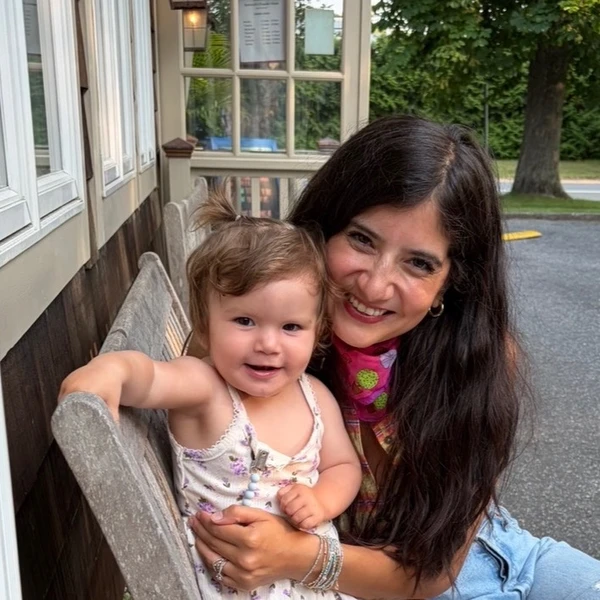
user profile avatar

Summer Bateman

1x

Finalist

General information

Hobbies & Interests

  • Gardening
  • Animals
  • Community Service And Volunteering

Reading

  • Education
  • Gardening
  • Christian Fiction

I read books daily.

Bio

I am a wife, mother of two, educator, and graduate student who has dedicated my career to helping children learn, grow, and feel valued. I earned my undergraduate degree in Special Education from the University of Tennessee, Knoxville, where I developed a passion for supporting children with diverse learning needs and helping every student reach their potential. I have been an educator since 2015, teaching students from preschool through 8th grade. Working with children across different ages and developmental stages has strengthened my belief that every child deserves an educator who meets them where they are, recognizes their individual strengths, and creates an environment where they can thrive. I am currently pursuing my Master’s degree in Education at the University of Memphis, building upon more than a decade of classroom experience and my background in special education. Continuing my own education is helping me become a stronger teacher and advocate for children and families. Outside the classroom, my greatest joy is my family. My husband and I are raising our two young children, Luca and Sophia. Balancing motherhood, marriage, teaching, and graduate school requires dedication, sacrifice, and plenty of teamwork. In my free time, I enjoy creative classroom projects, gardening, traveling, and making memories with my family. My goal is to continue growing as an educator while showing my children that learning is lifelong and that meaningful goals are worth pursuing with hard work and perseverance.

Education

University of Memphis

Master's degree program

2024 – 2027

Majors:
  • Special Education and Teaching

The University of Tennessee-Knoxville

Bachelor's degree program

2010 – 2014

Majors:
  • Special Education and Teaching

Miscellaneous

Desired degree level:
Master's degree program
Graduate schools of interest:
University of Memphis
Medical school interest:
No

Career

  • Teacher

    Education · Catholic Diocese of Memphis

    Jan 2016 – Present

Miscellaneous

Dream career field:
Education
Dream career goals:
Special Education
Work experience:
10+ years
Has nursing license:
No
Neetu Watumull Scholarship Program for Those Who Serve Managed by Rupa Shah
My qualifying relationship is through my father, who served as a United States Marine during the Vietnam War. He was wounded during his service and received the Purple Heart. Growing up as the daughter of a Marine and Vietnam veteran meant that military service was never an abstract idea to me. It was part of my family and part of my childhood. Some of my favorite memories are listening to my dad tell stories about his time in the Marines. As I grew older, I began to understand those stories differently. I realized that behind the pride he had in being a Marine and serving the United States were real sacrifices made by him and countless other service members. I was incredibly proud of his Purple Heart, but even more proud of what it represented. His service helped teach me that loving your country also means being willing to serve something greater than yourself. My father’s pride in the United States and the Marine Corps shaped many of the values I carry today, including perseverance, responsibility, service, and gratitude. Those values have followed me into my own career in education. I earned my undergraduate degree in Special Education and have been teaching since 2015, working with children from preschool through eighth grade. Today, I am pursuing my Master’s degree in Education at the University of Memphis. Although my service looks very different from my father’s, I hope to honor the example he gave me by dedicating my career to serving others. The stories I loved hearing as a child ultimately taught me that a meaningful life is not only about what you accomplish for yourself, but also what you are willing to give to others.
Rebecca Lynn Seto Memorial Scholarship
If Rebecca were my student, my first goal would not be to determine what she could not do. It would be to discover who she was. I would learn what made her laugh, what frustrated her, what motivated her, and how she communicated. Reading that Rebecca loved music, birthdays, the Giants, swimming, dancing, and being around people immediately tells me there were countless ways to reach her. I would use those interests to make learning meaningful while working closely with her speech, occupational, and physical therapists to develop appropriate goals. Because Rebecca was nonverbal, I would also pay careful attention to her gestures, expressions, behaviors, and communication system. Communication does not begin and end with spoken words. I learned this firsthand working with a nonverbal student with autism named Jeremy. Traditional approaches did not always engage him, but I discovered that he loved basketball. I began incorporating basketball into his learning and using it to motivate participation and skill development. The experience changed the way I teach. Before I could expect Jeremy to learn from me, I had to learn about Jeremy. That is exactly how I would approach a student like Rebecca. Her disability would be important information, but it would never be her identity. Family would be essential to this process. Rebecca’s family knew her long before any educator or therapist did. Families can tell us what motivates a child, what causes frustration, how the child communicates at home, and which goals would make the greatest difference in daily life. I believe the strongest special education programs are partnerships. Teachers bring professional knowledge, but families bring an understanding of the child that cannot be learned from an evaluation or IEP. I would want Rebecca’s family involved in developing goals, sharing observations, celebrating progress, and helping us maintain consistency between school and home. Special education is not a new interest for me. I earned my undergraduate degree in Special Education from the University of Tennessee, Knoxville, and I have worked in education since 2015 with students from preschool through eighth grade, including children with special needs. I am currently pursuing my Master’s degree in Education at the University of Memphis, and I intend to continue working with children with special needs within the Pre-K through 12th grade range. Graduate school is helping me build upon more than a decade of classroom experience and become a stronger advocate for students whose needs require educators to think differently. Financing that education has required significant sacrifice from my family. My graduate program costs approximately $50,000. I previously graduated with about $35,000 in undergraduate student loans, which my husband and I worked hard to completely pay off. We are determined not to create another large student loan balance. My husband works full time and started both a rental car business and a pressure washing business to generate additional income for my tuition. I continue working while attending graduate school, and I am actively applying for scholarships of every size. Our goal is to pay for this degree through our income, his businesses, careful budgeting, and scholarships. Rebecca’s story reminds me why special education matters. The educators who reached her did not see a nonverbal student with an unfamiliar syndrome and decide the possibilities were limited. They learned Rebecca. That is the educator I strive to be. Every child deserves someone willing to look beyond a diagnosis, discover the person behind it, and keep searching until they find a way to connect.
Learner Math Lover Scholarship
I love math because there is a certainty to it that I find incredibly satisfying. In so many areas of life, the answer depends on perspective, interpretation, or circumstance. Math is different. When I work through a problem correctly, I know I have arrived at the answer for a reason. There is very little ambiguity, and I have always appreciated that. This is especially noticeable to me as an educator and graduate student. Much of my graduate work in education involves qualitative ideas where there can be several reasonable interpretations of the same information. Those discussions are valuable, but I sometimes find myself missing the simplicity of knowing that an answer is either correct or incorrect. With math, I can follow a process, check my work, identify where I made a mistake, and try again. There is something reassuring about that structure. I also love how math rewards perseverance. Getting an answer wrong does not mean you cannot do math. It means something happened along the way that you can go back and find. I think that is an important lesson for children. A mistake becomes something to investigate rather than something to fear. As a teacher, I enjoy helping students experience that moment when a concept finally makes sense. I especially love showing young children that math is already part of their world through counting, patterns, sorting, measuring, and problem solving. Life can be complicated and rarely provides one clear answer. Maybe that is exactly why I love math so much. For a little while, I can work through a problem knowing that somewhere in front of me is an answer, and I simply have to find my way to it.
Learner Mental Health Empowerment for Health Students Scholarship
Mental health is important to me because I have seen its impact from several perspectives: as a daughter, as someone who has faced my own struggles, as a student, and as an educator. Growing up in a single parent household, I watched my mother struggle with her mental health while also carrying the responsibility of raising a family. At the time, I did not fully understand everything she was experiencing. As I grew older, I began to recognize how difficult it can be to manage your mental health while the responsibilities of life continue whether you feel prepared for them or not. My own experiences have given me an even greater appreciation for mental health. I have had to learn strategies for coping with my own illness while continuing to meet the responsibilities in front of me. I have learned to recognize when I am becoming overwhelmed, organize what I can control, establish routines, ask for support when I need it, and give myself permission to acknowledge that struggling does not mean failing. Those skills are especially important now as I pursue my Master’s degree in Education at the University of Memphis while working as an educator and raising two young children. I want to succeed as a student, but I also want to remain present as a mother, wife, and teacher. My experiences also influence the way I advocate for mental health in my school community. I have been an educator since 2015 and have taught students from preschool through eighth grade. My undergraduate background in Special Education taught me to look beyond a child’s behavior and consider what that behavior may be communicating. A child who appears disruptive may actually be overwhelmed. A child who shuts down may be frustrated or anxious. A child having an emotional outburst may simply lack the skills to communicate what they are experiencing. Because of what I witnessed growing up and what I have learned through my own experiences, I understand how important it is not to judge someone’s internal struggle solely by what we see on the outside. In my classroom, I advocate for mental and emotional well being by helping children identify their feelings, communicate their needs, practice calming strategies, and understand that asking for help is acceptable. I also communicate with families because parents and teachers need to work together when a child is struggling. My graduate studies have strengthened my interest in self regulation and the connection between emotional, behavioral, and academic development. Watching my mother struggle taught me that mental health challenges can affect an entire family. Managing my own illness has taught me that coping strategies, support, and self awareness can make a meaningful difference. Teaching has given me the opportunity to take those lessons and use them to help others. I cannot remove every challenge my students will face, nor is it my role to replace mental health professionals. What I can do is create a classroom where children know their feelings matter, where asking for help is encouraged, and where a difficult moment never determines a child’s worth. To me, that is mental health advocacy, and it is something I intend to carry throughout my career.
Sloane Stephens Doc & Glo Scholarship
The impact I want to make begins with children, but I hope it extends far beyond my classroom. I grew up in a single parent, low income household, and I learned early that children do not get to choose the circumstances they are born into. What they can have, however, are adults who believe in them, opportunities that open doors, and an education that helps them imagine a future beyond their current circumstances. I know personally how powerful that can be, and it is one of the reasons I have dedicated my career to education. I earned my undergraduate degree in Special Education from the University of Tennessee, Knoxville, and I have been an educator since 2015, working with students from preschool through eighth grade. My students have been some of the people who inspire me most. I think about students like Jeremy, a nonverbal child with autism whom I once taught. Traditional methods did not always reach him, but I learned that he loved basketball. By incorporating basketball into his learning, I found a way to increase his engagement and help him develop skills through something that already brought him joy. Jeremy reminded me that children should not always be expected to adapt to the way we teach. Sometimes we need to adapt the way we teach to reach the child in front of us. I am currently pursuing my Master’s degree in Education at the University of Memphis because I want to become even better at doing that. I am particularly interested in early childhood development, self regulation, behavior, and the ways teachers can support children with different learning needs. I want to take what I learn in graduate school and put it directly into practice. I also want to share that knowledge with other educators and families so its impact does not stop with the students assigned to my classroom. My own children inspire this goal as well. My husband and I are raising Luca and Sophia, and becoming a mother has changed how I view my responsibility as a teacher. Every child who walks into my classroom is someone’s Luca or Sophia. Every parent is trusting me with a person they love more than anything. I want families to know that their child will be seen for who they are, not simply for a disability, difficult behavior, academic struggle, or circumstance at home. The future I want to help create is one where children receive support before they begin believing something is wrong with them. I want classrooms where differences are understood, behavior is viewed as communication, and children are taught the emotional and academic skills they need to succeed. I especially want children facing poverty, disabilities, unstable circumstances, or other challenges to understand that where they begin does not determine where they finish. My education is an investment I intend to return to my community many times over. I will return it through the children I teach, the families I support, the educators I collaborate with, and eventually through the students those children become. I cannot control every circumstance a child faces, but I can control what happens when that child enters my classroom. I can make sure they encounter someone who sees their potential, expects them to succeed, and is willing to work to help them get there. That is the change I am determined to create.
Lotus Scholarship
Growing up in a single parent, low income household taught me early that the circumstances you are born into do not have to determine the life you create. I watched one parent carry responsibilities that are normally shared between two people, and I understood that if I made good choices, worked hard, pursued an education, and stayed on the right path, I could build a different life for myself and eventually for my own children. That belief has guided many of my decisions. I earned my undergraduate degree in Special Education from the University of Tennessee, Knoxville, and I have been an educator since 2015, working with students from preschool through eighth grade. My childhood also helps me recognize that a child’s circumstances at home can affect everything they bring into the classroom. I want my students, especially those facing difficult circumstances, to know that where they begin does not have to determine where they finish. Today, I am pursuing my Master’s degree in Education at the University of Memphis while teaching and raising my two children, Luca and Sophia. My husband and I work hard to provide them with opportunities and stability that I did not always have growing up. We are also determined to pay for my graduate education without student loans. My husband works full time and has started two businesses, while I continue teaching and applying for scholarships. My goal is bigger than earning another degree. I want my children to see that choices, perseverance, education, and hard work can change the direction of a family. I also want to bring that lesson into my classroom and help children understand that their current circumstances never have to define their future.
Michael Rudometkin Memorial Scholarship
To me, selflessness is choosing to give someone what they need even when doing so requires more time, patience, or effort from you. As an educator since 2015, I have learned that some of the most meaningful acts of service are rarely the ones anyone sees or recognizes. They happen when a child is struggling, a family needs support, or someone simply needs another person who is willing to stay a little longer and keep trying. One student who taught me this lesson was Jeremy, a nonverbal student with autism. Jeremy was being raised by a single father who worked full time and was doing everything he could to support his son. Jeremy needed individualized attention and additional opportunities to develop his skills. Traditional classroom activities did not always connect with him, so I had to find another way to reach him. I learned that Jeremy loved basketball. I began incorporating basketball into his learning, using something he already enjoyed to encourage participation, communication, and skill development. It required additional planning and creativity, but eventually I began seeing progress. Jeremy became more engaged because instead of expecting him to fit into my way of teaching, I took the time to understand his way of learning. Experiences like Jeremy’s are why I believe selflessness is such an important part of education. Throughout my career, I have taught children from preschool through eighth grade, including students with disabilities and students who needed additional academic, behavioral, or emotional support. There have been countless times when helping a student meant changing a lesson I had already prepared, spending additional time practicing a skill, comforting an overwhelmed child, or communicating with a parent who needed reassurance. None of those things come with awards or recognition. They are simply part of caring for the children and families who have been entrusted to me. Becoming a mother has deepened that sense of responsibility. I now have two young children of my own, Luca and Sophia, and I understand more than ever what it means for a parent to trust another adult with their child. When I look at one of my students, I try to remember that I am looking at someone’s Luca or Sophia. That perspective encourages me to give the patience and compassion I would hope another teacher would give my own children. I am currently pursuing my Master’s degree in Education at the University of Memphis because I want to become even better equipped to serve children. My undergraduate degree in Special Education taught me how important individualized support can be, and more than a decade in the classroom has shown me how much impact one caring adult can have. I do not believe selflessness requires a grand gesture. Sometimes it means noticing the child everyone else is frustrated with and deciding to be the person who keeps trying. Sometimes it means listening to a worried parent or finding a creative way to reach a student like Jeremy. For me, selflessness means recognizing when someone needs help and choosing to show up for them, even when no one else is watching.
Bick First Generation Scholarship
Being a first generation college student meant learning how to navigate a world my family could encourage me to enter, but could not personally teach me how to navigate. There was no roadmap passed down to me for college applications, financial aid, choosing a degree, or understanding what life after college would look like. My family supported me, but becoming a college graduate required me to learn many of those things as I went. I earned my undergraduate degree in Special Education from the University of Tennessee, Knoxville, and I have been an educator since 2015. I have now spent more than a decade teaching students from preschool through eighth grade. Becoming a teacher was one of the greatest results of taking that first leap into higher education. I have had the opportunity to work with children of different abilities and backgrounds, including students with special needs. They have taught me that success rarely looks exactly the same for two people and that sometimes the students facing the greatest challenges simply need someone who refuses to give up on them. Today, I am taking another step that once seemed far away. I am pursuing my Master’s degree in Education at the University of Memphis while working as an educator and raising two young children with my husband. This journey brings a different set of challenges. My graduate program costs approximately $50,000, and after working hard to pay off about $35,000 in student loans from my undergraduate education, my husband and I are determined not to take on that burden again. He works full time and has started a rental car business and a pressure washing business to help pay for my education. I continue working, budgeting, and applying for scholarships like this one. We are not waiting for perfect circumstances. We are finding a way forward. What drives me now is bigger than earning another degree. I want to become a better educator and advocate for children, but I also want to change what being first generation means for the generation after me. My children, Luca and Sophia, will grow up with something I did not have. They will have a parent who can explain college, help them navigate it, and show them firsthand that higher education is possible. This scholarship would reduce the financial burden of my master’s degree, but its impact would extend beyond a tuition bill. It would help a first generation student continue an educational journey that began without a roadmap and is now creating one for her students, her children, and the people who come after her.
Taylor Swift Fan Scholarship
The Taylor Swift performance I find most moving is her performance of “All Too Well (10 Minute Version)” on Saturday Night Live in 2021. What makes that performance so memorable to me is not simply the song itself. It is what that moment represented. Taylor was performing a song she had originally written years earlier, but this time she was presenting it on her own terms and at a completely different stage of her life and career. There is something powerful about returning to something from your past with more experience, confidence, and perspective. That idea resonates with me because I am experiencing my own version of that now. I earned my undergraduate degree in Special Education from the University of Tennessee, Knoxville, and began my career as an educator in 2015. Since then, I have taught students ranging from preschool through eighth grade. More than a decade later, I am back in college pursuing my Master’s degree in Education at the University of Memphis. Returning to school now is completely different from my undergraduate experience. I am a wife, a mother of two young children, and an educator. I have papers to write after my children go to bed, classes and assignments to balance with teaching, and a $50,000 graduate program that my husband and I are working hard to pay for without student loans. My husband works full time and has even started two businesses to help us accomplish that goal. Taylor’s performance reminds me that returning to something does not mean you are going backward. Sometimes you return because you are finally equipped to experience it differently. I also admire the confidence required to stand on a stage and perform one song for approximately ten minutes on live television. There is nowhere to hide. The performance depends on storytelling, preparation, and the confidence to believe that what you have to say deserves people’s attention. As a teacher, that message matters to me. I spend my days encouraging children to find their voices, recognize their strengths, and believe they are capable of more than they initially think. Pursuing my master’s degree requires me to take some of that same advice myself. I am not the same person who first walked onto a college campus years ago. I am returning with more experience, more responsibility, and a much clearer understanding of why I am there. That is what I see when I watch Taylor perform “All Too Well.” Sometimes the most meaningful chapter of a story comes when you are brave enough to revisit it and make it your own.
Olivia Rodrigo Fan Scholarship
One Olivia Rodrigo lyric that resonates with me is “the steps you take forward” from her song hope ur ok. It is a simple phrase, but it captures something I have learned throughout my own journey. Moving forward does not always mean making a dramatic change or reaching a major milestone. Sometimes progress is simply making the decision to take the next step when staying where you are would be much easier. My journey in education has been filled with those steps. I earned my undergraduate degree in Special Education from the University of Tennessee, Knoxville, and I have been teaching since 2015. Over the past decade, I have worked with students from preschool through eighth grade. Teaching has given me some of my greatest triumphs, but it has also challenged me. I have worked with children who needed me to rethink everything I thought I knew about teaching. I have experienced days when a lesson failed completely and days when a child’s smallest accomplishment felt like winning a championship. Those experiences taught me that progress, especially in education, rarely happens in a straight line. Now I am taking another step forward by pursuing my Master’s degree in Education at the University of Memphis. This time, college looks very different. I am no longer a young undergraduate student whose primary responsibility is school. I am a wife, a mother of two young children, and an educator. Graduate school happens around lesson planning, work, family responsibilities, bedtime routines, and all of the unexpected things that come with raising children. There are nights when opening a textbook after everything else is finished is the last thing I feel like doing, but I do it because I know why I started. The financial challenge has required just as much determination. My husband and I worked hard to pay off approximately $35,000 in student loans from my undergraduate education, and we do not want to repeat that experience. My graduate program costs approximately $50,000, so we decided that instead of waiting for the perfect circumstances, we would create a plan. My husband works full time and has started a rental car business and a pressure washing business to help us cash flow my education. I continue working, applying for scholarships, and looking for opportunities to reduce what our family must pay out of pocket. That is why “the steps you take forward” means so much to me. My triumph is not simply going to be the day I receive my master’s degree. The triumph is also found in every smaller step that gets me there. It is choosing to return to school after more than a decade in education. It is completing an assignment after putting my children to bed. It is my husband taking on extra work because he believes in my goal. It is continuing to become a better teacher when it would be easier to remain comfortable. My journey is not perfect or easy, but it is moving forward. Someday, I hope my children understand that they watched their mother choose growth even when growth required sacrifice. For me, that may be the most important step forward of all.
Sabrina Carpenter Superfan Scholarship
I am a fan of Sabrina Carpenter because her career represents something I try to remind myself of constantly: if you want something to happen in your life, you have to be willing to work for it. I love her music and personality, but what inspires me most is the persistence behind her success. Her career did not become what it is today overnight. She spent years working, growing, taking opportunities, and continuing to put herself out there. That mentality has influenced the way I approach my own life. I have been an educator since 2015, working with students from preschool through eighth grade. I earned my undergraduate degree in Special Education from the University of Tennessee, Knoxville, and I am now pursuing my Master’s degree in Education at the University of Memphis. I could have decided that more than a decade of teaching experience was enough. Instead, I chose to return to school because I want to keep growing and become a better educator. Sabrina’s example also reminds me that success should not only be about what you accomplish for yourself. It should influence what you are willing to do for other people. That mindset encourages me to give my time, volunteer, and look for opportunities to serve my school and community. As an educator, I have seen how much of a difference it makes when someone chooses to show up for another person. Whether I am helping a child who needs additional support, participating in my school and church community, or giving my time where it is needed, I want my actions to matter beyond my own accomplishments. Her career has also reinforced my belief that I cannot sit around waiting for someone else to make my goals possible. Graduate school is expensive, and my husband and I made the decision that we did not want to rely on student loans after working hard to pay off the debt from my undergraduate education. Instead, we decided to make things happen ourselves. My husband works full time and has started a rental car business and a pressure washing business to help generate additional income for my education. I am applying for scholarships, continuing to work, and doing my part to make this goal financially possible. Of course, I would be incredibly grateful to receive scholarship assistance. To me, though, a scholarship is not a handout. It is someone choosing to invest in a person who has demonstrated that she is already willing to invest in herself and others. That is what Sabrina Carpenter’s journey represents to me. Be confident enough to dream big, humble enough to keep working, willing to help others along the way, and determined enough not to wait around for someone else to create your opportunity. Sometimes you have to create it yourself.
Joe Gilroy "Plan Your Work, Work Your Plan" Scholarship
My goal is to complete my Master’s degree in Education at the University of Memphis and use what I learn to continue growing as an educator and advocate for children. I have taught students from preschool through eighth grade since 2015, and earning this degree is the next step in a career I have already spent more than a decade building. The challenge is accomplishing that goal without taking on student loan debt. My graduate program will cost approximately $50,000. When I completed my undergraduate degree in Special Education at the University of Tennessee, Knoxville, I graduated with approximately $35,000 in student loans. My husband and I worked hard to pay those loans off, and that experience led us to make a commitment to avoid student loans for graduate school. Our plan is to cash flow the $50,000 cost through our regular income, two businesses my husband started specifically to generate additional income, scholarships, and careful budgeting. We have divided the $50,000 goal into several funding sources rather than depending on one. Our initial plan is to contribute approximately $1,000 per month from our regular household income toward tuition, or $12,000 per year. My husband works full time, but he also started a pressure washing business and a rental car business to create additional income for graduate school. Our goal is for the pressure washing business to generate an average of $750 per month in profit, or approximately $9,000 annually, after equipment, supplies, fuel, insurance, and other expenses. We are targeting another $750 per month in average profit from the rental car business after vehicle payments, maintenance, cleaning, insurance, and reserves for unexpected repairs. That would provide another $9,000 annually. Combined with our household contribution, our current target is approximately $30,000 per year available for tuition before scholarships. These numbers may fluctuate because both businesses have variable expenses and seasonal demand, so we do not include gross business revenue in our tuition budget. Only profit remaining after expenses and emergency reserves is considered available for school. Scholarships are the fourth part of our plan. My immediate goal is to secure at least $5,000 in scholarships throughout my remaining graduate program. Rather than focusing only on large awards, I am applying for scholarships of $500, $1,000, and $2,500 because several smaller awards can significantly reduce what our family must contribute. For example, five $1,000 scholarships would cover 10 percent of the entire $50,000 program. Any scholarship money received will go directly toward education costs and will reduce the amount we need to generate through our businesses and household budget. We have also considered what happens if our original plan does not perform as expected. If one business has a slow month, we can increase pressure washing appointments, reduce discretionary household spending, use additional income from stronger months, or adjust the timing of tuition payments when possible. We maintain reserves for business expenses so a vehicle repair or equipment replacement does not automatically become tuition debt. Student loans are not our backup plan. Our backup plan is to adjust our spending, increase income, pursue additional scholarships, and modify our timeline if necessary. This degree is an investment in my future, but my husband and I believe the way we pay for it matters too. We already know what it feels like to owe $35,000 for an education. This time, our goal is to finish my degree with something even more meaningful than a diploma: the knowledge that through planning, entrepreneurship, sacrifice, and teamwork, we paid for my education without creating another student loan balance for our family.
Charlene K. Howard Chogo Scholarship
When I think about women’s empowerment, I think about helping girls understand their value and abilities long before the world has an opportunity to tell them who they should be. I have been an educator since 2015, working with students from preschool through eighth grade, and some of my most meaningful opportunities to empower girls have happened inside the classroom. I earned my undergraduate degree in Special Education from the University of Tennessee, Knoxville, and my background has taught me to recognize the individual strengths of every student. With my female students, I make a conscious effort to encourage confidence, independence, leadership, and the willingness to try something difficult even when they are afraid of failing. Empowerment can begin with something as simple as a young girl raising her hand because she finally believes her answer deserves to be heard. My impact also comes through the environment I create for my students. Young girls are constantly developing ideas about what they are good at and what they believe they can become. I want my classroom to be a place where those possibilities expand rather than shrink. I encourage girls to solve problems independently, speak for themselves, take leadership roles, explore their interests, and understand that making a mistake does not mean they are incapable. My experience in special education has made this especially important to me because I have seen how quickly children can begin defining themselves by what is difficult for them. I want every girl I teach, including those with disabilities or learning differences, to understand that needing support does not diminish her intelligence, potential, or value. Women’s empowerment has also become much more personal since becoming a mother. My husband and I are raising two young children, including our daughter, Sophia. I know she will learn what women are capable of partly through what she sees the women around her do. I want her to see a mother who loves her family deeply but also continues pursuing her own goals. I am currently pursuing my Master’s degree in Education at the University of Memphis while continuing my career as an educator and raising our children. It is not always easy to balance motherhood, marriage, teaching, and graduate school, but I want my daughter and the girls I teach to see that becoming a wife or mother does not require a woman to stop learning, growing, or pursuing meaningful goals. My contribution to women’s empowerment is not one event or organization. It has been built through years of daily interactions with children and through the example I try to set. I have the opportunity to reach girls at an age when their understanding of themselves is still being formed, and I take that responsibility seriously. Completing my master’s degree will allow me to become an even stronger educator and advocate for children. My hope is that years from now, the girls who have passed through my classroom will be women who speak confidently, recognize their own worth, support other women, and pursue opportunities without first wondering whether they belong. If I can help plant even a small part of that confidence, I consider that a meaningful contribution to women’s empowerment.
J&Y Law Yahouda Yahoudai Service Scholarship
For more than a decade, my way of serving my community has centered around children. I have been an educator since 2015, working with students from preschool through eighth grade, including children with special needs. I have learned that strengthening a community often starts much smaller than people realize. Sometimes it begins with one child who needs someone to take the time to understand them. One student I will always remember is Jeremy, a nonverbal student with autism who was being raised by a single father working full time. Jeremy needed significant individualized support, and traditional teaching methods did not always reach him. I discovered that he loved basketball, so instead of expecting him to adapt to the way I wanted to teach, I adapted my teaching to him. I incorporated basketball into his learning and used something he loved to encourage communication, participation, and skill development. Watching him become more engaged reinforced why I chose this profession. Jeremy is only one example of what I have tried to contribute to my community. Throughout my career, I have worked with children who needed academic intervention, behavioral support, encouragement, or simply an adult willing to be patient with them. I have supported parents who were trying to determine what their child needed and celebrated accomplishments with families that might have seemed small to someone outside the classroom but were enormous to that child. My service is also deeply connected to my Catholic school and faith community. Working in a Catholic school has taught me that education is about serving the whole child. I try to create a classroom where children learn not only academics, but also kindness, compassion, responsibility, and the importance of helping others. Those lessons eventually leave my classroom with them. When we teach a young child to include someone who feels left out, help a struggling classmate, or recognize that every person has value, we are helping build the kind of community we want those children to create as adults. Becoming a mother has made this responsibility even more personal. My husband and I have two young children, Luca and Sophia. I now understand from both perspectives what it means for a parent to entrust a child to a teacher and hope that teacher will recognize everything special about them. I am currently pursuing my Master’s degree in Education at the University of Memphis while continuing my work as an educator. I am doing this because I believe I can serve my community better by continuing to learn. My graduate studies are strengthening my understanding of early childhood development, behavior, self regulation, and how educators can better respond to individual student needs. Selecting me for the Books for Good Scholarship would not simply support one graduate student’s education. It would support an educator who intends to bring that education directly back to children and families. I have already spent more than a decade serving students, and I plan to spend many more doing the same. I want to become better at identifying children who need additional support, helping families understand those needs, and creating classrooms where children of different abilities know they belong. I want the knowledge I gain through graduate school to reach far beyond me. Community is built when people invest in one another. Teachers have the unique opportunity to make that investment every day. This scholarship would be an investment in my education, but I intend for its return to be measured in the children and families I am able to serve for years to come.
RonranGlee Special Needs Teacher Literary Scholarship
When Professor Harold Bloom wrote that the purpose of teaching is to bring students to a sense of their own presence, I believe he was talking about helping students understand who they are and recognize that they have something valuable to contribute. A student experiences a sense of their own presence when they begin to understand that they matter, their ideas have value, and they are capable of learning and growing. This statement is especially meaningful to me because of my background in special education. I earned my undergraduate degree in Special Education from the University of Tennessee, Knoxville, and I have been an educator since 2015. During my career, I have worked with students ranging from preschool through eighth grade. One of the most important things those experiences have taught me is that no two children enter a classroom with the same abilities, experiences, personalities, or needs. That is one of the reasons I am so passionate about special education. Some of the children who most need someone to recognize their potential are also the children who can easily become defined by the things they struggle with. A diagnosis, disability, behavior, test score, or Individualized Education Program can provide important information about a student, but none of those things completely describes who that child is. As a teacher, I want to learn everything else about that student. I want to know what makes them laugh, what motivates them, what frustrates them, what they are proud of, and what makes them feel successful. My mission as an educator is to create a classroom where students can discover their abilities and develop confidence in themselves. Success will not look the same for every student. For one child, success might mean reading independently for the first time. For another, it might mean learning how to communicate a need before becoming overwhelmed. For another student, it could simply be having enough confidence to raise a hand and share an idea with the class. Those moments might seem small to someone else, but they can be enormous to a child. My background in special education has also changed the way I think about behavior. I have learned to look beyond what a child is doing and consider why the child may be doing it. This is especially important with young children. A child who struggles with transitions, emotions, attention, or interactions with classmates may not be choosing to be difficult. That child may be missing a skill that has not been taught yet. Instead of only asking myself how I can stop a behavior, I try to ask what the child needs from me and what I can teach them that will help them succeed next time. I am currently pursuing my Master’s degree in Education at the University of Memphis because I want to continue becoming a better educator. Even after more than a decade in the classroom, I know there is still so much for me to learn. My graduate studies have increased my interest in early childhood development, self regulation, behavior, and the connection between children’s emotional development and their ability to learn. Ultimately, I want my students to leave my classroom knowing much more than academic content. I want them to know themselves. I want a child who struggles academically to discover something they are good at. I want a child who feels different from classmates to understand that being different does not make them less important. I want students who have experienced failure to experience enough success that they begin believing they are capable of succeeding. Most importantly, I want my students to eventually reach a point where they do not need me to tell them they are capable. I want them to know it for themselves. To me, that is what it means to bring a student to a sense of their own presence. My job is not to give children their value. They already have it. My job is to help them recognize it. The Teacher and the Magic Mirrors - Written by Mrs. Summer Once upon a time, there was a teacher named Mrs. Summer who lived in a kingdom filled with magic mirrors. Every child in the kingdom received a mirror when they started school. The mirrors were supposed to help children see who they were becoming. Unfortunately, some of the mirrors only showed children the things they could not do. One little boy looked into his mirror and saw every word he had ever struggled to read. A little girl looked into hers and saw every math problem she had answered incorrectly. Another child saw every time he had become frustrated or upset in his classroom. After looking into the mirrors long enough, the children started believing them. “I am not smart,” one child said. “I can’t do this,” said another. “I am always in trouble,” whispered another. Mrs. Summer knew the mirrors were not showing the children everything. She decided she would help them see a different reflection. She packed a bag with everything she had learned throughout her journey. She brought the lessons she had learned studying special education at the University of Tennessee. She brought the knowledge she was gaining while studying at the University of Memphis. She brought years of experience teaching children of different ages. Most importantly, she brought patience and a belief that every child was capable of growing. Mrs. Summer first visited the little boy who struggled to read. She sat beside him and told him they would work through the story together. At first, he struggled. Then he read one word. Soon, he read a sentence. Eventually, he finished an entire page. When he looked into his mirror again, something had changed. Alongside the words he had struggled with, there was a new word. “Capable.” Next, Mrs. Summer visited the little girl who struggled with math. She discovered that the girl understood problems much better when she could touch and move objects while solving them. For the first time, the girl began solving problems correctly. Her mirror changed too. It now said, “Creative.” Finally, Mrs. Summer visited the child who believed he was always in trouble. Instead of becoming angry when he struggled with his emotions, Mrs. Summer helped him understand what he was feeling. They practiced asking for help and finding ways to calm down. One day, the boy became frustrated. He stopped for a moment. He thought about what he had practiced. Then he asked Mrs. Summer for help. When he looked into his mirror, a new word appeared. “Growing.” Soon, something wonderful began happening throughout the kingdom. The children stopped waiting for Mrs. Summer to tell them what their mirrors should say. They started deciding for themselves. One child saw “Brave.” Another saw “Kind.” Another saw “Smart.” One child simply saw, “I belong.” That was when Mrs. Summer realized she had accomplished her goal. She had not changed who the children were. She had simply helped them see themselves differently. Years later, those children would encounter many more challenges. There would be difficult classes, mistakes, disappointments, and people who might underestimate them. But they would always remember the lesson of the magic mirrors. What someone struggles with is only one small part of who they are. Mrs. Summer continued welcoming new children into her classroom and helping each one discover what their own mirror could say. Because she believed one of the greatest things a teacher could ever help a child learn was how to look at themselves and say: “I am here. I matter. I can learn, and I am capable.” And for Mrs. Summer, that was the best happily ever after she could imagine.
Grandmaster Nam K Hyong Scholarship
Education has been at the center of my life for more than a decade, but pursuing higher education as an adult has required me to experience education from a very different perspective. I am no longer simply a student. I am a wife, a mother of two young children, a full-time educator, and a graduate student. Returning to school while balancing these responsibilities has been one of the most challenging and rewarding experiences of my life. I earned my undergraduate degree in Special Education from the University of Tennessee, Knoxville. That experience shaped my philosophy as an educator and taught me early in my career that success does not look the same for every child. Since 2015, I have worked in education with students ranging from preschool through eighth grade. Over the past decade, I have had the opportunity to work with children at very different academic, social, emotional, and developmental stages. One of the areas in which I have excelled is building relationships with children and recognizing their individual needs. My background in special education taught me to look beyond a student’s immediate behavior or academic performance and ask what that child may need in order to succeed. I have carried that perspective with me throughout my career. Whether I am working with a preschooler learning how to function in a classroom for the first time or an older student facing academic challenges, I believe children learn best when they feel safe, understood, and capable. Today, I am pursuing my Master’s degree in Education at the University of Memphis. Returning to college at this stage of my life has required significant sacrifice. When I earned my undergraduate degree, my primary responsibilities centered around being a student. Graduate school is different. I now have a career, a household, a marriage, and two young children, Luca and Sophia, who depend on me. Finding the time and financial resources for graduate school while maintaining those responsibilities has required creativity and teamwork from my entire family. My husband works full-time and has even started a rental car business and a pressure washing business to generate additional income and help cash flow the cost of my graduate education. We budget carefully and make sacrifices because we view this degree as an investment not only in my career but also in our family’s future. Continuing to pursue my education while being present for my students and my own children is something I am incredibly proud to have overcome. My field of study is education, with my professional interests centered heavily on early childhood development and learning. Through my graduate work, I have become particularly interested in self-regulation and the relationship between children’s emotional, behavioral, and cognitive development and their ability to succeed in the classroom. Young children enter school with dramatically different experiences, abilities, needs, and levels of readiness. I believe educators must be equipped to understand those differences rather than expecting every child to learn or behave in exactly the same way. After completing my master’s degree, my goal is to use the combination of my special education background, graduate education, and more than a decade of classroom experience to become an even stronger educator and advocate for children and families. I want to help create classrooms where academic achievement and social-emotional development are viewed as interconnected rather than competing priorities. One change I hope to contribute to within education is a greater emphasis on understanding the reason behind a child’s behavior. Particularly in early childhood, behavior is communication. A child who struggles to sit still, regulate emotions, transition between activities, or interact appropriately with peers is not necessarily a child who does not want to learn. That child may simply need to be taught skills that adults sometimes assume children naturally possess. My background in special education has made this perspective especially important to me. I want to continue developing strategies that help educators recognize those needs earlier and provide meaningful support. If teachers can strengthen children’s self-regulation, confidence, independence, and sense of belonging while also developing their academic skills, we can give students a stronger foundation for everything that follows. The change I hope to accomplish personally is equally important. I want to continue challenging myself to grow rather than becoming comfortable simply because I have years of classroom experience. Pursuing a master’s degree after more than a decade in education has reminded me that being an effective teacher also means remaining a student myself. Research changes. Children change. Classrooms change. Great educators must be willing to change with them. I am willing to work for that growth. Right now, that means completing assignments after fulfilling my responsibilities as a teacher and mother. It means carefully managing our family’s finances and accepting the sacrifices that accompany graduate school. It means my husband taking on additional work to support this goal, and it means continuing to show up for my students while simultaneously pushing myself academically. Most importantly, I want my own children to see what this journey represents. I want Luca and Sophia to grow up understanding that education does not have an expiration date and that meaningful accomplishments often require sacrifice. When they eventually encounter goals that seem difficult or inconvenient, I hope they remember watching their mother work, teach, raise a family, and earn her master’s degree. Receiving this scholarship would ease part of the financial burden my family has accepted so that I can continue my education. More importantly, it would support a goal that extends far beyond earning another degree. I intend to take what I learn at the University of Memphis back into the classroom, use it to better serve children and families, and continue advocating for educational environments where every child has the opportunity to thrive.
Summer Bateman Student Profile | Bold.org