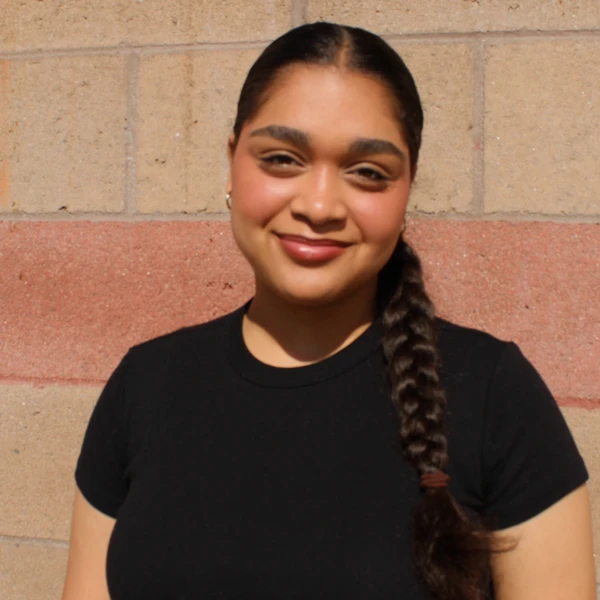
College, to me, is not just the next step after high school; it’s a necessary investment in the life I’m trying to build. I plan to pursue musical theatre at the University of Nevada, Reno, and while that field is rooted in passion, it also requires serious training, discipline, and financial commitment. Between tuition, housing, and program-specific costs like dance clothes and shoes, voice lessons, and materials, the reality is that pursuing this path is expensive. That’s why this scholarship matters to me; it would help make a very real goal more attainable and allow me to focus fully on developing my craft.
Throughout high school, I have worked to balance academics with extracurricular commitments, even when it felt overwhelming. I have remained dedicated to maintaining strong grades while also being deeply involved in both musical theatre and children’s ministry, two areas that have shaped not only my skills but also my work ethic and sense of responsibility. Theatre has challenged me creatively and physically, pushing me to grow as a performer, while ministry has challenged me emotionally and socially, teaching me to lead with patience, empathy, and adaptability.
One of the most defining challenges I have faced has been in dance. When I decided to take musical theatre more seriously, I quickly realised I was behind other students my age in foundational technique. Simple combinations that came easily to others took me longer to pick up, and I often struggled with timing, alignment, and control. I didn’t have the same early training background as many of my peers, and it showed in class. At first, this was discouraging, and I sometimes questioned whether I could catch up in a competitive environment. Being constantly aware of my gaps made rehearsals intimidating, and I often felt like I was starting from scratch while others were refining skills they had already mastered.
Instead of stepping back, I committed to improving. I began paying closer attention in class, asking questions whenever I needed clarification, and dedicating extra time outside of rehearsals to practice fundamentals like turns, balance, and flexibility. I set small, measurable goals for myself, improving my pirouettes, strengthening my core, and perfecting basic combinations, rather than comparing myself to peers. Progress was slow at first, but each small improvement built confidence. Over time, I began to perform movements more fluidly and with greater precision, and I started to feel comfortable taking on more advanced choreography. This experience taught me resilience and the value of persistence. I learned how to confront discomfort rather than avoid it, and that consistent effort yields results even when immediate progress is hard to see.
That same mindset carries over into theatre productions. Being part of a cast demands long rehearsals, attention to detail, and teamwork. Every member must contribute to the ensemble, and success is only achieved when everyone is committed. Through this process, I have learned to accept feedback without taking it personally, manage fatigue during demanding rehearsal schedules, and maintain focus when routines feel repetitive. Performing has not only improved my confidence but has reinforced discipline and accountability; if I don’t put in the work outside of rehearsal, it shows on stage.
Outside of performing arts, my involvement in children’s ministry has been just as impactful. Working with kids requires patience, attentiveness, and a willingness to adapt on the fly. Children can be unpredictable, and I’ve learned how to communicate clearly, handle unexpected situations, and create an environment where kids feel safe and valued. This experience has strengthened my leadership skills and my ability to connect with others in meaningful ways. It has also influenced my long-term goal of combining musical theatre with ministry, creating programs that inspire and empower children through performance, creativity, and collaboration. I hope to design workshops and performances that help kids gain confidence, discover their own talents, and learn teamwork and empathy through the arts.
Financially, pursuing higher education is a challenge. Even with financial aid and scholarships, the costs of tuition, housing, and program-specific materials add up quickly. I am committed to pursuing my degree, but I understand the importance of being realistic about affordability. Receiving this scholarship would reduce that burden, allowing me to focus more fully on my academic and artistic development instead of worrying about how to cover expenses. It would also give me the freedom to invest more time into extra training, workshops, and volunteer opportunities that enhance my skills and community impact.
What sets me apart is not just ambition, but follow-through. I have experienced what it feels like to be behind, to struggle, and to question my place in an environment where others seem more prepared. I have learned how to turn challenges into opportunities for growth, whether through extra dance practice, pushing through long theatre rehearsals, or creating meaningful experiences in children’s ministry. I approach each responsibility with dedication, persistence, and the mindset that effort and consistency matter more than immediate perfection.
This scholarship would support more than just my education; it would support the work I have already started and the goals I am continuing to build toward. I am not looking for an easy path. I am looking for the opportunity to keep growing, to continue learning, and to make the most of the opportunities ahead. With support, I can focus on developing my skills, giving back to my community, and preparing to use musical theatre as a way to inspire and empower others, especially children, through performance and mentorship.