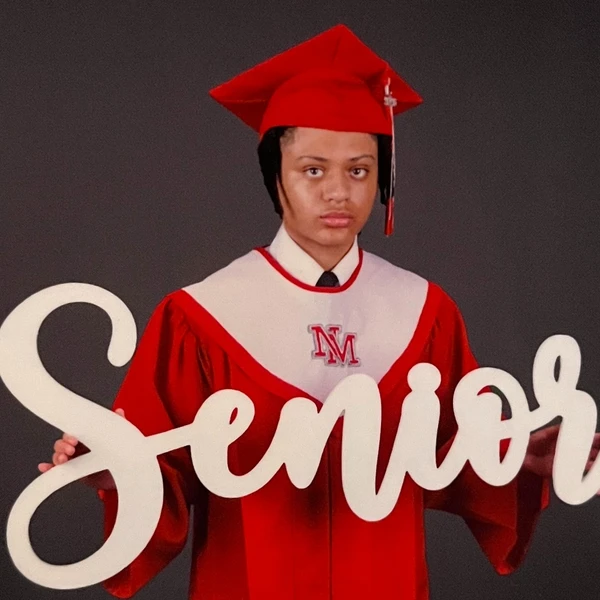
Hobbies and interests
Criminology
Drawing And Illustration
Music
Mathematics
Criminal Justice
Reading
Action
Romance
Adult Fiction
I read books multiple times per month
Sophia Barnett
1x
Finalist
Sophia Barnett
1x
FinalistBio
My life goal is to build a career in law enforcement where I can serve my community. I am passionate about being healthy and wealthy because discipline and stability drive success. I am a great candidate due to my commitment for personal growth.
Education
New Manchester High School
High SchoolMiscellaneous
Desired degree level:
Bachelor's degree program
Majors of interest:
- Criminal Justice and Corrections, General
- Criminology
- Homeland Security, Law Enforcement, Firefighting and Related Protective Services, Other
Career
Dream career field:
Law Enforcement
Dream career goals:
My long-term goal is to become a detective or special agent and use my skills to help people, solve problems, and serve my community. I also hope to stay healthy and financially successful throughout life while maintaining a career that I genuinely enjoy and find meaningful.
Sports
Volleyball
Intramural2019 – 20212 years
Basketball
Junior Varsity2022 – 20242 years
Awards
- Most Improved Player
Future Interests
Advocacy
Politics
Volunteering
Philanthropy
SuperDad Scholarship
When I was seven years old, my mom passed away. In a single moment, my dad became solely responsible for raising me while coping with the loss of his wife. Looking back, I cannot fully imagine how difficult that experience must have been. He was grieving, working, paying bills, and trying to provide stability for a child who had just lost his mother. Despite those challenges, he continued showing up every day and doing everything he could to give me the best life possible. His ability to keep moving forward during one of the hardest periods of his life is the greatest example of perseverance I have ever witnessed.
One of the biggest obstacles my dad overcame was raising a child alone while carrying the emotional and financial responsibilities of an entire household. He never remarried or pursued another serious relationship after my mom passed away. Instead, he devoted his time and energy to raising me. Financially, there were challenges along the way, and I know he often worked long hours to earn extra money and provide for our family. His sacrifices shaped our family’s journey by creating stability during uncertain times. Although life was not always easy, he made sure I had the essentials I needed and opportunities to pursue my goals.
Several memories and experiences with my dad have had a lasting impact on me. Throughout my childhood, he attended my school events alone. At the time, I did not think much about it because it was simply normal to me. As I have grown older, I have realized how much those moments meant. No matter what was happening in his own life, he made an effort to be there.
Even during periods when we disagreed or struggled to understand each other, he never stopped supporting me. We have had arguments and difficult moments throughout the years, but one thing has remained consistent: he has always been there when I needed him. Those experiences taught me that love is not always expressed through words. Sometimes it is shown through sacrifice, consistency, and showing up every day.
Being raised by a single father has greatly influenced my values, dreams, and vision for the future. Watching my dad work through challenges taught me the importance of resilience, responsibility, and determination. His example showed me that difficult circumstances do not have to define a person’s future. Instead, success comes from continuing to move forward despite setbacks. Those lessons have motivated me to stay focused on my education and pursue goals that once felt out of reach.
My experiences have inspired me to create a better future for myself and my family. I plan to attend West Georgia Technical College before transferring to Albany State University, where I will major in Criminal Justice and minor in Forensic Science. My long-term goal is to become a detective or special agent and use my education to help others, solve problems, and serve my community. I also hope to build a life that is healthy, financially stable, and centered around meaningful work that I genuinely enjoy.
Being raised by a single father has taught me lessons that will stay with me for the rest of my life. His sacrifices, work ethic, and dedication have shaped the person I am today. Most importantly, he showed me that strength is not about avoiding challenges. It is about facing them, adapting, and continuing forward. His example has inspired me to pursue higher education, work toward a meaningful career, and create opportunities that will positively impact future generations of my family.
Marcia Bick Scholarship
When people think about scholarships, they often see them as financial awards. I see them as opportunities that can change the direction of someone’s life. Motivated students from disadvantaged backgrounds deserve opportunities such as scholarships and grants because talent and determination are not limited by income, family circumstances, or access to resources. Many students work just as hard as their peers, yet they must overcome obstacles that others never have to face. Providing support to those students helps create opportunities based on potential and effort rather than financial circumstances.
I understand this firsthand. When I was seven years old, I lost my mom. A year later, I lost my grandmother. Those losses changed my life and forced me to grow up faster than many people my age. Since then, I have been raised by my dad as a single parent. While I am grateful for everything he has done for me, life has not always been easy. We have faced financial challenges, and there were times when personal struggles and family difficulties made it hard to focus on the future. Even so, I never allowed those circumstances to become excuses for giving up on my goals.
One of the biggest obstacles I have faced is navigating the college process as a first-generation student. There have been many moments when I felt overwhelmed by applications, financial aid forms, scholarship searches, and the overall cost of higher education. Without parents who have experienced college themselves, I have often had to figure things out on my own. Instead of letting that discourage me, I chose to ask questions, seek guidance, and continue moving forward. Those experiences taught me independence, perseverance, and the importance of advocating for myself.
My determination to succeed has remained strong because I know education is the key to creating a better future. I plan to attend West Georgia Technical College before transferring to Albany State University to pursue a degree in Criminal Justice with a minor in Forensic Science. My goal is to become a detective or special agent and use my education to serve my community, help others, and make a meaningful difference in people’s lives. I want to build a career that allows me to provide stability for myself while also helping those who are facing difficult situations.
This scholarship would help relieve some of the financial burden associated with pursuing higher education. More importantly, it would allow me to focus more of my energy on my academics, career preparation, and long-term goals. I have worked hard to overcome personal loss, financial challenges, and the uncertainty that comes with being a first-generation college student. Receiving this support would not only help me continue my education but would also serve as a reminder that hard work, resilience, and determination can create opportunities for a brighter future.
Bick First Generation Scholarship
When I was seven years old, I lost my mom. A year later, I lost my grandmother. Those losses changed my childhood and forced me to grow up faster than many of my peers. Since then, my dad has raised me as a single parent. While I am grateful for everything he has done for me, our relationship has not always been easy. We have had disagreements, arguments, and difficult moments that tested both of us. Through those challenges, I learned resilience, independence, and the importance of continuing to move forward even when life feels uncertain.
Being a first-generation college student means stepping into unfamiliar territory. My family cannot tell me exactly how to navigate college applications, financial aid, class registration, or degree planning because they have never gone through the process themselves. Much of what I know about higher education has come from asking questions, doing research, and learning through trial and error. While that can be overwhelming, it has also motivated me to work harder because I understand how important this opportunity is.
One of the biggest challenges I have faced is figuring out how to pay for college. My family has experienced financial struggles, and I know that earning a degree will require careful planning and sacrifice. Despite those obstacles, I have remained focused on my goals. I plan to attend West Georgia Technical College and earn my associate's degree before transferring to Albany State University. There, I plan to major in Criminal Justice and minor in Forensic Science. My long-term goal is to become a detective or special agent and use my education to help others while serving my community.
What drives me is the desire to create a better future for myself and my family. I want to show that difficult circumstances do not have to determine a person’s life outcome. Being the first in my family to pursue higher education is about more than earning a degree. It is about breaking barriers, creating opportunities, and proving that perseverance can open doors that once seemed out of reach.
This scholarship would help me continue my educational journey by easing the financial burden of a college degree. More importantly, it would allow me to focus more on my studies and career preparation rather than constantly worrying about expenses. As a first-generation student, I know the path ahead will not always be easy, but I am determined to succeed. I hope to build a career that allows me to make a positive impact, support my family, and create opportunities for future generations to follow.
Ethel Hayes Destigmatization of Mental Health Scholarship
When I was seven years old, I lost my mom. At the time, I was too young to fully understand how much that loss would shape my life. I knew she was gone, but I did not yet understand grief, mental health, or the long-term impact that losing a parent can have on a child. A year later, my grandmother passed away as well. Losing two of the most important people in my life within such a short period of time changed the course of my childhood. As I grew older, I realized that loss is not something a person simply moves past. It becomes part of the way they see themselves, their relationships, and the world around them. My experiences with loss and mental health have shaped my goals, influenced my relationships, and taught me lessons that continue to guide me today.
After my mom and grandmother passed away, I became less connected to my mom’s side of the family. While they remain family, the relationships were never quite the same. As a result, much of my childhood was spent navigating life with a much smaller support system than many of my peers had. Growing up, I often felt like there were certain emotions and experiences I carried alone. I did not always know how to express what I was feeling, and I often kept difficult emotions to myself. Looking back, I realize that I spent years trying to appear strong without truly understanding what strength meant. I thought strength meant handling everything on my own. Now I understand that real strength includes acknowledging pain, processing emotions, and continuing to move forward despite them.
My relationship with my dad has also had a significant impact on my understanding of mental health. He raised me as a single parent after my mom passed away, and I know that responsibility came with challenges of its own. At the same time, our relationship has not always been easy. We have had serious disagreements, arguments, and moments where frustration and anger created distance between us. There were times when it felt like we were speaking different languages, each struggling to understand the other. While those experiences were difficult, they taught me that relationships are complicated and that people often carry emotional burdens that others cannot see. Even during our hardest moments, he remained my father, and those challenges helped me develop a deeper understanding of forgiveness, patience, and perspective.
For many years, the one person I felt completely comfortable being open with was my godmother. She was someone I trusted and could talk to honestly about what I was feeling. When she moved to the Dominican Republic four years ago, I lost a major source of emotional support. That transition forced me to become more independent in the way I managed my emotions and mental well-being. Without someone nearby to lean on regularly, I had to learn how to cope with difficult feelings on my own. I began spending more time reflecting on my experiences, setting goals for myself, and focusing on what I could control instead of what I could not. While I still value support from others, that period taught me resilience and self-awareness in ways I did not expect.
My experiences with mental health have also influenced my goals for the future. Going through loss, family struggles, and periods of isolation taught me how important empathy and understanding can be. Those experiences contributed to my decision to pursue criminal justice and forensic science. I plan to attend West Georgia Technical College before transferring to Albany State University to continue my education. My goal is to become a detective or special agent. I want to work in a field where I can help people during some of the most difficult moments of their lives. Whether someone is searching for answers, seeking justice, or trying to find closure, I want to be part of helping them move forward.
Perhaps the biggest lesson mental health has taught me is that everyone is carrying a story that others cannot see. People often appear fine on the outside while struggling internally. Because of my own experiences, I try to approach others with compassion rather than judgment. I understand how easy it is to feel alone, misunderstood, or overwhelmed. Those experiences have made me more aware of the importance of listening, supporting others, and treating people with kindness.
My journey has not been easy, but it has shaped me into the person I am today. Losing my mom and grandmother, navigating a complicated relationship with my dad, and learning to cope without the support system I once had taught me resilience, empathy, and determination. Those experiences changed my understanding of mental health and strengthened my desire to help others. While grief and hardship will always be part of my story, they do not define my future. Instead, they have given me the perspective, motivation, and compassion that I will carry with me throughout my life and career.
Joe Gilroy "Plan Your Work, Work Your Plan" Scholarship
When I was seven years old, I lost my mom. Since then, my dad has raised me as a single parent, and watching him navigate life’s challenges taught me the value of planning and staying committed to long-term goals. Growing up, I learned that success is not something that happens. It requires preparation, discipline, and persistence. Those lessons have shaped my educational and career plans as I work toward a future in criminal justice and forensic science.
My plan begins at West Georgia Technical College, where I will pursue an associate degree in criminal justice. I chose this path because it allows me to begin my college education in a cost-effective environment while developing the academic skills needed for future success. West Georgia Technical College also places a strong emphasis on career readiness, which will help me explore opportunities related to my field and gain a better understanding of the profession before transferring to a four-year university.
After earning my associate degree, I plan to transfer to Albany State University to complete a bachelor’s degree in criminal justice with a minor in forensic science. Criminal justice will provide me with a strong understanding of the legal system, investigations, and public service, while forensic science will strengthen my analytical and scientific skills. My ultimate goal is to become a detective or special agent. I am fascinated by the process of uncovering facts, examining evidence, and helping bring answers to victims and their families. I want a career that challenges me intellectually while allowing me to serve others.
A major part of my plan involves financial responsibility. As someone raised in a single-parent household, I understand the importance of budgeting and making thoughtful decisions about money. The cost of college extends beyond tuition and includes textbooks, transportation, technology, housing, and other educational expenses. My strategy is to combine scholarships, financial aid, and employment to help cover these costs while limiting debt. Scholarships like this one are especially meaningful because they help students focus on their education rather than constantly worrying about finances.
I know that achieving my goals will require hard work and adaptability. If opportunities do not unfold exactly as planned, I am prepared to continue gaining experience and developing my skills while working toward my long-term objective. My goal is not only to build a successful career but also to create a positive impact in the communities I serve. Through education, dedication, and careful planning, I hope to help make communities safer while showing other students facing personal or financial challenges that their goals are attainable. Like Joe Gilroy’s motto, I believe in planning my work and working my plan, and I am committed to doing exactly that.
Sloane Stephens Doc & Glo Scholarship
When I think about the impact I want to make, I do not think about recognition or titles. I think about helping people during some of the hardest moments of their lives. Whether someone is searching for answers, seeking justice, or simply trying to feel safe in their community, I want my work to make a difference. That desire is one of the reasons I plan to attend Albany State University and pursue a degree in criminal justice while studying forensic science. My goal is to build a career where I can serve others, solve problems, and help create safer communities.
The people who inspire me most are my parents. Although I lost my mom when I was seven years old, her influence has never left me. As I have grown older, I have often thought about the strength she showed and the values she would have wanted me to carry forward. Her loss taught me that life can change unexpectedly and that every opportunity should be valued. My dad has also been a major source of inspiration. Raising a child as a single parent is not easy, yet he continued to provide for me and encourage me to pursue my goals. Watching him work through challenges taught me resilience, determination, and the importance of continuing forward even when circumstances are difficult.
These experiences have shaped my vision for the future. I want to work in a field where I can combine service, investigation, and science to help others. As someone interested in becoming a detective or special agent, I am drawn to the idea of using evidence and critical thinking to uncover the truth. Behind every case is a person, a family, or a community looking for answers. I want to be someone who helps provide those answers while treating people with fairness, respect, and compassion.
Beyond my career, I hope to make a difference by serving as a positive example for others. Growing up in a single-parent household, I understand how easy it can be to feel limited by circumstances. Financial challenges, personal loss, and uncertainty about the future can make goals seem out of reach. I want younger students who face similar obstacles to see that their circumstances do not define their potential. Education has the power to open doors, and I hope my journey encourages others to continue pursuing their own goals despite the challenges they face.
Receiving this scholarship would help me continue building the future I have worked toward for years. While I am determined to earn my degree, the financial realities of college extend beyond tuition and include books, supplies, technology, and other necessary expenses. This support would allow me to focus more fully on my education and preparation for a career dedicated to helping others.
My vision is simple: I want to leave every community I am part of better than I found it. Through education, public service, and a commitment to helping others, I hope to create a lasting impact that extends beyond my own success. The lessons I learned from my parents have taught me that true success is measured not only by what you achieve for yourself, but also by how many lives you positively influence along the way.
Charles B. Brazelton Memorial Scholarship
One thing that has always made me stand out is how much I analyze everything. While some people can make quick decisions and move on, I tend to notice details, ask questions, and think through multiple possibilities before concluding. Growing up, friends and family would sometimes tease me for overthinking situations or looking too deeply into things that seemed simple to everyone else. At times, it felt awkward because I seemed to be the only person in the room who could not let a question go unanswered.
As I got older, I realized that what made me different was also one of my greatest strengths. I genuinely enjoy figuring things out. Whether it is understanding why something happened, finding a solution to a problem, or looking at a situation from multiple perspectives, I am naturally curious. I pay attention to details that other people might overlook, and I like connecting information to see the bigger picture. What once seemed like overthinking eventually became one of the reasons I became interested in criminal justice and forensic science.
This trait has helped me through challenges in my own life as well. After losing my mom when I was seven years old, I found myself asking difficult questions about life, loss, and the future. As I grew older, I also faced challenges in my relationship with my dad, who raised me as a single parent. During difficult moments, I often turned inward and reflected on what I was feeling rather than ignoring it. While constantly thinking about things can sometimes be exhausting, it has also helped me become more self-aware, resilient, and determined.
My curiosity is one of the reasons I plan to attend Albany State University and pursue criminal justice while studying forensic science. I am fascinated by the way evidence, observation, and critical thinking can uncover answers that are not immediately obvious. Many people see a crime scene and only notice what is on the surface. I am interested in the details that tell the deeper story. That mindset is what draws me to investigative work and motivates me to pursue a career as a detective or special agent.
For a long time, I thought my tendency to analyze everything was unusual and something I should try to change. Now I see it differently. It is a part of who I am. It has shaped the way I learn, the way I solve problems, and the way I understand other people. While it may have made me seem a little different growing up, it is also one of the qualities that drives me toward my goals. What once felt awkward has become one of my greatest strengths, and I believe it will continue helping me make a positive impact throughout my education and future career.
Christian Fitness Association General Scholarship
College has always represented more to me than just the next academic step. It represents stability, independence, and the opportunity to build a future not constrained by financial limitations. At the same time, it also represents uncertainty, because the rising cost of tuition, housing, textbooks, transportation, and daily necessities has made higher education increasingly difficult to afford for many students, including myself. I have worked consistently throughout high school to prepare myself academically and personally for college. Still, I also understand that determination alone is not enough when financial barriers stand in the way. This scholarship would not only support my education, but it would also directly determine how fully I am able to experience and focus on it.
Throughout high school, I committed myself to consistency, discipline, and academic growth even when it was not easy. I graduated in the top 50 out of 520 students with a 3.67 GPA. That achievement did not come from perfection, but from persistence. There were long nights of studying, moments of stress, and times when balancing responsibilities felt overwhelming. However, I learned how to push through those moments and stay focused on my long-term goals. Each year taught me that success is not about avoiding challenges, but about continuing despite them. I am proud of my academic record because it reflects steady effort over time and a refusal to give up when things became difficult.
In addition to my class rank and GPA, I was recognized as a Board Scholar and an Honors Student. These accomplishments reflect my commitment to maintaining high academic standards across multiple subjects and semesters. I also completed four dual enrollment courses during high school, earning college credit while still a student. These courses were challenging and required me to adjust quickly to college-level expectations. They demanded stronger time management, deeper critical thinking, and a higher level of personal responsibility. Through those experiences, I gained confidence in my ability to succeed in a university environment, even when the workload is demanding.
Another major part of my growth came from my involvement in AVID, which I participated in for all four years of high school. AVID played a significant role in shaping how I approach education and my future. It taught me how to stay organized, set clear academic and personal goals, and prepare for long-term success. More importantly, it taught me how to remain focused when life becomes stressful and how to keep going even when motivation is low. AVID showed me that success is built through consistency, preparation, and discipline, not last-minute effort or luck. Those lessons have stayed with me and continue to guide how I approach challenges today.
I was also a student-athlete, participating in basketball during my 9th and 10th grade years. Being part of a team taught me accountability, discipline, and resilience. I learned how to show up even when I was tired, how to accept correction, and how to work toward improvement rather than perfection. Balancing athletics with academics required time management and commitment, and it helped shape my ability to handle responsibility under pressure. Even though I am no longer playing, the lessons I learned from basketball still influence how I approach school, goals, and challenges.
My long-term goal is to attend Albany State University, where I will major in Criminal Justice with a minor in Forensic Science. I want to pursue a career in law enforcement in a specialized role where I can be actively involved in investigations and fieldwork. I am drawn to careers that require attention to detail, critical thinking, and integrity. I want to be in a position where my work contributes directly to protecting communities and solving real problems. For me, this is not just a career choice, but a purpose-driven path.
However, despite my preparation and determination, financial need is the most significant challenge I face in continuing my education. College expenses go far beyond tuition. Housing, meal plans, transportation, required materials, and textbooks all add up quickly. Even with careful planning, these costs create a constant burden that affects both students and families. In my situation, financial limitations mean that every step toward college requires careful consideration and sacrifice. Without support, I will have to balance academics with financial stress, which can limit how fully I am able to engage in my education. This scholarship would directly reduce that burden and allow me to focus more on learning, improving, and succeeding rather than constantly worrying about how each semester will be paid for.
The impact of this scholarship on my life would be significant. It would provide not only financial relief, but also peace of mind. It would allow me to devote more time to my studies, take advantage of academic opportunities, and fully participate in college life without the constant pressure of financial strain. It would also reduce the need for excessive work hours that could interfere with my academic performance. Most importantly, it would give me the stability needed to stay focused on my long-term goals without interruption or setback.
What defines me is my persistence in the face of challenges and my commitment to building a better future through education. I do not take this opportunity lightly because I understand how easily it can become out of reach without support. I have worked hard to position myself for success, but I am also honest about the fact that I cannot reach my full potential alone.
In conclusion, I am asking to be considered for this scholarship because I am a student who has demonstrated academic discipline, responsibility, and determination, but who also has a genuine and pressing financial need. I am prepared for college, motivated to succeed, and committed to my goals at Albany State University. This scholarship would not only make my education possible, but it would also allow me to fully focus on becoming the disciplined, educated, and purpose-driven professional I am working to become in the field of criminal justice.
Learner Mental Health Empowerment for Health Students Scholarship
I was only seven years old when I lost my mom. At the time, I did not fully understand how much that loss would affect my life. As I got older, I began to realize how many important moments I would experience without her. Birthdays, school achievements, and planning for college all came with a reminder that she was no longer there. That experience shaped the way I view mental health and taught me that emotional well-being deserves just as much attention as physical health.
Mental health is important to me because I have seen how emotional struggles can affect every part of a person’s life. As a student, there have been times when grief, stress, and uncertainty made it difficult to stay focused. In addition to losing my mom, I have faced challenges in my relationship with my dad, who raised me as a single parent. While I am grateful for everything he has done, we have had disagreements and difficult moments that affected me emotionally. Those experiences taught me that people often carry struggles that others cannot see, which is why compassion and understanding are so important.
Over time, I have learned healthy ways to cope with stress and difficult emotions. One of the biggest things that helps me is focusing on my goals. When life feels overwhelming, I remind myself of why I continue to work hard. My goal of attending Albany State University and pursuing a career in criminal justice and forensic science gives me motivation to keep moving forward. I also cope by talking with people I trust, reflecting on my experiences, and allowing myself time to process my emotions instead of ignoring them.
I believe mental health is often overlooked among students. Many young people are dealing with grief, family problems, financial stress, or academic pressure while trying to appear as though everything is fine. Because of this, I think it is important to create spaces where people feel comfortable talking about what they are going through. Open conversations can help reduce stigma and remind people that asking for support is not a sign of weakness.
I advocate for mental health in my community by being someone who listens. Friends and classmates have come to me when they needed someone to talk to, and I try to offer support without judgment. Sometimes people do not need advice; they simply need someone who will listen and care. As I continue my education, I hope to encourage more understanding and empathy for those facing mental health challenges. Everyone deserves to feel heard, valued, and supported, and I want to help create communities where that is possible.
Women in STEM Scholarship
The idea of using science to uncover answers and help people is what first drew me toward STEM. I have always been interested in understanding how things work, solving problems, and looking beyond the surface to find the truth. When I learned more about forensic science, I realized it combined many of the things I am passionate about: critical thinking, investigation, science, and service to others. That realization helped me see STEM not just as a field of study, but as a way to make a meaningful difference in people’s lives.
I plan to attend Albany State University and pursue a degree in criminal justice while studying forensic science. My long-term goal is to become a detective or special agent and use scientific methods to help solve crimes and bring answers to victims and families. What excites me most about forensic science is that it relies on evidence, accuracy, and analysis. A single piece of evidence can change the direction of an investigation, and I find it inspiring that science can play such a direct role in uncovering the truth. STEM gives people the tools to solve real-world problems, and I want to be part of that process.
As a young woman pursuing a STEM education, I recognize that women have not always been equally represented in many STEM careers. While progress has been made, there are still fields where women remain underrepresented. That reality motivates me even more. I want to contribute to a future where young women feel confident pursuing careers in science, technology, engineering, and mathematics without feeling limited by stereotypes or expectations. Representation matters because seeing women succeed in STEM can inspire the next generation to believe they belong there as well.
My journey toward higher education has not been without challenges. After losing my mom when I was seven years old, I was raised by my dad in a single-parent household. Growing up, I saw firsthand how financial obstacles can affect educational opportunities. Those experiences taught me resilience, determination, and the importance of creating opportunities through education. Pursuing a STEM degree is not only a personal goal, but also a way for me to build a stable future while demonstrating that difficult circumstances do not have to determine someone’s potential.
As a woman in STEM, I hope to make a difference by using my education to serve others and by encouraging more young women to pursue careers in science. I want to show that STEM is not only about innovation and discovery, but also about helping people and improving communities. Through a career that combines forensic science and criminal justice, I hope to bring answers, support, and justice to those who need it most. At the same time, I want to serve as an example for other young women who may be questioning whether they belong in STEM. My goal is to contribute to a future where more women are empowered by knowledge, driven by curiosity, and confident in their ability to make a lasting impact.
Stephan L. Daniels Lift As We Climb Scholarship
The first time I became interested in forensic science, I was fascinated by how science could uncover answers that might otherwise remain hidden. I realized that something as small as a fingerprint, a DNA sample, or a piece of trace evidence could help solve a case and provide answers to families searching for the truth. That combination of science, investigation, and problem-solving is what inspired me to pursue a STEM education and incorporate forensic science into my future career path.
As an African American student, I understand the importance of representation in STEM fields. Many STEM careers remain underrepresented, meaning talented students from underrepresented communities may not always see themselves reflected in those professions. I want to be part of changing that. By pursuing higher education and building a career in forensic science and criminal justice, I hope to show other students who look like me that they belong in STEM and can succeed in fields that have historically lacked representation.
My interest in STEM is also connected to my desire to help people. I plan to attend Albany State University and pursue a degree in criminal justice while studying forensic science. My goal is to become a detective or special agent. Forensic science appeals to me because it uses evidence, critical thinking, and scientific methods to uncover the truth. I am drawn to a field where accuracy matters and where science can directly contribute to justice. I believe STEM is powerful because it allows people to solve real-world problems and make meaningful contributions to society.
Growing up in a single-parent household after losing my mom when I was seven years old has also influenced my goals. My dad worked hard to provide for me, and those experiences taught me resilience and determination. At the same time, they made me aware of how important educational opportunities can be in changing the trajectory of someone’s life. Pursuing a STEM degree is not only a personal goal but also a way for me to create greater opportunities for myself and future generations of my family.
I hope to use my degree to uplift my community by helping create safer environments and serving people with fairness, professionalism, and integrity. I also want to be an example for younger students who may be interested in STEM but are uncertain about their abilities or opportunities. By pursuing a career that combines science and public service, I hope to show that success is possible despite obstacles and that representation matters. Through my work, I want to make a positive impact on both individuals and communities while helping increase diversity within the STEM workforce.
Lotus Scholarship
Growing up in a single-parent household with my dad taught me lessons that I could not have learned from a textbook. After losing my mom when I was seven years old, my dad became the sole provider and support system in my life. Watching him carry that responsibility while also trying to guide me through life showed me what sacrifice, strength, and perseverance really look like in real time.
Money was always something that had to be carefully managed in my household, which taught me to think seriously about long-term goals instead of short-term wants. I saw firsthand how much effort it takes to keep everything together, and that experience pushed me to take my education more seriously. Over time, I learned to use challenges as motivation rather than allowing them to discourage me.
My goal is to attend Albany State University and pursue a degree in criminal justice while also studying forensic science. I hope to build a career as a detective or special agent, where I can help solve crimes, support victims and families, and contribute to safer communities. This career path matters to me because I want to be someone who brings clarity and support to people during some of their hardest moments.
I am actively working toward these goals by staying focused in school, researching my career field, and applying for scholarships that will help make college financially possible. While tuition is a major expense, additional costs such as textbooks, supplies, technology, and transportation create real financial pressure that is not always covered.
Coming from a single-parent household with my dad has made me resilient, disciplined, and determined to succeed. I plan to carry those qualities into my future career and use my experiences to make a positive impact in my community.
Kristinspiration Scholarship
The moment I began seriously thinking about college, I realized that earning a degree would mean much more to me than a diploma. It would represent a new chapter for my family and a chance to create opportunities that have not always been available to us. As a first-generation college student, I am stepping into unfamiliar territory. There is no roadmap sitting at home waiting for me, and there are many things about college that I have had to learn on my own.
While that can be intimidating, it has also made me appreciate the value of education even more.
Education is important to me because it represents opportunity, independence, and stability. Growing up, I experienced challenges that made me understand how quickly life can change. I lost my mom when I was seven years old, and afterward, I was raised in a single-parent household. As I got older, I became more aware of the financial pressures that come with supporting a family and preparing for the future. Those experiences taught me that education is one of the most powerful tools a person can have. It creates opportunities that can change not only an individual’s life but also the lives of future generations.
One of the reasons I am so motivated to pursue higher education is that I want to build a future that provides more stability than what I experienced growing up. I plan to attend Albany State University and pursue a career in criminal justice while also studying forensic science. My goal is to become a detective or special agent and use my education to make a positive difference in my community. I am passionate about helping others, solving problems, and contributing to a system that promotes fairness and justice. None of those goals would be possible without access to higher education.
Being a first-generation college student comes with both excitement and pressure. I know that I am carrying not only my own dreams, but also the hopes of family members who want to see me succeed. At times, that responsibility feels overwhelming because college is expensive, and navigating the process can be confusing. There are moments when I worry about how I will pay for tuition, housing, books, and other expenses. That is why scholarships are so important to me. They help remove barriers that could otherwise stand between me and the future I have worked so hard to build.
The legacy I hope to leave is one of perseverance, achievement, and opportunity. I want younger members of my family to see that challenges do not have to define their future. I want them to see that higher education is possible, even when the path is difficult. By becoming the first in my family to earn a college degree, I hope to create a new standard and inspire future generations to pursue their own goals without fear. More than anything, I want my legacy to be proof that determination, hard work, and education can create opportunities that last far beyond a single lifetime.
Mark Caldwell Memorial STEM/STEAM Scholarship
One of the biggest challenges I have faced in my life has been learning how to stay focused on my goals while dealing with personal loss, financial stress, and emotional pressure at the same time. Losing my mom at seven years old created a gap in my life that I had to grow up around instead of grow through with guidance. As I got older, I began to understand how that loss affected not only my emotions, but also my motivation, my sense of stability, and the way I approached school and life in general. There were times when it felt overwhelming to balance everything at once, especially while trying to prepare for my future in STEM and higher education.
Despite those challenges, one of the biggest things I achieved was maintaining my academic focus and building a clear path toward my career goals in criminal justice and forensic science. I knew early on that if I wanted a different future, I would have to stay disciplined even when things were not easy at home or in my personal life. One of the main strategies I used was creating structure for myself when I did not always have it externally. I began organizing my time more intentionally, breaking assignments into smaller tasks, and setting personal deadlines so I would not fall behind when stress built up. This helped me avoid feeling overwhelmed and allowed me to stay consistent even during difficult periods.
Another important skill I developed was emotional control. There were moments where stress or frustration could have easily caused me to give up or lose focus, but I learned how to pause, reset, and keep going. I started reminding myself of my long-term goals, especially the goal of attending Albany State University and building a career in forensic science. Keeping that vision in mind helped me push through moments where I felt discouraged. Instead of letting challenges stop me, I used them as motivation to prove to myself that I could still succeed regardless of what I was dealing with personally.
Financial pressure also played a major role in my journey. Growing up in a single-parent household made me more aware of the cost of education and the sacrifices required to pursue college. Instead of letting that discourage me, I used it as motivation to take school more seriously and actively look for opportunities that could help me reach my goals. I focused on building strong academic habits because I understood that education would be the key to changing my future circumstances.
Through all of these challenges, the greatest accomplishment has been my ability to stay committed to my education and future despite everything I have experienced. I have learned how to manage my time, regulate my emotions, and stay focused on long-term success instead of short-term struggles. These skills have shaped me into someone who is not easily discouraged and who understands that success requires persistence, even when the path is not easy. As I move forward into higher education, I plan to continue building on these strengths so I can succeed in STEM and ultimately create a stable and meaningful future for myself.
Julie Adams Memorial Scholarship – Women in STEM
The first time I really understood what forensic science could do was not in a classroom, but through the realization that small details can completely change the outcome of a case. Something as simple as a fingerprint, a strand of hair, or trace evidence can be the difference between confusion and truth. That idea stayed with me because I have always been someone who pays attention to details and tries to understand how things connect together. Over time, that curiosity developed into a real passion for forensic science.
What makes me most passionate about forensic science is how it combines logic, science, and problem-solving to uncover the truth. I have always been interested in why people behave the way they do, which is why I also plan to major in criminal justice. However, forensic science feels like the part that brings everything together in a real, measurable way. It is not just about theories or opinions; it is about evidence. It is about using science to tell a story that cannot be seen at first glance. That process of carefully analyzing information and building an accurate picture of what happened is something I find both fascinating and meaningful.
This interest also comes from my desire to make a real difference in people’s lives. I want to be part of a system that brings clarity to situations where there is confusion, loss, or injustice. Some families go years without answers, and I often think about how powerful it would be to help change that. Even if I am not the person in the field making arrests, I want to be part of the process that ensures the truth is uncovered. For me, forensic science represents justice through facts, not assumptions.
Choosing to pursue a minor in forensic science while attending Albany State University is not just an academic decision for me, but a personal commitment to a future I have thought deeply about. I know that STEM fields like forensic science require discipline, strong critical thinking skills, and dedication to learning complex systems. I am prepared to put in that work because I understand how important accuracy and responsibility are in this field. One mistake or oversight can change everything, and that level of responsibility is something I take seriously.
At the same time, I also understand that pursuing this path requires support. Coming from a single-parent household and experiencing financial challenges after losing my mother at a young age, higher education is not easy to afford without help. There are times when the path toward college and a STEM career feels overwhelming because of the financial burden that comes with it. That is why scholarships like this are so important to me. They are not just financial assistance; they are opportunities that allow students like me to fully focus on our education and goals without constantly worrying about how it will all be paid for.
Ultimately, I am passionate about forensic science because it represents truth, precision, and impact. It is a field where science directly contributes to justice and helps people find answers they might otherwise never receive. I want to be part of that process. I want to learn the skills, gain the experience, and build a career where I can contribute to something larger than myself. With the opportunity to study forensic science, I am committed to turning that passion into a lifelong purpose.
Richard Neumann Scholarship
One thing I have always been good at is observing problems and thinking about practical ways to improve them, even if I do not always have the money or resources to bring my ideas to life fully. Growing up, I learned how important it is to adapt and find solutions because not everything comes easily when you are dealing with financial stress, personal loss, and limited support. Losing my mom at a young age and growing up in a single-parent household taught me to think creatively and independently when challenges came up.
One example of something I created to solve a problem was a personal organization system for myself during high school. Balancing school responsibilities, deadlines, stress, and my personal life became overwhelming at times, especially while preparing for college and managing the pressure of my future goals. I realized that when I became overwhelmed, my productivity and focus would suffer. Instead of letting everything pile up, I created a structured planning system that combined written schedules, reminders, priority lists, and time blocks for assignments and responsibilities. While this may sound simple, it genuinely changed the way I handled stress and time management. It helped me stay more disciplined, reduced procrastination, and gave me a stronger sense of control over my responsibilities. I also shared my system with friends who struggled with organization, and some of them began using parts of it for themselves.
That experience made me realize that some of the biggest problems people face are not always caused by a lack of ability, but by a lack of structure, support, and resources. If I had the financial resources and support to create something larger, I would want to develop a mentorship and support program for teenagers dealing with grief, financial hardship, or unstable home environments. Many students silently struggle with stress, anxiety, or feeling unsupported, and those struggles often affect their confidence, education, and future opportunities. I know this because I have experienced parts of it myself.
My idea would be to create a program that combines mentorship, mental health support, career guidance, and academic assistance in one place. Students would be connected with mentors who could help guide them through both personal and educational challenges. The program would also include workshops on financial literacy, college preparation, and career exploration so students could feel more prepared for adulthood and higher education. I would especially want the program to reach students who may not normally have access to those resources or who feel overlooked in traditional school systems.
If I had the funding and resources, I would begin by partnering with schools and local organizations to identify students who could benefit from the program. I would also work with counselors, educators, and professionals in fields like psychology and criminal justice to help create meaningful support systems for students. Over time, I would want the program to expand into different communities so more students could receive guidance and opportunities they may not otherwise have.
Overall, I believe creativity is not only about inventing physical products. Creativity is also about finding meaningful solutions to real-life problems. My experiences have taught me how important support, structure, and opportunity are, and if I could create something larger, I would want to use it to help students feel seen, supported, and capable of building successful futures for themselves.
Stevie Kirton Memorial Scholarship
Losing my mom at seven years old changed my life in ways that I am still learning to understand as I get older. At that age, I did not fully understand what death meant or how deeply it would affect me long term. I just knew that someone who was supposed to always be there suddenly was not anymore. As I’ve grown up, I’ve realized that losing a parent affects almost every part of your life, including the way you think, the way you handle challenges, and even the opportunities available to you.
Personally, losing my mom forced me to mature faster than I expected. Moments were growing up where I felt like I was missing guidance, comfort, and emotional support that many people naturally turn to their mothers for. Even simple things, like wanting advice, encouragement, or someone to celebrate milestones with, became reminders that she was no longer here. At the same time, losing her taught me resilience. I learned how to keep going even during difficult situations and how to appreciate the people who continue to support me. Her absence has motivated me to become someone she would be proud of, even though she is no longer here to see it herself.
Academically, her loss affected me in ways that were sometimes hard to explain. There were periods where balancing emotions, stress, and school responsibilities felt overwhelming. Grief does not completely disappear, especially when major life moments happen, and you realize your parent is not there to experience them with you. Even with those challenges, I continued pushing myself because I knew education would be important for creating a stable future. Over time, school became more than just academics for me. It became a way to build a future that reflected the sacrifices and struggles my family experienced after losing my mom. My determination to attend college comes from wanting to create opportunities that were not always guaranteed.
Financially, losing my mom had a major impact on my family. Growing up in a single-parent household meant some additional financial pressures and limitations affected everyday life. I became aware at a young age that money had to be managed carefully and that certain opportunities sometimes depended on financial circumstances. Preparing for college has made those realities even clearer. Tuition, housing, books, and other expenses are overwhelming, especially knowing how much responsibility comes with paying for higher education. Receiving scholarship support would not only help reduce that financial burden, but it would also allow me to focus more on my education and future goals instead of constantly worrying about how everything will be paid for.
Although losing my mom has been one of the hardest experiences of my life, it has also shaped me into someone who values perseverance, responsibility, and determination. Her loss continues to motivate me to work hard and create a future that brings stability not only to myself, but to my family as well. Pursuing higher education is important to me because it represents hope, opportunity, and the chance to build a life that honors both my mom’s memory and the sacrifices made along the way.
Hazel & Olive Sweet Horizons Scholarship
One of the biggest challenges I have faced in my life is learning how to handle a complicated relationship with my dad. We have had multiple disagreements over the years, sometimes because of his anger in the moment, and other times because we simply see things differently, especially when it comes to my personal life and independence. There was one situation that escalated more than the others and ended badly, and it took me a while to fully process it and understand how it affected me. Even after moments like that, I have found myself forgiving him because he is still my father, and despite everything, I know that he cares in his own way.
Growing up in that type of environment has not always been easy, especially because my dad is very strict about structure and expectations. At times, that has made communication between us difficult because I have wanted more understanding, while he has focused more on discipline and rules. Over time, I have learned that relationships are not always simple, especially within families. This experience has taught me patience and self-control, because I cannot always respond emotionally when situations become tense. Instead, I have learned how important it is to take a step back, think before reacting, and try to understand where the other person is coming from, even if I do not fully agree.
This challenge has shaped me into someone who is more mature and reflective than I was before. It has taught me that forgiveness does not always mean forgetting, but rather choosing to move forward without letting anger control me. It has also helped me understand the importance of communication and emotional awareness. I have become more mindful of how I express myself and how I respond to conflict, because I know those skills will matter in every part of life, especially in my future career in law enforcement, where staying calm and professional is extremely important.
Pursuing higher education is important to me because it represents growth, independence, and a chance to build a future where I can create stability for myself. I plan to attend Albany State University and major in either criminal justice or forensic science. I believe being in a structured academic environment will help me continue developing discipline and focus, while also giving me the knowledge I need to succeed in my career goals. College will also expose me to new perspectives and experiences that will help me better understand people and situations, which is something I value deeply because of what I have experienced in my own life.
Overall, this challenge with my dad has not only shaped my character but also strengthened my desire to build a better future for myself. It has taught me resilience, patience, and emotional control, all of which I know will help me succeed in college and beyond. My goal is to use what I learn in higher education to grow into someone who can handle difficult situations with fairness and understanding, while also creating a stable and successful future for myself.
Peter and Nan Liubenov Student Scholarship
I believe I can be a positive force in society by treating people with respect, staying aware of the impact my actions have on others, and continuing to grow into someone who can help people through my future career. Right now, I try to make a positive difference in small ways through the way I interact with people every day. I try to be supportive, understanding, and patient with others because I know that everyone is dealing with struggles that may not always be visible. I think being a positive force does not always have to mean doing something huge or receiving recognition. Sometimes it simply means being dependable, respectful, and willing to help when someone needs support.
As I continue into adulthood, I hope to expand that impact through a career in law enforcement, specifically as a detective or special agent. I want to work in a field where I can help protect people, solve problems, and contribute to safer communities. What draws me most to criminal justice is the opportunity to help people in difficult situations and to address them fairly and responsibly. I understand that law enforcement can have a major impact on people’s lives, which is why I want to be someone who leads with professionalism, empathy, and integrity instead of judgment or assumptions.
Current social norms have also influenced the way I think about making a positive impact. Today, there is a stronger focus on accountability, fairness, and understanding different perspectives, especially in careers that involve public service. I think society expects people to not only be skilled at their jobs, but also to be respectful, emotionally aware, and able to communicate with different types of people. These expectations have shaped how I view my own future because I understand that being successful is not just about authority or intelligence. It is also about how you treat people and how responsibly you handle situations involving others.
At the same time, social norms today have shown me the importance of speaking carefully, listening to others, and staying open-minded. People are more aware of issues involving inequality, mental health, and trust within communities, and I think that awareness is important. It has taught me that making a positive difference requires more than just good intentions. It also requires understanding people’s experiences and being willing to learn from different perspectives. I believe those lessons will help me become a better leader and a better person in the future.
Overall, I see myself becoming a positive force in society by continuing to build qualities like discipline, empathy, responsibility, and fairness. I know I still have a lot to learn, but I am committed to growing into someone who can make a meaningful difference through both my career and the way I treat others. My goal is to create a positive impact not only through the work I do but also through the example I set for the people around me.
Williams Foundation Trailblazer Scholarship
I want to be honest in saying that I have not been part of a large, formal organization or major community project yet, but I have still tried to be intentional in how I treat and support people around me, especially those who may be dealing with difficult circumstances. For me, making an impact has started in small, everyday ways that focus on respect, understanding, and being present for others when they need it most.
One way I have done this is by being someone my peers can talk to when they are going through stress, personal struggles, or feeling overwhelmed. I’ve noticed that not everyone has a strong support system, and sometimes people just need someone who will listen without judging them or dismissing how they feel. I try to be that person by listening, encouraging them, and reminding them that they are not alone. Even though it may seem small, I’ve learned that having someone who listens can make a real difference in how a person handles their situation.
I have also become more aware of how different people face different challenges based on their circumstances. Growing up, I’ve seen that not everyone has the same access to resources, stability, or support. Because of that, I try to be more understanding instead of judgmental when I see people acting in ways I may not fully understand at first. This has helped me develop more empathy and patience, which are qualities I know are important when working with or serving underserved communities. It has also influenced my interest in criminal justice because I want to better understand people rather than make quick assumptions about them.
While I have not yet created a formal project, I am planning to get more involved once I begin college at Albany State University. I want to take advantage of opportunities to participate in community service, mentorship programs, and student organizations that focus on helping underserved populations. Since Albany State has strong programs in criminal justice and forensic science, I also hope to connect what I learn in the classroom to real community needs. My goal is to eventually be in a position where I can serve people directly, especially those who may feel overlooked or misunderstood.
Overall, even though my experience so far has been more personal and informal, it has still shaped the way I see the world and the kind of impact I want to make. I have learned that supporting others does not always require a large platform or project, but it does require consistency, empathy, and awareness. As I continue my education at Albany State University, I plan to build on these values and grow into someone who can make a more structured and lasting difference in underserved communities through my future career in criminal justice or forensic science.
WCEJ Thornton Foundation Low-Income Scholarship
Attending higher education at Albany State University will play a major role in helping me achieve my future goals and shaping the kind of impact I want to make in my community. I plan to major in either criminal justice or forensic science, both of which are directly connected to my goal of becoming a detective or special agent. Going to college is not just about earning a degree for me; it is about gaining the knowledge, discipline, and real-world skills I will need to be successful in a field that requires responsibility, critical thinking, and integrity.
One of the biggest ways higher education will help me is by giving me a stronger understanding of how the criminal justice system actually works. While I already have an interest in law enforcement, I know college will help me go deeper into topics like investigations, legal procedures, and human behavior. At Albany State, I will also be learning in an environment where criminal justice and forensic science are strong programs, which makes me feel more confident that I will be properly prepared for my career path. I want to take advantage of every opportunity, whether it is classroom learning, hands-on experiences, or guidance from professors who understand the field.
College will also help me grow personally, not just academically. I know that being successful in life and in law enforcement requires more than just knowledge. It takes patience, communication skills, and the ability to stay calm under pressure. Being in a college environment will challenge me to manage my time better, become more independent, and take responsibility for my own future. These are all skills I will need when working in situations where decisions must be made carefully and fairly.
In the future, I plan to create a positive impact by using my education to serve and protect my community. I want to be someone whom people can trust, especially during difficult situations. My goal is to work in law enforcement in a way that focuses on fairness, respect, and understanding. I also want to help bridge the gap between law enforcement and the community by being an officer who listens and communicates effectively instead of just enforcing rules. I believe that when people feel respected and heard, it can lead to safer and stronger communities.
Overall, attending Albany State University will be the foundation that helps me turn my goals into reality. It will give me the education, experience, and confidence I need to succeed in criminal justice or forensic science. More importantly, it will prepare me to make a meaningful difference in the lives of others. I want my education to be more than a personal achievement; I want it to be something that allows me to give back, serve my community, and create a positive impact that lasts beyond my own career.
Scorenavigator Financial Literacy Scholarship
Growing up, I learned early on that finances play a major role in everyday life. After losing my mom at a young age, I was raised in a single-parent household, which allowed me to see some of the financial struggles and responsibilities that can come with supporting a family on one income. Even though I was not taught everything about money at a young age, I learned the importance of budgeting, responsibility, and financial stability through real-life experiences. Watching the adults around me work hard to provide for their families showed me that financial decisions can affect opportunities, stress levels, and overall quality of life. Those experiences made me realize that financial education is something everyone should understand, especially young adults preparing for college and future careers.
As I’ve gotten older, I’ve become more aware of how important it is to manage money wisely. I understand that things like saving, budgeting, and making responsible decisions can have a long-term impact. Preparing for college has especially opened my eyes to the financial responsibilities that come with higher education, including tuition, housing, books, and other expenses. Thinking about these costs has motivated me to become more financially responsible and to learn as much as I can about handling money correctly so I can avoid unnecessary financial struggles in the future.
Although I am still learning about finances, I have already started developing habits that will help me later in life. I try to think carefully before spending money and understand the difference between wants and needs. Growing up in a household where money sometimes had to be stretched taught me not to take financial stability for granted. I also pay attention to conversations about budgeting, saving, and credit because I know these are important topics that will affect me as an adult. I believe financial education is more than just understanding numbers. It is about learning how to make smart decisions, prepare for unexpected situations, and create stability for yourself and your future family.
In the future, I plan to use what I learn about finances to build a stable and successful life for myself. My goal is to pursue a career in law enforcement as a detective or special agent, and I know financial responsibility will be important in reaching that goal. I want to be able to support myself, avoid unnecessary debt, and eventually provide financial security for my future family. I also want to continue learning about investing, saving, and long-term financial planning so I can make decisions that benefit me for years to come, rather than focusing only on short-term wants.
Overall, my experiences have taught me that financial education is one of the most valuable life skills a person can have. Understanding how to manage money responsibly can create opportunities, reduce stress, and help people build better futures for themselves. As I continue through college and into my career, I plan to apply the financial knowledge I gain to make smart choices and create stability in my life. I want to be someone who not only succeeds professionally but also understands the importance of financial responsibility and uses that knowledge to build a better future for myself and the generations after me.
Sharon Oshatz Memorial Scholarship
Ever since I was younger, I’ve been interested in understanding how people think and why they make certain decisions. That interest eventually led me toward psychology, criminal justice, and forensic science. I’ve always been drawn to careers where I can help people, solve problems, and make a real difference in the lives of others. Over time, I realized that law enforcement combines all of those things, which is why I want to pursue a career as a detective or special agent in the future.
What first drew me to this field was the investigative side of criminal justice. I enjoy analyzing situations, paying attention to details, and figuring out how different pieces connect together. I’ve always found it interesting how investigators use evidence, communication, and critical thinking to solve cases and help people find answers. Watching documentaries and learning more about real investigations made me realize how much patience, discipline, and teamwork are involved in this type of work. The more I learned, the more I could see myself in a career where I would be constantly learning and helping others at the same time.
My interest in psychology is another reason I feel connected to this career path. I want to understand human behavior and learn more about what influences people’s actions and decisions. I believe this understanding is important in law enforcement because every person and situation is different. I want to be someone who approaches situations carefully and fairly instead of making assumptions. I think empathy and communication are just as important as problem solving, especially in careers where you interact with people during stressful moments in their lives.
As a person, I would describe myself as determined, observant, and hardworking. When I set goals for myself, I stay focused and continue pushing forward even when things become difficult. Throughout high school, I have worked on becoming more disciplined and responsible because I know those qualities are important in both college and the career I want to pursue. I take my education seriously and try to continue improving myself academically and personally. I know success in criminal justice requires strong communication skills, patience, and the ability to stay calm under pressure, and those are qualities I continue to develop every day.
Another major influence in my life has been my family, especially my mom. Even though she passed away when I was seven, her strength and resilience still inspire me. Through the stories my family shares and the lessons she left behind, I’ve learned the importance of perseverance, kindness, and staying strong during difficult times. Her influence has shaped the way I handle challenges and has motivated me to pursue a career where I can make a positive impact on others. Overall, I chose this career field because I want to help people, bring justice to those who deserve it, and contribute to making communities safer. I understand that this path will require hard work, dedication, and continuous learning, but I am prepared to put in the effort necessary to achieve my goals. I want a career where I can make a meaningful difference, and I believe criminal justice is the path that will allow me to do that.
Trees for Tuition Scholarship Fund
After college, I plan to make my community and the world a better place by pursuing a career in law enforcement, specifically as a detective or special agent. My goal is to serve with fairness, integrity, and respect while helping to solve crimes and protect people who may not be able to protect themselves. I want to be someone who brings clarity to difficult situations and helps families find answers and closure. I believe that justice is not only about enforcing laws, but also about understanding people and making decisions that are both fair and responsible.
One of the most important ways I plan to make a difference is by building trust between law enforcement and the community. I understand that trust is not always easy to establish, but I want to be an officer who listens, communicates clearly, and treats every person with dignity. I believe that when people feel heard and respected, they are more likely to cooperate and feel safe. I want to be the type of law enforcement professional who helps reduce fear and increase understanding between officers and the community they serve.
My passion for psychology, criminal justice, and forensic science will also play a major role in how I contribute. I want to better understand human behavior so I can approach situations with both logic and empathy. This will help me make informed decisions in high-pressure situations and avoid assumptions that could lead to unfair outcomes. By combining critical thinking with compassion, I hope to contribute to a justice system that is more accurate, fair, and effective.
While I am currently still in school, I am already working on becoming the best version of myself so I can serve others in the future. I focus on building discipline, responsibility, and strong communication skills. I try to stay consistent in my academics and take learning seriously, especially in subjects related to social studies and human behavior. I also pay attention to how I treat others in my daily life because I believe respect and kindness are important foundations for any career in public service.
After college, I plan to continue growing by gaining real-world experience in law enforcement and continuing to learn from every situation I encounter. I want to stay committed to personal growth and always improve my ability to serve others effectively. My long-term goal is to not only succeed in my career but to positively impact the people and communities I work with. I want to be remembered as someone who made a difference through honesty, dedication, and compassion, and who used their career to help create a safer and more just world.
Maria's Legacy: Alicia's Scholarship
A college degree represents more than just academic achievement to me; it represents opportunity, stability, and the ability to change the direction of my life and the future of my family. Coming from a family where higher education has not always been the main path, earning a college degree would be a major milestone. It would open doors that were not always available before and create a foundation that future generations in my family can build on. I want to be the person who starts a new legacy, showing that education can transform not only one life but an entire family line.
Personally, a college degree would mean growth, independence, and pride. It would show me that my hard work, discipline, and perseverance were worth it. More importantly, it would represent the sacrifices I have made and the obstacles I have overcome. I see college as a place where I can develop both academically and personally, learning how to think critically, communicate effectively, and apply knowledge to real-world situations. It would also give me the confidence to pursue a meaningful career and become someone who contributes positively to society.
I am passionate about psychology, criminal justice, and forensic science. I am interested in understanding human behavior and learning why people make certain decisions, especially in situations involving crime or conflict. I want to be able to analyze situations carefully and use that understanding to help others and promote justice. My goal is to become a detective or special agent, where I can use both logic and empathy to solve problems and make a real difference in my community. I am especially interested in careers that allow me to help bring closure to families and ensure fairness in the justice system.
To pursue my passion, I have focused on building strong academic habits and staying committed to my education. I pay close attention in classes that relate to my goals, such as social studies and any topics involving human behavior or law. I also take time to research careers in law enforcement and criminal justice so I can better understand what is required. Outside of school, I try to develop discipline and responsibility in my daily life, knowing that those traits are essential in any professional career. I also look for opportunities to improve my communication and critical thinking skills, which I know will be important in the field I want to enter.
Earning a college degree would not only change my life but also inspire those around me, especially my family. It would show younger relatives that education is a powerful tool and that their goals are achievable with hard work and dedication. I want to be an example that shows where determination can lead. Ultimately, a college degree is not just about me reaching a personal goal; it is about building a better future for myself, honoring my family’s sacrifices, and creating opportunities that can last for generations.
Detective Sergeant Robert Feliciano “IMPACT” Scholarship
Someone who has been extremely impactful in my life is my mom, even though she passed away when I was seven. Her presence in my life may have been short, but the lessons she left behind have stayed with me through memories and through the way my family continues to speak about her strength, patience, and kindness. She continues to influence the way I see myself and how I handle challenges, even today.
Although I was young, I learned from my family that she was someone who worked hard and stayed strong even during difficult times. Those qualities have become something I try to live by every day. When I face stress in school or personal challenges, I remind myself of the strength she showed. It has helped me develop discipline and the ability to stay focused instead of giving up when things get hard. Her example motivates me to keep pushing forward, no matter what I’m facing.
One of the most important values she represented was respect and compassion for others. My family often talks about how she treated people with kindness, regardless of their situation. That lesson has shaped how I interact with others today. It has taught me to be understanding, patient, and fair, even when I am frustrated or under pressure. This is especially important to me as I plan for a future in law enforcement, where treating people with dignity can make a major difference in how situations are handled.
Her influence has also helped me understand responsibility and accountability. Even though she is no longer here to guide me directly, I feel a responsibility to carry the values she would have wanted me to have. When I make mistakes, I try to learn from them rather than avoid them or make excuses. I understand that accountability is a key part of being trustworthy, especially in a career where decisions can affect other people’s lives. This mindset is something I know I will need in the criminal justice field.
Because of the values she left behind, I have developed a strong interest in psychology, criminal justice, and forensic science. I want to understand human behavior and learn how justice can be served in a fair and effective way. My goal is to become a detective or special agent, where I can use critical thinking, empathy, and attention to detail to help others and solve meaningful problems in my community.