
Hobbies and interests
Running
Soccer
Advocacy And Activism
Weightlifting
Television
Fashion
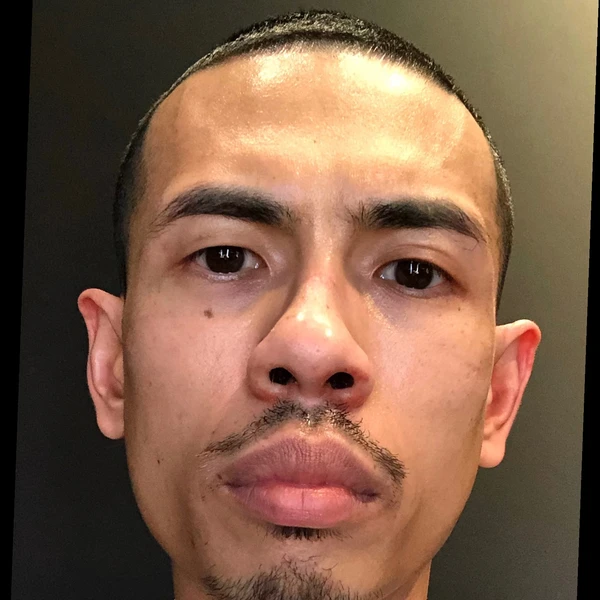
Somboun Phanhpathoum
1x
Finalist
Somboun Phanhpathoum
1x
FinalistBio
Somboun “Sam” Phanhpathoum is a Washington, DC-based professional and first-generation college graduate with a strong background in leadership, sales, and business development. With over a decade of experience guiding teams and supporting diverse communities, he brings a people-centered approach to growth and empowerment. His personal journey has shaped a deep passion for mental health awareness and social support, particularly for individuals navigating identity, isolation, and limited access to resources. Sam is committed to pursuing a path in social work to advocate for underserved populations and create meaningful, community-driven impact through accessible and inclusive support systems.
Education
University of the District of Columbia
Bachelor's degree programMajors:
- Public Administration and Social Service Professions, Other
- Social Sciences, General
Mitchell Community College
Associate's degree programMajors:
- Accounting and Computer Science
Career
Dream career field:
Civic & Social Organization
Dream career goals:
Adrin Ohaekwe Memorial Scholarship
My career goal is to become a social worker focused on providing mental health support to underserved and marginalized communities, particularly individuals who, like myself, have had to navigate life without consistent access to guidance, resources, or support systems. As a first-generation college student, I have experienced firsthand what it feels like to move through life without a clear roadmap. This journey has shaped not only my ambition, but also my purpose—to become the kind of advocate, mentor, and resource that I once needed.
Playing chess has taught me lessons that directly align with this path. At its core, chess is a game of strategy, patience, and awareness. Every move requires intention, and every decision carries consequences. One of the most important lessons I have learned from chess is the importance of thinking several steps ahead. In the game, success is not determined by a single move, but by how well you anticipate outcomes and adapt to changing circumstances. This mindset mirrors real life, especially in my pursuit of higher education and a career in social work.
Like a game of chess, my educational journey has required careful planning and resilience. There have been moments where I faced setbacks—financial challenges, limited access to resources, and uncertainty about my next steps. However, chess has taught me not to panic when the board changes, but instead to reassess, adapt, and continue moving forward with purpose. This ability to remain composed under pressure is critical not only in academics, but also in the field of social work, where individuals often face complex and unpredictable life situations.
Another key lesson chess has taught me is the value of patience and discipline. In chess, rushing decisions often leads to mistakes. Similarly, in life, meaningful progress takes time. As I work toward my degree and long-term goal of supporting others through mental health services, I understand that growth—both personal and professional—is a process. Chess has helped me develop the discipline to stay focused, even when progress feels slow, and to trust that each step forward contributes to a larger outcome.
Chess has also strengthened my problem-solving skills. Every game presents new challenges, requiring creative thinking and the ability to evaluate multiple solutions at once. This skill is directly transferable to my future career. In social work, no two individuals or situations are the same. Being able to assess circumstances, think critically, and develop thoughtful solutions will be essential in helping others navigate their own challenges. Just as in chess, where you must consider both your moves and your opponent’s, in social work, I must understand not only a person’s current situation but also the broader systems and environments impacting their lives.
Most importantly, chess has taught me accountability. Every move I make is mine to own. There are no excuses—only lessons. This perspective has shaped how I approach my life and career. It has instilled in me a sense of ownership that drives my ambition and commitment to succeed.
My ultimate goal is to use my education to create access—access to mental health resources, guidance, and support for individuals who may feel overlooked or underserved. Just as chess has taught me to think strategically and act intentionally, I plan to use those same skills to build pathways for others.
In many ways, life mirrors a game of chess. You cannot always control what happens, but you can control how you respond. Through every move I have made—both on the board and in life—I have learned that success is not about avoiding challenges, but about navigating them with strategy, patience, and purpose.
Tia Lukeya Woods from Books Pages to Boarding Passes Scholarship
Tia Lukeya Woods believed that access to knowledge is not just an opportunity—it is a turning point. That belief resonates deeply with my journey as a first-generation college student navigating systems that were not always designed with me in mind. My path has been shaped not only by what I had access to, but often by what I did not—and the determination it took to bridge that gap.
Growing up, access to academic resources was inconsistent. I did not grow up in an environment where higher education was mapped out or where books and academic tools were readily available. Information about college, financial aid, and career pathways often felt hidden behind systems I had to learn to decode on my own. As a result, much of my early education was built on self-navigation—figuring out how to apply, where to look for help, and how to advocate for myself without a clear guide.
One pivotal moment came when I began to actively seek out resources on my own—whether that meant spending extra time researching scholarships, asking questions others might have been too afraid to ask, or leaning into community-based programs that offered support. It was in those moments that I realized something powerful: access is not just about availability, it is about awareness and empowerment. When I gained access to the right information and tools, my confidence grew. My academic performance improved. More importantly, my perspective shifted—I began to see education not as something out of reach, but as something I could actively pursue and shape.
However, the reality remains that access still comes with barriers—financial limitations, time constraints, and the emotional weight of navigating spaces where representation is limited. As someone who identifies with marginalized communities, including being a first-generation student and part of the LGBTQ+ community, I understand firsthand how gaps in access can impact not only academic success, but also a sense of belonging.
This is why pursuing a degree in social work is deeply personal to me. I want to become a resource for others who may feel unseen, unsupported, or uncertain about their path. I have experienced what it feels like to search for guidance and not always find it—and that experience has shaped my commitment to ensuring others do not have to navigate those same barriers alone.
This scholarship represents more than financial support—it represents access in its truest form. It would allow me to fully engage in my studies without the constant pressure of financial strain, giving me the freedom to focus on learning, growth, and meaningful contribution. With that support, I can deepen my academic work, pursue opportunities such as internships and community outreach, and invest more intentionally in becoming the kind of professional who leads with both knowledge and empathy.
Access to education has already changed my trajectory—but I am only at the beginning. With continued support, I will not only carry this access forward, but multiply it. I plan to use my education to advocate for equitable mental health resources, particularly within underserved and marginalized communities where support systems are often lacking or inaccessible.
Like Tia, I believe learning is something you chase, carry, and choose. I have learned to chase it even when the path was unclear, to carry it even when it felt heavy, and to choose it even when it required sacrifice. This scholarship would not just support my education—it would expand my capacity to give back, to uplift others, and to ensure that access to knowledge becomes a bridge, not a barrier.
Jerrye Chesnes Memorial Scholarship
Returning to school as an adult and a first-generation college student has been both a meaningful and challenging journey. One of the most significant obstacles I have faced is balancing multiple responsibilities while pursuing my education. Unlike traditional students, I have had to manage full-time work, personal obligations, and financial responsibilities alongside my academic goals. Working in fast-paced, customer-facing roles has required long hours and mental energy, which often made it difficult to dedicate consistent time to studying. Learning how to effectively manage my schedule, prioritize tasks, and remain disciplined has been essential. While this balancing act has been challenging, it has also strengthened my time management skills and reinforced my commitment to achieving my goals.
Another major challenge has been navigating the educational system without a clear roadmap. As a first-generation student, I did not grow up with direct guidance on how to apply for college, select courses, or understand academic requirements. There were moments when I felt overwhelmed trying to figure out financial aid, transfer credits, and program prerequisites on my own. I often had to seek out information independently, ask questions, and advocate for myself in unfamiliar environments. While this process was at times frustrating, it pushed me to become more resourceful and proactive. I learned how to utilize academic advisors, online tools, and institutional resources to build a clearer path forward.
Financial barriers have also been a significant part of my experience. Returning to school requires not only time and dedication but also financial sacrifice. Balancing tuition, living expenses, and other obligations has required careful planning and, at times, difficult decisions. There were moments where I questioned whether I could realistically continue, but those moments ultimately strengthened my determination. Instead of allowing financial challenges to discourage me, I became more intentional about seeking out scholarships, grants, and support systems that could help alleviate the burden. This process has taught me the importance of persistence and long-term planning.
In addition to external challenges, I also faced internal obstacles when returning to an academic environment after time away. Rebuilding study habits, adjusting to academic expectations, and regaining confidence in my ability to succeed academically required patience and self-discipline. There were moments of self-doubt where I questioned whether I was capable of excelling in a structured learning environment again. However, I remained focused on my purpose and reminded myself why I chose to return to school in the first place.
That purpose is deeply rooted in my personal experiences. As someone who has navigated life as a first-generation student and a member of the LGBTQ+ community, I understand what it feels like to lack access to guidance, resources, and support. These experiences have shaped my desire to pursue a career in social work and counseling, where I can provide support to individuals who may be facing similar challenges. I want to be a resource for others, helping them navigate systems that can often feel overwhelming and inaccessible.
Ultimately, the challenges I have faced while returning to school have not discouraged me—they have defined and strengthened me. I have developed resilience, adaptability, and a strong sense of purpose. Each obstacle has reinforced my commitment to my education and my long-term goal of making a meaningful impact in my community. Returning to school is not just about earning a degree; it is about creating opportunities, breaking generational barriers, and using my experiences to uplift others.
Josh Gibson MD Grant
M.R. Brooks Scholarship
Growing up as the child of a single parent while also navigating my identity within the LGBTQ+ community shaped my understanding of resilience, identity, and the importance of support systems at an early age. My upbringing was defined by both strength and challenge. On one hand, I witnessed the determination and sacrifice of my mother, who worked tirelessly to provide stability and opportunity. On the other, I experienced the emotional complexity of growing up in environments where conversations around identity, mental health, and belonging were often limited or misunderstood.
Being part of the LGBTQ+ community added another layer to my experience. There were moments when I felt isolated, unsure of where I fit, and without access to the guidance or resources that could have helped me better understand myself. In many ways, I had to navigate both my personal identity and my educational journey independently. As a first-generation college student, I faced similar challenges academically—learning how to access resources, apply for opportunities, and build a future without a clear roadmap.
Despite these obstacles, my experiences became a source of strength. Growing up in a single-parent household taught me responsibility, discipline, and adaptability. Navigating my identity taught me empathy, self-awareness, and the importance of acceptance—not only of others, but of myself. These lessons have shaped who I am today and have directly influenced the path I have chosen to pursue.
I am currently working toward furthering my education in social sciences with the goal of entering the field of social work and counseling. My decision is deeply rooted in my lived experiences. I have seen firsthand how gaps in support systems can impact individuals, especially those in marginalized communities. For LGBTQ+ individuals and those raised in single-parent households, access to mental health resources, mentorship, and safe spaces can often be limited. I want to be part of the solution that bridges these gaps.
Through my education, I plan to make an impact by creating inclusive, affirming, and accessible support systems for individuals who may feel overlooked or unsupported. My goal is to work within communities to provide counseling services, advocate for mental health awareness, and connect individuals to the resources they need to thrive. I want to create spaces where people feel seen, heard, and validated—spaces that I once needed myself.
In addition, I hope to focus on addressing the stigma that still exists around mental health and identity, particularly within underserved communities. Many individuals struggle in silence due to fear, misunderstanding, or lack of access. By combining my education with my lived experience, I aim to approach this work with both professional knowledge and genuine empathy. I believe that representation matters, and I want to be someone who reflects the communities I serve.
My impact will not be limited to individual support, but will extend to community engagement and advocacy. I want to contribute to initiatives that promote education, awareness, and policy changes that improve access to mental health services. I also hope to mentor other first-generation and LGBTQ+ students, helping them navigate challenges with more support and clarity than I initially had.
Ultimately, my experience growing up as the child of a single parent in the LGBTQ+ community has shaped my purpose. It has taught me that while challenges can create barriers, they can also create direction. My education is not just a personal goal—it is a tool that I will use to uplift others, to create meaningful change, and to ensure that no one has to navigate their journey without support.
$25,000 "Be Bold" No-Essay Scholarship
Curtis Holloway Memorial Scholarship
The person who has supported me most in my educational journey is my mother. Growing up in a single-parent household, she carried the full responsibility of providing, guiding, and encouraging me, often while managing her own challenges. Although she did not have the opportunity to navigate higher education herself, she consistently emphasized the importance of education as a pathway to opportunity and independence. Her belief in me became the foundation I stood on, even in moments when I doubted myself.
My mother’s support was not always expressed through direct academic guidance, but through her actions. She worked tirelessly to ensure that I had stability, even when resources were limited. I watched her sacrifice her own needs so that I could have access to opportunities she never had. That level of commitment taught me that success requires discipline, resilience, and perseverance. It also showed me that support does not always look like having all the answers—it often looks like showing up, staying consistent, and believing in someone even when the path is unclear.
As a first-generation college student, there were many moments when I felt lost navigating the educational system. From understanding financial aid to choosing a career path, I often had to figure things out on my own. However, my mother’s encouragement pushed me to keep going. She reminded me that even if she could not guide me through every step, she trusted that I would find my way. That trust became a driving force in my ability to persist.
I honor my mother by continuing to pursue my education with purpose and intention. Every step I take toward my goals is a reflection of her sacrifices. I am committed to not only achieving personal success, but also creating opportunities that extend beyond myself. Her resilience has shaped how I approach challenges—with determination rather than fear—and has instilled in me a deep sense of responsibility to make my efforts meaningful.
Her support has also influenced my decision to pursue a career in social work and counseling. Growing up, I saw firsthand the gaps in support systems for individuals and families navigating hardship, especially in single-parent households. My experiences have driven me to become someone who can provide guidance, resources, and emotional support to others who may feel overwhelmed or underserved. I want to be the kind of support system that many people, including myself at times, needed but did not always have access to.
As I move forward, I plan to build on my mother’s support by transforming the values she instilled in me into action. This means continuing my education in social sciences, developing the skills necessary to support diverse communities, and advocating for individuals facing barriers related to mental health, identity, and access to resources. I also hope to serve as a mentor for other first-generation students, helping them navigate challenges with more clarity and confidence than I initially had.
Growing up in a single-parent household made support even more instrumental because it was not abundant—it was intentional. My mother’s support carried more weight because it came from sacrifice, resilience, and unwavering belief. It taught me to value every opportunity and to never take guidance, encouragement, or stability for granted.
Ultimately, my mother’s influence has shaped not only my educational journey but the person I am becoming. Her strength is reflected in my persistence, her sacrifices are reflected in my ambition, and her belief in me continues to drive my success. Everything I strive for is not only for myself, but in honor of the foundation she worked so hard to build.
Sola Family Scholarship
Growing up with a single mother shaped me in ways that I did not fully understand until I became an adult. What I once saw as struggle, I now recognize as strength, sacrifice, and resilience. My mother carried the weight of providing, protecting, and nurturing—often all at once and without recognition. Watching her navigate life with limited resources but unwavering determination became one of the most defining influences in my life.
As a child, I quickly learned that responsibility was not optional—it was necessary. There was no safety net, no extra support, and no room for complacency. My mother worked hard to ensure that we had what we needed, even when it meant sacrificing for herself. I saw firsthand what it meant to prioritize others, to push through exhaustion, and to keep going despite challenges. Those experiences instilled in me a strong work ethic and a deep sense of accountability.
At the same time, growing up in a single-parent household came with emotional challenges. There were moments of uncertainty, times when I wished for more guidance, and situations where I had to figure things out on my own. As a first-generation college student, this became even more apparent. There was no roadmap for navigating higher education, no one to explain financial aid, career paths, or long-term planning. I had to learn through trial, error, and persistence.
However, these challenges forced me to develop independence at an early age. I became resourceful, adaptable, and resilient. I learned how to advocate for myself, how to navigate unfamiliar environments, and how to stay focused even when the path was unclear. More importantly, I developed empathy. Growing up in a household where every decision mattered taught me to be mindful of others’ struggles and to approach people with understanding rather than judgment.
My mother also taught me the value of perseverance. She showed me that circumstances do not define your future—your actions do. Even when things were difficult, she never allowed challenges to become excuses. That mindset stayed with me and continues to guide how I approach both my personal and professional life.
As I’ve grown older, I’ve come to appreciate not only what my mother provided, but what she endured. Her sacrifices created opportunities that I now have the responsibility to build upon. Pursuing higher education and aligning my career with purpose is one of the ways I honor her efforts. I am currently working toward a path in social work and counseling, driven by a desire to support individuals and families who face similar challenges.
Growing up with a single mother has given me a unique perspective on hardship, resilience, and the importance of support systems. It has shaped my ability to lead with compassion, to remain grounded during adversity, and to stay committed to growth even when the journey is difficult.
Ultimately, my upbringing did not limit me—it prepared me. It taught me that strength can exist in quiet sacrifice, that resilience is built through challenge, and that success is not just about personal achievement, but about creating opportunities for others. My mother’s example continues to inspire me to move forward with purpose, to give back to my community, and to build a future that reflects the values she worked so hard to instill in me.
Josh Gibson MD Scholarship
Dream BIG, Rise HIGHER Scholarship
Education has not been a straight path for me—it has been a journey of rediscovery, resilience, and ultimately, purpose. As a first-generation college student, I initially approached education with uncertainty. There was no blueprint in my family to follow, no clear understanding of how to navigate higher education, and at times, no confidence that I truly belonged in those spaces. However, over time, education became more than just a requirement or milestone—it became a tool for self-awareness, empowerment, and direction.
Early in my academic journey, I pursued my Associate of Arts degree and later earned my Bachelor’s degree in History. At that time, I viewed education as something I needed to complete rather than something that would define my purpose. Like many first-generation students, I was focused on stability—finding a job, building income, and figuring things out along the way. I entered the workforce and built a strong career in retail leadership and operations, gaining over a decade of experience in customer service, team development, and business performance. While this experience was valuable and helped me grow professionally, I began to feel that something was missing. I was successful on paper, but I lacked a deeper sense of fulfillment.
The turning point came through both personal and professional challenges. I experienced moments of instability, self-doubt, and reflection—times where I had to question not only my career path but my identity and purpose. As a first-generation student and a member of the LGBTQ+ community, I often navigated spaces where I felt misunderstood or unsupported. There were barriers—both visible and invisible—that made the journey more complex. Limited access to mentorship, financial pressures, and the weight of trying to succeed without a clear roadmap all contributed to the challenges I faced.
However, these challenges became the foundation for growth. Instead of allowing them to define my limitations, I began to see them as opportunities for clarity. Through these experiences, I realized that my passion had always been rooted in people—understanding them, supporting them, and helping them grow. I began to reflect on my own experiences navigating life without adequate guidance or support systems, and it became clear that I wanted to be the person I once needed.
This realization led me to pursue a new path in social work and counseling. Education, in this phase of my life, is no longer just about personal advancement—it is about purpose-driven impact. I am currently working toward furthering my education in social sciences with the goal of entering the field of social work, where I can support individuals and communities that are often underserved and overlooked. My goal is to focus on mental health, particularly within marginalized communities, including first-generation students and LGBTQ+ individuals who face unique challenges when accessing care and resources.
The challenges I have overcome have prepared me for this work in a meaningful way. Navigating financial instability taught me resourcefulness and discipline. Experiencing a lack of representation and support taught me empathy and the importance of advocacy. Facing personal struggles with identity and belonging strengthened my resilience and deepened my understanding of mental and emotional well-being. These are not just experiences—they are tools that I will carry into my career.
Education has given me a renewed sense of direction by aligning my personal experiences with a professional purpose. It has shifted my mindset from simply achieving success to creating impact. I no longer measure success solely by income or position, but by the ability to make a difference in the lives of others. Whether that means providing counseling services, connecting individuals to resources, or advocating for systemic change, I am committed to using my education as a platform for service.
Looking ahead, I plan to use my education to create safe, accessible, and empowering spaces for individuals who may feel overlooked or unsupported. I want to work within communities to address gaps in mental health services, particularly for those who face cultural, social, or economic barriers. I also hope to contribute to broader conversations around mental health awareness, reducing stigma, and increasing accessibility to care.
Additionally, I aim to serve as a mentor and example for other first-generation students. Representation matters, and I want others to see that it is possible to redefine your path, no matter where you start. Education is not limited by age, background, or circumstance—it is a lifelong journey that evolves with you.
The “Dream Big, Rise Higher” philosophy resonates deeply with me because my journey has required both vision and perseverance. Dreaming big meant believing in a future that I could not yet fully see. Rising higher meant pushing through doubt, adversity, and uncertainty to pursue that vision anyway. My story is not one of perfection, but of persistence.
Ultimately, education has shaped my goals by helping me understand who I am, what I value, and how I can contribute to the world around me. It has given me the clarity to pursue a career rooted in compassion and service, and the confidence to believe that my experiences—both challenges and successes—have prepared me for this path.
As I continue my educational journey, I remain committed to using what I learn not only to better myself, but to uplift others. My future is no longer just about personal success—it is about collective growth, community impact, and creating spaces where people feel seen, supported, and empowered to thrive.
Edwards Scholarship
My name is Somboun “Sam” Phanhpathoum, and my journey has been shaped by resilience, adaptability, and a strong commitment to growth—both personally and professionally. As a first-generation college graduate with a background in history and over 15 years of experience in leadership and customer-focused roles, I have developed a deep understanding of people, communication, and the importance of building trust. However, beyond my professional experience, it is my lived experiences that have most influenced the direction of my career and the impact I hope to make in the world.
Throughout my life, I have navigated challenges related to identity, mental health, and access to resources. As someone who comes from a background where guidance was not always readily available, I often had to learn how to navigate systems on my own. These experiences were not always easy, but they taught me resilience, self-awareness, and the importance of support. Over time, I began to recognize that many individuals—especially those from marginalized communities—face similar barriers without the resources or support systems needed to overcome them.
Professionally, my career has centered around helping people solve problems, whether through leadership roles in retail or more recently through in-home technology support. In these roles, I worked closely with individuals from diverse backgrounds, including those who were overwhelmed, underserved, or unsure of how to move forward. I learned how to meet people where they are, communicate clearly, and provide solutions in a way that felt accessible and empowering. While I found success in these roles, I began to realize that my purpose extended beyond business outcomes—I wanted to create a more meaningful and lasting impact.
This realization led me to pursue a career in social work. I believe that social work provides a powerful platform to support individuals not only on a personal level, but also within the larger systems that affect their lives. My goal is to work with individuals who are navigating mental health challenges, life transitions, and systemic barriers—particularly those within marginalized communities, including first-generation individuals and members of the LGBTQ+ community.
Through my career, I plan to make a positive impact by providing direct support, advocacy, and access to resources. I want to help individuals feel seen, heard, and supported, especially during times when they may feel isolated or uncertain. Whether it is connecting someone to mental health services, guiding them through difficult life decisions, or simply being a consistent and compassionate presence, I believe that even small actions can create meaningful change.
In addition to direct service, I am also interested in contributing to broader systemic improvements. This includes advocating for more inclusive mental health services, improving access to education and community-based resources, and helping to design programs that address gaps in support for underserved populations. I believe that sustainable change requires both individual-level support and system-level advocacy, and I am committed to contributing to both.
Ultimately, my goal is to use my experiences, education, and passion for helping others to create spaces where people feel empowered to grow and succeed. I want to be someone who not only supports individuals through challenges, but also helps build stronger, more inclusive communities. By pursuing a career in social work, I am taking intentional steps toward that goal—working to ensure that others have the support, guidance, and opportunities that I once had to navigate on my own.
The impact I hope to make is rooted in empathy, advocacy, and a commitment to equity. I believe that everyone deserves the opportunity to thrive, and I am dedicated to doing my part to help make that a reality.
Robert F. Lawson Fund for Careers that Care
My name is Somboun “Sam” Phanhpathoum, and my journey has been shaped by resilience, adaptability, and a strong commitment to growth—both personally and professionally. As a first-generation college graduate with a background in history and over 15 years of experience in leadership and customer-focused roles, I have developed a deep understanding of people, communication, and the importance of building trust. However, beyond my professional experience, it is my lived experiences that have most influenced the direction of my career and the impact I hope to make in the world.
Throughout my life, I have navigated challenges related to identity, mental health, and access to resources. As someone who comes from a background where guidance was not always readily available, I often had to learn how to navigate systems on my own. These experiences were not always easy, but they taught me resilience, self-awareness, and the importance of support. Over time, I began to recognize that many individuals—especially those from marginalized communities—face similar barriers without the resources or support systems needed to overcome them.
Professionally, my career has centered around helping people solve problems, whether through leadership roles in retail or more recently through in-home technology support. In these roles, I worked closely with individuals from diverse backgrounds, including those who were overwhelmed, underserved, or unsure of how to move forward. I learned how to meet people where they are, communicate clearly, and provide solutions in a way that felt accessible and empowering. While I found success in these roles, I began to realize that my purpose extended beyond business outcomes—I wanted to create a more meaningful and lasting impact.
This realization led me to pursue a career in social work. I believe that social work provides a powerful platform to support individuals not only on a personal level, but also within the larger systems that affect their lives. My goal is to work with individuals who are navigating mental health challenges, life transitions, and systemic barriers—particularly those within marginalized communities, including first-generation individuals and members of the LGBTQ+ community.
Through my career, I plan to make a positive impact by providing direct support, advocacy, and access to resources. I want to help individuals feel seen, heard, and supported, especially during times when they may feel isolated or uncertain. Whether it is connecting someone to mental health services, guiding them through difficult life decisions, or simply being a consistent and compassionate presence, I believe that even small actions can create meaningful change.
In addition to direct service, I am also interested in contributing to broader systemic improvements. This includes advocating for more inclusive mental health services, improving access to education and community-based resources, and helping to design programs that address gaps in support for underserved populations. I believe that sustainable change requires both individual-level support and system-level advocacy, and I am committed to contributing to both.
Ultimately, my goal is to use my experiences, education, and passion for helping others to create spaces where people feel empowered to grow and succeed. I want to be someone who not only supports individuals through challenges, but also helps build stronger, more inclusive communities. By pursuing a career in social work, I am taking intentional steps toward that goal—working to ensure that others have the support, guidance, and opportunities that I once had to navigate on my own.
The impact I hope to make is rooted in empathy, advocacy, and a commitment to equity. I believe that everyone deserves the opportunity to thrive, and I am dedicated to doing my part to help make that a reality.
Greg Lockwood Scholarship
The change I would most like to see in the world is the creation of truly inclusive, accessible, and affirming systems of support—particularly in education and mental health—for LGBTQ+ individuals. While society has made progress in visibility and acceptance, many queer individuals still navigate spaces where they feel misunderstood, unsupported, or even unsafe. For students, especially those who are also first-generation or from marginalized backgrounds, these challenges are often compounded by a lack of guidance, representation, and accessible resources. I want to be part of the change that ensures no one has to navigate those barriers alone.
As someone who identifies within the LGBTQ+ community, I understand firsthand how isolating it can feel to exist in spaces that were not designed with you in mind. There were moments in my own journey where I lacked access to affirming support systems, particularly when it came to mental health and navigating higher education. These experiences were not just obstacles—they were defining moments that revealed how critical it is to have environments where individuals feel seen, validated, and supported without judgment.
The change I envision goes beyond surface-level acceptance. It is about building systems that actively affirm identity while also addressing the structural barriers that exist for LGBTQ+ individuals. In education, this means creating campuses where students have access to culturally competent counseling services, mentorship programs, and safe spaces that foster both personal and academic growth. It also means ensuring that faculty, staff, and administrators are equipped with the knowledge and training to support LGBTQ+ students in meaningful and respectful ways.
In the field of mental health, the need for change is even more urgent. LGBTQ+ individuals are disproportionately affected by mental health challenges due to stigma, discrimination, and social isolation. Yet, access to affirming care remains limited. I want to contribute to a future where mental health services are not only accessible but are also inclusive of diverse identities and experiences. This includes advocating for therapists and social workers who are trained in LGBTQ+ issues, as well as expanding community-based resources that meet individuals where they are.
My decision to pursue a degree in social work is directly tied to this vision for change. Social work is rooted in advocacy, equity, and empowerment—values that align with my desire to support marginalized communities. I plan to work with individuals who are navigating both identity and systemic barriers, helping them access resources, build resilience, and feel empowered in their own journeys. I am particularly interested in supporting LGBTQ+ individuals who may not have strong support networks, including those experiencing mental health challenges or transitioning into adulthood.
Beyond direct service, I also hope to contribute to broader systemic change. This includes advocating for policies that protect LGBTQ+ rights, increase funding for mental health services, and improve access to education for marginalized communities. I believe that real change happens at both the individual and systemic levels, and I am committed to being part of both.
Ultimately, the change I want to see is a world where LGBTQ+ individuals are not just accepted, but fully supported and empowered to thrive. A world where identity is not a barrier, but a strength. A world where students can pursue their education without fear, without isolation, and without having to question whether they belong.
This vision is deeply personal to me, and it drives my commitment to making a difference. By pursuing social work and dedicating my career to advocacy and support, I hope to help create a future where the next generation of LGBTQ+ students can move forward with confidence, dignity, and opportunity.
Dinakara Rao Memorial Scholarship
As a first-generation college student, my educational journey has been defined by perseverance, self-discovery, and a deep sense of responsibility to create a better future—not only for myself, but for those who come after me. Coming from a background where higher education was not always clearly mapped out or easily accessible, I had to navigate many of the systems on my own. From understanding financial aid to choosing a major and building a career path, each step required initiative, resilience, and the willingness to learn through experience.
Earning my Associate of Arts degree and later my Bachelor’s degree in History was a significant milestone for me and my family. It represented more than academic achievement—it symbolized breaking generational barriers and creating new possibilities. However, after completing my degree, I found myself entering the workforce in roles that emphasized leadership, sales, and operations. While these experiences helped me grow professionally and develop strong interpersonal and problem-solving skills, I often felt there was a deeper purpose I had yet to fulfill.
Over time, I began to reflect more intentionally on my lived experiences. As a first-generation student, I understood what it felt like to navigate systems without guidance, to face uncertainty, and to carry the pressure of being the first to “figure it out.” Additionally, as someone who has experienced personal challenges related to identity, mental health, and access to resources, I became increasingly aware of how many individuals—especially those from marginalized communities—face similar or even greater obstacles without adequate support.
This realization became a turning point for me. I recognized that my experiences were not just challenges to overcome, but lessons that could be used to support others. I became motivated to pursue a career path where I could make a meaningful and lasting impact—one that aligned both with my personal values and my desire to give back. That is what ultimately led me to social work.
Social work stood out to me because it is rooted in advocacy, empathy, and systemic change. It offers the opportunity to not only support individuals on a personal level, but also to address the broader barriers that affect communities as a whole. My goal is to work with individuals who, like me, may feel overlooked or unsupported—particularly first-generation students, individuals navigating mental health challenges, and those within marginalized communities who lack access to resources or guidance.
Being a first-generation student has given me a unique perspective that I carry with pride. It has taught me how to be resourceful, how to ask questions, and how to persist even when the path is unclear. These qualities directly influence my approach to social work. I understand the importance of meeting people where they are, providing clear guidance, and creating safe, supportive environments where individuals feel seen and heard.
In pursuing this career path, I am driven by both purpose and responsibility. I want to be the person I once needed—someone who can guide, support, and advocate for others as they navigate their own journeys. I also hope to contribute to building stronger, more inclusive systems that make it easier for future first-generation students to succeed without facing the same level of uncertainty.
Ultimately, my story as a first-generation student is not just about overcoming obstacles—it is about transforming those experiences into a foundation for impact. Through social work, I am committed to turning my journey into a source of empowerment for others, helping individuals and communities move forward with confidence, support, and opportunity.
Special Needs Advocacy Inc. Kathleen Lehman Memorial Scholarship
My name is Somboun “Sam” Phanhpathoum, and my personal and professional journey has been shaped by resilience, adaptability, and a deep commitment to helping others navigate systems that often feel inaccessible. As a first-generation college graduate with a background in history and over 15 years of experience in customer-facing leadership roles, I have developed a strong understanding of people, communication, and the importance of meeting individuals where they are. However, it was my lived experiences—both personal and professional—that ultimately guided me toward pursuing a career focused on serving individuals with special needs.
Throughout my life, I have encountered moments where support systems were either limited or difficult to access. Navigating challenges related to identity, mental health, and systemic barriers allowed me to see firsthand how critical it is to have advocates who are not only knowledgeable but also compassionate and culturally aware. These experiences shaped my belief that support should be holistic, inclusive, and empowering rather than transactional. I began to recognize that many individuals with special needs—whether cognitive, emotional, or developmental—face similar barriers, often compounded by stigma, lack of resources, and fragmented care systems.
Professionally, my work has always centered around service, problem-solving, and relationship-building. In my most recent role providing in-home technology support, I worked closely with individuals from diverse backgrounds, including elderly clients and those with limited technical literacy. Many of these interactions required patience, adaptability, and the ability to simplify complex information into accessible, supportive guidance. These moments reinforced my ability to connect with individuals who may feel overwhelmed or underserved, and they highlighted the importance of empathy in service delivery.
As I transition into a career in social work, my goal is to specialize in supporting individuals with special needs, particularly those who exist at the intersection of multiple marginalized identities. I am especially passionate about advocating for individuals who may not have strong support networks, including those navigating mental health challenges, developmental disabilities, or social isolation. I plan to contribute by providing direct support services, connecting clients to resources, and advocating for more equitable access to care.
Long-term, I aim to work within community-based organizations or healthcare systems where I can help design and implement programs that prioritize accessibility and dignity. I am interested in developing initiatives that bridge gaps between services—ensuring that individuals with special needs are not lost in the system but are instead supported through coordinated, person-centered care. Additionally, I hope to use my voice and experience to raise awareness around the importance of inclusive practices, particularly within underserved communities where resources are often limited or misunderstood.
Ultimately, my vision is to create impact not just through individual interactions, but through systemic change. I believe that serving individuals with special needs requires more than compassion—it requires advocacy, education, and a commitment to challenging existing barriers. By combining my professional experience, personal insight, and academic training in social work, I am committed to contributing to a more inclusive and supportive society where every individual has the opportunity to thrive.
Fuerza de V.N.C.E. Scholarship
Choosing to pursue a degree in social work was not a decision I made overnight. It developed over time through personal experiences, reflection, and a growing awareness of the gaps that exist within support systems—particularly for individuals who come from marginalized or underrepresented communities. As a first-generation college graduate and a member of the LGBTQ+ community, I have experienced moments of isolation, uncertainty, and limited access to guidance. These experiences made me realize that while resilience is important, access to the right support can make a meaningful difference in someone’s life trajectory.
Initially, I was drawn to social work because of my natural inclination to help others. Throughout my professional career in customer-facing roles, I often found myself going beyond the technical aspects of my job to support individuals on a more personal level. Whether it was calming someone’s frustration, helping them navigate confusion, or simply taking the time to listen, I recognized that I valued human connection and the ability to create a sense of relief and understanding. However, I also realized that I wanted to make a deeper, more structured impact—one that would allow me to provide long-term support, resources, and advocacy. Social work presented itself as the most ideal path because it combines empathy with practical tools, education, and systemic awareness.
Since beginning my journey toward this field, my understanding of social work has evolved. Initially, I viewed it primarily as direct service—helping individuals navigate personal challenges. While that remains a central component, I now recognize that social work extends far beyond one-on-one interactions. It involves addressing systemic barriers, advocating for policy changes, and creating sustainable solutions that improve access to resources for entire communities. This shift in perspective has expanded my goals. I no longer see myself only as someone who provides support in the moment, but also as someone who can contribute to broader change that prevents individuals from falling through the cracks in the first place.
The community I plan to serve includes individuals who share similar experiences to my own—first-generation graduates, members of the LGBTQ+ community, and individuals navigating life without a strong support system. These are groups that often face unique challenges, including stigma, lack of representation, and limited access to culturally competent resources. I want to work with individuals who may feel overlooked or unsupported, helping them build confidence, access services, and develop pathways toward stability and growth.
In terms of capacity, I plan to give back through both direct service and community engagement. Professionally, I aim to work in counseling or community-based organizations where I can provide guidance, crisis support, and resource navigation. I also hope to be involved in outreach efforts that educate communities about mental health, reduce stigma, and increase awareness of available services. Beyond that, I am interested in contributing to initiatives that focus on improving accessibility—whether through program development, partnerships, or advocacy work that addresses systemic inequities.
Giving back, to me, is not limited to professional roles. It also includes being present, approachable, and willing to share knowledge and experiences with others who may be navigating similar paths. Representation and relatability matter, and I want to be someone who others can look to and feel understood.
Ultimately, my decision to pursue social work is rooted in both personal experience and a commitment to meaningful impact. While my understanding of the field has grown, my core motivation remains the same: to support, uplift, and advocate for individuals and communities that deserve greater access, understanding, and opportunity.
Arnetha V. Bishop Memorial Scholarship
My name is Somboun Phanhpathoum, and I am a first-generation college graduate with a Bachelor’s degree in History. My journey has been shaped by both resilience and reflection, particularly as I navigated life without a clear roadmap or consistent support system. As a single individual within the LGBTQ+ community, I have often experienced what it means to exist in spaces where resources, representation, and understanding are limited. These experiences have deeply influenced my perspective on mental health and the critical role it plays in shaping not only individual well-being but also community strength.
My professional background in customer-facing roles, particularly working directly in people’s homes, has allowed me to witness firsthand how stress, uncertainty, and lack of access to support can affect individuals and families. While my role focused on technical services, I quickly realized that many interactions extended beyond the surface. People were often overwhelmed, frustrated, or simply in need of someone to listen. In those moments, I learned the importance of patience, empathy, and creating a sense of comfort and trust. These experiences reinforced my belief that mental health support does not always begin in clinical settings—it often starts with human connection.
My own experiences with mental health have played a significant role in shaping my beliefs and career aspirations. There have been moments where I faced personal and professional hardships that challenged my confidence, stability, and sense of direction. During those times, I recognized how difficult it can be to seek help, especially when resources are unclear or stigmatized. I also became aware of how marginalized communities, particularly LGBTQ+ individuals and first-generation graduates, often face additional barriers such as cultural expectations, financial limitations, and a lack of accessible, affirming care.
These realizations have fueled my desire to pursue a career in mental health services, specifically within counseling and community-based support. I am committed to helping individuals navigate challenges similar to those I have experienced by providing guidance, advocacy, and access to resources. My goal is to create safe and inclusive spaces where people feel seen, heard, and supported without judgment. I want to bridge the gap between individuals and the services available to them, particularly for those who may not know where to start or feel discouraged by systemic barriers.
In terms of making a positive impact, I plan to focus on community outreach and education. This includes raising awareness about mental health resources, normalizing conversations around emotional well-being, and advocating for more inclusive and accessible services. I believe that effective mental health support must be culturally competent and responsive to the unique experiences of marginalized groups. By combining my lived experience with professional training, I aim to approach this work with both empathy and practical solutions.
Additionally, I hope to contribute by mentoring and supporting others who may feel isolated in their journey. Representation matters, and being someone who understands the intersection of identity, hardship, and growth allows me to connect with individuals in a meaningful way. My long-term vision is to be part of initiatives that not only provide direct support but also influence policy and expand access to mental health services in underserved communities.
Ultimately, my experiences with mental health have transformed my perspective from simply overcoming challenges to actively helping others do the same. They have instilled in me a strong sense of purpose and responsibility to give back. I am driven by the belief that everyone deserves access to support, understanding, and opportunities for growth. Through my work, I hope to empower individuals to navigate their circumstances with confidence and to build stronger, more connected communities.
Kindness in Action Scholarship
There was a period in my life when everything felt uncertain at once—financial instability, career transition, and a lack of clear direction. I had recently experienced a significant setback in my professional life, which affected not only my income but also my confidence and sense of identity. As a first-generation college graduate, I often found myself navigating these challenges without a clear roadmap or strong support system. Resources were limited, and there were times when maintaining stability felt like a daily accomplishment rather than progress toward long-term goals.
Despite these circumstances, I made a conscious decision not to let hardship define how I treated others. In my role working directly with customers in their homes, I continued to approach each interaction with patience, empathy, and professionalism. Many of the individuals I served were facing their own frustrations, whether related to technology issues, financial stress, or communication barriers. I realized that even though I was struggling, I still had the ability to positively impact someone else’s experience.
One moment that stands out involved assisting a customer who was overwhelmed and struggling due to a language barrier and ongoing technical issues. Instead of rushing through the appointment, I slowed down, used translation tools, and took the time to ensure they fully understood the solutions being provided. By the end of the visit, their frustration had shifted into relief and appreciation. That interaction reminded me that kindness is not dependent on having abundant resources—it comes from intention and presence.
Experiencing hardship while continuing to show kindness reshaped my perspective on resilience and purpose. I learned that adversity can either cause someone to withdraw or encourage them to lead with greater empathy. For me, it became an opportunity for growth. I developed a stronger sense of emotional intelligence, adaptability, and awareness of how small actions can create meaningful impact. These lessons have become foundational in how I approach both my personal and professional life.
This experience also clarified my long-term goals. I recognized a gap in accessible support systems for individuals who are first-generation graduates or navigating life without guidance, particularly within underserved communities. As someone who has experienced these challenges firsthand, I feel a responsibility to help bridge that gap. I am motivated to pursue a path in counseling and social support services, where I can provide guidance, advocacy, and resources to individuals who may feel overlooked or unsupported.
In the future, I hope to contribute by creating environments where people feel seen, heard, and empowered to move forward despite their circumstances. Whether through professional work or community involvement, my goal is to offer the same patience and understanding that I strived to provide during my own time of hardship.
Ultimately, this experience taught me that hardship does not diminish one’s ability to give. Instead, it can strengthen character and deepen compassion. Even in moments of limitation, choosing kindness is a powerful way to contribute to others and create lasting impact in the world.