user profile avatar

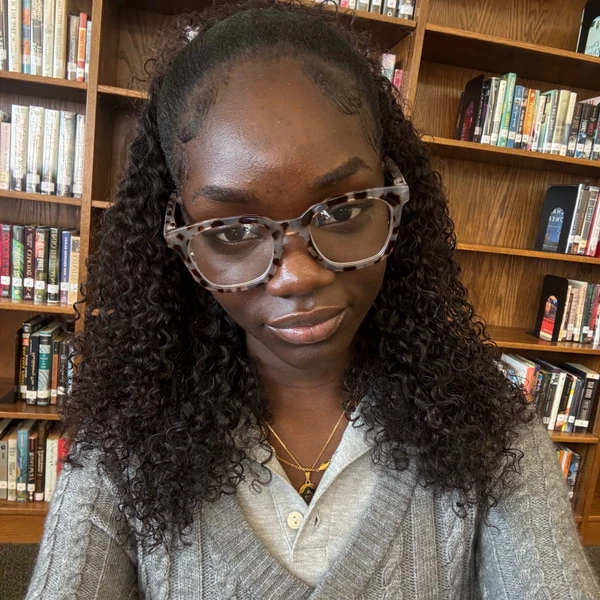
Sokhna Niang

1x

Finalist

Bio

I am fluent in three languages and well traveled across the globe, spending each summer in Senegal giving back through volunteer work, experiences that have shaped my global perspective and commitment to service. At school, I serve as Treasurer of the National Technical Honor Society and Treasurer of Crochet Club, and I am a Team Leader in Black Collective. I deliver the morning announcements, serve as Student Body Vice President and Senior Representative, and lead as Captain of the Track Team, where I am both a state and national qualifier. Additionally, I have earned my Certified Nursing Assistant CNA certification, demonstrating my dedication to healthcare and community support.

Education

Atkins Academic & Tech High

High School
2022 - 2026

Miscellaneous

  • Desired degree level:

    Bachelor's degree program

  • Majors of interest:

    • Registered Nursing, Nursing Administration, Nursing Research and Clinical Nursing
  • Not planning to go to medical school
  • Career

    • Dream career field:

      Hospital & Health Care

    • Dream career goals:

      Sports

      Track & Field

      Varsity
      2022 – Present4 years

      Future Interests

      Advocacy

      Volunteering

      Entrepreneurship

      Julius Quentin Jackson Scholarship
      Growing up as the daughter of immigrant parents has shaped every part of who I am. I watched my mother and father build a life in a country that was not originally their own, navigating new systems, new expectations, and new challenges. Their sacrifices taught me resilience, discipline, and the importance of never forgetting where you come from. Because of them, I have worked intentionally to understand my culture rather than distance myself from it. Each summer, I travel to Senegal, not just to visit family, but to reconnect with my roots and volunteer in the community. Being there reminds me that identity is something you actively nurture. Speaking three languages has allowed me to move between different spaces with confidence, whether at home, abroad, or at school. These experiences have given me cultural awareness and adaptability that I know will help me in college. I am comfortable engaging with people from diverse backgrounds, asking questions, and learning from perspectives different from my own. Leadership has been another important part of my growth. I serve as Student Body Vice President and Senior Representative, where I advocate for my classmates and help organize initiatives that strengthen our school community. I also deliver the morning announcements, which has pushed me outside of my comfort zone and strengthened my communication skills. As Treasurer of the National Technical Honor Society and Treasurer of Crochet Club, I manage responsibilities that require organization and accountability. Additionally, as a Team Leader in Black Collective, I help create a space where students feel seen, represented, and empowered. Athletics have challenged me in a different way. As Captain of the Track Team and a state and national qualifier, I have learned discipline, time management, and mental toughness. Training, competing, and balancing academics with athletics has taught me how to stay focused even when things become overwhelming. My decision to pursue nursing is rooted in both service and personal experience. Earning my Certified Nursing Assistant certification allowed me to work directly with patients and see firsthand the importance of compassionate care. I have learned that healthcare is not just about medical knowledge, but about listening and understanding. Coming from an immigrant household has made me especially aware of how culture, language, and trust affect a patient’s experience. In the nursing field, I want to be someone who makes patients feel heard, respected, and safe. Everything I have done, from leadership to athletics to volunteering in Senegal, connects back to one goal: serving others with empathy and purpose. I carry my parents’ sacrifices, my cultural identity, and my experiences with me into this next chapter. With the support of this scholarship, I will continue working toward a future where I can give back to communities the way mine has given to me.
      Be Great NC Scholarship
      Growing up as the daughter of immigrant parents has shaped every part of who I am. I watched my mother and father build a life in a country that was not originally their own, navigating new systems, new expectations, and new challenges. Their sacrifices taught me resilience, discipline, and the importance of never forgetting where you come from. Because of them, I have worked intentionally to understand my culture rather than distance myself from it. Each summer, I travel to Senegal, not just to visit family, but to reconnect with my roots and volunteer in the community. Being there reminds me that identity is something you actively nurture. Speaking three languages has allowed me to move between different spaces with confidence, whether at home, abroad, or at school. These experiences have given me cultural awareness and adaptability that I know will help me in college. I am comfortable engaging with people from diverse backgrounds, asking questions, and learning from perspectives different from my own. Leadership has been another important part of my growth. I serve as Student Body Vice President and Senior Representative, where I advocate for my classmates and help organize initiatives that strengthen our school community. I also deliver the morning announcements, which has pushed me outside of my comfort zone and strengthened my communication skills. As Treasurer of the National Technical Honor Society and Treasurer of Crochet Club, I manage responsibilities that require organization and accountability. Additionally, as a Team Leader in Black Collective, I help create a space where students feel seen, represented, and empowered. Athletics have challenged me in a different way. As Captain of the Track Team and a state and national qualifier, I have learned discipline, time management, and mental toughness. Training, competing, and balancing academics with athletics has taught me how to stay focused even when things become overwhelming. My decision to pursue nursing is rooted in both service and personal experience. Earning my Certified Nursing Assistant certification allowed me to work directly with patients and see firsthand the importance of compassionate care. I have learned that healthcare is not just about medical knowledge, but about listening and understanding. Coming from an immigrant household has made me especially aware of how culture, language, and trust affect a patient’s experience. In the nursing field, I want to be someone who makes patients feel heard, respected, and safe. Everything I have done, from leadership to athletics to volunteering in Senegal, connects back to one goal: serving others with empathy and purpose. I carry my parents’ sacrifices, my cultural identity, and my experiences with me into this next chapter. With the support of this scholarship, I will continue working toward a future where I can give back to communities the way mine has given to me.
      Beverly J. Patterson Scholarship
      I hate darkness. When I was younger, I used to wish the night would wash off. Every morning, I’d stare into the mirror, scrubbing at my reflection, wondering why my skin wouldn’t turn lighter and why it held onto every ounce of sun it ever met. I wondered why my skin was the only thing people saw when they looked at me. Whether the reason was good or bad, it always seemed to be the only thing they noticed. My skin became my biggest insecurity and my greatest deficit. I found myself constantly changing my appearance, seeking others’ validation in order to feel confident in myself. I’ve always had strangers tell me how beautiful I am, there’s always that random lady in the beauty supply store who stops me and tells me never to change the way I look, reminding me how unique I am. I would always smile and thank them for the compliment, but deep down I knew I would never truly feel like it was true. My dark skin used to feel like a shadow I could not step out of. The first time someone called me “too dark,” I said nothing; I was too embarrassed to come up with a response. I experienced these interactions throughout my entire elementary school years. Around that time, my father decided it was time for me to take another trip to his home country of Senegal. That’s where I truly learned to appreciate the way I looked. Who was I to hate the way God made me, just because of the small-minded people around me? In Africa, the sun didn’t feel like my enemy, it felt like home. Every beam seemed to rest proudly on faces the color of mine, and I realized my skin wasn’t something to hide from the light. It was made for it. When I came back from my vacation, I started to truly understand and appreciate myself. I began to show off my talents and let my extroverted personality shine. Eighth grade came around, and it was as if I were blooming. My friend groups began to expand, and I started building connections not only with my peers but also with the adults around me. I started running track in high school and joined lots of extracurricular activities. As I grew older, I no longer saw my skin as a burden but as a blessing. My skin was never what held me back, it was my own insecurities. I used to hate the dark, the night, my skin, everything that reminded me of it. But throughout my life, I realized darkness was never something to fear; it was something to understand. I don’t run from the dark anymore—I find peace in it. Because the dark I once hated is the same one that made me whole.
      Women in STEM Scholarship
      I hate darkness. When I was younger, I used to wish the night would wash off. Every morning, I’d stare into the mirror, scrubbing at my reflection, wondering why my skin wouldn’t turn lighter and why it held onto every ounce of sun it ever met. I wondered why my skin was the only thing people saw when they looked at me. Whether the reason was good or bad, it always seemed to be the only thing they noticed. My skin became my biggest insecurity and my greatest deficit. I found myself constantly changing my appearance, seeking others’ validation in order to feel confident in myself. I’ve always had strangers tell me how beautiful I am, there’s always that random lady in the beauty supply store who stops me and tells me never to change the way I look, reminding me how unique I am. I would always smile and thank them for the compliment, but deep down I knew I would never truly feel like it was true. My dark skin used to feel like a shadow I could not step out of. The first time someone called me “too dark,” I said nothing; I was too embarrassed to come up with a response. I experienced these interactions throughout my entire elementary school years. Around that time, my father decided it was time for me to take another trip to his home country of Senegal. That’s where I truly learned to appreciate the way I looked. Who was I to hate the way God made me, just because of the small-minded people around me? In Africa, the sun didn’t feel like my enemy, it felt like home. Every beam seemed to rest proudly on faces the color of mine, and I realized my skin wasn’t something to hide from the light. It was made for it. When I came back from my vacation, I started to truly understand and appreciate myself. I began to show off my talents and let my extroverted personality shine. Eighth grade came around, and it was as if I were blooming. My friend groups began to expand, and I started building connections not only with my peers but also with the adults around me. I started running track in high school and joined lots of extracurricular activities. As I grew older, I no longer saw my skin as a burden but as a blessing. My skin was never what held me back, it was my own insecurities. I used to hate the dark, the night, my skin, everything that reminded me of it. But throughout my life, I realized darkness was never something to fear; it was something to understand. I don’t run from the dark anymore—I find peace in it. Because the dark I once hated is the same one that made me whole.
      CollegeVine Dream School Scholarship
      Bold.org No-Essay Top Friend Scholarship
      $25,000 "Be Bold" No-Essay Scholarship
      500 Bold Points No-Essay Scholarship
      Hearts on Sleeves, Minds in College Scholarship
      I hate darkness. When I was younger, I used to wish the night would wash off. Every morning, I’d stare into the mirror, scrubbing at my reflection, wondering why my skin wouldn’t turn lighter and why it held onto every ounce of sun it ever met. I wondered why my skin was the only thing people saw when they looked at me. Whether the reason was good or bad, it always seemed to be the only thing they noticed. My skin became my biggest insecurity and my greatest deficit. I found myself constantly changing my appearance, seeking others’ validation in order to feel confident in myself. I’ve always had strangers tell me how beautiful I am, there’s always that random lady in the beauty supply store who stops me and tells me never to change the way I look, reminding me how unique I am. I would always smile and thank them for the compliment, but deep down I knew I would never truly feel like it was true. My dark skin used to feel like a shadow I could not step out of. The first time someone called me “too dark,” I said nothing; I was too embarrassed to come up with a response. I experienced these interactions throughout my entire elementary school years. Around that time, my father decided it was time for me to take another trip to his home country of Senegal. That’s where I truly learned to appreciate the way I looked. Who was I to hate the way God made me, just because of the small-minded people around me? In Africa, the sun didn’t feel like my enemy, it felt like home. Every beam seemed to rest proudly on faces the color of mine, and I realized my skin wasn’t something to hide from the light. It was made for it. When I came back from my vacation, I started to truly understand and appreciate myself. I began to show off my talents and let my extroverted personality shine. Eighth grade came around, and it was as if I were blooming. My friend groups began to expand, and I started building connections not only with my peers but also with the adults around me. I started running track in high school and joined lots of extracurricular activities. As I grew older, I no longer saw my skin as a burden but as a blessing. My skin was never what held me back, it was my own insecurities. I used to hate the dark, the night, my skin, everything that reminded me of it. But throughout my life, I realized darkness was never something to fear; it was something to understand. I don’t run from the dark anymore—I find peace in it. Because the dark I once hated is the same one that made me whole.
      Jessie Koci Future Entrepreneurs Scholarship
      I hate darkness. When I was younger, I used to wish the night would wash off. Every morning, I’d stare into the mirror, scrubbing at my reflection, wondering why my skin wouldn’t turn lighter and why it held onto every ounce of sun it ever met. I wondered why my skin was the only thing people saw when they looked at me. Whether the reason was good or bad, it always seemed to be the only thing they noticed. My skin became my biggest insecurity and my greatest deficit. I found myself constantly changing my appearance, seeking others’ validation in order to feel confident in myself. I’ve always had strangers tell me how beautiful I am, there’s always that random lady in the beauty supply store who stops me and tells me never to change the way I look, reminding me how unique I am. I would always smile and thank them for the compliment, but deep down I knew I would never truly feel like it was true. My dark skin used to feel like a shadow I could not step out of. The first time someone called me “too dark,” I said nothing; I was too embarrassed to come up with a response. I experienced these interactions throughout my entire elementary school years. Around that time, my father decided it was time for me to take another trip to his home country of Senegal. That’s where I truly learned to appreciate the way I looked. Who was I to hate the way God made me, just because of the small-minded people around me? In Africa, the sun didn’t feel like my enemy, it felt like home. Every beam seemed to rest proudly on faces the color of mine, and I realized my skin wasn’t something to hide from the light. It was made for it. When I came back from my vacation, I started to truly understand and appreciate myself. I began to show off my talents and let my extroverted personality shine. Eighth grade came around, and it was as if I were blooming. My friend groups began to expand, and I started building connections not only with my peers but also with the adults around me. I started running track in high school and joined lots of extracurricular activities. As I grew older, I no longer saw my skin as a burden but as a blessing. My skin was never what held me back, it was my own insecurities. I used to hate the dark, the night, my skin, everything that reminded me of it. But throughout my life, I realized darkness was never something to fear; it was something to understand. I don’t run from the dark anymore—I find peace in it. Because the dark I once hated is the same one that made me whole.
      Richard Neumann Scholarship
      I hate darkness. When I was younger, I used to wish the night would wash off. Every morning, I’d stare into the mirror, scrubbing at my reflection, wondering why my skin wouldn’t turn lighter and why it held onto every ounce of sun it ever met. I wondered why my skin was the only thing people saw when they looked at me. Whether the reason was good or bad, it always seemed to be the only thing they noticed. My skin became my biggest insecurity and my greatest deficit. I found myself constantly changing my appearance, seeking others’ validation in order to feel confident in myself. I’ve always had strangers tell me how beautiful I am, there’s always that random lady in the beauty supply store who stops me and tells me never to change the way I look, reminding me how unique I am. I would always smile and thank them for the compliment, but deep down I knew I would never truly feel like it was true. My dark skin used to feel like a shadow I could not step out of. The first time someone called me “too dark,” I said nothing; I was too embarrassed to come up with a response. I experienced these interactions throughout my entire elementary school years. Around that time, my father decided it was time for me to take another trip to his home country of Senegal. That’s where I truly learned to appreciate the way I looked. Who was I to hate the way God made me, just because of the small-minded people around me? In Africa, the sun didn’t feel like my enemy, it felt like home. Every beam seemed to rest proudly on faces the color of mine, and I realized my skin wasn’t something to hide from the light. It was made for it. When I came back from my vacation, I started to truly understand and appreciate myself. I began to show off my talents and let my extroverted personality shine. Eighth grade came around, and it was as if I were blooming. My friend groups began to expand, and I started building connections not only with my peers but also with the adults around me. I started running track in high school and joined lots of extracurricular activities. As I grew older, I no longer saw my skin as a burden but as a blessing. My skin was never what held me back, it was my own insecurities. I used to hate the dark, the night, my skin, everything that reminded me of it. But throughout my life, I realized darkness was never something to fear; it was something to understand. I don’t run from the dark anymore—I find peace in it. Because the dark I once hated is the same one that made me whole.
      Younce, Vtipil, Baznik & Banks Scholarship
      I hate darkness. When I was younger, I used to wish the night would wash off. Every morning, I’d stare into the mirror, scrubbing at my reflection, wondering why my skin wouldn’t turn lighter and why it held onto every ounce of sun it ever met. I wondered why my skin was the only thing people saw when they looked at me. Whether the reason was good or bad, it always seemed to be the only thing they noticed. My skin became my biggest insecurity and my greatest deficit. I found myself constantly changing my appearance, seeking others’ validation in order to feel confident in myself. I’ve always had strangers tell me how beautiful I am, there’s always that random lady in the beauty supply store who stops me and tells me never to change the way I look, reminding me how unique I am. I would always smile and thank them for the compliment, but deep down I knew I would never truly feel like it was true. My dark skin used to feel like a shadow I could not step out of. The first time someone called me “too dark,” I said nothing; I was too embarrassed to come up with a response. I experienced these interactions throughout my entire elementary school years. Around that time, my father decided it was time for me to take another trip to his home country of Senegal. That’s where I truly learned to appreciate the way I looked. Who was I to hate the way God made me, just because of the small-minded people around me? In Africa, the sun didn’t feel like my enemy, it felt like home. Every beam seemed to rest proudly on faces the color of mine, and I realized my skin wasn’t something to hide from the light. It was made for it. When I came back from my vacation, I started to truly understand and appreciate myself. I began to show off my talents and let my extroverted personality shine. Eighth grade came around, and it was as if I were blooming. My friend groups began to expand, and I started building connections not only with my peers but also with the adults around me. I started running track in high school and joined lots of extracurricular activities. As I grew older, I no longer saw my skin as a burden but as a blessing. My skin was never what held me back, it was my own insecurities. I used to hate the dark, the night, my skin, everything that reminded me of it. But throughout my life, I realized darkness was never something to fear; it was something to understand. I don’t run from the dark anymore—I find peace in it. Because the dark I once hated is the same one that made me whole.
      Scorenavigator Financial Literacy Scholarship
      I hate darkness. When I was younger, I used to wish the night would wash off. Every morning, I’d stare into the mirror, scrubbing at my reflection, wondering why my skin wouldn’t turn lighter and why it held onto every ounce of sun it ever met. I wondered why my skin was the only thing people saw when they looked at me. Whether the reason was good or bad, it always seemed to be the only thing they noticed. My skin became my biggest insecurity and my greatest deficit. I found myself constantly changing my appearance, seeking others’ validation in order to feel confident in myself. I’ve always had strangers tell me how beautiful I am, there’s always that random lady in the beauty supply store who stops me and tells me never to change the way I look, reminding me how unique I am. I would always smile and thank them for the compliment, but deep down I knew I would never truly feel like it was true. My dark skin used to feel like a shadow I could not step out of. The first time someone called me “too dark,” I said nothing; I was too embarrassed to come up with a response. I experienced these interactions throughout my entire elementary school years. Around that time, my father decided it was time for me to take another trip to his home country of Senegal. That’s where I truly learned to appreciate the way I looked. Who was I to hate the way God made me, just because of the small-minded people around me? In Africa, the sun didn’t feel like my enemy, it felt like home. Every beam seemed to rest proudly on faces the color of mine, and I realized my skin wasn’t something to hide from the light. It was made for it. When I came back from my vacation, I started to truly understand and appreciate myself. I began to show off my talents and let my extroverted personality shine. Eighth grade came around, and it was as if I were blooming. My friend groups began to expand, and I started building connections not only with my peers but also with the adults around me. I started running track in high school and joined lots of extracurricular activities. As I grew older, I no longer saw my skin as a burden but as a blessing. My skin was never what held me back, it was my own insecurities. I used to hate the dark, the night, my skin, everything that reminded me of it. But throughout my life, I realized darkness was never something to fear; it was something to understand. I don’t run from the dark anymore—I find peace in it. Because the dark I once hated is the same one that made me whole.
      Overcoming Adversity - Jack Terry Memorial Scholarship
      I hate darkness. When I was younger, I used to wish the night would wash off. Every morning, I’d stare into the mirror, scrubbing at my reflection, wondering why my skin wouldn’t turn lighter and why it held onto every ounce of sun it ever met. I wondered why my skin was the only thing people saw when they looked at me. Whether the reason was good or bad, it always seemed to be the only thing they noticed. My skin became my biggest insecurity and my greatest deficit. I found myself constantly changing my appearance, seeking others’ validation in order to feel confident in myself. I’ve always had strangers tell me how beautiful I am, there’s always that random lady in the beauty supply store who stops me and tells me never to change the way I look, reminding me how unique I am. I would always smile and thank them for the compliment, but deep down I knew I would never truly feel like it was true. My dark skin used to feel like a shadow I could not step out of. The first time someone called me “too dark,” I said nothing; I was too embarrassed to come up with a response. I experienced these interactions throughout my entire elementary school years. Around that time, my father decided it was time for me to take another trip to his home country of Senegal. That’s where I truly learned to appreciate the way I looked. Who was I to hate the way God made me, just because of the small-minded people around me? In Africa, the sun didn’t feel like my enemy, it felt like home. Every beam seemed to rest proudly on faces the color of mine, and I realized my skin wasn’t something to hide from the light. It was made for it. When I came back from my vacation, I started to truly understand and appreciate myself. I began to show off my talents and let my extroverted personality shine. Eighth grade came around, and it was as if I were blooming. My friend groups began to expand, and I started building connections not only with my peers but also with the adults around me. I started running track in high school and joined lots of extracurricular activities. As I grew older, I no longer saw my skin as a burden but as a blessing. My skin was never what held me back, it was my own insecurities. I used to hate the dark, the night, my skin, everything that reminded me of it. But throughout my life, I realized darkness was never something to fear; it was something to understand. I don’t run from the dark anymore—I find peace in it. Because the dark I once hated is the same one that made me whole.
      Resilient Scholar Award
      I hate darkness. When I was younger, I used to wish the night would wash off. Every morning, I’d stare into the mirror, scrubbing at my reflection, wondering why my skin wouldn’t turn lighter and why it held onto every ounce of sun it ever met. I wondered why my skin was the only thing people saw when they looked at me. Whether the reason was good or bad, it always seemed to be the only thing they noticed. My skin became my biggest insecurity and my greatest deficit. I found myself constantly changing my appearance, seeking others’ validation in order to feel confident in myself. I’ve always had strangers tell me how beautiful I am, there’s always that random lady in the beauty supply store who stops me and tells me never to change the way I look, reminding me how unique I am. I would always smile and thank them for the compliment, but deep down I knew I would never truly feel like it was true. My dark skin used to feel like a shadow I could not step out of. The first time someone called me “too dark,” I said nothing; I was too embarrassed to come up with a response. I experienced these interactions throughout my entire elementary school years. Around that time, my father decided it was time for me to take another trip to his home country of Senegal. That’s where I truly learned to appreciate the way I looked. Who was I to hate the way God made me, just because of the small-minded people around me? In Africa, the sun didn’t feel like my enemy, it felt like home. Every beam seemed to rest proudly on faces the color of mine, and I realized my skin wasn’t something to hide from the light. It was made for it. When I came back from my vacation, I started to truly understand and appreciate myself. I began to show off my talents and let my extroverted personality shine. Eighth grade came around, and it was as if I were blooming. My friend groups began to expand, and I started building connections not only with my peers but also with the adults around me. I started running track in high school and joined lots of extracurricular activities. As I grew older, I no longer saw my skin as a burden but as a blessing. My skin was never what held me back, it was my own insecurities. I used to hate the dark, the night, my skin, everything that reminded me of it. But throughout my life, I realized darkness was never something to fear; it was something to understand. I don’t run from the dark anymore—I find peace in it. Because the dark I once hated is the same one that made me whole.
      Edna McGrowder Memorial Scholarship
      I hate darkness. When I was younger, I used to wish the night would wash off. Every morning, I’d stare into the mirror, scrubbing at my reflection, wondering why my skin wouldn’t turn lighter and why it held onto every ounce of sun it ever met. I wondered why my skin was the only thing people saw when they looked at me. Whether the reason was good or bad, it always seemed to be the only thing they noticed. My skin became my biggest insecurity and my greatest deficit. I found myself constantly changing my appearance, seeking others’ validation in order to feel confident in myself. I’ve always had strangers tell me how beautiful I am, there’s always that random lady in the beauty supply store who stops me and tells me never to change the way I look, reminding me how unique I am. I would always smile and thank them for the compliment, but deep down I knew I would never truly feel like it was true. My dark skin used to feel like a shadow I could not step out of. The first time someone called me “too dark,” I said nothing; I was too embarrassed to come up with a response. I experienced these interactions throughout my entire elementary school years. Around that time, my father decided it was time for me to take another trip to his home country of Senegal. That’s where I truly learned to appreciate the way I looked. Who was I to hate the way God made me, just because of the small-minded people around me? In Africa, the sun didn’t feel like my enemy, it felt like home. Every beam seemed to rest proudly on faces the color of mine, and I realized my skin wasn’t something to hide from the light. It was made for it. When I came back from my vacation, I started to truly understand and appreciate myself. I began to show off my talents and let my extroverted personality shine. Eighth grade came around, and it was as if I were blooming. My friend groups began to expand, and I started building connections not only with my peers but also with the adults around me. I started running track in high school and joined lots of extracurricular activities. As I grew older, I no longer saw my skin as a burden but as a blessing. My skin was never what held me back, it was my own insecurities. I used to hate the dark, the night, my skin, everything that reminded me of it. But throughout my life, I realized darkness was never something to fear; it was something to understand. I don’t run from the dark anymore—I find peace in it. Because the dark I once hated is the same one that made me whole.
      Hester Richardson Powell Memorial Service Scholarship
      I hate darkness. When I was younger, I used to wish the night would wash off. Every morning, I’d stare into the mirror, scrubbing at my reflection, wondering why my skin wouldn’t turn lighter and why it held onto every ounce of sun it ever met. I wondered why my skin was the only thing people saw when they looked at me. Whether the reason was good or bad, it always seemed to be the only thing they noticed. My skin became my biggest insecurity and my greatest deficit. I found myself constantly changing my appearance, seeking others’ validation in order to feel confident in myself. I’ve always had strangers tell me how beautiful I am, there’s always that random lady in the beauty supply store who stops me and tells me never to change the way I look, reminding me how unique I am. I would always smile and thank them for the compliment, but deep down I knew I would never truly feel like it was true. My dark skin used to feel like a shadow I could not step out of. The first time someone called me “too dark,” I said nothing; I was too embarrassed to come up with a response. I experienced these interactions throughout my entire elementary school years. Around that time, my father decided it was time for me to take another trip to his home country of Senegal. That’s where I truly learned to appreciate the way I looked. Who was I to hate the way God made me, just because of the small-minded people around me? In Africa, the sun didn’t feel like my enemy, it felt like home. Every beam seemed to rest proudly on faces the color of mine, and I realized my skin wasn’t something to hide from the light. It was made for it. When I came back from my vacation, I started to truly understand and appreciate myself. I began to show off my talents and let my extroverted personality shine. Eighth grade came around, and it was as if I were blooming. My friend groups began to expand, and I started building connections not only with my peers but also with the adults around me. I started running track in high school and joined lots of extracurricular activities. As I grew older, I no longer saw my skin as a burden but as a blessing. My skin was never what held me back, it was my own insecurities. I used to hate the dark, the night, my skin, everything that reminded me of it. But throughout my life, I realized darkness was never something to fear; it was something to understand. I don’t run from the dark anymore—I find peace in it. Because the dark I once hated is the same one that made me whole.
      Sarah Eber Child Life Scholarship
      I hate darkness. When I was younger, I used to wish the night would wash off. Every morning, I’d stare into the mirror, scrubbing at my reflection, wondering why my skin wouldn’t turn lighter and why it held onto every ounce of sun it ever met. I wondered why my skin was the only thing people saw when they looked at me. Whether the reason was good or bad, it always seemed to be the only thing they noticed. My skin became my biggest insecurity and my greatest deficit. I found myself constantly changing my appearance, seeking others’ validation in order to feel confident in myself. I’ve always had strangers tell me how beautiful I am, there’s always that random lady in the beauty supply store who stops me and tells me never to change the way I look, reminding me how unique I am. I would always smile and thank them for the compliment, but deep down I knew I would never truly feel like it was true. My dark skin used to feel like a shadow I could not step out of. The first time someone called me “too dark,” I said nothing; I was too embarrassed to come up with a response. I experienced these interactions throughout my entire elementary school years. Around that time, my father decided it was time for me to take another trip to his home country of Senegal. That’s where I truly learned to appreciate the way I looked. Who was I to hate the way God made me, just because of the small-minded people around me? In Africa, the sun didn’t feel like my enemy, it felt like home. Every beam seemed to rest proudly on faces the color of mine, and I realized my skin wasn’t something to hide from the light. It was made for it. When I came back from my vacation, I started to truly understand and appreciate myself. I began to show off my talents and let my extroverted personality shine. Eighth grade came around, and it was as if I were blooming. My friend groups began to expand, and I started building connections not only with my peers but also with the adults around me. I started running track in high school and joined lots of extracurricular activities. As I grew older, I no longer saw my skin as a burden but as a blessing. My skin was never what held me back, it was my own insecurities. I used to hate the dark, the night, my skin, everything that reminded me of it. But throughout my life, I realized darkness was never something to fear; it was something to understand. I don’t run from the dark anymore—I find peace in it. Because the dark I once hated is the same one that made me whole.
      Sunshine Legall Scholarship
      I hate darkness. When I was younger, I used to wish the night would wash off. Every morning, I’d stare into the mirror, scrubbing at my reflection, wondering why my skin wouldn’t turn lighter and why it held onto every ounce of sun it ever met. I wondered why my skin was the only thing people saw when they looked at me. Whether the reason was good or bad, it always seemed to be the only thing they noticed. My skin became my biggest insecurity and my greatest deficit. I found myself constantly changing my appearance, seeking others’ validation in order to feel confident in myself. I’ve always had strangers tell me how beautiful I am, there’s always that random lady in the beauty supply store who stops me and tells me never to change the way I look, reminding me how unique I am. I would always smile and thank them for the compliment, but deep down I knew I would never truly feel like it was true. My dark skin used to feel like a shadow I could not step out of. The first time someone called me “too dark,” I said nothing; I was too embarrassed to come up with a response. I experienced these interactions throughout my entire elementary school years. Around that time, my father decided it was time for me to take another trip to his home country of Senegal. That’s where I truly learned to appreciate the way I looked. Who was I to hate the way God made me, just because of the small-minded people around me? In Africa, the sun didn’t feel like my enemy, it felt like home. Every beam seemed to rest proudly on faces the color of mine, and I realized my skin wasn’t something to hide from the light. It was made for it. When I came back from my vacation, I started to truly understand and appreciate myself. I began to show off my talents and let my extroverted personality shine. Eighth grade came around, and it was as if I were blooming. My friend groups began to expand, and I started building connections not only with my peers but also with the adults around me. I started running track in high school and joined lots of extracurricular activities. As I grew older, I no longer saw my skin as a burden but as a blessing. My skin was never what held me back, it was my own insecurities. I used to hate the dark, the night, my skin, everything that reminded me of it. But throughout my life, I realized darkness was never something to fear; it was something to understand. I don’t run from the dark anymore—I find peace in it. Because the dark I once hated is the same one that made me whole.
      Della Fleetwood-Sherrod Humanitarian Scholarship
      I hate darkness. When I was younger, I used to wish the night would wash off. Every morning, I’d stare into the mirror, scrubbing at my reflection, wondering why my skin wouldn’t turn lighter and why it held onto every ounce of sun it ever met. I wondered why my skin was the only thing people saw when they looked at me. Whether the reason was good or bad, it always seemed to be the only thing they noticed. My skin became my biggest insecurity and my greatest deficit. I found myself constantly changing my appearance, seeking others’ validation in order to feel confident in myself. I’ve always had strangers tell me how beautiful I am, there’s always that random lady in the beauty supply store who stops me and tells me never to change the way I look, reminding me how unique I am. I would always smile and thank them for the compliment, but deep down I knew I would never truly feel like it was true. My dark skin used to feel like a shadow I could not step out of. The first time someone called me “too dark,” I said nothing; I was too embarrassed to come up with a response. I experienced these interactions throughout my entire elementary school years. Around that time, my father decided it was time for me to take another trip to his home country of Senegal. That’s where I truly learned to appreciate the way I looked. Who was I to hate the way God made me, just because of the small-minded people around me? In Africa, the sun didn’t feel like my enemy, it felt like home. Every beam seemed to rest proudly on faces the color of mine, and I realized my skin wasn’t something to hide from the light. It was made for it. When I came back from my vacation, I started to truly understand and appreciate myself. I began to show off my talents and let my extroverted personality shine. Eighth grade came around, and it was as if I were blooming. My friend groups began to expand, and I started building connections not only with my peers but also with the adults around me. I started running track in high school and joined lots of extracurricular activities. As I grew older, I no longer saw my skin as a burden but as a blessing. My skin was never what held me back, it was my own insecurities. I used to hate the dark, the night, my skin, everything that reminded me of it. But throughout my life, I realized darkness was never something to fear; it was something to understand. I don’t run from the dark anymore—I find peace in it. Because the dark I once hated is the same one that made me whole.
      VNutrition and Wellness Nursing Scholarship
      I hate darkness. When I was younger, I used to wish the night would wash off. Every morning, I’d stare into the mirror, scrubbing at my reflection, wondering why my skin wouldn’t turn lighter and why it held onto every ounce of sun it ever met. I wondered why my skin was the only thing people saw when they looked at me. Whether the reason was good or bad, it always seemed to be the only thing they noticed. My skin became my biggest insecurity and my greatest deficit. I found myself constantly changing my appearance, seeking others’ validation in order to feel confident in myself. I’ve always had strangers tell me how beautiful I am, there’s always that random lady in the beauty supply store who stops me and tells me never to change the way I look, reminding me how unique I am. I would always smile and thank them for the compliment, but deep down I knew I would never truly feel like it was true. My dark skin used to feel like a shadow I could not step out of. The first time someone called me “too dark,” I said nothing; I was too embarrassed to come up with a response. I experienced these interactions throughout my entire elementary school years. Around that time, my father decided it was time for me to take another trip to his home country of Senegal. That’s where I truly learned to appreciate the way I looked. Who was I to hate the way God made me, just because of the small-minded people around me? In Africa, the sun didn’t feel like my enemy, it felt like home. Every beam seemed to rest proudly on faces the color of mine, and I realized my skin wasn’t something to hide from the light. It was made for it. When I came back from my vacation, I started to truly understand and appreciate myself. I began to show off my talents and let my extroverted personality shine. Eighth grade came around, and it was as if I were blooming. My friend groups began to expand, and I started building connections not only with my peers but also with the adults around me. I started running track in high school and joined lots of extracurricular activities. As I grew older, I no longer saw my skin as a burden but as a blessing. My skin was never what held me back, it was my own insecurities. I used to hate the dark, the night, my skin, everything that reminded me of it. But throughout my life, I realized darkness was never something to fear; it was something to understand. I don’t run from the dark anymore—I find peace in it. Because the dark I once hated is the same one that made me whole.
      Philippe Forton Scholarship
      I hate darkness. When I was younger, I used to wish the night would wash off. Every morning, I’d stare into the mirror, scrubbing at my reflection, wondering why my skin wouldn’t turn lighter and why it held onto every ounce of sun it ever met. I wondered why my skin was the only thing people saw when they looked at me. Whether the reason was good or bad, it always seemed to be the only thing they noticed. My skin became my biggest insecurity and my greatest deficit. I found myself constantly changing my appearance, seeking others’ validation in order to feel confident in myself. I’ve always had strangers tell me how beautiful I am, there’s always that random lady in the beauty supply store who stops me and tells me never to change the way I look, reminding me how unique I am. I would always smile and thank them for the compliment, but deep down I knew I would never truly feel like it was true. My dark skin used to feel like a shadow I could not step out of. The first time someone called me “too dark,” I said nothing; I was too embarrassed to come up with a response. I experienced these interactions throughout my entire elementary school years. Around that time, my father decided it was time for me to take another trip to his home country of Senegal. That’s where I truly learned to appreciate the way I looked. Who was I to hate the way God made me, just because of the small-minded people around me? In Africa, the sun didn’t feel like my enemy, it felt like home. Every beam seemed to rest proudly on faces the color of mine, and I realized my skin wasn’t something to hide from the light. It was made for it. When I came back from my vacation, I started to truly understand and appreciate myself. I began to show off my talents and let my extroverted personality shine. Eighth grade came around, and it was as if I were blooming. My friend groups began to expand, and I started building connections not only with my peers but also with the adults around me. I started running track in high school and joined lots of extracurricular activities. As I grew older, I no longer saw my skin as a burden but as a blessing. My skin was never what held me back, it was my own insecurities. I used to hate the dark, the night, my skin, everything that reminded me of it. But throughout my life, I realized darkness was never something to fear; it was something to understand. I don’t run from the dark anymore—I find peace in it. Because the dark I once hated is the same one that made me whole.
      Julia Elizabeth Legacy Scholarship
      I hate darkness. When I was younger, I used to wish the night would wash off. Every morning, I’d stare into the mirror, scrubbing at my reflection, wondering why my skin wouldn’t turn lighter and why it held onto every ounce of sun it ever met. I wondered why my skin was the only thing people saw when they looked at me. Whether the reason was good or bad, it always seemed to be the only thing they noticed. My skin became my biggest insecurity and my greatest deficit. I found myself constantly changing my appearance, seeking others’ validation in order to feel confident in myself. I’ve always had strangers tell me how beautiful I am, there’s always that random lady in the beauty supply store who stops me and tells me never to change the way I look, reminding me how unique I am. I would always smile and thank them for the compliment, but deep down I knew I would never truly feel like it was true. My dark skin used to feel like a shadow I could not step out of. The first time someone called me “too dark,” I said nothing; I was too embarrassed to come up with a response. I experienced these interactions throughout my entire elementary school years. Around that time, my father decided it was time for me to take another trip to his home country of Senegal. That’s where I truly learned to appreciate the way I looked. Who was I to hate the way God made me, just because of the small-minded people around me? In Africa, the sun didn’t feel like my enemy, it felt like home. Every beam seemed to rest proudly on faces the color of mine, and I realized my skin wasn’t something to hide from the light. It was made for it. When I came back from my vacation, I started to truly understand and appreciate myself. I began to show off my talents and let my extroverted personality shine. Eighth grade came around, and it was as if I were blooming. My friend groups began to expand, and I started building connections not only with my peers but also with the adults around me. I started running track in high school and joined lots of extracurricular activities. As I grew older, I no longer saw my skin as a burden but as a blessing. My skin was never what held me back, it was my own insecurities. I used to hate the dark, the night, my skin, everything that reminded me of it. But throughout my life, I realized darkness was never something to fear; it was something to understand. I don’t run from the dark anymore—I find peace in it. Because the dark I once hated is the same one that made me whole.
      Spaghetti and Butter Scholarship
      I hate darkness. When I was younger, I used to wish the night would wash off. Every morning, I’d stare into the mirror, scrubbing at my reflection, wondering why my skin wouldn’t turn lighter and why it held onto every ounce of sun it ever met. I wondered why my skin was the only thing people saw when they looked at me. Whether the reason was good or bad, it always seemed to be the only thing they noticed. My skin became my biggest insecurity and my greatest deficit. I found myself constantly changing my appearance, seeking others’ validation in order to feel confident in myself. I’ve always had strangers tell me how beautiful I am, there’s always that random lady in the beauty supply store who stops me and tells me never to change the way I look, reminding me how unique I am. I would always smile and thank them for the compliment, but deep down I knew I would never truly feel like it was true. My dark skin used to feel like a shadow I could not step out of. The first time someone called me “too dark,” I said nothing; I was too embarrassed to come up with a response. I experienced these interactions throughout my entire elementary school years. Around that time, my father decided it was time for me to take another trip to his home country of Senegal. That’s where I truly learned to appreciate the way I looked. Who was I to hate the way God made me, just because of the small-minded people around me? In Africa, the sun didn’t feel like my enemy, it felt like home. Every beam seemed to rest proudly on faces the color of mine, and I realized my skin wasn’t something to hide from the light. It was made for it. When I came back from my vacation, I started to truly understand and appreciate myself. I began to show off my talents and let my extroverted personality shine. Eighth grade came around, and it was as if I were blooming. My friend groups began to expand, and I started building connections not only with my peers but also with the adults around me. I started running track in high school and joined lots of extracurricular activities. As I grew older, I no longer saw my skin as a burden but as a blessing. My skin was never what held me back, it was my own insecurities. I used to hate the dark, the night, my skin, everything that reminded me of it. But throughout my life, I realized darkness was never something to fear; it was something to understand. I don’t run from the dark anymore—I find peace in it. Because the dark I once hated is the same one that made me whole.