Hobbies and interests
Politics and Political Science
Criminology
True Crime
Reading
Politics
True Story
I read books multiple times per week
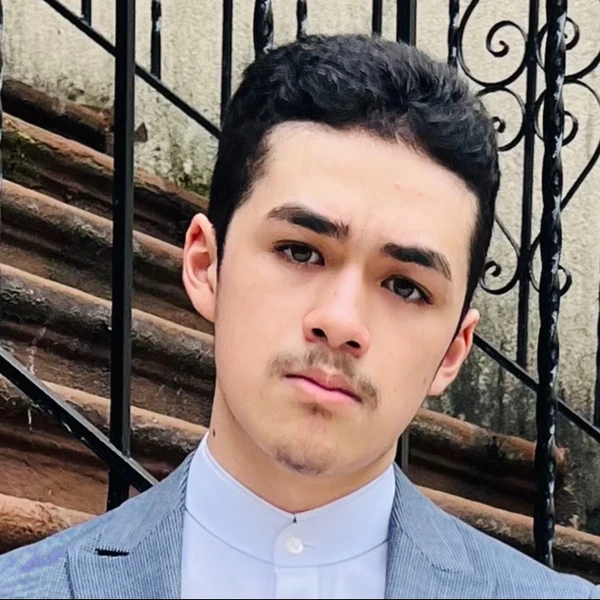
Skyler Perez
2x
Nominee2x
Finalist1x
WinnerSkyler Perez
2x
Nominee2x
Finalist1x
WinnerBio
I'm a Political Science student at John Jay College with a passion for governance, survivor-centered advocacy, and systems-level change. For nearly two years, I contributed over 1300 hours as a volunteer at the National Museum of Mathematics (MoMath), where I developed innovative visitor engagement strategies, trained new volunteers, and enhanced the public's understanding of STEM.
Education
CUNY John Jay College of Criminal Justice
Bachelor's degree programMajors:
- History and Political Science
Minors:
- Criminology
GPA:
3.3
Miscellaneous
Desired degree level:
Doctoral degree program (PhD, MD, JD, etc.)
Graduate schools of interest:
Transfer schools of interest:
Majors of interest:
Career
Dream career field:
Law Practice
Dream career goals:
Public Defender
Political Canvasser
Legion Outreach Consulting2025 – 2025
Sports
Soccer
Club2018 – 20202 years
Research
Criminal Justice and Corrections, General
John Jay College of Criminal Justice — Student and Club Member2023 – Present
Public services
Volunteering
Tyler Clementi Foundation — Student Upstander2023 – PresentAdvocacy
Coalition for Asian American Children and Families — Volunteer2023 – 2024Advocacy
Sandy Hook Promise — Sandy Hook Promise Leader2023 – 2024Volunteering
National Museum of Mathematics — Student Integrator2023 – Present
Future Interests
Advocacy
Politics
Volunteering
Tandy Law Firm Scholarship
My interest in a career in law grew out of my experiences as a second-generation immigrant in New York City and from the years I have spent working in public service. I saw early on how the law can protect people, but I also saw how confusing and intimidating it can be for families without guidance or resources. I learned that the difference between feeling powerless and feeling supported often comes down to whether someone takes the time to explain a process, advocate for fairness, or treat a person with respect. Those moments stayed with me. They shaped my belief that the law should be a tool for clarity and stability, not fear or confusion.
My academic path in political science, criminology, and forensic science has strengthened that belief. Studying how institutions function has shown me how much impact a single person can have when they understand the system well enough to navigate it with integrity. I want to be that kind of person. A legal education would give me the knowledge and discipline to serve my community more deeply. It would allow me to bridge the gap between those who rely on the system and those who operate it.
I hope to use my legal education to bring fairness and transparency to the communities that shaped me. I want to work in roles where I can help people understand their rights, their options, and the processes that affect their lives. I also want to support young people who feel overlooked or unheard. Much of my volunteer work has involved creating safe spaces for youth, especially LGBTQ+ youth. I have learned that guidance does not always require grand gestures. Sometimes it is as simple as being steady, patient, and honest.
A legal background would allow me to offer that support with greater skill and authority.
I also hope to use my education to strengthen the connection between public institutions and the communities they serve. Trust is built through consistency and clear communication. I want to help build that trust by approaching legal work with the same values that guide my volunteer work: humility, responsibility, and respect for the people who depend on these systems.
Pursuing a legal education is not only a professional goal for me; it is also a personal one. It is a continuation of the work I have already begun in my community. I want to be someone who protects others through knowledge, service, and daily conduct. A career in law would give me the tools to do that with greater impact and greater reach. It would allow me to honor my background while helping others find stability and confidence in places where they may not have felt it before.
Star Farm Scholarship for LGBTQ+ Students
I am currently studying political science and criminology, with a focus on how public institutions shape the lives of working-class communities and immigrant families like my own. I plan to continue this path through graduate study in forensic science and public service. My goal is to work in law enforcement in a way that honors the people I come from. Growing up in a second-generation immigrant household in New York City taught me that safety, fairness, and dignity are not abstract ideas. They are daily needs. Studying these fields gives me the tools to understand how systems work and how they can be improved for the people who rely on them the most.
My experience in the LGBTQ+ community has been shaped by the same values that guide my academic and professional goals. I learned early on that community is built through honesty, mutual respect, and the willingness to show up for others. I have seen how important it is for young people to have spaces where they can be themselves without fear. I have also seen how often those spaces are created by ordinary people who care enough to make room for someone else. My role in the community has never been about being the loudest voice. It has been about being steady, dependable, and present. I try to be someone younger people can talk to without feeling judged. I try to model the kind of integrity I needed when I was growing up.
I see giving back as a responsibility rather than a choice. I have spent years volunteering in educational settings, including more than 1,300 hours at the National Museum of Mathematics. I also speak at youth events and support advocacy focused on safety, empowerment, and personal responsibility. None of this is paid work. It is simply what I believe I owe to the communities that shaped me. As I move further into public service, I expect that responsibility to grow. I want to be someone who protects others, not only through a job title but through daily conduct.
Financially, I come from a background where nothing was guaranteed. My family worked hard, but we did not have savings or safety nets. I have supported myself through school while helping my family when I can. I live below my means and avoid debt, but tuition and living costs still put pressure on me and affect my ability to focus fully on my studies. A scholarship would ease that strain and allow me to continue my education without sacrificing stability. It would also help me stay on the path toward public service, which is meaningful work but not always financially forgiving. Support from this scholarship would not only help me finish my degree but also help me pursue my career goals. It would strengthen my ability to keep giving back to the communities that raised me.
Sharra Rainbolt Memorial Scholarship
Cancer entered my family’s story through my aunt Hilda, and nothing felt the same after her diagnosis. It was breast cancer, the kind that arrives quietly and then rearranges every part of life. I remember the day she told us. Her voice stayed steady, but the room shifted. It was as if the air thickened, and we all had to learn how to breathe again. She tried to make light of it, yet the fear beneath her smile was impossible to miss.
The months that followed taught us how fragile a routine can be. Hilda had always been the relative who moved with purpose. She cooked for everyone, kept track of birthdays, and never forgot to check in on people who drifted to the edges of the family. Watching her lose her hair and her strength felt like watching a pillar crack. It shook us. It made us confront the truth that even the strongest people can be brought to their knees by something they never invited into their lives.
But something else happened, too. We learned how to show up for one another in ways we had not practiced before. My mother drove Hilda to appointments. My cousins and I cleaned her apartment and stocked her fridge. We sat with her during treatments, sometimes talking, sometimes sitting in silence because silence was all she could handle. Those hours taught me that support is not always loud. Sometimes it is a quiet presence in a waiting room. Sometimes it is a hand resting on someone’s shoulder when words feel clumsy.
Hilda fought through every stage. She had days when she could barely lift her head, and days when she laughed so hard she forgot she was sick. Her recovery was slow, but it came. When she finally heard the word “survivor,” she cried in a way I had never seen before. It was not a dramatic moment. It was soft and tired and full of relief. That moment changed how I understand strength. It is not the absence of fear. It is the decision to keep going even when fear sits beside you.
Cancer did not leave us untouched. It carved new lines in our family’s history. It forced us to grow up a little faster and pay attention to the people we love. It taught me that life is not guaranteed, and that the people who matter deserve to be cherished while they are here. I learned to value small gestures, honest conversations, and the kind of patience that illness demands.
Most of all, Hilda’s survival showed me that hardship can deepen a family rather than break it. We came out of that chapter more connected, more aware of each other’s needs, and more willing to speak love out loud. Her fight shaped us, and her survival continues to remind us that hope is not a general idea. It is something you practice, one day at a time.
STLF Memorial Pay It Forward Scholarship
The first time I watched a child’s face light up as they solved a puzzle at the National Museum of Mathematics, I realized how powerful a single moment of curiosity could be. I had only planned to volunteer for one weekend event, but that afternoon changed my plans. I kept coming back, and soon I was helping organize volunteer shifts, training new volunteers, and taking responsibility for the quiet work that keeps a museum running long after the last visitor leaves.
One of the most meaningful events I organized was a community engagement day for families who rarely have access to STEM spaces. I coordinated a team of about fifteen volunteers and prepared activities that could meet children at different skill levels. Throughout the day, I assisted roughly thirty children directly. Some needed help understanding how a pattern grew. Others wanted someone to watch them try a puzzle for the first time. I spent hours kneeling beside them, guiding without taking over. It was not a flashy event. It was a steady rhythm of conversations, small breakthroughs, and patient teaching.
My service at MoMath grew far beyond that single event. Over the years, I have accumulated more than 1200 volunteer hours. Many of those hours were spent helping over 100 visitors on busy days, answering questions, resetting exhibits, and stepping in wherever the staff needed support. I learned how to read a room, how to calm a frustrated child, and how to make math feel less intimidating for parents who had never enjoyed it themselves.
The work was simple, but it mattered. When I learned that I had been nominated for a Daily Point of Light award, I was surprised. When I won, I felt something deeper than pride. I felt a responsibility to keep showing up for the people who rely on volunteers to make places like MoMath accessible. The award reminded me that grand gestures do not measure service. It is measured by consistency, reliability, and the willingness to help even when no one is watching.
Giving back to my community has never been about checking a requirement. It has been about creating spaces where learning feels possible for everyone. I have watched teenagers who believed they were not “math people” solve problems that challenged them. I have seen parents relax as their children explored without fear of being wrong, and these moments shaped my understanding of service. They taught me that leadership often looks like quiet persistence rather than public recognition.
Leadership through service matters because it keeps you grounded in the needs of real people. It teaches patience, humility, and the value of steady effort. It shows that influence is earned through action, not titles. My work at MoMath taught me that leadership is a practice. It is the choice to step forward when something needs to be done and to keep going long after the excitement fades. That is how I am serving my community, and it is how I continue to do so.
Kalia D. Davis Memorial Scholarship
Living, loving, laughing, learning, and legacy are more than themes to me. They describe the way I try to move through the world. Each one reflects a part of my story, and together they explain why I am applying for this scholarship and how it would support the future I am building.
Living, for me, has always meant choosing purpose over comfort. I grew up understanding that nothing is guaranteed, so I learned to take my goals seriously. School was never something I treated casually. I worked hard to maintain strong grades because I knew education would shape the opportunities available to me. I am now an undergraduate student with a clear sense of direction. I want to become a public defender and serve people who rarely have someone in their corner. That path requires discipline, patience, and years of study. I am committed to it.
Loving shows up in the way I treat my community. I have volunteered at the National Museum of Mathematics for more than thirteen hundred hours. That experience taught me how powerful it is to give your time without expecting anything in return. I learned how to work with children, families, and visitors from every background. I learned how to stay patient when things get chaotic. Most of all, I learned that service is a form of love. It is steady, quiet, and often unnoticed, but it changes people.
Laughing has kept me grounded. Life can be heavy, especially when you balance school, service, and personal responsibilities. Humor helps me stay centered. It reminds me that joy is not a distraction from hard work. It is fuel. It keeps me steady when things feel overwhelming. It also helps me connect with others. A shared laugh can break tension and open the door to real conversation.
Learning is the thread that ties everything together. I have always been curious. I ask questions even when the answers are complicated. My academic work reflects that. I study criminal justice to understand systems, not just memorize facts. I want to know how institutions function, why they fail, and how they can be improved. That curiosity shapes the way I approach every class, every assignment, and every opportunity.
Legacy is the part I think about most. I want to build a life that creates stability for my family and opens doors for the people who come after me. I want to serve my community with integrity. I want to use my education to advocate for those who cannot advocate for themselves. Titles will not measure my legacy. It will be measured by the people I help and the consistency I bring to the work.
This scholarship would help me continue my education without carrying the full weight of financial strain. It would allow me to focus on my studies, my service, and my long-term goals. I have worked hard to build a record that reflects commitment and purpose. I hope you will consider me as someone who will use this opportunity with intention and gratitude.
Curtis Holloway Memorial Scholarship
My mother has been the steady force behind every step I have taken in my education. Her support was never loud. It showed up in small moments that added up over the years. She reminded me to stay focused when life felt heavy. She pushed me to believe that my goals were not too big for someone like me. I grew up watching her carry responsibilities that would have broken other people. She did it without asking for praise. That example shaped the way I move through school and the way I think about my future.
There were nights when she came home exhausted, yet she still asked about my classes. She wanted to know what I learned, what I struggled with, and what I wanted to do next. Those conversations taught me that education is not only about grades. It is also about curiosity and discipline. She made me feel that my dreams were worth protecting. That mattered more than anything else. When you grow up in a single-parent household, you learn early that stability is something you build, not something you inherit. My mother built it for me piece by piece.
Her support shaped my work ethic. I learned to stay calm under pressure because she did. I learned to keep going when things felt uncertain because she did, even when everything around her did. She never told me to be strong. She showed me what strength looked like. That kind of guidance stays with you. It becomes part of the way you study, the way you plan, and the way you carry yourself in rooms where you feel out of place.
As I work toward my goals, I honor her by refusing to waste the sacrifices she made. I honor her by pushing myself to reach the places she once hoped I would reach. I honor her by staying grounded and remembering where I come from. Her support taught me that success is not a solo act. It is a continuation of someone else’s effort. I carry that truth with me every time I sit down to study or prepare for the future I want.
I plan to build on her support by creating the kind of life she wanted for me. I want to use my education to serve others and to build stability that lasts. I want to show that her work mattered. I want to make choices that reflect the values she raised me with. Her support gave me direction when I needed it most. It kept me from drifting. It kept me focused on the long term.
Growing up without one parent changes the way you see the world. It makes you aware of what you lack, but it also sharpens your appreciation for what you have. My mother filled the gaps with determination and love. Her support was instrumental because it gave me a foundation strong enough to build a future on. I carry that foundation with me every day.
Christian Fitness Association General Scholarship
I believe you should consider me for this scholarship because my academic work, service record, and long-term goals reflect a consistent pattern of discipline and purpose. Nothing in my path has been accidental. Every step has been shaped by intention, persistence, and a commitment to serving others. I have tried to build a record that speaks for itself, not through grand gestures, but through steady effort over time.
Academically, I have always treated school as a responsibility rather than a requirement. I learned early that education is one of the few things no one can take from you. That belief shaped the way I approached my coursework. I pushed myself to master the material rather than memorize it. I asked questions even when it felt uncomfortable. I stayed late, rewrote notes, and treated every class as preparation for the work I hope to do in the legal system. My professors often describe me as meticulous. I take that as a compliment. It means I care enough to get things right.
My academic accomplishments are not only about grades. They are also about how I have applied what I have learned. My studies in criminal justice have sharpened my understanding of how institutions function and where they fail. They have also strengthened my desire to become a public defender. I want to stand beside people who have never had someone advocate for them. My coursework has given me the foundation to do that with clarity and integrity.
Outside the classroom, I have invested more than thirteen hundred hours volunteering at the National Museum of Mathematics. That experience changed me. It taught me patience, communication, and the value of showing up even when no one is watching. Working with families, students, and visitors from all backgrounds reminded me that service is not about recognition. It is about presence. It is about creating moments of connection and curiosity. It is about giving people a space where they feel seen and a sense of purpose.
My volunteer work also strengthened my sense of responsibility. When you commit to that many hours, you learn how to manage your time with precision. You learn how to balance school, service, and personal obligations without letting any of them fall apart. That discipline has carried into every other part of my life.
I have also taken on leadership roles that required composure and strategic thinking. Serving as the president of a student organization taught me how to navigate conflict, organize events, and communicate with people who hold very different views. It pushed me to develop a calm, steady presence. It also taught me that leadership is not about being the loudest voice in the room. It is about being the most consistent one.
Another part of my story is my background. I come from a family that worked hard but did not always have access to the opportunities I am pursuing now. Higher education was not guaranteed. It was something I had to fight for. That reality shaped my work ethic. It made me determined to build a future that creates stability not only for myself, but for the generations that come after me. I want to build a career that blends service with long-term financial independence. I want to create a life where I can support my community without sacrificing my own stability.
I also believe my investigative and advocacy work is worth noting. I have spent time conducting statutory research, preparing filings, and working with organizations that focus on accountability. Those experiences taught me how to read laws with precision, how to document facts carefully, and how to approach sensitive situations with maturity. They also confirmed that I am on the right path. I want to work in spaces where clarity, integrity, and discipline matter.
Everything I have done so far reflects a pattern. I commit. I follow through. I stay steady even when the work is difficult. I do not chase shortcuts. I build things slowly and intentionally. This scholarship would not only support my education. It would also support the future I am working toward, one rooted in service, advocacy, and long-term impact.
You should consider me because I have shown that I will use every opportunity with purpose. I have shown that I can balance demanding responsibilities without losing sight of my goals. Most importantly, I have shown that I am committed to using my education to serve others. That is the standard I hold myself to, and I will continue to uphold it.
Patricia Lindsey Jackson Foundation - Eva Mae Jackson Scholarship of Education
Faith has never been something loud or dramatic in my life. It has been a steady presence in the background, keeping me grounded when everything else feels unstable. I grew up learning that faith is not only about belief. It is also about discipline, patience, and the willingness to trust that the work you put in will matter even when you cannot see the results yet. That mindset has shaped the way I approach school, service, and the future I am building for myself.
When I think about my academic goals, my faith shows up in how I handle pressure. There have been semesters when I felt stretched thin by long hours, financial strain, and the weight of being the first in my family to push this far in higher education. Faith helped me stay focused on the idea that persistence counts. It reminded me that progress is not always obvious in the moment. Some days, the only thing that kept me moving was the belief that my effort would eventually open doors that once felt out of reach.
Faith also shaped my desire to serve others. I want to become a public defender because I believe in showing up for people who have been overlooked or dismissed. My volunteer work at the National Museum of Mathematics taught me how powerful it is to be present for a community. More than thirteen hundred hours of service did not just teach me patience. They taught me that consistency is a form of care. That lesson aligns with the values I grew up with. You show up. You stay steady. You help where you can. You do not walk away when things get complicated.
While faith has been a guiding force, I have also been pushed forward by the people around me. Growing up in a single-parent household shaped my understanding of responsibility. I watched my family work through challenges without shortcuts or excuses. That example stayed with me. It made higher education feel less like an option and more like a commitment to the future I want to build. It also made me determined to create opportunities that were not available to us before.
Some teachers and mentors also encouraged me. Some saw potential in me long before I recognized it in myself. Their support helped me believe that I could thrive in spaces that once felt intimidating. They pushed me to think bigger, study harder, and trust my own voice. Their influence still follows me into every classroom and every plan I make for my career.
Faith, family, and the people who invested in me all shaped the path I am on. They taught me to stay steady, stay curious, and stay committed to something larger than myself. Those lessons continue to guide my academic journey and the future I am working toward in public service.
Eden Alaine Memorial Scholarship
My grandfather Arsenio was the kind of man who filled a room without raising his voice. He carried himself with a quiet steadiness that made people lean in when he spoke. I did not realize how much of my understanding of strength came from watching him until the day he was no longer here. Losing him felt like someone had taken a beam out of the structure of my life. Everything still stood, but nothing felt as secure.
Some of my earliest memories involve sitting beside him while he worked on small repairs around the house. He moved slowly and with intention. He never rushed a task, even when it was something simple. I used to think he was just being careful. Later, I understood that he believed anything worth doing deserved patience. He taught me that without ever turning it into a lesson. He just lived that way.
When he passed, the silence he left behind was startling. I kept expecting to hear his footsteps or the sound of him clearing his throat before he spoke. Grief arrived in waves. Some days it was sharp. On other days, it was a dull ache that settled into the background. What surprised me most was how often I reached for his voice in moments when I needed direction. I would catch myself thinking about what he would have said, how he would have handled a situation, or how he would have reminded me to stay steady even when life felt unpredictable.
His absence forced me to grow in ways I did not anticipate. I had to learn how to carry the values he gave me without leaning on him to reinforce them. I became more intentional about how I moved through the world. I paid closer attention to the way I treated people. I tried to slow down and think before reacting. These were all things he modeled, and losing him made me realize I wanted to embody them rather than admire them.
His death also changed the way I understand family. It made me more aware of how fragile time is. I started showing up more, calling more, and paying attention to the small details that make relationships feel alive. I learned that love is not only expressed in big gestures. It is also in the quiet consistency that he practiced every day.
If someone asked me what I carry from him now, I would say it is his steadiness. Not perfection. Not fearlessness. Just the ability to stay grounded when life becomes difficult. Losing him hurt, but it also shaped me into someone who tries to move with purpose. I want to honor him by living in a way that reflects the lessons he gave me, even the ones he never said out loud.
Love Island Fan Scholarship
Love Island challenges usually lean into chaos, but the one I imagine focuses more on tension than noise. I call it The Mirror Match. It begins with the Islanders gathering around the fire pit, expecting something loud or messy. Instead, they are told to pair up with someone they have never coupled with before. Each pair is led to a small booth with two chairs, a timer, and a single rule: they must answer every question the producers give them with complete honesty. No jokes. No dodging. Just straight answers.
The questions start lightly—things like favorite childhood memories or the first thing they noticed about each other. The room stays calm at first. Then the timer ticks down, and the questions shift. They become more pointed. Who in the villa intimidates you? Who do you trust least? Who do you think is coasting? The booth grows warmer as the answers get sharper. The Islanders cannot see the others, but they know every confession will be played back later.
Once all pairs finish, everyone returns to the main villa. The producers gather the group and reveal the twist. Each pair must now complete a physical task that reflects how well they handled the emotional one. If they were honest and steady, their task would be simple. If they hesitated or lied, the task becomes harder. It might be a balance challenge or a puzzle that requires real cooperation. The Islanders quickly learn that the emotional work they did in the booth has consequences.
The final part of the challenge is the playback. Everyone watches the clips together. Some answers land softly. Others hit like a dropped weight. The Mirror Match works because it exposes the gap between how people act in the villa and how they speak when the door closes. It reveals who can handle truth without flinching.
Taylor Swift Fan Scholarship
Taylor Swift has delivered countless performances that linger in the mind long after the lights fade, but her 2014 rendition of “All Too Well” at the Grammy Museum stands apart. It was a small room, nothing like the stadiums she commands now, yet the intimacy of that setting made every detail feel sharper. She sat with her guitar, steady but not guarded, and let the song unfold without the armor of spectacle. The performance felt like watching someone open a box they had kept closed for years.
What moves me most is the way she allowed silence to do some of the work. She didn’t rush through the verses. She let each line settle, as if she trusted the audience to sit with the ache rather than escape it. Her voice wasn’t flawless in a technical sense, but it carried a kind of honesty that perfection would have ruined. You could hear the memory in it. You could hear the cost.
There’s also something striking about how she handled the bridge. Instead of leaning into the dramatic swell that later became iconic on tour, she kept it grounded. The restraint made the emotion feel closer, almost like a confession. It reminded me that some of her strongest moments come when she strips everything back and relies only on her ability to tell the truth.
That performance captures the core of her career: a willingness to revisit old wounds, not for spectacle, but for understanding. It shows how she turns personal history into shared experience. Even now, with a catalog full of massive hits and elaborate productions, that quiet session remains one of her most powerful moments. It’s proof that the heart of her work has always been the story, told plainly and without fear.
Dream BIG, Rise HIGHER Scholarship
I did not grow up imagining that education would become the anchor of my life. When my parents divorced when I was thirteen, the ground shifted under me in a way I could not name at the time. The house felt quieter, the routines changed, and I learned how quickly stability can disappear. I also learned that no one was going to hand me directions. I would have to build it myself, piece by piece, even when I felt unsure of what the future looked like. School became the one place where I could still move forward. It gave me structure when everything else felt unpredictable.
As I grew older, that sense of direction deepened. I began to understand that education was not only a path out of uncertainty. It was a tool that allowed me to shape the kind of person I wanted to become. I did not want to be defined by the instability of my childhood. I wanted to be defined by the choices I made afterward. That belief guided me toward service, and eventually toward the National Museum of Mathematics, where I have now completed more than 1300 volunteer hours.
MoMath became a second home. I spent weekends guiding families through exhibits, answering questions from children who were both curious and nervous, and helping visitors who felt intimidated by anything involving numbers. Some days were long. Some evenings, I stayed after closing to reset exhibits or help prepare for the next morning. Yet I never felt drained by the work. I felt grounded by it. Volunteering taught me how to stay patient when someone needed more time to understand something. It taught me how to listen before I spoke. It taught me how to stay steady even when I was tired or overwhelmed. Those lessons carried into every part of my life.
The museum also shaped my sense of purpose. I saw how a small moment of encouragement could change the way a child viewed their own abilities. I saw how a calm explanation could help a frustrated parent guide their child through a difficult concept. I realized that service is not always dramatic. Sometimes it is quiet and consistent. Sometimes it is simply showing up for people who need someone to meet them where they are. That understanding pushed me toward the law.
I want to enter criminal law because I believe that people deserve someone who will stand beside them when they face the power of the state. Many people who enter the legal system do so without support, without knowledge, and without anyone who will take the time to hear their story. I know what it feels like to navigate uncertainty without a guide. I know what it feels like to grow up in a home where stability is fragile. Those experiences shaped my desire to become the kind of advocate who does not overlook the human being behind the case file.
Education has given me the tools to pursue that goal with clarity. My coursework in criminal justice has shown me how complex the system is and how urgently it needs people willing to approach it with patience, discipline, and empathy. My volunteer work has shown me how powerful it can be when someone feels seen and supported. Together, these experiences have given me a sense of direction that feels both personal and purposeful.
I have faced challenges along the way. Balancing school, work, and volunteer commitments has not always been easy. There were semesters when I felt stretched thin, and moments when I questioned whether I could keep up with everything I had taken on. But each time I felt overwhelmed, I reminded myself of the thirteen‑year‑old who had to rebuild her sense of stability from the ground up. She kept going even when she did not know what the future held. I owe it to her to keep going now.
My goal is not only to build a career. It is to build a life that contributes something meaningful to the world. I want to use my education to create a future where people who feel powerless can find someone who will fight for them. I want to bring patience, clarity, and steadiness into spaces where people often feel lost. I want to help create a system that treats people with dignity, even at their lowest.
Education has shaped my ambitions, but it has also shaped my character. It has taught me that who I am becoming matters just as much as where I am going. I am becoming someone who believes in service, in fairness, and in the belief that small acts of guidance can change the course of a life. My past gave me the motivation to rise above uncertainty. My education has given me the direction to turn that motivation into purpose. And my future, I hope, will be defined by the work I do to make the world better for the people who need it most.
Raise Me Up to DO GOOD Scholarship
Growing up in a single-parent household shaped the way I learned to move through the world. My mother carried more weight than one person should have to hold, and I saw the strain in small moments that most people would overlook. I noticed how she stretched every dollar, how she tried to shield me from worry, and how she kept going even when she was exhausted. That environment taught me to pay attention. It taught me to read the room, to sense tension, and to understand that stability is something you build piece by piece, not something you inherit.
When my parents divorced, the shift in our home life hit hard. I was thirteen and trying to make sense of emotions that felt too big for me. The financial pressure grew, and so did the silence that comes with stress. I struggled with anxiety and felt like I had to grow up faster than I wanted to. School became harder because my mind was always somewhere else. I learned to push through anyway. I learned to stay disciplined even when I felt unsteady. Those early years shaped my sense of responsibility and my understanding of what it means to show up for people.
As I got older, I realized that my upbringing had given me a kind of clarity. I knew what it felt like to navigate systems without guidance. I knew what it felt like to worry about things that other kids never had to think about. Instead of making me bitter, it made me more aware of how many people carry invisible burdens. That awareness shaped my goals. It made me want to work in a field where I could stand beside people who feel unheard or overwhelmed.
I see my future in public defense. I want to use my patience, discipline, and ability to stay calm under pressure to help people facing the legal system without support. I want to be the person who listens when others rush. I want to be the person who explains things clearly when everything feels confusing. My background taught me how to stay steady in difficult moments, and I want to use that steadiness to protect people who are often overlooked.
I imagine a future where my work makes someone feel less alone. Maybe it is a client who finally understands their options. Maybe it is a family that feels like someone is fighting for them. Maybe it is a young person who sees that their circumstances do not define their future. I want to use my talents to create that kind of impact, not through grand gestures, but through consistent presence and honest effort.
Growing up the way I did shaped my values and my direction. It taught me resilience, empathy, and purpose. Those lessons guide the future I am building, one where I use what I have learned to do good and help people who need someone in their corner.
Learner Math Lover Scholarship
I love math because it gives me a way to understand the world without pretending that everything is simple. Math asks you to slow down. It asks you to look closely at patterns that are easy to miss when life moves too fast. I did not always feel this way. My appreciation grew over time, especially during the 1300 hours I spent volunteering at the National Museum of Mathematics. Those hours changed how I see the subject and myself.
At MoMath, I watched people walk in with a mix of curiosity and fear. Some whispered that they were never good at math. Others kept their distance from the exhibits until someone encouraged them to try. I learned to guide them through that hesitation. I showed them how a small shift in perspective could turn confusion into discovery. I saw it happen again and again. A child would tug on a parent’s sleeve and point at a pattern they had just noticed. A teenager would solve a puzzle they thought was impossible. A visitor who claimed to hate math would end up staying longer than they planned.
Those moments taught me that math is not cold or distant. It is alive. It rewards patience. It rewards the willingness to try again after a mistake. It rewards the kind of attention that makes you feel grounded instead of overwhelmed. I began to love math not only for its logic but for the way it brings people together. It creates a shared space where anyone can learn something new. My time at MoMath showed me that math is not about perfection. It is about curiosity. It is about finding clarity in small steps. That is why I love it.
Forever90 Scholarship
A life of service has never felt like a separate project or a line on a resume for me. It has always been the way I move through the world. I grew up watching people around me stretch what little they had so others could get by. That shaped me early. It taught me that service is not always loud. Sometimes it looks like patience, consistency, and showing up even when no one is watching. Those lessons stayed with me as I found my own path.
My volunteer work has been the clearest expression of that. I have spent more than 1300 hours at the National Museum of Mathematics, helping families, students, and visitors who walk through its doors. Some days, I guide kids through hands‑on activities. On other days, I help parents who feel unsure about math find ways to enjoy it with their children. It is steady work. It requires attention, kindness, and the ability to meet people where they are. I have learned how to listen before I speak. I have learned how to stay calm in a loud, chaotic room. Most of all, I have learned how powerful it is when someone feels seen and supported.
Service has also shaped how I understand my own education. I am working toward a degree that will allow me to serve people who often stand alone in the legal system. Many individuals who face charges do not have the money, knowledge, or confidence to defend themselves. They walk into court already overwhelmed. I want to be someone who stands beside them with clarity and honesty. My education is not just a path to a career. It is preparation for a responsibility I take seriously.
I know what it feels like to navigate life with limited resources. I know what it feels like to carry more than people realize. Those experiences taught me to be patient with others. They taught me to look past the surface and understand the pressures that shape a person’s choices. When I imagine my future, I see myself using that understanding to advocate for people who rarely get the benefit of the doubt.
Service is not a single moment. It is a pattern of choices. It is the willingness to keep showing up even when the work is slow or difficult. My education will give me the tools to serve more deeply, but the foundation was laid long before I entered a classroom. It was built through years of volunteering, through the families I helped at the museum, and through the challenges that shaped my own life.
I plan to carry that foundation into every space I enter. I want my work to reflect the same patience and presence that guided me as a volunteer. If I can use my education to protect people who feel unheard, then I will be living the life of service that has guided me from the beginning.
Nabi Nicole Grant Memorial Scholarship
Faith has never been something I treated as a decoration in my life. It has been the thing I reach for when everything else feels unsteady. I learned this most clearly during a period when school, family responsibilities, and financial pressure collided. I was trying to maintain strong grades while working long hours and helping my family manage a difficult situation at home. Every part of my routine felt stretched thin. I woke up tired and went to sleep with a mind that would not quiet down. It was the kind of season that makes a person question whether they can keep going.
There was one night when everything seemed to fall apart at the same time. I had an exam the next morning, a shift at work that ran late, and a family emergency that needed my attention. I remember sitting alone in the hallway outside my room, feeling like I had nothing left to give. I could not see a way to meet all the demands before me. I felt small and overwhelmed. I felt like I was failing the people who depended on me.
In that moment, I did the only thing that felt honest. I prayed. It was not a long or elegant prayer. It was a simple request for strength, for clarity, and for the ability to take the next step without falling apart. I asked for calm. I asked for guidance. I asked for the courage to keep moving even though I felt unprepared for everything waiting on the other side of the night.
Something shifted after that. My circumstances did not magically change, but my spirit did. I felt steadier. I felt like I could breathe again. I focused on one task at a time. I studied for the exam until I could no longer keep my eyes open. I handled what my family needed. I showed up to work and did my best. It was not perfect, but it was enough. I passed the exam. My family made it through the emergency. I kept my job. I kept my footing.
Looking back, I know that moment taught me something important. Faith does not remove obstacles. It gives you the strength to walk through them without losing yourself. It reminds you that you are not carrying everything alone. It teaches patience, humility, and trust. It teaches you to keep going even when the path is unclear.
This experience shaped how I approach every challenge now. When life becomes heavy, I return to the same quiet place of prayer. I remind myself that strength does not always look loud or confident. Sometimes it looks like a person who feels tired but chooses to keep moving anyway. My faith helped me through one of the hardest periods of my life, and it continues to guide me as I work toward my goals with purpose and gratitude.
Our Destiny Our Future Scholarship
I have always believed that making a positive impact on the world begins with the choices a person makes in their daily life. For me, that belief grew out of the challenges I faced growing up in a single-parent and low-income household. After my parents divorced when I was thirteen, the emotional and financial strain shaped the way I understood responsibility. I learned early that stability is not guaranteed and that many people carry burdens others never see. That awareness stayed with me, and it shaped my desire to serve others in a meaningful way.
My volunteer work at the National Museum of Mathematics became the first place where I learned how to turn that desire into action. I now have more than 1300 hours there, and each hour taught me something about patience, communication, and presence. I guided children who felt intimidated by math, supported families who needed encouragement, and helped visitors who arrived unsure of what to expect. Some days were long. Some were tiring. Yet every interaction reminded me that small acts of guidance can change the way someone sees themselves. That lesson became the foundation of how I hope to make a positive impact.
I plan to bring that same patience and steadiness into the legal field. My goal is to become a public defender, and that goal is rooted in my own experiences with instability and uncertainty. I know what it feels like to navigate stress without much support. Many people who enter the criminal legal system face even greater pressures, often without anyone to listen to them or explain their options in clear language. I want to be the person who stands beside them. I want to help them understand the process, advocate for their rights, and ensure that they are treated with dignity. My life taught me how to stay calm in difficult moments, and I hope to use that strength to support people who feel overwhelmed by circumstances they did not choose.
I am actively preparing for this path through my criminal justice studies, my volunteer work, and my commitment to serving my community. Each step brings me closer to the kind of advocate I want to become. I know that making a positive impact does not require grand gestures. It requires consistency. It requires showing up. It requires the willingness to listen to people who feel unheard. My plan is simple. I want to use the challenges that shaped me to help others find stability in moments when they feel lost. I want to bring patience, clarity, and compassion into spaces where they are often missing. That is how I hope to make a positive impact on the world.
Lotus Scholarship
Growing up in a single-parent, low-income household shaped how I learned to handle pressure. After my parents divorced when I was thirteen, the emotional and financial strain affected my mental health and made school feel heavier than it should have. I often felt anxious and unsure of my footing, but I learned how to stay disciplined and keep moving even when life felt unstable. That persistence carried into college, where I balanced full course loads, work, and family responsibilities. My volunteer work at the National Museum of Mathematics became a steadying force during those years. I now have more than 1300 hours there, and the patience and focus I practiced with visitors helped me stay grounded during difficult moments.
Those experiences shaped my commitment to public service. I know what it feels like to navigate stress without much support, and I want to use that understanding to help people who face the legal system under similar pressure. I am working toward becoming a public defender and preparing by studying criminal justice, building strong communication skills, and staying active in community service. My background taught me how to stay steady in hard moments, and I plan to use that steadiness to serve people who need someone in their corner.
Simon Strong Scholarship
Adversity entered my life early, but the moment that changed me most came when my parents divorced when I was thirteen. The separation was sudden, and the shift in my home life took a real toll on my mental health. I felt unsteady, anxious, and unsure of where I fit. I carried those feelings into school, where it became harder to focus and harder to believe that my goals were still within reach. At that age, I did not have the language to describe what I was feeling. I only knew that something had cracked open in my life, and I had to learn how to move forward with that weight.
The years that followed were not simple. I had to rebuild my sense of stability while trying to keep up with school and the expectations placed on me. I often felt like I was balancing more than I could hold. That period shaped my understanding of adversity. It taught me that hardship is not always loud. Sometimes it is quiet and constant, following you into every part of your day. I had to learn to manage my emotions, ask for help, and keep moving even when I felt overwhelmed.
When I began volunteering at the National Museum of Mathematics, I did not expect it to become a turning point. I started because I wanted to contribute to a place that made learning feel accessible. Over time, the museum became a space where I could practice patience, presence, and steadiness. I now have more than 1300 volunteer hours there, and many of those hours were completed during moments when my personal life felt uncertain. Helping visitors, guiding children through exhibits, and encouraging families who felt intimidated by math gave me a sense of purpose that helped counter the instability I felt at home.
Volunteering taught me how to stay grounded. It taught me how to listen to people who were confused or anxious and how to guide them without judgment. Those skills helped me manage my own stress. They also shaped my understanding of service. I learned that service is not only about solving problems. It is also about showing up for people in moments when they feel lost or unsure. That insight is part of what led me toward the law and my desire to become a public defender. I want to stand beside people who face the legal system without support. I want to be the person who listens and fights for them with clarity and integrity.
If I were speaking to someone facing the same kind of adversity I faced at thirteen, I would tell them that pain does not erase their potential. I would tell them that healing is not quick, but it is possible. I would tell them that the strength they build now will shape the way they serve others later. Adversity does not have to close doors. It can teach you how to walk through them with purpose.
John F. Rowe, Jr. Memorial Scholarship
I have never moved through school on a smooth path. My education has been shaped by long hours, financial strain, and the pressure of trying to build a future that no one in my family could model for me. What kept me moving was a simple belief that learning is not only a personal investment but also a responsibility. That belief grew stronger during the years I spent volunteering at the National Museum of Mathematics. I have now completed more than 1300 hours there, and those hours changed the way I understand service, community, and my own purpose.
MoMath became the place where I learned how to stay steady through difficulty. I often volunteered after long days of classes and work. I helped families, guided school groups, and reset exhibits late into the evening. It was not glamorous work, but it taught me how to show up even when I was tired or overwhelmed. I learned how to stay patient with visitors who felt intimidated by math, and how to encourage children who doubted themselves. I learned how to listen. Those skills carried me through semesters when I felt stretched thin. They reminded me that persistence is not about perfection. It is about returning to the task at hand and giving it your full attention.
My time at MoMath also shaped my understanding of public service. I saw how small acts of guidance could change someone’s confidence. I saw how a single conversation could shift a child’s view of what they were capable of learning. I began to understand that service is not only about helping people in moments of crisis. It is also about helping them build the tools that allow them to move through the world with dignity.
That insight led me toward the law. I want to become a public defender because I believe that every person deserves someone who will stand beside them when they face the power of the state. Many people enter the criminal legal system without support, without knowledge, and without anyone who will take the time to hear their story. I want to be the person who listens. I want to be the person who explains the process clearly and fights for a fair outcome. My volunteer work taught me that patience and presence can change the course of someone’s life. I want to bring those qualities into a courtroom.
The challenges I faced in my education did not push me away from service. They pushed me toward it. They taught me that the people who struggle the most often need someone who understands what it feels like to keep going when the path is steep. My goal is to serve those people with the same steadiness I learned to practice at MoMath. My education has been difficult, but it has prepared me for a life of public defense, where persistence and compassion matter every day.
Natalie Joy Poremski Scholarship
Faith is the foundation of how I live my life, and my pro-life commitment is one of the clearest ways that faith shows itself in my daily actions. My belief that every life carries meaning is not abstract—it is personal. In 2023, I learned that my mother once considered abortion because of financial struggles. That revelation changed me. It made me realize that my existence was not guaranteed, and it gave me a deep sense of gratitude. From that moment, I began to see my faith as a responsibility: to honor life, to protect the vulnerable, and to speak out even when it is difficult.
Living out my faith means making choices that reflect those values every day. I have joined protests with Live Action, spoken openly about my opposition to abortion, and supported efforts to defund Planned Parenthood. I commend the overturning of Roe v. Wade, not out of anger, but out of conviction that life deserves protection. These actions are not occasional; they are part of how I live my faith consistently. Even when classmates criticized me with comments like “No uterus, no opinion,” I chose to remain firm. My faith gave me the strength to continue, reminding me that perseverance is not about popularity but about truth.
Faith has also shaped my future goals and career path. I see public service as more than a profession—it is a calling. My studies in political science and criminology have shown me how policies affect communities, and I want to use that knowledge to advocate for fairness and compassion. Whether through law enforcement or civic initiatives, I plan to protect vulnerable people and ensure that justice reflects respect for human dignity. My faith guides me to see every stage of life as valuable, from the unborn to older people, and it motivates me to pursue a career where I can defend that belief.
Education is the tool I will use to enact change. By learning how systems work, I can propose reforms that protect life and strengthen communities. I want to create programs that honor women who choose life despite hardship, initiatives that memorialize lives lost, and policies that educate the public about alternatives to abortion. My education equips me with the skills to analyze, communicate, and lead, but my faith ensures that those efforts are rooted in compassion and gratitude.
Ultimately, my goal is to combine faith and education to build a future where every life is recognized as meaningful. I believe that gratitude for my own existence obligates me to act, and that faith gives me the courage to do so. By living out my beliefs daily, pursuing a career in public service, and using my education to advocate for change, I hope to protect all stages of life and inspire others to see that life is worth living.
Robert F. Lawson Fund for Careers that Care
I grew up in a family that taught me to pay attention to the people who fall through the cracks. That shaped the way I see responsibility and the way I think about fairness. It also pushed me toward public service early. I spent years volunteering, working with students, and taking on leadership roles that taught me how to listen before I speak. Those experiences led me to study criminal justice and to look closely at the places where the legal system protects people and the places where it fails them.
Over time, I realized that the part of the system that speaks the loudest about fairness is the right to counsel. It is a promise that matters only if the person standing next to a defendant is prepared, steady, and willing to fight for someone who may have no one else in their corner. That is why I want to become a public defender. I want to be the person who shows up for people who are often judged before they ever enter a courtroom. I want to make sure they are heard, understood, and treated as human beings rather than case numbers.
My goal is not to romanticize the work, as I know from court experience, it is heavy and often thankless. But I also know that the outcomes of these cases shape families, neighborhoods, and futures. A single decision can change the course of a life. If I can bring clarity, patience, and a sense of dignity into that process, then I am doing something worthwhile. I want to help clients understand their options, protect their rights, and navigate a system that can feel overwhelming even to people who work in it every day.
I also hope to use my writing and advocacy to explain how the system works and why it matters. Many people only see the legal world from a distance. They hear about cases but not about the people behind them. I want to help bridge that gap by sharing what I learn and by speaking plainly about the challenges that defendants face. I believe that honest communication can help build trust and reduce the distance between the public and the institutions that serve them.
In the long run, I want my work to reflect the values I grew up with. Show up. Stay steady. Leave people better than you found them. Becoming a public defender is the clearest path I see to living those values in a way that has real impact. The 1966 case Gideon v. Wainwright strengthened the right to a fair trial, and I will unapologetically uphold that.